The day can feel heavier when your desk looks the same as yesterday. A few fresh choices can make your workspace feel kinder and more you.
Let these ideas spark practical changes you can start today, even if you have limited time or budget.
1. Cozy Lighting That Makes Work Feel Softer
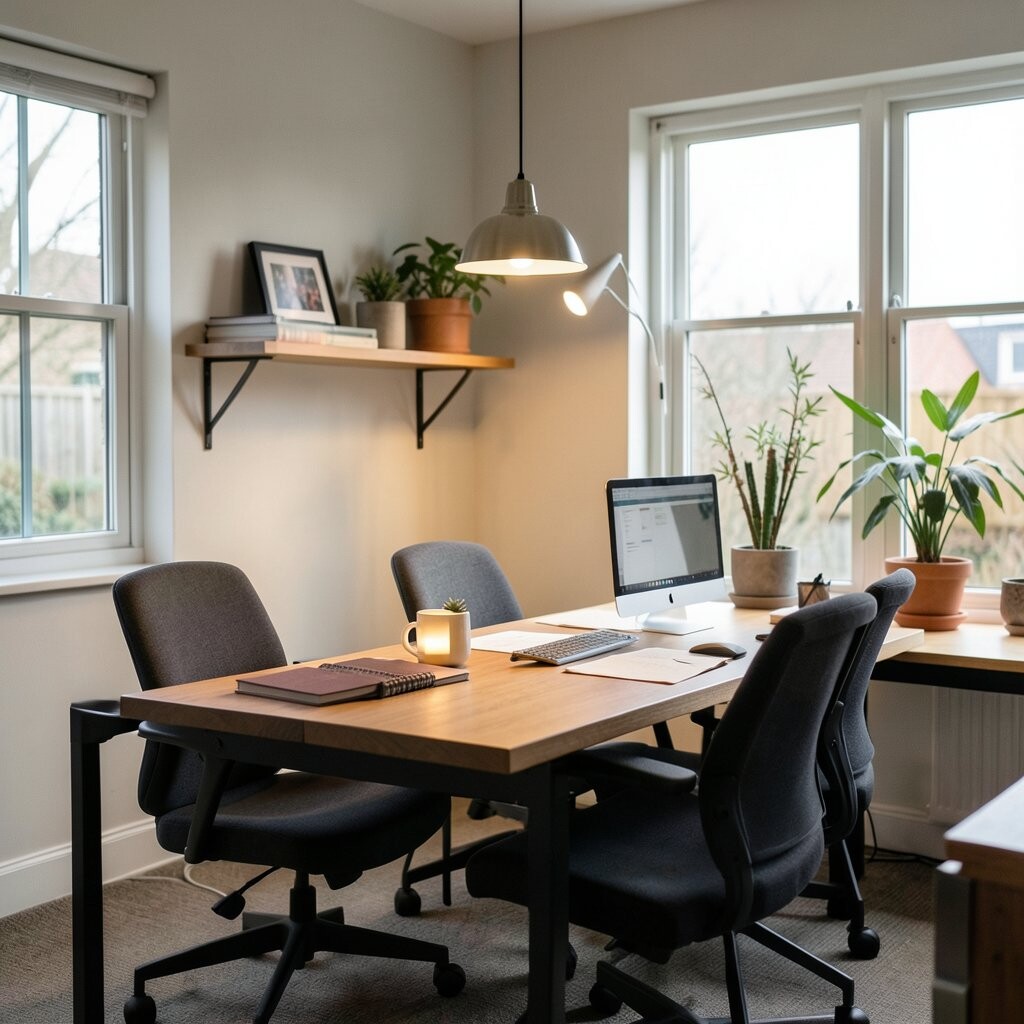
Think about how your eyes feel when the room is too bright or too dim. Warmer light near your desk can feel like a gentle hug while you focus.
Try a small lamp with a soft shade, or swap to a warmer bulb if your setup allows it. You can also add a dimmer for evenings so the light matches your energy. Keep the brightest light off to the side so you avoid harsh glare on your screen.
2. A Color Palette That Matches Your Mood
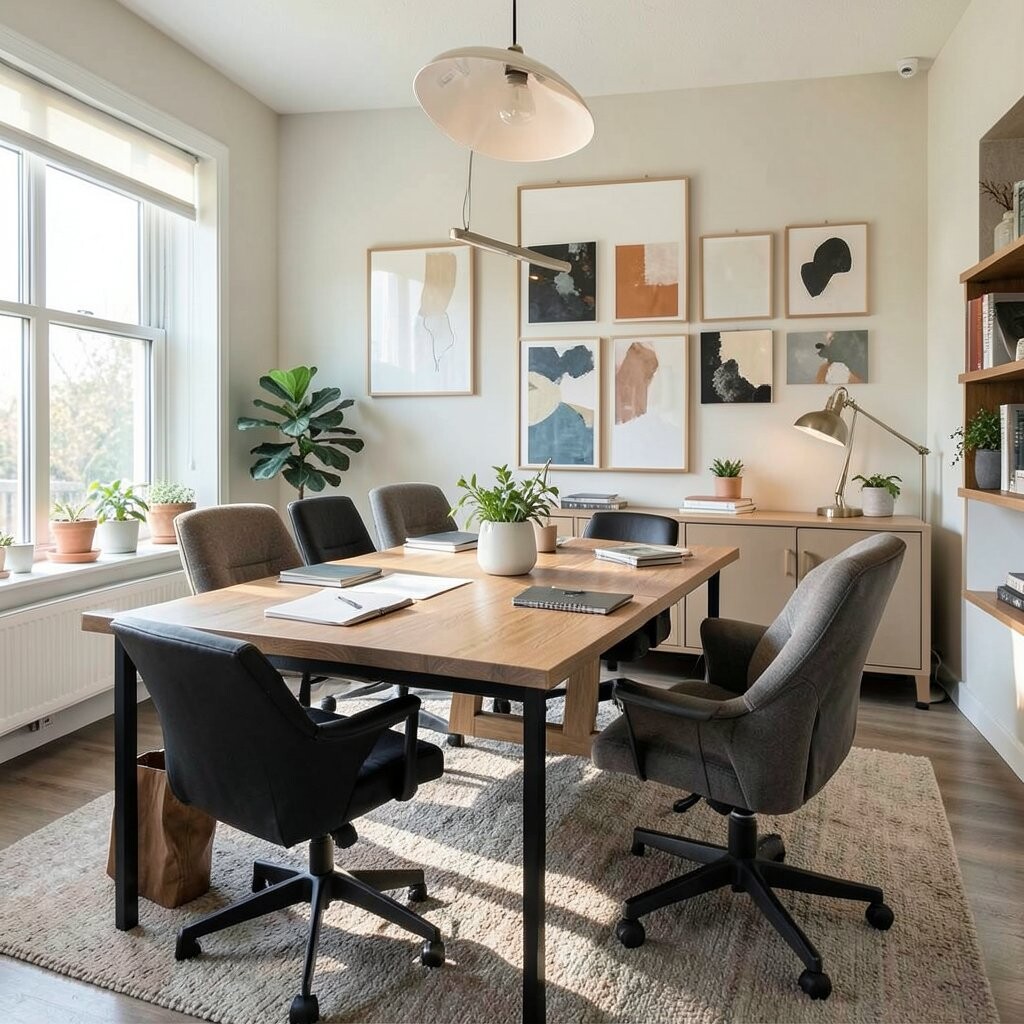
Your workspace colors quietly affect how you feel all day. When your walls or desk accessories match a calming palette, you may notice less mental clutter.
Pick one main color and one accent color you love, then repeat them in small ways. Use sticky notes, a folder, a pen cup, or a mousepad to bring that theme together. If you like bold energy, go with a brighter accent; if you want calm, choose muted tones.
For personalization, choose colors that match something you already own, like a favorite hoodie or notebook cover. Trends right now lean toward earthy neutrals plus one playful pop, especially terracotta, sage, and deep navy accents. Keep costs low by reusing what you have and buying only one or two matching items.
3. A Plant Friend That Adds Life Without Extra Work
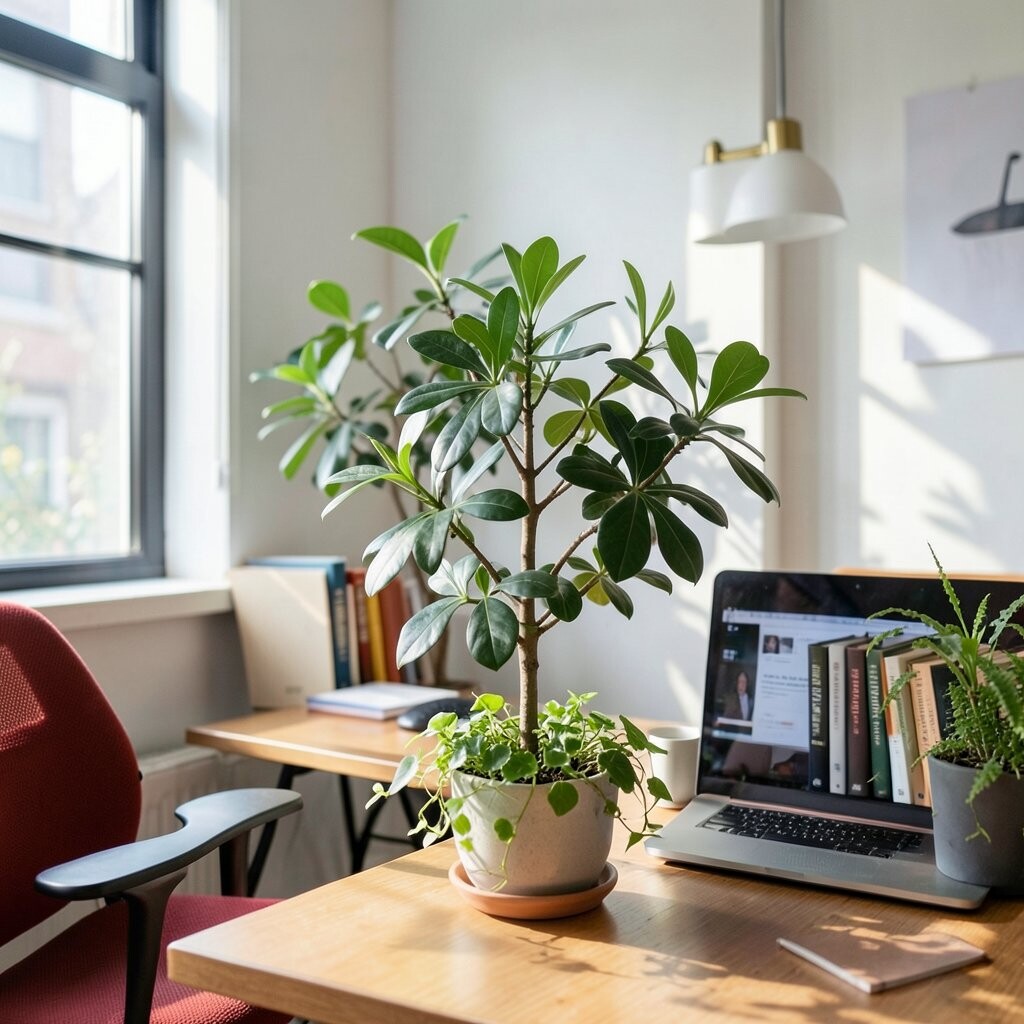
A small plant can make a desk look instantly warmer. Even a simple pot of greenery can bring a sense of calm when you glance up.
Choose a plant that fits your care style, like a pothos that tolerates busy schedules. Place it near natural light but not in a spot where it gets scorching. Rotate the pot a little each week so it grows evenly.
For practical momentum, use a cachepot or decorative ceramic holder so water mess stays minimal. If you’re worried about upkeep, try a hardy variety and keep a simple care card with watering reminders on your phone. This is an easy trend to follow too, since people are bringing “small biophilic wins” indoors by adding greenery to work zones.
Personalize it by tying the pot color to your palette or using a mini trellis for a vertical look.
4. Clear Zones So Your Brain Knows Where Things Go
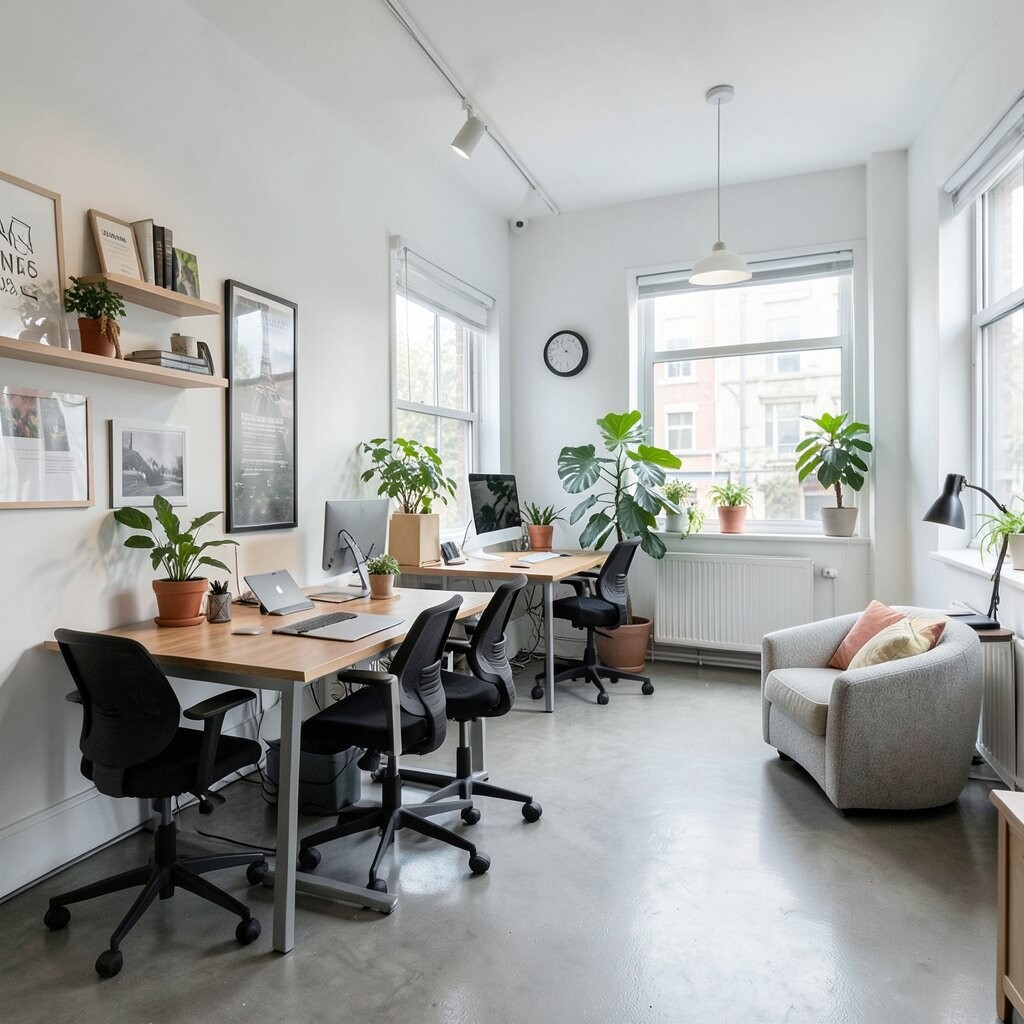
When every item sits in the same place, your mind feels less busy. Clear zones help you find tools fast and reduce tiny stress moments.
Set up a simple left-right arrangement, like one side for writing and the other for tech. Keep cables in a single channel so they don’t wander across your desk. Use trays or small organizers to group items like notebooks, chargers, and sticky notes.
If your desk is small, think in layers by using vertical space like a wall shelf or monitor stand. It can also help to clear your surface at the end of each day so the next morning feels fresh. This approach is popular now because people want “quiet productivity” setups that look neat without feeling sterile.
5. A Vision Board Corner That Feels Playful
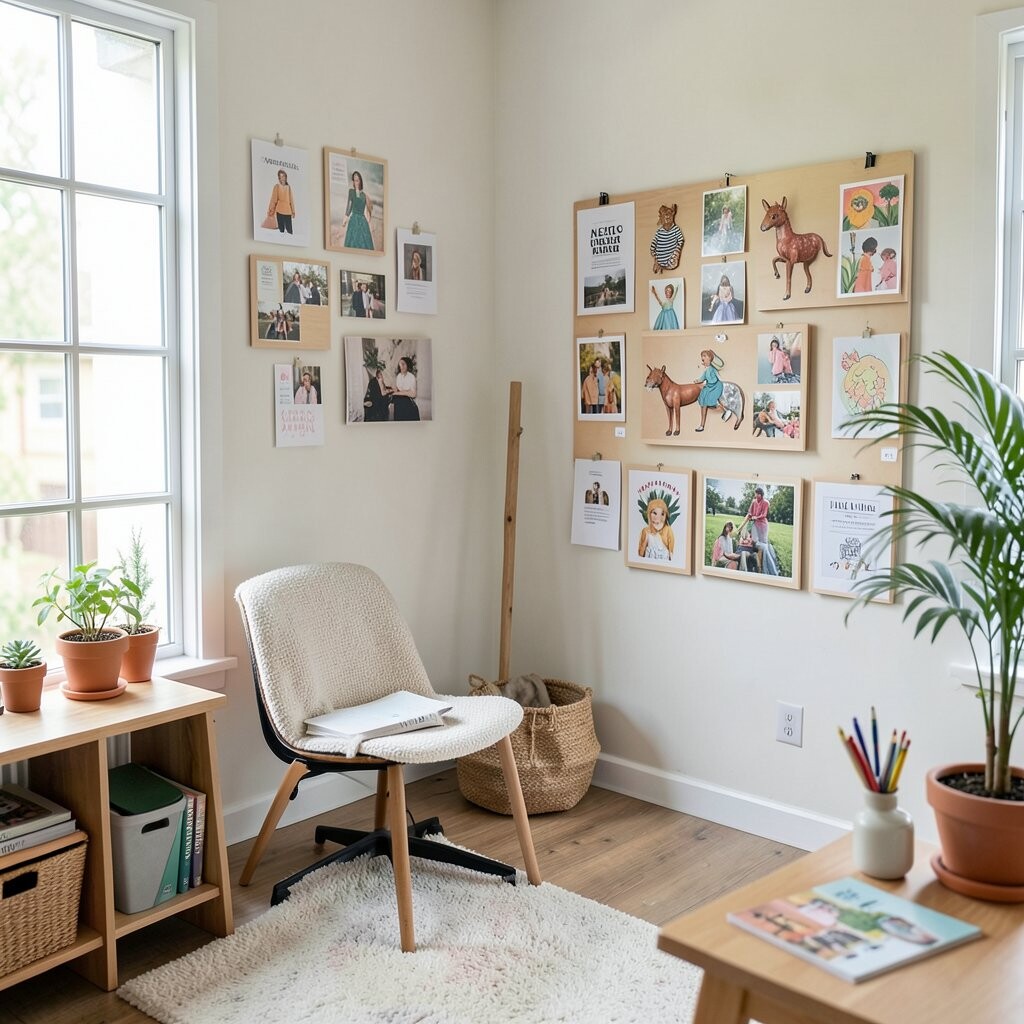
Sometimes you need motivation you can see, not just motivation you remember. A small vision board corner can nudge you toward goals without making work feel heavy.
Use a cork board, a magnetic sheet, or even a framed collage on the wall behind your desk. Pin photos, quotes, and small paper sketches that represent what you want to do next. Keep it light and friendly so it feels like inspiration, not pressure.
For practical personalization, add a pocket for a short weekly note to yourself. If you enjoy aesthetics, choose matching paper colors and simple washi tape. Consider your budget by printing only a few key images instead of making a full set, and update it when you truly need a change.
6. Desk Wallpaper or Backgrounds That Match Your Real Life
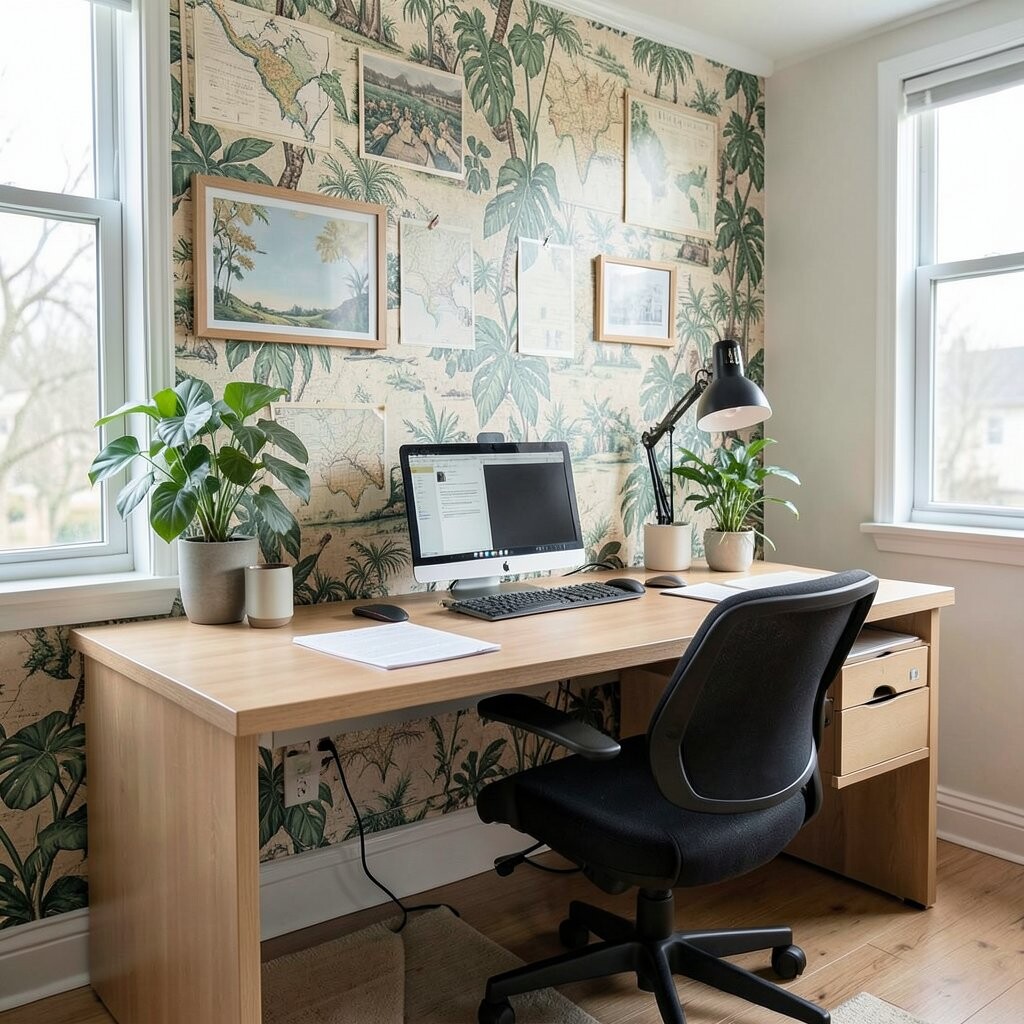
Your computer background can set the mood before you even start typing. A calm, beautiful image helps you settle into your task faster.
Pick a wallpaper that reflects how you want the day to feel, like soft landscapes, abstract shapes, or a photo of something meaningful. If you work with design or writing, use a background that doesn’t steal attention from the screen content. Keep icons minimal so the visual space stays clean.
For trends, many people now use “low-distraction” visuals with gentle gradients and subtle textures. You can also rotate wallpapers monthly so it stays fresh without buying new items. Try personal touches like a saved screenshot of your planning template or a photo of a place you want to visit.
7. Comfortable Seating Details That Upgrade Every Minute
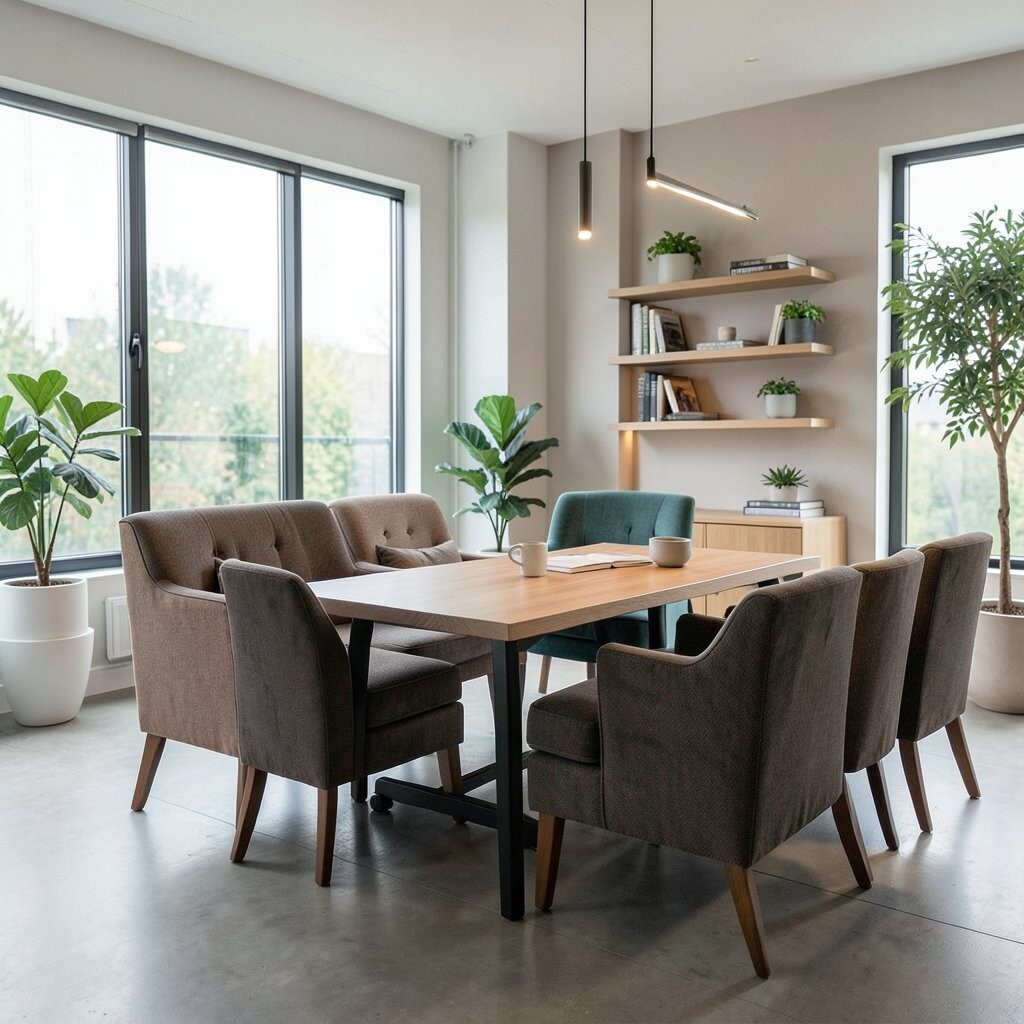
If your chair feels a bit off, your body will notice all day. Better comfort turns into better focus, even when you’re working on small tasks.
Check your seat height so your feet rest comfortably and your arms can move without strain. A simple cushion or a supportive lumbar pad can help you sit in a relaxed position. If your desk height is awkward, use a small platform or adjust your monitor stand to reduce neck stress.
Personalize your comfort by choosing a chair cover in a color that fits your workspace palette. Keep costs in mind by starting with one item that solves the biggest issue, like a cushion first. The current trend is moving away from complicated setups and toward “micro comfort,” where small changes make a noticeable difference.
8. A Staple Station for Your Most-Used Tools
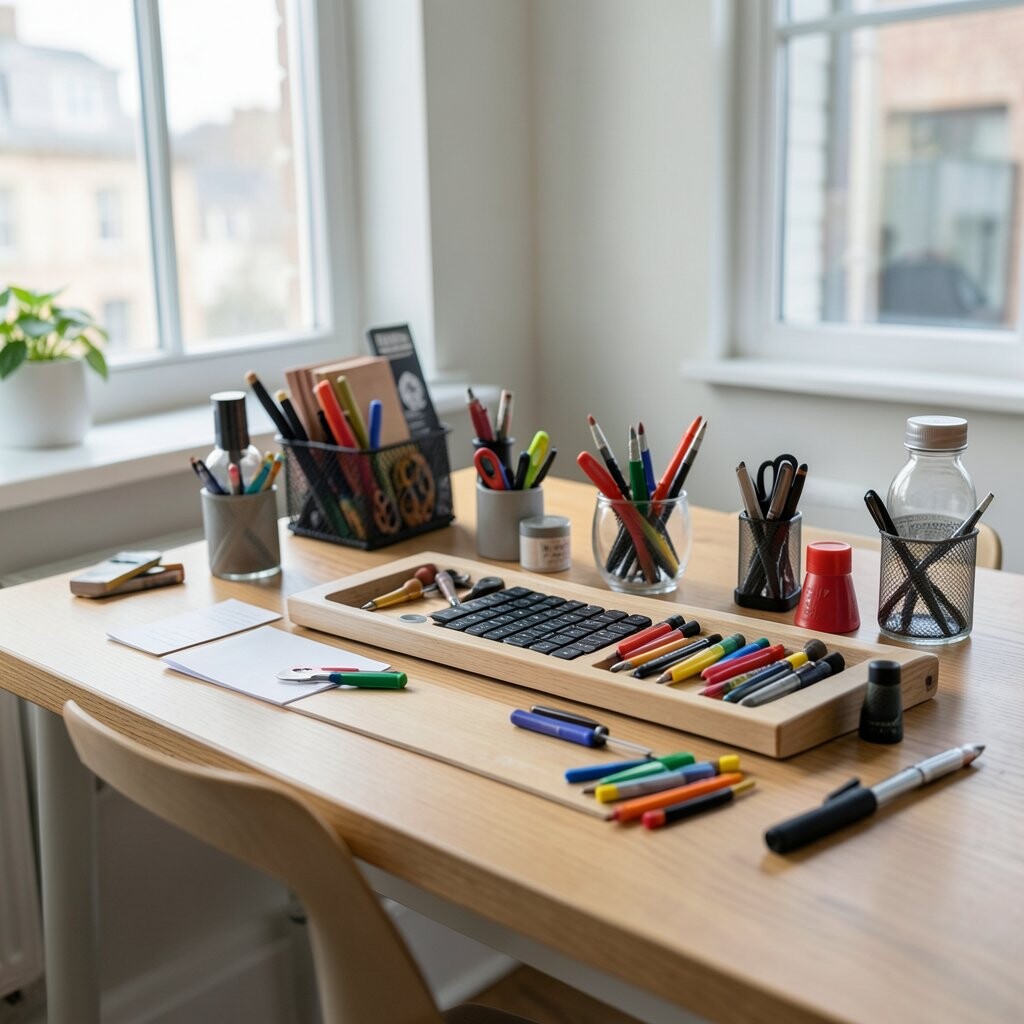
Your best tools deserve a home near your hand. When your workspace is organized around what you use daily, work feels smoother right away.
Create a staple station with a pen organizer, a notepad slot, and a place for your go-to charger. Keep scissors, sticky notes, and a small tape dispenser in one area so you never hunt for them. This kind of consistency helps your brain stay in flow.
To make it unique, choose organizers that match your style, like wood for warmth or clear acrylic for a clean look. Use a tray under your most-used items to catch small clutter before it spreads. If you want budget-friendly options, reuse containers and cover them with contact paper for a quick refresh.
Try arranging your station so you can reach everything without twisting your body.
9. Sound That Helps You Focus, Not Strain
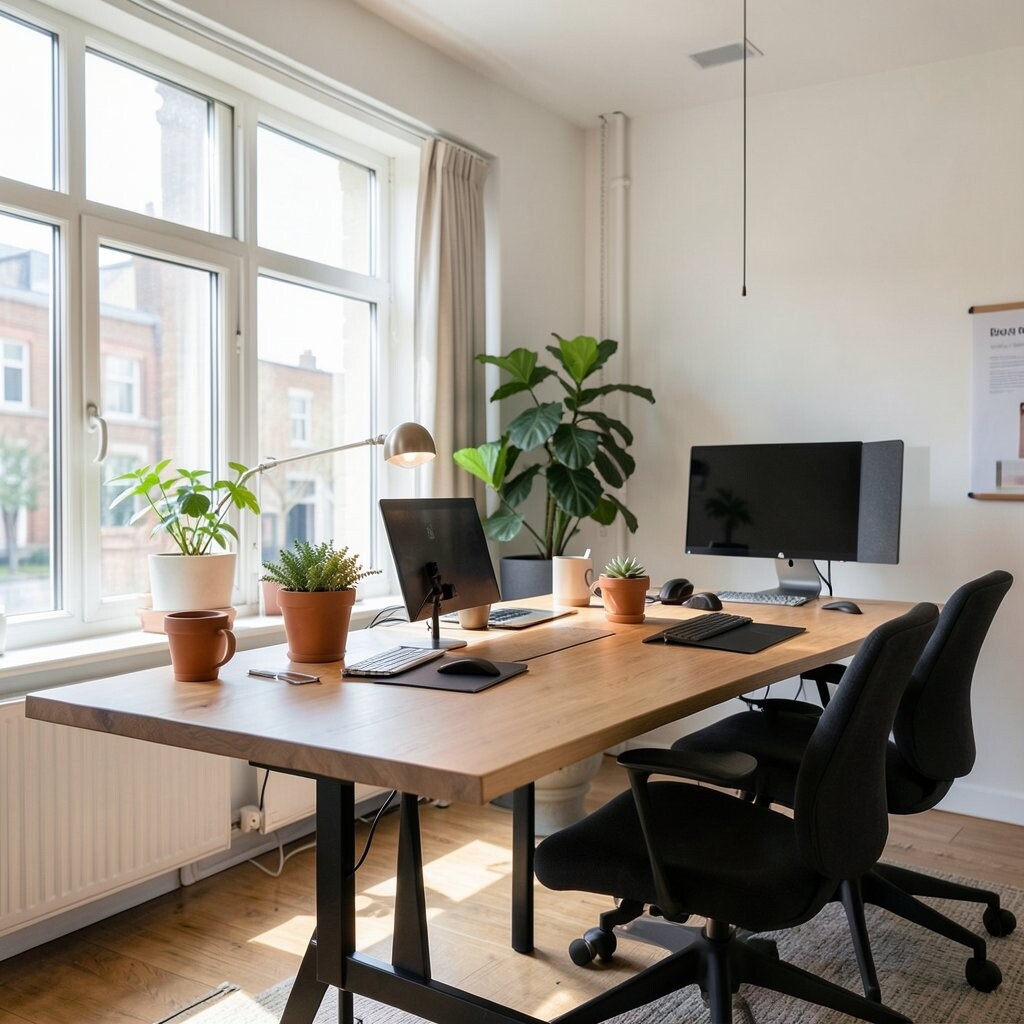
Quiet isn’t always the answer, especially if your space has random noise. The right sound can make concentration feel easier and steadier.
Try soft background music, instrumental playlists, or gentle ambient sounds that don’t demand your attention. If you need more control, consider noise-canceling headphones or snug earbuds. Keep the volume low enough that it supports you rather than pulling you in.
For personalization, choose sound settings that match your work type, like upbeat beats for brainstorming and calmer tracks for deep tasks. A current trend is using soundscapes such as rain, café noise, or keyboard ambience. If you’re cost-conscious, start with free or low-cost streaming options and only upgrade if you truly want hardware.
10. A Weekly Reset Ritual That Keeps the Space Bright
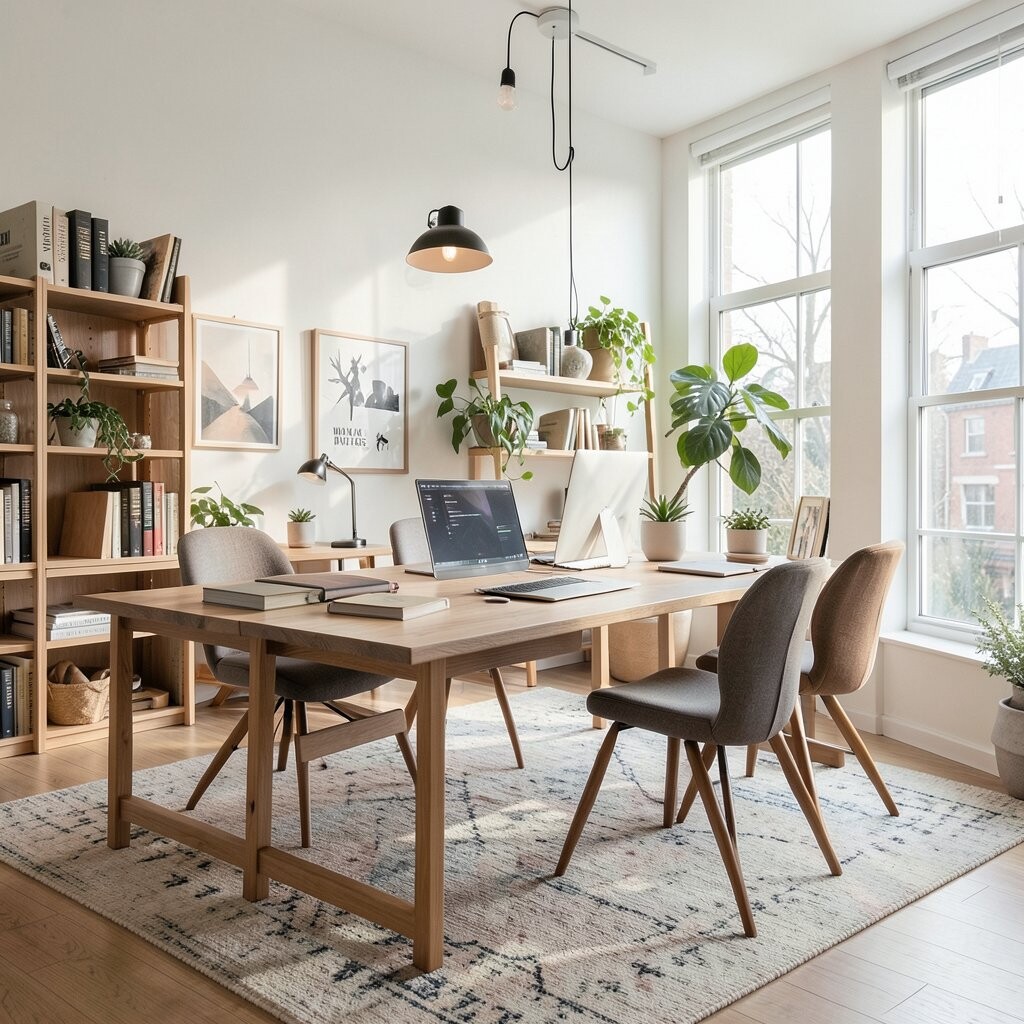
A desk doesn’t have to be perfect, but it does benefit from a fresh start. A short weekly reset can keep your workspace looking inviting and ready for momentum.
Set aside a small block of time to clear papers, wipe the desk surface, and re-stack your essentials. Toss old sticky notes, file what you can, and charge devices so everything is ready. When your desk is calmer, your mind often follows.
Make it unique by tying the reset to something you enjoy, like playing a favorite song while you tidy. You can also do a “swap” where you change one visual item, such as a pen color holder or a photo, to keep things fun. Keep costs low by using what you already have and adding one fresh cleaning item, like a microfiber cloth, if you need it.
11. Smart Storage That Hides Clutter Like a Magician
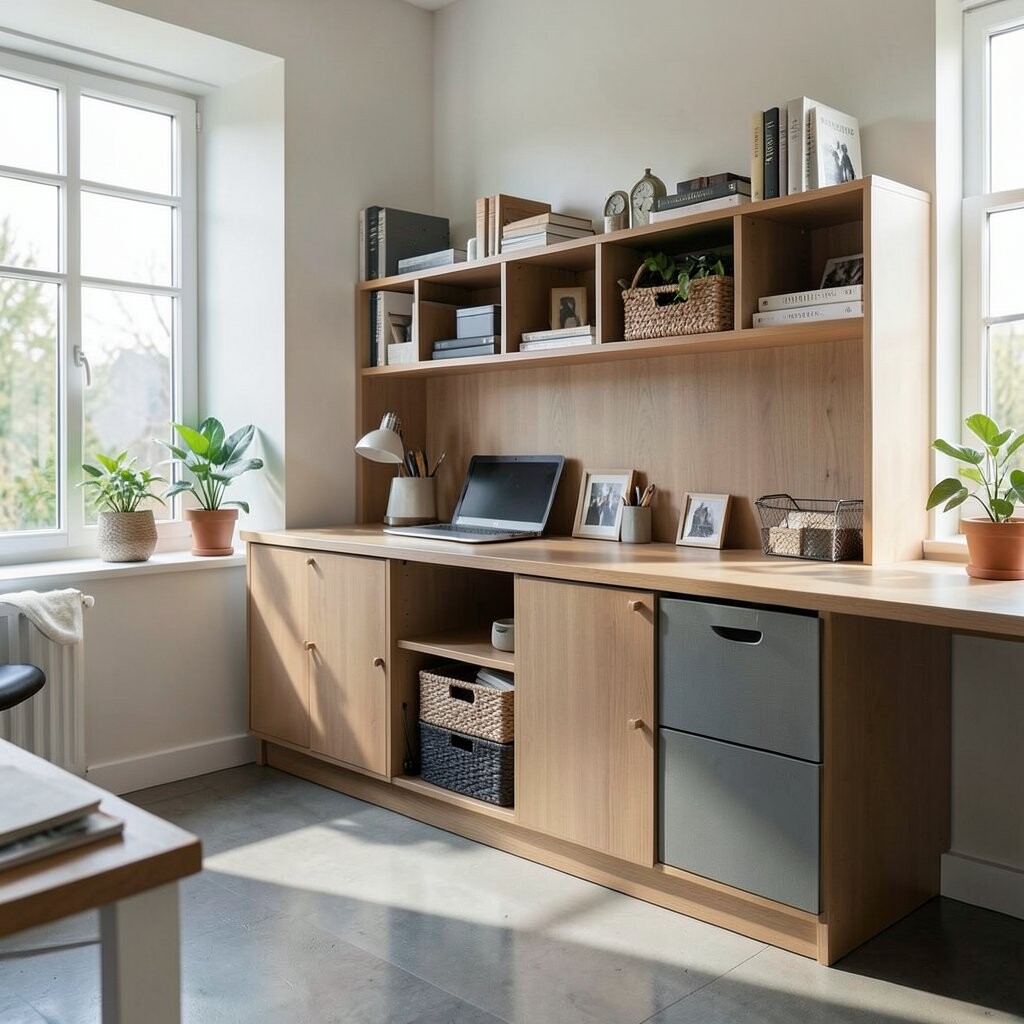
Some clutter feels unavoidable, like cables, documents, and random tools. Storage that hides the clutter helps your eyes relax while you work.
Use a drawer divider, a lidded bin, or a small cabinet where you can stow daily mess. If you need quick access, choose organizers with easy handles or front-open compartments. Labeling can help, but it’s optional if the layout makes sense at a glance.
For personalization, pick storage that matches your desk style, such as woven baskets for a cozy look or slim boxes for a modern feel. A current trend is “stealth organization,” where functional items blend with the room instead of standing out. Cost-wise, you can upgrade gradually by starting with one drawer or one bin and letting the rest follow later.
Use vertical stacking so you don’t lose space when your storage grows.
12. Inspirational Desk Accessories That Reflect Your Personality
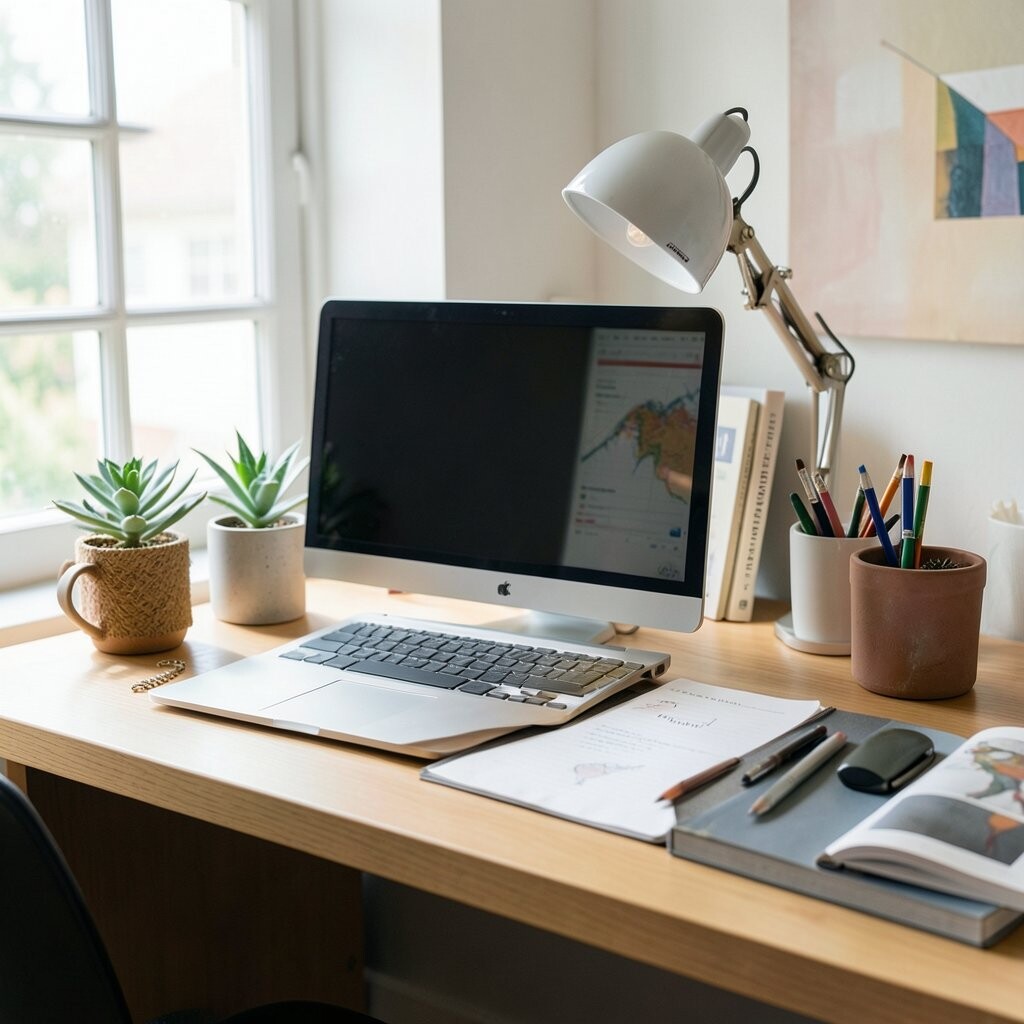
The small things you see every day shape your whole work mood. Thoughtful accessories can make the desk feel like a space that supports you.
Choose items that spark comfort, like a stylish pen, a desk calendar you enjoy looking at, or a textured desk mat. Add a photo frame, a small figurine, or a mug that feels special. Keep the display limited so it stays calming rather than crowded.
To keep it practical, select accessories that do double duty, like a desk organizer that also holds your sticky notes. Personalize by matching materials, such as wood with warm light or metal accents with cooler lighting. Trends often point toward “intentional minimalism,” where a few meaningful items replace lots of clutter.
13. A Personal Workspace Scent That Feels Like Home
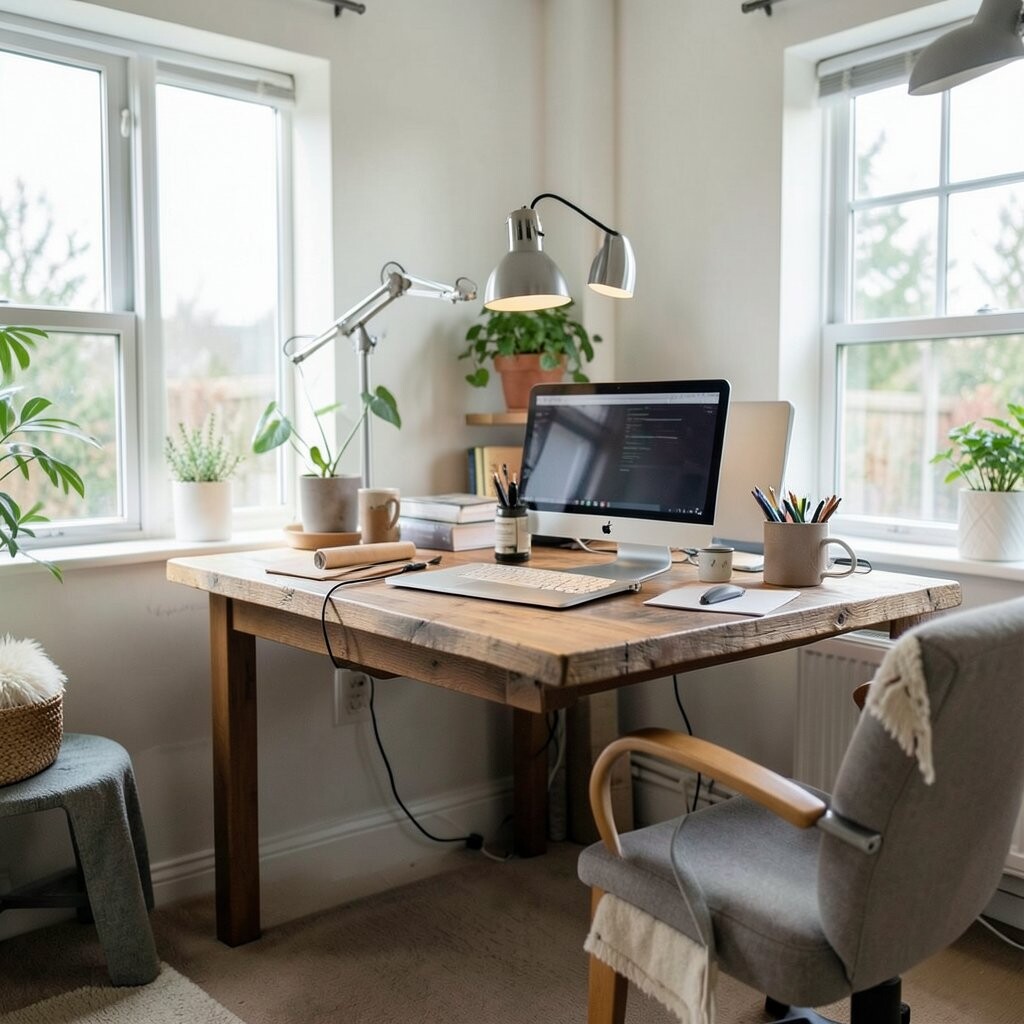
Scent is a quiet way to change your mood without rearranging anything. When your desk space smells pleasant, your brain can associate it with focus and calm.
Try a subtle option like a scented candle, essential oil diffuser, or a room spray you use lightly. Choose a scent you truly like, because strong smells can backfire when you’re trying to concentrate. If you share your space, keep it gentle and consider fragrance-free alternatives.
For personalization, pick scents that match your rhythm, such as citrus on busy days and softer floral tones on slower days. A trend that’s growing is “sensory grounding,” where people use smell and small sensory cues to mark focus time. Cost considerations are simple too, since a small diffuser or a single scent you like can last a long time.
Remember to keep ventilation in mind so the space stays comfortable.
14. A Bright Screen Setup With Reduced Eye Strain
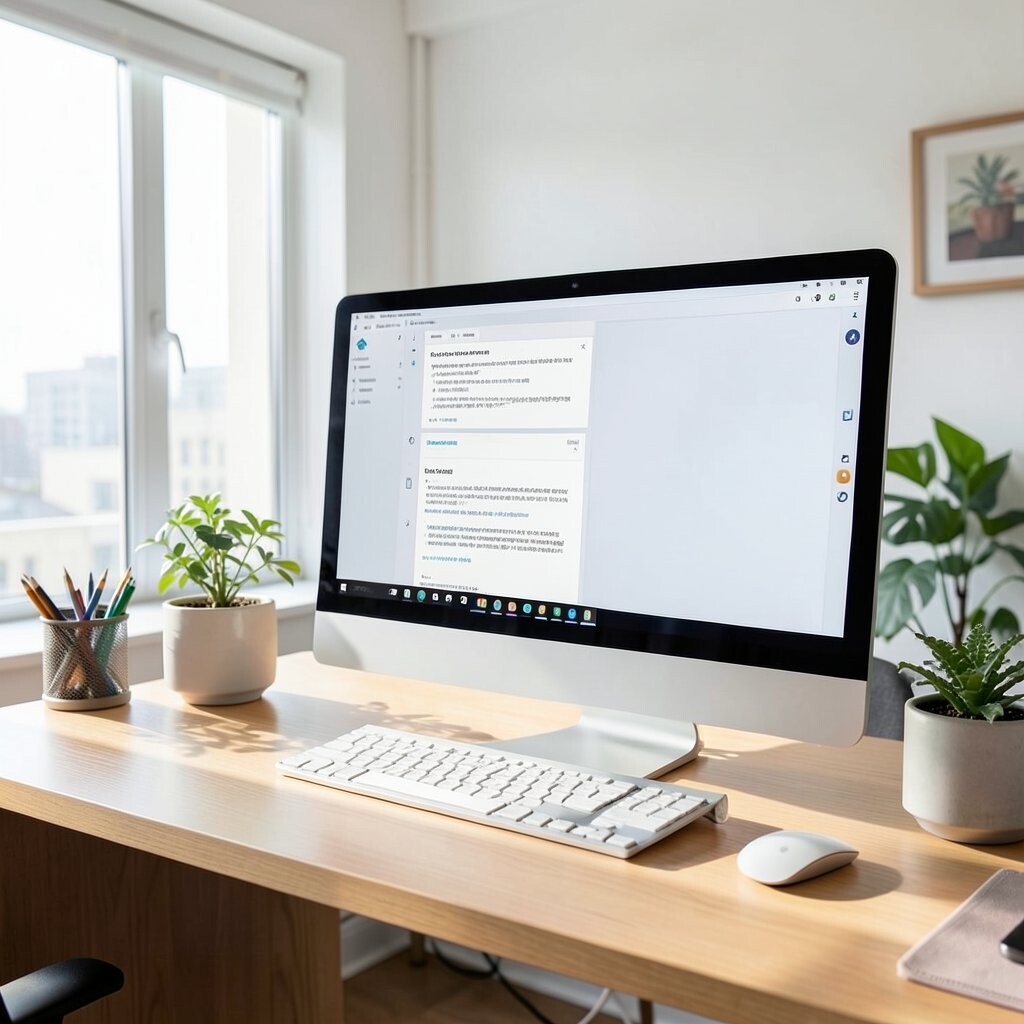
Your workspace glow should support your eyes, not fight them. When screen setup is thoughtful, your focus can feel steadier for hours.
Adjust your monitor brightness and use a warm color temperature in the evenings to reduce harsh contrast. Position the screen so it faces you directly and keep a little space between your eyes and the display. If glare from windows is an issue, try an anti-glare screen filter or shift the monitor angle.
For personalization, set up your workspace so the most important tools are centered within easy reach, like your notes and your main app window. Trends right now include people using “focus-friendly” display settings, including dark mode where it helps. If budget is tight, start with simple changes like brightness settings and monitor distance, then consider a monitor arm later if you want more flexibility.
Keep your desk lighting consistent so your eyes don’t constantly adjust between bright areas and darker areas.