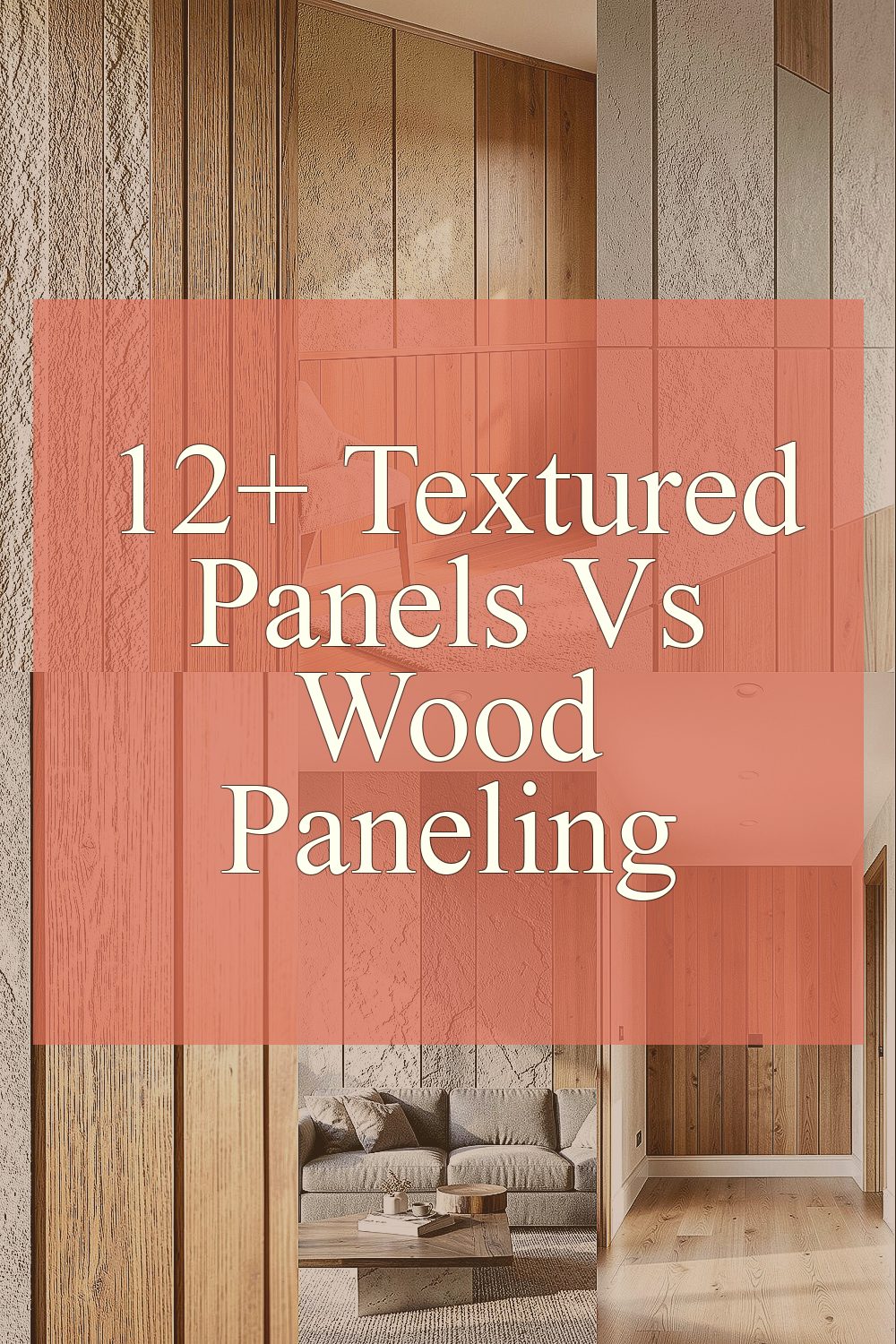
Your walls can do more than hold up pictures. A little texture and smarter materials can make a whole room feel new.
When you compare textured wall panels with classic wood paneling, the choice gets exciting fast.
1. Textured Panels Wall Brings Depth Without Heavy Weight
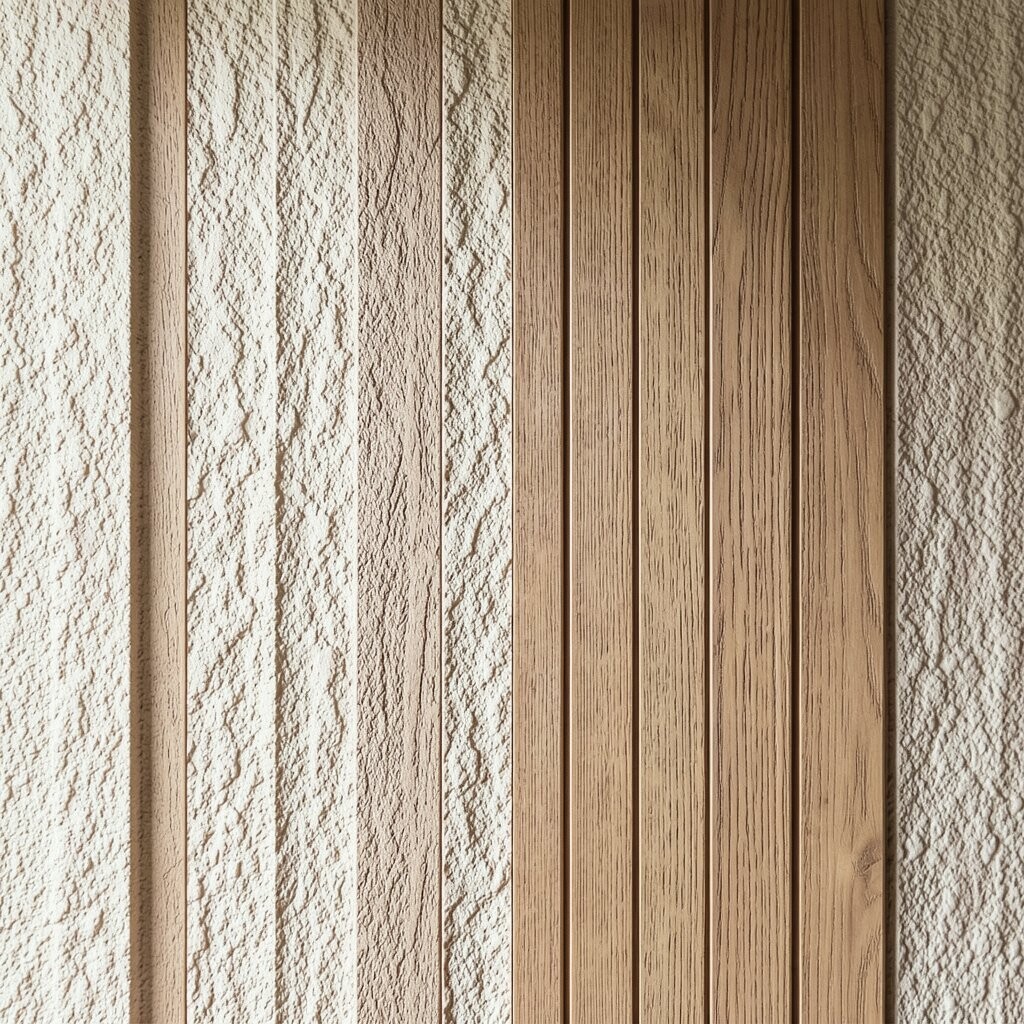
Textured wall panels create a “still-life” look that catches light as you move. From a distance, they feel rich and sculpted, and up close, you notice small ridges and gentle waves that add depth.
They also tend to be lighter to handle than many wood options, which can make installation feel less stressful. If you want big visual impact without the heavy look, this style fits neatly.
Try pairing textured panels with simple trim and clean baseboards so the texture stays the star. Choose a neutral shade like warm white, sand, or soft greige to keep the room calm.
2. Wood Paneling Wraps Rooms in Warmth and Familiar Charm
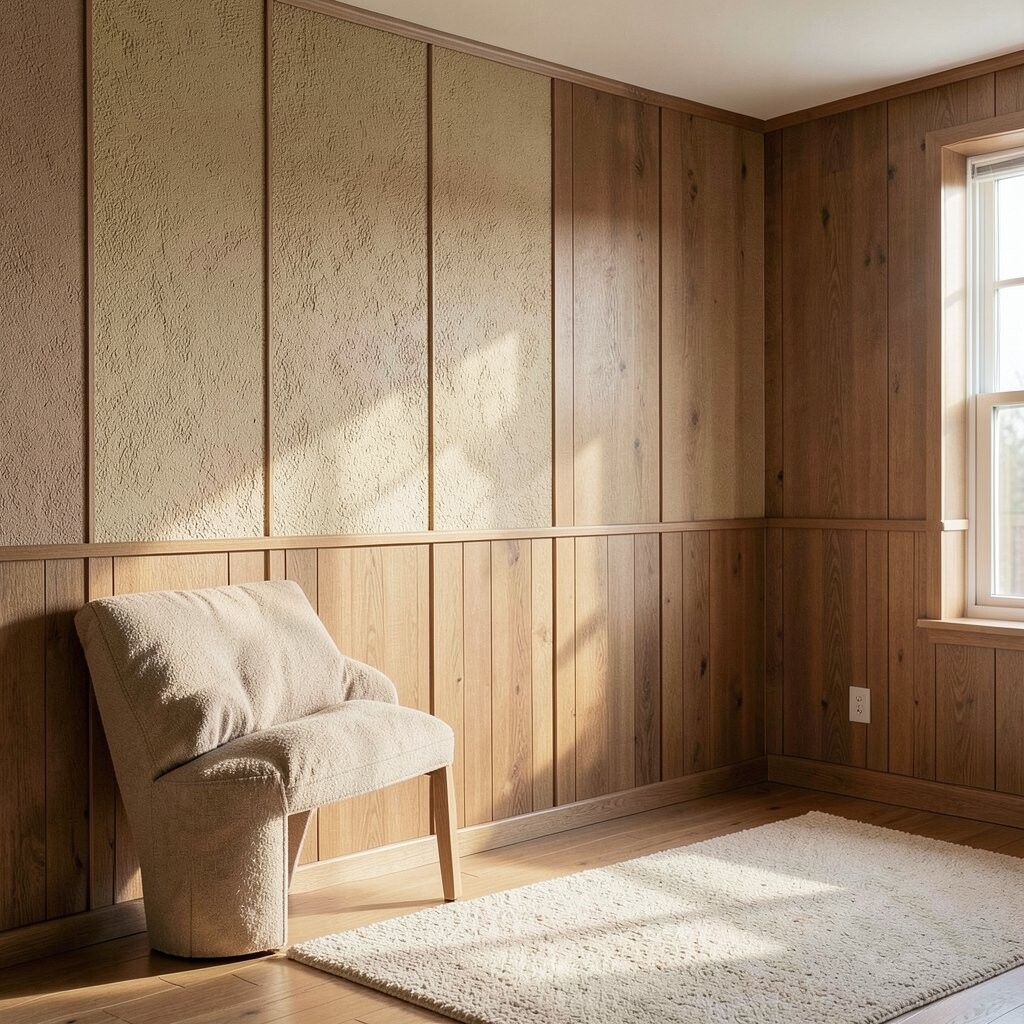
Wood paneling instantly adds warmth, like stepping into a cozy cabin or a classic study. Even when the design is simple, the grain brings motion and character.
Different woods, finishes, and plank widths can match many decorating styles, from modern farm to traditional. You also get a timeless feel that many people love when they want their home to feel “settled.”
If you want it to look fresh, consider a lighter stain or a matte finish that avoids too much shine. Keeping the color close to your floors or furniture also helps the whole space feel coordinated.
For practical planning, measure your wall space carefully and account for outlets, vents, and corners. Wood paneling can be gorgeous, but labor and materials can add up quickly depending on the type you choose.
3. Textured Panels Wall Often Installs Faster and Stays Neater
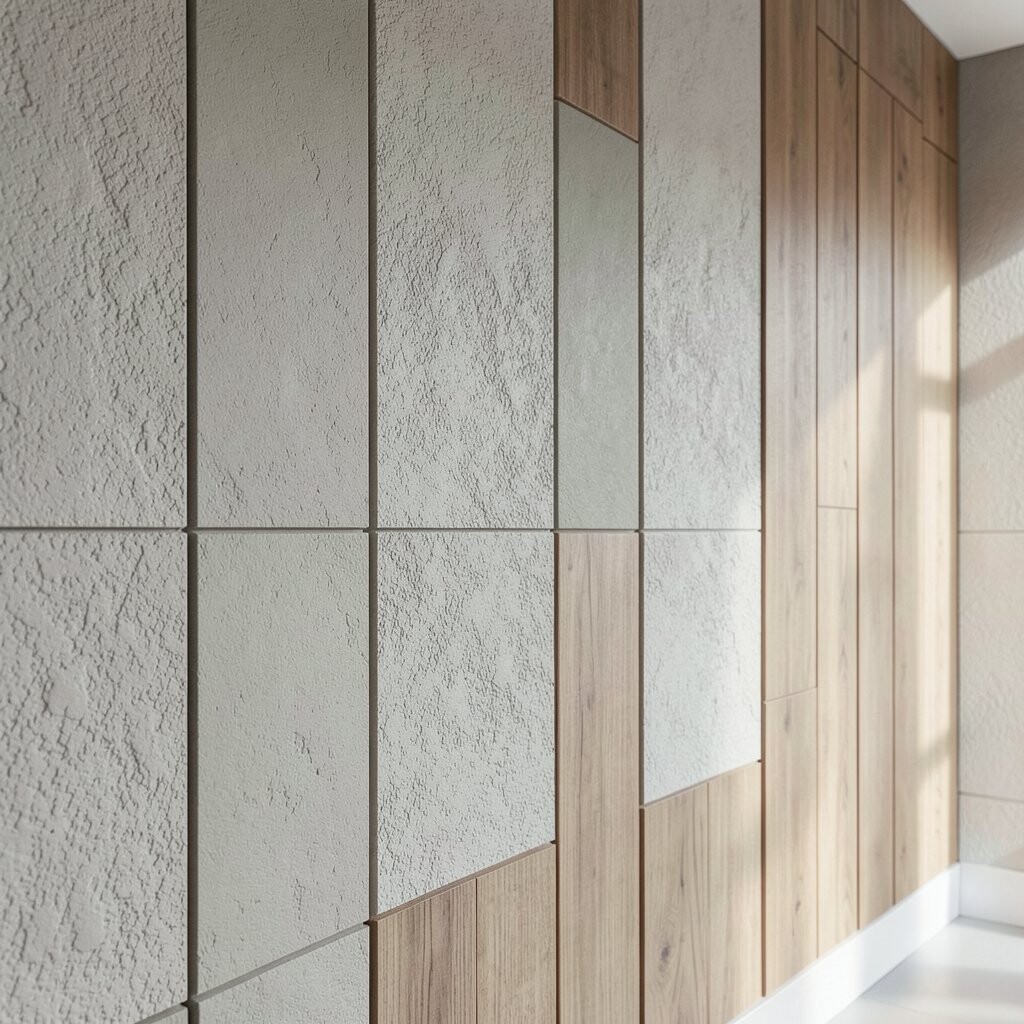
Many textured panels use a click-fit, peel-and-stick, or straightforward mounting system. That means the process can feel quicker, and you spend less time wrestling with alignment.
Because the surface is made for walls, you usually get a consistent finish without a lot of extra prep. It can be especially helpful in rooms where you want a clean look with minimal mess.
If you’re tackling one accent wall, start with that first and see how it looks in morning and evening light. Use a level and mark guidelines so the pattern stays straight and satisfying.
To personalize, mix panel tones with paint on the remaining walls, like pairing charcoal texture with soft cream. Small choices like that can make the room feel designed, not random.
4. Wood Paneling Lets You Control the Classic Look Down to the Details
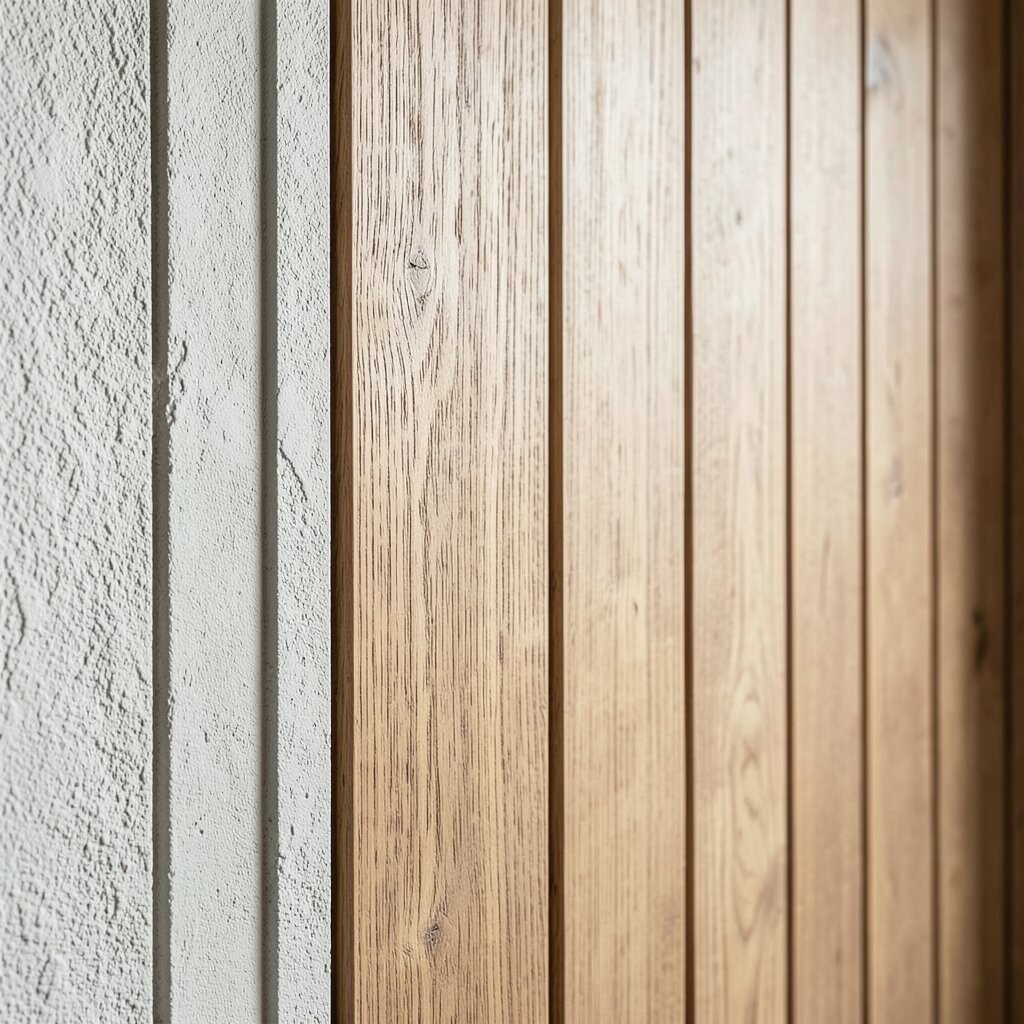
Wood paneling gives you control over every visual detail, including plank width, spacing, and finish. A wide plank pattern can feel airy, while narrower boards can feel more traditional and cozy.
Finishing matters too, because matte stains and sealed surfaces can look smoother and more modern. If you love craftsmanship and want your home to show it, wood paneling is a strong match.
For a practical approach, decide whether you want full-height paneling, chair-rail height, or a partial surround. Partial installs can still look high-end and often cost less than going all the way up.
When you plan around outlets, use trim that matches the panel color so nothing looks awkward. This kind of careful finishing makes wood paneling feel “custom,” even if it’s a DIY-friendly project.
5. Textured Panels Wall Works Great in Modern Rooms With Bold Style
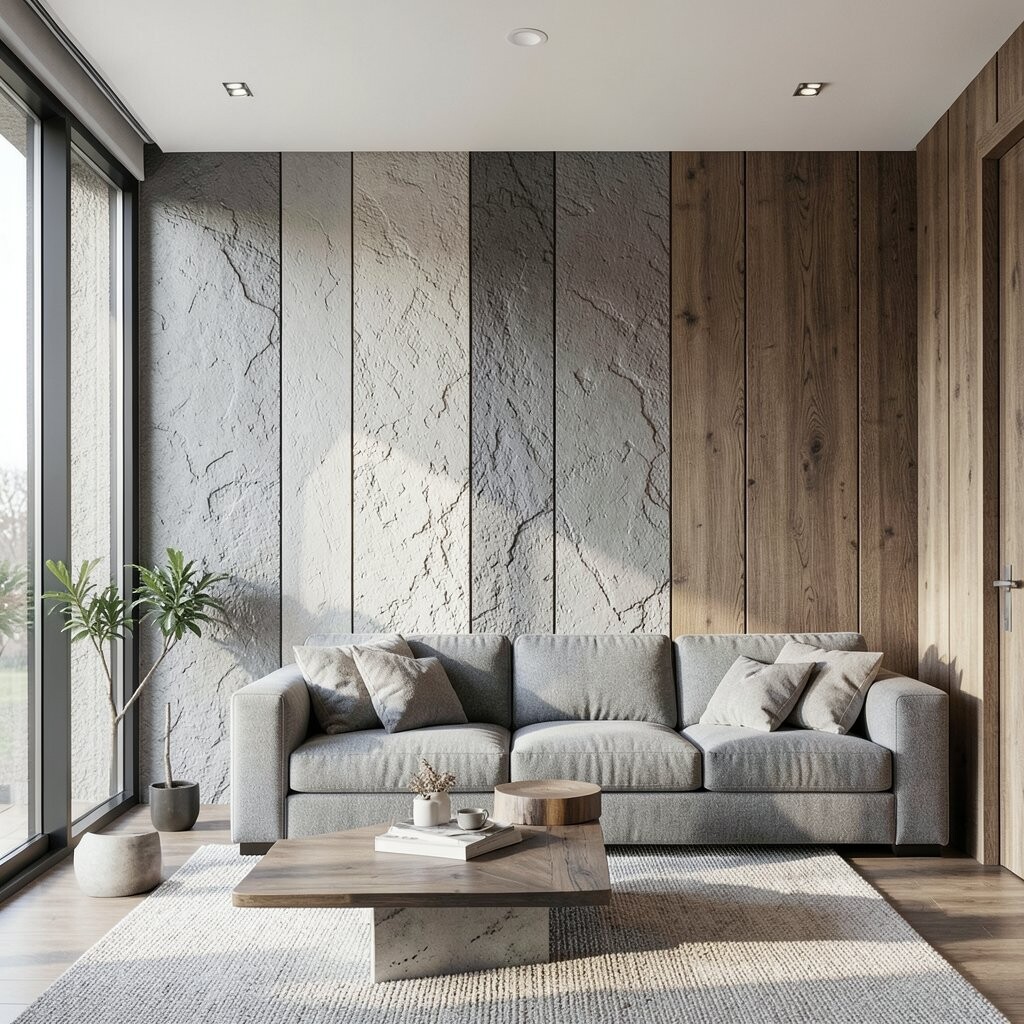
Textured panels can look sleek and contemporary, especially when you choose geometric relief or clean, repeating patterns. The wall becomes a statement without needing bold colors or heavy furniture.
Current design trends lean toward tactile surfaces, and textured finishes show up in living rooms, hallways, and even office corners. When you add them, the room feels more layered and less flat.
To keep it modern, match the panel texture with smooth materials like glass, metal, or polished stone. A simple rug pattern and solid curtains can balance the wall so the whole space feels intentional.
For personalization, pick a texture depth that suits the room size. Large rooms can handle strong relief, while smaller spaces often feel better with a subtler pattern.
6. Wood Paneling Can Make Hallways and Entryways Feel Inviting
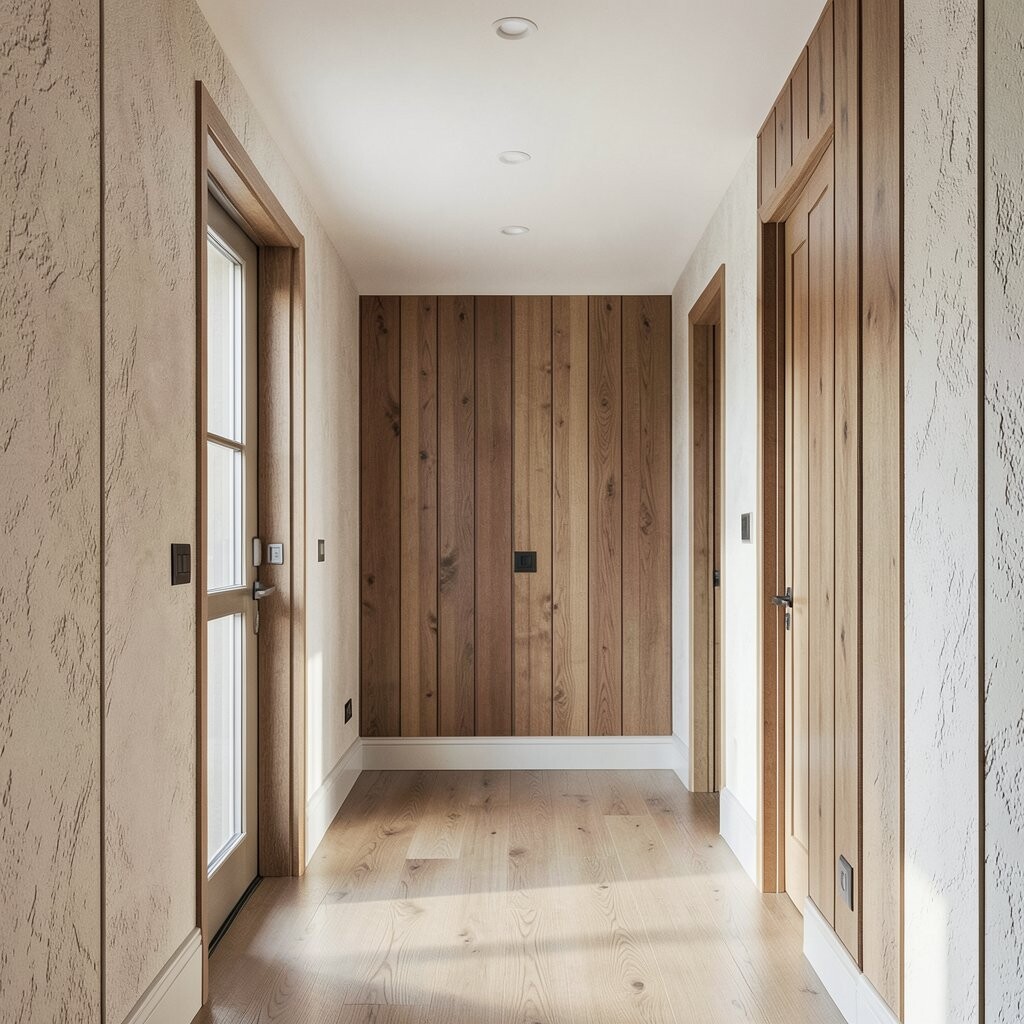
There’s a reason wood paneling shows up in entryways and hallways: it feels welcoming the moment you walk in. The natural grain also helps guide the eye, so spaces feel more organized.
When you choose a warm wood tone, it can soften hard flooring and bright lighting. Even if the space is narrow, the vertical lines of paneling can add a sense of height.
If you want practical impact, consider using wood paneling only where you touch the space most, like the lower half. That keeps the look stylish and can reduce wear in high-traffic areas.
To keep costs more predictable, compare prefinished boards with unfinished options. Prefinished wood often saves time, while unfinished can let you choose stain for a closer match to your existing decor.
7. Textured Panels Wall Adds Comfort to Sound and Everyday Life
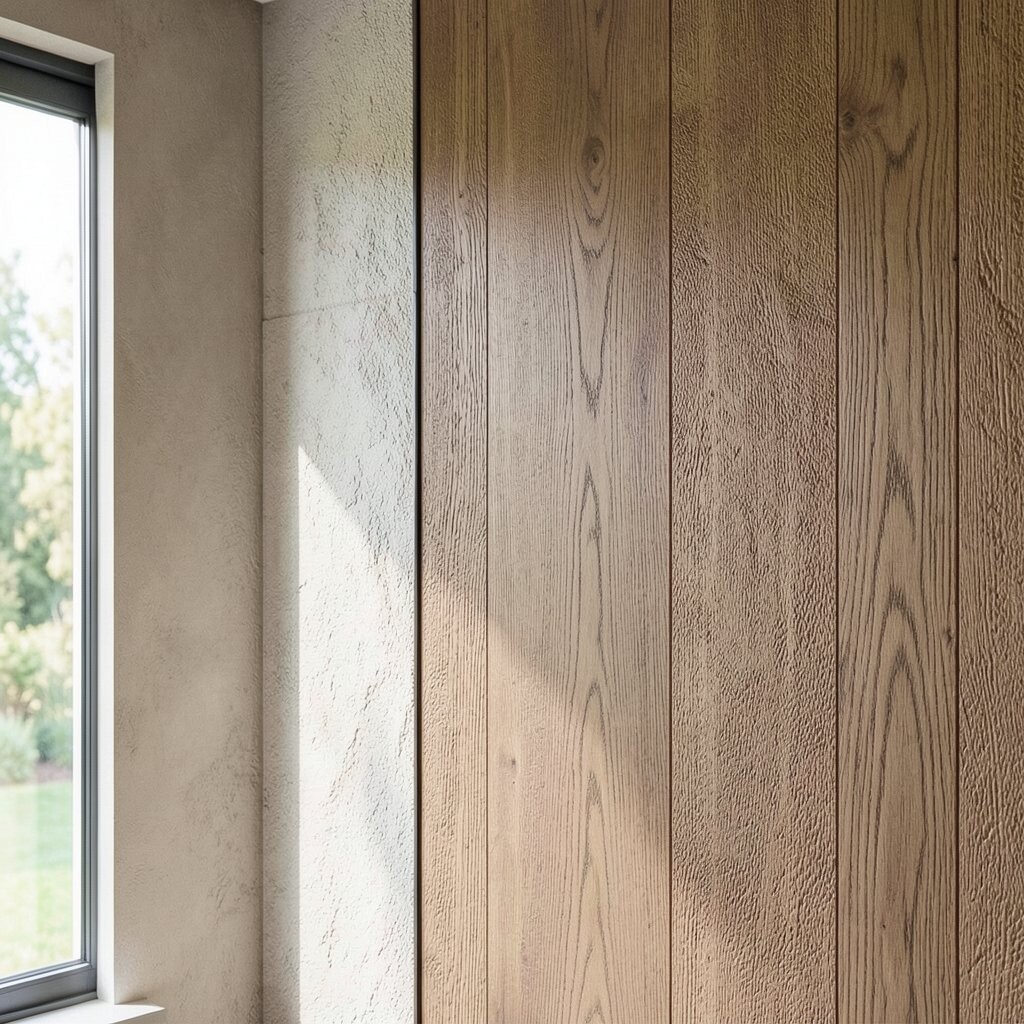
Texture can help soften a room’s acoustics, especially when the panels create a rougher surface. That can make voices sound a bit nicer and reduce echoes that bounce around empty rooms.
It also makes the wall feel more forgiving, since small scuffs and everyday marks may blend into the texture. This can be a real advantage in homes with kids, pets, or busy schedules.
To get the comfort effect, place panels on a wall that faces a seating area. You’ll notice the difference during movie nights and gatherings.
8. Wood Paneling Holds Up Beautifully When You Treat It With Care
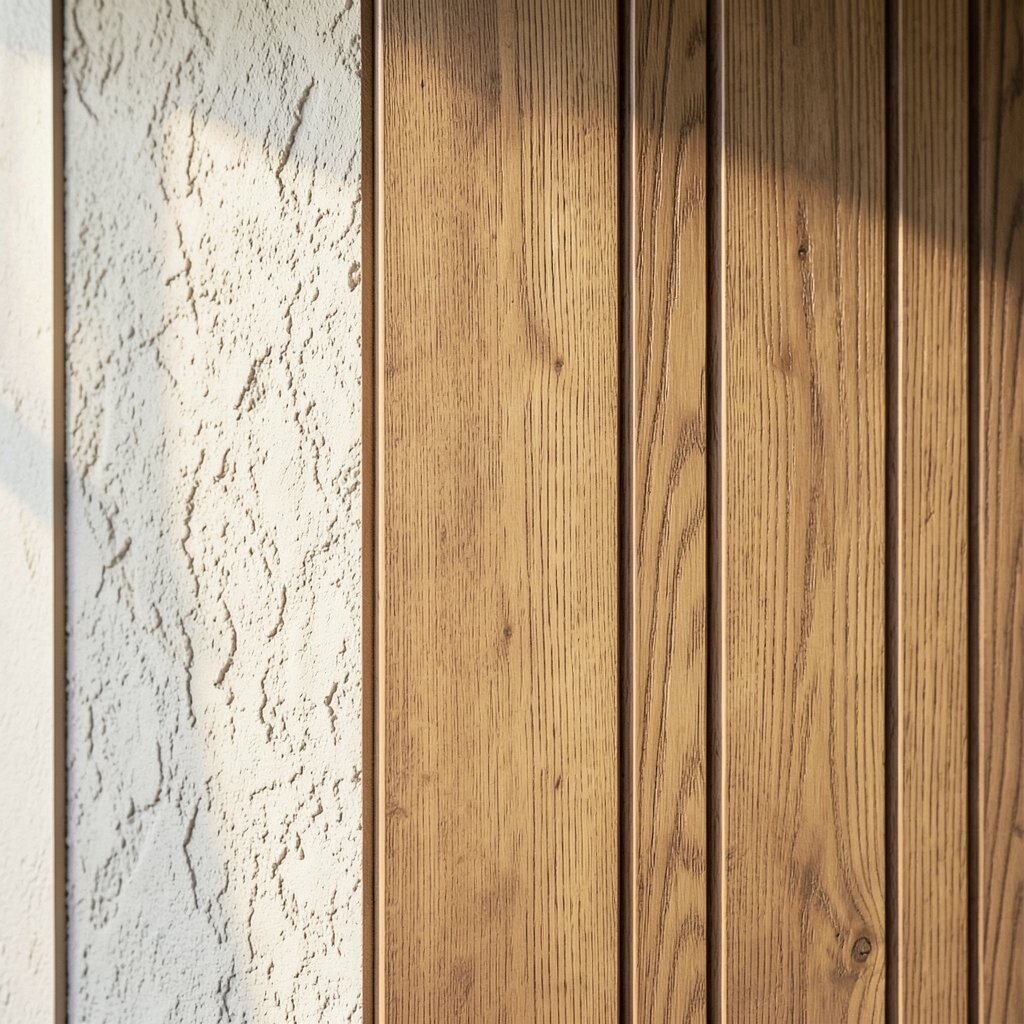
Wood paneling can last for years when it’s properly sealed and maintained. The surface protects against moisture and helps prevent everyday wear from showing too fast.
It’s also easy to refresh, since sanding and refinishing can bring back the original glow. If you love long-term value, wood can feel like an investment piece.
For practical tips, keep wood away from constant humidity swings, like steam-prone bathrooms. In living areas, use a gentle cleaner and avoid harsh chemicals that can dull the finish.
To personalize, you can swap hardware and lighting so the paneling stays the anchor while other elements evolve. That flexibility helps you update your room without replacing the entire wall.
9. Textured Panels Wall Gives You Easy Style Variety Without Big Commitment
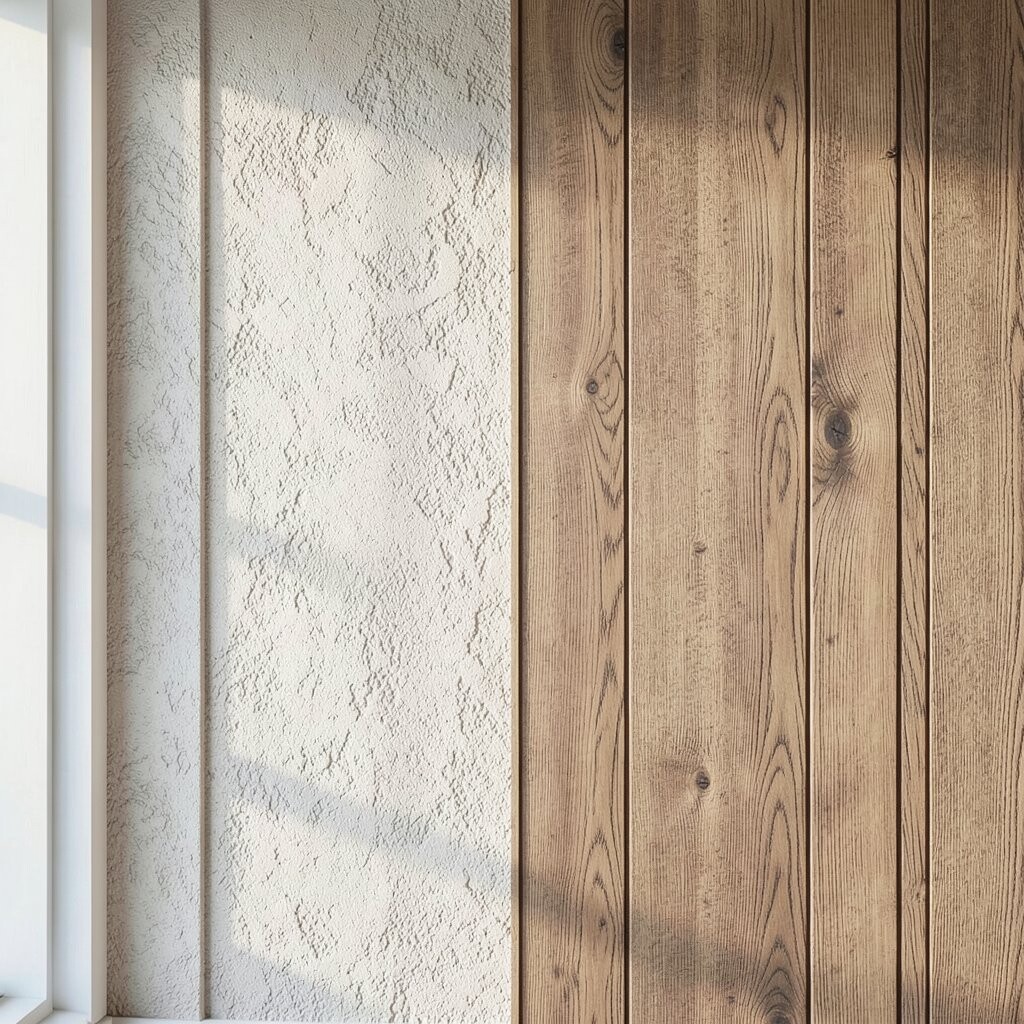
With textured panels, you can switch the look of a room without changing everything around it. Because you can choose from many textures and colors, you can match almost any theme.
If you like coastal vibes, pick sandy tones and gentle wave patterns. For a more dramatic mood, choose darker shades and sharper relief that looks almost like carved stone.
Try installing panels behind a bed, a sofa, or a dining nook so the texture frames the main area. This creates a focal point that feels polished and photogenic.
For cost control, set a budget for the accent wall and keep the rest of the walls simple. That way, you still get the wow factor without overspending on full-room coverage.
10. Wood Paneling Can Be Budget-Friendly With Smarter Choices
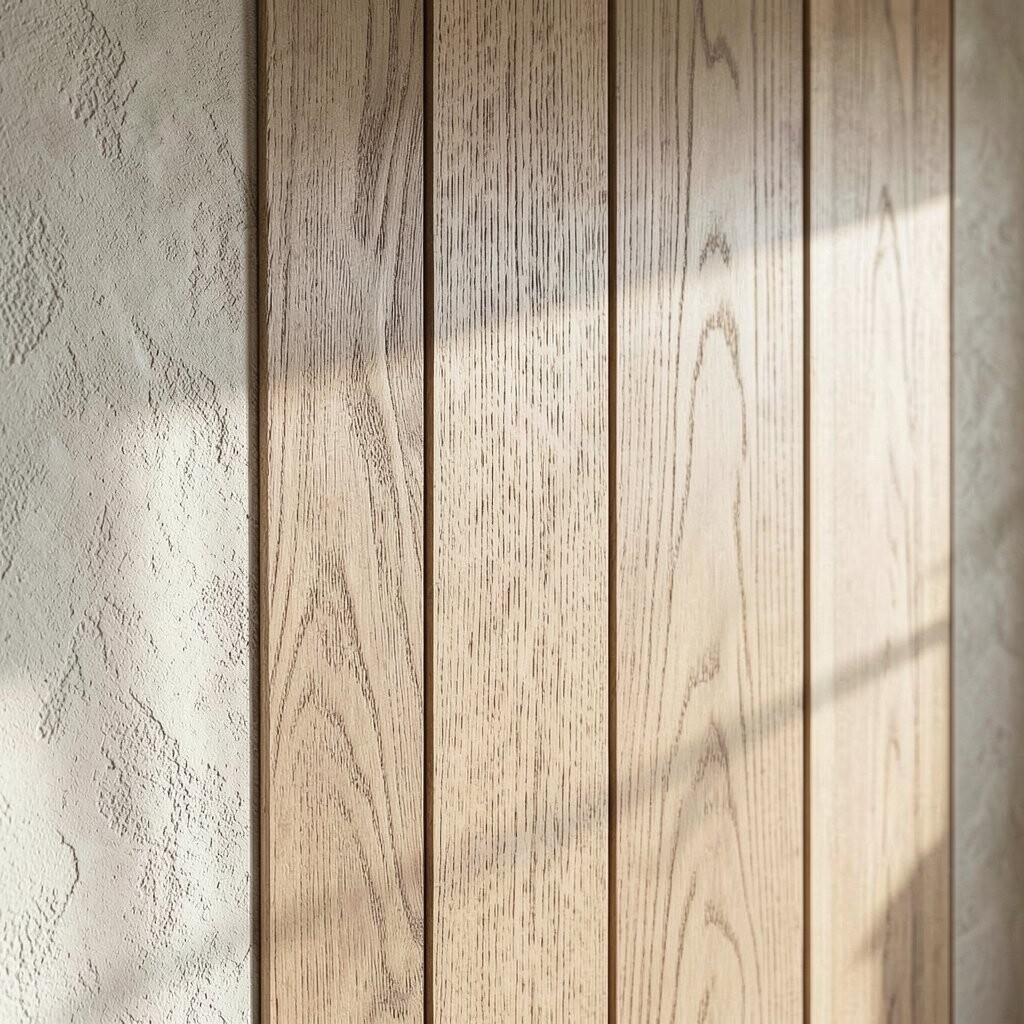
Wood paneling sounds expensive, but you can keep it realistic with the right plan. Buying smaller areas, using thinner boards, or choosing a straightforward stain can bring the cost down.
Another money-smart move is to choose a consistent species that matches your interior. When everything blends, you avoid extra work trying to hide mismatched tones.
If you’re doing a partial wall, consider a chair-rail or wainscot style that still looks classic. It’s a great way to enjoy wood’s charm without covering every square inch.
To make it feel more personal, add matching trim at the top edge and finish it with hardware that suits your style. Small details like these can make a budget-friendly job look designed.
11. Textured Panels Wall Lets You Pair Texture With Color Like a Pro
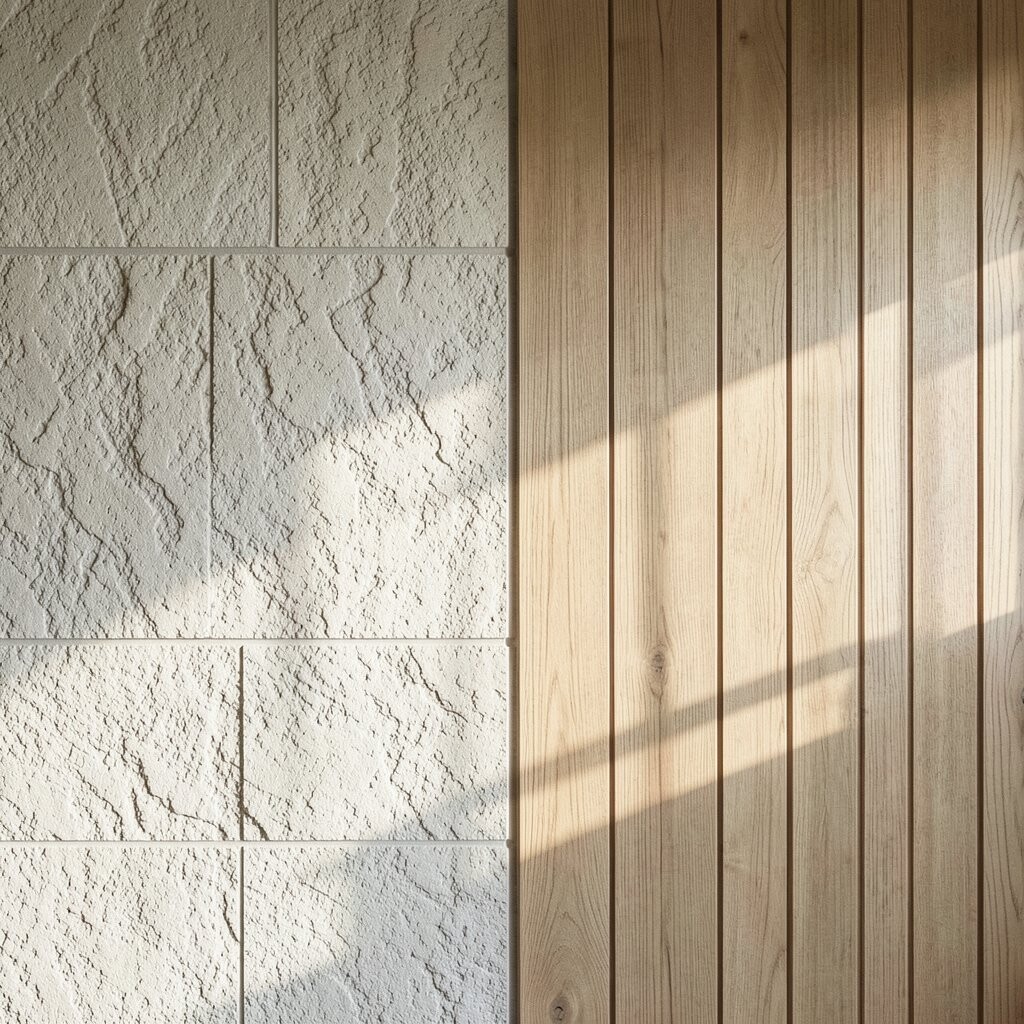
Texture changes how paint and lighting look, so you can play with color in a fun way. A matte textured panel in a soft tone can look calm and modern, while a deeper color can feel dramatic.
When you pair textured walls with warm lighting, the relief becomes more visible and the room feels cozy. Cool lighting can make the texture seem sharper, which is great for contemporary setups.
Try choosing one or two accent colors that show up in decor like pillows, artwork, or a rug. Then keep the rest simple so the wall texture doesn’t feel like it’s competing.
For personalization, consider finishing the edges with contrasting trim, like crisp white around a greige panel. That framing effect helps the texture look intentional and neat.
12. Wood Paneling Adds Character That Looks Great at Any Age
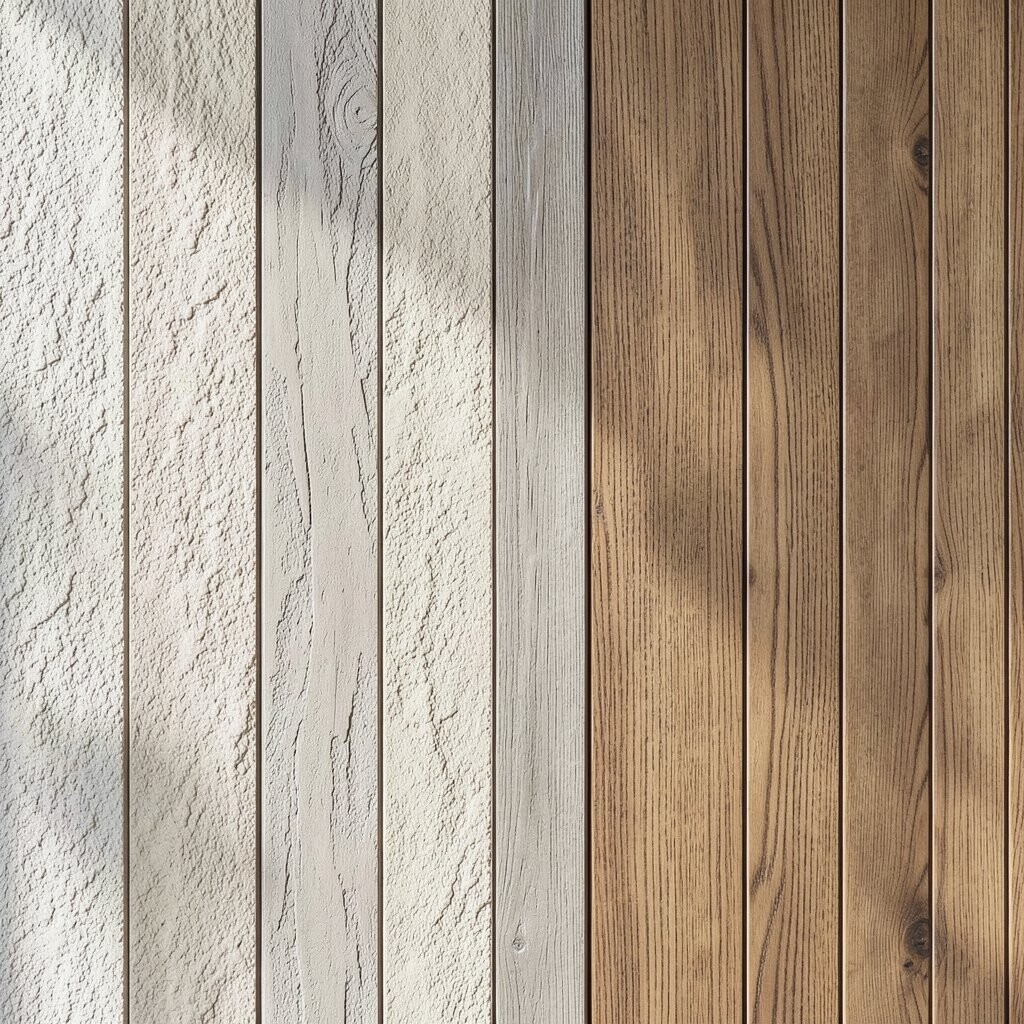
Wood paneling has a way of aging gracefully, especially when the finish is well maintained. As years pass, the grain can develop a richer tone that makes the wall feel even more authentic.
It also fits with many design eras, so it won’t feel outdated quickly. If your style changes, you can swap furniture and decor while keeping the paneling as the steady foundation.
To keep things practical, consider how you’ll handle cleaning and fingerprints. Sealed wood typically wipes easily, but you still want a soft cloth and gentle products.
When you want personalization, think about wall art and lighting that complements the panel lines. Pendant lights, sconces, and framed photos all look extra good when they align with the rhythm of the wood.
13. Choosing Between Textured Panels Wall and Wood Paneling Based on Your Daily Life
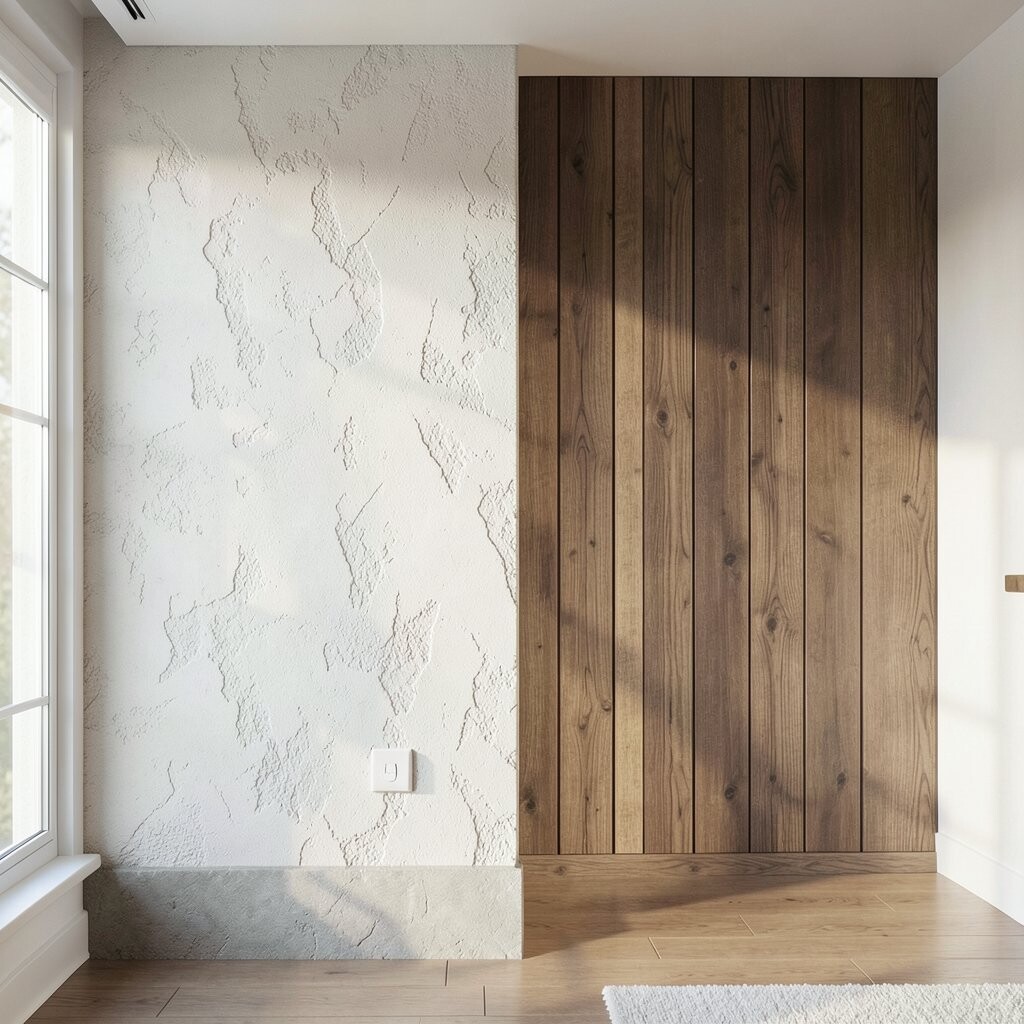
The best choice depends on how you live and what you want the room to feel like. If you want a bold, modern statement with less setup work, textured panels often shine.
If you love warmth, natural grain, and a classic look that can be refinished later, wood paneling feels like a dependable friend. Both options can look stunning, but your lifestyle makes the decision easier.
Consider where the wall will take daily hits, like near doors, kid play areas, or cooking zones. For high-traffic spots, textured surfaces can help hide minor marks, while wood can be strong when sealed well.
For a smart personalization plan, pick one wall that matters most to you, then test a small sample. Compare how it looks with your flooring, lighting, and existing furniture before committing to the full install.
Also think about long-term costs, since wood refinishing and textured panel replacements can vary by product and maintenance. A little budgeting foresight can keep your makeover exciting instead of stressful.