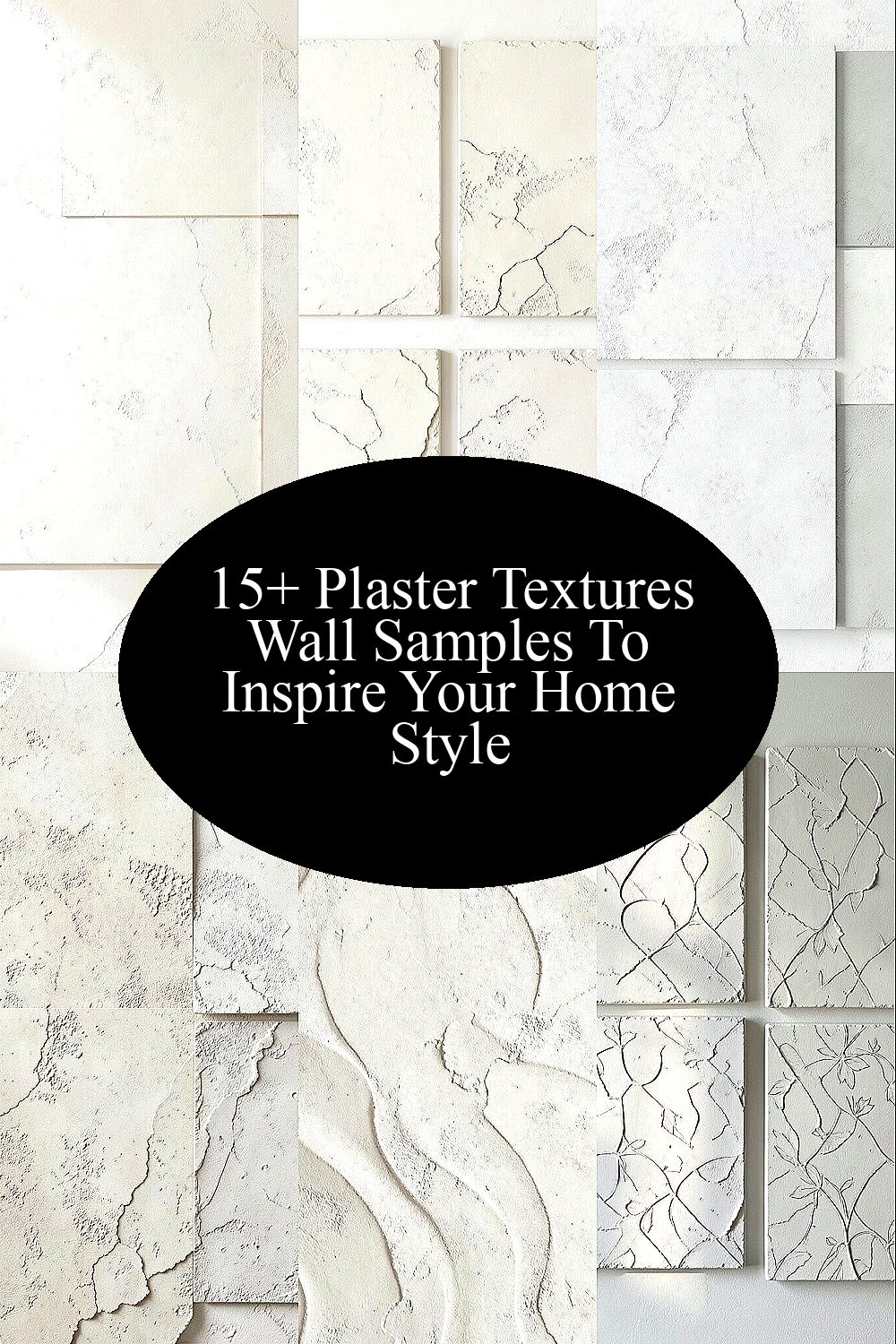
The wall can feel like a quiet canvas. With the right plaster texture, it starts speaking in warmth.
Choosing a sample turns guesswork into a living preview. It also helps your room match your mood, not just your paint color.
1. Venetian Plaster With Soft Glow
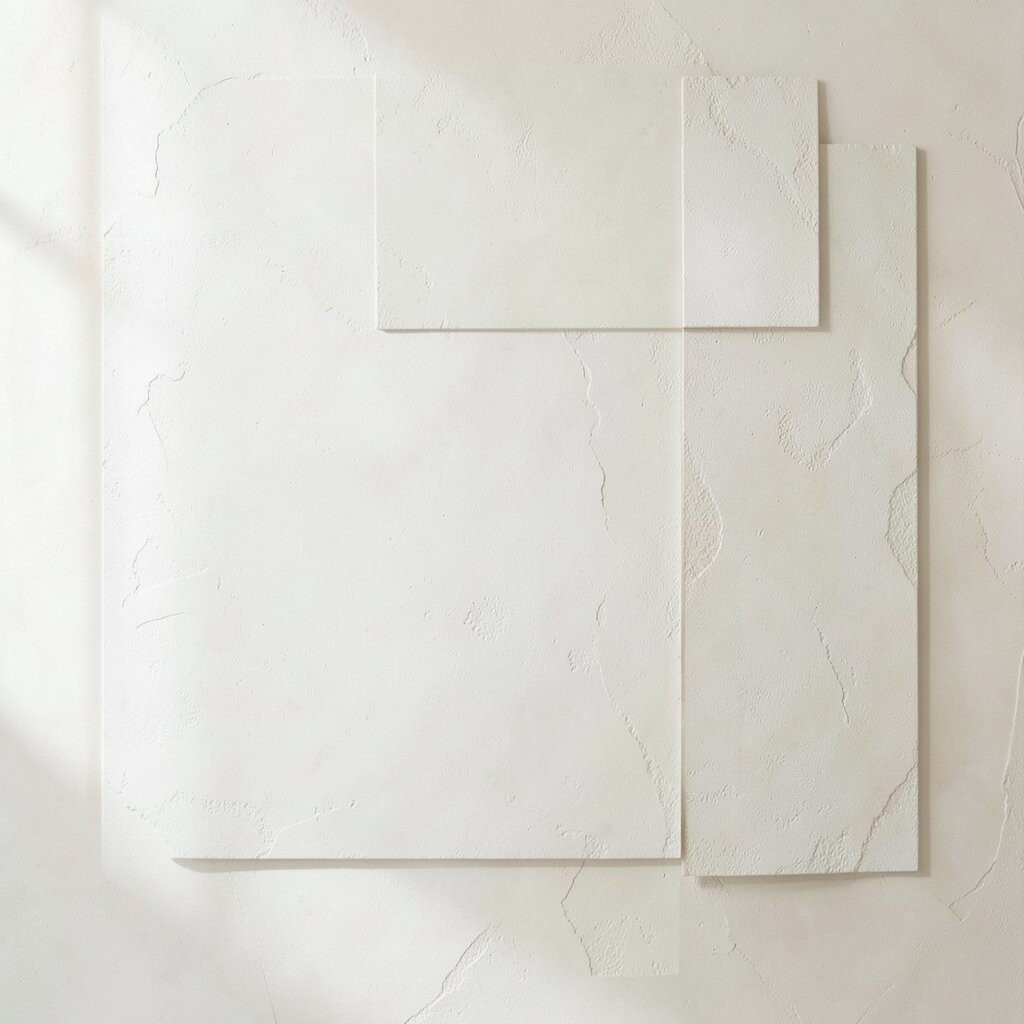
Venetian plaster looks like a polished stone with gentle movement. When light hits it, you get a creamy shine that never feels too shiny.
Hold a sample at different times of day and watch how the surface shifts. This texture adds depth without needing bold patterns, so it works for modern and classic rooms alike. For practical results, ask for a small test area and confirm the sheen level before you commit to the full wall.
To personalize it, choose a base tone near your flooring or curtains, then go slightly warmer or cooler with the finish. Pair it with simple trims and a few curved decor pieces to make the glow look intentional. If you’re thinking about cost, expect more than standard paint because the finish takes time and skill to apply. Home styling trends are leaning toward “quiet luxury,” and this plaster texture fits that vibe especially well.
2. Limewash Plaster For Airy, Casual Character
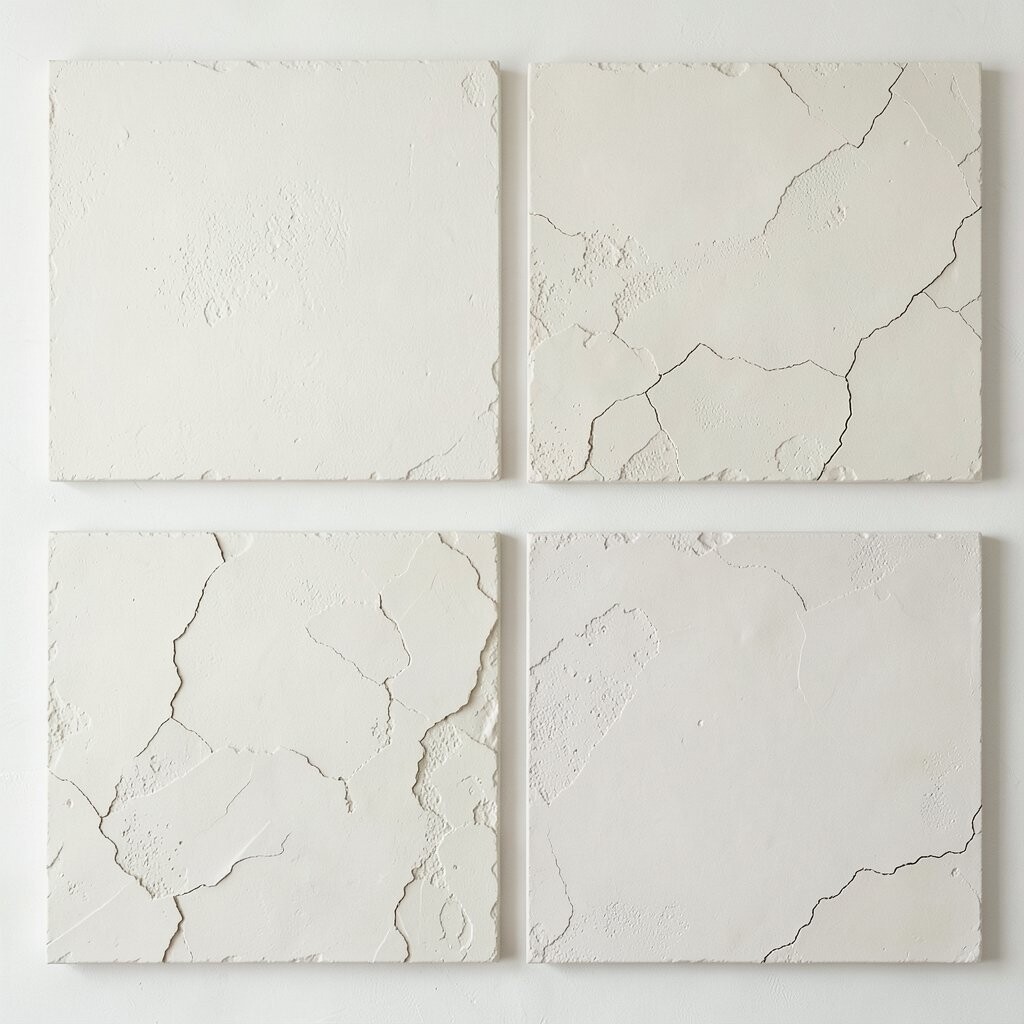
Limewash plaster has a chalky, breathable look that feels light and lived-in. You’ll see subtle mottling that makes each wall section feel one-of-a-kind.
Try holding the sample near a window so you can judge how it changes through the day. Limewash is great for creating a relaxed feel, and it pairs nicely with natural wood, rattan, and linen fabrics. For practical tips, apply it in patches during testing because the uneven charm becomes more visible up close.
Personalization is easy because you can layer or vary tones for a gentle gradient effect. Many homeowners like keeping the color slightly imperfect, like sun-faded walls in an old courtyard. Cost-wise, limewash can be mid-range, but it may require more labor for a smooth, natural finish. This texture is also popular right now because people want calm, low-gloss walls that look good in every season.
3. Microcement Texture For Clean Modern Lines
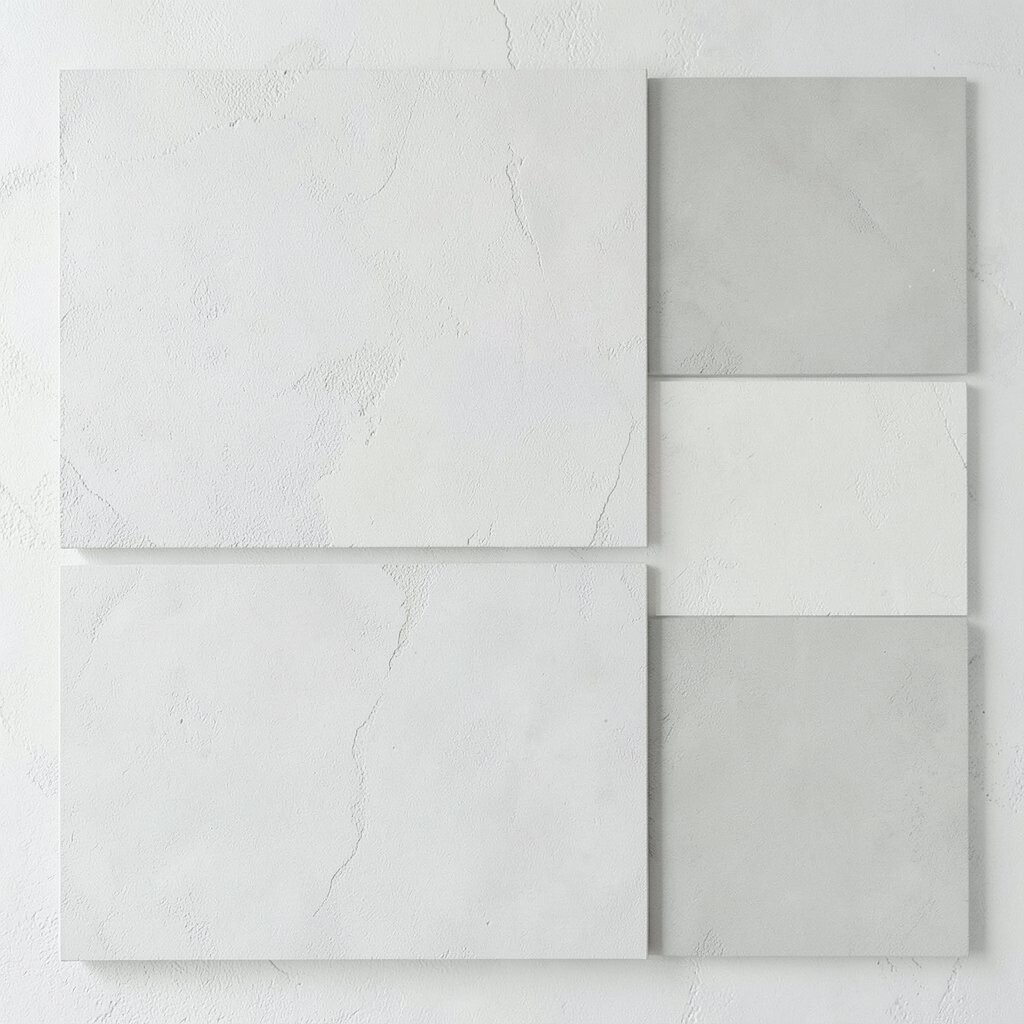
Microcement gives a sleek, contemporary wall finish with a smooth feel and fine texture. It can look almost like cast stone when done right.
Test samples in your actual lighting so you can see how it handles glare. Microcement can look crisp and minimal, which is great if you love modern furniture and clear sight lines. For a practical approach, ask whether the system needs a primer and confirm that your wall surface is stable before installation.
To personalize, choose a neutral that matches your undertones, such as warm greiges or cool light grays. You can also request a slightly textured version for added grip in high-traffic spaces. Budget considerations matter here because microcement systems often include multiple layers and finishing steps. Current trends favor simple, architectural surfaces, and microcement is one of those finishes that stays stylish for years.
If you want a designer touch without extra decor, use microcement on a feature wall behind a sofa or bed. The texture reads as refined even when the room is mostly bare. Keep accessories minimal so the wall can be the main event.
4. Rough Venetian For Vintage Depth
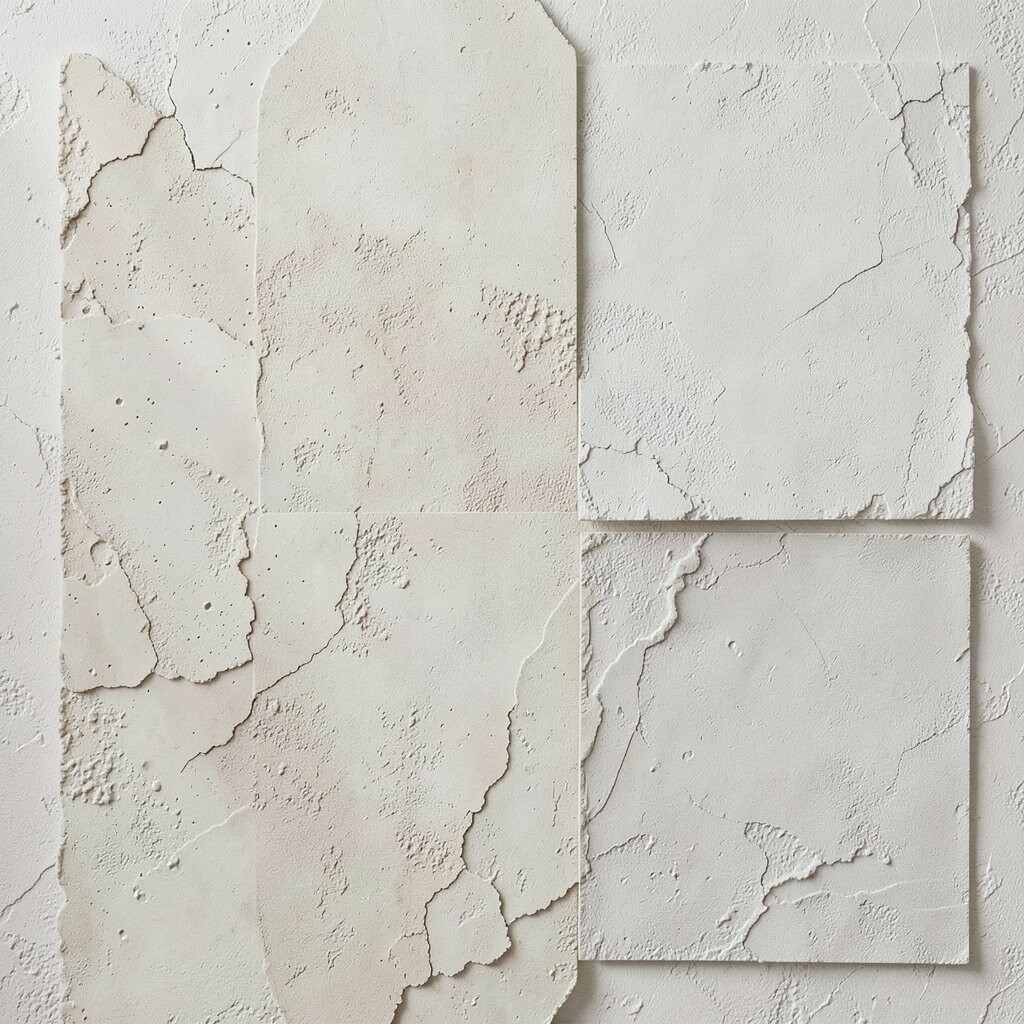
Rough Venetian plaster brings out stronger movement than the smooth style. You’ll notice a textured, antique feel with swirls that catch shadow.
This texture is perfect when you want a room to feel more historical and cozy. It hides minor wall imperfections better than ultra-smooth finishes, which can be a practical win. To test it well, view the sample from corners and at standing height, because the depth shows up with angle.
Personalization can come through color choice and finishing technique. A warmer base makes the swirls feel richer, while a cooler base makes them look crisp and dramatic. Cost can vary depending on how heavy the handwork is, so get clarity on labor and finish thickness. Right now, many interiors lean into tactile walls, and rough Venetian gives that “collected over time” look.
5. Tadelakt Plaster With Curvy Stone Feel
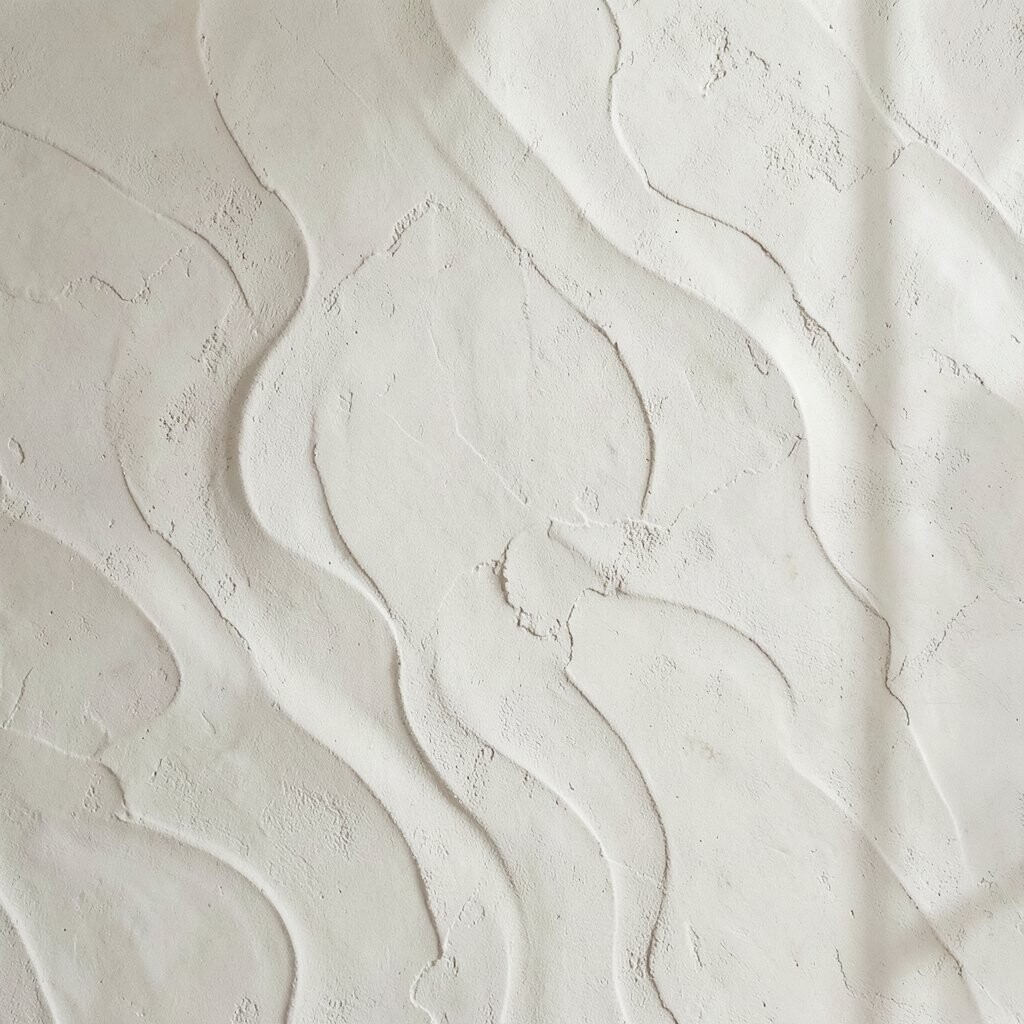
Tadelakt plaster has a distinct, lime-based quality with a gentle, curved finish. It often looks like smooth stone warmed by sunlight.
When you touch a sample, you can feel how it resists harsh flatness and instead feels softly shaped. This texture adds elegance without looking overly formal, which is great for bathrooms and entryways. For practical planning, ask how it will be sealed, especially if moisture is part of your space.
Personalization can be simple by selecting a color that matches stone or tile around it. Many people love earthy tones like soft terracotta, olive gray, or pale sand. Cost considerations are important because high-quality tadelakt requires careful application and proper sealing. A current trend is bringing spa-like finishes into homes, and tadelakt supports that calm, restorative look.
Use it on a single wall or a small nook for a big impact. Pair it with simple lighting and a natural shelf so the stone effect feels intentional.
6. Sgraffito Plaster For Hand-Drawn Patterns
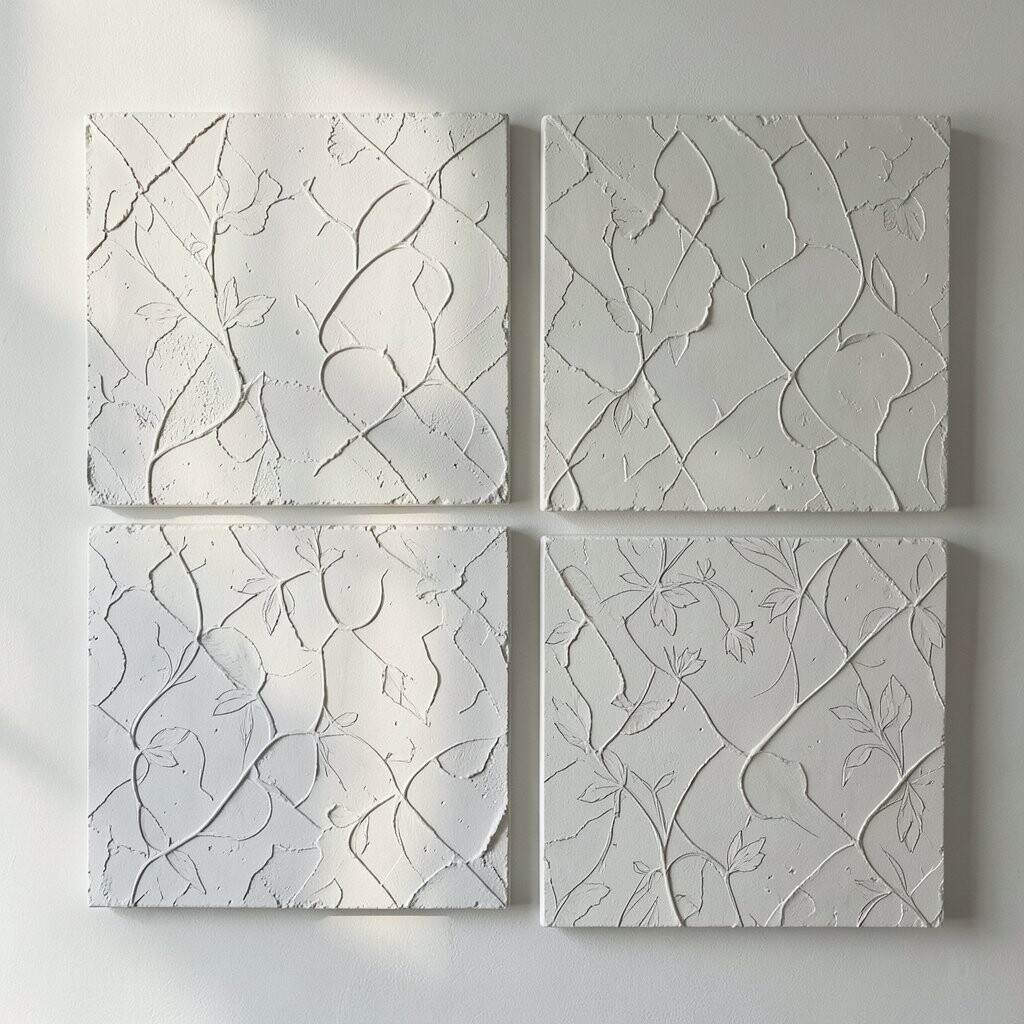
Sgraffito plaster creates a carved or layered look, often with delicate patterning. You may see lines, leaves, or abstract marks that feel like artwork.
This texture is unique because it can be tailored to your style and your wall’s shape. It gives visual interest without needing framed art, which is helpful when you want a cleaner look. For practical tips, test a few pattern scales since tiny details can disappear from a distance.
To personalize, choose motifs that match your life, such as beach lines for coastal homes or geometric scratches for modern spaces. Work with your installer to decide how visible the top layer will be after carving. Cost can be higher than smoother finishes because the design step takes time. The current trend toward custom, “made by hand” interiors makes sgraffito especially appealing.
7. Spanish Plaster Texture For Old-World Warmth
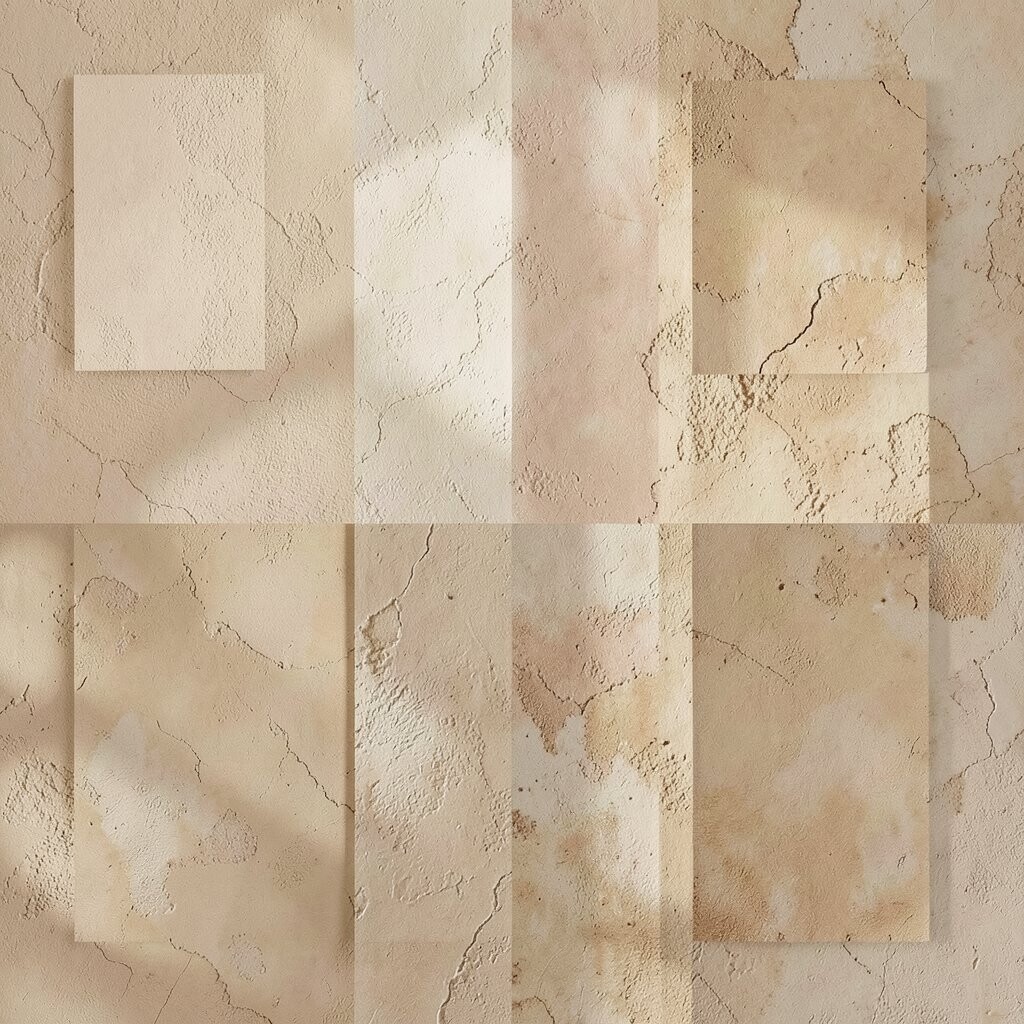
Spanish plaster has a warm, sun-baked appearance with subtle color variation. It often feels like a heritage wall even in a brand-new room.
You’ll love how it looks forgiving, because the texture softens sharp edges in a space. It’s a practical choice if you want charm without making every small flaw obvious. When testing, observe how it holds up next to warm metals like bronze and warm woods like oak.
For personalization ideas, pick a base that echoes your ceiling or trim, then slightly deepen the finish for richer contrast. Many homeowners choose sand, clay, or honey tones to keep the look cozy. Cost considerations can be moderate to mid-range depending on how textured the application is. Right now, people are drawn to warmer, Mediterranean-inspired interiors, and Spanish plaster fits that mood.
If your room is mostly neutral, this plaster can add character without adding clutter. Add a textured rug and soft lighting to make the wall feel even more welcoming.
8. Skip Trowel Plaster For Playful Movement
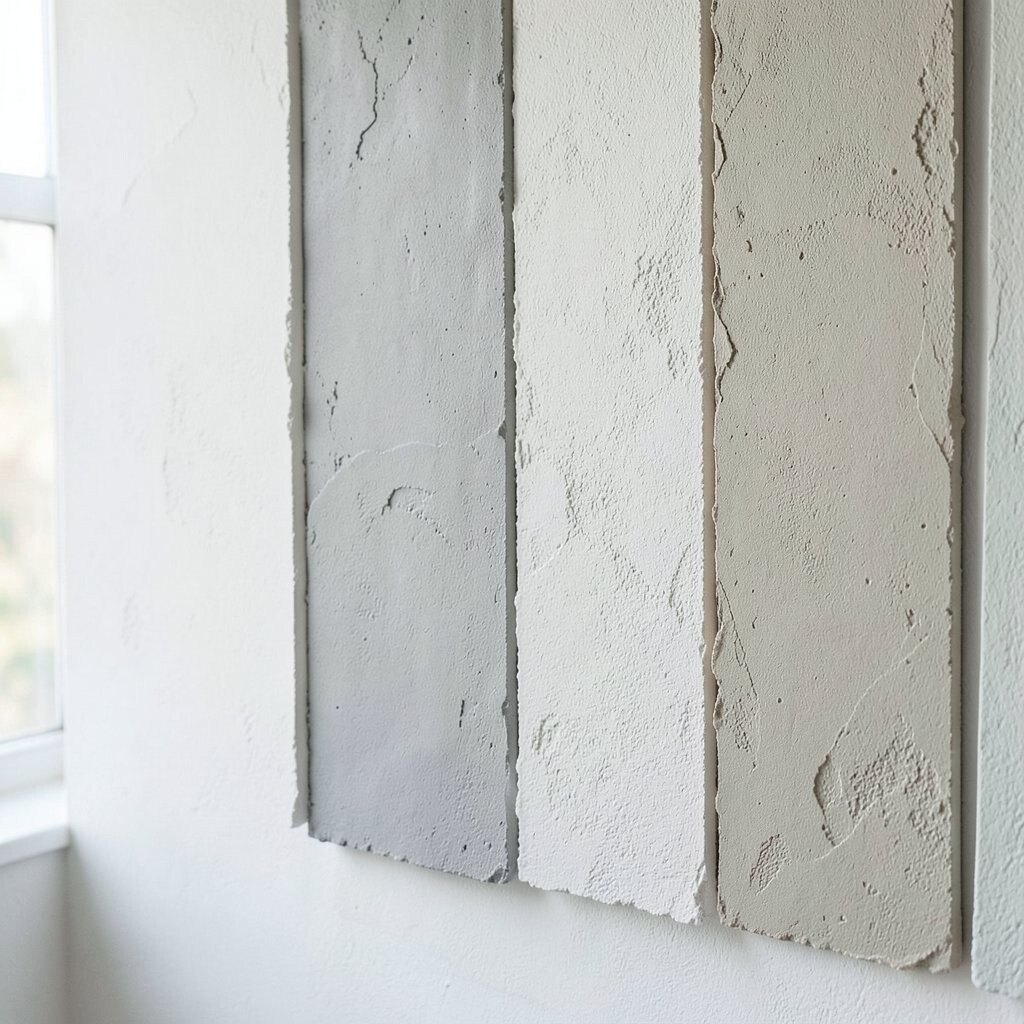
Skip trowel plaster creates a lively, uneven surface with ridges that catch light. It looks artsy and gives your wall a handmade energy.
This texture works well when you want a statement that still feels comfortable. It also helps break up flat color areas, which can be useful in rooms that feel too plain. For practical tips, test sample sizes because the feel changes when you see it across a larger section.
To personalize, choose a gentle palette if you want calm energy, or go bolder if you want a stronger contrast. You can also vary the trowel pattern density so some sections look more dramatic than others. Cost is often more manageable than high-end polished finishes because the process can be less labor-intensive. Current trends show a rise in textured walls, and skip trowel brings a playful, casual vibe that still looks polished.
Pair the ridges with matte paints nearby so nothing competes with the texture. A simple wall sconce can make the shadow lines look even more intentional.
9. Lime Plaster Limewash For Soft Speckled Texture
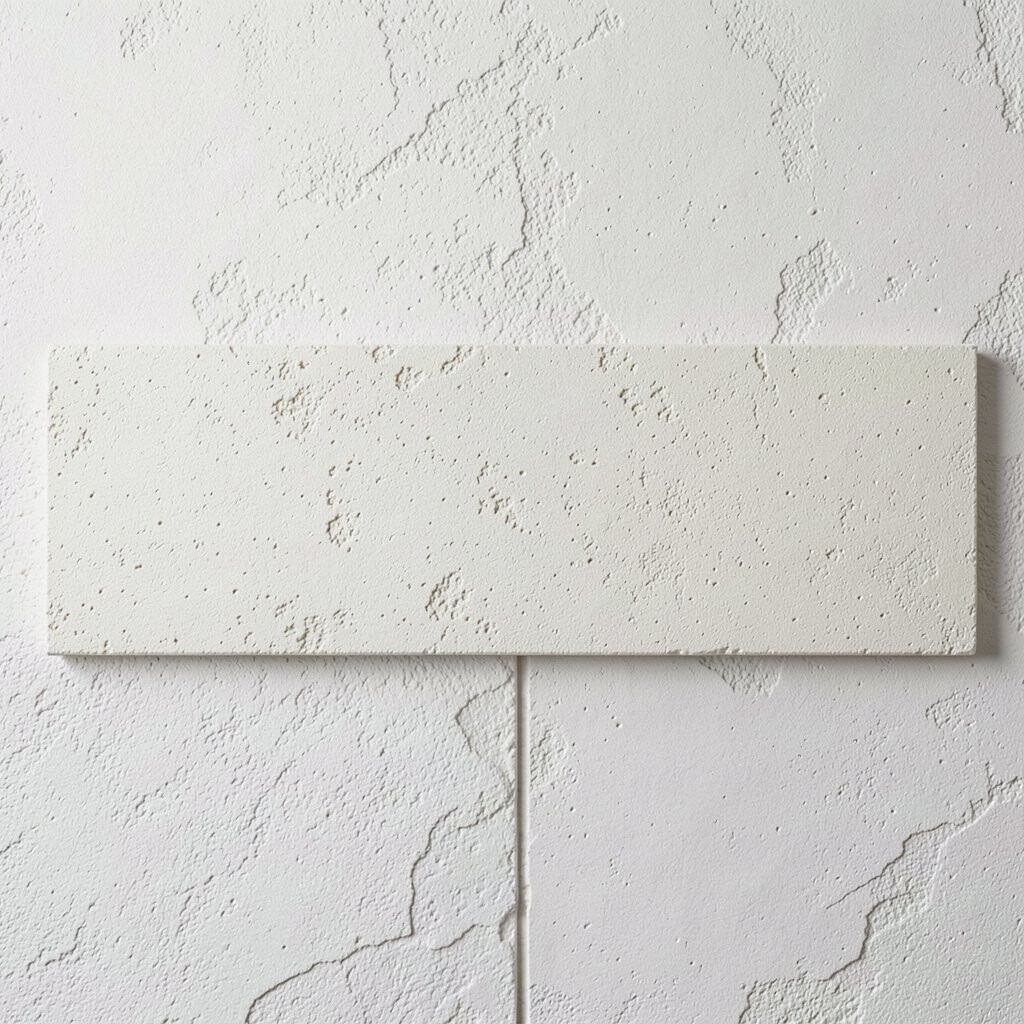
Lime plaster limewash often creates a speckled, mottled look with gentle cloud-like patches. It feels organic and handmade, not uniform.
That natural randomness is part of the charm, and it helps your wall look rich even with simple decor. If you want a cozy home that doesn’t feel overly styled, this is a great match. For practical tips, test both light and darker tones because the speckling shows differently depending on contrast.
Personalization can include blending tones, such as a slightly warmer top layer over a cooler base. Choose colors that work with your natural light so the wall doesn’t look dull in the morning. Cost considerations tend to be mid-range, but you may spend more on labor if you want a very even, soft effect. A current trend is leaning toward natural-looking finishes that hide perfection, and this one nails that idea.
Use it in dining rooms and bedrooms where you want a calm, comforting background. Add textiles with texture, like boucle or knit throws, to let the wall and decor share the spotlight.
10. Sand Finish Plaster For Modern, Weathered Texture
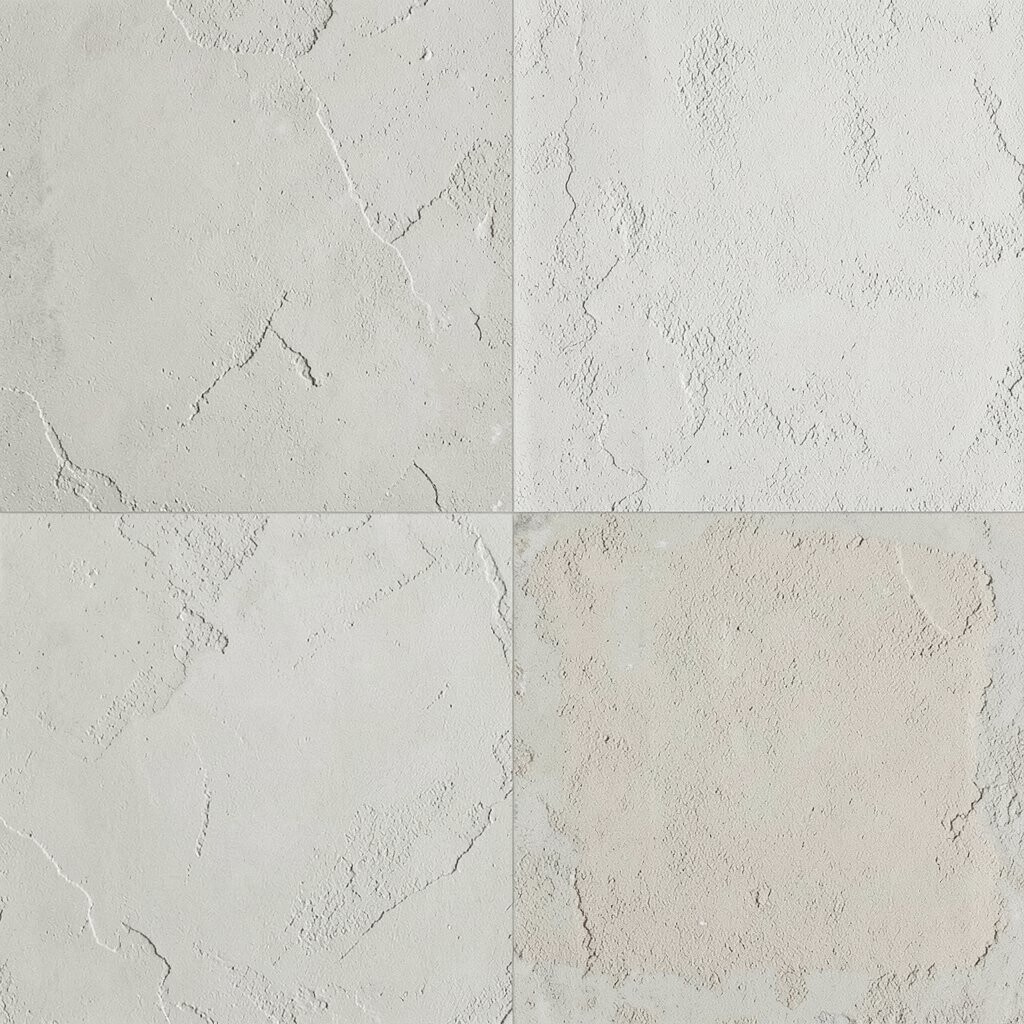
A sand finish plaster gives a lightly grainy look that feels grounded. You’ll see tiny specks that make the wall look like it belongs in an outdoorsy setting.
This is a strong option if you want texture but not loud swirls. It brings dimension while staying subtle enough for small rooms too. For practical tips, ask about the grit level, because finer grain reads smoother while bigger grain reads more rugged.
To personalize, match the grain tone with your hardware and flooring. If your home uses warm metals, warm sand finishes look especially cohesive. Cost can be relatively reasonable compared to polished plaster, since the finish is often less complex. Current trends include tactile neutrals, and sand finish walls fit perfectly with that direction.
If you love Scandinavian or minimalist styles, keep the rest simple and let the texture do the talking. A clean mirror and minimal frames will make the grain look intentional, not accidental.
11. Glassy Burnished Plaster For High-End Drama
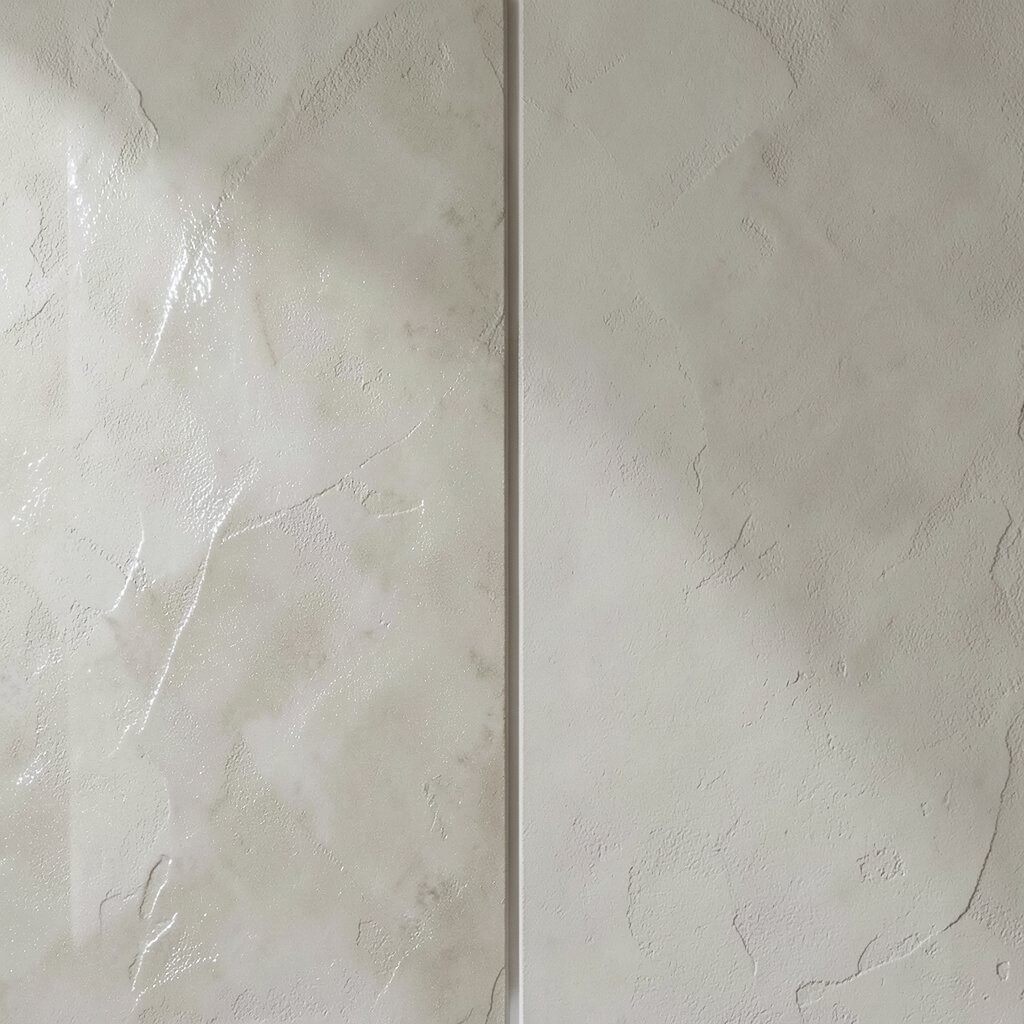
Glassy burnished plaster is all about sheen and depth. When done well, it can look like stone with a smooth, reflective glow.
It’s unique because the surface feels carefully controlled, while the color still shows movement. This texture can make a hallway or dining room feel elegant without needing extra decor. For practical tips, test how much reflectivity you get, since high sheen can highlight lighting differences.
Personalization is where you can really shine by choosing rich tones like deep olive, warm charcoal, or soft champagne. Pair it with spot lighting so you get that highlight effect on the wall. Cost considerations are often higher because the burnishing step takes skill and time. Right now, glossy accents are making a comeback in stylish spaces, and burnished plaster delivers that look in a refined way.
12. Striated Plaster For Vertical Motion
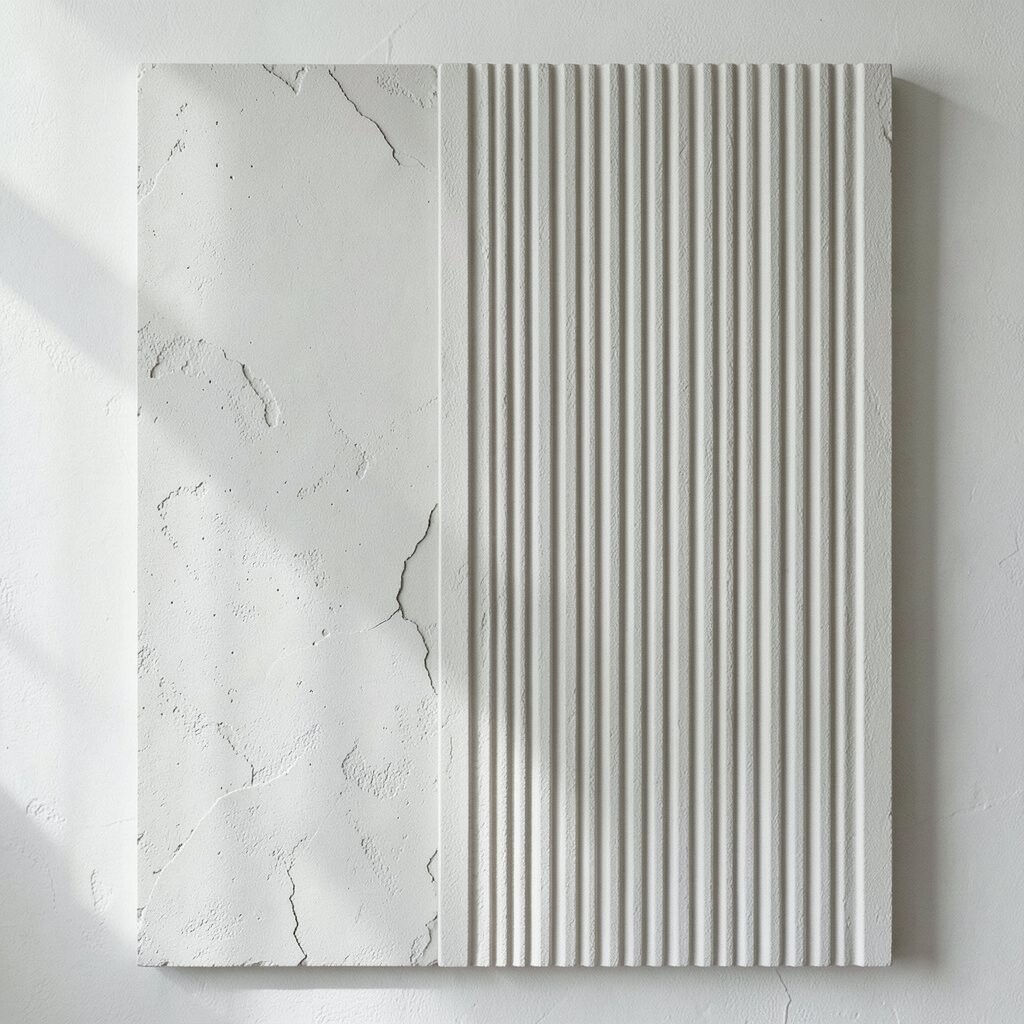
Striated plaster creates lines that run across the wall, often in gentle vertical waves. You get a sense of movement that draws the eye upward.
This texture is a smart choice when you want to make a room feel taller. It also adds interest without forcing you into strong patterns or heavy colors. For practical tips, hold a sample at eye level so you can see whether the lines read subtle or too bold.
To personalize, choose line direction and density, such as tighter striations for a quieter effect or wider grooves for a bolder look. Match the plaster tone to your trim so the lines feel like part of the architecture. Cost can be mid-range, but labor increases if the striations require careful alignment. Current trends are favoring sculptural walls, and striated finishes bring that sculptural feel in a straightforward way.
You can also use this plaster behind a tall mirror or artwork to make the lines feel like a design frame. Keep the rest of the room calm so the texture remains the star.
13. Crackle Plaster Look For Antique Charm
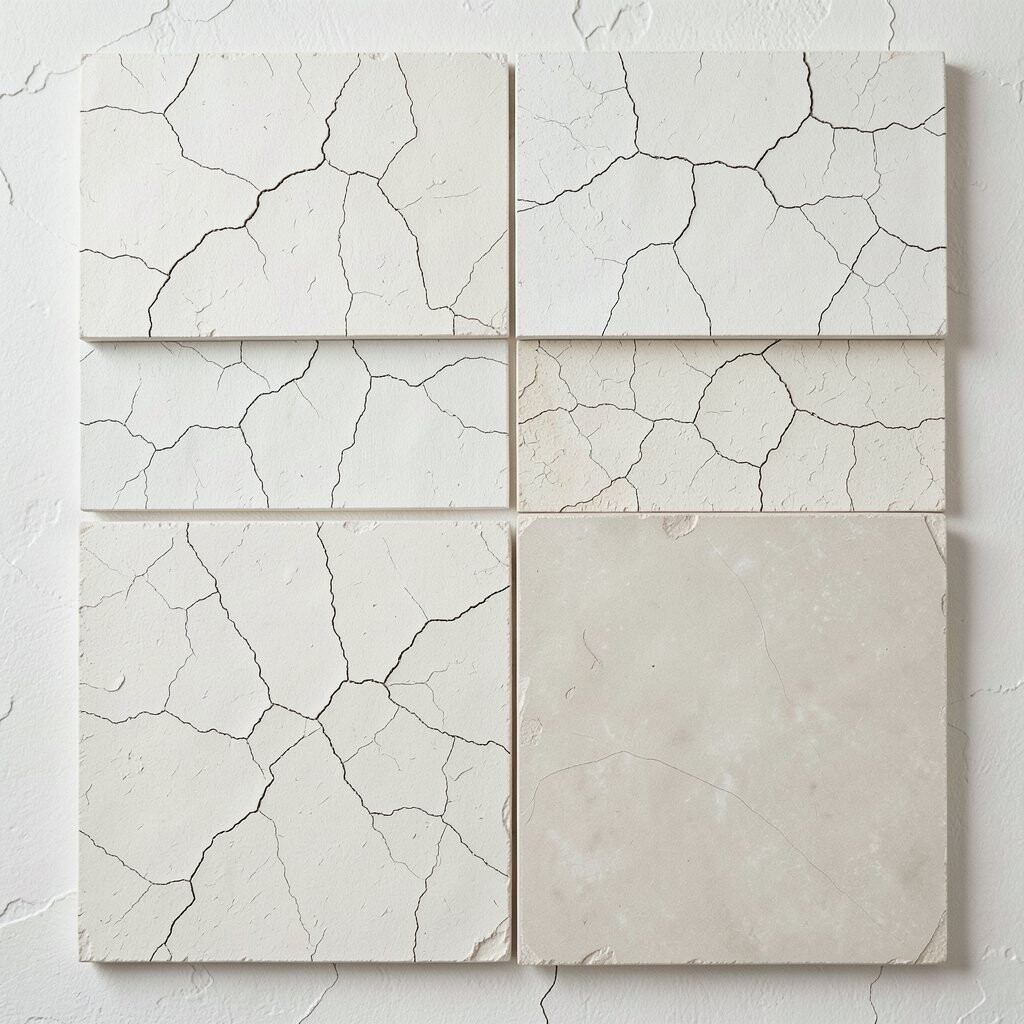
Crackle plaster finishes aim for a cracked, aged surface effect. It looks like old pottery or weathered plaster after years of sun and time.
This texture is unique because it adds nostalgia and character, even if your room is new. It’s especially appealing in spaces that want a cozy, heritage vibe. For practical tips, test the crack intensity first since some crackle effects can read more subtle and others can look quite dramatic.
To personalize, choose a base color close to your existing palette so the crack lines feel integrated. Many people like warm creams, soft taupes, and muted earthy hues because they look timeless. Cost considerations are often similar to other textured plasters, but the desired crack depth can change labor time. The current trend of antique-inspired interiors makes crackle plaster feel very in-style.
Pair it with vintage lighting or natural fibers for harmony. If you want a modern edge, use crackle plaster in a small feature area instead of every wall.
14. Color-Blocked Plaster For Graphic Style
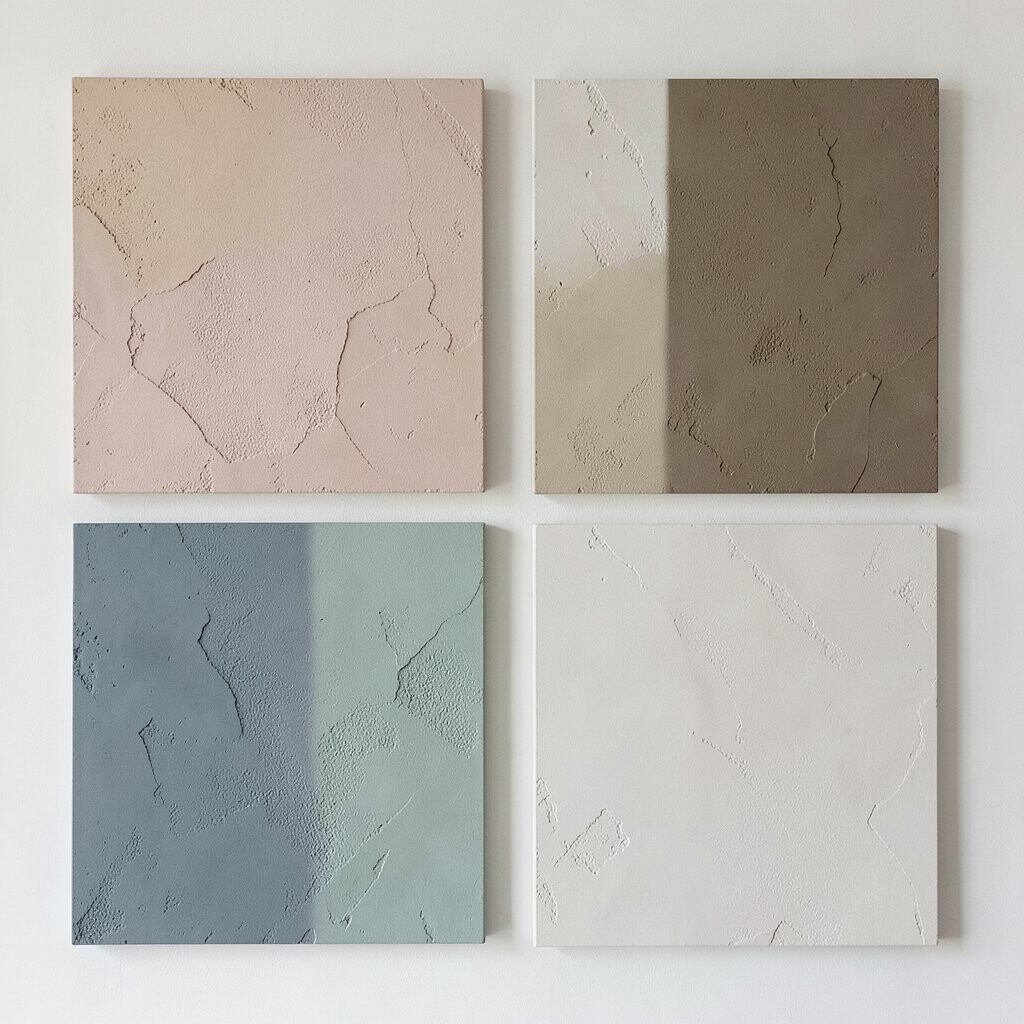
Color-blocked plaster turns texture into a graphic design moment. You might see two plaster tones with clean separation or softly blended edges.
This approach is unique because it gives you both texture and a layout change at the same time. It’s practical when you want to define zones in open spaces, like separating a dining area from a living area. For practical tips, test how crisp your lines can be, because messy edges may not feel intentional.
Personalization can be as simple as choosing two tones from the same family, such as sand and warm beige, or going bold with contrast like clay and charcoal. Keep the trim and ceiling color simple so the plaster shapes stay clear. Cost considerations depend on the number of layers and masking steps, so plan for extra labor if you want sharp boundaries. Current trends include architectural color moments, and plaster texture makes those blocks feel more luxurious than flat paint.
Try using one textured tone in the main zone and a calmer tone on the neighboring side wall. That way the room feels designed, not busy.
15. Plaster With Embedded Pigment For Deep Tone Variation
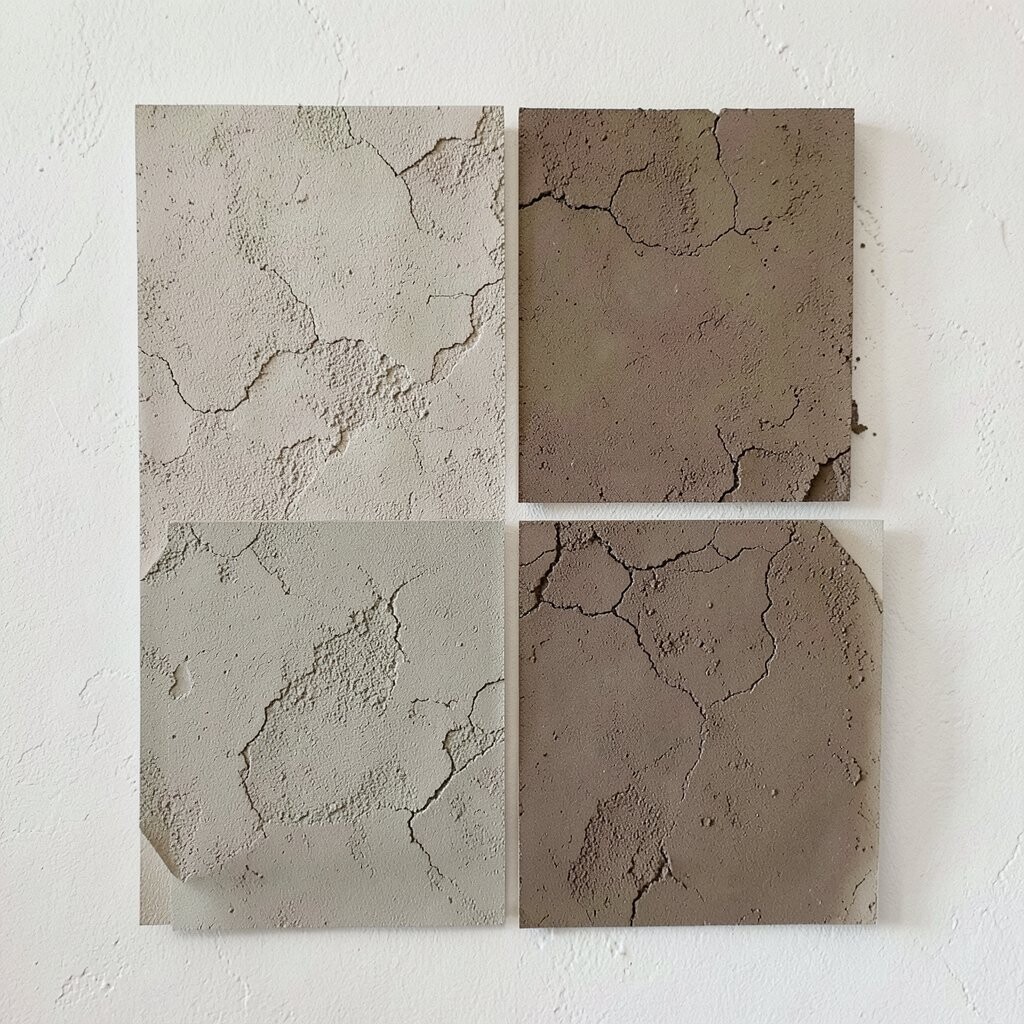
Plaster with embedded pigment shows depth across the surface rather than sitting on top like paint. You’ll see gentle shifts in brightness that make the wall look dimensional.
This texture is unique because it keeps its character as you move around the room. Under different lighting, the wall can look more warm or more cool without changing color outright. For practical tips, request a sample viewed under both daylight and evening light to judge the full effect.
To personalize, pick a pigment direction that matches your energy, such as calm blues, earthy browns, or soft greens. If your room has strong elements like art or a large rug, choose a pigment tone that won’t compete. Cost considerations can be higher because embedded pigment systems may involve more preparation and careful mixing. Right now, people want walls that look rich and layered, and this style supports that desire.
Use it behind seating to create a glow that frames people during conversations. Add warm lighting so the embedded tones look inviting, not gloomy.
16. Plaster Ombre For Gentle Gradient Drama
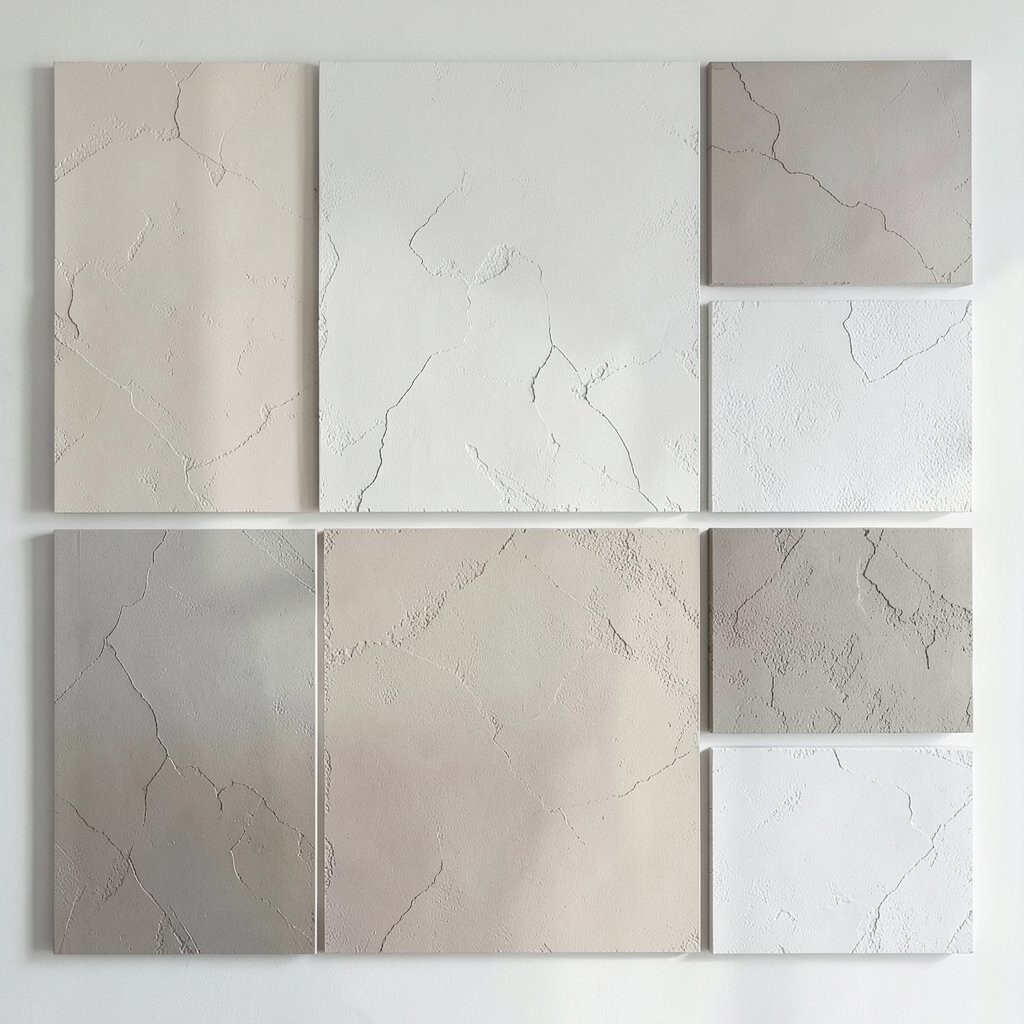
Plaster ombre creates a smooth gradient that fades from one tone to another. The texture helps the transition look natural, like watercolor on stone.
This texture is unique because it adds a whole mood shift without needing multiple wall sections. It’s practical for rooms that feel too dark or too flat, since a lighter fade can brighten a space. For practical tips, practice on a sample with your exact wall height, since gradient feel changes when scaled up.
Personalization is perfect here because you can choose the fade direction, like lighter near the ceiling for an airy lift. Many homeowners match the fade to their curtains or bedding so the wall feels coordinated. Cost considerations can be higher due to extra time and careful layering, especially if you want a seamless blend. Current trends embrace soft, calming interiors, and ombre plaster delivers that peaceful look with texture intact.
If you want extra style, pair the gradient with simple molding or a minimal headboard line. Keep furniture colors within the same family so the gradient reads smooth and intentional.