Your outdoor nook or indoor corner can look like a tiny green escape. With the right vertical planter, plants grow up instead of out and everything feels fresh.
1. Classic Modular Pocket Planter
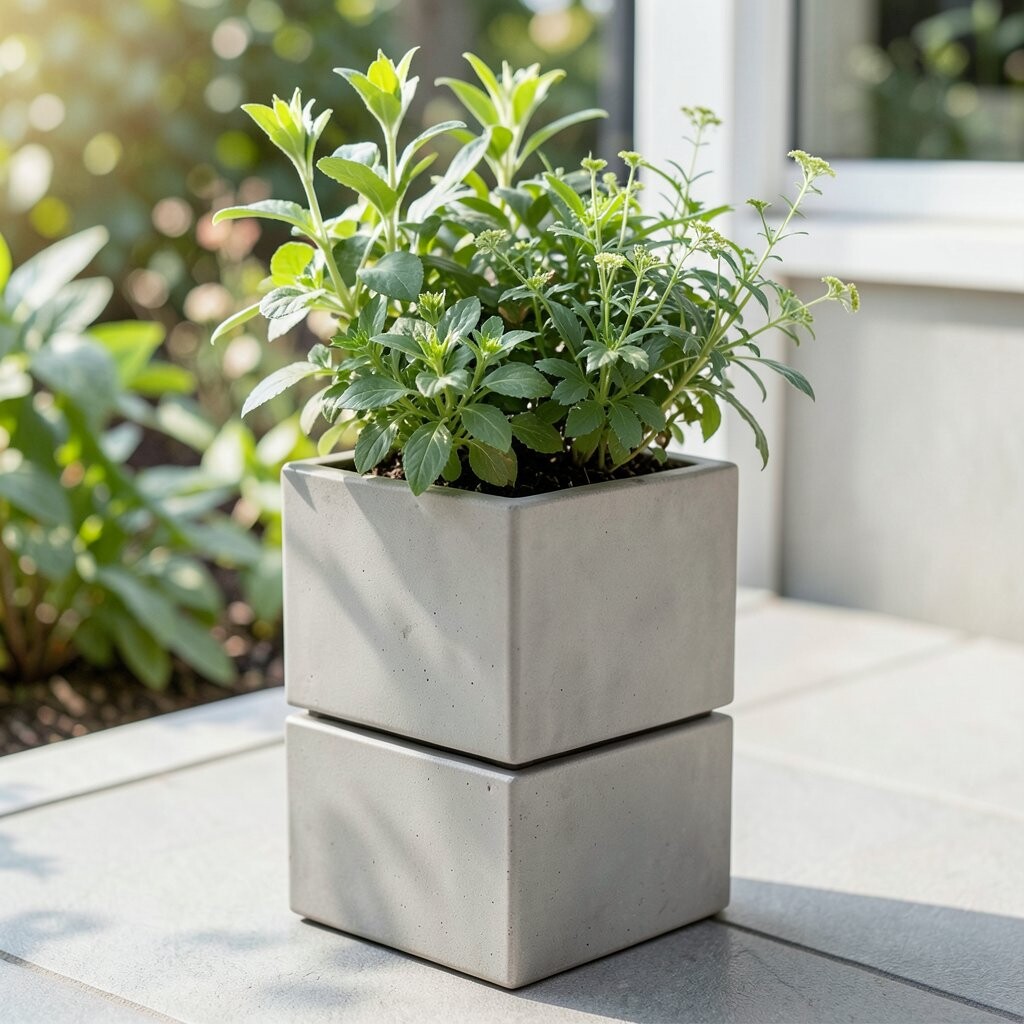
The first thing you notice is how neatly the pockets line up like a living wall of little compartments. Bright greens, trailing vines, and even colorful herbs can look tidy while still feeling wild.
Choose a size that fits your railing or fence and measure the spot twice before buying. A practical trick is to start with plants that share similar watering needs so the pockets don’t get overwhelmed. For personalization, mix leaf textures like smooth basil and ruffled lettuce to make the wall look layered and intentional.
2. Felt Vertical Planter With Drainage Back
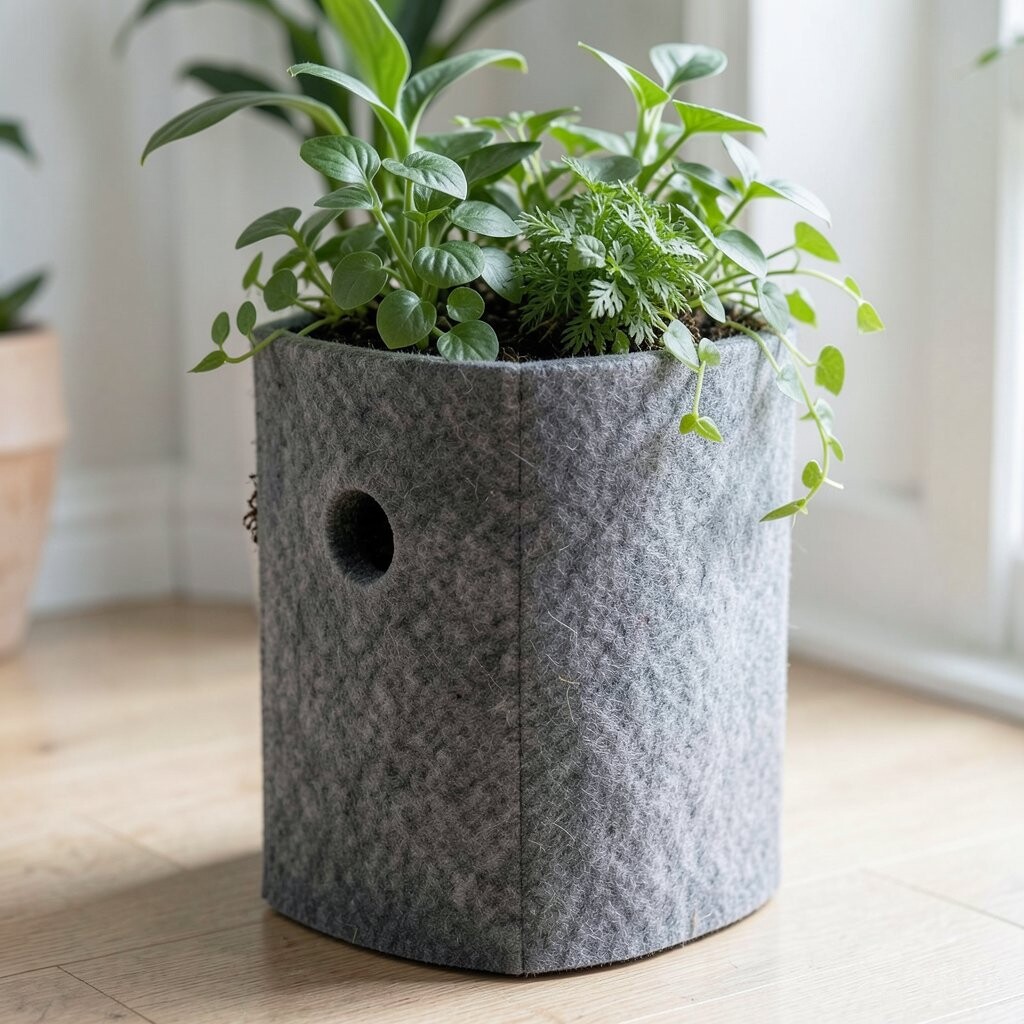
Felt planters have a cozy, fabric-like look that softens any balcony or entryway. Their pockets hold moisture gently, which can make plants look fuller and calmer.
When you water, the drainage backing helps reduce messy runoff on floors. To keep roots happy, use a lightweight potting mix and don’t overfill every pocket at once. For cost considerations, felt options often fit a range of budgets because they’re lighter and easier to move, so you can upgrade gradually.
If you want a current trend, try pairing compact plants with a few taller stems so the arrangement looks modern and intentional rather than flat. Rotate the planter every couple of weeks so all sides catch light evenly. Add a small splash of color by planting marigolds or miniature pepper plants in the pockets near your eye level.
3. Trellis Ladder Planter With Hanging Pots
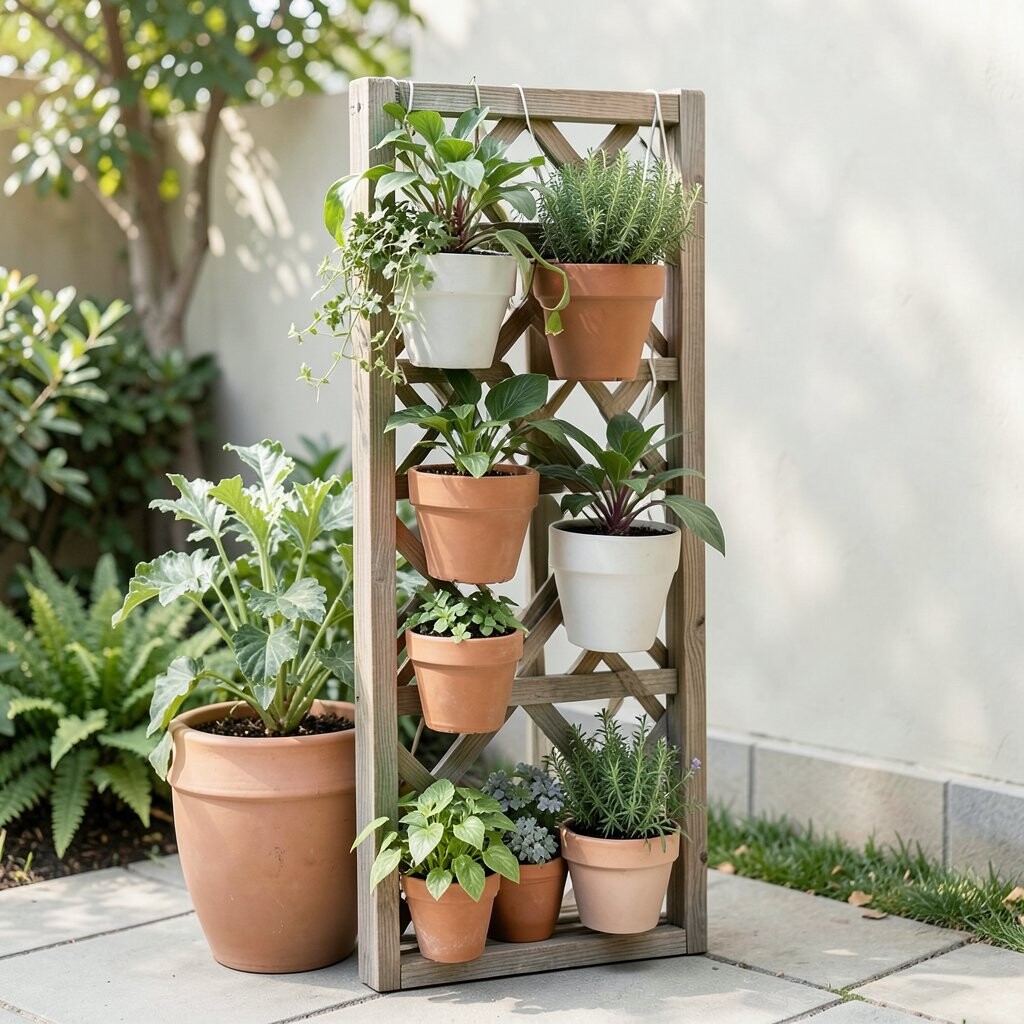
A ladder-style vertical garden instantly adds height and a bit of drama. You get clear lines, and the hanging pots make the whole setup feel airy and organized.
Look for a sturdy frame and check the coating so it resists rust and weather. It’s a great choice if you love practical styling because you can rearrange pots as plants mature. Personalize it by clustering the sun lovers on the top rungs and saving the shade-tolerant herbs for the lower sections.
For watering, aim for a slow pour so each pot absorbs moisture instead of dripping straight through. This kind of planter works well with a drip tray if you’re placing it near a door. Even if it costs a bit more upfront, the modular nature can keep it useful for years as you swap plants season to season.
Many gardeners are leaning into “vertical styling,” where structure and plant placement match the vibe of the space, and this design fits that trend well. Add a trailing plant like sweet potato vine or creeping thyme to soften the ladder’s edges. Keep the look fresh by trimming regularly so new growth stays visible.
4. Self-Watering Stackable Vertical Tower
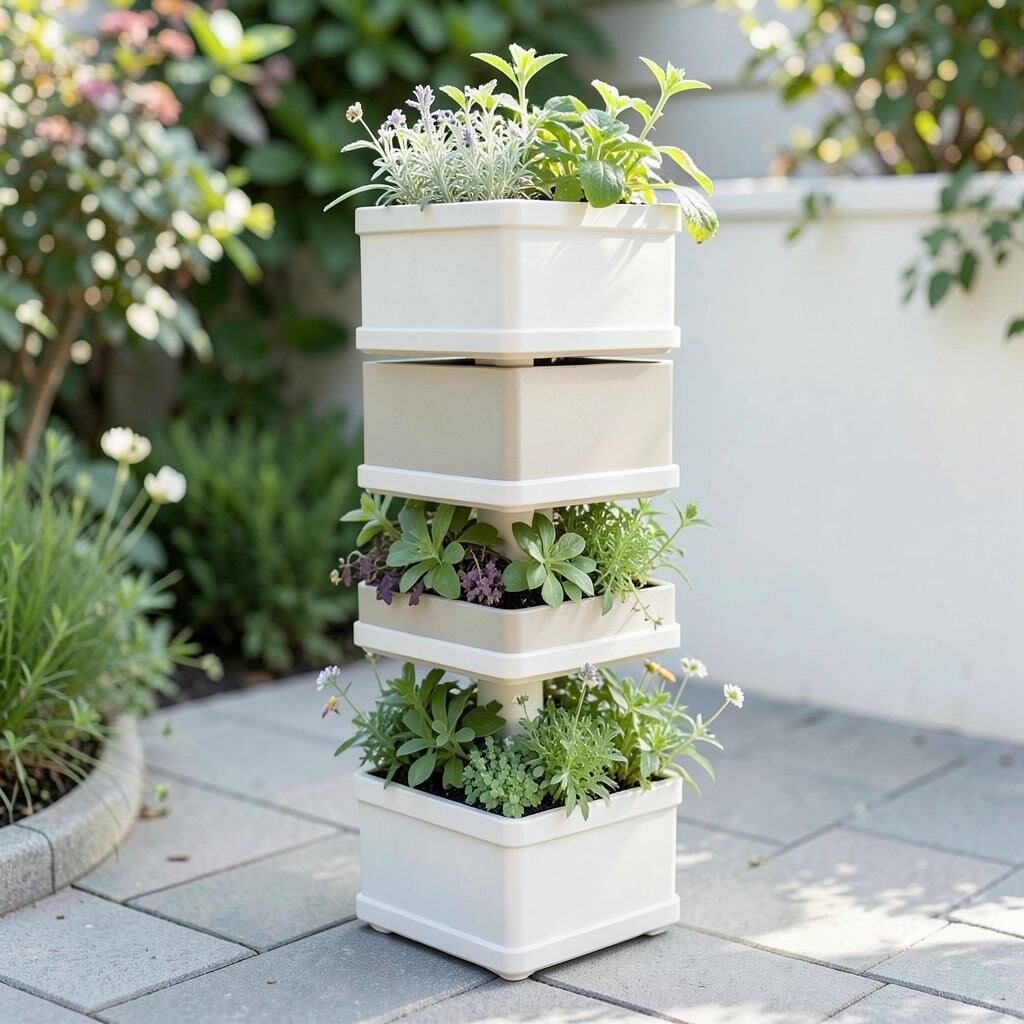
A vertical tower that waters itself feels like a smart, modern solution. The stacked compartments create a neat rhythm, and the plants look lush even when life gets busy.
One of the biggest benefits is less guesswork since the reservoir helps steady moisture. Use a quality seed-starting mix or container mix for each level, and avoid packing it too tightly. If you’re personalizing your tower, pick a theme like “breakfast greens” with leafy herbs on top and salad greens below.
This is also great for patios where you don’t want lots of spills. To reduce algae, keep the tower out of constant direct sun on the reservoir side. In terms of cost, self-watering towers can be a higher initial purchase, but the water savings and easier care often make them worth it.
5. Reclaimed Wood Vertical Trough Planter
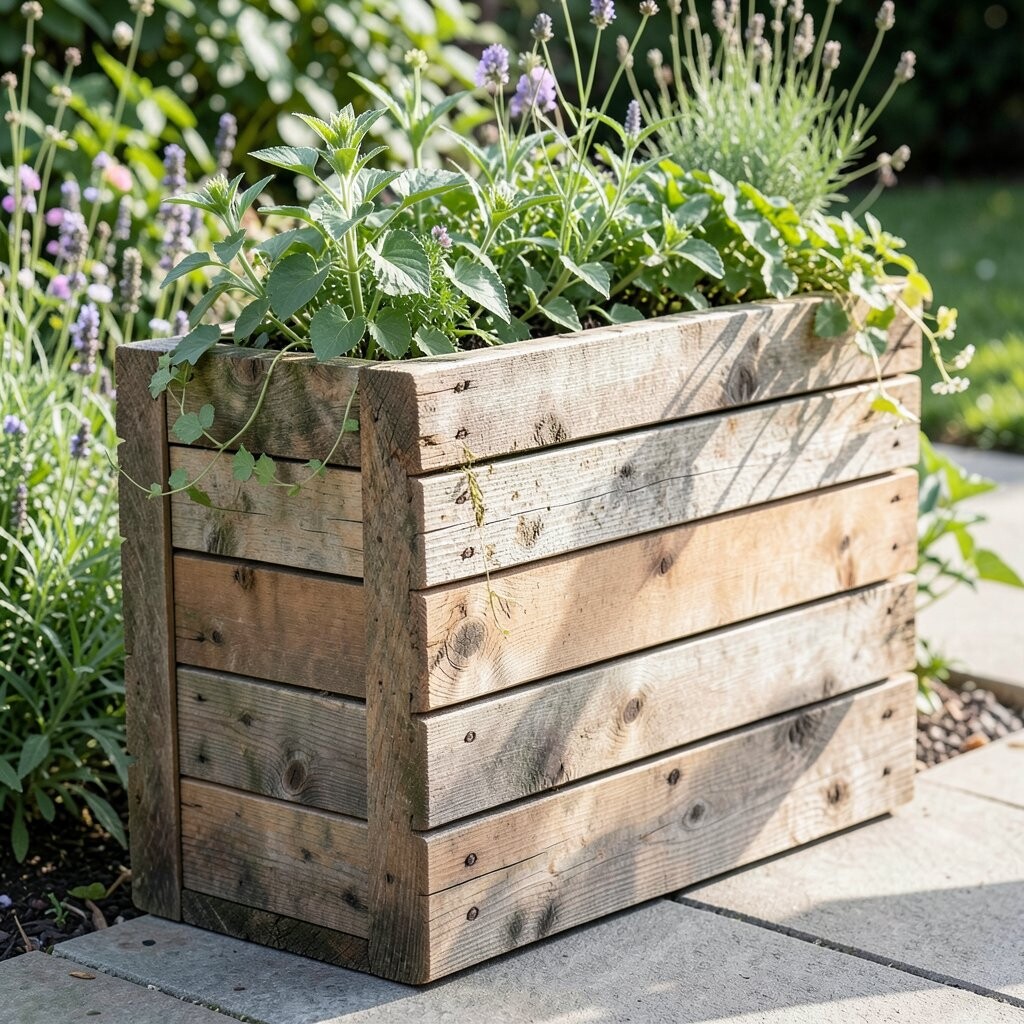
Reclaimed wood planters bring warmth and character, like a piece of history against a bright wall. You can spot the grain patterns and knots, which makes the plants feel like they belong there.
Line the trough with a waterproof liner and use a breathable potting mix to protect the wood over time. This setup is unique because each piece of wood tells its own story, and no two planters look exactly the same. For personalization, stain the wood in a lighter shade for an airy look or keep it dark for a dramatic contrast.
If you want practicality, choose plants that tolerate slight drying between waterings since wood can breathe a little. Add a mix of upright herbs and trailing flowers to make the trough look full from top to bottom. Cost can vary based on how you source the wood, but DIY-friendly options often help you stay within budget while still getting a premium look.
6. Wall-Mounted Geometric Metal Planters
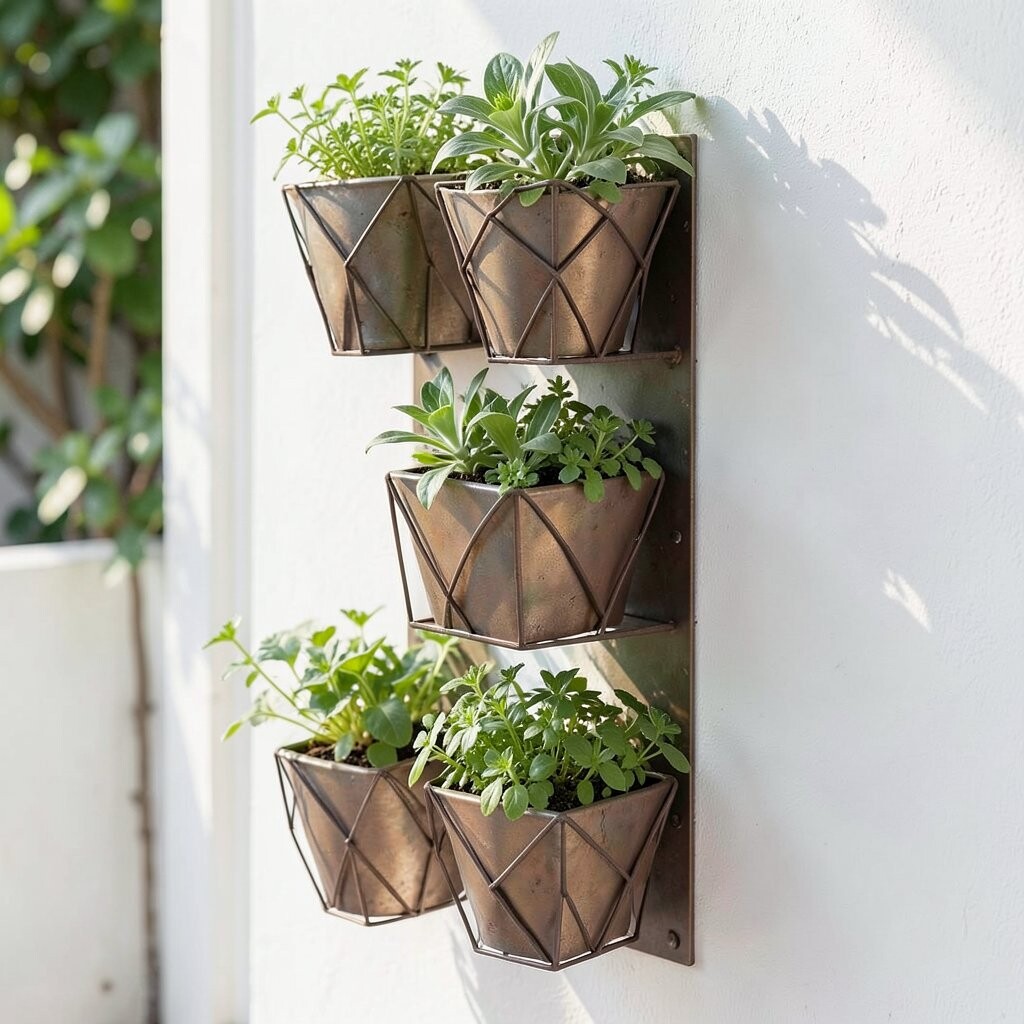
Metal planters shaped like cubes or hexagons look crisp and stylish on modern walls. The clean edges make the greenery stand out, and the setup feels intentionally designed rather than accidental.
Use exterior-safe hardware and check that the wall can support the planter’s weight when it’s wet. A practical approach is to group smaller planters into a pattern so the spacing feels balanced. For personalization, mix plant colors like silver-gray foliage with deep green leaves for a high-contrast finish.
These planters are often made to match current trends like minimal, modern landscaping. Choose a substrate that drains well because metal containers can dry faster in warm weather. If you’re thinking about cost, look for multipacks or seasonal discounts to make the overall project friendlier on your wallet.
7. Hanging Shoe Organizer Planter Pods
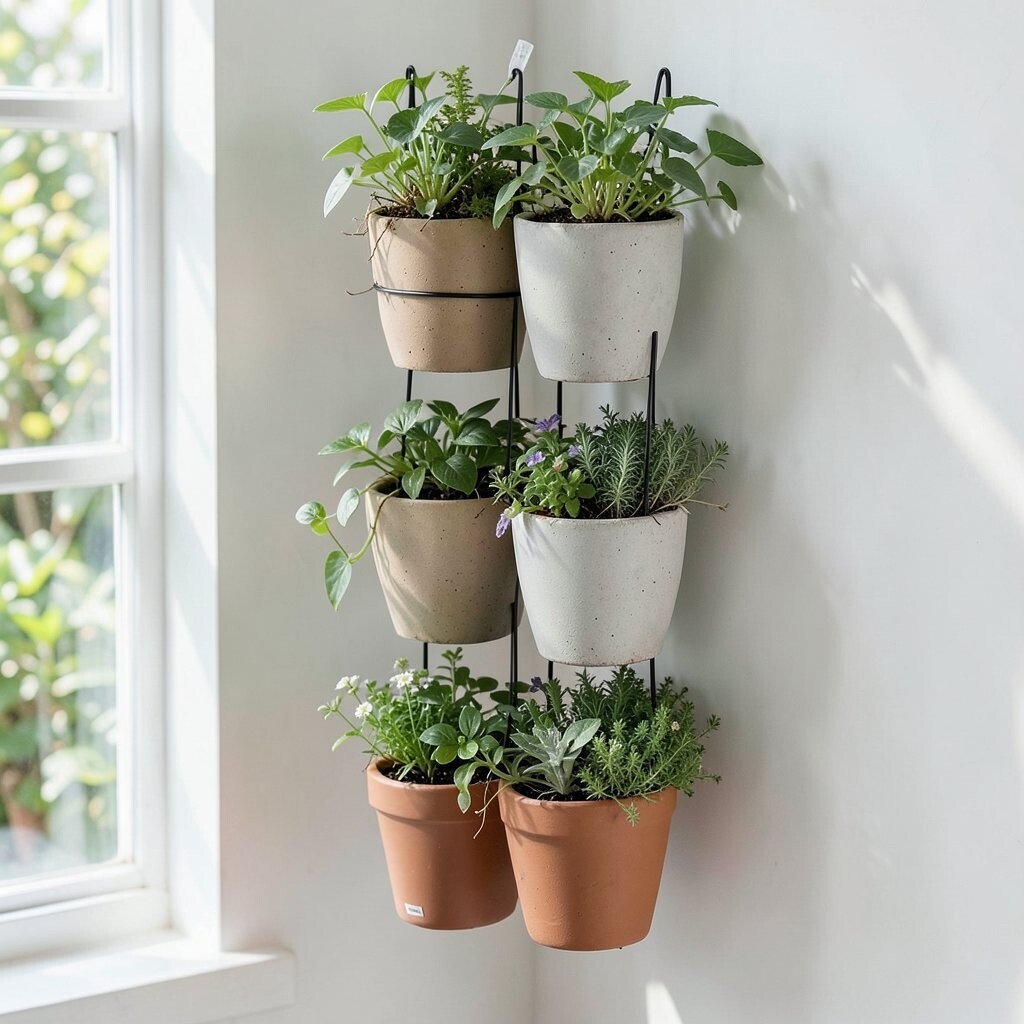
A hanging shoe organizer sounds quirky, but it can look surprisingly charming. When pockets fill with soil and plants, it turns into a vertical garden that feels playful and personal.
Pick a version with strong fabric and good stitching so it holds soil without tearing. Use small plants and herb cuttings to start since they establish quickly in the narrow pockets. For practical tips, water gently and check a corner pocket first to see how fast it drains.
This design is unique because it’s an upcycled solution that many people already have or can find affordably. Personalize the look by sorting plants by color or height, like placing bright basil near the top. Cost considerations are usually low, but you’ll still want decent potting mix so the roots can grow well.
8. PVC Vertical Grow Column With Ports
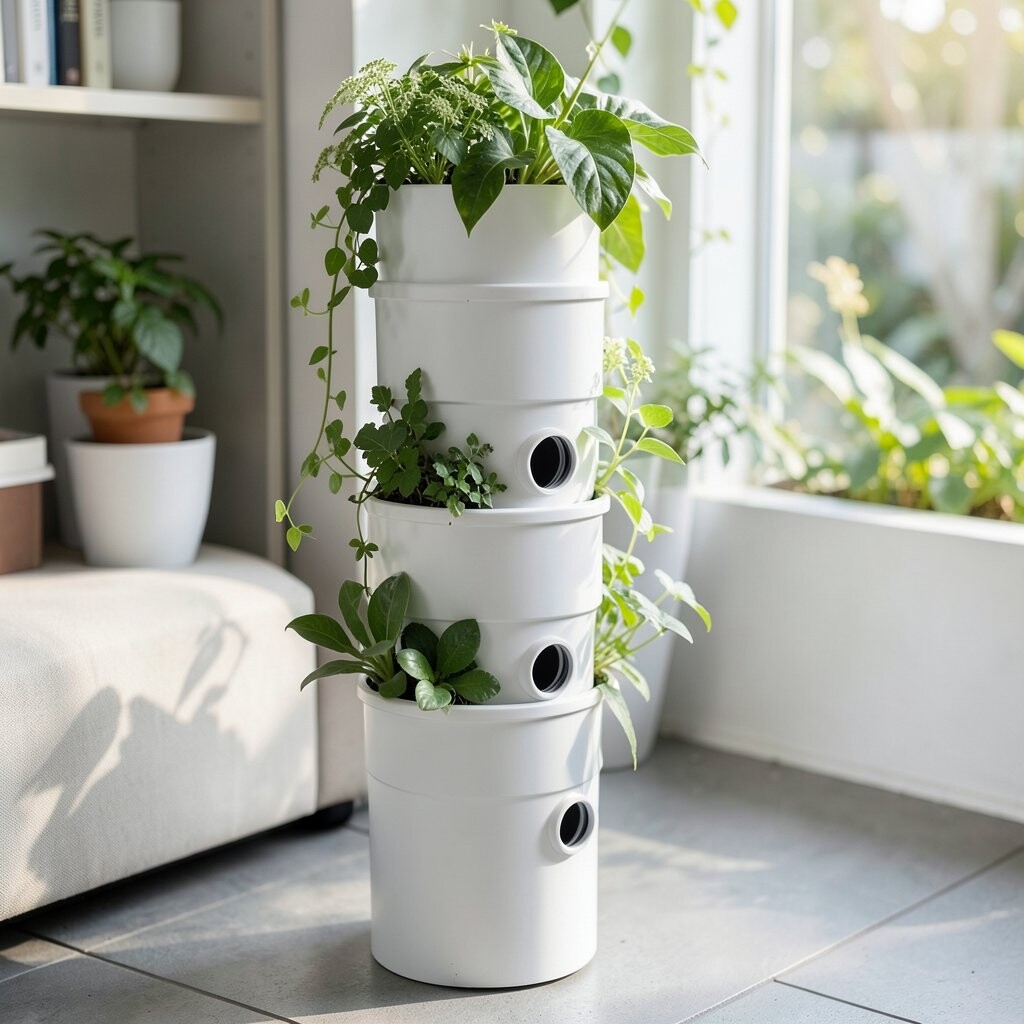
A PVC grow column has a futuristic, utilitarian vibe that looks great on patios or outdoor workspaces. Multiple ports create repeated plant openings, and the setup can look like a mini farm.
For benefits, this design often supports steady growing because you can aim water and nutrients through the system. If you’re building or customizing, keep the ports consistent so each plant receives equal support. Use a mesh netting inside ports for stability and to prevent soil from dropping out.
When you personalize, try an “edible wall” idea by dedicating sections to greens, strawberries, and trailing flowering plants. Watch for trends like hydro-inspired gardening since people love systems that look techy and efficient. Cost can be very manageable if you DIY with basic supplies, though extra parts like fittings and tubing can add up.
9. Living Frame Planter With Side Supports
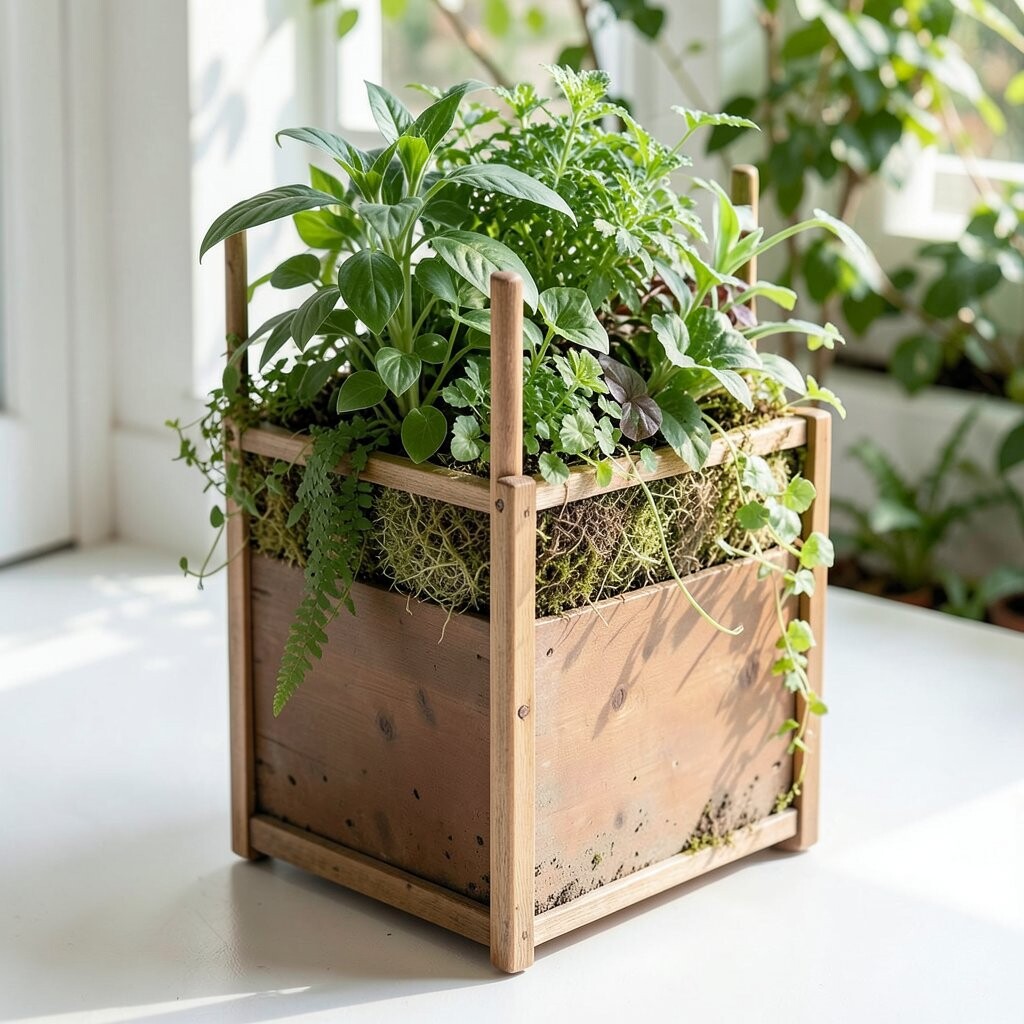
A living frame planter looks like a tall picture, but instead of art it’s filled with leaves and flowers. The surrounding supports give plants extra structure, making the whole space feel intentional.
Look for a frame that holds pots securely and allows airflow so plants don’t stay soggy. This setup offers a big benefit for beginners since you can train vines to grow where you want them. For practical tips, use trellis netting behind the plants so climbing varieties wrap neatly.
Personalization shines here because you can shape the frame with themes like “spring blooms” along one side and “herb focus” on the other. Cost considerations depend on size, but the frame style often lets you add extra planters later without replacing everything. A current trend is using vertical garden frames to create “micro rooms,” like a green divider near seating.
10. Hanging Vertical Planter With Clear Water Channels
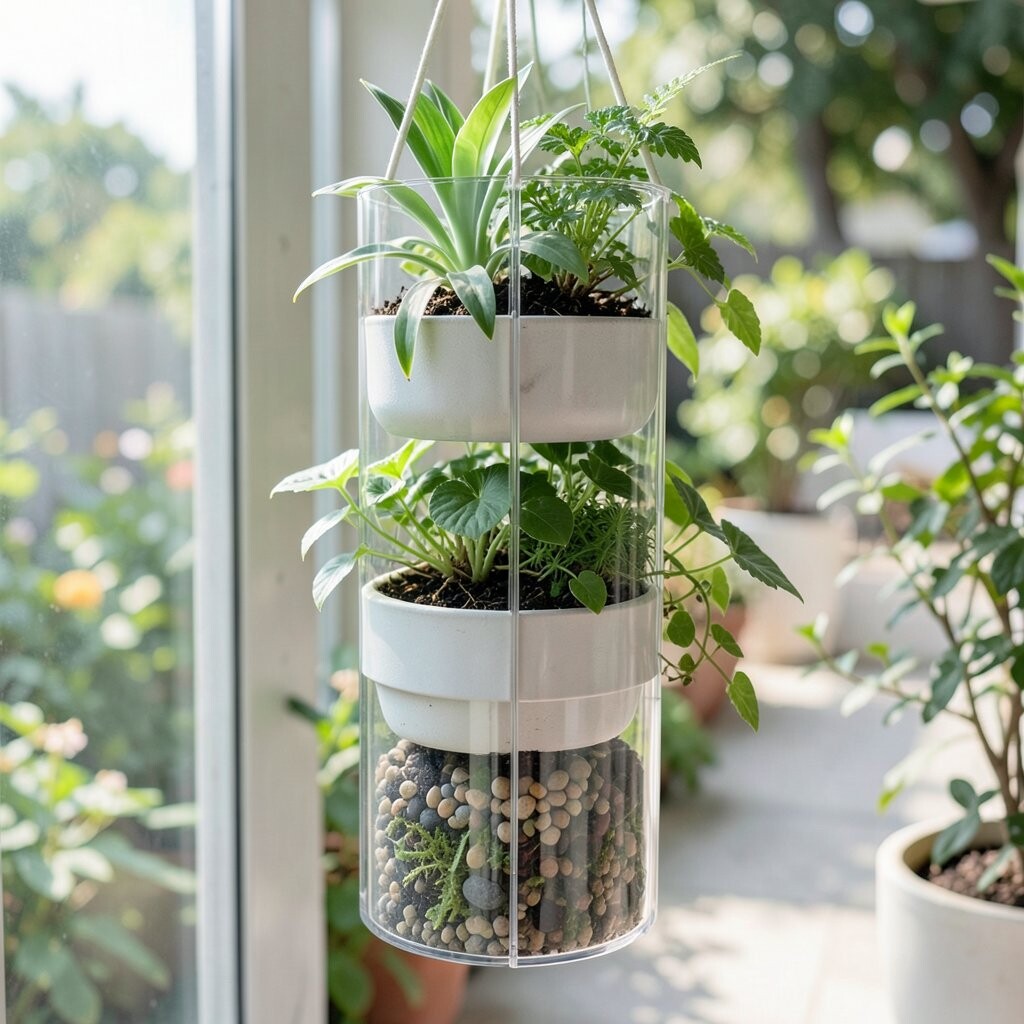
Some hanging planters include visible channels that guide water where it needs to go. Seeing the flow can be oddly satisfying, and plants tend to stay evenly moist.
This is a great option if you want a more controlled watering system without a full tower. Install it where it gets bright light, then use a well-draining mix so roots don’t sit in wet soil. For practical tips, check the channels for clogs after heavy rainfall or when you switch plant types.
Uniqueness comes from the transparency and the way plants look gently supported along the channel lines. Personalize by selecting plants with different growth habits, like upright chives next to trailing ivy. Cost is often mid-range because these planters add extra design features compared with simple hanging pockets.
Because hanging setups are part of the current trend toward “space-saving greenery,” this one fits balconies, porches, and even near a sunny window. Keep the look fresh by rotating and trimming so the channels stay visible through the foliage. A quick wipe-down after watering can also help it look clean and new.
11. Vertical Planter Box With Divider Rows
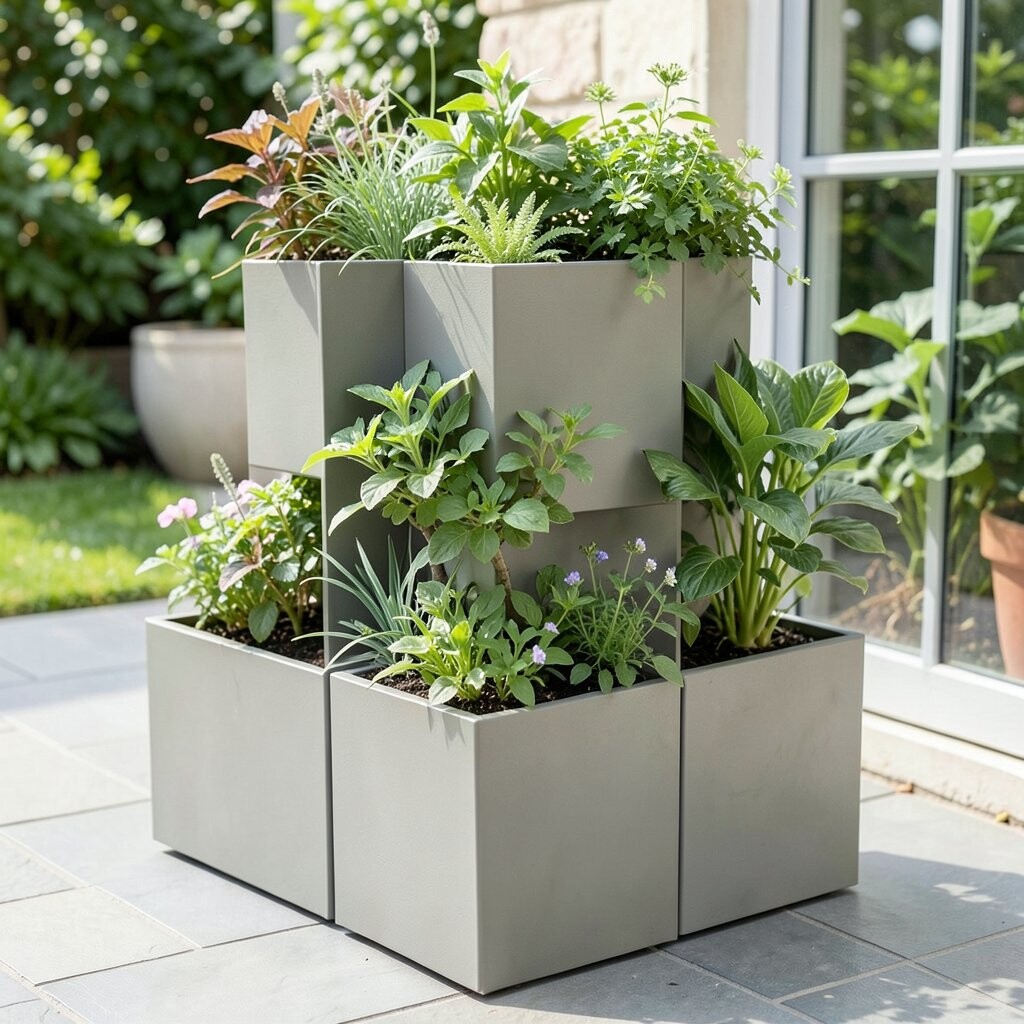
A planter box with internal divider rows gives you a neat grid pattern that looks tidy and modern. Each section feels like its own mini garden, so you can tailor planting without mixing everything together.
The benefit is easy personalization because you can separate herbs from flowers or keep different soil textures in separate rows. To get the best results, avoid overstuffing the rows and leave a bit of space for roots to expand. Use a slow-release fertilizer if you want consistent feeding with less effort.
This planter is practical for small spaces where you want control and tidy visuals. Consider the cost by thinking in terms of plant turnover since you can swap one row at a time when seasons change. For a current trend, plant in “layers,” using taller plants on the outer edges and shorter ones toward the center.
12. Outdoor Railing Vertical Planter With Clips
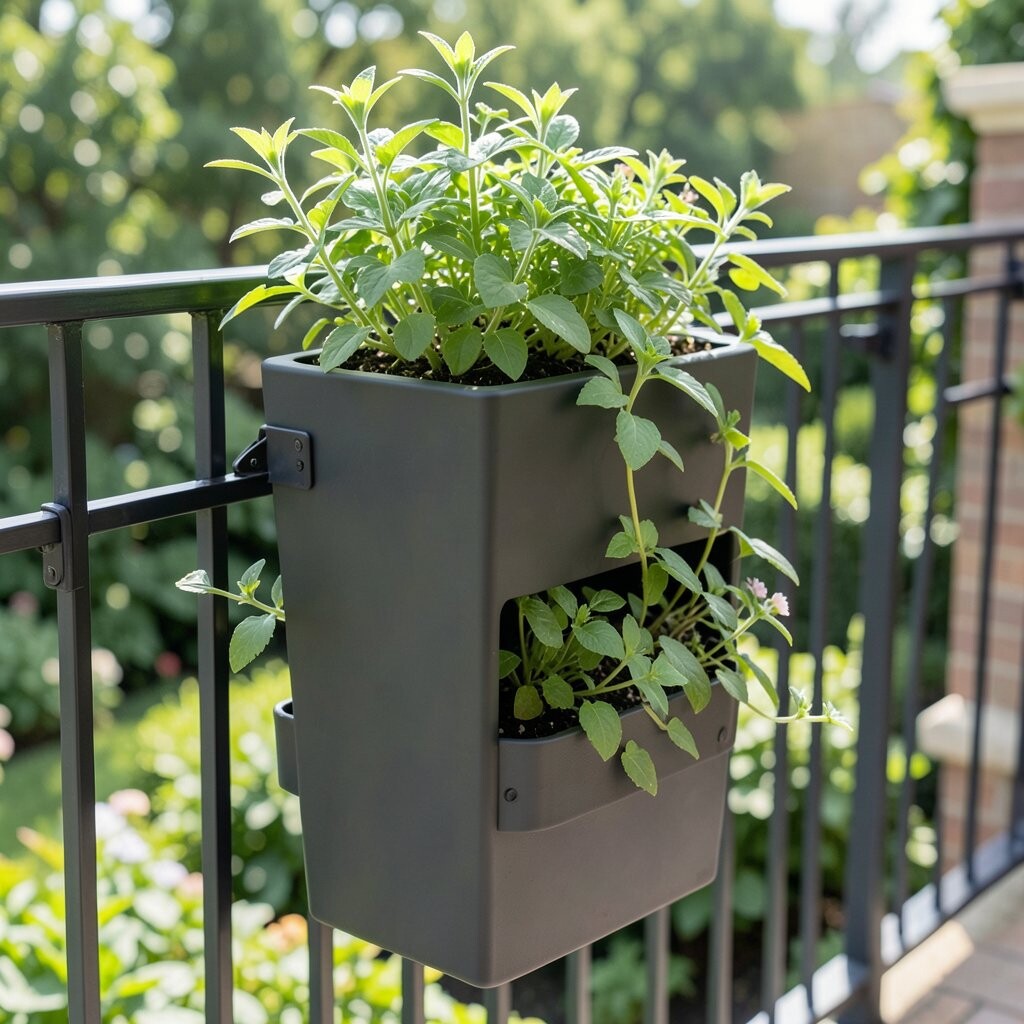
Railing-mounted planters look lively right away because plants sit at face height. The clipped design also makes it feel secure, which is comforting on windy balconies.
For benefits, you get better air circulation than many wall planters, which can help keep leaves healthier. Measure your railing first and choose clips rated for outdoor use so the setup doesn’t loosen over time. A practical tip is to use a mix with perlite or similar airy material for good drainage in planter boxes.
Uniqueness comes from the way these planters frame a view, especially if you line them up along a balcony railing. Personalize by alternating plant colors in a pattern, like stripes of purple and green. Cost considerations are usually reasonable because railing systems often come in multi-piece kits.
Many people today are using rail planters to create “window-box vibes” on balconies, and it’s an easy way to follow that trend. Keep the garden healthy by watering based on wind and sun intensity, not just the calendar. Add a trailing plant that spills over the edge so the railing looks softer and more welcoming.
13. Stackable Ceramic Vertical Planter With Glazed Levels
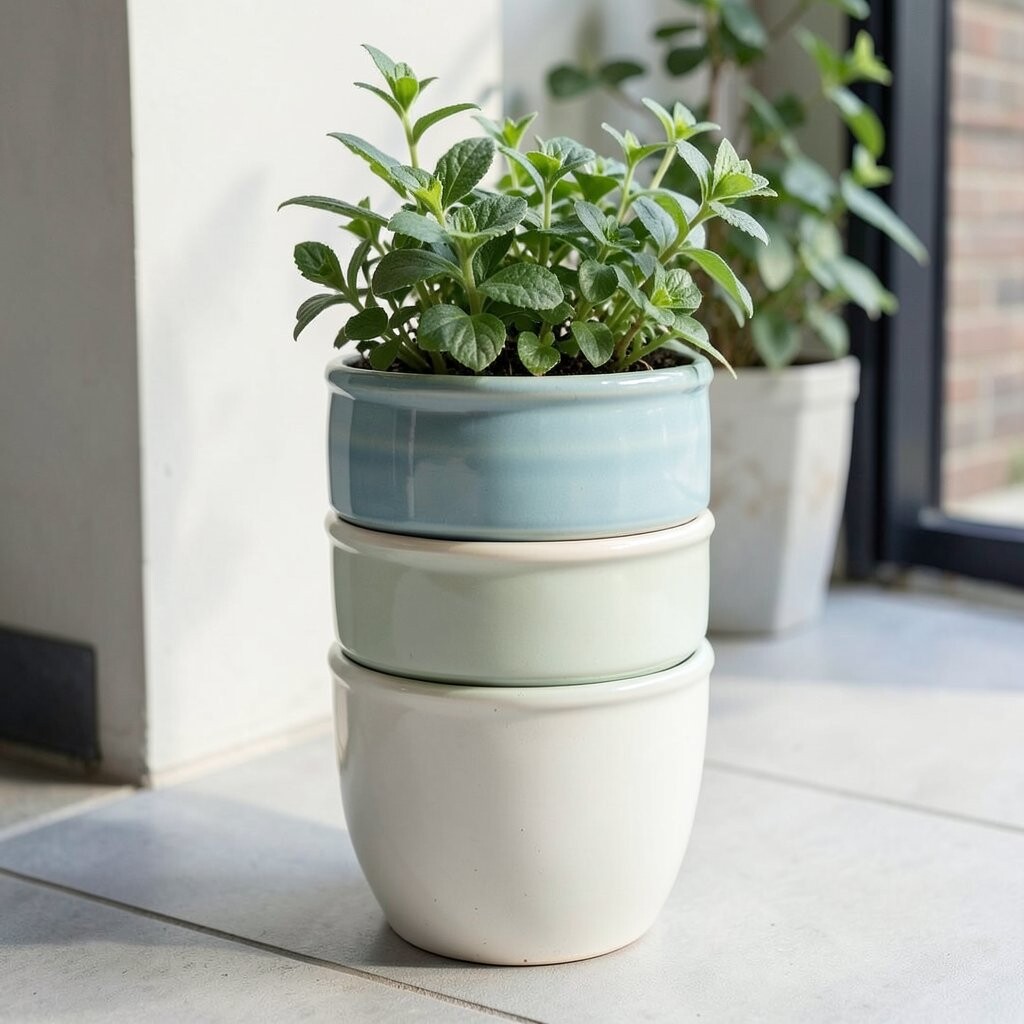
Ceramic stackable planters bring a classic, elegant look that feels at home indoors or on a covered patio. The glazed levels catch light beautifully, and the arrangement looks like a decorative sculpture when plants fill in.
The main benefit is stability, since ceramic is heavy and less likely to tip in light breeze. Use a quality potting mix and make sure each stack level has drainage so roots stay healthy. For practical tips, water in stages, letting the mix absorb before adding more so the soil doesn’t slump.
This planter is unique because the glazed finish can match your room colors and reflect sunlight in a gentle way. Personalize by choosing plant varieties that look good even when not in bloom, like decorative kale or small ornamental grasses. Cost can be higher than basic fabric or plastic, but ceramic planters often last longer and look more timeless.
14. Vertical Herb Tower With Rotating Base
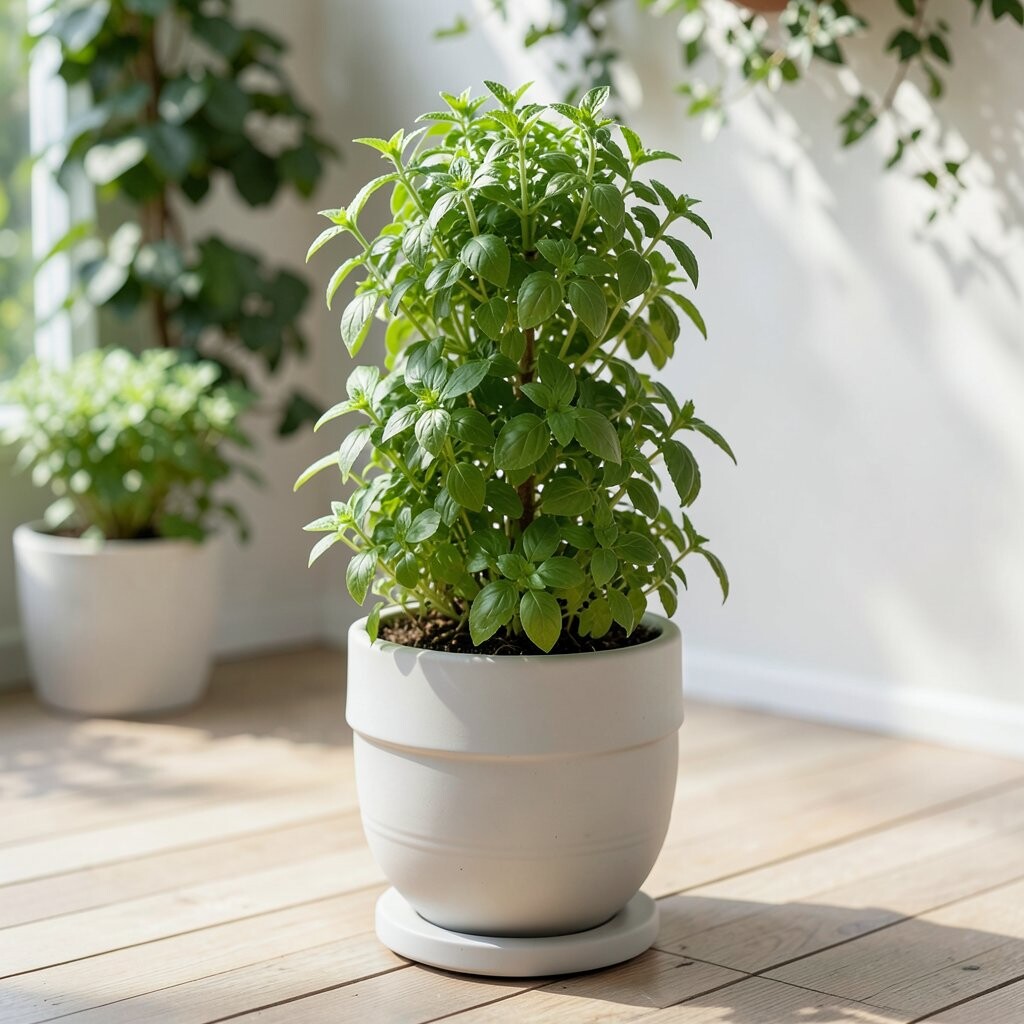
A rotating herb tower turns your plants into a convenient, kitchen-friendly feature. As it turns, you get fresh access to leaves, and the whole planter feels interactive.
The benefits are clear for anyone who loves cooking, since you can harvest easily without reaching awkwardly. Choose a tower with good light exposure and use herbs that enjoy similar conditions, like basil, thyme, and mint in separate sections if possible. For practical tips, trim often to encourage bushy growth instead of tall, leggy stems.
Uniqueness comes from the motion, which helps distribute light more evenly if you can keep it near a bright window or outdoor shade. Personalize with an herb theme and label your growth areas mentally by using scent as your guide when you brush past the leaves. Cost considerations vary, but rotating towers can be worth it if you’ll harvest often and keep the setup running year-round.
Current trends are favoring “edible decor,” and this planter fits that style perfectly. Keep the rotation consistent and check moisture levels when temperatures change. If you want extra charm, mix a few edible flowers like nasturtiums so the garden looks pretty and tastes good too.