The right fabric panels can make a wall feel soft, warm, and alive. Once you start picturing them in your space, you may not want to stop.
Fabric is an easy way to add color, texture, and comfort without heavy construction. It also helps rooms feel calmer and more welcoming.
1. Soft Velvet Panels for a Cozy Glow
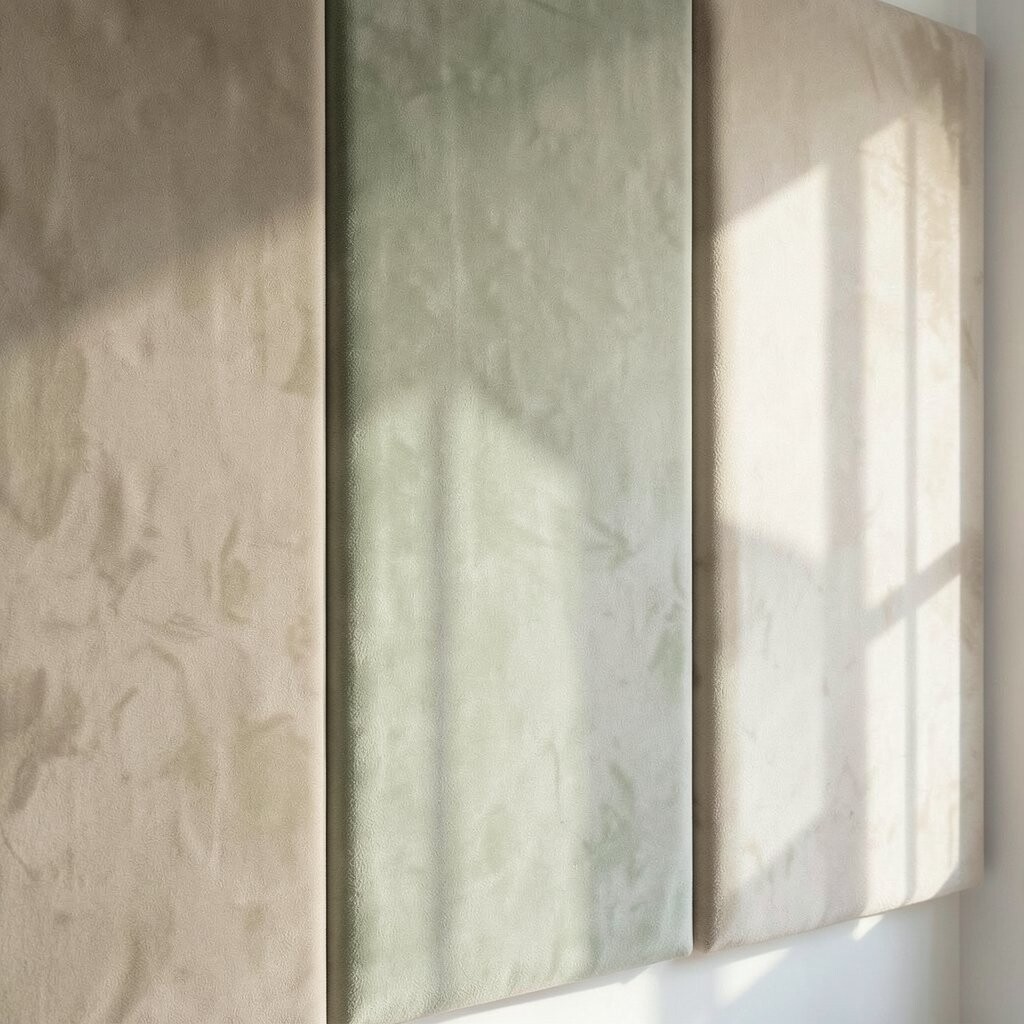
Imagine a wall dressed in velvet that catches light like a gentle sunset. The surface looks plush, and your room suddenly feels warmer even on quiet days.
Velvet panels are great for reducing harsh echoes, so evenings feel more relaxing. To make the effect work for everyday life, choose a color that matches your existing blankets or cushions, then hang panels slightly above eye level for a lifted look.
If you want it to feel personal, pick a velvet shade that mirrors a favorite item, like a throw pillow or lamp base. For cost, velvet can vary a lot, so shop for mid-range options and prioritize thick fabric with a smooth nap for the best finish.
2. Linen Panel Grids for Airy, Modern Calm
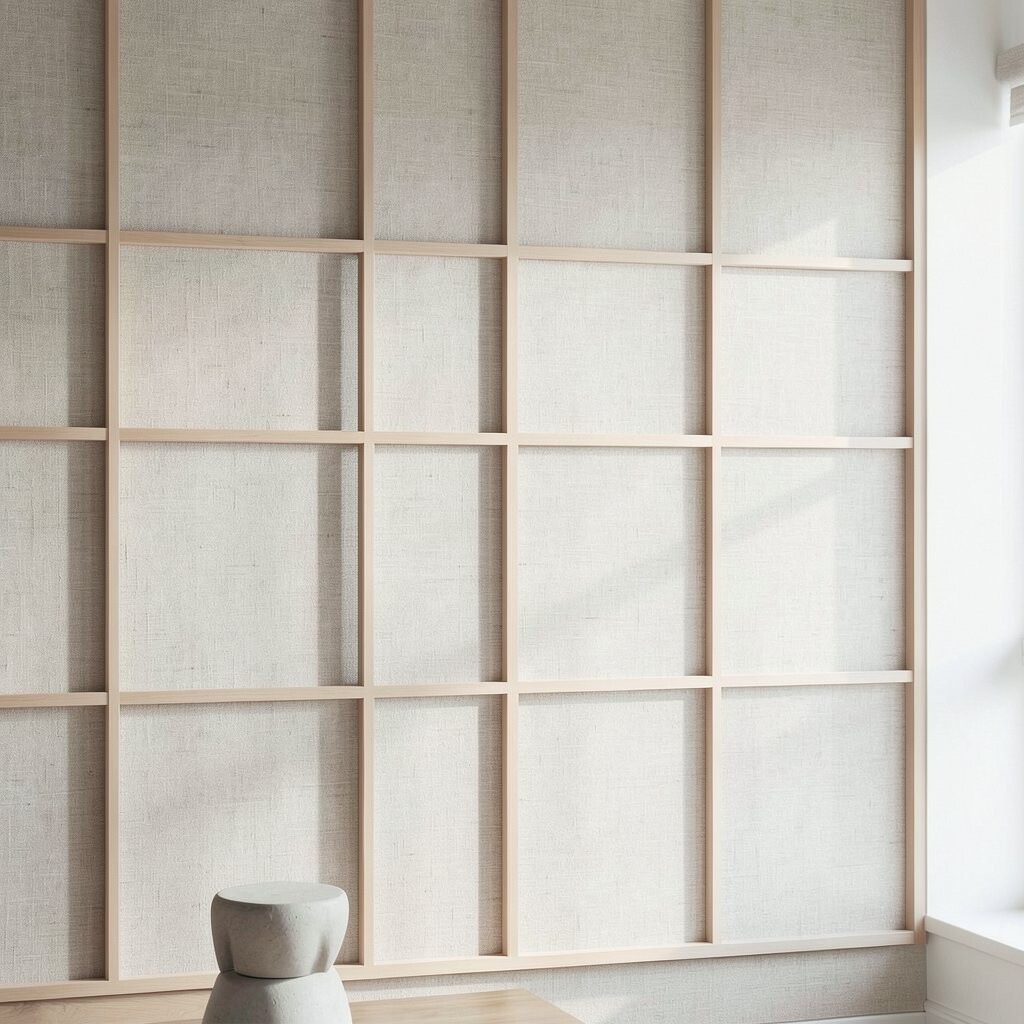
Linen fabric on a wall looks light and breathable, like a room with fresh air built in. When the panels line up in neat sections, the whole space starts to feel organized and tidy.
Linen grids are ideal when you want style without feeling too loud. A helpful move is to use neutral tones and let texture do the talking, especially if your furniture already has bold patterns.
For practical hanging, measure your panel spacing before you commit, because even small misalignment can stand out with grid designs. If you love trends, look for “natural texture” styling that pairs well with modern decor and warm wood furniture.
3. Upholstered Accent Panels for a Statement Nook
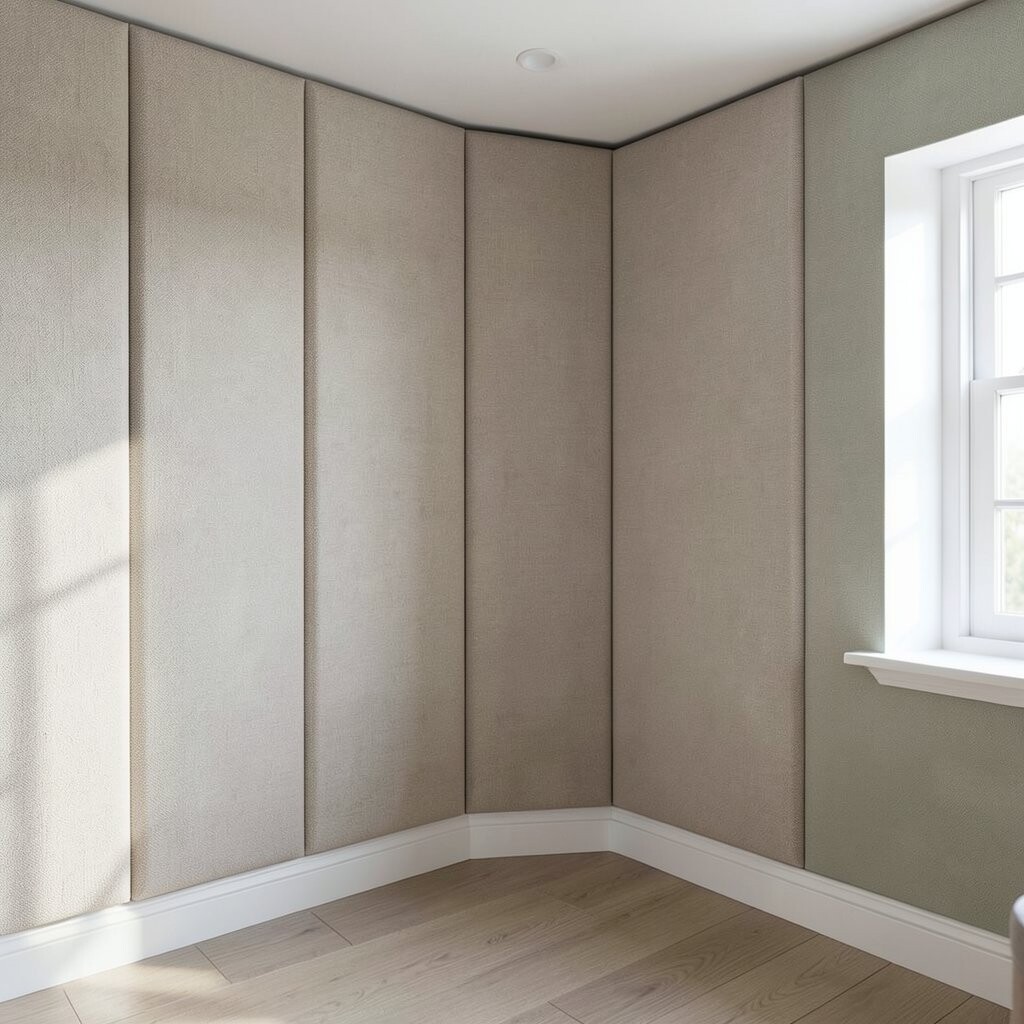
Picture a reading corner with fabric panels behind the chair, turning plain walls into a cozy backdrop. The fabric gives you a soft place to look at, and it makes the area feel intentional.
Upholstered panels add comfort and warmth while also hiding small wall imperfections. To personalize the look, match the panel fabric to your floor rug or curtain color so everything feels connected.
If you plan to change decor later, choose a medium tone that works with many styles rather than an ultra-specific shade. Cost-wise, custom upholstery can add up, so you can use ready-made panels and focus spending on high-quality fabric for the most visible sections.
Another easy upgrade is adding a fabric border or piping for a tailored look that still feels friendly. That small detail can make the whole wall feel like a designer touch.
4. Patterned Fabric Panels for Playful Color Control
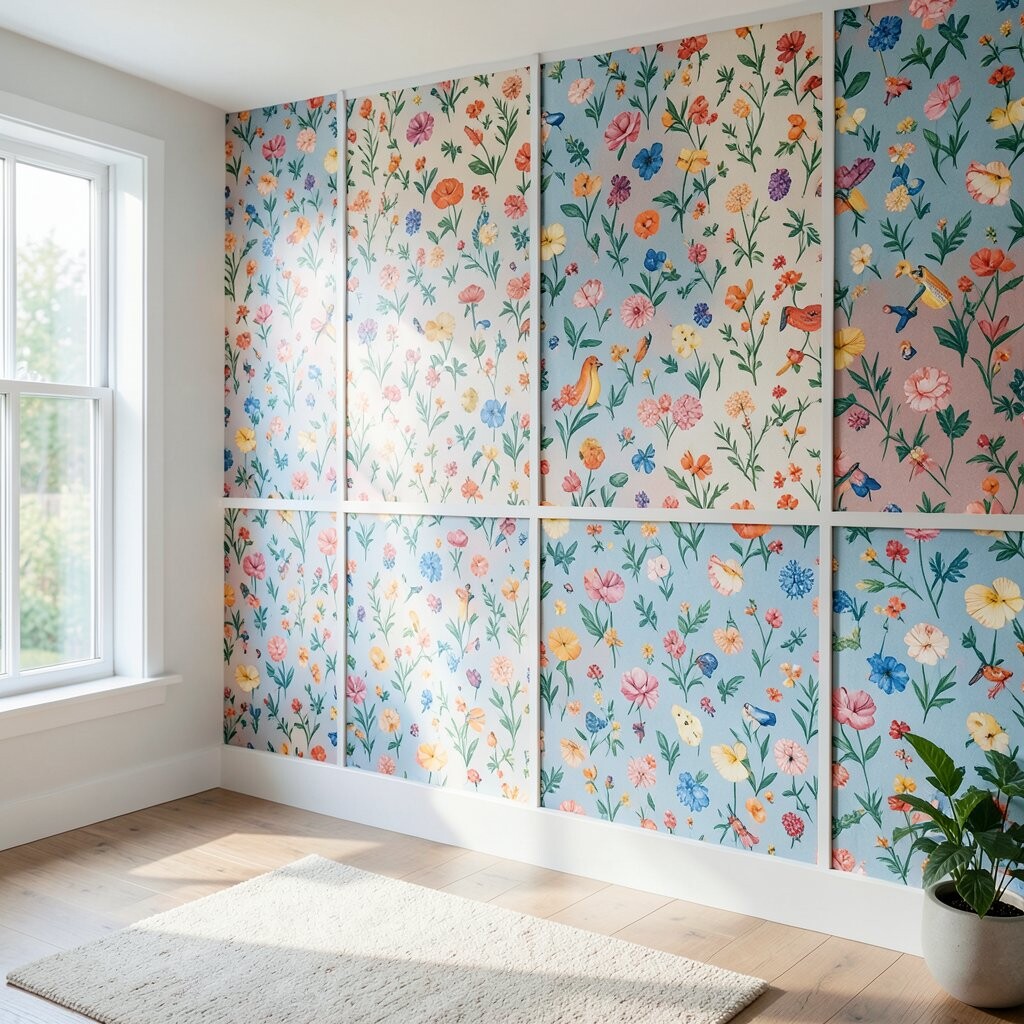
Think of a wall where patterns add energy but still look balanced. With fabric panels, you can place the best parts of a print in exactly the spots you want to shine.
Patterned panels are perfect for brightening a room because they add movement and visual fun. Try picking one dominant color from the pattern and repeating it in small ways, like in artwork or a throw blanket, so the room feels pulled together.
5. Geometric Panel Art with Stitched Edges
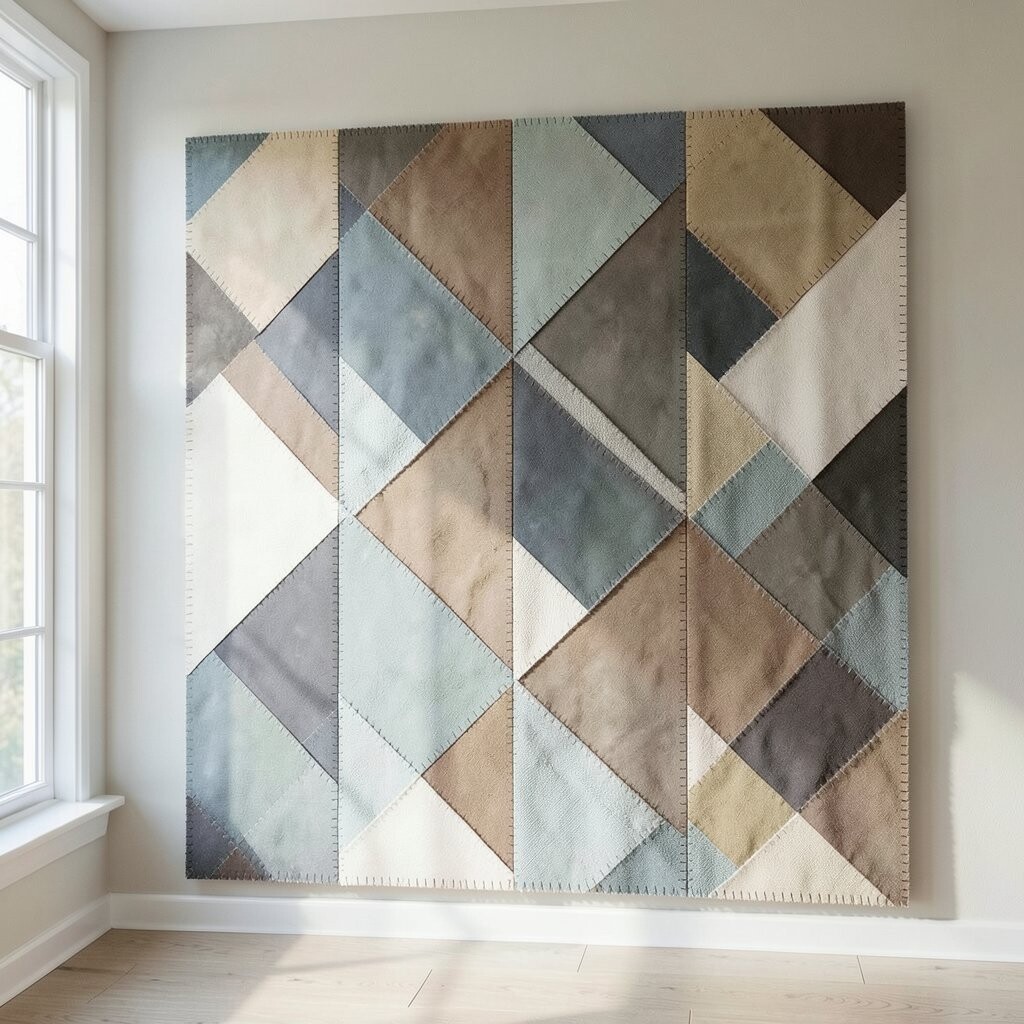
Close your eyes and imagine clean geometric shapes made from fabric, like wall art you can touch. The stitched edges add structure, so the design looks crisp instead of messy.
Geometric panel setups can energize a modern space without needing bold paint. A practical way to keep it easy is to use pre-cut fabric panels in a limited palette and keep the shapes consistent in size.
To personalize, choose prints that match your vibe, from subtle woven patterns to brighter solids. For cost, solid fabrics are often cheaper than specialty prints, so you can save money there while still getting a sharp look.
6. Ombre Fabric Panels for a Soft Color Shift
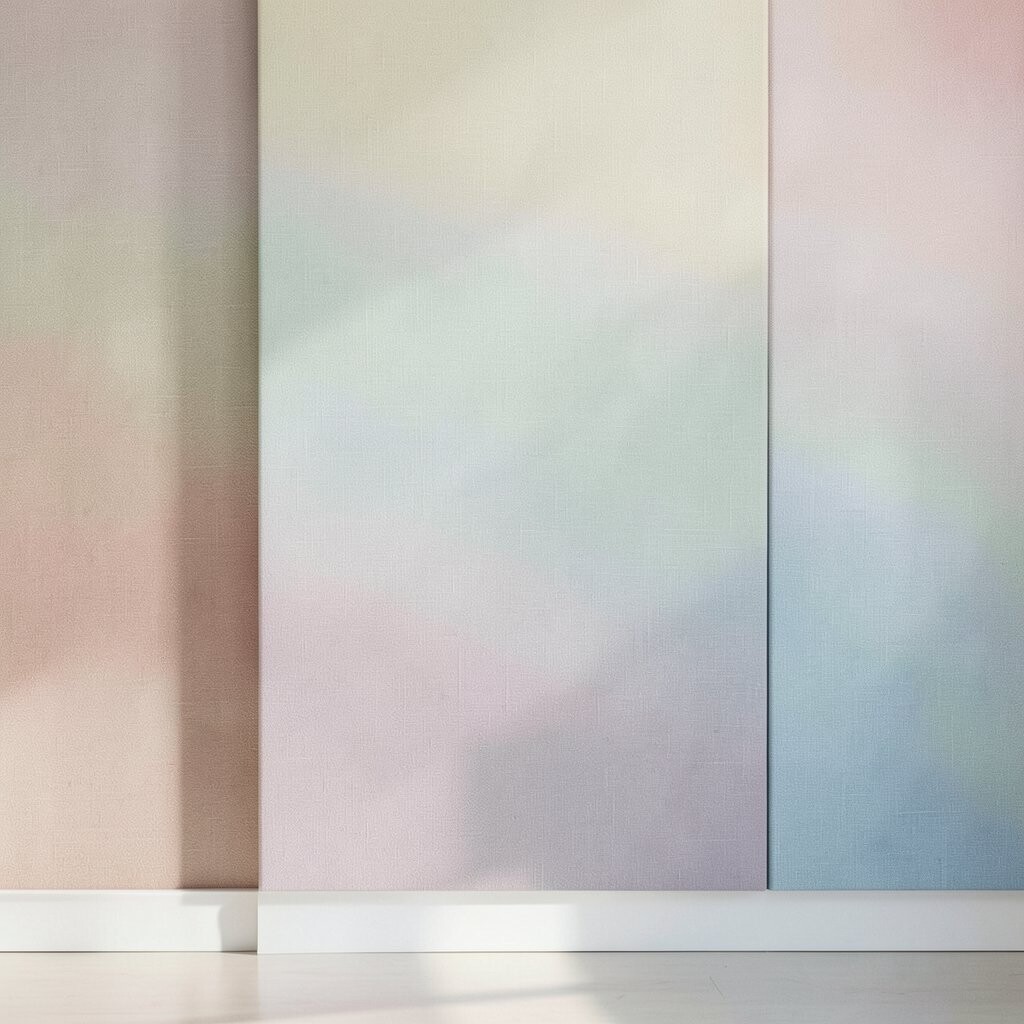
Ombre fabric panels create a smooth fade from one color to another, like a gentle gradient in the sky. When you hang them vertically, the room feels taller, and the light seems to spread more evenly.
These panels work especially well in bedrooms and calm living rooms. For best results, pick colors that are close on the color wheel so the shift feels smooth and not jarring.
If you want extra personality, align the darkest point near the baseboards or the chair rail so it frames the room the way you like. Budget tip for this look is to buy a panel fabric that already has the ombre effect, since cutting and dyeing at home can get complicated.
7. Floral Fabric Panels for a Fresh, Inviting Feel
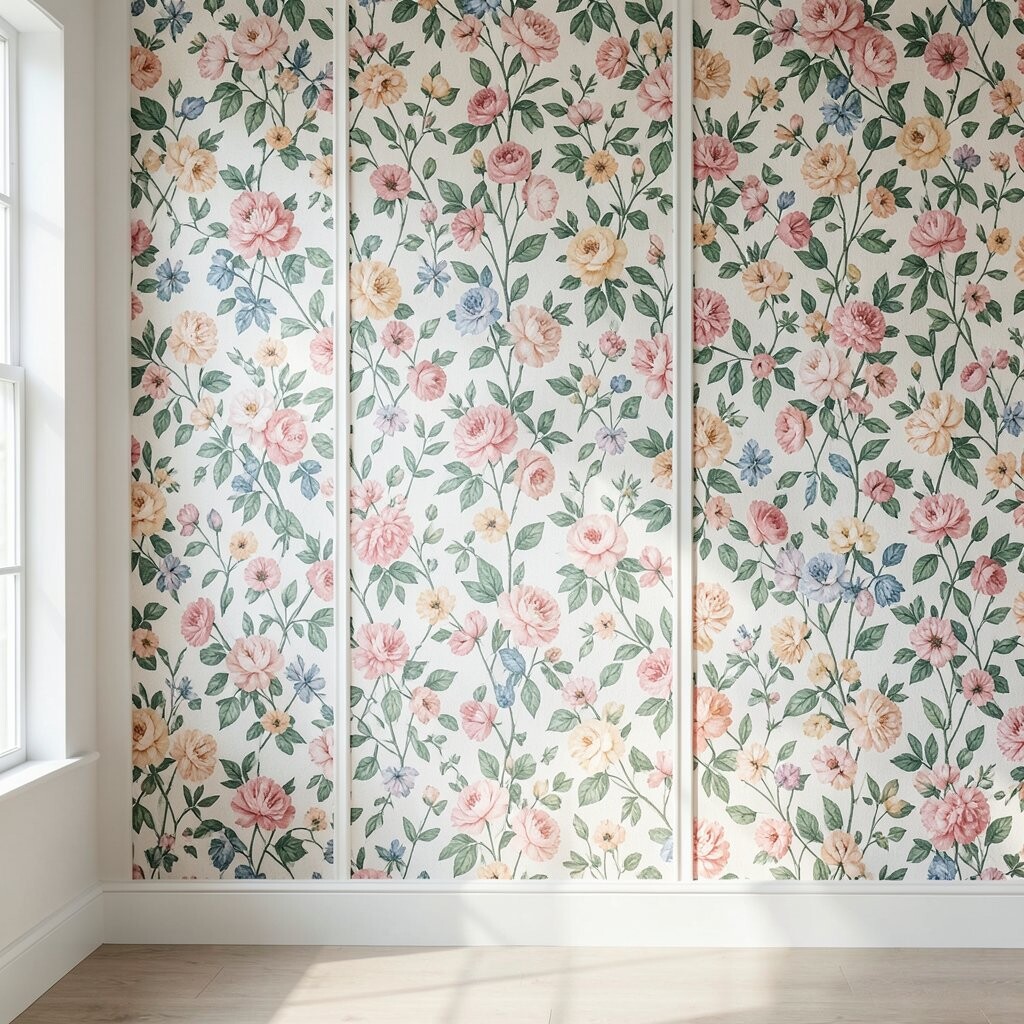
Floral fabric panels can turn a plain wall into a garden-like backdrop. The room feels brighter when the pattern includes greens, yellows, or soft pinks that catch natural light.
They’re a great choice if you want charm without clutter. Try centering a larger motif above a console or bed so the design looks intentional and not randomly placed.
To make it practical, choose washable or tightly woven fabric so life is easier if you have kids or pets. If you’re thinking about current trends, “botanical layering” is popular, meaning florals mixed with textured neutrals and natural materials.
For cost, consider using fabric panels only where they matter most, like behind a chair or above a dresser, and keep the rest of the wall simple for a smart budget balance.
8. Tapestry-Style Fabric Panels for Heritage Texture
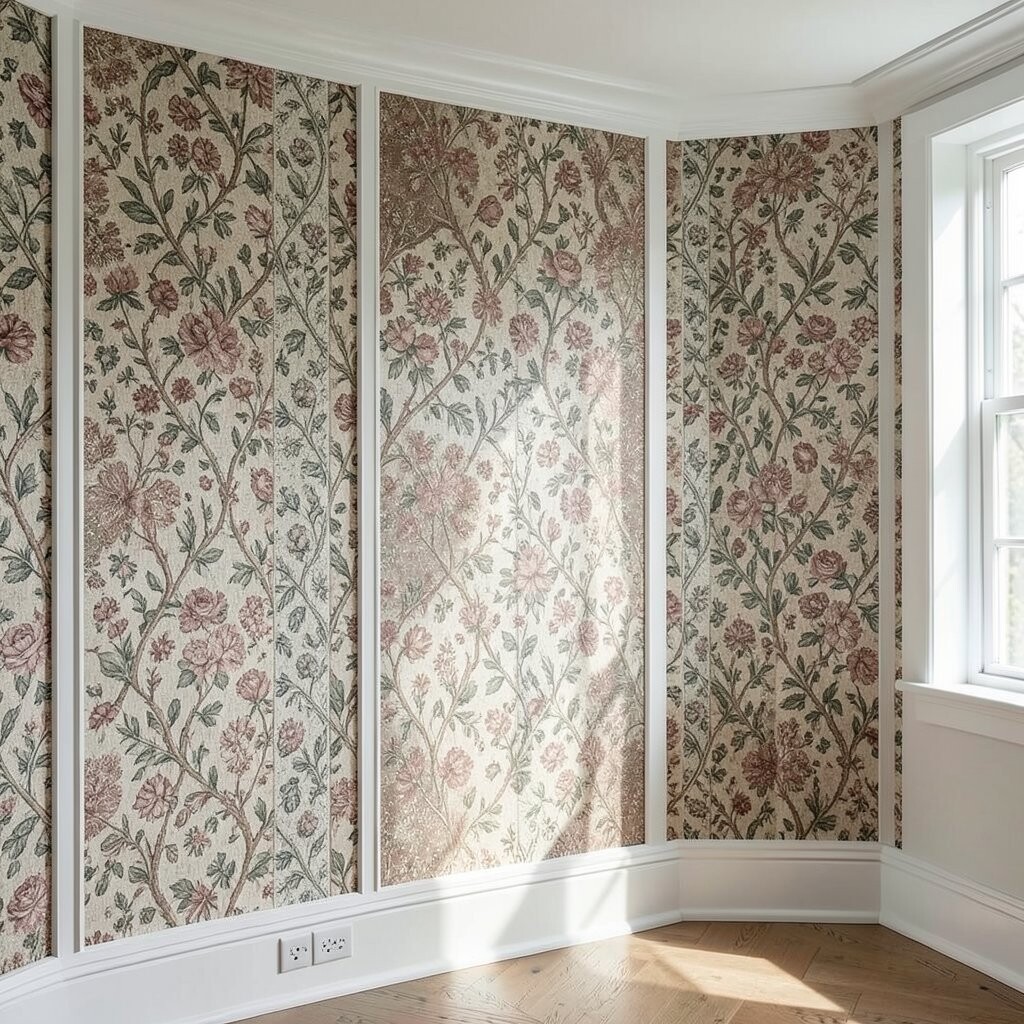
Imagine a tapestry look, but with modern fabric panels that sit neatly on your wall. The result feels rich, textured, and full of character from just one focal area.
Tapestry-style panels bring warmth and depth, which helps rooms feel grounded. If your space is mostly plain, this kind of fabric adds visual interest without needing extra decor.
To keep it from feeling too heavy, pick lighter background fabrics and balance them with airy curtains. Personalize by choosing patterns inspired by your travels or family favorites, so the wall tells a story you actually care about.
9. Child-Friendly Fabric Panels with Fun Themes
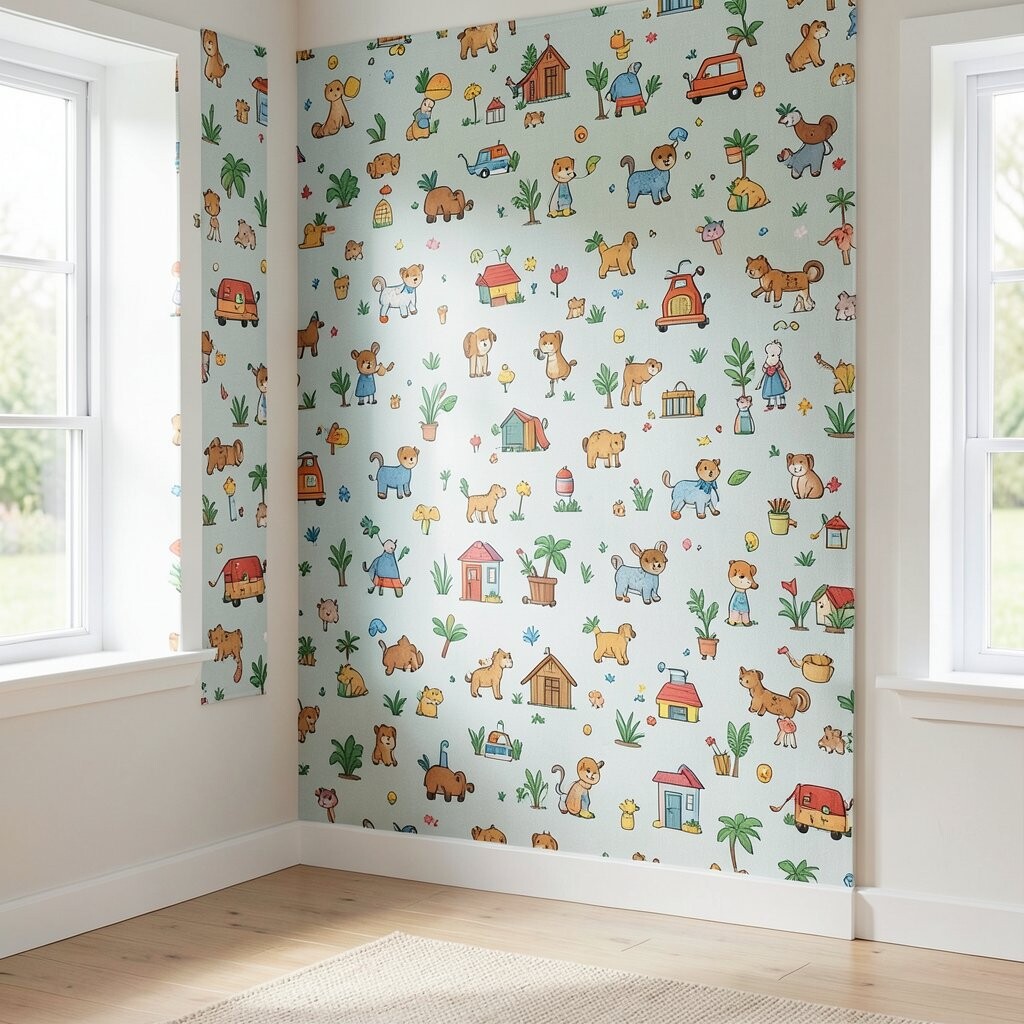
A child’s room can look brighter when fabric panels add color and comfort. Soft prints feel safe, and the wall becomes a playful backdrop for playtime and bedtime.
Fabric panels also help soften the sound in busy spaces, which can make the whole room feel calmer. Choose themes that can grow with them, like simple animals, stars, or nature shapes rather than something that feels too temporary.
For practicality, use removable or wipeable fabrics when possible, and secure panels firmly so they stay in place. Cost consideration is important, so you might start with panels in one area, like behind a bed, and expand only if you love the look.
Personalize by adding a small accent cushion or wall art that repeats the same colors as your panels, creating a matching set without extra clutter.
10. Acoustic Fabric Panels for a Quieter Home Office
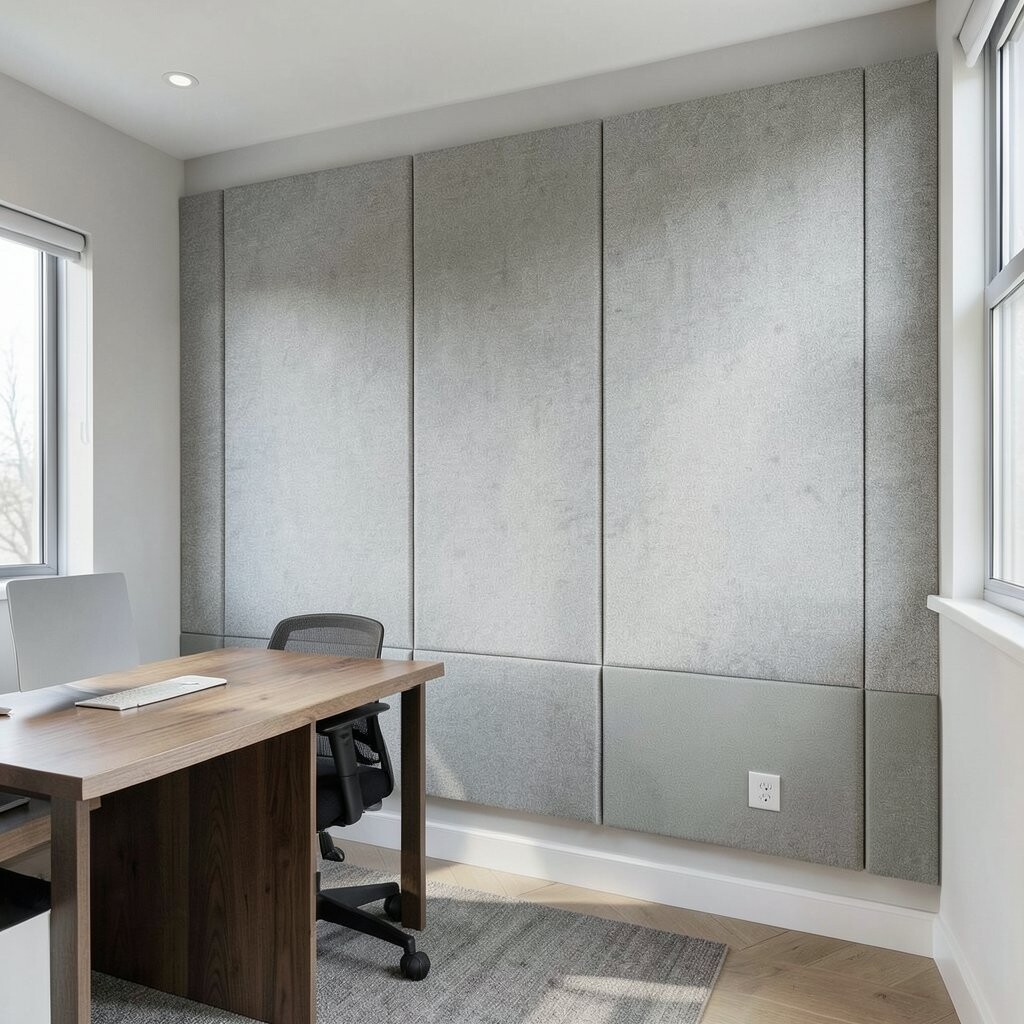
If your home office feels noisy or echoey, fabric panels can help right away. The wall becomes softer to the ear, and conversations or calls sound clearer.
Acoustic-style fabric panels are both functional and attractive, especially when you choose colors that match your desk setup. A smart move is to place panels behind you or along the side wall, so sound bounces less around your workspace.
To personalize, select fabric tones that fit your mood, such as warm beige for focus or muted blue for calm. For cost, acoustic options can be pricier, so look for bundle deals and prioritize panels where you notice the most echo.
11. Bold Color Block Panels for High-Energy Rooms

Color block fabric panels can make a room feel exciting in seconds. It’s like you added fresh paint without the mess, and the textures keep it interesting.
This option is great when you want bright energy and you don’t mind making a strong visual choice. Keep the rest of the decor simple so the panels stand out, and repeat one of the block colors in a rug or lamp for cohesion.
If you want a smoother look, use fabrics with similar weave thickness so everything hangs evenly. Cost can be managed by using fewer panels with bigger shapes, which keeps material use efficient while still looking bold.
For current styling, people love mixing strong colors with soft furnishings, so pair the panels with cozy throws and rounded furniture for a balanced look.
12. Fabric Panels Over Shelves for Layered Storage Style

When fabric panels cover or frame shelves, the wall becomes both useful and beautiful. The texture adds warmth, and the room looks more styled even when storage is happening.
This approach is practical because it hides visual clutter and creates a cleaner backdrop. Choose panels that match the colors of your shelf items, then keep shelf decor limited to a few repeated tones.
To personalize, use panels with subtle patterns and add small fabric tabs or trim so the edges look designed. For cost considerations, you can upholster only the panel sections that show, which reduces material while keeping the impact high.
13. Sheer-to-Opal Panels for Light That Feels Soft
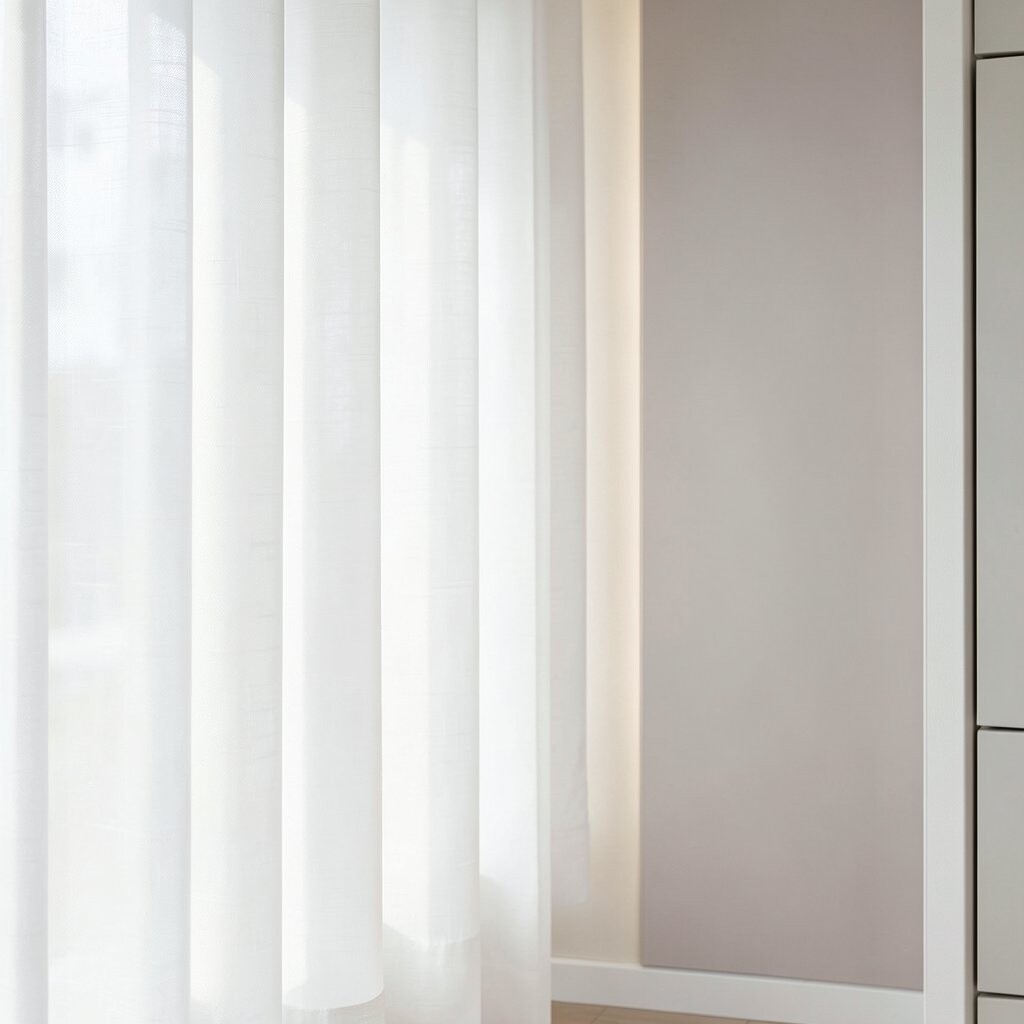
Sheer fabric panels can brighten a room while keeping it airy and dreamy. The light moves through the fabric in a gentle glow, giving your space a polished, calm look.
This style works well if you love daylight but want a little privacy. Pair it with curtains or blinds so you can control how much light you want at different times of day.
For personalization, use sheer fabrics in warm white, champagne, or pale pastel shades to make the room feel inviting. Cost is often reasonable for sheer fabrics, but prioritize strong support and good lining so the fabric drapes neatly and doesn’t sag.
When trends come up, layered light textures keep showing up, and sheer panels are an easy way to follow that vibe without changing your whole home.
14. Removable Clip-On Panels for Easy Style Changes
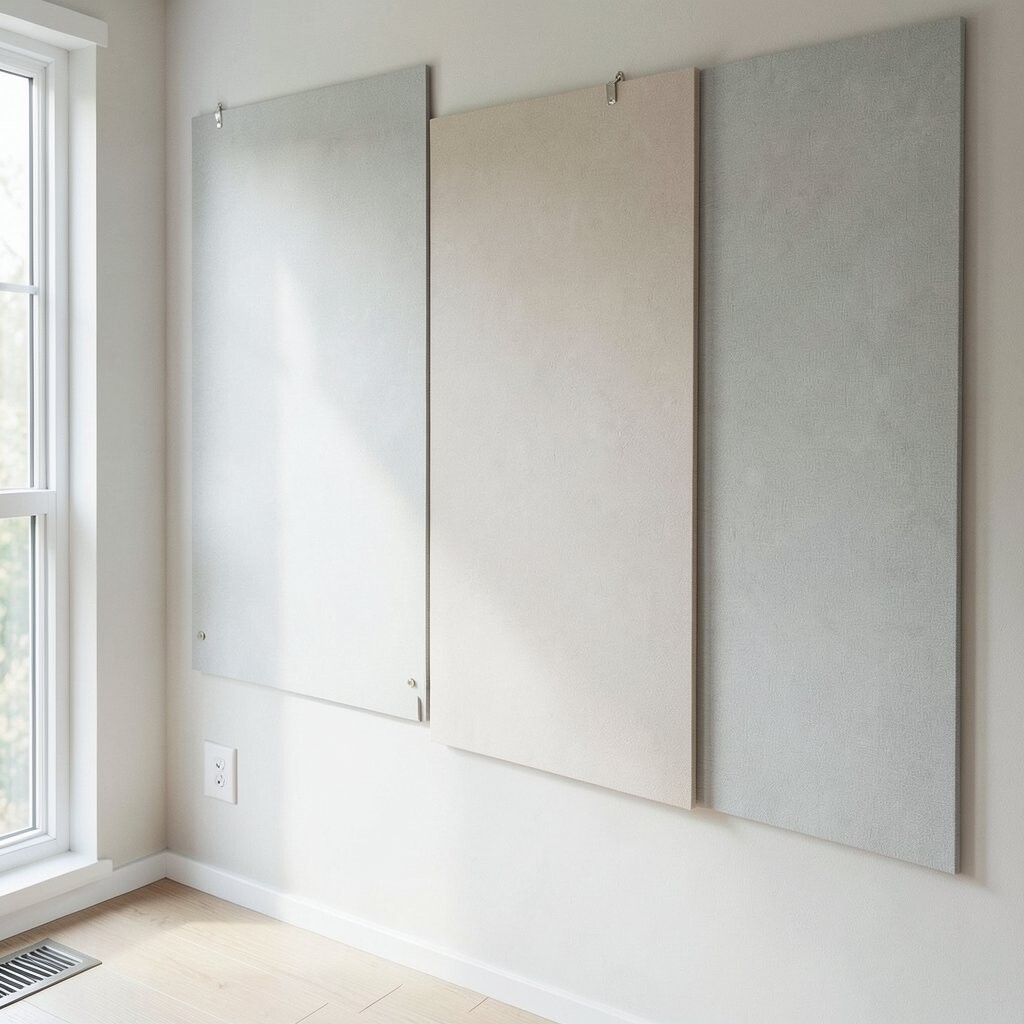
If you love switching decor, removable fabric panels are a smart way to keep things fresh. You can change colors with the seasons or match new furniture without a long project.
This setup gives you flexibility, and it’s also useful for renters. A practical tip is to plan the number of clips and the panel weight carefully so everything stays secure and looks even.
To personalize, choose a “base” fabric for the wall and swap in brighter panel sections when you want a mood change. For cost considerations, clip-on systems can be affordable, especially if you buy fabric and simple mounting rails once, then reuse your favorite fabrics many times.
Current trends favor mix-and-match textiles, so removable panels help you build a collection and rotate it like art.
Just be sure the fabric you pick is one you will actually enjoy touching, because the best panels feel great every day.