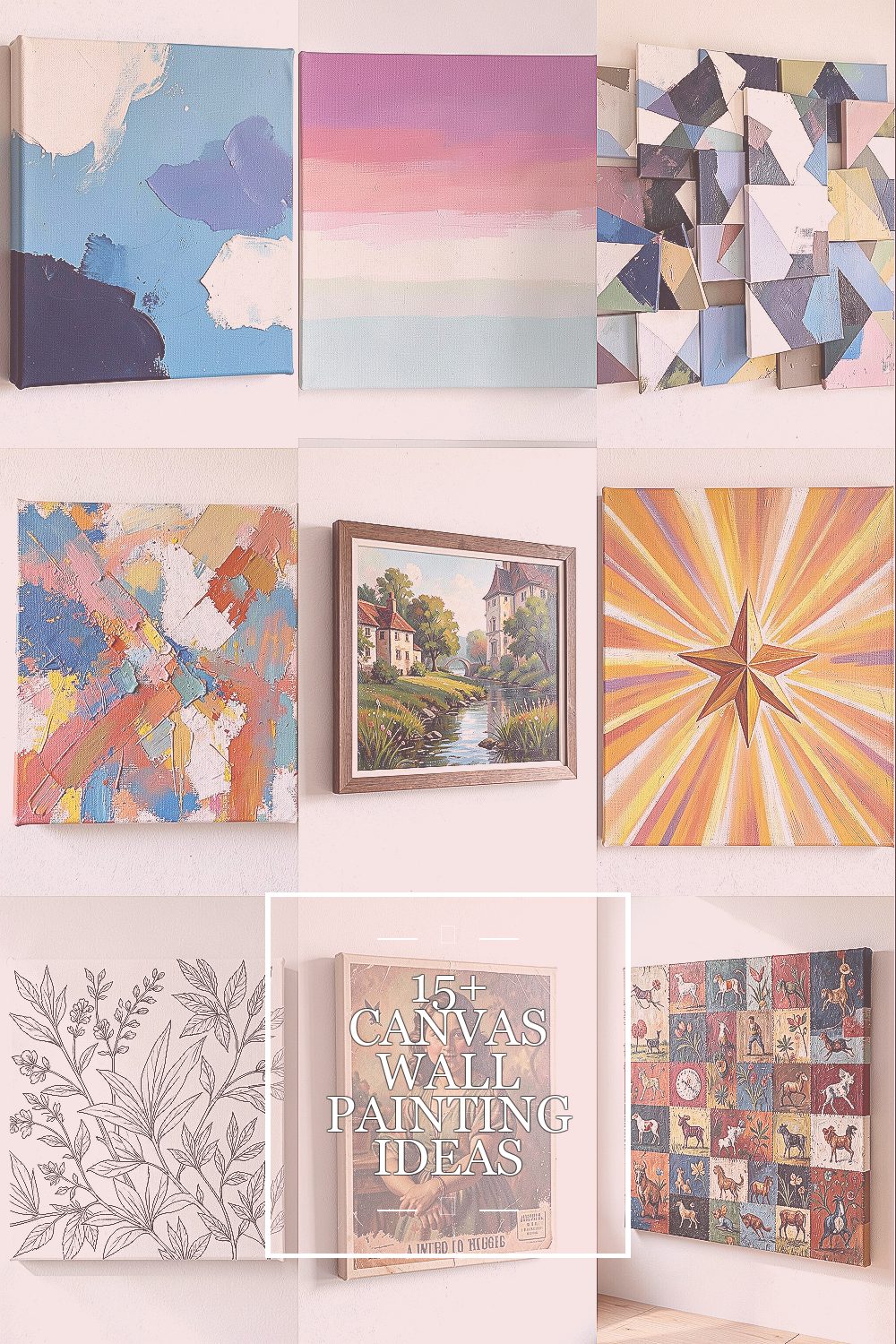
A plain wall can feel like a paused song. With canvas painting, you can add color and personality that keeps moving.
Art on the wall doesn’t need to be complicated to look amazing. Small choices can make your whole room feel brighter and more like you.
1. Single-Color Statement Canvas
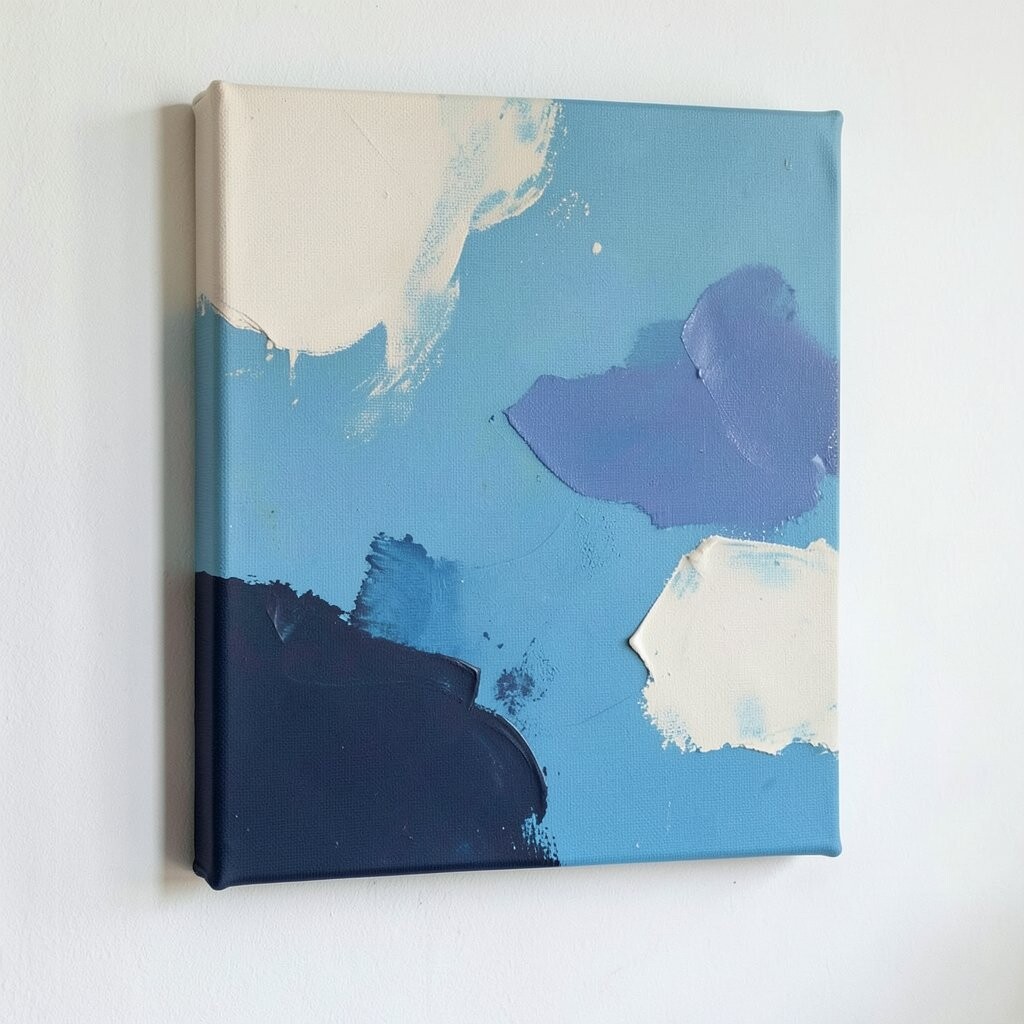
Pick one bold color and let it fill the canvas like a sunrise. Choose a shade that matches your space, then paint it with smooth strokes that you can still see.
For a clean look, use painter’s tape to make crisp edges on the wall area where it will hang. This idea makes your room feel modern and calm because your eye knows exactly where to rest. If you want personalization, test the color on a scrap piece first and compare it in daylight and at night.
2. Layered Ombre Gradient Canvas
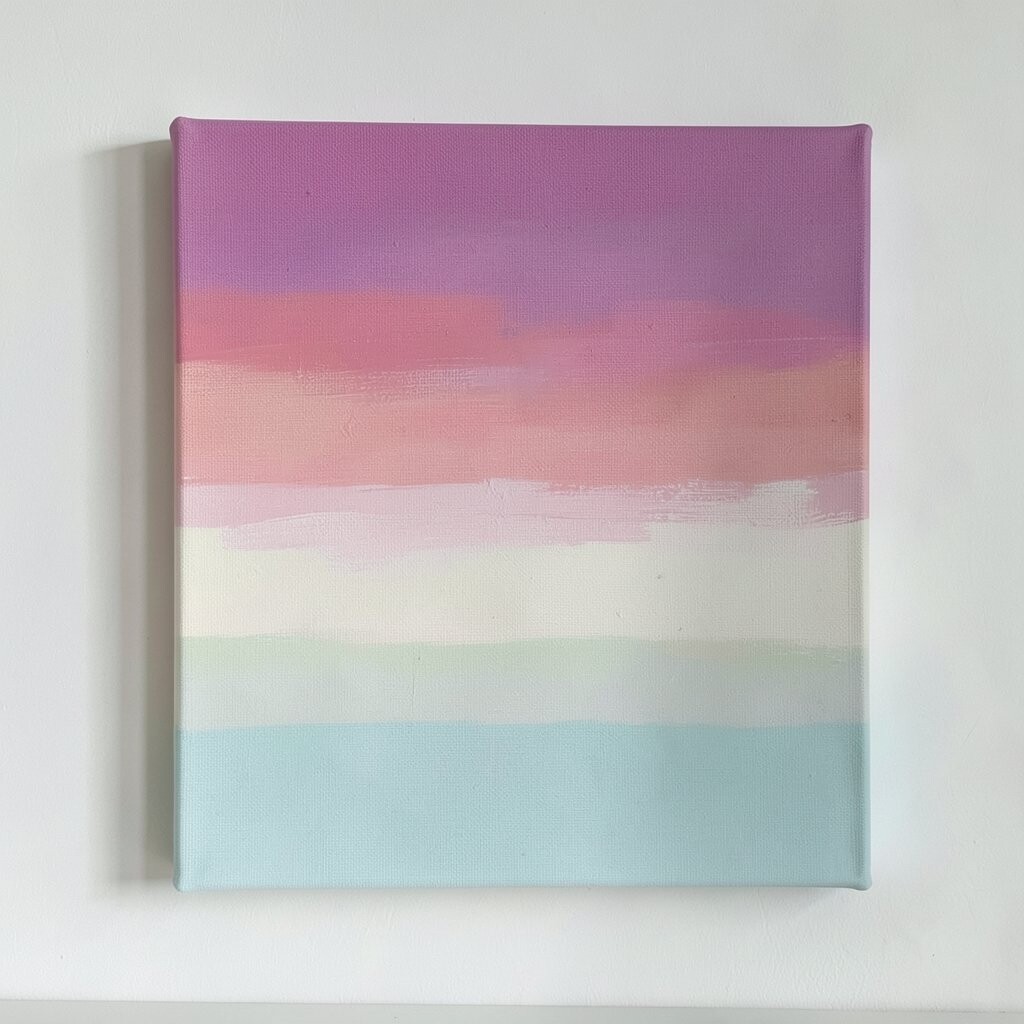
Create a gradient that fades from one color to another, like sky to sunset. Blend gently with a wide brush, then soften the transitions so they look natural.
Ombre walls are a current favorite because they feel airy and not too busy. They also make small rooms feel taller since the eye moves upward along the fade. To keep it practical, mix your paint in batches and use a damp rag to smooth the blend before it dries.
For cost control, choose two or three colors from what you already own and build the rest with mixing. Personalize the mood by going more cool for a bedroom or more warm for a living room.
3. Geometric Block Wall Overlapping Canvases
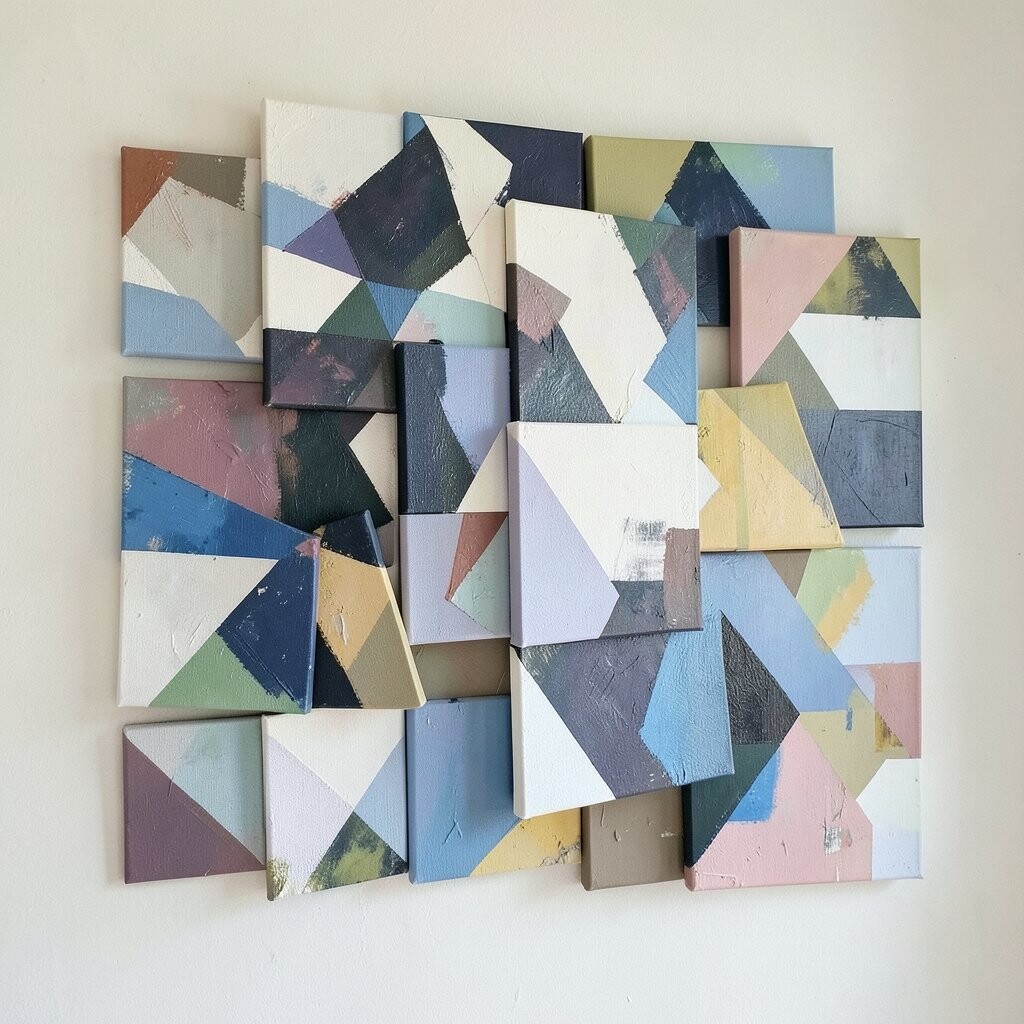
Paint a set of canvases with geometric blocks that overlap in your pattern. Try sharp triangles, thick rectangles, and diagonal lines for energy.
Space benefits from this style because it adds structure without needing heavy furniture. It looks unique even when you use basic shapes, since the placement controls the whole vibe. Use a ruler for straight edges and a light pencil sketch so the pattern feels intentional.
If you want it to feel personal, choose shapes that match what you already like, such as your favorite number, a sports theme, or a simple repeating motif. To manage costs, buy one good tape and a limited color palette, then reuse the same colors across all canvases.
Hang them with even spacing or slightly offset them for a gallery feel. Keep the background color neutral so the blocks pop and your eyes stay focused.
4. Textured Palette-Knife Abstract Canvas
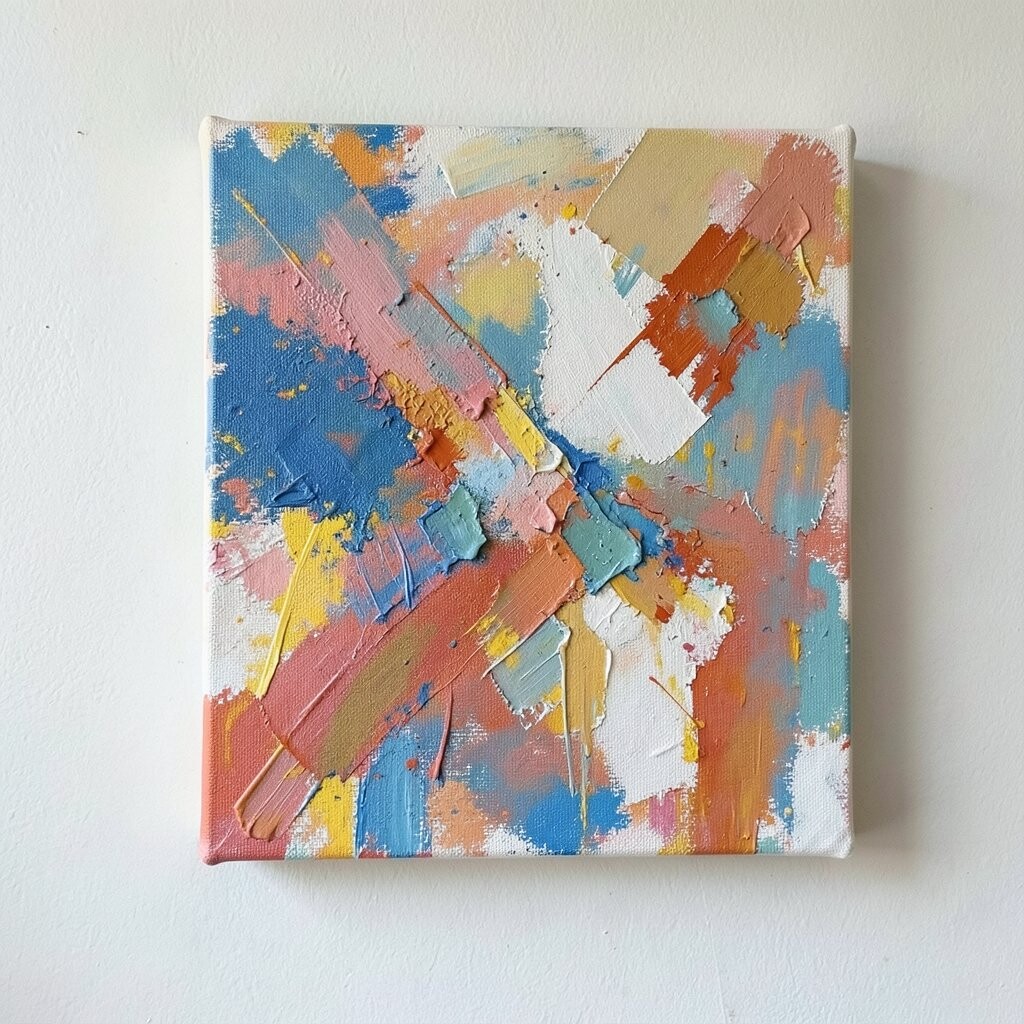
Use a palette knife to paint thick textures that catch light as you move. Swirl colors on the canvas, then pull ridges and peaks so the surface looks alive.
This style brings a cozy, artful look to any room. You get uniqueness because the texture pattern will never be the same twice. For practical results, work in layers and let each layer set a bit before adding the next.
To personalize, choose colors tied to your decor, like cream, sage, rust, or deep navy. It can be budget friendly because a little paint goes far when you add texture instead of covering everything with thin coats.
Keep your canvas clean around the edges, and wipe the palette knife between colors for neat lines. In bright rooms, textured paint can look extra vibrant, almost like it’s glowing.
5. Framed Photo-Inspired “Painting” Scene
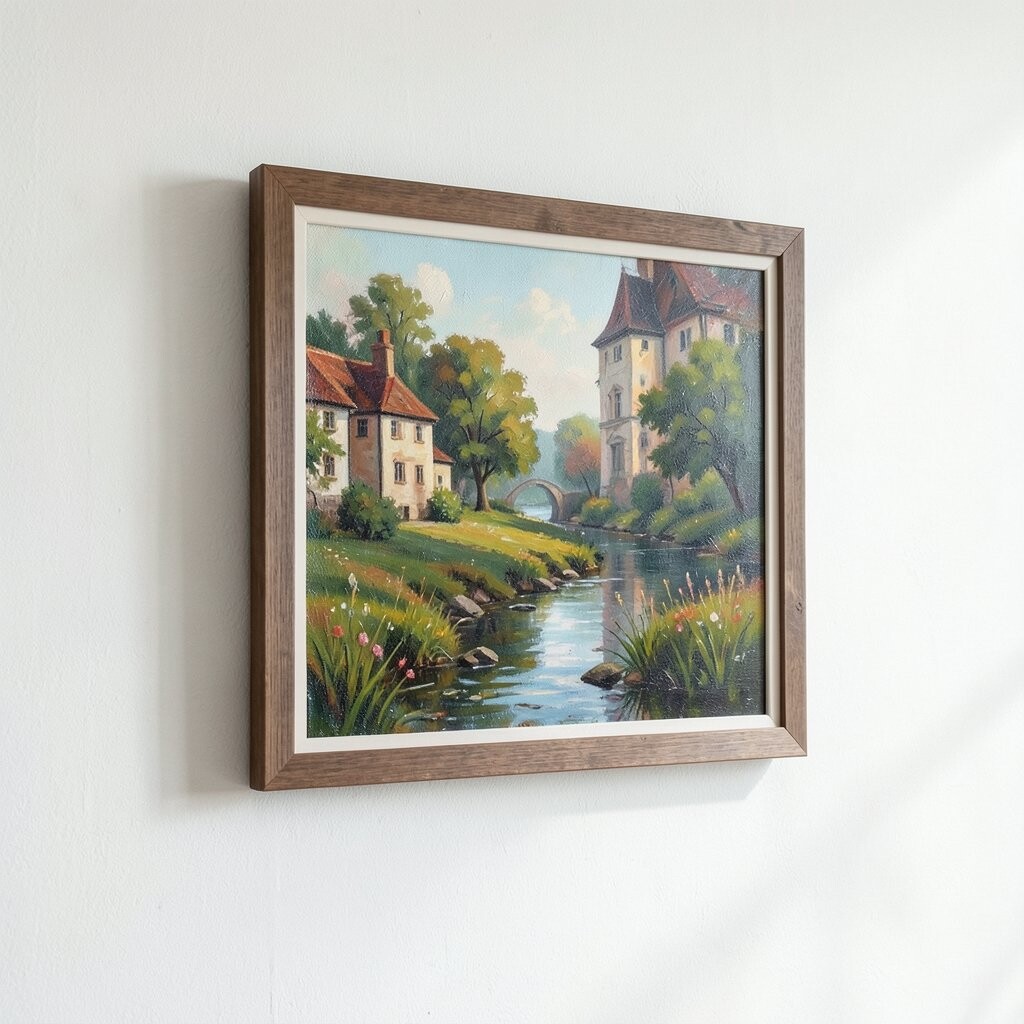
Start with a photo you love and repaint it as an abstract scene on a canvas. You can change colors or simplify shapes, so it feels more like art than a copy.
This idea benefits your space because it keeps meaning while still looking stylish. It’s unique when you swap out details, like turning a busy background into soft swirls. For practical tips, focus on three main values, such as light, medium, and dark, then build from there.
Personalize it by choosing an image that matters to you, like a favorite vacation street or your childhood home’s backyard. If you want a lower cost, print the photo for reference and buy only a few key colors to match the palette.
6. Sunburst Backdrop Canvas With Center Star
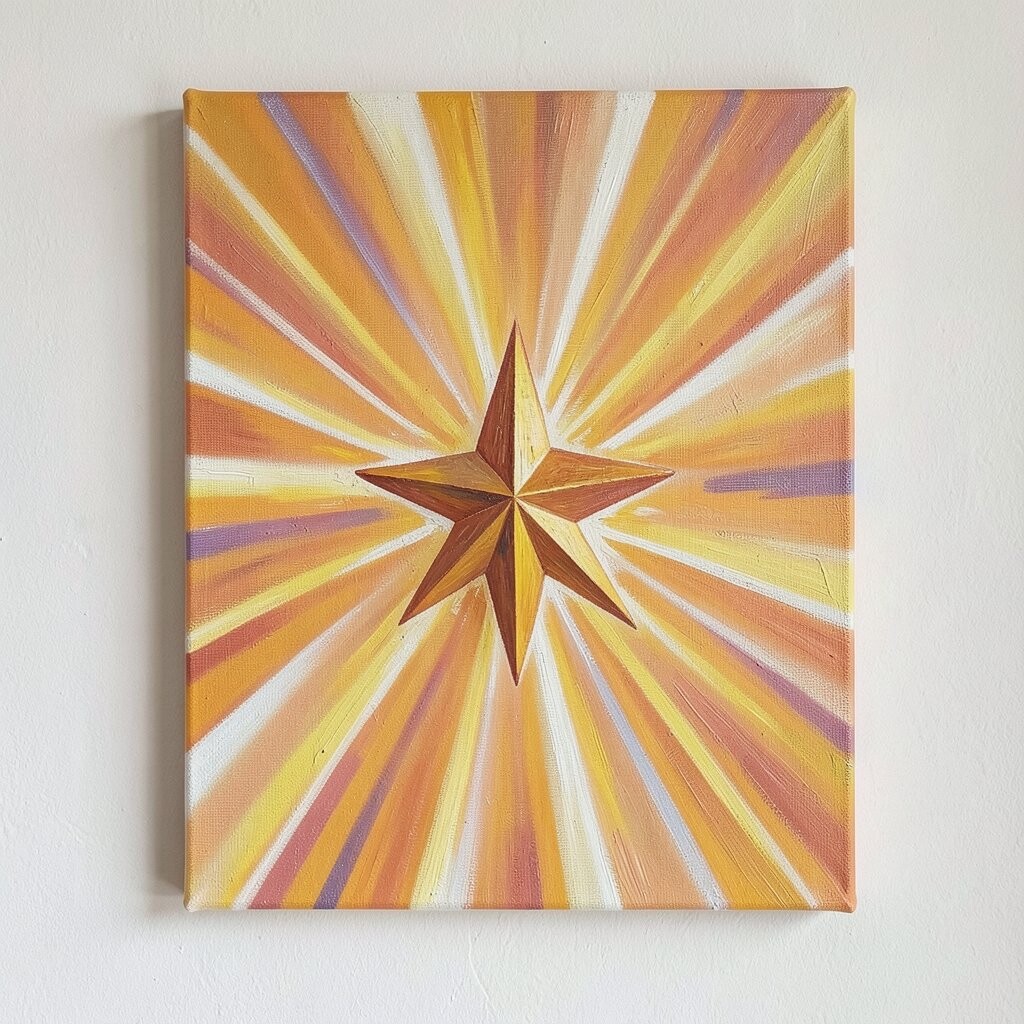
Paint a sunburst pattern with rays spreading from the center like a warm welcome. Add a small star or dot at the middle to make the focal point feel playful.
This kind of canvas boosts the mood in entryways and living rooms because it adds movement. It’s also a current trend in cheerful interiors, since sun tones and bold rays feel fresh. To keep it doable, draw the circle and ray spacing lightly with pencil before you paint.
If you want personalization, pick ray colors that match your throw pillows or rug. For cost, choose matte paint for most rays and one glossy accent for the center star so you get a high-impact look without lots of extras.
7. Botanical Line-Work Canvas in One Color
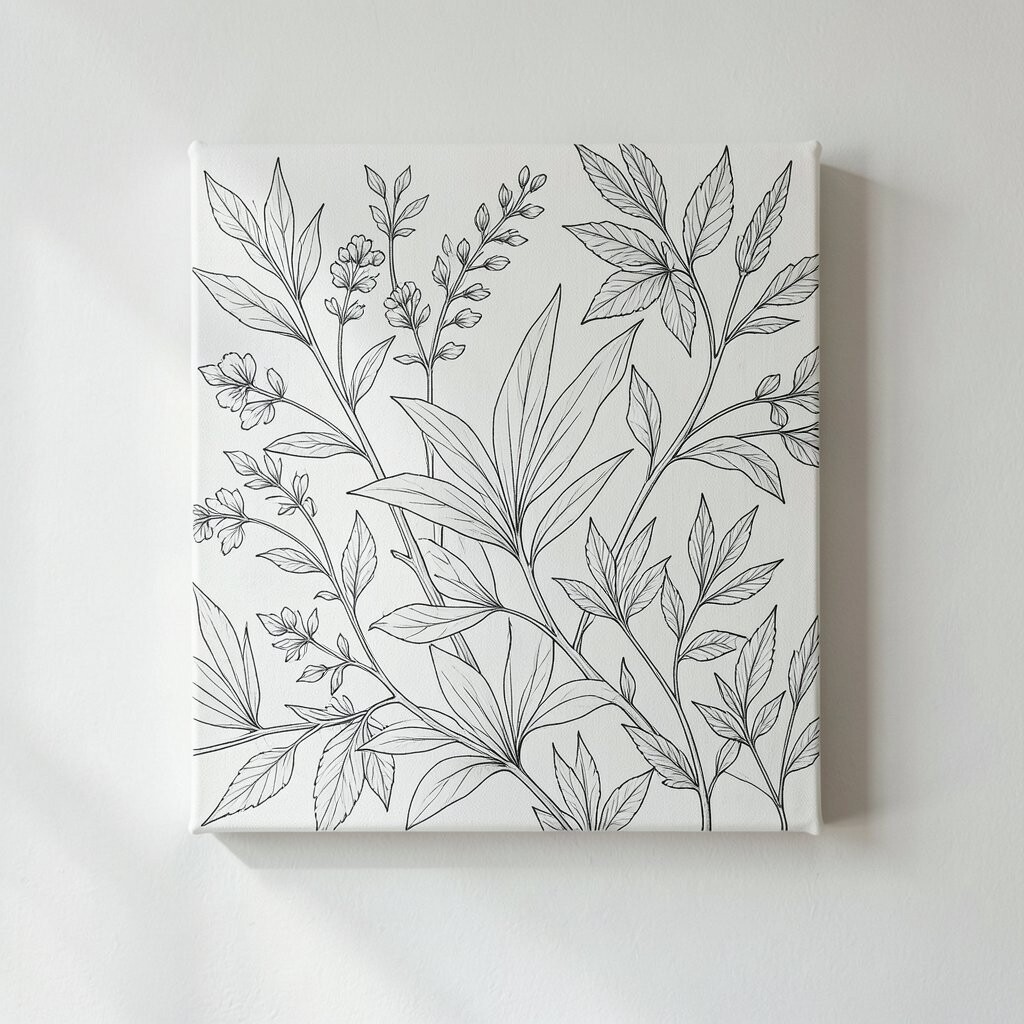
Create elegant botanical drawings using only one color, like deep green or black. Use thin brushes to paint leaves, vines, and small flowers with soft, flowing lines.
Line-work art benefits the room by keeping it light and not too heavy. It feels unique because the plants can curl in your own way, even if you borrow shapes from real leaves. For practical tips, practice a few leaf styles on paper first so your hand feels steady.
Personalize the placement by letting the vine crawl across the canvas edges. If you want a budget-friendly approach, you can use inexpensive craft paints in the same shade and still get a refined look.
8. Vintage Poster Style Canvas With Limited Words
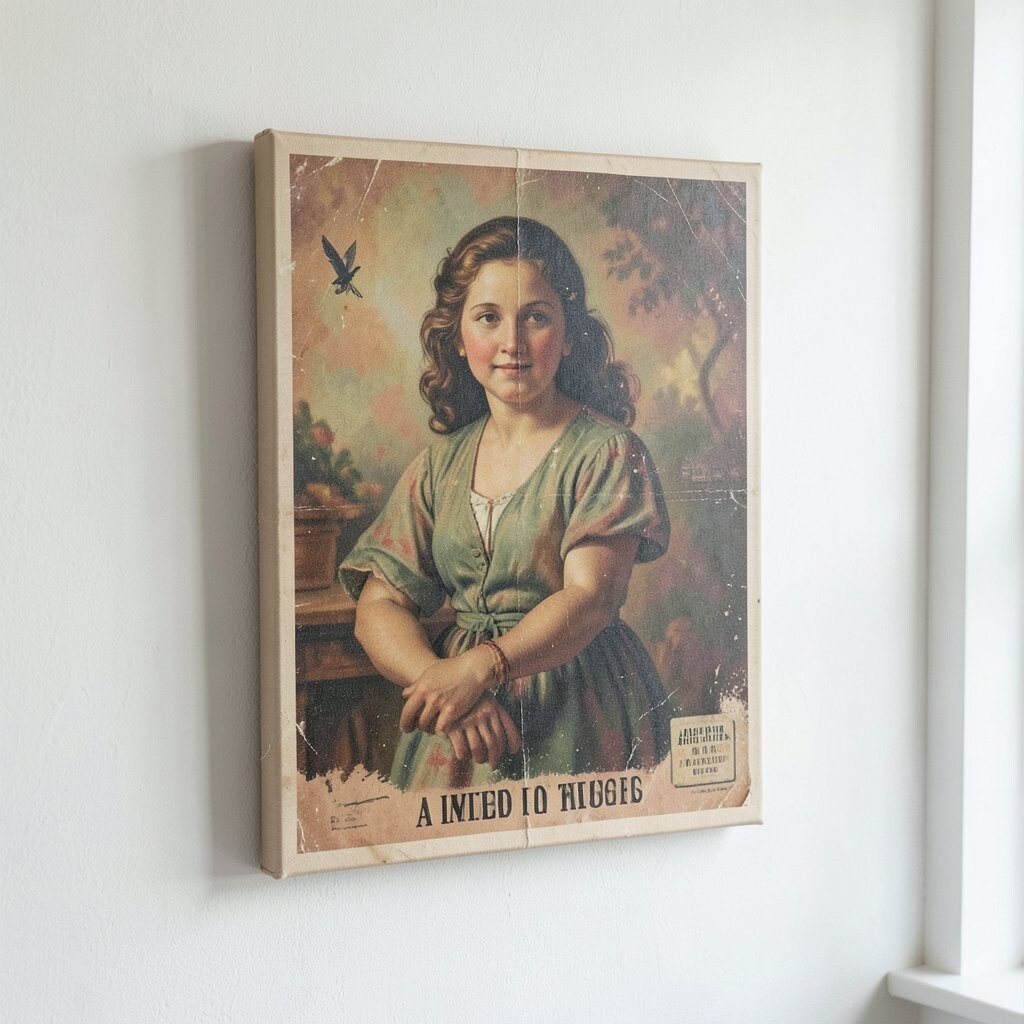
Paint a vintage poster style design with a few short words or just symbols and icons. Think of stamps, borders, and faded color blocks that feel like old travel prints.
This idea benefits your space because it adds character without needing a lot of decor. It’s unique since you can choose words that match your life, like a favorite place, a family motto, or a simple year. To keep it practical, use a stencil for letters so lines stay crisp.
For personalization, pick a theme that fits your room, such as coastal icons for a bathroom or music icons for a studio. A controlled color palette can keep costs down while still giving that vintage pop.
9. Color-Matched “Art Quilt” Canvases
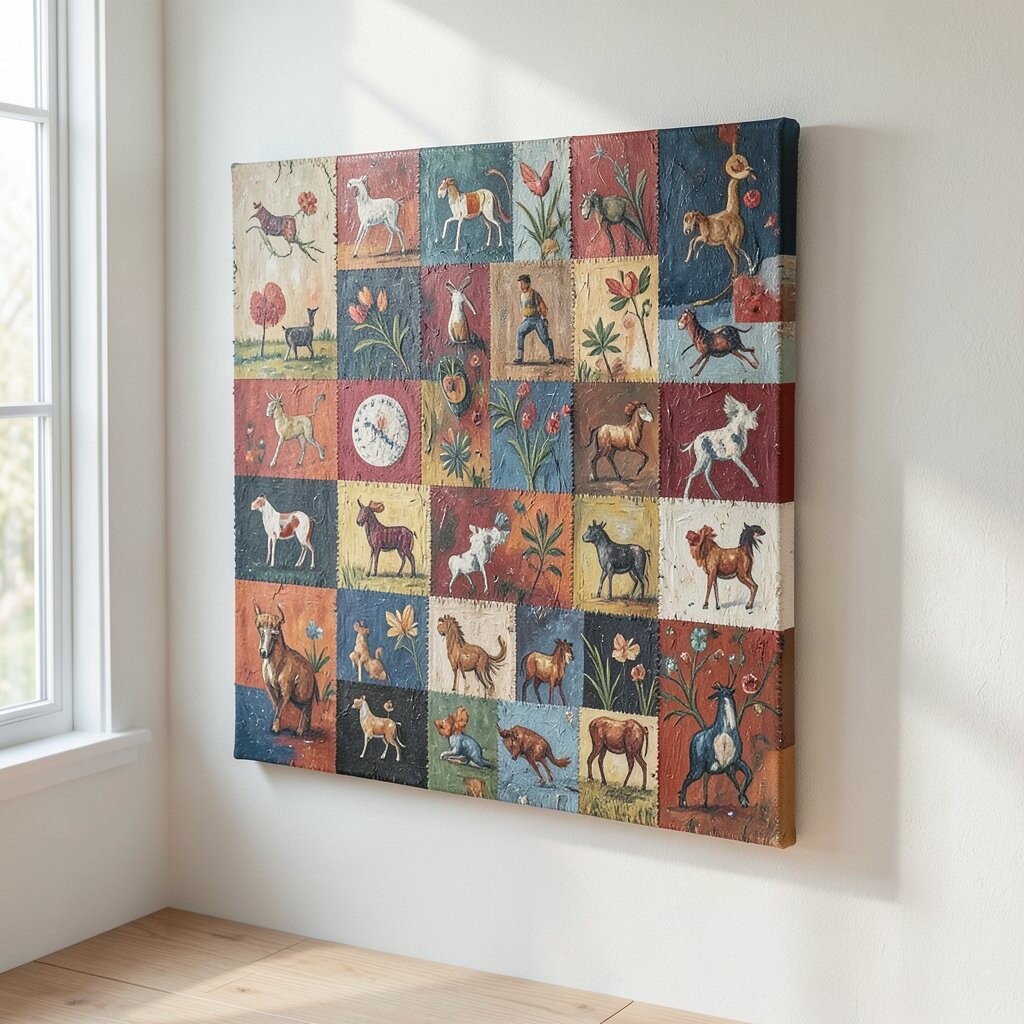
Build a patchwork look by painting multiple small canvas squares that connect visually. Use a quilt-like grid and vary patterns with simple dots, stripes, and tiny shapes.
This benefits your space because it brings warmth and coziness like a soft blanket. Patchwork art feels unique when you match the color families to your existing decor. For practical tips, plan your palette on paper first and keep patterns bold but simple so the design stays easy to paint.
Personalize by repeating a few favorite motifs across the squares, such as moons, hearts, or geometric stars. To handle cost, buy a set of small canvases or use canvas panels, then reuse your same brushes for every square.
When hanging, keep the spacing consistent so it reads like one big quilt from across the room.
10. Watercolor Wash With Splatter Highlights
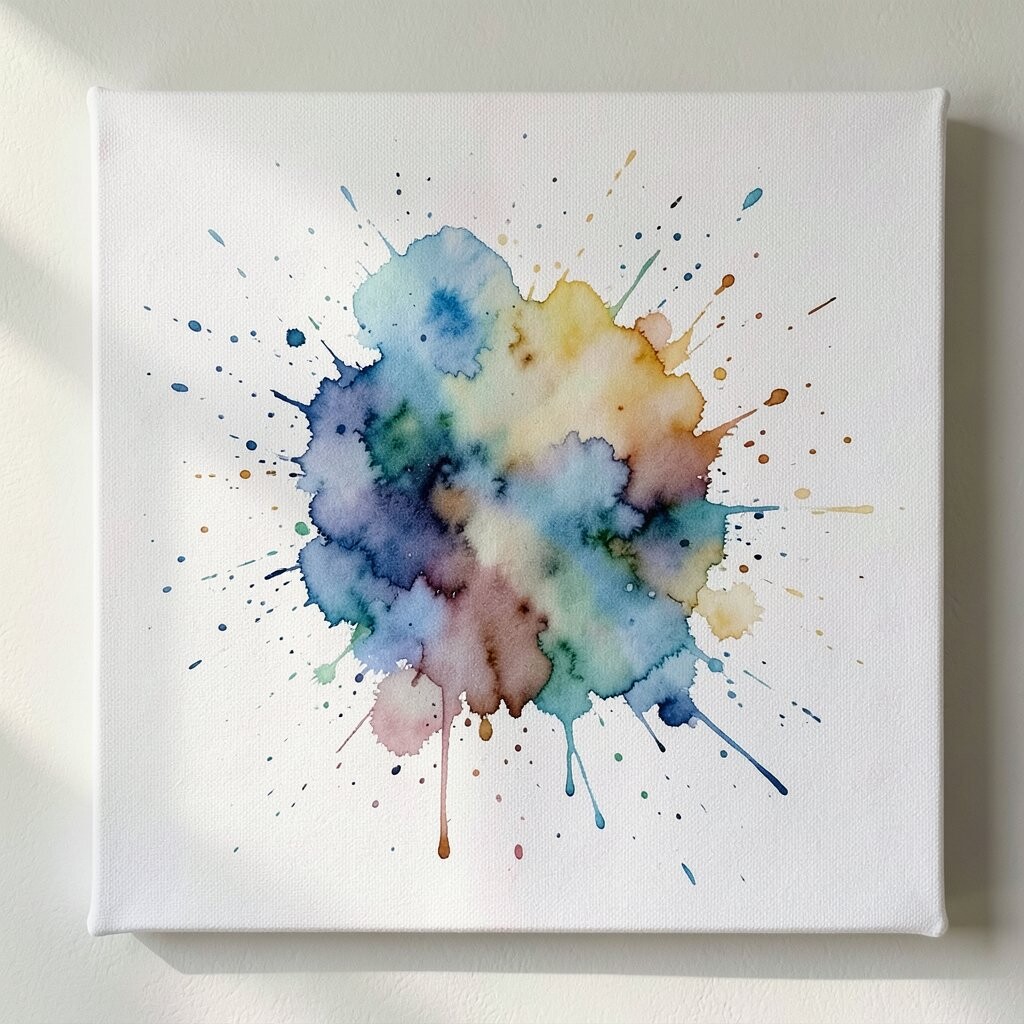
Paint a loose watercolor wash background, then add splatter dots like gentle fireworks. Keep the splatter small and controlled so it looks intentional, not messy.
This style benefits your space by giving it softness while still bringing sparkle. It’s a popular look right now because it feels casual, light, and modern. For practical tips, protect your floor with a drop cloth and practice splatter on scrap paper first.
Personalize the canvas by choosing splatter colors that echo your wall paint or nearby textiles. For budget, you can do this with a few diluted colors, since watercolor effects stretch paint farther.
11. Monochrome Marble Swirl Canvas
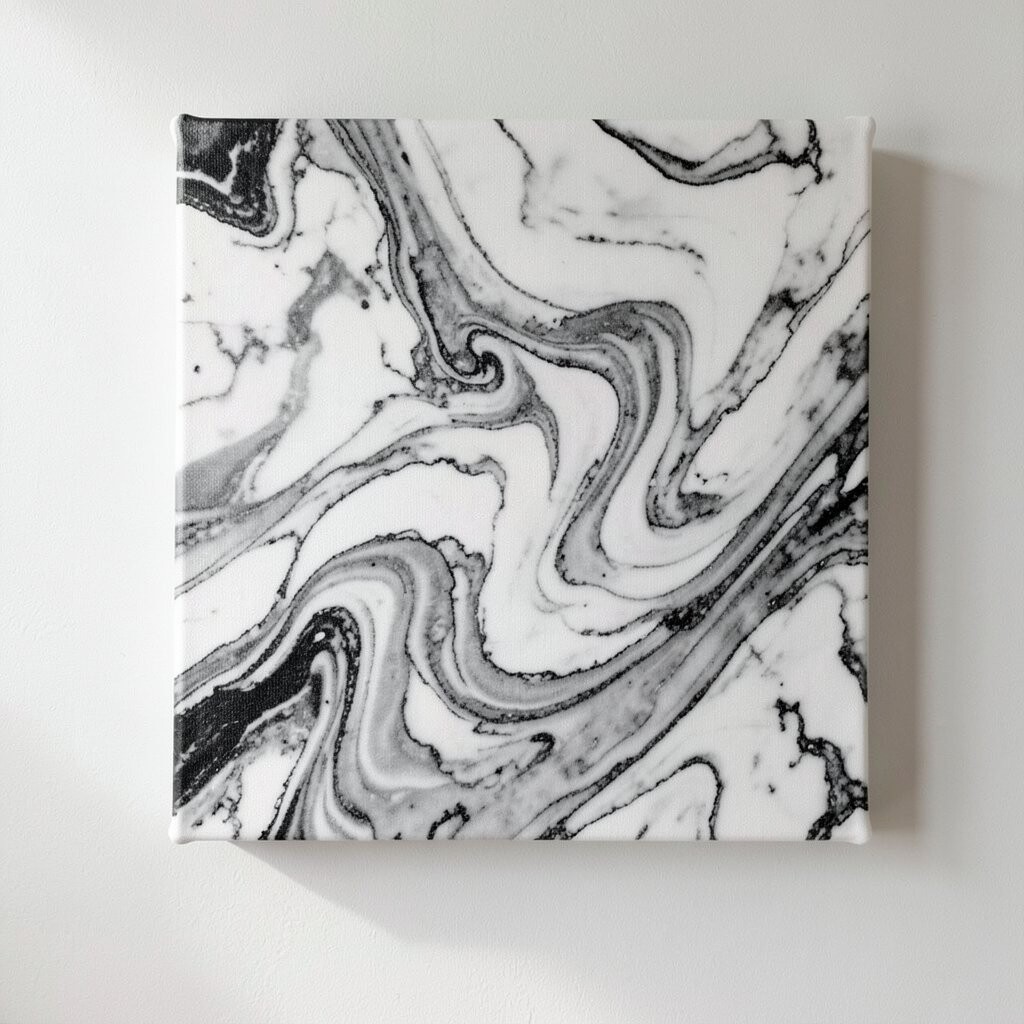
Create a marble effect using swirling lines and subtle shading. Use a few greys, whites, and one accent tone to keep it elegant and not chaotic.
This benefits your space because marble style art looks polished and pairs well with many decor types. It’s unique since each swirl pattern changes based on how you drag your brush. For practical tips, work on a slight wet-on-wet surface and use a thin brush for delicate veining lines.
Personalize it by matching the accent to your room, like warm gold for glam or soft sage for calming. Keep costs manageable by using basic craft paints and mixing them to get the marble shades.
Let it fully dry before you hang it so the surface doesn’t smear. The final look can feel like a high-end finish without buying expensive materials.
12. City Skyline Silhouette Night Canvas
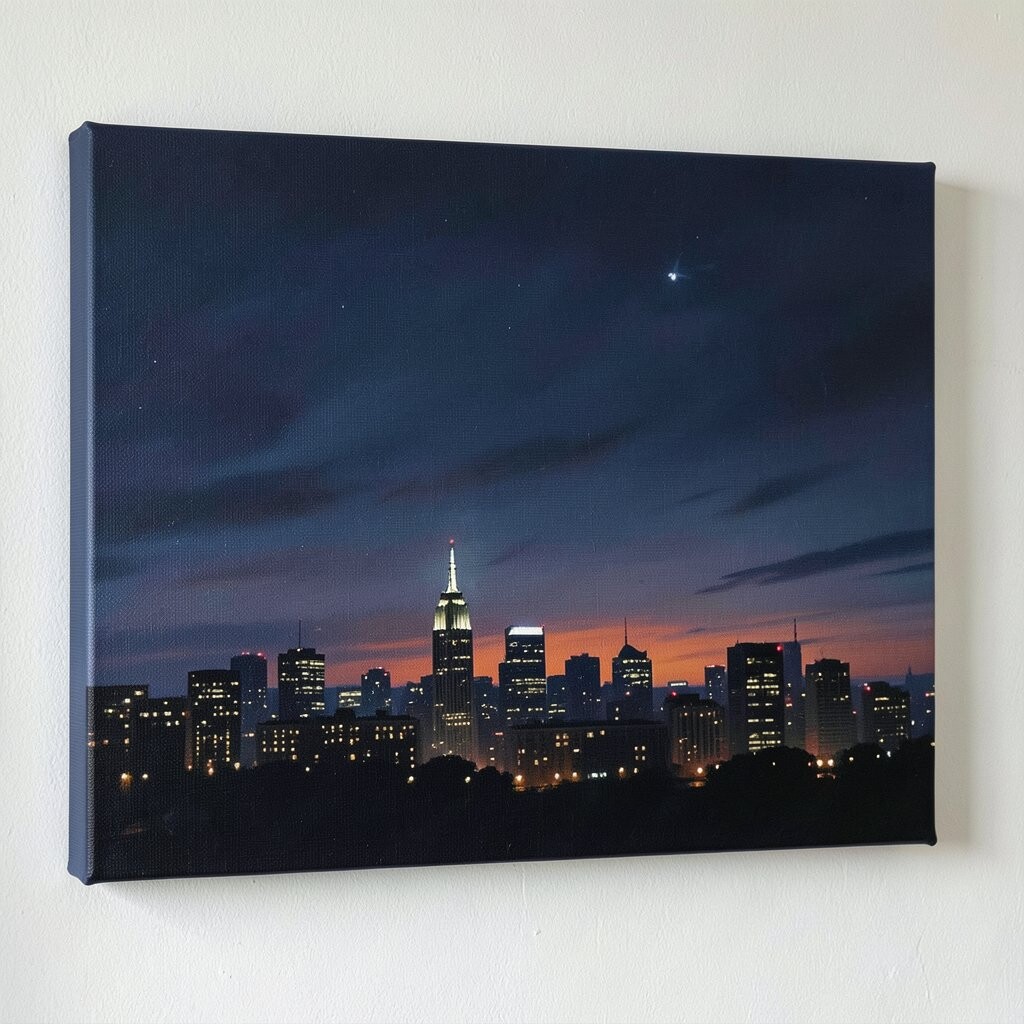
Paint a night skyline silhouette with a simple background gradient behind it. Choose a nearby city vibe, or make a made-up skyline that fits your imagination.
This idea benefits your space by adding depth, especially when you pick a strong horizon line. It’s unique because the buildings can be your own shapes, from tall towers to cozy row homes. For practical tips, use a black base for the skyline and a flat brush to keep building edges clean.
Personalize it by adding window dots in one or two colors, like amber or cool blue. Cost stays reasonable since most of the canvas uses just a few core colors.
13. Painted Rag-Roll Clouds and Soft Waves
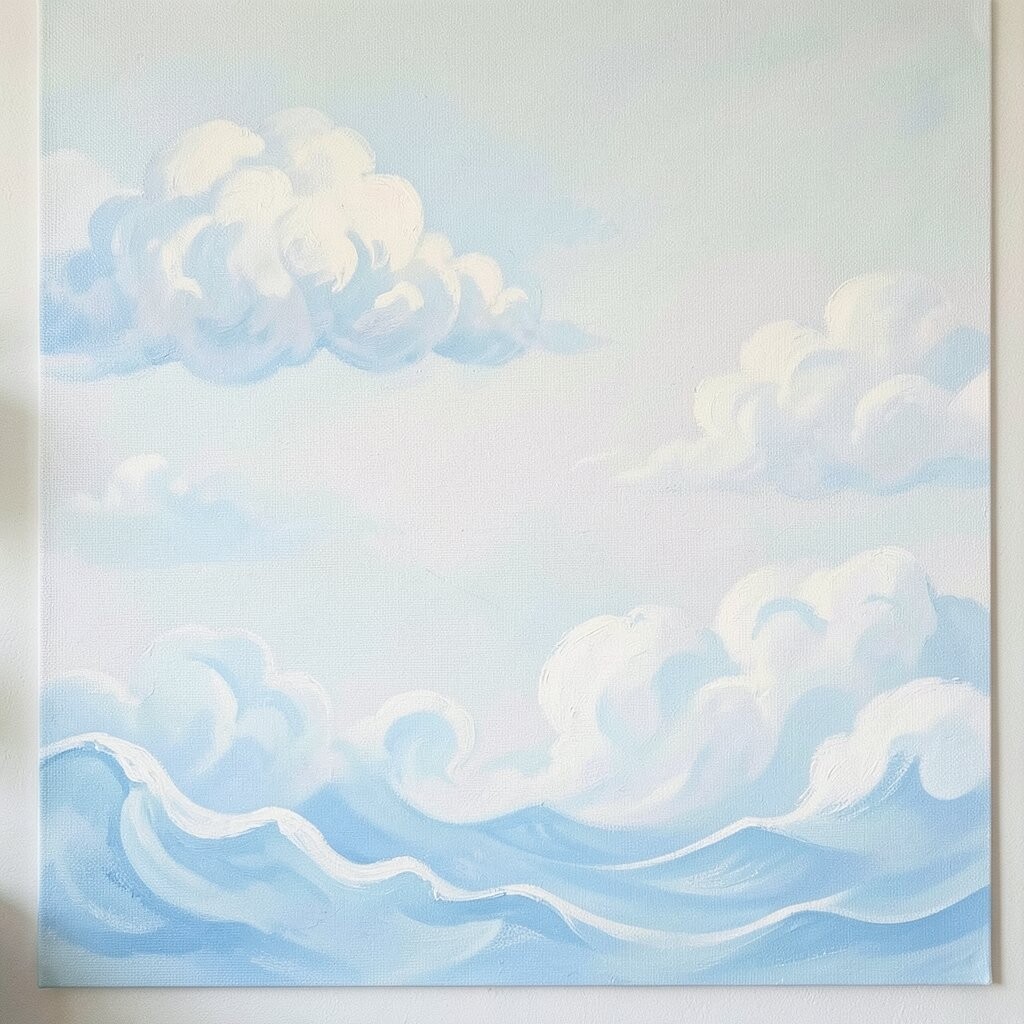
Make fluffy cloud-like forms using a rolled rag or sponge technique. Add soft waves underneath so the canvas feels like a calm sky scene.
This benefits your space by making it feel relaxing and breathable. It’s unique because the rag texture creates random patterns that look organic. For practical tips, dab rather than smear so you keep airy shapes and prevent streaks.
Personalize it with colors that match your mood, such as pastel blues for calm or warm peach and pink for cozy evenings. If you’re watching costs, a sponge or rag technique can reduce paint waste because you use lighter layers.
Hang it where you see it often, like a bedroom wall or hallway, so you get that soothing effect every day.
14. Hand-Stamped Pattern Canvas Using Everyday Tools
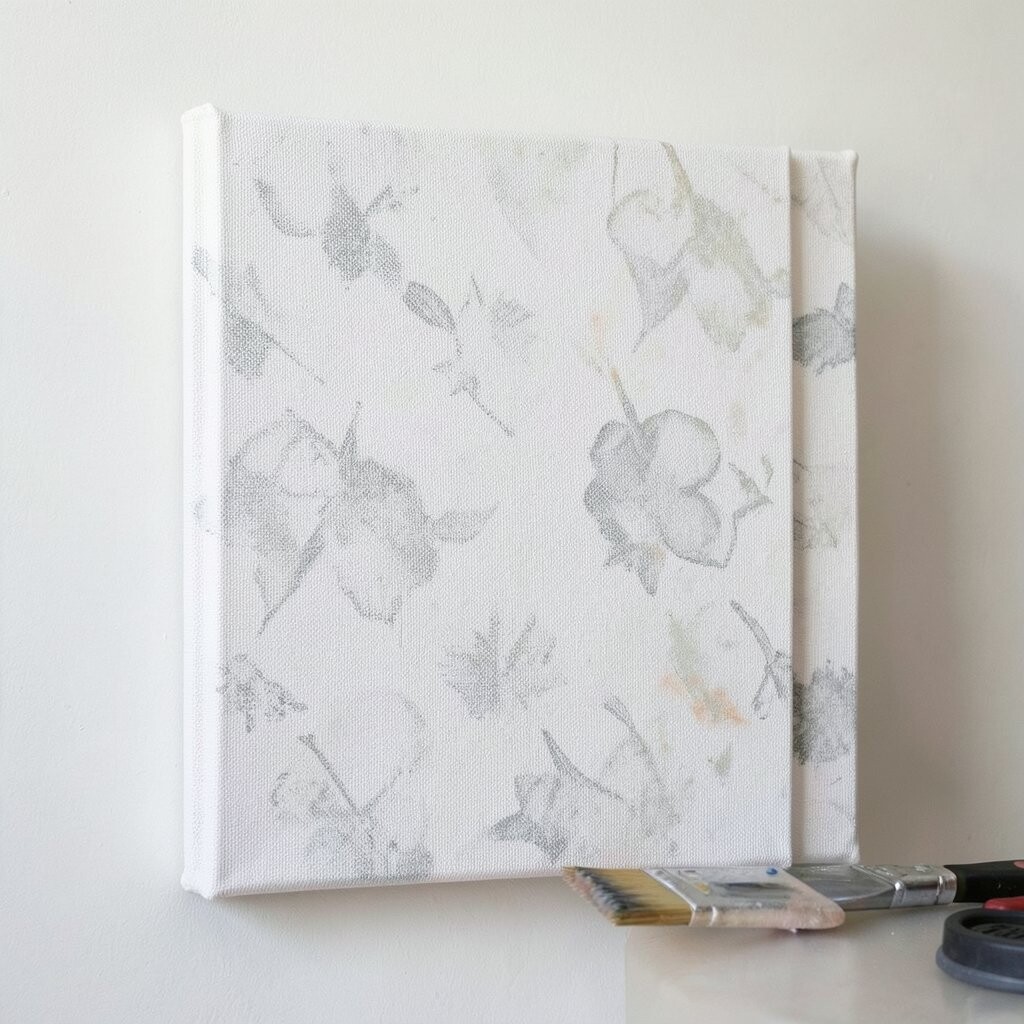
Stamp patterns onto a canvas using foam, cardboard edges, or even the bottom of a clean container. Repeat the shape across the canvas to create a rhythmic print feel.
This idea benefits your space because repeating patterns create a neat, designer look. It’s unique since homemade stamping always has slight differences that make it charming. For practical tips, use thick paint on the stamp and test pressure on scrap first so the impressions look consistent.
Personalize the pattern by choosing shapes that match your theme, like circles for bubbles, small squares for a grid, or hearts for a cozy touch. To save money, reuse items you already have and focus your spending on quality paint colors.
15. Color-Blocking With Oversized Frames on Canvas
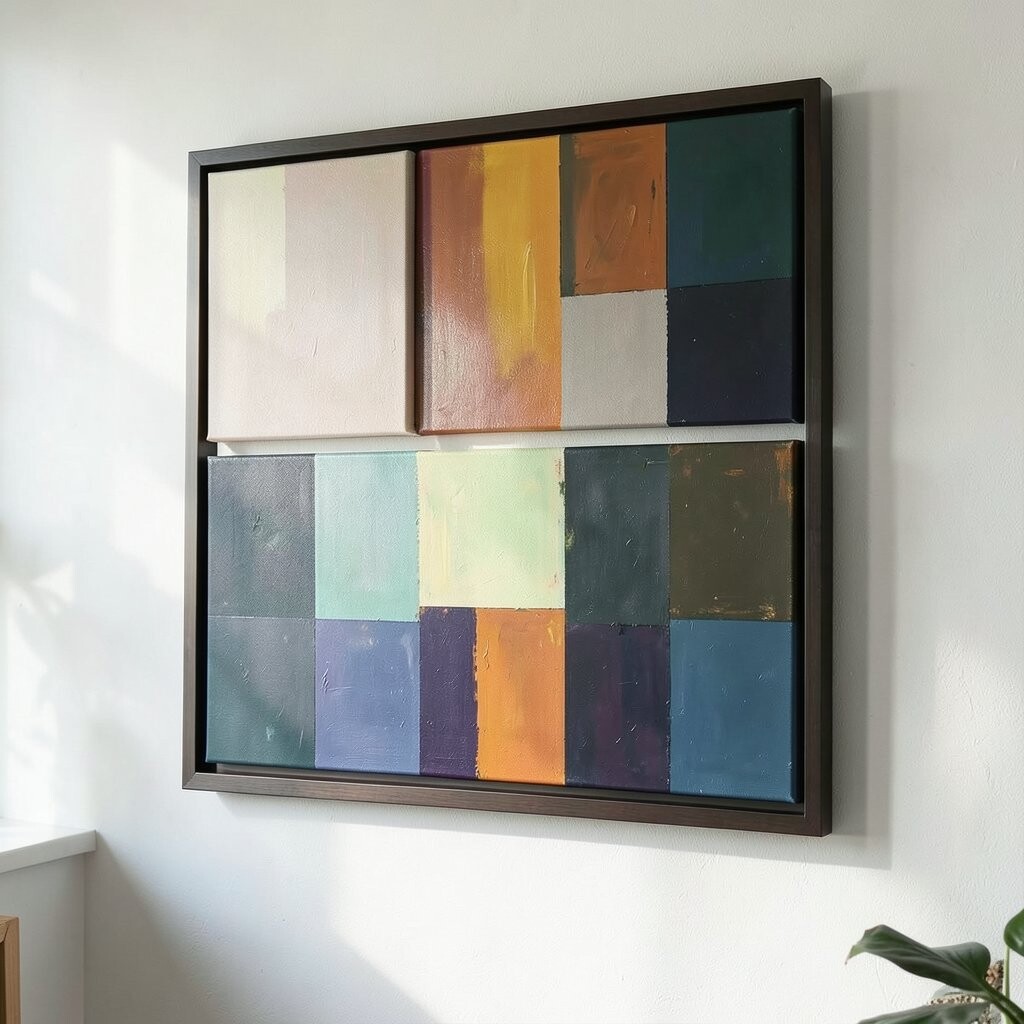
Paint a color-block design, then add an oversized frame shape around the edges. Keep the blocks bold and clean so the canvas looks like modern architecture.
This benefits your space by making it feel organized and intentional. It’s unique because the frame adds a graphic layer that stands out from typical abstract art. For practical tips, use painter’s tape to define both the blocks and the frame lines for crisp edges.
Personalize it by choosing block colors that echo your favorite decor items, like a chair, lamp, or rug stripe. If you want cost control, stick to a small set of high-contrast colors and use fewer layers.
This style pairs well with current minimal looks, especially when you keep the canvas large and the frame lines sharp.
16. Gradient Halo Shapes With Metallic Edge
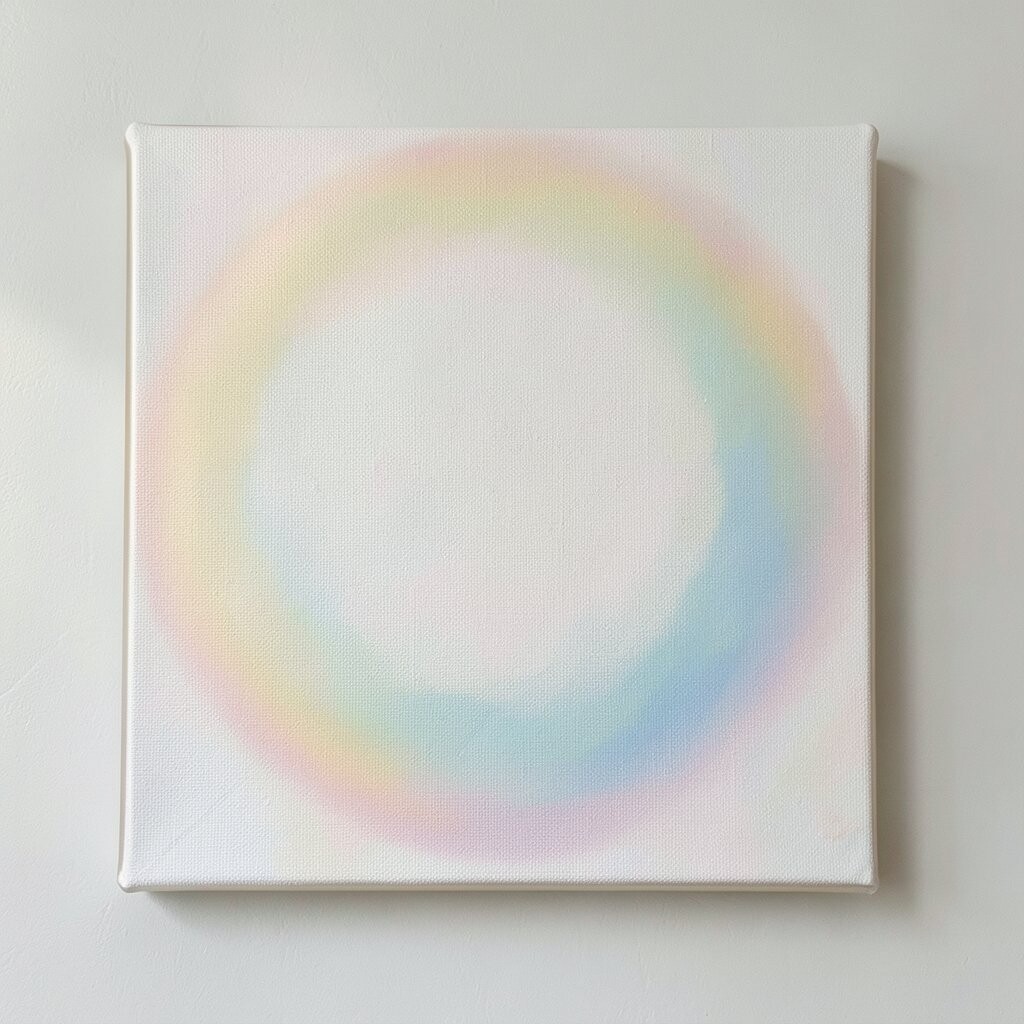
Paint halo circles that fade outward, like glowing rings in the dark. Add a metallic line along one ring edge so it catches light as you walk by.
This benefits your space because it creates a gentle focal point without looking too heavy. It’s unique when the halos overlap in unexpected ways, such as staggered sizes or off-center positioning. For practical tips, let each ring dry before adding the next layer so the edges stay crisp and the fade remains smooth.
Personalize the color palette to fit your room, like teal and cream for fresh energy or deep burgundy and gold for warmth. Metallic paint can cost more, but using it only on thin edges keeps expenses in check.
For an extra polished finish, wipe any drips from the edges and hang it where ambient light can reflect the metallic line.