
A plain wall can feel finished in a way that posters and paint rarely do. Fabric panels bring warmth, softness, and a little personality to almost any room.
When you choose them well, they can also help with sound and comfort. Think of them as styling you can touch.
1. Pick the Right Fabric for the Mood
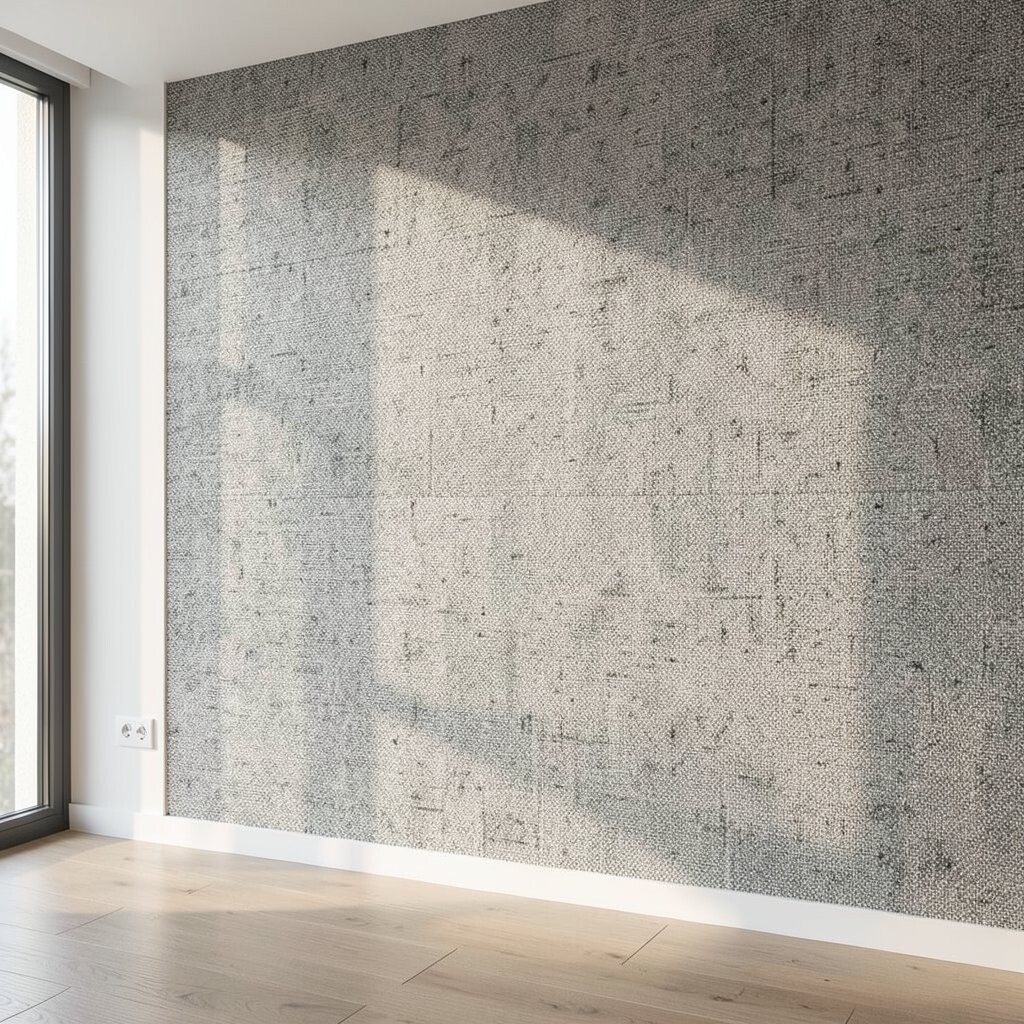
Start by imagining how you want the room to feel when you walk in. Do you want cozy and calm, or crisp and lively.
Think about texture first, because it changes everything you see. A heavy woven panel can look rich and grounded, while a lighter fabric can feel airy and gentle. If you love a “quiet luxury” vibe, look for fabrics with subtle texture and even color.
2. Match Panel Color to Your Lighting
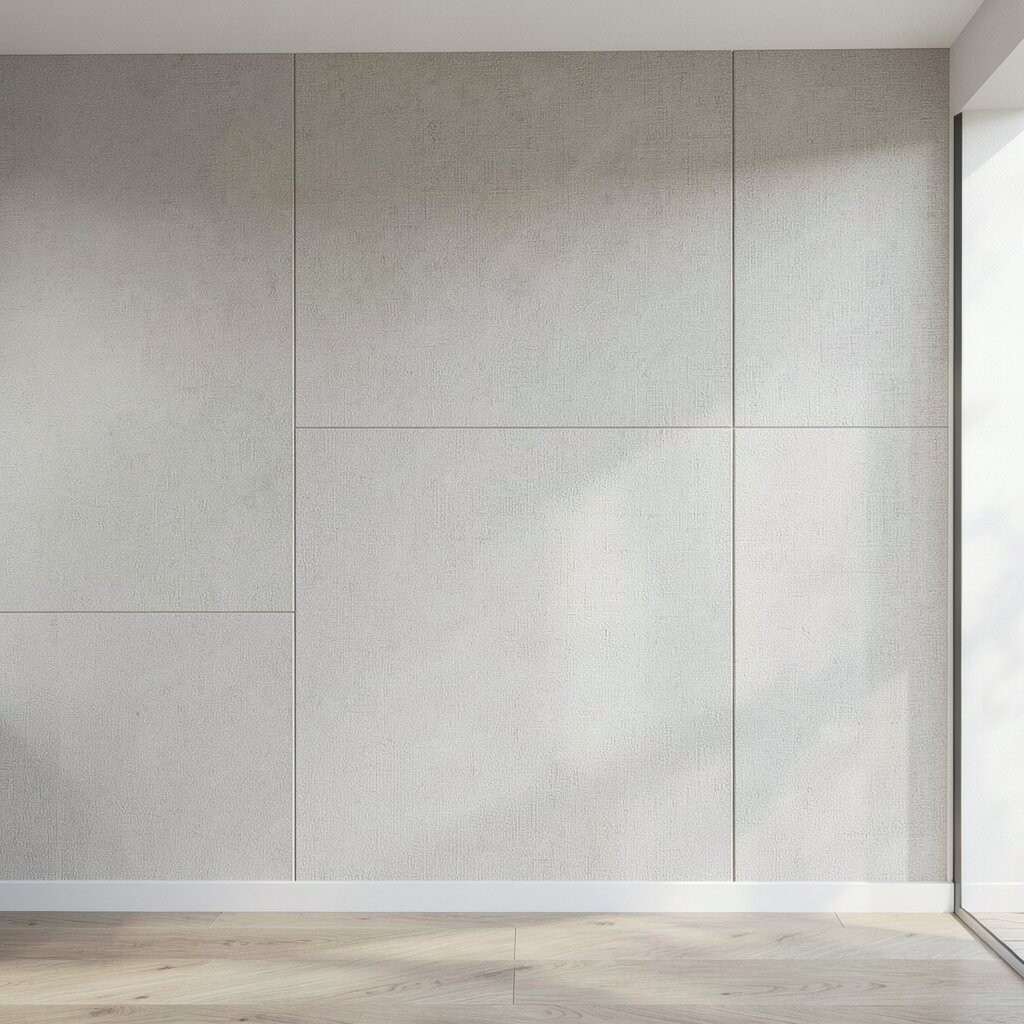
Your wall color is not the only thing that matters. The lighting in your space will shift how the fabric reads from morning to night.
Warm lamps can make cool-toned fabrics look softer and slightly creamy. Cool daylight can make warm fabrics feel deeper, almost richer. Try taking fabric swatches to the room and holding them near the wall to see how the color changes across the day.
If you have a lot of bright natural light, consider medium or darker tones to avoid fading and to keep the design from looking washed out. For rooms with fewer windows, you can choose lighter panels to keep the space feeling open.
3. Plan the Panel Size for Visual Balance
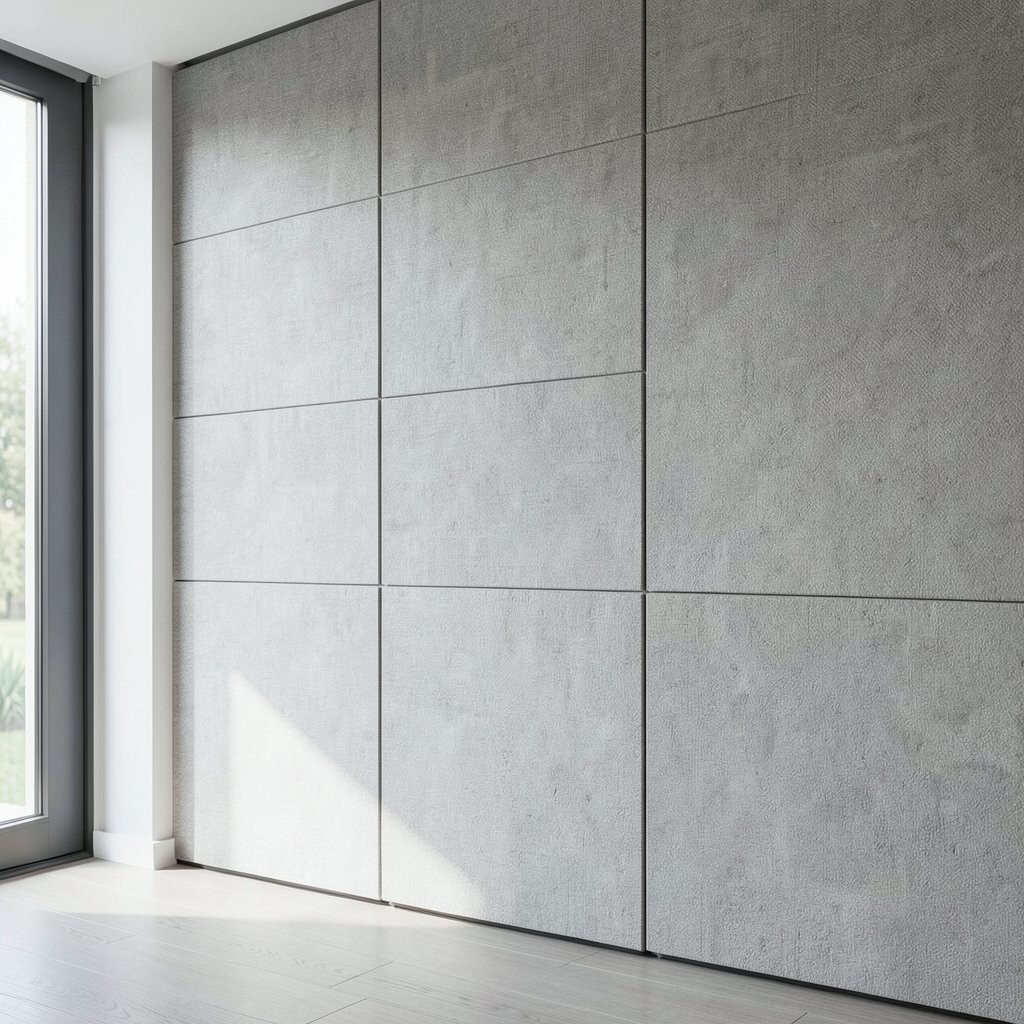
Fabric panels look best when the proportions feel intentional. Big panels can make a small room feel more dressed, while smaller panels can create a playful rhythm.
Measure your wall height and think about how much space you want to leave around the edges. A common mistake is making panels too narrow, which can make the look feel accidental instead of curated. If you are aiming for a modern feel, use larger widths and clean spacing.
For a cozy feel, mix widths while keeping the same fabric family. That way, the wall still feels cohesive even when the layout is varied. You can also align panel edges with window frames or furniture lines for a tidy look.
4. Choose a Layout Pattern That Suits Your Room
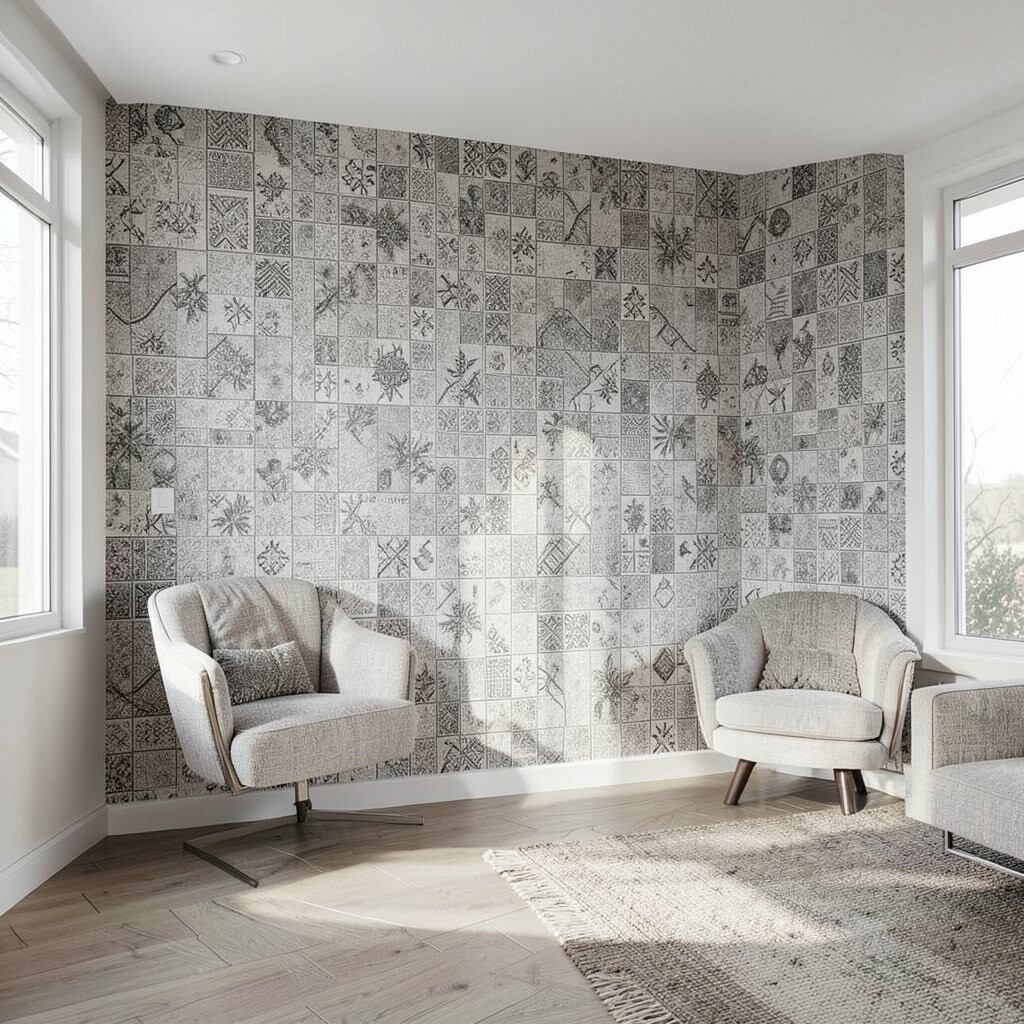
Panel layouts can steer the whole mood. Vertical layouts make ceilings feel higher, while horizontal layouts can make a room feel calmer and wider.
If you want something artistic, stagger panels so the seams create a gentle wave. If you prefer order, keep them aligned and repeat the pattern in a steady rhythm. You can also frame one focal area, like a sofa wall or the space behind a bed, to make the rest of the room feel grounded.
5. Use Seam Placement to Create Style
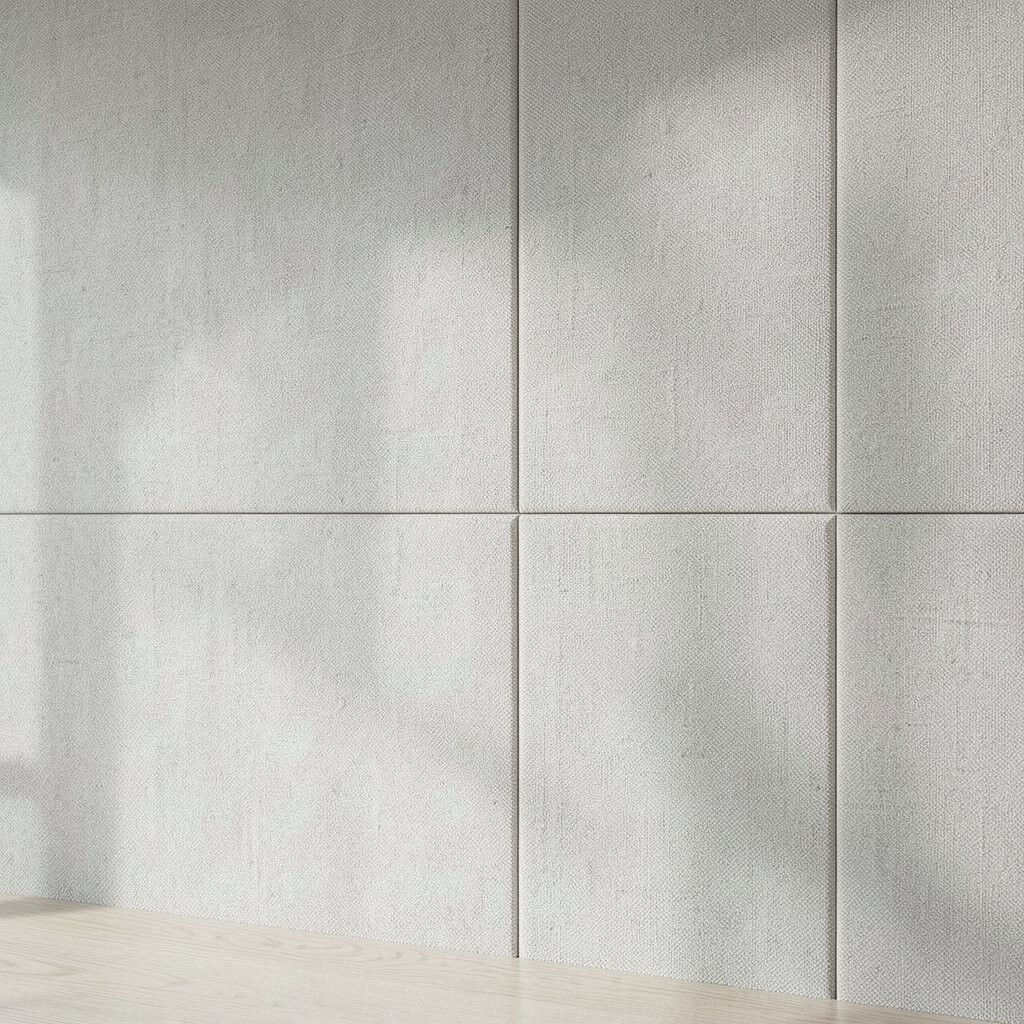
Seams and edges are like punctuation in design. They guide your eyes, even when you are not thinking about it.
Keep seam lines straight for a sleek look, or soften the effect by choosing fabrics with texture that hides minor alignment differences. If you are using multiple panels, think about whether you want the seams to blend in or stand out. Contrasting seams can look modern and graphic, especially with neutral fabric shades.
To make spacing look even, measure from the same reference point every time, like the corner of the wall or a marked center line. Small alignment wins help the wall look professionally styled.
6. Think About Backing and Mounting for Easy Maintenance
Fabric panels look gorgeous, but mounting matters just as much as the material. The right backing can keep the fabric from sagging and help it hang smoothly.
Choose a mounting method that fits your comfort level and your wall type. If you prefer simple installation, look for solutions that use removable tracks or hardware that can be adjusted. For textured or heavier fabrics, stronger support reduces stress on the fabric and keeps the shape tidy.
7. Plan for Sound Softening Without Losing Design
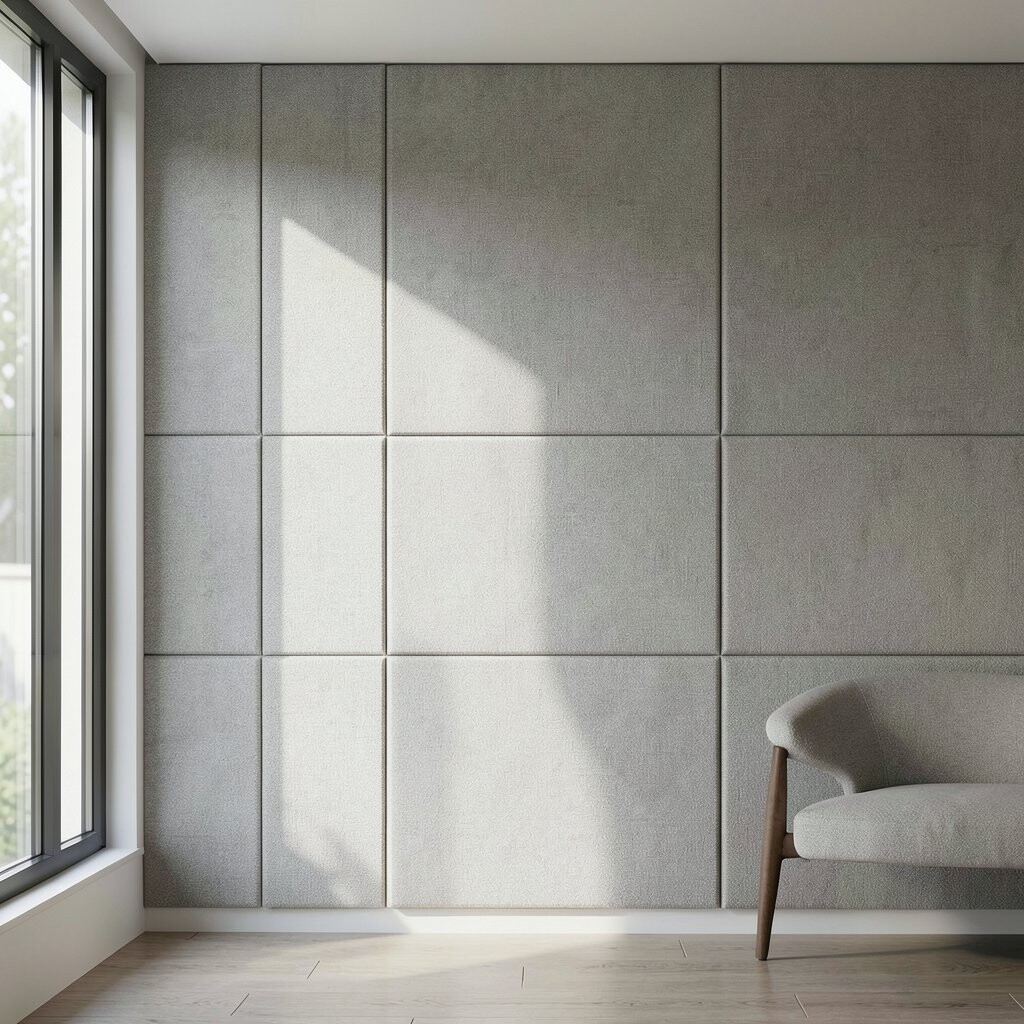
One quiet benefit of fabric panels is sound control. Soft surfaces help reduce echo, which can make everyday life feel more peaceful.
In living rooms, home offices, and hallways, this can make conversations clearer and background noise less sharp. Pairing panels with rugs and curtains can create a complete softening effect. If you work from home, consider placing panels where you hear the most bounce off walls.
For practicality, choose fabrics that are not too fragile, especially in busy households. You will get a nicer look and worry less about everyday bumps and cleaning needs.
8. Choose Wall Coverage Based on Your Lifestyle
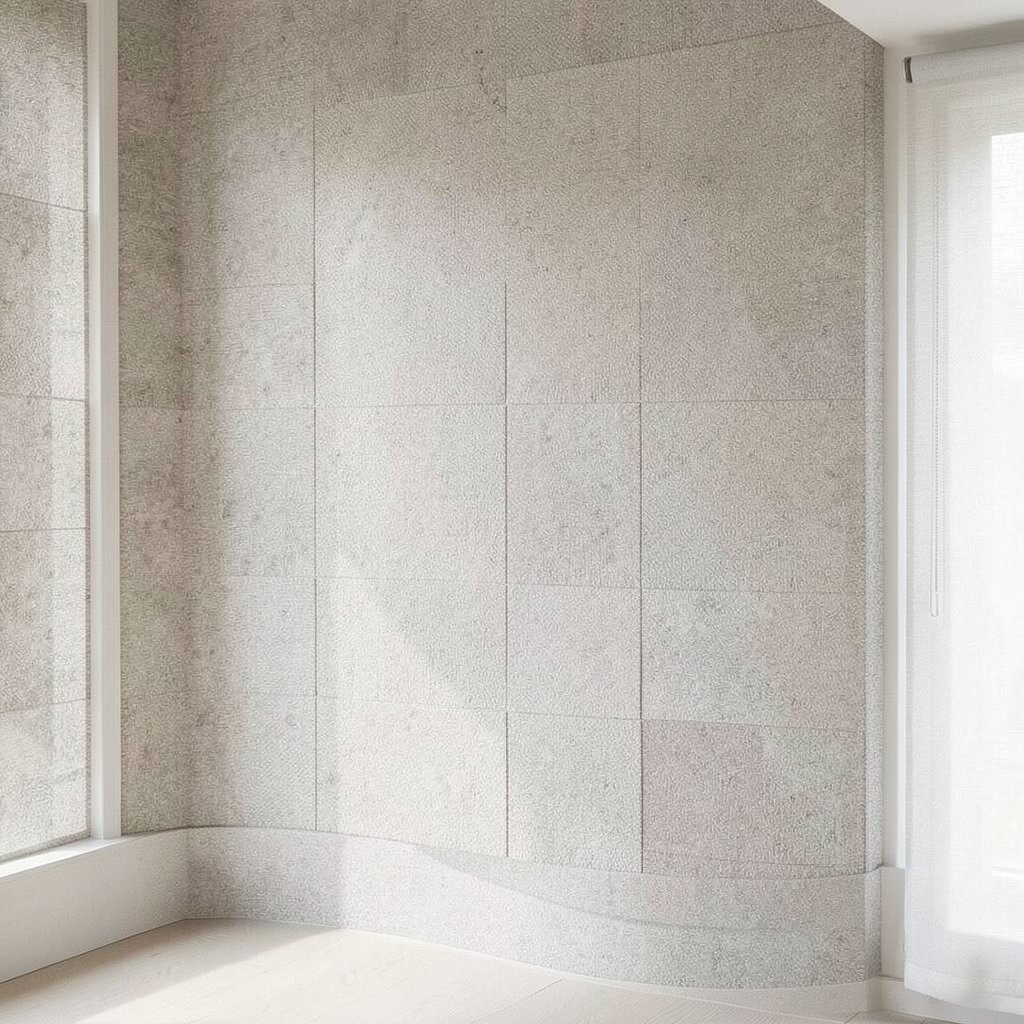
Not every wall needs full coverage to look amazing. Some people want a bold statement, while others prefer subtle softness.
If you have kids, pets, or frequent guests, think about where the fabric will be most touched. Putting panels behind seating or higher up can help them stay cleaner and last longer. For a gentle look, cover just part of the wall, like around a sofa or the upper half of a bedroom wall.
If you enjoy a dramatic vibe, full coverage can feel like fabric wallpaper, giving a room a deep, rich backdrop. Either way, measure and plan so you get consistent gaps and an even hanging line.
9. Add Personal Style With Patterns and Motifs
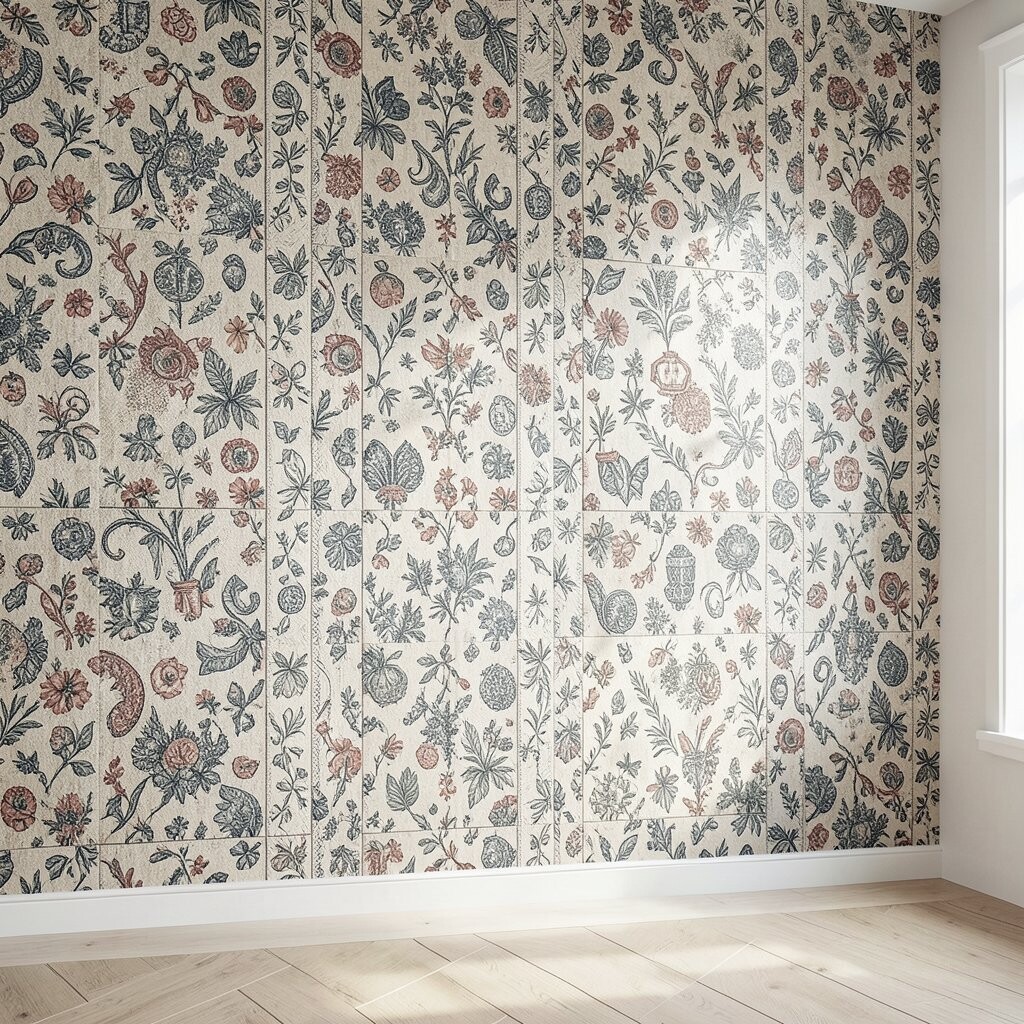
Fabric panels can show your taste in a way paint never really can. Patterned fabrics bring energy, while solid fabrics create calm.
Consider geometric prints for a modern feel, and organic patterns for a more relaxed look. If you love vintage touches, small florals or classic stripes can feel charming without being loud. You can also personalize by matching the fabric to throw pillows, bedding, or a favorite rug.
For a special touch, repeat one motif across the room so everything feels connected. Even one shared color can make the design feel planned, not random.
10. Balance Texture With the Rest of the Room
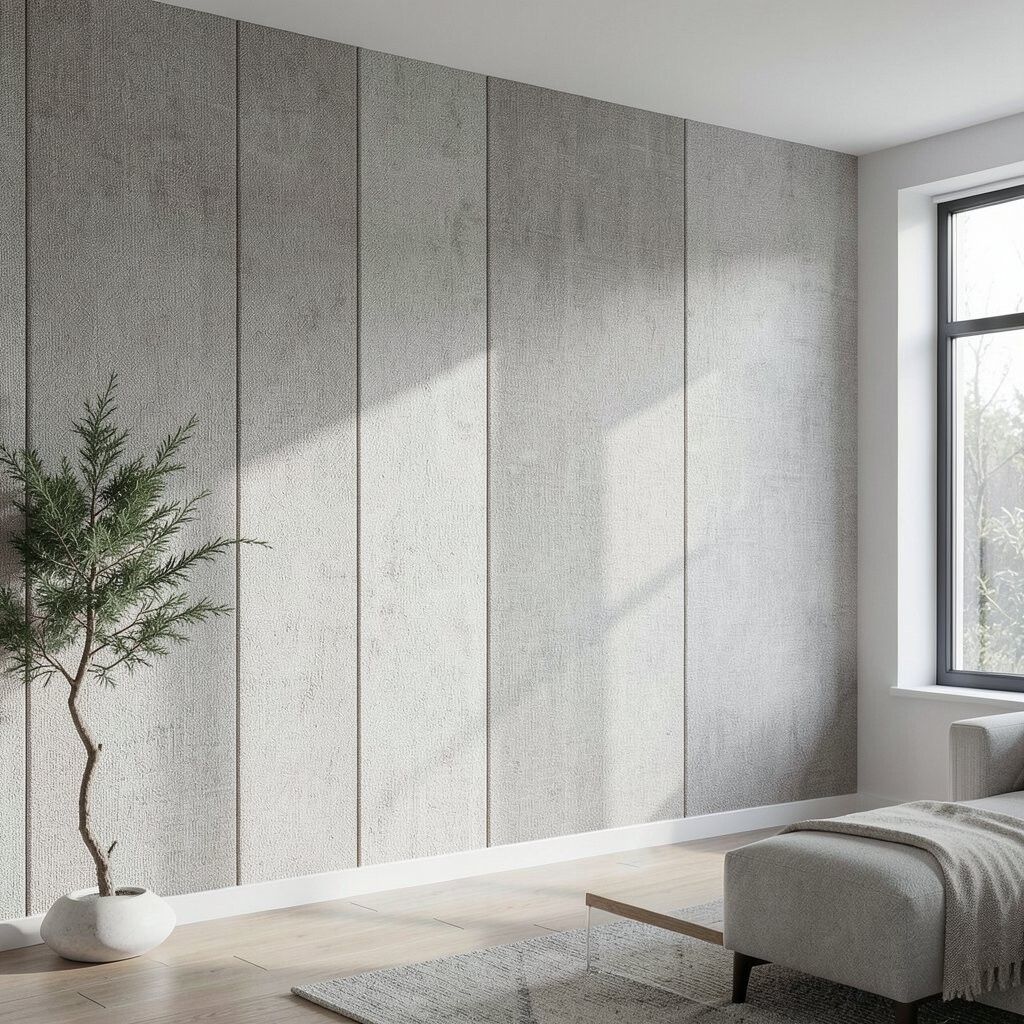
Textures do not exist alone, so think about what your room already has. If you have a lot of smooth surfaces, fabric panels add a cozy contrast.
If your space is already full of plush items, choose fabrics with a tighter weave or a more subtle texture. That keeps the look from feeling too busy. You can also use texture to guide the eye by placing more pronounced fabric panels near your main seating area or bed.
11. Use Color Pairing to Make the Design Look Intentional
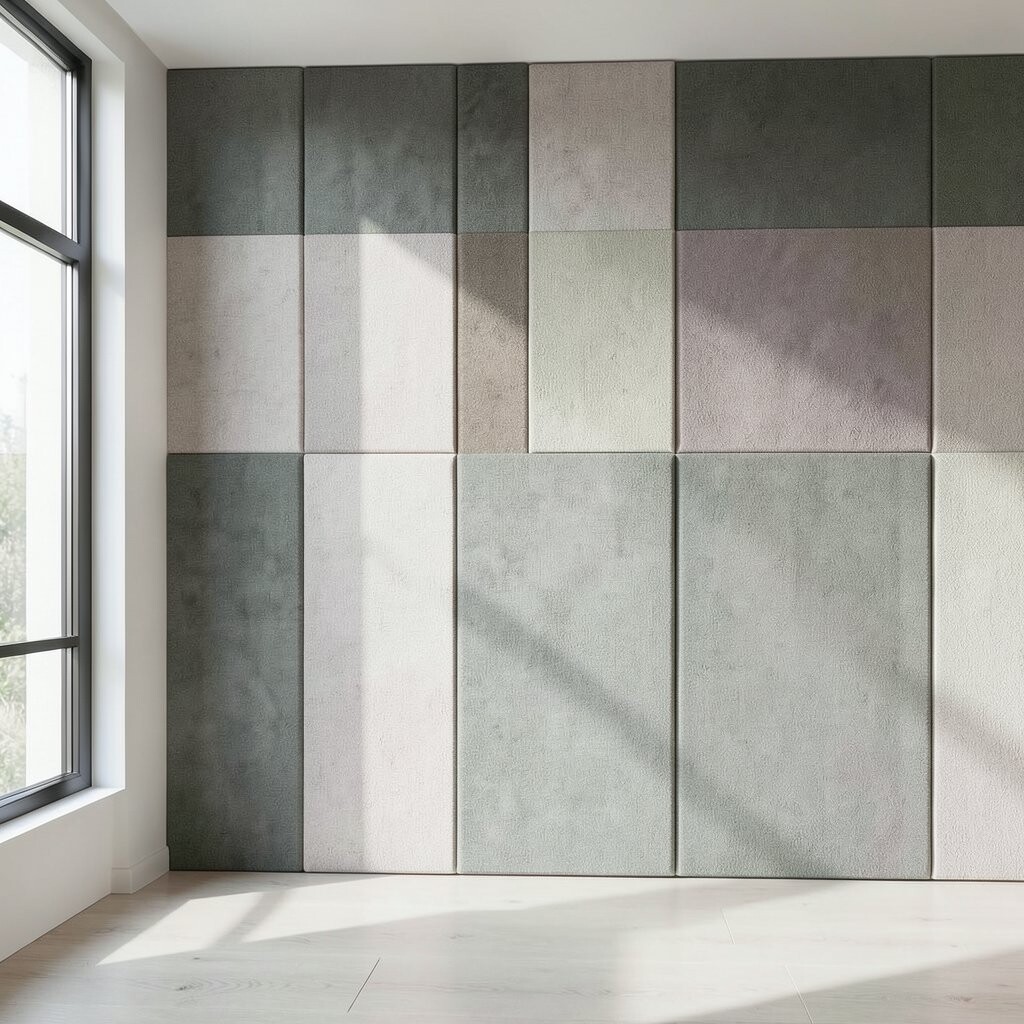
Fabric panels look most polished when the colors play nicely with what you already own. Start by pulling tones from nearby items like cushions, curtains, wood furniture, or artwork.
For a safe and stylish combo, pair warm neutrals with one accent shade. That could be a muted terracotta, a soft olive, or a calm navy that shows up in small ways. If you want bolder style, pick a patterned panel and keep the surrounding panels solid to avoid visual overload.
When you choose colors, think about how they will look at night too. Some shades change dramatically under warm bulbs, and it is better to plan now than to be surprised later.
12. Plan Your Budget With Smart Cost Choices
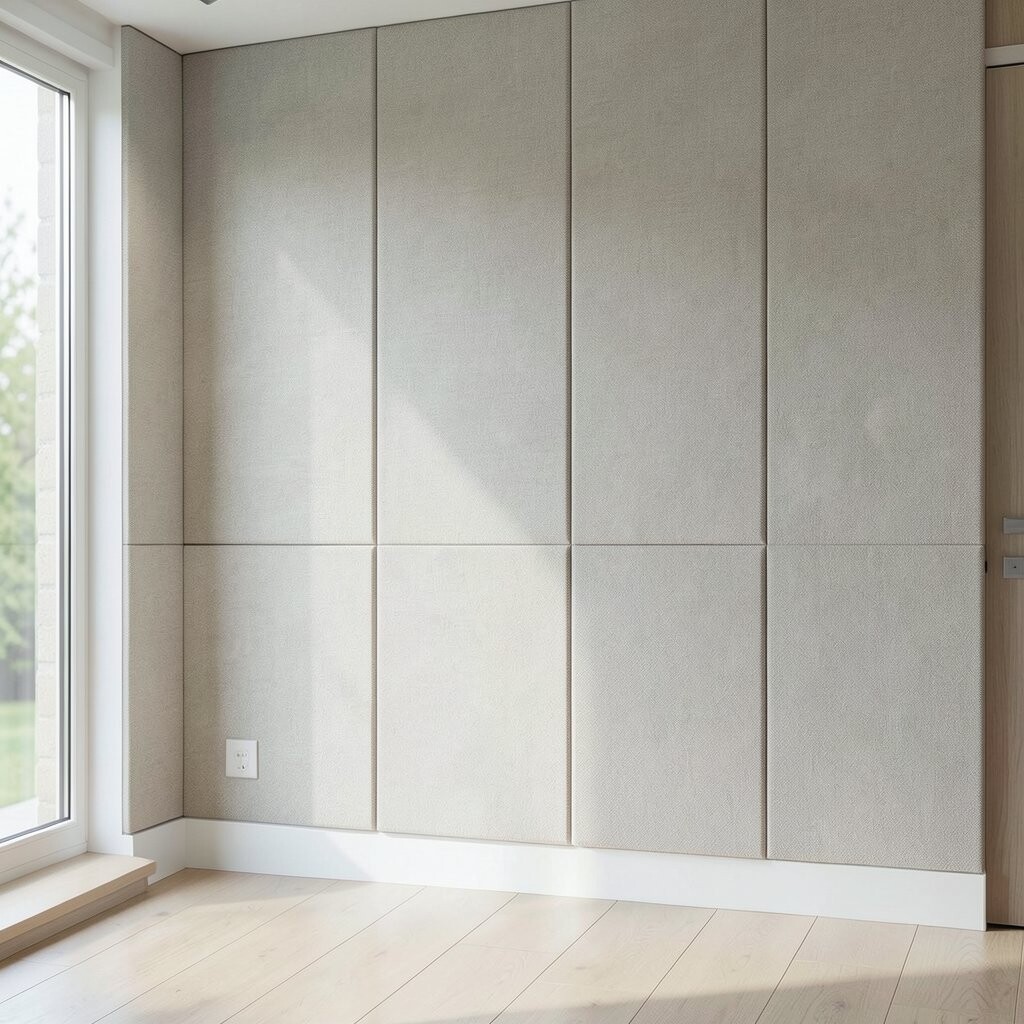
Fabric panels can fit many budgets, but costs can add up quickly if you are not careful. The size of the wall and the number of panels are big factors.
To manage cost, consider using a higher-end fabric only for the main feature wall and selecting simpler fabrics for the rest. You can also save money by choosing widths that minimize cutting and waste. If you want a designer look without the designer price, look for upholstery-inspired fabrics that feel sturdy and look rich.
Hardware and mounting materials are also part of the budget. Getting the right supports reduces the chance of sagging, rework, and extra spending later.
13. Follow Current Trends While Keeping Your Own Twist
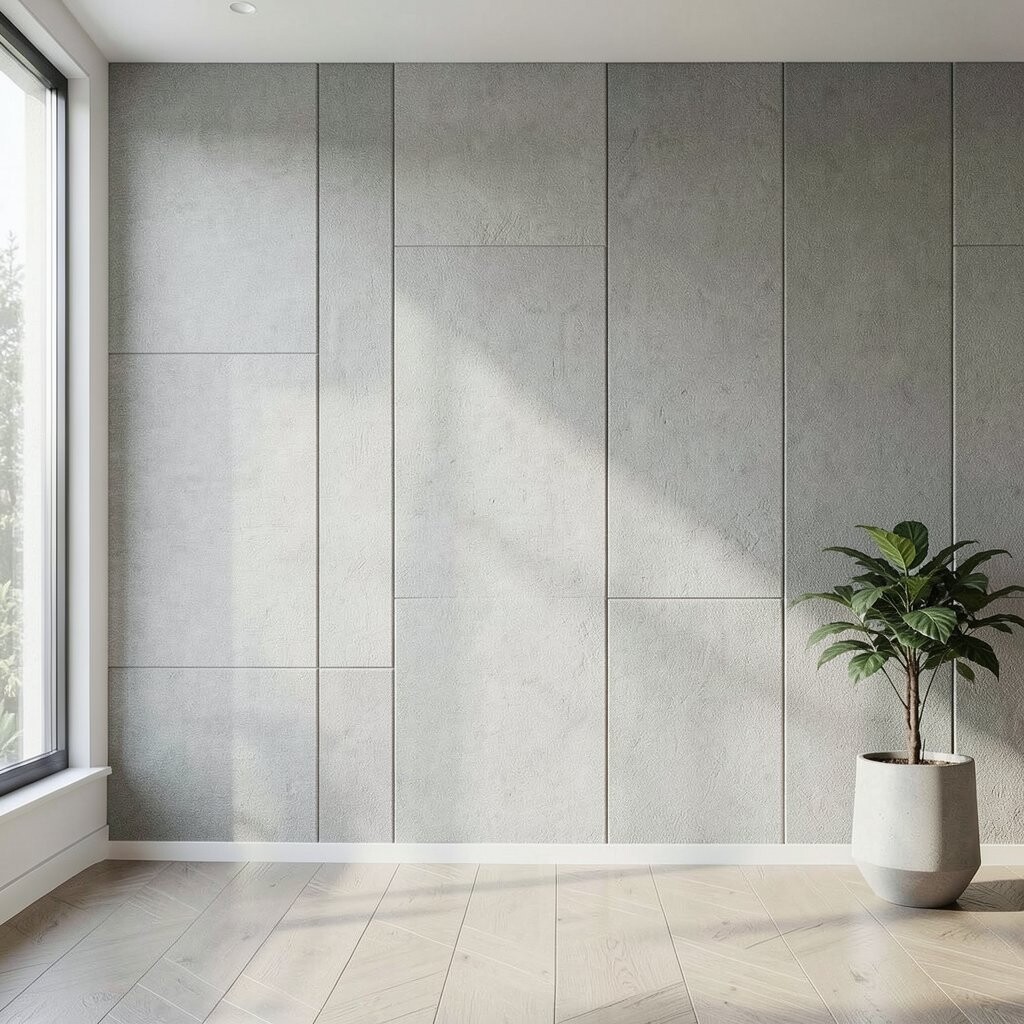
Right now, fabric panels feel especially popular in homes that want warmth without clutter. Many people are choosing soft, neutral tones with gentle texture and subtle depth.
Another trend is mixing panel heights or using asymmetry to make walls look more artistic. You may also notice more interest in boucle-like textures and fabric that looks like it belongs in a boutique hotel. Even if you follow the trend, make it yours by tying the panel color to your favorite items, like a piece of art or a beloved blanket.
For something current, try pairing fabric panels with clean lines in your room, like modern frames or simple shelving. That contrast helps the fabric look intentional and elevated, not just decorative.