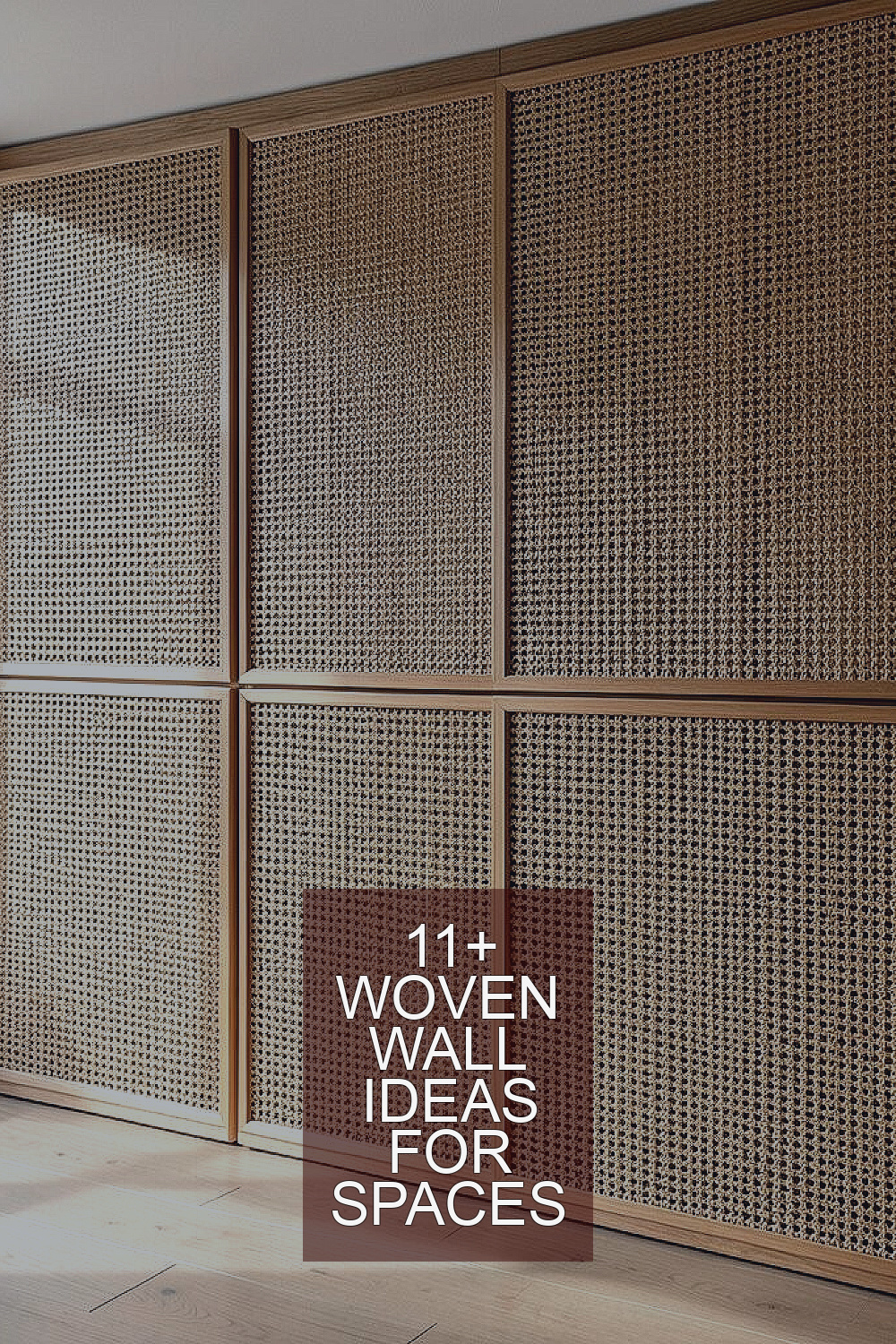
Woven wall pieces bring warmth in a way that feels both classic and fresh. They soften hard edges while still looking full of character.
You can use them to add texture, calm, and a hint of handmade charm to rooms that already have great bones.
1. Woven Rattan Oversized Panels
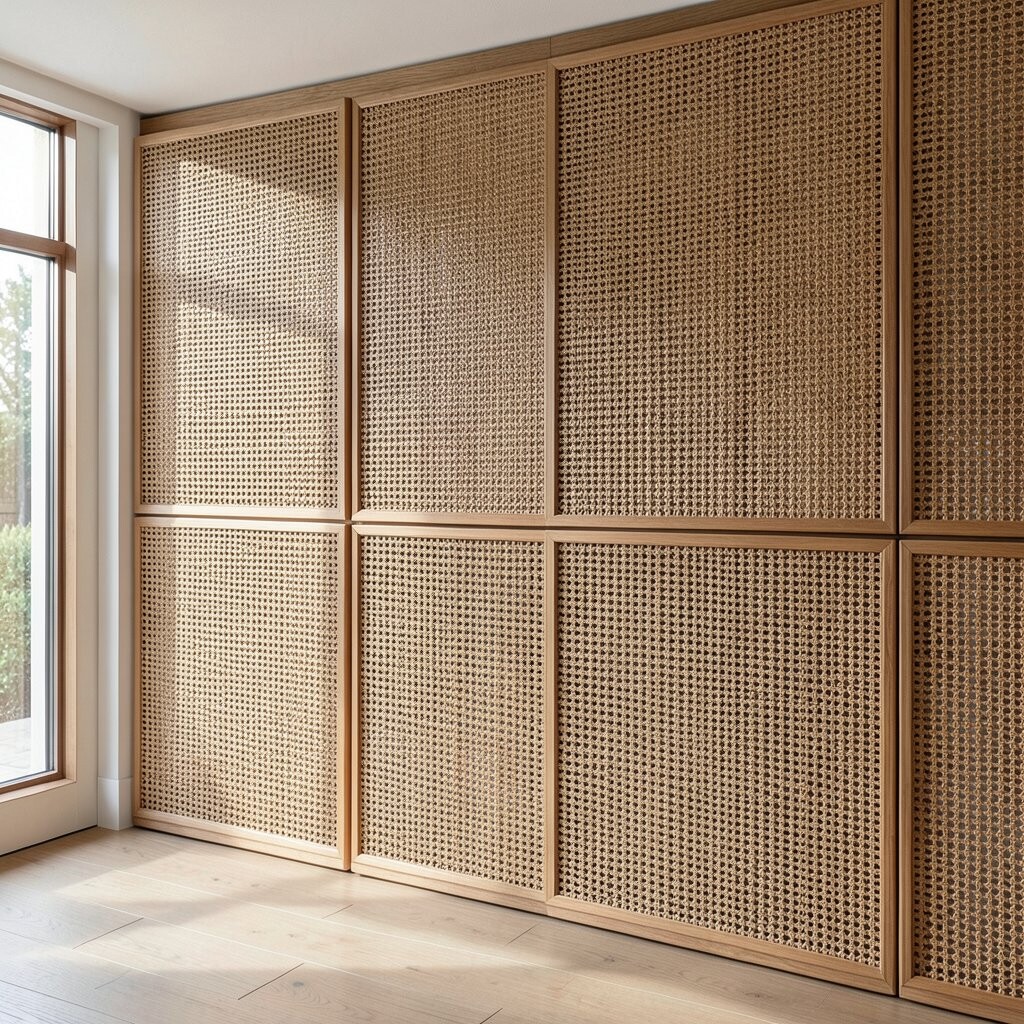
Oversized rattan panels turn a plain wall into a sunlit backdrop that looks relaxed yet intentional. You’ll notice the airy pattern right away, especially next to wood furniture and warm paint tones.
They help traditional spaces feel lighter by adding natural texture instead of heavy ornament. Choose a size that covers most of the wall, then balance it with simple framed art and soft curtains.
For personalization, play with height and placement by hanging the panel so it lines up with a sofa back or chair rail. If you want a calmer look, pick neutral weaves and avoid high-contrast accents.
2. Basketweave Accent Behind a Sofa
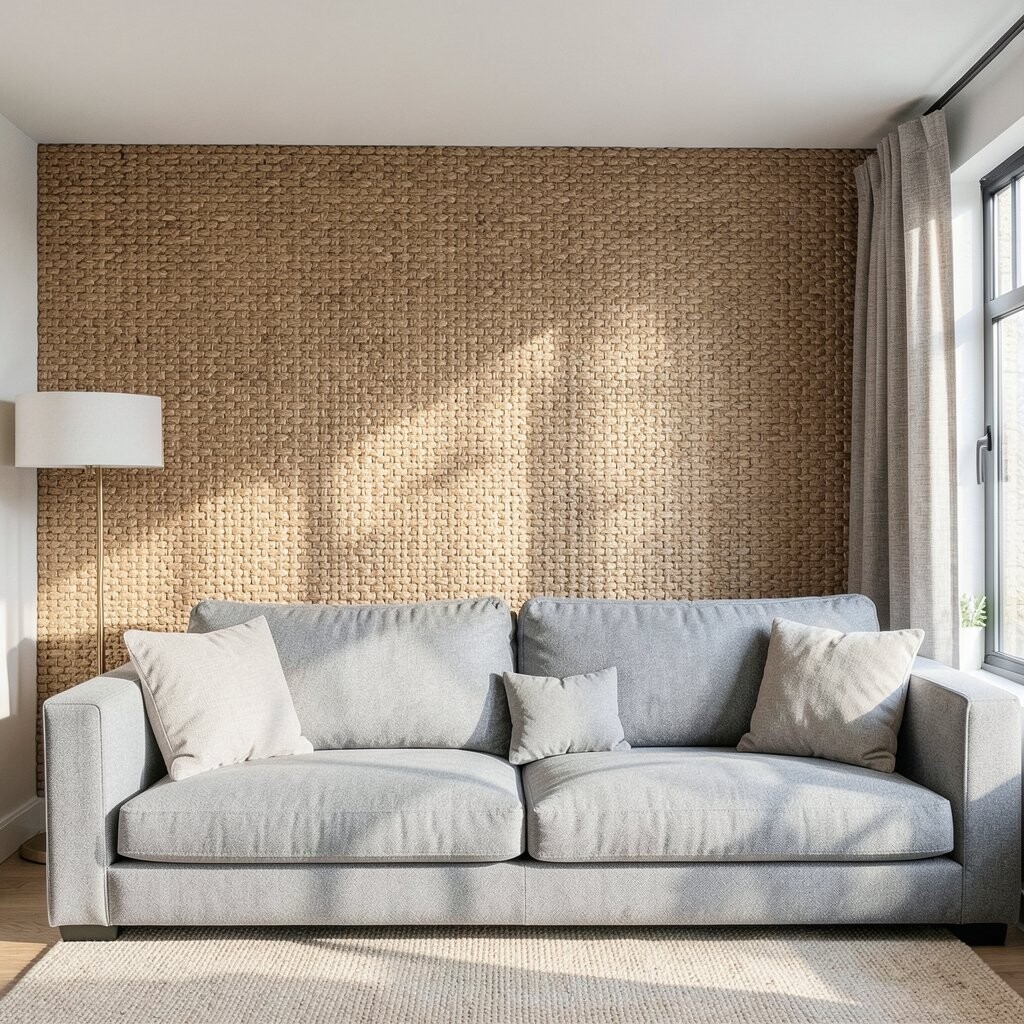
A basketweave accent placed behind your sofa instantly gives the room a cozy focal point. The tight crisscross rhythm makes the space feel dressed up without looking fussy.
It supports traditional design by echoing classic materials like cane, wicker, and carved wood. For practical styling, keep the piece centered and leave a few inches between it and the ceiling for a clean, grounded feel.
You can personalize the vibe by choosing a weave color that matches your existing floor or the frames on your mantel. Many shoppers find mid-range woven panels more budget-friendly than large framed art, especially when they cover a wide area.
3. Macramé Wall Hangings in Cream and Sand
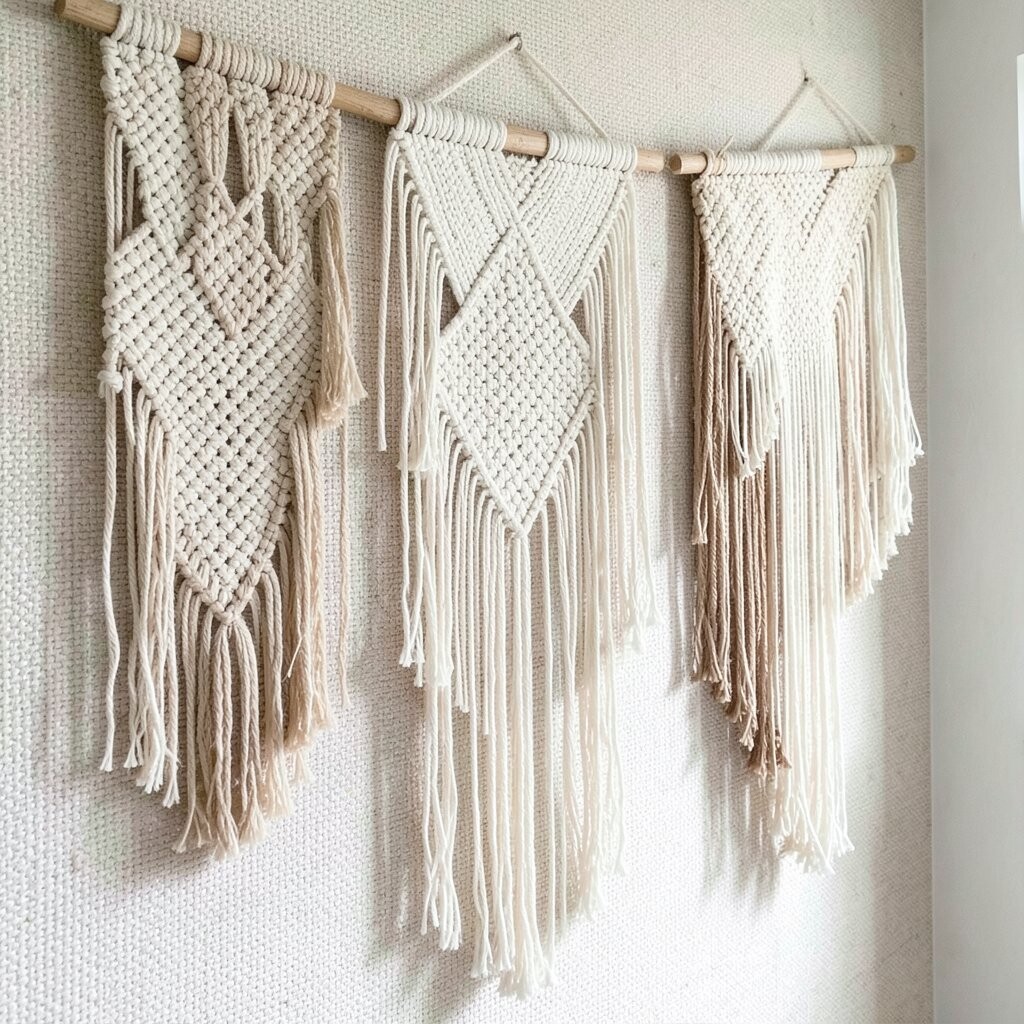
Macramé brings a soft, cloud-like texture that looks right at home in traditional rooms. In cream and sand tones, it adds gentle movement without turning the style too modern.
When the fibers catch light, your wall looks more dimensional and inviting. To keep it practical, hang it securely with strong anchors and avoid placing it where it will get bumped often.
Personalize by mixing a macramé piece with a classic mirror or a vintage-style lamp. For cost considerations, look for made-to-order designs from local makers if you want a unique size, but mass-produced pieces can still look high-end when the cord thickness is substantial.
Right now, many interiors lean toward natural whites and warm beige palettes, so macramé in these tones keeps your space feeling current. Pair it with textured pillows and natural fiber rugs for a cohesive look.
4. Woven Fabric Panels for a Soft Gallery Wall
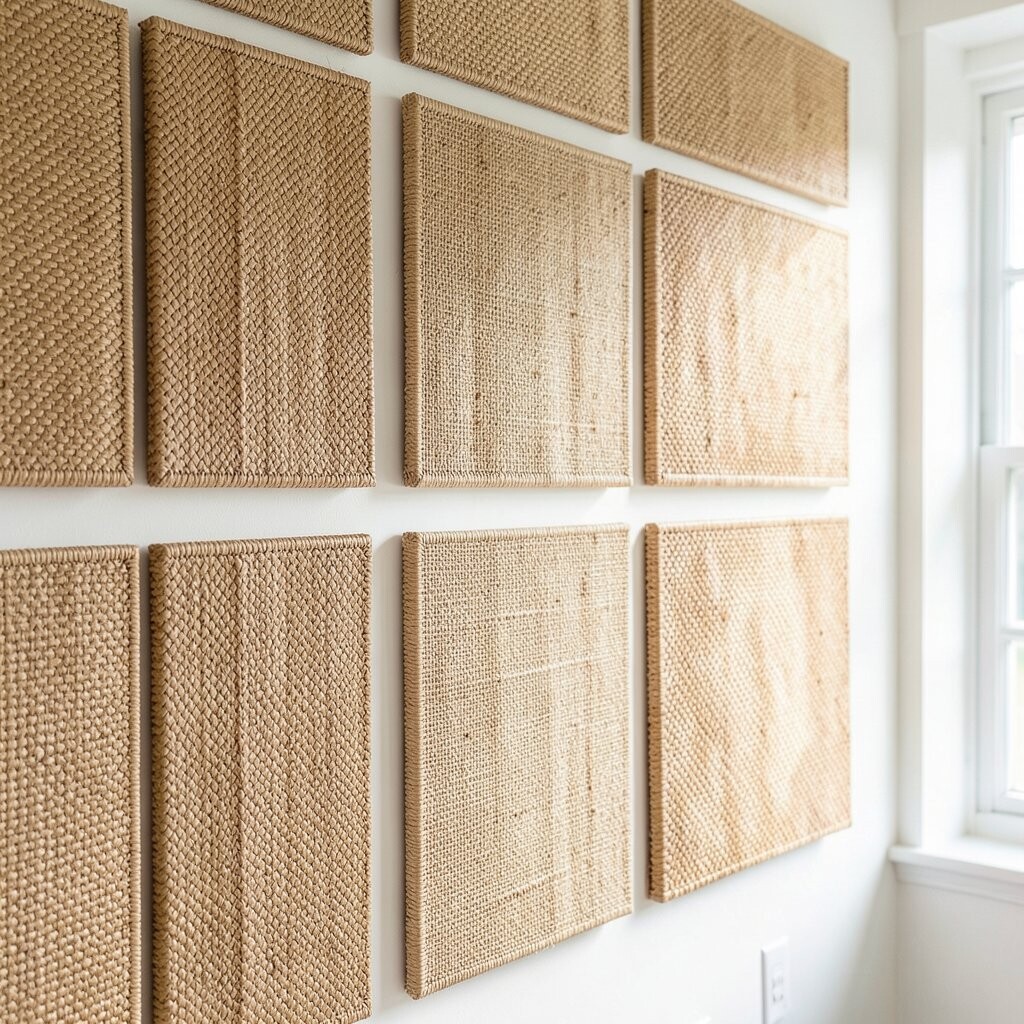
Fabric woven panels make a gallery wall feel softer and more traditional-friendly. Instead of sharp lines from framed prints, you get a gentle fabric texture that calms the whole area.
They also make it easier to coordinate colors because woven textiles blend beautifully with existing patterns. Consider laying out your arrangement on the floor first so you can see spacing and balance before you hang anything.
If you want a practical upgrade, choose removable hanging strips or picture rails so you can swap panels seasonally. Personalize by selecting one woven color family and repeating it in small touches throughout the room.
5. Loomed Textures in Warm Earth Tones
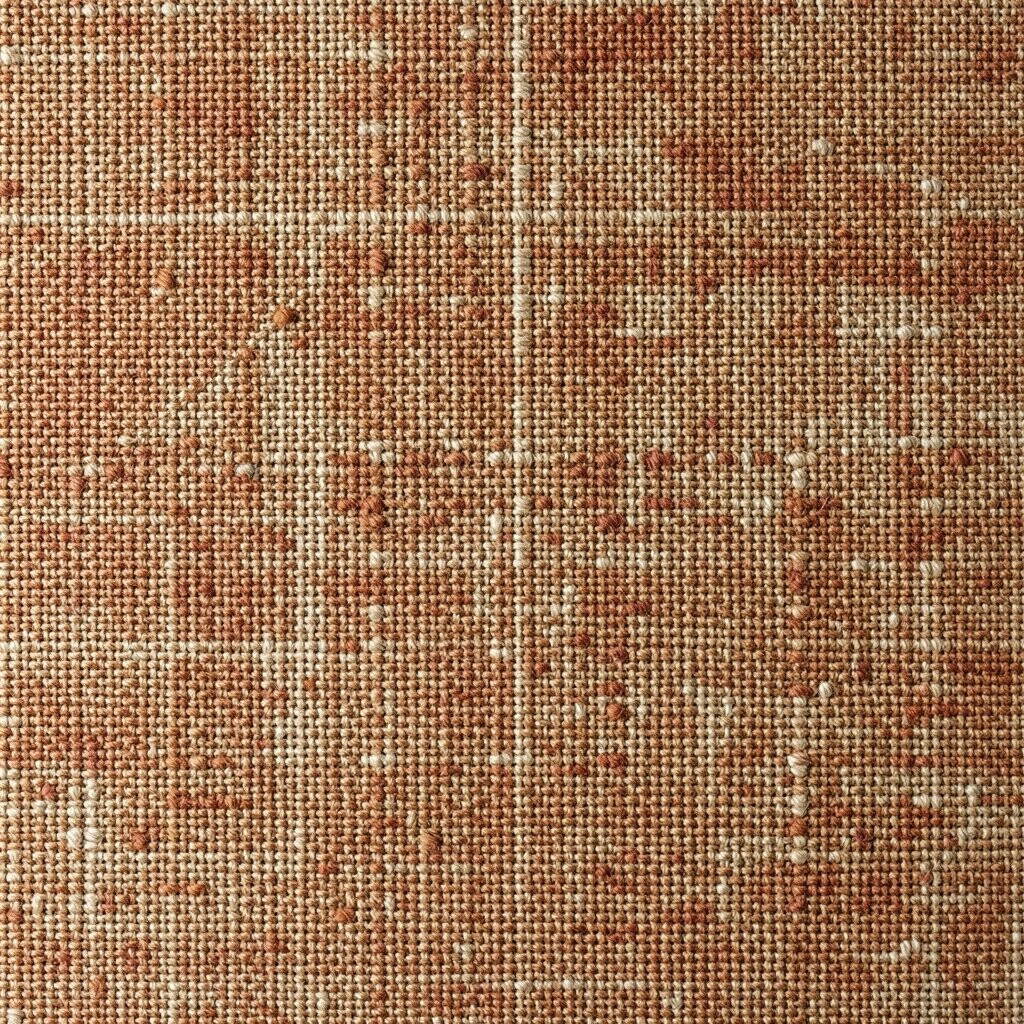
Earth-tone loomed textures add a grounded, timeless feeling that suits traditional interiors. Think warm browns, muted ochres, and soft clay shades that make wood finishes look even richer.
The visual benefit is depth, because woven fibers create shadow lines that change as the light shifts. For a clean look, pick one main neutral tone and let the weave pattern do the talking.
To personalize, match the color of the wall hanging with a throw blanket or the undertone of your leather furniture. If you’re watching cost, you can achieve a high-end look by choosing a mid-size piece with a dense weave instead of buying many smaller, thinner ones.
6. Natural Fiber Mandala Weaves
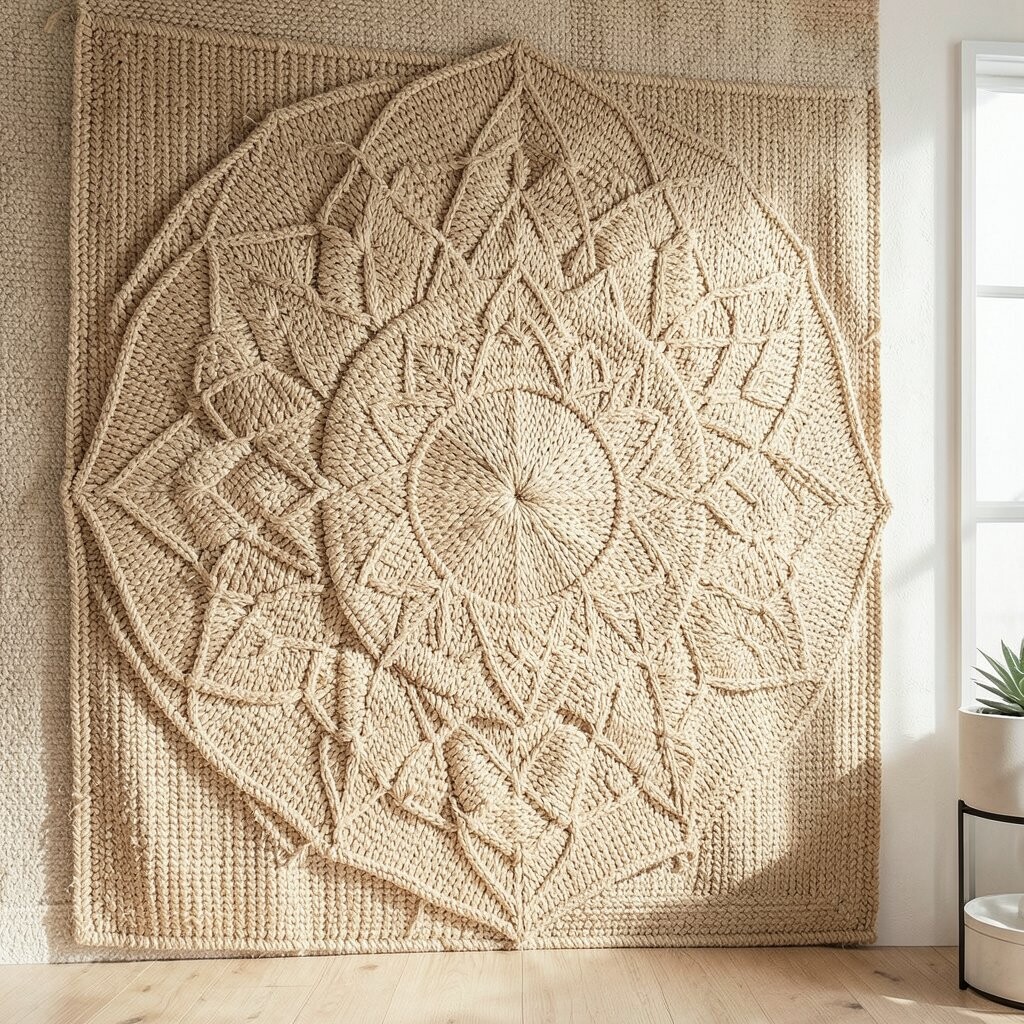
A mandala-shaped weave draws the eye like artwork while still feeling organic. The circular rhythm looks especially nice in traditional spaces with decorative columns, arches, or classic molding.
It brings uniqueness because many mandala designs have hand-finished edges and distinct patterns. For practical tips, hang it at eye level and keep surrounding decor simple so the design stays the star.
You can personalize by pairing the mandala with a carved wood console or a vintage rug that has a similar warm undertone. If you want to keep costs under control, consider a smaller mandala for the entryway or a larger one for a living room focal wall, depending on your budget.
7. Woven Wall Runner Style for Hallways
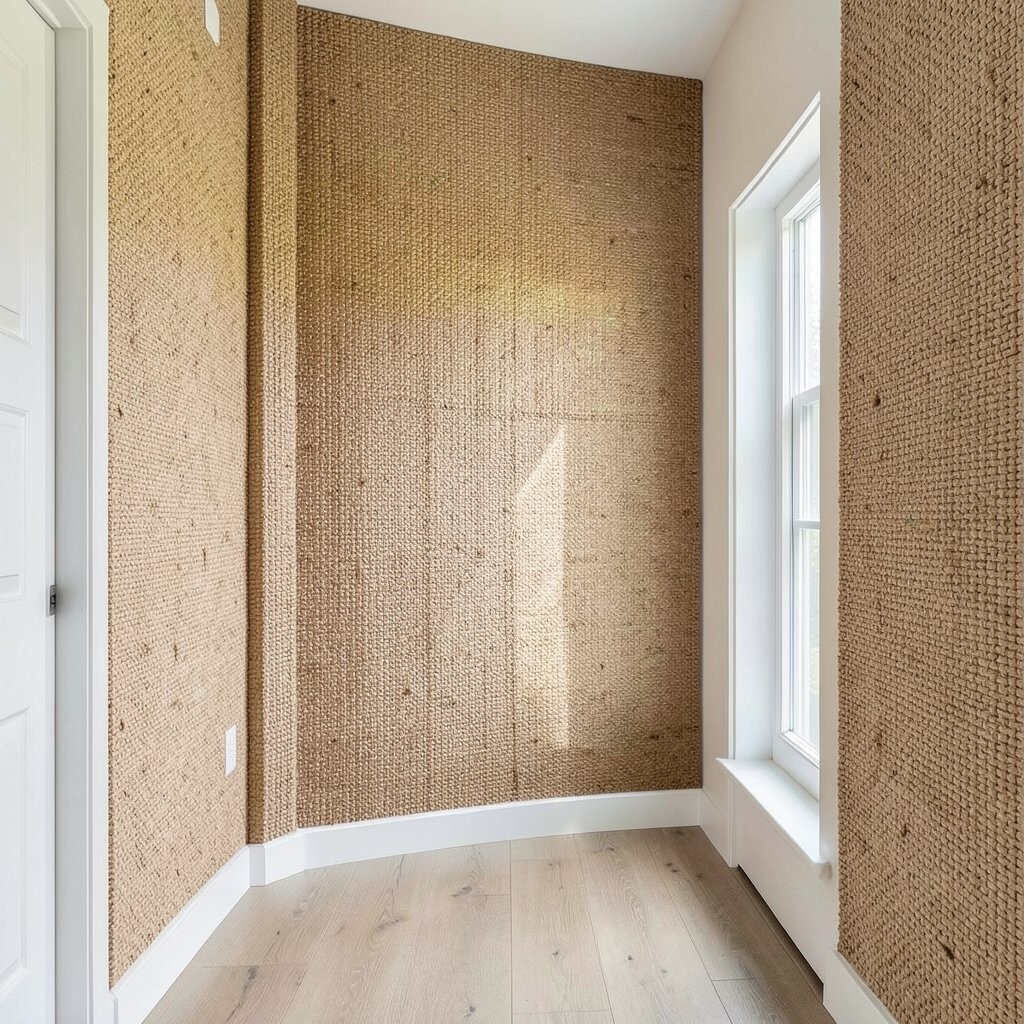
A woven wall runner style is perfect for hallways where you want comfort without clutter. The vertical feel adds height and makes narrow spaces feel more welcoming.
It benefits traffic areas by adding warmth while hiding minor wall imperfections. For installation, measure the hallway wall carefully and use a level so the weave lines up with doors and baseboards.
Personalize by matching the color to your stair rail, banister, or nearby textiles. Many homeowners find that woven wall runners are a budget-friendly way to dress up a long wall because they can be sourced in standard sizes.
Current trend favorites often include natural textures in transitional homes, and hallway weaves are an easy way to follow that vibe. Add a simple framed print or a pair of candle sconces to finish the look.
8. Oversized Weave in Black for Contrast
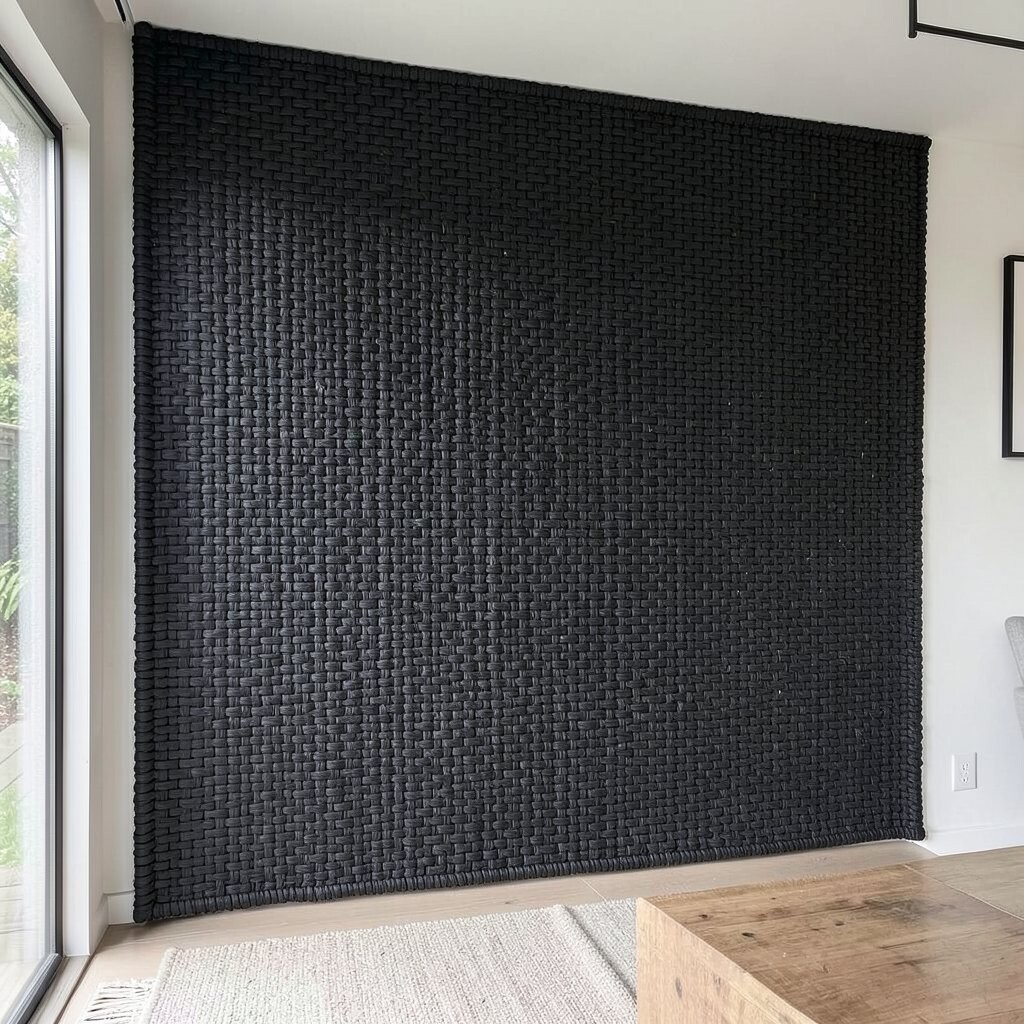
Using black in a woven wall piece brings bold contrast to traditional rooms. When you place a dark weave against warm walls or light wood, the pattern looks sharp and stylish.
This option gives uniqueness without requiring a dramatic color palette. For a practical approach, choose black only if your room has enough light sources like lamps or window brightness to prevent the wall from feeling heavy.
Personalize by selecting a weave with subtle variation, such as charcoal highlights or a slightly textured finish. For cost considerations, black woven pieces are sometimes available from bigger retailers in larger sizes, which can help you get coverage without spending too much.
9. Woven Wall Panels in Classic Teak and Honey
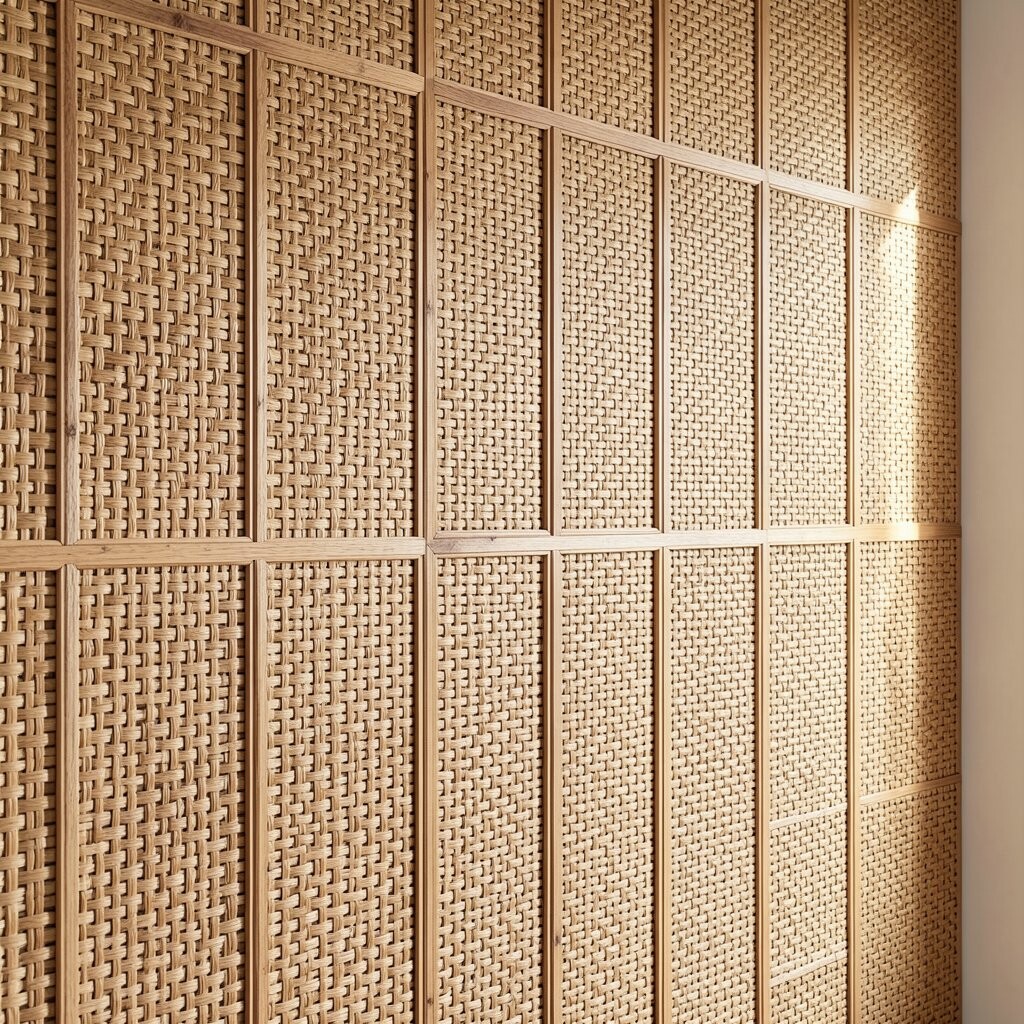
Classic teak and honey-toned weaves make traditional spaces feel rich and inviting. The warm highlights look like they belong next to antique-looking furniture and classic décor.
They benefit the room by adding a soft glow and making wood tones blend smoothly. To get it right, match the wall weave undertone to your flooring or the dominant wood finish in the room.
Personalize by choosing a weave with a slightly irregular pattern, which looks more handmade and less mass-produced. When budgeting, consider a single larger panel over multiple small pieces, because larger panels often give a more dramatic look per purchase.
Right now, warm wood pairings remain popular, and honey weaves are a safe way to keep your design feeling fresh. Add a neutral sofa and a few woven baskets to tie the theme together.
10. Layered Woven Textures Over a Plain Wall
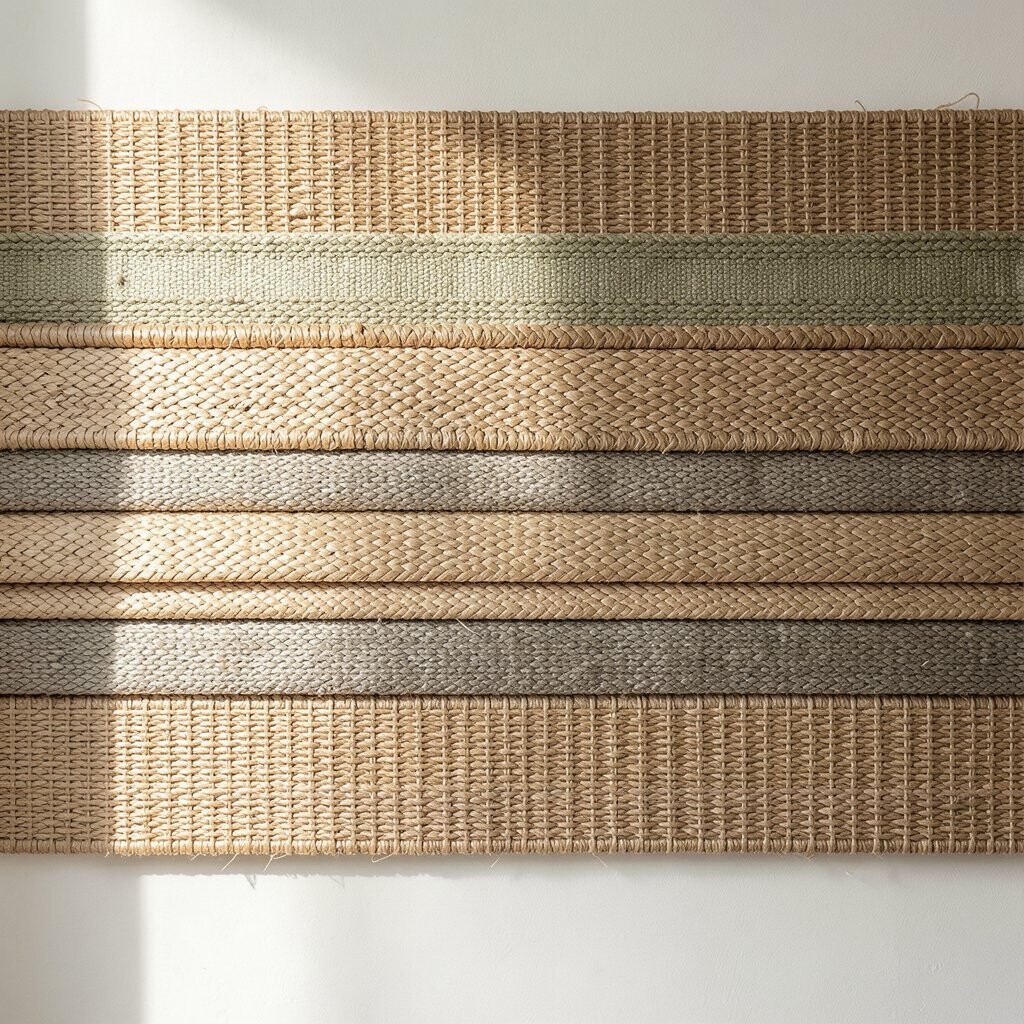
Layering woven textures is a fun way to make a traditional wall feel fuller and more dynamic. You can combine different weaves, like a larger panel with a smaller macramé accent underneath.
This approach adds depth and uniqueness because you’re building a textured landscape rather than hanging one item and stopping. Keep practical planning in mind by using a consistent color family so the layers don’t compete.
Personalize by choosing one repeating motif, such as circles, braids, or small geometric bands, so everything feels coordinated. For cost considerations, start with one hero piece and add one smaller woven element later when your budget allows.
11. Woven Loom Art with Subtle Geometric Patterns
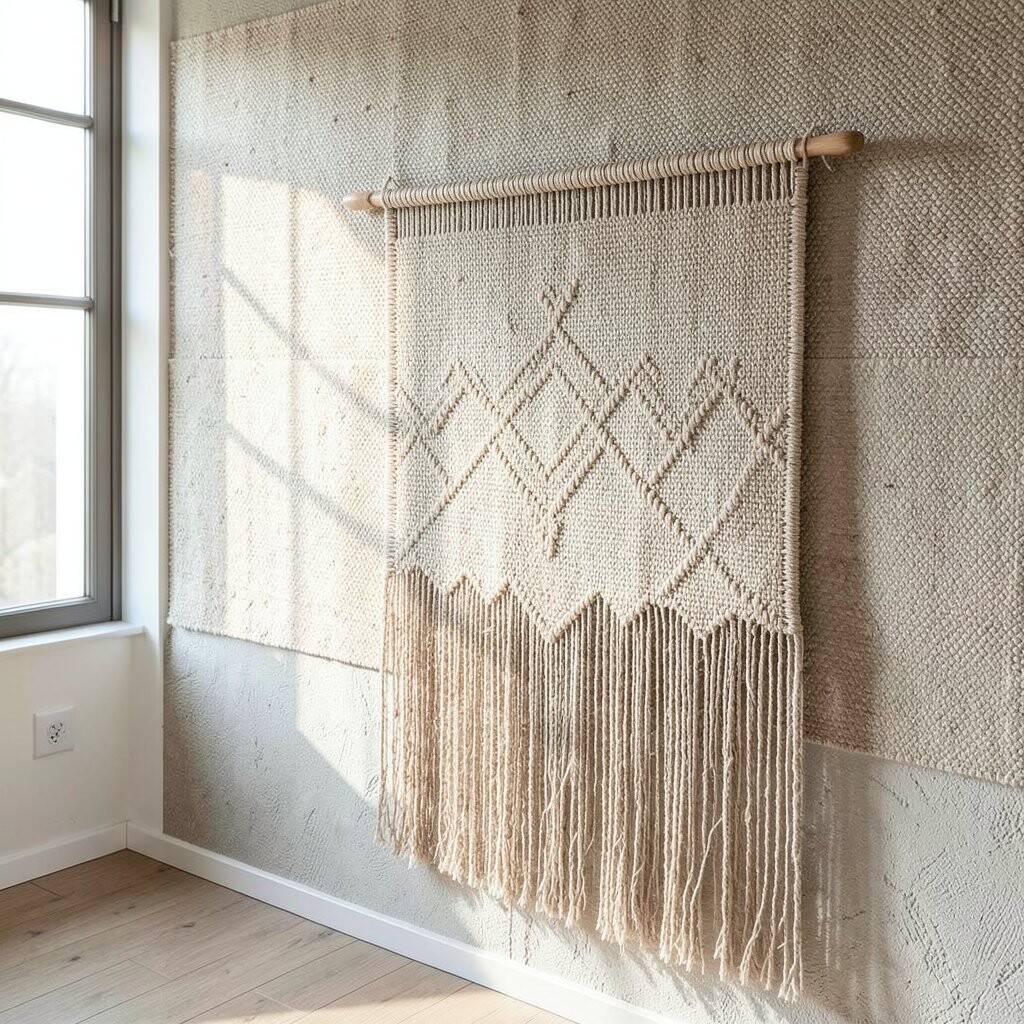
Subtle geometric woven art brings a tidy, traditional-smart look to your home. Even when the lines are small, the weave makes them feel soft instead of rigid.
The benefit is clarity with warmth, because woven textures soften the sharpness of geometry. Hang it near a mantle, sideboard, or dining setup so the pattern naturally works with the room’s layout.
Personalize by choosing a pattern scale that fits your wall size, such as tight motifs for smaller walls and broader shapes for larger ones. If you’re watching costs, look for pieces that are thick and well-made rather than overly ornate, because quality weaving holds its beauty longer.
Current trends favor understated texture, and woven geometry hits that sweet spot nicely. Pair it with classic neutrals and a few natural accents like linen curtains or a sisal rug.
12. Woven Wall Behind a Reading Nook Chair
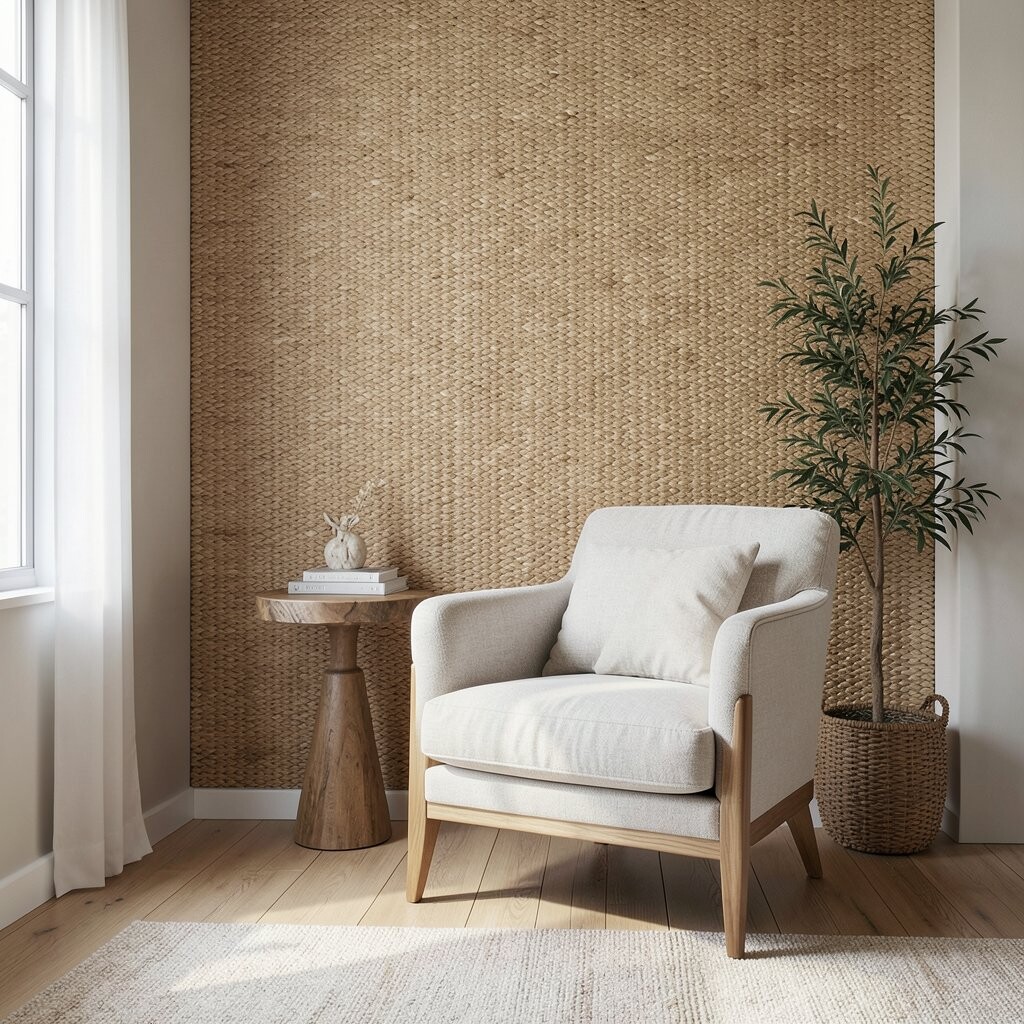
Placing a woven wall piece behind a reading nook chair makes the spot feel calm and special. The texture creates a soft background that makes your cozy corner look intentional, not accidental.
It benefits everyday comfort because the room looks warmer and more relaxing the moment you step in. For practical tips, keep the hanging height comfortable so the piece frames the chair without blocking light.
Personalize the nook by matching the weave color to your throw blanket or pillow covers. For cost considerations, consider a medium-size woven piece that covers the empty wall area, since that gives the biggest visual impact for the money.
This design choice also fits current tastes for cozy, tactile interiors that feel lived-in. Add a small woven basket beside the chair for extra charm and to make the space even more usable.