
Wood panels can make a room feel warmer the moment you look at it. When they come from local suppliers, the styling feels even more personal and real.
Choosing the right wall idea is easier when you think about light, texture, and how your everyday life moves through the space. With the right panels, even a small area can look brighter, cleaner, and more inviting.
1. Classic Tongue-and-Groove for Cozy Daylight
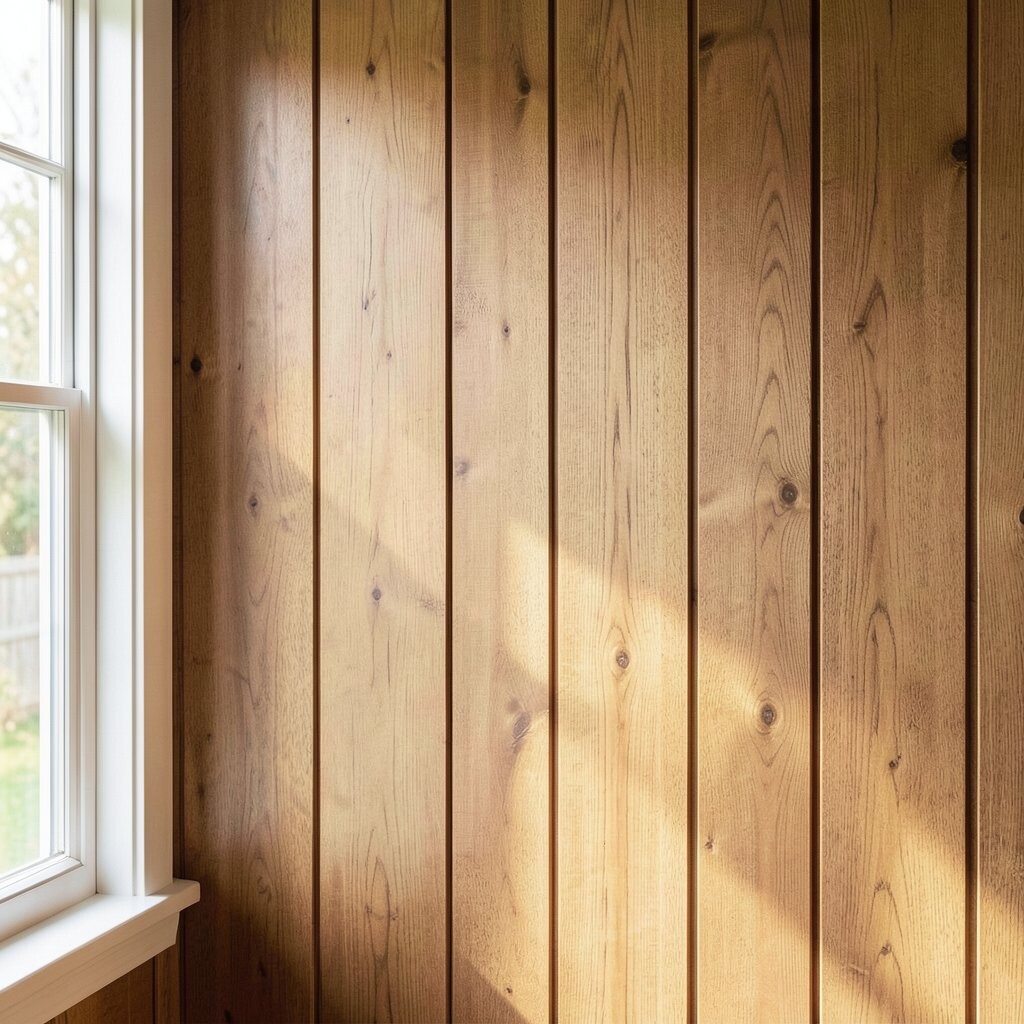
Picture a wall lined with neat grooves that catch shadows in a gentle pattern. The texture looks crisp in daylight and adds comfort at night when lamps glow softly.
Panels with tongue-and-groove detail can make a space feel welcoming without needing extra decor. For a practical win, install boards horizontally only where your ceiling is tall enough, then keep everything aligned for a calm look. If you want it to feel brighter, pick lighter woods like ash or maple and finish with a clear matte coat that doesn’t over-shine.
2. Reclaimed Barnwood Panels for Rustic Glow
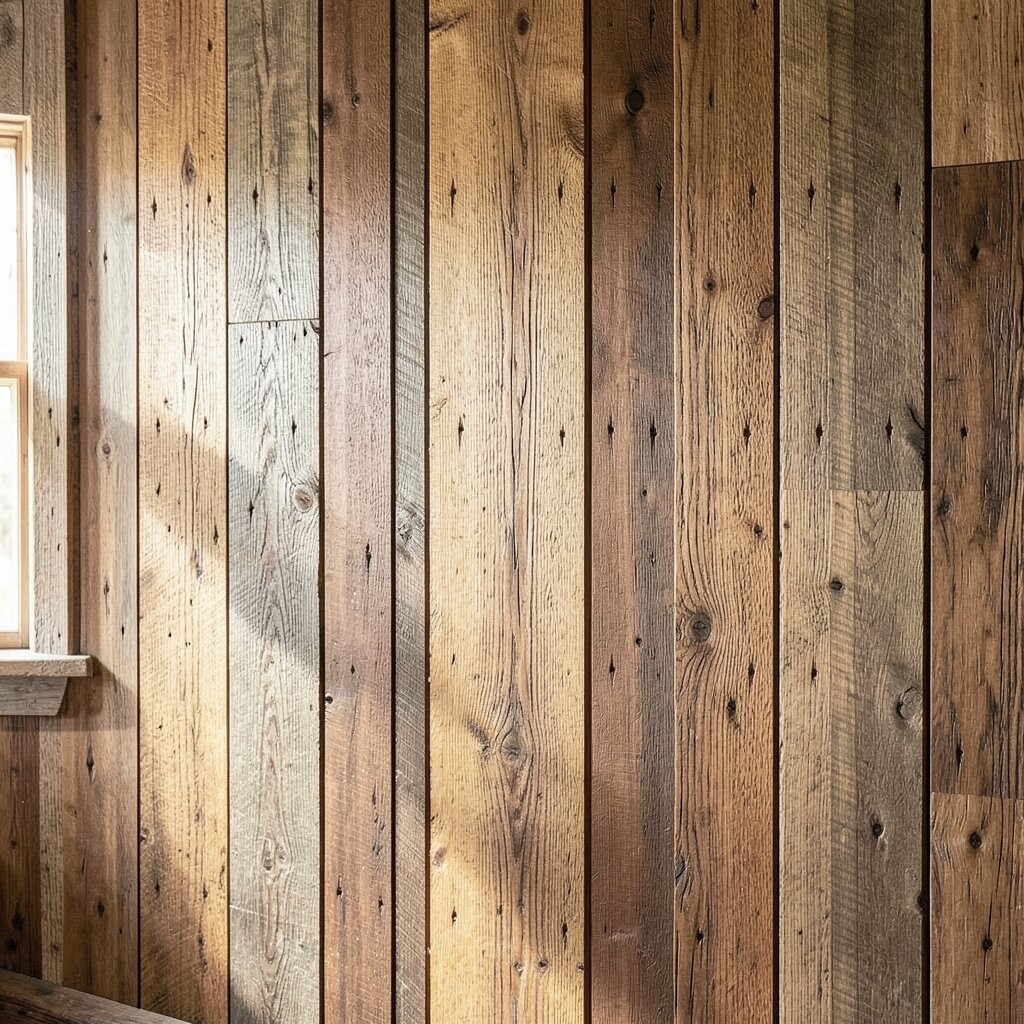
Imagine walking into a room where each plank shows a different story, from sun-faded tones to darker knots. That lived-in character creates instant warmth, even before you add furniture.
Reclaimed barnwood panels bring uniqueness because no two sections match perfectly. They also add depth, which helps a small room feel richer rather than smaller. To keep it practical, ask your local supplier about treatment for moisture and consistent backing so the wall stays stable over time.
For cost considerations, reclaimed materials can vary a lot depending on availability and finish, so get a few quotes from nearby shops. If budget is tight, cover only one accent wall and paint the rest in a soft, bright color. Personalize by mixing panel widths within the same lot, then add simple trim at the edges to make the look feel intentional.
3. Slatted Wood Panels for Clean Lines and Soft Light
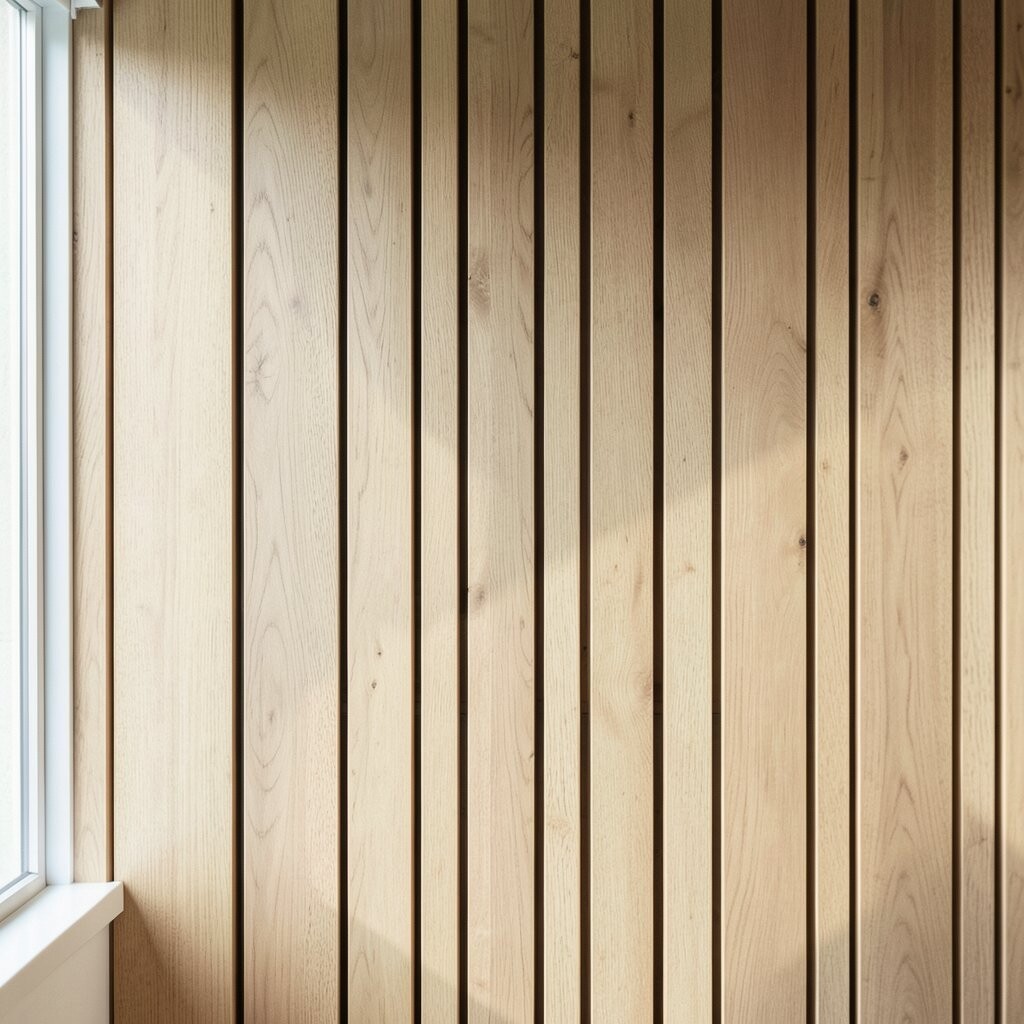
Think of a wall made of slim wooden lines that create a modern rhythm. Daylight filters through the spaces, making highlights move across the surface as the sun shifts.
Slatted panels are a great choice when you want airflow and a lighter visual feel. They also help hide minor wall imperfections because the frame can cover uneven spots. Choose a narrow spacing for a subtle effect, or widen the gaps if you want more shadow play.
To personalize, stain the slats in a warm honey tone and pair them with light curtains. For practical installation, confirm whether the supplier offers a pre-assembled slat system so the measuring and alignment feel manageable. If you care about trends, this kind of vertical texture is popular in modern living rooms and hallways right now because it looks neat and stays interesting.
4. Herringbone Wood Panels for a Bright, Upscale Feel
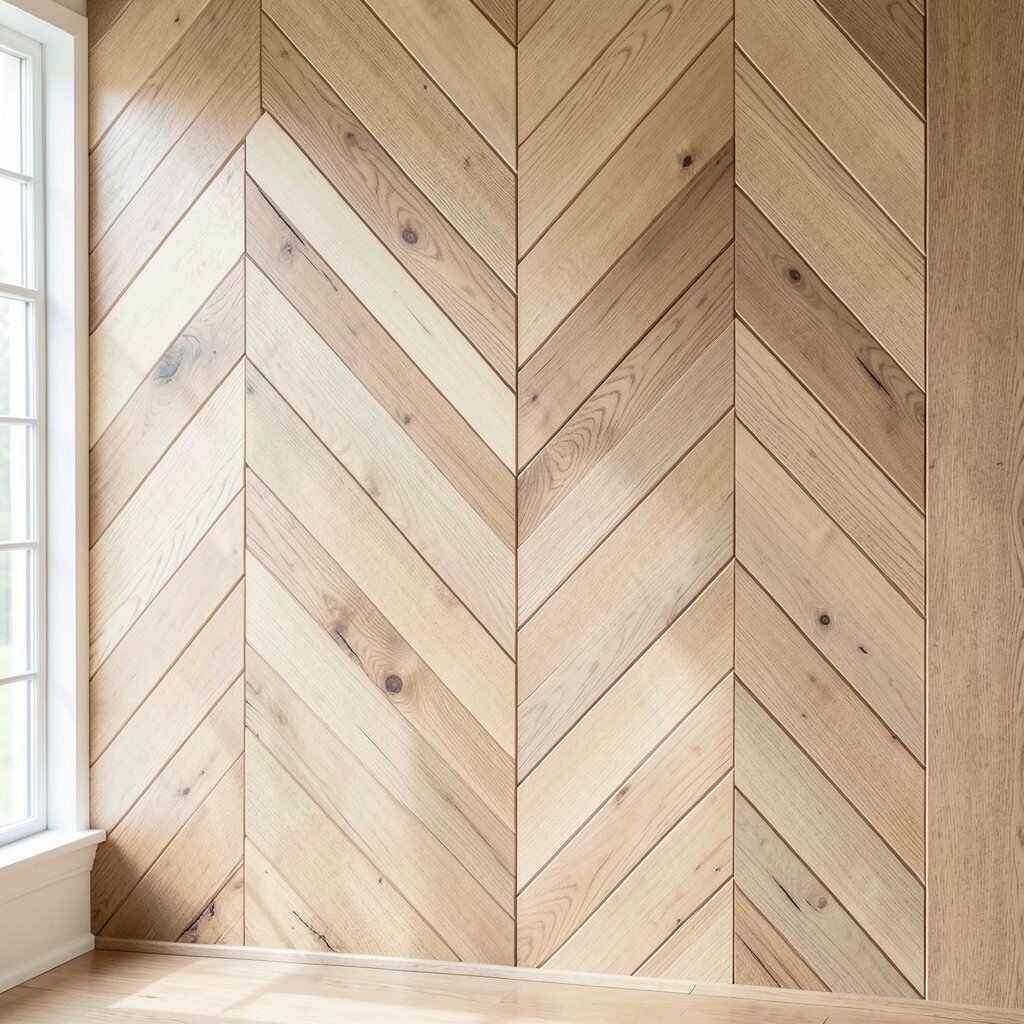
Visualize a herringbone wall where each angled piece directs the eye. The pattern makes the space feel styled, and the small angles create lively sparkle when light hits the finish.
This design adds uniqueness because it looks tailored, not generic. It can also make a room feel larger since the layout adds motion across the wall. For practical tips, use an experienced installer or a panel system that includes pre-cut pieces so you avoid frustrating misalignments.
5. Wide Plank Panels for a Calm, Airy Look
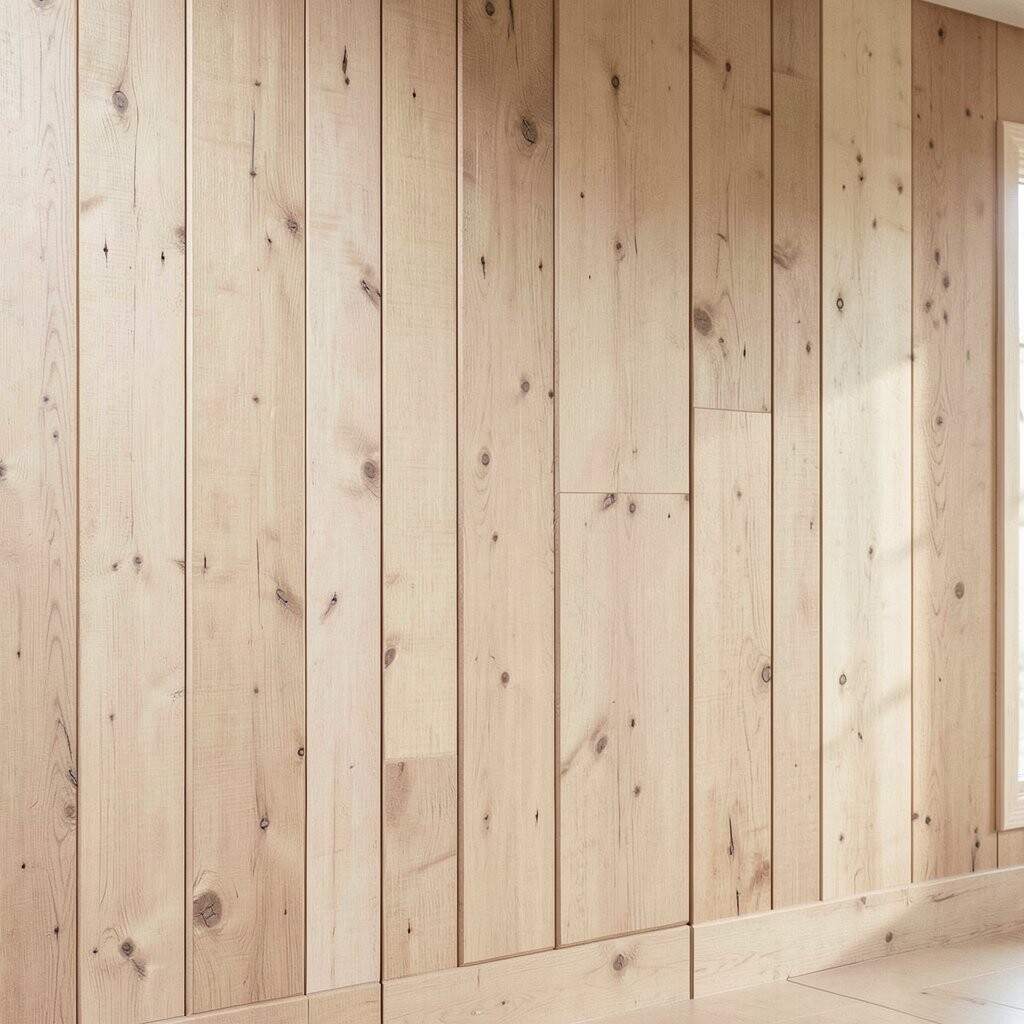
Picture long, smooth planks that run like gentle waves across a wall. The wide format makes the room feel open, especially when the wood tone stays light and clean.
Wide plank panels give a natural, relaxed vibe that works in many styles, from modern to farmhouse. They can also hide small wall dents because the panels cover a broader surface area. For personalization, add a matching baseboard and keep wall paint in a soft white or light cream so the wood looks even brighter.
When thinking about cost, wide planks can cost more because of material size and milling, so ask your local supplier about standard widths that are easier to source. If your budget is smaller, choose a thin panel system that still gives the look of real boards. Pair the wall with simple, light-toned decor to keep the whole room feeling fresh.
6. Dark Walnut Panels for Dramatic Contrast
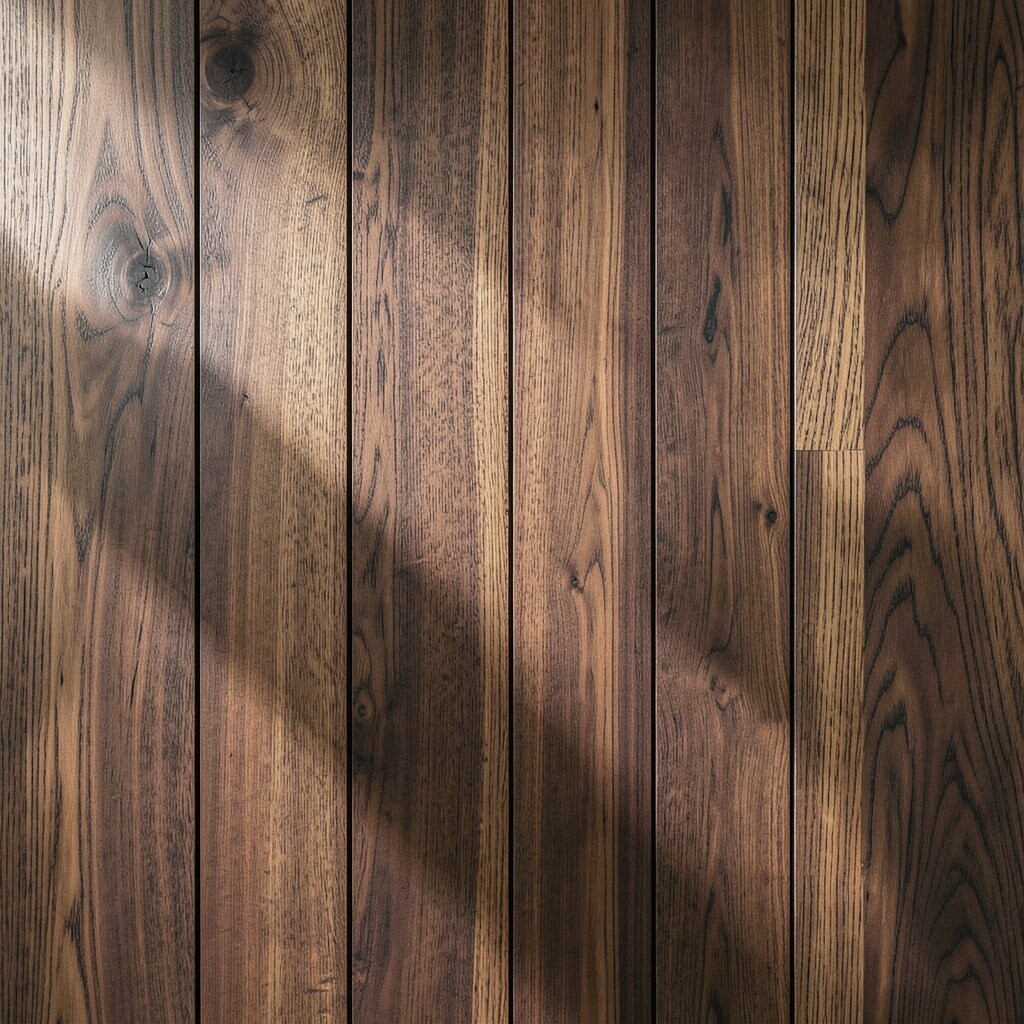
Imagine deep walnut panels with a smooth sheen that makes everything around them feel richer. In the right lighting, the grain looks almost like flowing lines, adding drama without clutter.
Dark wood panels bring strong uniqueness, especially when you balance them with bright paint, pale fabrics, and clean metal accents. They also make a room feel grounded, which is helpful in open-plan spaces where you want a visual anchor. Choose a satin or low-gloss finish to avoid glare, and make sure you have at least one warm light source to keep the wall from looking too heavy.
7. Light Oak Panels for a Fresh, Friendly Atmosphere
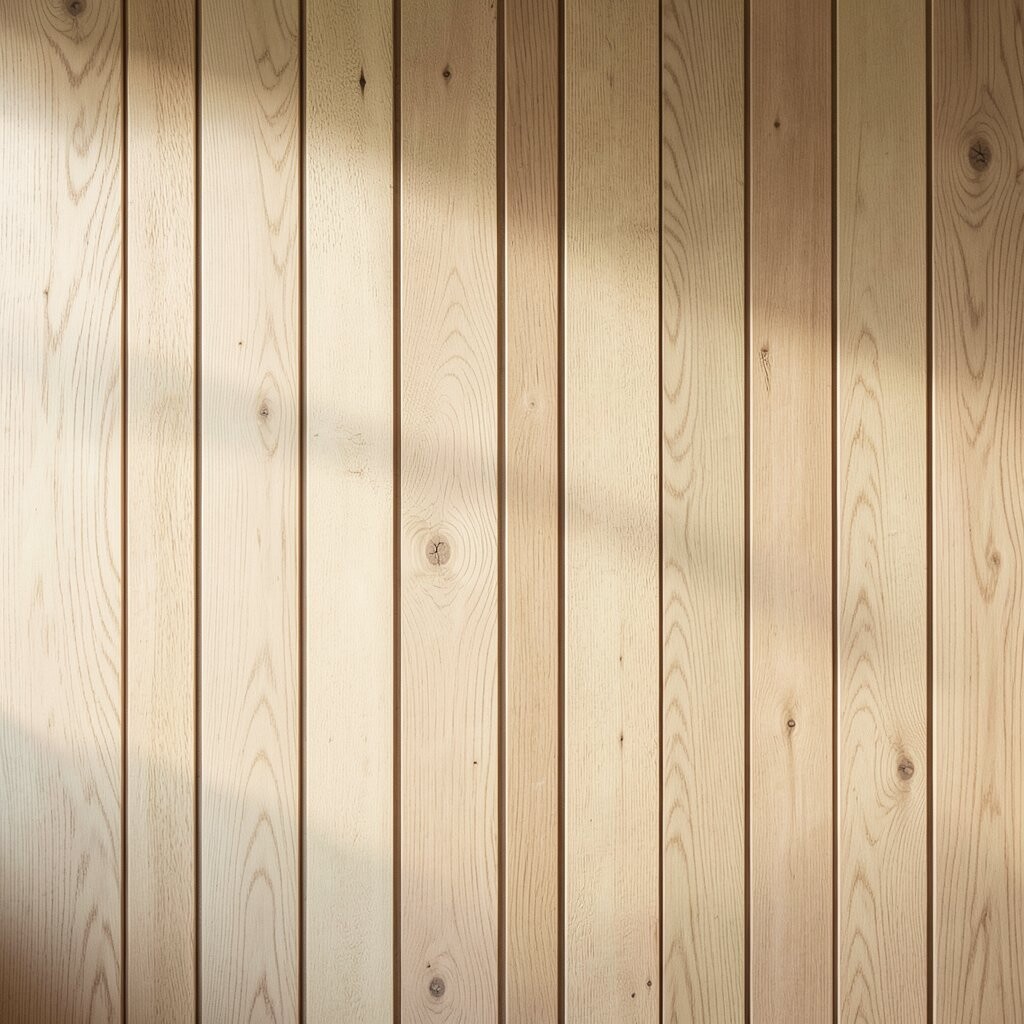
Picture light oak panels with a warm undertone that instantly feels welcoming. The grain looks subtle and refined, and it pairs beautifully with airy curtains and bright flooring.
Light oak is a popular choice because it can brighten a room while still feeling natural. It works well in kitchens, entryways, and living rooms where you want a friendly, everyday look. A practical tip is to ask your supplier for samples in your actual room lighting, since oak can read golden or neutral depending on your bulbs.
For cost considerations, oak often lands in the middle range, so you can usually find options that fit different budgets. Personalize by adding a simple rail or picture ledge where you can hang small frames or seasonal art. If you’re aiming for current trends, light wood walls are still loved because they keep spaces airy and easy to style.
8. Vertical Charred Wood Panels for Bold Texture
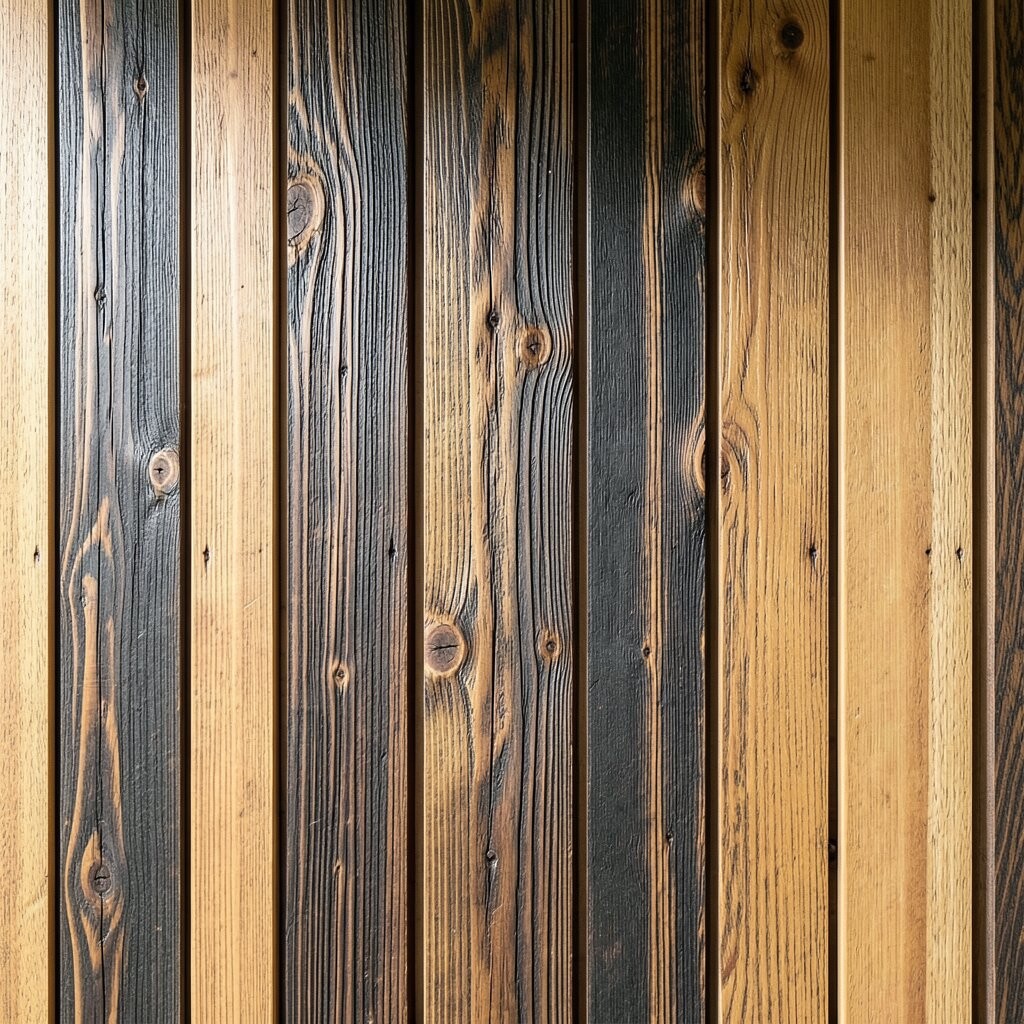
Think of vertical boards with a charred finish that shows dramatic grain and texture. The wall looks like it has depth, almost like a shadow sculpture, even when the room is still.
Charred wood brings uniqueness because the finish creates a one-of-a-kind surface pattern. It also hides tiny scratches better than many glossy finishes, which is practical in busy homes. To keep the brightness, balance the dark wall with light paint on the rest of the room and add warm lighting so the char doesn’t look cold.
9. Whitewashed Wood Panels for Soft, Airy Brightness

Picture wood panels that still show the grain, but feel lighter and more relaxed. Whitewashing keeps the texture while giving you a brighter backdrop for your furniture and art.
Whitewashed panels are a smart option if you want the warmth of wood without the heavy visual weight. They can also make smaller rooms feel bigger because the surface reflects light more gently. For practical tips, choose a whitewash finish that doesn’t fully seal the grain so the wood still looks natural.
When considering cost, whitewash kits and finishes can raise or lower the total depending on whether panels arrive pre-finished. Personalize by adding a slightly darker border trim at the edges to make the wall frame feel crisp. This style is trending in coastal and modern spaces because it keeps everything looking clean and calm.
10. Curved or Arched Wood Panel Sections for a Fun Feature
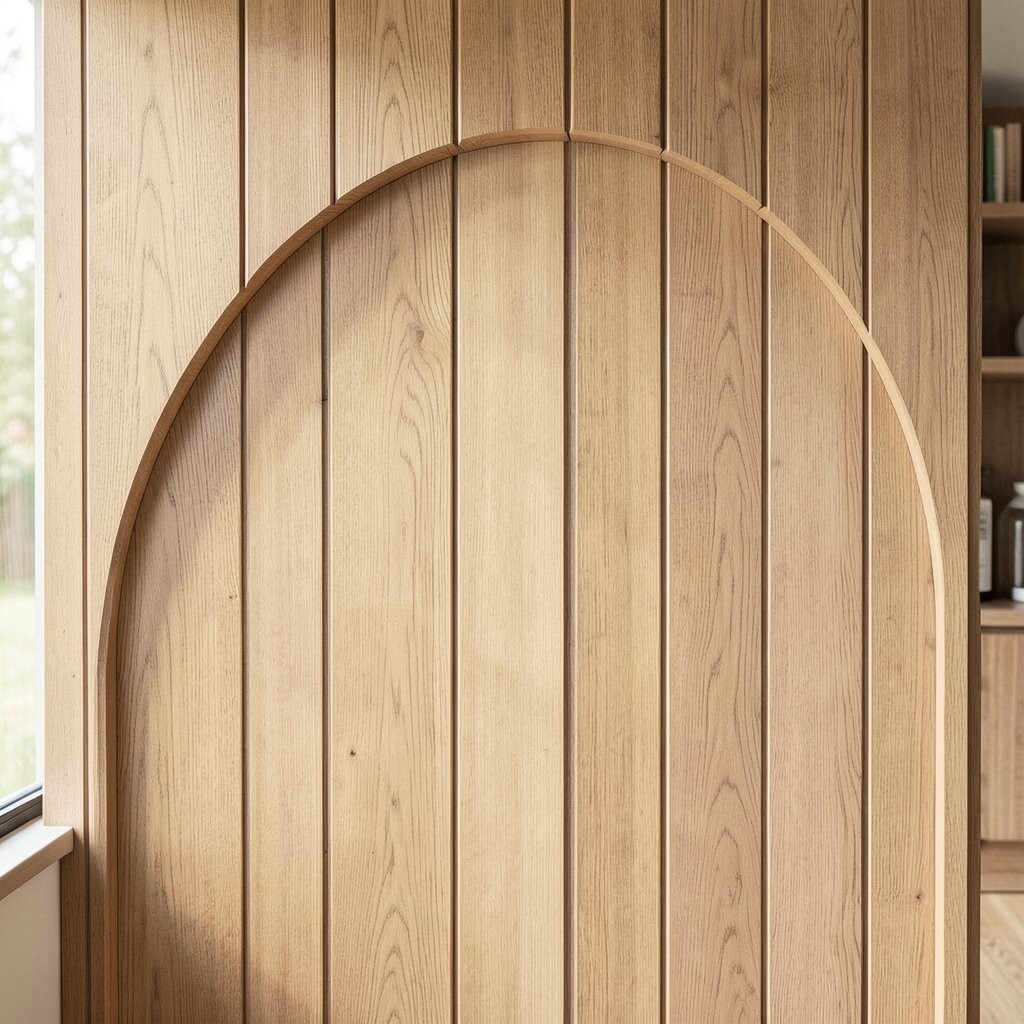
Imagine a wall feature with gentle curves, like a soft arch made from wood panels. The shape creates a playful focal point that feels unique and instantly stylish.
Curved panel sections can brighten a space by breaking up flat planes, so the wall feels more dynamic. They’re also great for personalizing a room because you can match the curve style to your layout and furniture placement. For practical installation, ask your supplier if the wood is available in flexible or pre-formed pieces, since standard rigid boards can be harder to shape.
11. Wood Veneer Panels for Budget-Friendly Elegance
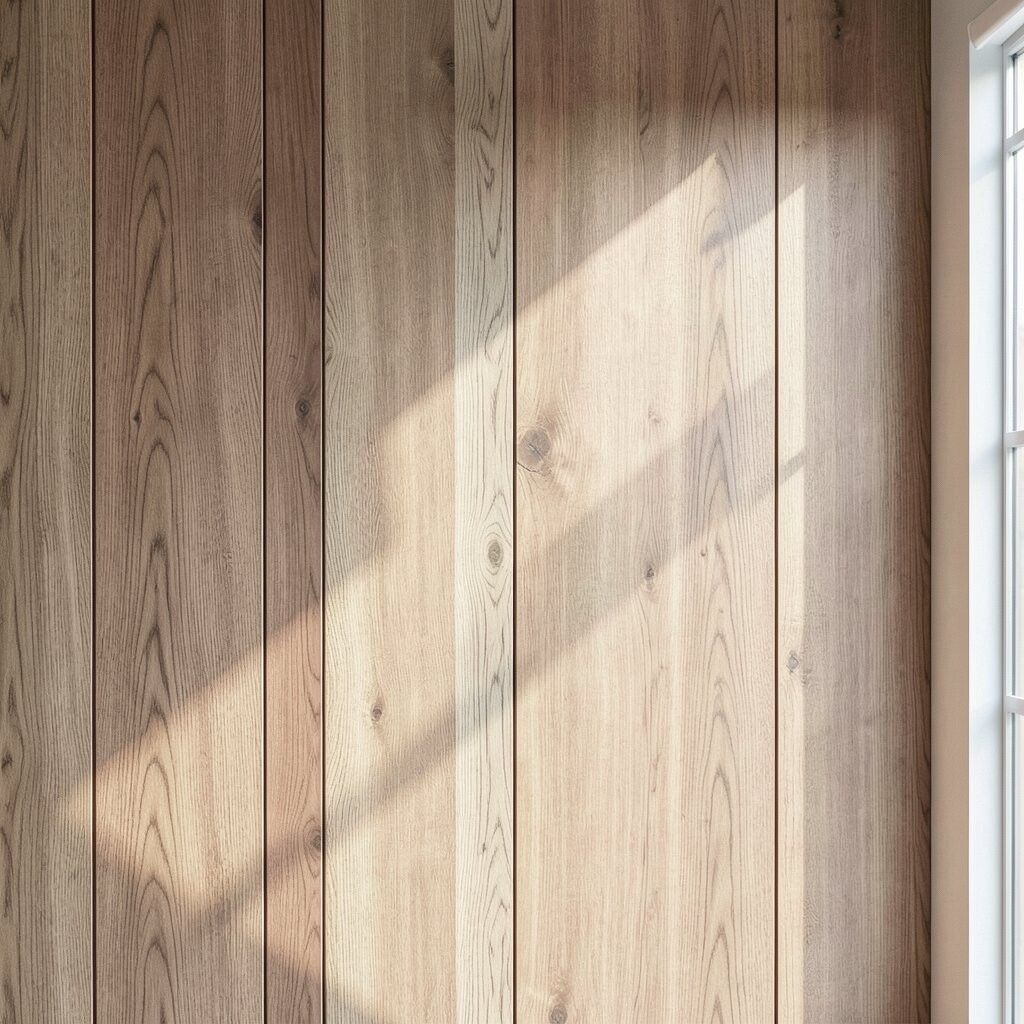
Picture a wall that looks like real wood, but achieved through thin veneer layers. From a distance, it can feel just as rich, while still fitting a tighter budget.
Wood veneer panels bring uniqueness through the grain pattern, which can be stunning even on a more affordable option. They can also be easier to install because they often come as flat panels. For cost considerations, veneer typically costs less than solid wood, so it’s a practical way to get the look you want without over-spending.
To keep it looking high-end, use a quality top coat and carefully seal edges so the finish lasts. Personalize by choosing a veneer that matches your floors or nearby wood furniture, creating a smooth visual flow. If your local supplier carries several veneer grades, ask for a sample set so you can compare tone and texture in the same lighting.
12. Mixed Wood Panels for a Layered, Custom Wall
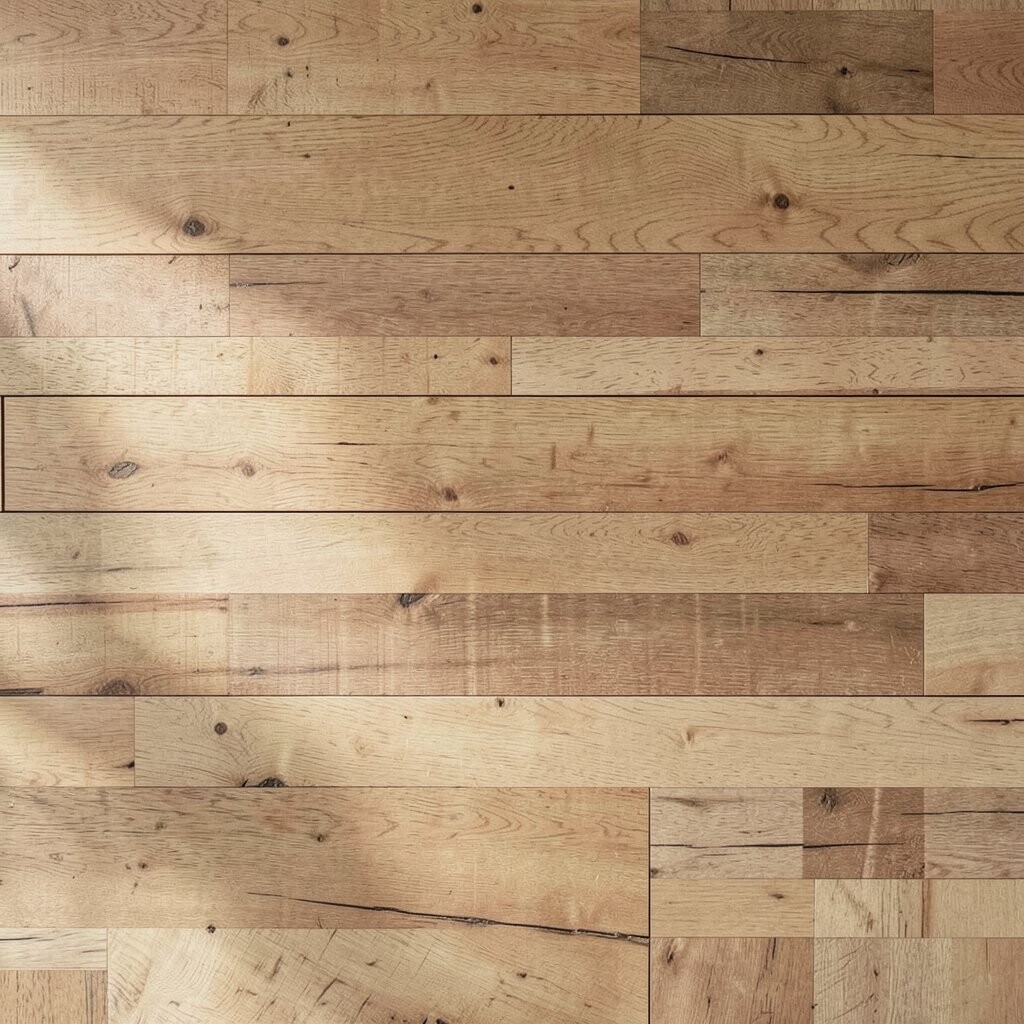
Imagine a wall that blends different wood tones and styles, like light planks paired with darker accents. The mix creates a layered look that feels curated, not accidental.
Mixed wood panels are highly unique because you can tailor the pattern to your taste and the room’s colors. They also help you brighten the space by balancing darker pieces with lighter sections and by keeping the overall palette warm. For practical tips, plan the layout on paper first and order extra panels so the tones match across the wall.
From a cost point of view, mixing materials can be efficient because you might use premium wood only in the accent zones. Personalization gets even better when you incorporate local wood varieties, especially if suppliers in your area offer distinctive species or finishes. This style feels current because people are moving toward custom, mix-and-match textures instead of one single uniform panel.