
The room you live in talks back through light, texture, and calm. Small changes can make that conversation feel happier and brighter.
Minimalism is not about having nothing. It is about choosing what matters and letting it shine.
1. Scandinavian Light-First Simplicity
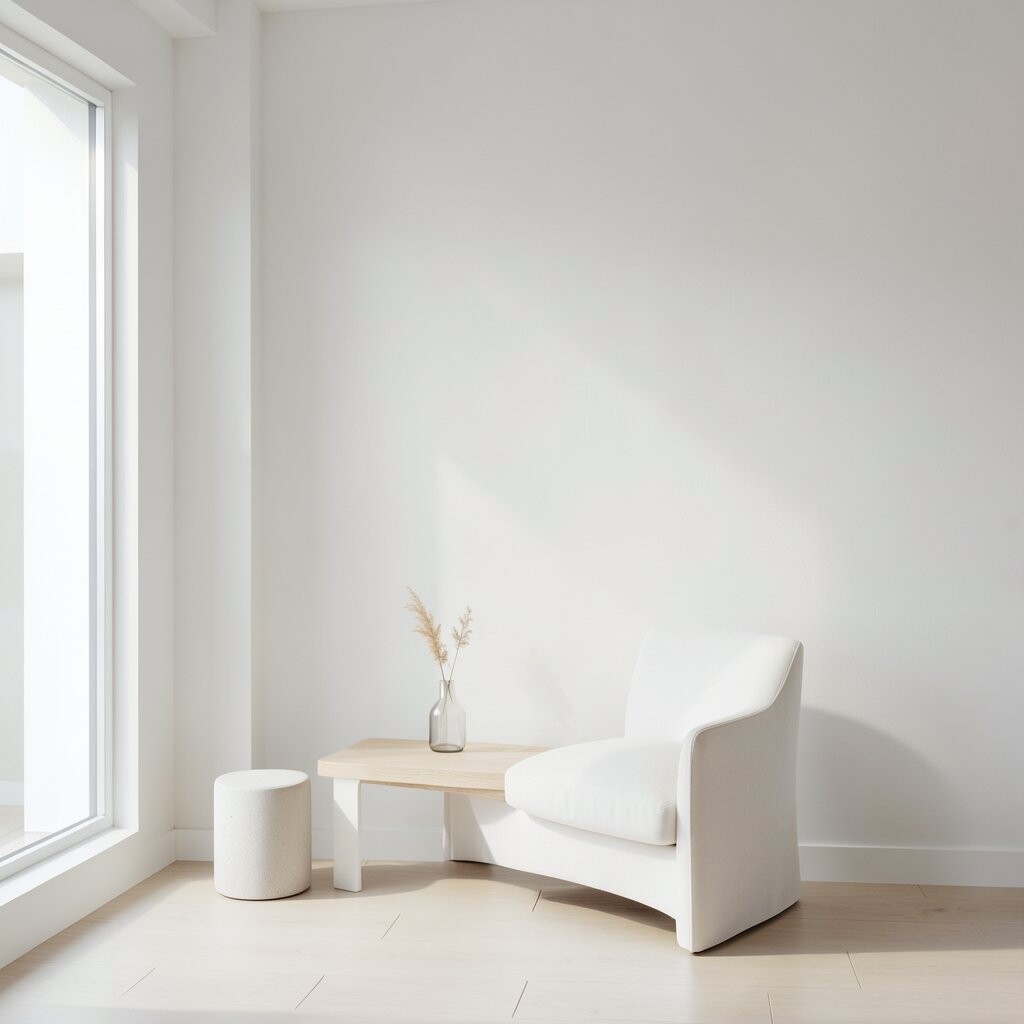
Think of pale woods, soft white walls, and sunlight that bounces around like a friendly guest. A low sofa, clean lines, and light textiles create a room that feels airy even on gloomy days.
Choose one warm wood tone and repeat it in a floor lamp, a coffee table, or a frame so the space feels cohesive. Keep patterns gentle, like thin stripes or subtle weaves, and let the rest stay plain to avoid visual noise. For personalization, add a single cozy throw in a color you love, then match it with a small ceramic or book cover.
2. Japandi Calm with Warm Minimalism
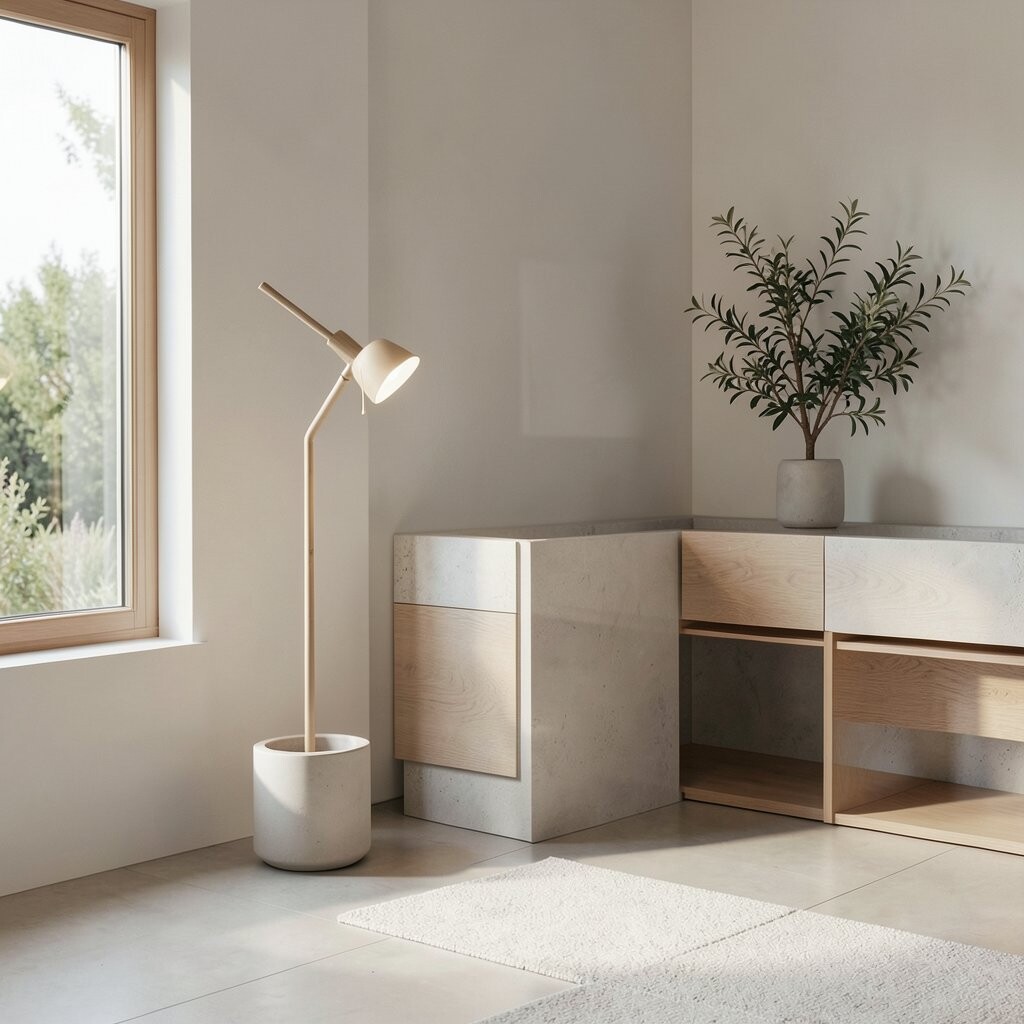
Japandi blends Japanese steadiness with Scandinavian warmth, so everything looks simple but still inviting. You might notice low furniture, natural materials, and a tidy layout that gives your eyes a quiet place to rest.
Use a neutral base with one earthy accent, such as clay, sage, or deep espresso. Keep storage close by, like a cabinet with clean doors, so the room stays clear. Try pairing a simple tray on the table with a few meaningful objects, such as a handmade bowl or a small plant.
Current trend favorites include slightly curved edges and warm-toned lighting that makes the room feel gentle after dark. If you want a budget option, use peel-and-stick film for a backsplash look and add a linen curtain for instant softness.
3. Monochrome Layers in Soft Neutrals
A monochrome room can still feel bright when the shades are varied and materials are different. Picture cream walls, oatmeal upholstery, and a charcoal frame that brings depth without harsh contrast.
Mix finishes like matte paint, woven fabric, and smooth stone so the room does not look flat. Stick to a narrow color family and let texture do the storytelling, which is a simple way to keep things minimalist yet interesting.
For practical results, try lighting on different levels, including a table lamp and a floor lamp, so every area gets a gentle glow. Personalize by adding one artwork that uses the same color family but shifts the tone, like a light beige landscape.
If you are working on a cost limit, start with small upgrades such as curtains, rugs, and cushions, since they can change the whole feel quickly.
4. White-on-White with Texture That Pops
White-on-white can be stunning, but the secret is texture. Imagine crisp curtains, a thick rug, and matte ceramic pieces that create depth while keeping the light airy.
Choose different whites, like warm ivory for textiles and cooler white for walls, then keep shapes simple. Add tactile materials such as bouclé, linen, and plaster-like finishes so the room feels rich without using many colors.
5. Mid-Century Minimal Lines, Updated
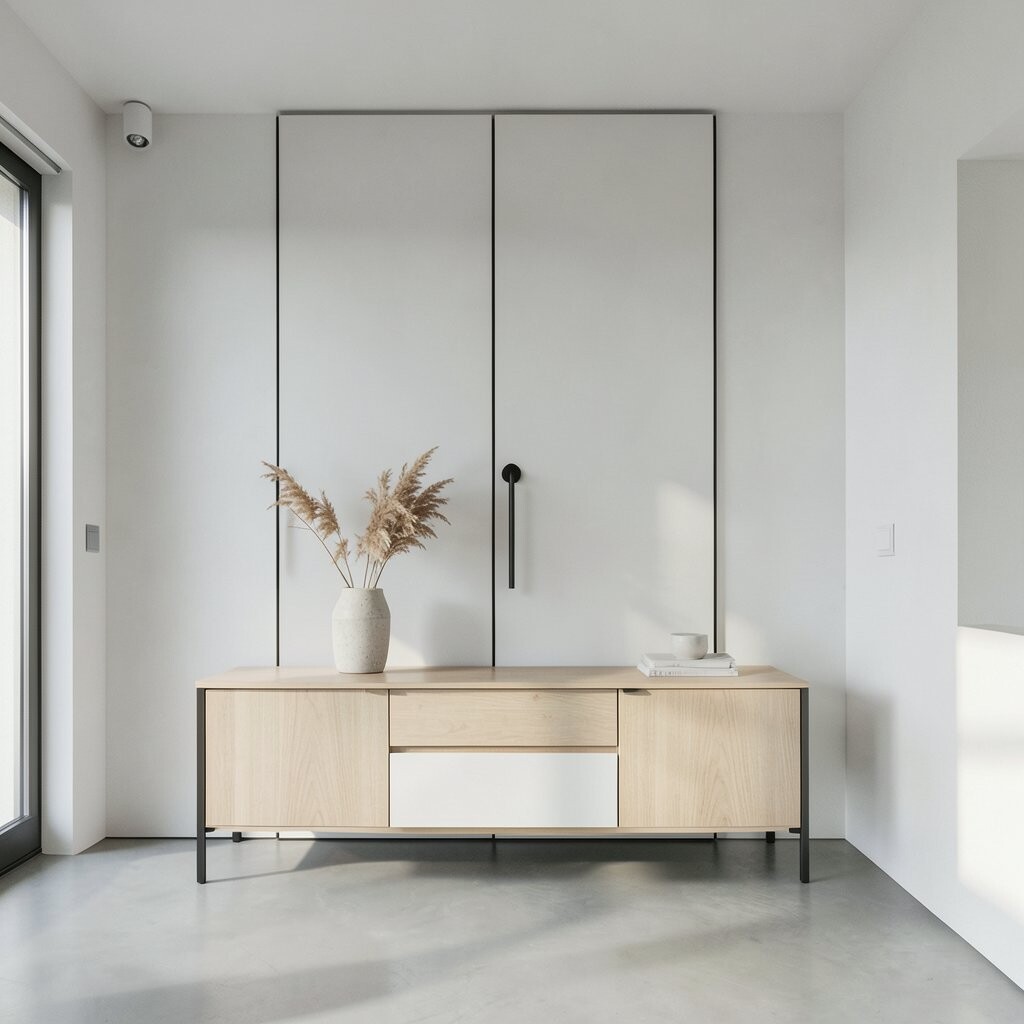
Minimal mid-century style often looks like clean furniture with a little warmth and personality. You may see tapered legs, simple wood frames, and lamps with soft shades that brighten corners gently.
Look for pieces with strong silhouettes and a calm color palette, such as walnut with black details. To keep it minimalist, limit decor to a few well-chosen items, like a sculptural vase and a neatly stacked set of books.
Personalize by adding a modern art print in a frame with thin lines, which makes the room feel current. For cost planning, consider buying one standout piece, then fill the rest with affordable basics that share the same color tones.
6. Organic Minimalism with Natural Forms
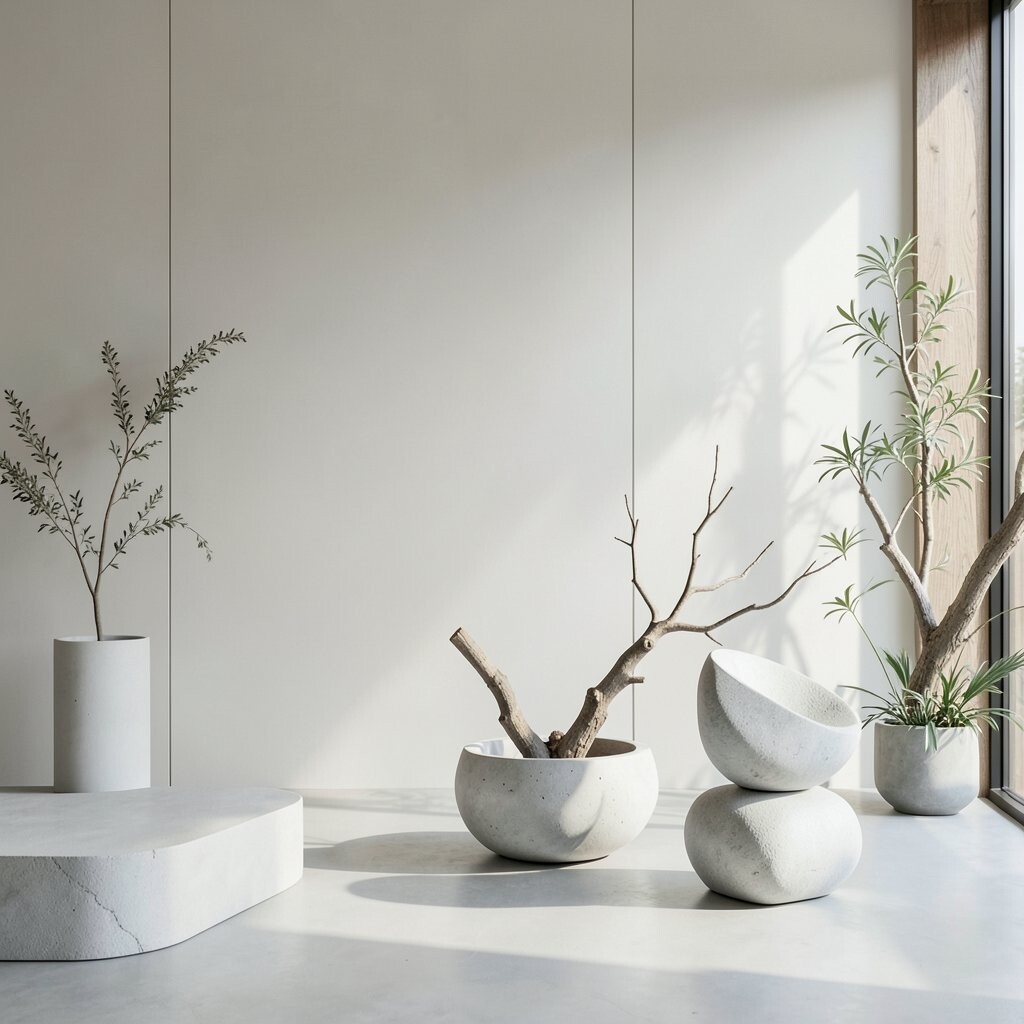
Organic minimalism feels like the room learned to breathe, using rounded shapes and nature-inspired textures. You might notice curved chairs, smooth stone accents, and plants placed with intention instead of clutter.
Bring in natural elements such as rattan, cork, jute, or bamboo so light catches different surfaces. Keep the color palette earthy and light, then anchor the room with one larger natural object like a tall plant or a wide wood bowl.
For personalization, choose a plant that fits your daily life, like a low-maintenance snake plant or a pothos that forgives mistakes. If you want a budget-friendly start, swap a plain lamp shade for a textured one and add a simple woven basket for storage.
7. Japanese-Inspired Storage Clarity
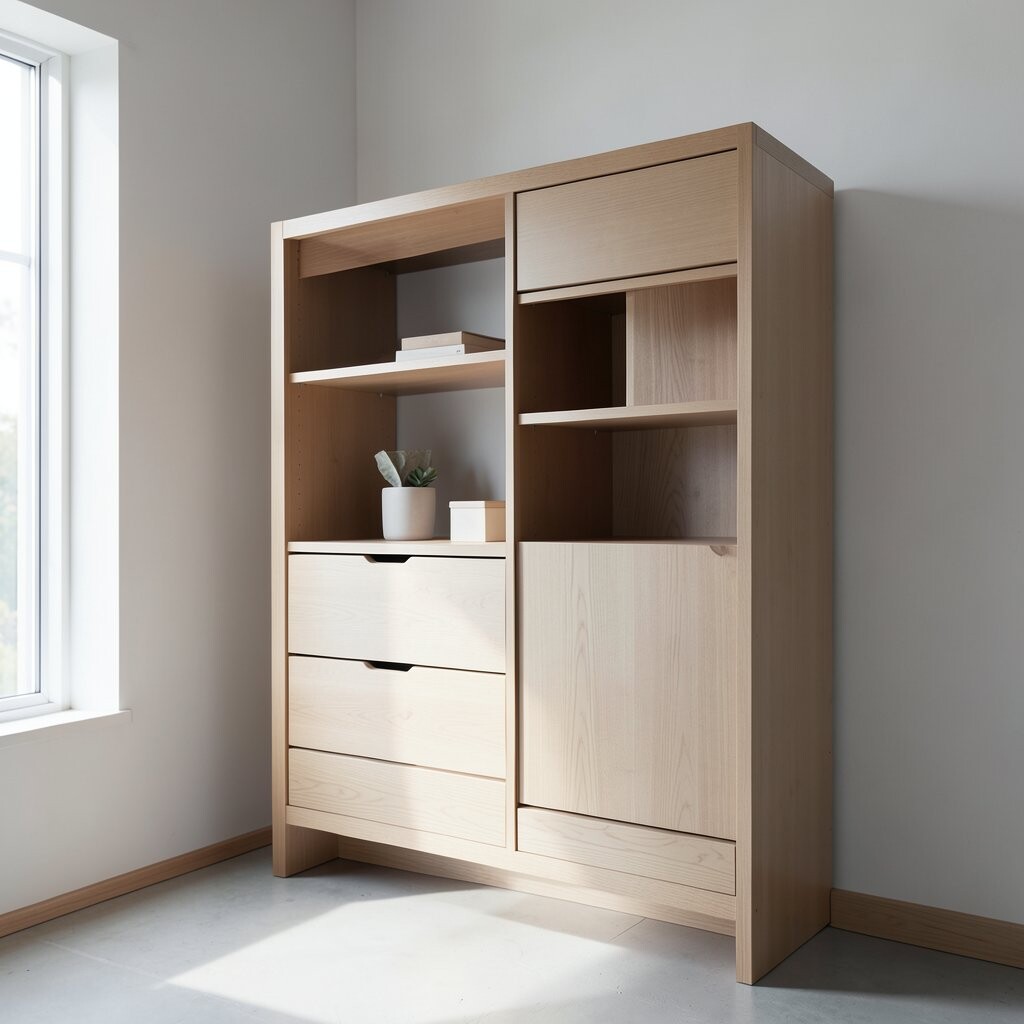
When storage is neat and simple, the whole space looks brighter. Japanese-inspired minimal design often uses concealed cabinets, low open shelving, and thoughtful spacing that keeps surfaces calm.
Prioritize closed storage first, especially in kitchens and entryways, because hidden clutter makes the eye relax. Use matching boxes or matching baskets so the items look like part of the design instead of random objects.
Personalize the look by keeping a small set of daily essentials on display, like a single tray for keys or a simple cup for everyday items. For current trends, many people are leaning into open shelving that still follows a color and material rhythm, so you can keep a few items without losing the minimalist feel.
If cost is a factor, try organizing before buying new furniture, because a clear system often gives the biggest payoff.
8. Brutalist Minimal with Soft Light Contrast
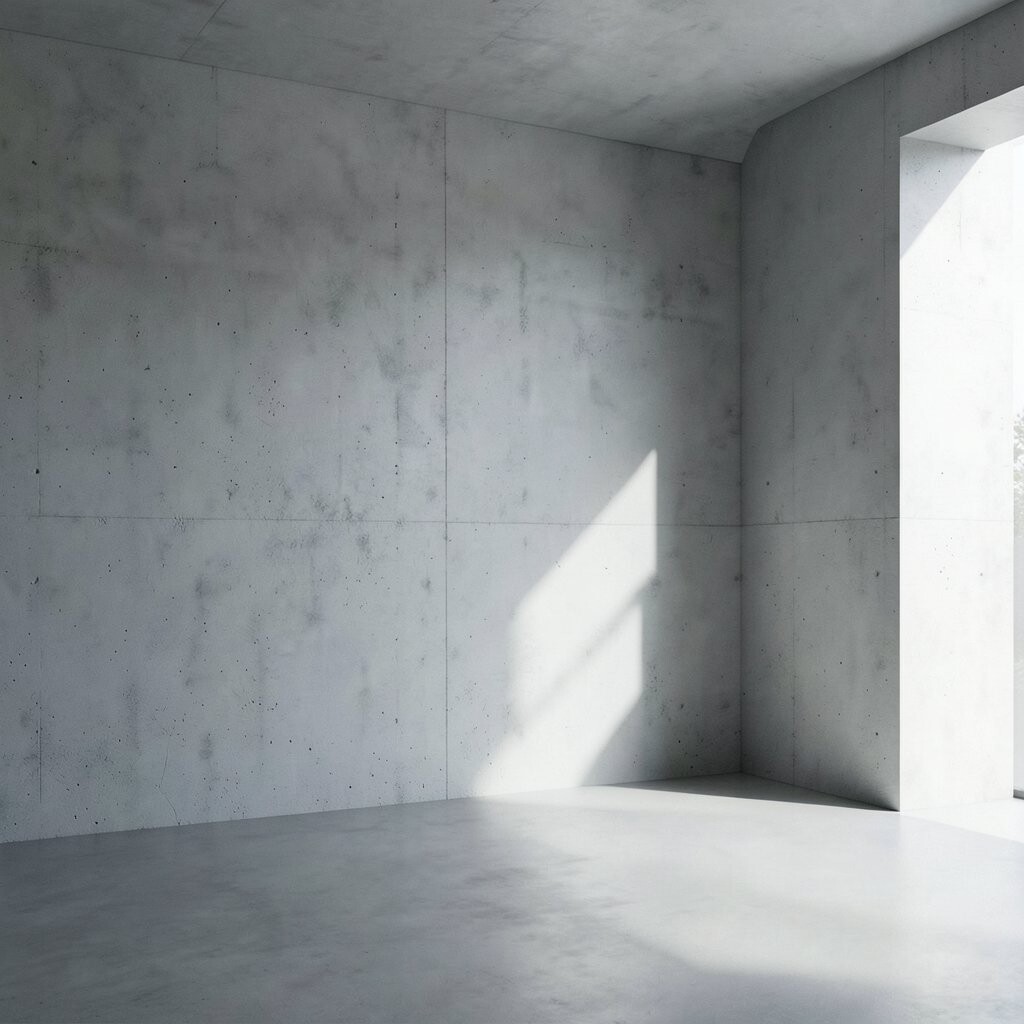
Brutalist minimal design can feel bold, but you can still brighten the space by softening the contrast. Think of clean concrete-like textures, strong lines, and darker accents balanced by bright walls or large windows.
Use warm lighting and textured textiles, like a chunky knit throw, so the room does not feel cold. Keep shapes simple and avoid adding too many small decor items, since strong architecture already does the talking.
For personalization, add one oversized piece of wall art with a gentle color palette so it feels human instead of harsh. If you want to stay practical, consider budget upgrades such as a thick area rug and light curtains to improve comfort while keeping that modern edge.
9. Minimal Glam with Matte Metals and Warm Glow
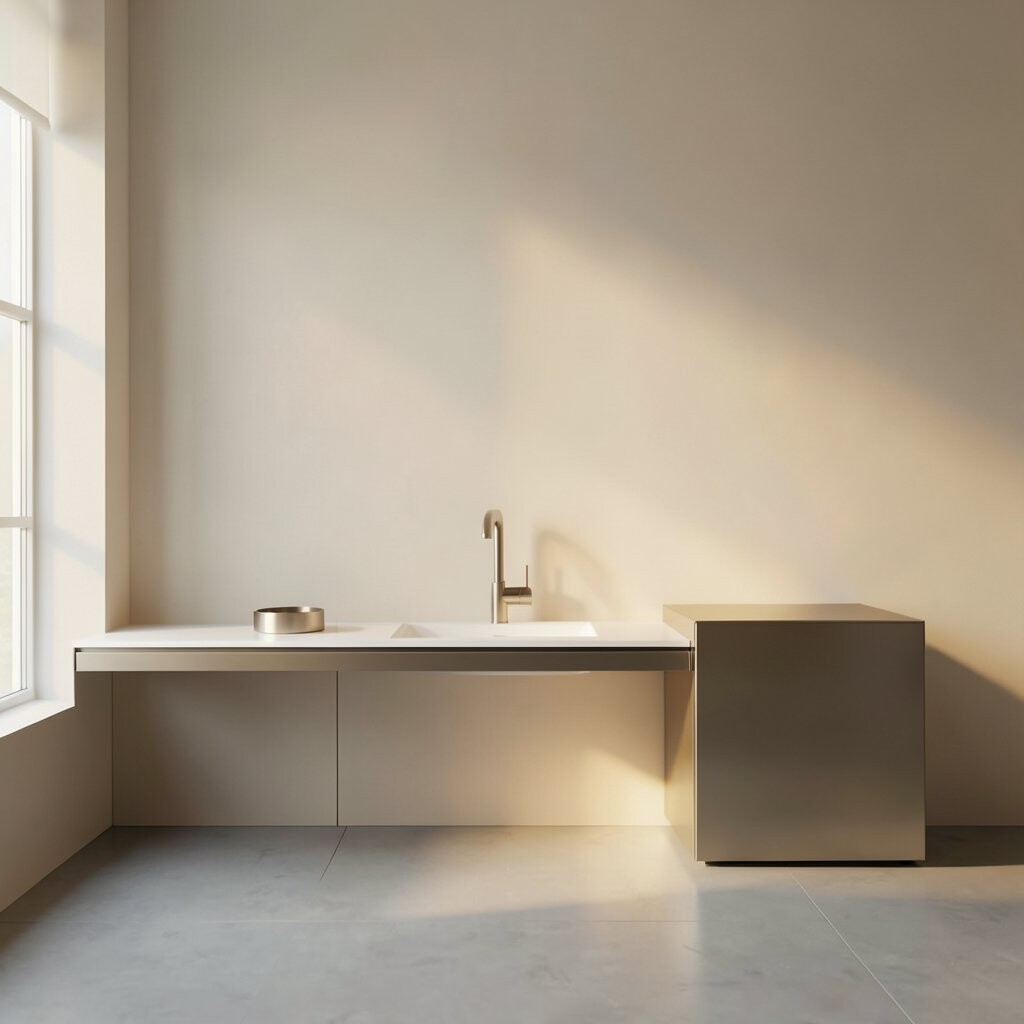
Minimal glam is the sweet spot between clean lines and a little sparkle. You might see matte gold or brushed brass details paired with neutral furniture and warm lighting that makes everything look polished.
Choose one metal finish and repeat it in the room, such as a lamp base, cabinet pulls, and a mirror frame. Keep decor simple and large, like one statement mirror, since glam looks best when it feels intentional rather than busy.
Personalize by adding a single reflective surface, like a tray or vase, to catch light during the day. For cost considerations, mirrors and lighting often offer the best “wow” per dollar, so start there if you are building slowly.
10. Minimal Industrial with Airy Neutral Surfaces
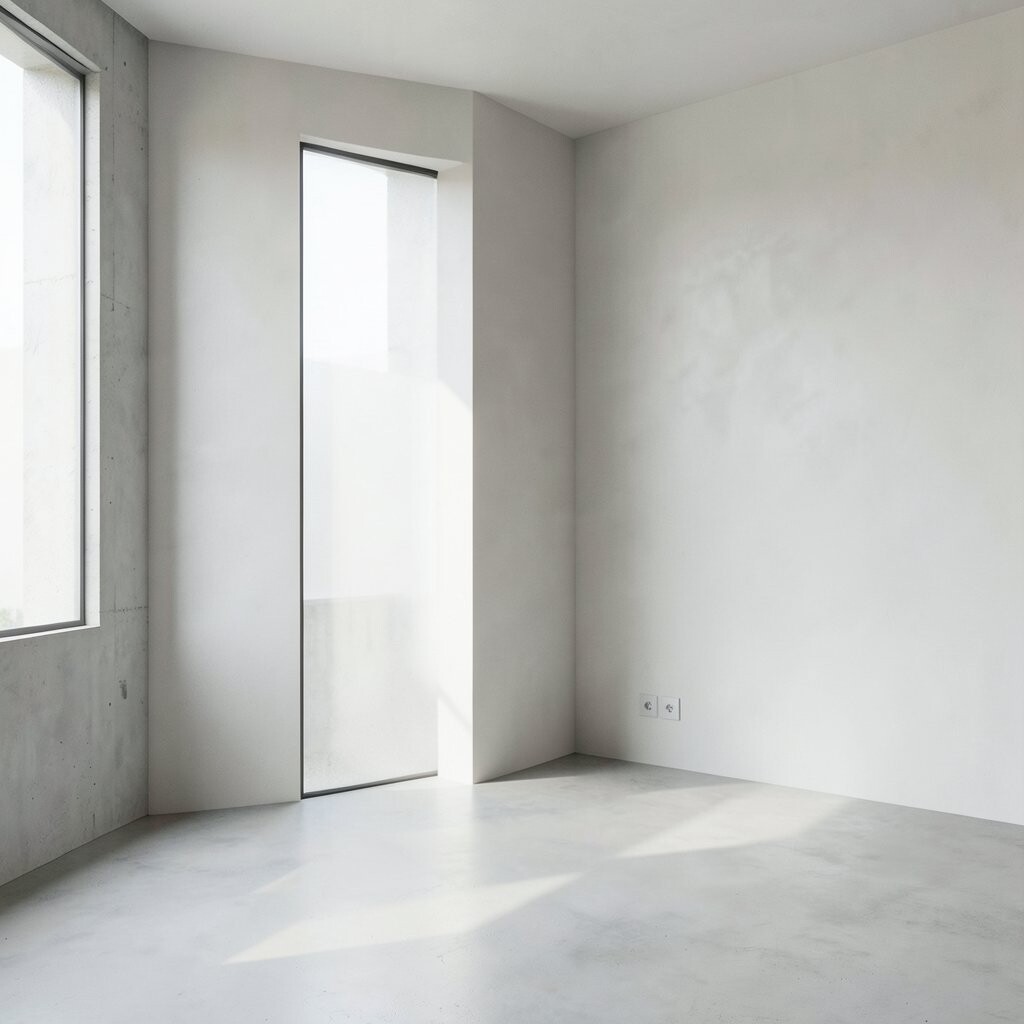
Industrial minimal design can look bright when you choose lighter tones and clean layouts. Picture exposed hardware, a simple metal bed frame, and warm wood floors paired with light curtains that soften the edge.
Use matte finishes on walls and textiles to prevent glare, then add warm lighting for evenings. Keep your palette neutral, including grays, creams, and natural browns, so the industrial elements feel grounded instead of heavy.
11. Soft-Earth Palette Minimalism with Calm Greens
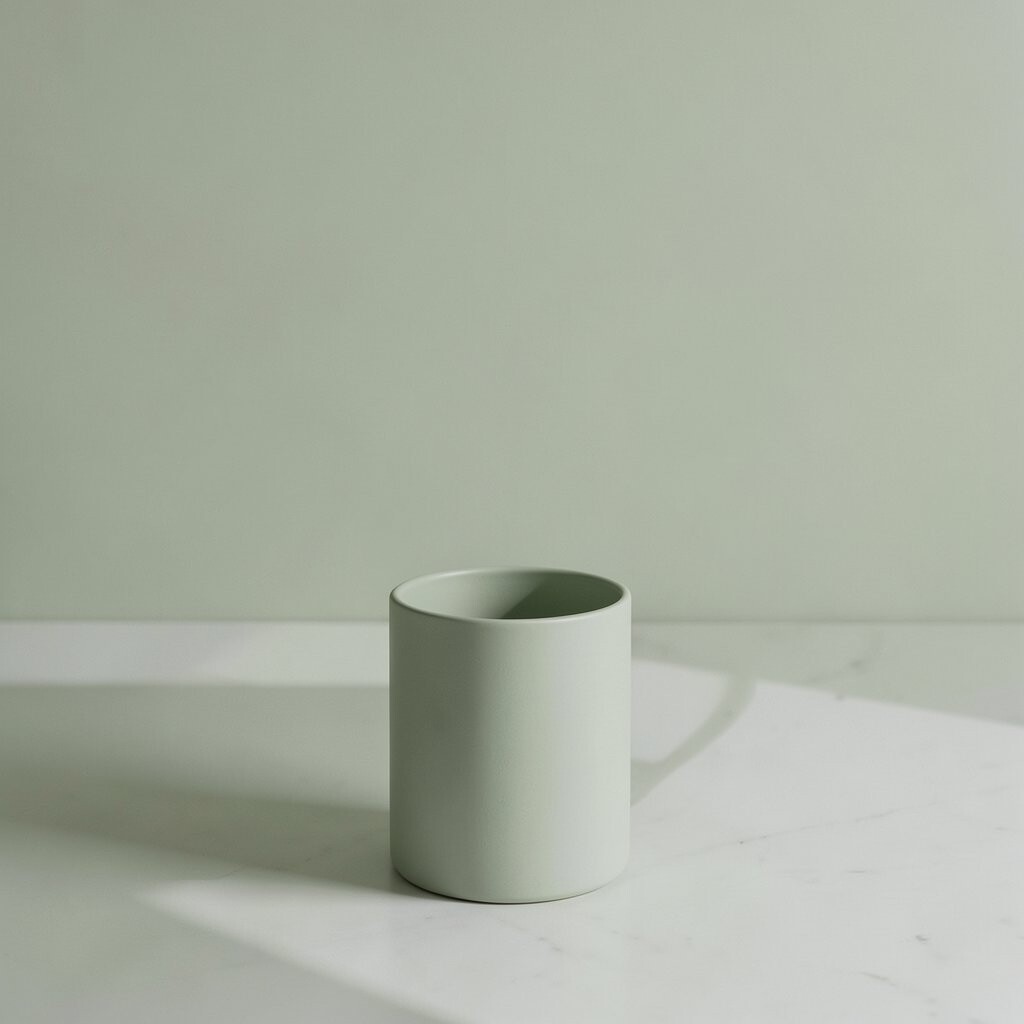
A soft-earth palette brings a gentle kind of brightness that feels good to live with. You may notice warm beige walls, pale oak furniture, and muted greens in cushions or art that look fresh without shouting.
Choose one main earth color, like sage or clay, and use it in small repeated spots for harmony. Add natural light-friendly fabrics, such as linen blends, so sunlight spreads softly across the room.
For personalization, hang a simple framed botanical print or place a small plant near a bright window. If you want cost control, update textiles first, because cushions, rugs, and curtains are easier to change than big furniture.
Right now, people are favoring “quiet color” that feels like nature rather than bold paint, which makes this style easy to maintain year after year.
12. Minimalist Scandinavian Boho Lite
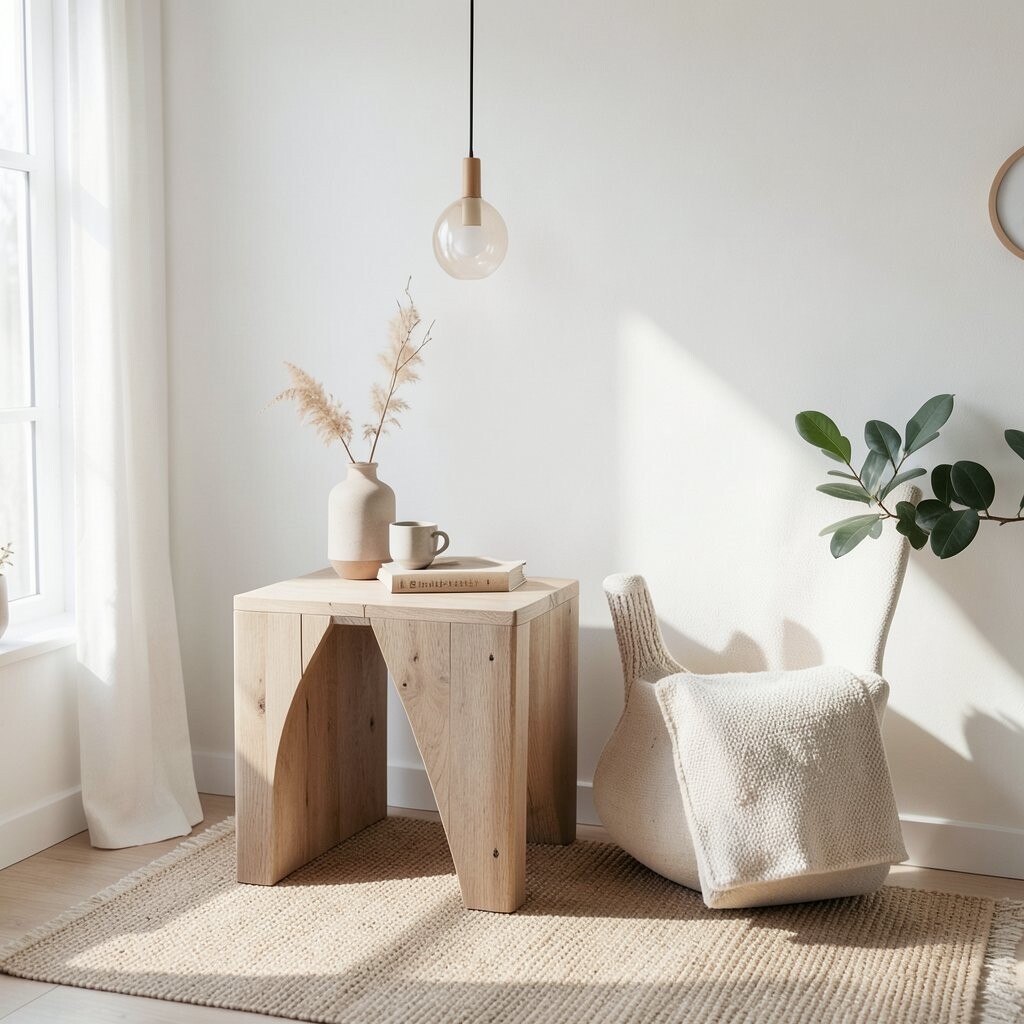
This style feels like Scandinavian calm with boho warmth, without the heavy look. Imagine simple furniture, light wood, and a few textured pieces like a woven rug or a macramé-style wall hanging.
Limit your boho items to a small set, such as one patterned rug and one woven basket, so it stays minimalist. Choose colors that work together, like cream, sand, and a muted terracotta accent, for a bright but cozy vibe.
Personalize by rotating small seasonal touches, such as a different cushion cover or a new candle scent, which keeps the room feeling alive. For practical costs, thrift-friendly textiles and secondhand lamps can give you that boho-lite charm without spending too much.
13. Gallery-Wall Minimalism with Plenty of Breathing Room
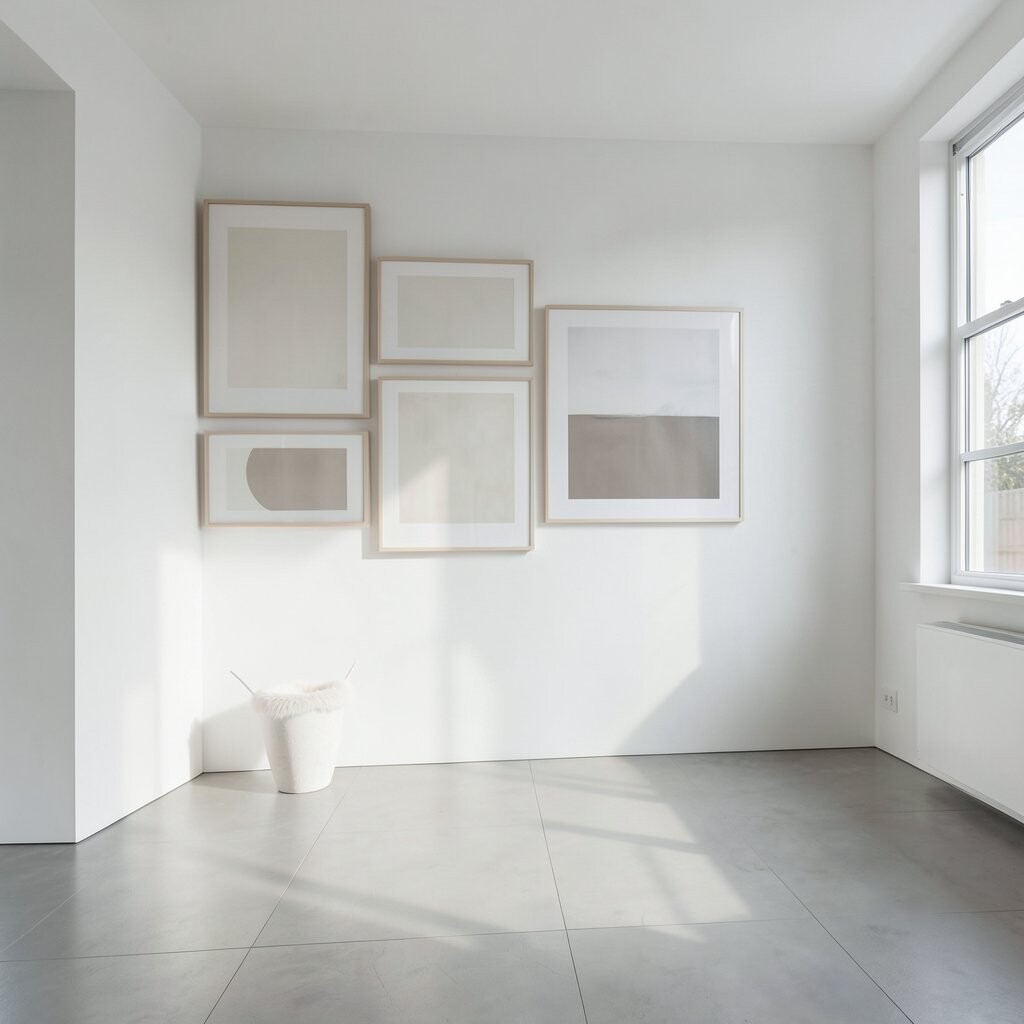
A gallery wall can brighten a space when it is organized and airy. Think of a few frames spaced evenly on a light wall, with simple art that uses similar colors and consistent frame styles.
Pick a small set of art pieces that share a theme, like landscapes, abstract shapes, or line drawings. Use a mix of sizes but keep the spacing consistent so the wall looks clean rather than crowded.
For personalization, include one local or handmade piece to make the room feel like yours. If you want budget control, start with printing smaller artworks and using inexpensive frames, then upgrade one frame at a time as your collection grows.
14. Minimalist Lighting with Layered Shine
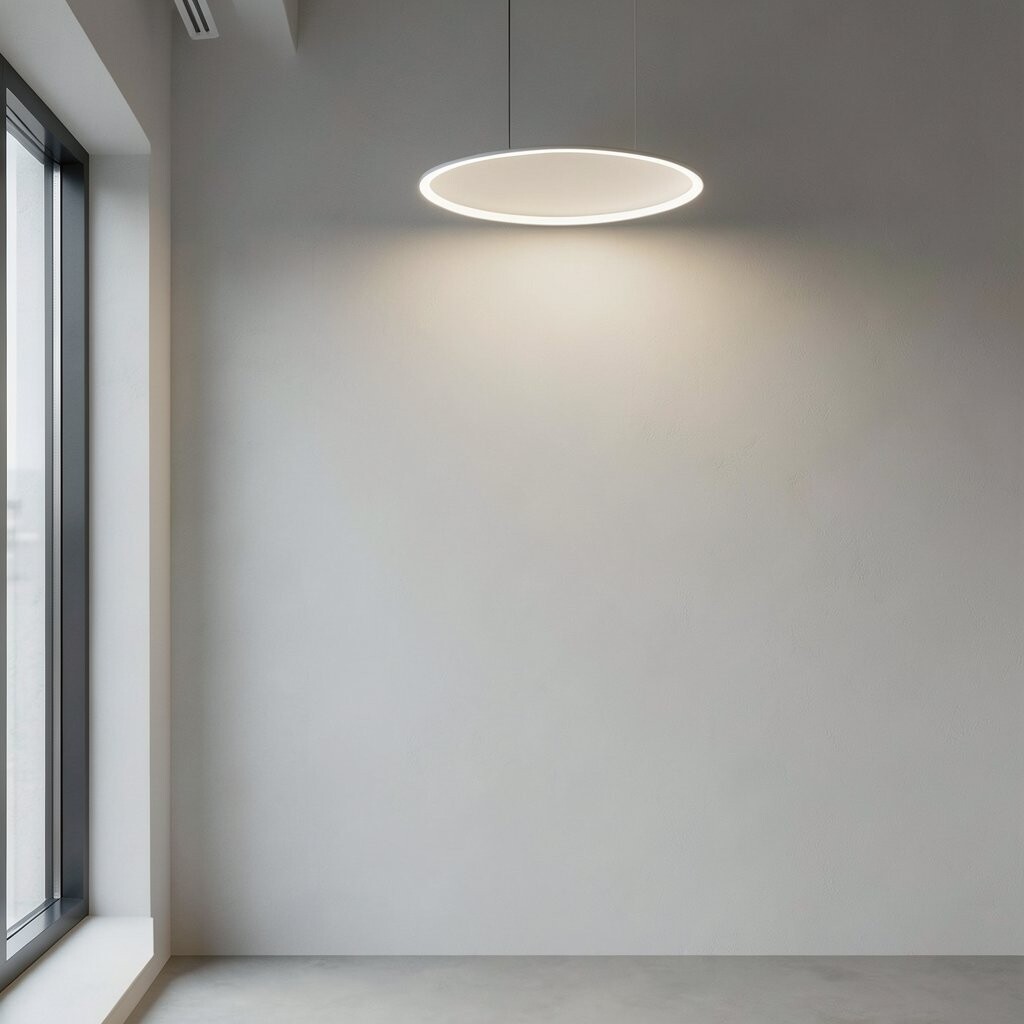
Light can make any minimalist design feel brighter, and layered lighting is the secret sauce. Picture a ceiling light that stays low in brightness, a floor lamp in a corner, and a small table lamp that warms up evening time.
Choose fixtures with simple silhouettes and warm bulbs, then place them to remove shadows from reading areas and hallways. Keep shades neutral so the light spreads evenly rather than reflecting harshly.
Personalize by matching lamp styles across the room, or by choosing one unique design for contrast. For cost considerations, you can often get big results by replacing bulbs and lamp shades first before buying new furniture.
15. Calm Luxury with Wabi-Sabi Imperfection
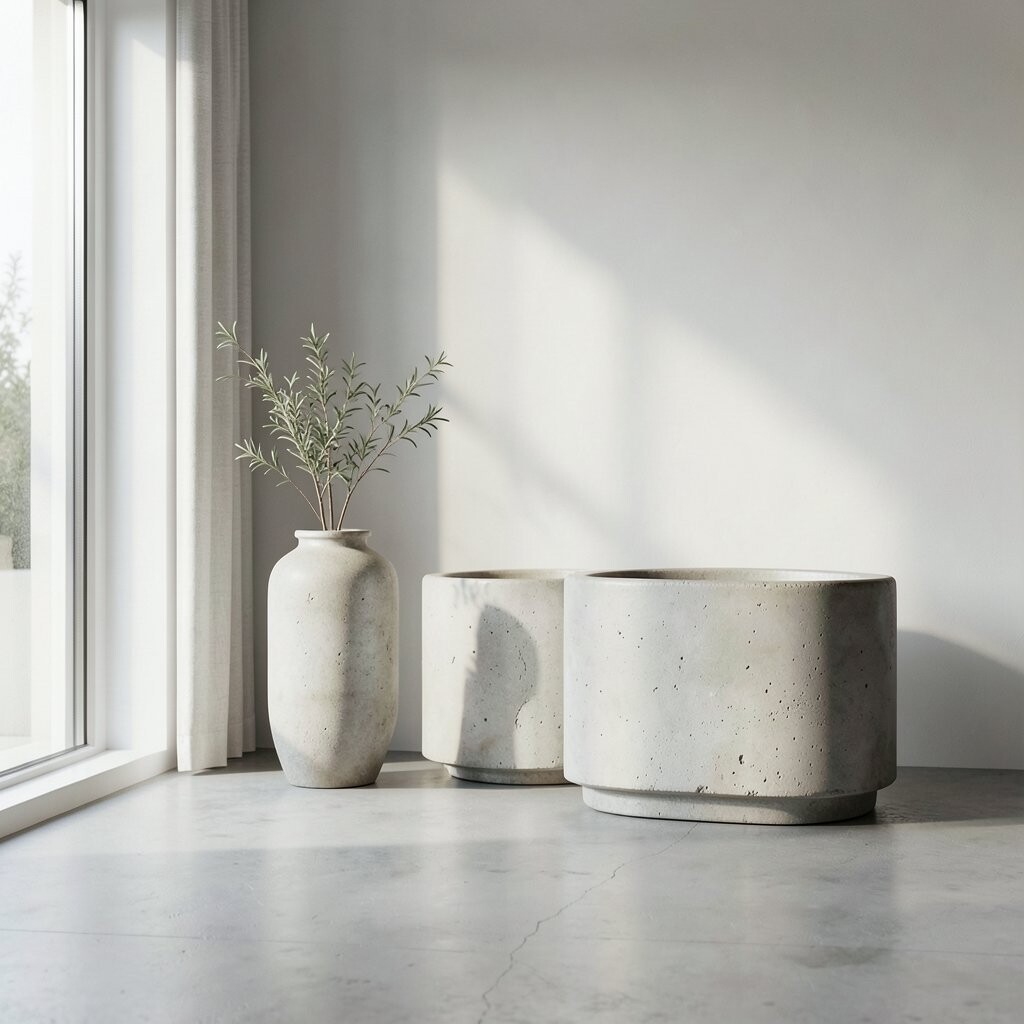
Wabi-sabi minimalism celebrates real materials and gentle imperfections, which can actually make a room feel more comforting. You may notice uneven stone textures, handmade pottery, and a soft rug that looks slightly lived-in.
Choose fewer objects, but let each one feel special, like a ceramic cup with a glaze variation or a wooden tray with natural grain. This style brightens your space by removing the pressure to have everything “perfect,” which makes decorating feel easier.
For personalization, keep one small handmade or vintage item as your anchor, then build around it with plain basics. Cost-wise, secondhand shops and local makers can be great partners here, since unique imperfections often cost less than brand-new decor.
Current trend energy is leaning toward “real life textures,” so this aesthetic fits right in without feeling like a fad.
16. Minimal Monolithic Surfaces with Simple Contrast
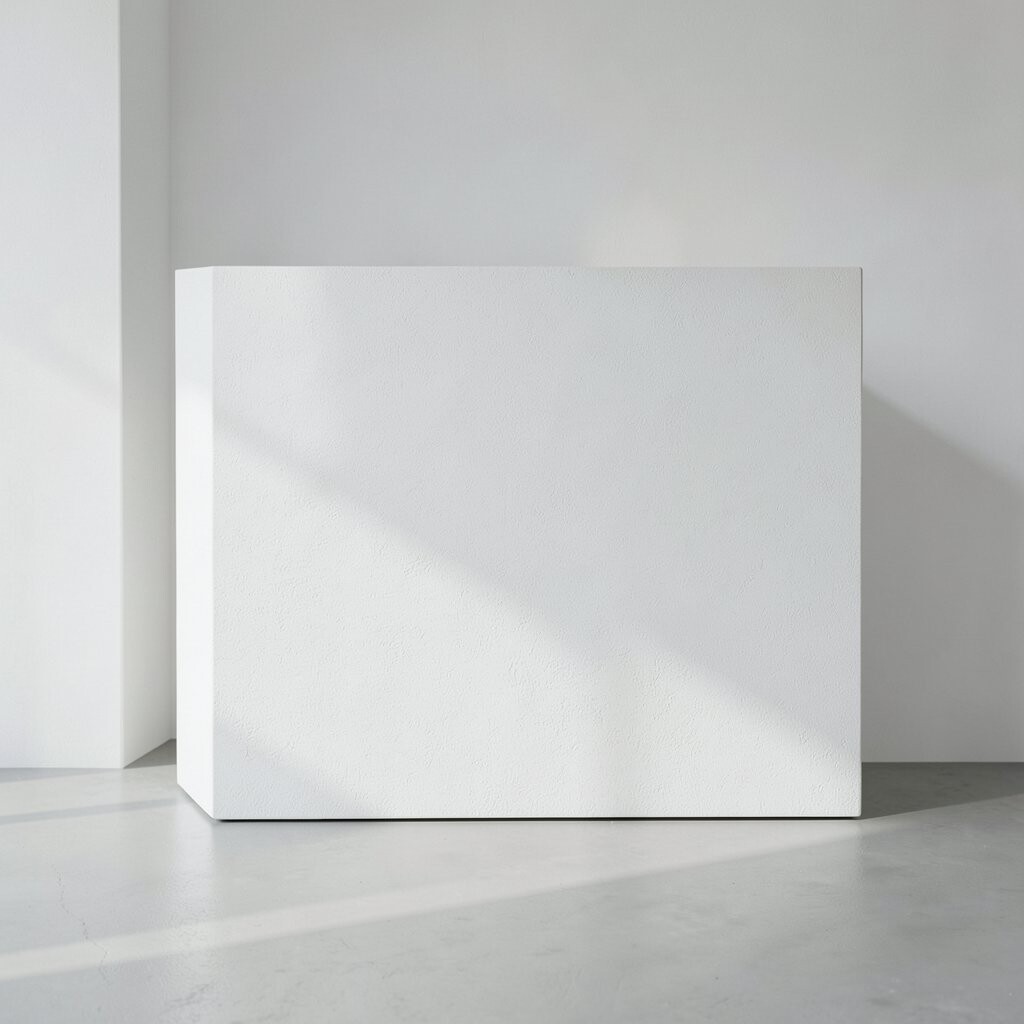
A monolithic minimalist look uses large, simple surfaces to create calm brightness. Imagine a smooth wall in warm white, a single streamlined cabinet, and a few clean accessories that stand out clearly.
Keep contrast subtle by using one deeper tone, like a dark wood base or a charcoal accent, instead of many colors. Choose large-format elements when possible, such as a bigger rug or a wide mirror, because larger shapes reduce visual clutter.
For practical tips, measure before you buy and place furniture with clear pathways, since a tidy route helps light move through the room. Personalize with one bold but simple element, like a sculptural vase or a single large art piece, so your space feels curated without feeling heavy.
If budget matters, focus on repainting, refreshing hardware, and updating one large item, since those changes often create the strongest impact for the money.