There’s something magical about fabric that leans into pattern rather than hiding it. Twill weaves can look cozy, crisp, and stylish all at once.
Once you notice the diagonal rhythm, you’ll start seeing twill everywhere in your favorite clothes and home projects.
1. Classic Herringbone Twill
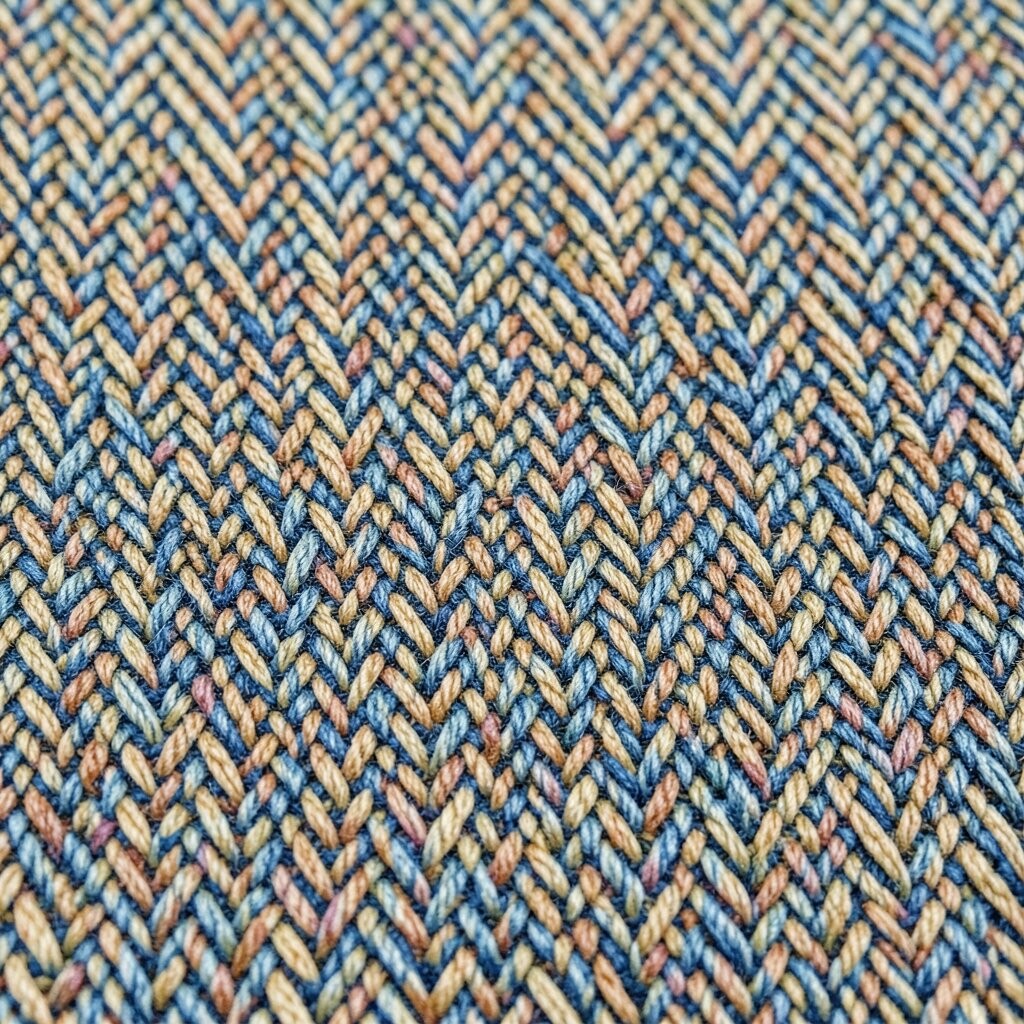
Classic herringbone twill forms sharp V shapes that catch light as you move. You can almost feel the structure even before you touch the fabric.
This pattern hides flaws well because the diagonals balance busy areas. For a practical win, choose a midweight twill so the lines stay crisp after cutting and sewing. If you want it to look richer, use a slightly textured yarn or a yarn with subtle color depth.
2. Glen Plaid Twill Blend
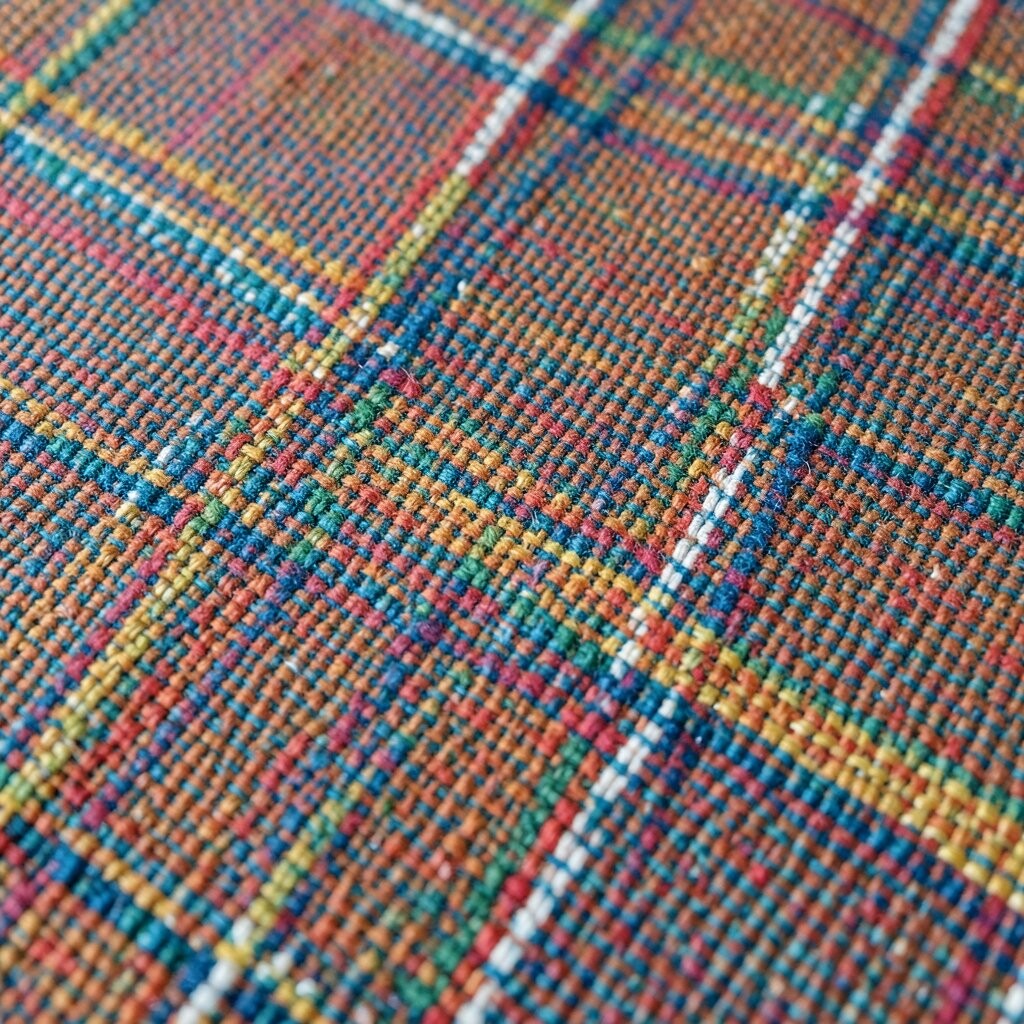
Glen plaid twill blend gives a neat, city-ready check that still feels soft. The diagonals knit together to make the squares look lively instead of flat.
You’ll love how it adds interest without needing loud colors. For best results, prewash your fabric and check shrink so the plaid lines stay aligned. When cutting, mark your guideline carefully and keep the weave direction consistent.
For personalization, pair a muted base with one accent shade that matches your buttons or zipper. Current trends favor restrained color stories, like warm grays with deep green, because they look polished in both casual and tailored pieces.
3. Bold Chevron Twill
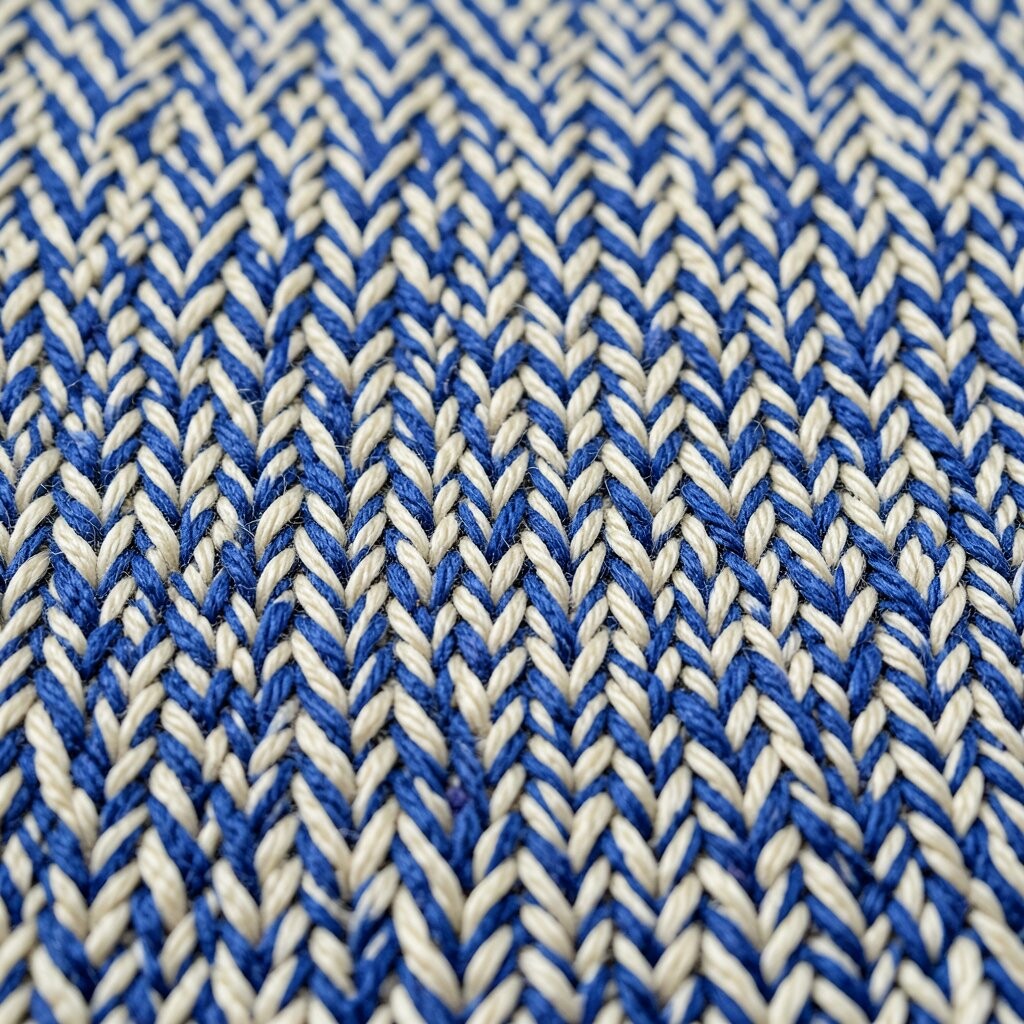
Chevron twill creates a repeating arrow pattern that feels confident and playful. The diagonal motion makes your project look like it’s moving even when it’s still.
It’s a great choice for bags, aprons, and outerwear because the bold lines help hide small marks. Use a medium to firm fabric so the points hold their shape during sewing and pressing.
If you want an extra clean finish, stabilize the seams with fusible interfacing and press gently rather than flattening hard. For cost considerations, look for cotton twill or twill blends on sale because the pattern scales nicely even on more affordable yarns.
To personalize, match the chevron angle to your body or layout so it flatters the way the fabric falls. With trends leaning toward statement accessories, a chevron tote can be your fastest style upgrade.
4. Repeating Pointed Twill
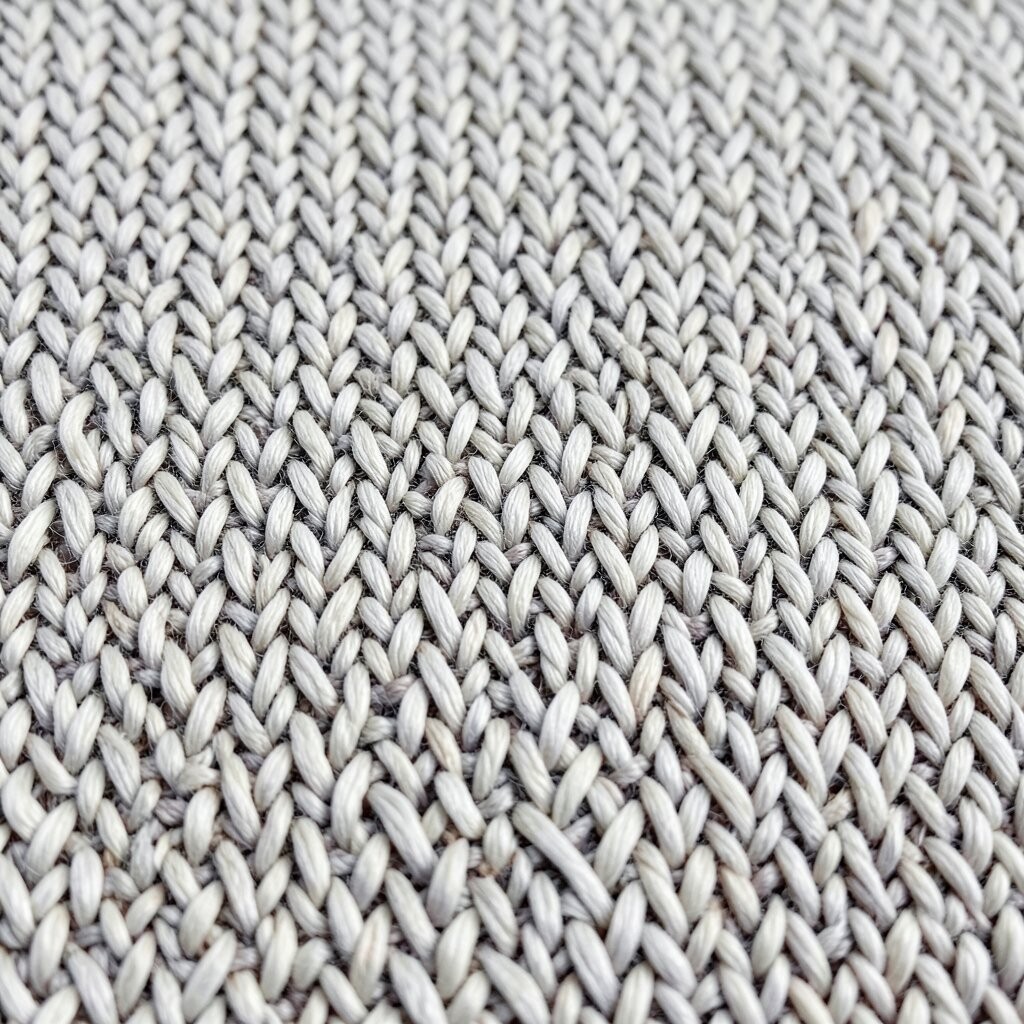
Repeating pointed twill adds tiny peaks that look like a field of small mends. From a distance it reads as texture, but up close you see each point.
This weave is unique because it can feel both smooth and raised at the same time. Choose it for projects that you want to feel special without needing a complicated pattern on top of it.
5. Soft Cashmere Look Twill
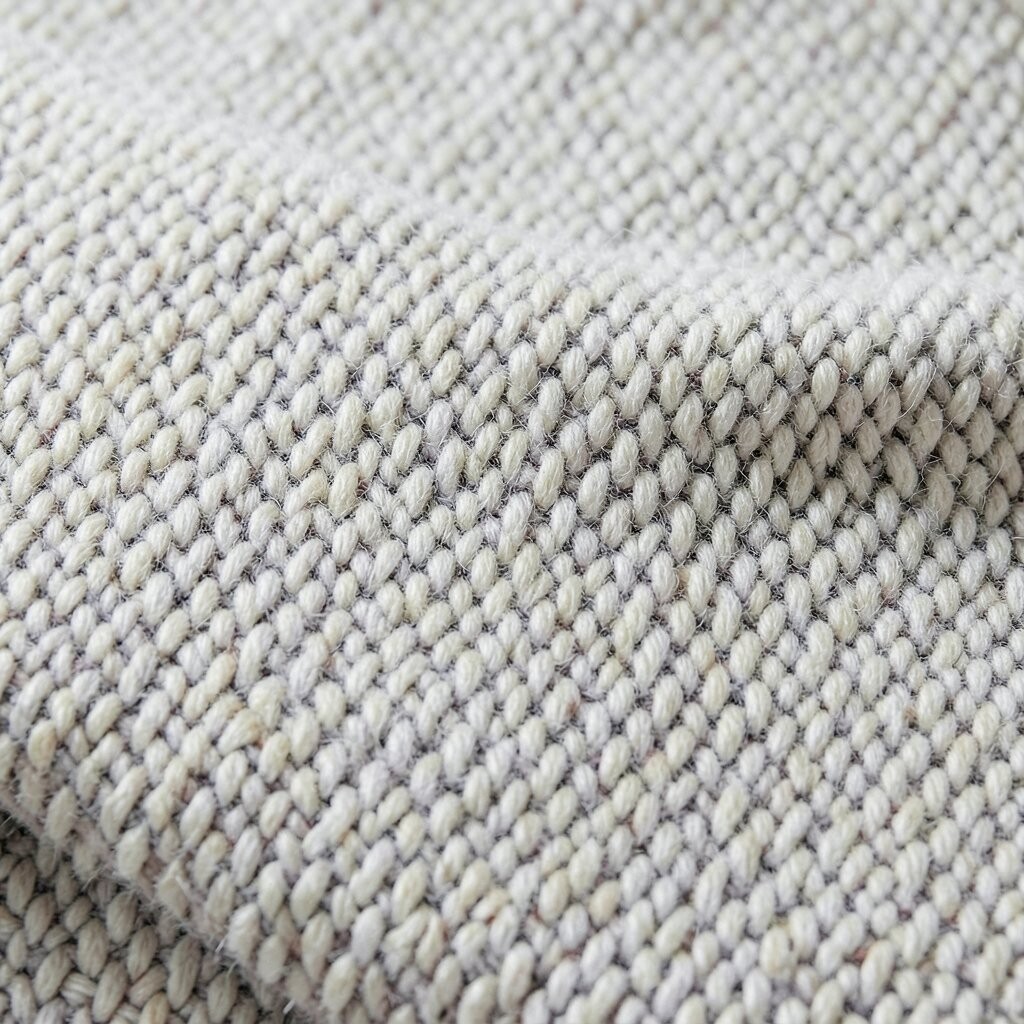
Soft cashmere look twill is all about gentle drape with a fine diagonal shimmer. The surface looks calm and warm, like fabric that belongs in a favorite coat.
You get visual interest without harsh contrast, which makes it ideal for everyday wear. For practical tips, test-press a corner first because delicate twill can respond differently to heat.
To personalize, pick a solid color and let the weave do the talking. Right now, muted neutrals and cozy tones are trending, and this pattern shines in oatmeal, stone, and dusty rose.
6. Wide Stripe Twill Variation
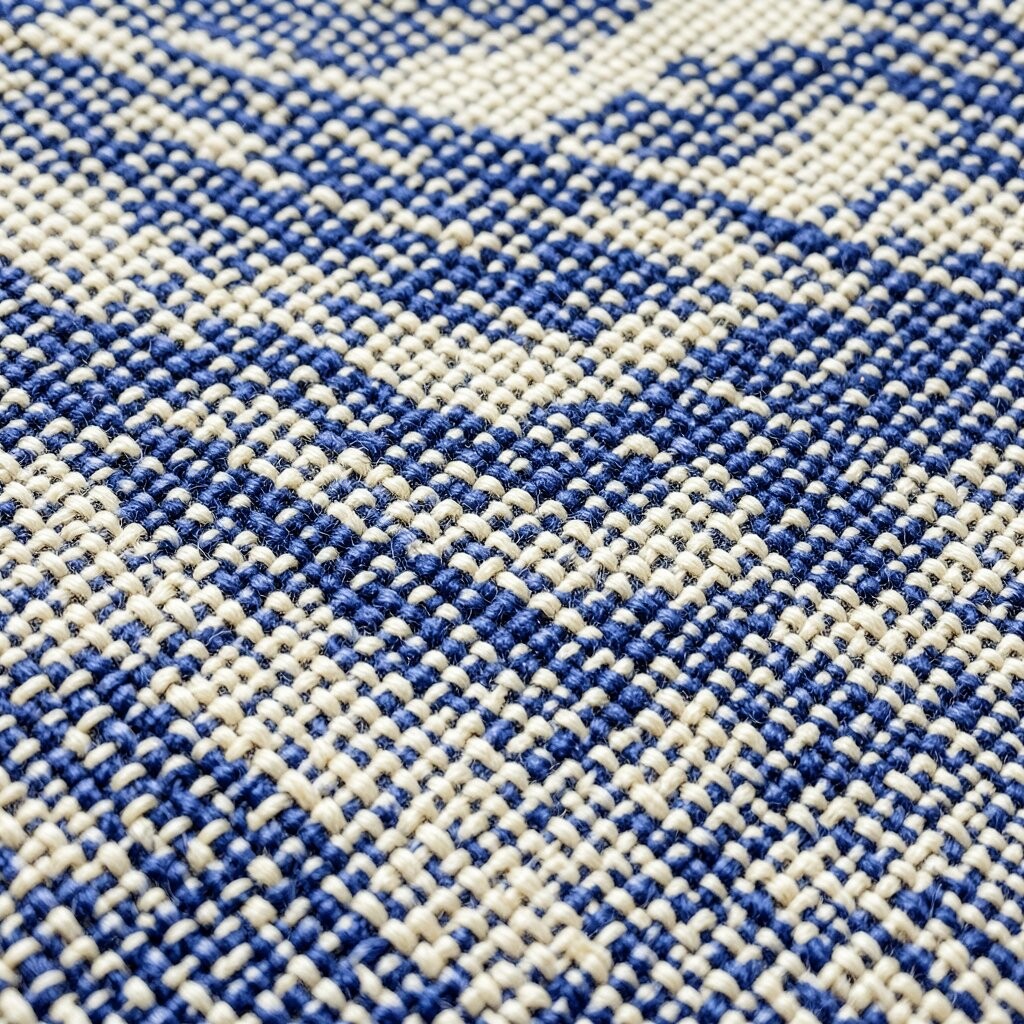
Wide stripe twill variation turns simple stripes into something more architectural. The diagonal structure makes each stripe feel deeper, not just printed.
This weave is easy to work with because it creates consistent direction across the yardage. Use it for curtains, lightweight jackets, and table runners where you want order and style.
7. Double-Faced Twill Reversal
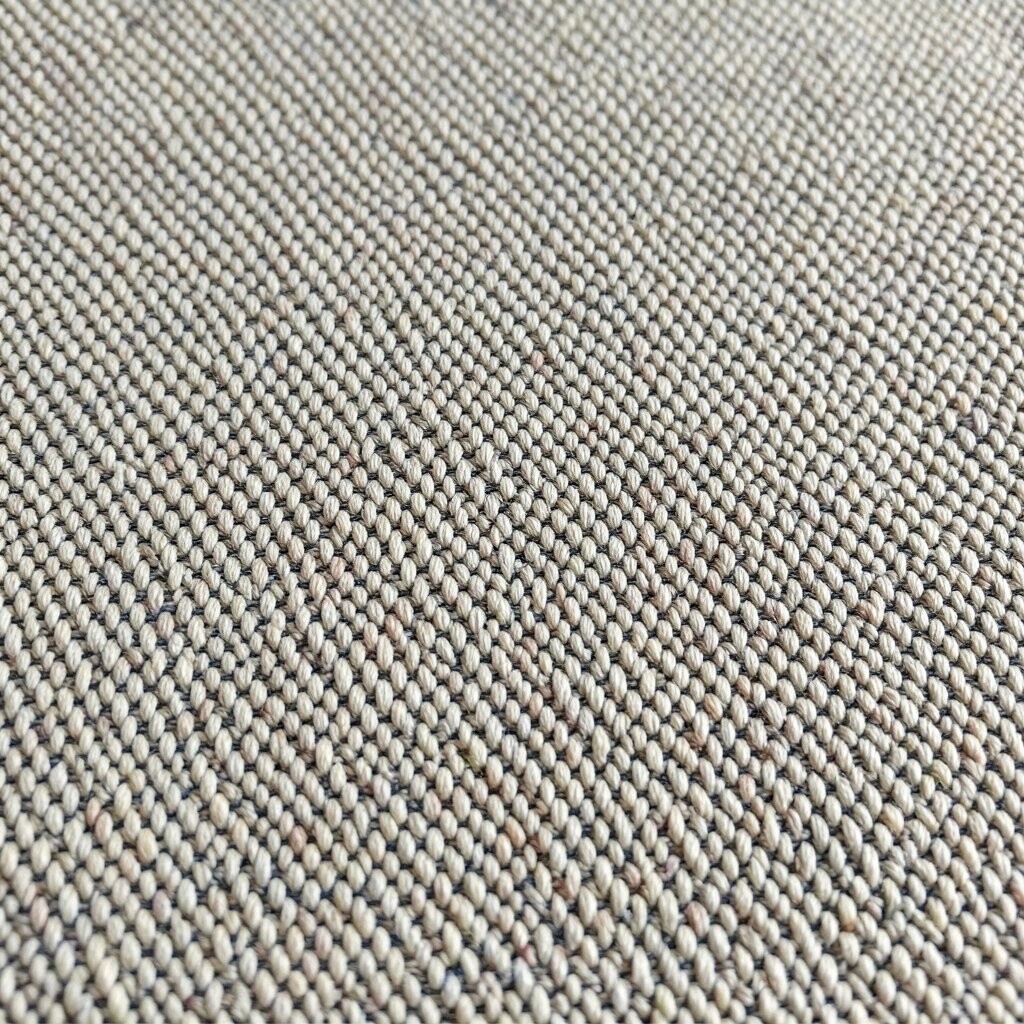
Double-faced twill reversal looks rich on both sides, which is a big win. One side can lean slightly darker while the other feels brighter, so the fabric shifts as you turn it.
You’ll love it for reversible projects like scarves, reversible cushions, and tidy lap blankets. For practical sewing, use a careful seam allowance because thick twills can behave differently than single-sided fabrics.
Personalization is fun here since you can plan how each side will show on the finished piece. If you’re matching trims, choose a thread color that sits between the two face shades so the seams blend naturally.
8. Twill Diamond Lattice
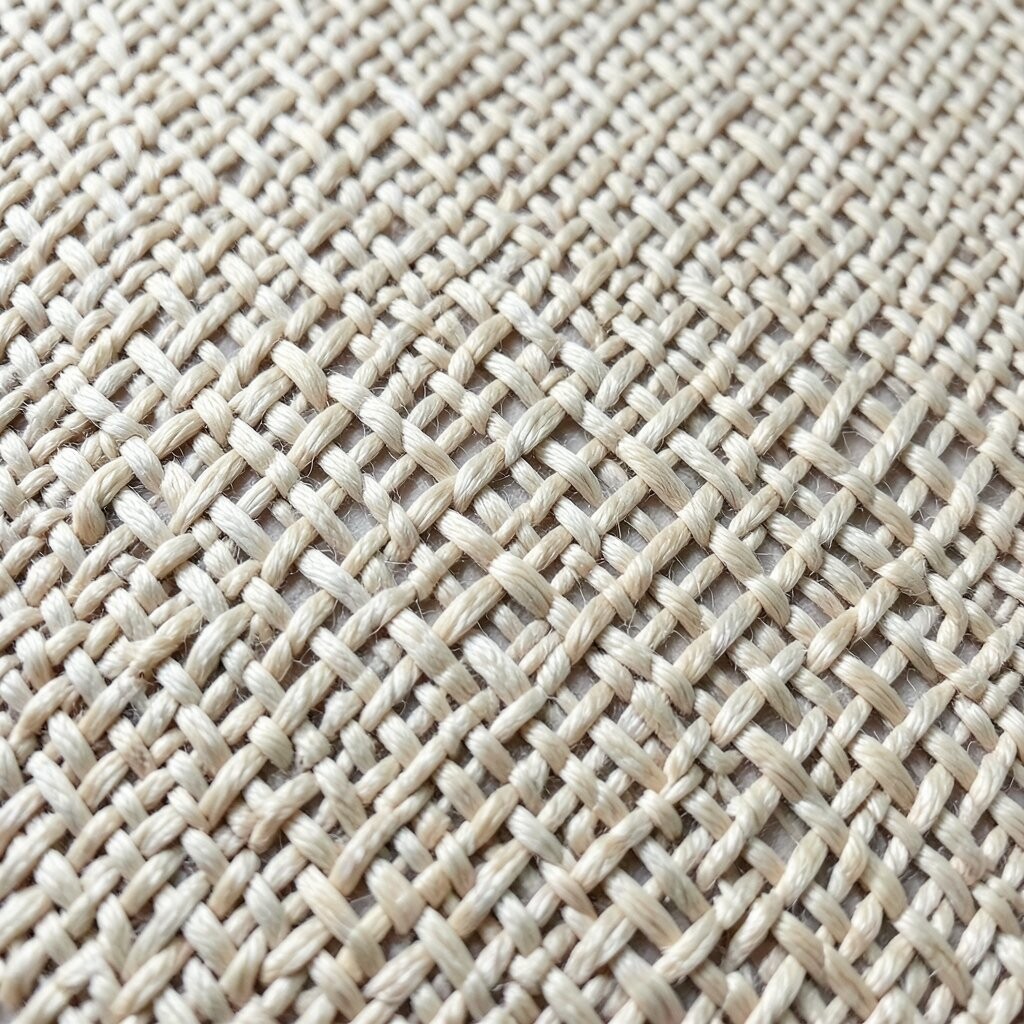
Twill diamond lattice creates a grid of angled shapes that looks almost woven in place. It feels clean, modern, and slightly architectural.
The benefit is that the lattice texture adds grip, which helps with items that need stability like tote exteriors and upholstery panels. Choose a tighter weave for bags, and a softer weight for skirts or dresses.
For cost considerations, you can often find lattice twill in mid-range prices because it looks detailed even when the yarn count isn’t extreme. To personalize, add contrast stitching along the diagonals to make the lattice pop.
9. Rustic Broken Twill
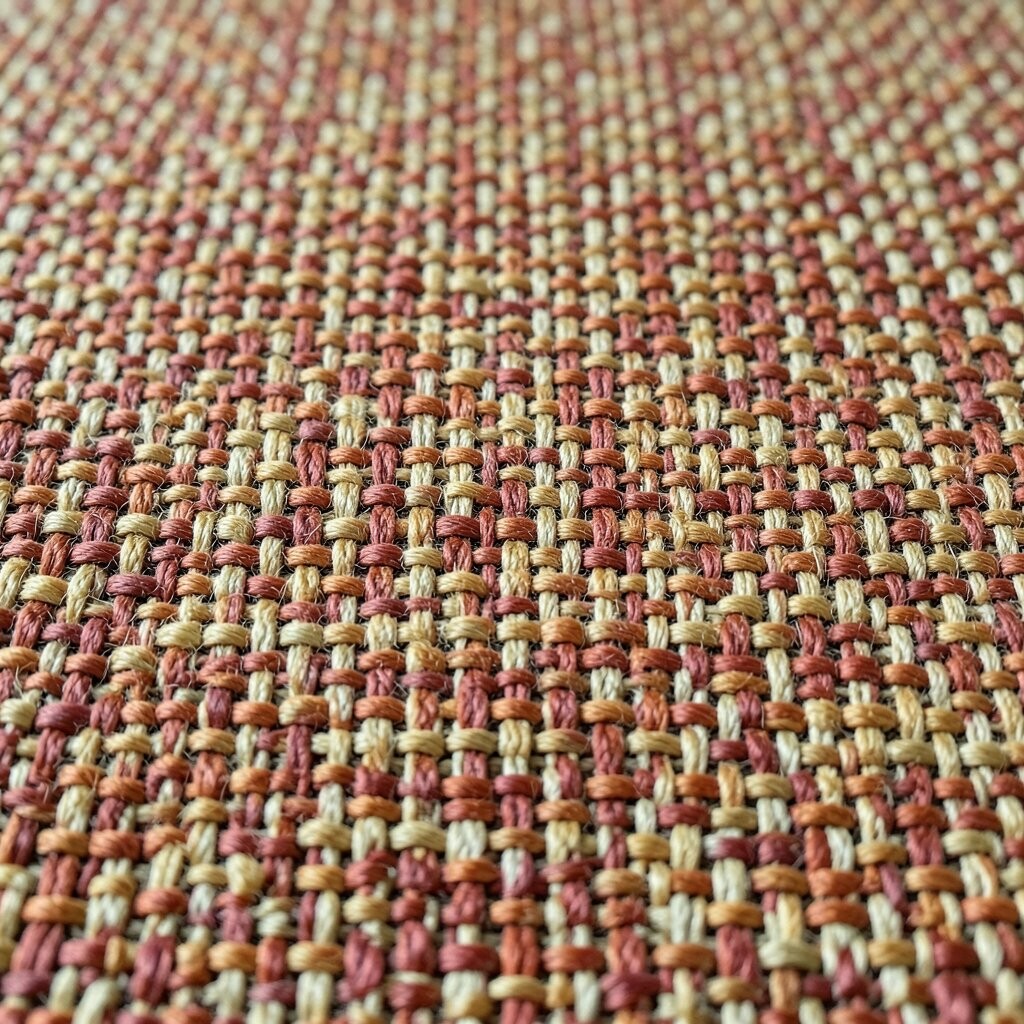
Rustic broken twill gives an uneven diagonal rhythm that looks hand-touched. It feels like a fabric that has stories, even when it’s brand new.
This pattern is great for forgiving projects because small irregularities help hide wear and tiny spots. Use it for workwear, kitchen textiles, and casual outer layers where comfort matters most.
If you want a practical upgrade, pair it with sturdy thread and a needle made for denim or twill. Trends are also leaning into “lived-in” textures, and broken twill matches that mood perfectly.
10. Modern Diagonal Rib Twill
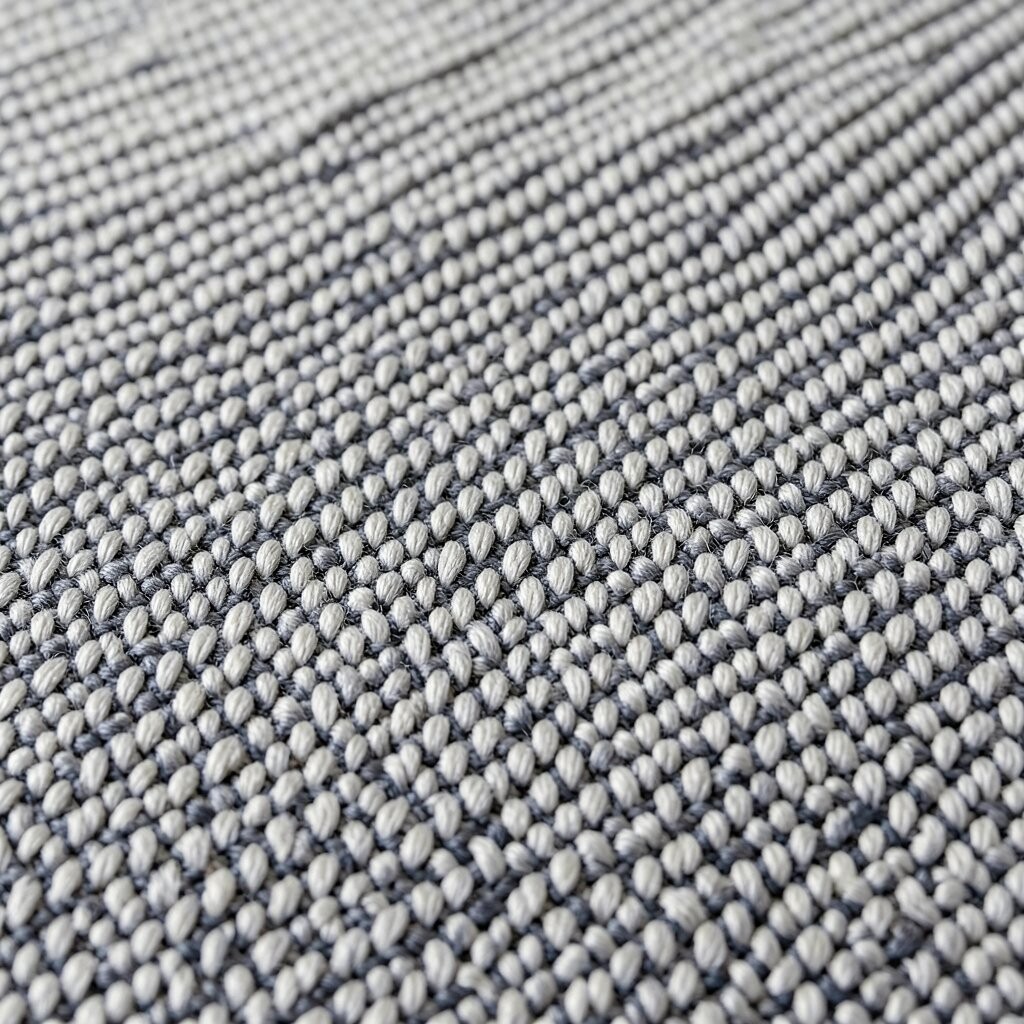
Modern diagonal rib twill looks like slanted stripes with a soft, elastic feel. It creates a sleek surface that can flatter shapes and add gentle movement.
You get a benefit that shows up fast in photos and in real life. The rib effect makes the fabric look thicker, and it can help hide slight ripples after pressing.
Personalize by choosing colors that create subtle contrast, like charcoal with black or navy with indigo. For practicality, check stretch level before cutting so fitted items stay comfortable without twisting.
11. Spiral Twill Motion
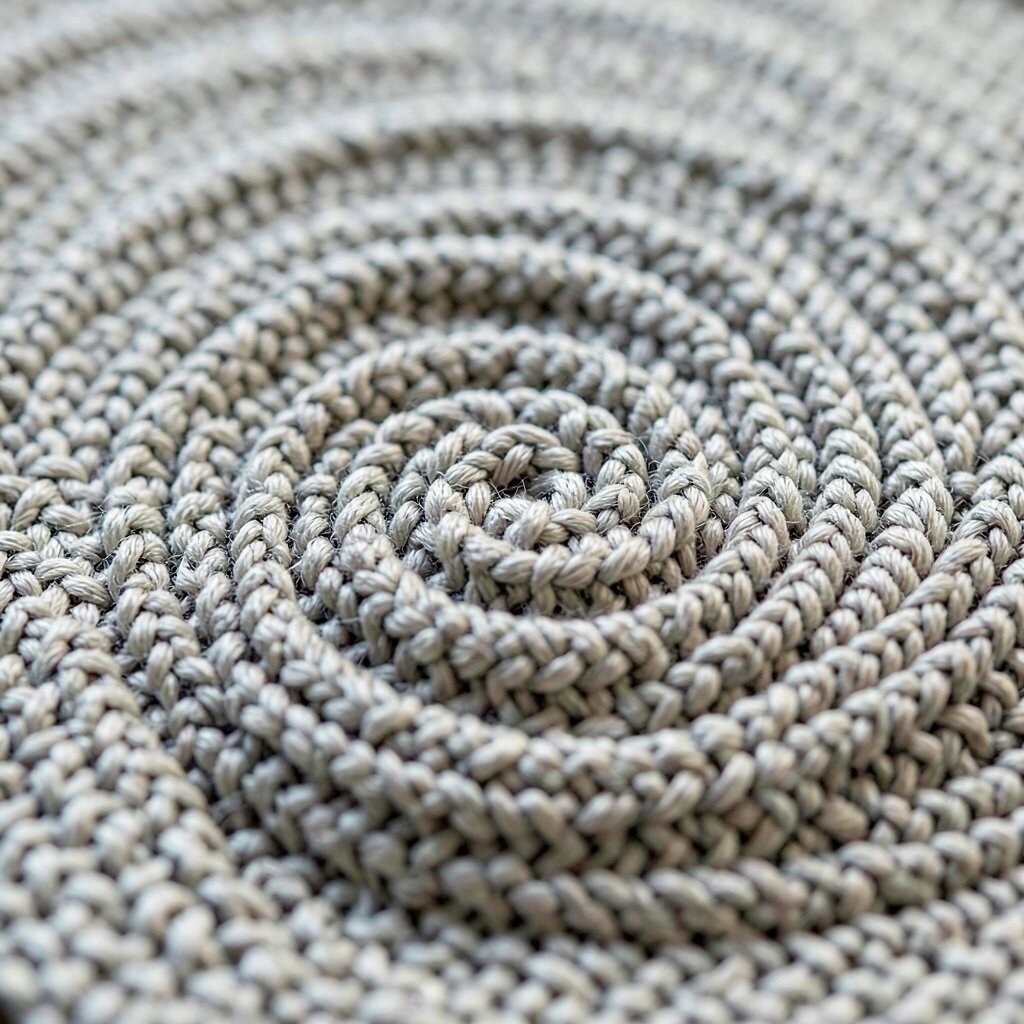
Spiral twill motion creates curved diagonals that feel like they’re turning. The visual effect is playful and dynamic, especially when the fabric catches overhead light.
This weave is unique because it can look different from each angle. When you sew it into clothing, the spiral can create a flattering flow across panels.
For best results, cut on-grain carefully and keep your markings light so you don’t distort the curves. If you want personalization, align the spiral direction with the lines of your pattern so it looks intentional, not accidental.
12. Sketched Zigzag Twill
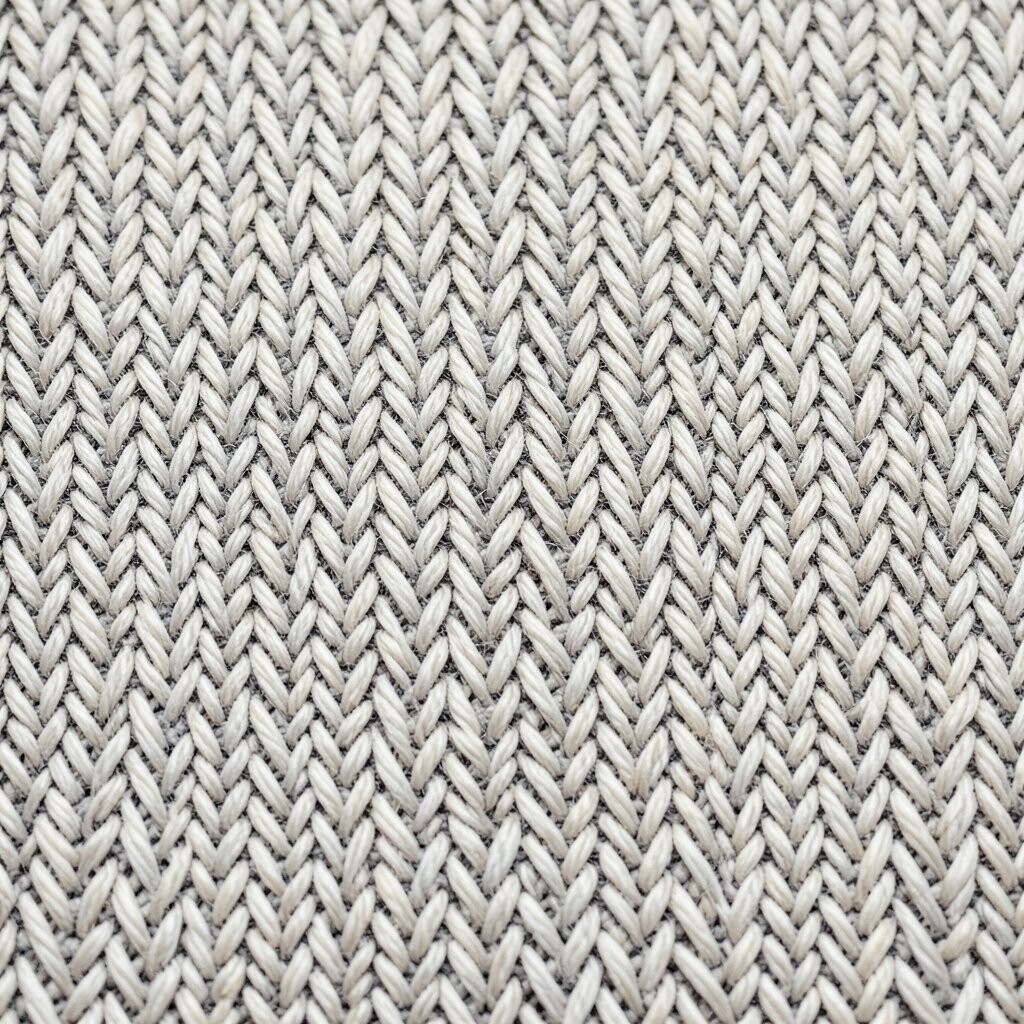
Sketched zigzag twill feels like a drawing made into fabric. The lines are crisp but not too rigid, giving it a friendly, artsy vibe.
You’ll benefit from the way zigzags break up straight edges, making the finished piece look more interesting. Choose it for kids’ items, aprons, and summer skirts where a little whimsy feels right.
13. Twisted Yarn Basket Twill
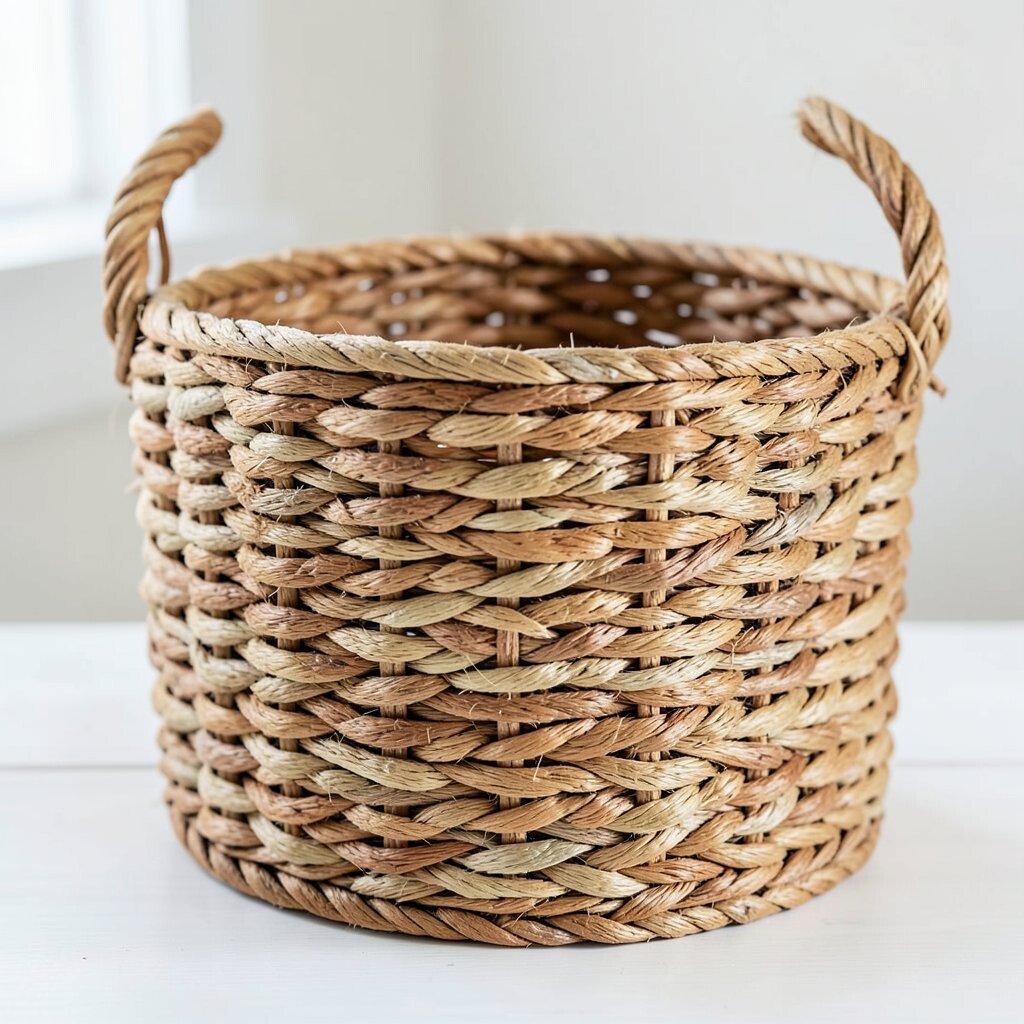
Twisted yarn basket twill looks like a miniature weave basket pattern. The surface feels textured and sturdy, with small crossings that show off the yarn’s twist.
This is a great option when you want strength and a handmade look. Use it for coasters, placemats, small totes, and even sturdy pouches.
For cost considerations, twisted yarn twill can be slightly pricier, but you can stretch your budget by making smaller projects. Personalization is simple too since you can choose a yarn-driven color, like deep brown or muted teal, and let the weave structure highlight it.
14. Nightfall Star Twill
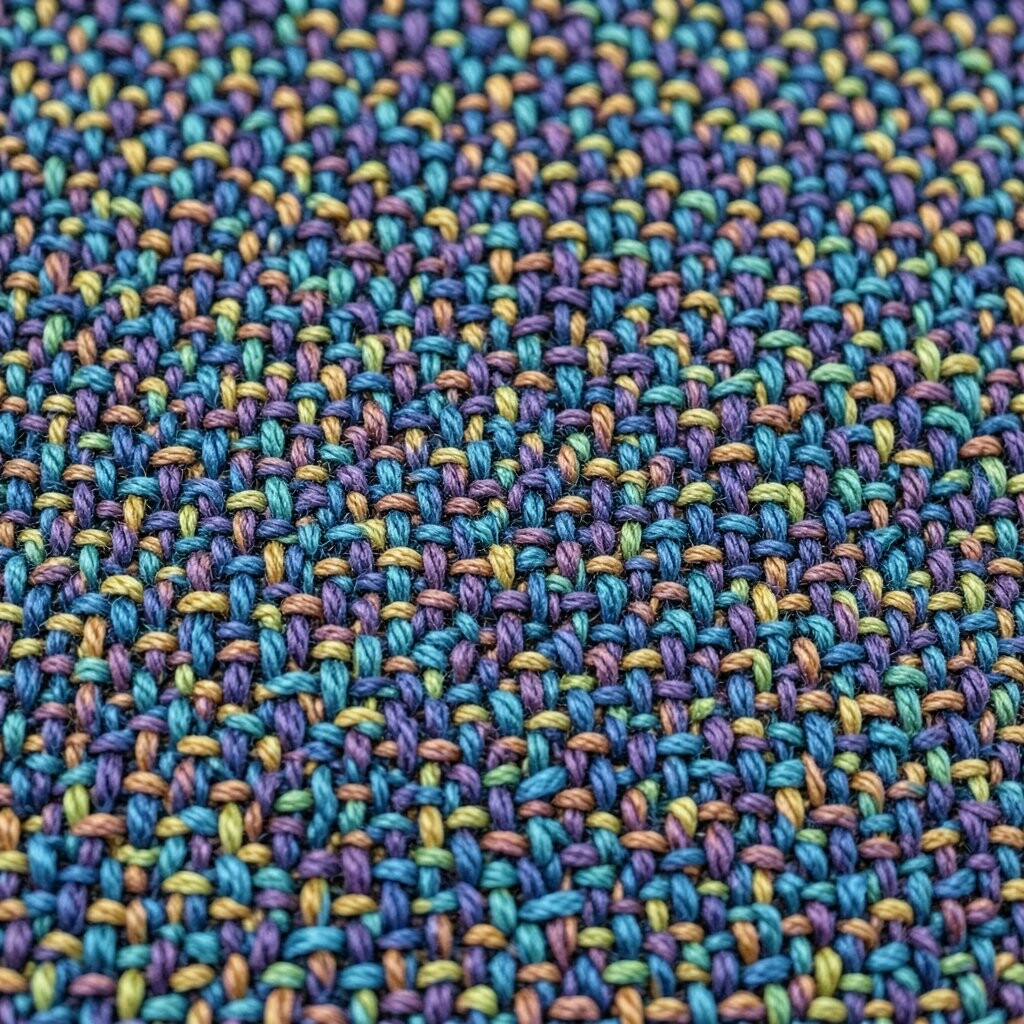
Nightfall star twill brings a subtle speckled brilliance like tiny stars in a dark sky. It reads elegant rather than flashy, which makes it perfect for evening pieces.
The benefit is that the twill structure keeps the look interesting even in plain silhouettes. Pair it with simple seams and clean finishing so the weave stays the hero.
To personalize, combine it with shiny buttons or matte hardware to balance the light. For trend alignment, this kind of dark-sheen textile fits the current love for moody color palettes and high-end textures.
15. Minimal Two-Tone Twill Shift
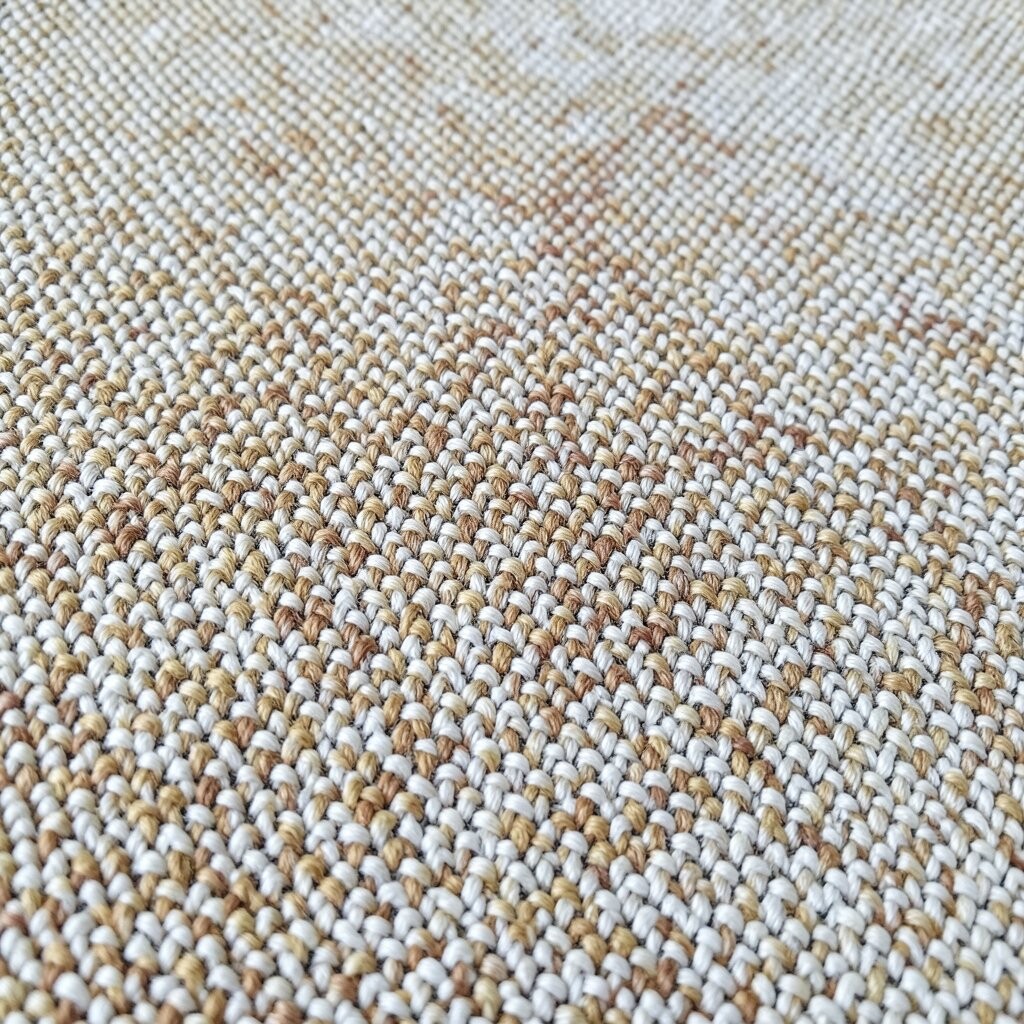
Minimal two-tone twill shift uses gentle color changes to create a soft shifting effect. The diagonals show up most when the fabric folds or moves.
You get a sophisticated look without needing a loud pattern, which is great for office casual and weekend wear. For practical tips, test your lighting and thread choices since two-tone fabrics can blend or contrast depending on the environment.
Personalization is powerful here since you can match the lighter side to your lining or trim. If you want to keep costs down, choose a budget-friendly twill in two tones, then focus your budget on quality thread and careful pressing for a clean finish.
When sewing, keep your seam lines straight and press in stages so the shift effect looks smooth instead of blotchy.