
Mist rises from the valley, and the peaks start calling your name. The mountains do not need perfect plans; they reward curious steps.
Pack light, breathe deeply, and choose a range that matches your mood. Each one has its own rhythm, colors, and surprises waiting just beyond the trailhead.
1. Patagonia’s Torres del Paine
Torres del Paine feels like a postcard that learned to move. You see sharp granite towers, fields of wind-bent grass, and glaciers that shine like quiet mirrors.
Plan for long views and strong weather, because conditions can change quickly. The big benefit is the sense of scale, which makes ordinary worries shrink fast.
2. The Rocky Mountains of Colorado
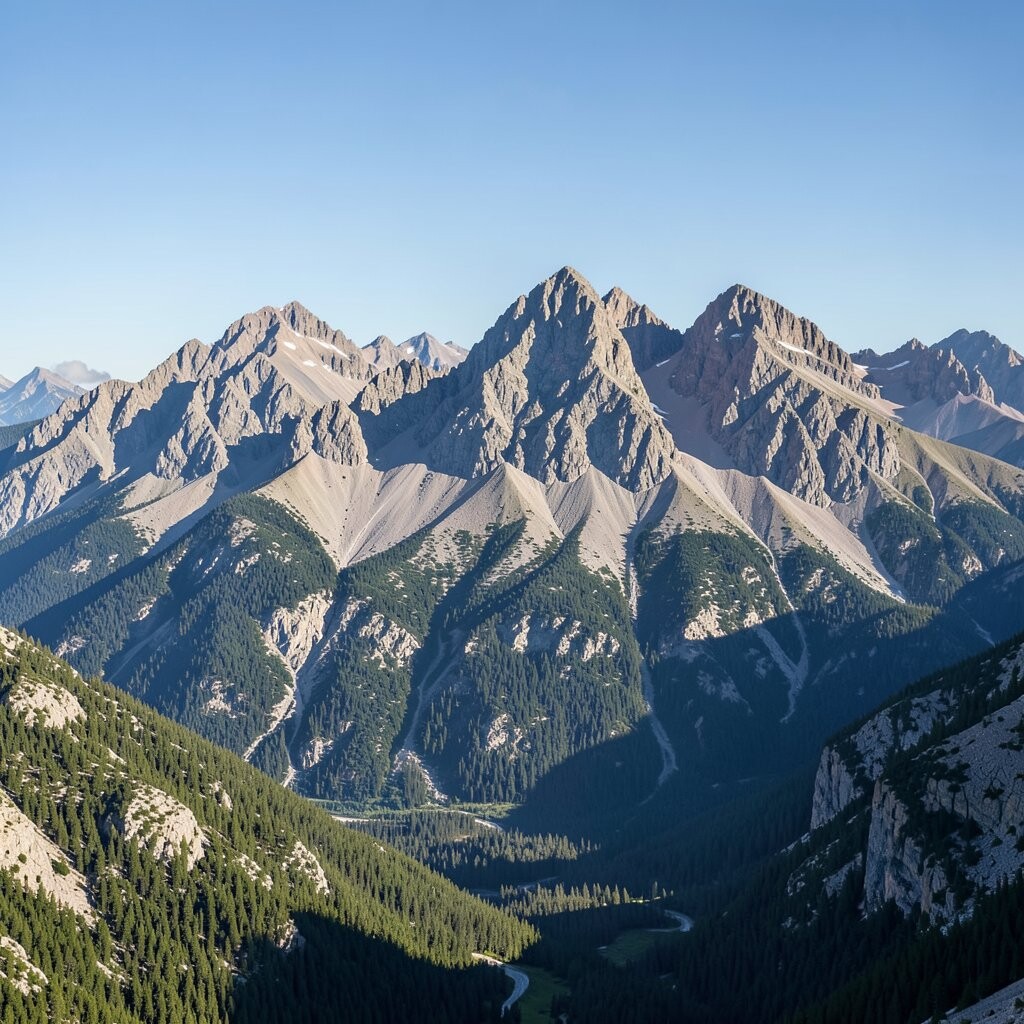
Colorado’s Rockies mix dramatic ridges with quick access to trails and towns. In the early light, the peaks turn honey-gold, and pine forests smell fresh after a morning drizzle.
They’re great for road-trip style adventures since you can adjust distance day by day. If you love variety, you can go from easy meadows to steep summits within the same week.
Try matching your gear to the elevation, since weather can feel different mile to mile. For cost, focus on free viewpoints and local trailheads, then spend your money on one guided day if you want extra confidence.
3. The Swiss Alps
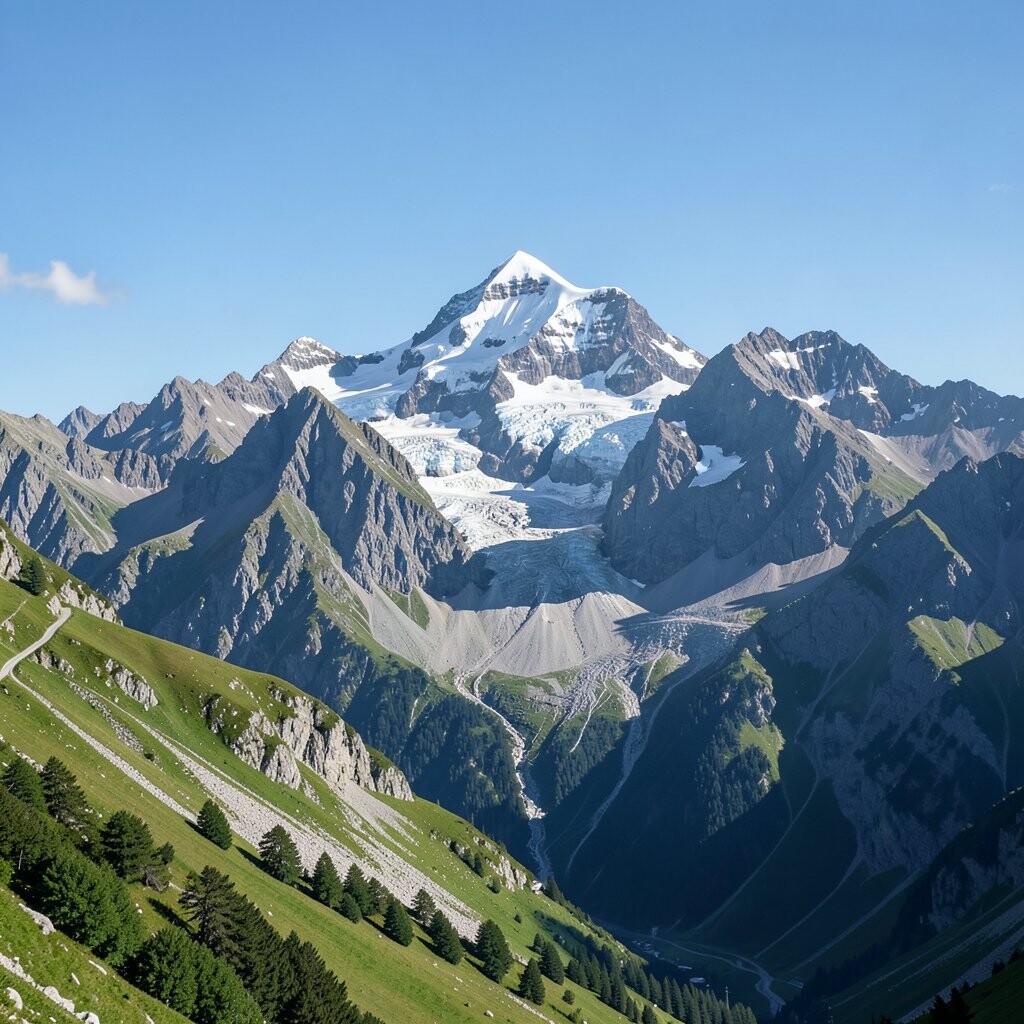
The Swiss Alps look tidy and magical, with villages tucked like ornaments into the valleys. Snowy faces reflect bright light, and the air sounds crisp as if it’s been polished.
Trains and cable cars make it easier to reach scenic areas without a huge multi-day commitment. A real benefit is comfort and safety, especially when you like clear routes and well-marked paths.
Consider personalization by choosing a “food-and-views” hike plan, grabbing local cheese or bread after your walk. If you’re watching spending, set a limit for paid lift rides and spend the rest on free lakeside trails.
Keep an eye on current conditions through local updates, because fast weather changes are common. Wearing layers and bringing a compact rain shell will save your day.
4. The Dolomites of Italy
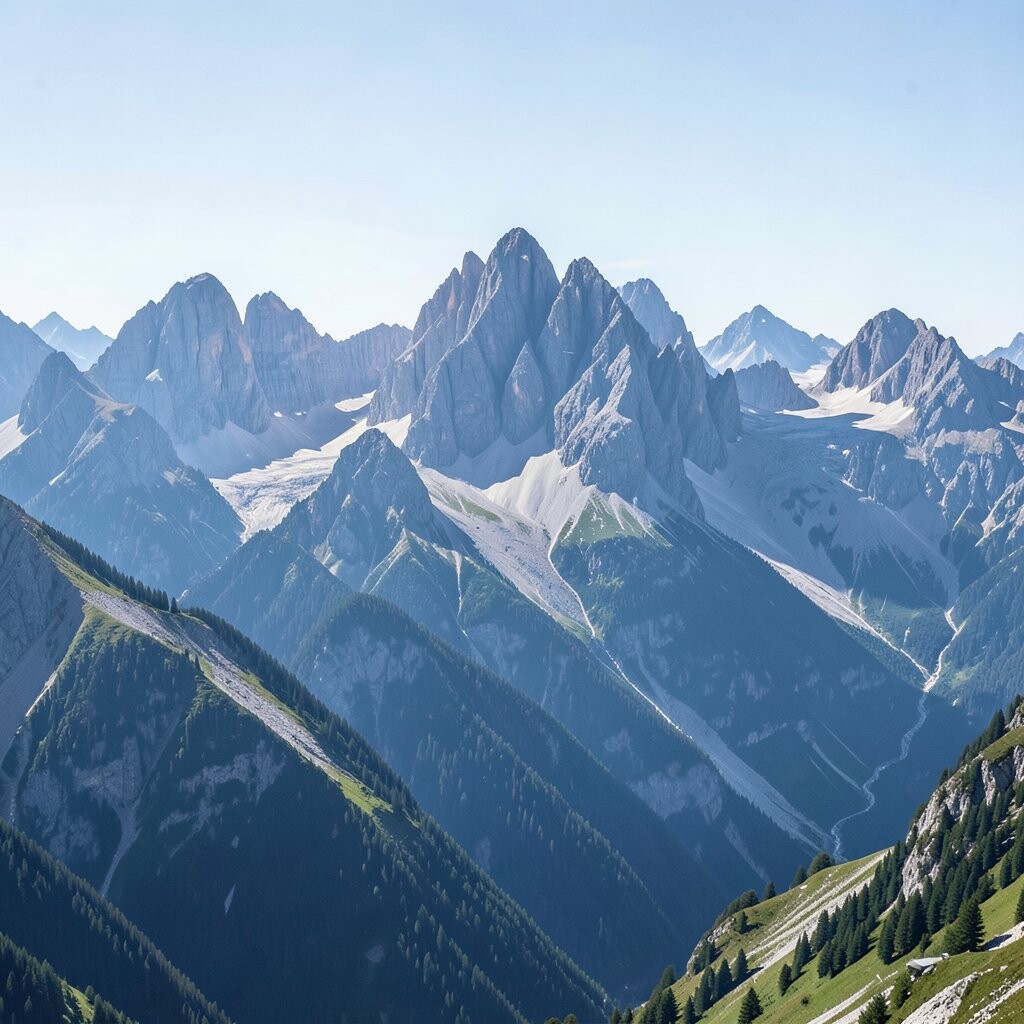
The Dolomites have that unforgettable pink-and-amber glow at sunset. Jagged walls rise like sculpted stone, and sometimes the rocks look carved with light and shadow.
This range is perfect for slow panoramas and satisfying hikes that feel full of character. You’ll benefit from short-to-medium trail options that still deliver big views.
5. The Adirondack Mountains

In the Adirondacks, lakes sit like blue pauses between green stretches. You can hear birds in the mornings, and the forest floor feels soft underfoot after rain.
These mountains are great if you want a more relaxed pace without losing the wild feeling. They’re unique for their mix of easy shoreline walks and longer backcountry routes.
To stay flexible, plan for an overnight in a cabin or a nearby campground, then pick your hike based on the weather. Budget wisely by using public trails and packing your meals, since food costs add up fast on remote days.
6. The Atlas Mountains of Morocco
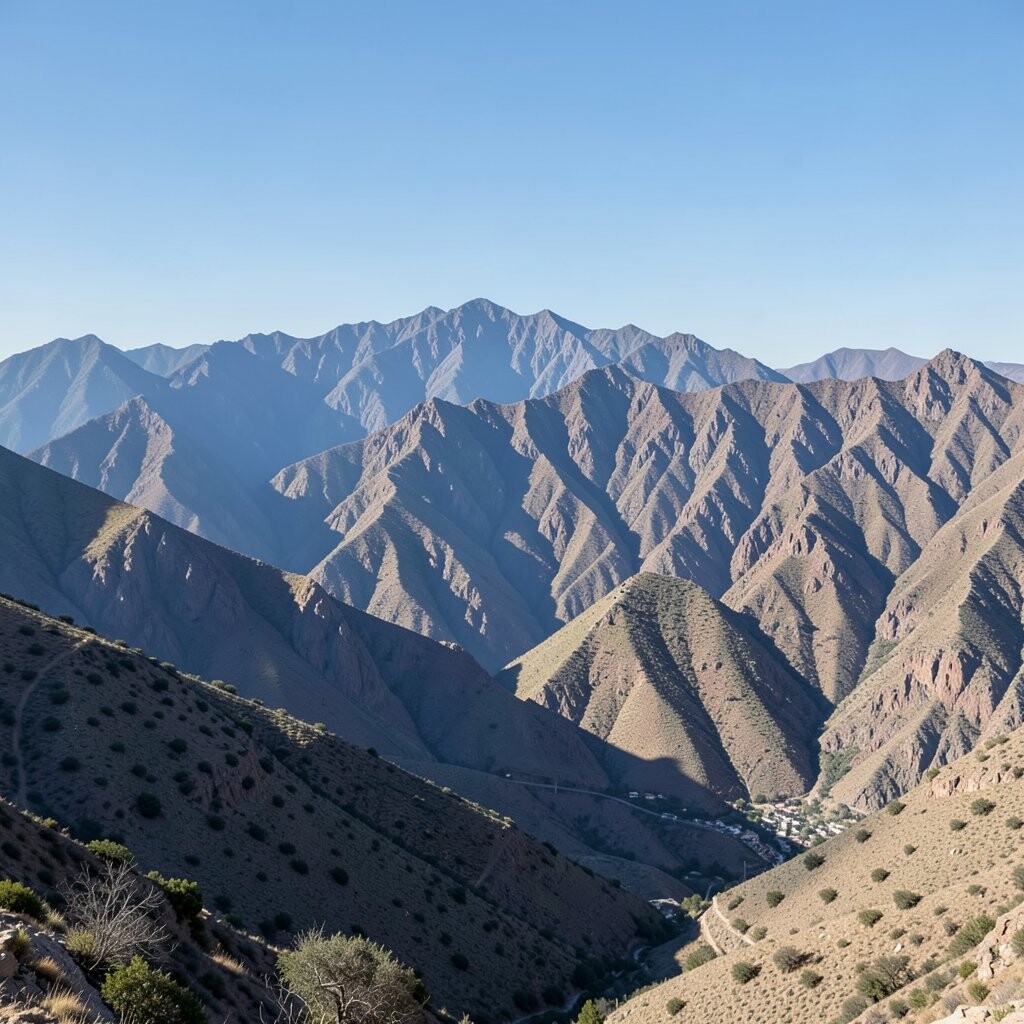
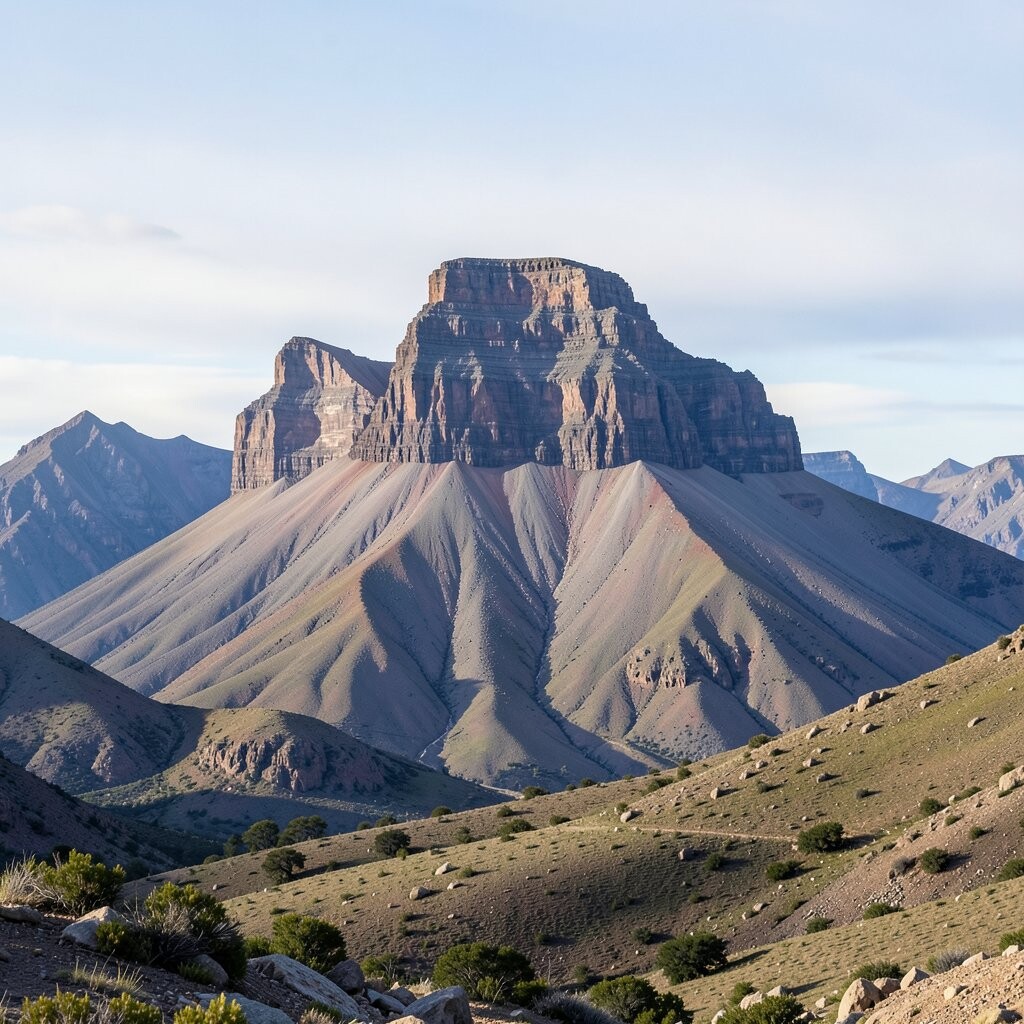
The Atlas Mountains bring warm colors, mountain villages, and high desert air. Winding roads reveal rocky slopes, olive trees, and dramatic ridgelines under bright skies.
Choose a guided hike if you want smoother logistics and help with route timing. The benefit is cultural texture too, because you’re walking through living landscapes, not just scenery.
For a personalized trip, aim for a mix of viewpoints and local markets, then rest in a riad-style stay. Consider cost by comparing transport options, since shared rides can cut expenses while still keeping comfort.
7. Iceland’s Highlands
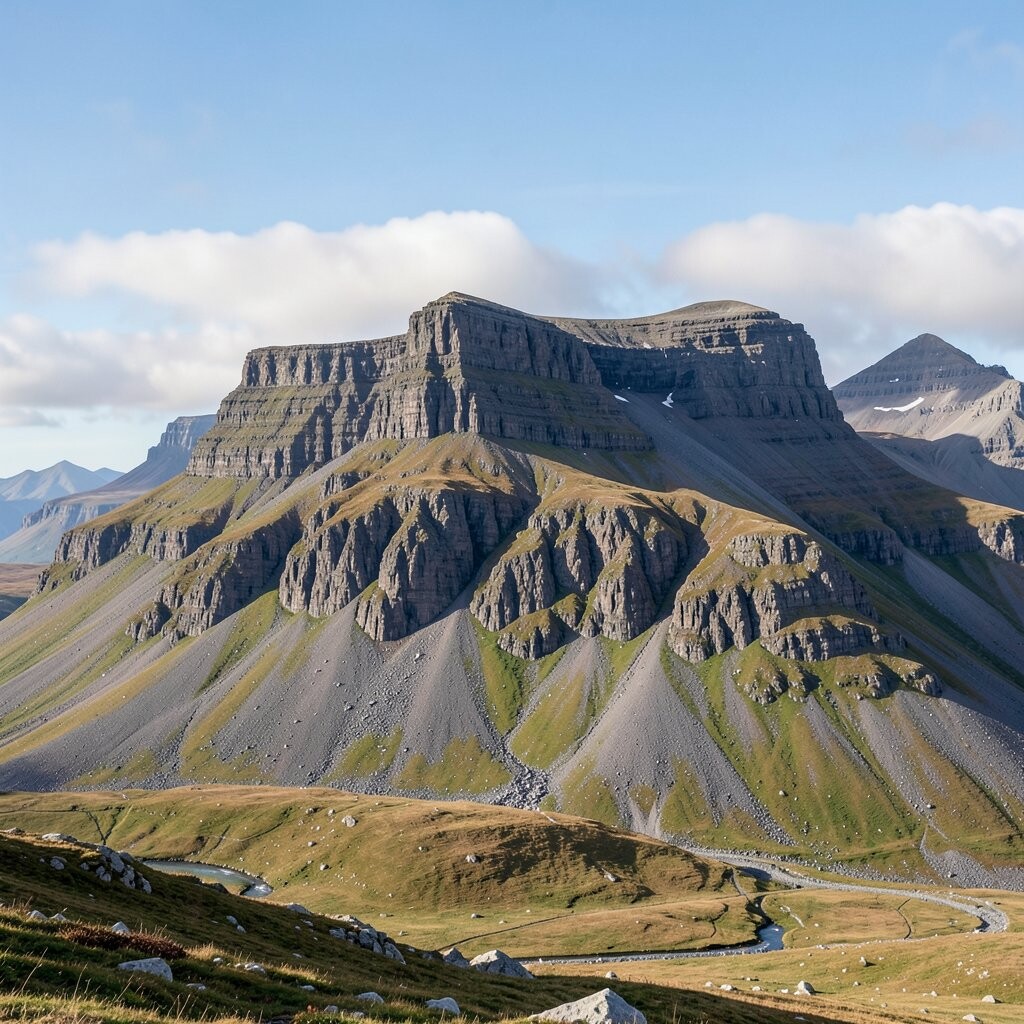
Iceland’s Highlands feel like a fantasy made of wind and steam. You’ll see black sand, mossy slopes, and distant peaks wrapped in misty layers.
They’re ideal for travelers who love nature’s extremes, including geothermal areas and rugged trails. A big benefit is how each day can feel wildly different, from volcanic textures to snow-dusted ridges.
8. The Himalayas of Nepal
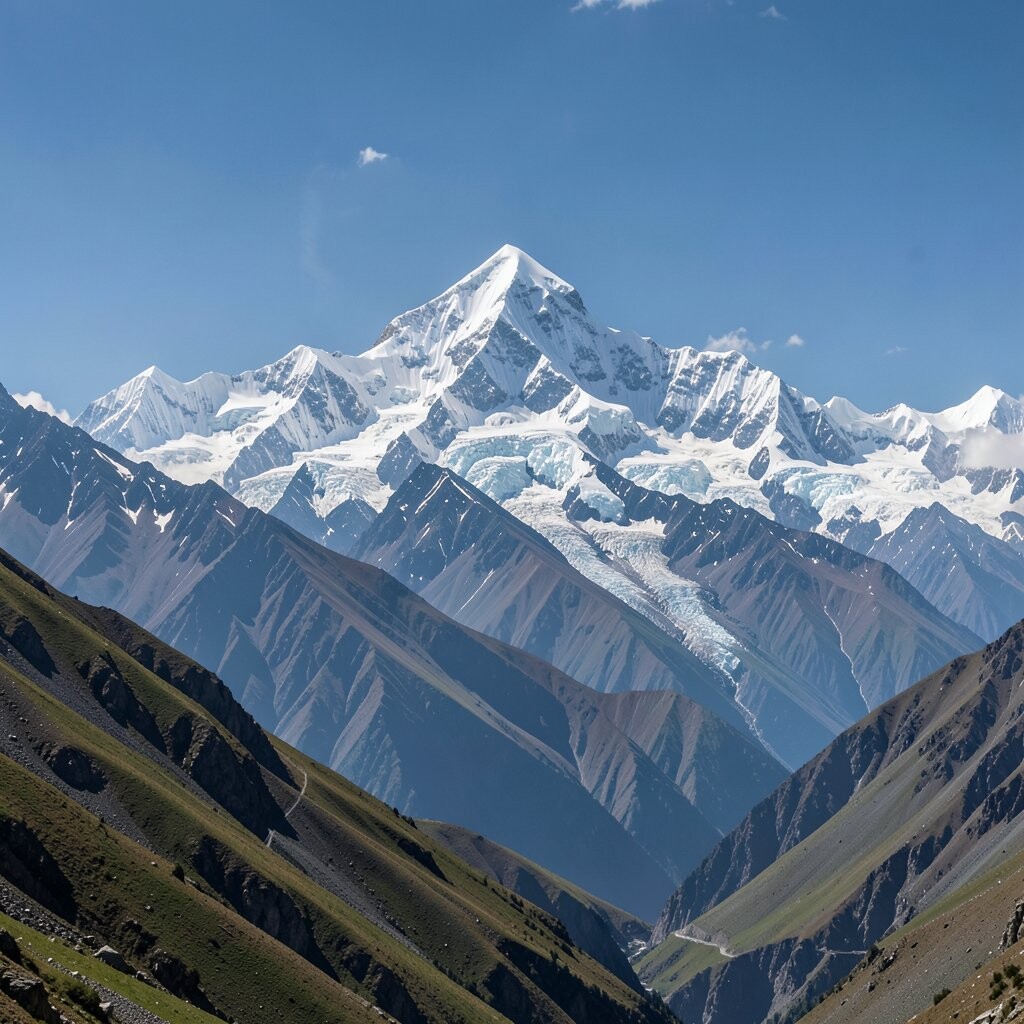
The Himalayas offer a sense of history you can feel in every step. You catch glimpses of prayer flags, stone paths, and mountain walls that rise until the sky seems too small.
Choose a trek that matches your comfort level, since altitude and distance can be serious. The benefit is that you’ll gain resilience and clarity, often alongside kind local guidance.
Personalize your adventure by picking a cultural route, a teahouse trek, or a viewpoint-heavy itinerary. For cost considerations, book thoughtfully because guide, permits, and timing can change prices a lot across seasons.
9. The Andes in Peru
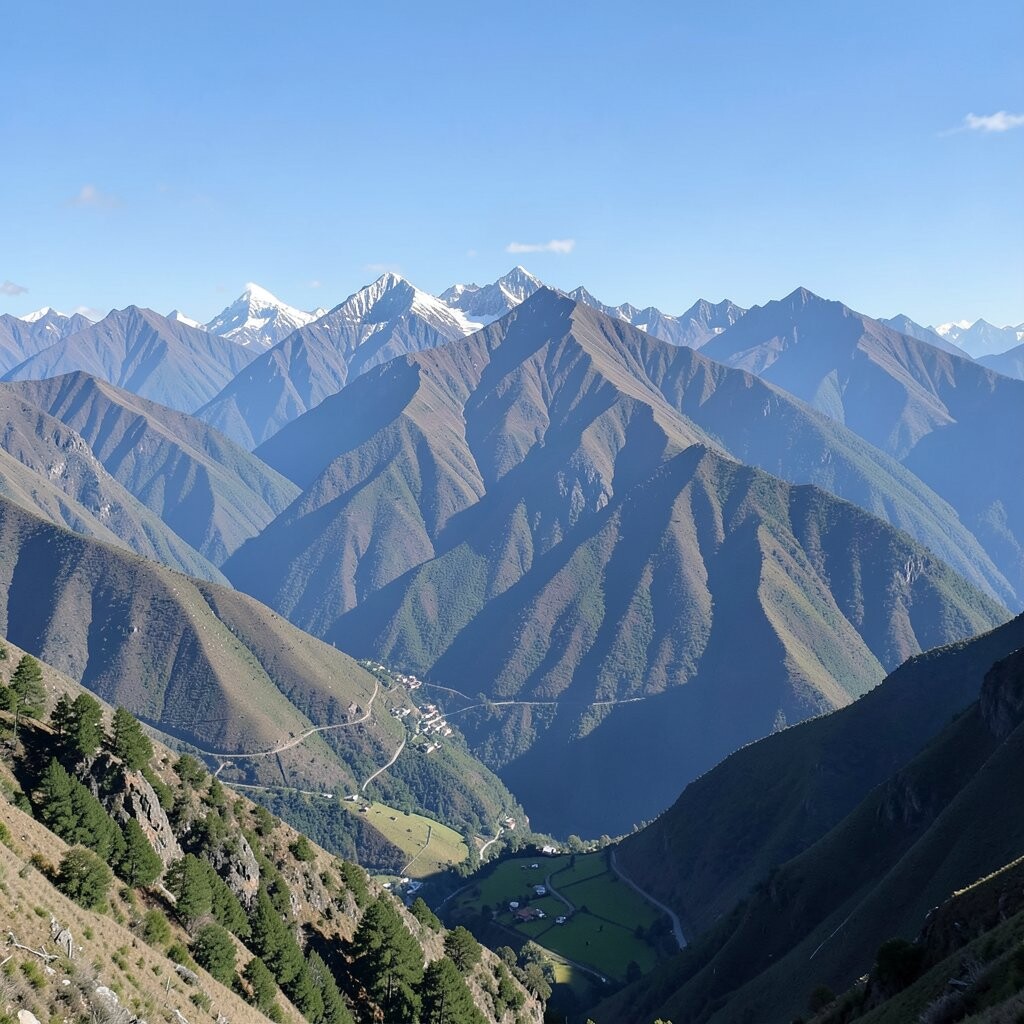
The Andes in Peru look woven into the land, with valleys carved into sweeping terraces. You can spot bright buildings far below, while clouds drift slowly over steep ridges.
These mountains are unique because you can combine hiking with unforgettable landmarks and small-town life. A real benefit is how walking here can feel both athletic and deeply meaningful.
Try adding a day that includes local markets, then plan your hike based on altitude so you feel steady. Keep an eye on current trail conditions and weather, since rain can affect paths and river crossings.
10. The Southern Alps of New Zealand
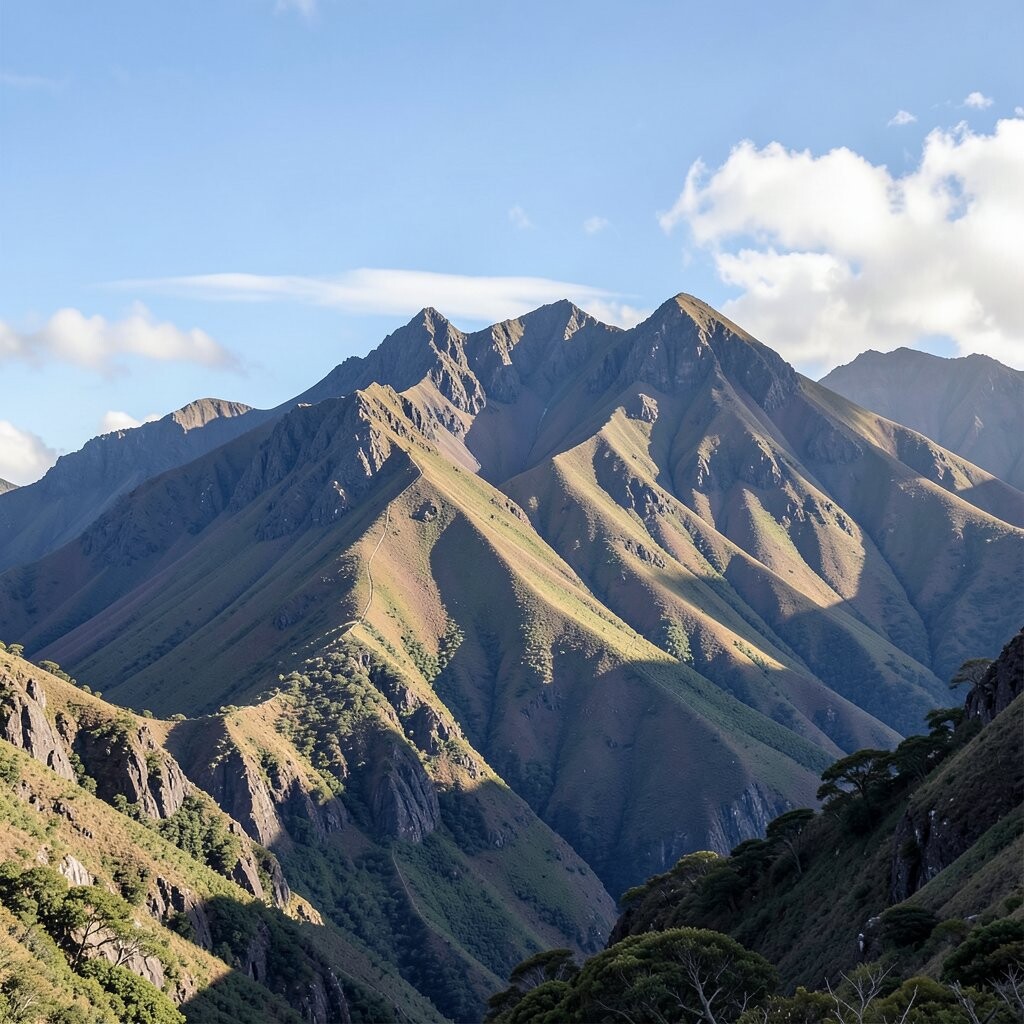
New Zealand’s Southern Alps look cinematic, with sharp peaks mirrored in calm water. The air feels clean and bright, and the landscapes shift from green hills to rocky grandeur quickly.
They’re great for adventurous road trips because you can base yourself near popular trail areas. The benefit is variety, from forest tracks to open tussock slopes with huge views.
Personalize your plan by choosing a walking path that matches your energy, then add a rest day with scenic drives. For costs, compare campground fees versus short rentals, and plan meals to avoid pricey convenience stops.
In recent years, more people are opting for self-guided hut walks, so check hut availability early. Bringing a dependable headlamp and warm layers will make cold evenings easier.
11. The Pyrenees
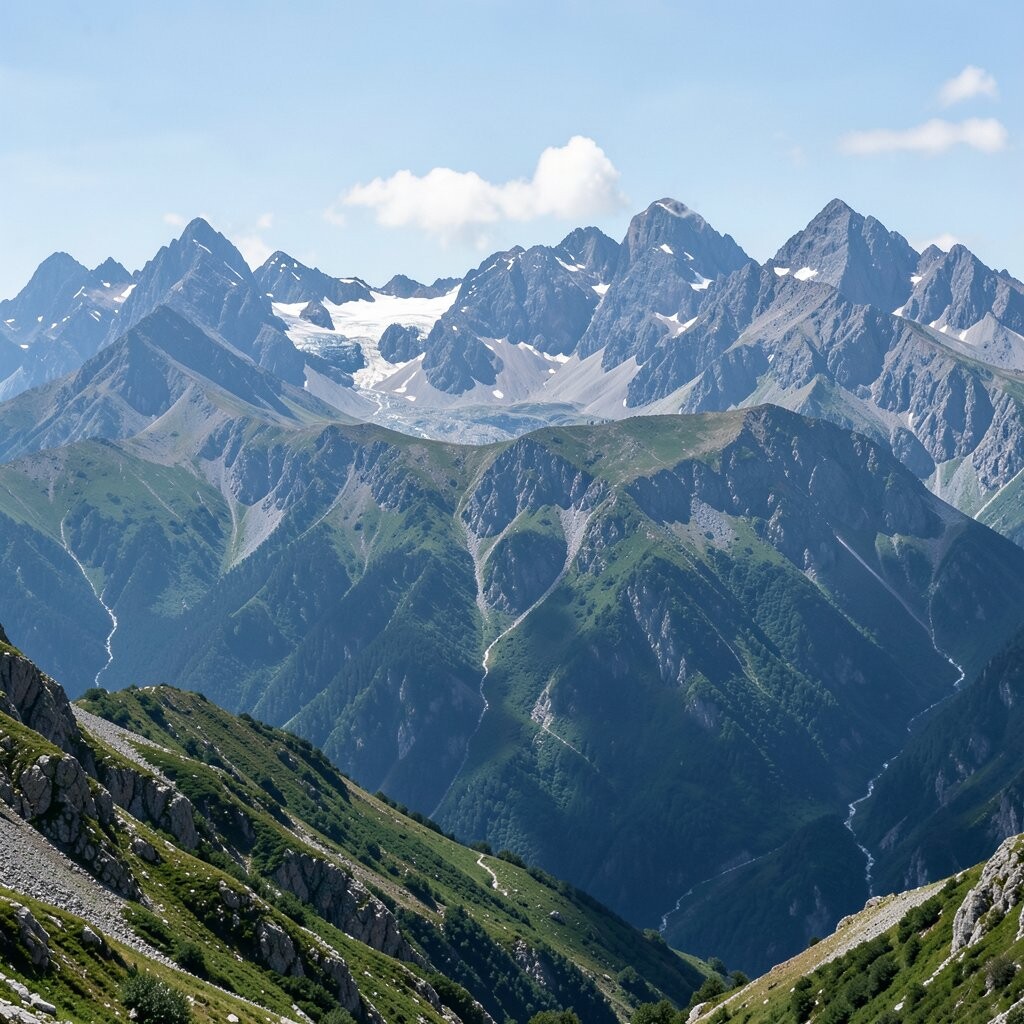
The Pyrenees feel like a long border of mountains that quietly guard hidden valleys. You’ll notice limestone cliffs, rolling meadows, and small stone bridges that look straight out of a story.
They’re a strong choice if you want a balanced mix of challenging climbs and gentle countryside strolls. A benefit is that the routes often feel less crowded, so you can hear your own footsteps.
12. The Scottish Highlands
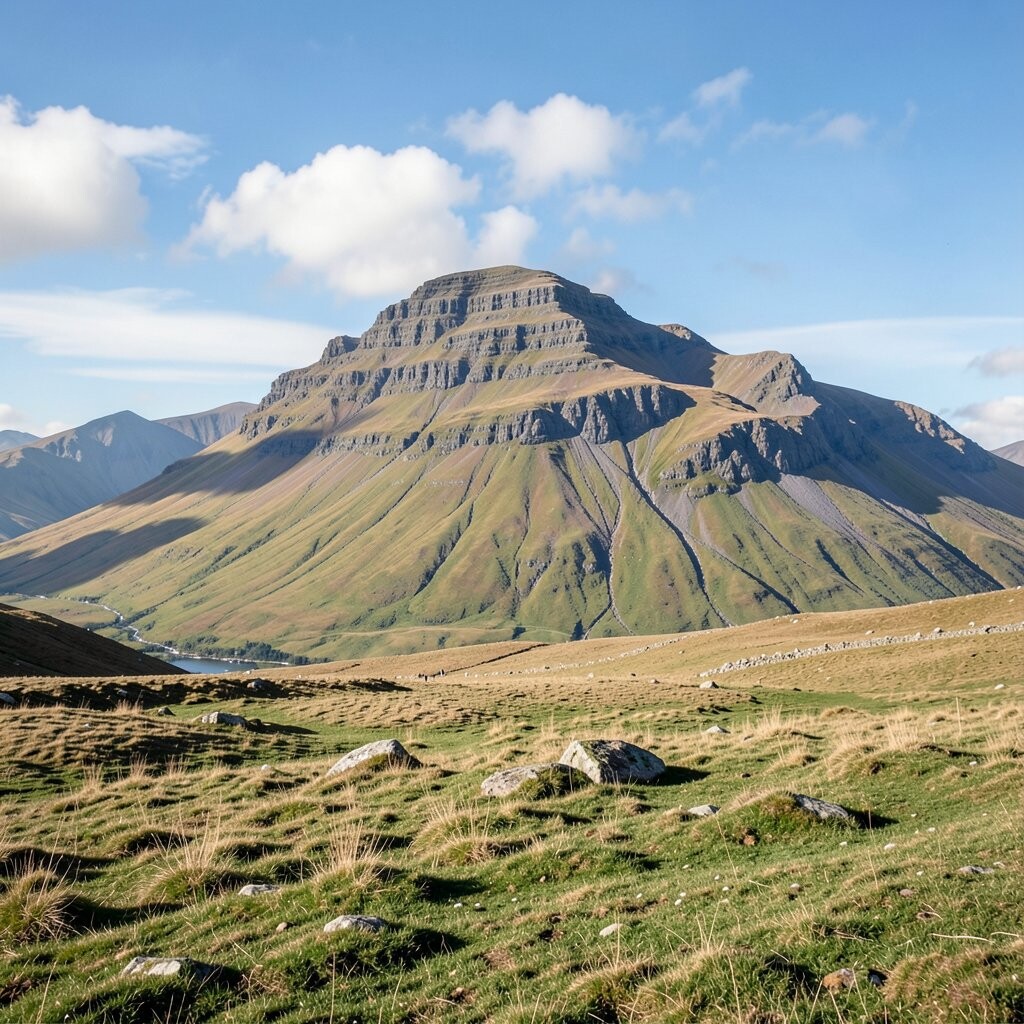
The Scottish Highlands carry misty charm and moody skies that change minute by minute. You see heather-covered hills, ancient ruins, and lochs that reflect the clouds like glass.
This range is unique because it blends wild landscapes with folklore and history. You’ll benefit from flexible day hikes that let you decide your distance based on weather and energy.
Personalize your adventure by choosing a theme, like castle views, wild beaches nearby, or coastal trails. For cost, plan around public transport and affordable guesthouses, and keep a budget for parking if you drive.
Current trends lean toward off-peak travel for fewer crowds, and that can make lodging easier. Pack a waterproof layer and a warm mid-layer, since rain and wind are never far away.
13. Mount Kilimanjaro Region

The Kilimanjaro region feels bold, with volcanic slopes that rise toward bright ice-capped peaks. From below, the mountain looks steady and giant, and the air thins as you go.
It’s a unique adventure because the altitude shift can be dramatic in a short time. You’ll benefit from careful pacing and the excitement of crossing climate zones, from forest to alpine terrain.
Personalize by choosing a route known for scenery, then plan your day for steady breathing and frequent rests. For cost considerations, compare package inclusions since guides, food, and porters can vary widely by operator.
To stay practical, bring breathable layers, a reliable daypack, and trekking poles if you like stability. Recent traveler habits also favor thorough acclimatization schedules, so ask your team how they plan to pace each segment.