Everything clicks into place when your space has a clear path for things to live. With the right track system, tidiness stops feeling like a chore.
You’ll see it in the way tools line up, papers stop wandering, and daily life feels calmer.
1. Map Your Space With a Simple Pathway

Start by looking at your room the way your feet move through it. Pick one main area where items tend to pile up, like a desk corner or a hallway shelf.
Then imagine a gentle path that connects the spots you use most, and picture your track running along that line. This helps you avoid awkward jumps and creates a smooth visual flow. When the route feels natural, you’ll be more likely to put things back where they belong.
2. Choose Track Layouts That Match How You Actually Work
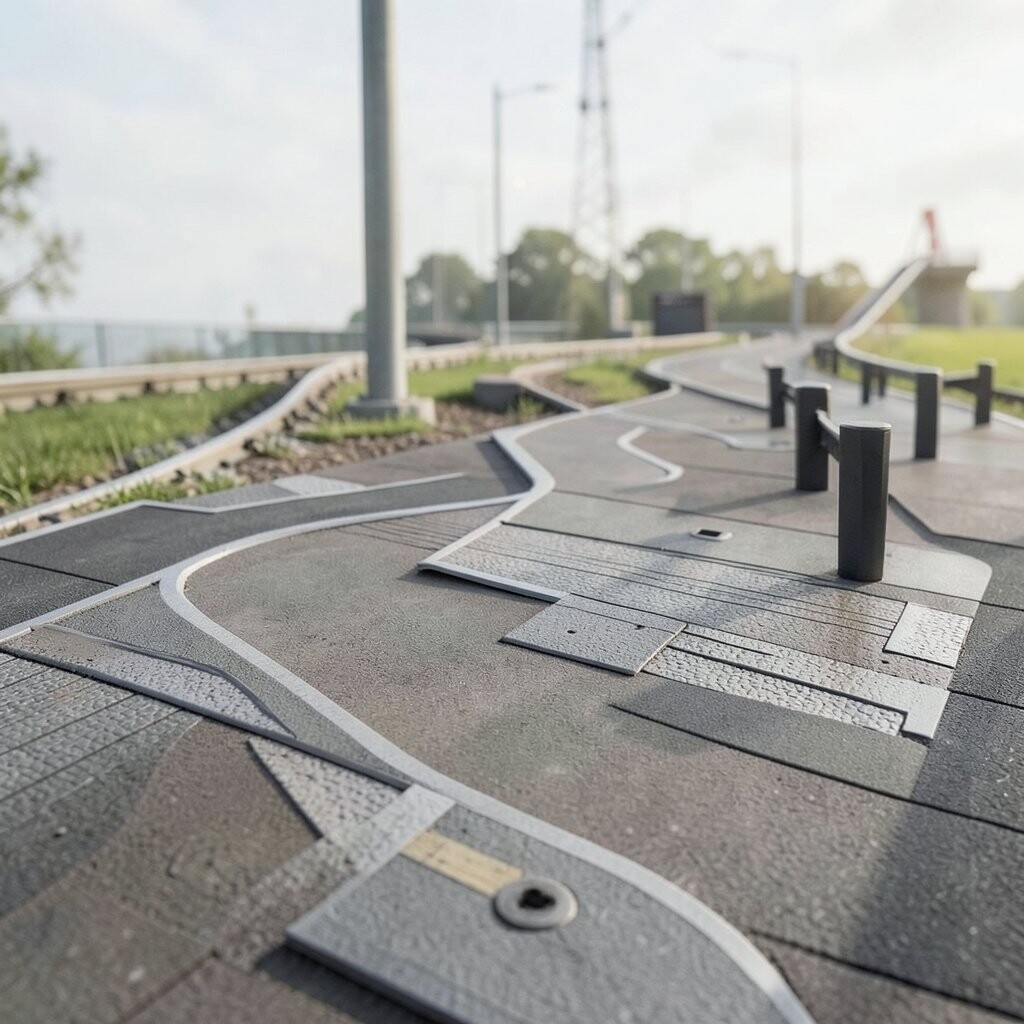
Think about your real routine, not an ideal one from videos. If you grab things often during cooking, place the track where your hands already reach.
A straight line is great for quick access, while a curved route can follow the shape of your space. When you align the track to your habits, the system feels effortless and saves time.
As a practical step, test a few placements using painter’s tape before you commit. This low-cost trial can prevent costly rework and also helps you personalize for your layout. You’ll end up with a layout that looks neat and feels right every day.
3. Use Labels in a Way That Stays Friendly and Clear
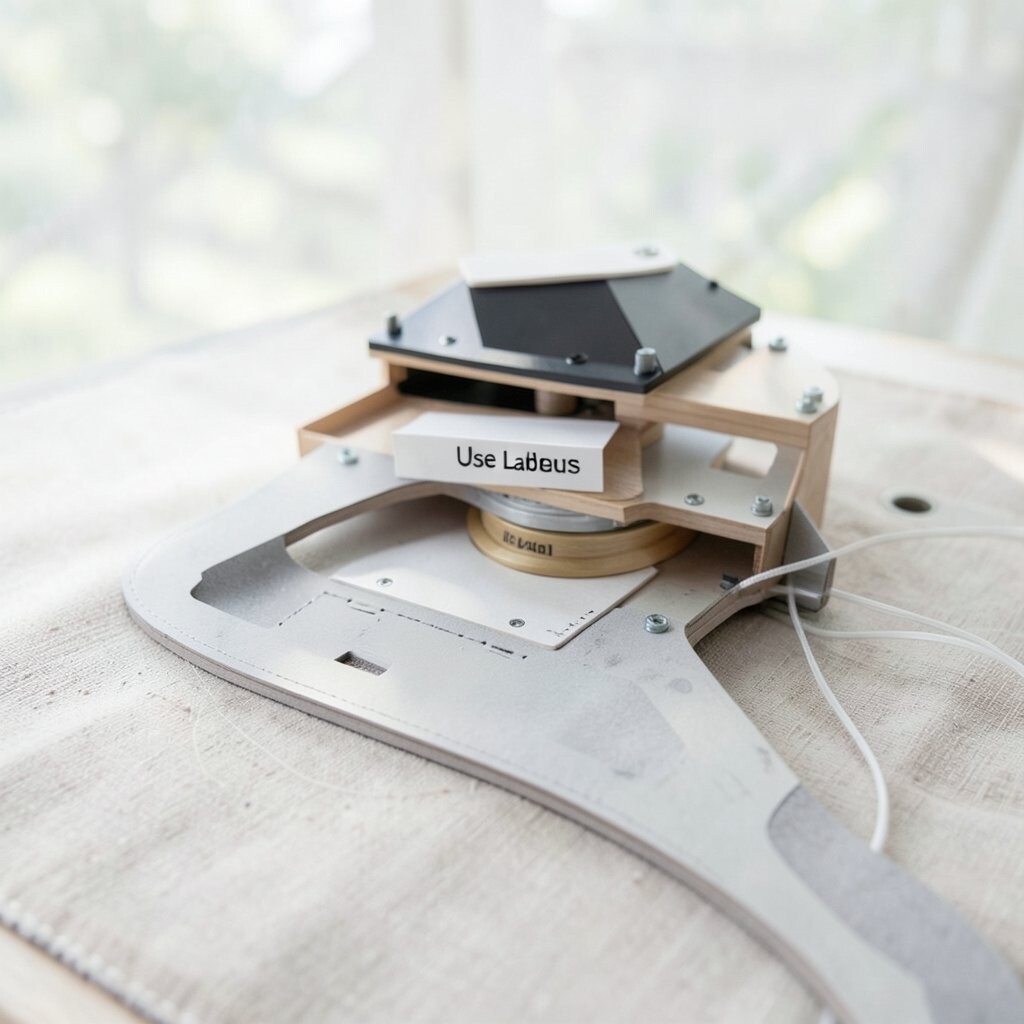
Labeling can be simple and still look good. Choose words that match your household language, like “Sewing,” “Batteries,” or “School.”
Try writing labels in a consistent style so your track system looks organized at a glance. Clear labels reduce hunting and make it easier for anyone in the home to return items. This is especially helpful when you share space with family or roommates.
If you want it to feel more personal, add small icons like a star for favorites or a tiny wrench for repair items. Current trends lean toward clean, minimal label designs that look tidy even in visible areas. Keeping the label style consistent makes the whole setup feel intentional.
4. Create Zones So Small Stuff Has a Home
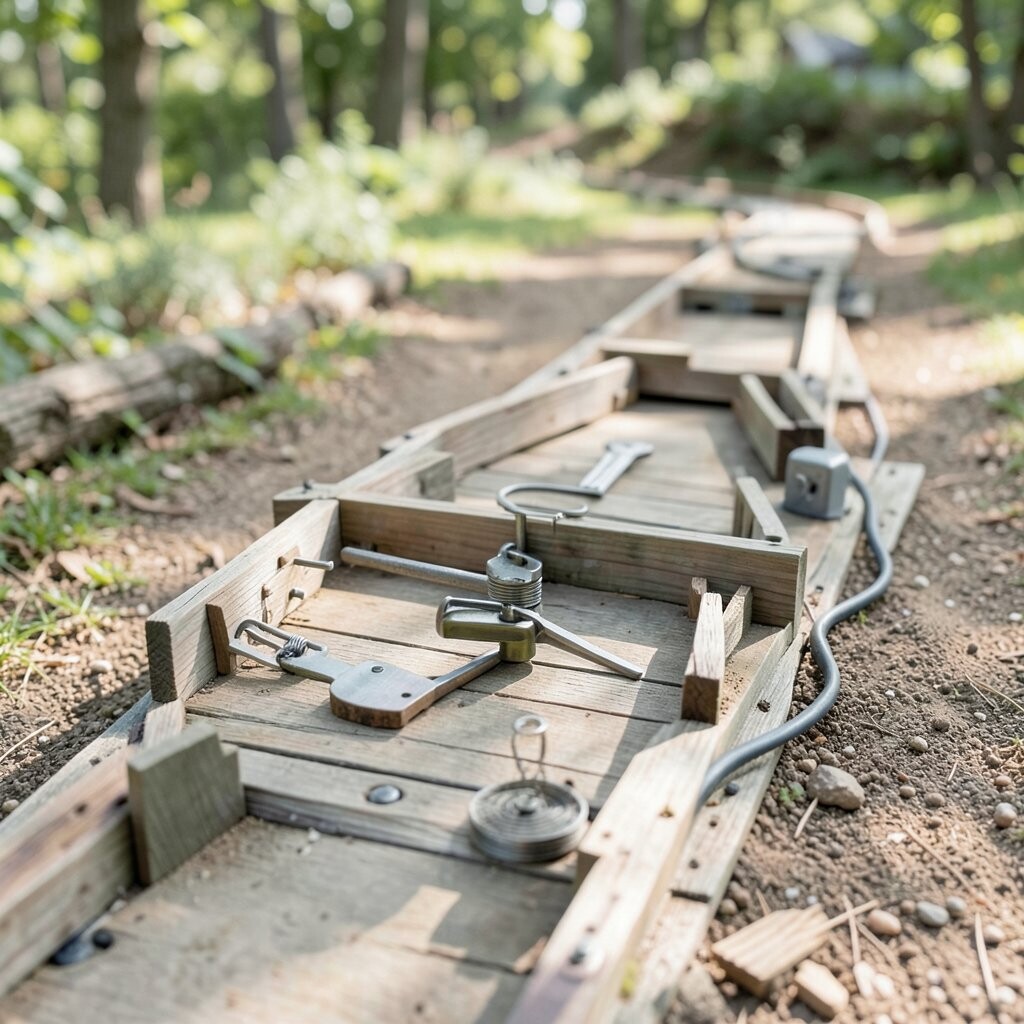
Give your track system zones that match categories you already think about. You might group cables, chargers, and small electronics in one stretch, while keeping craft tools on another.
With zones, you avoid the messy shuffle that happens when everything shares one container. This also makes your space easier to maintain, because each zone has a clear job. When items have a visible home, you spend less time searching and more time doing.
5. Pair the Track With Sliding Bins for Instant Order
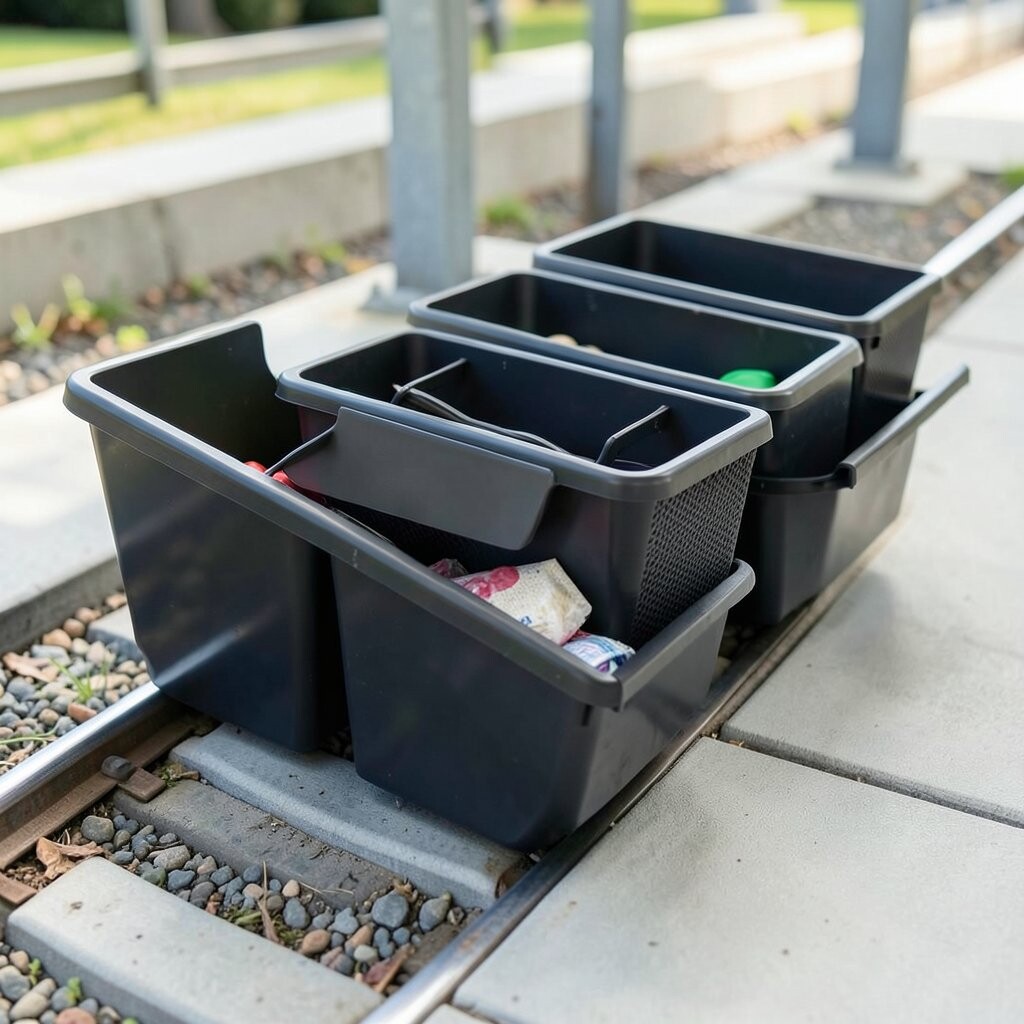
Sliding bins look great against a track because they show off what’s inside. You can picture them like neat little drawers that roll in and out smoothly.
Choose bins sized for your most common items so nothing hangs over or gets jammed. This creates a clean, balanced look while keeping things easy to reach.
A handy trick is to use bins for bulky odds and ends, then use smaller organizers inside for tiny pieces. This layered approach feels modern and practical at the same time. It also gives you flexibility if your storage needs change over time.
6. Keep Frequently Used Items at Eye Level
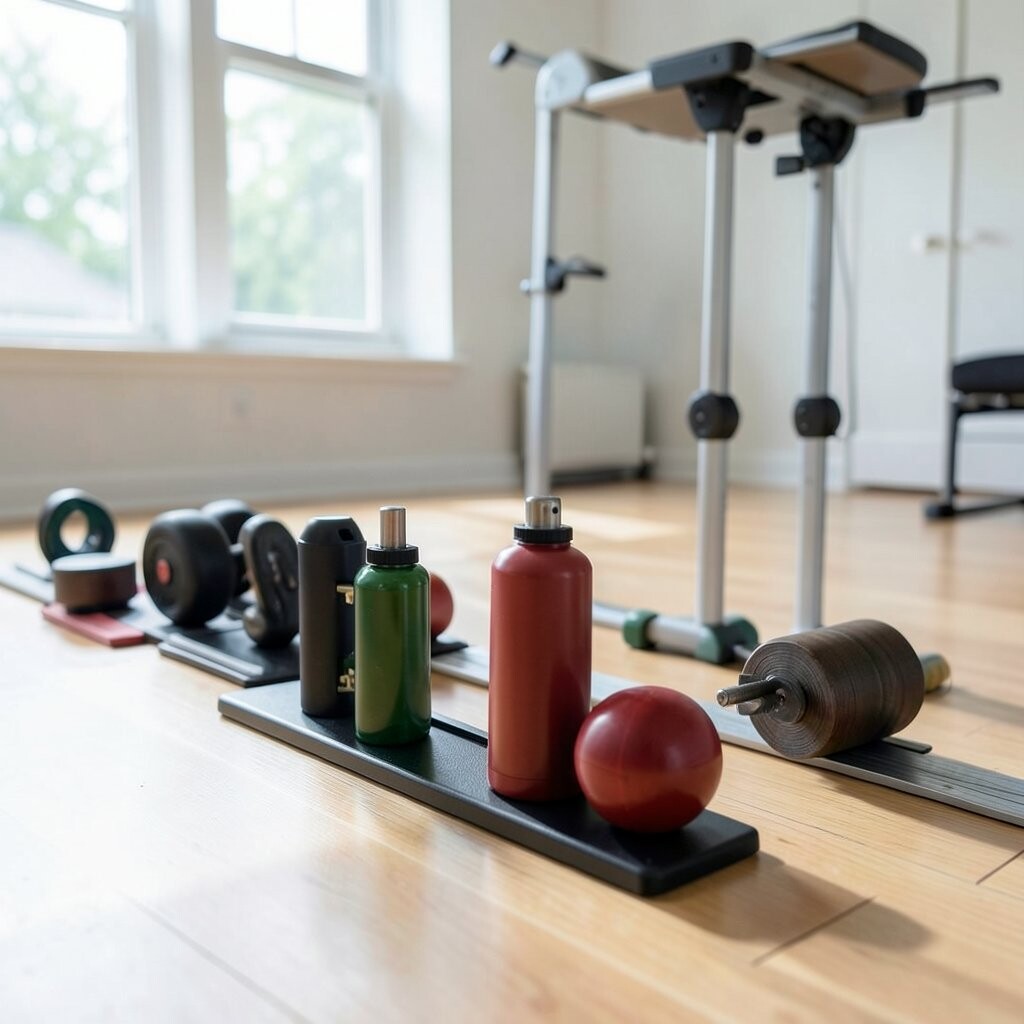
Place your daily grab items where your eyes land first. Think of your track like a friendly display that makes return trips quick.
When chargers, pens, or kitchen tools sit at eye level, you stop opening multiple containers just to find one thing. That small change adds up to a calmer routine. It also reduces the chance of “temporary piles” forming on nearby surfaces.
7. Use Color That Matches Your Room, Not Just Your Preferences
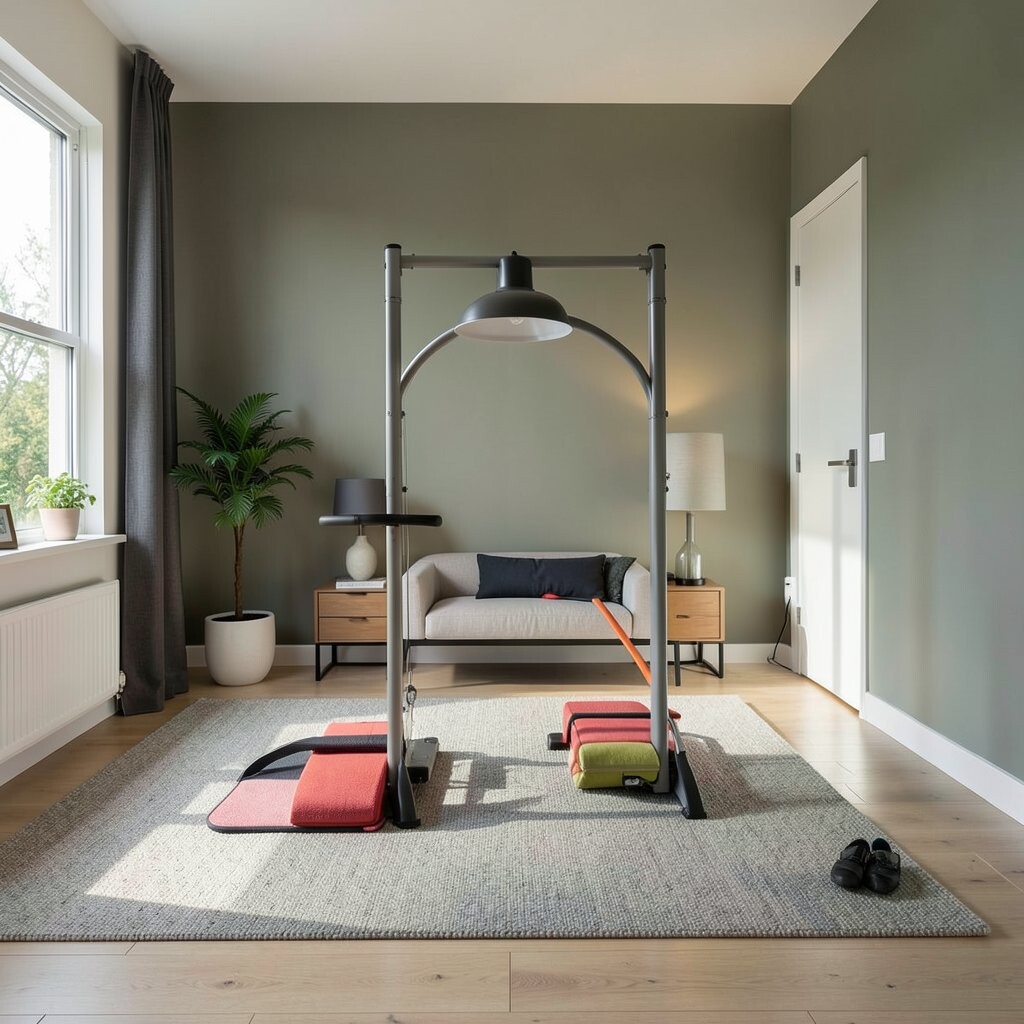
Color is a fast way to make a track system feel like it belongs in your home. If your room has warm wood tones, choose organizers that blend naturally with that style.
You can also use color for quick sorting without making the system feel childish. For example, matching colors to categories helps you remember where items go, even without reading labels.
Current trends often favor soft neutrals with one or two accent shades, which keeps everything looking calm. If budget matters, start with a few key color pieces and expand later. You’ll still get visual clarity right away.
8. Add Hooks for Hanging Tools and Light Gear
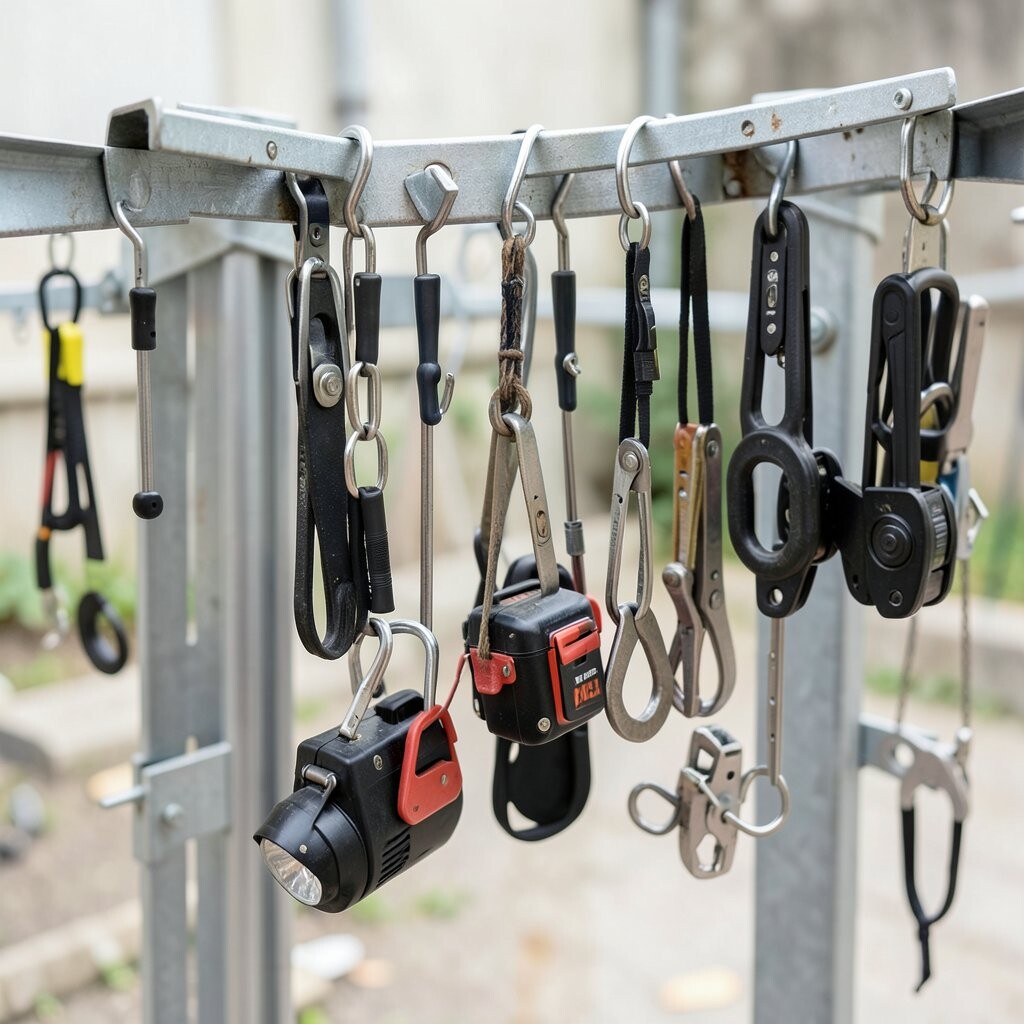
Hooks are one of the simplest upgrades you can make to a track setup. They create a clear spot for things like measuring spoons, small bags, or cleaning brushes.
When tools hang neatly, they don’t clutter counters and they dry faster when that matters. The visual neatness is satisfying, and you avoid the usual “where did I put it” moment. Plus, hanging storage makes it easy to spot missing items quickly.
9. Standardize Sizes So Everything Fits Smoothly
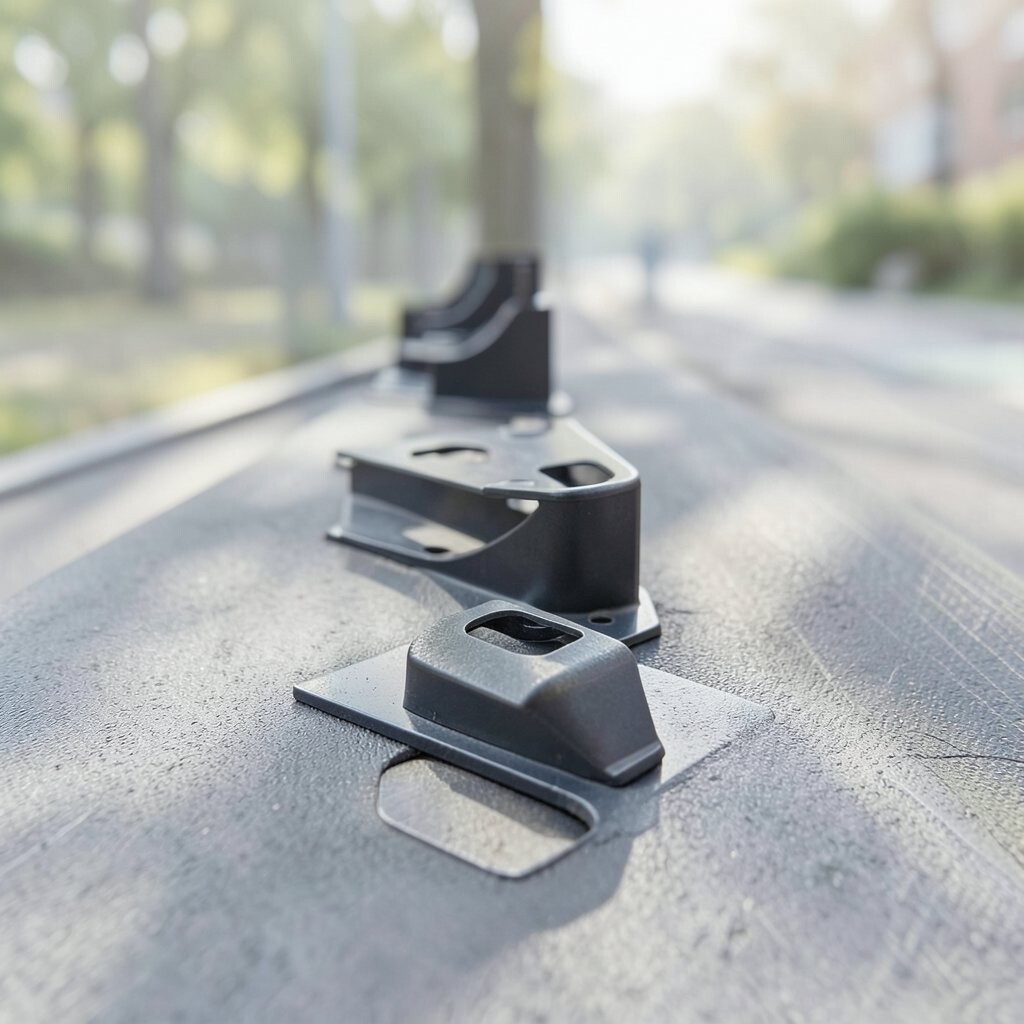
Standardizing is how you keep your system looking clean even after months of use. When you pick a few consistent bin sizes and use them across the track, items line up like a set.
This reduces waste because you’re less likely to buy mismatched organizers that don’t work together. It also helps your track rails and accessories feel stable and purposeful. If you like DIY, measure your common items first and then choose organizers that match them.
For personalization, you can set one size for “grab and go” items and another for seasonal stuff. That way, your layout stays organized through busy weeks. It’s also a smart cost move because you’re buying with a plan instead of guessing later.
10. Build a “Reset” Moment Into Your Weekly Routine
A track system works best when returning items becomes part of a simple rhythm. Set aside a short reset time after the weekend or at the end of each week.
Use that time to slide bins back into place and hang items on the hooks where they belong. You’ll be amazed how much smoother the next week feels when everything starts from a clean baseline. This habit also protects your space from slow clutter growth.
11. Mix Materials for a Look That Feels Modern

You don’t have to choose one style to get a polished result. Mixing wood, metal, and fabric-friendly bins can make your track area feel warm and current.
Visual variety keeps the system interesting while still staying organized. For instance, metal track pieces can pair nicely with soft bins that hide small mess. That contrast makes the setup feel designed, not just functional.
If you’re budget-conscious, you can start with the core track and add affordable accessories over time. Buying one or two upgrade pieces at a time keeps the cost manageable while you personalize. The result is a system that evolves instead of feeling rushed.
12. Label Seasonal Storage Without Overcomplicating It
Seasonal items are perfect candidates for track organization because you can shift them when the weather changes. Put less-used items on the far sections of the track or in bins that you don’t open daily.
Use simple labels like “Winter,” “Summer,” or “Holiday” so you don’t waste time guessing later. This is an easy way to make your home feel ready for each season without extra stress. It also keeps seasonal clutter from drifting into everyday spaces.
13. Track Small Supplies So You Never Run Out at the Wrong Time

A good track system helps you manage supplies by making them visible. When pens, tape, batteries, or craft staples sit in clear bins, you notice low stock right away.
To make this even smoother, group refills together so you can grab a replacement quickly. For example, keep new rolls of tape in a labeled bin beside your daily tape roll. This small change adds reliability to your routine.
If you want to add a modern touch, consider color-coded bins where each category matches your household style. Current trends favor tidy “ready to use” storage that reduces last-minute scrambling. It’s practical, and it feels good to open a bin and see everything accounted for.
14. Adjust and Personalize As Your Needs Change
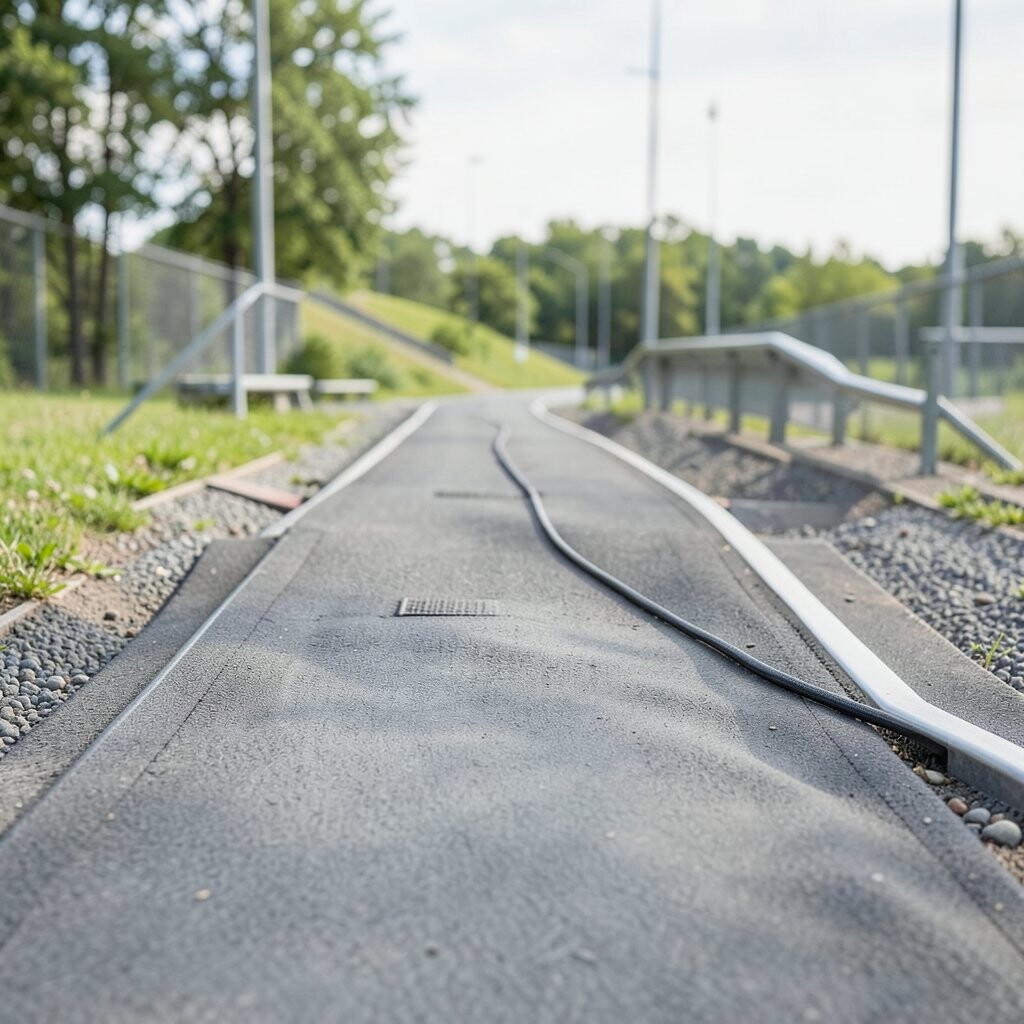
Your track system should feel flexible, not frozen in time. Over weeks and months, you’ll learn what you reach for most and where clutter tries to gather.
So keep an eye out and move bins or hooks as your routine shifts. This personalization makes the setup uniquely yours and prevents the system from becoming annoying or outdated. Even a small change can make daily organization feel fresh again.
If you’re working with a tight budget, adjust first before buying new pieces. Rearranging accessories costs nothing, and it helps you spot exactly what you need next. When you do add new items later, you’ll add them with confidence because your track setup is already aligned to your life.