Track lighting is like a flexible spotlight kit for your floor plan. When it’s set up well, customers notice products faster and the space feels more inviting.
Below are practical ways to get great light, protect your budget, and make your store look intentional every day.
1. Start With a Clear Lighting Goal
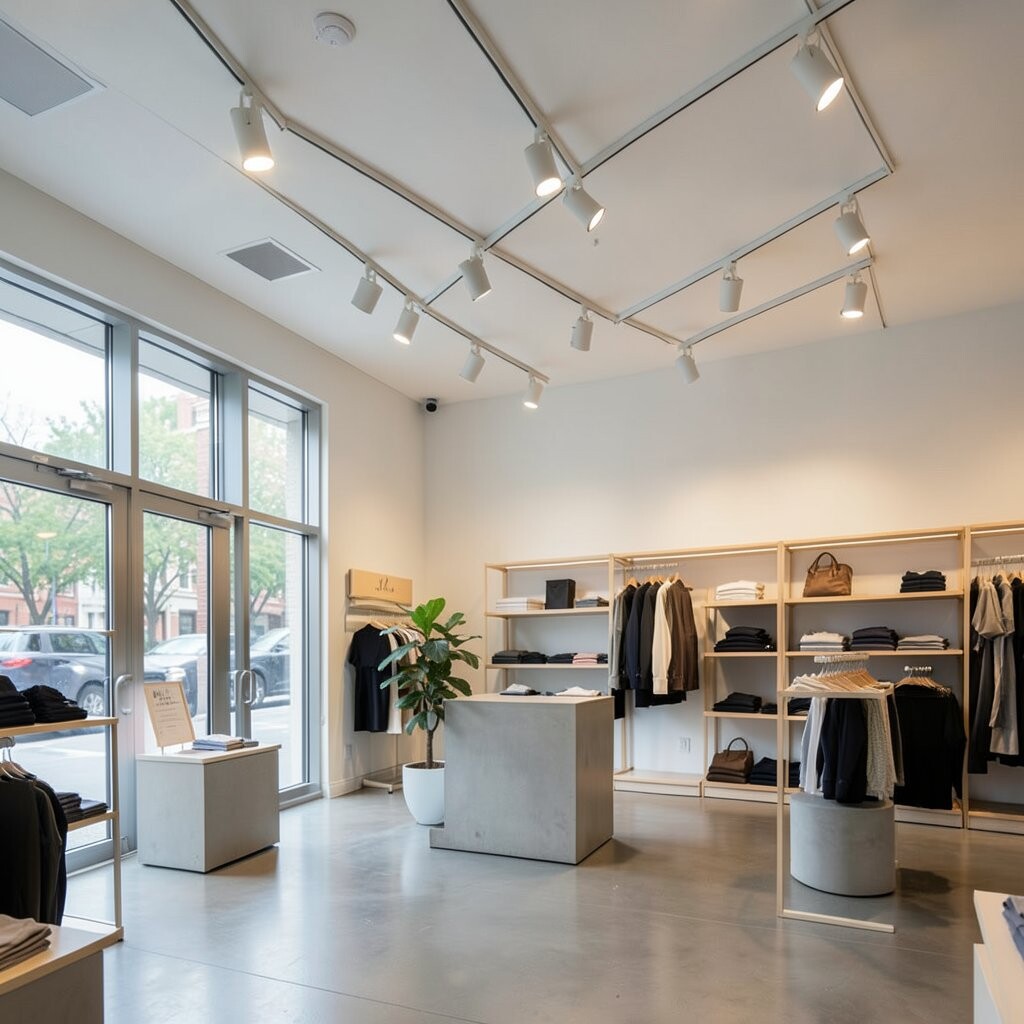
Think about what you want people to feel when they walk in. A smart goal helps you place tracks where attention should land.
Pick zones first, like the front display, the new arrivals wall, or the checkout area. Then choose beam angles that match those spaces so everything looks crisp without glare. If your store sells shiny items, adjust aiming so reflections look clean rather than chaotic.
2. Choose Track Styles That Match Your Brand

Track lighting comes in different finishes, from matte black to brushed metal. Your hardware should look like it belongs in your store, not like an afterthought.
For a modern boutique, slim profiles and subtle colors usually blend in and let merchandise stand out. For a classic shop, consider warmer finishes and slightly more decorative fixtures. When the track system visually fits the brand, customers feel the whole space is designed, not just lit.
Before you order, check samples under store lighting. View them with daylight and with your current bulbs so the final look feels consistent.
3. Aim Spots for Faces, Not Just Shelves
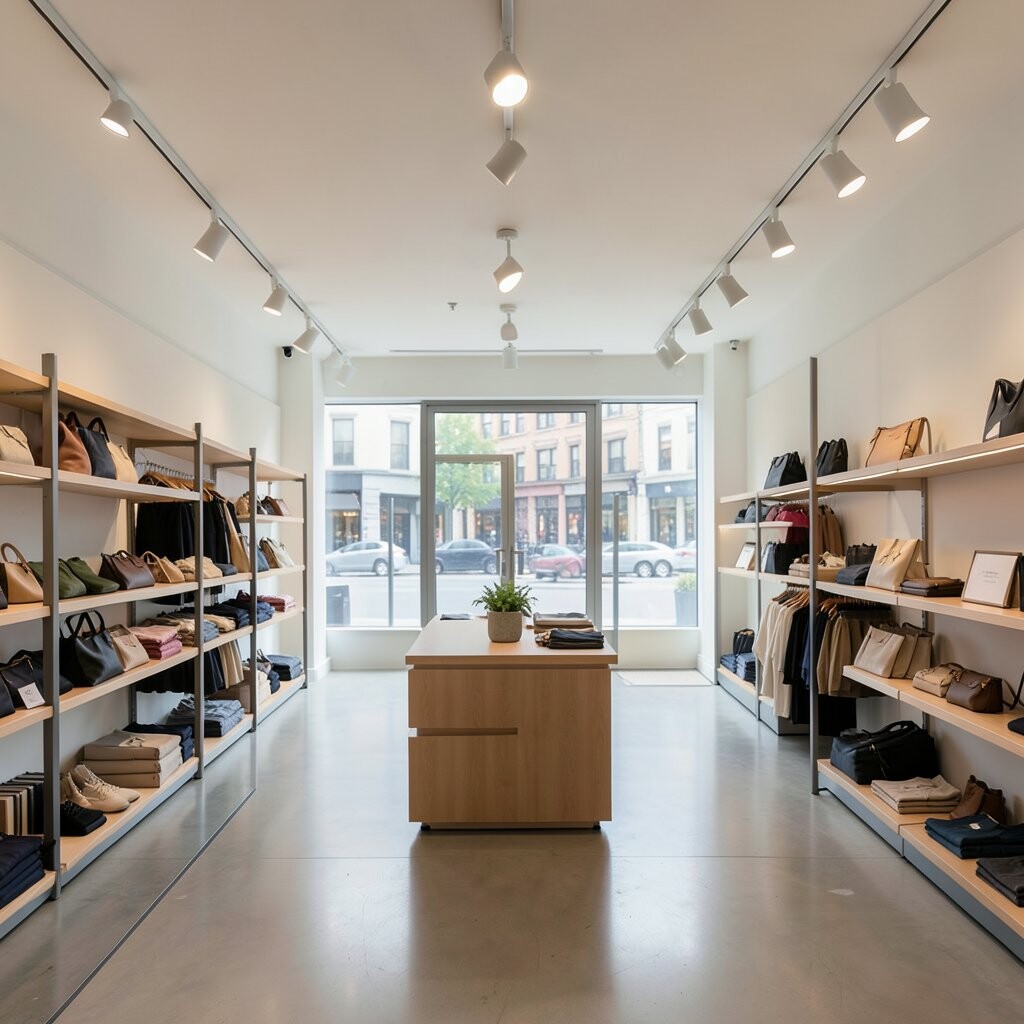
It’s easy to aim lights straight down and hope for the best. In a retail setting, people notice whether faces and packaging look flattering.
Position the first fixtures to brighten product fronts while keeping dark corners behind displays. Keep beams slightly angled so the light lands on labels, textures, and edges. This makes items look more real, with color that feels true rather than washed out.
4. Use Different Beam Angles for Different Product Depths
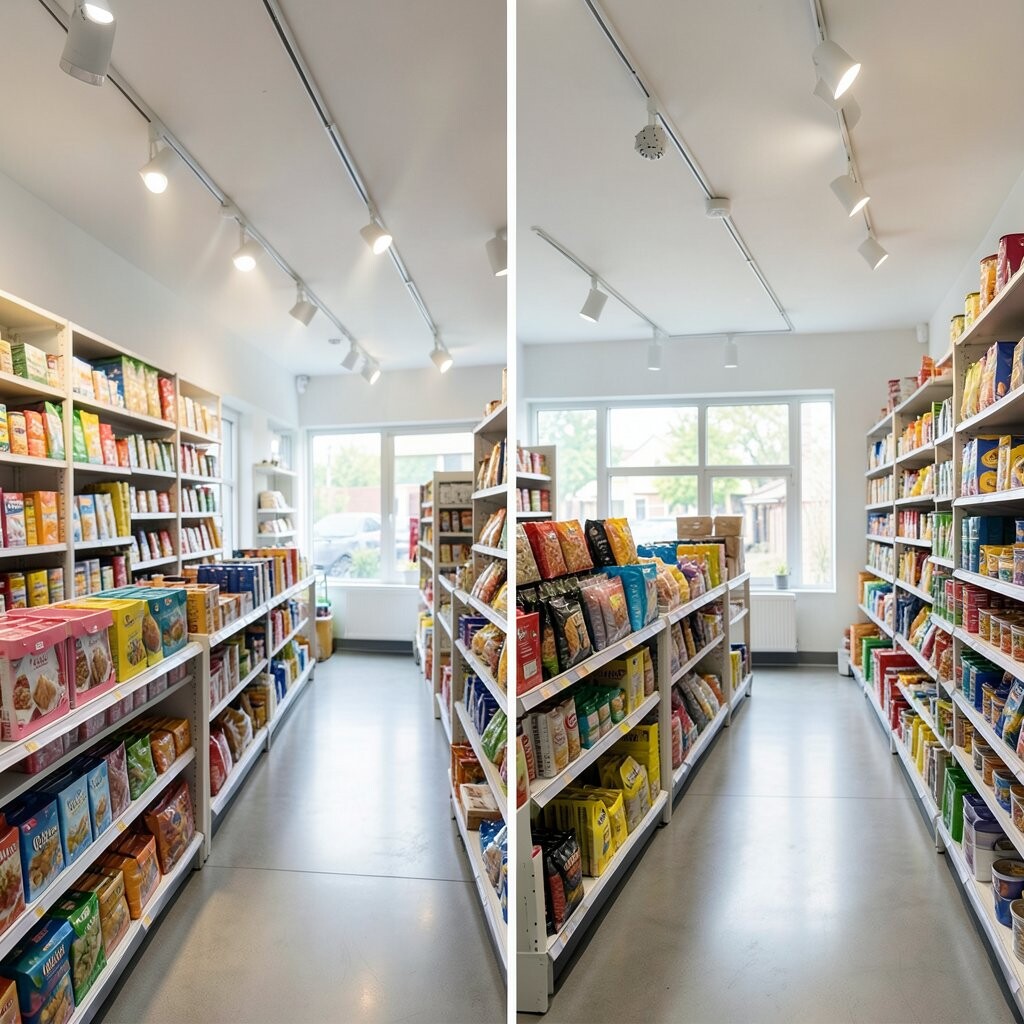
Not every shelf needs the same look. Deeper displays often need narrower beams to avoid lighting the back wall too much.
Try wider beams on open areas so the space feels lively. Use tighter beams for high-focus spots like a featured garment, a jewelry case, or a single hero product. When light spreads correctly, the store feels balanced instead of spotty.
5. Set the Height for Clean Shadows
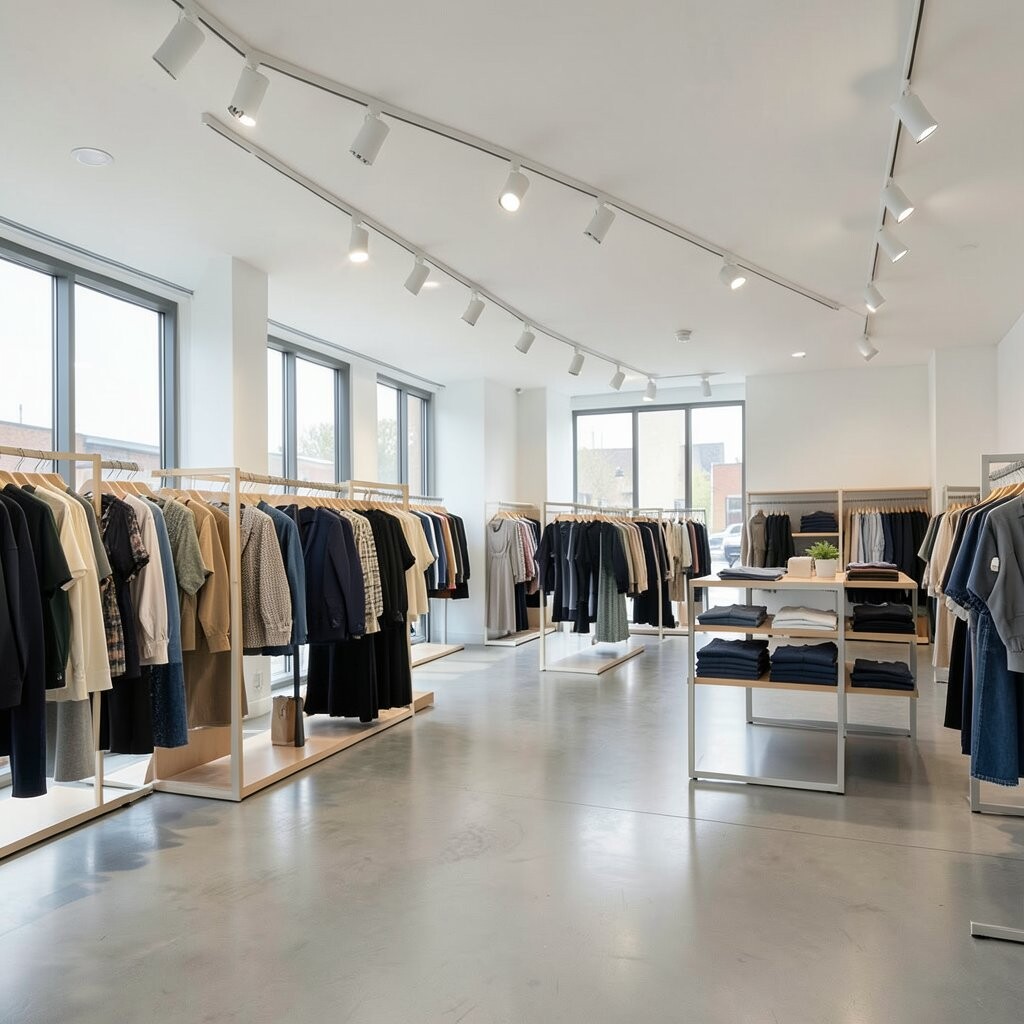
Track lights can be ceiling-high or closer to the product, and the height changes the whole vibe. Higher placement gives softer coverage, while lower placement creates stronger focus.
Watch how shadows fall behind hanging racks or stacked items. If shadows look harsh, raise the fixtures a bit or choose a softer lens. If shelves look flat, lowering the track slightly can add depth and make details pop.
Test your height using a couple of fixtures before locking everything in. That small step saves time and helps you avoid rework later.
6. Use Warmth to Make Colors Feel Right

Light temperature changes how customers read color. Warm light often feels inviting for clothing, beauty, and home goods.
Cooler light can feel crisp and technical, which may suit electronics or certain display styles. If you sell food items, warm tones can make packaging look appetizing. The best move is to match your bulbs to the mood you want, not just what looks bright on day one.
7. Choose the Right Brightness for Each Zone

Brightness is not one-size-fits-all in retail. The goal is to guide eyes without making the store feel glaring.
For selling spaces, aim for even illumination across walking paths and displays. For hero areas, slightly higher brightness can spotlight featured products. If the checkout area feels dim, customers may hesitate, while overly bright spots can feel stressful.
When budgeting, remember that more brightness can mean higher energy use. Choosing efficient bulbs and smart placement helps you get better results without overspending.
8. Blend Tracks With Ambient Lighting

Track lighting works best when it doesn’t carry the whole job. Pair it with general ceiling fixtures or wall lights so the store feels layered.
Ambient light reduces harsh contrast and keeps aisles comfortable to walk through. Then track lights can do the fun part by highlighting specific items and focal displays. This layered approach also helps your space look attractive even during slower hours.
9. Plan for Easy Re-aiming as Displays Change
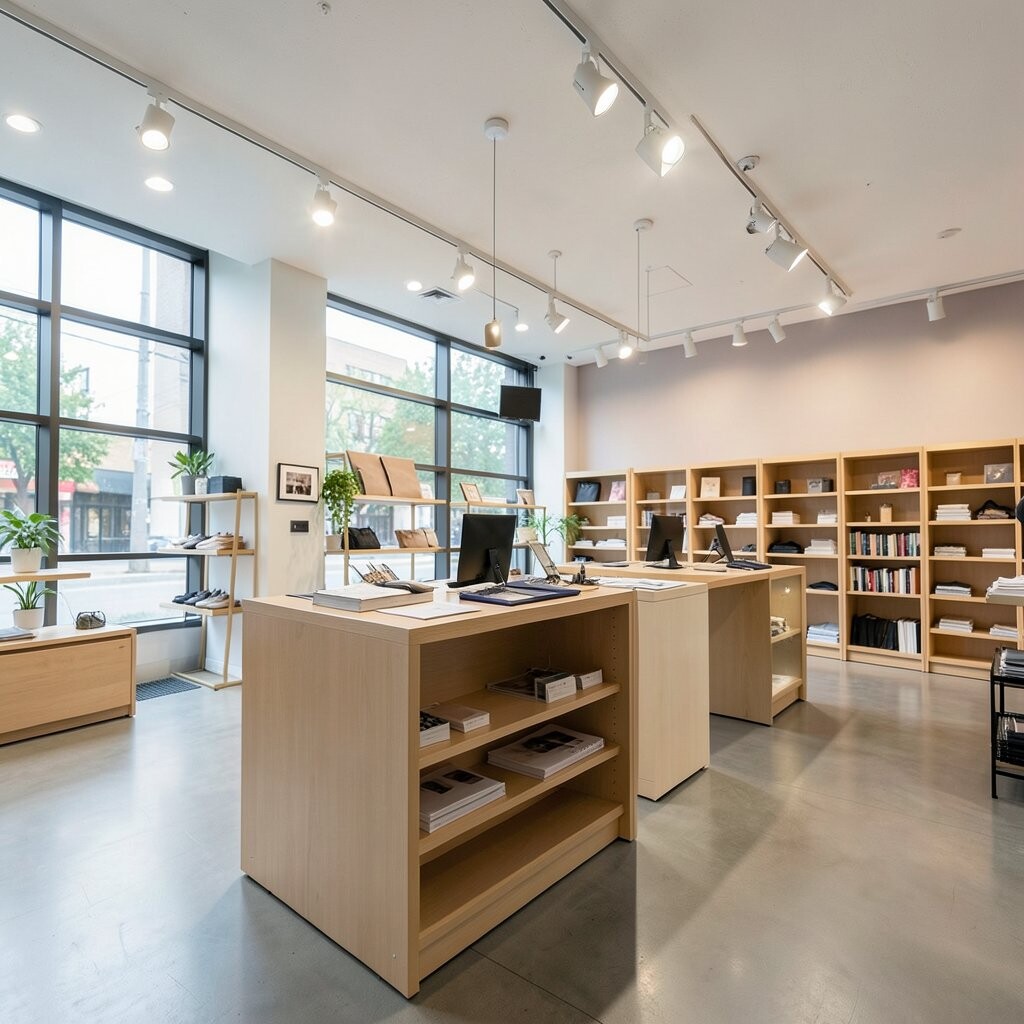
Retail changes quickly, and your lighting should keep up. Tracks that are adjustable let you shift emphasis when you refresh displays or seasonal collections.
When you design your track plan, leave room to move heads without hitting shelves or signage. Create a routine for your team so re-aiming takes minutes, not hours. Even a small schedule, like a quick alignment after big restocks, can keep the store looking sharp all month.
10. Reduce Glare on Glass and Glossy Surfaces

Glare can turn a beautiful product into a blurry mess. If you sell bottles, mirrors, framed items, or glossy packaging, be extra careful with beam direction.
Angle fixtures to avoid direct hits on customer eyes and reflective cases. Use diffusers or lenses when you want a softer look that still keeps details clear. Glare control also helps people feel comfortable, which can improve the time they spend browsing.
11. Use Track Lighting to Create a Visual Story
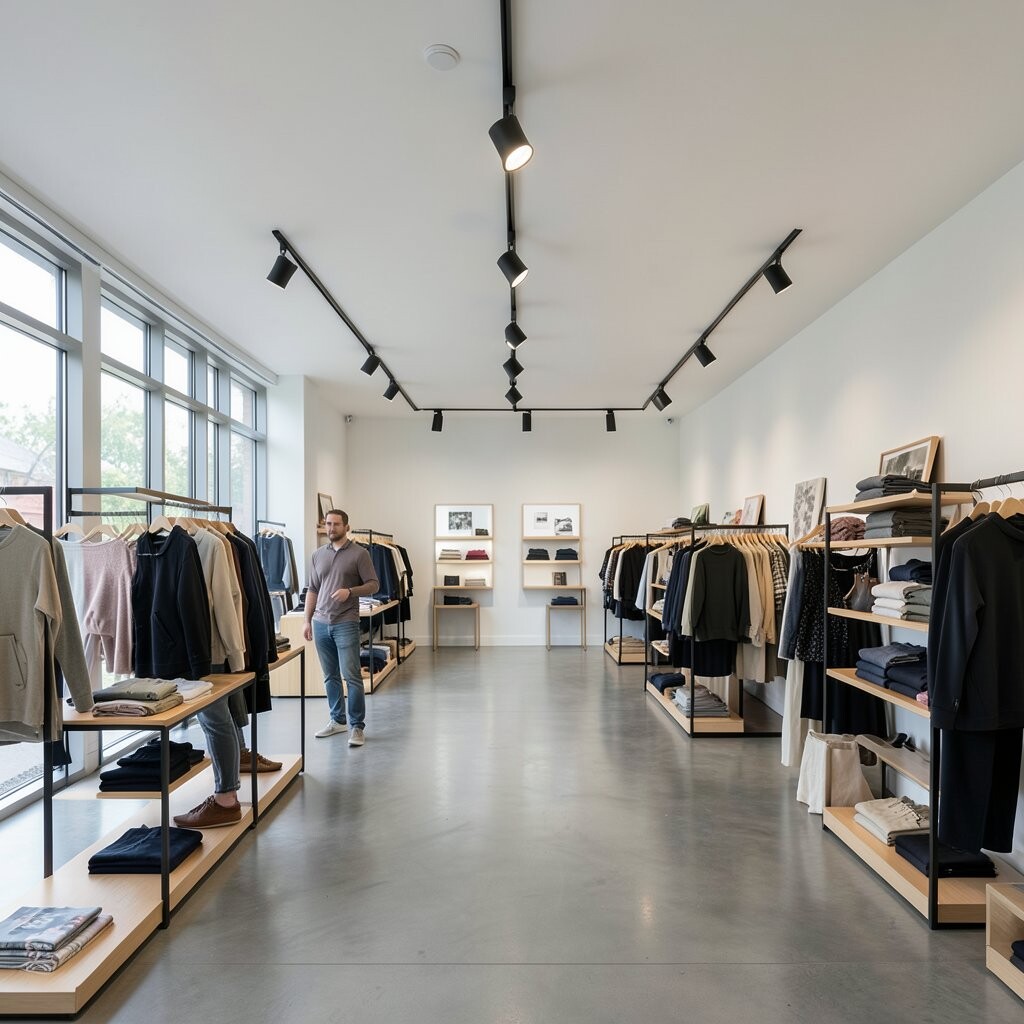
A store is like a guided route, and light can lead customers along it. When you place emphasis points in order, shoppers naturally move from one area to the next.
Highlight new arrivals near the entrance, then guide attention toward best-sellers and seasonal promos. Add a slightly brighter focal spot around a featured brand to create a moment of excitement. This kind of visual flow makes your layout feel thoughtful, even if your floor plan is simple.
As trends shift, you can update the story by swapping which fixtures aim at the latest collection. That flexibility is one of the best reasons track systems keep showing up in modern retail.
12. Prioritize Energy Efficiency and Long Bulb Life

Running a store means lights are on for many hours each day. That makes efficiency a real cost factor, not a small detail.
LED track heads help cut energy use and often last longer than older bulb types. This reduces the hassle of frequent replacements and can lower maintenance costs over time. When you’re budgeting, compare total operating cost, not just the upfront price of fixtures and heads.
13. Personalize With Specialty Heads for Unique Merchandising

Some products deserve special lighting choices because they have special surfaces. Narrow beam heads can intensify sparkle on jewelry, while wider options can flatter fabric textures.
For large wall displays or art-like presentations, you may want precision aiming to keep edges clean. You can also vary lighting styles across departments so each category feels distinct. When customers see that each area has its own look, the store feels curated instead of generic.
If you host events, consider swapping or re-aiming heads to match the theme. Personalization like this makes your store feel lively and fresh without major remodels.
14. Balance Budget With Smarter Placement
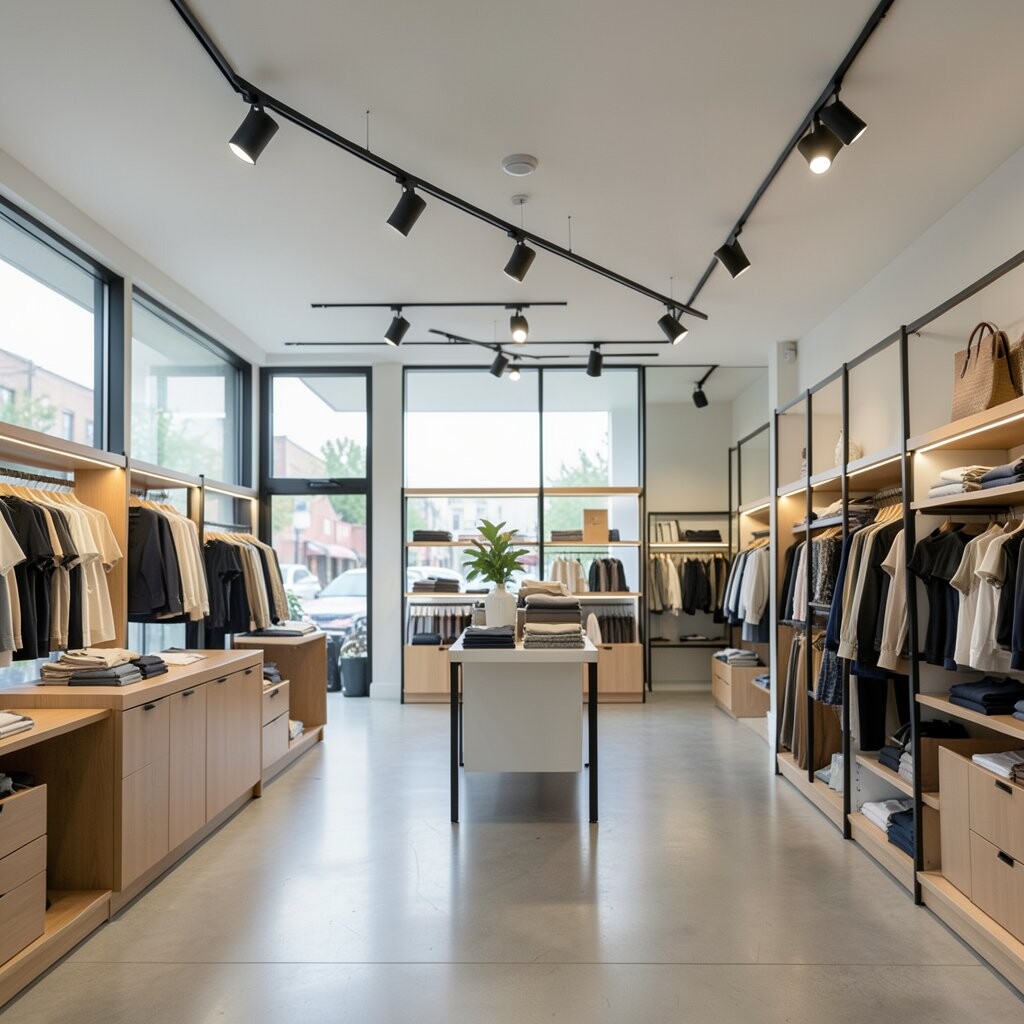
Spending more isn’t always the answer, and overshooting can waste money. The trick is to invest where light actually matters most.
Focus first on key selling locations, like entry displays, promotional tables, and the product categories with the highest margin. Use fewer fixtures in areas that already have good ambient light. This approach helps you get a strong visual impact while keeping the system affordable.
15. Stay Current With Controls, Dimming, and Layered Looks
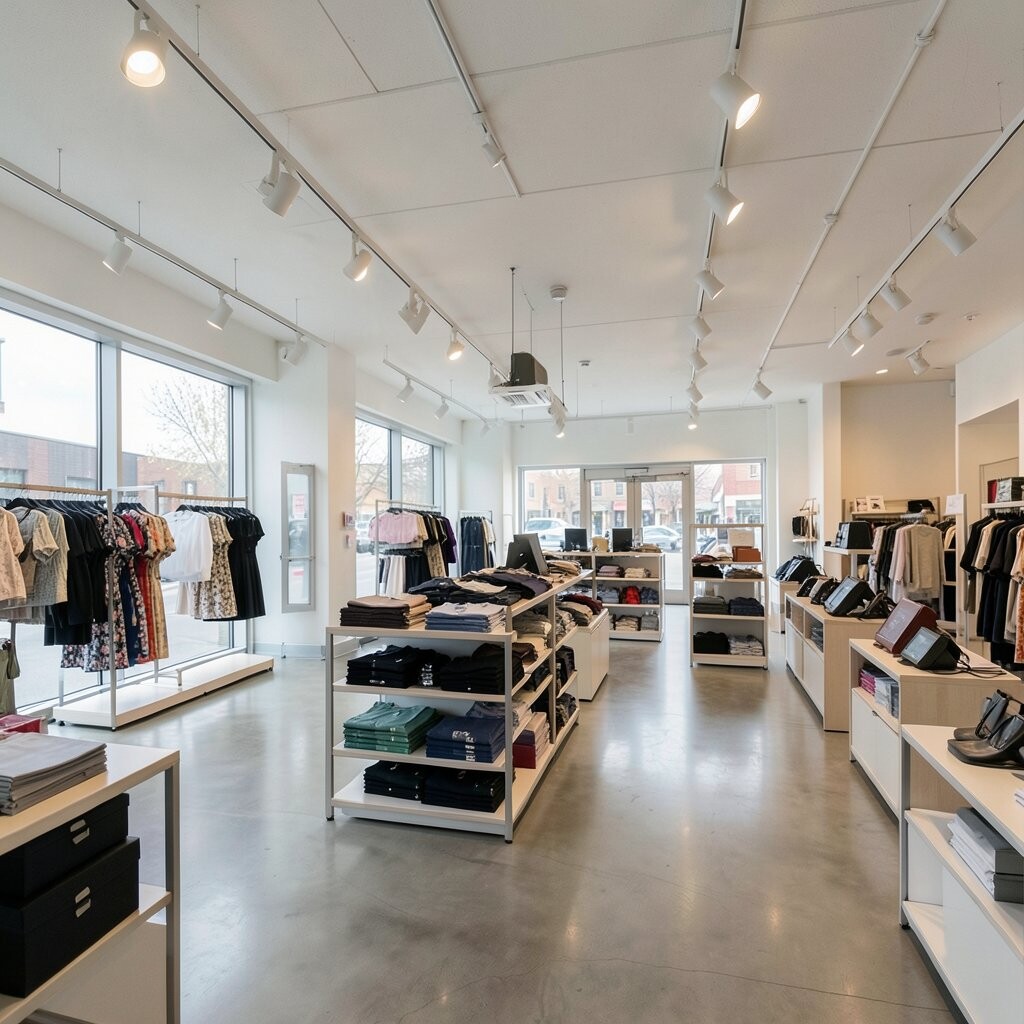
Retail lighting trends often point toward better control and more flexible scenes. Dimming lets you match light to time of day, season, and even the mood of an event.
Smart controls can help staff set a consistent look without constantly touching fixtures. During daytime, you may need less brightness, and evenings may call for warmer emphasis. This makes your store feel steady and intentional, and it can also reduce energy use.
When you plan for dimming, make sure bulbs and track heads work well together. With the right system, customers see the same polished look even as your inventory rotates and your displays evolve.