
The shoreline can feel like a tiny museum that resets every day. If you know what to look for, small finds can spark big joy.
1. Polished Sea Glass Gems

Sea glass often looks like a handful of treasure scattered by waves. You can spot it as smooth, frosted bits that catch light in colors like seafoam green, amber, and cobalt.
Keeping pieces in your home can be a simple way to bring the coast indoors. Rinse the glass gently with fresh water, dry it fully, and store it in a jar or small tray to prevent smudges.
2. Spiral Sea Snails’ Empty Shells

Empty shells with spiral ridges can stack up like little works of art. As the tide pulls back, you may notice their shapes tucked into sand, rocks, and crevices.
Some shells are lightweight and look great as desk décor or window displays. After you collect one, brush off grit with a soft toothbrush, then let it air-dry before you place it in a shadow box.
People are also using shell clusters in coastal-themed jewelry trays and craft shelves. If you want a personal twist, sort shells by color or size and label the group with a date using a small tag that won’t leave marks.
3. Feather-Light Sand Dollars
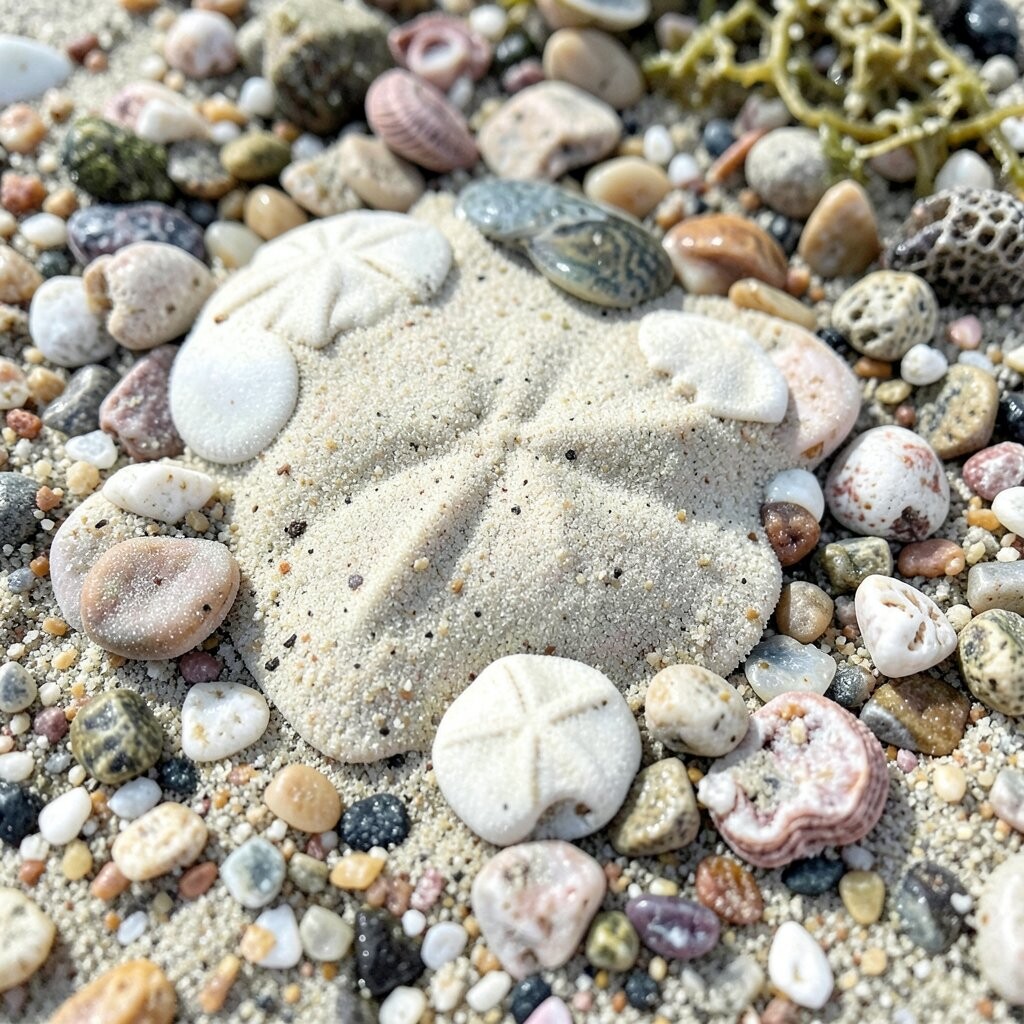
Sand dollars look like tiny, flat moons resting in shallow pools. You’ll often see the smooth surface and star-like pattern on the top once they’ve washed clean.
They make calming décor because their flat shape fits easily in frames, bowls, and bookends. When you find one, avoid scraping it hard, because the edges can be fragile after weathering.
For a practical approach, rinse with cool water only and pat dry with a towel. A current favorite is layering sand dollars with driftwood in neutral-toned centerpieces, and you can mimic that look without buying anything new.
Even small collections can feel special when displayed in a simple tray. Consider keeping a few protected inside a glass container so they stay crisp for longer.
4. Curious Crab Casts
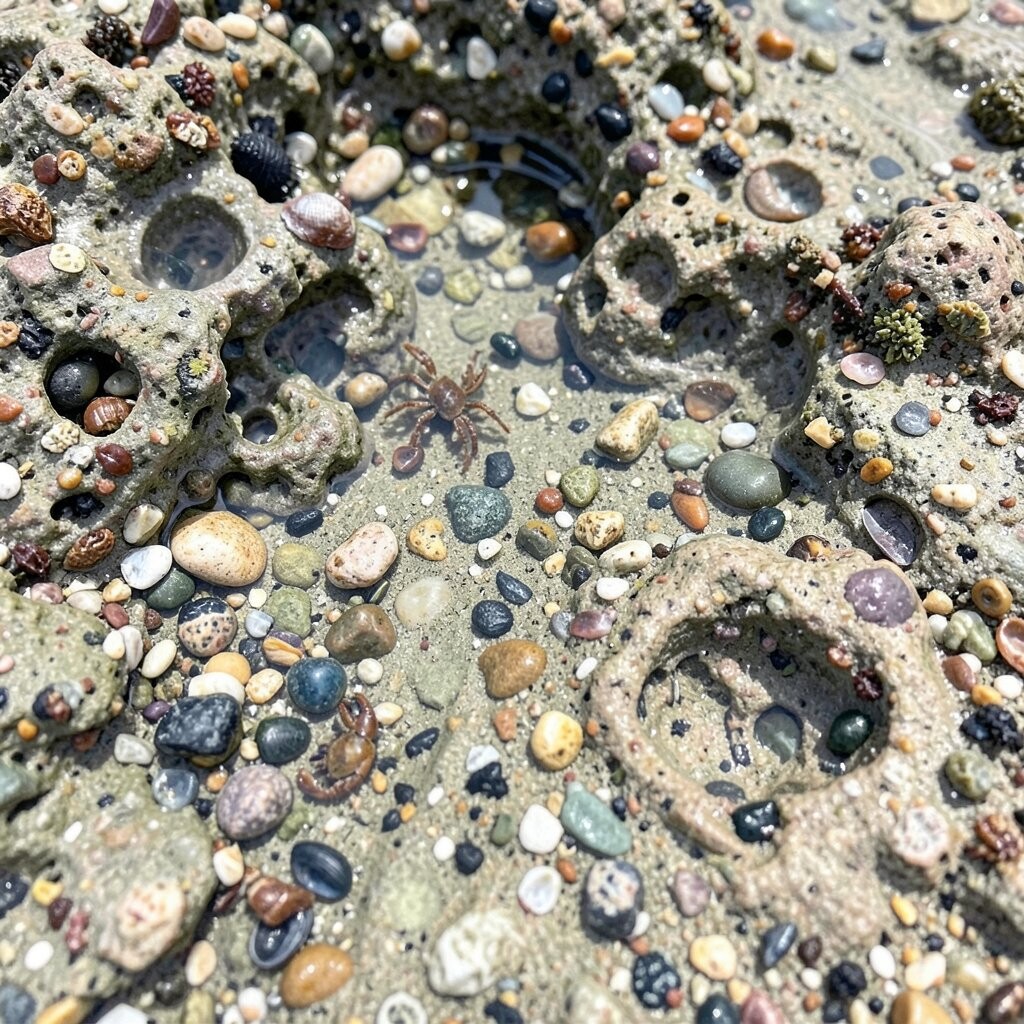
Molted crab shells can show up where crabs have slipped out of their outer layer. The look is unmistakable, with a textured body and tiny leg impressions that hint at what lived there.
Finding and keeping a shed shell can feel like collecting a calendar page from nature. Handle it carefully, since it may crumble if it dries too fast or gets bent.
Rinse briefly in cool water, then set it on a paper towel in a shaded spot to dry. To personalize your display, try placing it beside other shoreline finds in a clear container with a small layer of clean sand.
5. Sea Star Shapes That Still Shine

When a sea star has reached the end of its journey, it can leave behind a beautiful pattern. You may find arms curled slightly, with tiny textures that look like they were drawn by hand.
Keeping dried sea stars can add bold shape to shelves, lamps, and mantel displays. To care for them, do not scrub, and instead rinse lightly to remove sand, then dry flat.
A lot of people enjoy creating seaside wreaths using painted rope and clusters of natural forms. If you try that style, keep one sea star natural for contrast and paint the rest with a gentle matte finish.
6. Tumbled Rock Mini-Mosaics

Some tide pools hold smooth stones that look like they’ve been polished by endless water. Their surfaces can show tiny speckles, stripes, or speckled bands that seem different in every pocket of light.
These stones can become real memories when you store them in a clear jar or use them in a garden path. Rinse and let them dry, then choose a few to create a small “rock lineup” on a shelf.
If you like practical crafts, you can press flat stones into epoxy coasters or use them as part of a DIY photo frame. Modern coastal aesthetics often mix natural textures with simple materials, so these fit right in without extra supplies.
7. Shell Fragments With Pretty Edges

Not every shell has to be whole to be worth keeping. Broken bits can still show lovely curves, ridges, and color bands when they rest against wet rock.
Collecting fragments is a budget-friendly way to build a colorful display without needing specialty materials. Look for pieces with strong shapes and clean surfaces, then rinse gently to remove grit.
You can personalize your collection by building a color gradient, like light to dark, across a small tray. Many people enjoy using fragments for small mosaic crafts, especially for plant pot edging or tabletop accents.
Keep fragments in separate compartments so they don’t scratch each other. A little organization makes your next craft session faster and more fun.
8. Barnacle Clusters Like Tiny Towers

Barnacles can cling in tight bunches, forming raised clusters that look like miniature stone buildings. In shallow pools, they’re sometimes dotted across the surface of rocks or shells.
Even without moving them, you can admire their pattern, but empty shells and detached clusters can be kept as long as you collect only what is already loose. Rinse with cool water, then allow the cluster to dry completely before display.
For benefits that go beyond décor, barnacle textures can help you teach kids about habitats and how organisms attach to surfaces. A modern trend is using natural texture in mixed media art, so these clusters work well in shadow boxes and mixed material frames.
9. Long-Weathered Driftwood Slivers

Driftwood can look like a natural sculpture after the sea has smoothed it for years. In tide pools, you might find small slivers tucked under rock shelves or snagged near pools of foam.
Using driftwood in home décor adds warmth, especially when you pair it with clean lines like a simple wooden frame or a ceramic bowl. To keep it neat, scrub off sand with a soft brush and soak briefly if it feels sticky, then dry slowly.
If you’re thinking of cost, driftwood is usually free after a careful walk, so it’s a great option for budget-friendly styling. Personalize it by cutting small sections into a “name” shape for a shelf, or by tying it with twine for a hanging charm.
10. Seaweed Smudges With Color and Movement
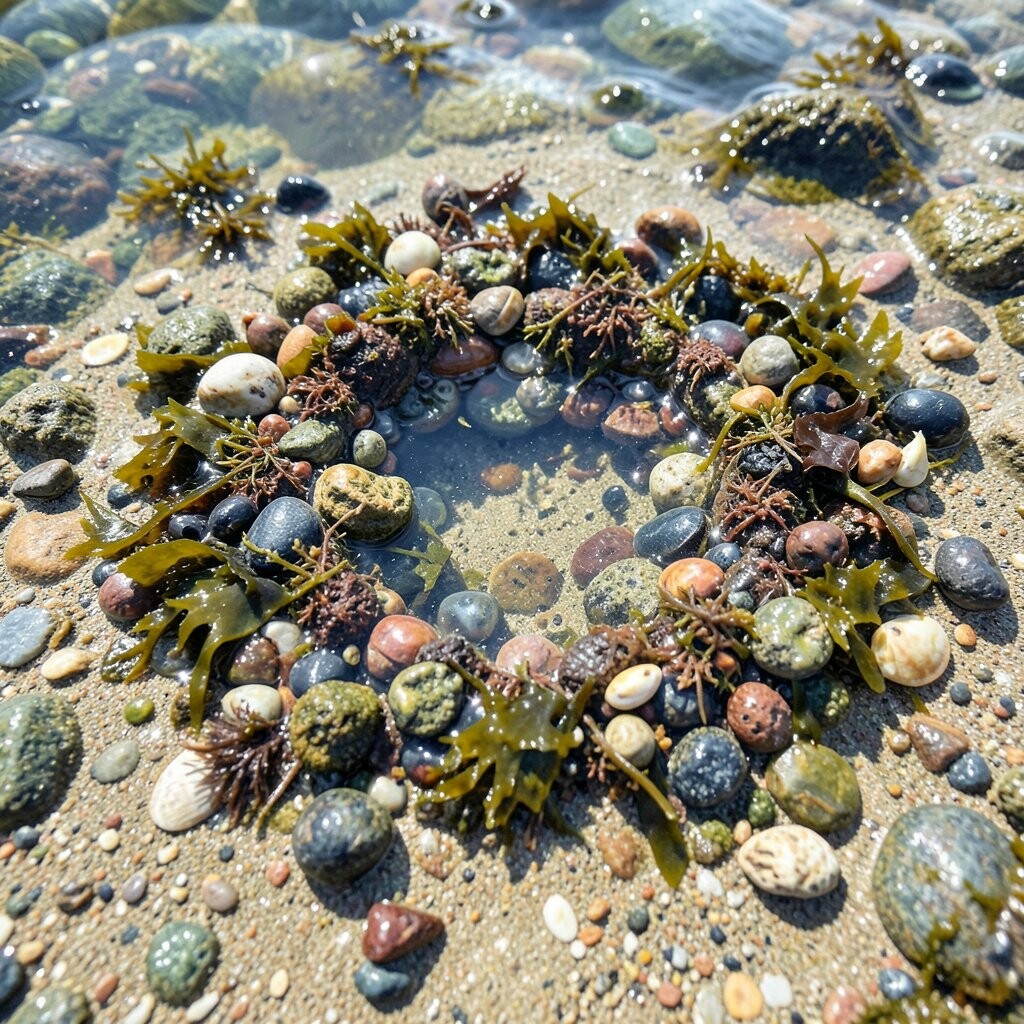
Some seaweeds wash in ribbons or mats that still look alive even after they settle. You can see greens, browns, and muted reds, each one with a different thickness and swirl pattern.
Keeping seaweed can be a fun way to create seasonal décor, especially when you press it flat. Rinse gently, pat dry, then press between paper with weight so it stays flat and crisp.
A practical approach is to create small pieces for greeting cards or bookmark art. Current trend styles lean toward pressed nature in crafts, and simple seaweed shapes can look beautiful with minimal background colors.
For personalization, mix a few pressed pieces into a clear frame and leave space around them for a clean, modern feel.
11. Smooth Mussel Shells and Hinges

Mussel shells can show strong shapes, with hinges that look like little doors. Some pieces are glossy and dark, while others lighten to sandy beige after time in the sun.
These shells can make charming accents on shelves, trays, and coastal-themed candle stands. To keep them from smelling or collecting moisture, rinse thoroughly, then let them dry where air can move.
If you want to build a themed set, keep shells with similar sizes so they look intentional. People often pair mussel shapes with simple labels and neutral backgrounds in modern displays, so you can match that vibe with plain black-and-white photos.
12. Bubble-Pitted Foam Clumps

Sometimes tide pools hold foam clumps that dry into light, airy textures. The look can be surprisingly detailed, with tiny bubble pits that catch light like frosted glass.
Although foam isn’t always meant to last, dried bits can be used in craft projects for texture. If you collect a piece, rinse quickly to remove salt, then dry fully before you glue it onto a larger craft surface.
A creative trend is using natural texture to make tabletop centerpieces and wall hangings without expensive materials. Personalize by mixing foam texture with sand, twine, and a single sea glass gem so the piece looks curated rather than random.
For cost sense, foam is usually free, but you may need basic craft glue and small display containers. That combination keeps the overall project affordable.
13. Colorful Tube Worm Casings
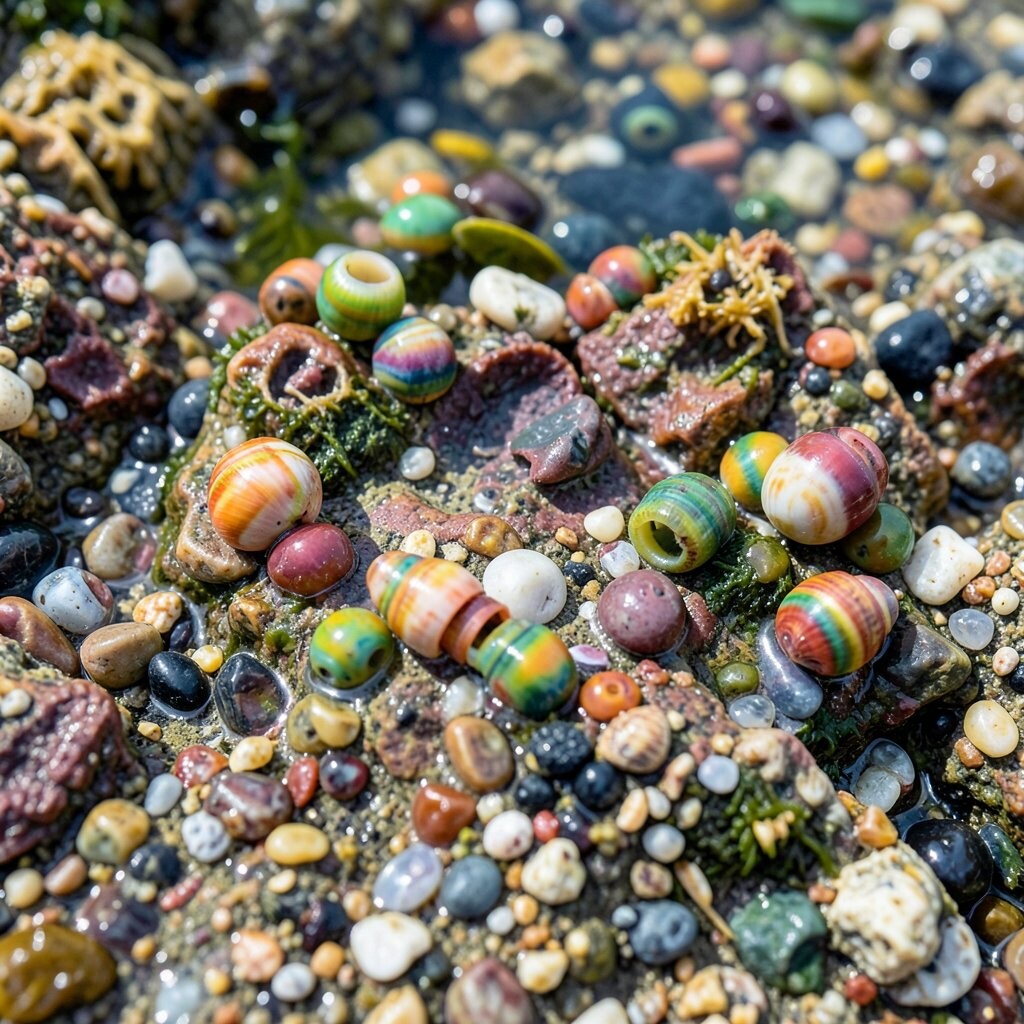
Tube worm casings can look like tiny barrels or grainy tunnels attached to rocks. In some pools, they cluster, making a pattern of repeating shapes that feels almost like a mosaic.
Keeping a small casing can bring a micro-detail to your collection that most people never notice. Collect only what is already loose, and avoid pulling from living surfaces.
After you rinse gently, store the casings in a small box lined with soft paper to prevent chipping. For personalization, arrange them in rows by color or size, like a mini natural timeline of the tide.
14. Sea Urchin Spines That Look Like Needles

Empty sea urchins can leave behind spines that shine like tiny needles against wet rock. When you see them scattered, the patterns can look delicate yet strong.
Spine collections can be striking in glass jars because light moves across the spiny texture. To prepare them, pick up only dry remnants when possible, then shake gently to remove sand.
If you plan to use spines in crafts, wear gloves, since loose pieces can poke. A popular trend in nature crafts is using tiny texture collections inside clear acrylic frames, so you can imitate that look with simple materials.
For a practical storage choice, use a container with a tight lid, and keep it away from kids and pets. This keeps your collection safe and tidy while staying beautiful.
15. Pebbles With Striped Mineral Patterns
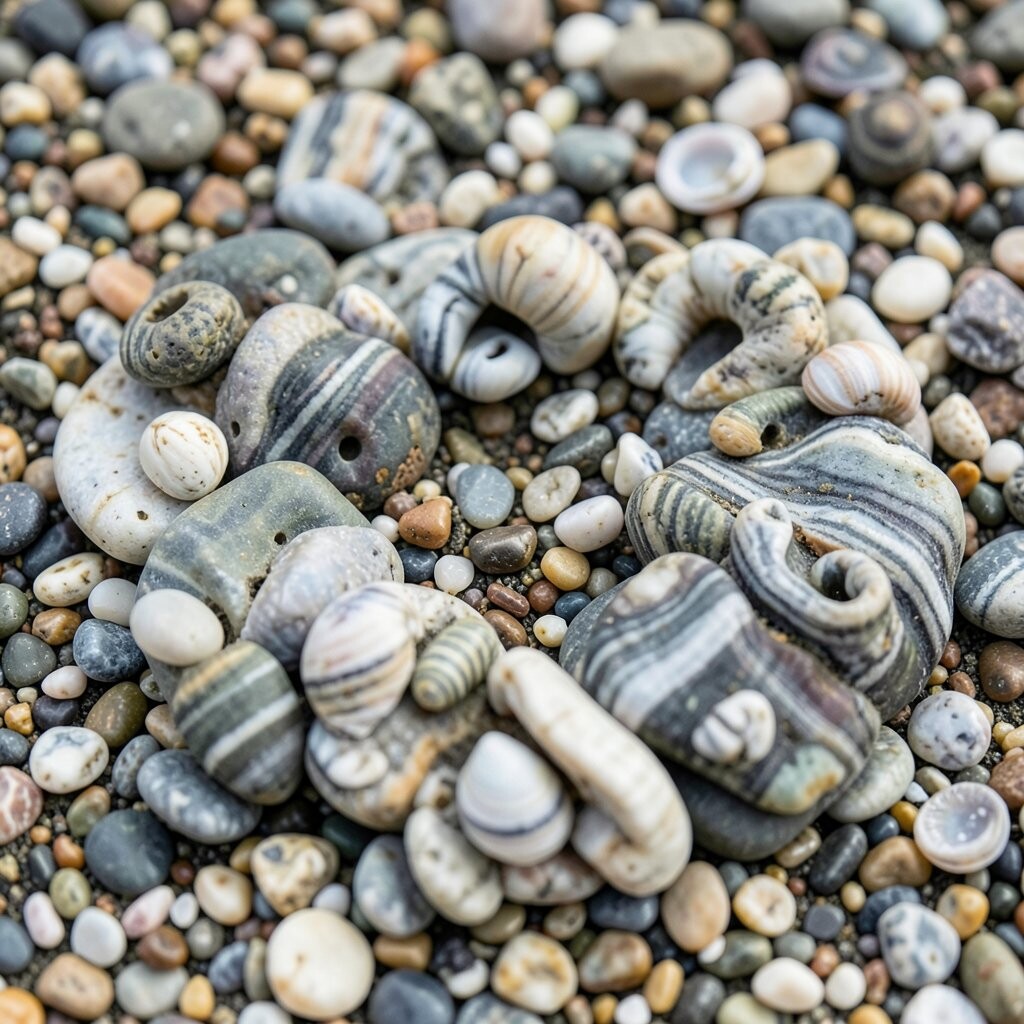
Some pebbles show clear stripes, swirls, or bands that look like they were painted. These mineral patterns often stand out in tide pools where rocks have been tumbled and cleaned by water.
Using these pebbles in décor can make your collection feel curated rather than random. Rinse, dry, and pick a few that share a similar color mood, such as warm browns or cool grays.
If you enjoy hands-on projects, you can make a simple pebble path inside a small dish or create a “stone palette” for future art. Current trends in home styling favor textured, neutral décor, and patterned pebbles fit that trend without extra cost.
16. Miniature Capped Anemone Remnants
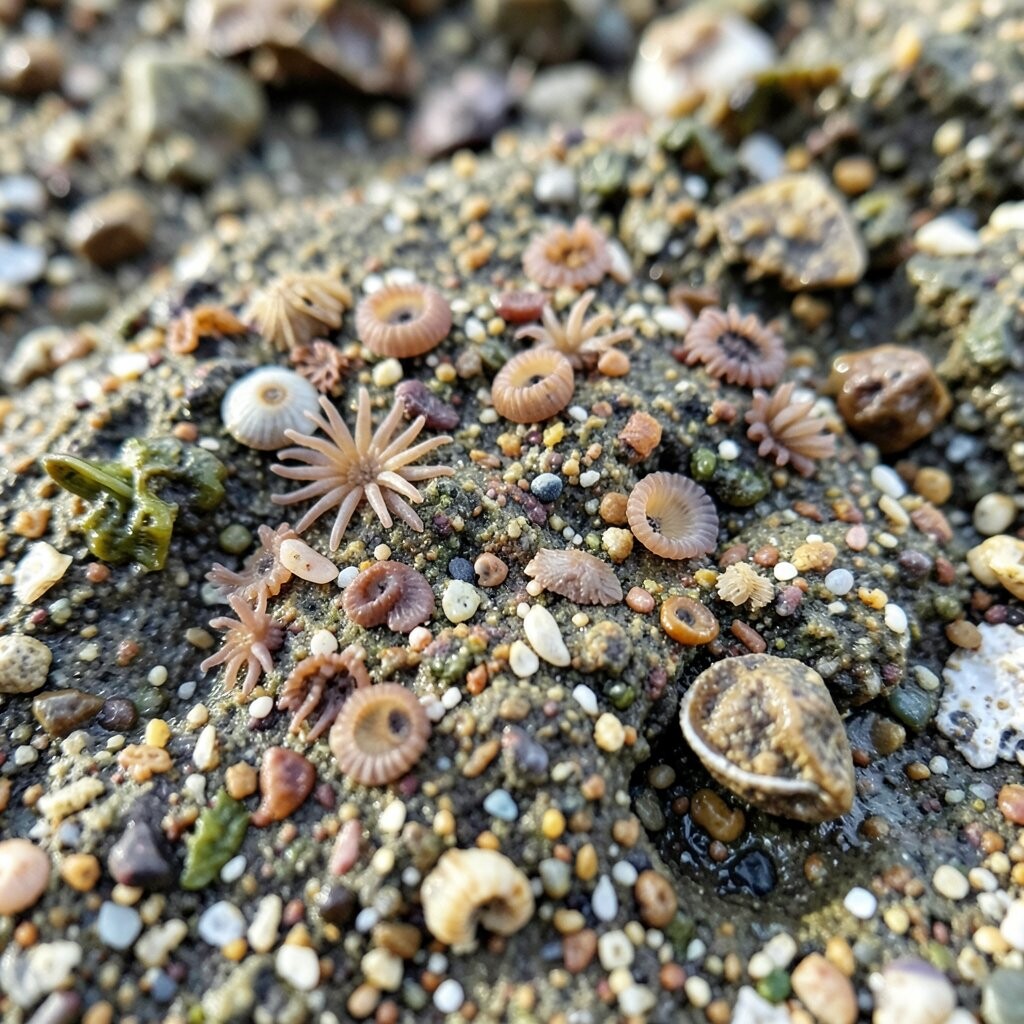
After waves shift things around, you may spot dried anemone pieces that still show gentle curves. Their shapes can look like little caps or crumpled flowers pressed against rock.
Keeping a few remnants can add a soft, whimsical mood to a shell-and-glass display. Collect only dried, detached pieces, and be careful because they can be easily damaged.
Rinse lightly, then let them dry fully before placing them in a shadow box. For personalization, pair them with sea glass and a single patterned shell so the whole scene feels balanced and intentional.
If you want to think about cost, creating a small display costs almost nothing, especially when you already have spare frames or clear containers. This is a great way to make your shoreline walk feel like it produced something you’ll enjoy for years.