
Vintage lighting has a way of making a room feel lived-in and loved. Yet a few common slip-ups can turn charm into clutter.
When you choose the right fixtures, the glow feels personal, cozy, and full of character. Avoid the mistakes below and your space will look pulled together, not random.
1. Skipping Your Room’s Lighting Needs

It is easy to fall for a beautiful fixture before you think about how you actually use the space. I like to picture where you read, cook, or relax and then match the light level to that routine.
Vintage fixtures can cast warm pools of light, which looks gorgeous in photos and even better in real life. If the room is dim, you may need extra sources like wall sconces or a second lamp to keep tasks comfortable. Measure your expectations in everyday moments, not just in the store aisle.
Start by noting what feels too dark right now. Choose a vintage style that adds glow where you need it, and the benefit is immediate comfort without harsh shadows.
2. Overlooking the Bulb Match

People often buy the perfect vintage fixture, then pop in whatever bulb is on hand. The result can be a color that looks dull, or brightness that feels off compared to the fixture’s style.
Warm bulbs usually suit vintage glass shades and aged metal finishes because they highlight the texture. When the bulb temperature is right, the brass or oil-rubbed bronze looks richer, and the light feels welcoming.
Pick bulbs based on the mood you want, then confirm fit and wattage before you buy. If you want a softer glow, use dimmable options and pair them with a compatible dimmer so the fixture can change with your day.
3. Choosing the Wrong Scale for the Space

A charming chandelier can still look awkward if it is too small or too large. I have seen tiny pendants floating over a wide island, and the gap makes the whole kitchen feel unfinished.
Vintage lighting thrives on visual balance, especially with bold forms like lanterns, cage shades, and multi-arm sconces. When the fixture matches the room’s proportions, it looks intentional instead of accidental.
Hang pendants and chandeliers so they sit at a comfortable height for sightlines. For wall fixtures, keep the bottom aligned with eye level and furniture so the light frames the space.
Try placing the fixture in your mind next to your current furniture sizes. A quick tape-measure test can prevent costly rebuys and helps you get the uniqueness of vintage without the awkward look.
4. Treating Patina Like a Theme You Can Ignore
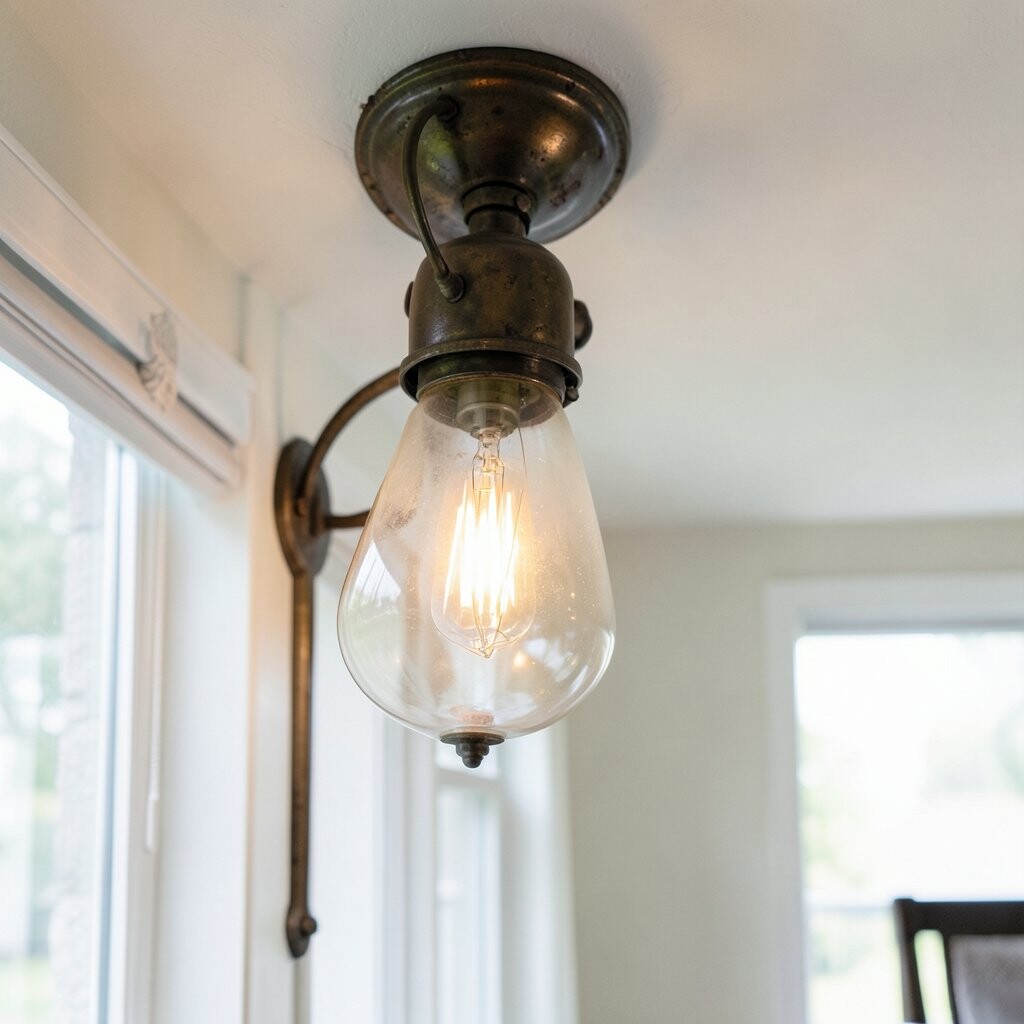
Vintage finishes often have character, but not every patina works in every home. If your room already has lots of warm metals, a cold gray finish can feel like an out-of-place guest.
When finishes are coordinated, the glow feels seamless, and the uniqueness of each piece becomes a feature instead of a distraction. Look at your hardware, faucet, and picture frames, then choose a lighting finish that plays nicely with them.
5. Buying Without Checking Electrical Compatibility

Nothing kills the fun like discovering the fixture needs a different wiring setup. Vintage styles may be heavier, and some include older hardware that does not match modern electrical boxes.
It can be safer and more affordable to confirm compatibility before you fall in love with the look. A quick check of bulb type, mounting style, and switch control helps you avoid surprise costs and delays.
If you are unsure, ask a licensed electrician to review the setup. This small step protects your investment and keeps the vintage benefit of charm while staying comfortable and safe.
6. Ignoring How the Glass and Shades Affect Light

Vintage fixtures often use glass, etched panels, or metal cages, and each choice changes the way light spreads. A dark shade can make a room feel moody, while clear glass can brighten the space quickly.
Think about what you want to see in the light. A frosted shade can soften edges and make a hallway feel calm, while a clear globe can highlight sparkle and reflect more brightness.
Hold the fixture up near a window or lamp to see how it looks at different times of day. Matching the shade behavior to the room’s purpose keeps the glow flattering and practical.
7. Overstuffing the Room With Too Many Vintage Pieces

Vintage lighting is special, but stacking too many statement fixtures can make a room feel busy. When every corner has something eye-catching, your space loses the calm rhythm that makes style feel refined.
One or two well-chosen vintage anchors can do more than a dozen small lights. The benefit is a clear focal point that lets your decor shine without competing for attention.
Choose your strongest fixture first, like a pendant or chandelier, then add simpler vintage-inspired accents. This keeps the uniqueness of the main piece while keeping the overall look tidy and easy to live with.
8. Forgetting Ceiling Height and Mounting Placement

A fixture can look gorgeous in a showroom and still feel wrong at home. Low ceilings can make long pendants feel crowded, while very tall ceilings can make small fixtures look lost.
Mounting height changes how the room feels, from airy and open to heavy and tight. A good placement also helps the light land where you need it, whether that is a dining table or a reading chair.
Take a moment to map your sightlines, including how the fixture looks when you stand in the doorway. If you adjust the placement thoughtfully, you get better comfort and a more polished vintage style.
9. Not Coordinating with Your Existing Decor Colors

Vintage lighting looks best when it fits the color story of the room. If your walls are cool and your lighting finish is cool, great, but mixing every undertone can make the glow look uneven.
Start by noticing wall paint tones, upholstery colors, and even the warmth of your flooring. When you match vintage metals and glass hues to those colors, your room feels cohesive and comforting.
If you want to add personality, use accent bulbs or shades that echo a color already in your space. That kind of personalization makes the look feel custom without needing a full renovation.
10. Ignoring Modern Control Options

Old-school style can still offer modern comfort, and control is a big part of that. If your fixture can only be switched on full blast, your mood options get limited.
Dimmable bulbs and compatible dimmers help you set the right light for dinner, movie nights, or early mornings. The benefit is that the same vintage fixture can look romantic and calm rather than stuck in one brightness.
When you plan ahead, you can also think about smart switches if that fits your home. Using current trends like convenient controls keeps the vintage look while making daily life easier.
Choose controls that match the fixture’s electrical setup so you do not have to troubleshoot later. That small planning step protects both your time and your budget.
11. Choosing Style Without Thinking About the Overall Theme
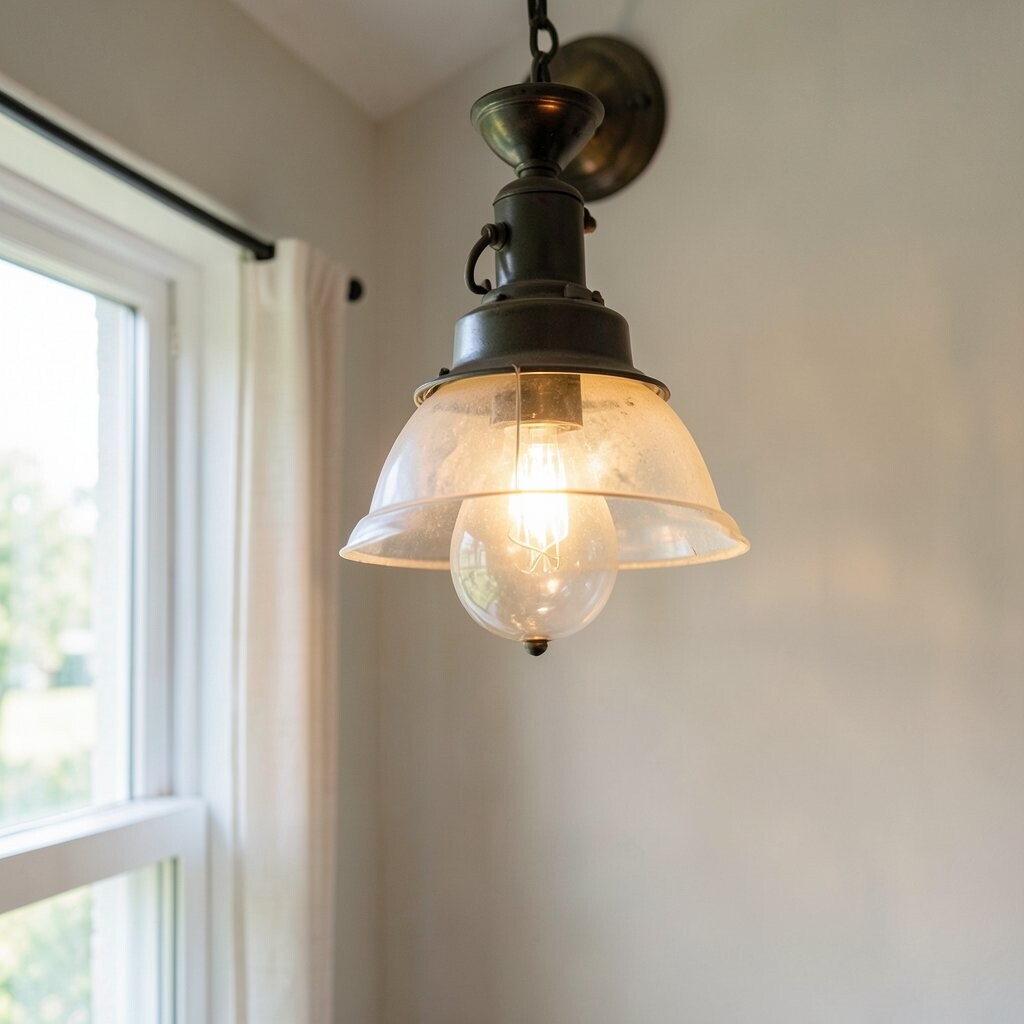
Vintage lighting can match many vibes, from farmhouse to industrial to classic Victorian. The mistake is buying a fixture that is vintage in name but does not match the look of everything else.
Instead of forcing one theme, pick a “family resemblance” across your metal tones and glass shapes. When pieces share similar cues, the room feels curated even if your decor items vary.
Look around your room and choose the fixture that best connects the main elements. This approach helps the uniqueness feel natural, not forced, and keeps the space from looking like a collection.
12. Underestimating Maintenance and Cleaning Needs

Vintage fixtures collect dust, fingerprints, and even the tiniest bits of kitchen grime. If you do not plan for upkeep, the fixture can lose its glow and charm faster than you expect.
Glass shades and textured metals can need gentle cleaning, especially if they have patina or aged finishes. When you keep them clean, the light looks brighter, and the benefit is a fixture that keeps looking special.
Check how the fixture opens for bulb changes and how easy it is to wipe down. A fixture that is too complicated to maintain can lead to long gaps without cleaning, which dulls the effect.
13. Forgetting About Placement of Light in Zones
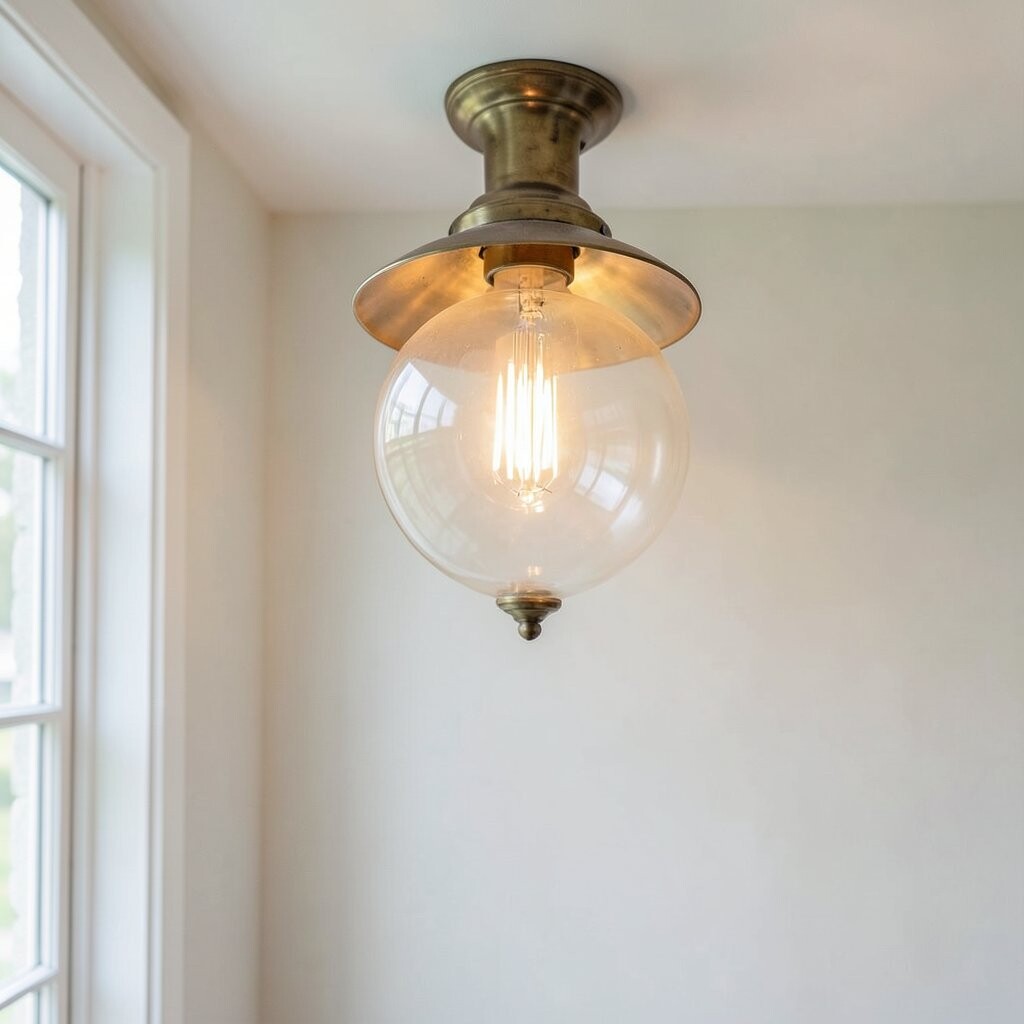
One fixture rarely covers everything people do in a room. If your vintage light only focuses on the center, corners can stay dark, which feels less welcoming and less functional.
Layering is where vintage style really shines, because wall sconces, table lamps, and pendants can work together. The benefit is smoother light across the room, so everything looks balanced rather than spotlighted.
Think in zones, like task areas for reading and cooking, and softer areas for relaxing. Add smaller vintage-inspired lights to fill shadows, and your personalization becomes visible in how the room “behaves” day to day.
14. Chasing Looks That Blow the Budget

Vintage lighting can range from affordable finds to pricey designer pieces, and the cost can sneak up fast. Even the “good deal” can end up expensive once you factor in new bulbs, hardware, or electrical work.
Set a realistic budget early and decide where you want to spend most. Often it makes sense to invest in one standout fixture and choose simpler accents, because that gives the best value and keeps the style cohesive.
Consider current trends like vintage-inspired LED designs, which can keep the look while reducing energy use. You can also hunt for gently used pieces, then refinish or clean them so the uniqueness feels earned.
When you plan for the full cost, you protect your purchase and get the warm satisfaction of a room that looks perfect. That careful approach helps you enjoy vintage charm without any money stress.