That warm glow can make any room feel more welcoming. But copper pendant lighting rewards careful choices more than you might think.
1. Choosing the Wrong Size for Your Space
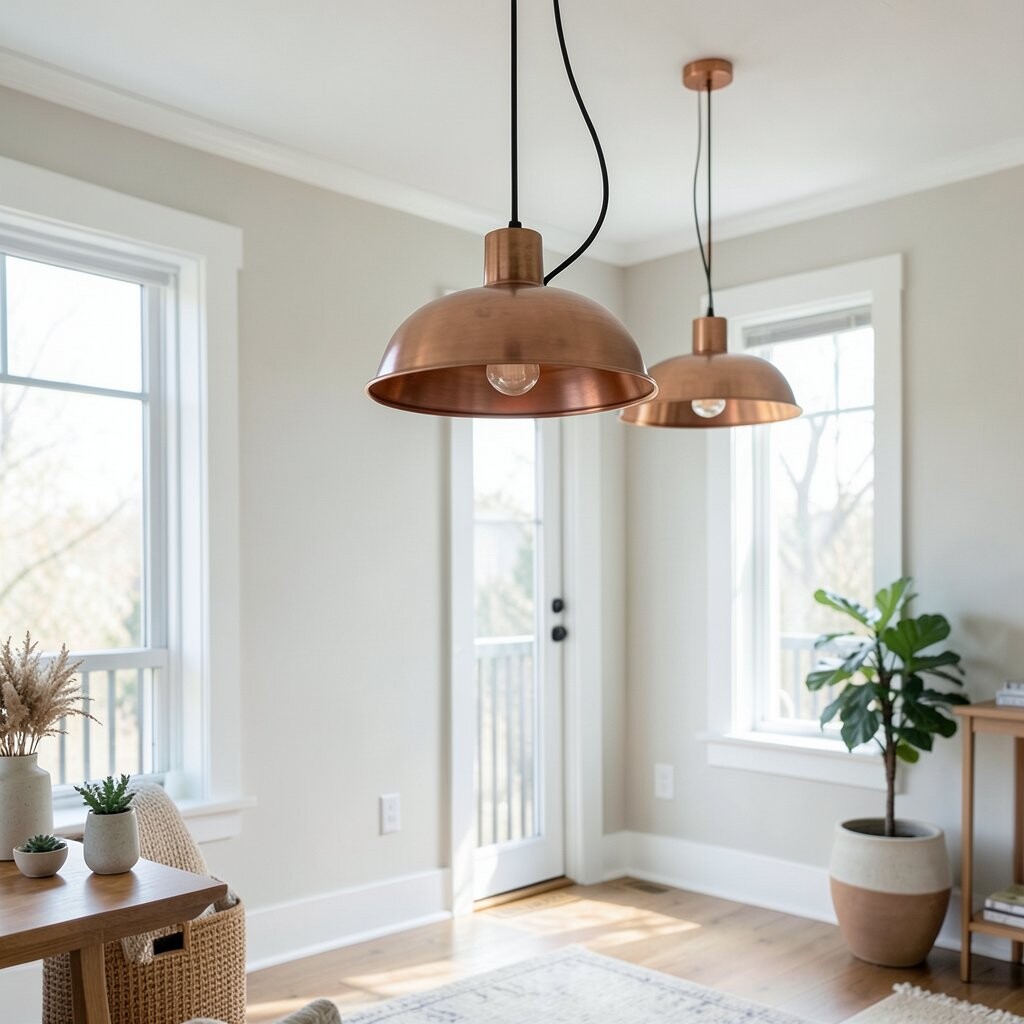
Many people fall in love with a beautiful copper pendant and forget to check scale. When the fixture is too big, it can feel heavy and crowded, and the light can overpower the room.
When the pendant is too small, it may look like an afterthought, even if the design is stunning. Before buying, measure the area where the light will hang and compare it with the pendant’s height and width. Also think about what the light is sitting above, like a dining table, kitchen island, or reading nook, since spacing affects how well the glow covers the surface.
2. Ignoring the Height and Hanging Distance
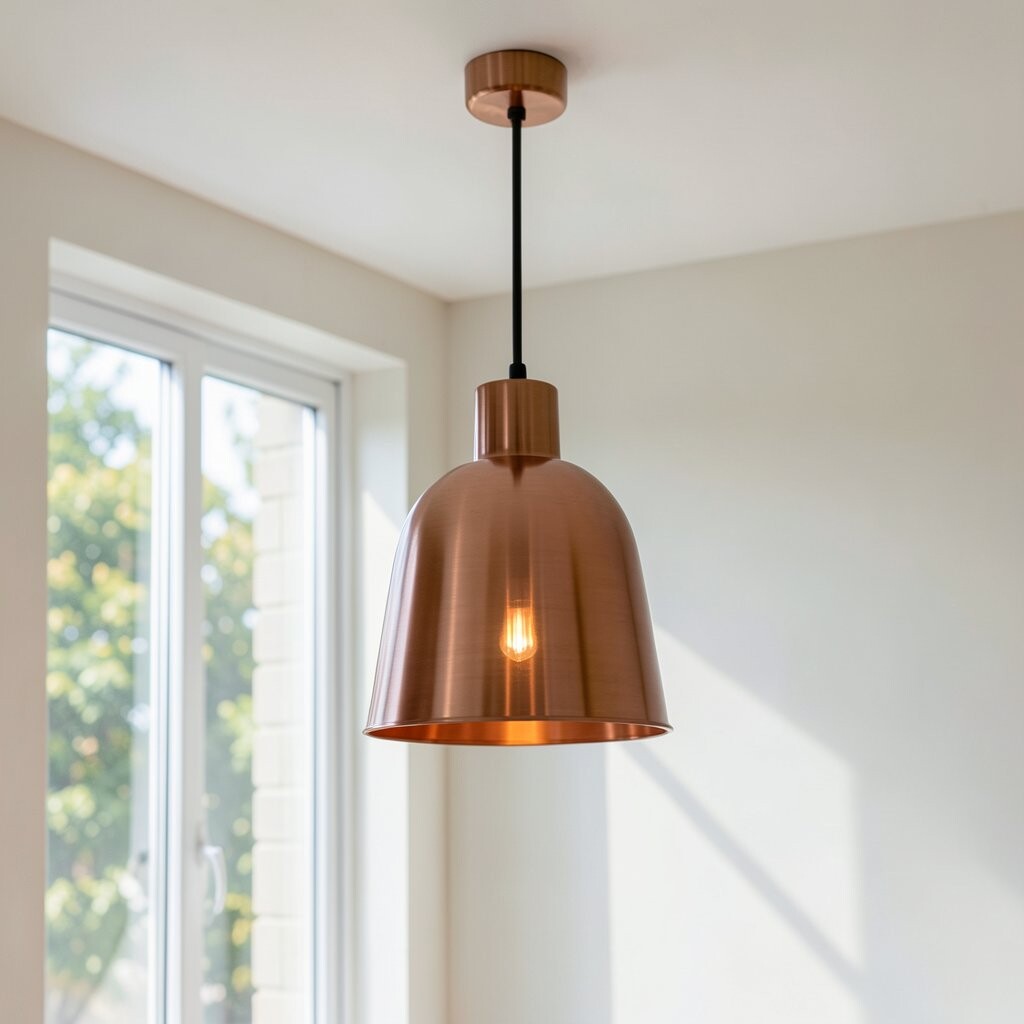
Hanging height can make copper lighting feel either graceful or awkward. A pendant that hangs too low can bump into daily life, while one that hangs too high can leave the room feeling dim where you need it most.
For dining areas, aim for a comfortable clearance so people can talk and move without feeling blocked. For kitchen islands, consider sight lines too, because copper’s warm shine can draw attention upward. If your ceiling is tall, plan on a longer cord or downrod style so the light lands where it matters.
Try a quick test by holding the fixture at the intended height and stepping around the space. If it feels right visually and works in motion, you’re on track. Paying attention here is one of the simplest ways to get a polished, designer-like result.
3. Failing to Match the Copper Finish to Your Home
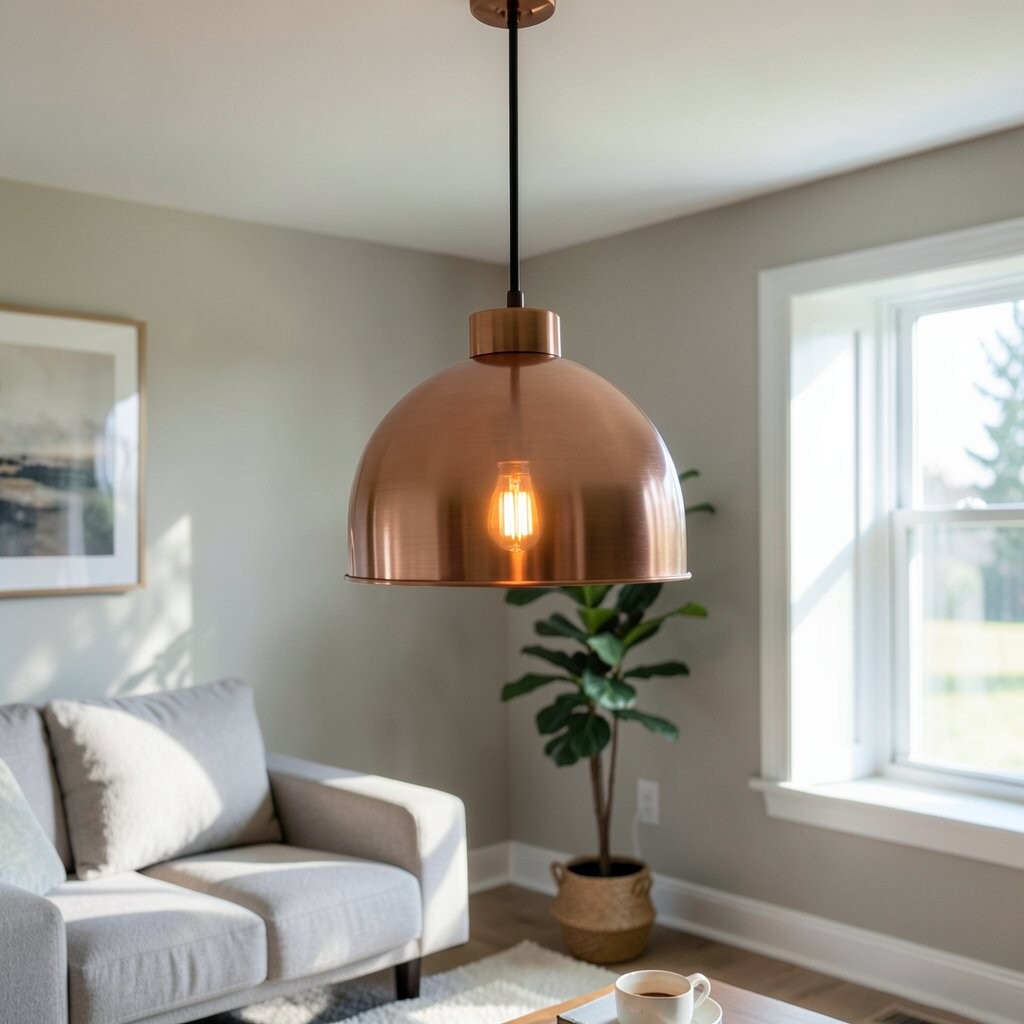
Copper has a personality, and its finish can shift the whole mood. Some pendants lean bright and shiny, while others look aged, brushed, or lightly antiqued.
Your room’s colors should guide the finish choice. In a space with warm woods and honey tones, a richer copper finish can blend beautifully. If your home has cool grays or lots of chrome and stainless, you might prefer a calmer copper tone so it looks intentional, not random.
Also think about how the finish will age over time. Copper naturally develops patina, which can be part of the charm, but it helps to know what you’re signing up for. Choosing a finish that fits your style now and in a few years keeps the look from surprising you later.
4. Skipping Bulb Compatibility and Light Output
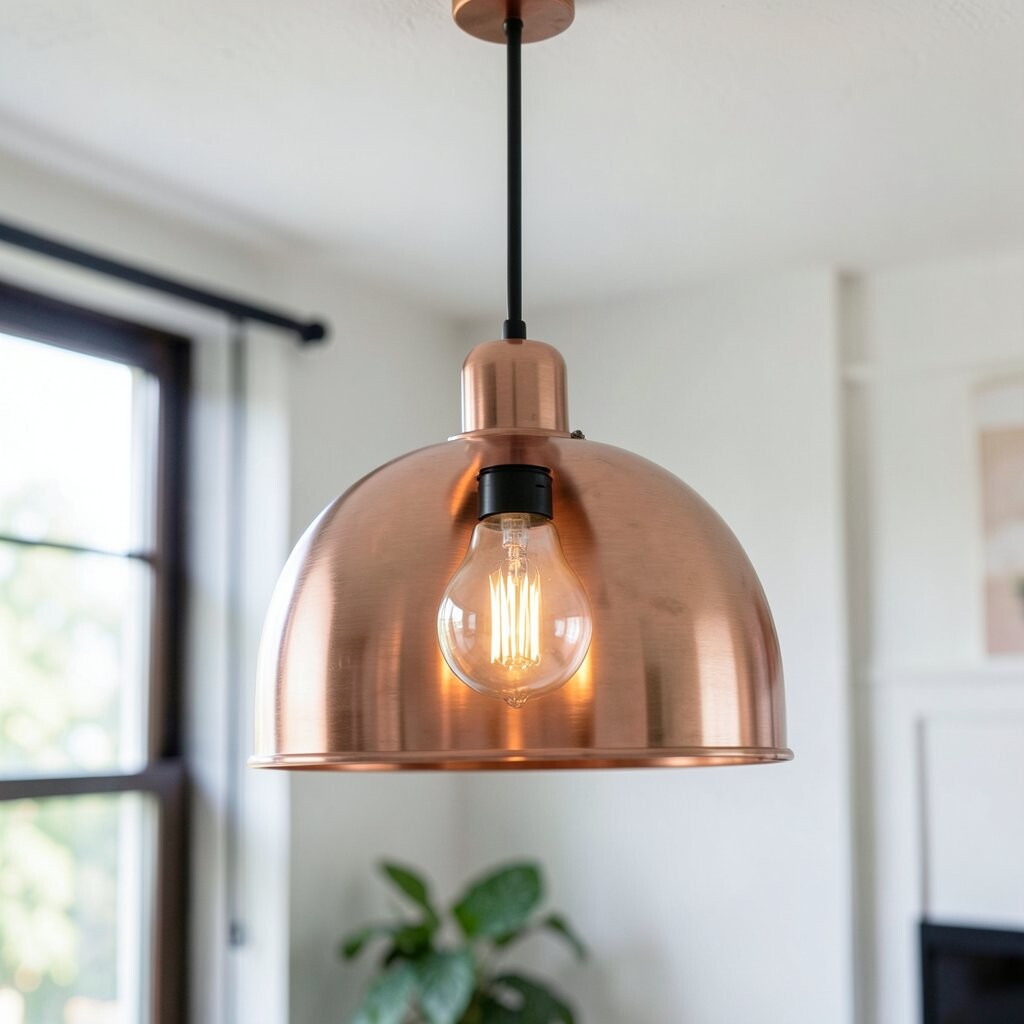
It’s easy to focus on the copper shade and ignore what’s inside the fixture. Two pendants can look similar, yet one produces a cozy pool of light while the other leaves shadows you don’t like.
Check the bulb type, wattage limits, and the fixture’s socket style before you buy. If you want warm ambience, look for bulbs rated for soft color temperature and use dimmers when the fixture supports them. Also think about how many bulbs the pendant uses, because multiple small sources can brighten a table more evenly than a single one.
5. Choosing a Fixture That Doesn’t Suit the Room’s Job
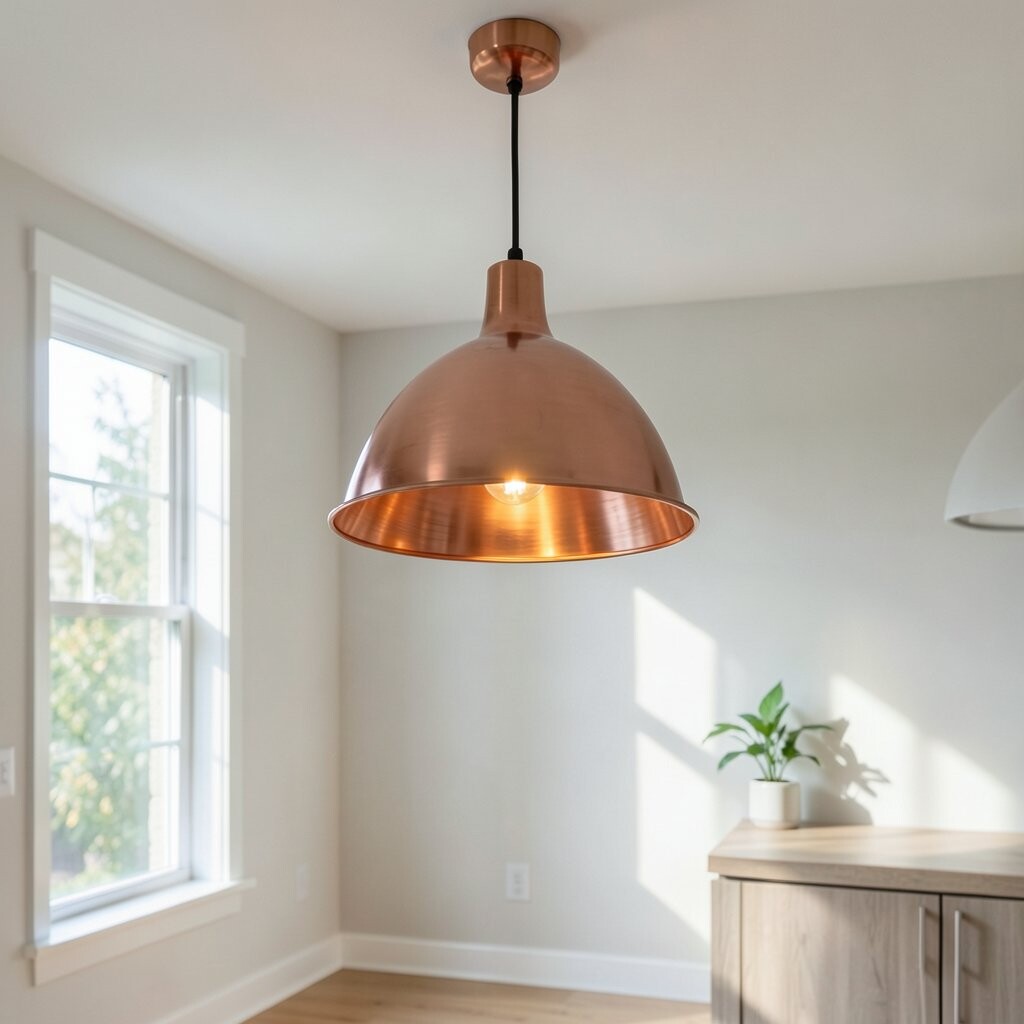
Copper pendants shine most when the lighting matches the task. A dramatic pendant over a kitchen island can look gorgeous, but it still needs to serve everyday cooking and cleanup.
For places where you read, work, or eat, prioritize even coverage and glare control. For hallways or entry spaces, you can go a bit bolder with design since the light doesn’t have to perform the same way. Ask yourself what you want the room to do most, then pick a pendant shape that supports that purpose.
A wide shade can spread light across a surface, while a tighter shade creates a spotlight effect. That difference matters for comfort and function, and it also affects how the copper looks in different parts of the day.
6. Overlooking Electrical Requirements and Installation Complexity
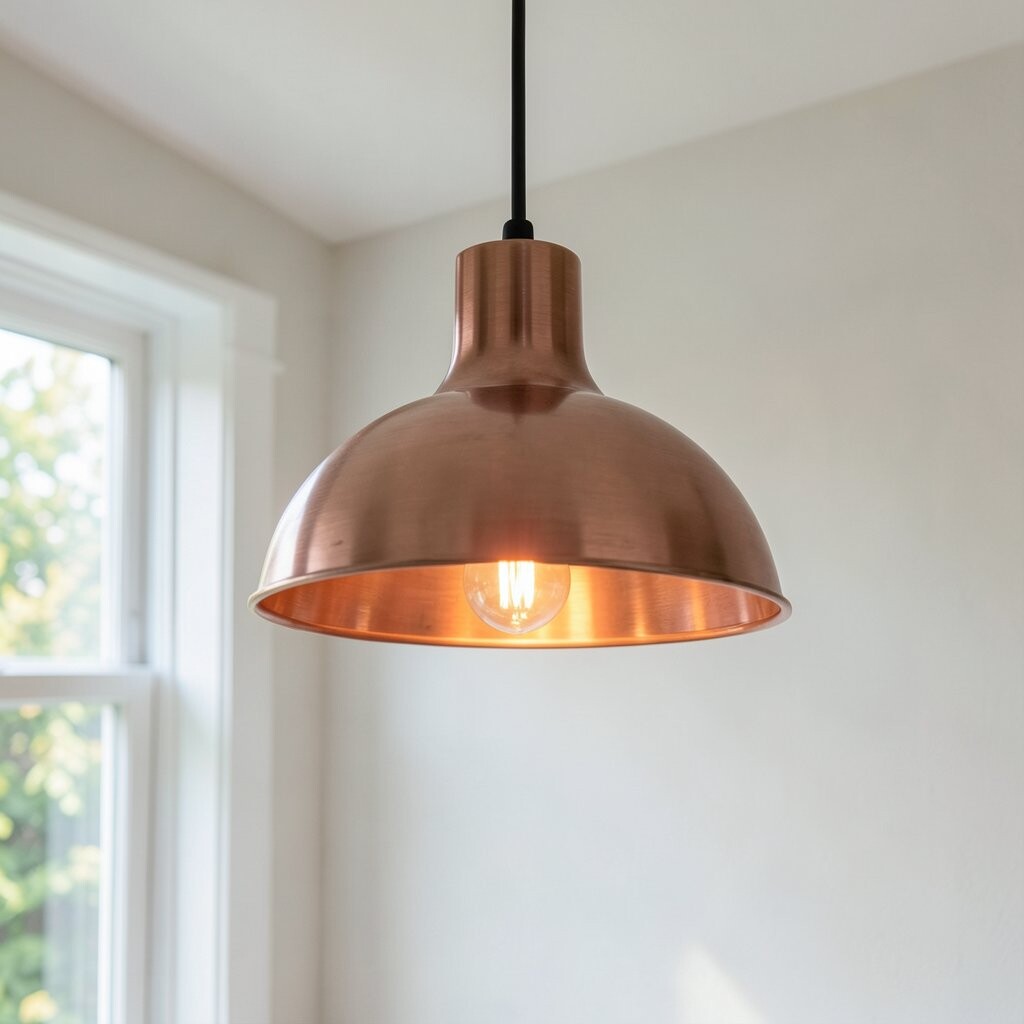
Even the prettiest copper pendant can turn frustrating if the wiring isn’t a fit. Some fixtures need specific wiring, ceiling boxes, or mounting setups that don’t match every home.
Before you commit, look at the installation guide details and confirm the weight and mounting method. If you’re not comfortable with wiring, hiring an electrician can save time and stress. It can also protect your ceiling, especially if your home has older fixtures or uneven surfaces.
Try to plan for any dimmer compatibility as well. When copper lighting is paired with the wrong switch, you may get flicker or limited dimming range. Taking a moment to confirm the electrical fit helps your pendant feel dependable from day one.
7. Buying Without Checking the Shade Coverage and Direction
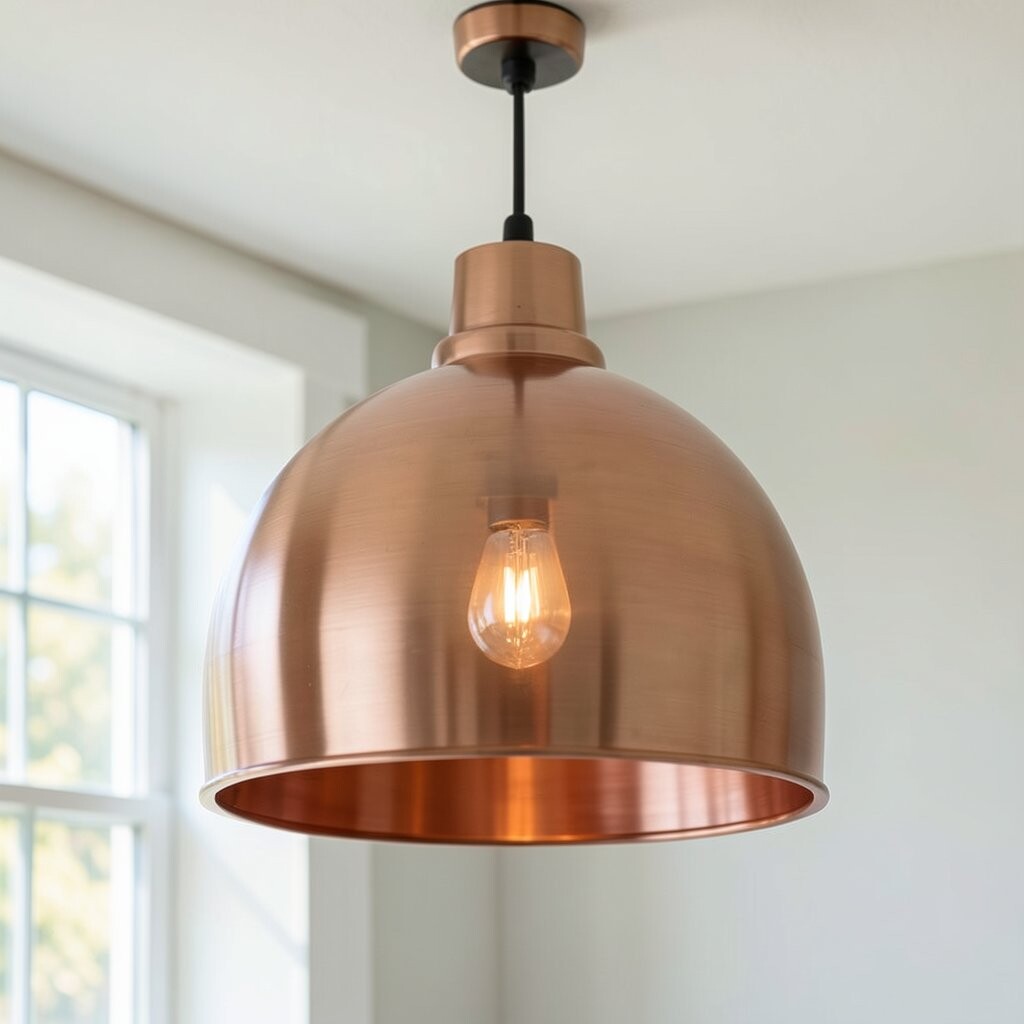
Copper pendant lighting can look romantic, but you still need the right kind of light. The shade shape controls whether light spreads softly downward or bounces in ways that create unwanted shadows.
If the shade is open or angled, you may get brighter highlights around the fixture and darker spots on the table. If you want balanced illumination, consider a design that directs light toward the surface where you want it. Glass accents, diffuser plates, and reflective interiors can help copper tones glow more evenly, so they’re worth checking.
8. Ignoring Style Cohesion With Other Fixtures
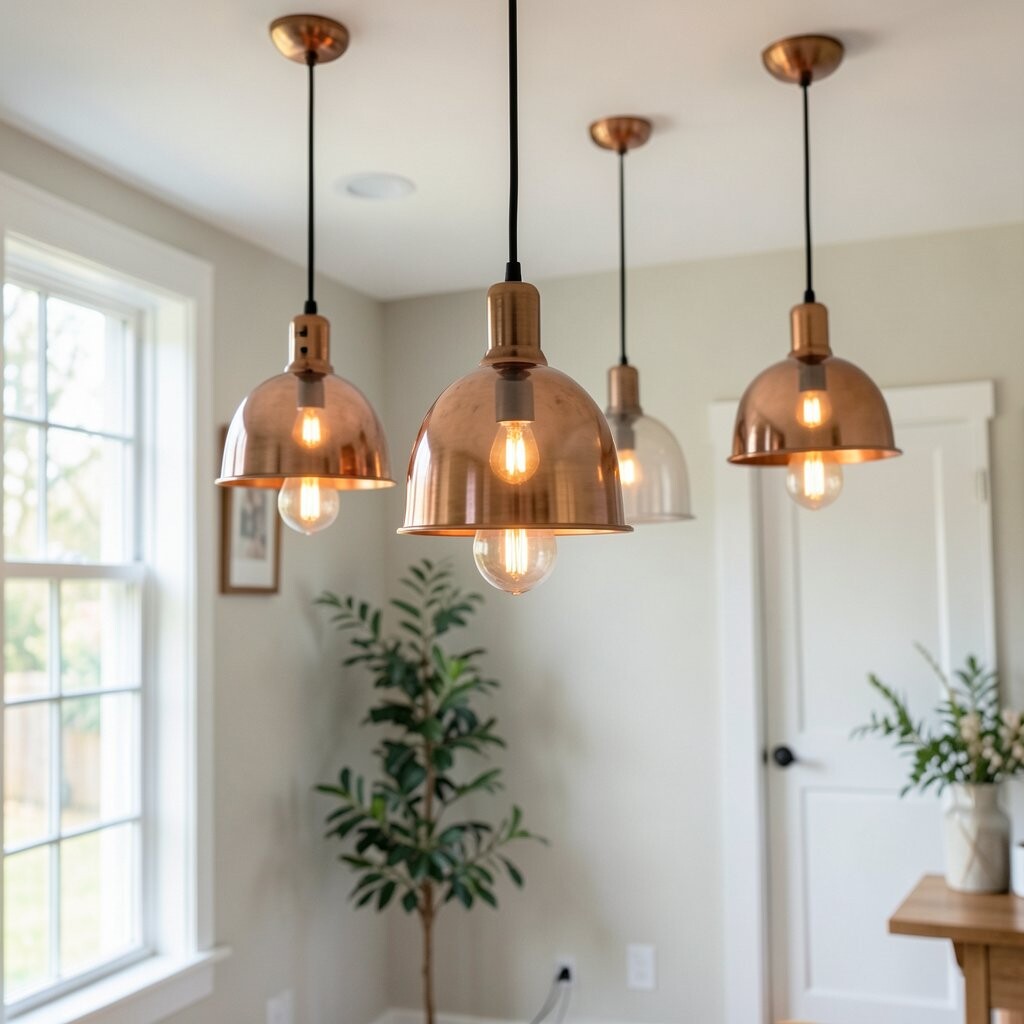
Your pendant doesn’t live alone, even if it’s the star of the room. Overlooking how it pairs with other lights can make the space feel scattered.
Think about other metals and finishes throughout the area, such as cabinet hardware, faucets, and ceiling fans. Copper can be warm and rich, but it looks most intentional when the other pieces share a similar vibe. If your space is full of polished chrome, you might need to warm it up with copper-toned accents instead of matching every detail.
One easy personalization idea is to repeat small copper cues. A copper tray, picture frame, or matching candle holder can echo the pendant and tie the room together. When the metals feel coordinated, the pendant looks like it belongs.
9. Underestimating Maintenance and Patina Control
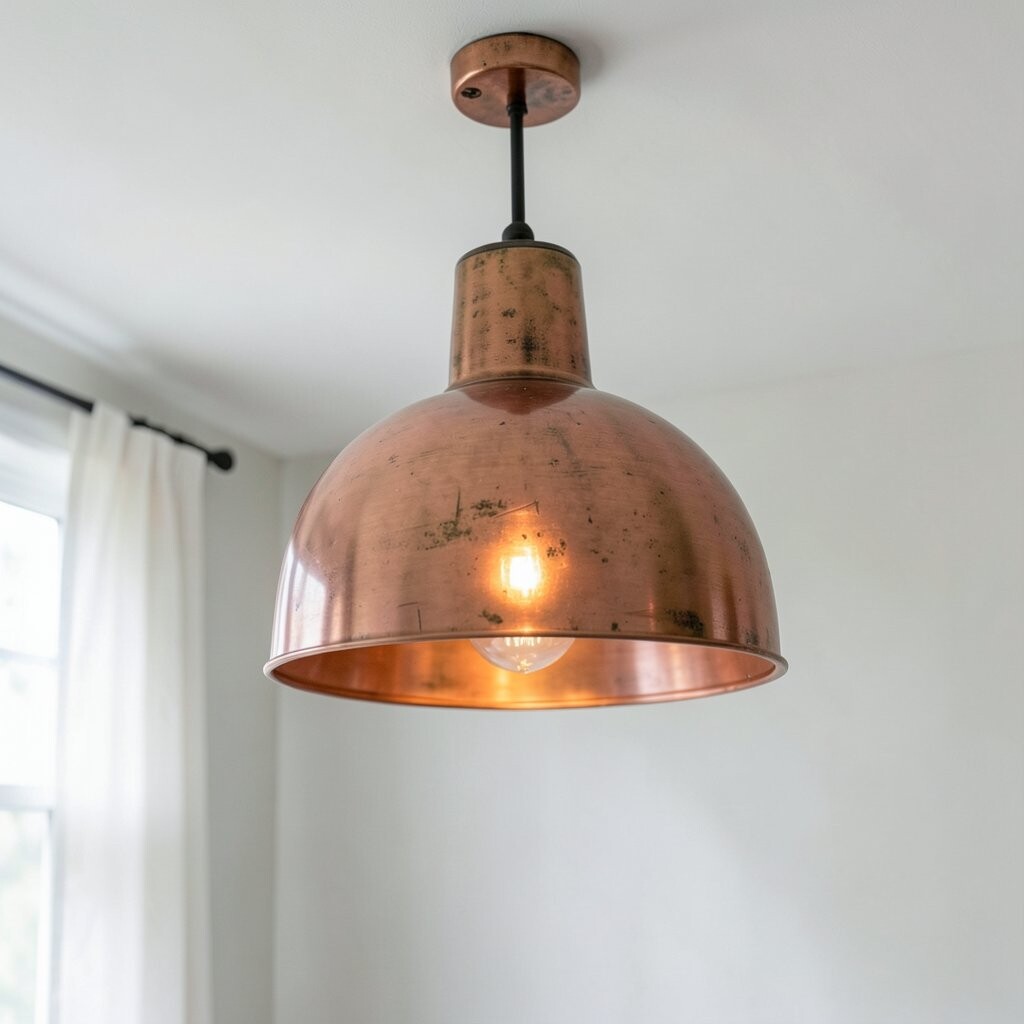
Copper is famous for aging, and that can be exactly what makes it special. Still, you should plan for how you want it to look as time passes.
Some people love a natural patina that gradually deepens and softens the color. Others want a more consistent shine and choose finishes that resist tarnish or are easier to keep polished. Before you buy, check whether the brand recommends a specific cleaner or protective coating.
Wiping with a gentle cloth and avoiding harsh chemicals can keep the surface looking smooth and rich. If you prefer the aged look, be consistent with how you maintain it so the patina develops evenly. This kind of small care effort helps your pendant look intentional instead of neglected.
10. Choosing a Design That Doesn’t Feel Personal
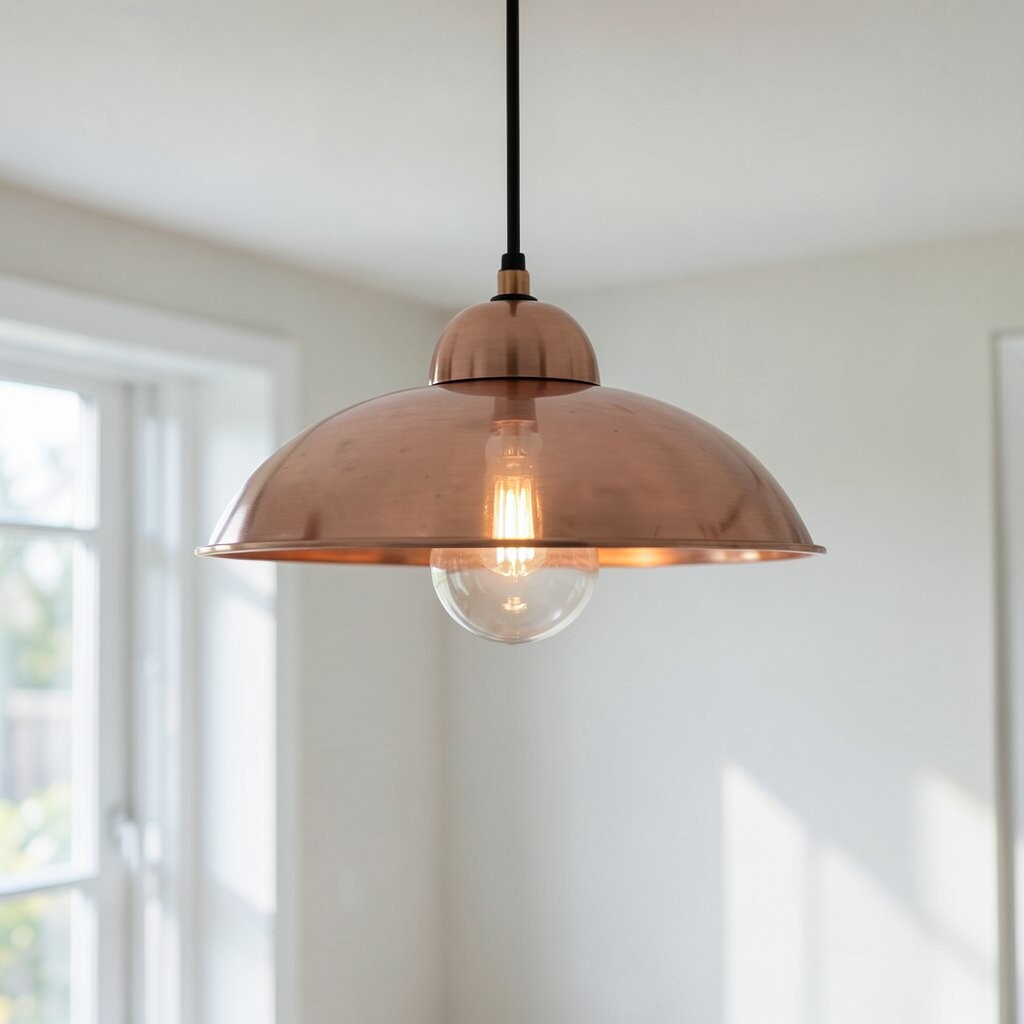
The best lighting choice feels like you, not like a showroom. Copper pendant fixtures come in many styles, from minimal and modern to ornate and vintage-inspired.
When you pick a shape that matches your taste, you get a look that feels lived-in right away. For a modern home, sleek lines and simple silhouettes can look crisp and clean. For a cozy home, a more decorative shade or curved elements can add warmth and charm.
Personalization is easier than you think. Choose bulb color and brightness to match your mood, or pick a pendant with an adjustable cord so the vibe feels just right above your space. You can also layer copper by using matching dimmable bulbs, which keeps the room cozy even on bright days.
11. Forgetting About Budget Range and Total Cost
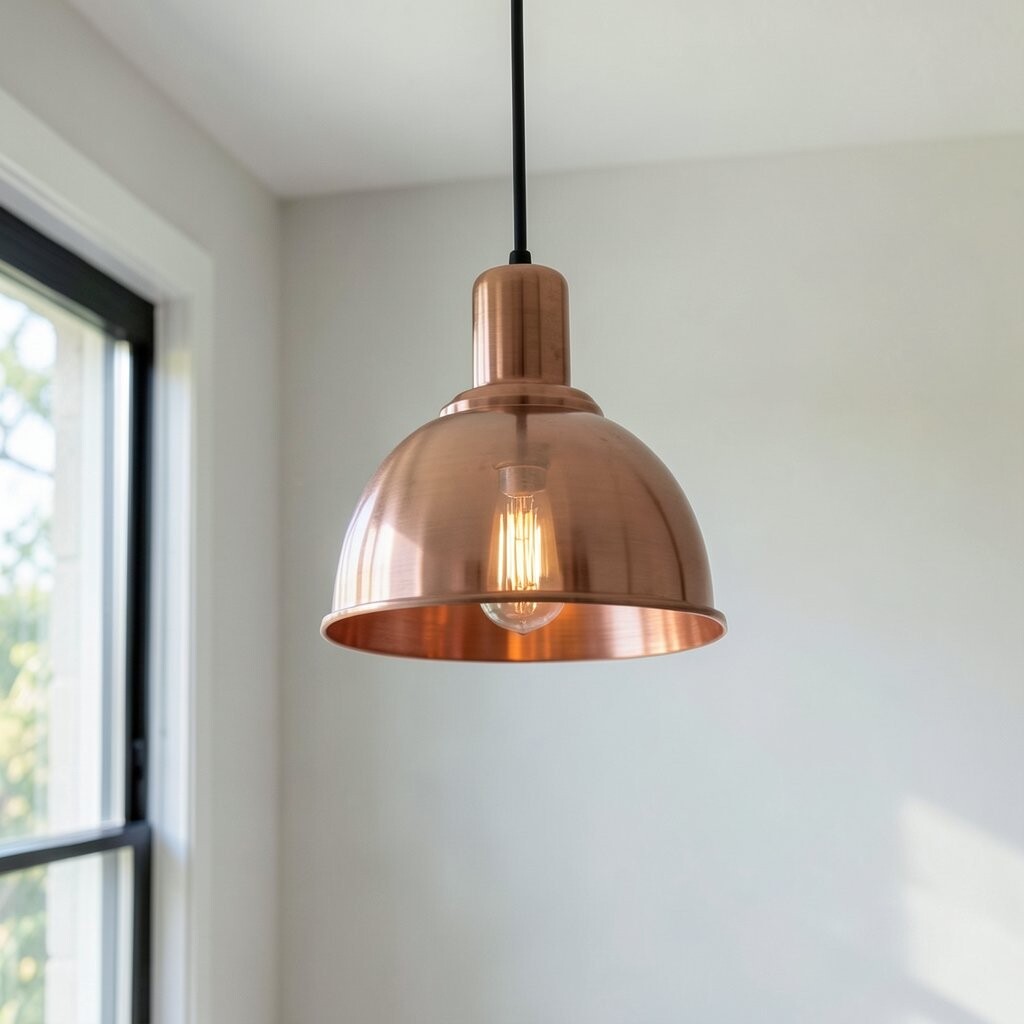
Sticking to the sticker price only is one of the easiest mistakes to make. Copper pendant lighting can vary a lot in cost based on materials, finish quality, and hardware details.
Also remember that total cost can include bulbs, dimmers, mounting parts, and possibly installation. If you want a dimmable setup, confirm the fixture supports it so you don’t pay twice for upgrades. Shipping and return fees can add up too, so it’s smart to know the policy before you order.
Trends may tempt you into the most expensive option, but you can often get a similar look with thoughtful details. Look for sturdy construction, quality wiring components, and a shade that feels solid rather than flimsy. Buying once, choosing well, and maintaining it properly can cost less in the long run than replacing a fixture that never looks right.
12. Ignoring Current Lighting Trends That Matter for Longevity
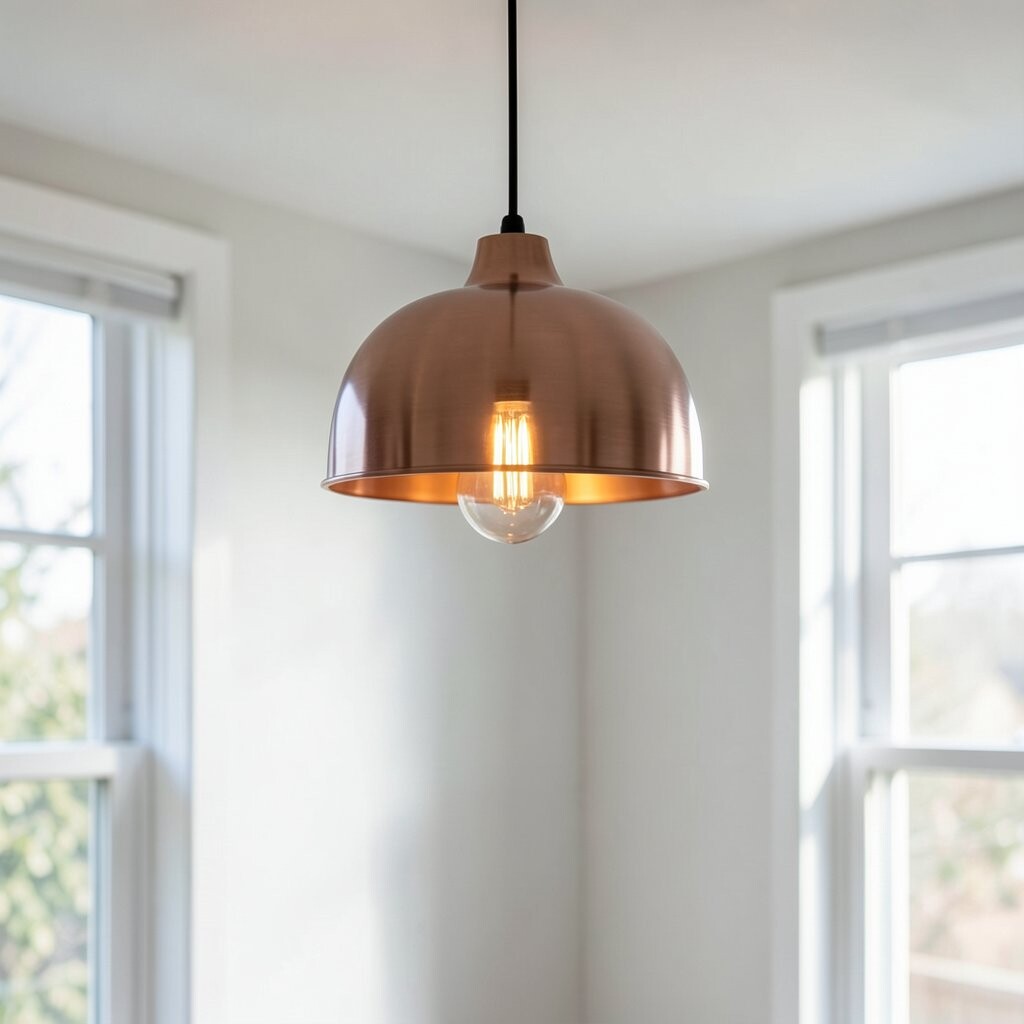
Trends can be fun, especially when they help you choose better. But the trick is to pick a trend that works with your home for years, not one that looks dated the moment the season changes.
Right now, many homeowners love copper because it adds warmth and character, and pendants with mixed materials are also common. You might see copper paired with glass, linen, black accents, or soft white shades, which can make the copper feel balanced instead of bold. This matters if you want your lighting to stay relevant as you refresh other decor.
Another trend worth considering is layering light. A pendant can anchor the room, while wall sconces, recessed lighting, or lamps fill in the shadows. When you plan for layering, you get a more comfortable space that doesn’t rely on a single fixture for everything.
13. Choosing a Pendant Without Considering Energy Use and Dimming
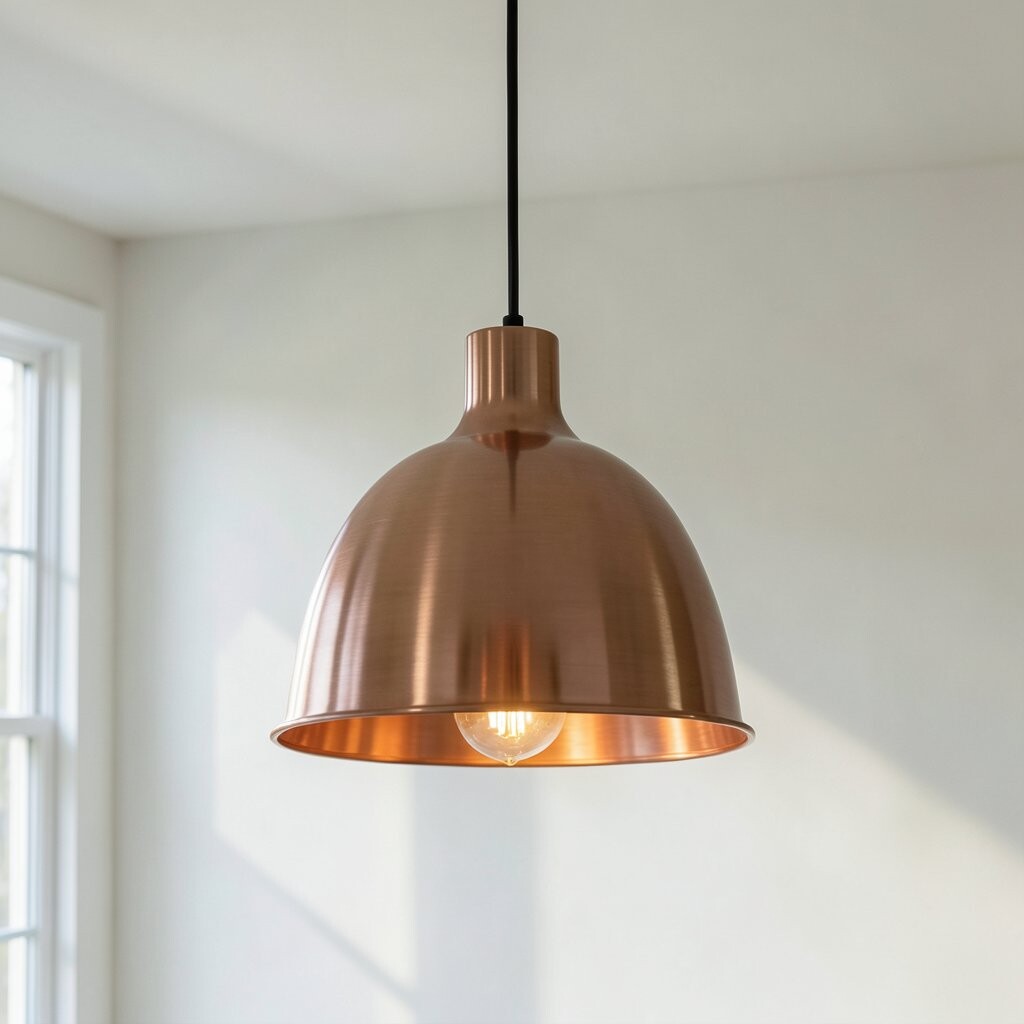
Copper lighting looks warm, but energy use still matters. If you pick bulbs without thinking about efficiency, your fixture can look great and still cost more than expected to run.
Switching to energy-efficient LED bulbs can keep the glow while lowering usage. LEDs also help you control color temperature more easily, which makes it simpler to match the copper to your room’s style. If you enjoy mood lighting, a dimmer can make copper pendants feel extra cozy during dinners and relaxing evenings.
Before you finalize, check compatibility with your switch and confirm the recommended bulb types. When dimming works smoothly, the copper finish looks more flattering because the light levels feel balanced. This is one of the easiest ways to make your purchase feel high-end every day, not just on arrival.