
The right artistic touches can make a room feel happier in minutes. When color, texture, and meaning work together, your space starts telling your story.
Even small changes can brighten the way light moves and the way you feel when you walk in. The best part is that you can tailor every idea to fit your style and budget.
1. Sunlit Wall Color With a Painterly Feel
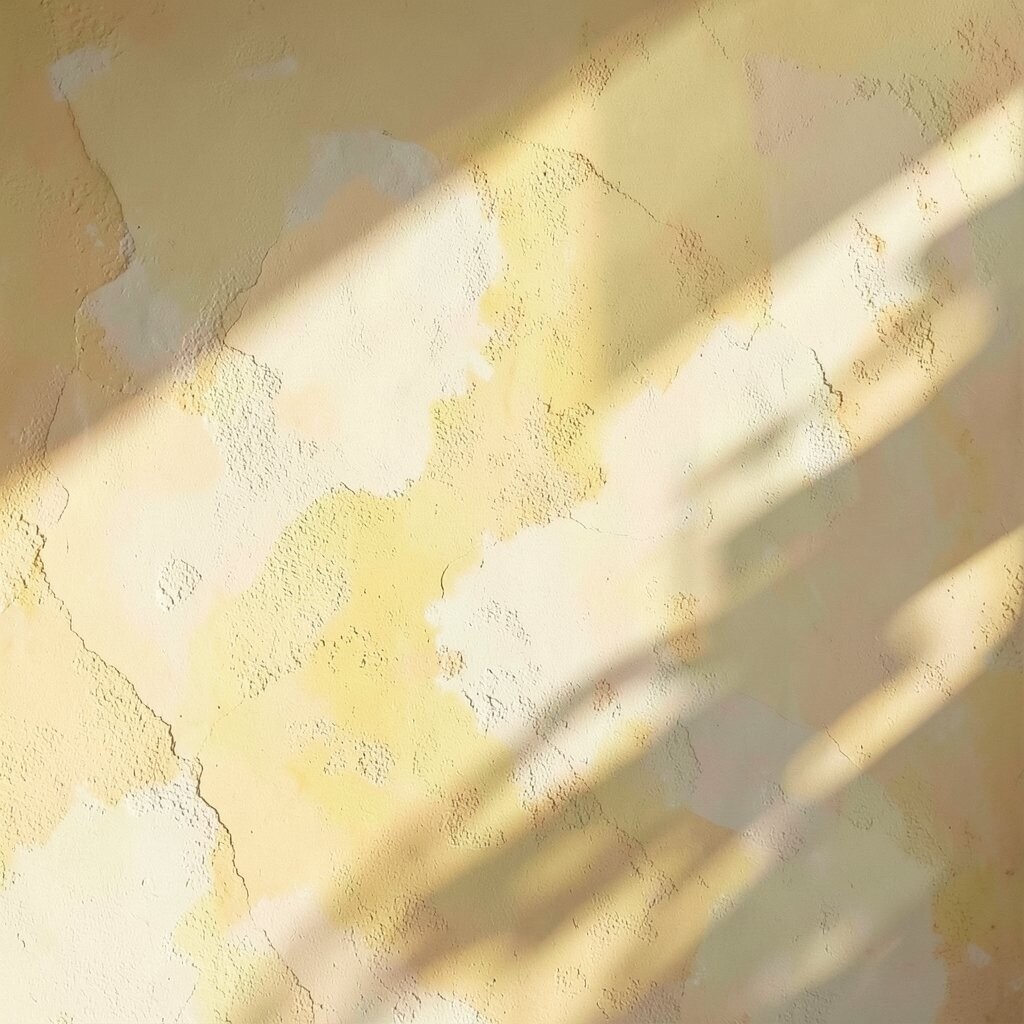
Pick a warm wall color with a soft, painterly look, like peach, butter cream, or light terracotta. You can often get a similar vibe with textured paint, a gentle glaze, or a satin finish that catches daylight.
Fresh color makes walls feel closer and more welcoming, especially in rooms with limited natural light. Try testing two shades on opposite ends of the room, then watch how they look at morning and evening. If you want personalization without a big commitment, paint one accent wall and leave the others neutral so your artwork can shine.
2. Gallery Wall With Unusual Frame Mixes
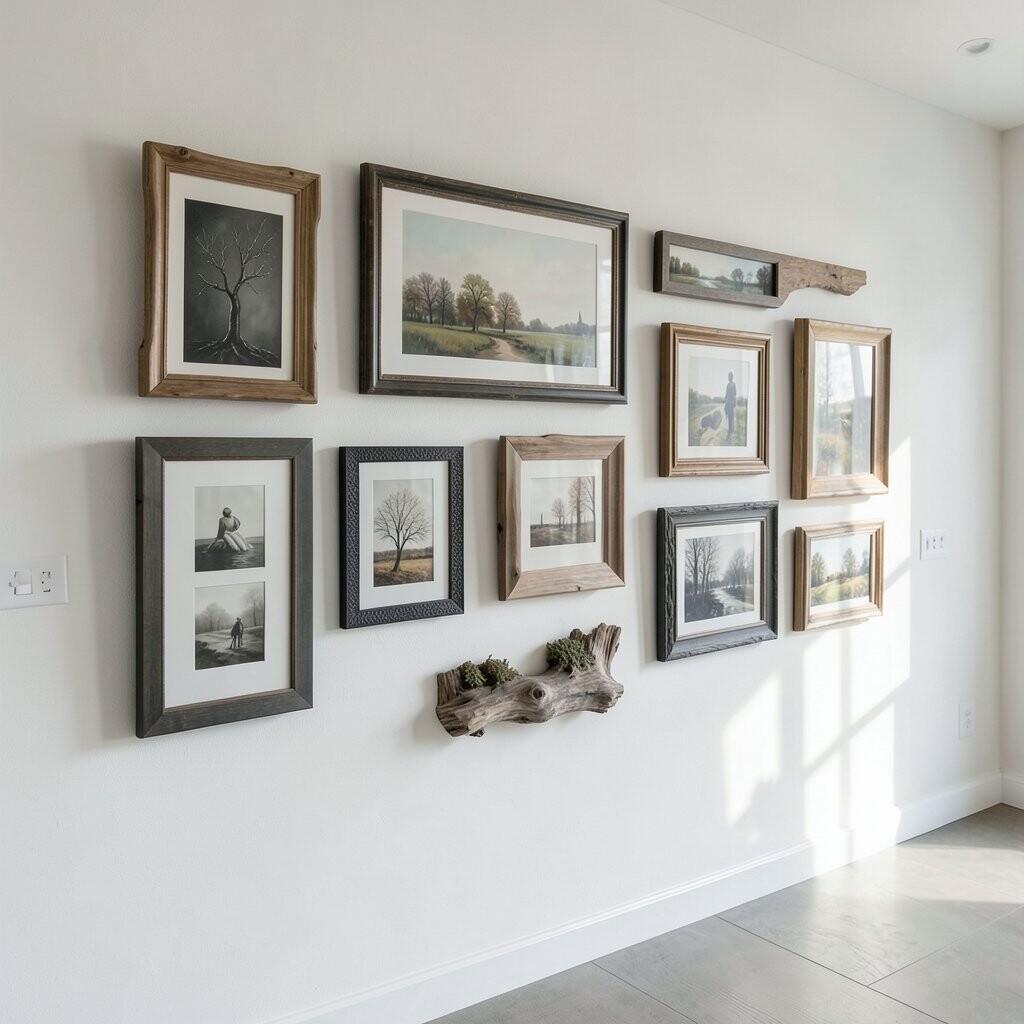
Build a gallery wall that mixes frame colors, sizes, and finishes for an artistic, collected feel. Think matte black with light wood, or thin metallic frames beside thicker vintage-style pieces.
This kind of wall adds visual energy and gives your eyes a fun path to follow. Use a simple layout rule like aligning the top edges, then vary the artwork inside the grid to keep it lively. For practical success, measure the wall area, plan the arrangement on the floor, and keep frames from feeling too crowded by leaving breathing space between pieces.
To keep it budget-friendly, swap in prints, photos, and textile wall hangings you already own. If you enjoy current trends, look for modern abstract prints and minimalist line drawings that pair well with mixed frames. Personalize it further by adding one framed item that feels special, like a map from a trip or a favorite poem page.
3. Color-Blocking on a Side Table or Built-In Nook
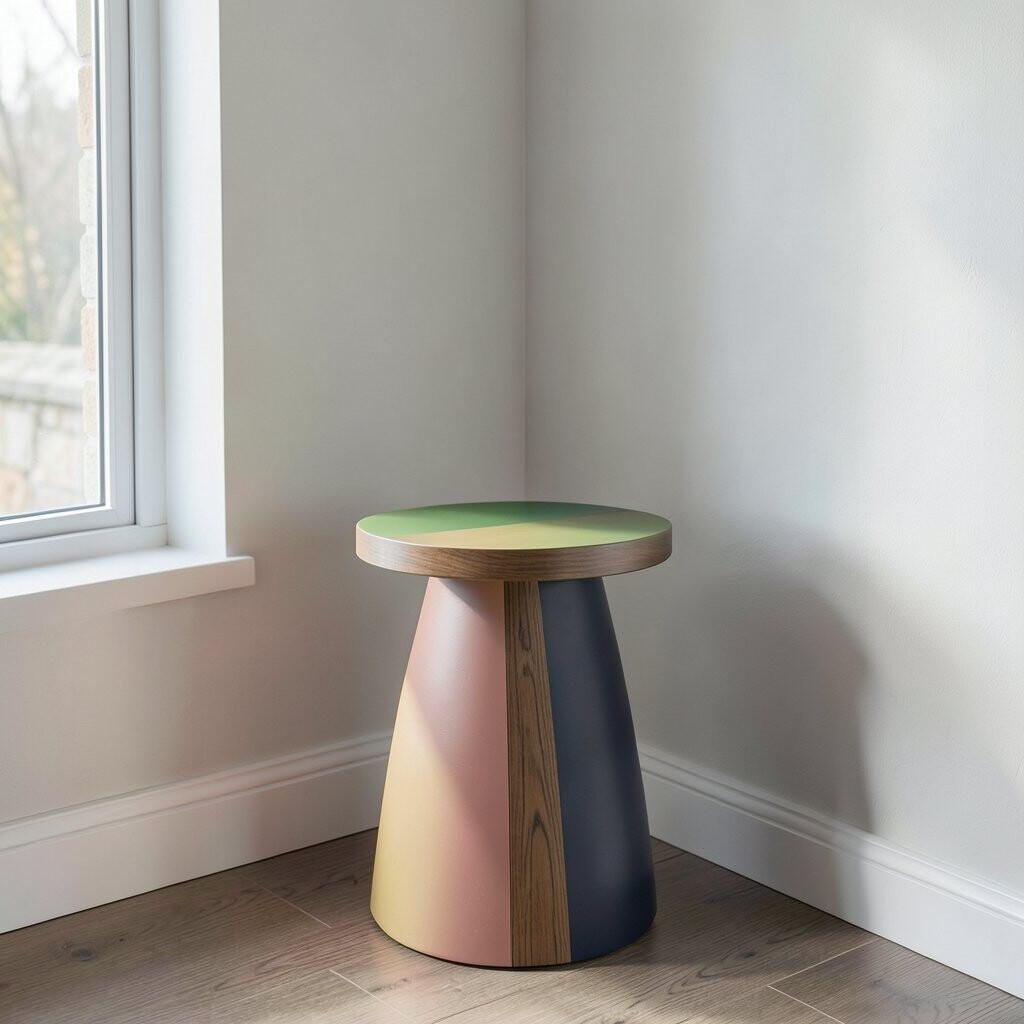
Choose one small piece, like a bookshelf corner or side table, and use color-blocking to create an art-like pattern. Painting drawer fronts, adding removable panels, or using painter’s tape to form clean blocks can make a big visual difference.
Color-blocking brings brightness without overwhelming the whole room. When you repeat one color from your art or cushions, the look feels intentional and not random. Start with two or three shades that you love, then keep the rest of the space calm so the design stays crisp.
If you want a modern trend that still feels timeless, consider soft blocks in gentle pastels rather than loud neon. For cost control, work on a thrifted piece or a portion of built-ins you can update without major renovation. Personalize the blocks with your favorite shapes, like circles for a playful twist or vertical stripes for extra height.
4. A Statement Mirror With an Ornate Edge
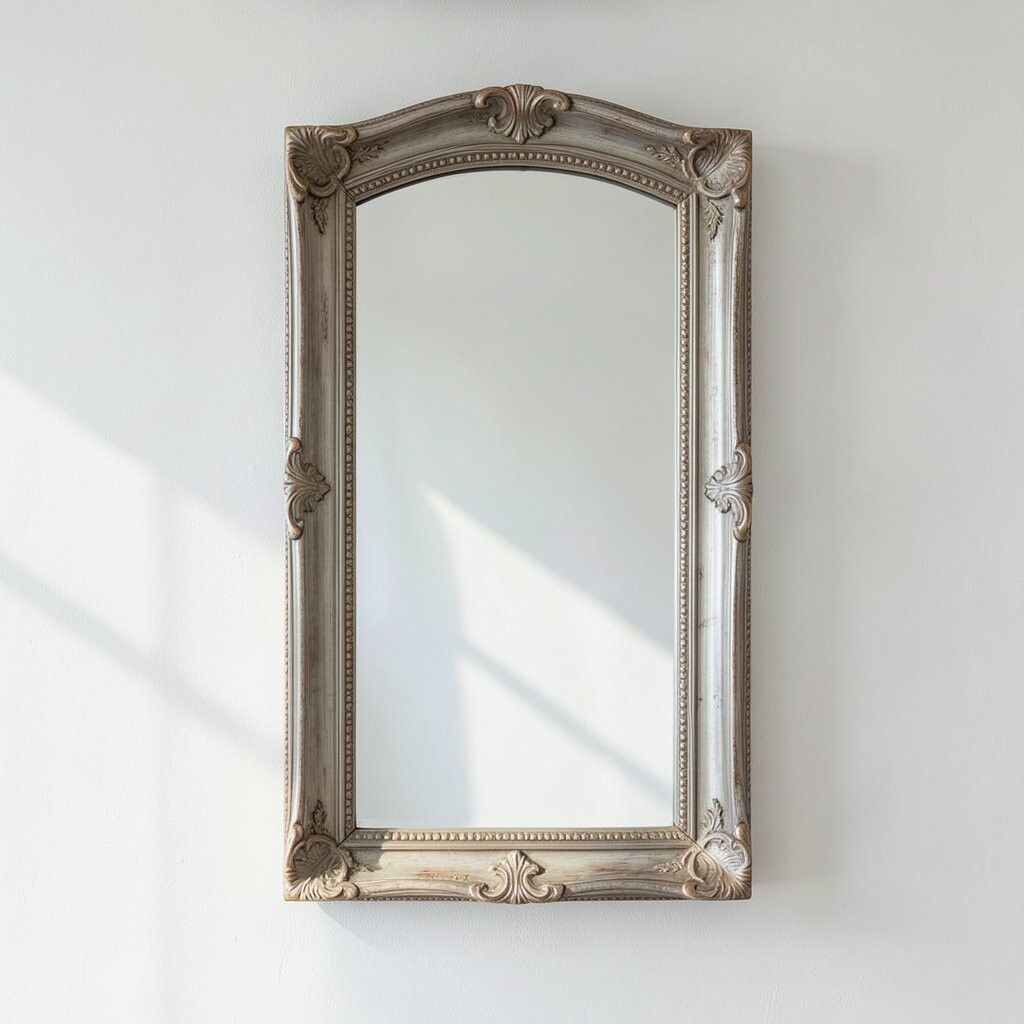
Use a decorative mirror to bounce light and make a room feel larger. Go for a frame with carved details, stained glass vibes, or a sculpted border that adds charm without extra clutter.
Mirrors brighten spaces by reflecting natural light and softening dark corners. Place it across from a window, or near a lamp so warm light spreads across walls. If you want practicality, choose a mirror size that covers a meaningful section of wall, then ensure it doesn’t block airflow or doors.
5. Bold Curtains With Soft Texture
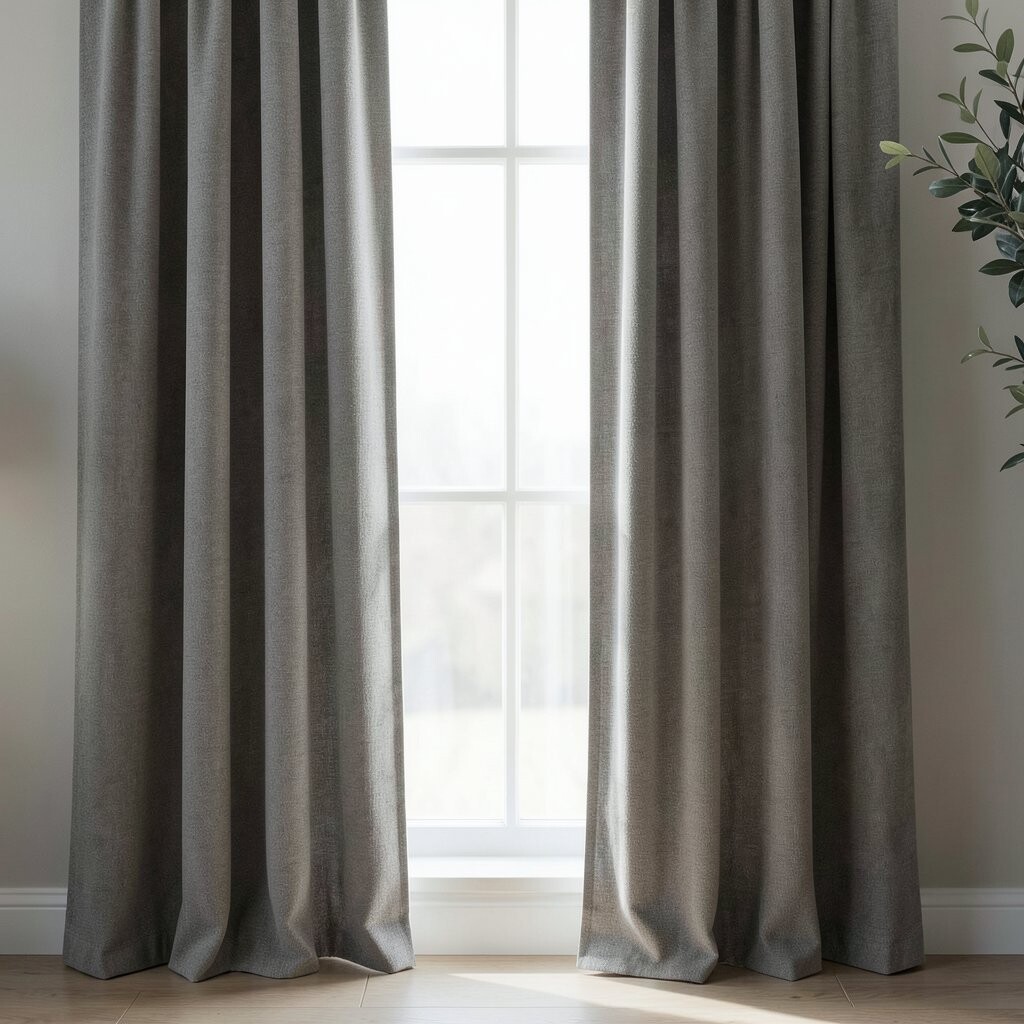
Pick curtains that feel like fabric art, such as linen blends, textured cotton, or velvet in lighter tones. Patterns like abstract brush strokes, subtle stripes, or gentle botanical prints can add an immediate glow.
Window treatments shape how light enters, and brighter fabric often makes the whole room feel airy. Install them with higher placement than the window frame if you can, so the fabric visually lifts the ceiling. For a personalization touch, choose one color that matches your artwork or rugs, then repeat it in cushions for a pulled-together look.
If you’re working with a smaller budget, you can update only the panels and use existing hardware. Current trends often favor warm neutrals with texture, so try oatmeal, sand, or pale sage if you love a calm style. Just remember that thicker fabric blocks harsher light, while sheer layers keep the room bright and breezy.
6. Hand-Painted Accent Tile Behind a Lamp
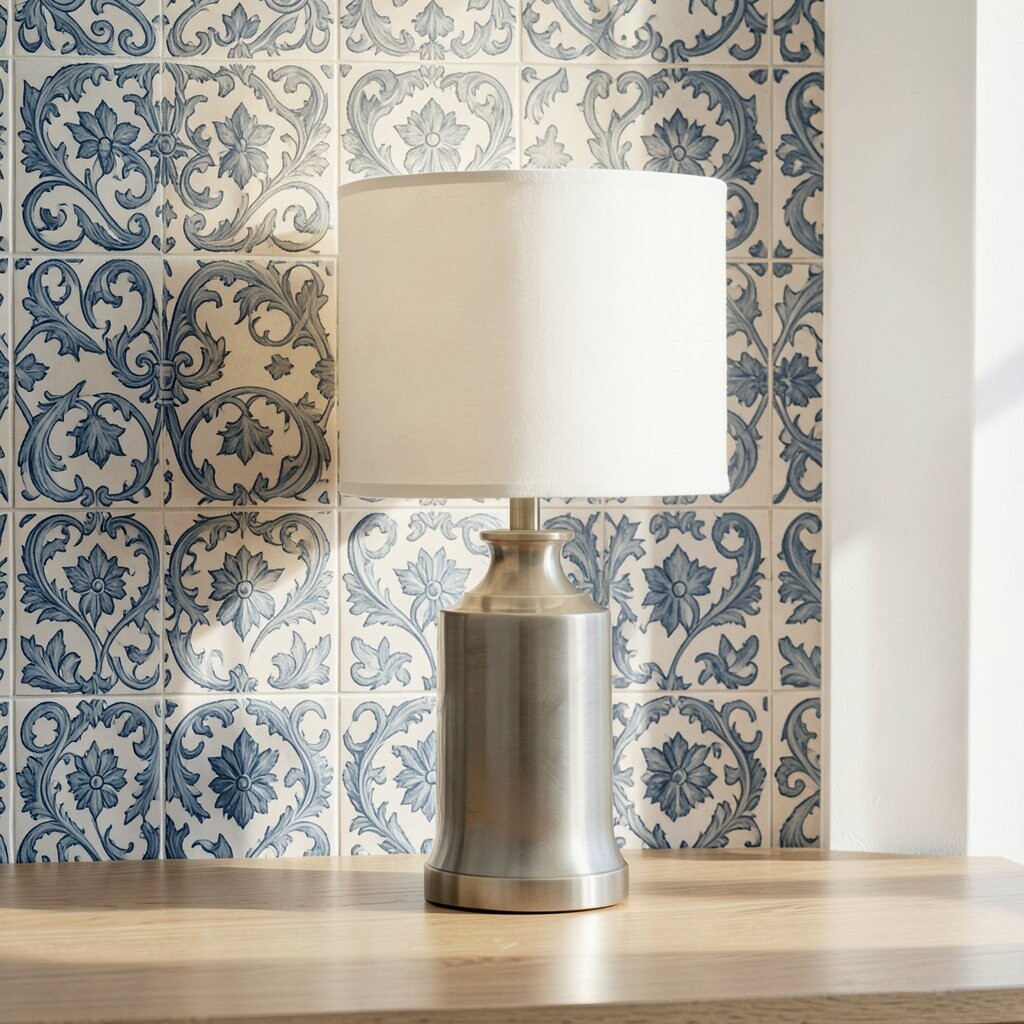
Create a small art moment by adding hand-painted tiles behind a lamp or in a tiny wall section near a console. You can choose a simple theme like citrus slices, sky blues, or geometric waves in soft colors.
This approach is visually unique because it turns a usually overlooked spot into a focal point. Tiles are practical too since they clean easily and resist wear compared to many wall finishes. Keep it easy by selecting a limited color palette, then match the tile tones to your lamp base or nearby frames.
If you’re thinking about cost, consider a small peel-and-stick tile panel or a compact backsplash tile area rather than a full wall. For personalization, paint one motif that relates to your life, like a favorite hobby icon or a calming pattern you never get tired of seeing. The small scale makes it feel bold without requiring a full room makeover.
7. Oversized Floor Vase With Branches and Paint-Ready Stems
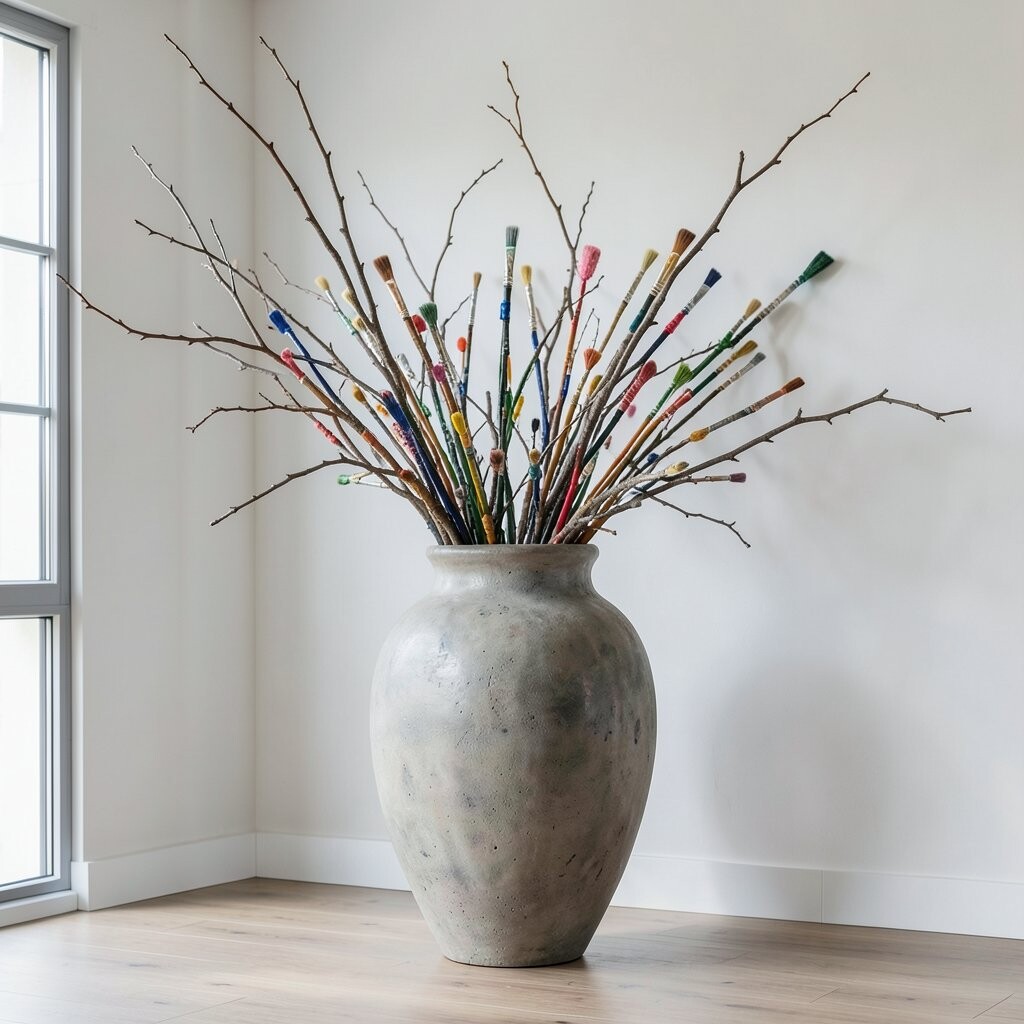
Use an oversized floor vase and fill it with branches or tall stems for an instant artistic silhouette. You can keep it simple with eucalyptus, or go more colorful by adding dyed stems in one or two shades.
This design brightens a space by creating height and letting light move around the natural shapes. It also makes your room feel styled without needing wall space. For practical tips, trim stems to your vase height and use stable filler like floral foam or pebbles so everything stands steady.
If you enjoy trend energy, choose sculptural branches with dramatic angles and pair them with modern vases in matte finishes. Budget-wise, branches and stems are usually cheaper than large flowers and last longer with simple upkeep. Personalize by tying a ribbon in a color you love or mixing in one dried element that reflects your taste.
8. Framed Fabric Art Instead of Only Wall Prints
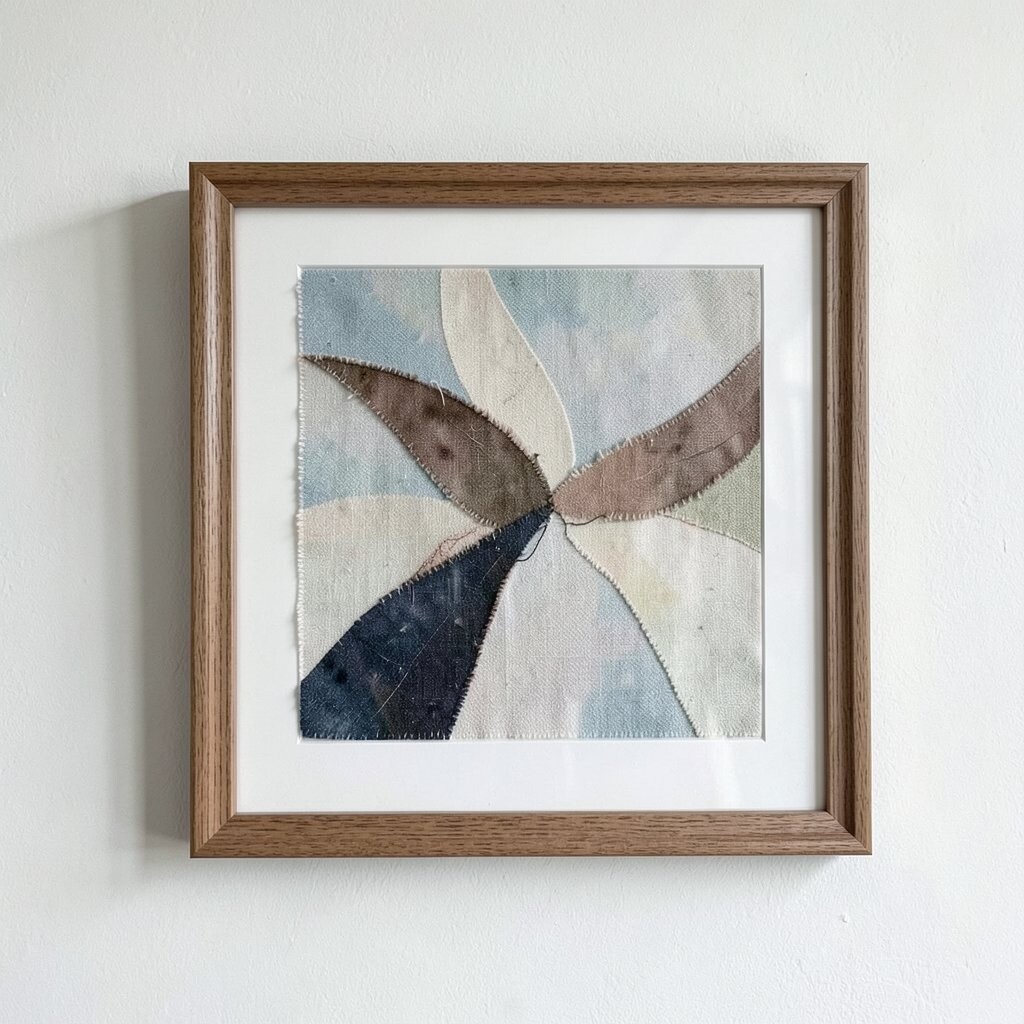
Swap some framed prints for fabric art like scarves, embroidered panels, or woven pieces. You can stretch fabric on a simple frame or use a shadow box to keep the texture visible.
Fabric adds warmth because it absorbs and softens light in a way that paper can’t. It also feels unique, since the folds, stitching, and pattern details create depth from every angle. Try choosing fabric that includes one bright color and one neutral so it connects to the rest of your decor.
For practicality, use pieces that you can rotate seasonally, like changing art with different scarf styles throughout the year. If you want to stay on trend, look at textile wall hangings and framed embroidery that feel modern but still handcrafted. Personalize by framing a fabric with a memory, like a family textile or a cloth you picked up on a trip.
9. A Rug With an Artistic Grounding Pattern
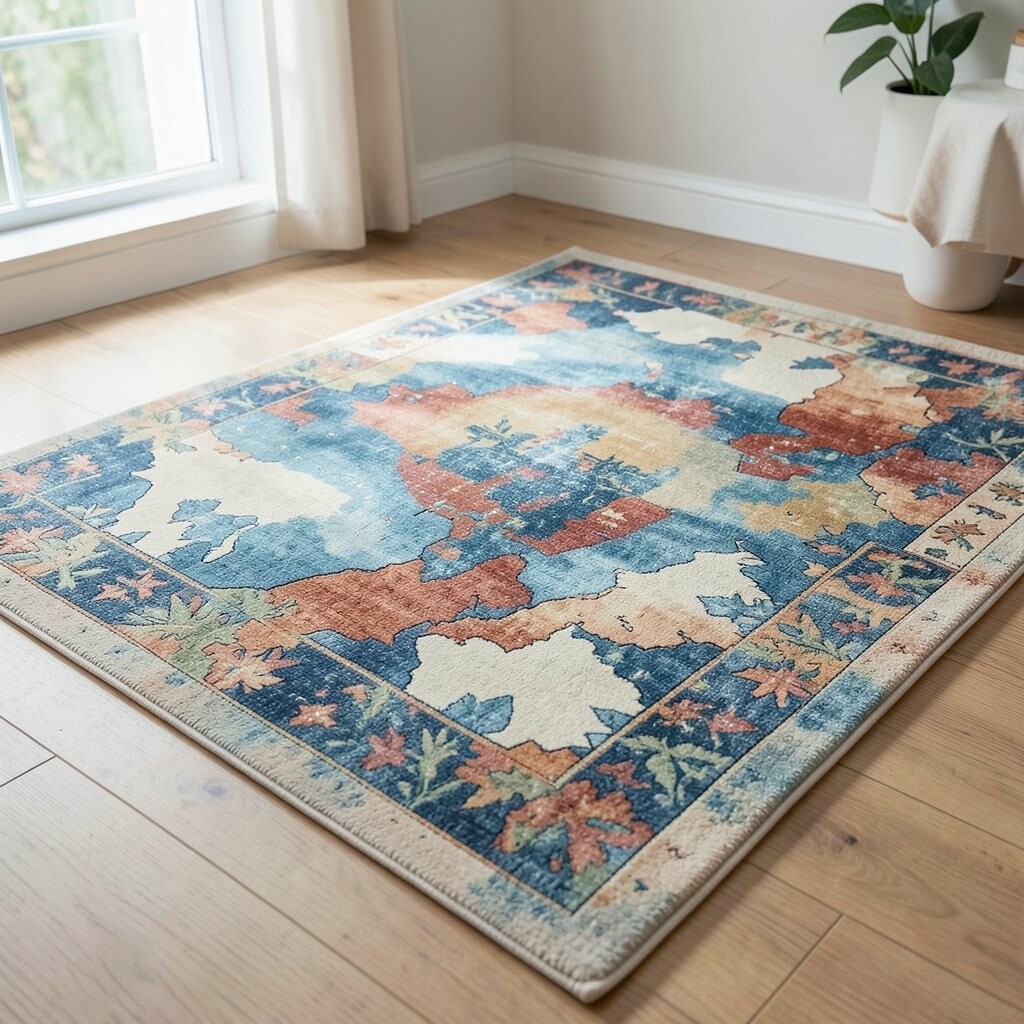
Choose a rug that acts like a bold painting for your floor. Look for abstract patterns, flowing lines, or bright geometric designs that bring movement and warmth.
A great rug brightens a room because it anchors color and ties different pieces together. It also helps hide wear, so your space stays attractive longer. Measure before you buy so the rug sits correctly under key furniture, and consider a lighter background if your room feels dim.
To keep costs manageable, choose a smaller runner in a bright pattern for hallways or entryways. Current trends often favor low-contrast artwork-like patterns, but you can still go vibrant if you balance it with calmer walls. Personalize by picking colors that echo your favorite frames, cushions, or even a single wall shade you already love.
10. Colorful Ceramic Knobs and Hardware Swaps
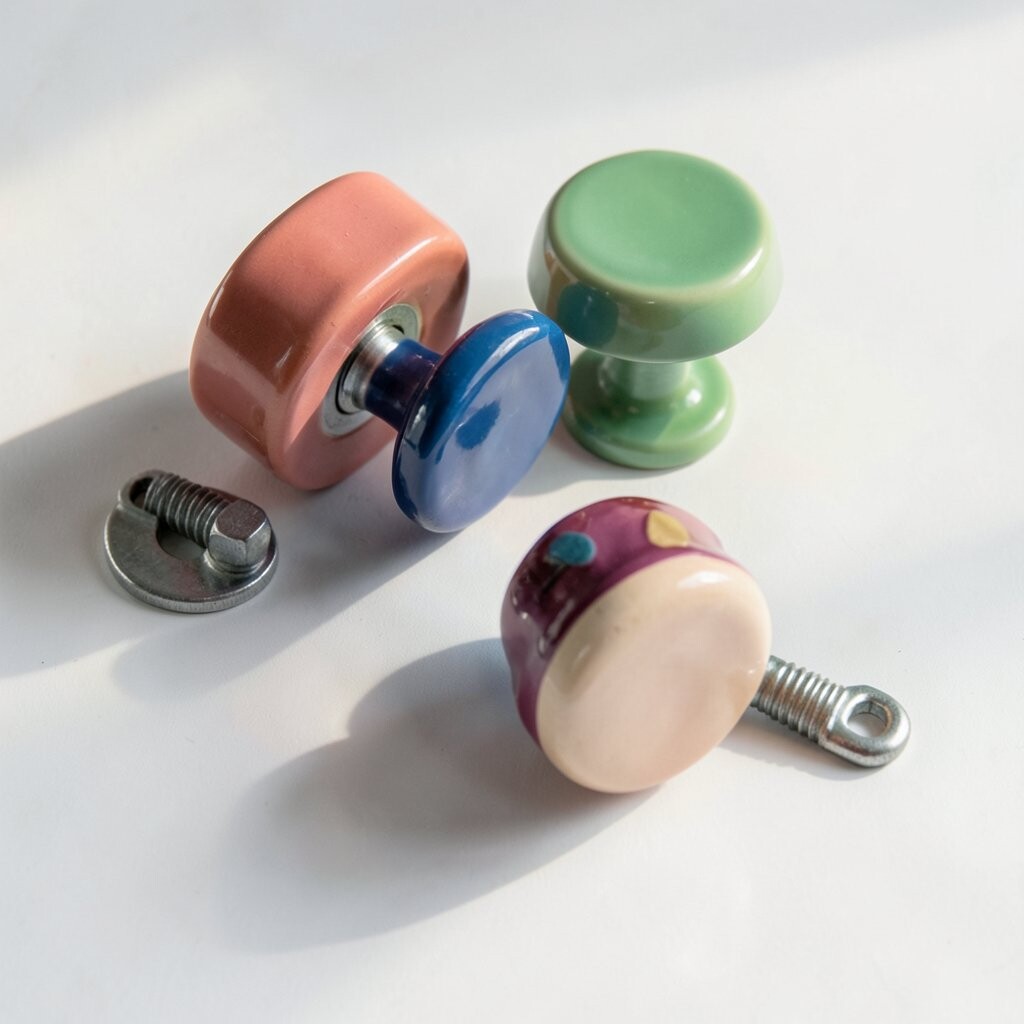
Brighten a room with small changes by swapping cabinet knobs, drawer pulls, or even bathroom hardware for colorful ceramic pieces. You can match the ceramic tone to your art, or pick one surprise color that pops.
These details make everyday moments feel special, because your hands keep noticing them. They also keep the look fresh without turning your home upside down. For a practical approach, measure spacing and check screw sizes so installation goes smoothly.
If you want a budget-friendly trick, focus on one area first, like a kitchen drawer or vanity, then expand later. This is a trendy move too, since handcrafted hardware is gaining popularity for its warm, human feel. Personalize by selecting knobs with patterns, like tiny florals or playful dots, so your style shows up in a subtle but charming way.
11. Lighting as Art With Layered Lampshades
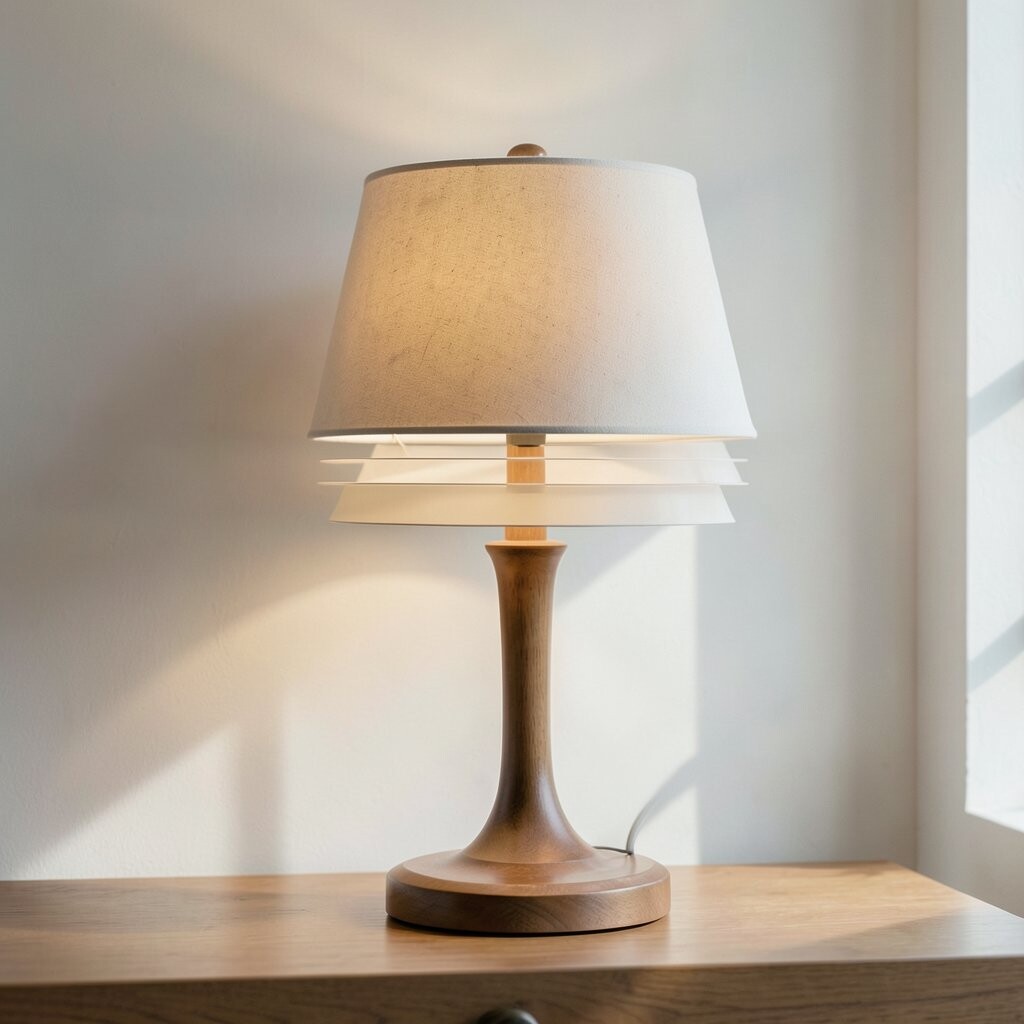
Use lighting like sculpture by adding layered lamps with different tones and shapes. Try a floor lamp with a warm fabric shade and a table lamp with a more structured silhouette for contrast.
Light color and lamp design can brighten a room faster than most decor changes. Layering also reduces harsh shadows, which makes spaces feel more welcoming and easier to relax in. For practical results, use bulbs with similar color temperatures and place lamps to wash walls in gentle brightness.
To personalize, tie lamp colors to your artwork palette, like pairing a soft green shade with abstract botanical prints. If you’re watching current trends, look for pleated shades, warm brass bases, and sculptural glass details that feel modern. Cost can stay under control by shopping secondhand lamps and updating shades or bases with a quick clean and simple hardware swap.
12. Artwork-Led Color Palette in Three Repeat Points
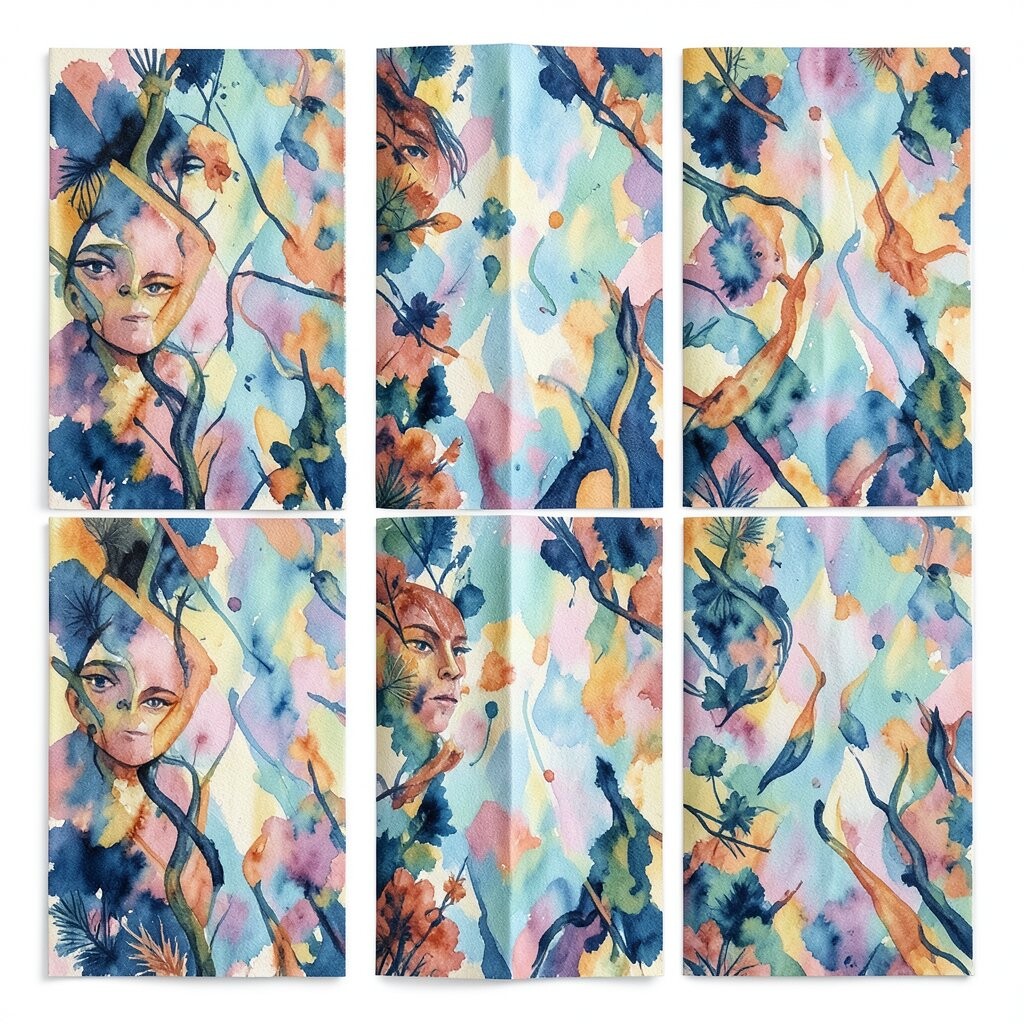
Pick one standout artwork you love, then build a color palette by repeating its tones in three places. For example, match one wall color to the artwork background, use a cushion for a mid-tone, and choose a lamp or vase for the brightest accent.
This method brings harmony, so the room feels bright instead of busy. It also keeps the design personal, because every choice connects back to something meaningful. For practical tips, write down the colors and test samples on small areas first, especially if you’re painting or using large items.
Uniqueness comes from your specific artwork, since no one else will have the same set of colors in the same way. If you want to follow current trends without losing your identity, choose modern artwork with texture and let it guide the rest of the decor. Budget stays friendly when you buy fewer items but choose them with purpose, like two coordinated accessories instead of many random pieces.
13. Decorative Storage That Looks Like a Book Sculpture
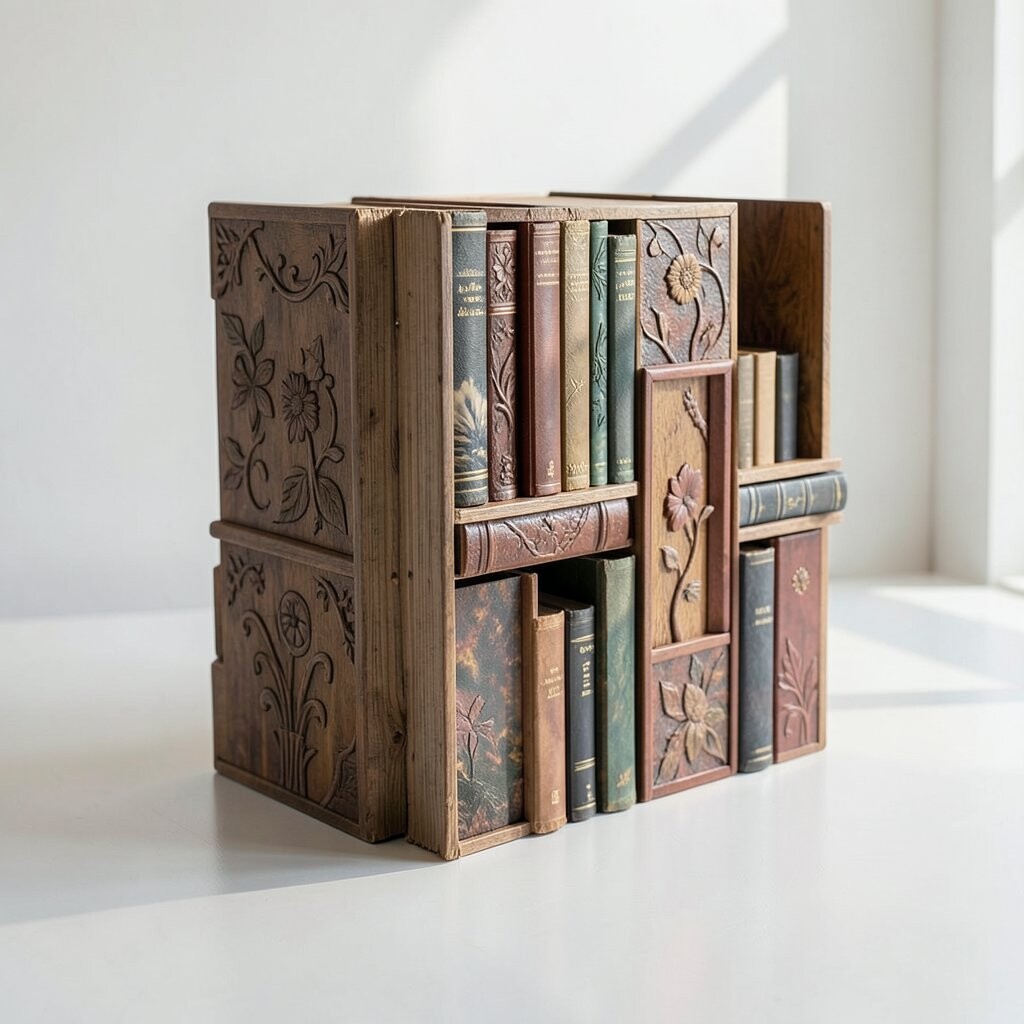
Turn storage into art by styling shelves like a curated display. Stack books horizontally and vertically, add small sculptures, and include a few bright objects like painted boxes or ceramic jars.
This creates a bright, organized look while still feeling creative and personal. When you use decorative baskets and matching containers, clutter disappears and surfaces feel clean. For practical tips, keep shelves at different heights and leave gaps, because breathing space prevents the look from becoming visually heavy.
Uniqueness shows up when you include personal items like concert programs, travel labels, or a tiny framed photo. If you want a trend-friendly vibe, look for “collected” styling with a mix of textures like wood, glass, and woven elements. Cost considerations are easier here because you can use what you already own, then invest in one or two statement pieces like a vase or a lidded ceramic box.
14. Citrus or Blossom Centerpieces in Unexpected Containers
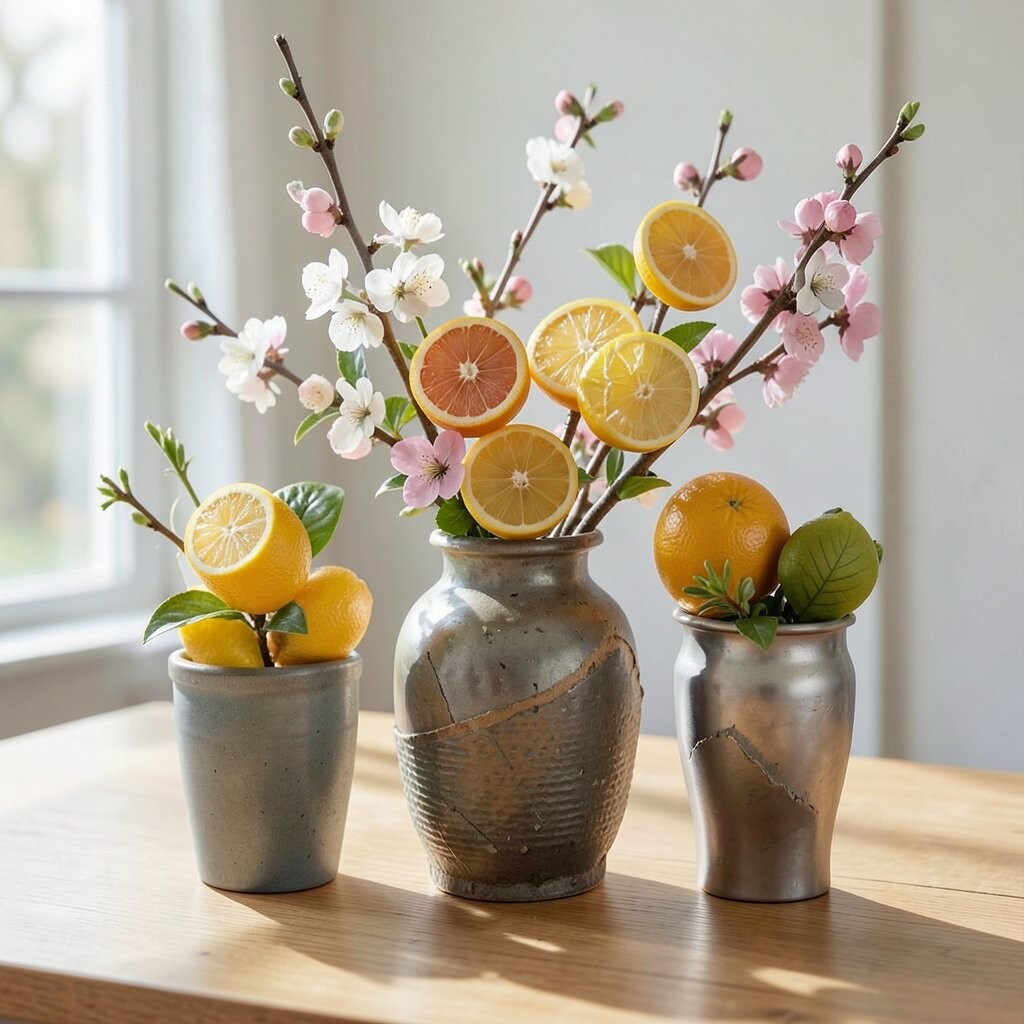
Brighten your dining table or entryway with a centerpiece that uses colorful stems in an unexpected container. Instead of a plain vase, try a vintage pitcher, a shallow bowl, or a repurposed jar with a clean label removal.
Fresh colors in the right container make the whole space feel energized and ready for guests. It’s also a practical design move because you can change the centerpiece seasonally without repainting anything. For practical tips, choose ingredients that look good even when not in full bloom, like citrus slices that stay colorful longer or branches that hold their shape.
Personalize it with a theme that matches your life, such as a coastal look with pale blues and shells or a playful vibe with bold oranges and yellows. Current trends often lean toward natural elements with a modern twist, so pair the container with sleek candles or simple linen runners. Budget-wise, seasonal stems and grocery produce-based arrangements can look surprisingly high-end with a little creativity.
15. A Cozy Seating Corner With Artistic Throw Layers
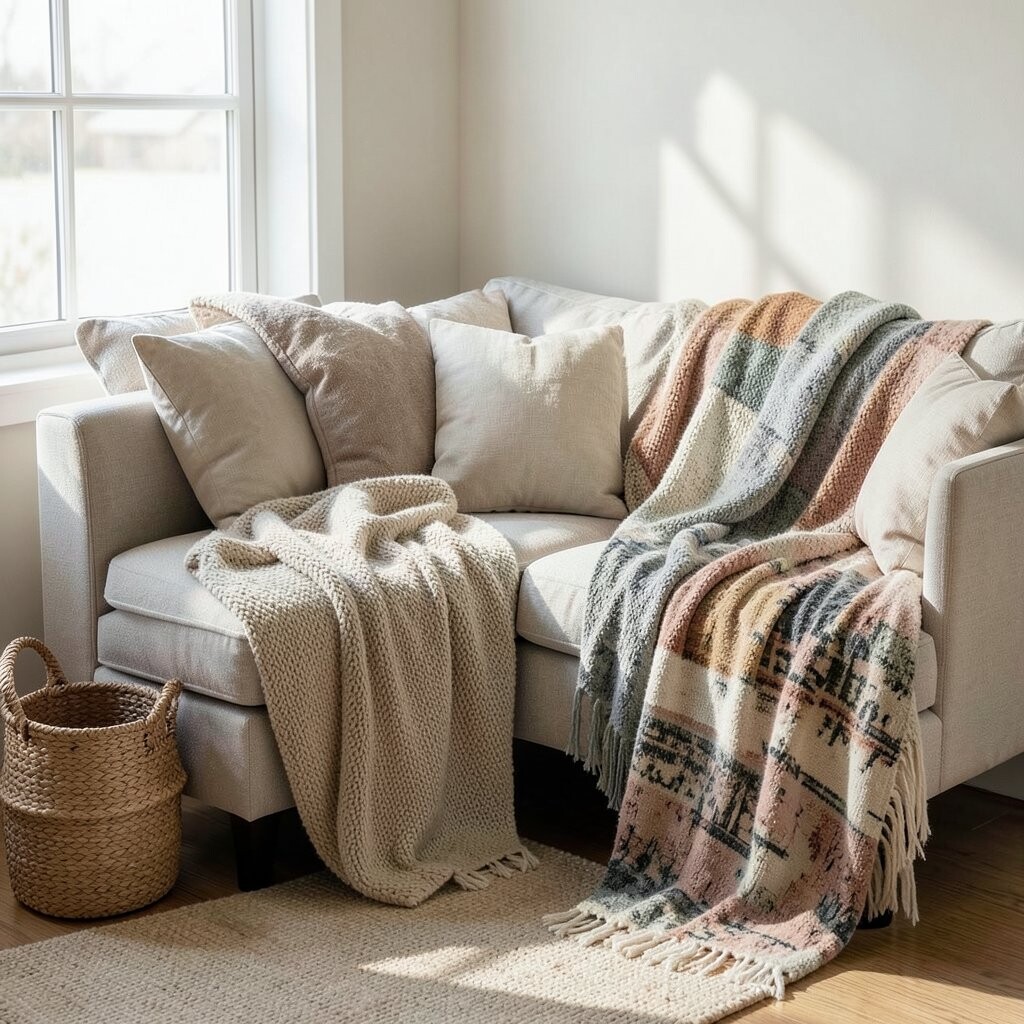
Create a bright seating corner by layering throws, cushions, and a light coverlet in coordinated art colors. Choose patterns with gentle contrast, like abstract brush strokes, tonal stripes, or small motifs that echo your wall art.
Soft textiles brighten a room by adding warmth and depth, especially when they include lighter tones and interesting textures. This also makes the corner more inviting, so you actually want to sit there. For practical tips, mix sizes by using one large cushion and two smaller ones, then drape a throw so it looks intentional instead of tossed.
To personalize, select one “signature” pattern you love and repeat it across the corner, like matching the throw to a framed print. If you’re following current trends, consider warm neutral bases with a single bright accent color to keep the look fresh. Cost considerations are manageable because you can build the set gradually, starting with cushions or a throw and adding pieces when you find colors that match your space perfectly.