Color blocking can make any room feel newly alive. With a few bold paint moments, your walls start telling a happier story.
It is one of the easiest ways to add style without spending a lot. Even small changes can make everyday routines feel more fun and bright.
1. Peel-and-Stick Color Block Panels for Instant Impact

Picture clean, crisp rectangles that look professionally painted. You can place them on a plain wall and watch the room brighten right away.
These panels are great because they save time and reduce mess, which means you can refresh faster. Many designs include ready-made shapes, so you can line up colors neatly. Choose vinyl that matches your lighting so the tones look steady from morning to night.
2. Tape-It-Off Geometry With Two Budget Paint Colors
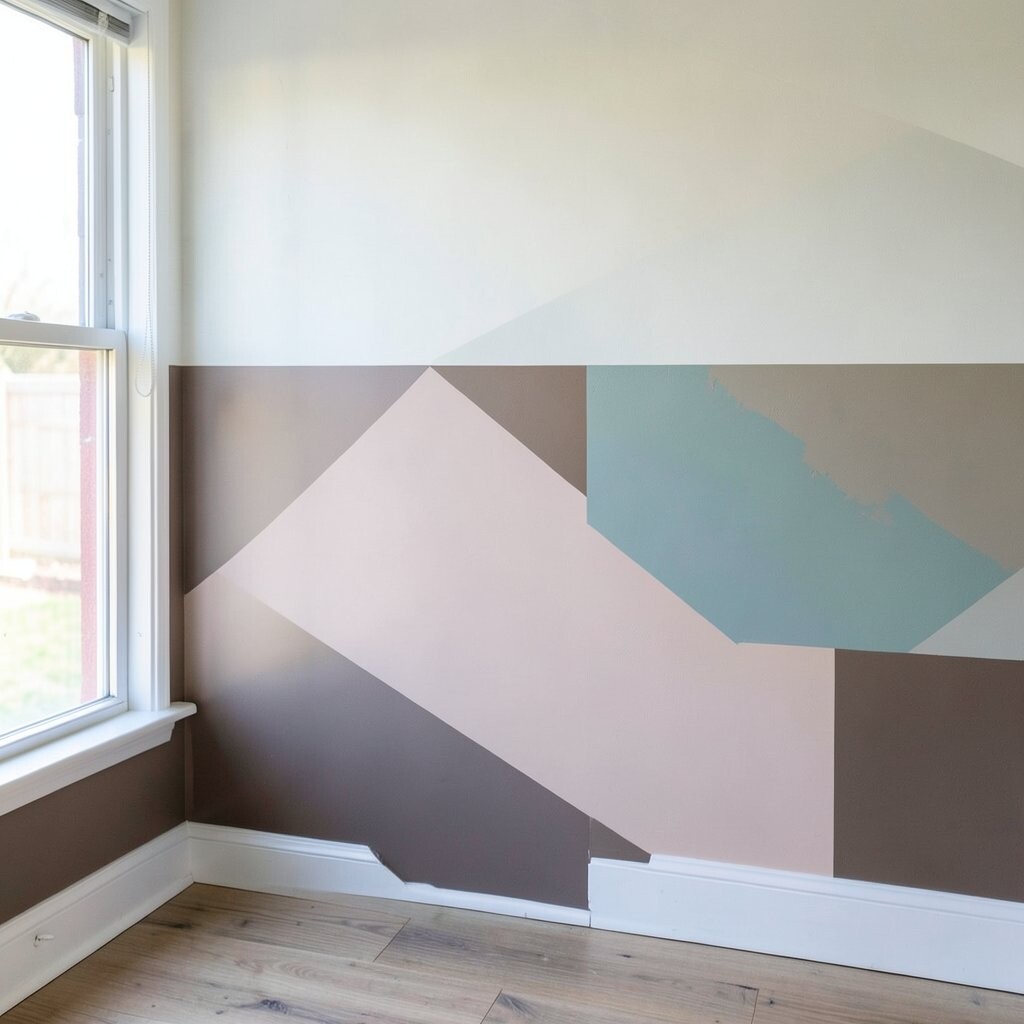
Use painter’s tape to map out simple squares and lines across a wall. When you peel the tape, the edges stay sharp like a printed pattern.
This works well for renters because you can stop at any point and repaint later. Pick two shades that already match your room, like warm cream with terracotta or soft gray with navy. For the smoothest look, press the tape firmly and paint in thin coats instead of heavy ones.
To keep costs low, buy small sample sizes and test on a hidden spot first. If you want a trend feel, choose muted colors with one deeper accent for contrast. You can also personalize the layout by repeating the same pattern near a doorway or along a hallway wall.
3. Stencil-Edge Color Blocks for a Soft, Modern Look

Imagine rounded corners and gentle curves that break up a large blank space. Stencils add a crafted feel without requiring fancy skills.
Stenciling gives you control over shapes while still letting you enjoy bold color. It is a practical option if you want the color block idea but do not want perfectly straight lines everywhere. Use a foam roller for even coverage and avoid overloading paint.
Try pairing one bright color with a calmer neutral to keep the look balanced. For uniqueness, stagger the stenciled sections so they feel playful instead of flat. If you are working in a small room, keep the contrast moderate so the wall does not overwhelm the space.
4. Oversized Corner Accent Blocks That Make Rooms Feel Larger

Think about the corner where two walls meet and how much it can do for your space. A wide vertical block in a bright tone can pull your eye upward and make the room feel taller.
This project is cost-friendly because you only need to paint or tape one focused area. It is also a simple way to add personality without covering everything. Use a satin finish for easier cleaning if the wall is near a high-traffic spot.
5. Color Block a Gallery Wall With Painted Backing Strips

Visualize a gallery wall where the space behind frames is not plain. Instead, colored strips peek through and add a lively rhythm.
This is a fun approach when you already have art, photos, or prints to hang. It helps tie the pieces together so the wall feels planned instead of random. Paint backing strips on the wall first, then mount frames so the blocks show around them.
Choose colors that repeat in your décor, like a pillow tone or a wood stain shade. To personalize, vary the width of each strip so the layout feels custom. If you are keeping costs low, use leftover paint and limit the palette to two or three colors.
6. The Classic Bold Band Across the Middle of a Wall

Picture a thick horizontal stripe that cuts across the wall like a confident brush stroke. It instantly adds order and makes the whole room look more styled.
This style feels modern and works with almost any furniture color. It also turns a plain wall into a focal point without needing many supplies. For a clean finish, measure the stripe height carefully and use a level to keep it straight.
Pick a saturated color for energy, then soften it with a neutral surrounding wall like warm white or light beige. If you want a trendy twist, use a slightly off-center band so the visual weight feels dynamic. Renting? Keep the surrounding wall color neutral so you can swap the band later.
7. Washi Tape Color Blocks for a Low-Commitment Mini Refresh

Imagine delicate translucent blocks that still bring bold color. Washi tape lets you try ideas without heavy paint or long prep.
This approach is practical for seasonal updates because you can remove it easily. It is also great for kids’ rooms, play areas, or temporary guest spaces. Choose tape colors that match your art prints and switch them whenever your taste changes.
For uniqueness, layer tape in overlapping shapes to create a patchwork look. Keep edges tidy by smoothing the tape with a credit card or small plastic tool. Cost stays low because you can buy small rolls and use them across multiple projects.
8. Chalk Paint Color Blocks With a Matte, Cozy Feel
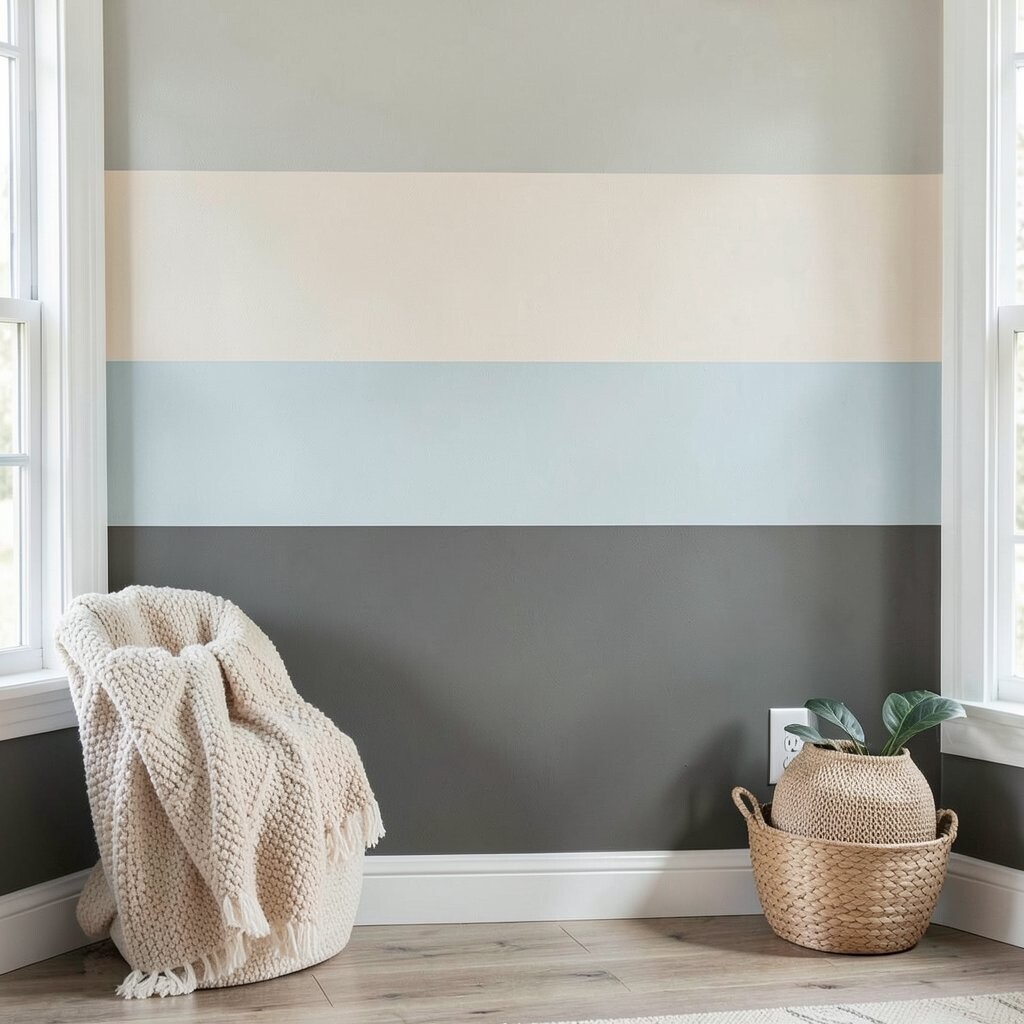
Chalk paint can make bold blocks look gentle and lived-in. Think velvety matte shapes that soften the room instead of reflecting harsh light.
This option is great when you want a warm, cozy vibe, especially in bedrooms and reading corners. Many people also love chalk paint for its easy touch-up when life happens. Let each color cure fully before layering tape again to avoid smudges.
If you want personalization, mix one bold hue with a dusty shade that echoes your curtains or bedding. For a trend-aligned look, consider earthy greens, muted blues, or warm terracotta. Keep a small container of matching paint for quick fixes, which helps costs long-term.
9. Paint-Within-Frames Color Blocking for a Designer Look

Picture color blocks sitting inside the “windows” of decorative wall molding. Even simple frames can make the wall feel custom and high-end.
This project adds structure while keeping the palette simple. It is practical because molding can guide your layout, making it easier to paint neat blocks. Use painter’s tape to protect the molding edges and clean up carefully with a small angled brush.
For uniqueness, make each frame a different shade or keep all frames the same and vary only the width. If you want to keep costs low, use peel-and-stick trim or basic wood strips. Match the trim color to your existing hardware or paint it white for a clean modern feel.
10. Color Blocking Over a Stuck-On Accent Wall Pattern

Imagine starting with a removable wallpaper or temporary wall decal strip, then building on it. Color blocks placed over the existing pattern can create depth and a layered feel.
This works well when you want something bolder but still want flexibility. You can remove the temporary layer later without repainting the entire wall. To keep it practical, wait until the surface is fully dry and fully stuck before you start painting nearby blocks.
Choose two complementary colors so the painted sections look intentional next to the pattern. For personalization, align blocks with the pattern’s major lines, like stripes or large motifs. Cost considerations are smart here because you can limit paint use to the areas that need extra color.
11. Ombré Meets Color Blocking With Soft Transitions Between Blocks

Think about blocks that do not stop sharply, but blend into each other with a smooth gradient. It still follows a bold color plan, just with softer edges.
This can make a wall feel calming while still being exciting. It is a practical way to use more than two colors without making everything look chaotic. To get clean blends, use a sponge or soft brush and feather the paint where the colors meet.
Try a trend-forward palette like muted sage into pale blue, or warm sand into peachy tones. If you want uniqueness, keep one side of the wall more saturated and fade the other side for a gentle “day to night” effect. For cost, use sample pots and mix small batches, then label them so you can repeat the look later.
12. Fabric and Contact Paper Color Blocks for a Quick Non-Paint Option
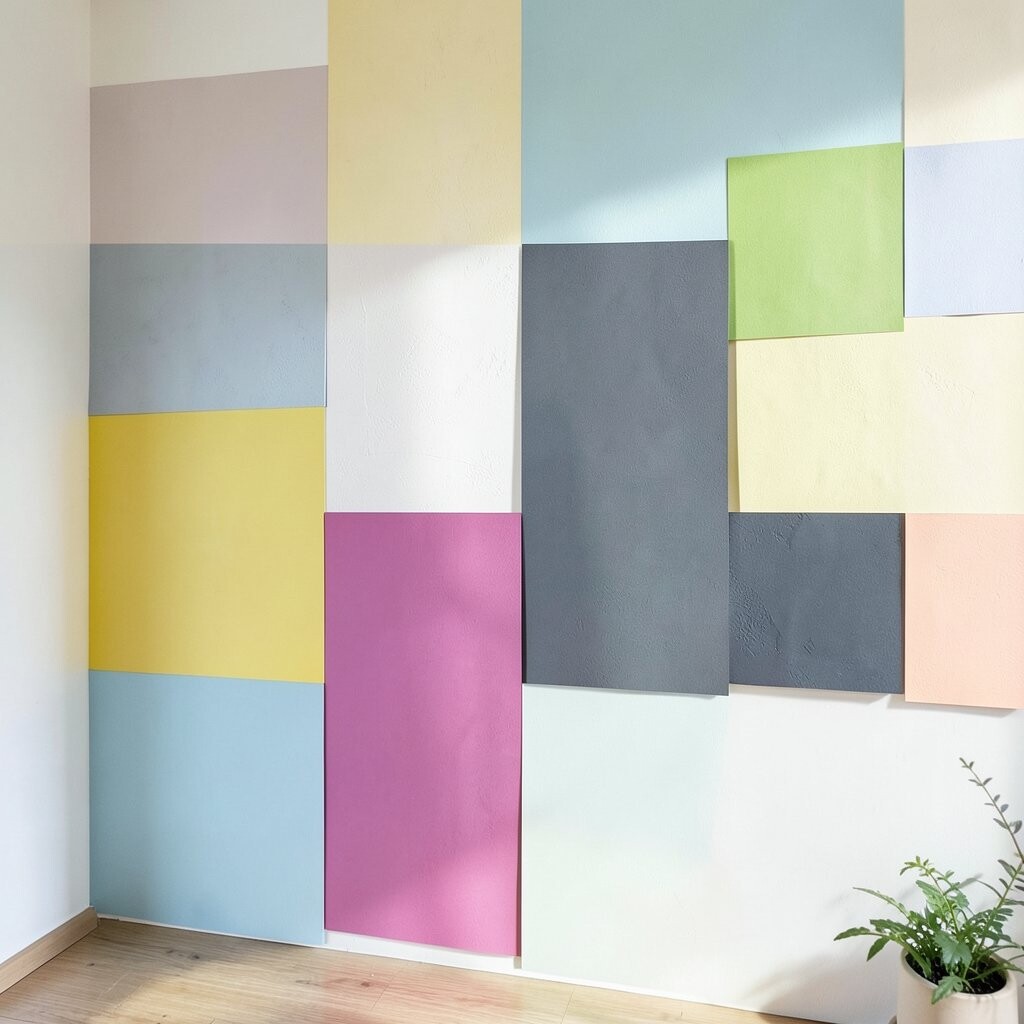
Picture bold rectangles made from fabric or contact paper pinned directly to the wall. The texture adds warmth, and the colors pop in a fresh way.
This is a practical solution when you want zero paint drying time. It also helps if you are dealing with a wall that is not ready for paint yet. Choose contact paper with a matte finish so it does not glare, and press it carefully to avoid bubbles.
For personalization, combine fabric scraps with different patterns but keep the color family tight. This looks unique while staying easy to maintain because you can spot-clean most surfaces. Budget-wise, look for clearance fabric rolls or discounted contact paper sheets, and measure your wall space so you avoid buying too much.