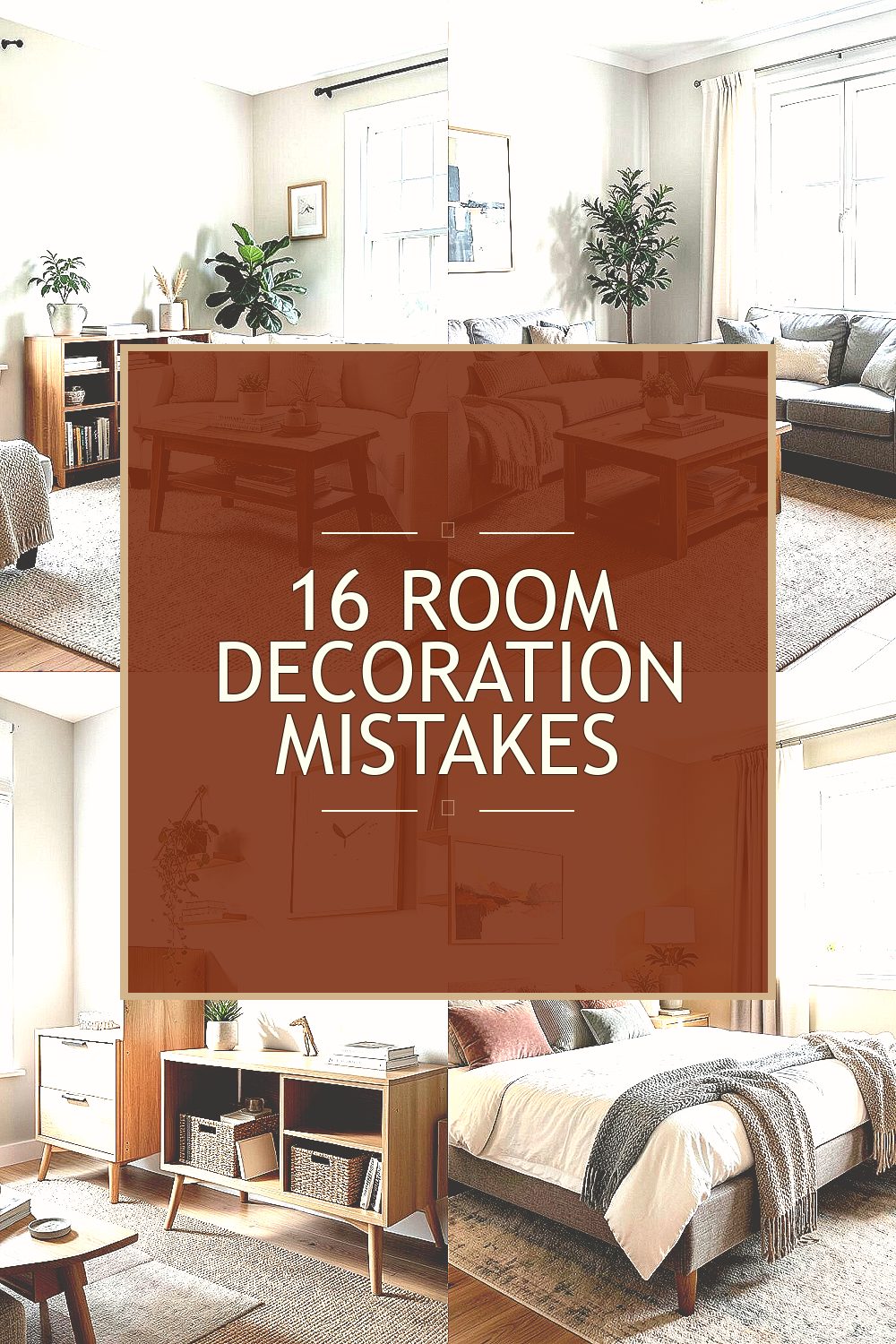
Rooms can feel wrong for tiny reasons. A few smart choices can make them feel calm, cozy, and full of life.
-
1. Ignoring the Room’s Natural Light

Ignoring the Room’s Natural Light Dark curtains, heavy furniture, and poor lamp placement can make a room feel smaller than it really is. Bright spaces usually feel more open, cheerful, and easy to live in.
Try standing in the room at different times of day to see where the sun lands. Use light curtains, mirrors, and soft lamp glow to help the space shine without a big cost. If you like a moody style, keep it balanced with pale walls, shiny decor, or warm bulbs so the room still feels friendly.
-
2. Choosing Furniture That Is Too Big

Choosing Furniture That Is Too Big A huge sofa or oversized table can crowd the room and block movement. When furniture fits well, the whole space looks cleaner and easier to enjoy.
Measure the room before buying anything, and mark the size on the floor with tape. This simple trick helps you picture how the pieces will sit in real life. If you need to save money, look for slim shapes, secondhand finds, or pieces with legs that show more floor.
Many modern rooms now use lighter, smaller furniture for a breezier look. That style can feel fresh and unique, especially in apartments or shared spaces where every inch matters.
-
3. Pushing Every Piece Against the Walls

Pushing Every Piece Against the Walls When all the furniture hugs the walls, the room can feel stiff and empty in the middle. A more balanced layout often feels warmer and easier to use.
Try floating a chair, bench, or sofa a little away from the wall. This can create a cozy conversation zone and make the room feel planned, not random. A small rug can help tie the pieces together and add color without spending a lot.
People often forget that open space can look stylish when it is shaped well. A little gap can make the room feel bigger, which is a nice bonus for both comfort and style.
For a personal touch, place a reading lamp, plant, or side table beside the floating piece. That small setup can make the room feel custom-made instead of copied from a store display.
-
4. Using Too Many Colors at Once

Using Too Many Colors at Once Bright color can be fun, but too many loud shades can make a room feel busy and tired. A simple color plan helps the eye rest and makes special items stand out.
Pick a main color, a support color, and one accent color to keep things neat. If you love bold style, use it in pillows, art, or a chair instead of every wall and shelf. This keeps the room playful without becoming messy or expensive to fix later.
-
5. Forgetting About Texture

Forgetting About Texture A room with only smooth surfaces can look flat and cold. Mixing soft, rough, shiny, and woven pieces gives the space more life and charm.
Think about a knit throw, a wood tray, a glass lamp, or a fluffy rug. These small details add depth and make the room feel rich without needing fancy furniture. Texture is also a smart way to make a plain room feel special on a small budget.
Right now, many people like natural textures such as rattan, linen, and raw wood. These materials feel warm and easy to live with, and they fit many styles from modern to farmhouse to boho.
-
6. Hanging Art Too High

Hanging Art Too High Art that sits too close to the ceiling can make the room feel strange and disconnected. When art is placed at the right height, it helps the whole wall feel balanced.
A good rule is to keep the center of the art near eye level. If you are hanging art above a sofa or dresser, leave a little space so the pieces feel linked. This creates a polished look that costs nothing more than careful planning.
Mix framed prints, photos, and handmade pieces for a unique wall that tells your story. A gallery wall can be personal and stylish, especially if you use frames in the same color or finish.
-
7. Buying Decor Without a Plan

Buying Decor Without a Plan Random decor shopping can lead to shelves full of items that do not match. A room feels better when each piece has a clear job or purpose.
Before buying, think about the mood you want: calm, bright, playful, or cozy. Make a small list of items that help build that feeling, such as a lamp, rug, mirror, or art print. This keeps spending under control and helps the room feel more personal.
Trendy stores often push fast decor that looks good for a week and then feels old. Choosing fewer, better pieces can save money and make the room feel more timeless.
-
8. Forgetting Storage Needs

Forgetting Storage Needs A pretty room that has no place for everyday items can quickly become messy. Clutter makes even a lovely room feel stressful and hard to enjoy.
Use baskets, boxes, shelves, and furniture with hidden storage to keep things neat. These pieces can also add color and texture, so they work as decor too. A tidy room often feels bigger, calmer, and more useful without needing a full makeover.
-
9. Matching Everything Too Perfectly

Matching Everything Too Perfectly When every item looks the same, a room can feel flat and a little dull. A mix of shapes, finishes, and styles gives a room more spark and personality.
Try pairing old and new pieces, or smooth and rough ones, to create contrast. A classic table with a modern lamp can look much more interesting than a full matching set. This also helps you save money, since you can shop slowly instead of buying an entire set at once.
Unique rooms often feel collected over time. Add one personal item, such as a travel souvenir, family photo, or handmade object, to make the space feel truly yours.
Many current styles favor this collected look because it feels warm and real. It also keeps a room from looking like a store display, which many people want to avoid.
-
10. Skipping the Rug or Choosing the Wrong Size

Skipping the Rug or Choosing the Wrong Size A rug that is too small can make the room feel chopped up and awkward. The right rug helps anchor furniture and makes the space feel finished.
Try to choose a rug that fits under at least the front legs of major furniture pieces. This helps the room feel connected and more thoughtful. If a large rug is too costly, layer a smaller rug over a natural fiber base for a stylish look at a lower price.
Bold patterns, soft neutrals, and vintage-style rugs are all popular right now. Pick one that supports your room’s mood and does not fight with the rest of the decor.
-
11. Using Only One Light Source

Using Only One Light Source A single ceiling light can leave corners dark and make the room feel flat. Good lighting adds comfort, depth, and a cozy glow that people notice right away.
Mix overhead lights with table lamps, floor lamps, or wall lights to build layers. This makes it easier to change the mood for reading, relaxing, or spending time with friends. It can also be a smart budget choice, since small lamps often cost less than big fixture changes.
Warm bulbs usually feel softer and more welcoming than harsh white ones. That small switch can change the whole room without any major decorating work.
For a personal touch, choose lamp shades or bases that match your style, such as wood, brass, ceramic, or fabric. The room will feel more unique and less plain.
-
12. Filling Every Surface

Filling Every Surface When shelves, tables, and counters are packed with objects, the room can feel noisy. A little empty space helps special pieces stand out and gives the eye a place to rest.
Keep only a few items on each surface and group them in small sets. A lamp, a book stack, and a plant can look neat and stylish without feeling crowded. This also makes cleaning easier, which is a big win for busy homes.
Minimal styling is still a strong trend because it feels calm and modern. You do not need to own less of everything, but you may want to show less at one time.
To make the room feel more personal, rotate decor by season or mood. That way the space stays fresh without costing much extra money.
-
13. Forgetting the Ceiling and Floor

Forgetting the Ceiling and Floor Many people focus only on walls and furniture, but the ceiling and floor matter too. These parts of the room can add surprise, style, and a more complete feel.
Try a painted ceiling, a patterned floor mat, or a bold runner to give the room more character. Even small touches like a hanging mobile or a ceiling medallion can make the space feel special. If you want low-cost ideas, use peel-and-stick floor accents or simple painted trim.
-
14. Choosing Decor That Does Not Fit the Room’s Mood

Choosing Decor That Does Not Fit the Room’s Mood A room can look mixed up when the decor style does not match the feeling you want. Soft blankets and fancy mirrors may look odd in a space meant to feel sporty or simple.
Think about the room’s purpose first, then choose pieces that support it. A bedroom may need calm colors and soft fabrics, while a playroom may need bright art and sturdy storage. When the mood is clear, the room feels more useful and more inviting.
Personal style still matters, so add one or two pieces that show your taste. That mix of function and personality can make the room feel unique without making it confusing.
-
15. Overlooking Scale in Decor Pieces

Overlooking Scale in Decor Pieces Small art on a huge wall or tiny lamps on a large table can look off balance. Good scale helps the room feel steady and complete.
Look at the size of the wall, table, or shelf before choosing decor. Bigger spaces usually need larger items or grouped pieces to avoid looking empty. If the budget is tight, you can make a bigger impact by using one large print, a tall plant, or a set of simple frames.
Scale also helps a room feel more polished, which is why designers pay close attention to it. Even a plain room can feel stylish when the pieces fit together well.
Try mixing heights, too, so the eye moves around the room in a fun way. That small change can make the space feel fuller and more alive.
-
16. Forgetting to Make the Room Feel Like You

Forgetting to Make the Room Feel Like You A room can look nice and still feel empty if it has no personal story. The best spaces often show hobbies, memories, favorite colors, and little things that matter.
Add photos, books, art, travel finds, or handmade objects that mean something to you. These items do more than decorate the room; they make it feel warm and lived in. You do not need to spend a lot to create this feeling, because the most special pieces are often already in your home.
Current decor trends may change fast, but your own taste lasts longer. A room that reflects your life will always feel more welcoming than one copied from a catalog.