
Some rooms look like art from the moment you step in. Others quietly make daily life easier in ways you feel right away.
1. Gallery Walls Vs Built-In Shelving
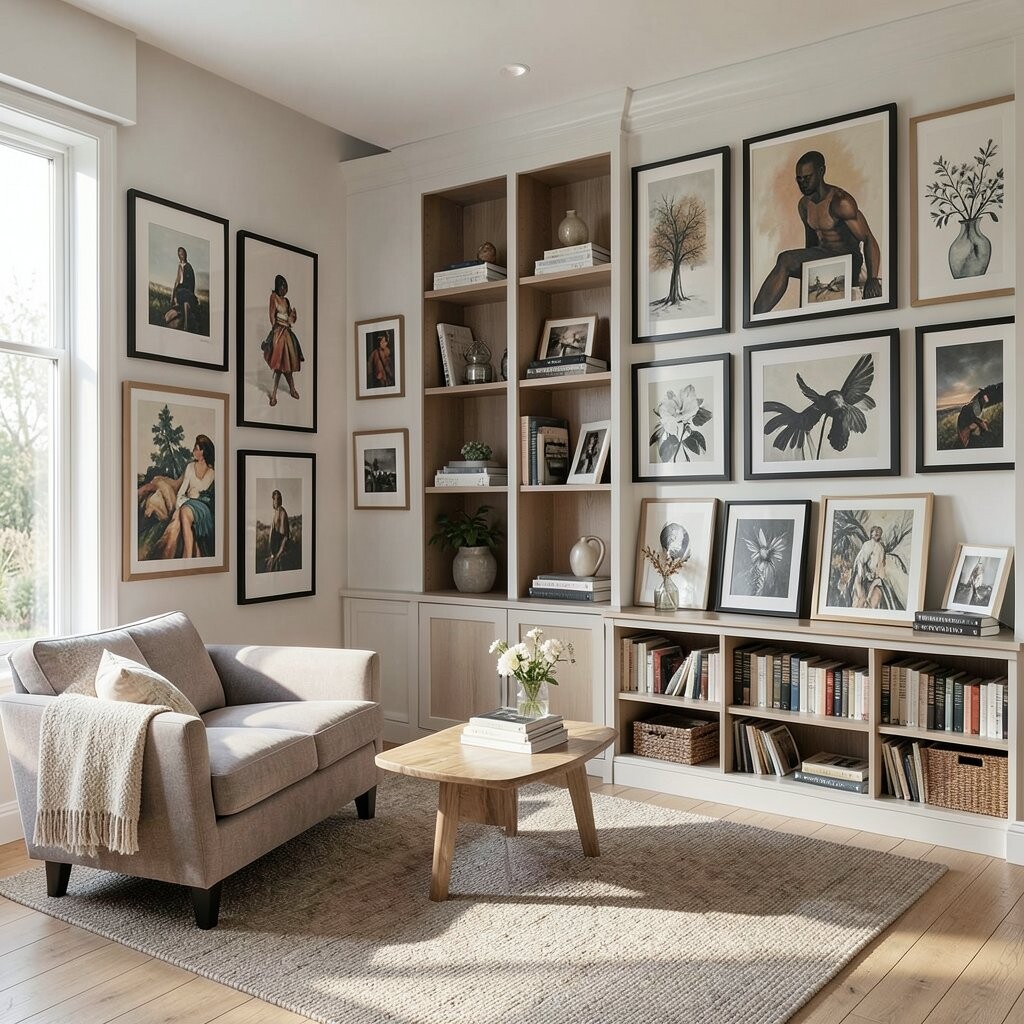
A gallery wall brings bold color, framed photos, and personal style to a blank space. Built-in shelving gives that same wall a job to do.
Gallery walls work best when you want a room to feel lively and full of memory. Built-in shelves help hold books, baskets, plants, and everyday items without cluttering the floor. If you love a polished look, try mixing both by placing a few framed prints above neat shelves so the wall feels stylish and useful at once.
2. Sculptural Chairs Vs Storage Ottomans
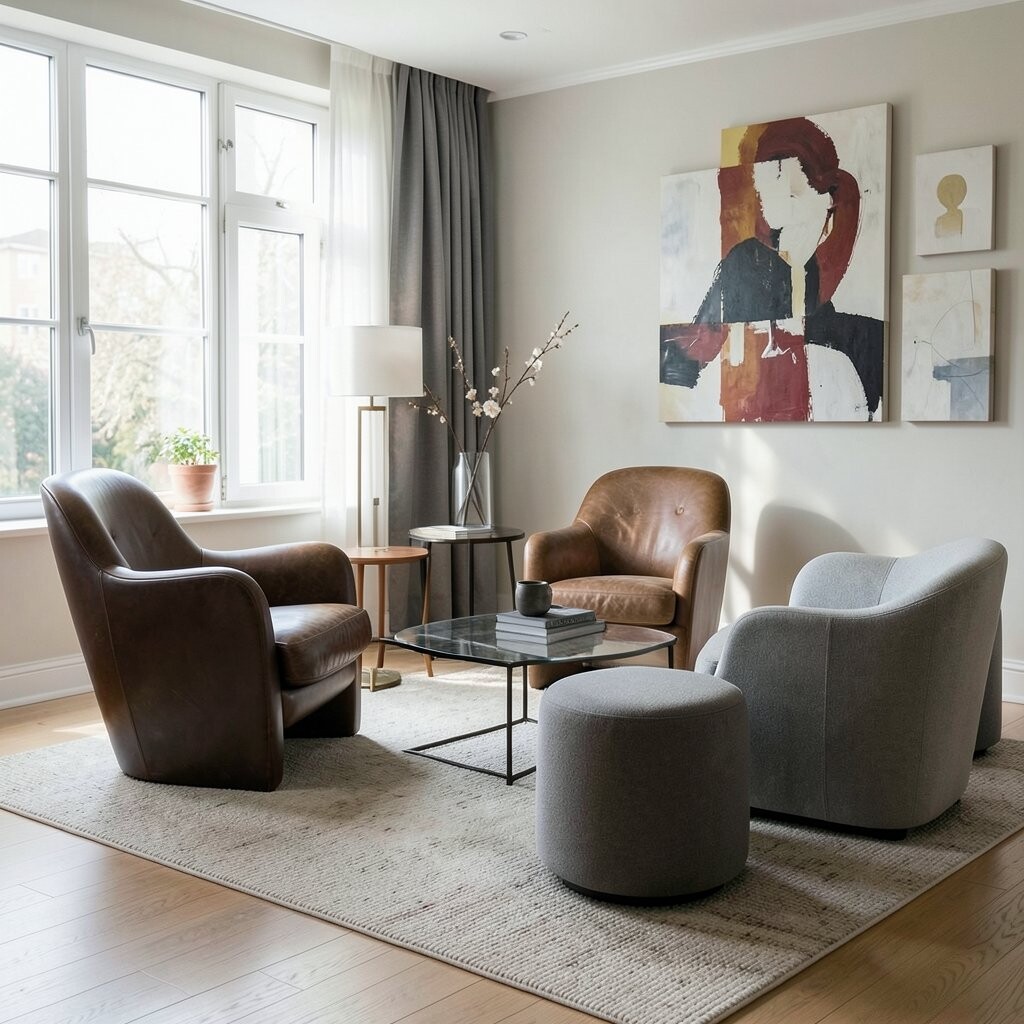
A sculptural chair can look like a piece of museum art, with curves, bright fabric, or a fun shape. A storage ottoman looks softer and simpler, but it hides blankets, toys, or game pieces inside.
Artful chairs are great in a reading corner, bedroom, or entryway where people notice them right away. Storage ottomans shine in small homes because they save space and keep mess out of sight. A smart idea is to choose a chair in a standout color and pair it with a plain ottoman in a matching tone so the room feels balanced and fresh.
Trendy homes often mix one statement piece with one workhorse piece, and this is a good example. Prices can range a lot, so think about how often you will sit on it, open it, or move it around. If you want your space to feel more personal, pick fabric, wood, or metal that matches your own style and daily needs.
3. Bold Accent Walls Vs Smart Paint Zones
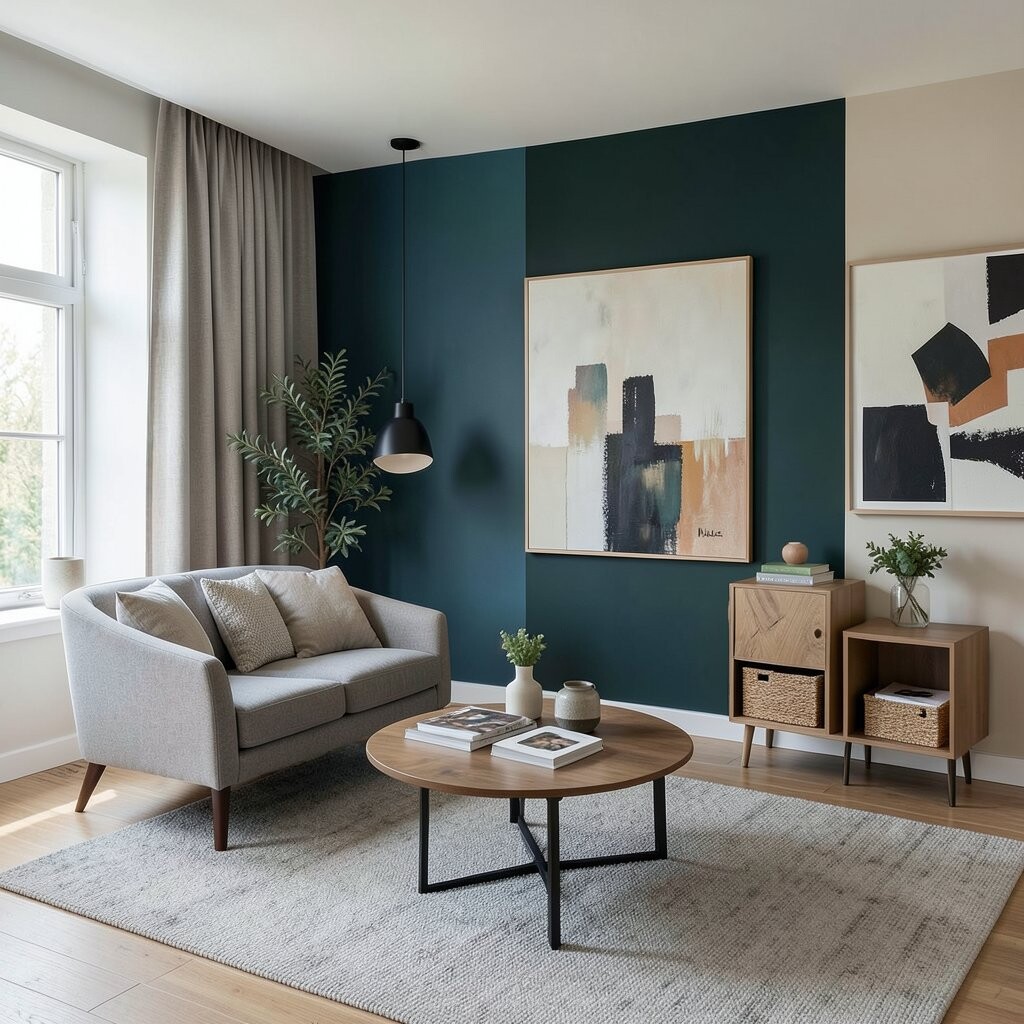
An accent wall can turn one side of a room into a bright focal point. Smart paint zones use color to mark areas for sleeping, reading, working, or playing.
Accent walls are eye-catching and easy to change with a new color or wallpaper. Paint zones are more practical because they can help a room feel organized without adding furniture. For a custom touch, use a soft arch behind a bed or a painted rectangle behind a desk to make the room feel special and useful.
Many people now like earthy colors, warm clay, and soft green because they feel calm and modern. Accent walls can be low cost if you use paint, while wallpaper or mural designs may cost more. If you rent, removable wallpaper or peel-and-stick panels can give you style without a big commitment.
These ideas work well in kids’ rooms, home offices, and studio apartments. A bright wall can make a room feel lively, while a painted zone can quietly guide the eye. Both can show off your taste while helping the room make sense.
4. Decorative Mirrors Vs Full-Length Mirrors
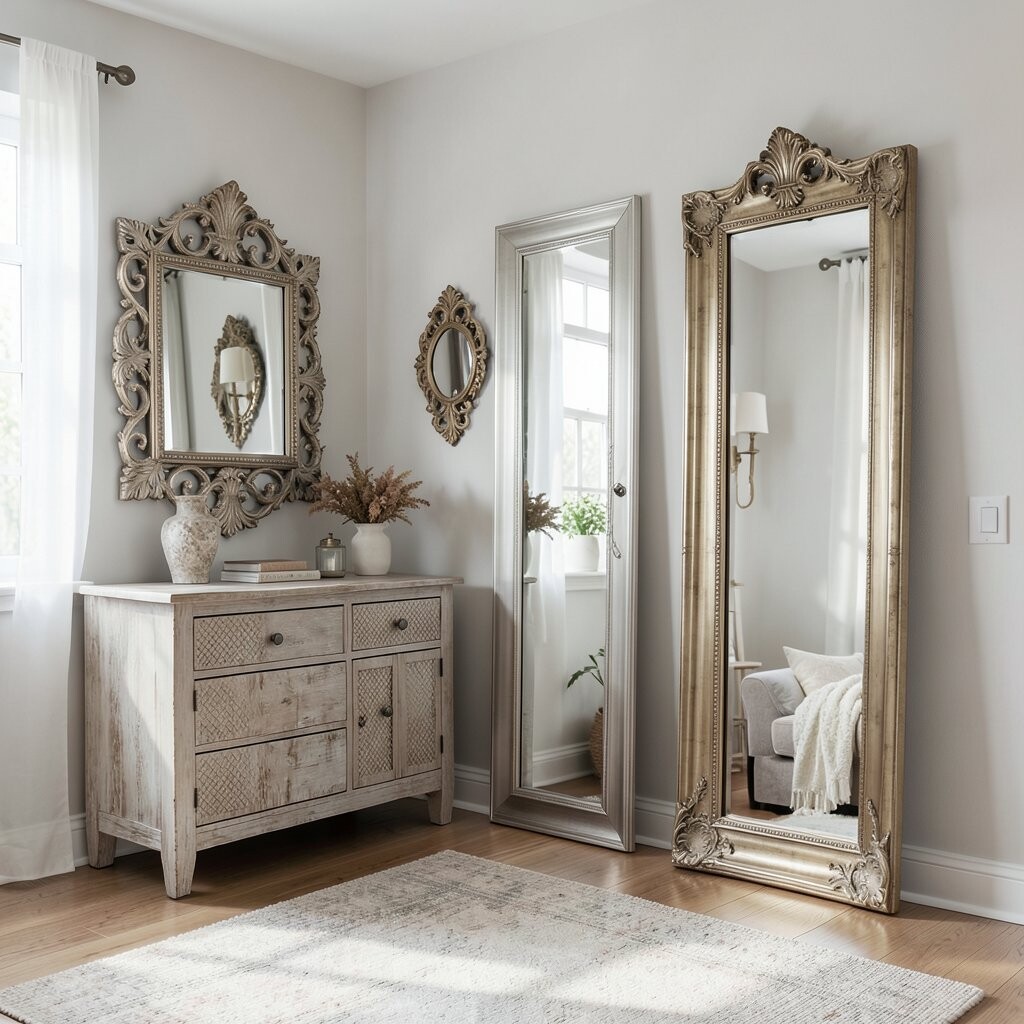
Decorative mirrors act like shiny wall art and can make a room feel brighter. Full-length mirrors help you get dressed, check outfits, and see the whole space.
Round mirrors, sunburst mirrors, and framed mirrors add charm above a mantel or console table. Full-length mirrors are better near closets, bedrooms, and entryways because they serve a daily purpose. If you want both beauty and function, place a large mirror where it reflects a window, then add a small tray or lamp below it for a styled look.
5. Statement Lighting Vs Task Lighting
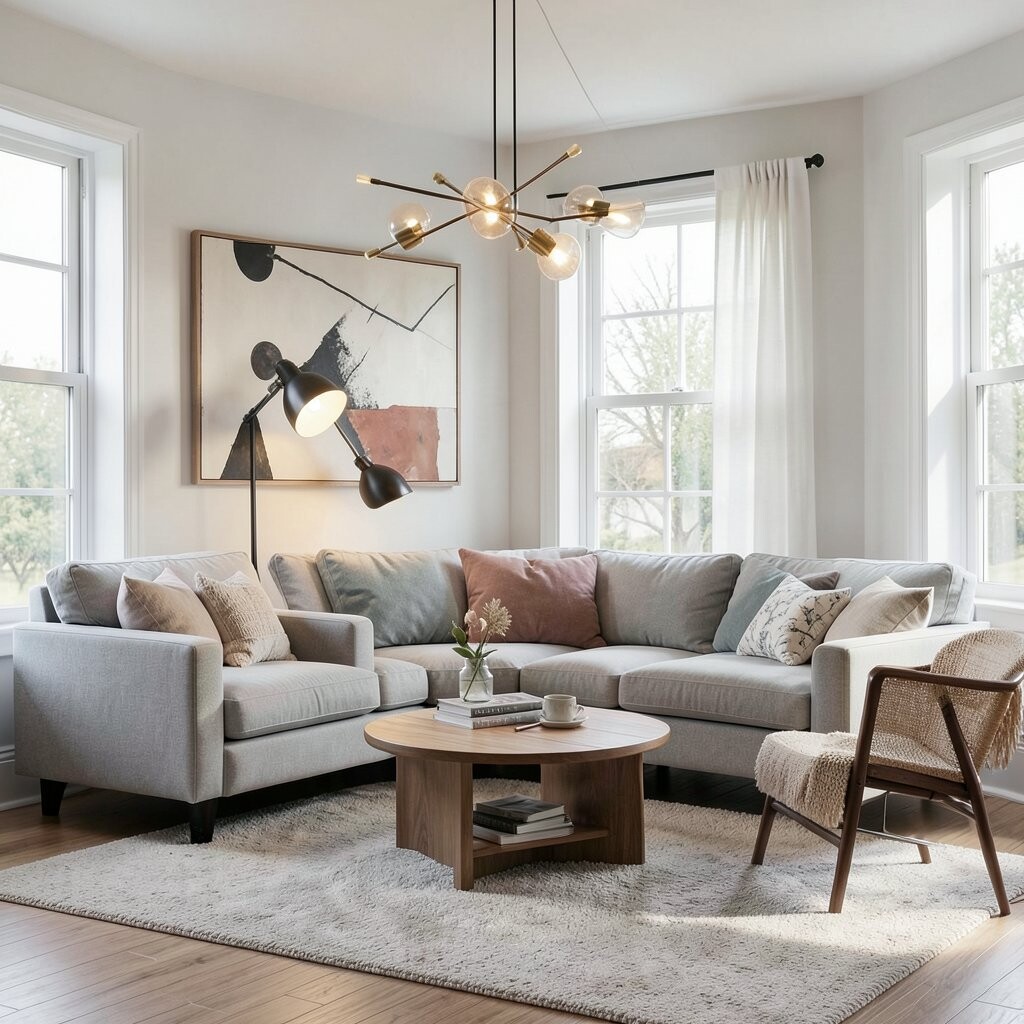
A statement light fixture can feel like a hanging sculpture in the room. Task lighting gives focused light for reading, cooking, crafting, or working.
Chandeliers, woven pendants, and colorful lamps can set the mood and become the star of the space. Desk lamps, under-cabinet lights, and swing-arm lights make life easier because they aim light exactly where you need it. A clever mix is to choose one eye-catching fixture and add smaller lights that do the real daily work.
Lighting trends now favor warm bulbs, natural textures, and simple shapes that still feel special. Costs can stay low with a stylish lamp shade or rise fast with custom fixtures. To make the room feel like yours, choose finishes that match your hardware, furniture, or favorite colors.
Good lighting can change how a room looks at night and how useful it feels during the day. An artistic light can make guests stop and smile, while a task light helps everyone stay comfortable. Together, they bring both beauty and ease.
6. Wall Art Collections Vs Floating Desks
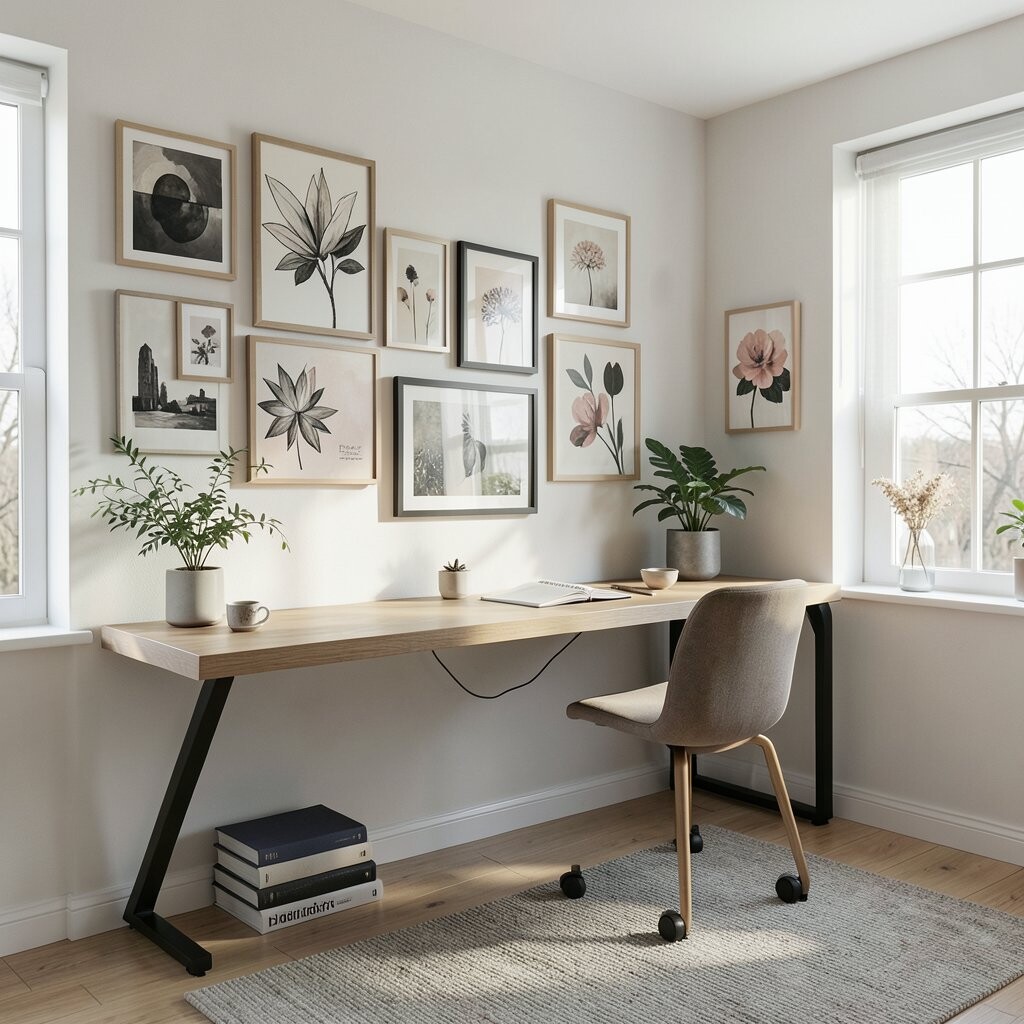
Wall art collections fill empty space with color, texture, and mood. Floating desks keep the floor open and create a neat spot to work or study.
Art collections can be made from prints, photos, fabric pieces, or even handmade drawings. Floating desks are perfect for small rooms because they take up less visual space and can make the area feel airy. A nice way to blend the two is to hang art above the desk so the work zone feels creative instead of plain.
Choose art with colors that match your desk chair, rug, or curtains for a pulled-together look. Floating desks can be budget-friendly if you use a simple shelf style, but stronger models may cost more. If you want a personal touch, add a corkboard, a tiny plant, or a favorite quote near the desk.
Many homes now favor light, open work areas that do not feel heavy. That makes floating desks a smart pick for apartments and bedrooms. When paired with art, they can still feel warm, lively, and full of character.
7. Patterned Rugs Vs Easy-Clean Flooring
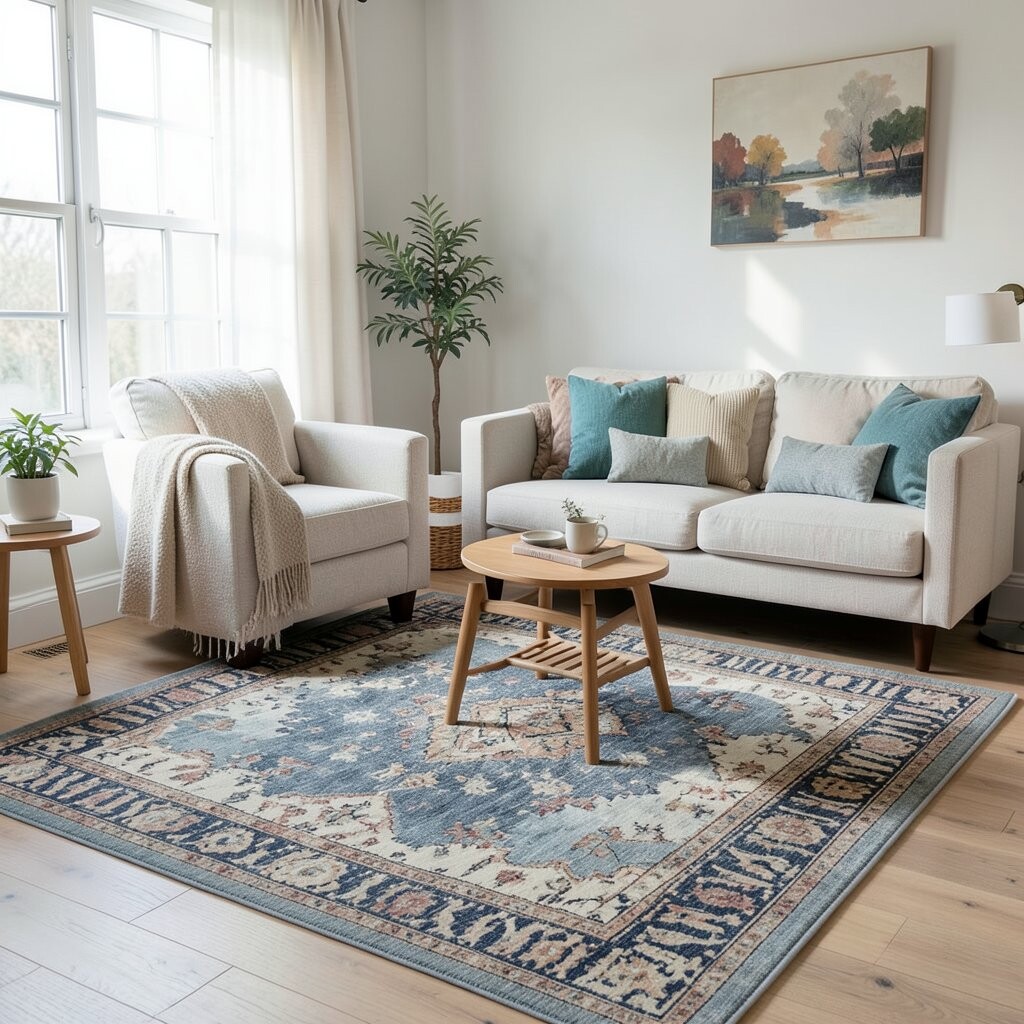
A patterned rug can anchor a room with color, movement, and cozy texture. Easy-clean flooring gives a smooth surface that stands up well to spills, pets, and busy feet.
Rugs are a fast way to add style without changing the whole room. Flooring choices like vinyl, laminate, or sealed wood are practical because they are simple to wipe and maintain. If you want both, use a large rug in the living area and keep the main floor strong and simple underneath.
Boho rugs, vintage looks, and soft faded patterns are popular because they feel lived-in and friendly. Rug prices vary by size and material, so measure first and think about how much foot traffic the room gets. You can also choose a washable rug for a smart mix of style and easy care.
8. Open Display Shelves Vs Closed Cabinets
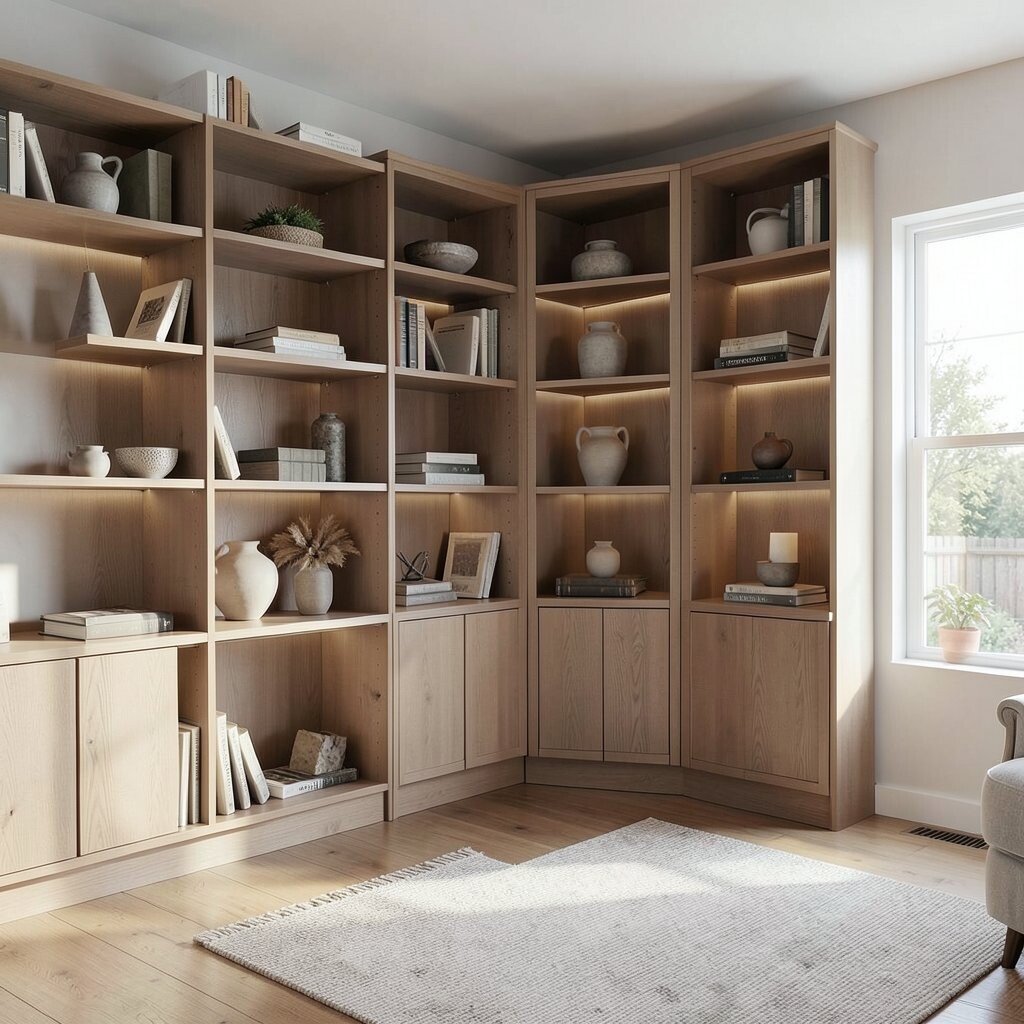
Open shelves show off pretty dishes, plants, baskets, and books. Closed cabinets hide clutter and make a room feel calm and tidy.
Open display shelves can make a kitchen or living room feel light and airy. Closed cabinets are better for items you use every day but do not want on view. A balanced setup often works best, with a few open shelves for charm and lower cabinets for storage that keeps life simple.
9. Indoor Plants Vs Hidden Storage Benches
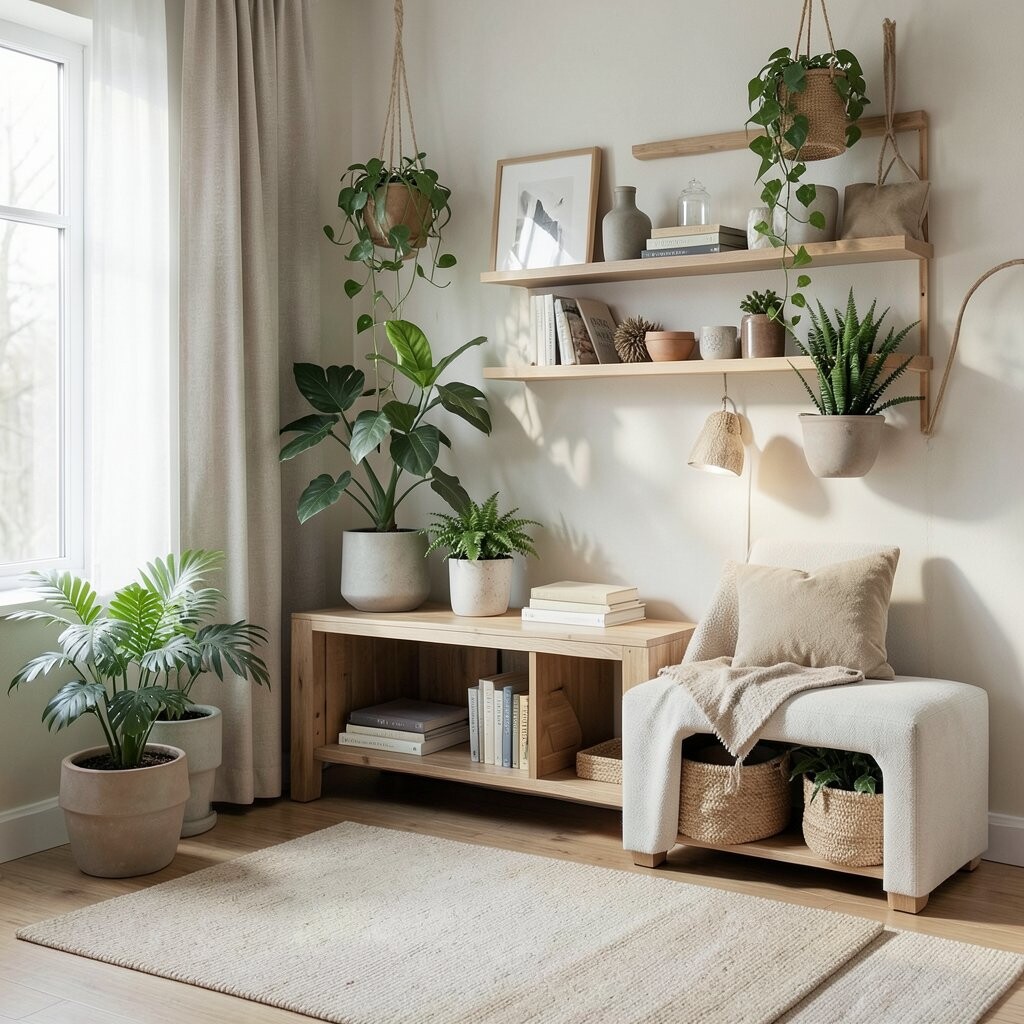
Indoor plants bring life, color, and a fresh feel to a room. Hidden storage benches give you a place to sit while also tucking away shoes, scarves, or toys.
Plants can soften hard corners and make a room feel more welcoming. Storage benches are great in entryways, bedrooms, and mudrooms because they do two jobs at once. If you want a cozy and personal look, place a tall plant beside a bench and add a cushion in a fabric that matches your home.
Plant trends include easy-care choices like pothos, snake plants, and small herbs on sunny windowsills. Costs can stay low if you start with one plant in a simple pot, though larger planters and specialty benches may cost more. The best part is that both options can make a room feel cared for without too much effort.
Try using woven baskets inside the bench for a softer look and better organization. If your space is small, choose one tall plant instead of many little ones so the room does not feel crowded. That way, the area stays pretty and practical at the same time.
10. Textured Wallpaper Vs Washable Wall Panels
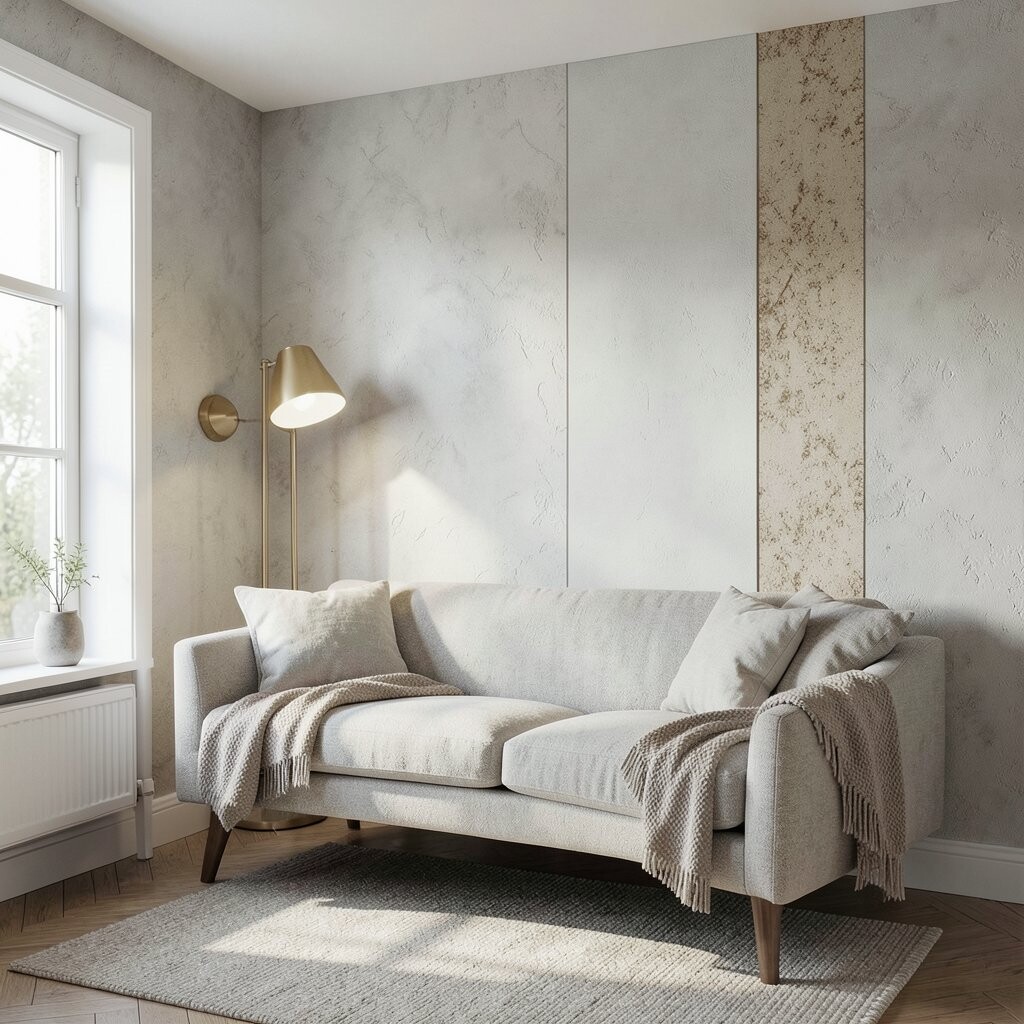
Textured wallpaper can make a wall feel rich, layered, and full of personality. Washable wall panels are made for easy cleaning, which is helpful in busy homes.
Wallpaper can bring in floral prints, linen looks, or raised patterns that feel special right away. Washable panels work well in kitchens, kids’ rooms, and hallways where marks happen often. If you want a stylish but sensible choice, use wallpaper on one calm wall and washable panels in the spots that need more care.
Current design trends lean toward soft texture instead of very loud prints, so both choices can feel modern. Wallpaper may be a bigger cost if you hire help, while panels can be a smart long-term buy for active homes. You can personalize the look with trim, color, or a border that matches your furniture.
11. Curated Decor Trays Vs Everyday Catchalls
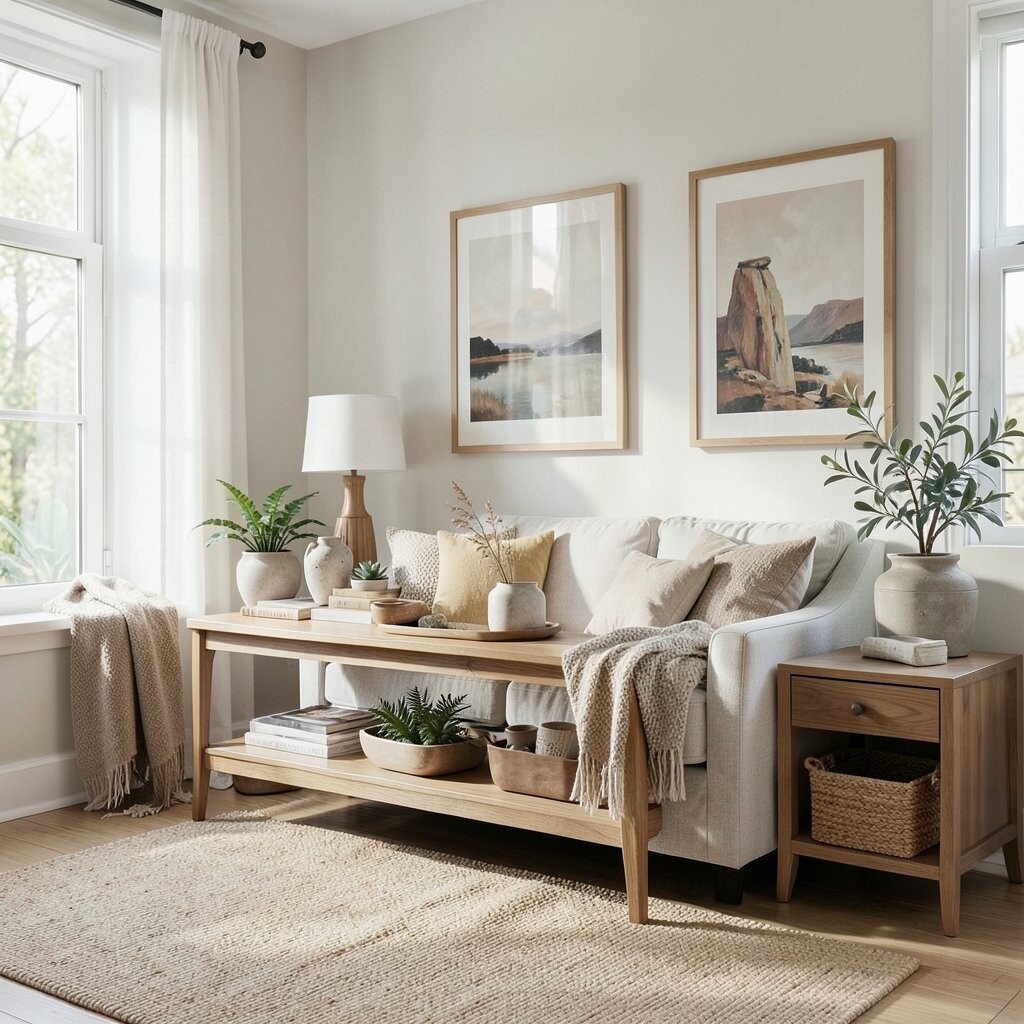
A curated decor tray can make a coffee table, dresser, or vanity look neat and styled. An everyday catchall keeps keys, mail, glasses, and small items from getting lost.
Decor trays are nice for candles, flowers, and a few favorite objects that show your taste. Catchalls are practical because they gather loose items in one place and cut down on mess. A strong idea is to use a pretty tray inside an entryway catchall so the space stays useful but still feels designed.
Trays come in wood, metal, stone, and woven styles, so it is easy to match your room. Costs can be very low if you use a simple tray from a home store, or higher if you choose a handmade piece. Personal touches like a small photo, a shell, or a tiny vase can make the setup feel like your own.
This idea works well in almost any room because it is small, simple, and flexible. A styled tray can make a corner look thoughtful, while a catchall keeps real life under control. Together, they help a room feel both pretty and lived in.
12. Artistic Headboards Vs Practical Bedside Tables
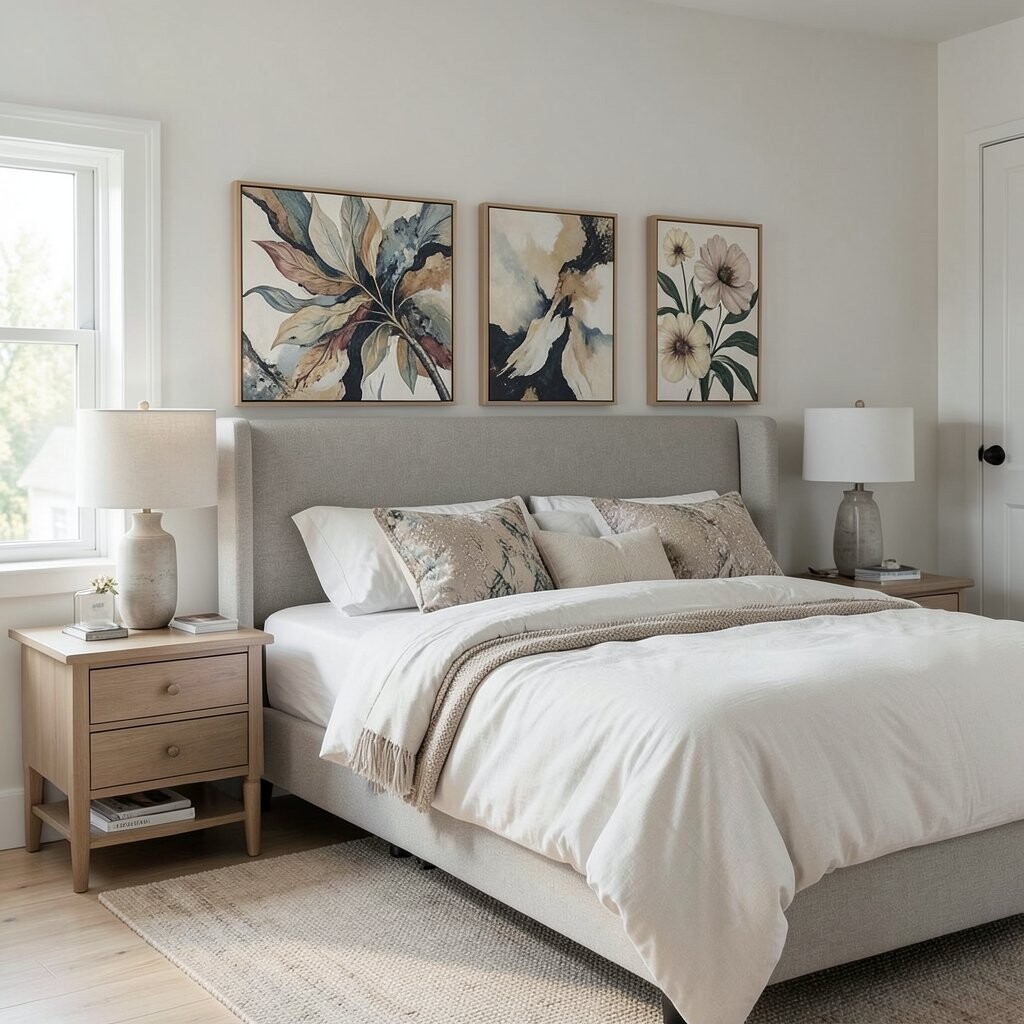
An artistic headboard can set the whole mood of a bedroom with shape, fabric, or carved detail. Practical bedside tables hold lamps, books, water, and the things you want close by at night.
Headboards can be tall, curved, padded, or painted to create a strong focal point. Bedside tables are useful because they give each sleeper a place for personal items. If you want a room that feels thoughtful, choose a bold headboard and keep the tables simple so the bed stays the star.
Soft boucle, warm wood, and rounded shapes are popular right now because they feel cozy and calm. Headboards can cost a lot if they are custom, while bedside tables can be found at many price points. For a personal touch, mix in a lamp, a framed photo, or a favorite book stack on the table.
A bedroom should feel restful, but it should also work well every day. Artistic choices make it feel special, while practical pieces make it easy to live in. When both are chosen with care, the room feels complete without feeling crowded.