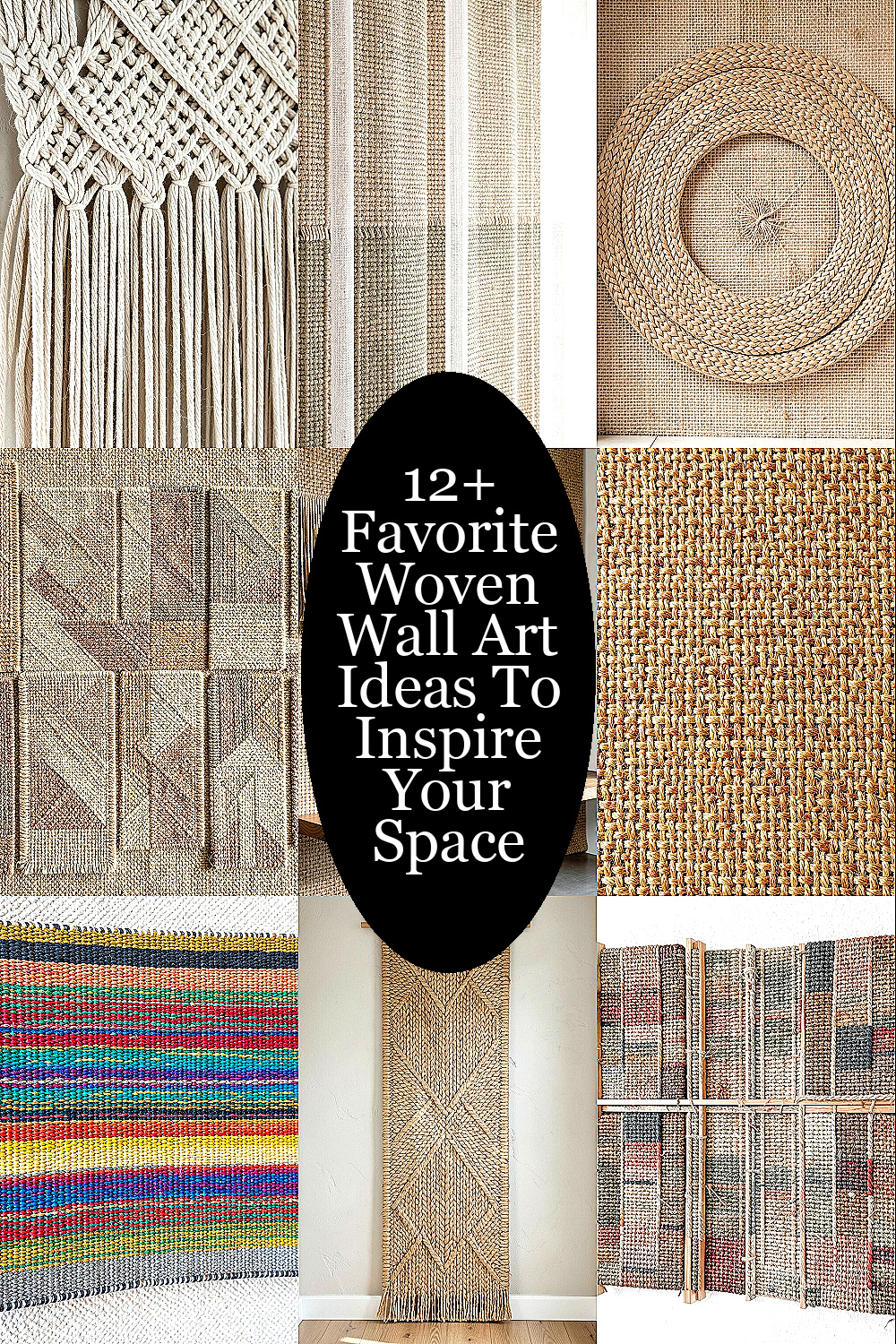
A woven wall can make a room feel warmer in seconds. It also adds texture that your eyes love the moment they land on it.
1. Textured Macramé in a Soft Neutral
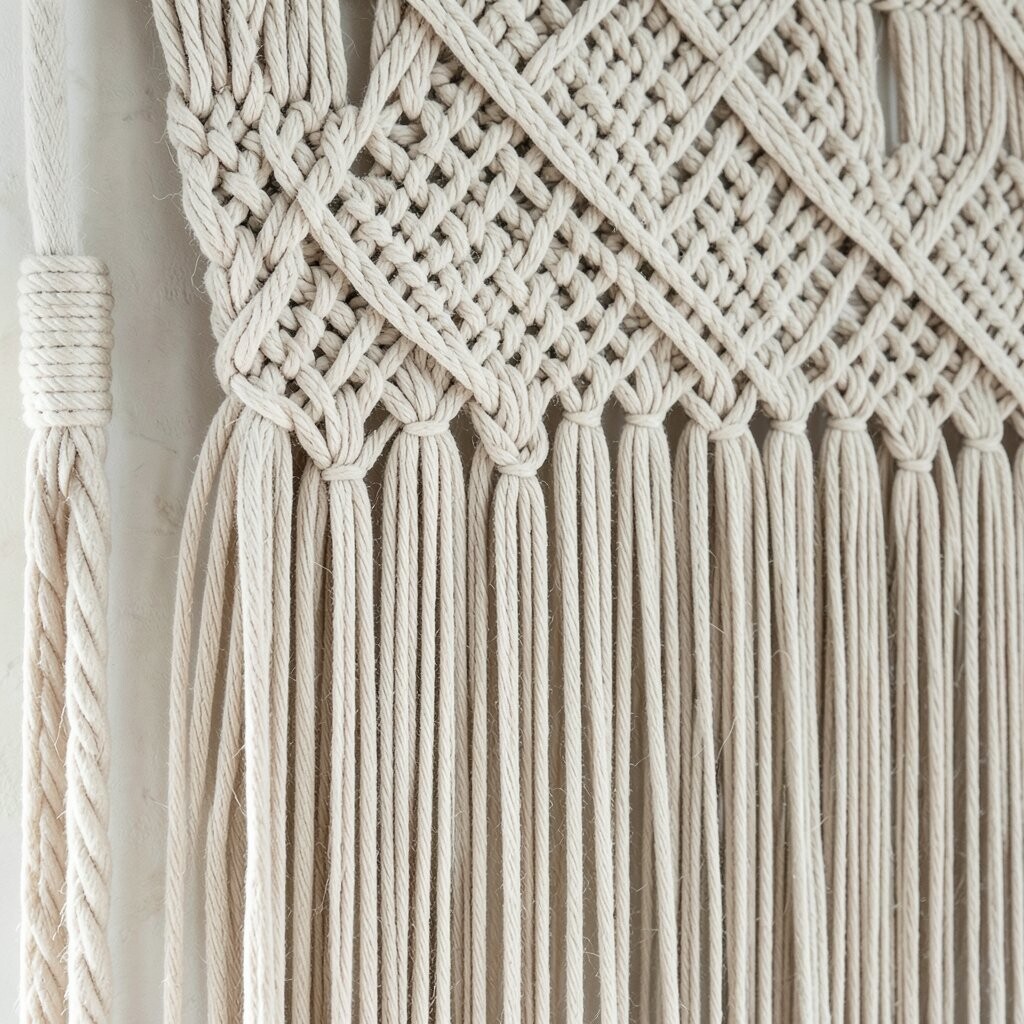
Hang a macramé panel with a creamy, beige, or oat-toned palette. The knots create tiny shadows, so the wall looks lively even when the light is flat.
This style brings instant coziness without needing a lot of furniture changes. Keep it practical by choosing a piece with an easy top rod pocket or a simple hanging loop for quick installation.
2. Layered Weaving Behind a Sheer Curtain
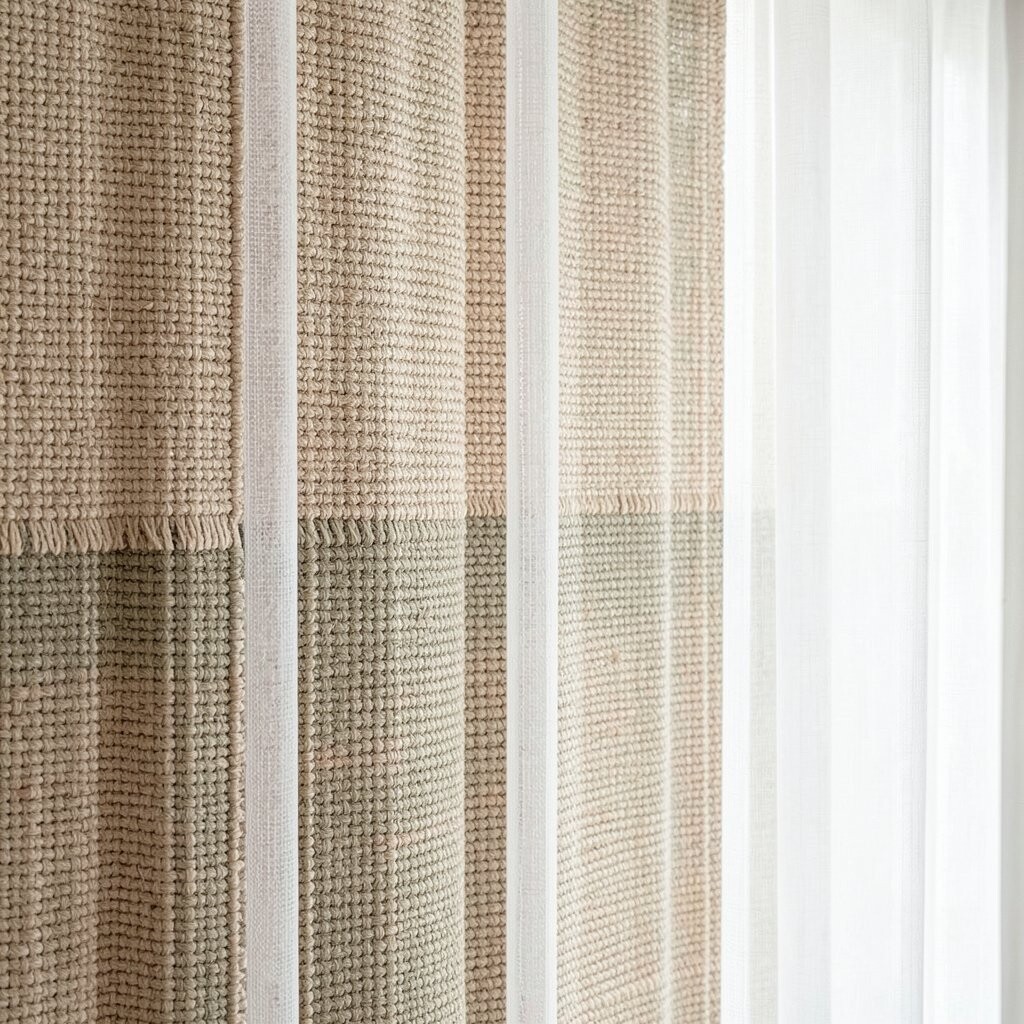
Choose a flat woven tapestry and place it behind a sheer curtain so it glows gently. When daylight moves across the fabric, the pattern seems to float.
In a living room or reading corner, the layered look adds depth while still feeling airy. If you want to keep things simple, use removable hooks and keep the curtain length just below the woven edges.
This idea feels unique because the weaving becomes part of the light itself, not just a wall decoration. For personalization, pick a color from your rug and match that tone to the weave for a pulled-together vibe.
3. Oversized Woven Circle as a Focal Point
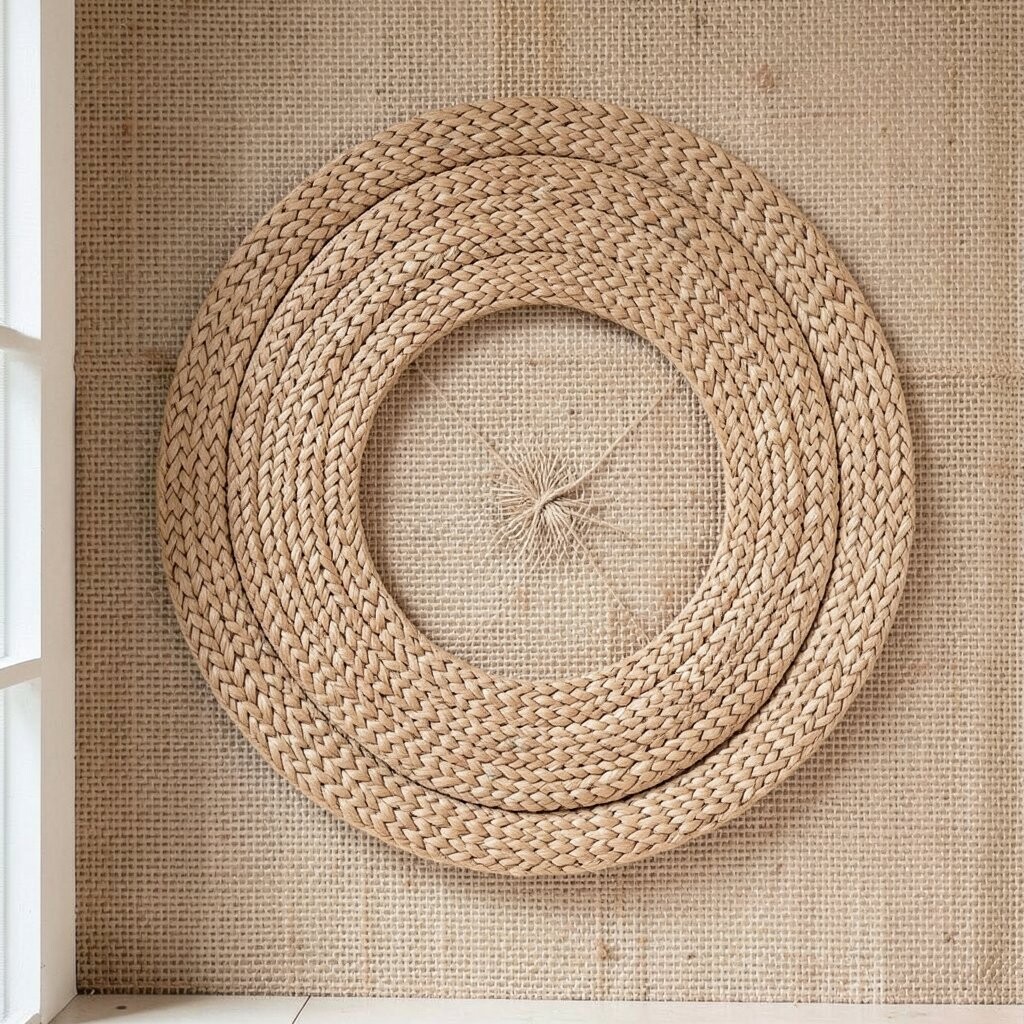
Look for a woven wall art piece that forms a large circle, ring, or halo shape. The looped design frames your space and draws attention without being loud.
When you place it at eye level, it creates a calm center point that works with modern, boho, or even minimal rooms. Measure first so the artwork feels intentional rather than crowded.
For an actionable approach, hang it above a sofa back or a console table so the composition feels balanced. You can also rotate the circle slightly so one woven ridge catches the light at different times of day.
Cost can vary based on size and materials, so set a range before shopping. If you love the look but want to save money, search for smaller circles and group them into one larger effect.
4. Handwoven Wall Panels with Geometric Lines
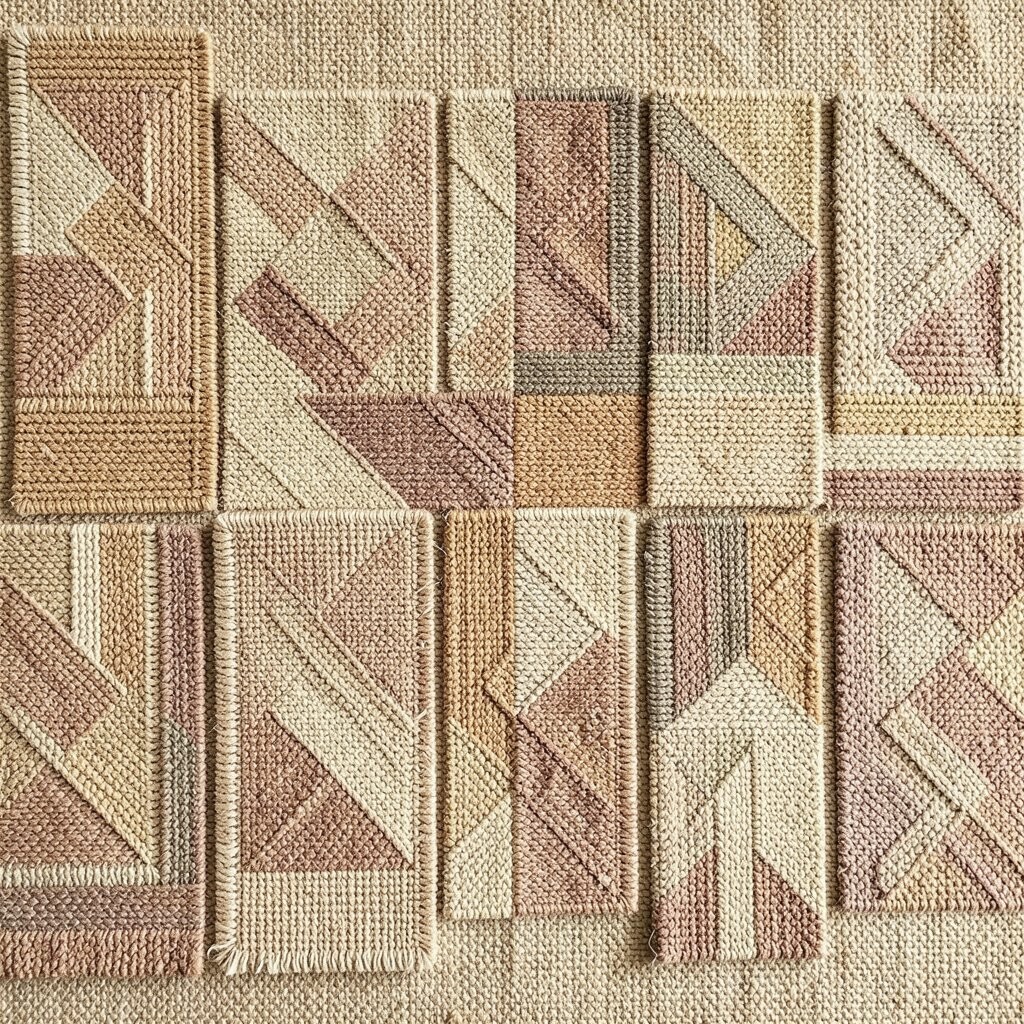
Pick a woven panel with clean stripes, chevrons, or a repeating geometric rhythm. The crisp pattern makes the wall art feel structured, even when the fibers are soft.
This is great for a space that needs a little order, like a hallway or home office. A practical trick is to pair the wall art with plain frames or solid-color pillows so the shapes don’t compete.
To personalize, match the geometry to something you already own, like the stripe direction in a rug or the angles in a lamp. If you’re budget-minded, look for smaller wall panels and cluster them in a neat grid.
5. Woven Fringe Accent Above a Low Shelf
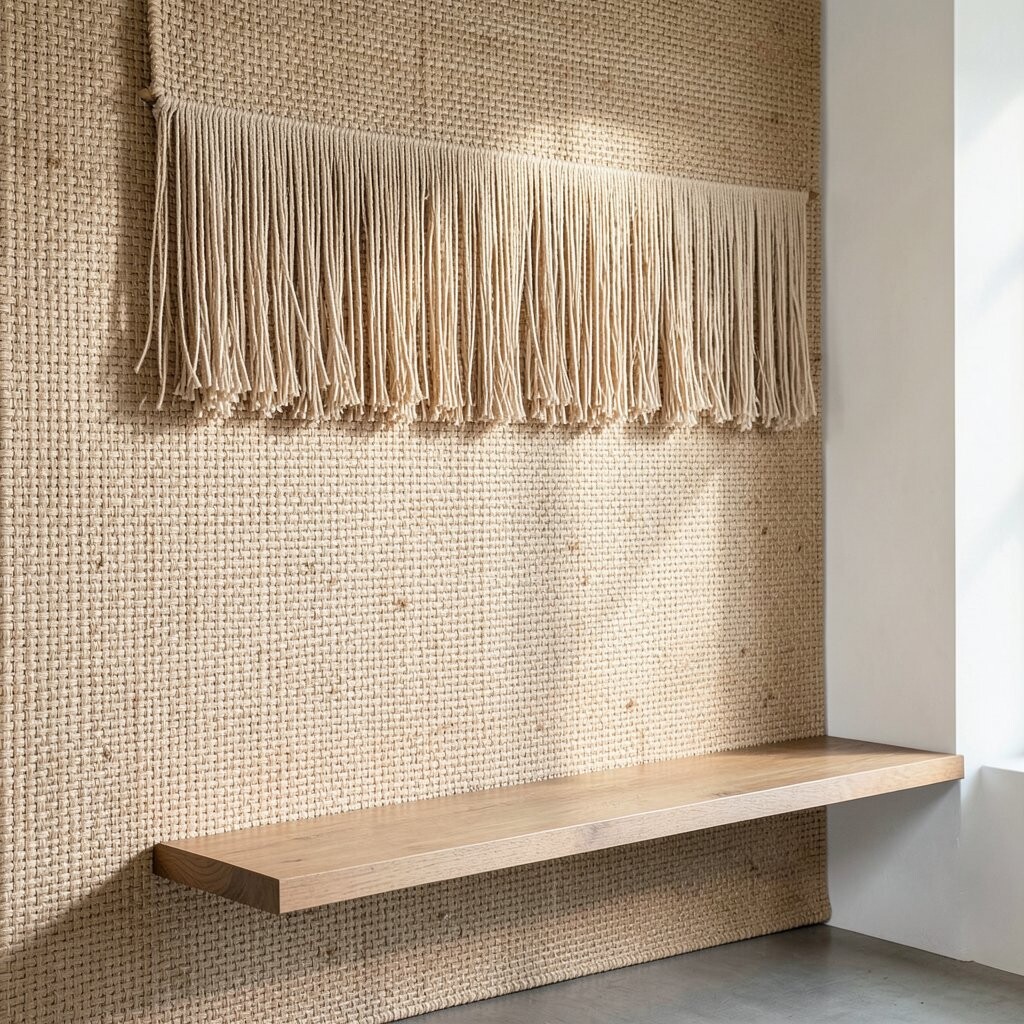
Choose a woven piece with fringe or tassels and hang it above a low shelf or console. The swinging fibers add movement, and they catch light in a way that feels playful.
This works especially well in entryways where you want a warm welcome without clutter. Keep it practical by letting the fringe hang freely instead of tucking it behind decor.
For uniqueness, try a mix of lengths, like shorter tassels on top and longer strands below. Cost can stay friendly if you buy a mid-size accent rather than a full statement panel.
6. Natural Fiber Weaving in Warm Earth Tones
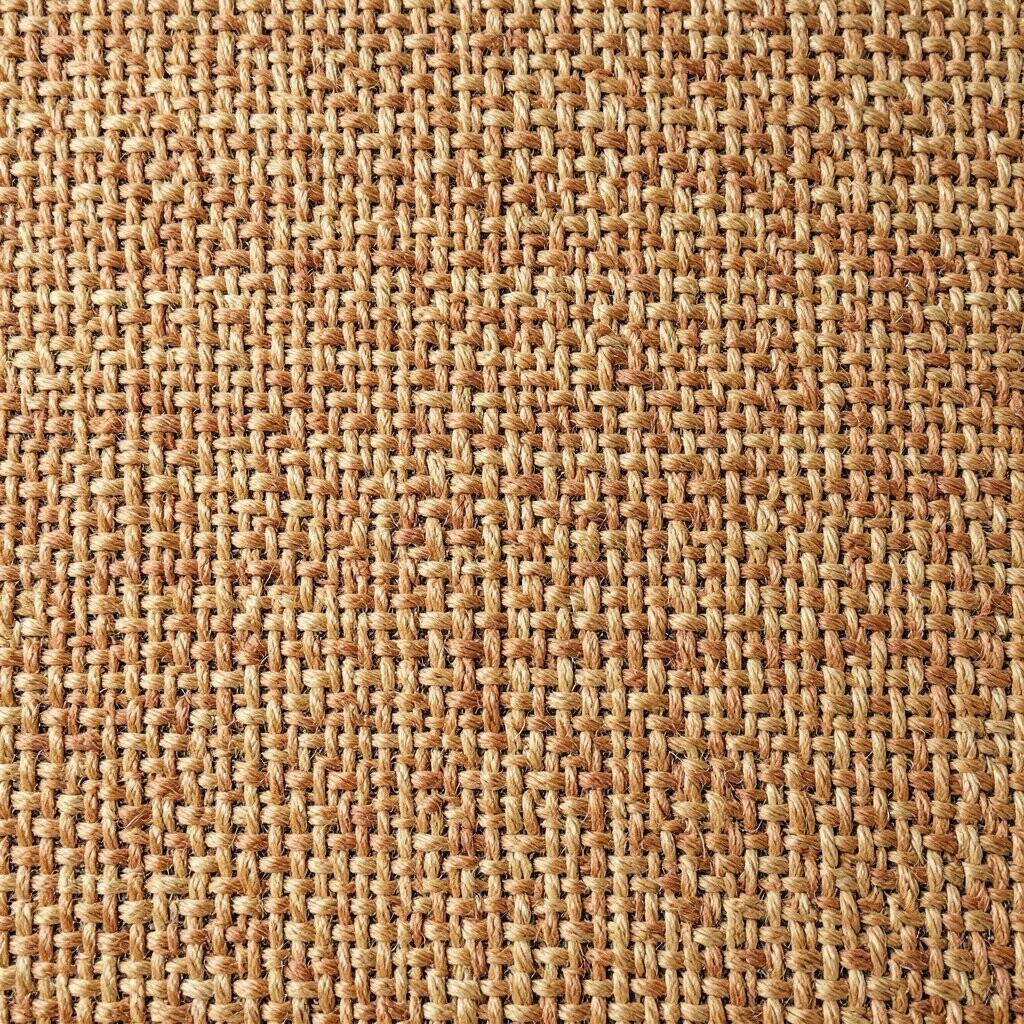
Go for woven wall art made from natural fibers like jute, sisal, or rattan-inspired textures. Earthy tones such as clay, sand, and olive make your space feel grounded.
These colors pair easily with wood furniture and neutral textiles, so you won’t need to repaint the room to make it work. For a practical placement, set the weaving on the main wall that receives morning light.
It feels unique because the texture is doing the design work, not a heavy print. Personalize it by adding small matching objects nearby, like a woven basket, linen throw, or ceramic in a similar shade.
7. Color Pop Woven Art with Bold Bands
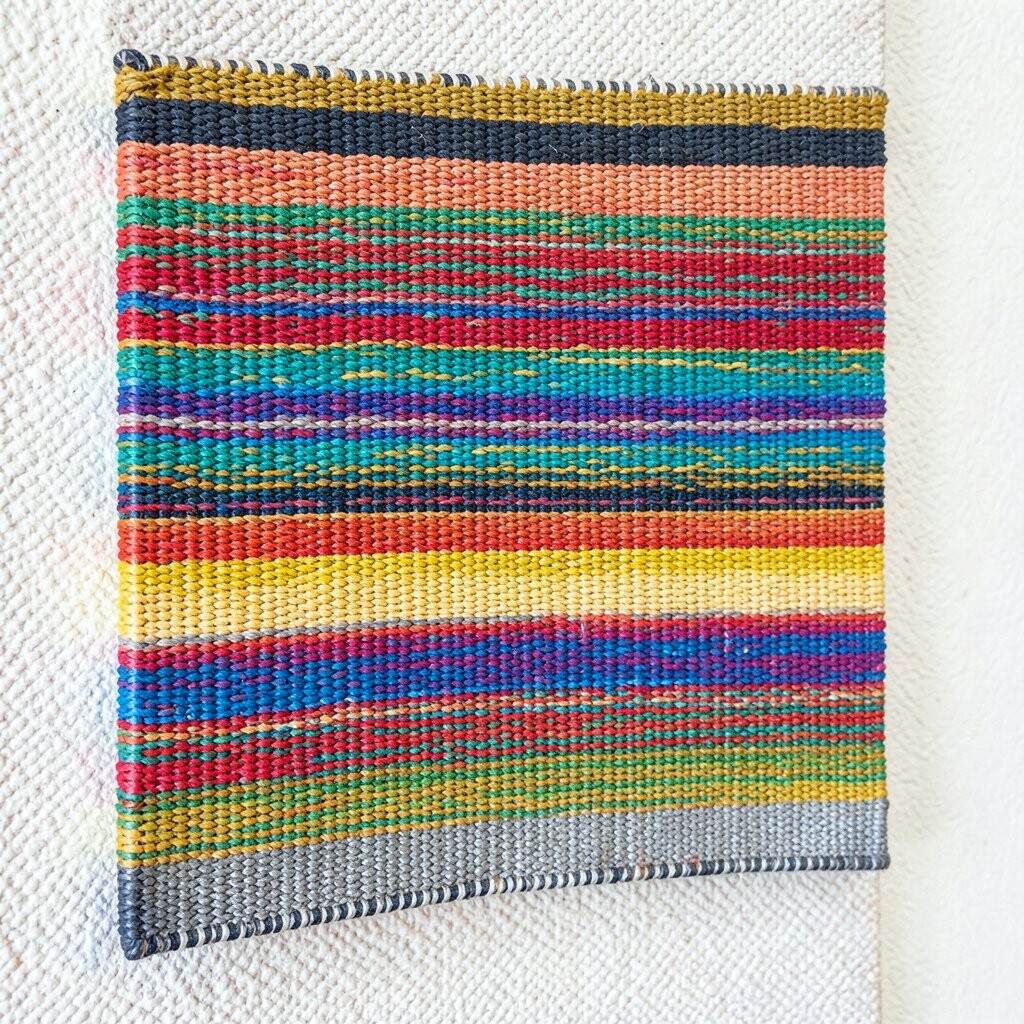
If your room feels calm and you want energy, pick a woven piece with bold horizontal bands or bright accents. Even a few striking colors can wake up a sofa wall or dining nook.
It’s beneficial because woven texture still softens the look of vivid color. Keep it balanced by choosing a palette that already appears in your space, like a throw pillow, artwork, or plant pot.
This idea is unique because the pattern looks different from every angle, depending on how the threads catch the light. For cost considerations, try thrift shops, local makers, or smaller wall hangings that deliver color without a big price tag.
8. Tall Woven Runner-Style Wall Art for Narrow Walls
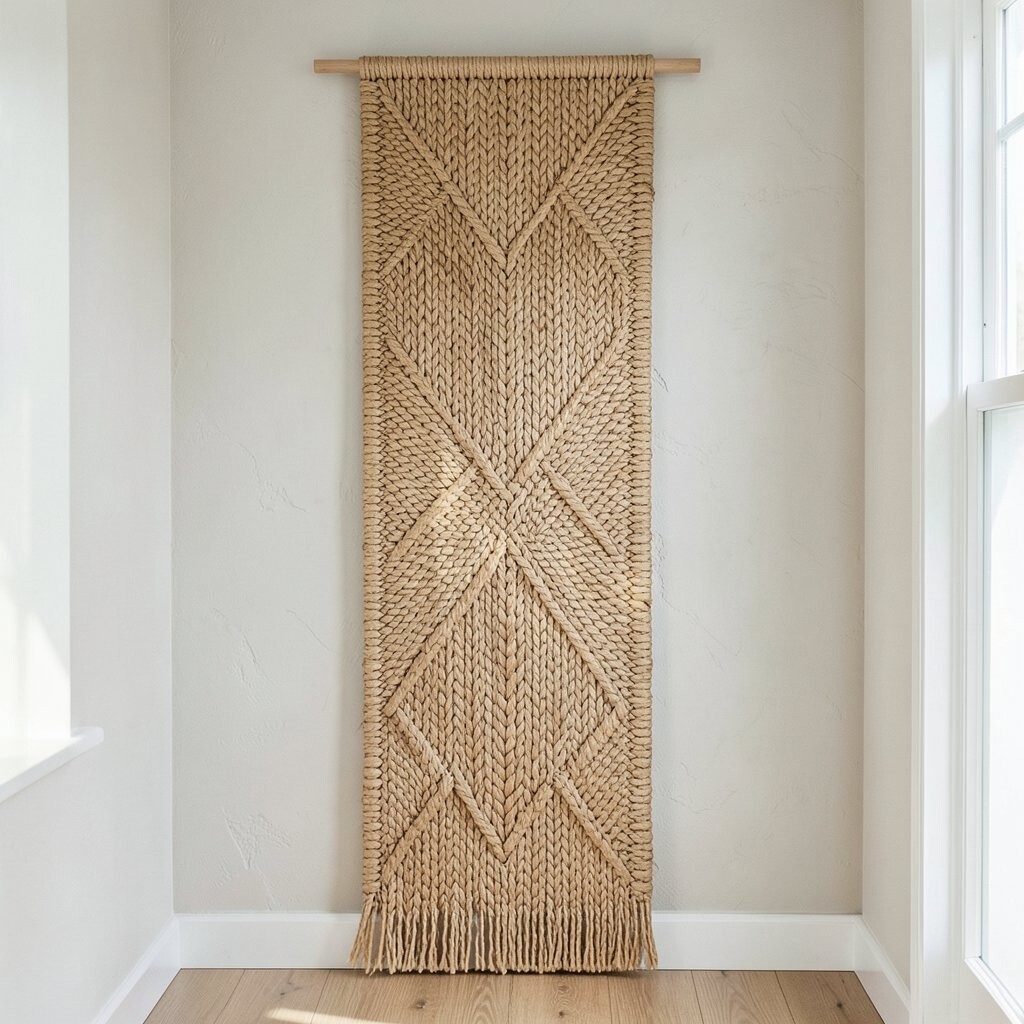
On narrow walls, a tall woven piece can make the whole area feel taller and more intentional. Think of a vertical weave with repeating texture, like a fiber ladder or braided strip.
This helps a lot in apartments where walls can feel cramped. A practical tip is to leave enough negative space around it so the vertical pattern doesn’t get visually squeezed.
To personalize, choose colors that echo your curtains or your bed linens, especially if the wall is near a window. If you’re on a tighter budget, look for “runner” sized weaves that are often less costly than oversized tapestries.
9. Mixed-Material Woven Art with Wood Spacers
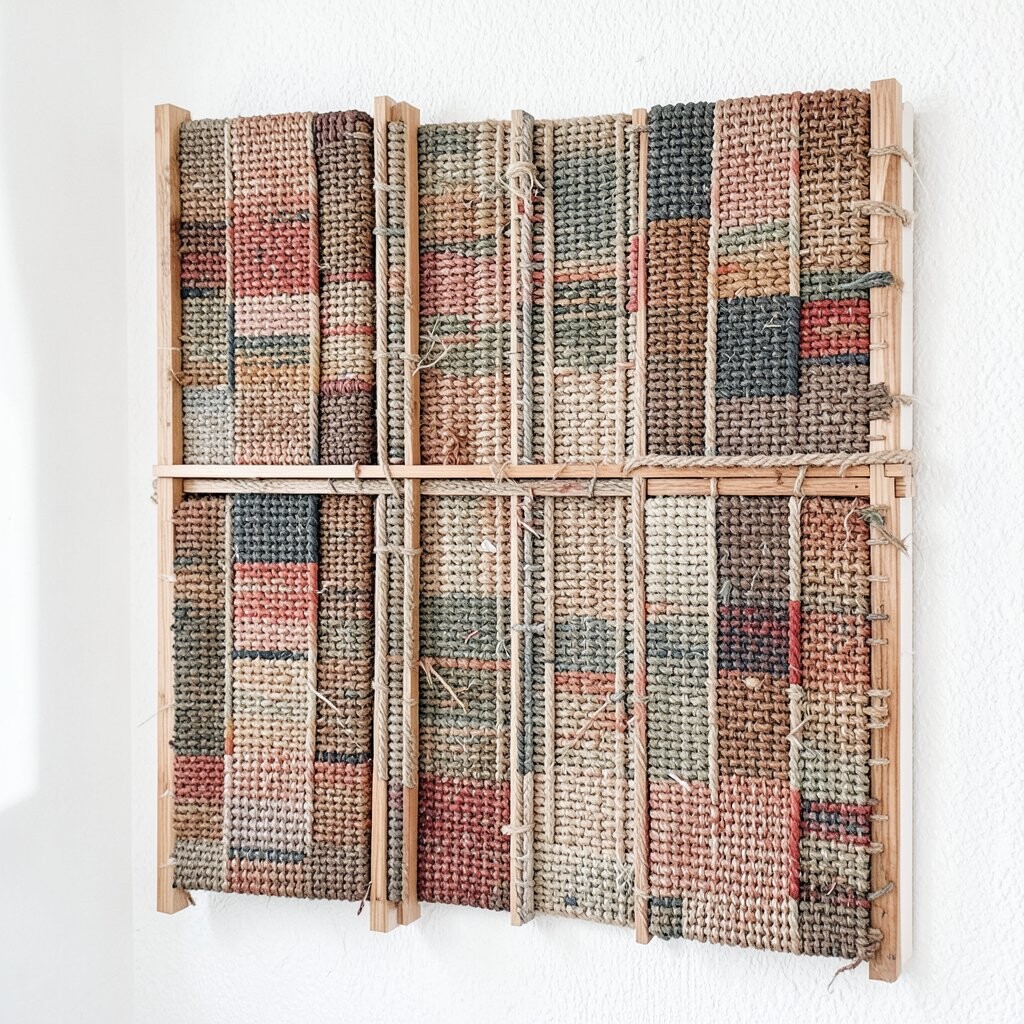
Some woven wall art includes wood dowels, bead accents, or spaced panels that give it a three-dimensional feel. The fibers sit in a structure, creating an airy look that’s still bold.
This brings a modern touch while keeping the softness of textiles, which is a nice balance. For practical installation, confirm the backing and hanging points so you don’t have to improvise heavily.
It’s unique because the materials tell a story together, not just because of the pattern. Personalize it by choosing a wood tone that matches your furniture, like light oak, walnut, or natural birch.
10. Woven Wall Display with a Curated Mini Gallery
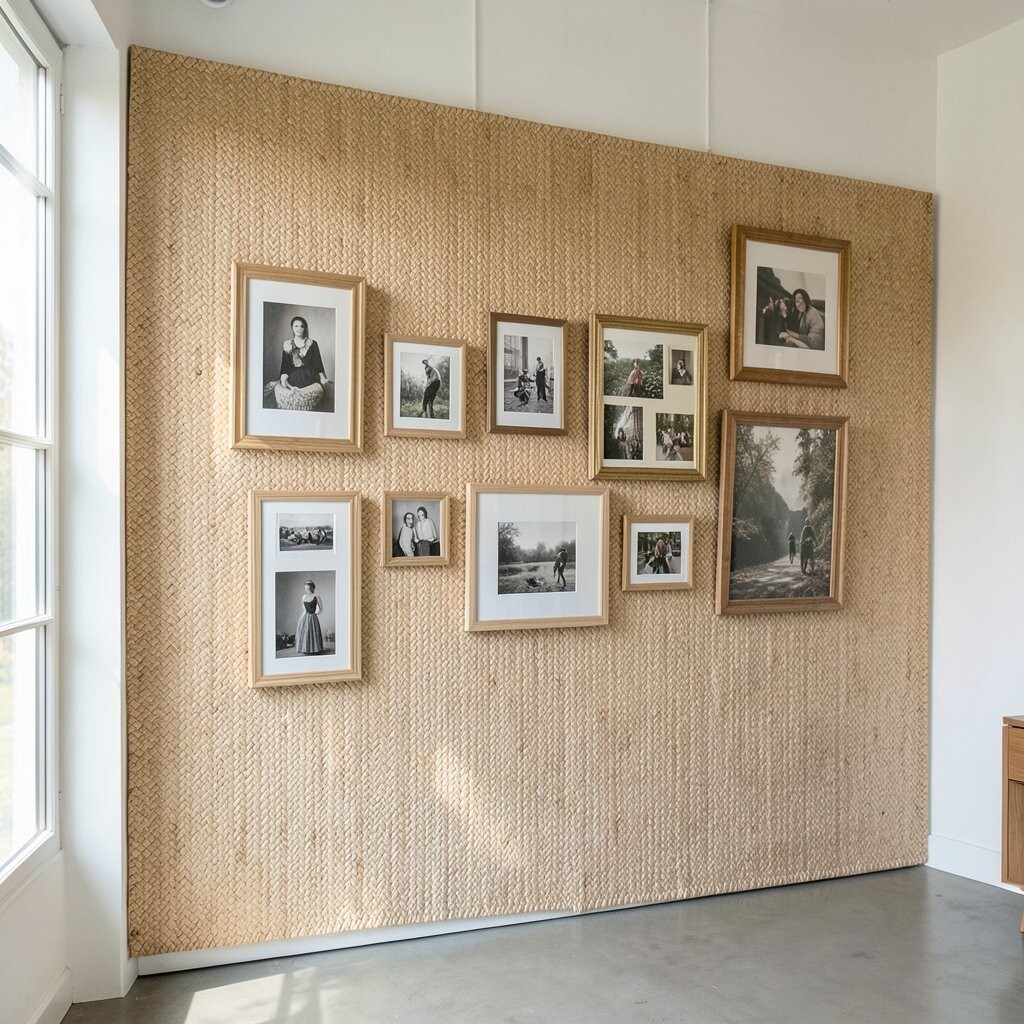
Create a mini gallery by mixing small woven pieces of different shapes, such as mini circles, strips, and small weft patterns. The collection can look intentional rather than random when you keep the colors coordinated.
This is beneficial because it lets you change your mind without redoing the whole wall. A practical tip is to plan your layout on the floor first, then measure and mark where each piece will hang.
For personalization, repeat one color in each woven item, like cream or rust, so the group feels unified. Cost can be more manageable here too since you can buy smaller pieces over time instead of one expensive statement.
11. Soft Loom-Woven Textiles with Subtle Ombre
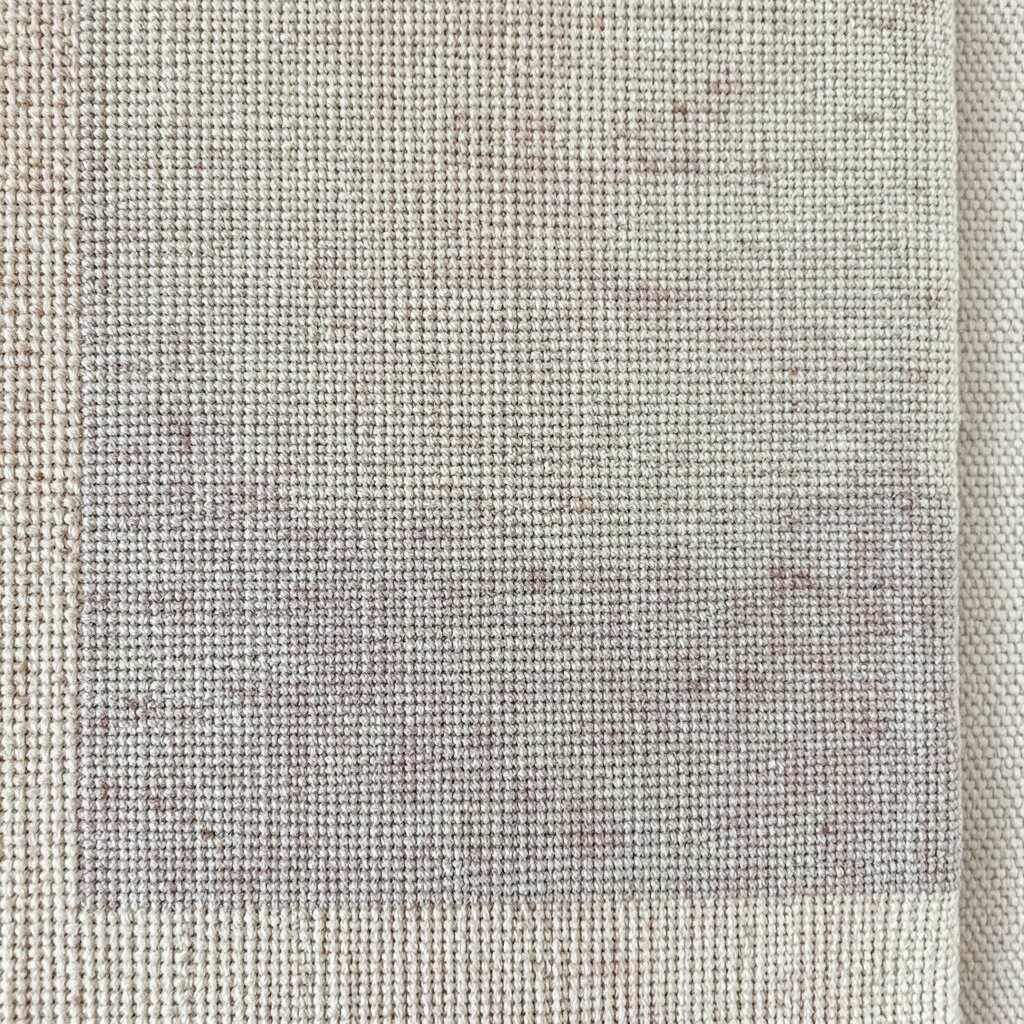
Try a woven wall piece with a gentle gradient or ombre effect, shifting from darker to lighter tones. The gradual change feels calm and looks elegant in bedrooms and cozy corners.
These colors are beneficial because they don’t overpower your other decor, which helps if you already have patterned bedding or rugs. For practicality, hang it where it won’t face harsh direct sun that could fade fibers over time.
This is unique because the weaving creates depth inside the color shift itself. Personalize it by choosing a shade direction that matches the mood you want, like lighter at the top for an airy feel.
12. Woven Macramé Curtain-Style Panel for Privacy and Style
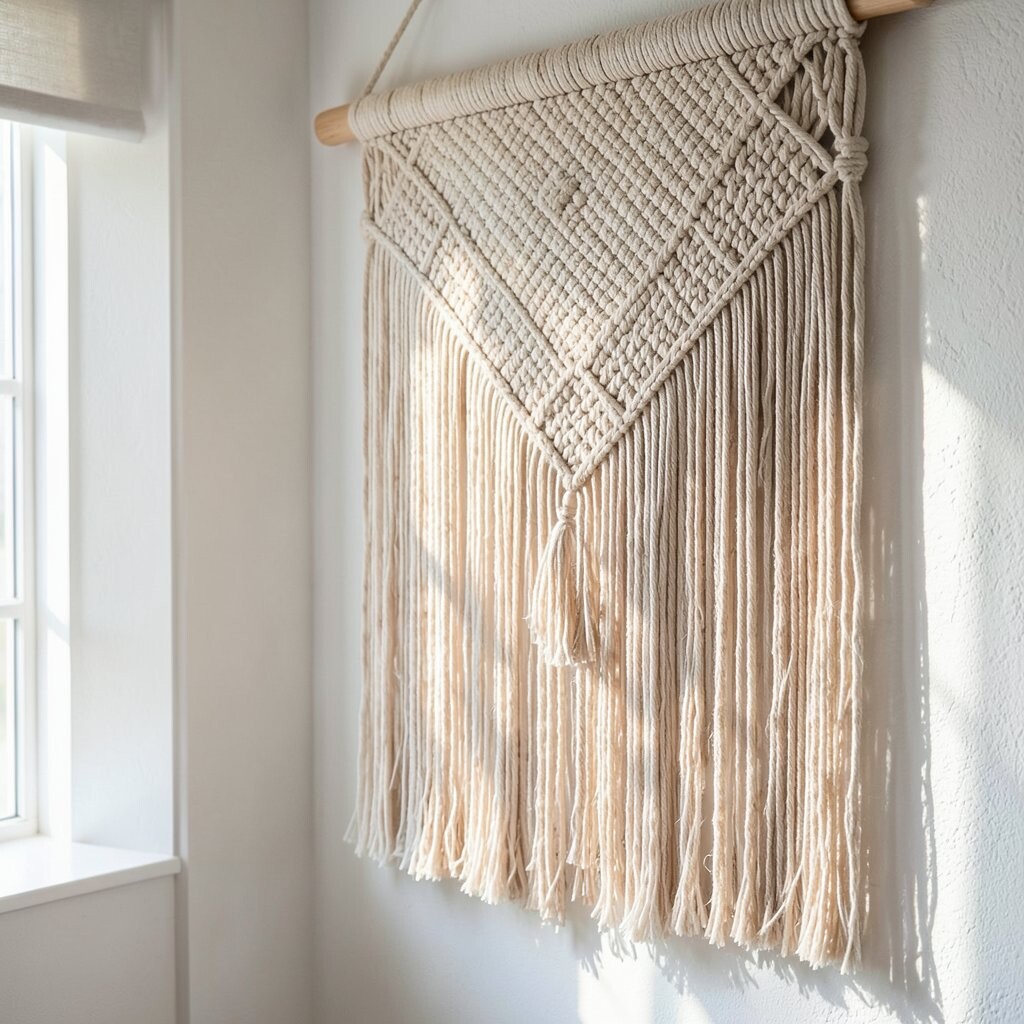
Use macramé in a curtain-like format, hung like a soft screen across part of a wall. It adds texture and also gives the room a little privacy, especially in open-plan layouts.
This is beneficial because it can soften hard lines around shelves or doorways. A practical tip is to measure the width so the panel covers the exact area you want and doesn’t block light you still need.
For uniqueness, pair it with a simple rod or a decorative branch-style hanger for an organic look. Cost can be controlled by choosing a partial-width panel rather than a full-room divider.
If you want a personal touch, add small hanging charms or tassels in colors you already use. Make sure the additions are lightweight so the hanging hardware can support the piece comfortably.
13. Vintage-Inspired Woven Tapestry with Classic Motifs
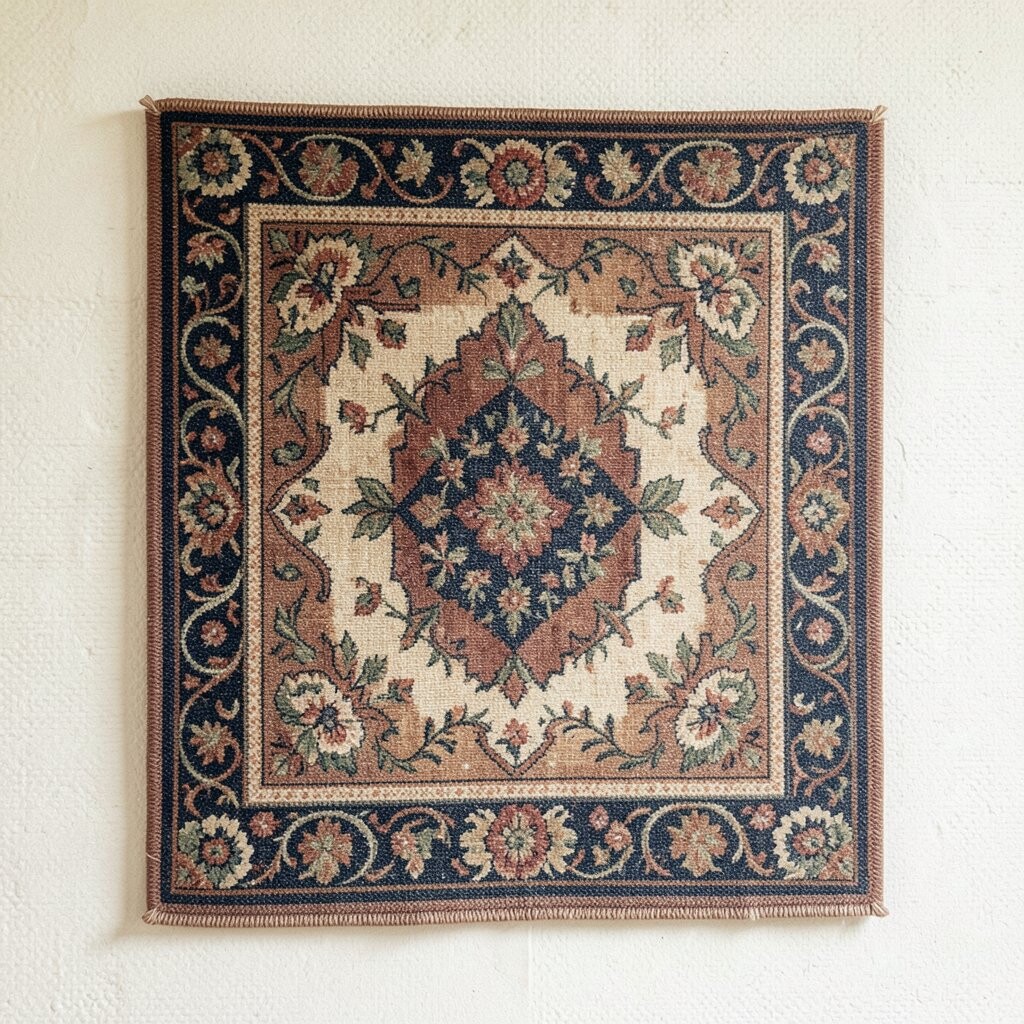
Seek out woven wall art with vintage-inspired motifs like medallions, floral outlines, or traditional borders. It makes a room feel collected over time, not staged all at once.
This choice is beneficial because classic patterns add warmth and story, especially in dining rooms and living spaces. A practical tip is to anchor it with simple decor, like solid-colored curtains and a neutral sofa, so the tapestry becomes the star.
Uniqueness comes from the slight imperfections you often find in older or handmade looks. For personalization, match the tapestry’s border colors to small items like coasters, a vase, or framed photos.
Cost considerations vary, but you can often find strong vintage vibes in mid-priced pieces from artisan markets or resale platforms. If you’re careful about maintenance, use gentle spot cleaning or a soft brush to keep the fibers looking fresh.