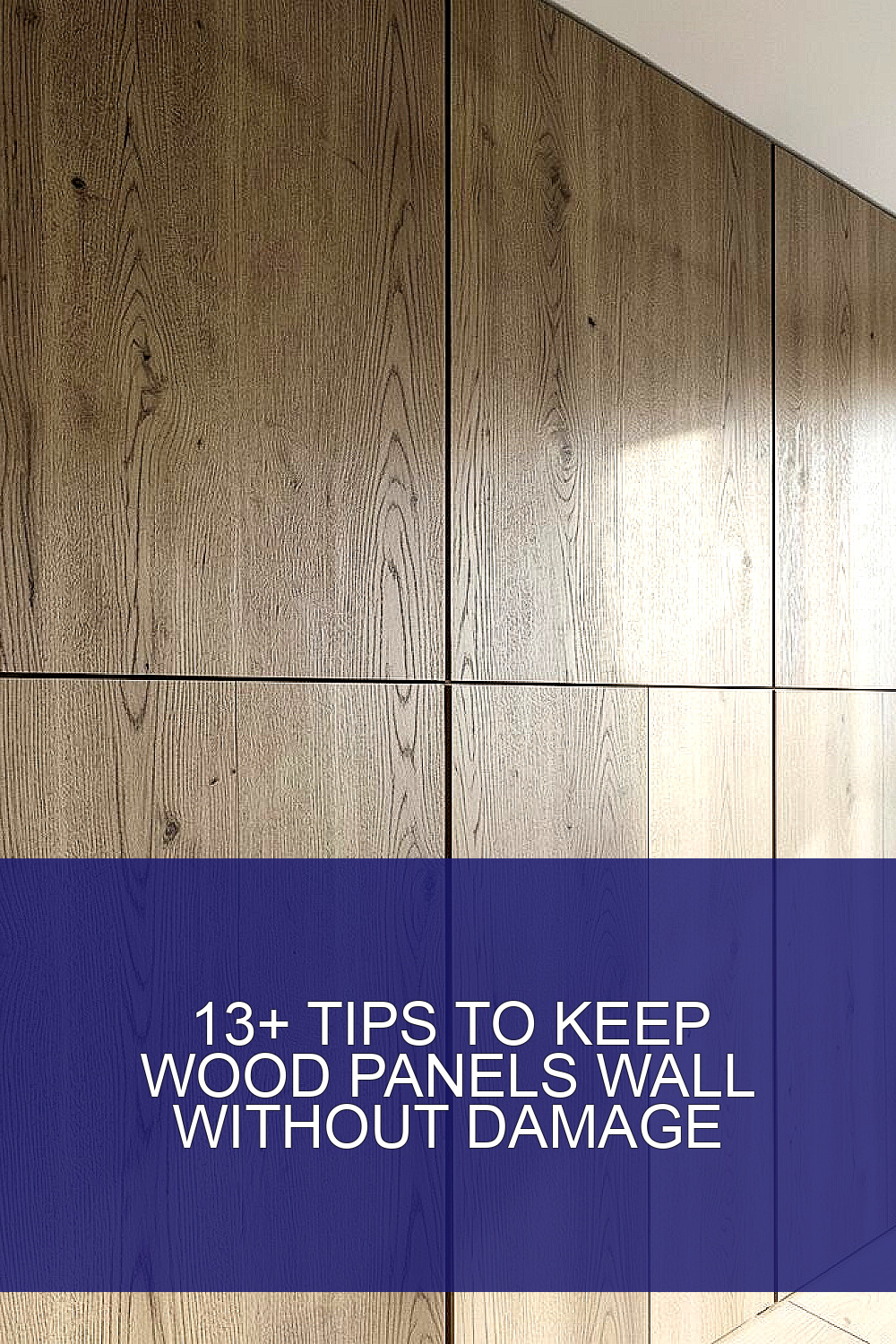
Your wood wall can look cozy for years if you treat it with care. With a few smart habits, you can keep the shine, warmth, and pattern looking just right.
1. Choose the Right Wall Position From Day One

Picking where your wood panels live matters more than you might think. A spot with steady indoor conditions helps the panels stay flat and calm instead of shifting with the weather.
When you look at your room, notice sun paths during the day. Direct hot sunlight can fade color and dry the wood, while cool indirect light keeps the grain looking richer and more even over time.
2. Control Humidity Like It’s Part of the Design

Wood panels love a stable environment, and humidity is the big behind-the-scenes factor. In dry seasons, the panels can shrink, and in humid seasons, they can swell.
Use a simple hygrometer to check indoor air, then react early when levels drift. Keeping airflow gentle with a fan or opening a window briefly can prevent sticky corners where moisture likes to settle.
For families with pets or frequent cooking, consider a dehumidifier or humidifier sized for your space. The benefit is a wall that looks smooth instead of wavy, and it can also reduce squeaks and gaps that show up later.
3. Clean Carefully Without Scratching the Finish

Cleaning should feel like wiping away dust, not rubbing the surface like it’s a stubborn mess. Wood panels often have a top coat, and rough cleaning can dull it quickly.
Start with a soft microfiber cloth or a feather duster, then move to a lightly damp cloth only when needed. Use gentle straight strokes that follow the grain, and avoid soaking seams where edges meet.
If you need a cleaner, pick a product made for wood surfaces and test it in a hidden spot first. This keeps the color even and protects the protective layer, so your wall keeps its natural glow.
4. Use Felt Pads Under Everything That Touches the Wall

Whenever something rests against your wood panels, tiny friction can build up over time. A cabinet corner, a tall plant stand, or even a hanging coat hook can leave marks if the contact points aren’t cushioned.
Add felt pads, foam strips, or soft backing where items touch. This simple buffer keeps the surface safe while also reducing noise when you move items around.
It also helps your decor look more intentional, because shadows and scuffs disappear. The extra protection is usually low cost compared with refinishing, which can be messy and time consuming.
5. Leave Expansion Gaps and Respect How Wood Moves
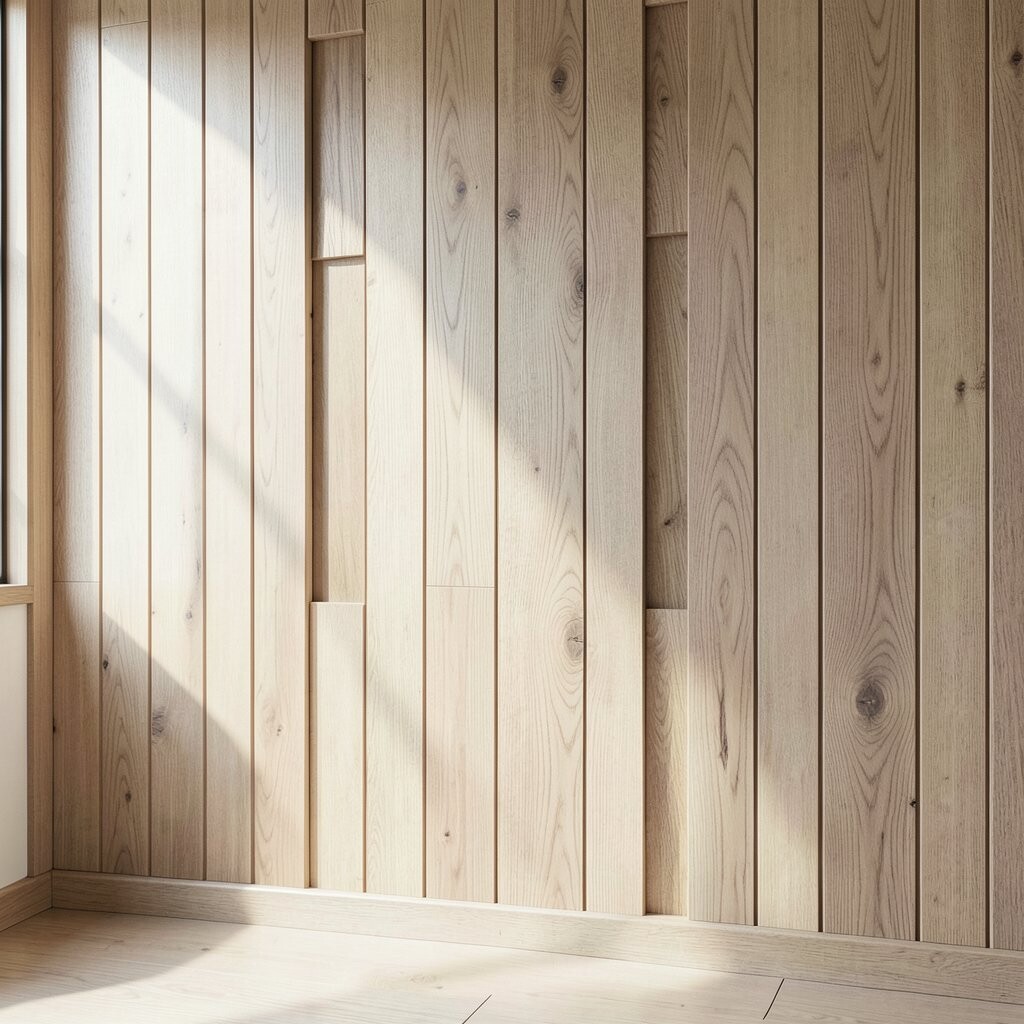
Wood changes size as temperature and moisture shift, even indoors. When panels are fitted too tightly, they can buckle or separate, and that damage is hard to hide later.
During installation or when redoing a section, follow the recommended spacing around edges and corners. Even if your room looks level and steady, the panels still need room to breathe.
You can make this look neat by using trim pieces that cover the gap lines cleanly. That way the wall stays tidy, and the hidden structure helps the panels last longer.
6. Seal High Traffic Areas With a Light Protective Coating

Some parts of a wall get more bumps than others, like near a doorway or where kids like to hang backpacks. Those spots benefit from an extra layer of protection.
A clear matte or satin sealant can help resist smudges and light scuffs while keeping the wood tone true. Choose a finish meant for interior wood and apply it evenly so it doesn’t look patchy.
If you already have a finish, stick to compatible products and avoid heavy layers. The goal is gentle protection that keeps the texture visible, not a shiny coating that changes the feel of your space.
7. Keep Hooks and Fasteners Gentle and Well Placed

Hanging decor can be one of the most fun parts of a wood panel wall, but it needs a careful approach. Nails and screws can split wood, and poorly placed holes can become permanent scars.
Use picture hanging hardware designed for walls, and consider anchors rated for your panel type. If you want to keep it easy, use removable adhesive hooks made for wood finishes, then remove them slowly using a hair dryer on low heat if allowed by the product.
Plan your layout before you attach anything, especially near panel seams. Thoughtful placement keeps your wall stylish while reducing the chance of cracking around fasteners.
8. Avoid Wet Mops and Direct Water on Seams

Water is the enemy of panel seams, because edges are where moisture can creep in. A wet mop might clean fast, but it can also drive water into the joints and cause swelling.
Instead, wipe with a barely damp cloth and dry immediately with a second dry cloth. If you spill something, blot right away and keep the area dry to stop stains from setting.
For kitchens and entryways, consider a small barrier mat near the floor line so water from shoes and umbrellas stays away from the wall bottom. This protects the lower panels, where wear tends to show first.
9. Choose Temperature Friendly Lighting to Prevent Fading

Lighting can shape how wood looks, and it also affects how quickly it fades. Warm bulbs and intense heat close to the wall can slowly change the panel color over time.
Use LED lights that run cooler and place them so they shine across the wood rather than blasting it straight on. Soft angled lighting highlights the grain and makes the room feel cozy without stressing the finish.
If you notice fading, rotate decor and adjust light placement to balance the exposure. This is a simple personalization move that can also keep the wall looking evenly beautiful.
10. Protect From Furniture Scrapes With a Clear Floor-to-Wall Plan

Even when your wall is safe, furniture can still scratch panels during cleaning or moving. A sofa arm, rolling chair, or vacuum nozzle can bump the wall when you least expect it.
Give yourself a small buffer zone when you arrange seating and work areas. If you use a robotic vacuum, make sure it won’t climb too close to the wall, especially at baseboard height.
During rearranging days, lay a soft blanket over the panel edge your furniture comes near. This keeps your wall looking sharp while letting you refresh the room without fear of damage.
11. Maintain Vents and Airflow So Moisture Doesn’t Gather

Walls don’t just sit there, they breathe through tiny gaps and air movement. If vents are blocked or airflow is uneven, moisture can collect and affect the panels.
Check that heating and cooling vents aren’t blowing directly at the wall for long periods. Gentle circulation helps wood dry evenly, which can keep the finish from dulling or peeling.
You can also keep curtains from covering vents and allow air to move behind them. It’s an easy habit that supports long term stability and makes your room feel more comfortable too.
12. Spot Small Problems Early Before They Become Big Repairs

Sometimes the first sign of trouble is subtle, like a faint line at a seam or a tiny area that looks different after cleaning. Catching those moments early saves you stress later.
Inspect the wall in bright daylight and run your hand lightly over it with dry fingers. If something feels raised, sticky, or uneven, pause and identify what’s causing it.
For minor spots, you might be able to use the same gentle cleaner and dry approach, or lightly buff with a soft cloth if compatible with your finish. Addressing small issues keeps the wall looking uniform and can reduce the cost of bigger fixes.
13. Refresh Color With Gentle Touch Ups, Not Overhauls

Wood panels may pick up scuffs or small dull patches over time, especially in the spots people touch most. Instead of repainting everything, you can often refresh small areas with careful methods.
Use a matching wood stain pen or a color matched marker only when you truly need it. Then blend with a soft cloth so the repair matches the surrounding grain and sheen.
For an extra layer of smoothness, apply a light compatible top coat to the touched up spot. This keeps the wall looking consistent and avoids the cost and mess of stripping the entire surface.
14. Follow Current Finish Trends Like Matte Over Gloss, Done Smartly

Today many people prefer matte and satin finishes because they hide fingerprints and make the wood grain feel more natural. That trend also supports damage prevention, since glossy surfaces often show scuffs more clearly.
If you’re planning a refresh, consider a finish with a protective sheen level that matches your lifestyle. A matte finish can still be protective, but you’ll want to apply it evenly and let it cure fully before heavy use.
Personalize the look with subtle decor changes, like warm neutral art frames or textured fabrics that match the wood tone. The result feels modern, protects the panels from constant handling, and keeps your wall looking inviting for years.