
Wood panels can make any room feel warm and alive. The right finish helps them look fresh, not tired.
1. Honey-Toned Clear Coat for Everyday Glow
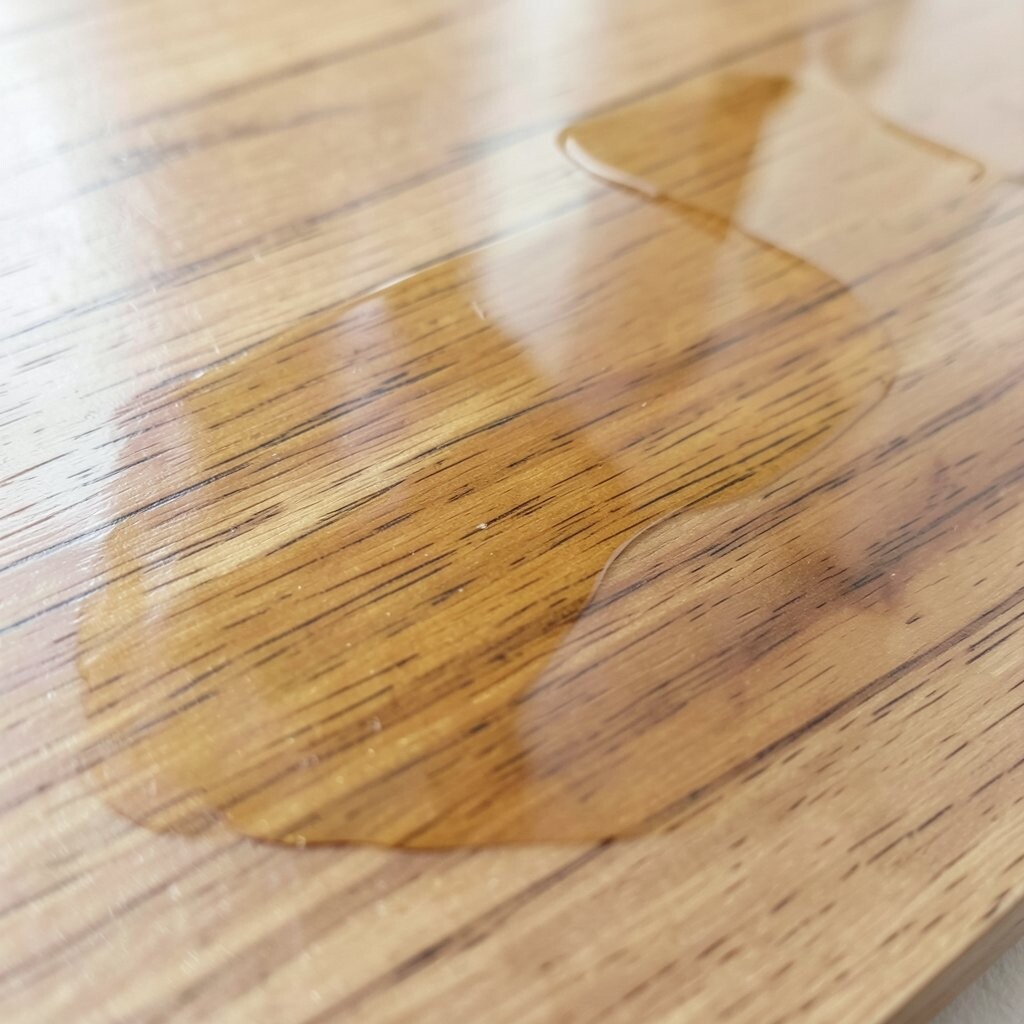
A honey-toned clear coat makes wood look sunny while keeping its natural grain in view. It adds a smooth, protective layer that helps daily scuffs look less obvious.
This finish suits kitchens, hallways, and living rooms where you want a clean, bright look without hiding the wood’s personality. Choose a satin clear coat if you like a soft sheen, because it reflects light gently and avoids glare.
To keep the color even, sand lightly and wipe away dust before applying. If your panels are raw or uneven, test a small hidden spot first so you can match the warmth you want without surprises.
For cost, clear coats are usually one of the more budget-friendly options since you are not buying special stains or heavy pigments. A popular trend is using warmer, slightly amber finishes that feel welcoming in daylight and cozy at night.
2. Whitewashed Wood Panels for Airy, Coastal Light

Whitewashing adds a light, beachy feel and makes wood panels look airy. The grain still shows through, so the surface feels textured instead of flat.
This finish works especially well in rooms that need a lift, like small bedrooms or dark entryways. It can also pair nicely with light curtains, pale rugs, and crisp white trim.
Use a rag or brush to apply thin layers, then stop when the look feels right. For practicality, seal it with a low-sheen protective top coat so it stays easier to wipe clean.
If you want more contrast, leave some areas more visible than others for a natural, lived-in vibe. It is also an easy way to refresh older panels without replacing them, which can save money while still feeling brand new.
3. Warm Walnut Stain for Rich Contrast Without the Dark Mood

A walnut stain gives wood panels a rich tone that feels classic and grounded. When you pair it with a clear satin top coat, the result looks polished but not heavy.
This finish is great when you want brightness to come from contrast, not from whiteness. The darker stain highlights edges and seams, which can make panel layouts look sharper.
For a brighter effect, opt for a medium walnut instead of a deep espresso and keep the sheen on the lower side. If your panels are already very dark, test a lighter stain on a hidden spot to avoid making the room feel closed in.
To personalize, consider mixing slightly different stain batches and then blending them with light sanding between coats. That gentle variation can mimic the look of vintage wood and makes the finish feel unique.
In many homes, walnut tones are trending again because they look elegant with modern furniture. Cost varies by brand and wood type, but stains are often affordable compared with full panel replacement.
4. Matte Clear for Clean, Modern Simplicity

A matte clear finish keeps the wood looking honest and soft, with little shine. It makes small rooms feel calm because reflections stay minimal.
This option benefits people who love modern lines and want the panels to blend in, not grab attention. It is also great for high-touch areas since matte coatings can hide fingerprints better than glossy finishes.
Before you apply anything, sand to a smooth surface and remove every trace of dust. After sealing, let panels cure fully, then wipe gently with a microfiber cloth for best results.
If you want extra protection, choose a matte product with good durability rather than a purely decorative one. That way you keep the look while improving practicality for daily life.
5. Color-Blocking with Soft Gray Washes and Clear Seals

Soft gray washes let wood panels look stylish while staying light. When the gray is applied in a thin, uneven way, it creates depth without covering the grain.
This finish is a friendly alternative to fully painting, because the wood texture still peeks through. It also works well for adding visual rhythm on feature walls and backsplashes.
Try a simple plan by masking trim lines and doing light gray brush strokes, then sealing afterward. Use a clear coat with a satin finish so the gray looks smooth, not chalky.
To personalize, match the gray to your room’s undertones, like warm beige-gray or cool blue-gray. You can also use slightly different wash strengths in separate panels to create a subtle, handmade feel.
Cost can be moderate since you need stain or wash and a sealant, but you may spend less than on full panel replacement. Right now, soft neutrals and layered tones are popular because they fit many decor styles.
6. Light Oak Finish for Bright Floors and Wall Panels

Light oak finishes make panels look crisp and fresh, almost like morning sun on wood. They often keep the tone pale and natural while still adding protection.
This is a strong choice for bright rooms that you want to keep feeling open. It can also help your furniture stand out because the panels provide a gentle background.
Look for a stain or clear system labeled as light oak, then choose a top coat that brings out the grain without adding too much glare. If your wood is already golden, you may only need a clear coat to keep it looking clean.
For practicality, consider a semi-durable finish if your panels get frequent wiping. Sealing helps prevent water rings and makes routine cleaning easier.
To personalize, add a warmer toner in the finish if you want the room to feel cozier. People also love this look with modern white kitchens because it keeps everything feeling bright.
7. Espresso Edge-Tint for Dramatic Accents

Espresso edge-tint makes your panel lines look intentional and bold. Instead of staining the whole surface deeply, you focus on edges and grooves for a striking frame-like effect.
This finish benefits your layout by emphasizing shadows where panels meet, which can make a room feel more structured. It is also a clever way to add personality without darkening everything.
Use a small foam brush to work tint into the seams, then wipe the surface quickly so only the edges keep the color. Finish with a clear top coat that matches the sheen you want, like satin for a friendly glow.
To keep it bright overall, balance espresso accents with lighter fields and bright paint nearby. This approach is unique because it blends depth and light in one design.
Cost is usually manageable since you are using a small amount of tint compared with full staining. This look is trending among people who want “high-end” detail without a huge renovation.
8. Natural Oil Finish for a Soft, Touch-Friendly Surface

Natural oil finishes soak into the wood and create a gentle, touchable feel. They bring out the grain and help panels look warm even in neutral lighting.
This option is great when you want practicality plus comfort, because the surface feels less slippery than some glossy finishes. It also gives a relaxed look that fits cozy homes and casual spaces.
Apply oil in thin coats, let it absorb, and wipe away excess so you do not get sticky patches. After drying, buff lightly for a smoother look that still feels natural.
For personalization, you can layer oils in slightly different ways to change warmth over time. Just keep the routine consistent and remember that oil finishes may need more upkeep than film-forming clear coats.
Cost is often reasonable because you buy the oil and a simple cleaner, but you should budget for periodic re-oiling. Many homeowners like oil finishes now because they look less “plastic” and more like real wood.
9. Antique Glaze for Vintage Charm and Subtle Glow

An antique glaze adds a gentle aged effect that makes wood panels look full of history. It settles into grooves and creates soft highlights that catch the eye.
This finish benefits rooms that need warmth and character, especially if your furniture has vintage touches. It can also make your panel design feel more dimensional, even in flat lighting.
Apply the glaze thinly, then wipe back quickly with a clean cloth to control how strong the aging looks. For a brighter result, choose a glaze that is slightly warm, not overly brown.
To personalize, experiment with glaze density on a scrap piece and match it to how dark your room already feels. When sealed properly, the glaze becomes easier to clean while staying attractive.
Cost is typically mid-range because glaze products are specialized, but the effect can look designer-level. Current trends favor “old-world” texture, and antique glazing fits that mood beautifully.
10. Clear Coat with UV-Resistant Protection for Long-Lasting Brightness
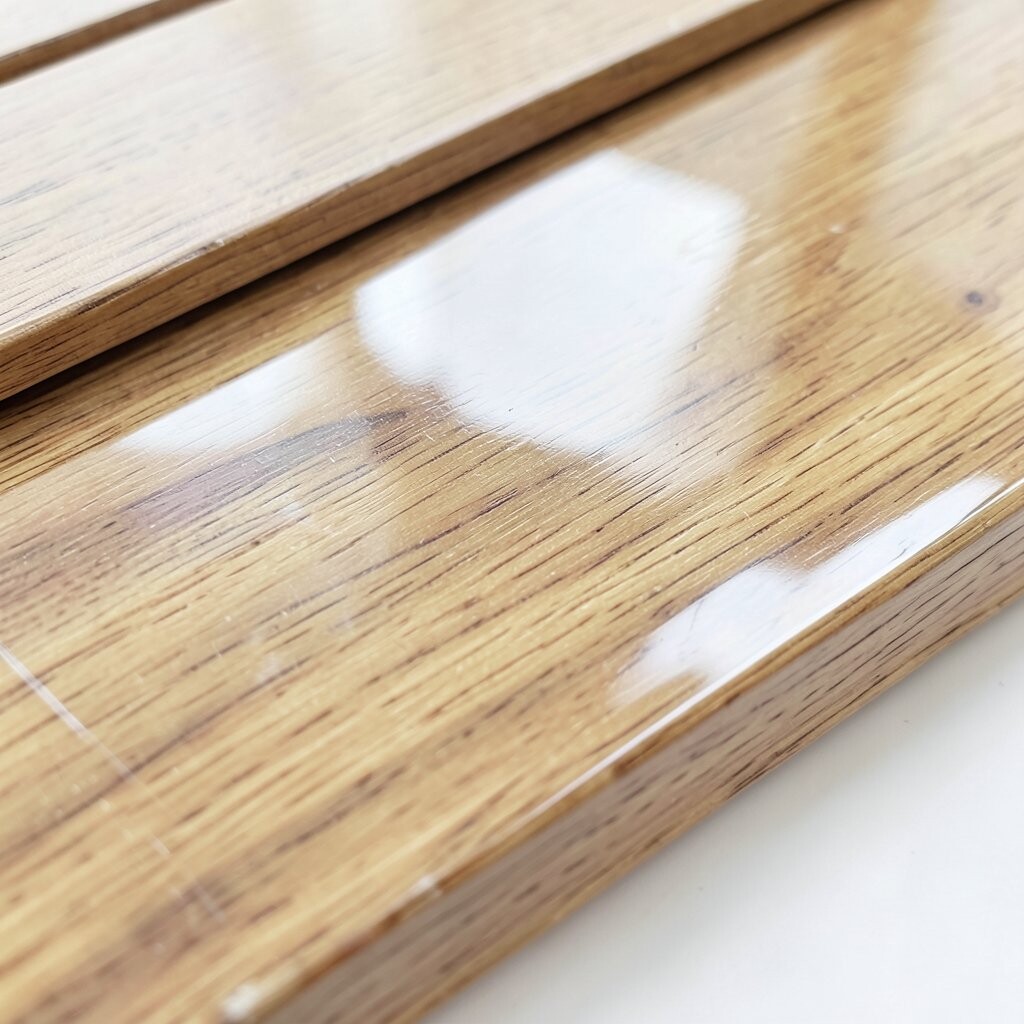
A clear coat with UV resistance helps wood panels stay their best color. Over time, sunlight can fade wood, and UV protection reduces that wear.
This finish benefits bright rooms near windows because it helps prevent yellowing and color shift. It also makes the panels look more consistently attractive day after day.
Choose a product that explicitly mentions UV protection and follow the cure times carefully. The more evenly you apply it, the more uniform the finish will look across large wall areas.
To personalize, pair UV clear coats with a stain of your preferred tone, like light oak or warm honey. This gives you both brightness and long-term stability, which is especially important for large projects.
Cost can be a bit higher than standard clear coats, but it may save money later because you will repaint or refinish less often. UV-protective finishes are a growing trend for people who want “set it and enjoy it” results.
11. Light Terracotta Wash for Cozy Warmth

A light terracotta wash gives wood panels a soft, earthy warmth that feels inviting. It adds color without becoming overpowering, especially when the wash stays semi-transparent.
This finish benefits living rooms, dining areas, and entryways where you want welcoming energy. It can also make neutral walls look more interesting without adding harsh contrast.
Work in thin layers and keep a close eye on how the tone builds as it dries. After the wash, seal with a clear coat so the color stays fresh and wipeable.
To personalize, choose terracotta with the right undertone, like peachy terracotta for a lighter feel or deeper terracotta for more warmth. Small differences in shade can also make the panels look like handcrafted pottery.
Cost is usually moderate since you may combine a wash color with standard sealing supplies. This warm-earth look remains popular because it pairs well with natural textiles and modern minimal decor.
12. Soft Sage Green on Panel Tops with Clear Bottoms

Sage green on panel tops brings calm color while keeping the wood feeling bright. When the lower portions stay lighter with clear finishes, the wall feels balanced and airy.
This finish benefits homes that want color but do not want a full paint makeover. It also makes panel grooves stand out, creating a gentle “step” effect.
To personalize, use masking tape for clean lines, then lightly distress the edges if you want a more relaxed, lived-in look. Finish by sealing both painted and unpainted areas, so maintenance is simple.
For practical results, let each layer dry fully before applying the next. That helps reduce smudges and keeps the sage looking smooth and even.
Cost can be slightly higher because you need paint, brushes, and sealing, but the result can look custom. Green tones are trending as people shift from bold jewel colors to calmer, nature-inspired shades.
13. Gold-Tinted Clear for Subtle Glam in Sunlit Rooms

Gold-tinted clear finishes add a gentle shimmer that feels upscale and warm. Even when the wood is not dark, the tint can make it glow in natural light.
This finish benefits rooms like dining spaces, foyers, and offices where you want elegance without going fully metallic. The look can feel celebratory during evenings because light catches the grain and reflections soften the mood.
Choose a subtle gold tint rather than a strong metallic, especially if you want brightness. Apply evenly, then use a clear top coat designed for durability so the tint does not fade quickly.
To personalize, blend the tint by thinning it slightly for a lighter “glow” or build it up for a more noticeable effect. If your panels have knots or strong grain, you may get extra sparkle in a beautiful way.
Cost varies depending on product quality, but gold-tinted finishes can be worth it when you want one standout wall. This kind of soft glamour is currently popular as more homes mix warm wood with elegant lighting.
14. Half-Painted Panels with Natural Wood Faces for Fresh Contrast

Half-painted wood panels keep the structure playful by combining paint and natural wood. The painted section brightens the room, while the unpainted wood face adds warmth and texture.
This finish benefits many spaces because it balances modern color with timeless grain. It also offers personalization power since you can choose nearly any paint shade that matches your decor.
To get crisp lines, sand both areas, prime the painted sections, and use painter’s tape for clean edges. Seal the unpainted wood with a clear coat so it matches the durability of the painted side.
For a brighter look, choose a warm white or creamy off-white paint rather than stark cool white. If you want more uniqueness, add a gentle color gradient by using two close shades on the painted half.
Cost is manageable because you can paint only part of the panels, reducing paint amounts and prep time. This finish feels fresh right now because it creates a custom, “designed” look without needing a full renovation.