The garden can feel like a daily mood booster when color arrives in waves. A handful of wildflower ideas can turn quiet corners into living, breathing bouquets.
With the right mix of bloom times, shapes, and simple care habits, your yard can look brighter without feeling complicated. You can also shape each patch to match your space, your style, and your budget.
1. Scatter-Plant a Meadow-Style Mix

Picture a soft, natural sweep of blooms that looks like it belongs to the sky and the wind. Instead of neat rows, seeds drift into a little “wild” rhythm that stays charming through the season.
Choose a mix that includes both early and late flowers so you get a longer show. Lightly rake the soil, sprinkle seeds, and press them gently so they make good contact. After that, water with a gentle spray until sprouts show up, then let nature do more of the work.
2. Pair Wildflowers With Spring Bulbs for a Color Calendar

When spring bulbs peek out first, wildflowers follow like a second act that keeps the story going. Crocus, tulip, and daffodil leaves can also help hide the “in-between” look before new growth appears.
Pick wildflower varieties that bloom after your bulbs fade, so the garden doesn’t pause. Scatter seed near bulb spots rather than over them, and thin seedlings as they grow to avoid crowding. You’ll get a smooth color transition that feels planned, yet still natural.
This approach is great for personalization because you can match bloom colors to your favorite clothing tones or patio cushions. It’s also budget-friendly since seed is often cheaper than buying many single plants. If you like current trends, many gardeners now lean into layered, time-staged plantings for that “always blooming” vibe.
3. Build a Pollinator Road With Border-Friendly Blooms

Imagine a narrow ribbon along a walkway, buzzing with tiny wings and bright petals. Pollinator-friendly wildflowers create movement even on calm days, and the sight of activity feels alive.
Plant clusters near edges so bees and butterflies can work through the garden without wandering too far. Choose species known for nectar and also include some that have different flower shapes, like flat-topped blooms and tubular ones. Water early in the season, and keep a light weed routine until seedlings are established.
To personalize, match the “road” placement to how you actually walk, sit, or take photos. Cost stays manageable because border areas can be smaller than full beds. This kind of planting fits today’s trend toward wildlife-friendly yards that still look neat from a distance.
4. Create a Wildflower Corner in a Clear, Sunny Spot

A sunny clearing can feel like a bright window inside your yard. Even a small corner becomes a bouquet when you choose flowers that thrive where they will get the most light.
Pick a spot that gets several hours of sun and prepare the soil by removing heavy grass. Loosen the top layer, then sow seeds lightly and keep moisture steady until germination. Once plants are up, stop overwatering and let them handle routine dry spells better.
5. Mix Tall, Medium, and Low Bloomers for Depth

Think of your garden like a painting, with tall flowers acting as the background and small blooms filling the foreground. When you mix heights, petals look fuller and the whole patch feels more colorful.
Choose a few taller wildflowers to anchor the back, several medium ones for the middle, and low growers to edge the front. Follow the seed packet guidance for spacing, then adjust based on how busy the area feels. Thin seedlings once they’re big enough to handle so each plant gets airflow.
This layering gives a uniqueness boost because it creates a “designed wild” look rather than a flat carpet. It’s also practical since you can use fewer plants more effectively. If your budget is tight, start with seed mixes that already include height variety.
6. Add a Water-Wise Strategy for Hot Summers
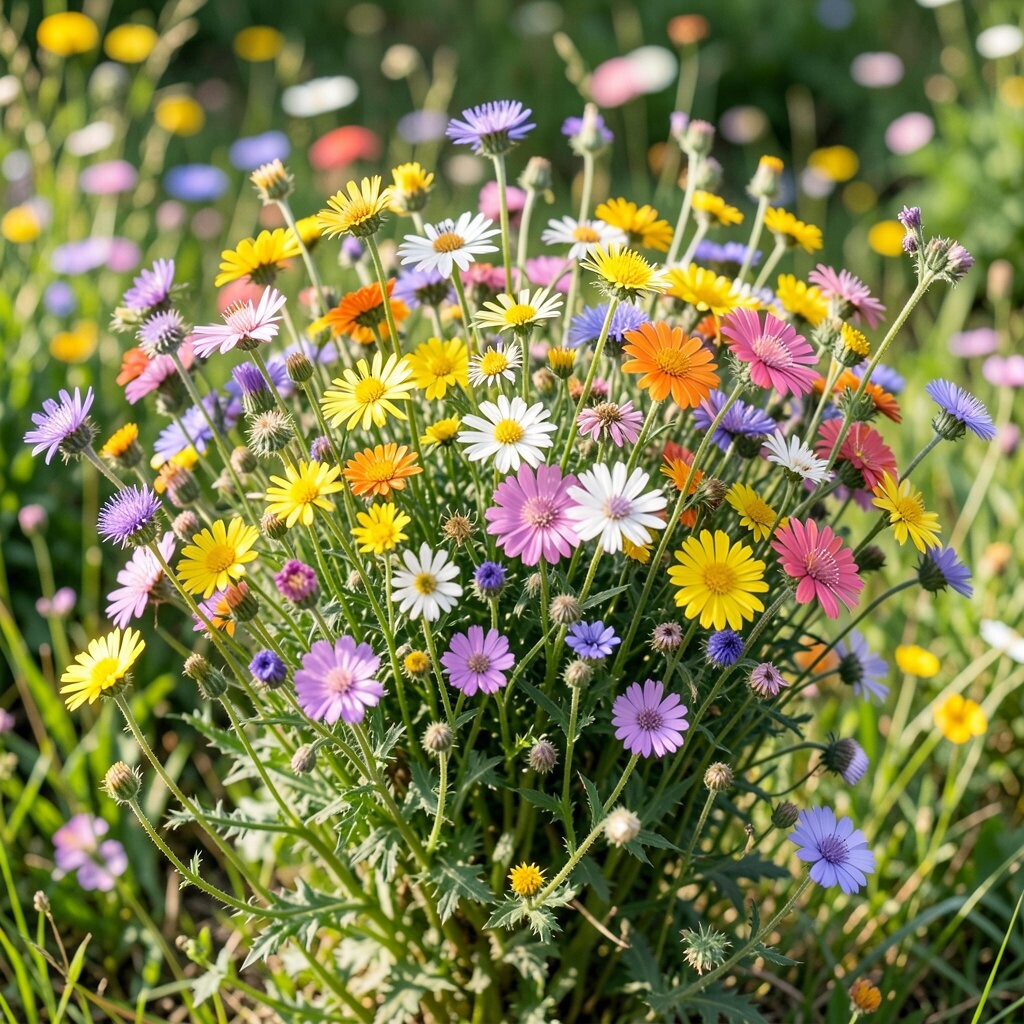
Wildflowers can still look great when the days run hot, as long as you plant smart. A simple water plan helps seedlings grow strong before they face dry weather.
Water deeply but less often, focusing on the root zone rather than frequent light misting. Mulch lightly around seedlings if the soil dries too fast, but keep it thin so sprouts can break through. After establishment, allow rain to do its job and only irrigate during long dry stretches.
This method supports benefits like healthier roots, fewer fungal issues, and more resilient blooms. It also keeps costs down because you’ll use less water and fewer supplies. Many current garden trends favor water-wise planting, especially in regions with heat and drought alerts.
7. Choose Native Wildflowers for Easy Success

Native wildflowers often look like they were always meant to be there. Their colors blend with your local landscape, and their shapes feel at home in your climate.
Pick flowers that match your region and soil type, since locals usually handle local conditions better. Native seeds can be sown in phases, so you get different bloom windows. A little patience helps, because some species take time to establish and then bloom beautifully.
8. Use a Cut-and-Come-Again Approach for Fresh Bouquets
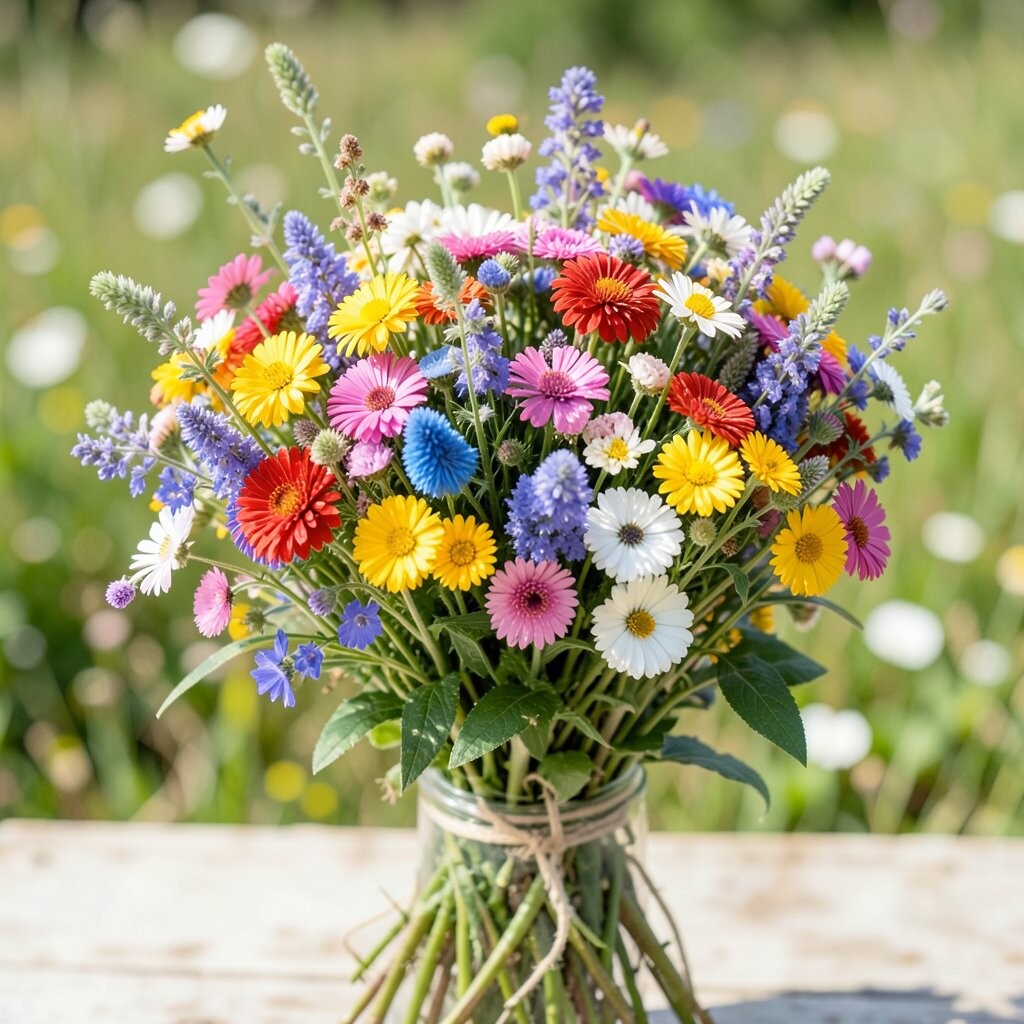
Imagine stepping outside and picking a bunch that still leaves behind new buds. When you cut thoughtfully, many wildflower types can branch and keep flowering longer.
Cut in the morning when stems are crisp, and leave enough growth behind for regrowth. If a patch looks crowded, remove spent blooms to encourage more buds. Keep a small bucket of water nearby so the flowers stay happy while you carry them indoors.
This gives you uniqueness because your garden becomes a living source of bouquets, not just a visual display. It’s also a fun personalization routine, since you can tailor each arrangement to your home mood and season. Cost stays low because you’re harvesting your own flowers instead of buying bunches every week.
9. Edge With Wildflowers to Soften Hard Landscaping

Hard lines like fences, stones, and raised beds can feel softer when blooms spill over the edges. A wildflower border can hide rough spots while making the whole garden look more welcoming.
Plant along the sunny side of paths and near retaining walls where roots can spread. Keep a consistent edge width so it stays tidy, then allow the blooms to do their natural waving. If the soil is compacted, loosen it and mix in compost so seedlings get a better start.
10. Start Small With Containers Then Move to Beds

Not every garden has space for a large patch, but you can still enjoy wildflower color in containers. A pot of wildflowers feels like a movable bouquet that you can place by the door or on a patio.
Use a well-draining mix, sow seeds lightly on top, and keep moisture consistent until sprouting. Choose container-friendly varieties or mixes that won’t grow too tall for your space. Once plants are established, you can transplant stronger seedlings into beds if you want a bigger display.
This is a practical way to manage cost and risk, since you can try one mix at a time. It also fits today’s trend toward portable garden color for balconies and small yards. Personalization is easy because you can match container colors to planters, outdoor pillows, or seasonal décor.
11. Create a “Color Theme” Zone Like Sunny Golds or Cool Purples

Color themes make the garden feel intentional even when the planting style is wild. When you pick a direction, like sunny yellows or gentle purples, your eye knows where to rest.
Choose a limited palette and then select wildflower types that naturally fit that range. Add greenery through foliage varieties or companion plants so the color looks richer and not too loud. Keep notes on what you love, so next season you can shift the theme based on real experience.
This gives uniqueness because your zone becomes your signature corner, not a copy of someone else’s garden. It can also lower costs because you’re buying fewer different seed packets. The trend toward “curated color” is growing, and wildflowers can still fit that style beautifully.
12. Interplant With Groundcovers to Prevent Bare Soil

Bare soil can look tired, but groundcovers can keep it covered while wildflowers mature. The combination also helps the whole area look lush instead of patchy.
Choose groundcovers that tolerate sun and don’t outcompete seedlings too aggressively. Plant groundcover first, then sow wildflower seed in small gaps where sprouts can emerge. Water both groups until established, then ease up once everyone is growing well.
This boosts benefits like less erosion, fewer weeds, and a more finished look. It also helps cost stay controlled because you can fill the space with fewer purchased plants. For personalization, you can pick groundcover textures that contrast with your flower shapes for a unique visual rhythm.
13. Maintain With “Less, Then Right” Care for a Natural Look

A wildflower garden doesn’t need constant fussing to stay lovely. In fact, gentle maintenance often helps the most because it keeps plants thriving instead of stressed.
After seedlings are established, pull only the weeds that truly compete, and avoid disturbing roots. Cut back selectively after peak bloom if you want a neater look, and leave some stems for seed heads when that suits your style. Refresh mulch lightly if the surface dries out, and water only when plants show clear signs they need it.
These habits support long-term benefits like more blooms, healthier soil, and fewer pests. They also match current gardening trends that favor “natural systems” over heavy control. With a little observation, you can personalize your care schedule to your garden’s personality and your own time, without spending extra money on unnecessary products.