
Your walls hold more stories than you think. The right vintage finish can make every room feel instantly warmer.
1. Venetian Plaster With Old-World Glow

Venetian plaster looks like soft stone that learned how to shine. In good light, it shows faint swirls that feel calm instead of loud.
This finish helps walls look smoother and more refined, even if your original surface isn’t perfect. Use a base coat, then trowel in thin layers for that layered, depth-filled look. To keep it budget friendly, consider doing just one accent wall and matching the rest with paint in a similar tone.
2. Limewash for Breathable, Cloudy Character

Limewash brings a gentle, cloudy texture that can mimic old stucco and heritage buildings. You will often see subtle patchiness, which looks natural rather than messy.
Because limewash is breathable, it can be a great choice for spaces where moisture management matters. It also ages beautifully, gaining a softer, more lived-in patina over time. For a practical approach, test it on a small patch first and choose a color that fits your lighting, since limewash shifts slightly as the room changes.
To personalize, mix your palette with warm whites, dusty rose, or muted sage for a vintage feel. This finish fits current trends toward natural materials and low-chemical choices. If you want a lighter cost, plan for a single room refresh and pair limewash with simple trim so the wall texture does the talking.
3. Antique Distress Paint for Cozy, Worn-In Charm

Antique distress paint is for people who love that lived-in look without feeling shabby. The surface can show fine cracks, rubbed edges, and gentle color breaks.
It adds visual warmth fast, which is perfect when you want a room to feel welcoming right away. Apply a base coat, add layers of contrasting or complementary shades, and then use distressing tools to reveal highlights where hands would naturally touch. For practical timing, plan your work around drying times so you don’t rush the detail.
Make it yours by leaning into a color story, like creamy ivory over muted teal, or warm sand over soft clay. This style stays relevant because modern decor still loves texture and nostalgia. Cost wise, you can control spending by using fewer specialty colors and focusing distressing where light falls most, like around openings and main focal areas.
4. Textured Clay Plaster for Earthy Depth

Clay plaster gives walls a rich, earthy look that feels grounded and comforting. It can be smooth in some spots and softly rugged in others, like natural land after rain.
This finish adds depth without relying on heavy patterns, which makes it friendly in many home styles. Work in thin coats, then shape the texture with a trowel or brush for the level of character you want. If you want it easier on your wallet, apply clay plaster to one statement wall and keep the rest simple with matching warm paint.
5. Wallpaper With Vintage Patterns and Raised Details

Vintage wallpaper can make a room feel like it has always belonged there. From faded florals to classic damask, the patterns add instant personality.
Raised or embossed wallpaper adds dimension, which helps hide small wall flaws. Choose a removable option if you rent, or pick traditional paste if you’re staying put. A practical way to keep the job manageable is to focus on a single wall behind a sofa or bed rather than covering every surface.
Personalize by selecting a pattern scale that matches your room size, with smaller motifs for tight spaces and bolder repeats for larger walls. This remains a strong trend because people are craving warmth and visual rhythm, not sterile emptiness. Cost can vary a lot, so set a budget early by picking one hero wall and pairing it with solid-color trim and paint.
6. Crackle Finish for Antique Sparkle and Story
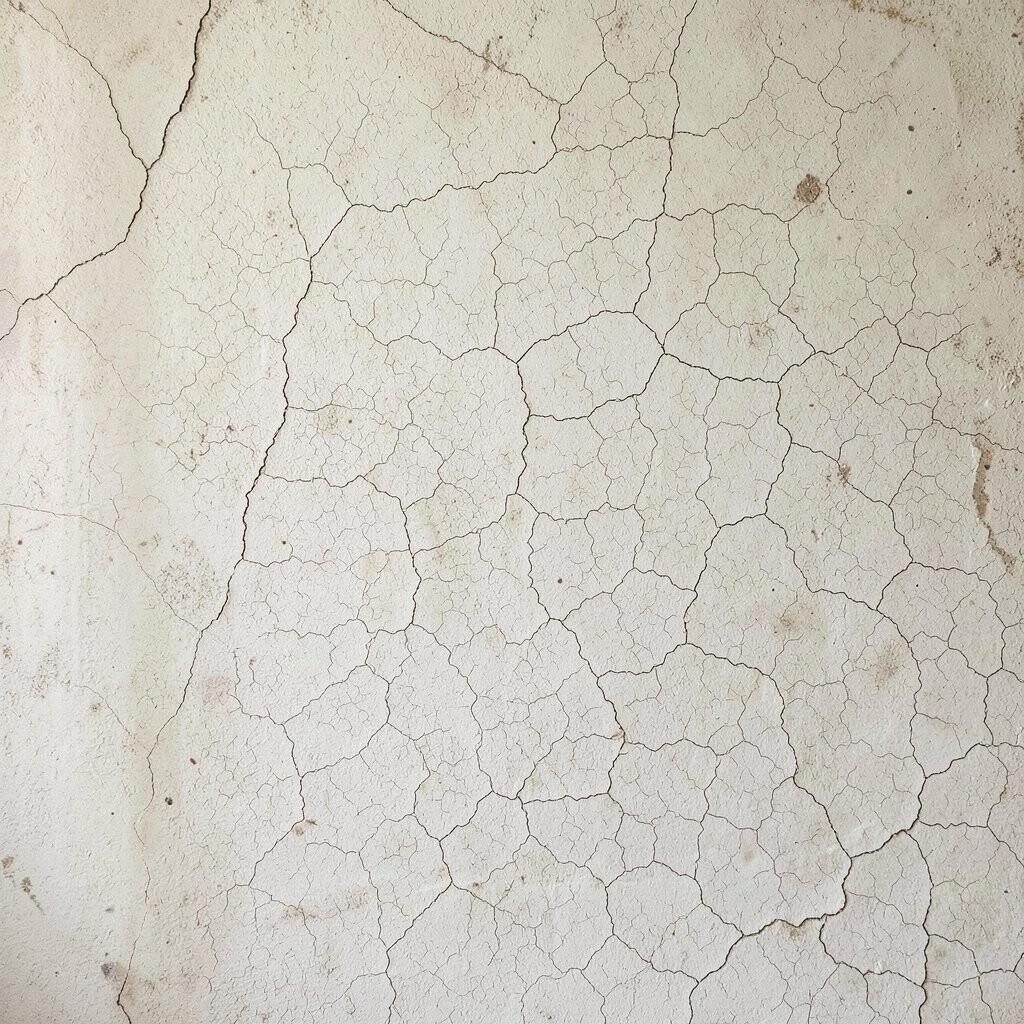
Crackle finish creates hairline splits that catch the light like tiny lines of history. Depending on the product, the lines can look delicate or dramatic.
This wall finish adds an instant antique mood, especially when you use a darker undertone with a lighter top coat. Apply it carefully and keep your brushwork gentle, since uneven application can shift the crack pattern. For practicality, seal the finish if recommended so cleaning stays easier in daily life.
To personalize, choose crackle shades that match your decor, like warm cream over cocoa, or pale gray over muted charcoal. It fits current tastes because texture still matters, and crackle looks great with both classic and modern furniture. Cost is usually reasonable for the effect you get, but professional prep is worth it if your walls need sanding and priming first.
7. Ombré Wash for Sun-Kissed Vintage Color

An ombré wash gives walls a soft gradient that feels like sun and shadow. It can look like faded paint on old boards or like a gentle horizon across plaster.
This finish makes rooms feel taller and lighter, which is helpful for hallways and bedrooms. Blend the color in stages and use a sponge or wide brush so transitions stay smooth. If you’re aiming for a vintage vibe, keep the colors close, like sand to oatmeal or dusty blue to warm white.
Personalize by adding subtle texture to the top layer, so the gradient feels more organic. This style matches today’s love for calm color fields and non-flat walls. To manage cost, use a small number of paint tones and focus the ombré on one area, since full-room ombré can mean extra time and extra product.
8. Rag Rolling for Soft, Gentle Old-World Swirls

Rag rolling creates a mottled, soft texture that resembles aged linen or faded murals. It feels cozy and classic without looking too busy.
This finish can hide unevenness and adds depth that makes plain paint feel richer. Roll and blot in consistent passes, and keep a damp edge so the pattern stays even. For practical results, choose a color family you already love and add just one slightly deeper shade so the effect stays classy.
9. Shiplap-Style Plaster Walls for Rustic Heritage

Shiplap-style plaster brings the charm of reclaimed boards to walls, even when you don’t want actual wood. You get clean grooves and a vintage feel that still looks tidy.
It adds strong visual character while keeping the room feeling bright, especially in white or warm gray. Install or apply panels carefully so lines stay straight, and consider sealing edges so cleaning is easy. To personalize, choose wide or narrow groove spacing and match it with trim paint for a sharper vintage look.
This finish pairs well with current rustic-meets-refined design, especially in modern farmhouses and cozy living rooms. Cost considerations depend on whether you use real boards or plaster systems, so compare both options and think about labor time. If you want to spend less, cover only the lower half of a room or one wall behind a fireplace for the same “heritage” impact.
10. Stenciled Panels for Classic, Framed Character

Stenciled wall finishes can feel like you added framed art without hanging a single thing. Vintage motifs like arches, medallions, and scrolling patterns add elegance.
Stenciling lets you control where the pattern goes, which makes it easier for smaller rooms. Use painter’s tape to map straight placement, then practice on cardboard so your pressure and speed feel right. A practical approach is to stencil a horizontal band above chair rail height and keep the rest solid for a balanced look.
Personalize by picking a motif that matches your home’s theme, like botanical shapes for a cottage mood or geometric corners for a more modern vintage style. This remains on trend because it gives texture and art-like detail without committing to full wallpaper. Cost is often moderate, since you can buy one stencil set and reuse it in multiple rooms.
11. Oil Rubbed Glaze for Old Cabinet Beauty on Walls

An oil rubbed glaze gives walls a deep, aged sheen that looks like vintage cabinets. The finish can look rich and dimensional, especially around corners and edges.
This is a great way to add luxury without heavy paint colors that take over the room. Apply glaze in thin layers and wipe back for highlights, since too much product can make walls look muddy. For practical tips, work in small sections and keep a consistent wiping pattern so the aging effect stays balanced.
To personalize, choose glaze tones like espresso, bronze, or warm gray and blend them into a base color that fits your furniture. The technique stays relevant because people love “shadow play” finishes that make rooms feel styled. Cost can be higher than simple paint because you may need extra product and careful labor, so plan to glaze one feature wall first.
12. Sgraffito for Artistic, Scratch-Through Texture

Sgraffito is a playful vintage technique where you paint layers and then scratch patterns into them. The result feels handmade, like murals found in old workshops.
This finish adds strong uniqueness because no two scratch marks look exactly alike. Use a stable base and then layer contrasting colors before carving details with a small tool. For practicality, sketch your design lightly on paper first and keep the pattern simple if you’re new, so it still looks intentional.
Personalize by adding motifs that match your life, like leaves, waves, or geometric lines that echo your rug. This style fits current creativity trends because homeowners want art that feels personal, not store-bought. Cost considerations include time and materials, but you can keep spending down by limiting the design to an accent panel or narrow wall area.
13. Faux Marble Plaster for Timeless, Gentle Luxury

Faux marble plaster can make a wall look like it belongs in an elegant old building. Veins and soft movement create visual interest even when your room is calm.
This finish can upgrade your space without the weight or expense of real stone. Use a base coat, then add marbling layers with sponges, brushes, and a careful blending technique. If you want practical success, work slowly and let each layer cure as directed so veins stay crisp instead of smearing.
To personalize, select marble directions that match your decor, like warm white marble for classic interiors or cool gray for modern vintage. Faux marble stays popular because it brings drama while still feeling timeless. Cost varies depending on how many colors you use, so choose a small palette and focus on one wall behind a console or dining area to control expenses.
14. Vintage Lime Stucco With Smooth Trowel Finish

Vintage lime stucco with a smoother trowel finish gives walls a refined look with subtle movement. It feels old-fashioned but not overly rough, which makes it easier to live with.
This option helps hide tiny imperfections and gives you that calm, artisanal feel. Apply it in controlled passes and keep texture consistent so the wall looks intentional. For practical tips, plan your lighting, because smooth trowel work shows shadows differently at different times of day.
Personalize by choosing warmer or cooler white tones and adding a gentle color wash that mimics aged plaster. The trend toward breathable, natural finishes keeps lime stucco in the spotlight, especially for people who want healthier materials. Cost considerations depend on whether you use premixed products or go fully traditional, so compare kits with professional labor and start with one room if you’re budget conscious.
15. Embossed 3D Paint Effects for Modern Vintage Depth
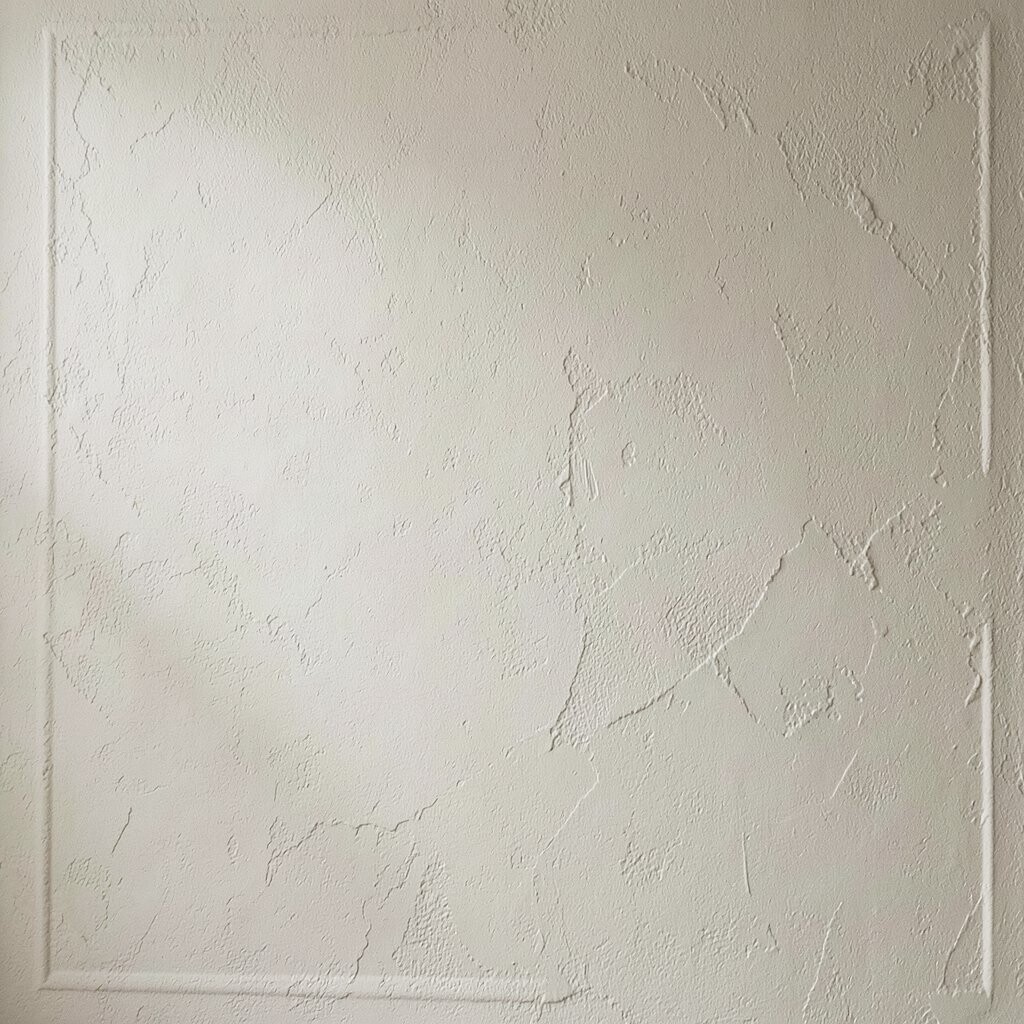
Embossed 3D paint effects bring a vintage-inspired sense of relief without using heavy wall panels. Think of raised plaster patterns that cast soft shadows across the room.
This finish adds visual depth and can make a simple room feel curated and rich. Use painter’s tape to outline sections, apply the compound with care, and then sand lightly if the product allows. For practical results, apply a small test area first, since relief levels can change how light reflects.
Personalize with vintage textures like scrolls, subtle arches, or geometric repeating bands that feel like heritage architecture. Current trends favor tactile surfaces, and this style fits right in with modern decor that still craves warmth. Cost can be mid-range, so you’ll likely save money by using it on one focal wall and keeping adjacent walls in a matching flat or eggshell paint.