
Light can change the mood of a room in seconds. Choosing the right fixture is like picking the perfect outfit for your walls.
Vintage lighting and traditional styles both have charm, but they shine in different ways. This list breaks down the differences so you can pick what fits your home, your taste, and your budget.
1. The First Impression: Warm Glow vs Familiar Brightness
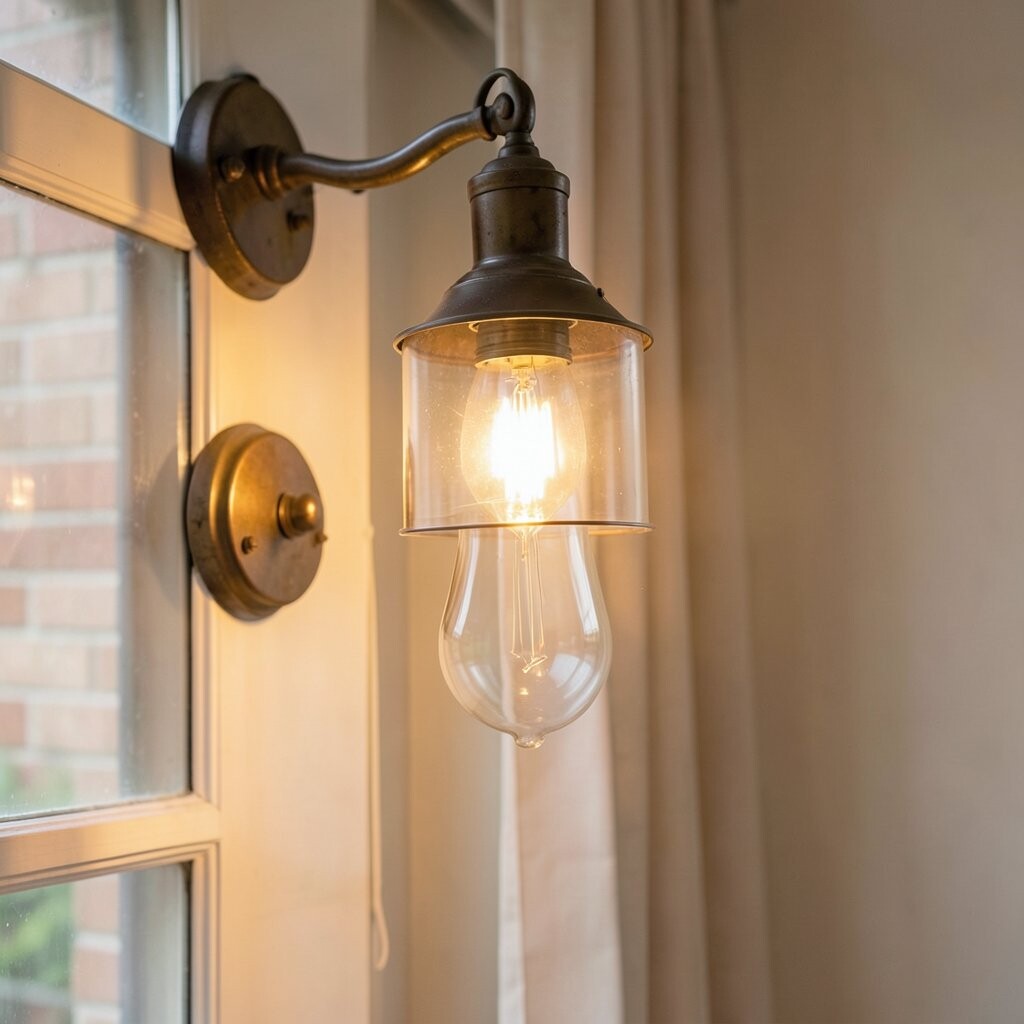
Vintage fixtures often arrive with a soft, welcoming glow that makes spaces feel lived-in. You may notice how shadows look gentle on ceilings and walls.
Traditional lighting can feel crisp and predictable, which many people love on busy days. With vintage, the light seems to have personality, especially when you use filament bulbs or warm shades. A practical way to test the look is to use a temporary bulb in the same color temperature before buying anything permanent.
2. Style Personality: Old-World Details vs Clean Lines

Vintage lighting shows off small design features like scrollwork, glass that curves, and metal that looks gently worn. That visual texture can turn a plain corner into something special.
Traditional fixtures often focus on straightforward shapes, like straight shades, balanced proportions, and smooth finishes. If you prefer a tidy, classic vibe, traditional may feel more like home right away. To personalize a vintage look, mix metals carefully, such as pairing a brass lamp base with a black wall sconce, but keep the tones within a similar warmth.
When you want a quick update, swap only the bulbs and the shade fabric, not the whole fixture. This keeps costs lower while still giving you that stylish difference you want.
3. Light Quality: Ambient Atmosphere vs Task-Ready Output
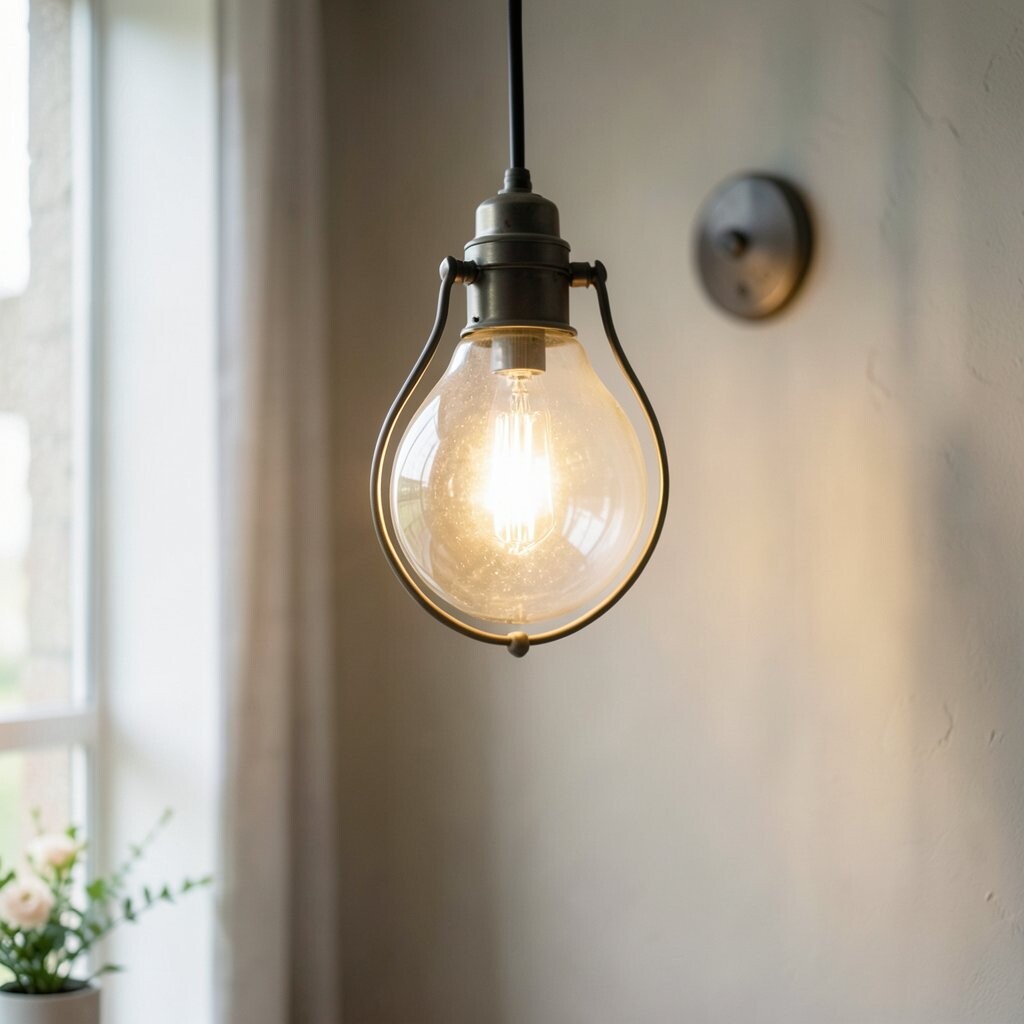
Vintage fixtures often excel at creating a cozy ambience for dining, reading, or winding down. The glow feels layered, especially when you choose frosted glass or decorative shades.
Traditional lighting tends to be easier for task lighting because it is designed for clear, even coverage. You may find traditional setups work well in kitchens, home offices, and hallways where you need strong visibility. A practical tip is to plan your lighting like a team, using one warm ambient source and another brighter source for work moments.
If you love vintage but need more function, look for vintage-inspired fixtures that include brighter-compatible sockets. Pair them with brighter warm bulbs rather than dim ones so the room stays useful without losing charm.
Pay attention to the lumens and the fixture’s openness, since enclosed shades can reduce brightness. Choosing the right bulb makes a bigger difference than many people expect.
4. Installation Reality: Matching Heights and Bulb Fits
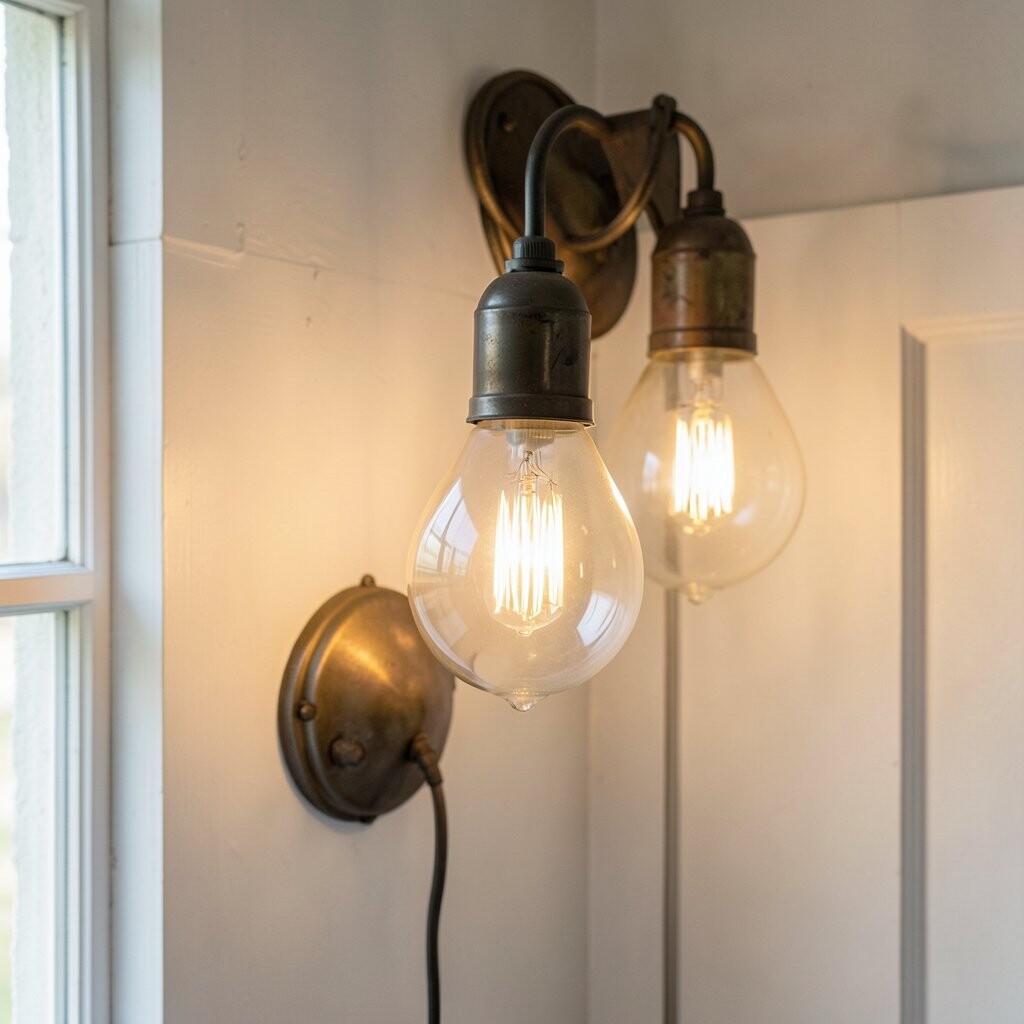
Vintage fixtures can be stunning, but sometimes they need extra attention during installation. Old wiring, unique mounting styles, and unusual socket sizes may call for a careful check before you hang anything.
Traditional styles usually follow modern standards, so they often install with fewer surprises. That can save time and help you avoid delays when you are working around other home projects.
5. Maintenance Feel: Patina Care vs Everyday Convenience
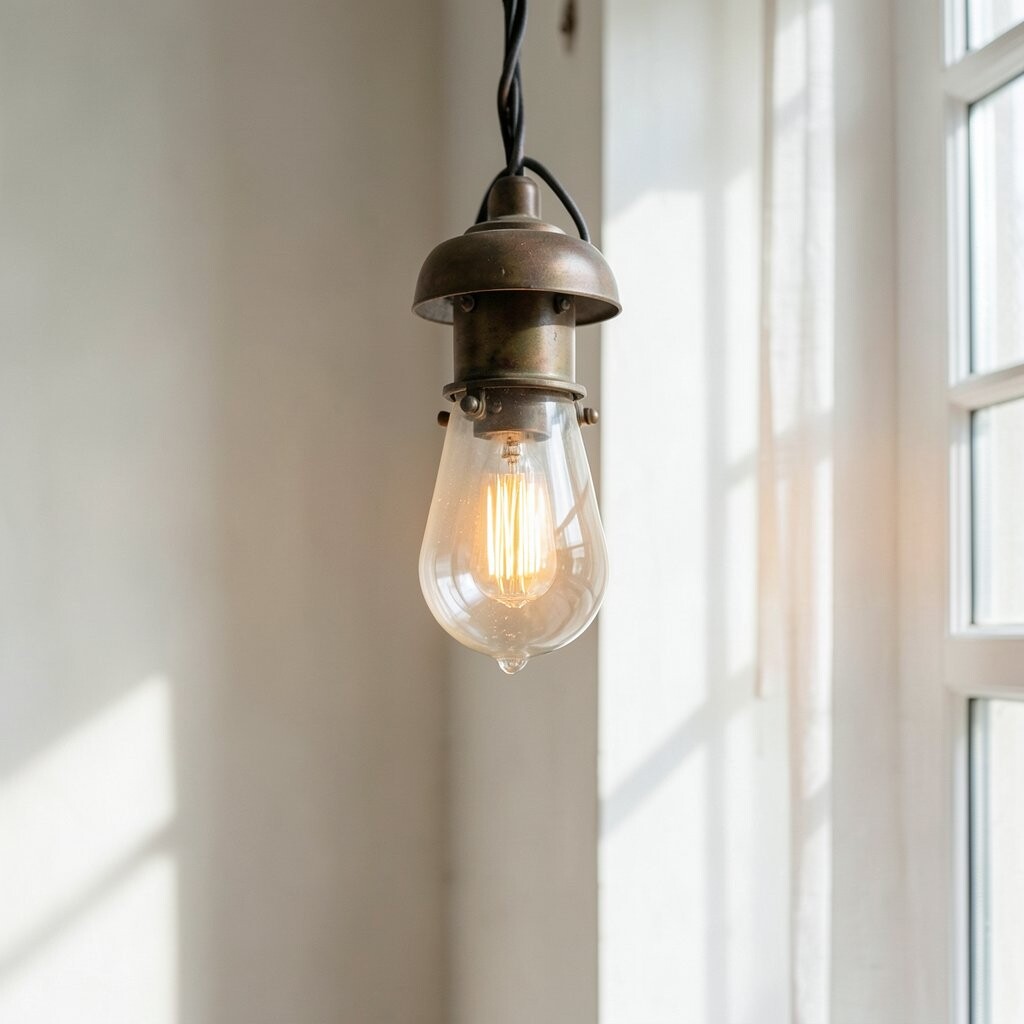
Vintage lighting can develop a beloved patina over time, which many people treat like natural decor. A gentle wipe and mild cleaner are usually enough, especially for brass, bronze, and aged finishes.
Traditional fixtures often handle regular cleaning quickly because surfaces are simple and finishes are consistent. If you prefer low-fuss upkeep, choose finishes labeled as easy-clean or sealed to reduce fingerprints and smudges.
When you care for vintage pieces, avoid harsh abrasives that remove the character you paid for. Keep a soft cloth and a small brush for crevices so your fixtures keep looking charming instead of dull.
6. Cost Considerations: Budget-Friendly Vintage Finds vs Higher-End Originals
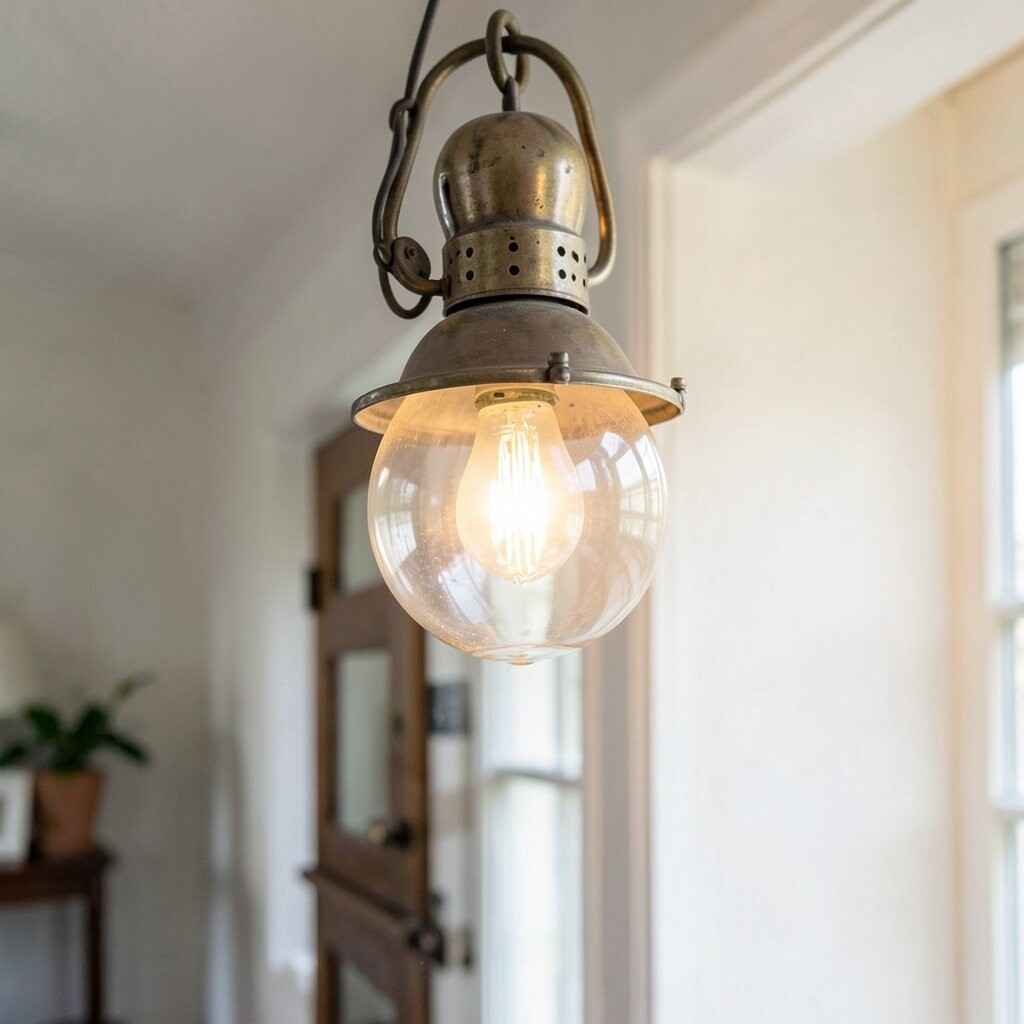
Vintage lighting can be budget-friendly if you shop smart and stay open to preloved pieces. You might find a charming wall sconce at a local shop, an online marketplace, or a thrift store that gets new stock often.
Some vintage originals carry higher prices, especially when they have rare designs or authentic materials. Traditional lighting can also vary widely, but many modern fixtures are priced for predictable replacements and warranties.
A practical money move is to set a spending limit for the main fixture and save smaller budget parts for upgrades. For example, spend on a statement chandelier or pendant and choose simpler matching hardware for side areas.
Also check return policies and compatibility with your existing switch setup. That way you avoid paying extra for adapters or replacement components.
7. Current Trends: Statement Vintage Pieces vs Sleek Modern Comfort
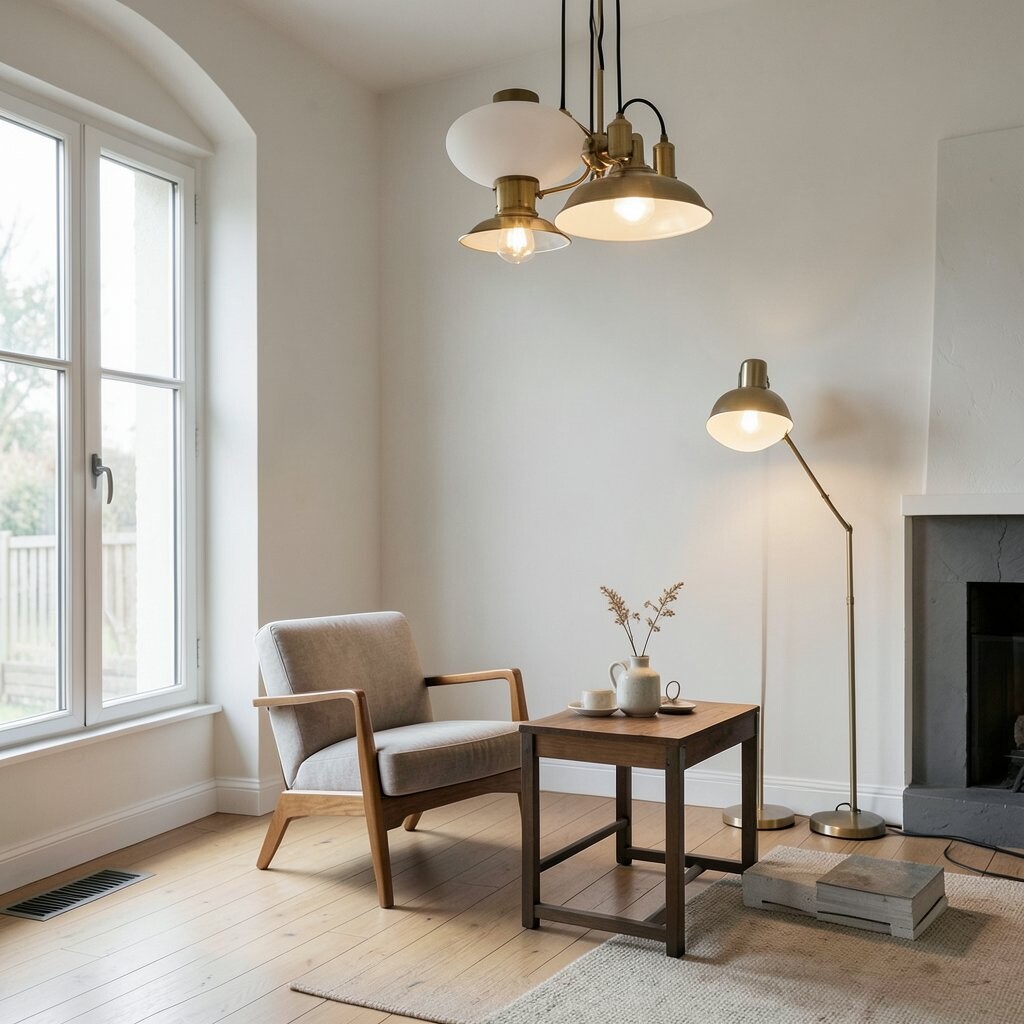
Right now, many homes lean toward mixed styles, and vintage lighting plays a starring role. You may see warm metallics, clear glass globes, and mid-century shapes showing up in modern interiors.
Traditional styles remain popular too, especially when people want timeless comfort without taking big creative risks. Soft shades, classic lanterns, and familiar silhouettes still fit well in many homes.
A trend-savvy approach is to pick one bold vintage fixture and let the rest of the lighting stay more neutral. That balance makes your space feel intentional instead of crowded.
8. Visual Scale: Eye-Catching Wow vs Subtle Blending
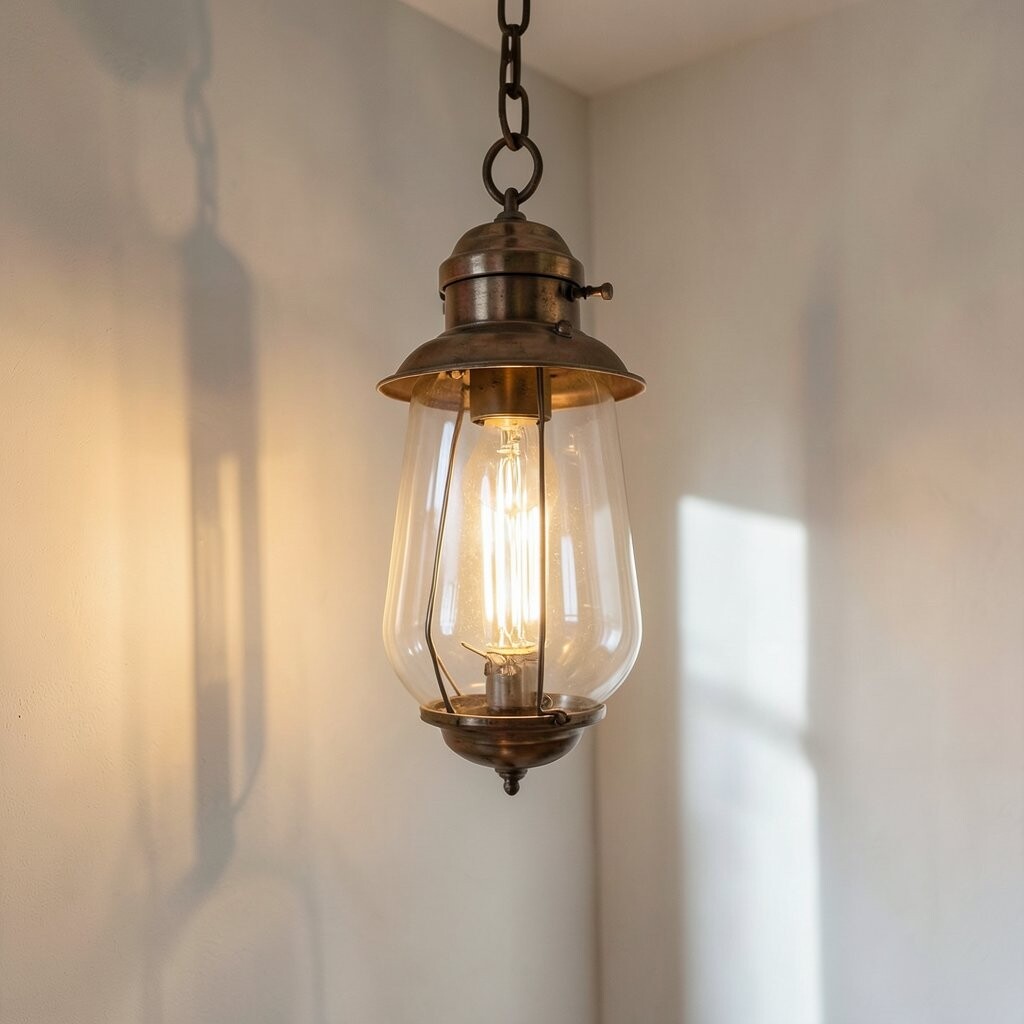
Vintage lighting often brings visual weight through decorative metal and glass details. A bold pendant or ornate chandelier can make a room feel designed even if the furniture is simple.
Traditional fixtures can blend more easily because their shapes are usually smoother and less ornate. That can be helpful in small rooms where too much detail might feel busy.
If you want vintage impact without overpowering the room, choose a fixture with clear glass or a lighter color shade. You can also aim for proper spacing so it hangs at the right height over a table or seating area.
Measuring matters, so take a moment to check height and width before you commit. When scale fits, both vintage and traditional styles look instantly more expensive.
9. Personalization Options: Mix Bulbs, Shades, and Finishes
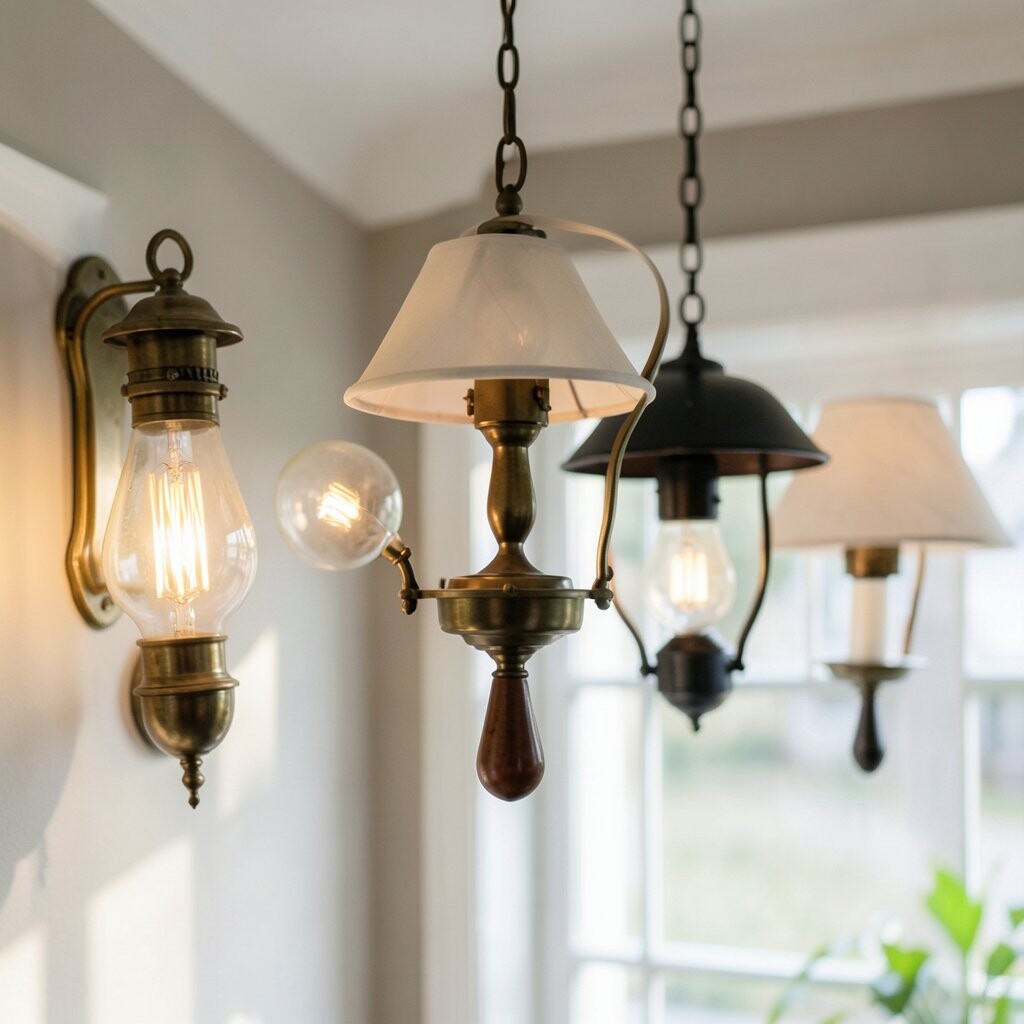
Vintage fixtures invite personalization because many designs look great with different bulb styles. Filament bulbs, Edison-style bulbs, and antique-style glass all change the mood in small but noticeable ways.
Traditional styles can be personalized too, but you often do it through shade color, diffuser choice, or trim details. A linen shade can soften brightness, while a darker shade can create dramatic contrast.
A practical personalization idea is to match the fixture tone to your hardware or your picture frames. If your room has warm wood, look for bronze, brass, or warm copper tones so everything feels connected.
For a playful touch, choose a shade print or subtle texture, especially in entryways and bedrooms where you control the vibe.
10. Function in Real Life: Dimmers, Layering, and Switch Placement
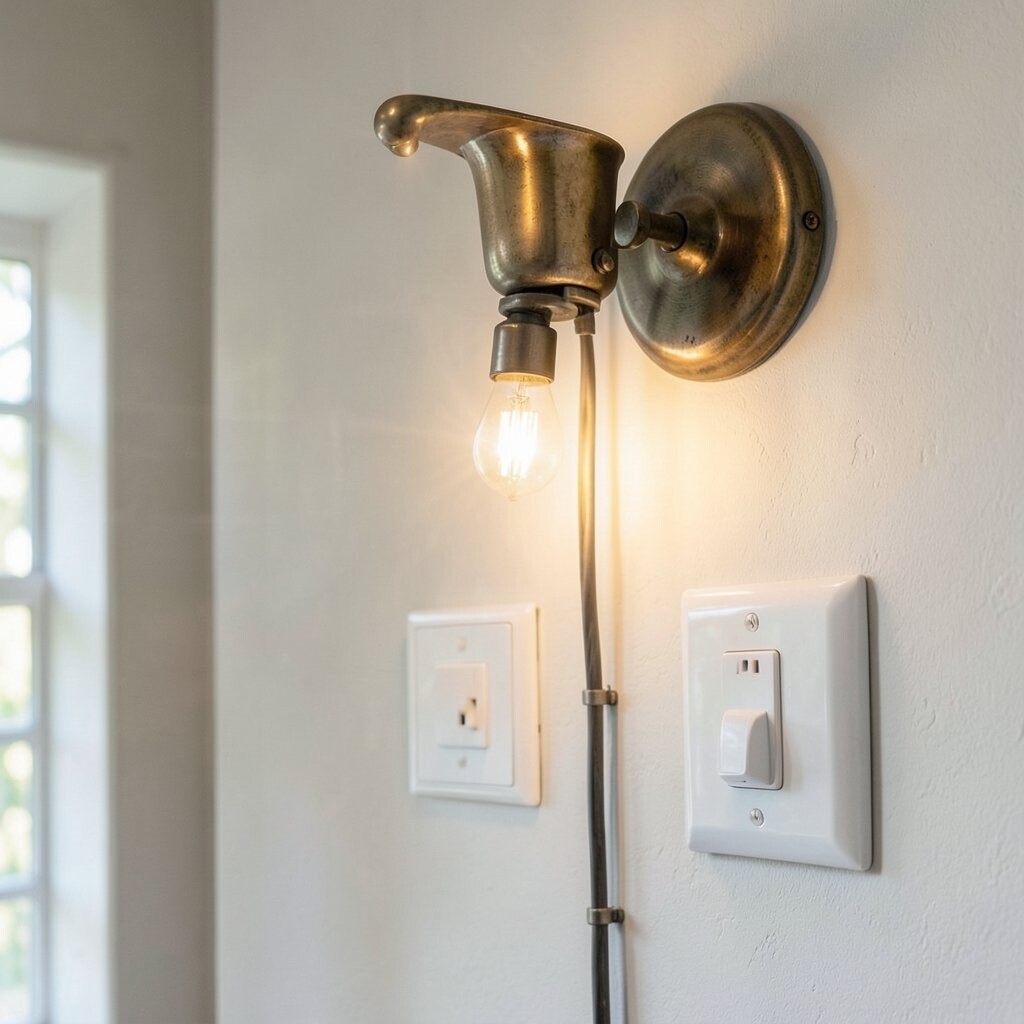
Vintage lighting pairs beautifully with dimmers because its warm tones feel even better when you lower the light. That makes evenings feel cozy and helps your home feel calm after a busy day.
Traditional lighting also benefits from dimming, but many people already use it instinctively with modern fixtures. Either way, dimming gives you control for movie nights, dinner parties, and early mornings.
A practical tip is to consider where switches sit and how you move through the room. If you often use the lights from one side, aim for fixtures that give you helpful coverage without harsh glare.
Layering matters as well, so mix overhead light with a lamp or a wall light. Your eyes will thank you because you will not feel like you are living under one bright sunbeam.
11. Style Matching: Cozy Rooms vs Crisp Design Schemes
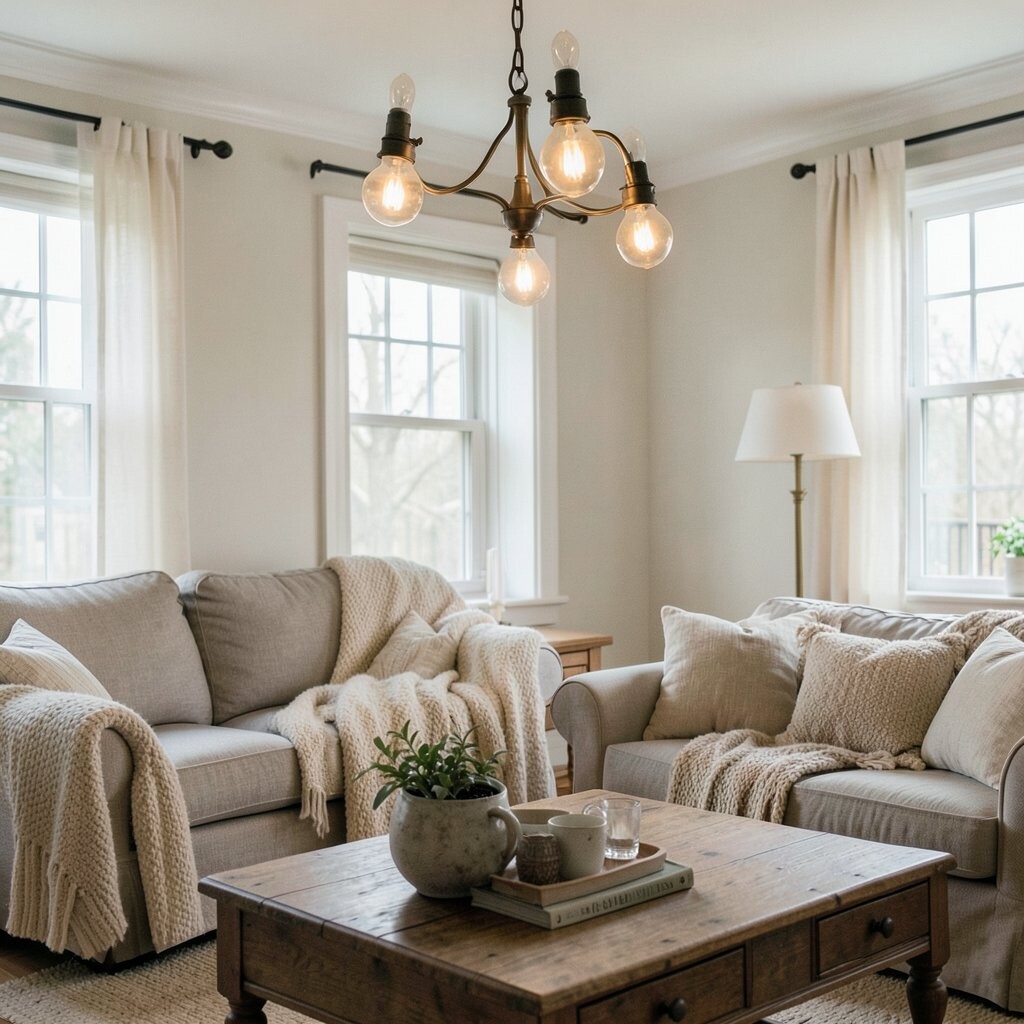
Vintage fixtures look especially at home in rooms that already feel cozy, like a reading nook or a dining space with warm wood. They can soften the look of a modern couch and make your home feel less sterile.
Traditional styles can also feel cozy, but they tend to keep things neat and balanced through classic symmetry. If your space follows a crisp design scheme, traditional fixtures may fit without any extra styling effort.
A personalization strategy is to repeat small details, like using a matching finish on cabinet pulls and light bases. When small elements echo each other, your lighting looks intentional instead of accidental.
For a practical check, step back and look at your fixtures from across the room. If the fixture style matches your overall rhythm, you will feel it right away.
12. Buying Smart: What to Check Before You Commit
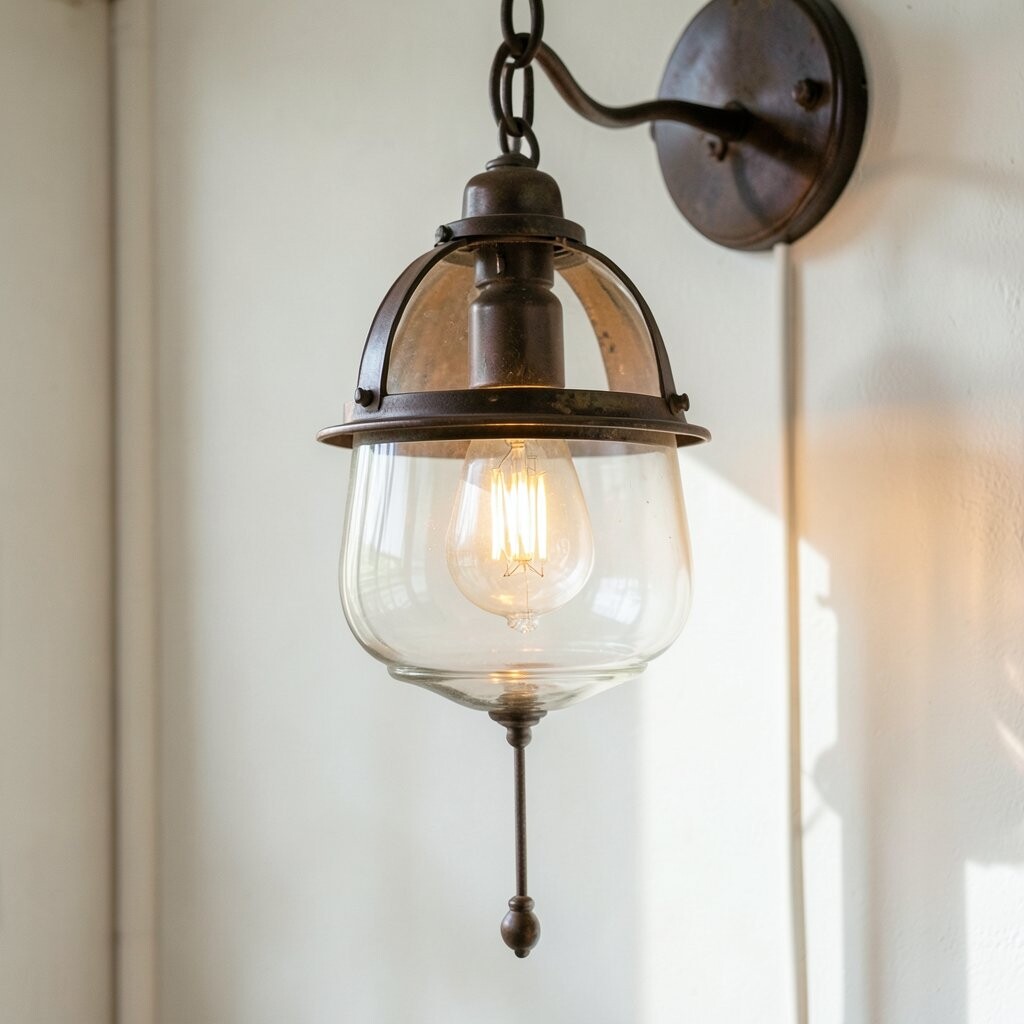
Vintage lighting shopping gets easier when you check size, socket type, and how the fixture handles your bulb choice. Many vintage pieces look right online but need a quick compatibility check to avoid surprises.
Traditional lighting shopping is simpler because the product specs are usually straightforward and easy to match with existing hardware. Still, you should check brightness, shade dimensions, and mounting style for a smooth fit.
When you compare options, look at the finish under different lighting, not just in store lighting. A bronze color can look deeper in warm light, while a brushed nickel can appear brighter and cooler.
A practical final step is to plan for at least one upgrade that boosts both look and function, like a warmer bulb or a dimmer. That way, whichever style you choose, your home gets the brightness you want with the feel you love.