
Some design details have a quiet magic that never goes out of style. They make rooms feel lived-in, warm, and thoughtfully finished.
Think of classic elements as reliable building blocks, each one adding comfort, character, and a sense of history. With a few smart choices, you can keep the look timeless while still making it feel like you.
1. Brick and Stone Walls
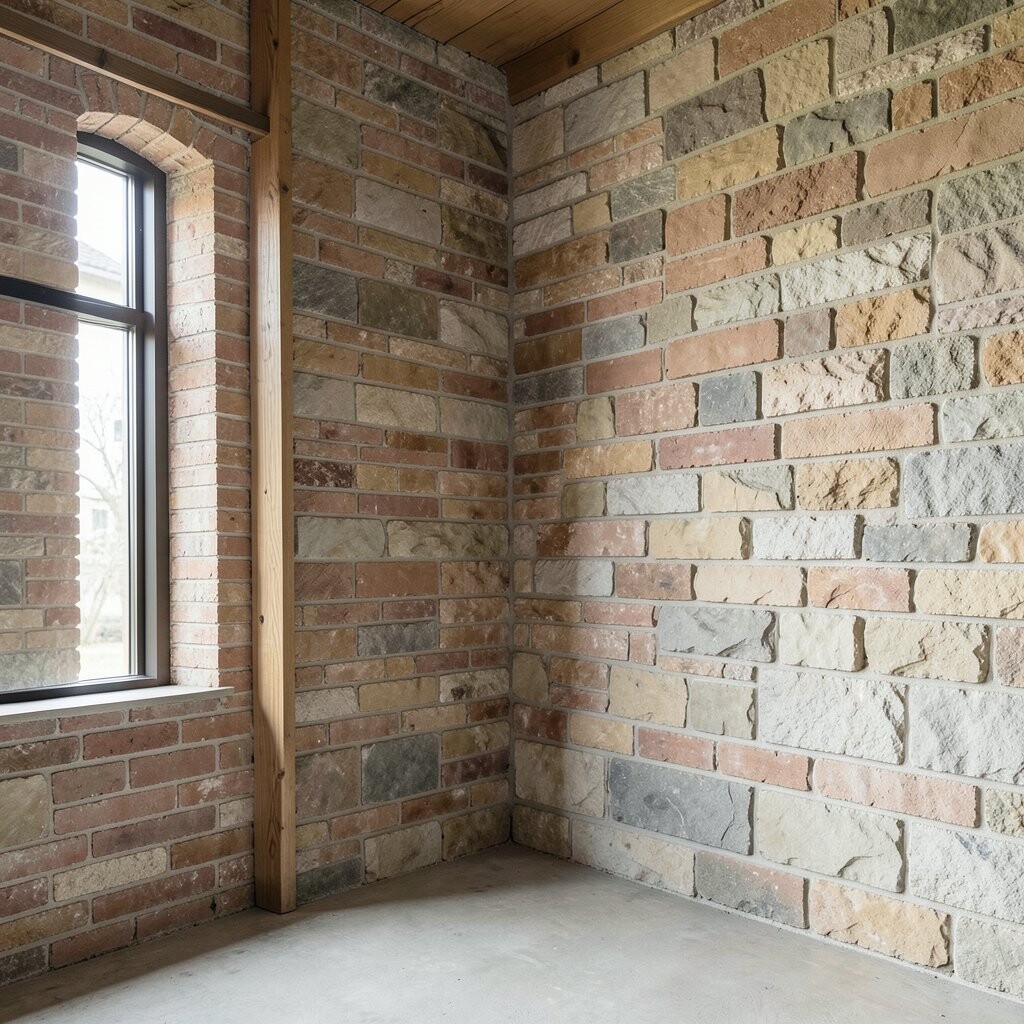
Brick and stone bring a natural texture that instantly makes a space feel grounded. You can see the color shifts, the small irregularities, and the way light softens on the surface.
In a living room or entry, a partial exposed wall can cut the emptiness and add visual warmth. If you want an easy start, paint over brick with a breathable efflorescence-friendly product, or use thin veneer panels for a more budget-friendly approach.
2. Crown Molding and Trimwork
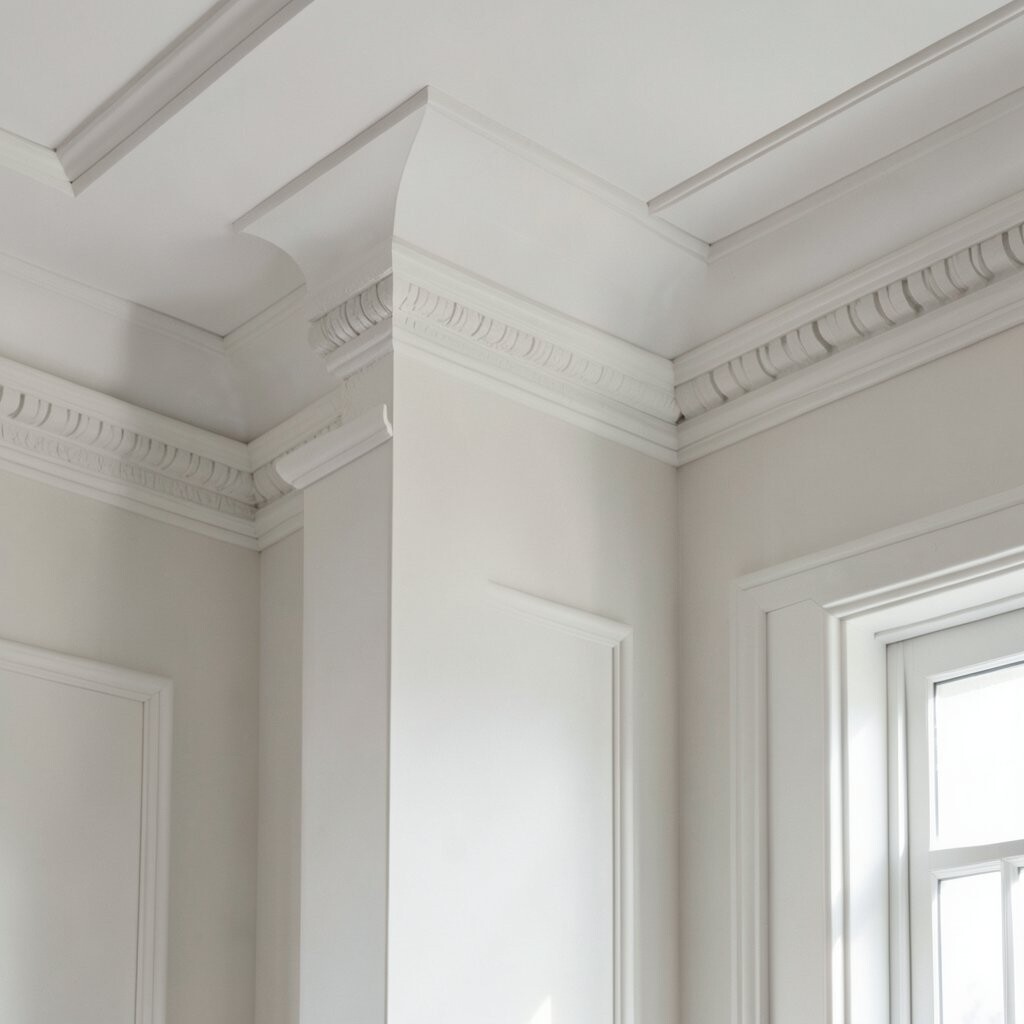
Crown molding frames the ceiling like a gentle hug, and it makes even a simple room look finished. When the height of the trim matches the scale of your space, the whole area feels more balanced.
This classic detail helps hide imperfections and gives your walls a more elegant edge. A good trick is to choose a trim profile that feels crisp but not overly busy, then paint it the same color as the ceiling for a modern-soft effect or slightly brighter for a traditional pop.
If you love the look but worry about cost, consider installing it only along key areas, like around the living room or the main hallway. Today’s trend leans toward subtle, clean-lined profiles in neutral tones, which can make trim feel fresh rather than fussy.
3. Hardwood Floors With Traditional Finishes
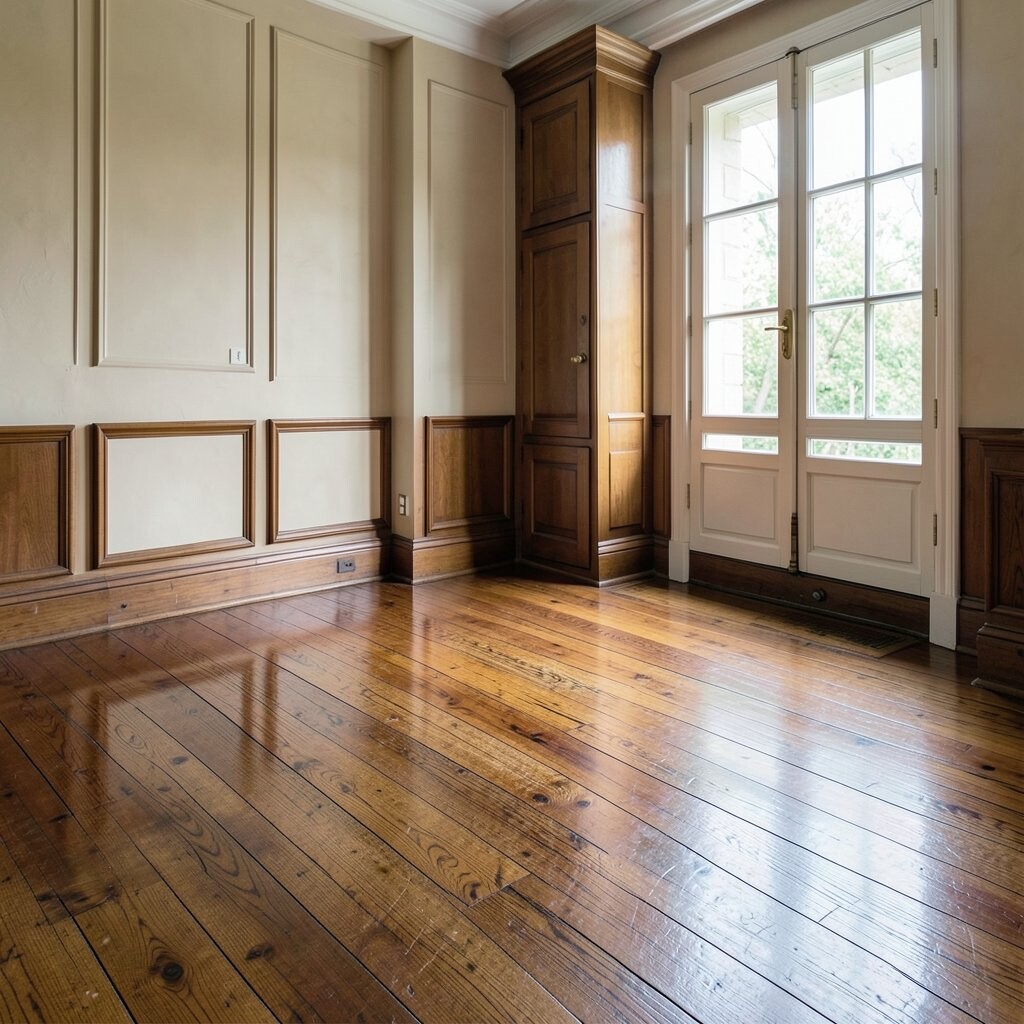
Hardwood floors make the whole home feel calmer and more inviting. The grain patterns and warm undertones change throughout the day as sunlight moves across the room.
They also age beautifully, especially when you keep them clean and protect them with the right finish. For a practical upgrade, choose a satin or matte topcoat because it hides scuffs better than high-gloss options.
If you’re working on a real budget, look for reclaimed wood planks or engineered hardwood that mimics classic grain. Personalize the vibe by choosing a stain that matches your lighting, then pair it with area rugs that echo traditional colors like muted reds, creams, or deep greens.
4. Vintage-Inspired Hardware
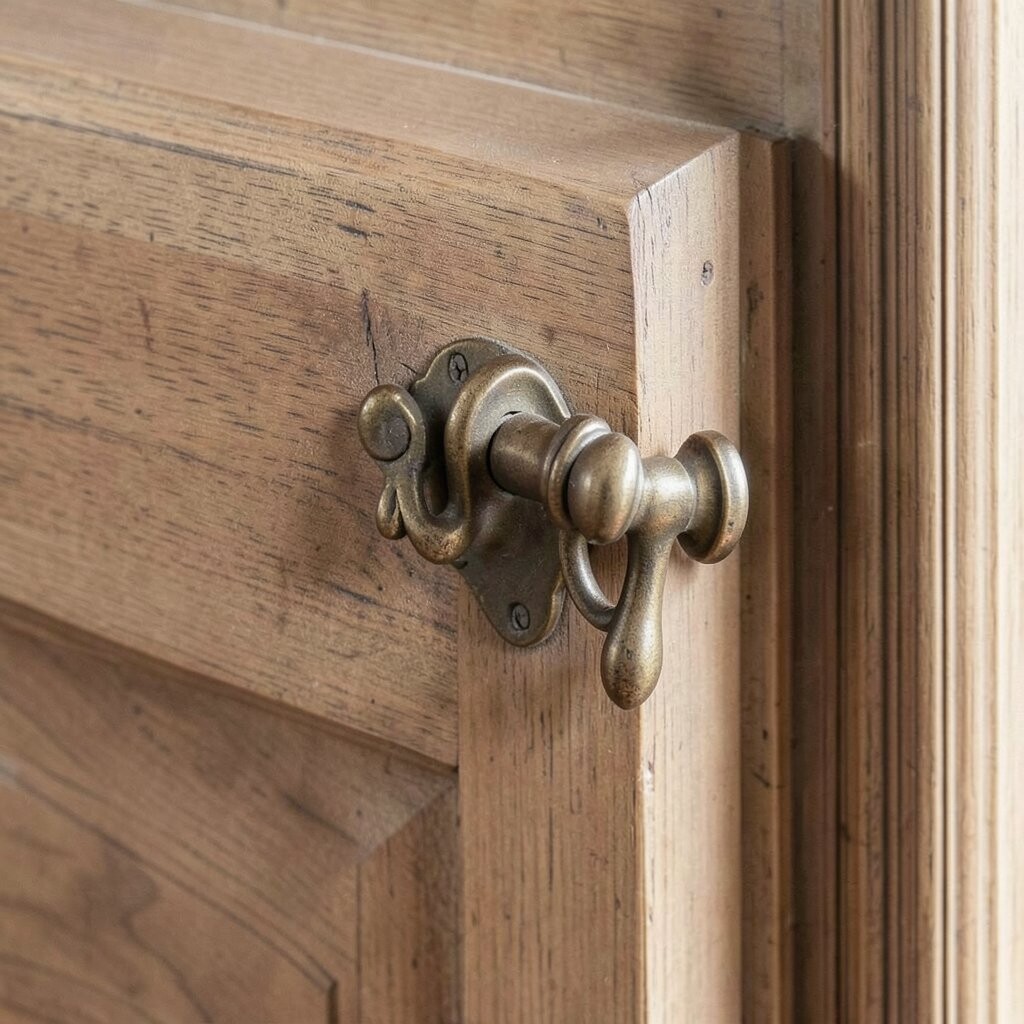
Switches, knobs, and pulls can be small, but they set the tone fast. When you choose metal finishes that feel classic, your kitchen and bath start to look carefully styled.
Brass, oil-rubbed bronze, and warm nickel often look timeless, and they also resist the harsh glare of very shiny finishes. For a practical path, swap hardware first, then bring the same metal into light fixtures so the home feels consistent.
5. Traditional Window Treatments
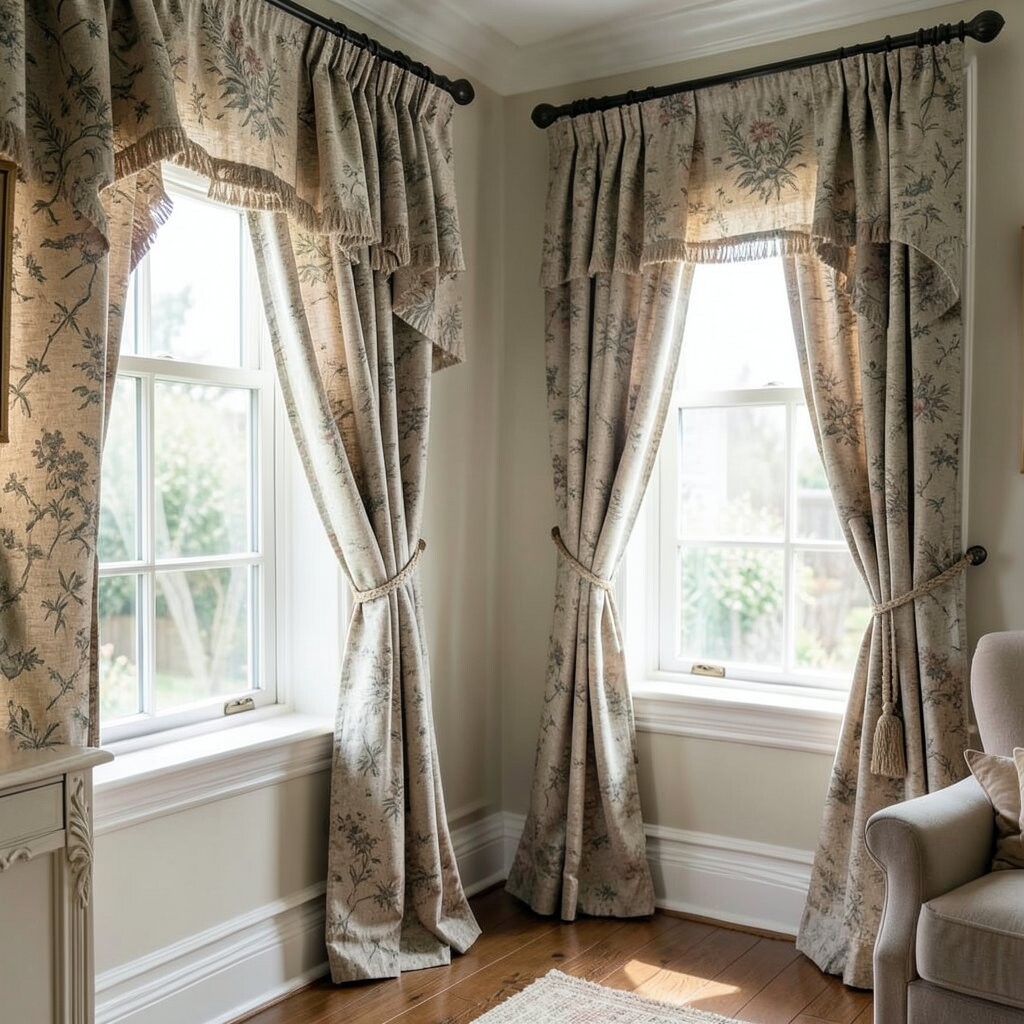
Great window treatments add softness and privacy while making the room feel taller. When curtains fall in neat folds, they frame your views and make plain walls look dressed up.
Choose heavier fabrics like cotton-linen blends or textured sheers for a classic look that still feels cozy. If you want an approachable upgrade, install the rod slightly higher than the window trim so the eye reads more height.
Many homeowners now layer sheer panels with thicker drapes for flexibility, and that combo still respects classic styling. To personalize, match the curtain color to your rug or upholstery, not just the wall paint, so the whole room feels connected.
6. Period-Style Lighting Fixtures
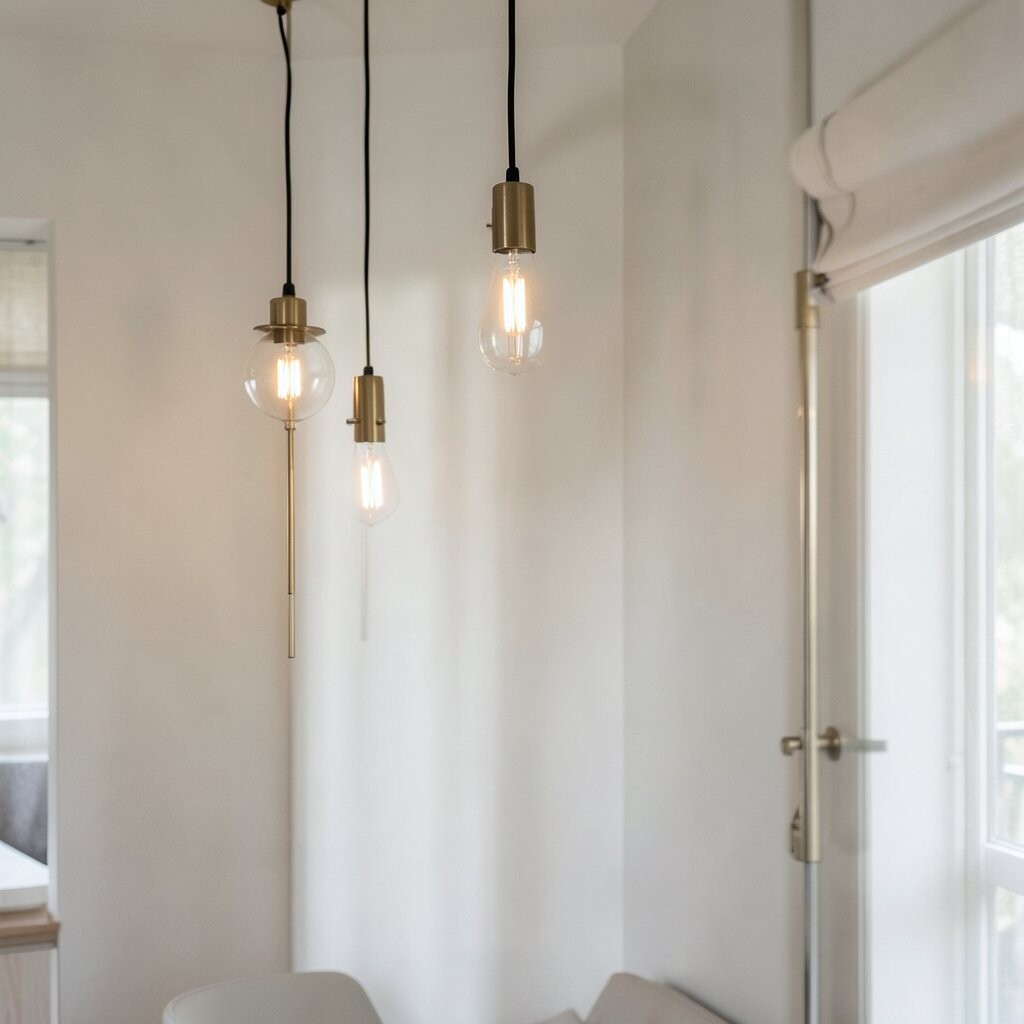
Lighting is the secret language of a classic home. A chandelier, a lantern-style pendant, or a wall sconce can turn everyday tasks into something that feels special.
The warm glow from vintage-looking bulbs makes skin tones and wood finishes look inviting. For practical planning, aim for layered lighting with overhead plus lamps, then choose dimmable bulbs so you can adjust the mood.
To keep the cost reasonable, you can refinish an existing fixture or buy one statement piece and keep the rest simple. Current trends favor slightly smaller, more streamlined classic designs, which keeps the look elegant without overwhelming the room.
Personalize the style by selecting glass shades in clear, amber, or softly frosted textures, then match the metal finish to your hardware for a cohesive feel.
7. Cozy Area Rugs With Timeless Patterns
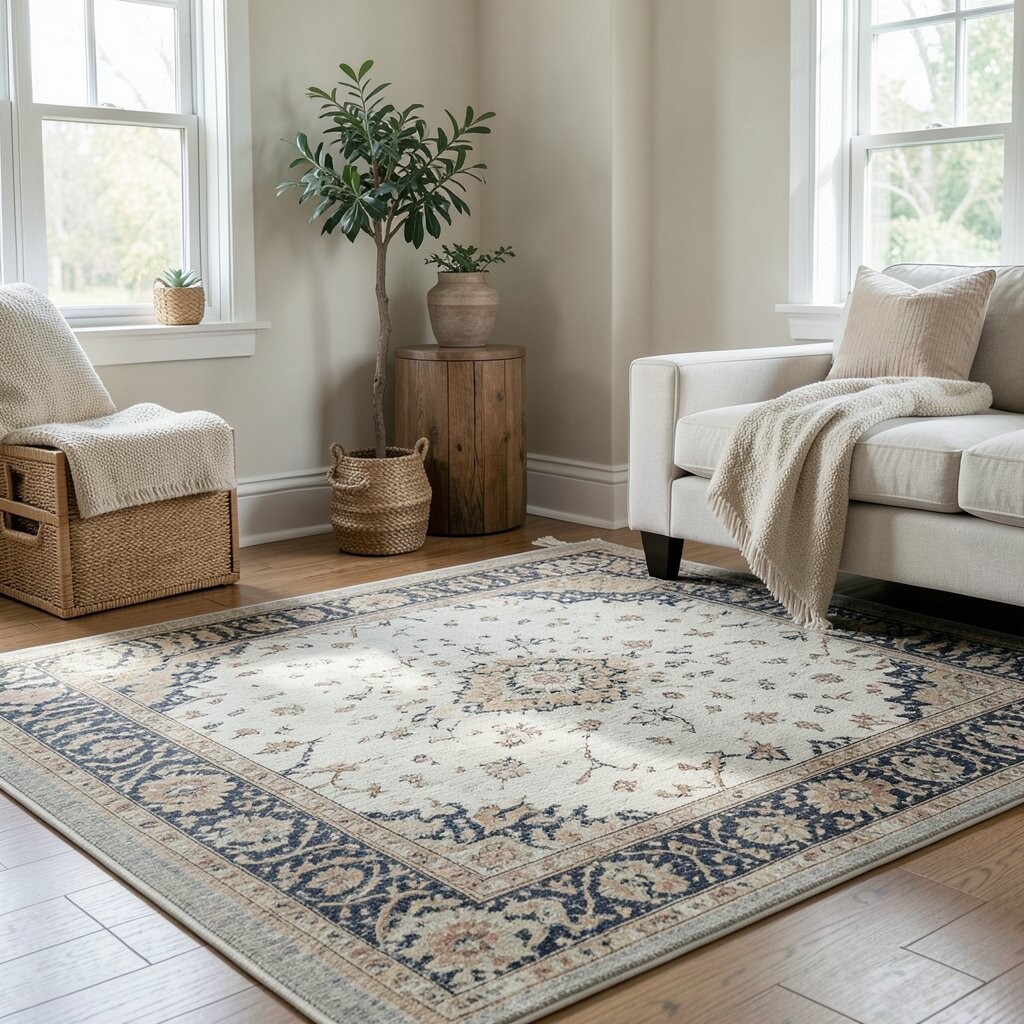
A traditional area rug anchors furniture and softens hard floors. Classic patterns like Persian-inspired motifs or subtle medallions create a sense of order without feeling cold.
Rugs also help with comfort, reducing echo and making rooms feel more relaxed underfoot. If you’re making a practical choice, measure first and leave enough floor space at the edges so the rug looks intentional, not cramped.
For personalization, use your rug as the color guide and then echo one or two shades in cushions, curtains, or wall art. Many current interiors mix traditional patterns with modern furniture, so you can keep the rug classic while your sofa stays sleek.
8. Built-In Shelving and Display Niches
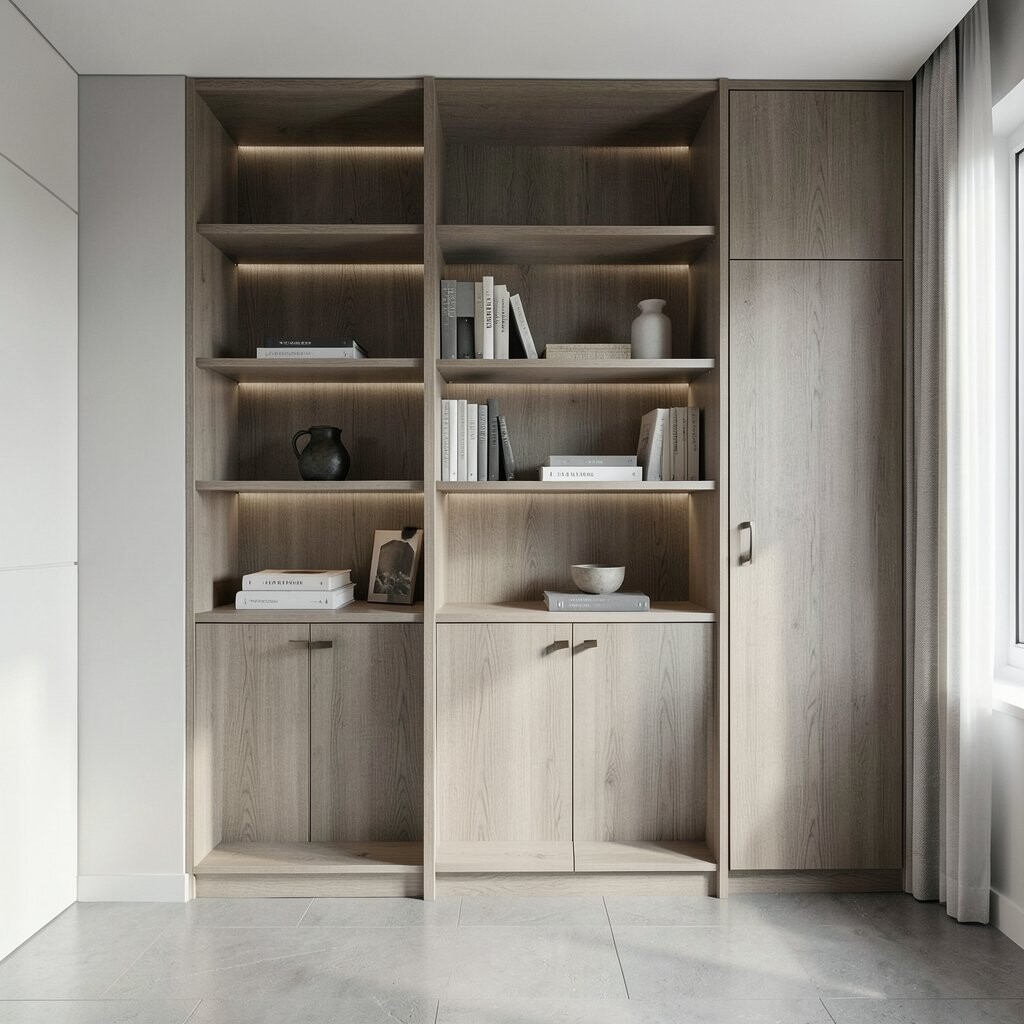
Built-ins add a classic kind of structure that makes a room feel organized and lived-in. You can fill shelves with books, framed photos, and pottery so the space tells your story.
Beyond looks, they solve storage problems and reduce clutter without turning your home into a showroom. If carpentry feels out of reach, consider pre-made bookcases or a fireplace surround-style unit that you can customize with paint and trim.
A modern trend is to mix open shelving with closed cabinets, so dust stays under control while your favorite items still get the spotlight. Personalize by using baskets in matching tones and arranging objects in small groups that feel balanced rather than random.
9. A Classic Fireplace Mantel
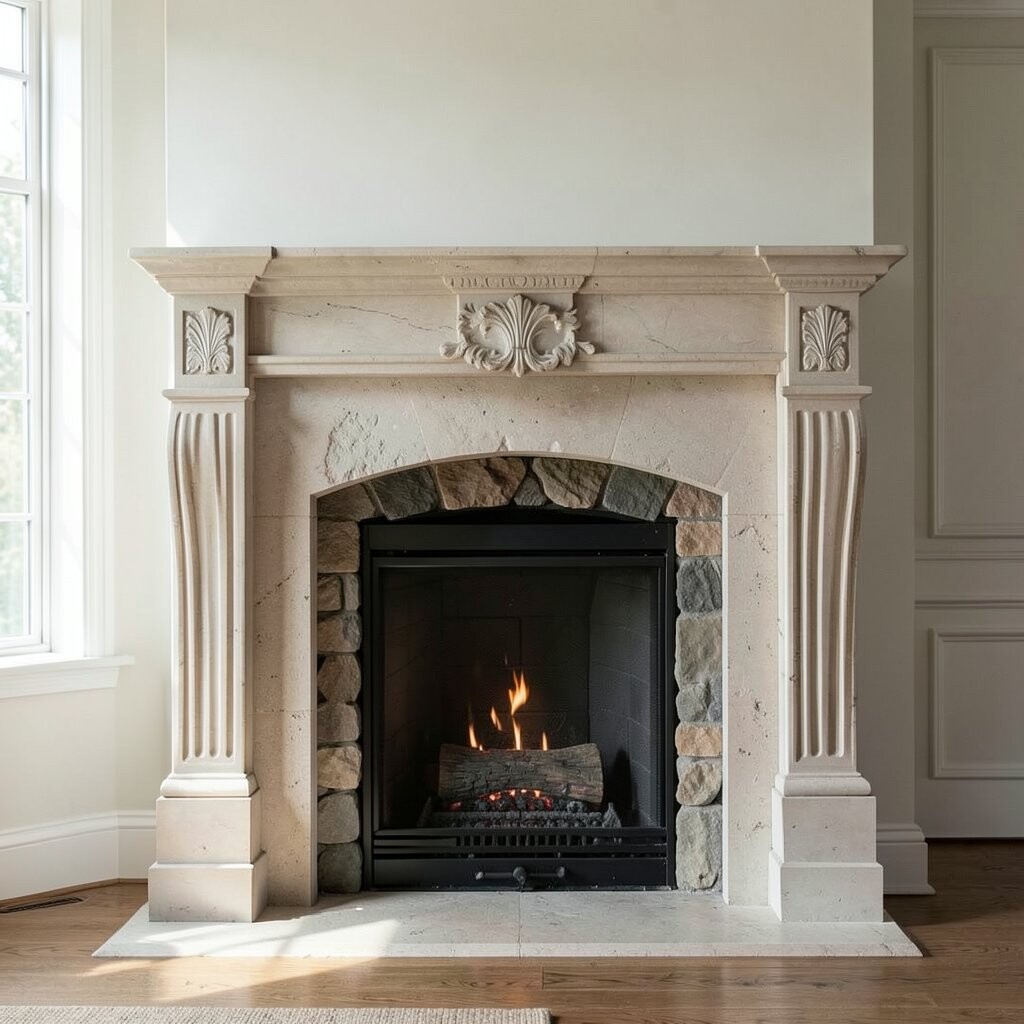
A mantel gives a room a natural focal point, even when you’re not using the fireplace. The ledge becomes a display zone for candles, artwork, or seasonal decorations.
Fireplaces also add warmth and a sense of comfort that’s hard to copy with other features. For practical choices, clean the brick or stone properly, then seal it if needed, especially if you have moisture concerns.
10. Shiplap or Tongue-and-Groove Accents
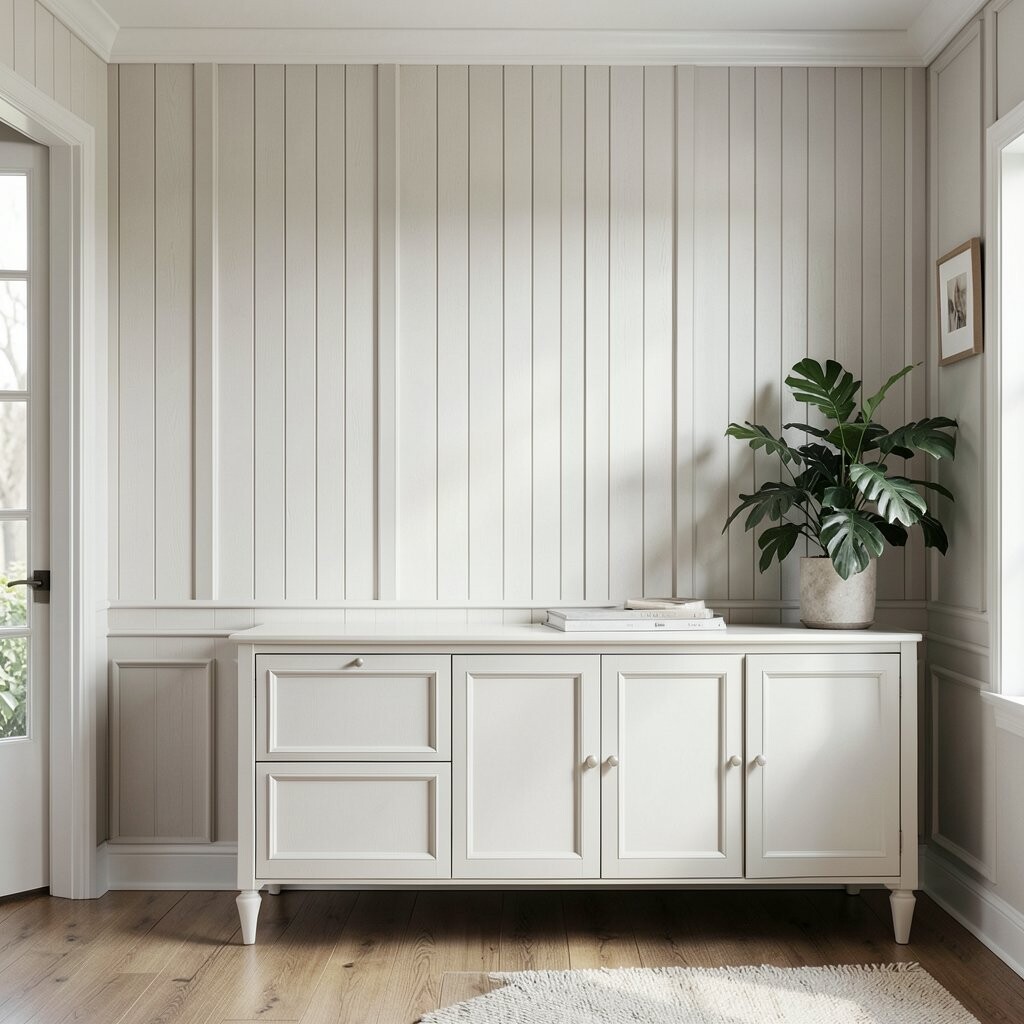
Wood paneling brings a classic, cottage-style texture that feels welcoming. Tongue-and-groove looks especially timeless because the lines stay crisp and easy to read.
These wall treatments add character and can also help hide minor wall imperfections. For practical tip, choose a finish that fits your lifestyle, like a washable matte paint or a clear topcoat if you want to keep the wood look.
If you’re worried about cost, start with an accent wall behind a sofa or in a dining nook rather than covering every surface. Personalize with paint colors that suit your home, from warm whites to deeper greens, and pair the paneling with simple, classic trim.
11. Classic Paint Colors and Updated Neutrals
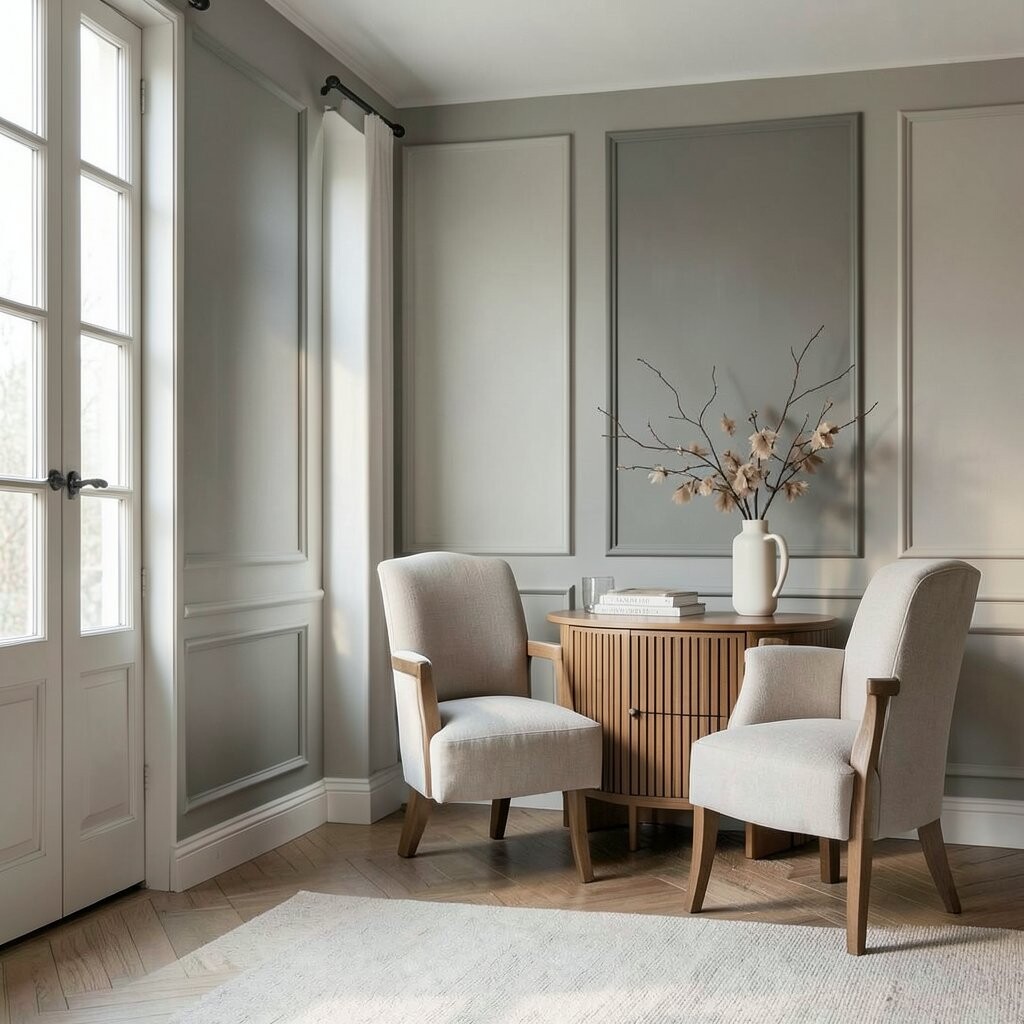
Color is where a classic home becomes personal. Soft creams, warm grays, and gentle greens create a calm backdrop that lets furniture and art shine.
Paint also makes rooms feel brighter, especially when you pick undertones that work with your lighting. For a practical approach, test paint samples on more than one wall, since daylight and evening lamps can change the way a color reads.
Current trends often lean toward warmer neutrals instead of icy tones, which helps the home feel more inviting. Personalize by using a slightly deeper shade for trim or an accent zone so the space has subtle depth without feeling busy.
12. Upholstered Furniture With Traditional Lines
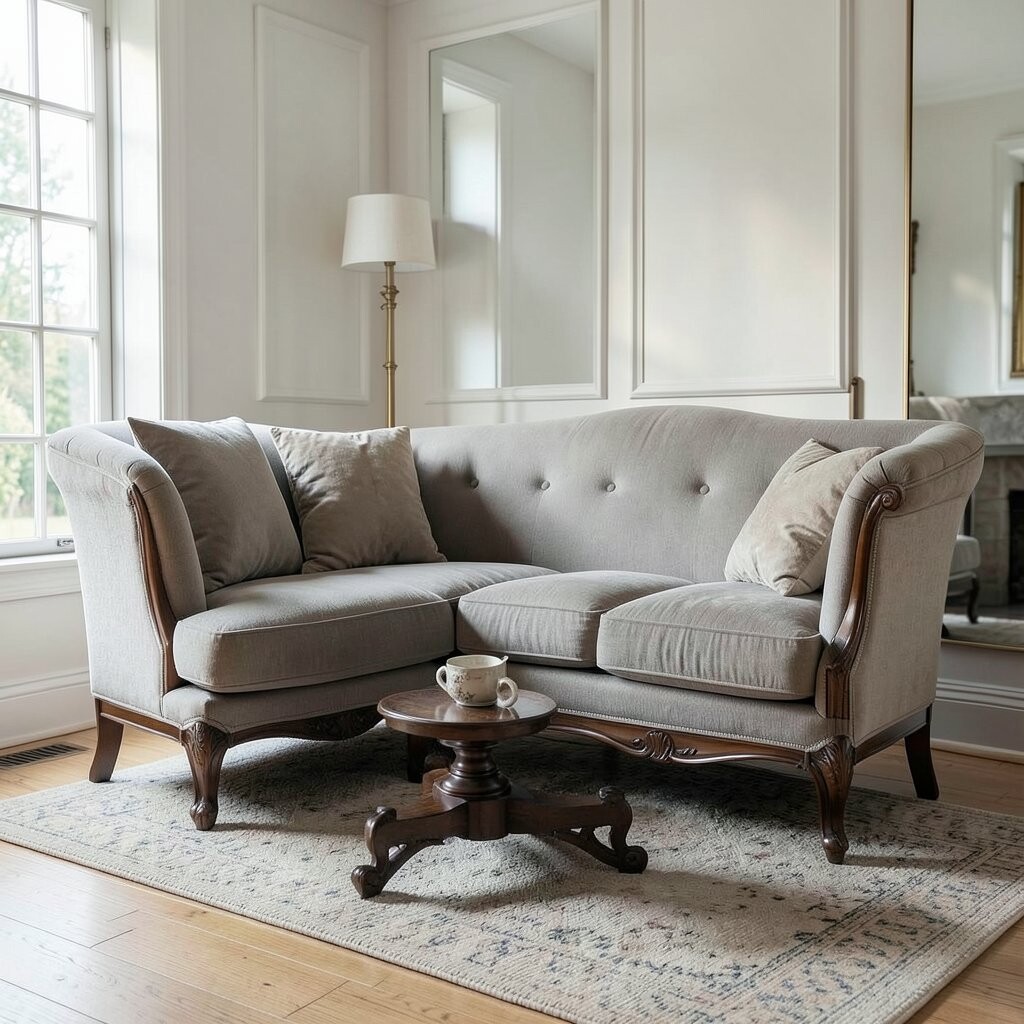
A classic sofa shape brings comfort and instant structure to a room. Look for pieces with rolled arms, supportive cushions, and well-proportioned legs.
Traditional upholstery also makes it easier to style with classic accessories, like framed mirrors and patterned rugs. If you want a practical upgrade, choose performance fabric or tightly woven textiles, since they hold up better in daily life.
13. Symmetry in Layout and Styling
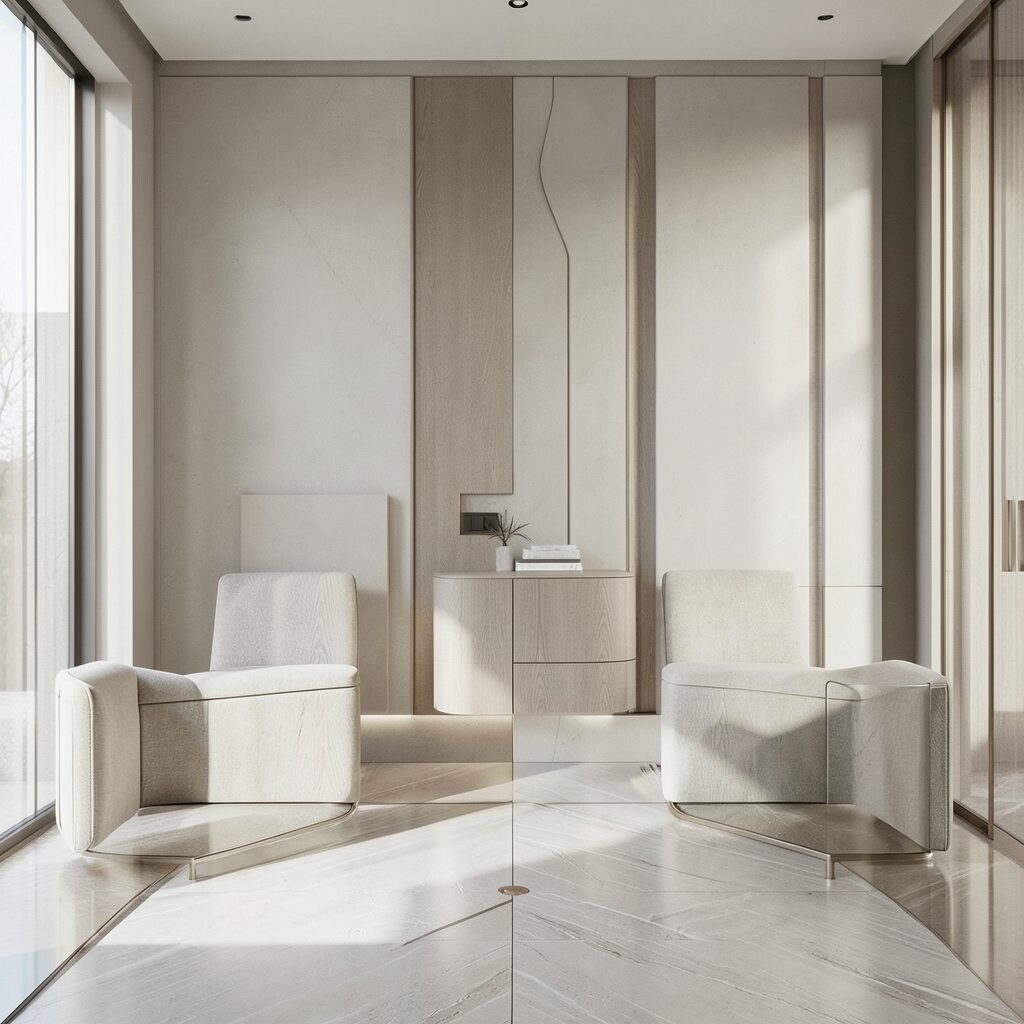
Classic homes often feel balanced, and symmetry is a big reason why. When two items match on either side of a focal point, the room feels calmer and more intentional.
This layout style can guide your choices, from nightstands to wall art placement, and it helps rooms feel less random. For practical tips, try placing identical lamps on matching tables, or mirror images in different sizes, like two art pieces with similar color and weight.
Uniqueness still fits here because you can vary textures while keeping the overall balance, like using a velvet pillow on one side and a woven one on the other. Personalize by choosing classic silhouettes and then swapping in a meaningful color from your favorite artwork or heirloom.
14. Handcrafted Details and Quality Craftsmanship
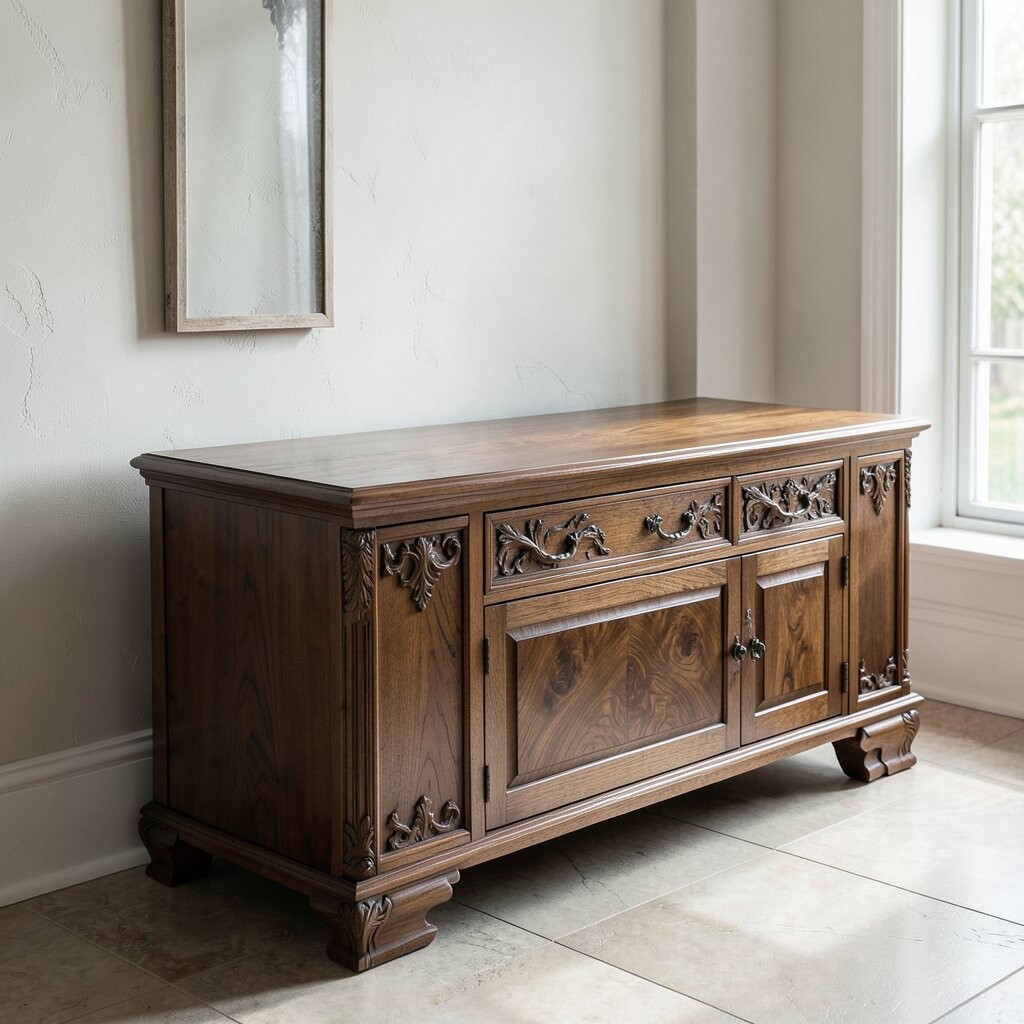
Handcrafted details are where a classic look turns into something truly special. Carved wood, hand-finished ceramics, and carefully stitched textiles show up in small moments all around your home.
Choosing well-made items can also save money over time because you replace fewer things. For a practical plan, invest first in visible, high-use pieces like a dining chair, a front door mat, or a sturdy sideboard.
Costs can vary widely, so set a realistic limit and prioritize the pieces that your eyes land on daily. Current trends still admire handmade work, especially when it’s paired with simple modern forms, which makes your home feel both timeless and fresh.
Personalize by selecting crafts that reflect your life, like local pottery, family photos in custom frames, or a rug woven with colors from your favorite room.