
Your walls can glow with color even when you keep the project simple. Tile mosaics add pattern, shine, and personality without needing to be complicated.
1. Sunburst Kitchen Backsplash Mood

Imagine stepping into your kitchen and seeing a warm burst of color catching the light. A sunburst mosaic made from small square tiles can make the whole space feel brighter and more cheerful.
Choose sunny shades like amber, honey, and creamy white to keep things inviting. Place the brightest tiles near the center and let the colors fade outward for a soft glow. Use a clean grid for the rays, and keep grout lines consistent so the pattern looks neat instead of messy.
2. Ocean Pebble Feature Wall

Picture a relaxing shoreline vibe, right inside your home. An ocean pebble mosaic wall uses rounded-look tiles or mixed shapes to create the feel of smooth stones under water.
Blend seafoam green, slate blue, and frosty white so the wall shifts with different lighting. To keep it practical, use durable tiles and choose a grout that resists staining in busy areas. Add subtle texture by using a few slightly darker pieces in the “waves,” then step back to make sure the flow feels natural.
For personalization, match the palette to your kitchen or living room artwork so everything ties together. If you want a budget-friendly approach, use a mix of full tiles and small offcuts from a tile supplier. Seal the finished surface, especially in spots that get moisture, so your pebble effect stays looking fresh.
3. Geometric Entryway Welcome

Your entryway is the first place guests notice, so make it feel memorable. A geometric mosaic with bold triangles or repeating diamonds adds energy the moment someone walks in.
Pick two main colors plus one accent, such as black and white with a touch of gold. Lay the pattern so it frames a hook rail or a simple mirror, which makes the wall feel planned. If you are new to mosaics, sketch the design on paper first and test the layout on the floor before sticking anything down.
Use small tiles for sharp lines and consistent angles, but keep a few larger pieces near the center for balance. To reduce cost, reuse tiles you already own and fill gaps with affordable solids in the same colors. When you seal and grout carefully, the geometric lines look crisp for years.
4. Vintage Floral Potting Nook Panel

Bring a cozy garden feeling to a small wall near a window. A floral mosaic panel can act like a painted picture, but with real texture you can see and feel.
Use tiny flower shapes or create petals from cut tiles in soft pinks, warm creams, and gentle greens. Keep the background tiles light so the flowers pop and the room feels airy. Add a few leaves and curved lines to guide the eye upward toward your best plant shelf.
5. Monochrome Marble-Look Accent

If you love a clean, modern look, marble-style mosaics can feel elegant and calm. A monochrome wall uses grays, whites, and a few charcoal pieces to mimic natural stone.
Stick to one mosaic pattern throughout, like a simple grid of veined tiles, so the effect stays classy. This project is great for renters because you can often use a peel-and-stick mosaic sheet option and swap it later if you move. For best results, clean the wall well and press the sheets firmly to avoid bubbles.
To personalize, add a narrow border in a slightly darker gray that matches your countertop or vanity. Consider cost by buying a small amount of the “vein” style tiles and using cheaper solid tiles for the rest. Once everything is grouted and sealed, the wall looks rich without the heavy price of real marble.
6. Color-Blocked Kids’ Playroom Corner

Playrooms can feel loud, but tile mosaics can turn that energy into something organized. A color-blocked wall with big shapes helps kids’ spaces feel playful while still looking tidy.
Choose bright primaries or cheerful pastels and separate blocks with thin, dark grout lines for clear edges. Place the mosaic behind a small shelf or reading nook so the wall becomes a fun backdrop for stories. Keep the design simple at first, like three or four large rectangles, so you finish before you get bored.
Personalize with tiny icons built into one corner, such as stars made from metallic tiles or letter-like shapes using small cuts. If you want an easier setup, use mosaic sheets that already match the shape grid, then trim at the edges. Consider cost by using affordable ceramic tiles for most blocks and saving expensive glass tiles for just a few highlights.
7. Reflection Mirror Frame Mosaic

A mirror can bounce light, and a mosaic frame can make it feel like art. Build a border around an existing mirror using small tiles that catch light from windows or lamps.
Try reflective glass tiles, iridescent pieces, or subtle shimmer to create a soft sparkle. Keep your pattern consistent, like alternating tiny squares, so the frame looks polished rather than random. Use spacers during installation and keep your cuts careful near the corners.
For personalization, match the frame colors to your room theme, like warm terracotta for a cozy space or cool blue for a spa feel. To manage cost, use cheaper tiles on the back row and reserve shimmer tiles for the outer edge only. After grouting, polish lightly to remove haze so the mirror stays clear and bright.
8. Cozy Reading Nook Skyline Strip

Turn a boring wall into a calm escape with a simple skyline mosaic. A strip of tiny building silhouettes can make your reading nook feel sheltered and special.
Use small black or deep navy tiles for outlines, then fill building windows with lighter colors for a gentle night-effect glow. Place the skyline higher on the wall so it frames a chair or bookshelf like a horizon. If you are worried about complexity, start with only a few “buildings” and keep the skyline short.
Add uniqueness by using different tile textures for roofs and streets, such as glossy versus matte. This adds depth when you move around, even if the design stays simple. Cost can stay low by using scrap tiles for window accents and buying only enough main-color tiles to keep the silhouettes bold.
9. Budget-Friendly Bathroom Splash Pattern

Bathrooms deserve beauty that can handle humidity, and tile mosaics are perfect for that job. A splash pattern wall can brighten a shower area or the wall beside a sink without overwhelming the space.
Choose water-friendly tiles and grout meant for wet areas, then create repeating dots, tiny waves, or a scalloped band. Keep the design focused on one wall strip so the bathroom still feels open. For practicality, use darker tiles on the bottom line where splashes happen most.
Personalize by matching your mosaic colors to towels or a shower curtain, using one main color plus two supporting shades. To control cost, buy a single accent tile sheet and repeat it across the band with affordable neutrals. A good seal and proper caulk at edges can make the pattern look clean for a long time.
10. Herb Garden Wall in the Laundry Room

The laundry room often gets overlooked, but it can be one of the brightest places in your home. A herb garden mosaic wall brings fresh green energy and makes chores feel less dull.
Use small leaf tiles, green glass bits, or even simple painted-look tiles to create rows of herbs. Add a few “labels” using tiny tile shapes, but keep them subtle so the wall stays easy to read. Place the herb mosaic near a hamper or folding area so it becomes a daily mood boost.
For a unique look, mix tile sizes, like tiny leaves for foreground detail and bigger leaves for background structure. Cost-wise, you can save money by limiting the number of fancy tiles and repeating simpler shapes. Pick grout that resists mildew, then reseal if needed so the greens keep their bright tone.
11. Warm Terracotta Spiral Hearth Accent
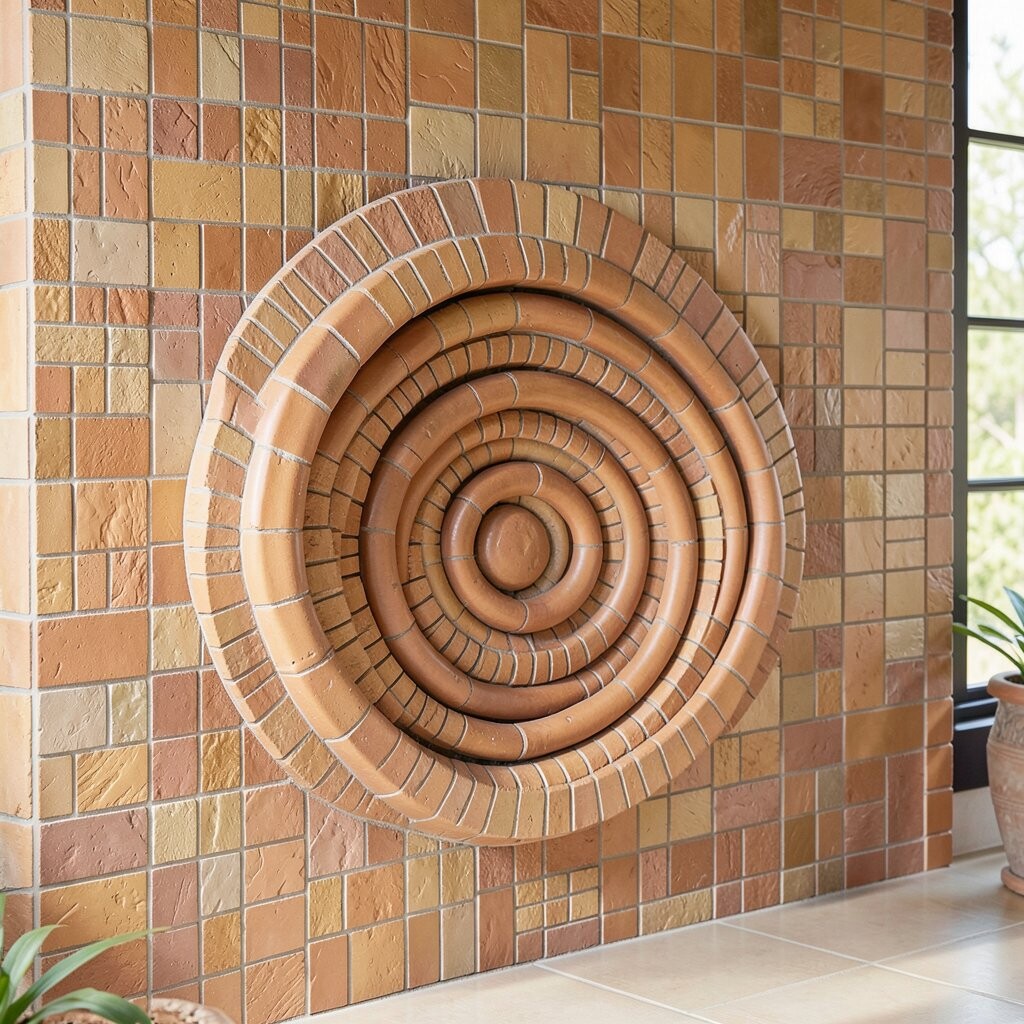
Nothing makes a home feel cozy like warm tones, especially near the living room. A terracotta spiral mosaic can turn a wall near a fireplace or sofa into a comforting focal point.
Use terracotta, burnt orange, and soft beige tiles to form a swirling pattern that feels like glowing embers. Keep the spiral centered around a shelf or a wall sconce so the layout looks intentional. If you like a modern twist, add a thin line of matte black tiles to outline the spiral edge.
Personalize with a few metallic tiles that resemble tiny sparks, placed sparingly where light hits. To manage cost, use solid terracotta tiles for most of the spiral and only use decorative tiles for the outer rim. After grouting, wipe down thoroughly and let it cure fully so the colors stay rich.
12. Kids’ Memory Timeline Mosaic in the Hall

Turn a hallway into a place full of sweet memories. A timeline mosaic can be made with simple square tiles where you add dates, shapes, or tiny motifs over time.
Choose a neutral background, then use bright tiles for milestones so it stands out without looking cluttered. Arrange the pieces in a straight path or a gentle curve leading toward a door or family photo area. Keep the design flexible by leaving a small section blank for future additions.
For personalization, use tile stickers or permanent mosaic paint on a few pieces, then seal them so the marks stay protected. This can also help you involve family members in a fun way during weekend projects. Cost considerations are easy because you can start small with a limited set of tiles and build gradually as you add new memories.
13. Artisan Patterned Stair or Stairwell Side Wall

If you have stairs, the side wall is a great place to add beauty that feels architectural. A patterned mosaic that follows the wall’s length can make the space feel taller and more lively.
Use repeating bands, like zigzags, chevrons, or small wave patterns, and keep them aligned so the design feels crisp. Consider using lighter tiles near the top to brighten the landing and darker tiles lower down for a grounded look. Measure carefully and plan your tile rows so you do not end up with tiny slivers at the edges.
To personalize, match the band colors to your home’s style, such as warm browns for rustic spaces or cool blues for contemporary rooms. Cost can stay under control by using a mosaic sheet for the main pattern and adding a few handmade-looking accent tiles at intervals. Seal the finished surface and check grout lines for stability so it can handle daily foot traffic and cleaning.