
Old lighting can make a room feel lived-in and special. The right vintage fixture adds glow, character, and comfort in minutes.
1. Choose a Fixture That Looks Hand-Me-Down Perfect
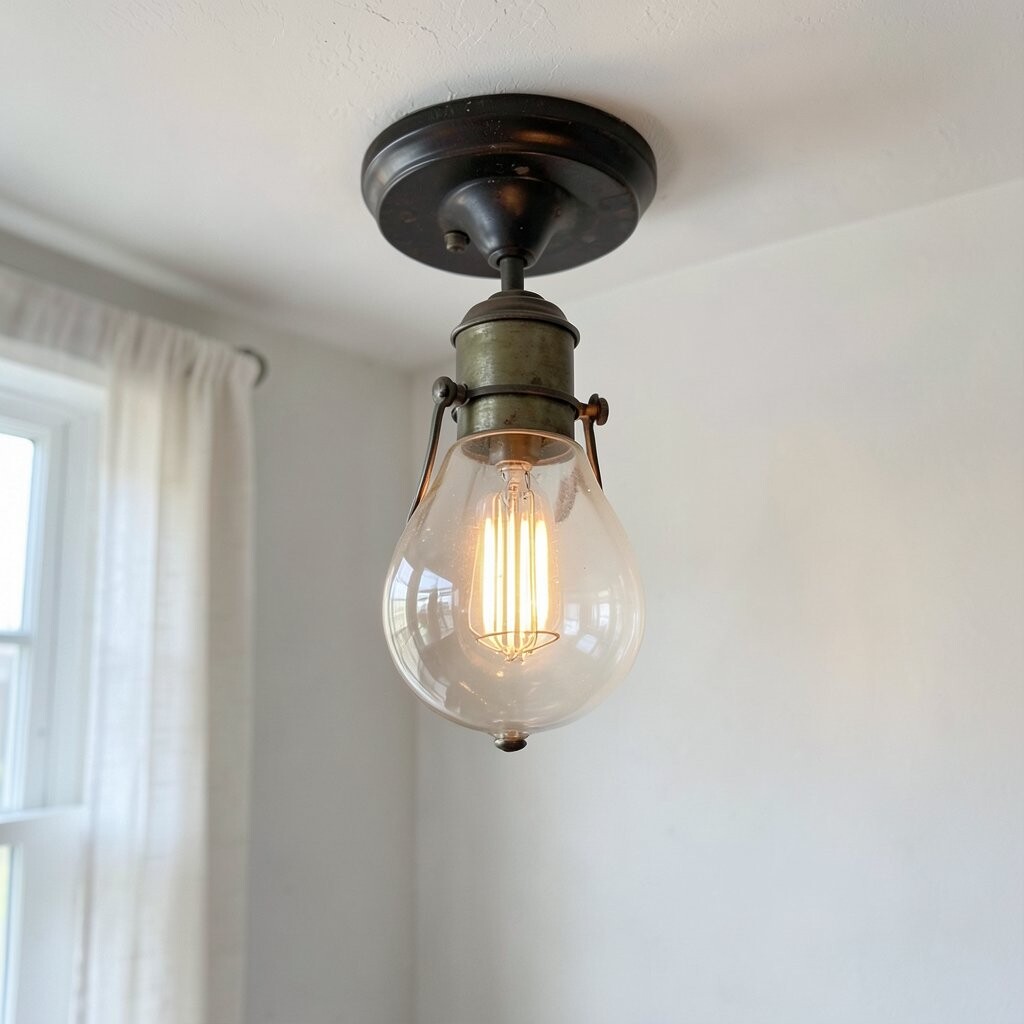
Start by picturing how the piece will sit in your space. When a fixture looks slightly worn but still clean, it feels warm and real.
Look for gentle patina on brass, aged glass, or small scuffs that do not look messy. Aim for a scale that matches your room so it feels intentional, not cramped or floating. You can keep it authentic by wiping metal gently and polishing only what needs shine.
2. Mix Brass, Milk Glass, and Soft Warm Bulbs
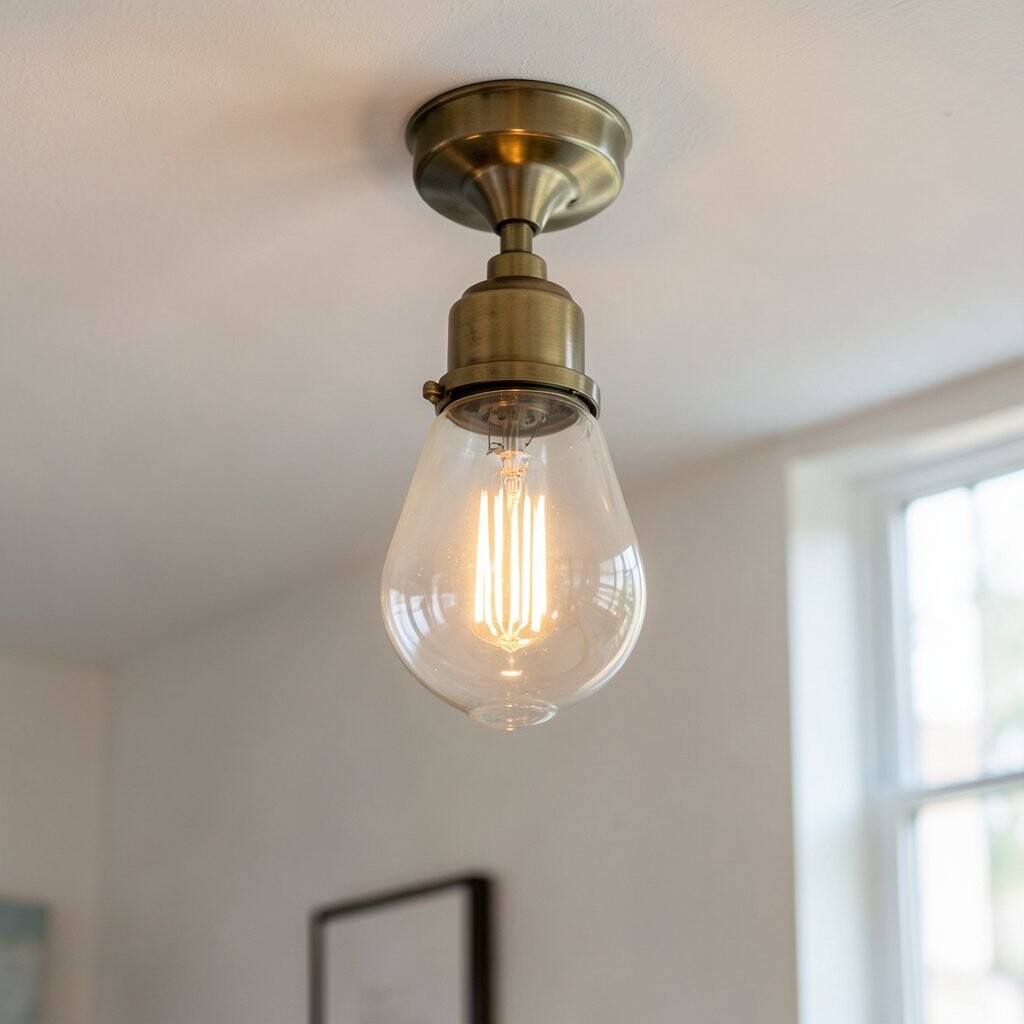
Vintage lighting shines when the materials play nicely together. Brass edges, milk glass, and warm light can make even a simple corner feel cozy.
Choose bulbs labeled for warm color, because dim golden light is usually the most flattering. If you want a little extra control, use a dimmer so you can shift mood from dinner time to movie time. For a modern touch, match the bulb bases and wiring styles to what your home already uses.
Pay attention to how the light spreads across walls and ceilings. Milk glass diffuses glare, while brass can add tiny highlights that feel like flickering candlelight.
3. Let the Ceiling Height Guide Your Style
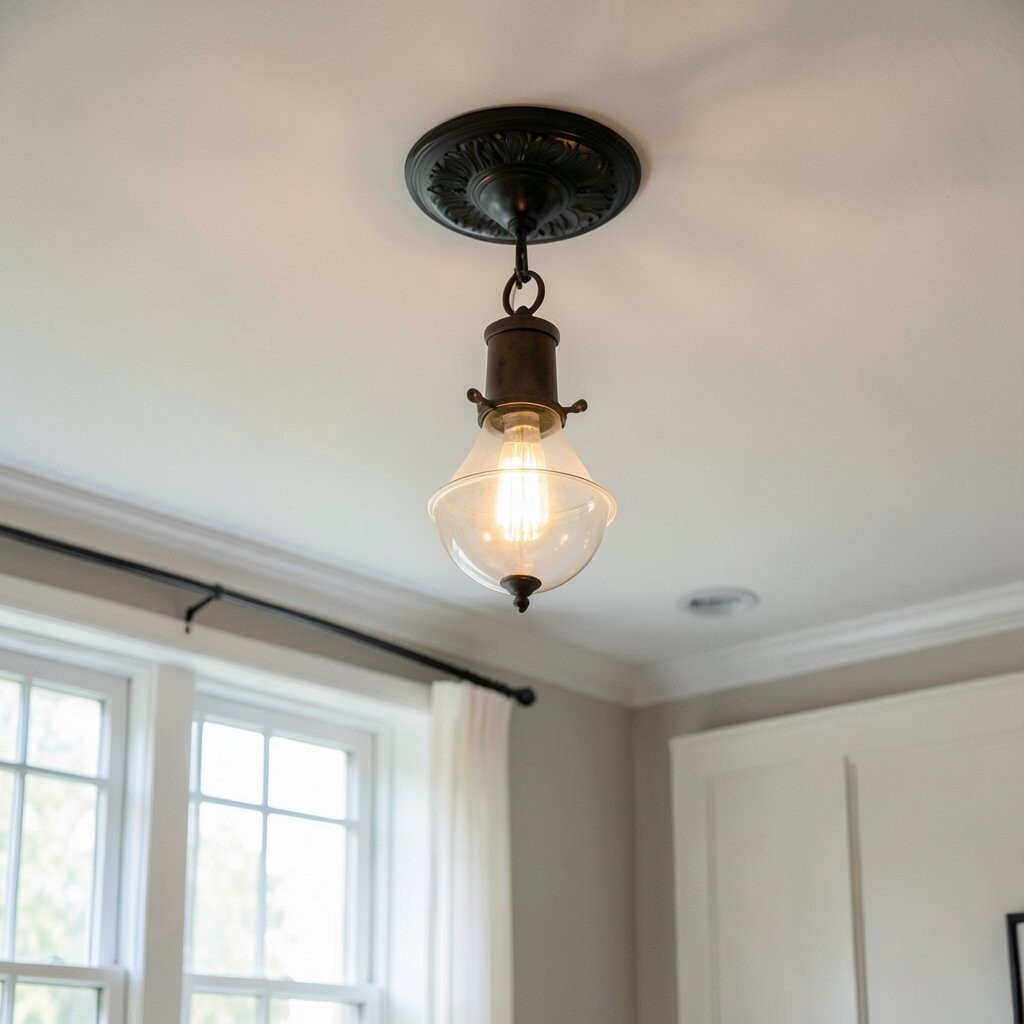
Ceiling height changes how a vintage fixture feels. A low ceiling needs tighter shapes, while a taller space can handle longer silhouettes.
If your ceiling is shorter, look for flush mounts or compact semi-flush designs. If your ceiling is higher, chandeliers and multi-arm pendants can look grand without needing extra decor. Keep the bottom of the fixture at a comfortable sight line so it does not feel like it blocks the room.
Measure before you fall in love, even if you are buying online. Many vintage fixtures are gorgeous but require careful clearance for fans, ductwork, or crown molding.
4. Hunt for “Still Working” Originals, Not Just Pretty Parts
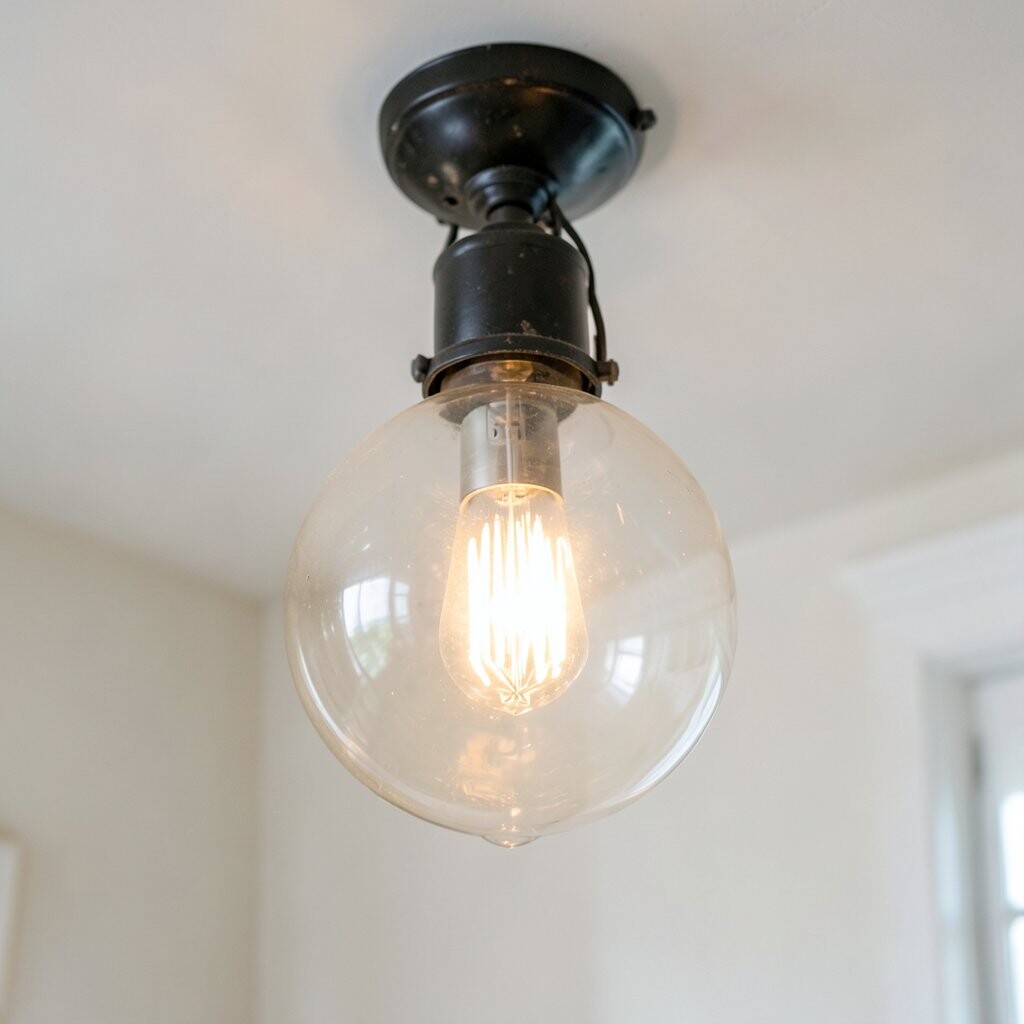
A fixture is more than its finish. It should also be safe, stable, and ready to use.
When you shop, check the wiring condition and the socket fit. If anything looks brittle or loose, budget for repairs or replacement parts. Choosing a fixture that powers up right away saves stress and helps you enjoy your vintage find sooner.
5. Use Vintage Shades to Control Glare
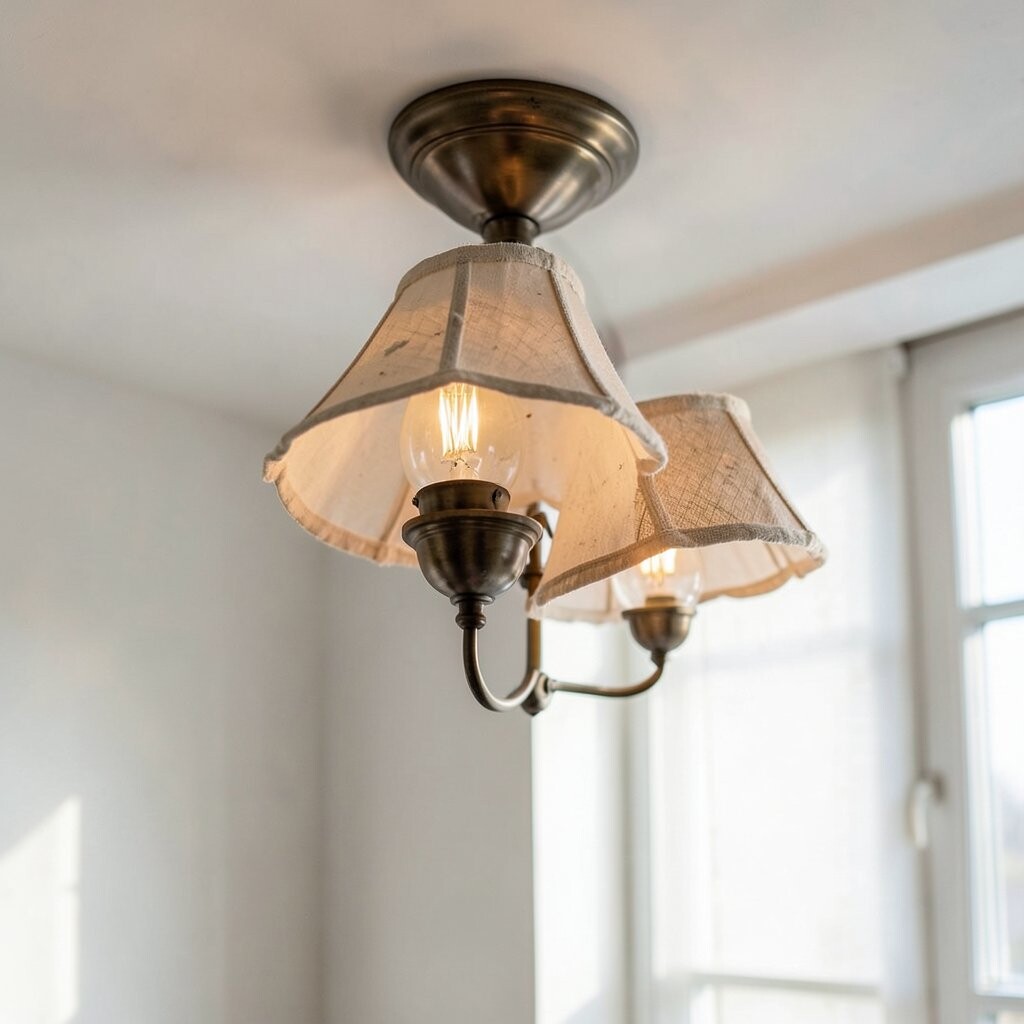
A shade is one of the easiest ways to make light feel gentle. Even a small fabric or glass shade can soften harsh brightness.
Look for shades with interesting textures like linen, opal glass, or stained details. If the shade is too dark, the room can feel gloomy, so pair it with a bulb that brightens without glare. Keep the shade size proportional to the fixture body so it looks balanced.
To personalize your look, mix shade colors with your existing wall paint. A cream shade can feel classic, while muted green or warm amber can bring a vintage garden mood indoors.
6. Match the Fixture to the Room’s Job
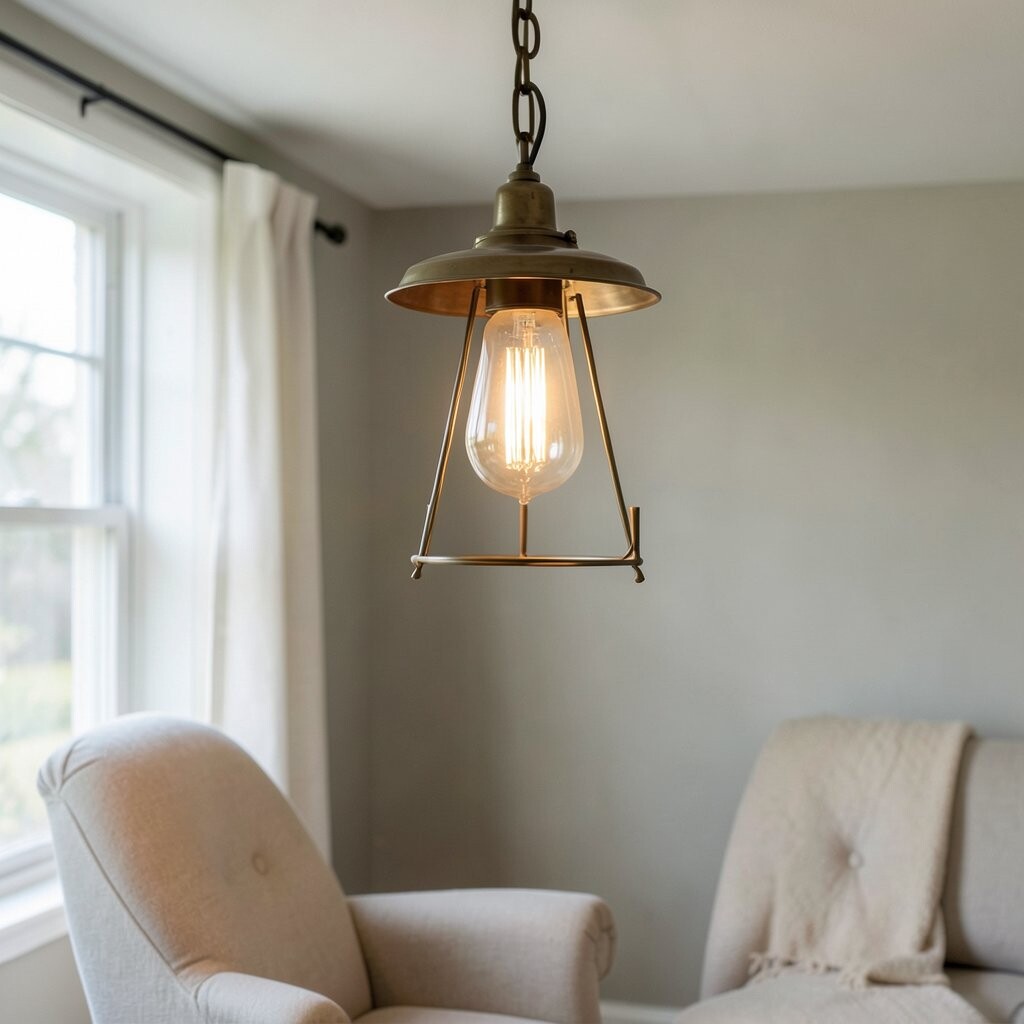
Every room has a job, and the lighting should agree. A vintage fixture can be bold in the right place and subtle somewhere else.
In a hallway, choose something that welcomes you with steady brightness. Over a dining table, aim for a glow that flatters faces and makes meals feel slower. In a bedroom, consider fixtures that feel calm, like a lantern-inspired sconce or a small pendant with diffused glass.
When you plan the fixture placement, think about what people do there. Reading corners love focused light, while living rooms often need layered light from more than one source.
7. Create Layered Vintage Light with Sconces and Plug-In Options
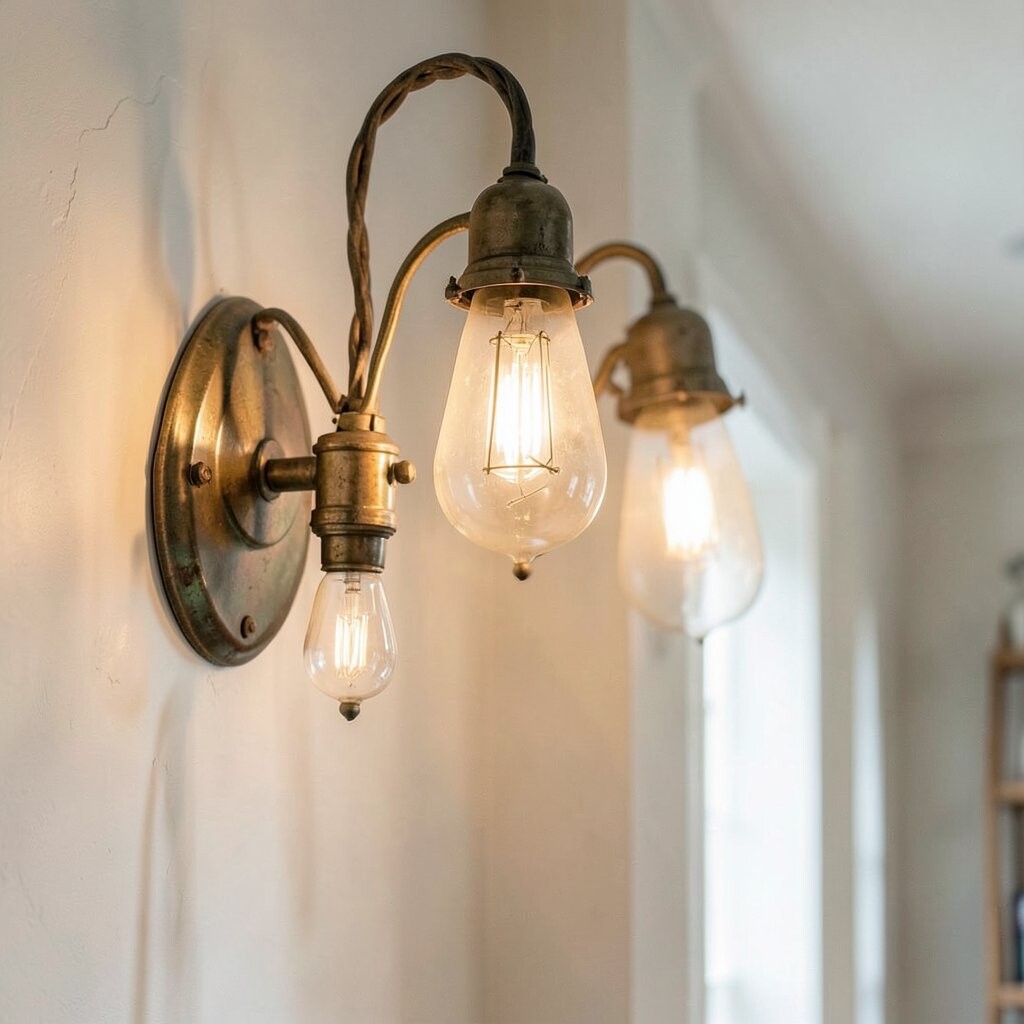
One fixture rarely does everything. Layered lighting makes a vintage home feel richer and more flexible.
Vintage sconces on either side of a mirror can create a balanced glow that feels like a boutique hotel. If you rent or you are not ready for wiring, look for plug-in or battery options designed to mimic hardwired sconces. You still get the style without the major installation hassle.
For a warm, modern blend, pair vintage wall fixtures with a sleek ceiling light that spreads broad illumination. This helps the room feel current while keeping the charm you love.
8. Refinish Carefully to Keep the Character
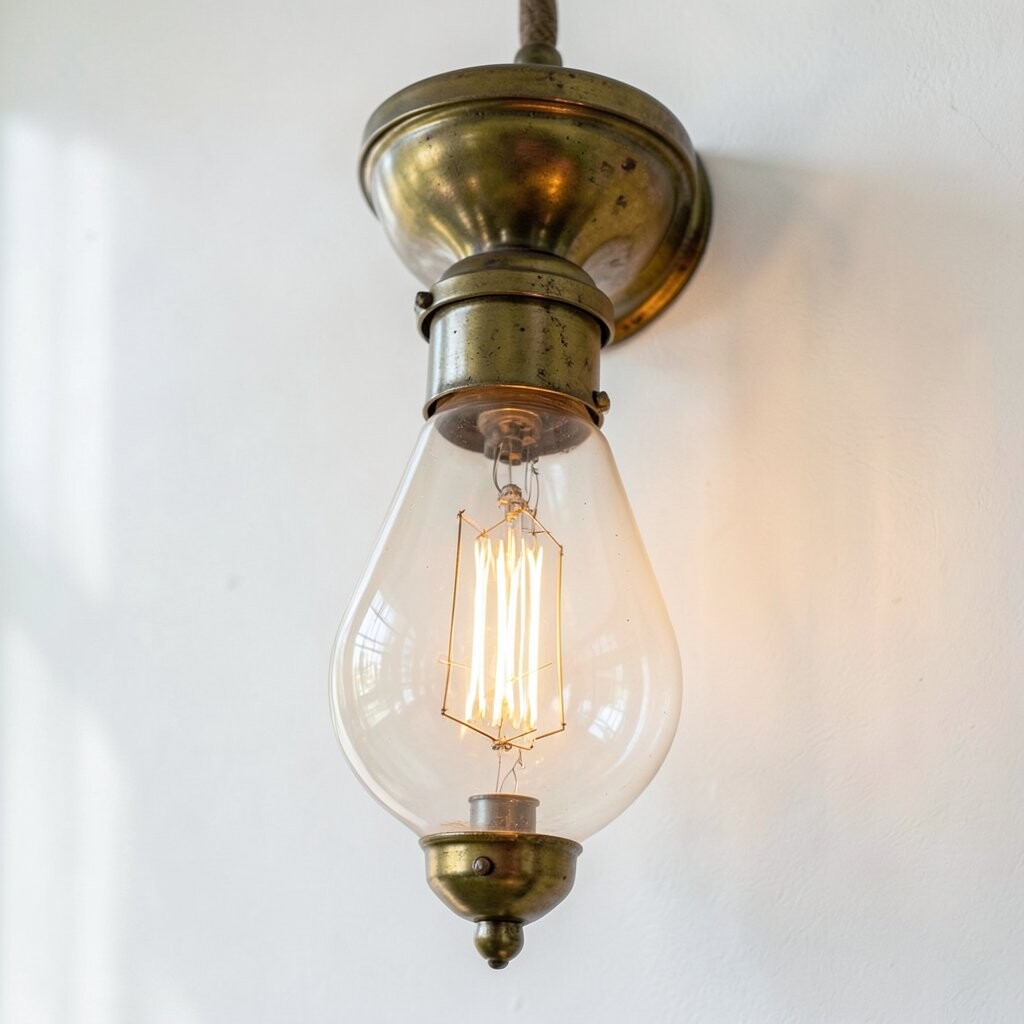
It is tempting to strip everything down and start fresh. But real vintage charm often lives in the uneven tones.
If the metal finish is flaking, use gentle cleaning and repair methods instead of aggressive stripping. For brass, a light polish can brighten high points while leaving deeper patina behind. If the fixture has painted details, treat it like a small artwork and test any cleaner in an unseen area first.
You can also make it look custom by coordinating the shine level across different fixtures. Keeping one piece slightly darker can make the whole set feel curated instead of matching too perfectly.
9. Use Vintage Fixtures to Tie Together Your Home Colors
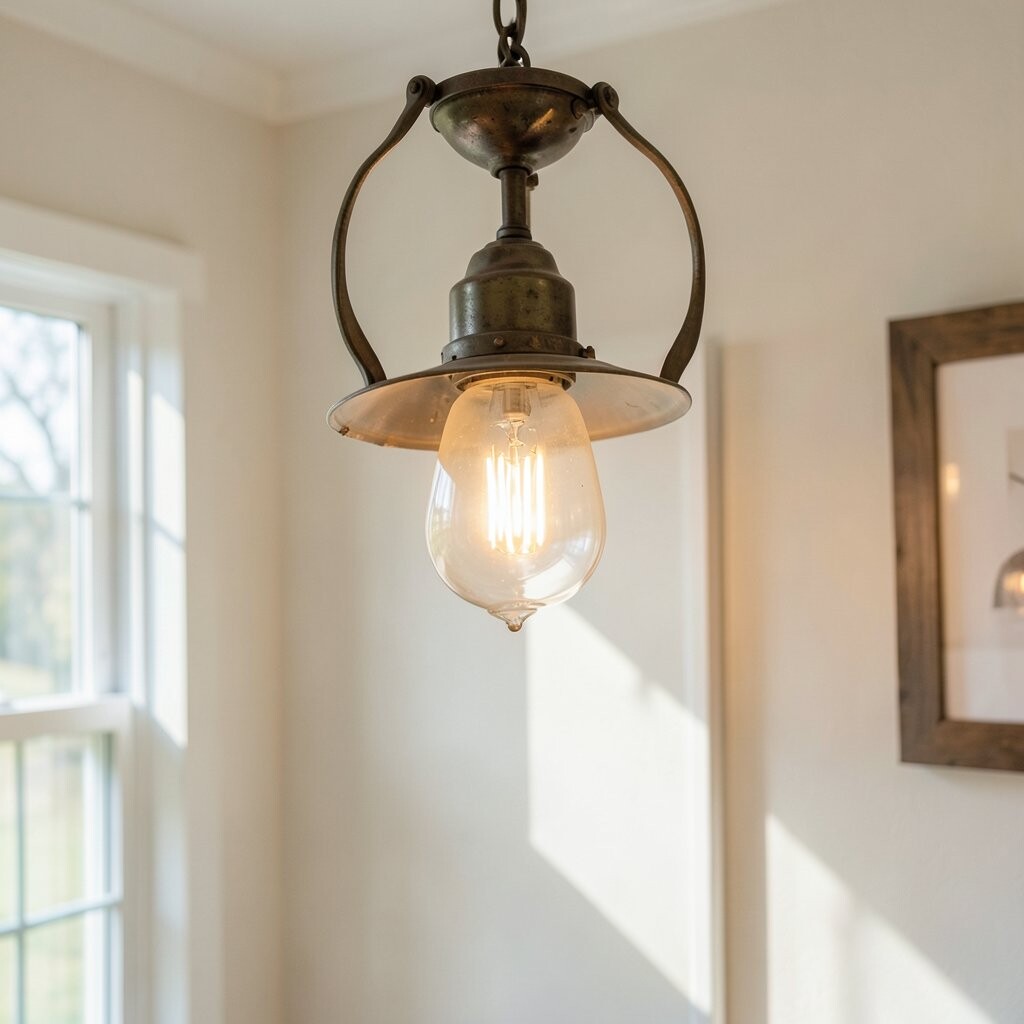
Color harmony makes a space look like it has a plan. Vintage lighting can be the secret connector, even when your decor is mixed.
Notice the undertones in your walls, wood floors, and fabrics. Warm brass and warm glass look great with creamy whites, honey woods, and earthy paints. For cooler rooms, consider aged nickel tones or smoky glass that adds depth without fighting the palette.
If your home has lots of different colors, pick one repeat element from the fixture. Repeating the same metal tone in several places can bring calm and unity across rooms.
10. Blend Old Forms with Current Hardware for an Updated Feel
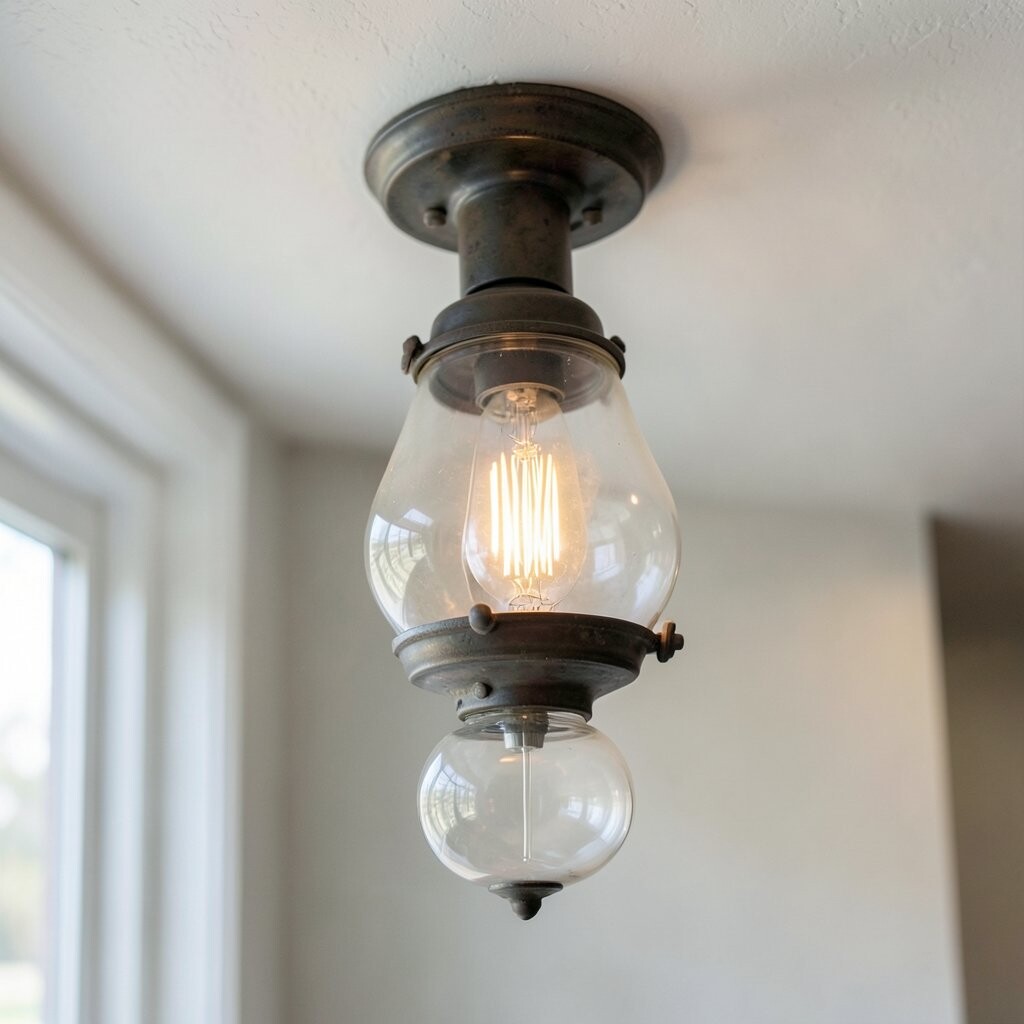
Vintage lighting can look dated if everything else stays too traditional. A few modern touches can help the fixture feel right at home.
Choose modern LED bulbs that match vintage bulb shapes, like globe or Edison-style looks. Consider updated dimmers so you can control brightness smoothly. If the fixture uses outdated parts, replacing small components can keep the vintage look while improving performance.
You can also choose ceiling canopies and mounts that align with current styles. That helps the transition from old beauty to new safety feel seamless.
11. Budget Like a Builder, Not Like a Browser
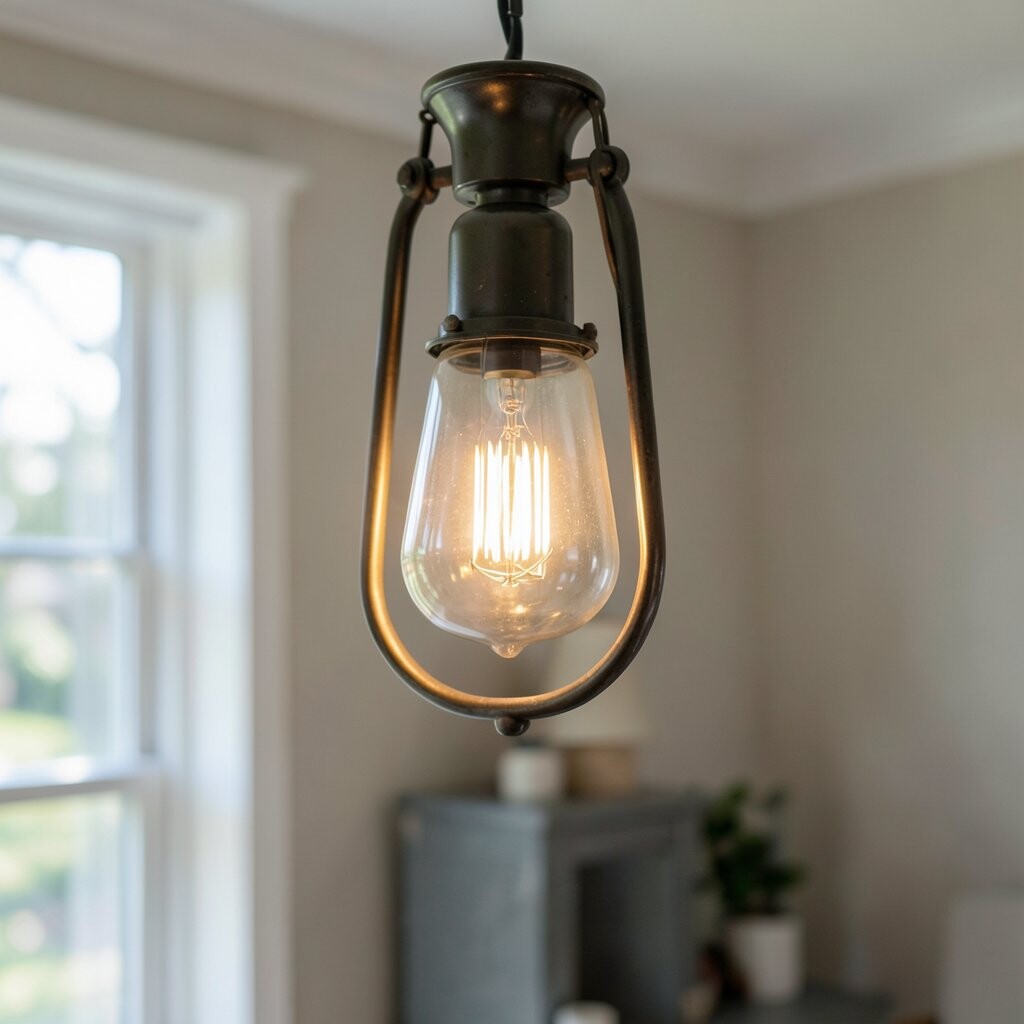
Vintage finds can be a steal, and they can also need extra work. Planning your budget helps you buy confidently and avoid surprise costs.
Set aside money for rewiring, bulb compatibility, and shade replacement if needed. Sometimes a fixture is cheap because the glass is cracked or the parts are missing, and fixing those issues can add up. When you can, look for bundles or fixtures that come with intact shades and mounting hardware.
Prices vary a lot by condition and maker, so compare a few options before committing. A slightly higher price for a working fixture often ends up cheaper than paying for multiple repairs later.
12. Personalize with Vintage Bulb Curation and Shade Swaps
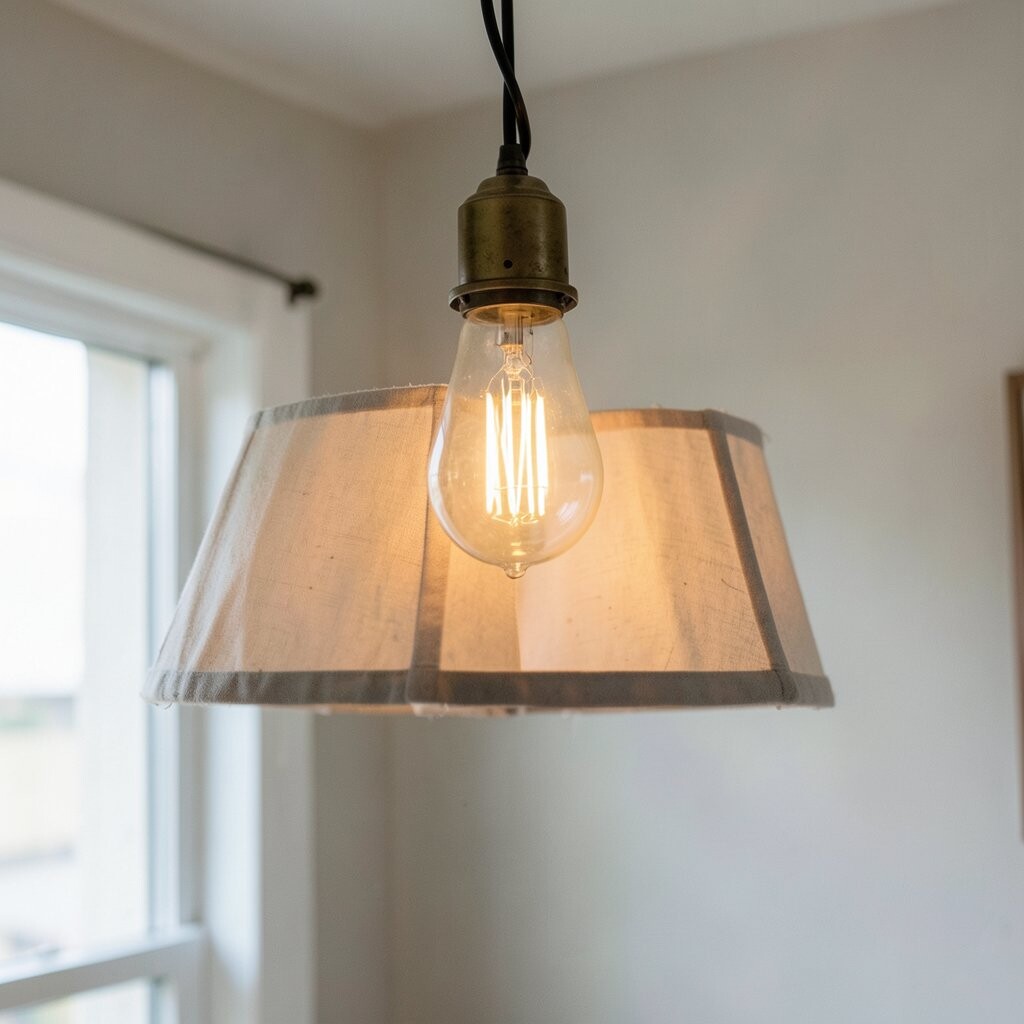
Personalization does not require starting from scratch. You can change the whole vibe with bulbs and small shade choices.
Try different bulb shapes to see how the light spreads and how the fixture looks when it is off. A warm filament bulb can make vintage glass look extra inviting. If your fixture takes multiple bulbs, swapping one at a time helps you find the best balance without wasting anything.
Shade swaps are a fun way to season your home. A textured shade in fall colors can feel cozy, while a lighter neutral shade can make spring feel bright. Keep the fixture’s metal tone consistent so the changes feel intentional.
13. Follow the Current Trend of “Warm Layers” with Vintage Centerpieces
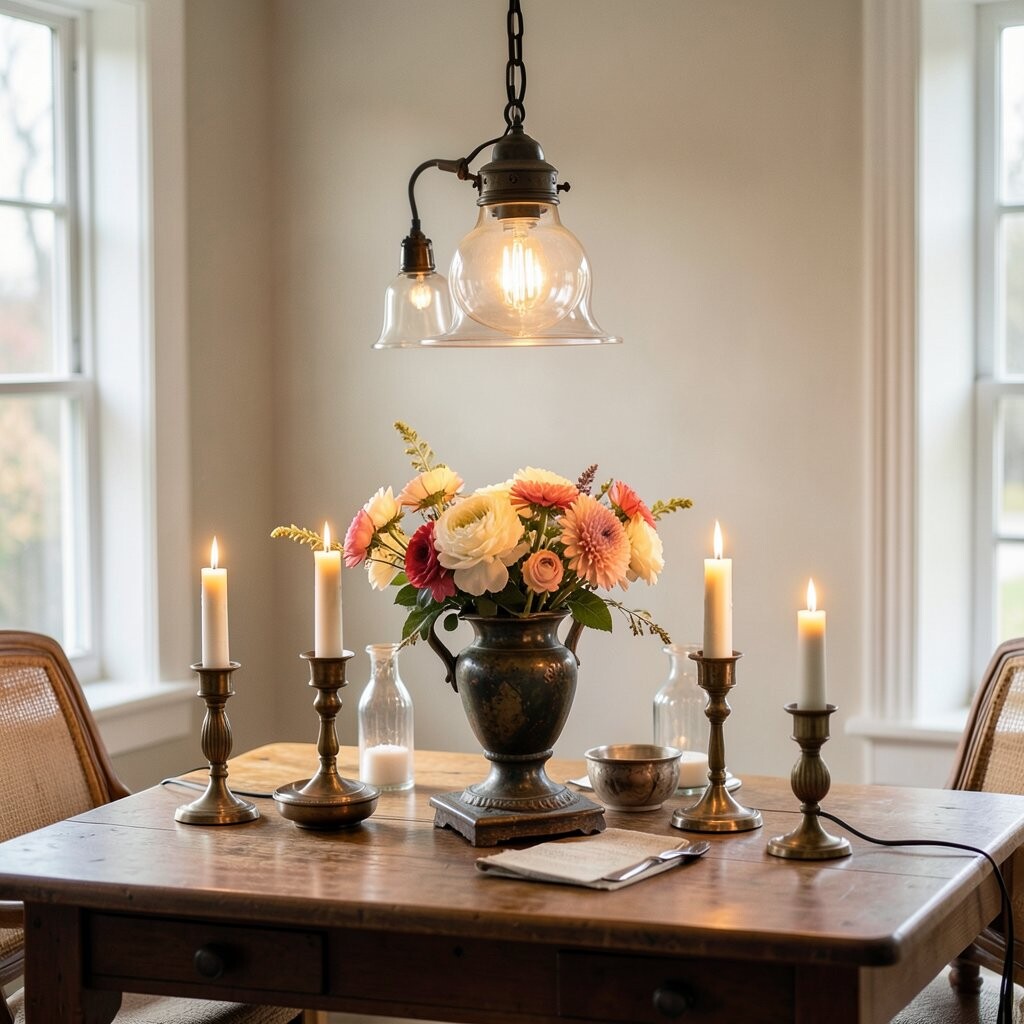
Right now, many homes lean toward warm layers instead of one bright overhead light. Vintage fixtures fit perfectly because they create glow and texture.
Pick one vintage centerpiece, then support it with simpler lights like recessed fixtures or modern lamps. This trend helps your room feel balanced while keeping the charm of older design. If your style is modern, choose vintage shapes with cleaner lines and keep finishes mostly consistent.
You can also borrow the trend of mixed metals in small doses. Using brass as the main warmth and adding a touch of darker hardware can make the space feel fashionable without losing that timeless, cozy feeling.
As you set everything up, stand back and look at how the room feels at different times of day. Warm vintage lighting usually feels best when it has enough dimmers and enough layers to follow your mood.