The first time you see a dried flower wall, it feels like sunlight caught in fabric. It adds warmth without demanding constant care.
Once you start planning, you’ll notice small choices that make the whole look feel personal and effortless.
1. Pick Colors Like You’re Styling a Favorite Outfit
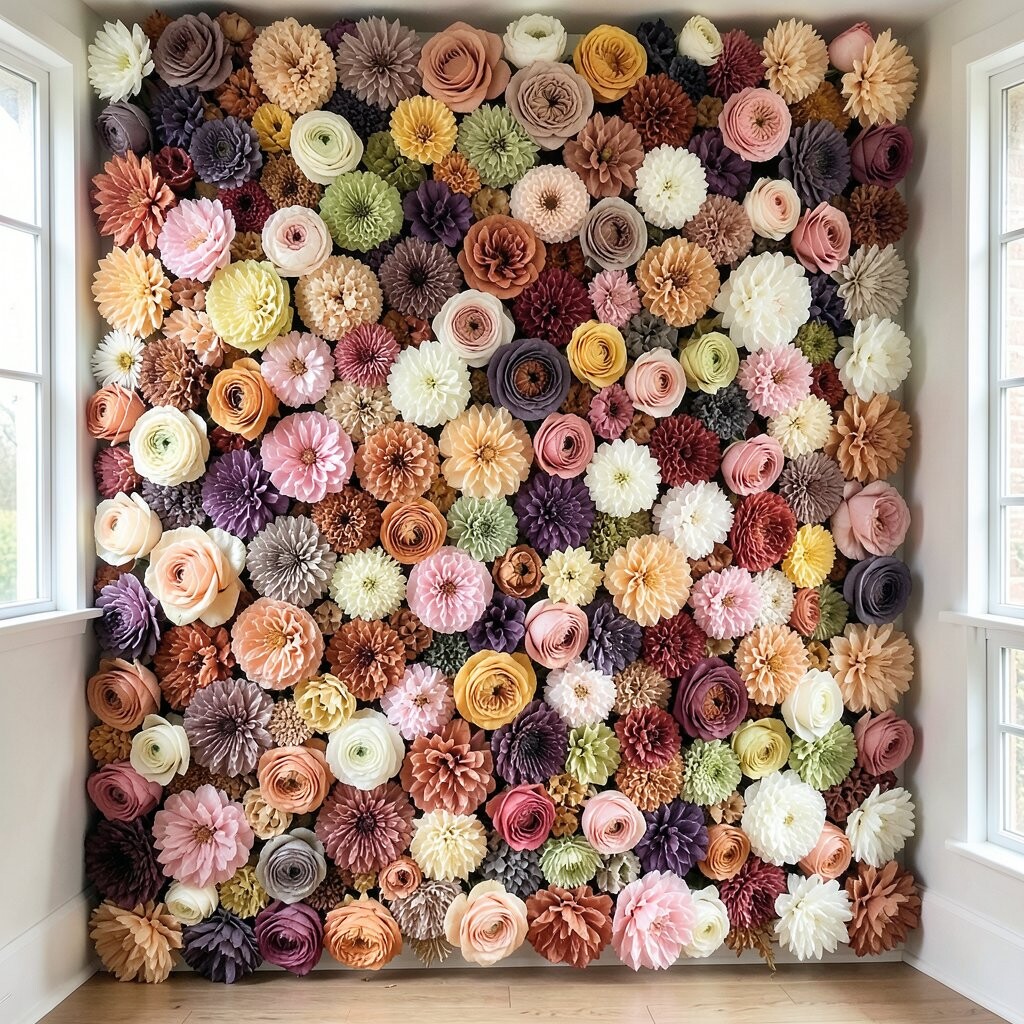
Muted roses, sunny straw blooms, and airy baby’s breath can all work together if you treat color like a wardrobe. Choose a main tone you love and let the rest support it instead of competing.
For a cozy look, blend warm creams, dusty pinks, and honey gold. If you prefer a fresher vibe, mix pale lavender with soft sage accents, then add a few deeper dried sprigs for contrast.
2. Think About Texture, Not Just Flower Names
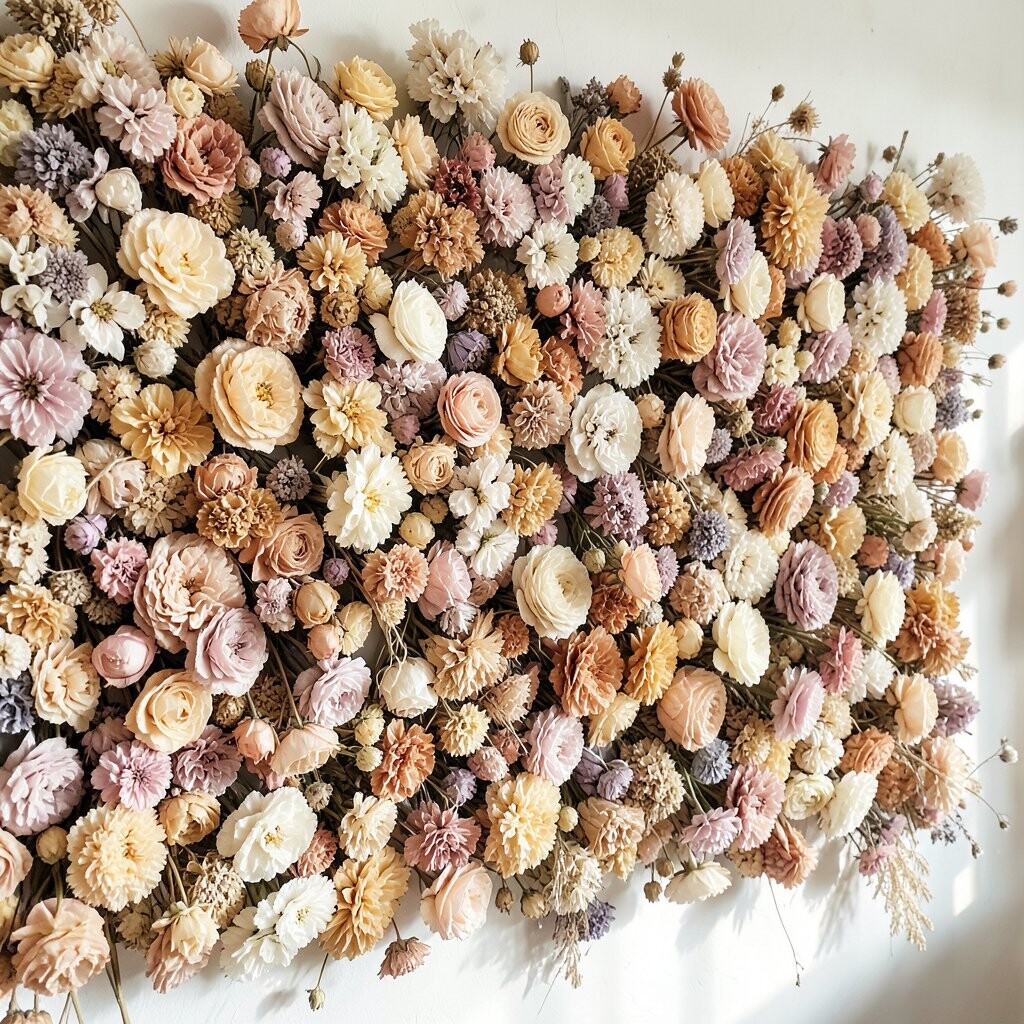
Drying changes everything, and texture is what makes your wall feel alive. Fluffy plumes, papery petals, woody stems, and flat leaves create visual rhythm that looks good up close.
Try combining one airy element with one structured element, like wispy stems paired with clustered blooms. A wall that includes different textures feels richer even when the color palette stays simple.
When you’re shopping, look for pieces that vary in shape, not just color. This kind of mix is trending in home styling because it looks curated without looking overly busy.
3. Choose the Right Backing So Everything Looks Neat
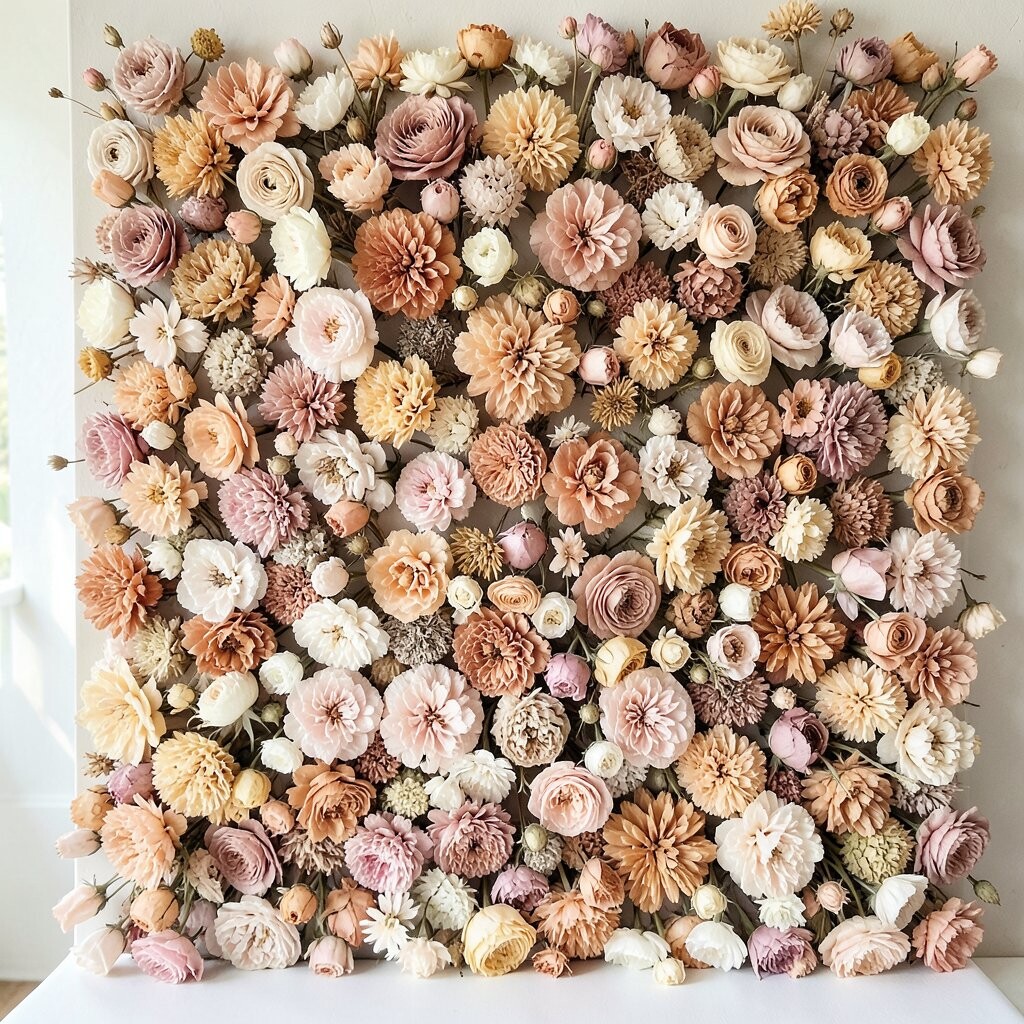
The backing can make or break the final look, even when the flowers are beautiful. A clean fabric, linen sheet, or sturdy board gives your arrangement a calm home.
Neutral backgrounds help lighter blooms pop, while warm backgrounds make browns and reds feel more intentional. If you want a crisp modern feel, a pale backing with tidy spacing often looks especially polished.
For practical stability, use a backing you can pin into or attach securely. Some people prefer removable backings so they can refresh the wall when the seasons change.
Planning the backing also helps with cost, because you can reuse it across multiple displays. That means you pay for flowers once, then swap pieces over time.
4. Use Adhesives That Won’t Damage Delicate Stems
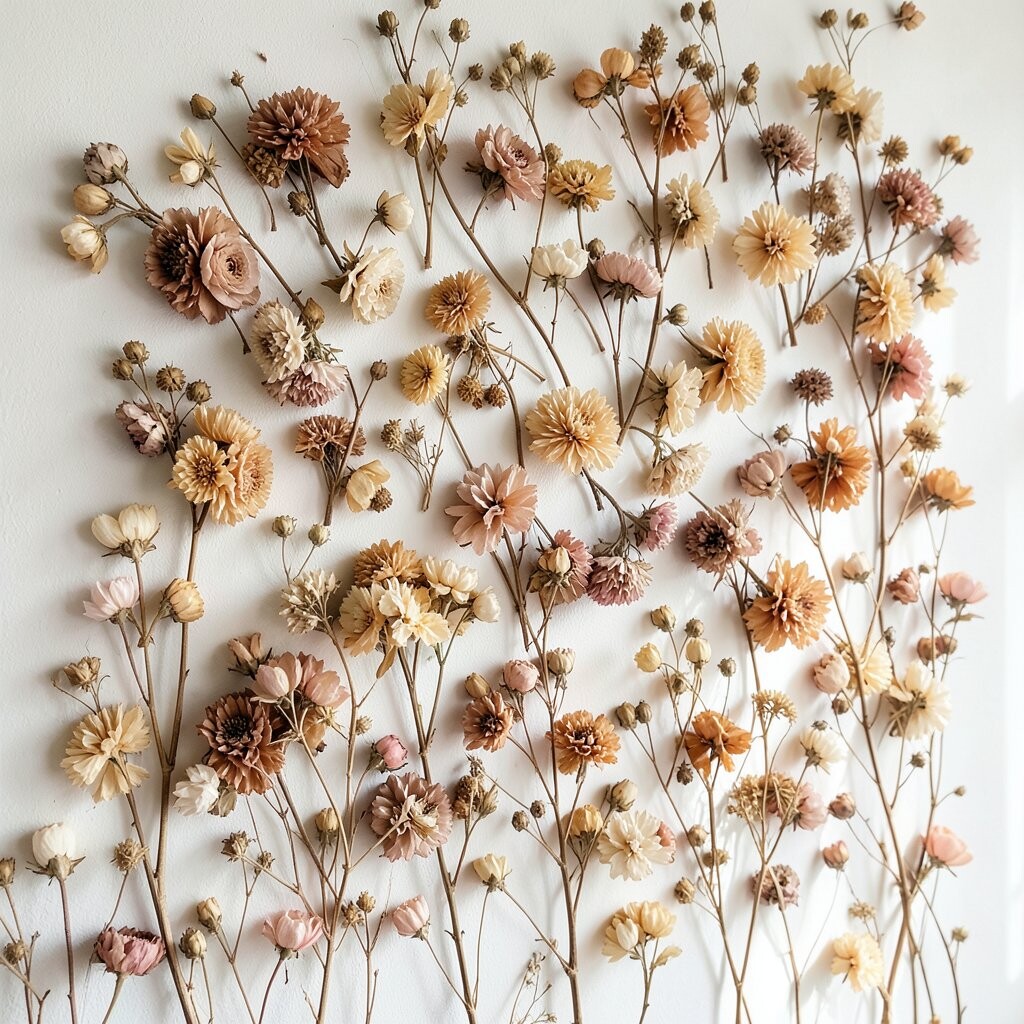
Dried flowers are tougher than fresh ones, but they can still crumble if you handle them carelessly. Globs of glue can also show through and make the wall look messy.
Thin craft glue, clear mounting strips, or small floral pins can give a gentle hold. If you’re placing stems, secure them at the base so the top stays light and natural.
Before committing, test your method on a scrap of backing with a spare stem. This small step prevents the “why does it look shiny or uneven” moment later.
5. Match the Placement to How People Actually Move Through the Room
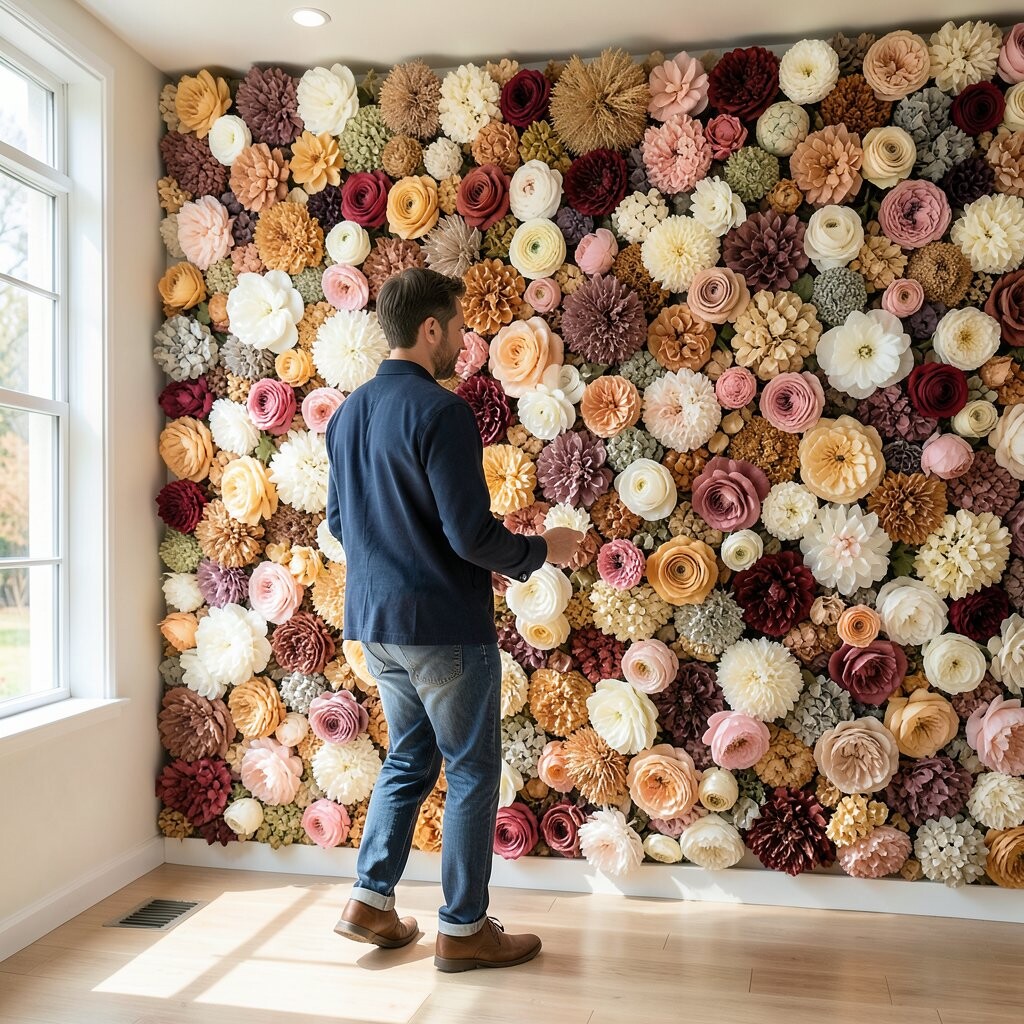
You don’t want your dried flower wall to feel like a random decoration. Place it where it meets everyday sightlines, like the edge of a hallway, above a reading nook, or beside a couch.
Height matters, too, because people notice the upper portion first when they enter a room. Try centering the main cluster around eye level so the wall looks balanced from standing and seated positions.
If the wall gets bright daylight, think about glare and positioning. Angled light often makes dried textures look warm and dimensional instead of flat.
6. Plan One “Hero” Cluster and Let Everything Else Support It
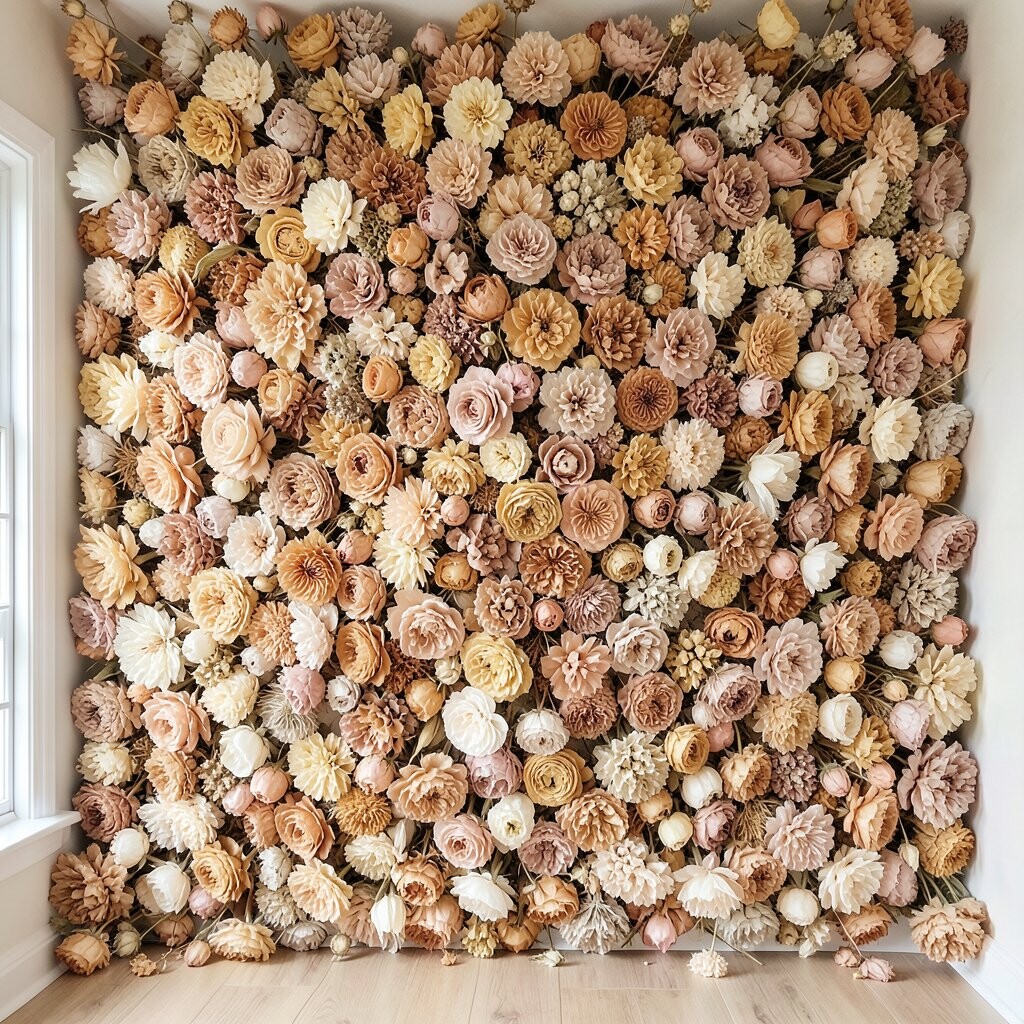
A wall looks most flattering when you give the eye a main moment. Pick one larger focal cluster, then surround it with smaller groupings that feel like they’re floating around it.
Keeping that focal spot clear makes the design feel intentional instead of cluttered. You can also add a simple rhythm, like repeating one flower shape at different sizes.
7. Mix in Filler Greens for a More Expensive Look
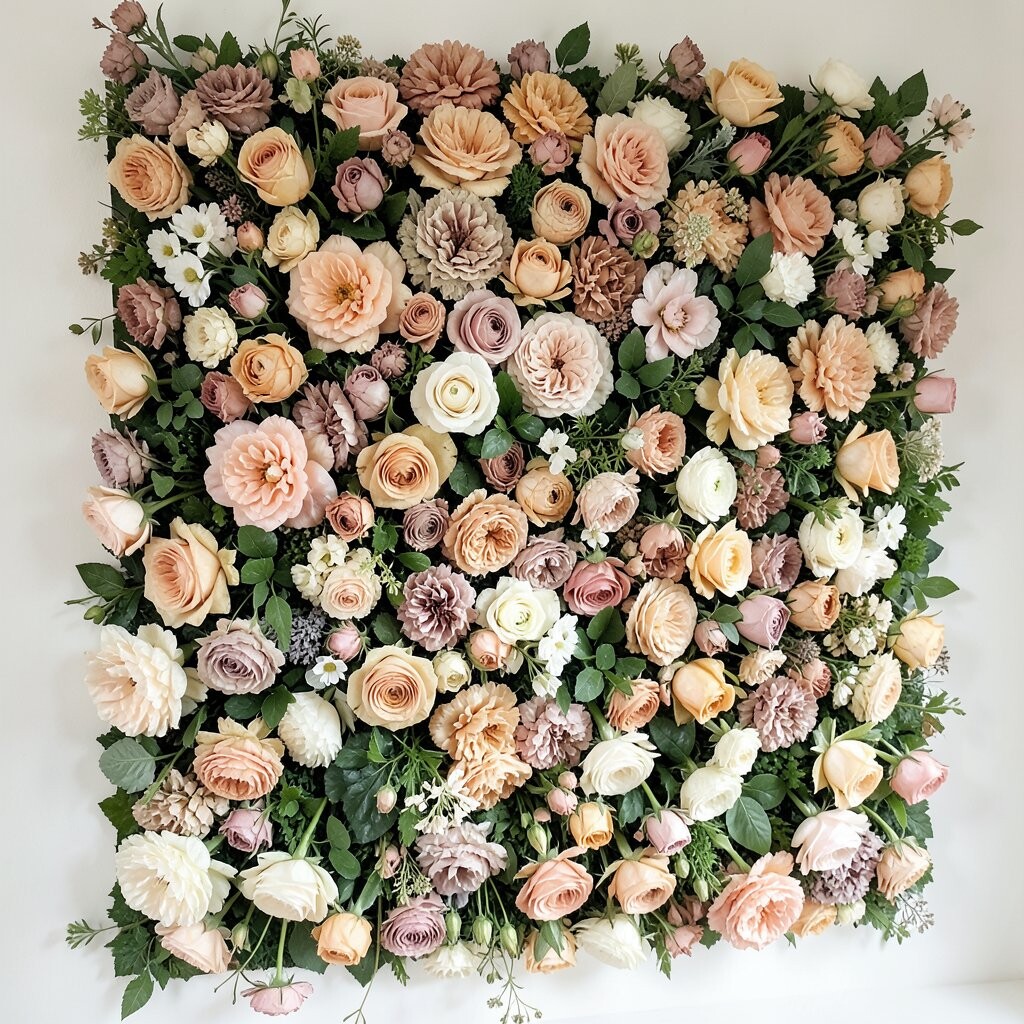
Dried flowers can look even fuller when you add filler greens or delicate sprigs. Light foliage fills the gaps and creates a natural flow that looks like it belongs outdoors.
Try adding eucalyptus-like leaves, fern fragments, or tiny seed heads to soften transitions. Even a few strands can make the wall feel layered, which is one reason this style keeps showing up in modern interiors.
8. Use Frames, Shadow Boxes, or Fabric Hoops for Flexible Style
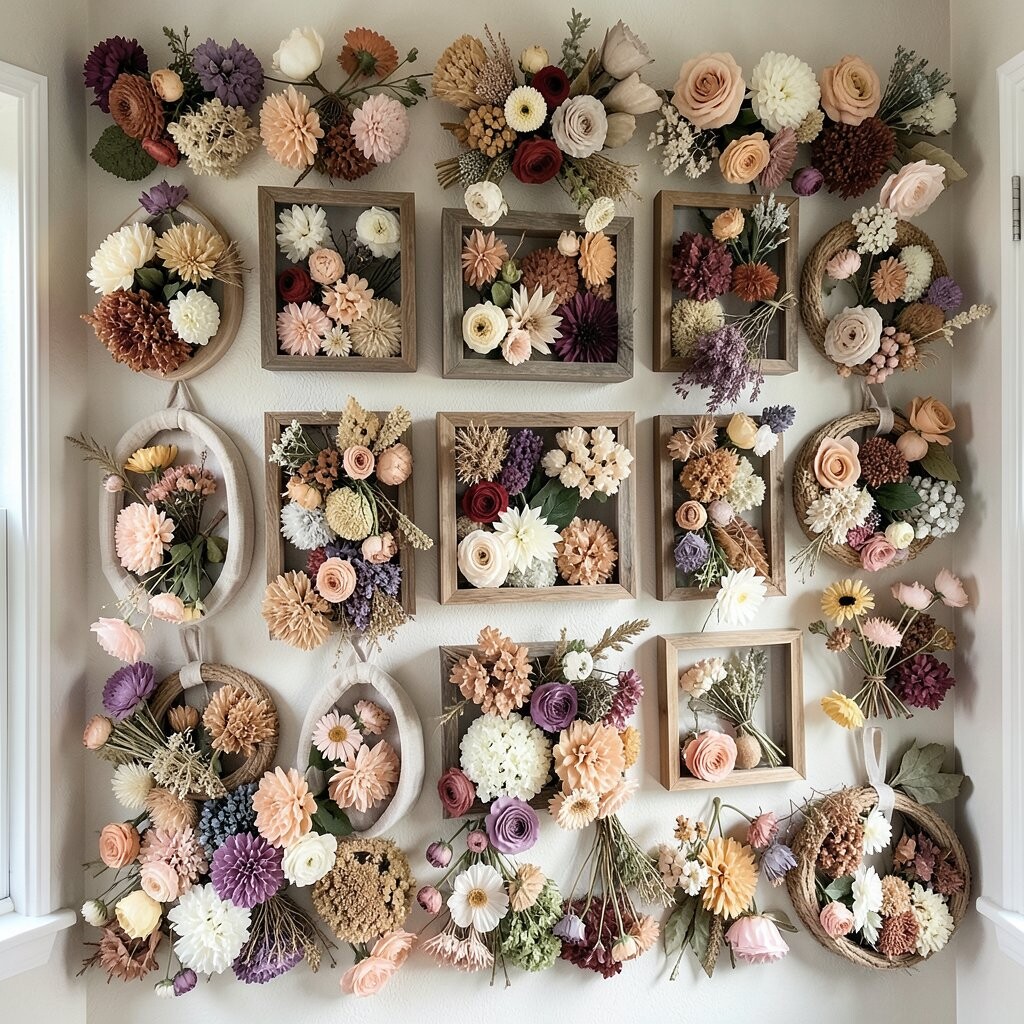
You don’t have to cover an entire wall to get the dried flower look. Frames and shadow boxes let you create neat sections that still feel airy and artistic.
Fabric hoops are another fun option because they can be grouped in a gallery layout. This approach works well for renters too, since you can hang separate pieces without major wall changes.
If you want something that feels extra tailored, try matching frame colors to your room trim. Warm wood pairs nicely with earthy stems, while matte black frames can look bold with pale blooms.
9. Think Seasonally, But Keep Your Style Consistent
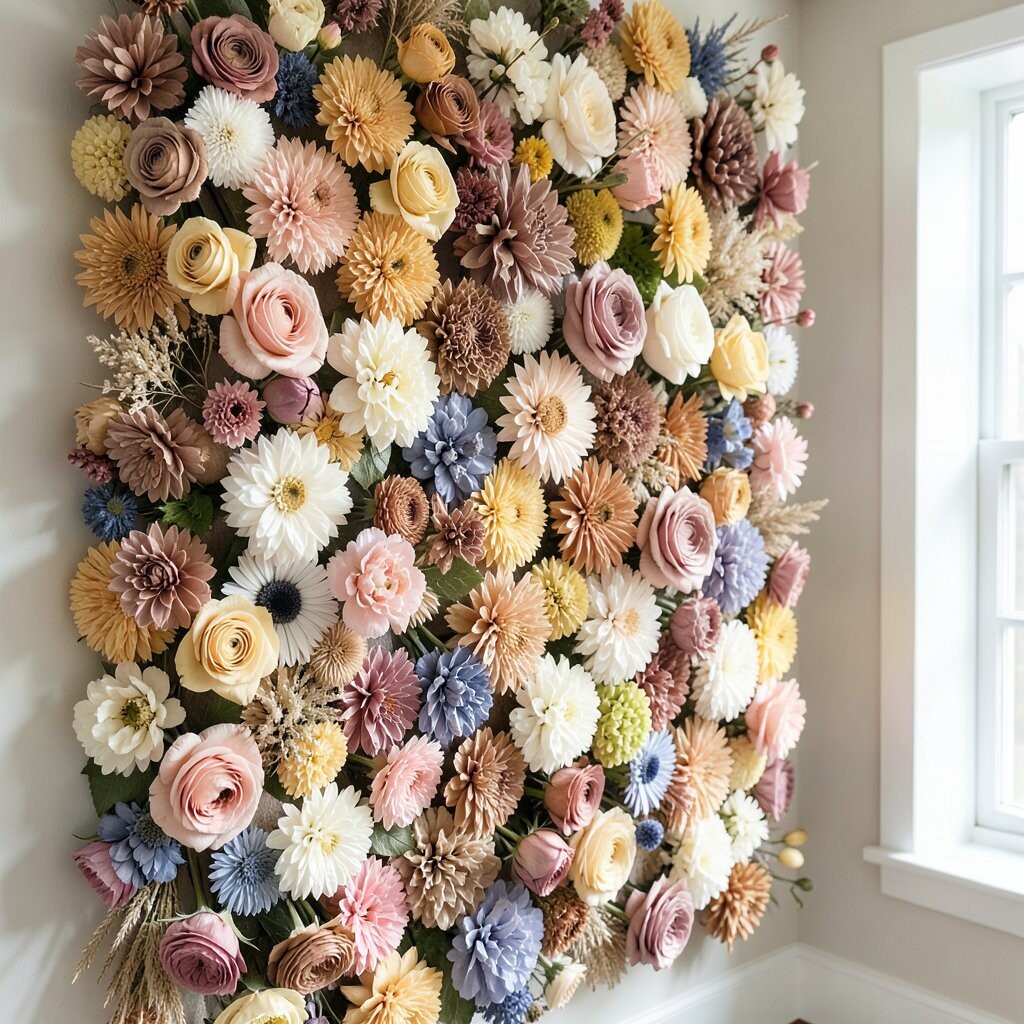
One secret to enjoying dried flower walls longer is planning for gentle seasonal changes. You can keep the backing and the same general layout, then swap a few clusters when colors shift in your home.
In autumn, lean toward russet, gold, and deep rose tones. In spring, switch to soft pastels and lighter greens to keep the wall feeling fresh.
This approach is practical and it saves money because you’re not rebuilding the whole display each time. It also helps the wall match your everyday decor so it never feels out of place.
10. Protect Your Wall From Humidity and Direct Sun
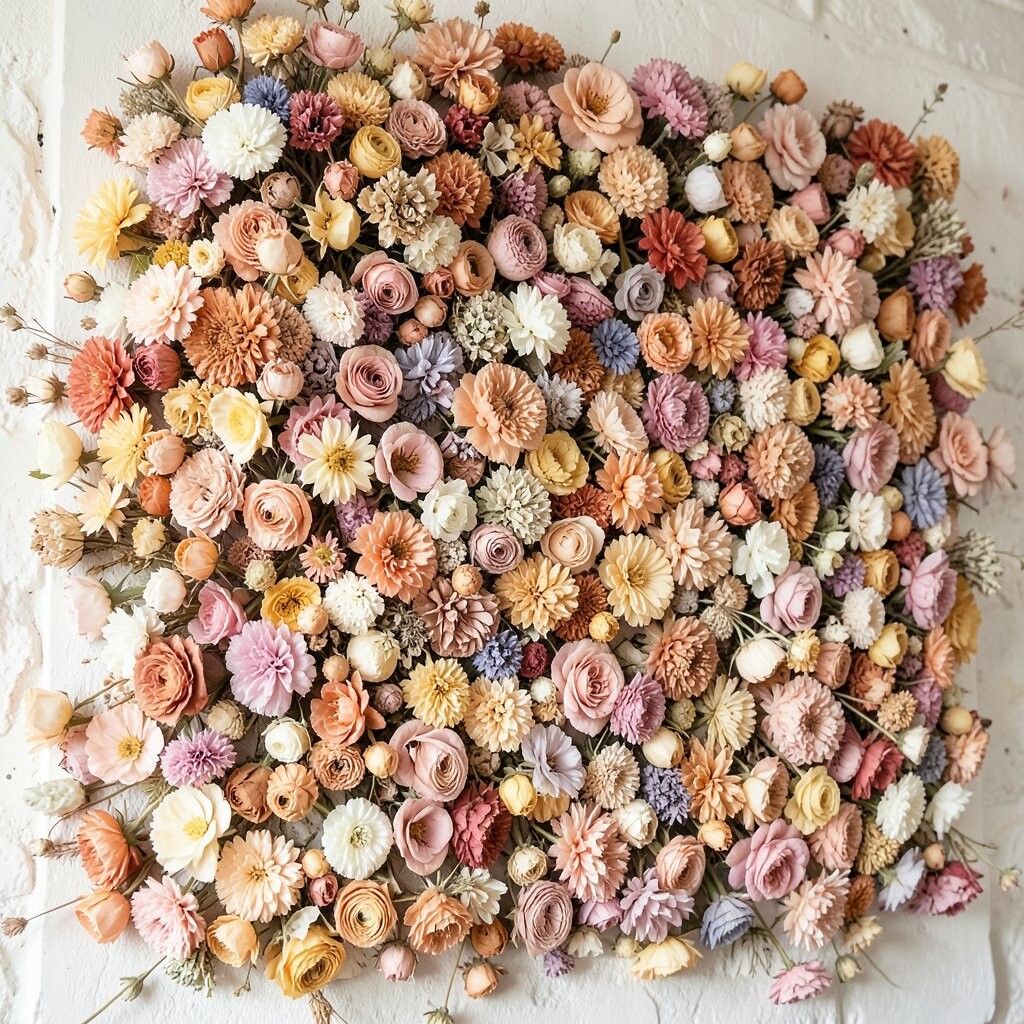
Dried flowers love still air, but moisture and strong sunlight can fade and weaken them. If your wall sits near a steamy kitchen or a window that blasts light all day, plan a little protection.
Using a clear protective layer behind a sealed backing can help in some spaces. For bright rooms, positioning slightly away from harsh direct rays keeps colors more stable.
Regular dusting is also important, and it doesn’t have to be scary. Use a soft brush or a gentle air setting so you don’t knock petals loose.
11. Personalize with Meaningful Colors and Small Keepsakes
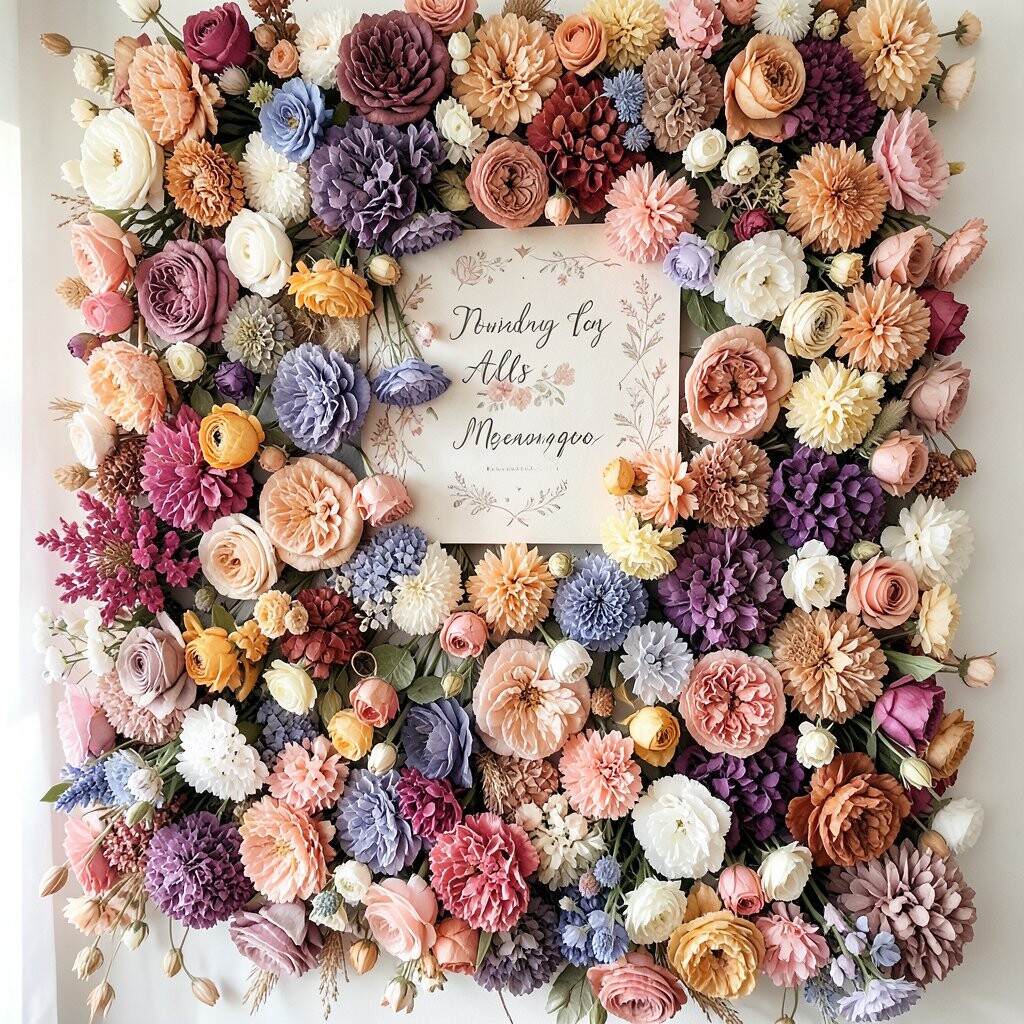
The most charming dried flower walls often include personal stories. You can weave in blooms from a meaningful event, like a wedding bouquet, a graduation gift, or a favorite garden season.
If you don’t have keepsakes, personalize using your own palette and preferences. Choose colors that match your bedding, throw pillows, or artwork so the wall feels like it belongs.
Some people add tiny ribbons, small handwritten tags, or subtle pressed leaves to make it uniquely theirs. Just keep additions light and secured so they don’t overwhelm the floral look.
12. Know the Real Cost Drivers So You Can Spend Confidently
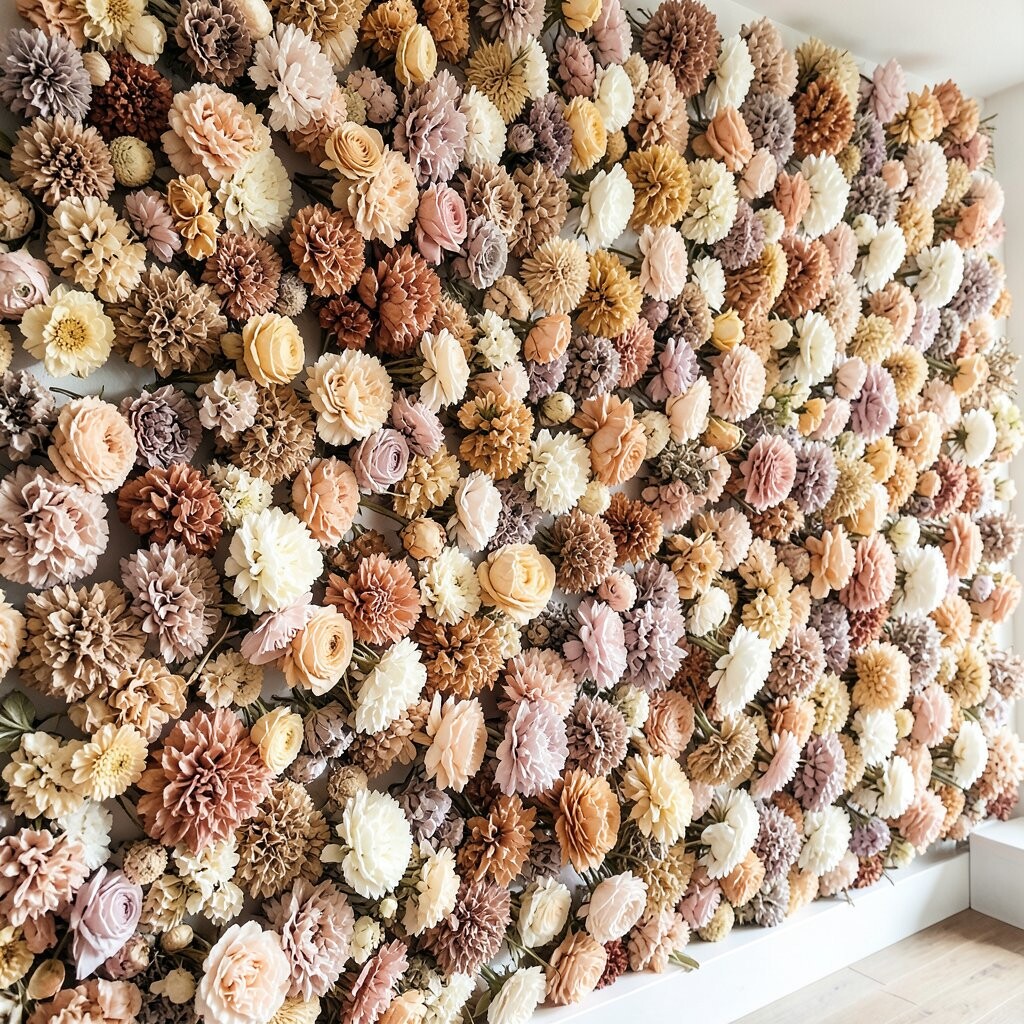
Dried flower walls can fit many budgets, but the cost depends on a few key choices. Fancy varieties, bulk volume, and premium packaging can raise the price quickly.
To stay smart, decide early how full you want the wall to look. A more airy layout uses fewer stems, while an ultra-dense look needs more material and more time to place.
You can also save by mixing store-bought bundles with pieces from your own garden if you have one. Many people enjoy this because it feels both budget-friendly and more unique at the same time.
13. Keep It Modern by Using Clean Spacing and Slight Asymmetry
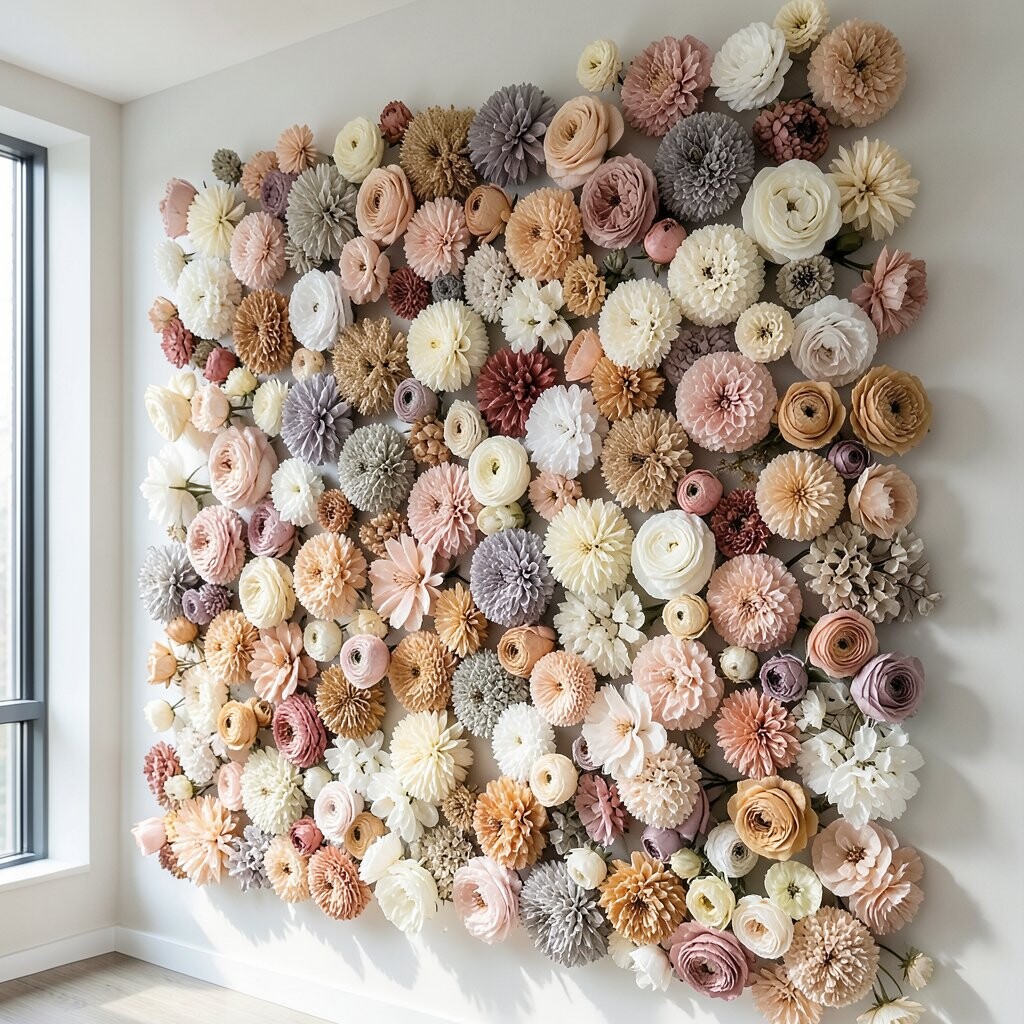
Current trends lean toward calm layouts with intentional spacing, rather than covering every inch. A little breathing room lets each dried texture stand out and makes the wall feel designed.
Asymmetry is your friend, too, because it adds a natural, handmade vibe. Try placing the main cluster slightly off-center, then balance it with smaller sprigs on the opposite side.
If your wall feels too busy, remove a few pieces before you seal or glue anything down. This keeps the final look bright, light, and confident instead of crowded.
When you step back, check it in different lighting, like morning and evening. The best arrangements look good in both because dried flowers catch light in a warm, forgiving way.