Imagine walking into a room where colors dance on expansive canvases, and textures invite you to touch. There’s something magical about large scale art that captivates the senses and transforms ordinary spaces into extraordinary experiences. This list will reveal secrets that can turn anyone into a maestro of grand artistic creations.
1. Choose Your Canvas Wisely

Start by picking a canvas that speaks to you. It can be a massive piece of cloth or a wooden board.
A larger canvas allows for more freedom. You can express ideas that smaller canvases just can’t capture.
Think about the material too. Canvas boards are sturdy, while cloth can be more flexible.
Costs vary; a big cloth canvas might be cheaper than a wooden one. Choose what fits your budget.
2. Embrace Bold Colors
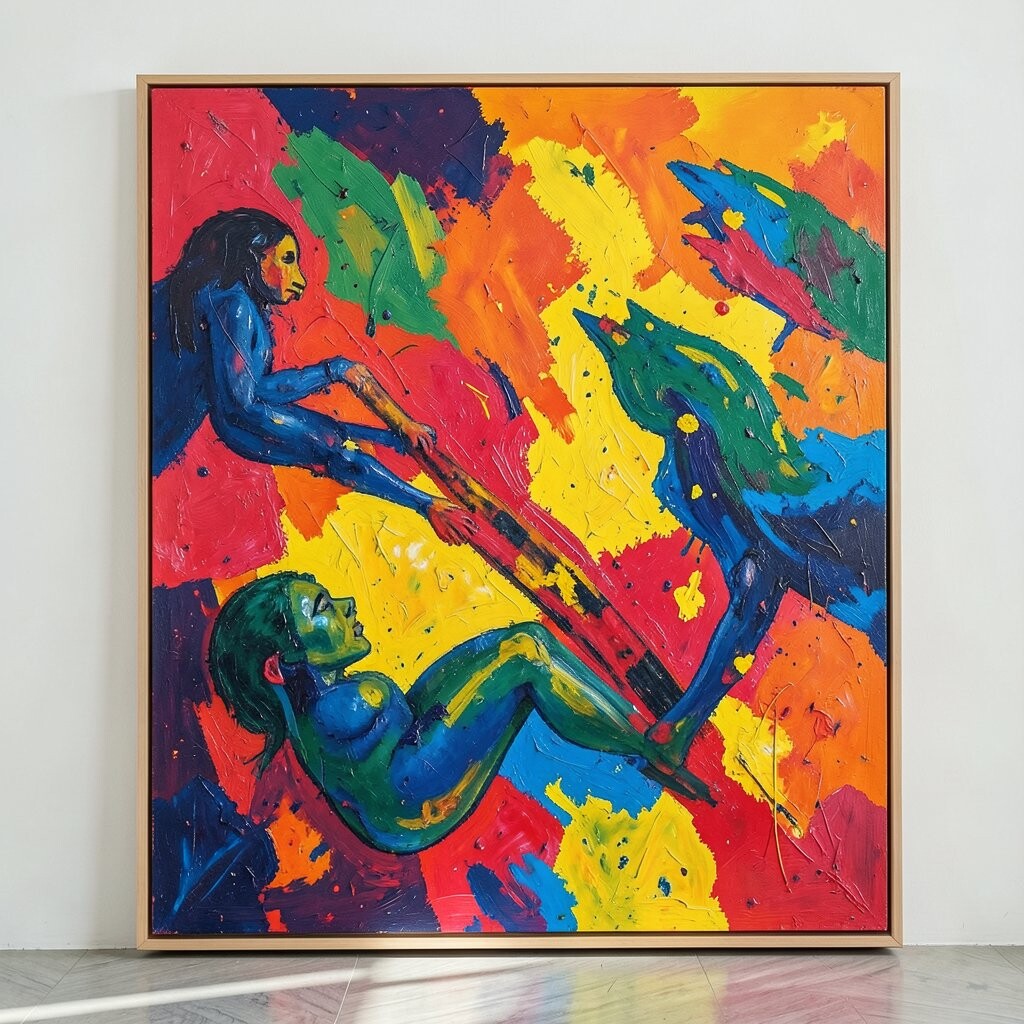
Use exciting colors to make your art pop. Bold colors can energize a room.
They make your artwork stand out and capture attention. Bright reds, blues, and yellows can transform any space.
Experiment with different shades to see what works best. Sometimes, mixing a new color can create magic.
Paints come in various price ranges. Try a few different brands to find your favorite.
3. Play with Textures
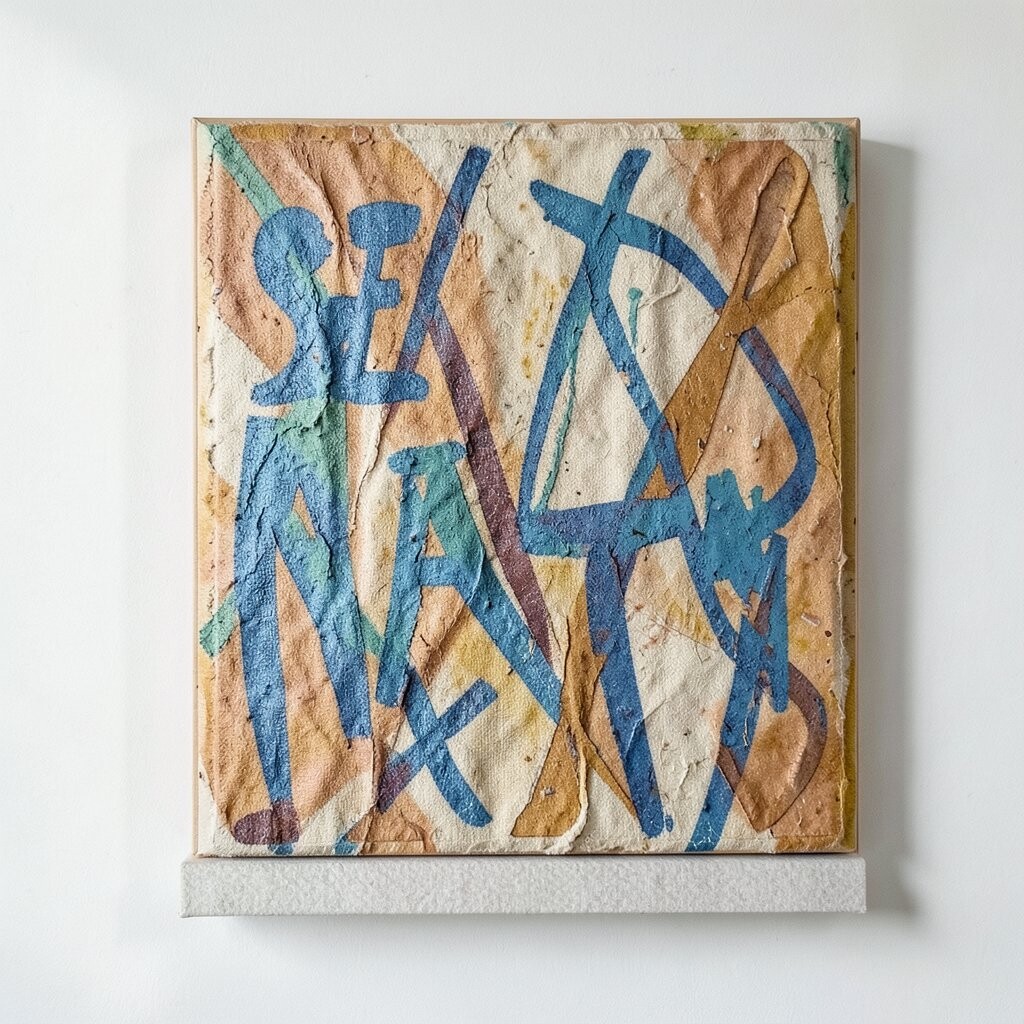
Adding texture makes art feel alive. Use different tools to create interesting surfaces.
Textures add depth and dimension. They invite viewers to get closer and engage with your work.
Try using sponges, brushes, or even your fingers. Each tool gives a unique finish to your artwork.
Most tools are affordable. A simple sponge can do wonders without breaking the bank.
4. Create a Focal Point
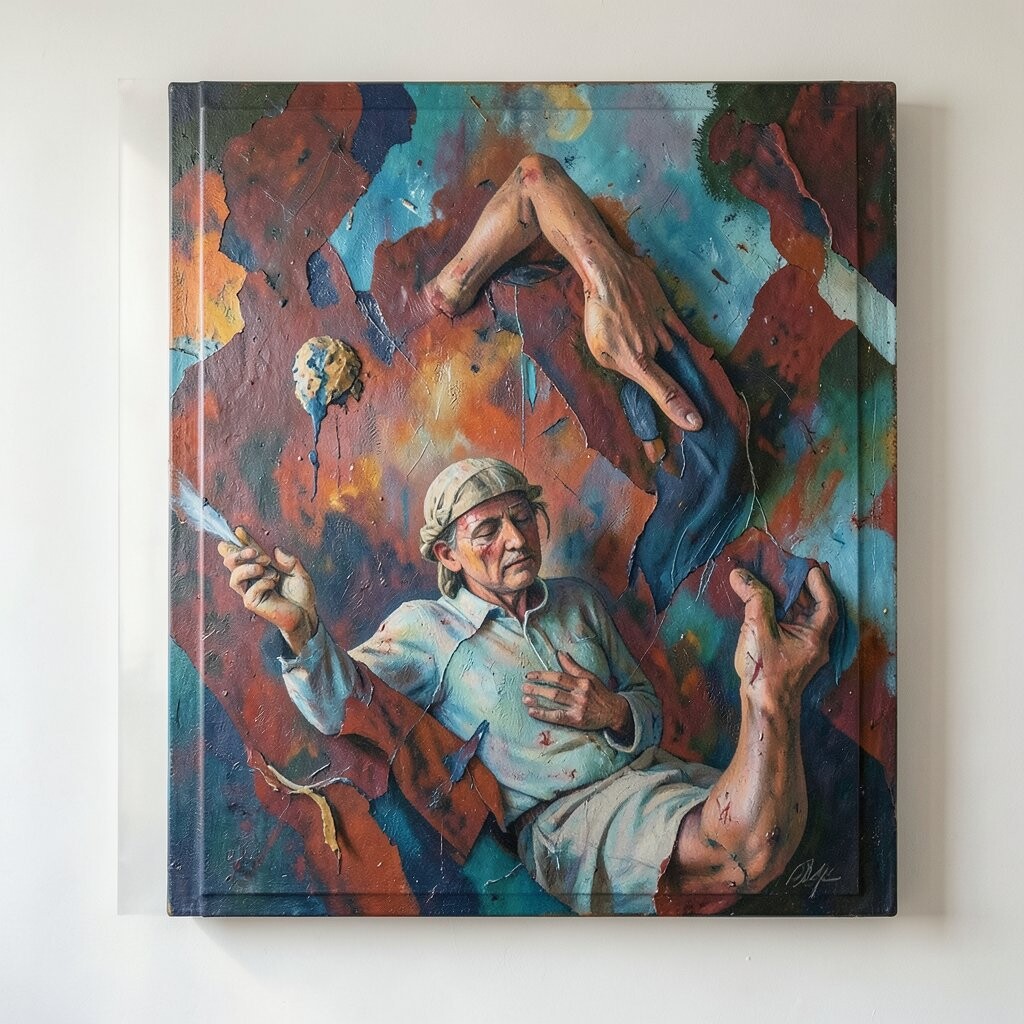
Direct the viewer’s eye by creating a focal point. It anchors your artwork.
This technique makes your art easier to understand. It helps in telling the story you want to convey.
Use contrasting colors or shapes to draw attention. This ensures your focal point stands out.
There’s no extra cost involved. It’s all about clever use of your existing materials.
5. Harness the Power of Negative Space

Let parts of your canvas breathe with negative space. It balances the busy areas.
Negative space can make your main elements shine. It gives viewers a place to rest their eyes.
Experiment with different compositions. See how much background you need to highlight your subject.
This approach costs nothing extra. It’s all about thoughtful planning.
6. Use Light and Shadow
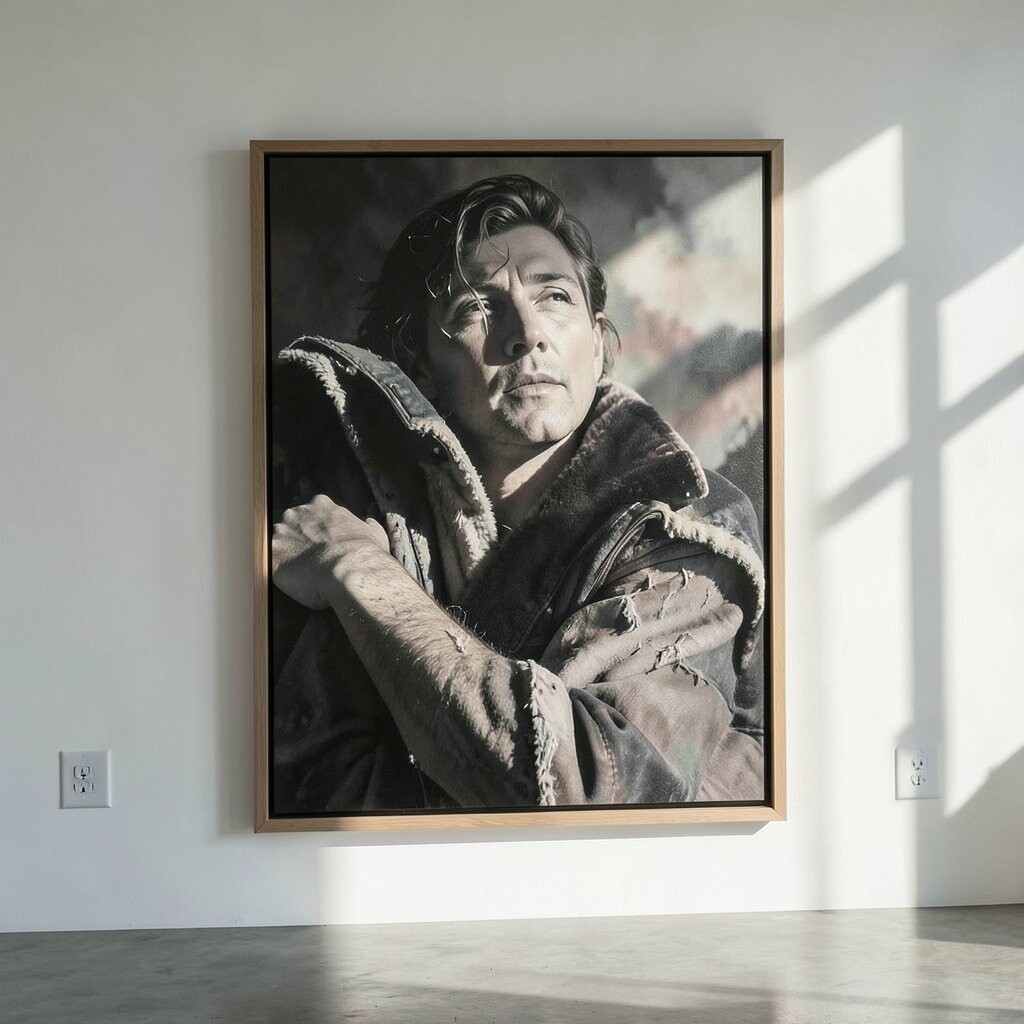
Play with light and shadow to add drama. It creates a 3D effect on a 2D surface.
This technique highlights parts of your work. It can evoke emotions and set the mood.
Try painting in a room with natural light. Watch how shadows change and use them to your advantage.
Lighting doesn’t cost much. Natural light is free, and simple lamps are inexpensive.
7. Consider Your Medium

Pick a medium that suits your style. Oils, acrylics, and pastels offer different experiences.
Each medium has unique textures and finishes. They influence the look and feel of your art.
Try mixing media for added interest. Combining different materials can lead to exciting results.
Mediums vary in price. Acrylics are often more affordable than oils, for example.
8. Experiment with Scale and Proportion

Play with the size of your elements. It creates visual interest.
Mixing large and small shapes can lead to surprising compositions. It keeps the viewer engaged.
Start by sketching different ideas. See what feels right before committing to paint.
This technique requires no extra spending. It’s about using your creativity.
9. Add Personal Touches

Make your art personal with unique details. It makes your work stand out.
Personal touches reflect your personality. They make your art one-of-a-kind.
Incorporate favorite symbols or colors. These make your art feel more connected to you.
This approach is budget-friendly. It uses what you already love.
10. Plan Your Composition

Think about where everything will go. A good plan leads to better art.
Composition guides the viewer’s journey through your work. It creates a satisfying experience.
Sketch your ideas first. This helps you visualize the final piece.
Sketching costs nothing extra. It’s a simple step with big benefits.
11. Get Inspired by Nature
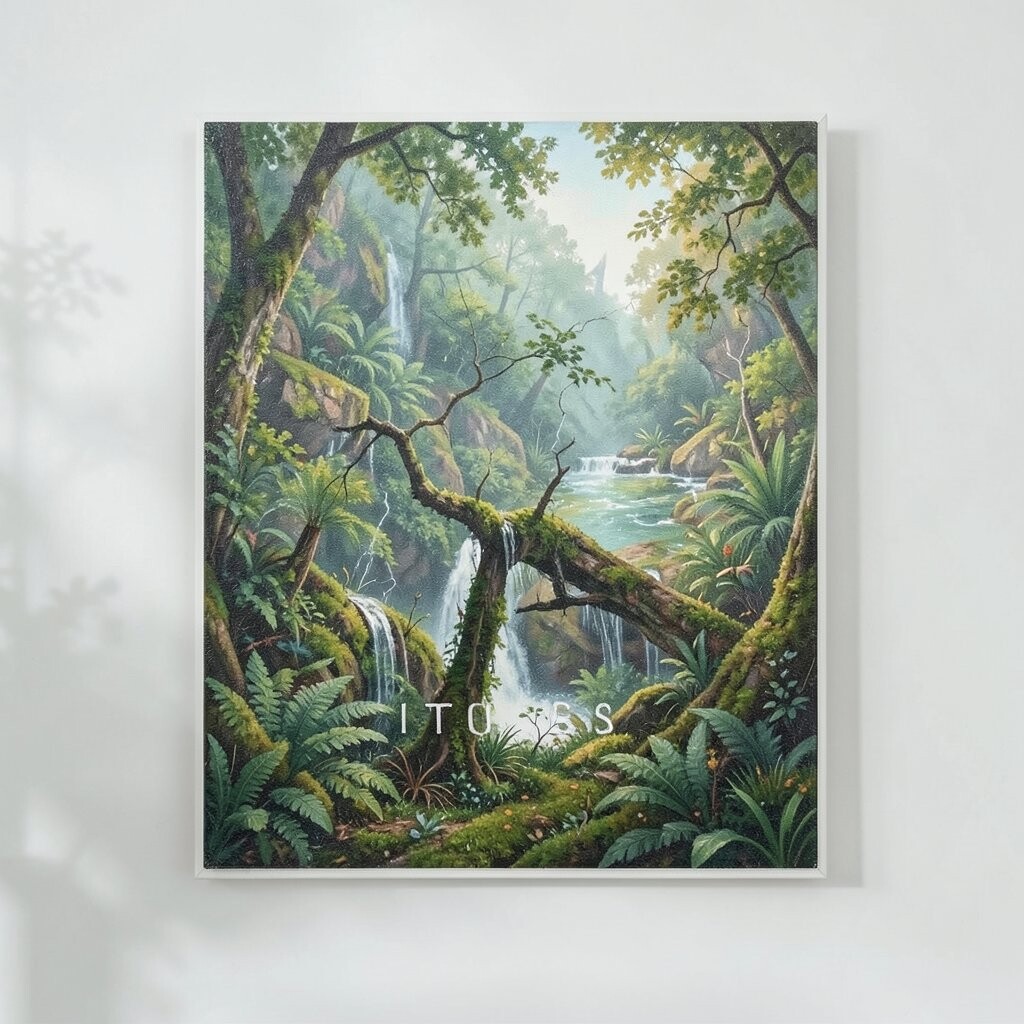
Look at the world around you for ideas. Nature is full of beauty.
Natural themes resonate with many people. They bring a sense of calm and wonder.
Visit parks, gardens, or even your backyard. Capture the colors and shapes you see.
Nature’s inspiration is free. It’s a rich source of ideas without cost.
12. Incorporate Movement
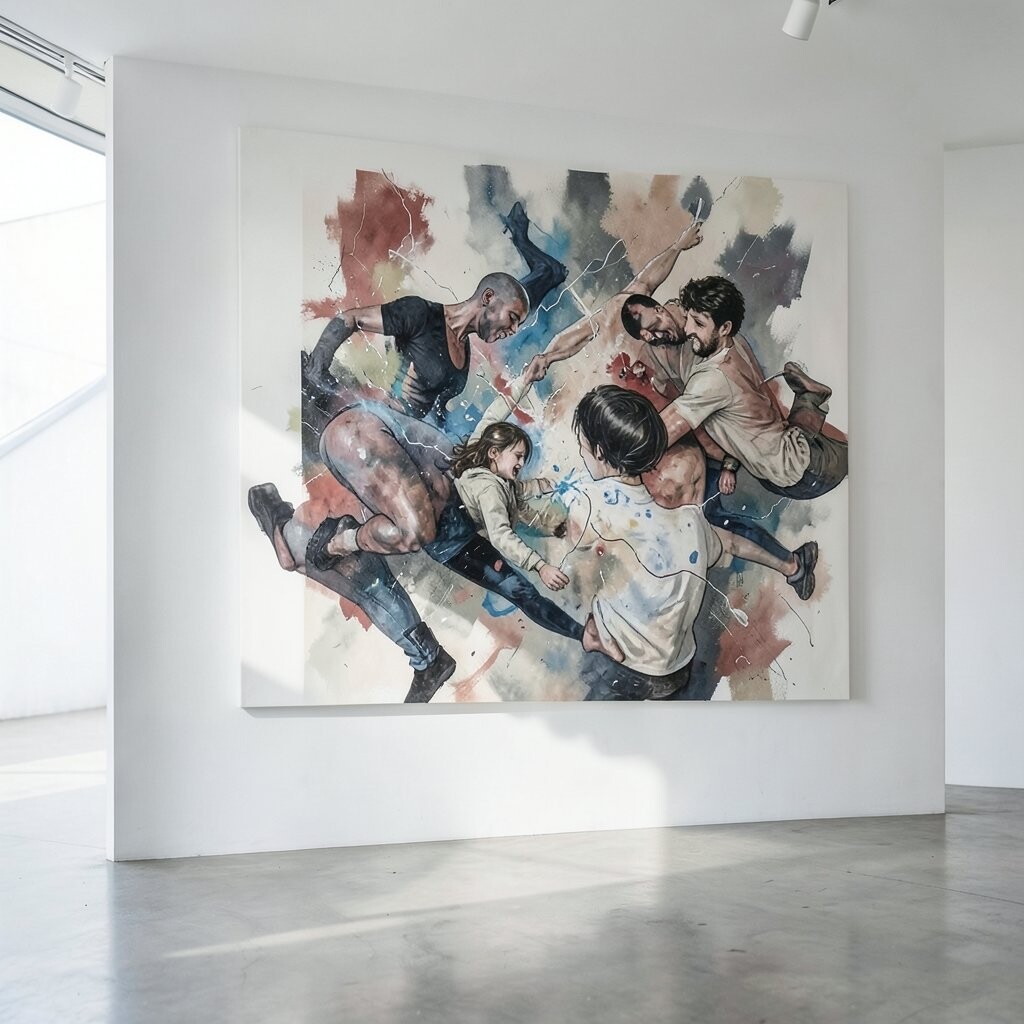
Suggest motion in your art. It adds energy and life.
Movement draws viewers in. It makes static images feel dynamic.
Use lines and shapes to guide the eye. This can give the illusion of movement.
Creating movement is a cost-effective technique. It requires thoughtful design, not extra materials.
13. Explore Different Styles
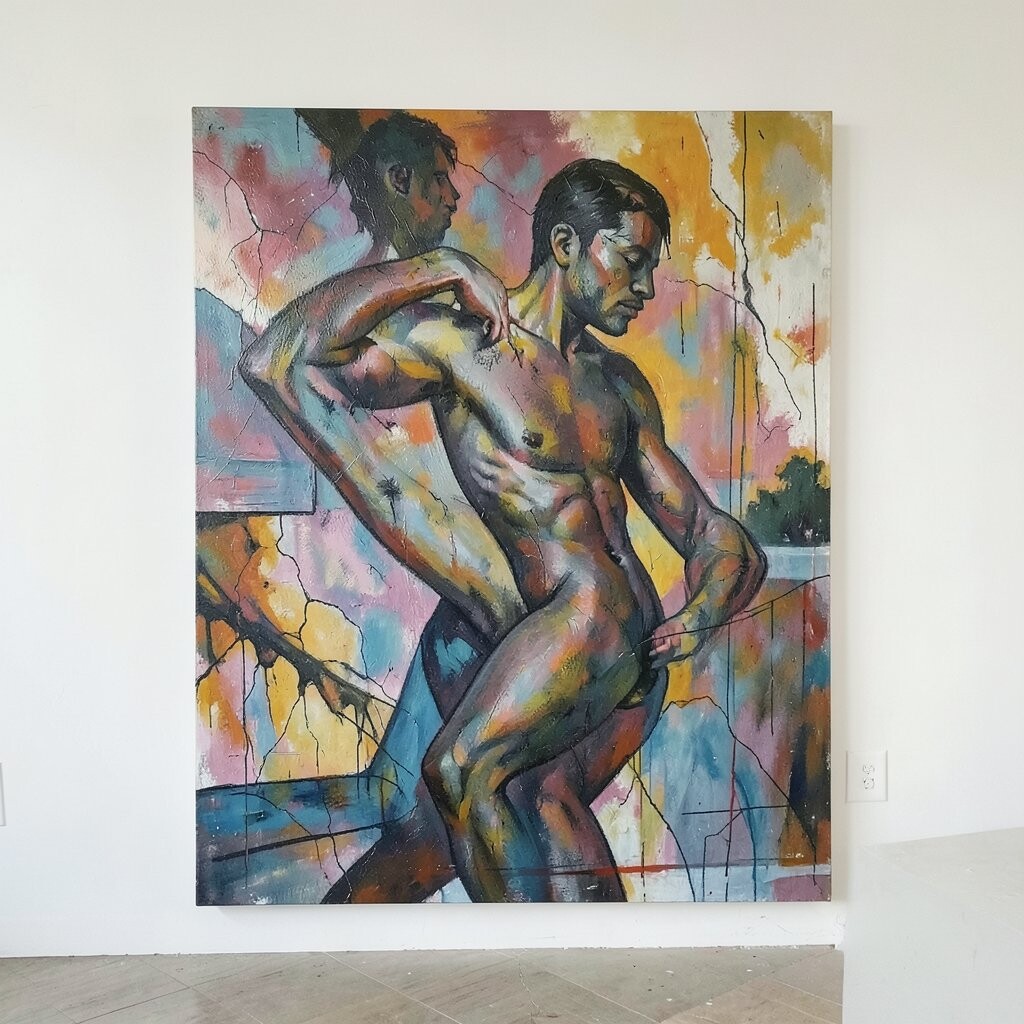
Try out various art styles. Find what suits your vision.
Different styles can communicate different emotions. They change how your art is perceived.
Mix and match styles for a unique look. This keeps your art fresh and exciting.
Exploring styles doesn’t have to be costly. Use what you have and experiment.
14. Use Technology

Incorporate digital tools in your art process. Technology offers new possibilities.
Digital tools can simplify complex tasks. They open up new ways to create and share your art.
Try digital painting apps or use a tablet. These can help you experiment before committing to canvas.
Digital tools range in cost. There are free apps, but investing in a tablet might be worth it.
15. Collaborate with Others

Work with fellow artists. Collaboration can lead to exciting outcomes.
Sharing ideas broadens your perspective. It introduces you to new techniques and styles.
Join art groups or workshops. These are great places to meet like-minded creatives.
Collaboration doesn’t need to be expensive. Exchanges of ideas can happen over a simple cup of coffee.
16. Tell a Story

Let your artwork narrate a tale. Stories captivate and engage viewers.
Storytelling adds layers to your art. It connects emotionally with the audience.
Think about what you want to communicate. Use your art to express that narrative.
Crafting a story costs nothing. It’s about the ideas and feelings you wish to share.
17. Keep Practicing
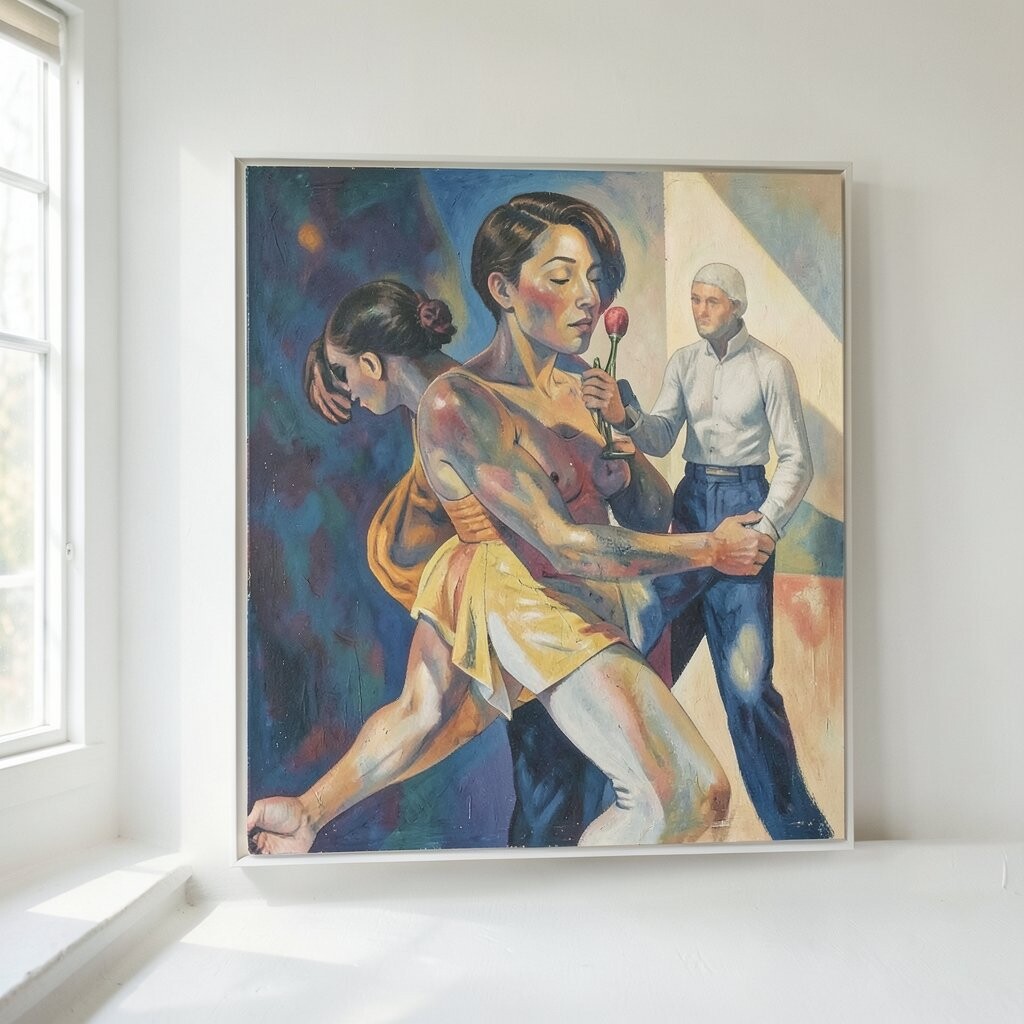
Practice is the key to improvement. The more you create, the better you get.
Regular practice builds your skills. It boosts confidence and refines your style.
Set aside time each day for art. Consistency is more important than long sessions.
Practicing art doesn’t have to be costly. Use affordable materials and keep at it.