A quilt can look busy, cozy, and totally you all at once. Patchwork is the perfect way to turn small pieces into something you’ll love using every day.
You can start with simple shapes, try modern layouts, and still keep the comfort of classic quilting. Each idea below gives you a clear path from fabric stash to finished blocks.
1. Charm Square Sparkle
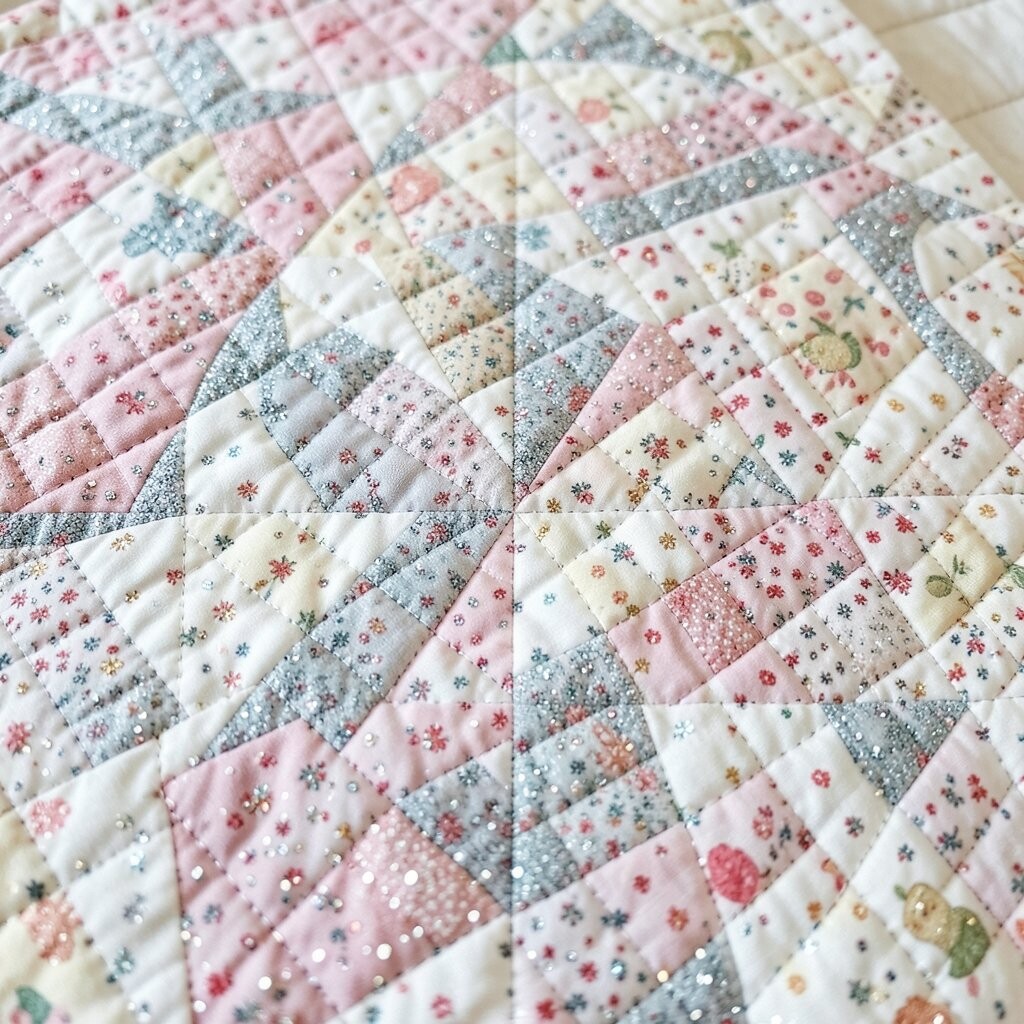
Pick a stack of fabric squares that feel like a matching mood, then cut them into the same size. Lay them in a grid so each piece shows off its color, like little windows of pattern.
For visual pop, mix prints of different scales, pairing loud ones with calmer solids. You’ll get a quilt that feels lively without needing complicated piecing. To make it easier, audition layouts on your floor with spare blocks before sewing. Choose a backing fabric that echoes one of the most common colors, so the whole quilt looks finished and balanced.
2. Modern Strip Ballet

Use long strips to build repeating lines that flow across the quilt. Bright strips can feel like movement, while muted tones can feel calm and grown-up.
Work with a consistent strip width so seams line up cleanly and your quilt stays neat. This style is great if you want faster progress because the pattern repeats as you sew. For personalization, rotate strip colors so the “main” color band shifts from block to block.
If you’re watching costs, shop for a few affordable yardage options in solids, then add prints from charm packs. Keep a small color note on paper so you don’t accidentally swap the order mid-quilt. A neat pressing routine makes a big difference, especially when you’re sewing many seams in a row.
3. Half-Square Triangle Confetti
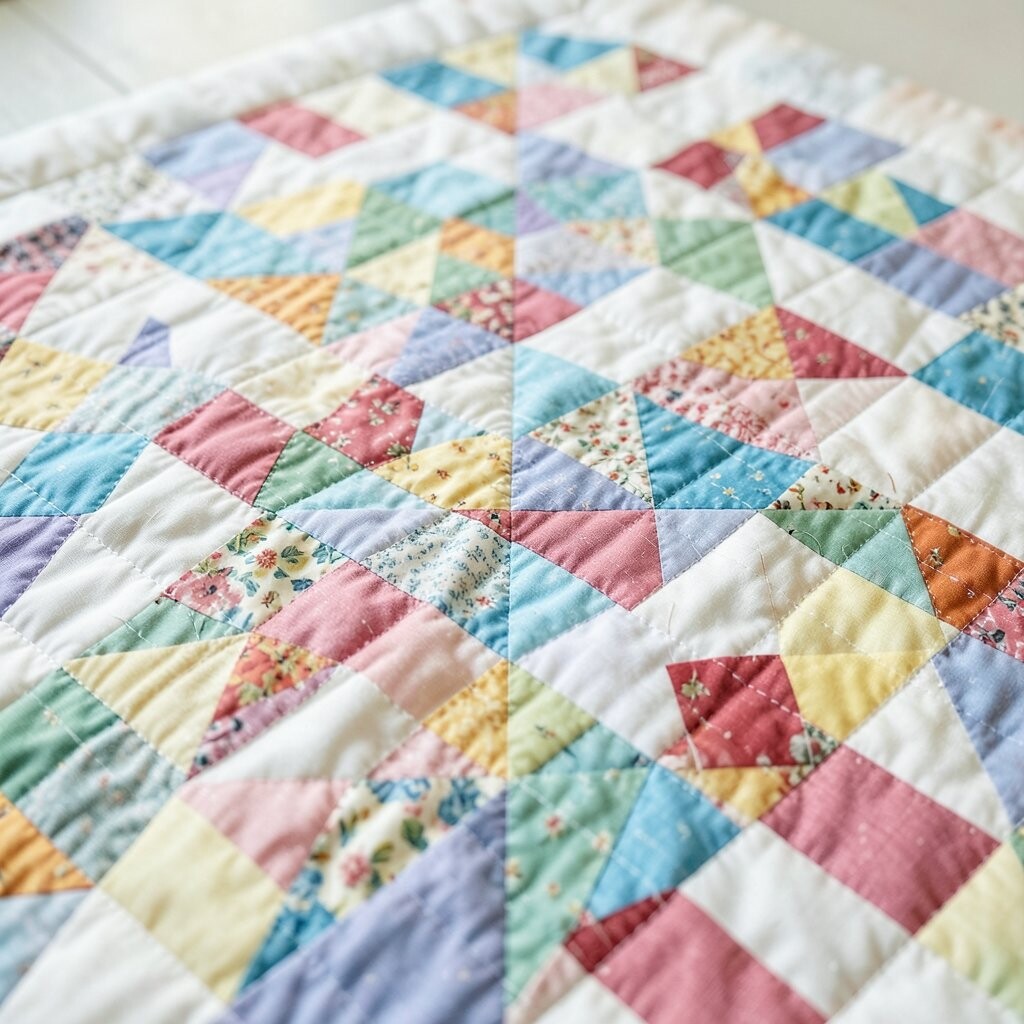
Cut squares into halves and create half-square triangles that scatter like confetti. When you stitch them into rows, the quilt top gains a bouncy, geometric look.
This layout works beautifully with scraps because you can vary colors without losing structure. It’s also a nice way to make bright fabric look “controlled” instead of chaotic. Try using a limited palette for a modern feel, such as a set of warm colors plus a dark neutral.
For practical results, use a pressing direction plan so your seams nest well. Use a square ruler for trimming so every unit matches, because tiny differences can show up in a finished quilt. If you want extra uniqueness, add one or two “signature” fabrics that appear in every section.
4. Stack-and-Whack Cutout Waves
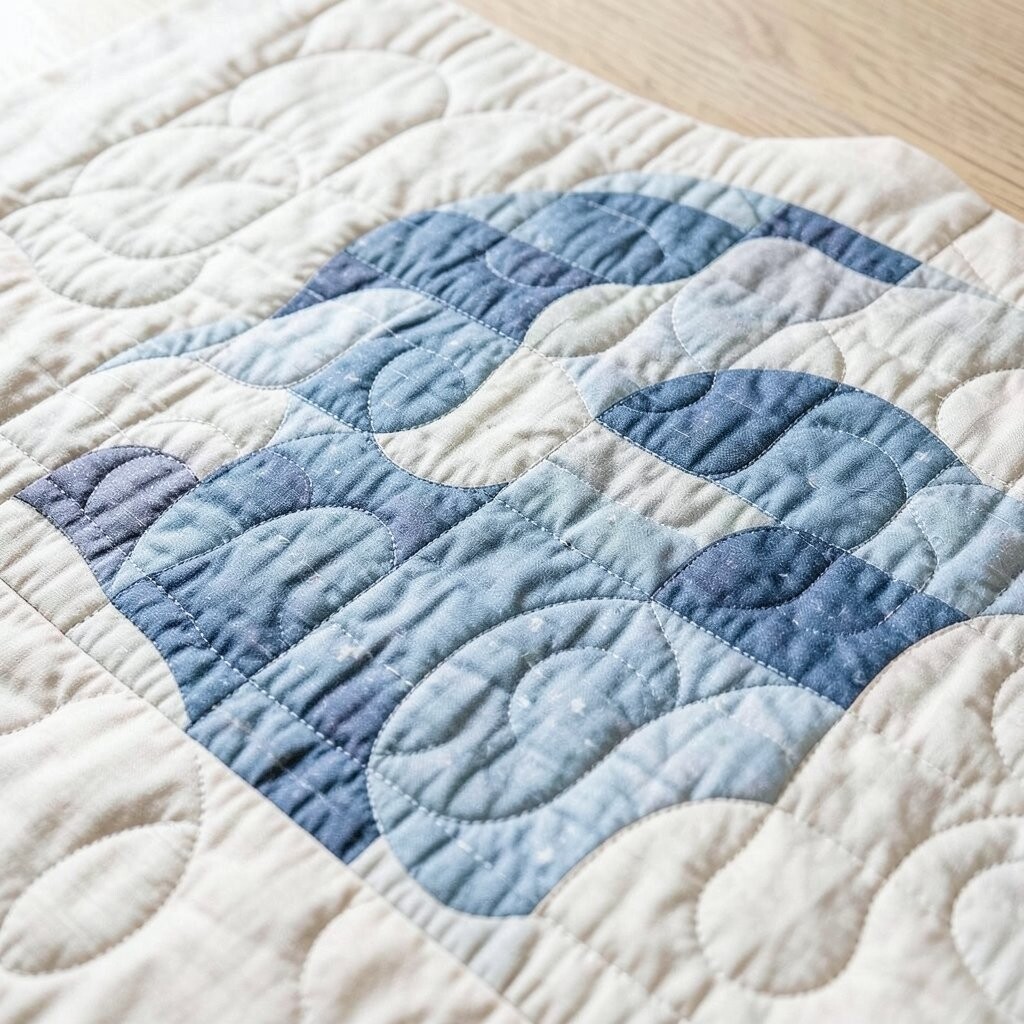
Choose a background fabric, then stack multiple layers of fabric and cut curves or scallops for wave shapes. The result looks layered and slightly dramatic, almost like fabric relief.
You’ll get a quilt with strong visual texture while still keeping the process organized. This idea is perfect when you want something unique that doesn’t feel like the same block repeated forever. To personalize, pick one fabric with a bold motif and let it land in the wave cutouts so it becomes the star.
5. Flying Geese Road Trip
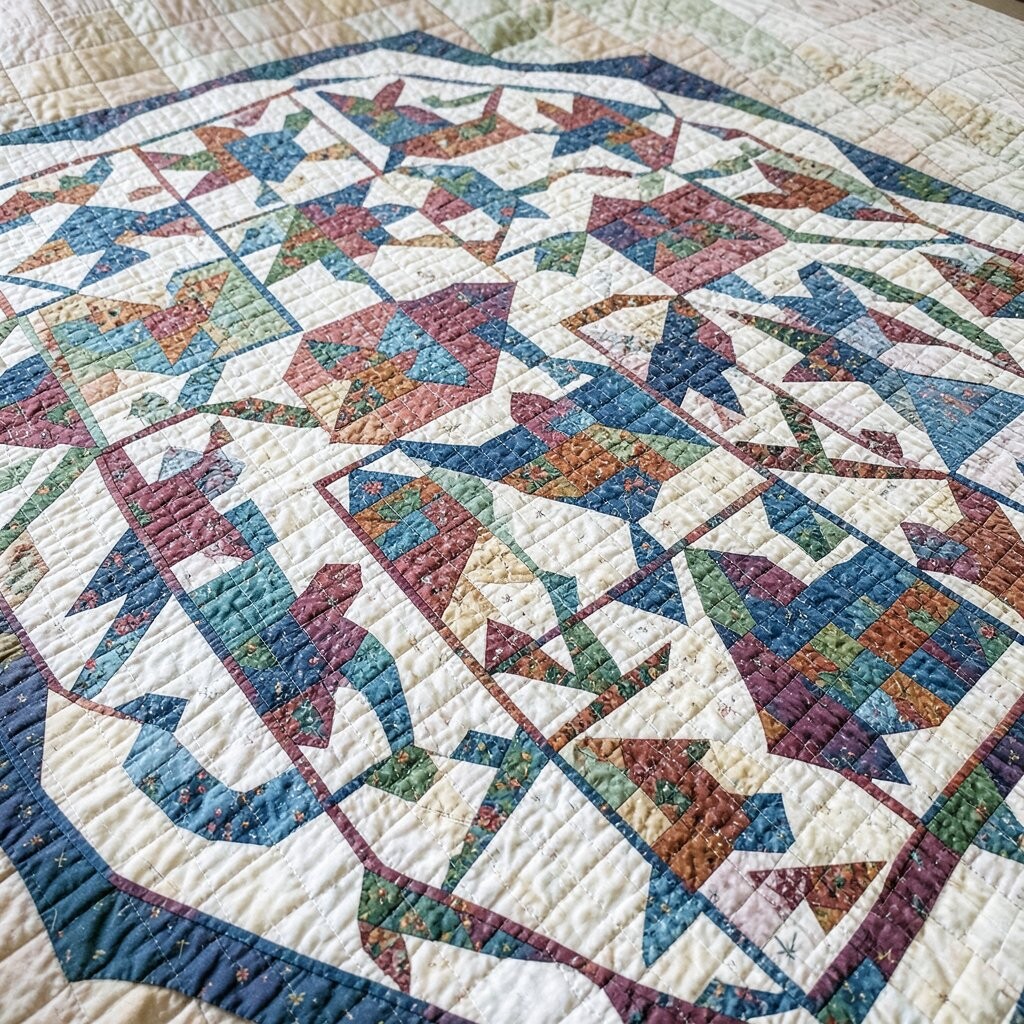
Flying geese blocks feel like motion, with pointy shapes that line up into a direction. Imagine a quilt that looks ready to “travel” across your bed.
Use a mix of fabrics for the goose sections and solids for the background so the shapes stay clear. This patchwork idea also helps you use up scraps because each block can take small pieces. For cost control, hunt for inexpensive background solids in a single color family so you don’t overspend.
To keep it easy, sew all the geese the same way and press consistently between steps. If you want personalization, add a few longer rows where the colors gradually change from light to dark. That simple fade makes the quilt look designed, not random.
6. Braided Basket Weave Illusion
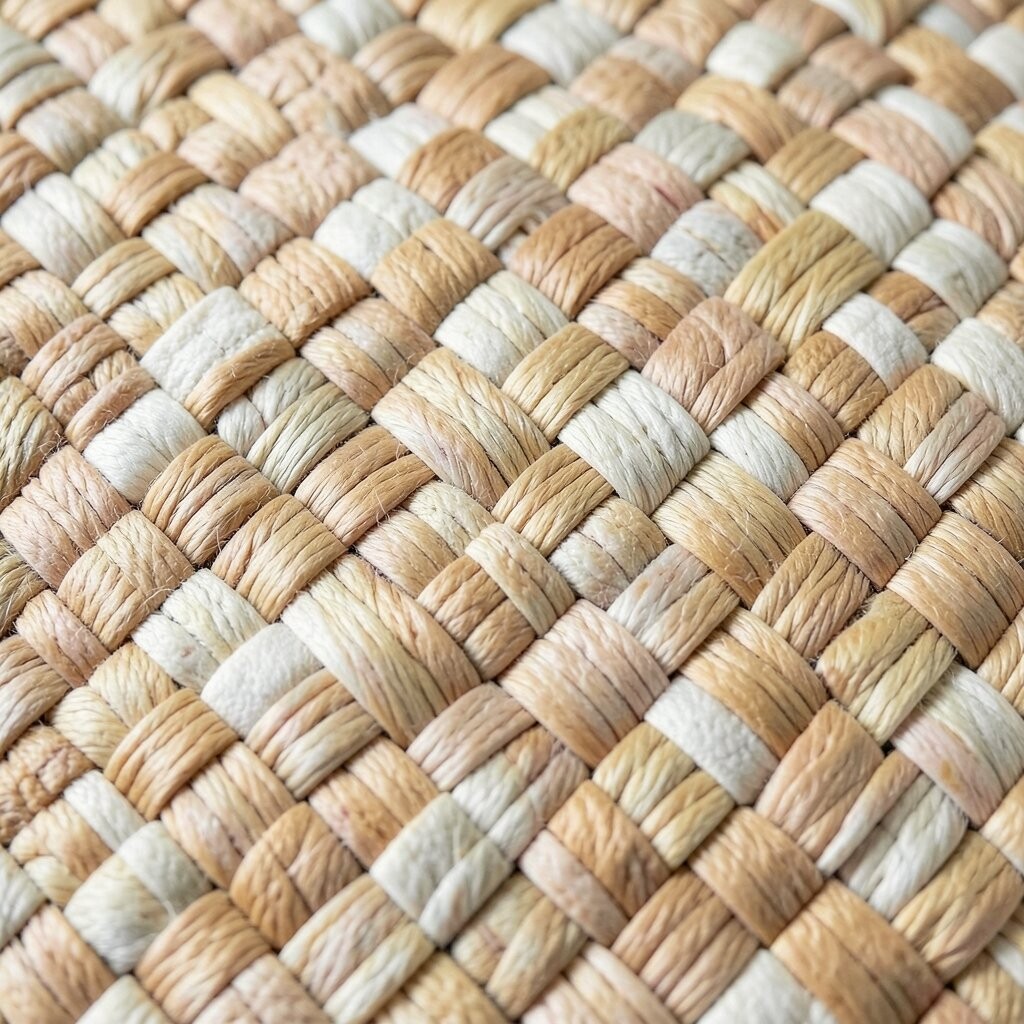
Create a woven look by combining simple strips with contrasting squares. The finished blocks can look like braided baskets, even though the method stays straightforward.
This idea adds richness to your quilt without requiring complicated templates. You’ll love how the pattern frames each fabric choice and makes the whole top feel structured. Pick a warm neutral background and then weave brighter colors through it for a cozy look.
For practical tips, keep your seam allowances accurate so the “weave” aligns. If you want extra personalization, choose fabrics with similar tones so the illusion looks smooth. Consider using a mix of small prints and solids so the weave reads clearly from far away.
7. Log Cabin Cozy Corners
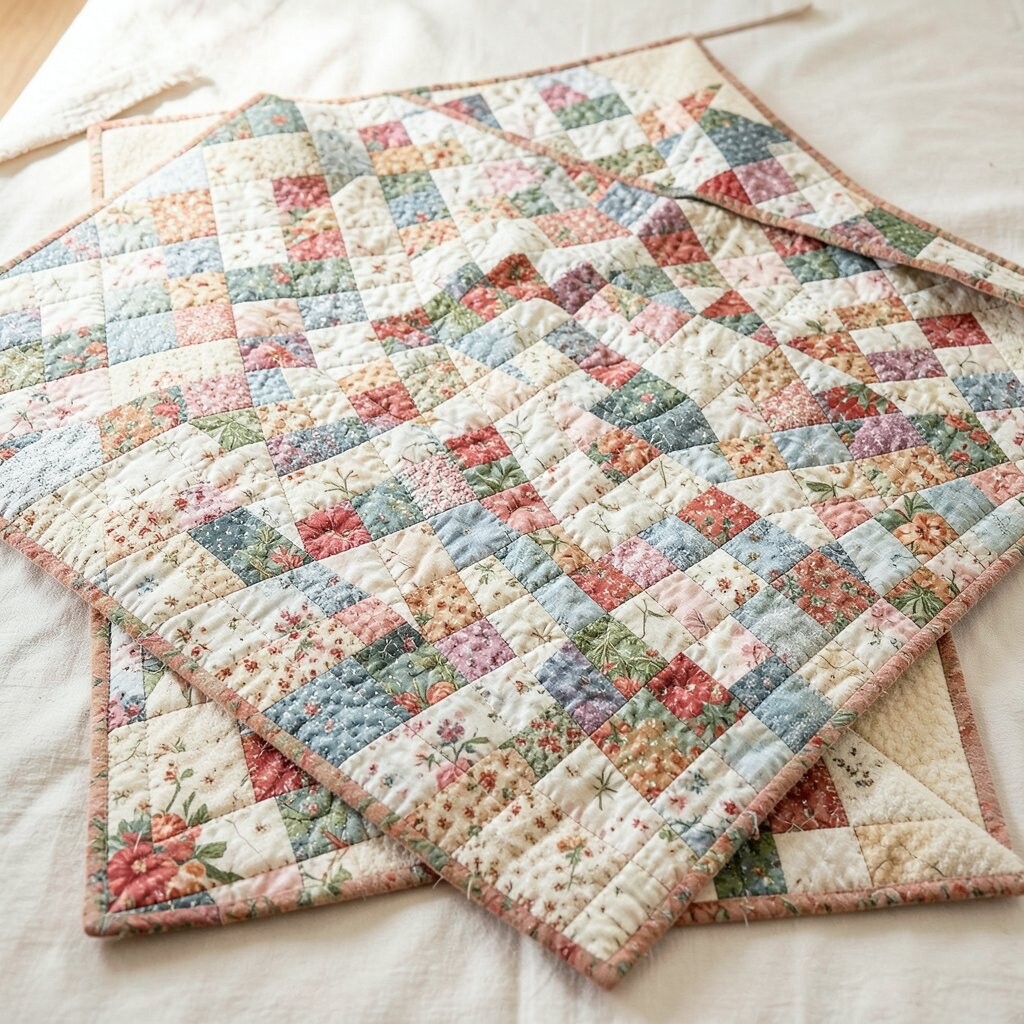
Build each block around a center square, then wrap it with strips that grow outward. The log cabin style looks like stacked layers, like a warm cabin made of fabric.
For a strong visual effect, choose light strips on one side and dark strips on the other. This makes each block feel balanced and helps your quilt look intentional. The biggest benefit is how flexible it is for scrap use, since you can mix many fabrics and still get matching block sizes.
To make it practical, cut strip sets in batches and label them by color range. You can also personalize by making centers from scraps that matter to you, like gifts or favorite shirts. If you’re trying to stay within a budget, use a limited number of strip colors and repeat them across blocks.
8. Honeycomb Hexagon Pop
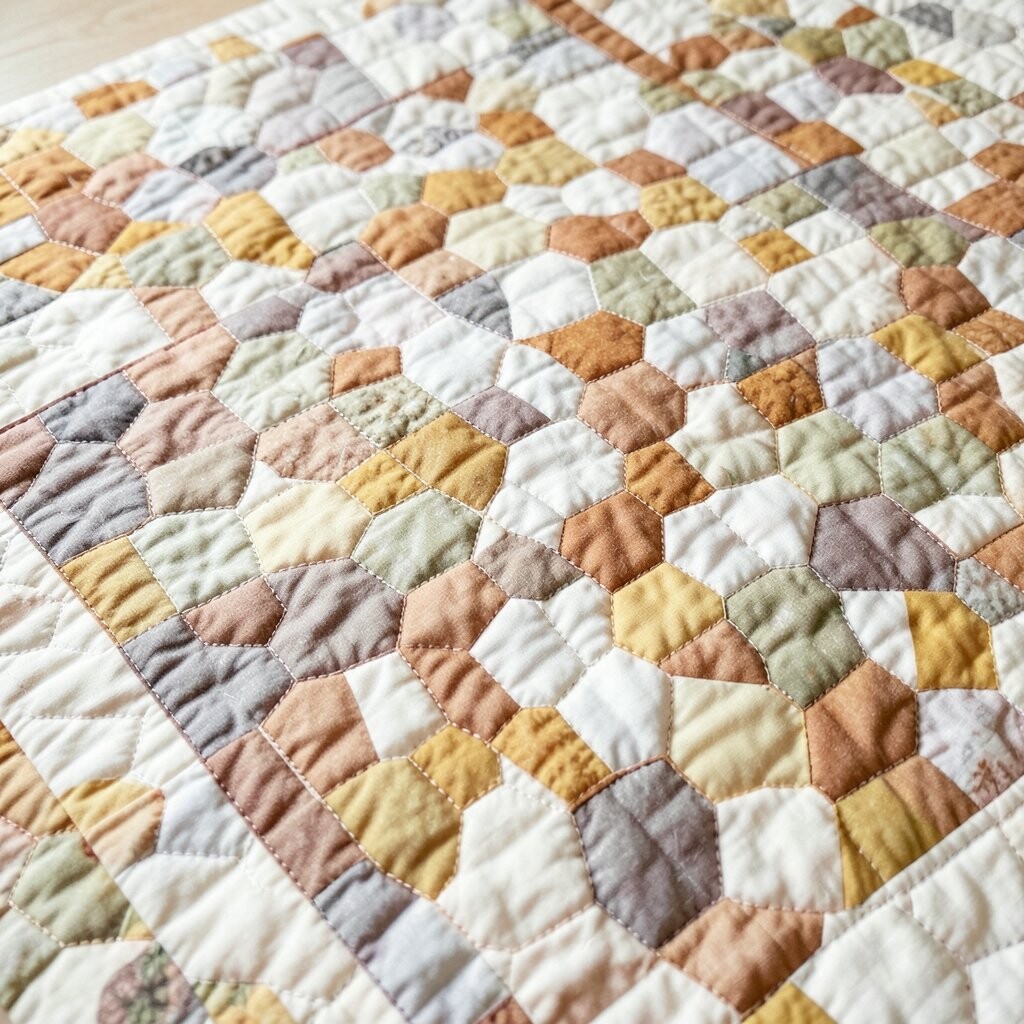
Hexagons bring a bright, modern twist to classic patchwork. When you arrange them in rows, the top looks like a beehive made of color.
You get a quilt that feels energetic and contemporary while still handmade and warm. To personalize, use solids for the hexagon centers and prints for the surrounding shapes, so the pattern “clicks” from a distance. Consider a monochrome background with one or two accent colors for a clean trend-forward look.
9. Scrap Starburst Lattice
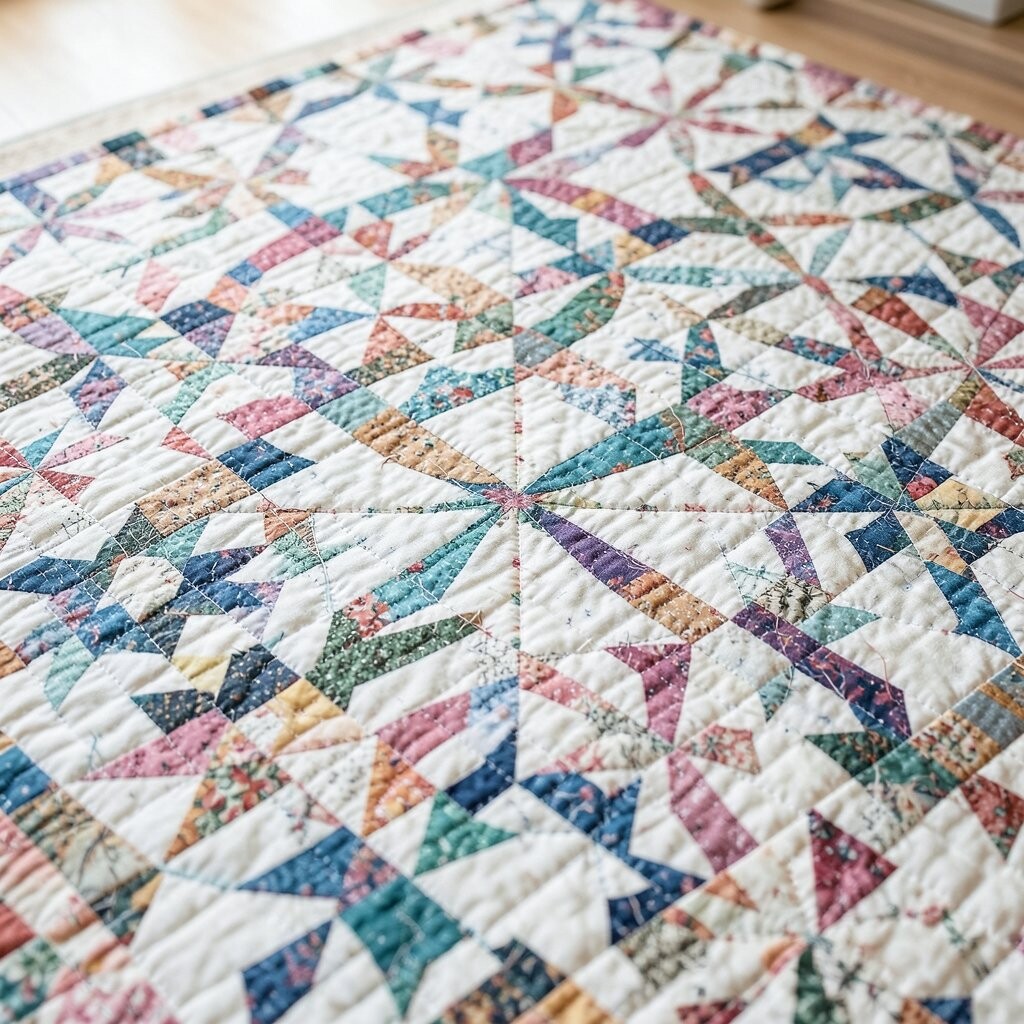
Make starburst blocks that radiate from a center, then place them so they form a lattice. The quilt top feels playful, like a burst of color catching the light.
This design helps you use scraps with a plan, because each star needs a few similar pieces. It’s unique because the center shapes act like focal points, while the surrounding blocks keep everything connected. For practical tips, press seams carefully and check your block size before joining rows.
If you want cost savings, use your most expensive fabrics only for the star centers and fill the rest with affordable scraps or pre-cuts. Personalize by choosing a theme, like greens for nature or blues for ocean moods. Keep a photo of your layout, especially if you’re mixing lots of colors, so you can rebuild it later if needed.
10. Applique Meadow Medallion

Start with a patchwork medallion layout, then add stitched applique flowers or leaves. The quilt looks like a garden framed by neat geometry.
This combo is great when you want softness plus structure in one project. You’ll get a quilt with a clear focal center that feels special, even if your applique shapes are simple. For personalization, choose shapes that match your home or wardrobe, like daisies for a bright cheerful vibe or oak leaves for an autumn look.
To keep it practical, use fusible web for your first applique so placement stays easy. Consider fabric that matches the applique colors and a thread that blends for neat stitches. Costs stay manageable when you treat applique as a small feature rather than filling the whole quilt with it.
11. Pinwheel Whirlwind
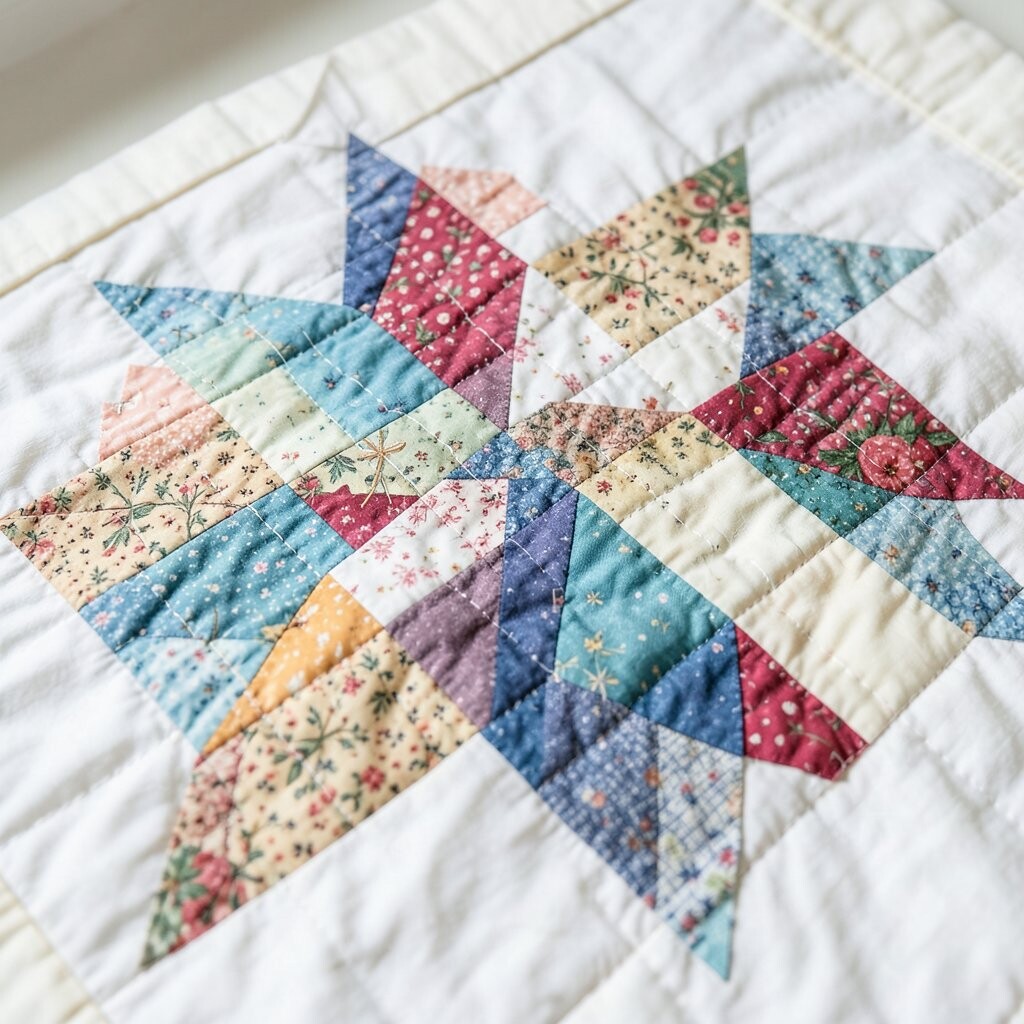
Pinwheels spin across the quilt as you sew triangles that meet at a point. It creates a friendly rhythm that looks great in both scrappy and coordinated styles.
This idea is unique because each block feels like it’s turning, even when the quilt lies flat. You’ll benefit from the way pinwheels hide small differences in triangle piecing if you keep units consistent. For personalization, vary triangle colors in a gentle gradient so the “spin” looks like it moves.
For practical tips, cut triangles accurately and keep your rows aligned when joining blocks. If you want to control cost, build some blocks with pre-cuts and others with larger leftover yardage scraps. Using a limited color family also makes pinwheels look modern and cohesive.
12. Color-Block Photo Frame

Use bold color blocks arranged like frames around a central square. The quilt top can look like a gallery wall, simple but stylish.
You’ll get an easy, modern look that shows off big fabric prints and clean solids. It’s also a strong choice if you want to use a single favorite panel or motif without making it busy. For personalization, place the most meaningful fabric at the center, then repeat its colors in the surrounding blocks.
To make it practical, measure your intended finished size and plan your block sizes so nothing ends up uneven. Keep seams simple and consistent so the quilt lays smoothly. If you’re budget-minded, focus spending on one statement print and fill the rest with low-cost solids.
13. One-Fabric Story Patchwork
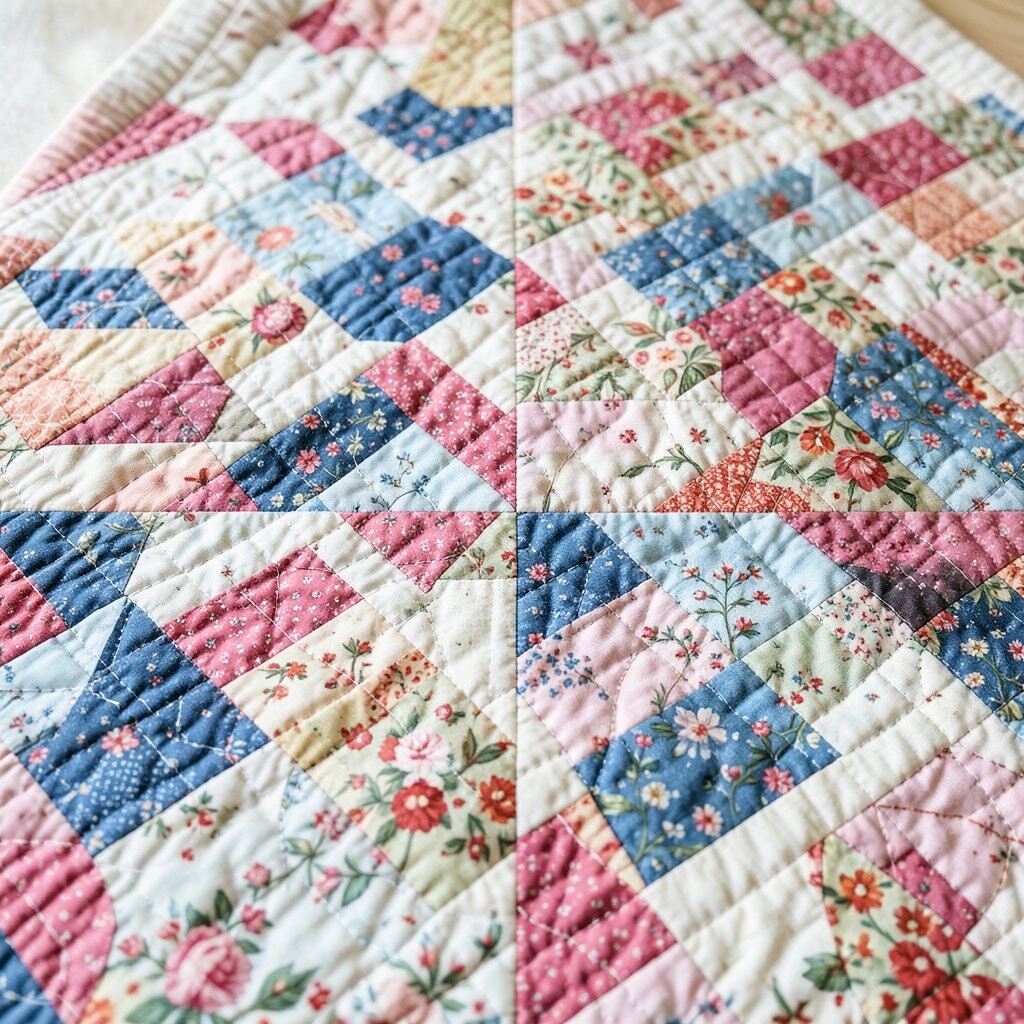
Choose one “story” fabric with prints or motifs, then build the quilt around it using smaller supporting pieces. The result looks cohesive because the main fabric keeps returning in different places.
This style feels uniquely personal because your favorite print becomes the theme. You’ll also get a quilting benefit from repetition, since the patchwork blocks guide the eye across the top. For personalization, cut the story fabric into focal snippets, then frame each snippet with a solid border color.
To keep it practical, plan your cutting before you sew, so you don’t run short on the story fabric. Watch costs by buying supporting fabrics that are affordable and easy to match. A consistent background color can make even inexpensive prints look coordinated.
14. Ombre Triangle Landscape
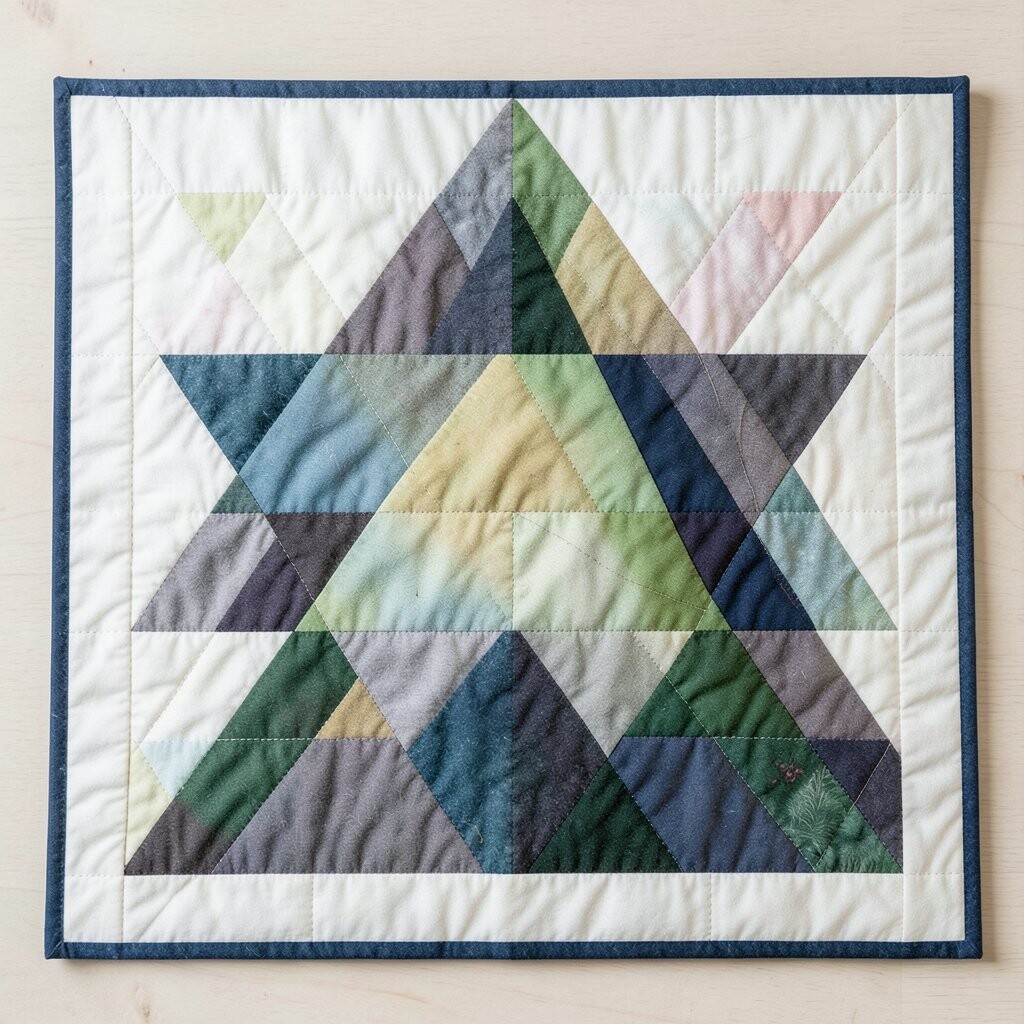
Create an ombre effect by arranging triangles so colors fade from one end of the quilt to the other. The visual can feel like hills at sunset, soft and inviting.
You’ll get a soothing, modern quilt that looks intentional without needing a complex pattern. This idea is unique because triangle placement makes the gradient feel continuous, almost like a painted sky. For personalization, choose ombre tones that match your room, such as neutrals for calm or jewel tones for a bold look.
If you want practical tips, sort your triangle pieces by value from light to dark before sewing. Measure your rows so the gradient direction stays consistent across the quilt top. To control costs, you can buy one ombre fabric line if it fits your budget, then stretch it with coordinating scraps and solids.
When you finish, add a backing that echoes the mid-tone of your quilt so it feels wrapped and complete. This makes your patchwork triangles feel grounded, not floating.