Walls can feel brand new without changing a single window or door. The right plaster texture adds depth, warmth, and personality in a way paint can’t match.
1. Venetian Lime Plaster
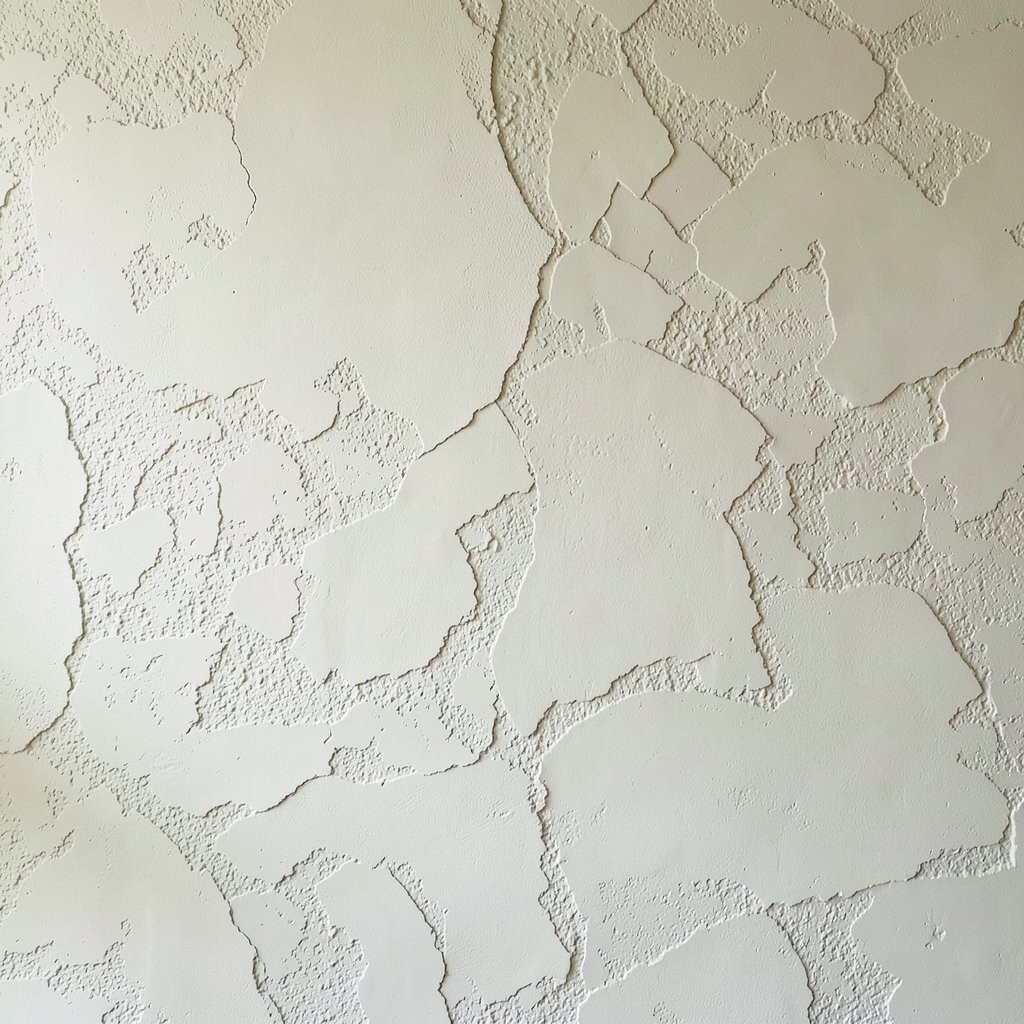
Venetian lime plaster creates a soft, cloudy glow that looks almost like stone. When the finish is rubbed and polished, it catches light in gentle layers, making even a simple room feel elegant.
This texture is great for people who want a calm, upscale look that still feels natural. It’s breathable, so it can help the wall release moisture rather than trapping it. For best results, use a clean base coat and plan for careful troweling passes, because the hand movements shape the final shine.
2. Smooth Microcement Finish
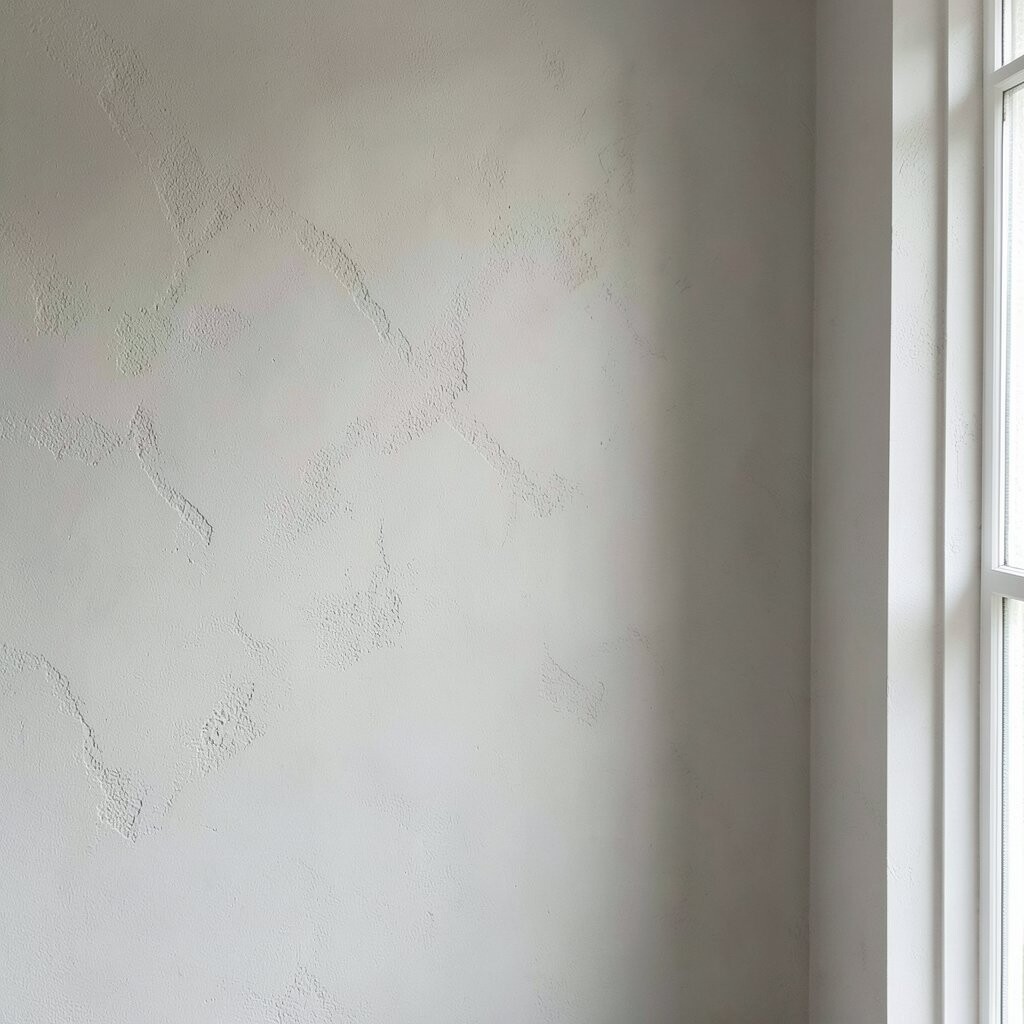
Microcement gives walls a sleek, modern surface with a fine, slightly speckled texture. Under lighting, it can look matte to satin, with a clean edge that works well in contemporary spaces.
You’ll love how it feels touch-friendly and how it can pair with minimal décor. It can also hide small imperfections better than glossy paint, especially when applied in thin layers. If you’re personalizing, choose a warm greige or soft charcoal and match it with simple metal accents.
For cost planning, microcement typically needs more skilled labor than standard paint, since the system is layered and needs strict timing. Ask your installer for a material breakdown by square meter so you can compare quotes fairly. Keep the wall dry during curing, and use a gentle cleaner afterward to protect the finish.
3. Limewash With Cloudy Variations
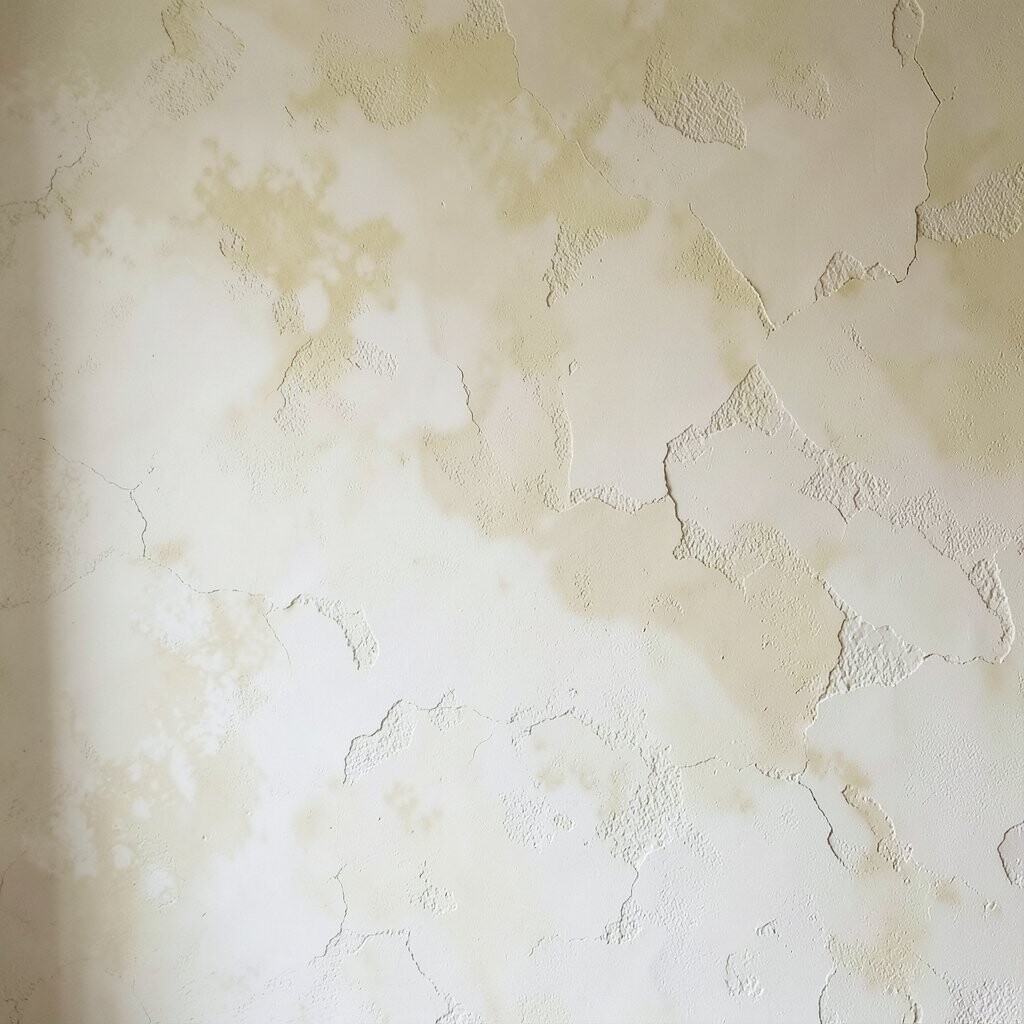
Limewash creates a rustic, airy look with cloudy variations that feel alive. The surface may show subtle streaks and speckles, like old plaster that has been loved for years.
This texture brings instant character, especially in living rooms, hallways, and bedrooms. It also tends to be easier to refresh over time, since gentle re-coating can deepen the look without starting over completely. For practical results, apply in thin coats and maintain consistent coverage so the pattern feels intentional, not patchy.
Uniqueness comes from how limewash reacts with your wall and light, so two rooms can look surprisingly different. Consider using a slightly lighter tone than your paint sample so it stays luminous once dry. If you want a modern twist, pair limewash with crisp white trim and dark hardware for contrast.
4. Striated Sand Trowel Texture
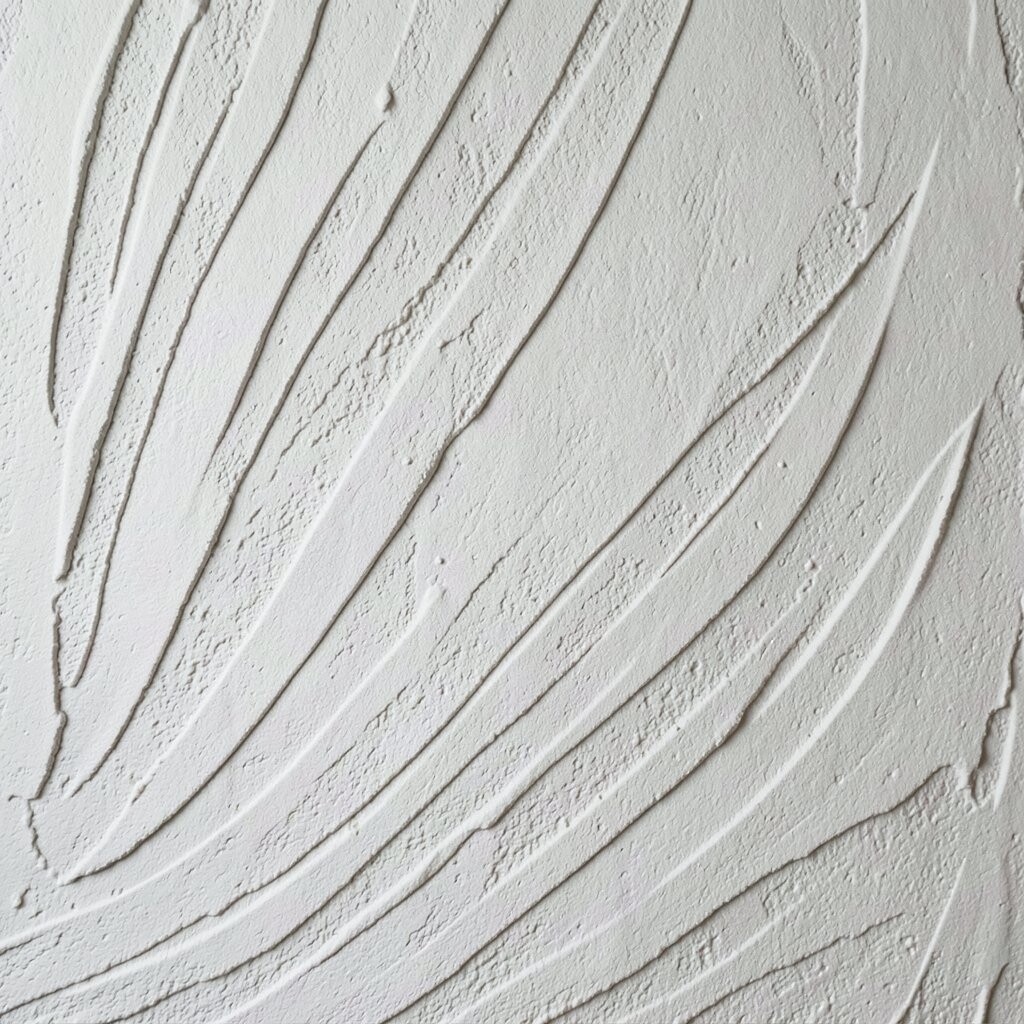
A striated sand trowel finish looks like fine streaks pressed into plaster. The lines can be tight and orderly or loose and wind-like, depending on how you guide the tool.
It’s a smart option when you want texture without heavy patterns, since it stays visually “quiet” from a distance. This texture helps hide minor wall waves and can make light move across the wall in a flattering way. For personalization, choose a direction, like vertical for height or diagonal for energy, and keep that movement consistent on each wall section.
5. Concrete-Style Plaster Look
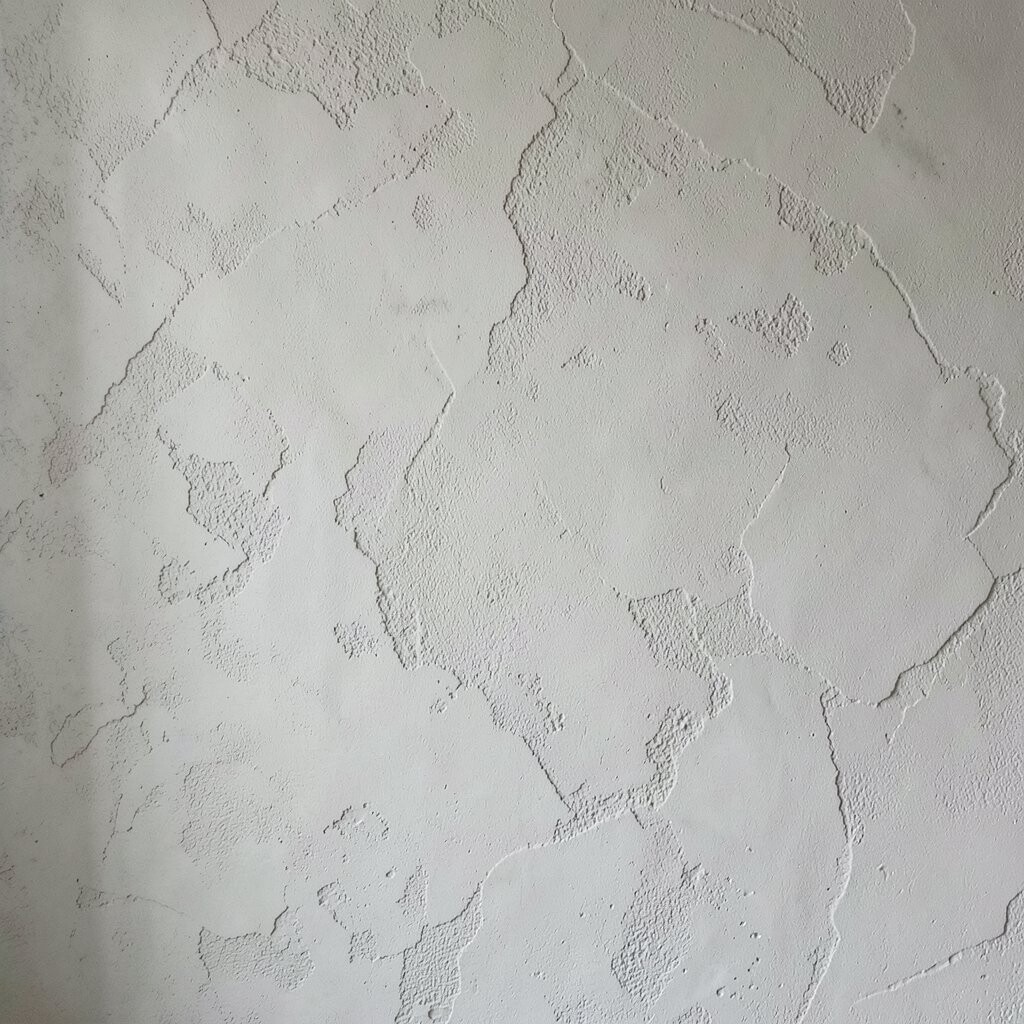
Concrete-style plaster gives a rugged, urban feel while staying smoother than true concrete. You’ll see subtle trowel marks and gentle gray gradients that look realistic under both warm and cool bulbs.
This finish is ideal for people who like a bold look but still want it to feel clean. It also pairs well with wood, stone, and matte black fixtures. To keep it from feeling too cold, warm up the palette with greige or taupe instead of stark gray, and add layered lighting to make the texture glow.
Cost-wise, expect mid-range pricing because it often uses multi-step materials and careful smoothing. Ask about patching and touch-ups, since matching concrete-style color can be tricky after the fact. For practicality, make sure your base coat is solid and well-leveled, because the plaster will emphasize uneven spots.
6. Sgraffito Carved Layers
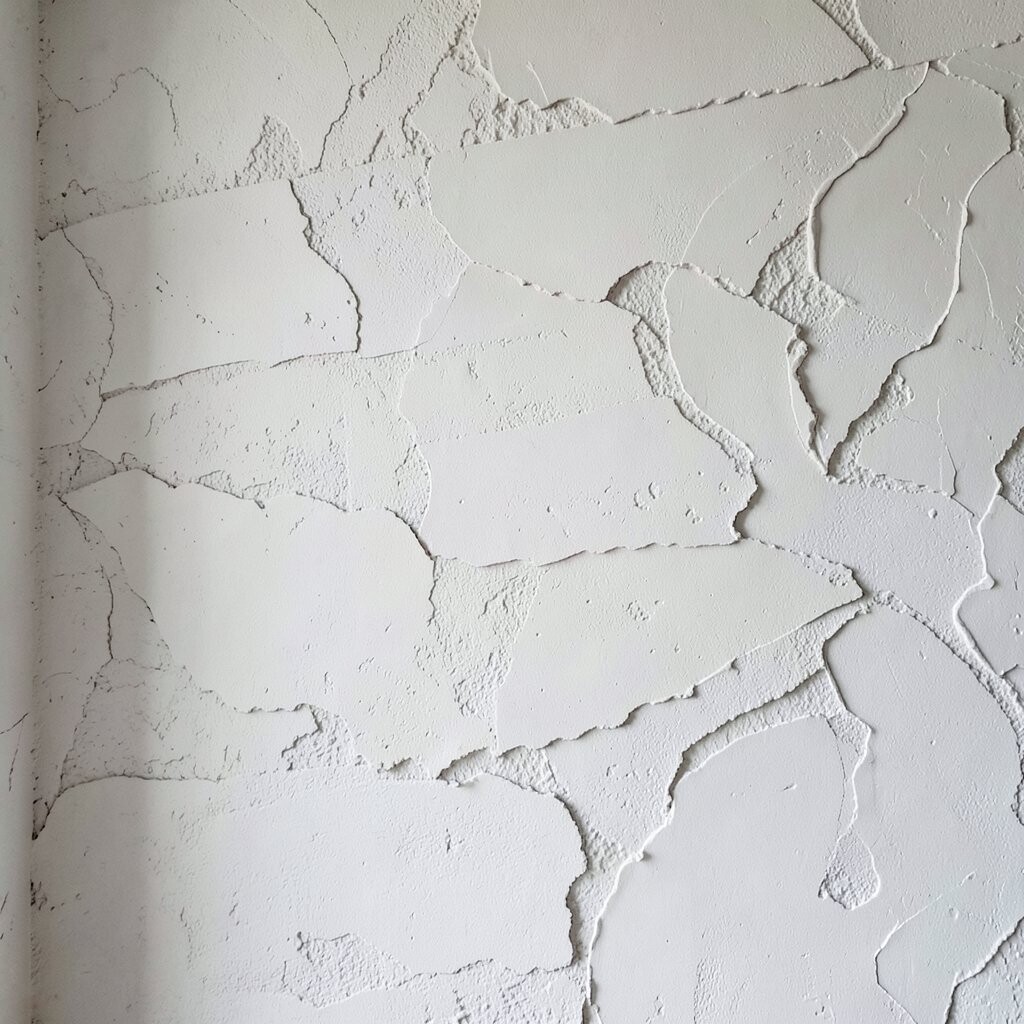
Sgraffito plaster is all about artful contrasts made by carving through layers. A top colored layer reveals the base beneath, creating hidden drawings, swirls, or small motifs.
This texture feels one-of-a-kind because the marks are handmade and can be as subtle or dramatic as you want. It’s a great choice for accent walls, stair landings, and dining areas where people actually look closely. For practical success, sketch lightly first and choose a simple pattern that fits your space rather than crowding it.
7. Orange Peel Texture With Soft Depth
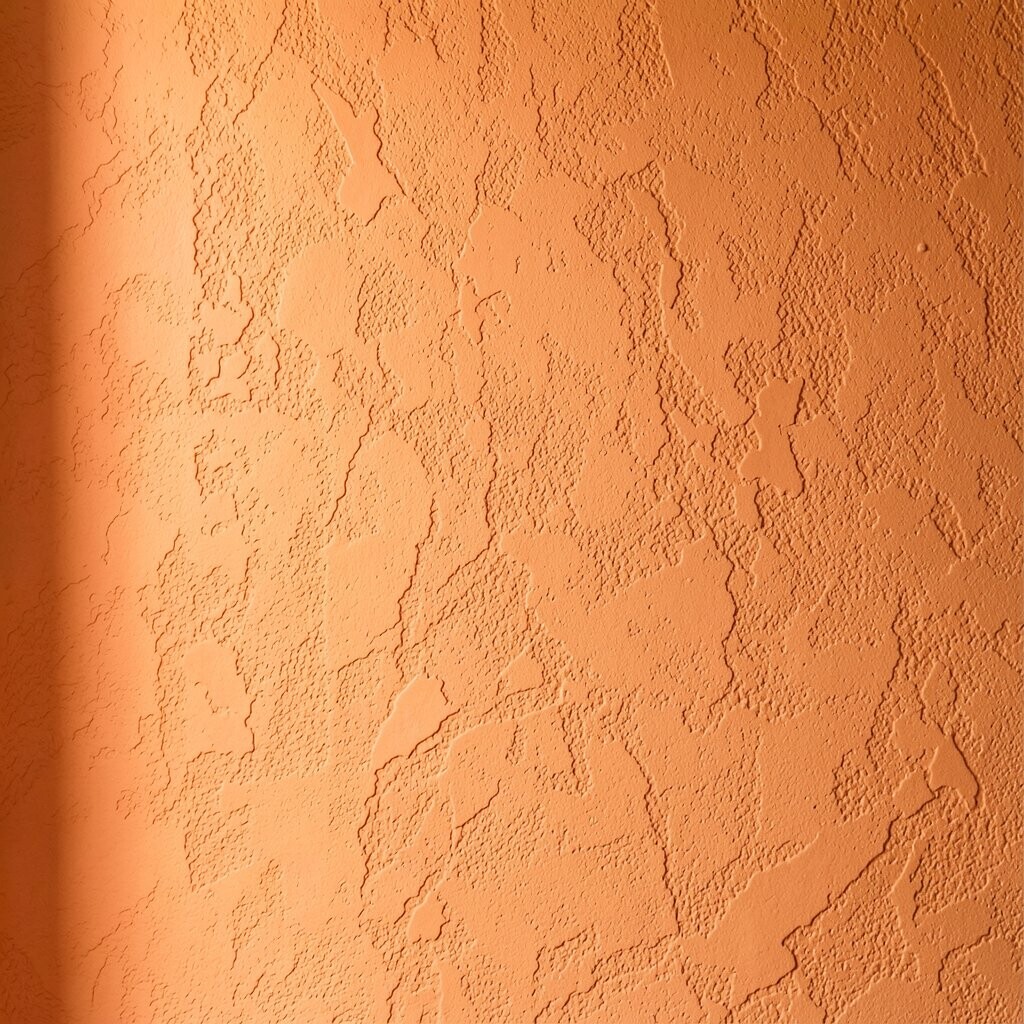
The orange peel effect brings a bouncy, pebbled texture that helps walls look forgiving and lively. From far away it reads as gentle texture, but up close you can see tiny peaks that catch light.
This finish is useful if your walls have small dents, because the surface hides them better than smooth plaster. It also works in many home styles, from modern to classic, since you can keep it light and neutral. For personalization, control the spray or stippling density and choose warm tones to avoid a too-industrial feel.
When budgeting, the labor can vary based on how consistent the stipple needs to be, especially in corners and near outlets. Consider using a ceiling-to-wall flow on open spaces, and protect edges with crisp masking so the texture stays clean. A well-applied orange peel can be durable and easy to maintain with regular dusting.
8. Skip Trowel Pattern
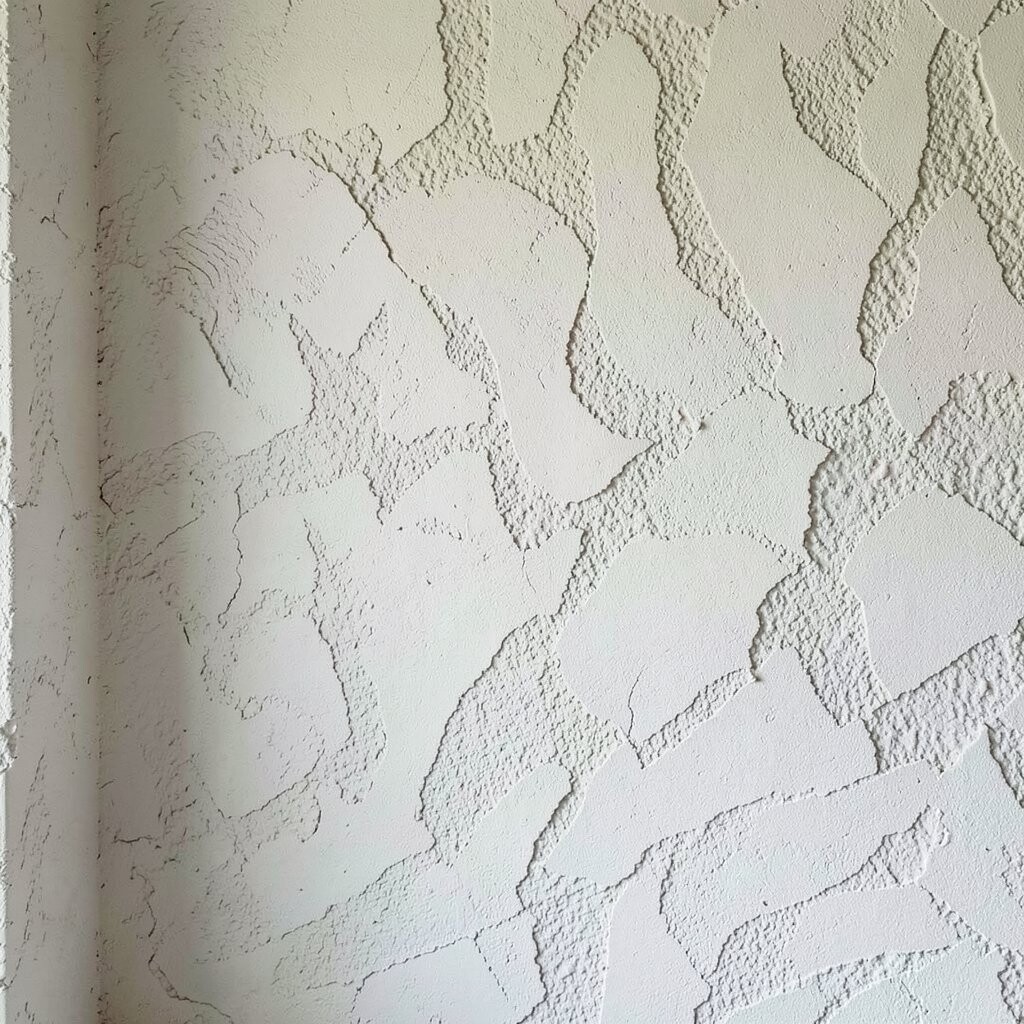
Skip trowel texture has irregular patches created by quick trowel passes, leaving a lively, handcrafted surface. The result feels playful and can hide imperfections while still looking stylish.
This is a good pick for spaces where you want warmth without going fully rustic. It adds depth that looks great in daylight and under evening lamps, because the pattern creates soft shadows. If you’re personalizing, try a monochrome look and add a tinted glaze to bring out the texture lines.
9. Smooth Raked Lines
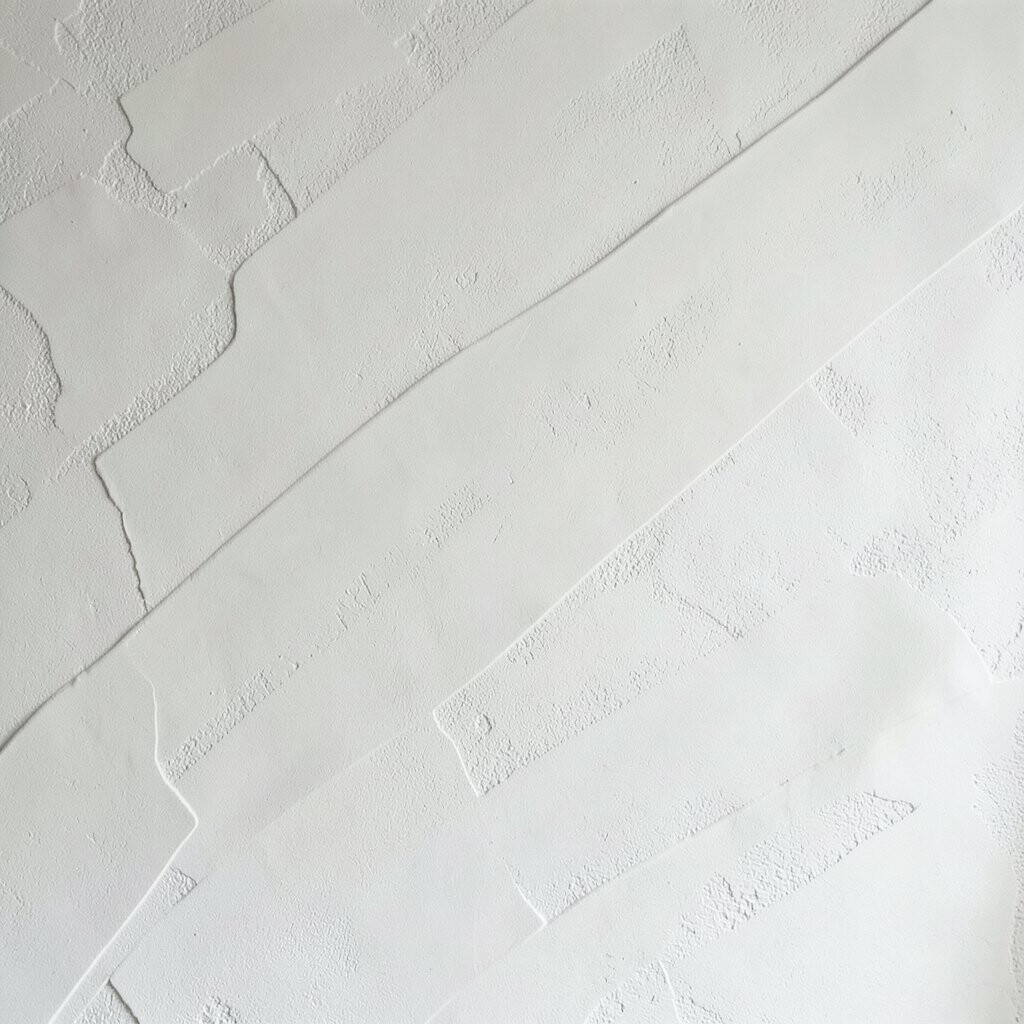
Smooth raked plaster focuses on linear grooves without heavy roughness. The lines can look razor-thin and elegant, giving walls an orderly rhythm that feels modern.
You’ll get a structured look that still has personality, especially when light rakes across the grooves. This texture also helps define design zones, like around a fireplace or behind a bed headboard. For practical tips, keep line spacing consistent and use steady pressure so the grooves look even rather than accidental.
Cost considerations matter here because fine line work often takes more time, especially on large walls. If you want a more budget-friendly path, choose fewer walls for this finish and use smoother plaster elsewhere. Pair the grooves with calm colors like warm white, stone beige, or soft sand to keep the look timeless.
10. Micro-Troweled Lime With Satin Shine
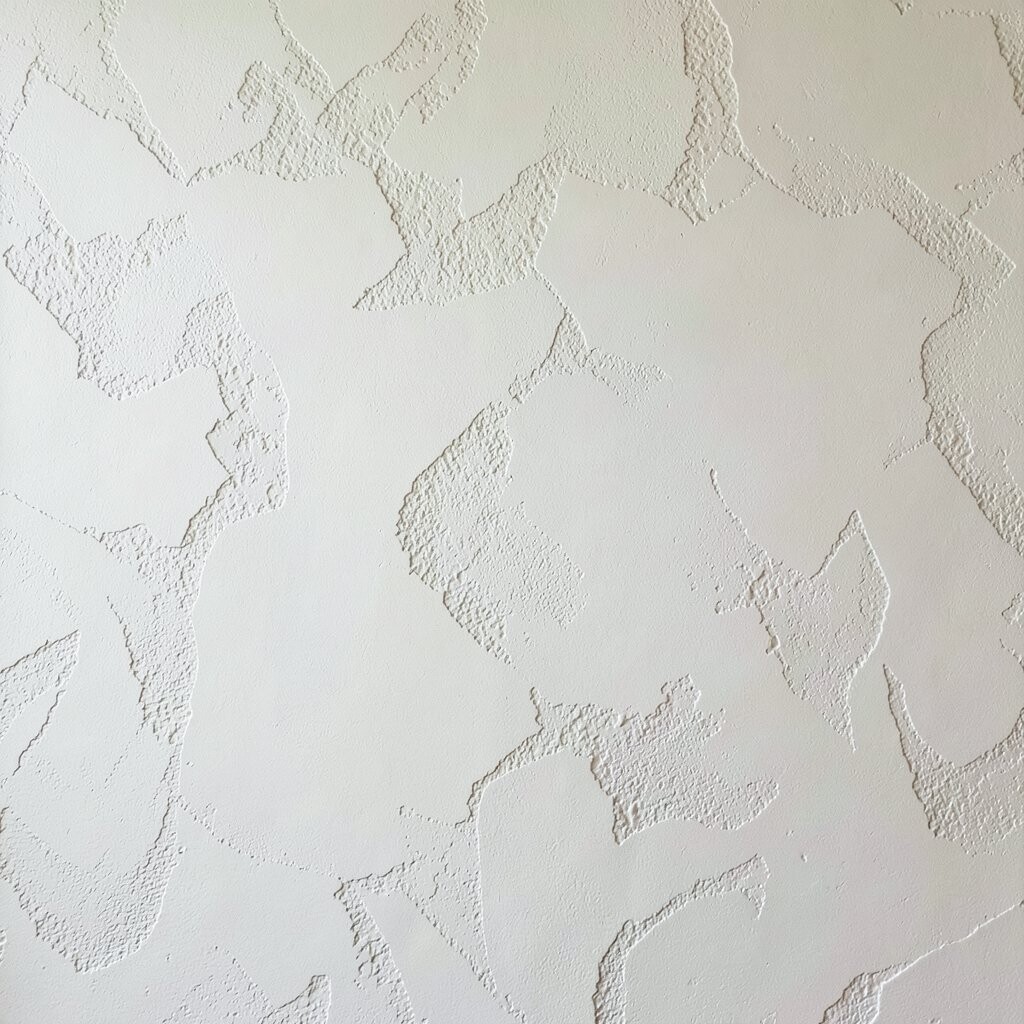
This style uses a lime plaster process with careful micro-troweling to create a satin sheen. The surface looks smooth at first glance, then reveals tiny movement in the finish when you get closer.
It offers the benefits of lime with the look of a high-end polish, so it feels both natural and refined. Many people choose it because it complements traditional molding as well as modern furniture. To personalize, decide how much shine you want by adjusting the number of passes and the final burnish level.
11. Board-Float Stucco Style
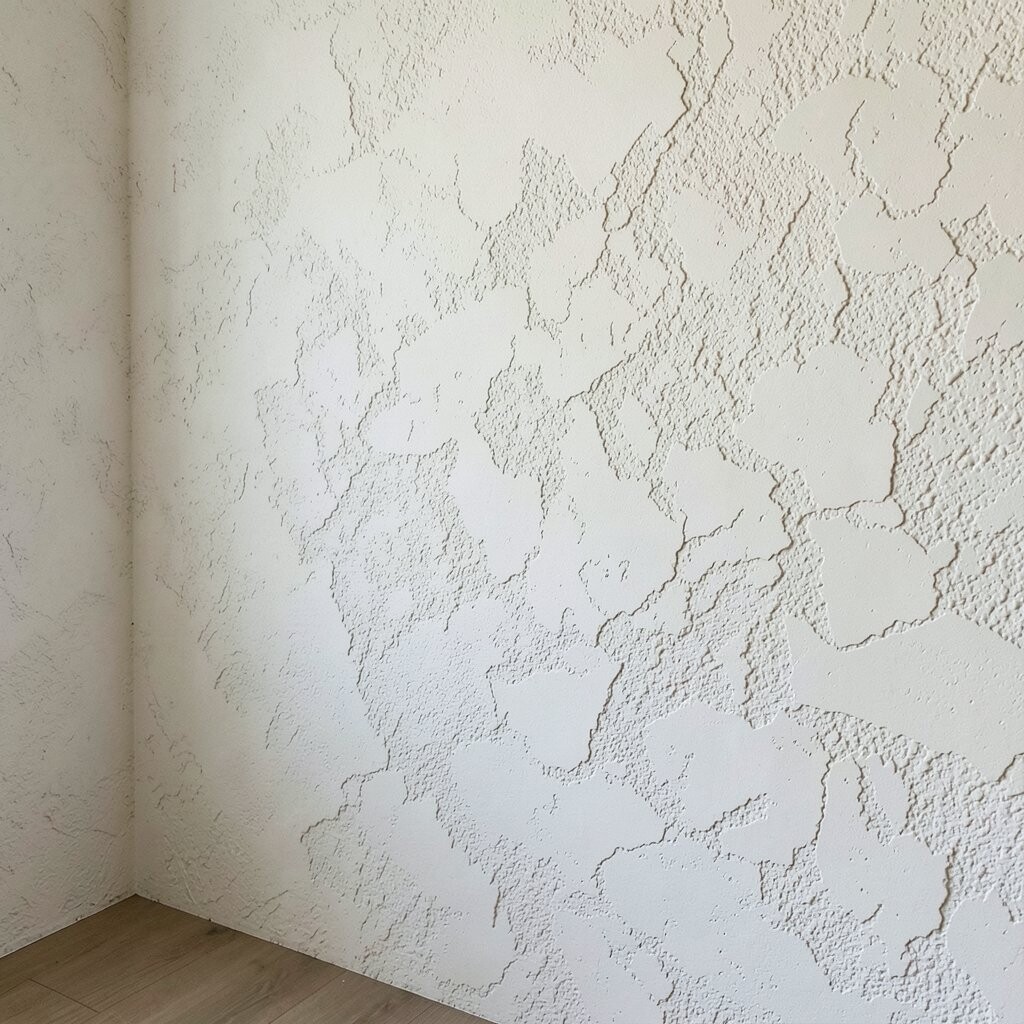
Board-float stucco style brings the feel of traditional exterior work into an indoor-ready finish. You’ll see faint tool marks that create a gentle, mottled texture without being too rough.
This texture is unique because it has subtle variation that looks handmade rather than machine-made. It’s also practical for busy households, since minor scuffs may blend into the surface. For personalization, add color wash layers in two close shades so the texture looks richer and deeper.
Cost can be friendly when you keep the color system simple, since it may use fewer specialized steps than highly polished finishes. Still, proper base prep is key, so ask about skim coating and smoothing before the texture layer goes on. Maintain indoor humidity in a reasonable range while it cures for the most even results.
12. Glossy Lime Render With Color Wash
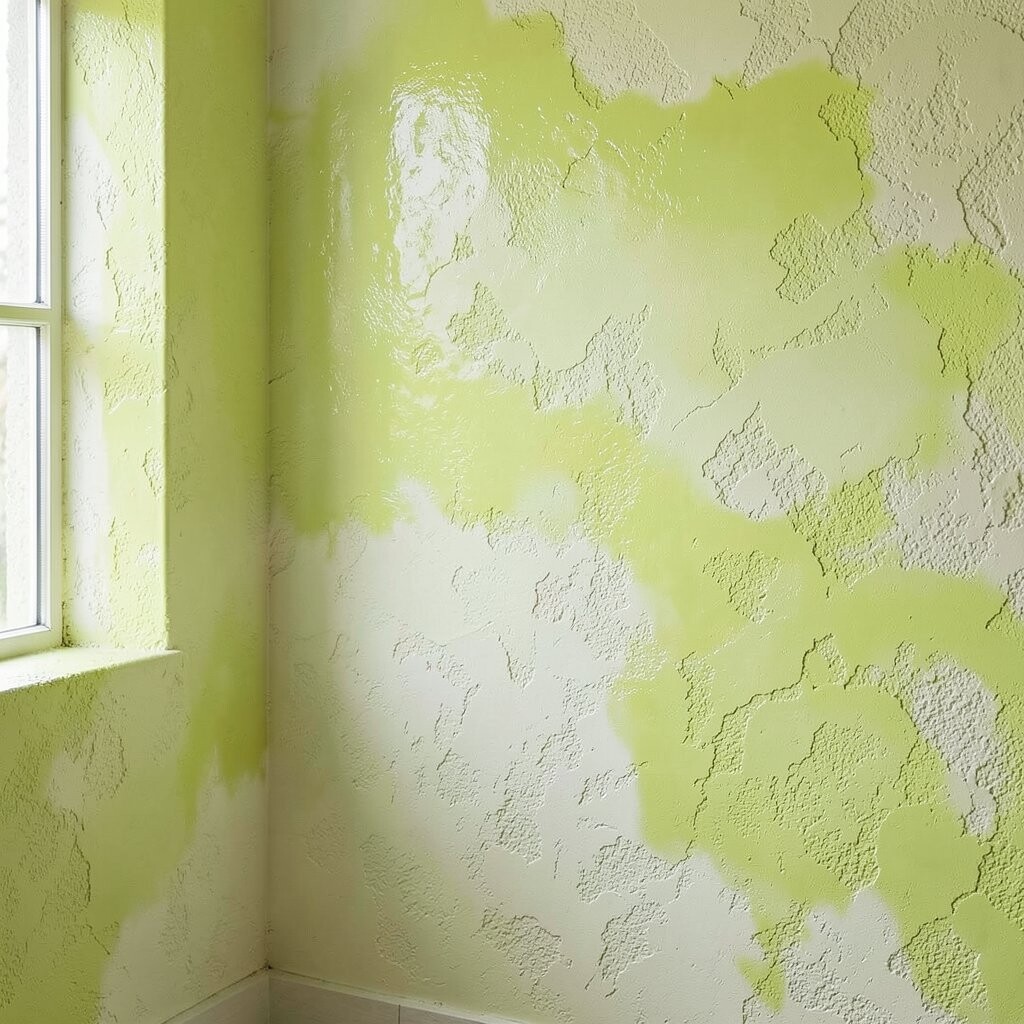
Glossy lime render with a color wash creates drama while keeping the look soft instead of plastic. The top finish can reflect light subtly, and the wash adds depth that makes the wall feel layered.
This texture is great for feature walls because it makes color look more complex than paint. It also helps create a premium look around art, mirrors, and built-in shelves. For practical tips, test a small patch first since lime tones can shift as they dry and cure over time.
13. Handmade Clay Plaster With Brush Veins
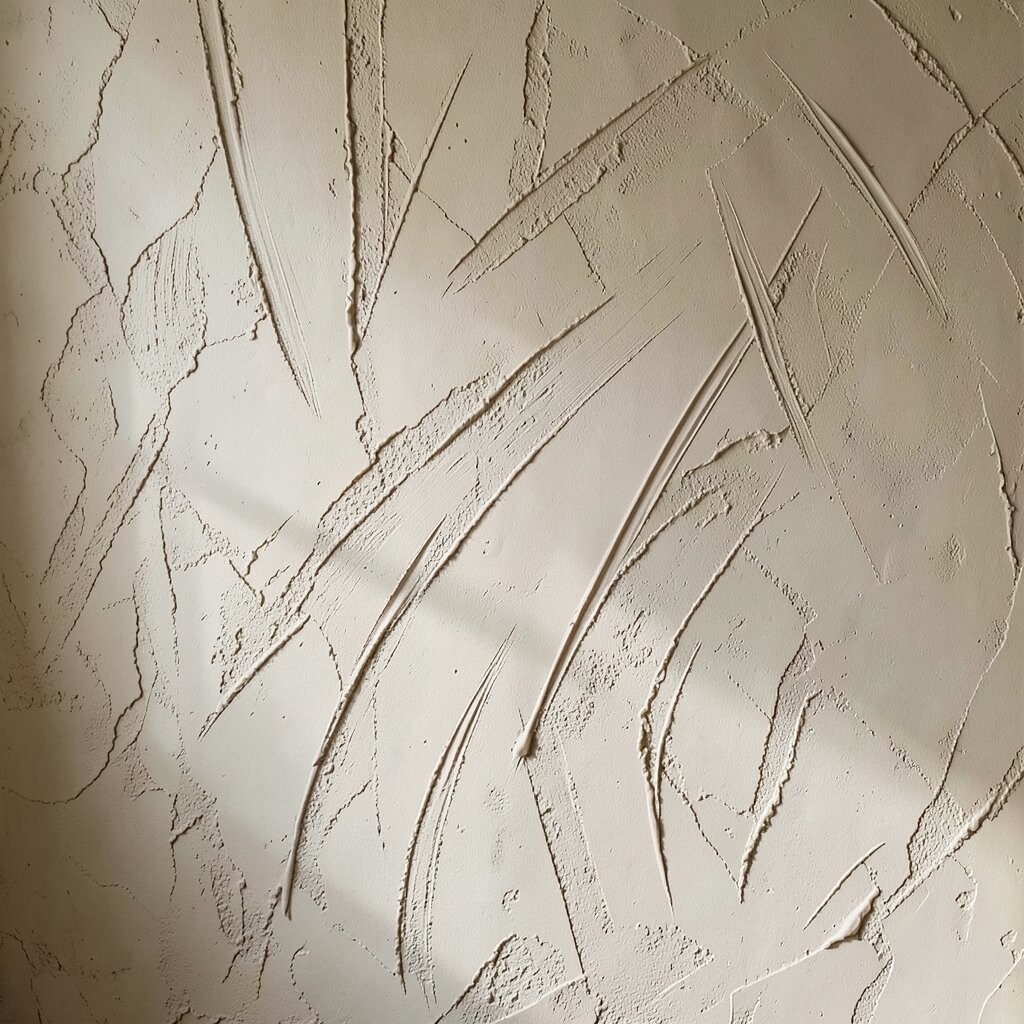
Handmade clay plaster can show brush veins and gentle specks that feel warm and natural. The surface often looks like it was finished by hand in every tiny stroke, which is exactly what makes it special.
This texture brings comfort to a room and pairs beautifully with natural materials like linen, wool, and reclaimed wood. Clay plaster can also help with indoor comfort by managing humidity, which many homeowners enjoy. For personalization, blend earthy colors such as terracotta, sand, or cocoa, and plan a brush pattern that matches your style, from soft sweeps to energetic zigzags.
Cost varies depending on whether you choose a ready-made system or a more custom mix, but clay finishes can still be cost-effective when you limit the area to a single wall. Ask how repairs are handled so you can match tones later, since clay’s richness can shift slightly. Keep cleaning gentle and avoid harsh scrubbing so the brush character stays beautiful over the years.