A plain wall can feel cold, even when furniture looks warm. The right plaster texture brings depth, light, and personality into everyday rooms.
1. Limewash Glow Over Smooth Plaster
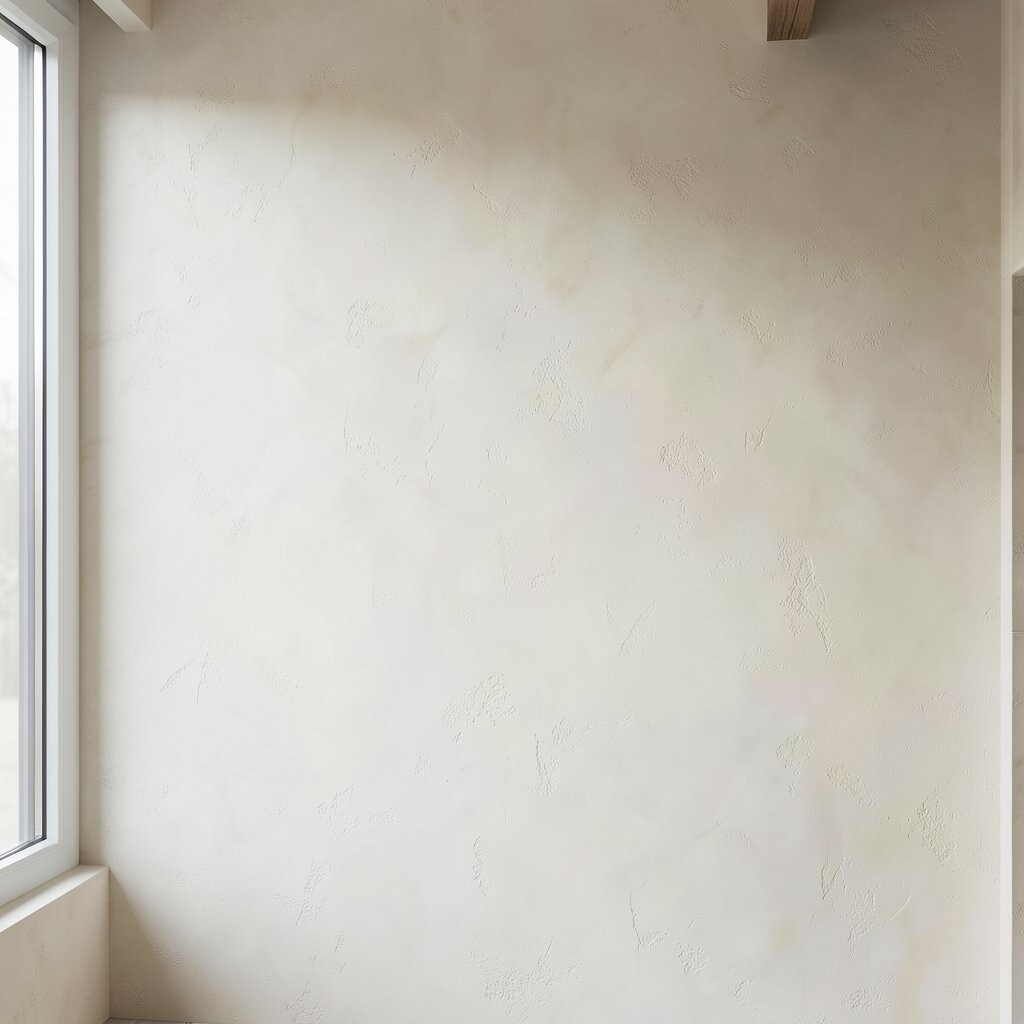
Limewash has that soft, breathable look that makes modern spaces feel lived in. When the light hits it, the wall seems to gently fade and glow instead of sitting flat.
You get a lovely, slightly uneven surface that hides tiny imperfections and helps a room feel calmer. For practical results, apply in thin layers and keep a steady pace so the sheen stays even. Choose warm whites, chalky creams, or pale sand tones to brighten without looking harsh.
2. Venetian Plaster With Subtle Veins
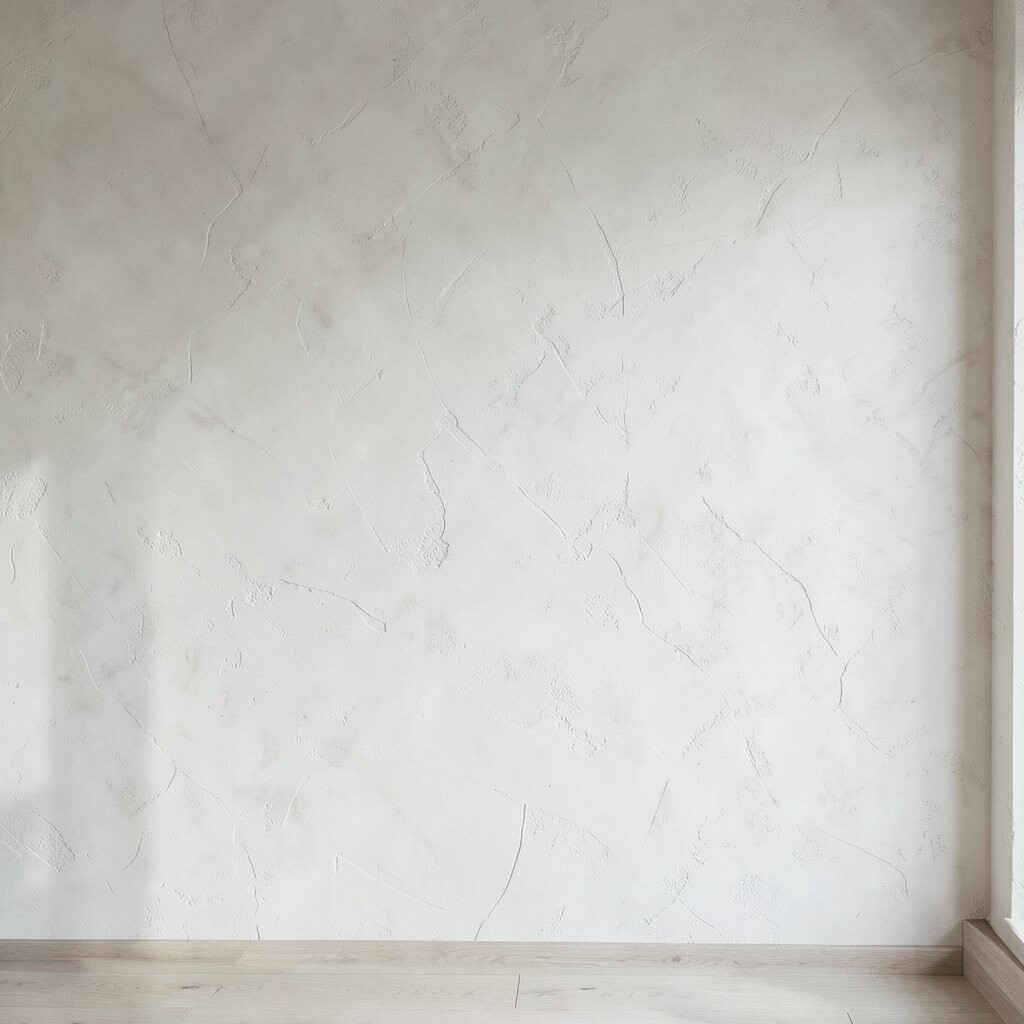
Venetian plaster is smooth but not boring, with delicate movement that reminds you of natural stone. Fine trowel marks create faint swirls that catch daylight and add a rich, modern polish.
It works especially well on accent walls behind a sofa, bed, or dining area. To keep it practical, seal it properly and wipe gently with a damp cloth rather than scrubbing. If you want it to look lighter, pick cooler greys or clean whites and ask your plasterer to keep the finish semi-matte.
Because this texture feels luxurious, it can be surprisingly cost-effective compared to full stone cladding. You can also personalize by adding a faint glaze tint, which keeps the wall bright while still looking upscale.
3. Microcement Texture for Clean Industrial Warmth
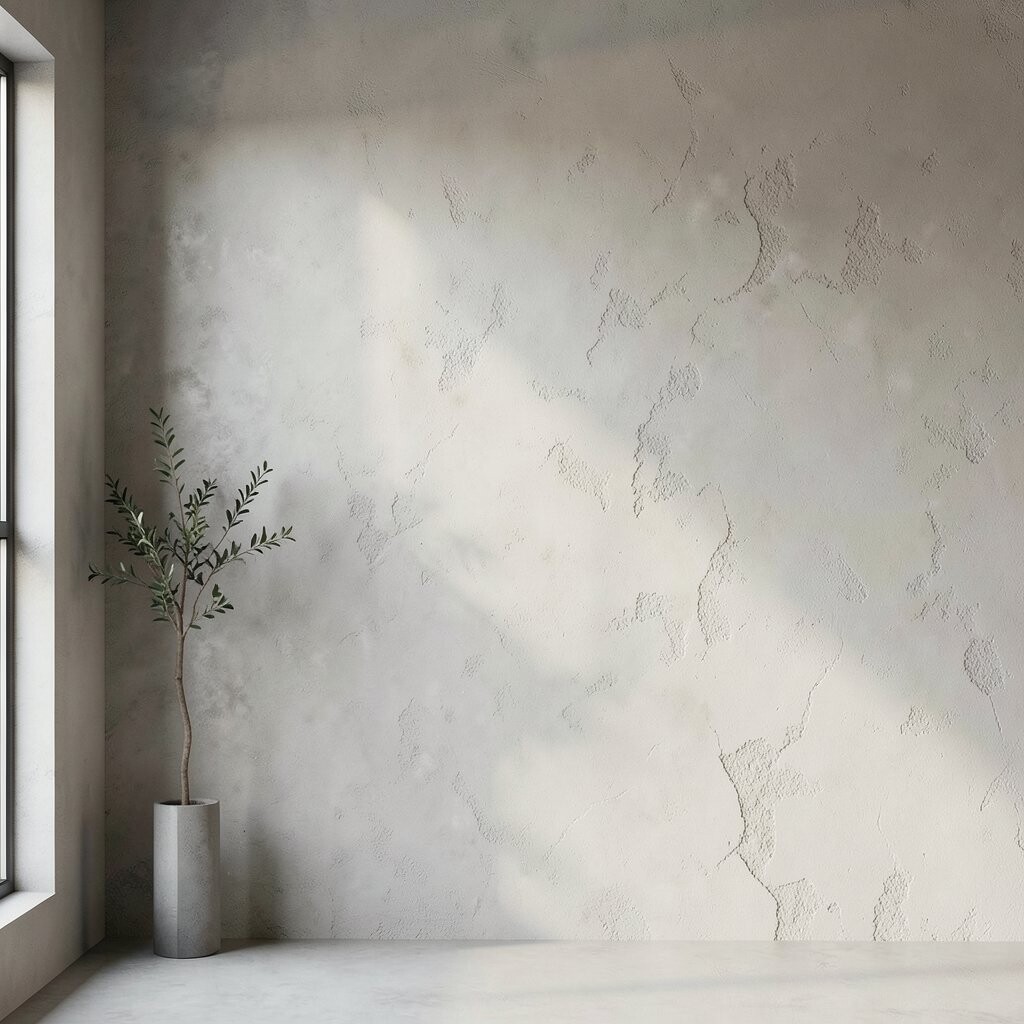
Microcement gives a modern, minimalist surface with a fine grain that looks sleek. It can feel like concrete, but when done in the right color, it brings a soft, cozy calm to a room.
Use it where you want durability, like entryways and kitchens, because it handles daily wear well. Keep the wall bright by choosing light greige, warm limestone, or pale greys that reflect light. For a personal touch, consider a slightly different tone near trim so the edge lines look crisp.
Cost considerations matter here since skilled labor and preparation are key. A solid prep plan, like leveling and sealing, helps you avoid extra patching later. Current interior trends lean toward pared-back surfaces, and microcement fits right into that look.
4. Roughcast Plaster for Cozy Speckled Depth
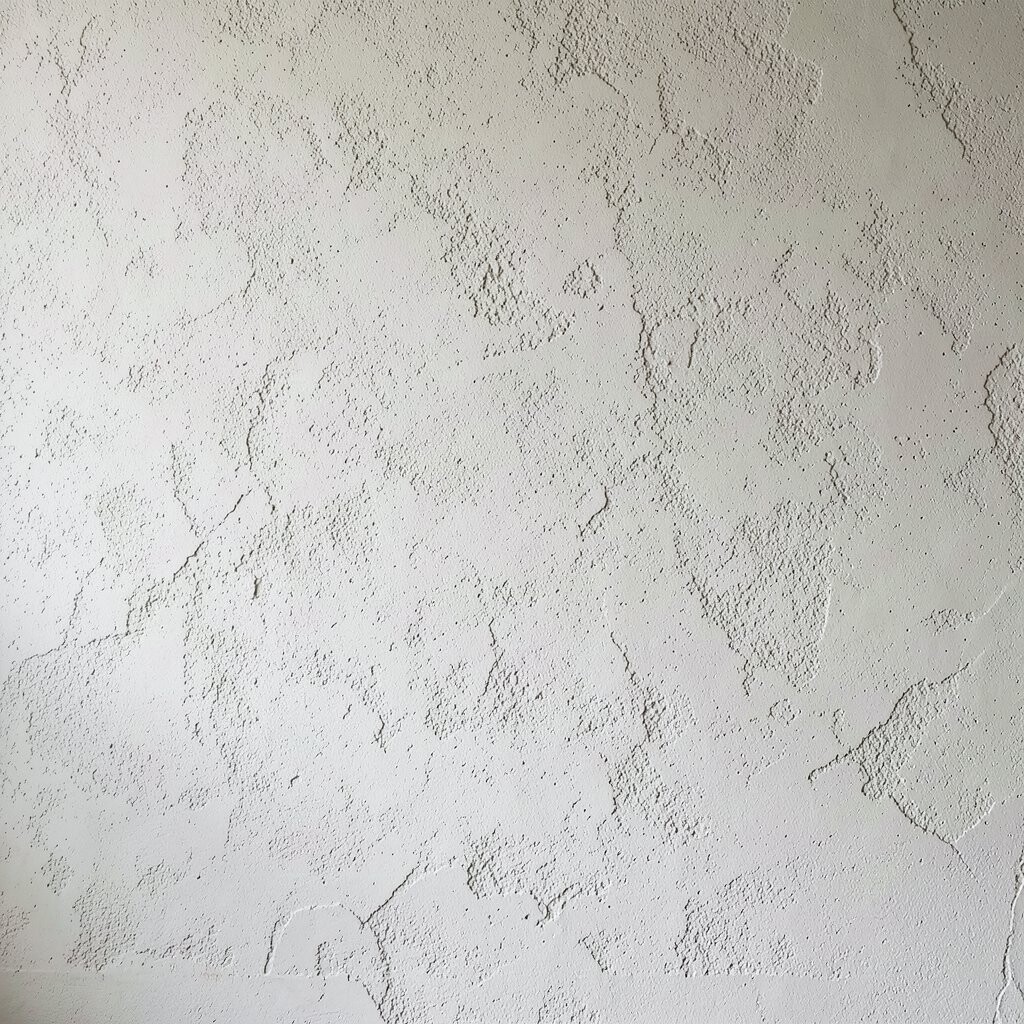
Roughcast plaster creates a tactile, speckled look that instantly adds character. From a distance, it reads as warm texture, and up close you see tiny pebbly bits that make the wall feel alive.
This style brightens because the bumps create highlights when light grazes the surface. It also helps cover minor drywall seams and patch spots, which can save time. Try it in soft off-white, gentle oatmeal, or muted clay to keep the room cheerful instead of heavy.
5. Scored Clay Plaster With Shadow Lines
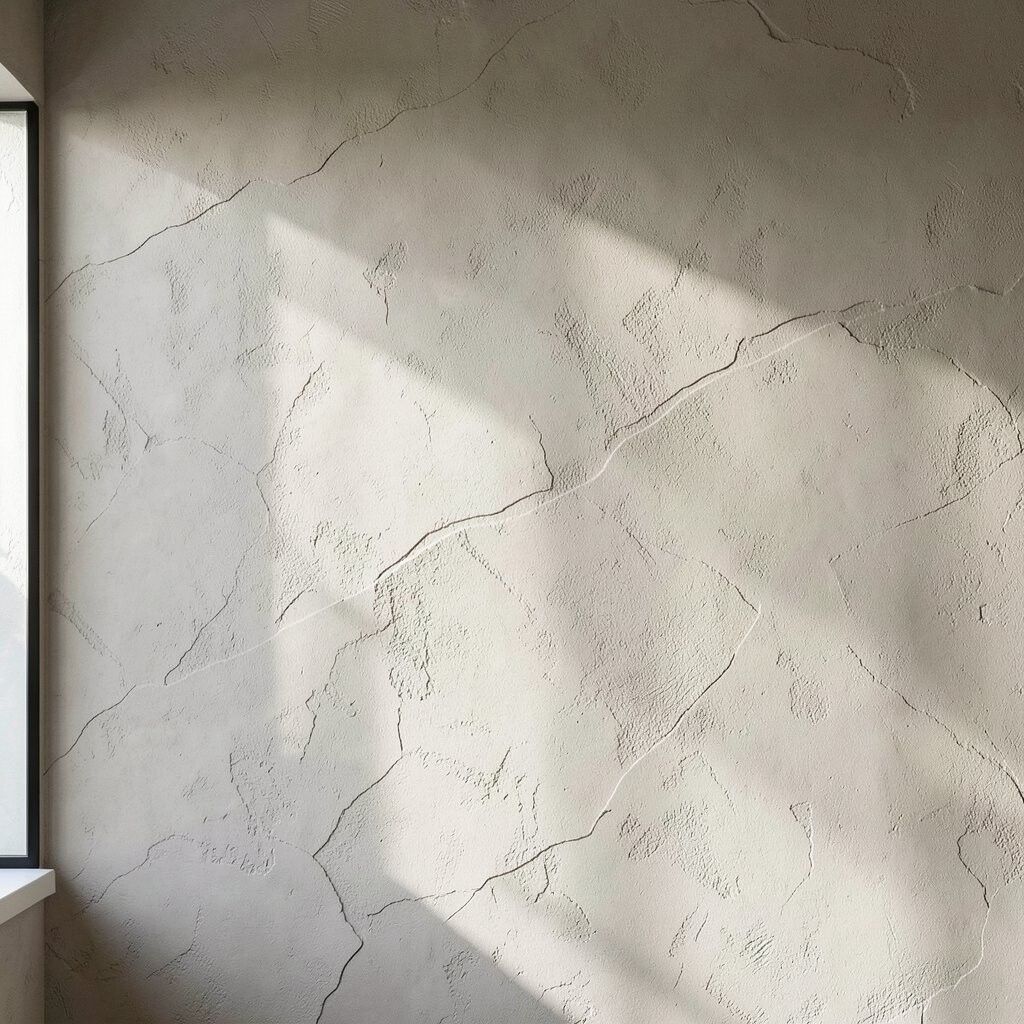
Scored clay plaster adds thin cuts or channels that cast neat shadows. The effect is subtle from far away, yet it feels artistic up close.
It’s a great option for modern rooms that need structure, especially on a single feature wall. Ask for a consistent spacing so the rhythm looks intentional rather than random. To brighten the space, choose a light base color and keep the score lines shallow for a delicate play of shadows.
The practical side is that texture can hide unevenness, but proper surface prep still matters. Plan for more careful cleaning since dust can collect in lines, and consider sealing for easier maintenance. Personalize by matching the score direction to the room’s architecture, like running horizontally for a wider feel.
6. Color-Blocked Lime Plaster Sections
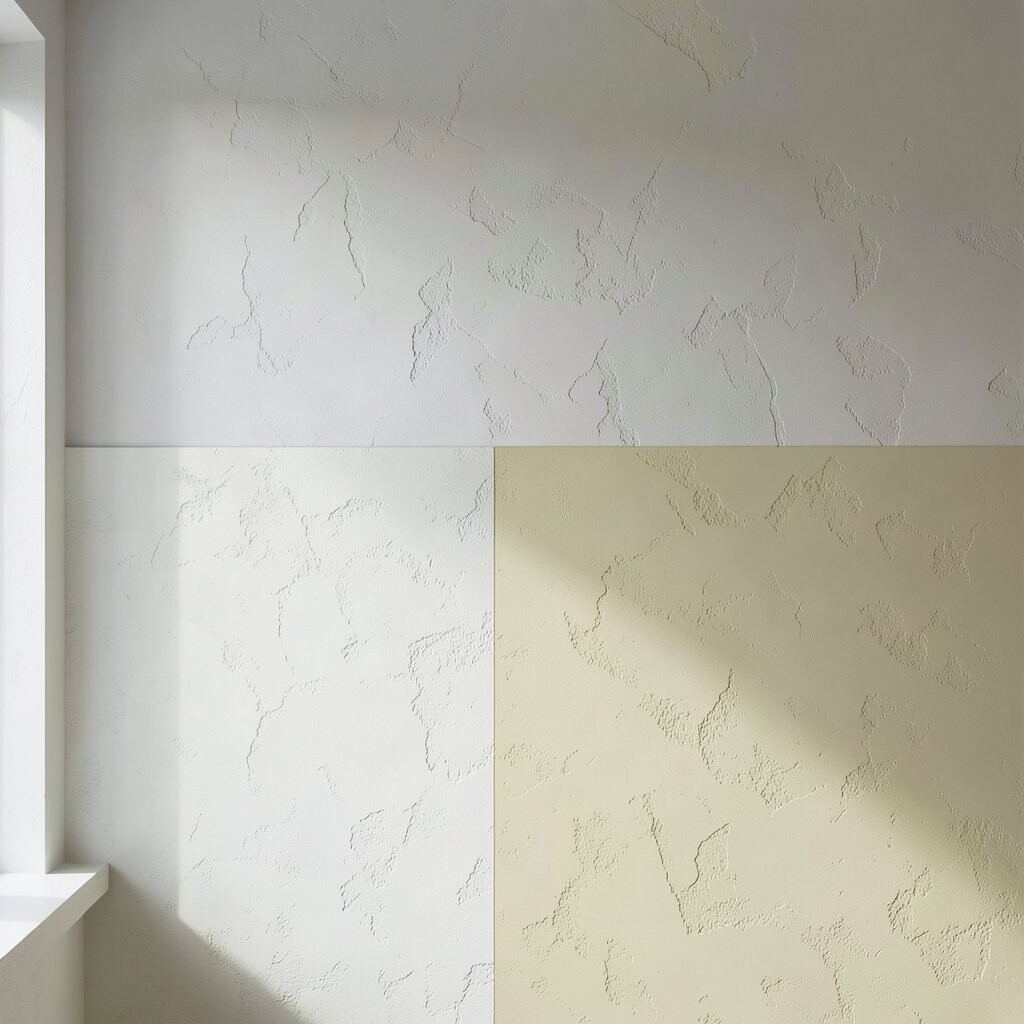
Lime plaster can be used in clean color blocks that look modern and fresh. Instead of one flat wall, you get bright sections that guide the eye through the room.
This approach works well behind a reading chair, in hallways, or around a media wall. Use masking carefully to create crisp edges, and keep your color palette light so the blocks feel airy. If you want personalization, blend two nearby tones, like warm ivory and pale sand, so the difference stays gentle.
From a cost standpoint, color blocking can be budget-friendly because you’re working with one base system rather than separate materials. You can also reduce waste by planning the layout before any coating begins. The trend toward thoughtful, simple geometry makes this idea feel current without trying too hard.
7. Trowel-Raked Plaster for Motion and Light
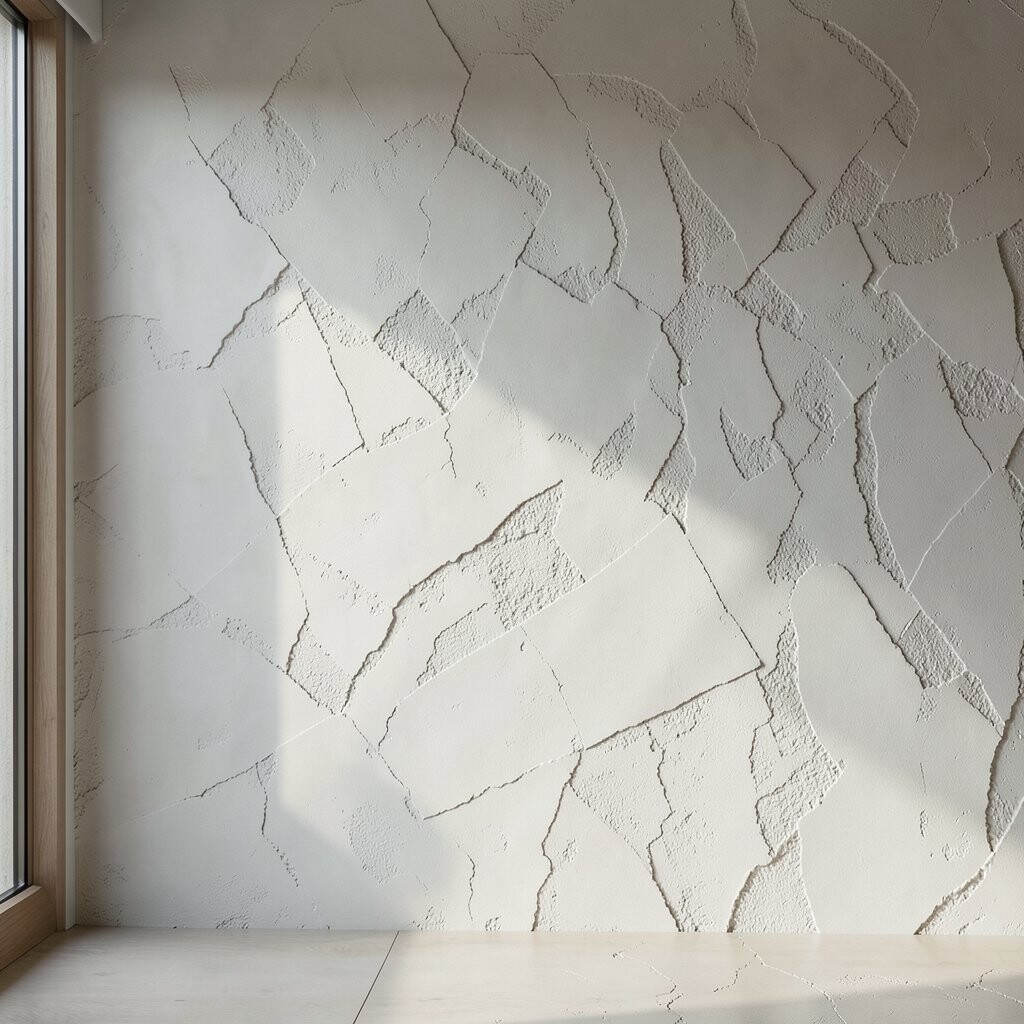
A trowel-raked finish brings movement across the wall like soft fabric. You can see lines that shift when you walk by, which makes modern interiors feel dynamic.
It’s ideal for spaces that need a little drama without going dark. Stick with light tones such as eggshell white, pale greige, or very light taupe to keep brightness. A practical tip is to use the same tool pressure across the wall so the texture stays consistent and doesn’t look patchy.
8. Sponged Plaster for Soft, Airy Rooms
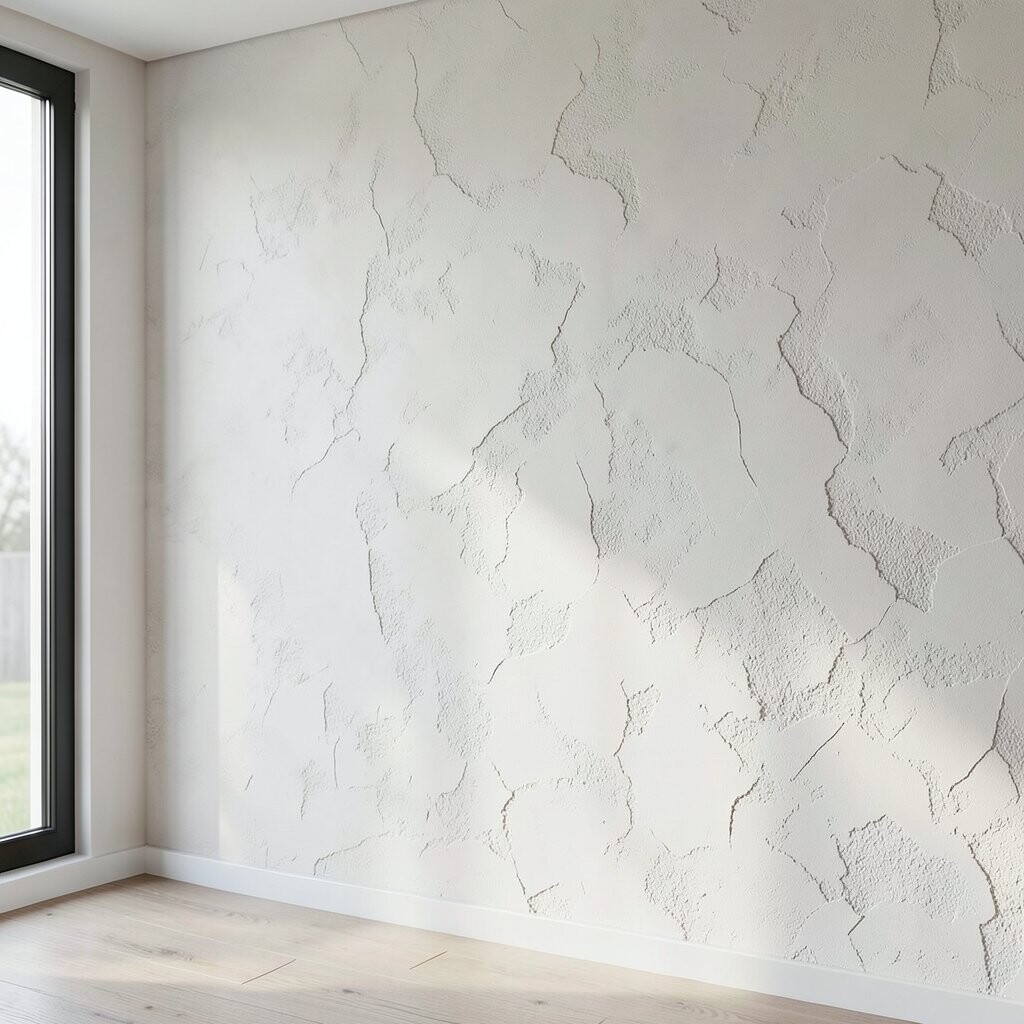
Sponged plaster uses a gentle technique to create a cloudlike surface. The texture feels forgiving and visually soft, which is perfect for making a room feel welcoming.
Because it scatters light, it can brighten a north-facing room without adding harsh glare. Choose warm whites or light butter tones to make the walls feel cozy rather than clinical. For personalization, you can vary the sponge density, using a lighter touch near corners to enhance that open, airy feeling.
This finish tends to be more budget-friendly than ultra-smooth decorative plaster. It also helps hide minor imperfections, which can lower the cost of prep work. Current design trends favor textures that look relaxed, and sponge finishes fit that vibe nicely.
9. Raised Venetian Borders for Elegant Framing
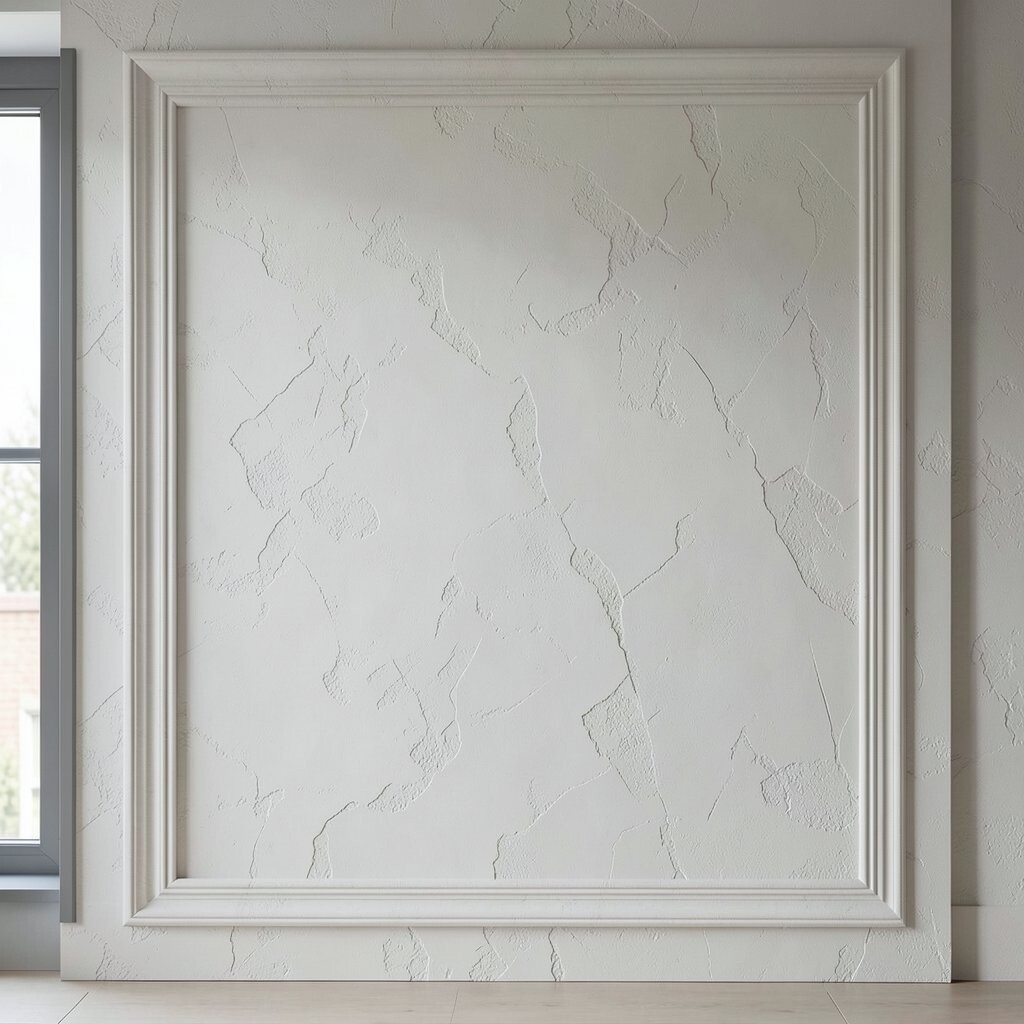
Raised borders made from plaster create a neat frame effect around windows, niches, or wall panels. Even a modern room can feel tailored when the texture is used like subtle trim.
This idea brightens because the raised lines catch light and make the wall look more dimensional. Keep the main wall smooth and matte, then add the raised accents in the same color family for a clean look. A practical tip is to map the border thickness with painter’s tape first so the final result stays balanced.
Cost-wise, you’re paying mostly for extra labor rather than different materials, which can still be reasonable. Personalize the pattern by matching the border lines to your room’s shapes, like using gentle curves for a softer look. It feels unique because it’s not typical paint trim, yet it stays modern.
10. Ombré Plaster Wash From Light to Depth
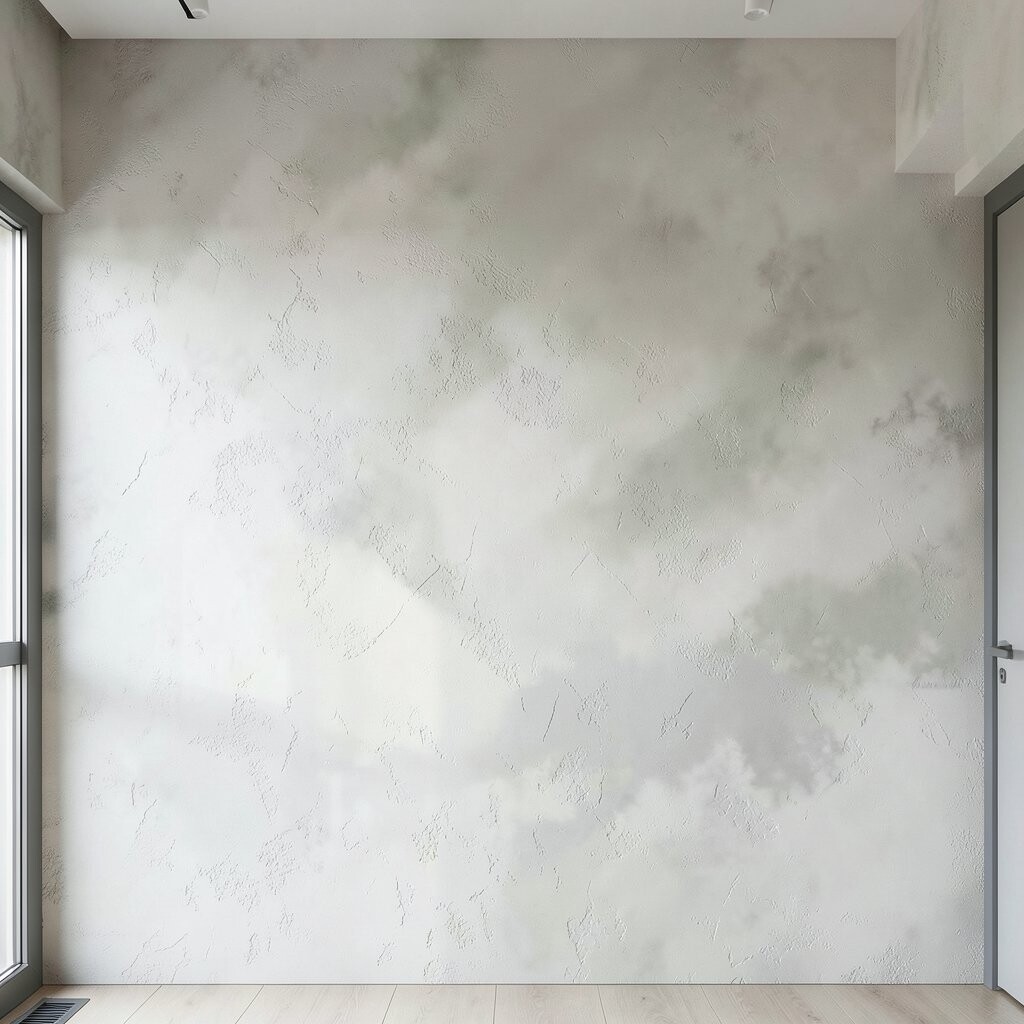
An ombré plaster wash blends one shade into another so the wall looks like it has depth. Light at the edges feels fresh, while the deeper tone adds warmth without turning the room gloomy.
This technique is especially beautiful in bedrooms and dining rooms where you want a calm mood. Keep the palette subtle, such as white fading into warm greige or pale stone fading into soft clay. For practical control, blend in passes and step back often to avoid harsh lines.
You can personalize by tying the darker end to a focal area, like behind a pendant light. Cost considerations are similar to standard lime or plaster coatings, but it may take extra time for blending. Ombré finishes are trending again because they offer artful color while keeping walls feeling bright and modern.
11. Lime Plaster With Embedded Mica Sparkle
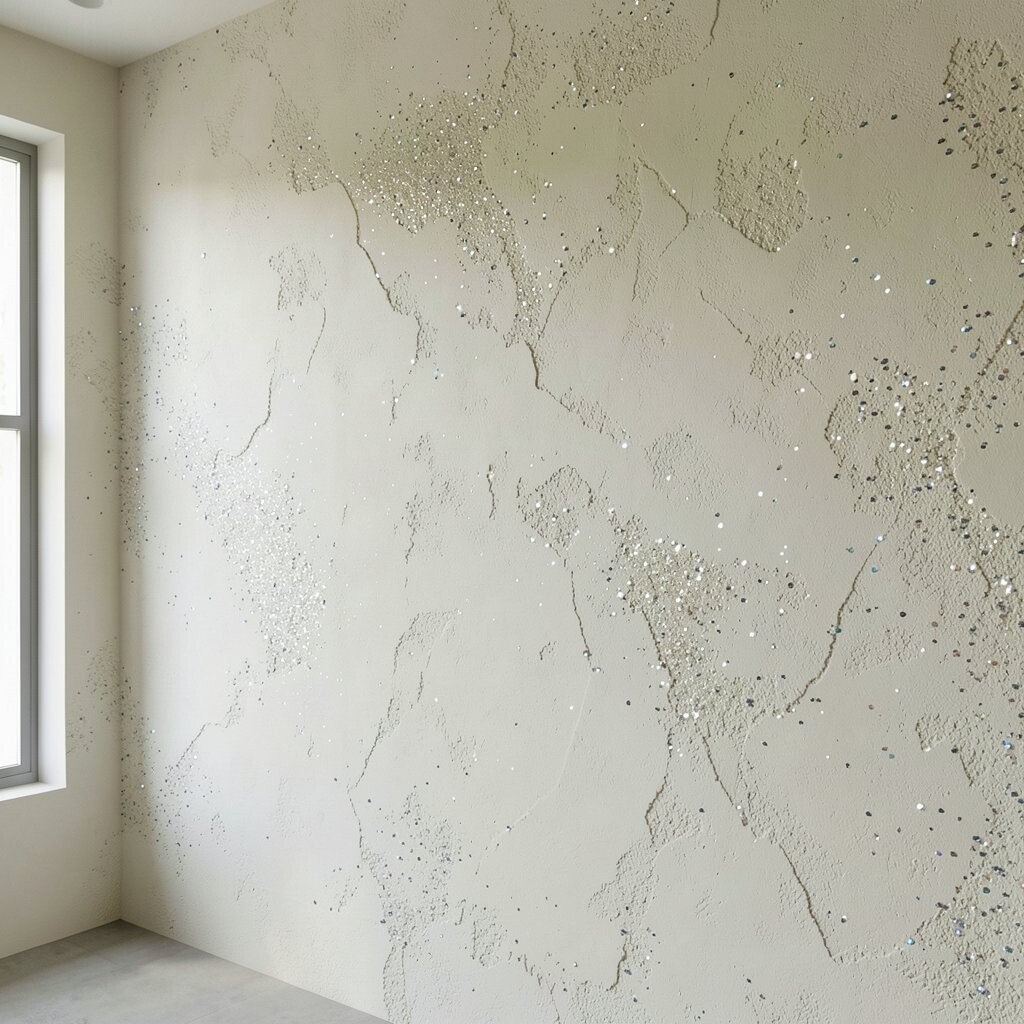
When mica is mixed into plaster, the surface can sparkle lightly as light moves across it. It looks refined and modern, especially when the rest of the room stays simple and bright.
This texture adds a playful glow without needing extra decor, which is great for minimal interiors. Choose a small amount of shimmer so the sparkle stays elegant rather than glittery. If you want personalization, consider mixing mica more strongly near a feature zone like a fireplace surround or hallway end.
Cost-wise, mica can increase material price, but the look can replace other decorative elements. For practicality, ask for the right seal so the surface remains easy to clean. The trend toward gentle “light catching” finishes makes this idea feel current and special.
12. Monolithic Smooth Plaster With Burnished Sheen
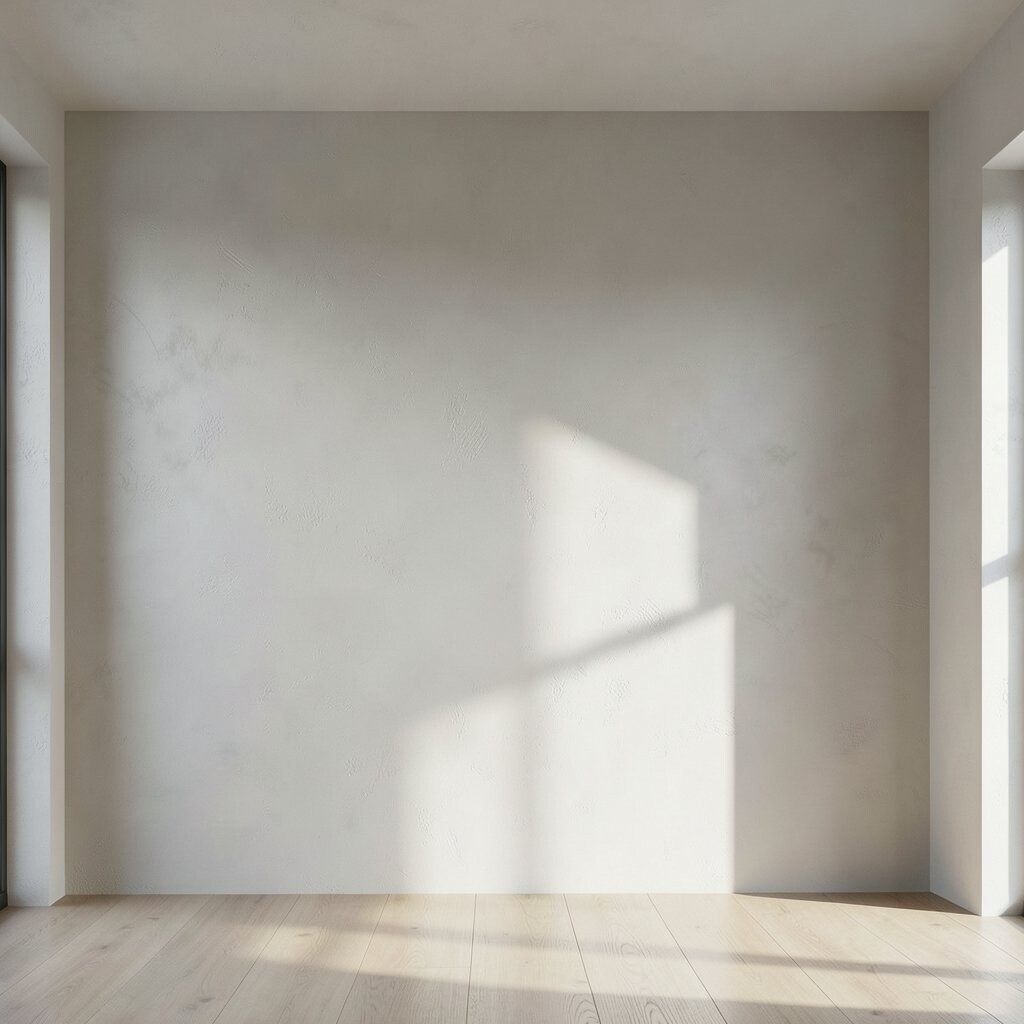
Some modern plaster finishes look almost like one solid slab, especially when they are burnished. The wall reflects light softly, giving a clean, high-end feel without looking shiny like paint.
This texture brightens by turning light into a smooth gradient across the surface. It’s ideal for open-plan living rooms where you want a unified, elegant backdrop. For practical tips, maintain consistent application thickness and let each layer cure properly so you avoid uneven sheen.
Personalize the mood by picking a warm white for a friendly glow or a cool white for a crisp, gallery-like look. Cost can be higher than rough textures because burnishing and finishing require skill. Still, it can be worth it since the result feels architectural and unique every time you notice the way light slides across the wall.