Minimalist plaster walls can make a room feel softer, brighter, and calmer. They also give your home a quiet look that feels both modern and warm.
With a few smart choices, plaster can work like light-catching art while staying practical for everyday living.
1. Limewashed Plaster With Sheer Variation
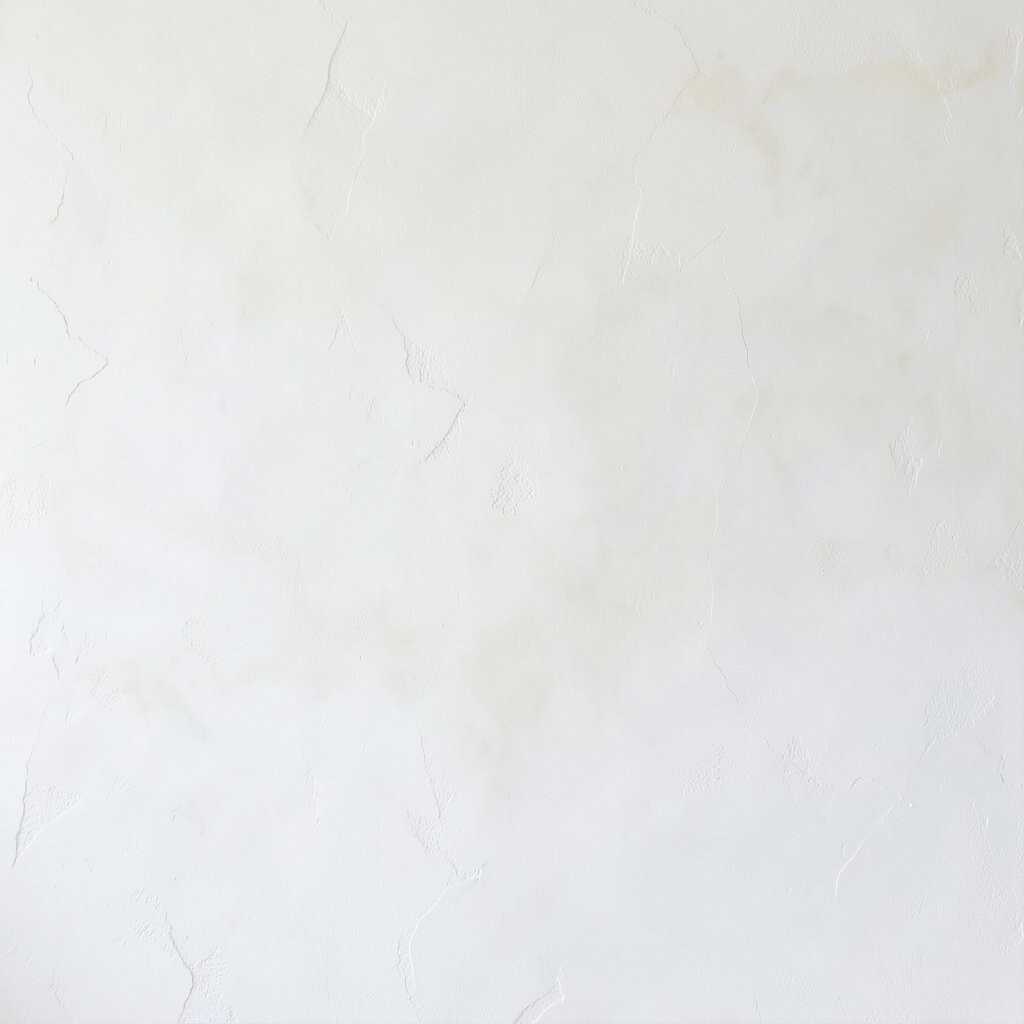
Picture a wall that looks smooth at first glance, then reveals gentle clouds of texture when you move closer. A light limewash finish adds an airy vibe and makes daylight look more flattering.
This approach works well in bedrooms, hallways, and small living rooms because it visually expands space. For best results, pick a warm off-white or soft greige, and ask your installer to keep the texture consistent rather than perfectly uniform. You can personalize the look by choosing a slightly different shade for the wall behind a couch or bed.
2. Microcement-Look Plaster in Warm Sand
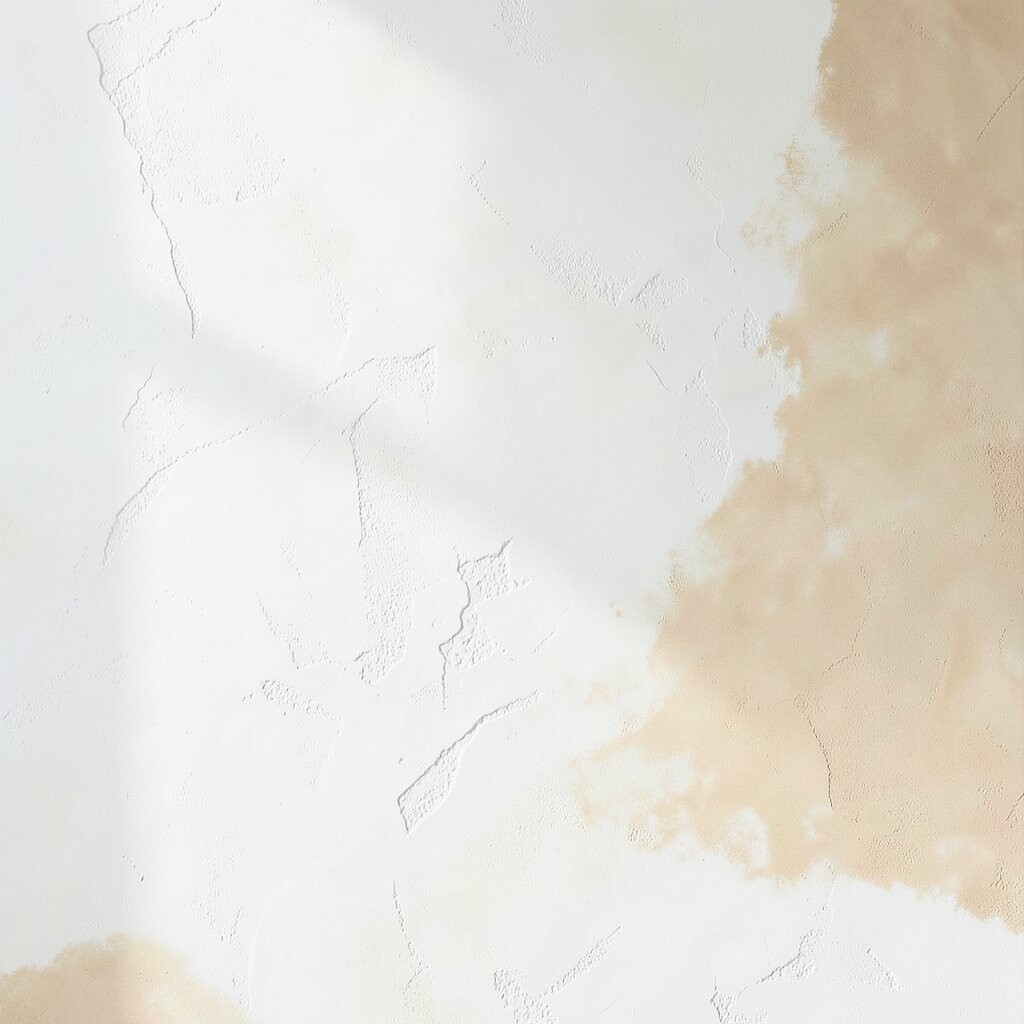
Think of plaster that mimics the clean strength of microcement, but with a more forgiving, natural feel. Warm sand tones help walls glow without needing bold color.
This idea brings a modern edge that still feels comfortable, especially when paired with light wood and linen. Keep it practical by sealing the surface properly, then spot-clean with a mild, non-abrasive cleaner so it stays fresh. If you want a trend-forward look, combine this wall with simple floating shelves to emphasize the sleek finish.
When planning cost, remember that finishes with finer wear-resistant coatings often cost more than basic plaster work. A smart way to manage budget is to cover one feature wall first, then match the rest of the room with simpler limewash or skim-coat walls later. Choose a matte finish to avoid glare, which can make sand tones look flat in direct sun.
3. Soft White Plaster With Venetian-Inspired Burnished Areas
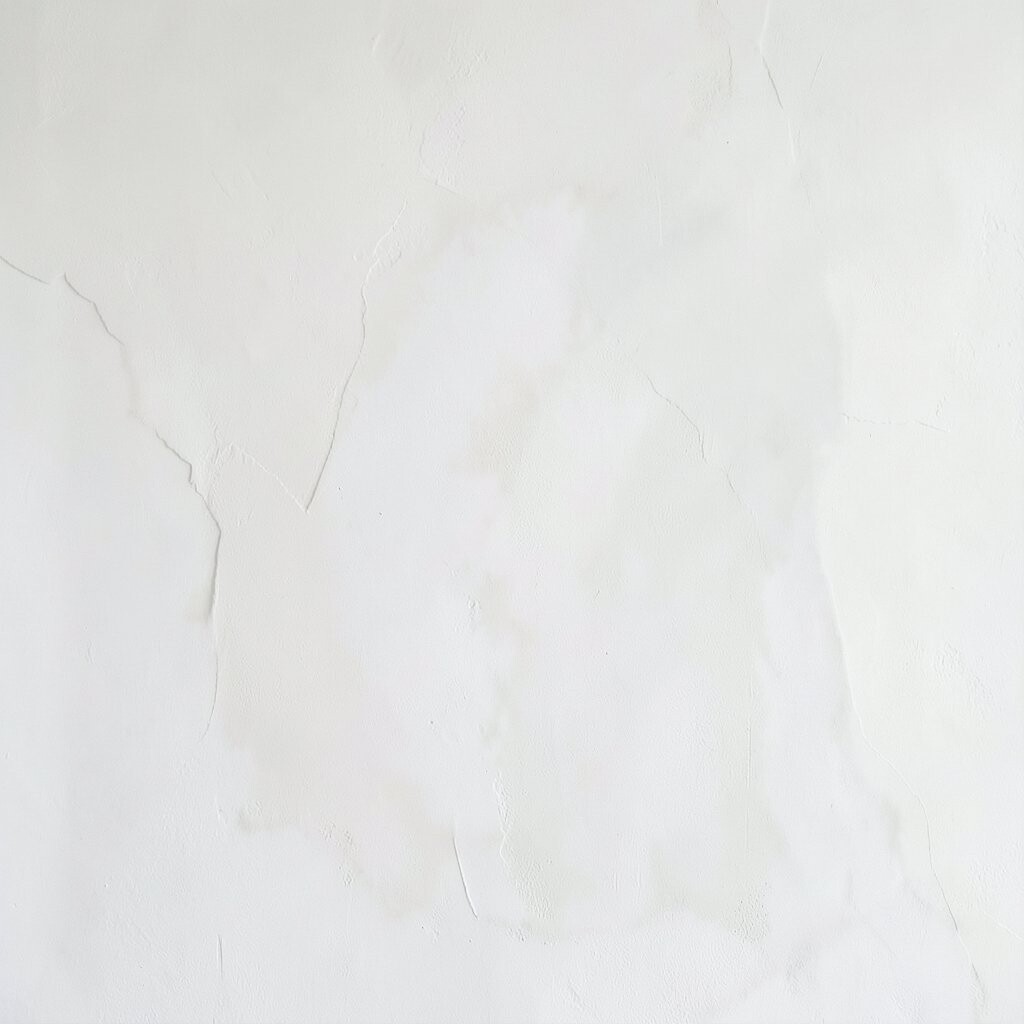
Imagine a soft white wall that’s mostly gentle and matte, with small burnished swirls catching the light like a whisper. That slight shine adds depth and makes the room feel more polished.
You’ll love how it brightens without shouting, since the subtle sheen reflects daylight instead of absorbing it. To keep the look minimalist, ask for restrained movement rather than heavy marbling, and keep the room lighting warm to reduce harsh reflections. Personalize by adding a single burnished vertical panel behind a tall plant or mirror for a focused glow.
This finish can be more labor-intensive, which may raise the overall cost compared to flat plaster. If you want the same effect on a budget, request a smaller burnished section that still reads as intentional from across the room. Use a neutral palette around it so the wall stays the calm star.
Because it’s all about light play, observe where the sun hits at different times and plan the wall placement accordingly. A well-lit corner with this finish can look like it’s quietly lit from within.
4. Color-Blocked Plaster Panels in Pastel Neutrals

Picture your wall split into clean, narrow sections of plaster in pastel neutrals, like buttercream, blush beige, and pale stone. Each block stays minimal, but the mix creates a lively rhythm.
This option brightens by adding color variety without using loud shades. Use thin spacing lines or simple straight edges to keep everything crisp and modern. For practical staying-power, choose durable plaster systems and coordinate the curing time so the boundaries look neat.
5. Smooth Skim-Coat Plaster Over Old Walls
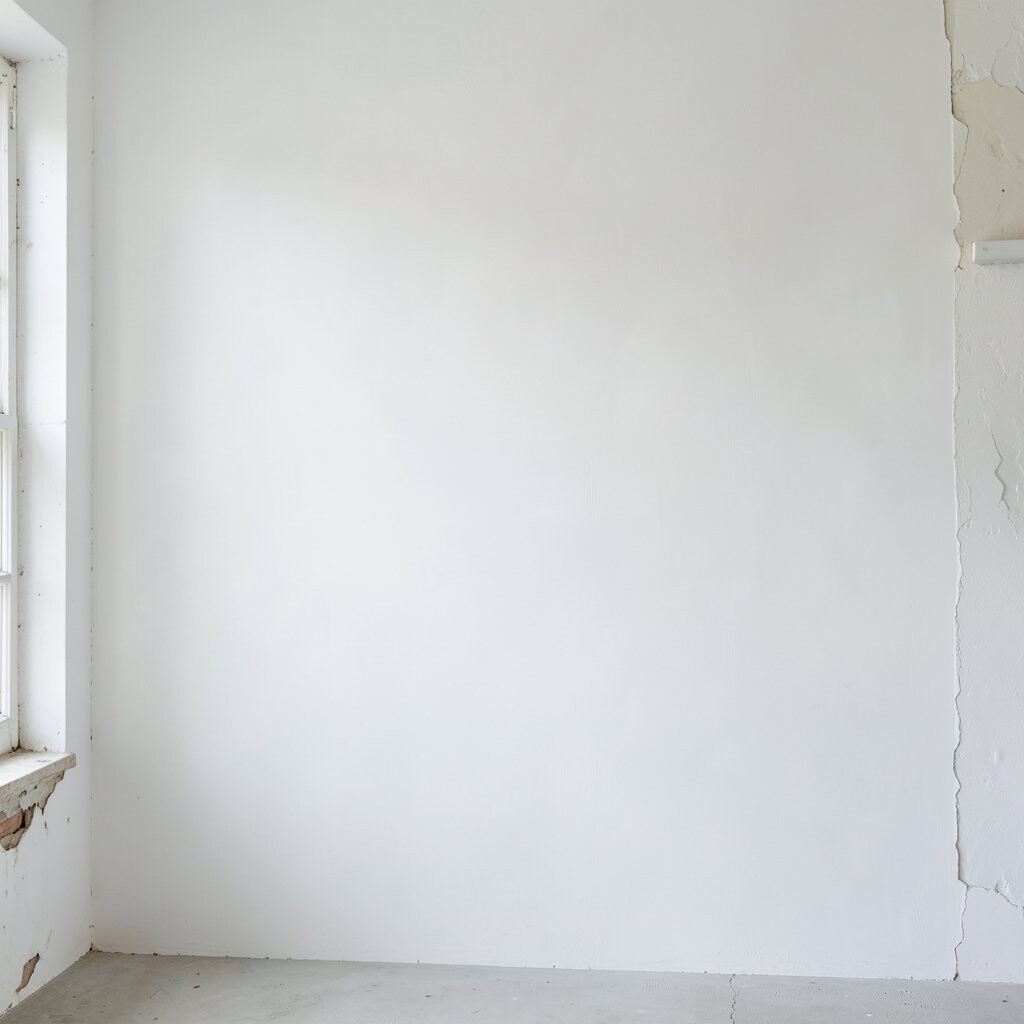
Reimagining an existing wall with a smooth skim coat can make the whole room feel newly painted. The surface becomes clean, ready, and bright, especially when you finish with a matte, light-reflecting color.
This is one of the most practical ways to get minimalist plaster without major demolition. Ask for a proper base prep, because the smoother your prep work, the more elegant the final wall will look. If you want personalization, add a slightly warmer white in the main living area and a cooler white in the kitchen for a subtle mood shift.
Cost tends to be friendlier than specialty finishes, since it often relies on plastering skills plus standard materials. To keep it looking bright long-term, avoid overly glossy topcoats that can show scuffs. Pair it with simple, light-colored curtains to enhance the fresh, airy feel.
6. Textured Plaster Lines for Directional Light

Imagine plaster that uses fine, horizontal or vertical lines to gently guide your eye across the wall. Those lines can help daylight feel more organized and bright, like a soft pattern on the air.
This minimalist texture is unique because it adds motion without using color changes. For a modern look, keep the lines shallow and consistent so the wall still feels calm. Try placing vertical lines on a shorter wall to make it feel taller, or use horizontal lines to create a wider feel in narrow rooms.
Practical tip time matters here, because line texture should be planned around light placement. If the room has strong side lighting, the lines may cast subtle shadows that enhance the pattern. If you prefer an even calmer look, ask for less pronounced texture and a matte finish.
Cost can vary based on labor, since consistent line application takes time. Budget well by choosing one textured wall instead of coating every surface. Personalize the pattern by matching line direction to architectural details like beams or tile grout lines.
7. Micro-Orange-Peel Plaster for Soft Light Diffusion

Picture a wall with an ultra-fine pebbled texture, almost like the surface of a well-made latte foam. It’s barely noticeable up close, but it makes the whole room feel softly lit.
This idea is great for brightening because texture scatters light, reducing glare and harsh shadows. When you want minimal style but still crave visual warmth, this finish can feel just right. Keep it practical by choosing a plaster system meant for indoor walls and by sealing it to handle everyday cleaning.
8. Plaster Behind Built-Ins for a Clean, Custom Look
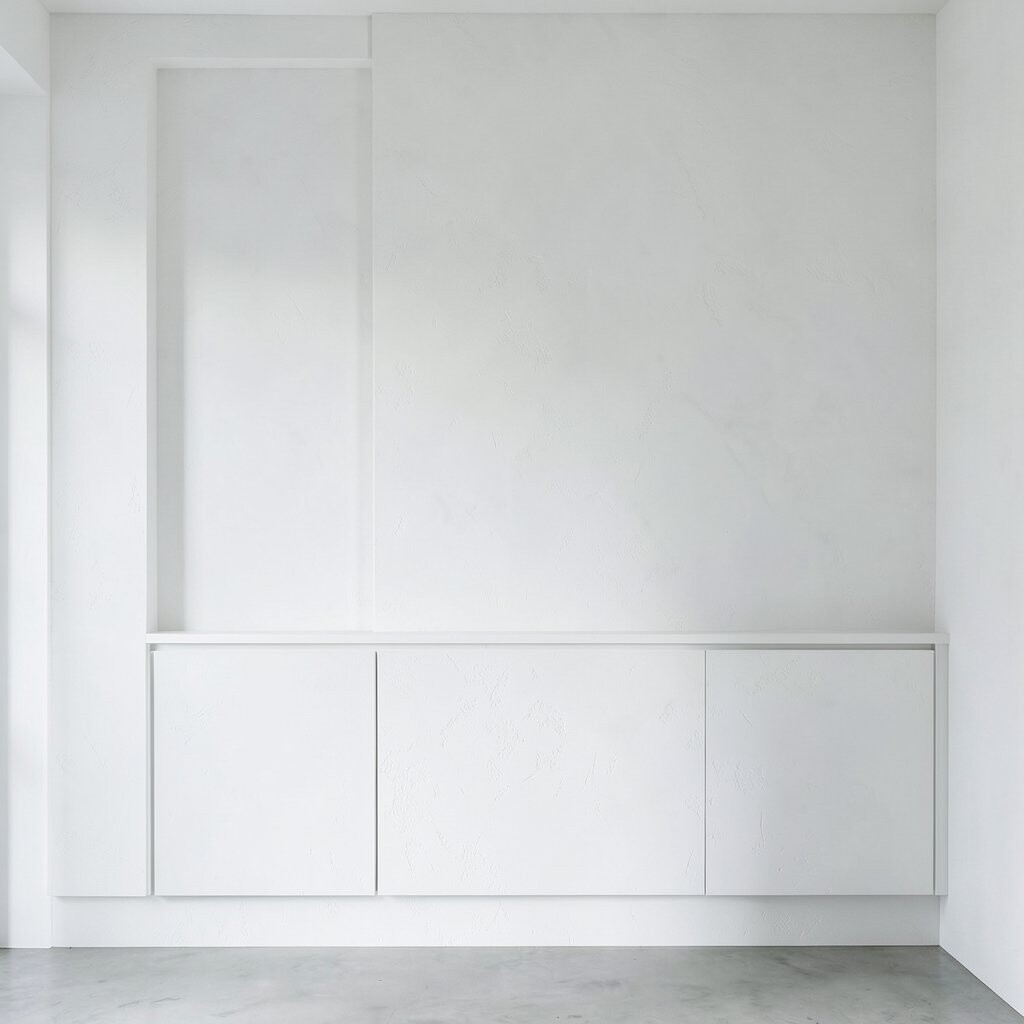
Think about the wall space behind shelves, window seats, or recessed storage, finished in minimalist plaster. When that background is cohesive, the built-ins look custom, intentional, and brighter.
This approach is unique because the plaster becomes an undercurrent that supports your decor. You can brighten a room without adding more paint by selecting a light plaster tone with a matte, even surface. For practical results, make sure the built-ins and plaster are installed in the right order so edges stay neat and you avoid cracking.
Personalize by using a slightly deeper tone behind open shelving, which makes items stand out while still feeling minimal. For cost considerations, focusing plaster work behind built-ins can be more efficient than finishing large plain wall areas. It also tends to reduce the amount of visible patching later, because the built-in layout hides small imperfections.
If you like current trends, pair this with simple hardware, slim shelf lips, and warm-toned decor so the plaster feels modern and not fussy.
9. Plaster in Pale Greige With Natural Gypsum Depth
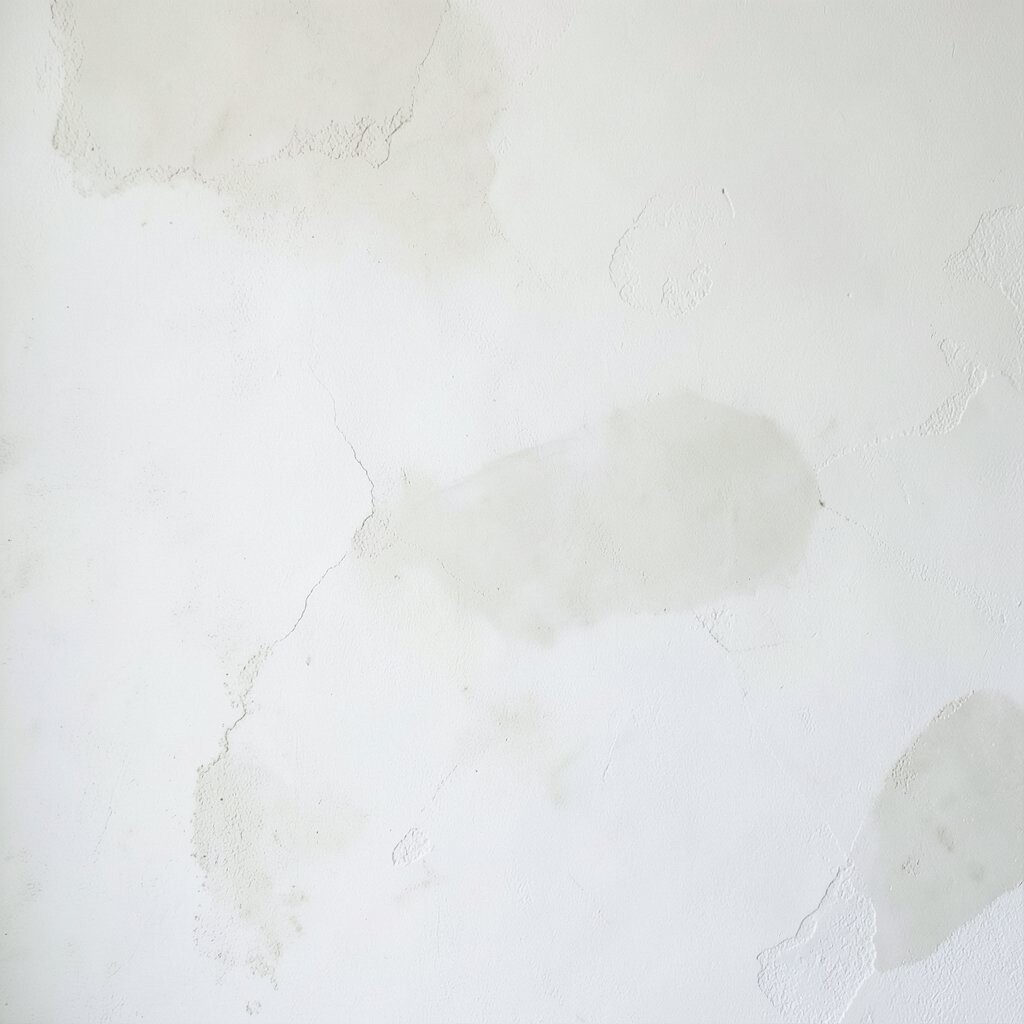
Imagine pale greige plaster that looks calm and neutral, with depth that comes from how gypsum holds color. It feels like a clean background that never looks cold.
This choice brightens while still offering warmth, which is why it works in many lighting conditions. Choose a shade that sits between beige and gray, then test samples in morning and evening light to avoid surprises. For personalization, you can pair the wall with black accents, terracotta accessories, or soft sage textiles to control the mood.
Cost is usually manageable because the look can be achieved with common plaster categories plus a good tinting process. Ask about drying times and whether the finish requires sealing, since those steps affect both appearance and maintenance. Keep the finish matte to maintain the minimalist feel and hide minor marks.
10. Monochrome Plaster With a Slightly Darker Trim Reveal
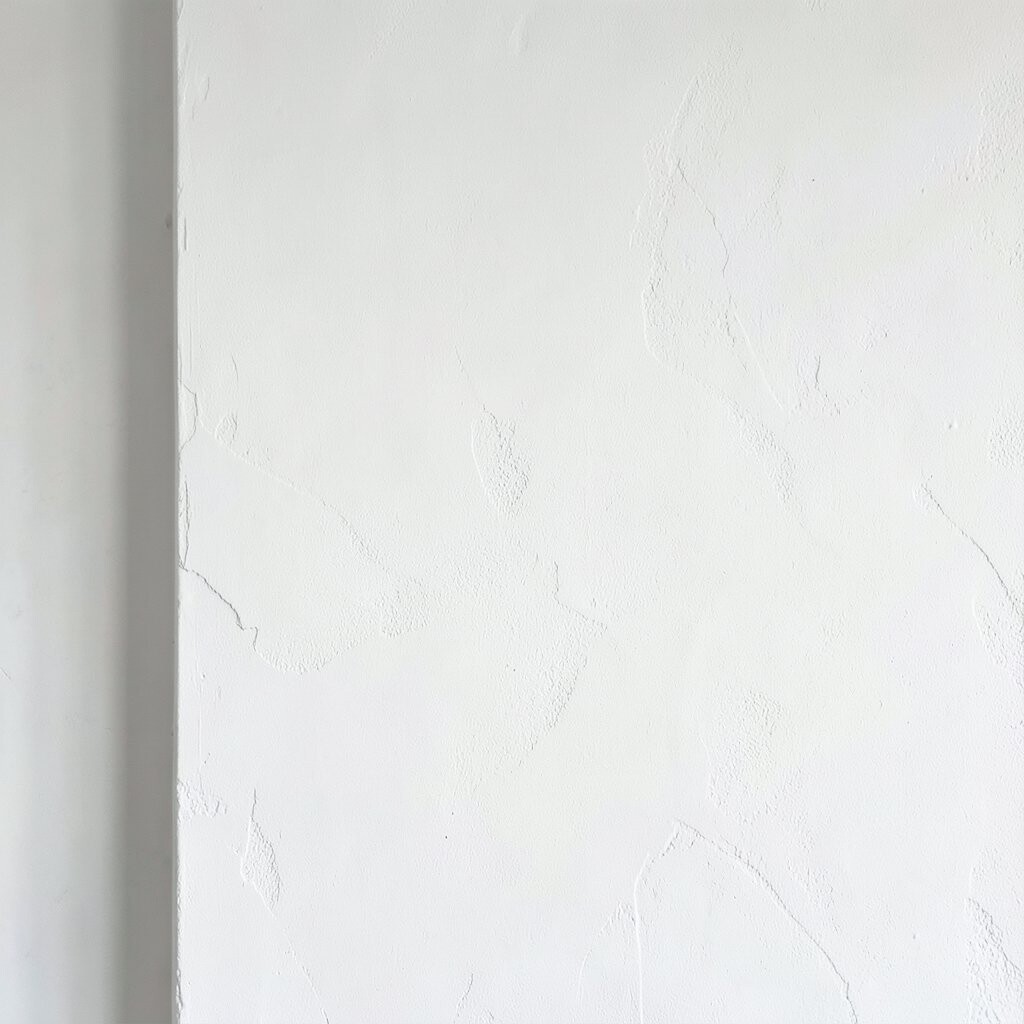
Picture a monochrome wall where everything feels the same color, yet there’s a tiny reveal at trims, niches, or ceiling lines. That small contrast helps light define the room’s shape without breaking the minimalist theme.
This is a smart way to brighten because the eye follows crisp edges, and spaces often feel clearer. Keep the trim reveal narrow and deliberate, like a thin shadow line, rather than a bold border. If you want extra practicality, choose trim colors that hide small scuffs and make touch-ups less obvious.
Uniqueness comes from restraint, so stick to two close shades rather than a wide contrast. For personalization, place the darker trim behind a door frame, around a mirror, or along the top of a built-in ledge. Cost considerations are usually modest since trim work is often part of standard finishing, but it depends on how many details you have.
11. Plaster Over Limewash Stencils for Subtle Glow Patterns
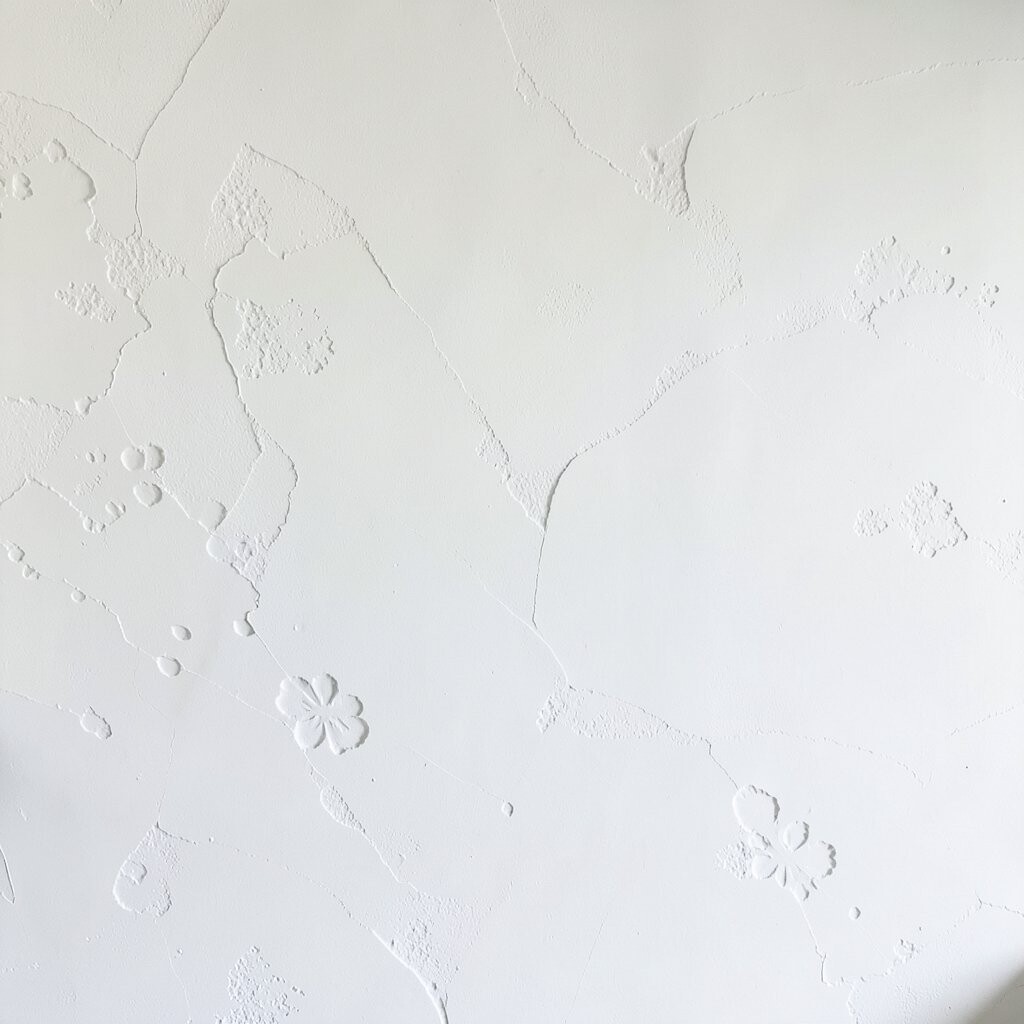
Imagine a mostly plain wall with faint, minimal stencil marks that only show when light hits at an angle. The pattern feels like it’s floating, not decorating loudly.
This idea brightens by keeping the main field light while adding gentle movement. Use stencils sparingly on one wall so the look stays minimalist and not busy. For practical tips, ensure the base is fully cured before applying any stencil layers so the texture doesn’t smear or unevenly absorb.
Personalize by choosing a pattern that matches your home’s style, like soft curved lines for a calm modern mood or small botanical silhouettes for a gentle, organic feel. Trend-wise, understated wall patterning is staying popular because it adds character without clutter. Cost can be higher than plain plaster if you add specialty stencil work, so consider limiting it to one accent wall or one band near artwork.
12. Vertical Plaster Ribbons for Taller, Brighter Rooms

Picture the wall dressed with slender vertical plaster ribbons that rise like soft stripes. Even when the color stays neutral, the vertical lines can make the room feel taller and brighter.
This approach works particularly well in entryways where you want a quick visual uplift. Keep the ribbons thin and spaced evenly, then avoid too many widths so the design stays calm. For a practical finish, use consistent spacing templates and plan for how the ribbons meet corners and trims.
Uniqueness comes from the tactile rhythm, which can feel more architectural than wallpaper. You can personalize by matching ribbon positions to window frames or wall art placement. Cost is often driven by labor, since careful alignment matters, so it may be best to do this on one feature wall first.
To keep maintenance easy, choose a seal that resists smudges and consider using a microfiber cloth for routine cleaning.
13. Plaster With Soft Earth Tones for Warm Light
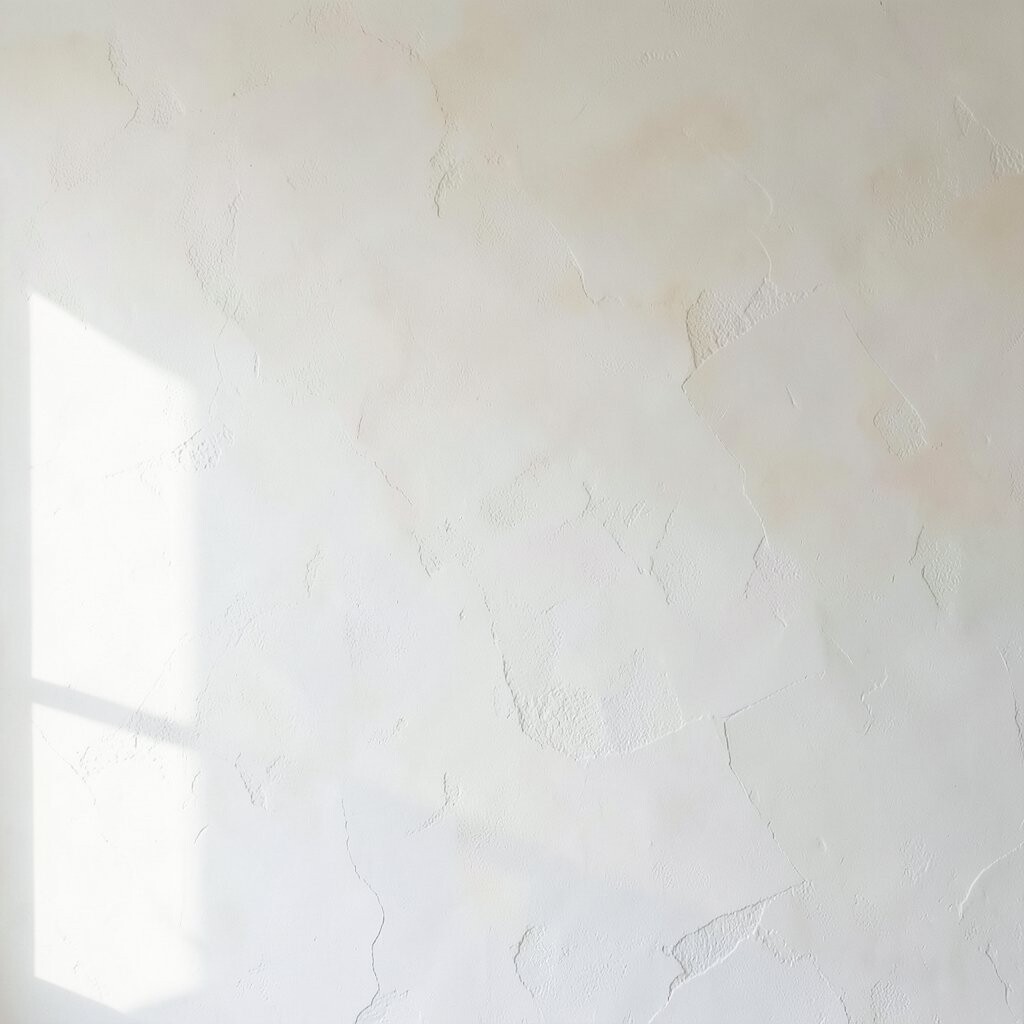
Imagine a minimalist plaster wall in a muted earth tone that makes sunlight look warmer and more flattering. It’s not fully beige, not fully tan, but a balanced color that feels natural.
This idea brightens by creating a cozy glow, especially in rooms with cooler lighting. Pick a shade that matches your flooring undertones so the room feels cohesive. A practical tip is to keep furniture lighter than the walls if you want the space to feel open and airy.
For personalization, mix in small touches of matching clay, wood, or natural stone so the color feels intentional. Current trends favor warm neutrals and organic materials, and plaster supports that look beautifully. Cost considerations are usually similar to other tinted plaster finishes, but specialized pigments or longer finishing time can affect the final price.
If you’re unsure about shade, start with a lighter earth tone and let the rest of the room carry deeper accents through textiles and decor.
14. Plaster With a Matte, Washable Topcoat for Busy Homes

Think of a plaster wall that looks velvety but still handles everyday life. A matte, washable topcoat keeps the minimalist style while giving you peace of mind.
This is especially helpful for kitchens, hallways, and homes with kids or pets, where walls take more bumps than you’d expect. Ask your installer about low-VOC options and how the topcoat affects color, since some finishes can shift undertones. Personalize the look by choosing a light shade and adding warmer lighting fixtures to keep the room feeling inviting.
15. Plaster Niches and Recesses for Light-Led Minimalism
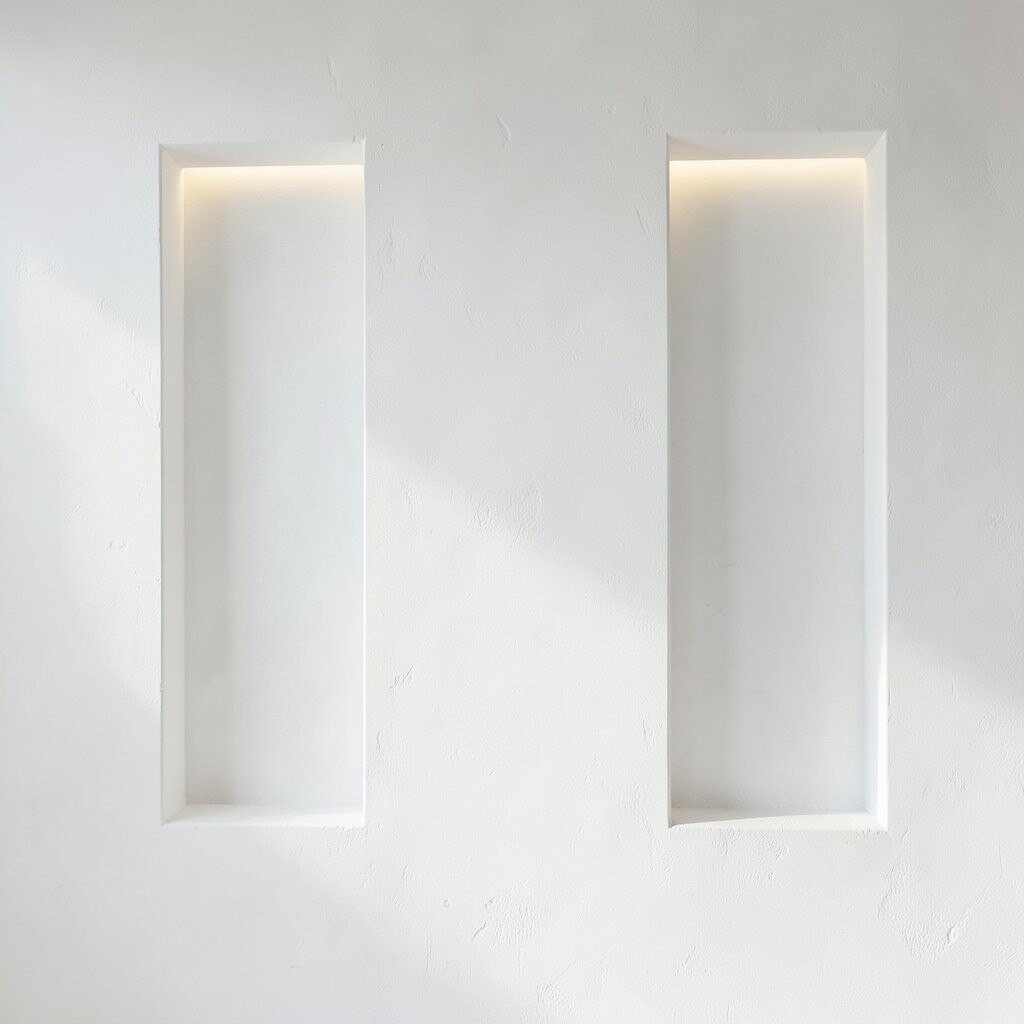
Imagine small recessed niches in a plaster wall, each shaped simply and finished to match the surface. When you add gentle lighting inside, those niches create a soft glow that makes the whole room feel brighter.
This idea is unique because it uses shadow and light, not loud color, to add interest. Keep the niches shallow and evenly spaced so the result stays minimalist and easy on the eyes. For practical tips, plan wiring early and make sure the plaster work is done with proper backing so the recesses look clean and last.
Cost can be higher because recess construction and electrical details add labor, but you often get a bigger visual upgrade than plain wall coating. Personalize by using niches for books, small sculptures, or a pair of matching vases. Trend-wise, these lighting-led wall moments are popular because they feel like built-in gallery spaces.
If you prefer budget control, start with one niche and use a simple warm bulb to check the effect before scaling up.
16. Monolithic Skim Wall With Barely-There Micro Texture

Picture a nearly perfect, monolithic plaster wall that still has a faint, tactile grain when you run your hand over it. It looks smooth from across the room, yet it feels alive up close.
This finish brightens because it reflects light evenly without strong peaks and valleys. Choose a consistent skim-coat thickness and request a uniform micro texture so the wall never looks patchy. For personalization, keep the color simple and let your furniture shapes create the character, such as rounded sofas or clean-lined cabinets.
Cost considerations are usually mid-range, since it often involves careful surface prep and a refined finish. A practical way to keep it within budget is to prioritize the most visible wall first, especially the one facing your main seating area. Maintain the look by sealing well and cleaning gently, since matte surfaces show dust less than glossy ones but still benefit from routine care.
If you want a current, minimalist feel, pair this monolithic wall with warm-toned lighting and a few intentional decor pieces that share similar shapes.