A calm Pinterest feed can make your ideas feel more real. Small choices in how you pin can bring big peace to your planning.
1. Curate a “One Vibe” Board That Feels Like Home
Pick one mood and keep it steady, like soft neutrals, bold typography, or cozy morning routines. When you open the board, the colors and fonts should look like they belong together.
Try visual consistency by saving pins with the same background tone and similar lighting. This reduces clutter and makes your best ideas easier to spot fast. Add a simple naming style so each board sounds like a place you want to return to.
2. Choose Fewer Categories, Then Pin Deeply
Instead of scattering pins everywhere, focus on a short list of themes you actually use. You will notice that a smaller set of topics helps the algorithm show you better matches.
When you pin, aim for posts that include clear steps, simple visuals, or repeatable layouts. Save fewer pins per day, but make sure each one has strong visual value for your future self. Over time, your boards start to feel like a guided playlist rather than a messy drawer.
To personalize, swap in your own color palette by searching terms like “sage home,” “sand beige,” or “ink black planner.” Even if you love many styles, staying narrow keeps your boards tidy and your decisions easier.
3. Treat Your Pins Like a Visual Diary, Not a Scrapbook
Minimalism works best when your Pinterest page tells one story at a time. Think of each pin as a page in a journal that you will actually read later.
Choose images that show a clear scene, such as a clean desk with one mug or a neat shelf with a single plant. The benefit is that you collect ideas you can picture in your own space. It also saves time when you plan because you are not sorting through random aesthetics.
For a practical twist, add your goal to the board name so it feels personal, like “Weekend Setup” or “Quiet Kitchen.” When you search again, you will find the same mood quickly.
If you want something current, watch for “slow living” and “quiet luxury” visuals that use fewer elements but stronger design choices.
4. Use Search Like a Curator, with Exact Keywords and Visual Filters
You can keep Pinterest minimal by searching with clear words that match the exact look you want. Try adding material terms such as “linen,” “oak,” “matte,” or “ceramic” to narrow results fast.
Use consistent phrases for your projects, like “neutral living room layout” or “minimal sticker layout.” The more precise your search, the fewer off-topic pins you save. As a result, your boards feel intentional, and your ideas become easier to reuse.
To personalize, include your own context in the search, such as “small apartment,” “budget,” or “renter friendly.” This helps you find pins that fit your life instead of just looking pretty.
5. Save Pins That Show Process, Not Just Pretty Pictures
A minimalist Pinterest approach still needs clarity. Look for pins that show before and after shots, simple steps, or clear item lists.
Process pins often save you money because you can copy the method without buying everything new. When you see how something is done, you are less likely to fall for expensive “perfect” setups that do not match your reality.
For uniqueness, mix two pin styles by saving one “how-to” and one “finished vibe” that share similar colors or textures. Then build your own plan from both. This way, your board holds practical wins and your final result feels one-of-a-kind.
6. Build a “Try Later” System to Stop Saving Everything
Minimalism is not only about fewer items; it is also about smarter timing. Create a board that holds pins you want to test later, so your main boards stay clean.
When you save, ask yourself if you want to act on it soon or just admire it. That small decision helps you avoid endless clutter and makes your planning feel calmer.
To keep it easy, only move pins from the try-later board when you have time to act, like once a week. Cost-wise, this helps you avoid impulse shopping because ideas get a short waiting period before becoming purchases.
7. Use Consistent Board Covers and Color Themes Across Your Profile
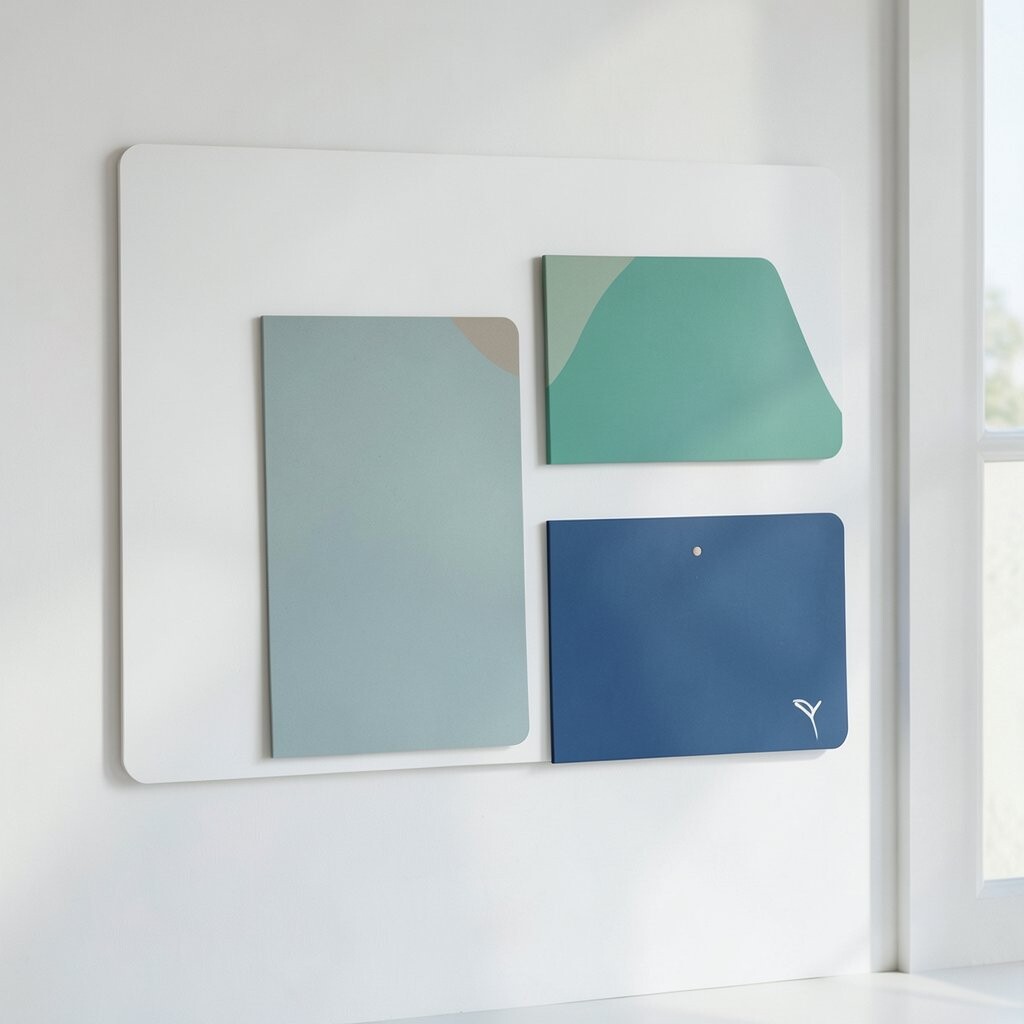
Your boards should look like a set, not a random group of screenshots. Even small design choices like matching cover colors and fonts can create a calm “browsing” experience.
Try sticking to a limited palette such as warm beige, soft gray, and one accent color like sage or terracotta. This benefits your brain because your eyes can quickly pick the right board. It also helps you remember what you saved when you return later.
If you like current trends, look for “neutral gallery” layouts and “simple icon” covers that use less visual noise. Make it personal by using your own accent that matches your room, wardrobe, or notebook style.
8. Make One Pin “Lead” the Whole Idea, Then Stack Supporting Saves
When an idea is big, it is tempting to save many pins at once. Minimalism suggests you anchor the idea with one main pin, then add only the supporting ones you truly need.
For example, choose one organizing setup pin as your lead, then save only two or three extras like label styles or storage tips that match. This keeps your boards tidy while still giving you enough detail to plan. The practical benefit is that you avoid repeating similar images and you spend less time searching again.
To make your result unique, edit the final plan by choosing one signature element, like a specific jar style or a consistent label font. That one choice makes the idea yours without needing a full redesign.
9. Follow Fewer Creators, but Pick Ones With a Similar Aesthetic

Following many accounts can turn your feed into a noisy stream. A minimalist approach favors a smaller group of creators whose pins match your taste.
Choose people who show realistic rooms, budget-friendly changes, or simple DIY habits. You will benefit from clearer ideas because you see the same style again and again in different contexts. It also makes Pinterest feel more like a curated magazine.
For personalization, look for creators who share templates you can customize, such as planner layouts or label designs. Cost considerations matter, too, because creators who recommend affordable materials help you skip overpriced upgrades.
10. Turn Your Favorite Pins into Simple Lists for Real Life

Pinterest pins can become a mini planning system when you add a small structure to them. Instead of saving lots of separate posts, save one visual and then make your own notes based on what you see.
Use your own words in the description of what you want to do, like “keep it to three items per shelf” or “choose one neutral texture.” This makes your pins feel like instructions you wrote, not random inspiration. The benefit is that your future self can act quickly without guesswork.
To keep costs low, focus on pins that emphasize reusing items, swapping covers, or updating labels. Current trends often favor small refreshes, like changing hardware, adding one piece of decor, or using peel-and-stick options for a clean look.
11. Create a “Small Changes” Board for Budget-Friendly Impact
You do not need a full makeover to get a minimalist feel. Build a board around tiny improvements that make your space and plans look calmer.
Save pins about decluttering methods, simple color swaps, and lighting changes like warmer bulbs. These ideas bring fast benefits because they reduce visual stress and make your everyday routine smoother. They are also usually easier on your wallet than big renovations.
For uniqueness, choose a signature detail that shows up in every project, like always using matte black accents or always picking linen-style textures. That repeated choice creates a cohesive look without extra spending. When you search for “small apartment storage” or “renters friendly upgrades,” you will find more realistic options too.
12. Review Your Boards Monthly and Prune Anything That Feels Off
Minimalism is a practice, not a one-time setup. Set a gentle monthly routine to remove pins that no longer match your style or goals.
When you prune, pay attention to visuals that feel messy, colors that do not fit, and ideas that you know you will not act on. This benefit is huge because your boards stay inspiring instead of overwhelming. You will spend less time deciding what to look at next.
To personalize your pruning, keep pins that match your current season, like cozy styling in colder months or lighter looks in warmer months. If something is trending but you dislike it, skip it and save pins that feel like you. Cost-wise, pruning also prevents repeat searches that lead to unnecessary purchases.
As Pinterest shifts with new design trends, your job is to keep what supports your calm, practical style while letting the rest go.