
The glow under your roofline can change the whole mood of a home. With LED strip soffit lighting, you can make that change in a way that feels personal and practical.
From cozy warmth to crisp accents, the options are wide and the results are instantly noticeable.
1. Soft Warm White Drift Along the Soffit
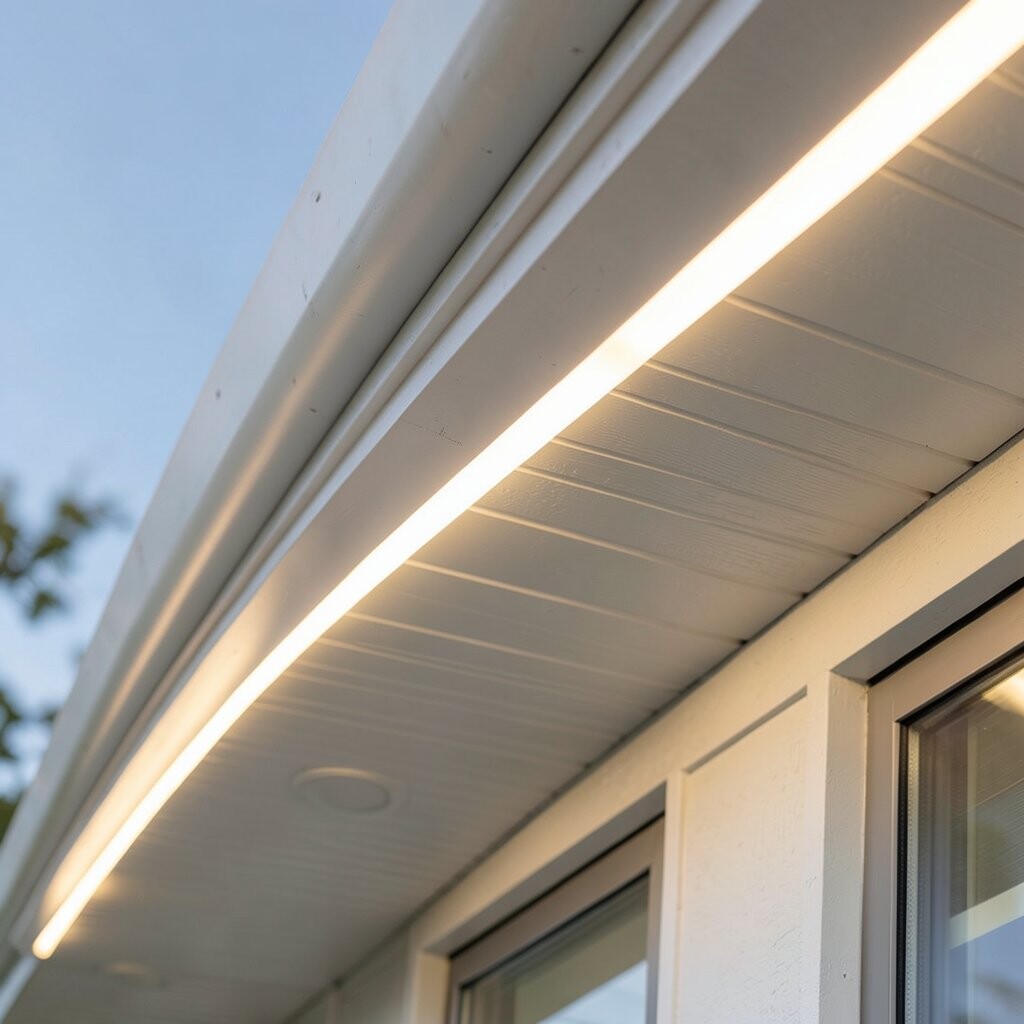
Think of a gentle band of light that hugs the soffit like a quiet sunrise. It looks clean from the street, and it feels calm up close when you step outside at night.
Warm white LEDs are a great choice because they flatter your siding and trim without looking harsh. For a natural look, keep the strip set back evenly and aim the light so the wall stays bright but shadows remain soft.
2. Crisp Edge Lighting for Modern Trim Lines
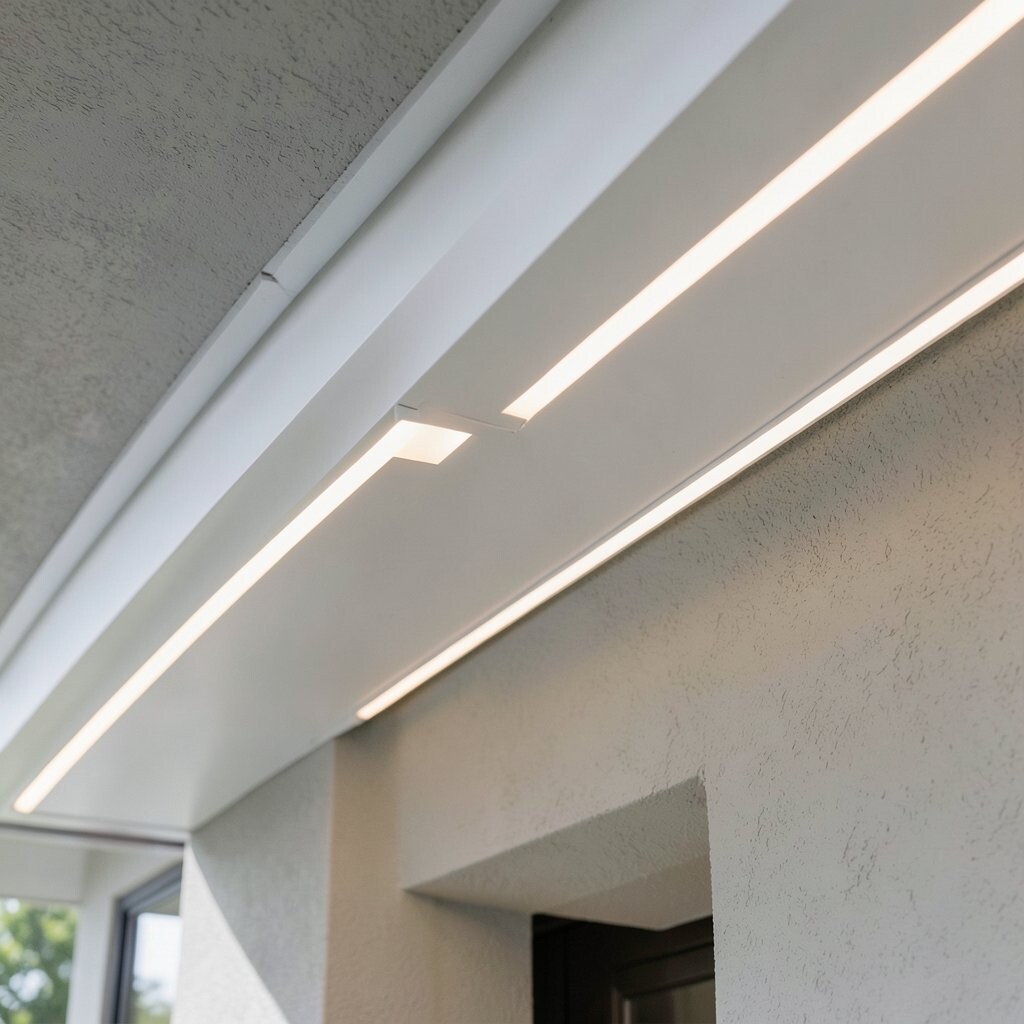
If your home has sharp lines, crisp edge lighting will match that style. A thin, even glow under the soffit highlights corners and makes the architecture feel crisp.
Use a higher color temperature and a diffuser cover so the light spreads evenly instead of showing bright dots. When installing, run the strip straight with careful spacing so every section looks intentional.
For cost control, measure your full soffit length first and buy only what you need, then add a small buffer for corners. You can also reuse compatible connectors across sections to avoid wasting extra wire.
3. Layered Glow With Dual-Height Soffits
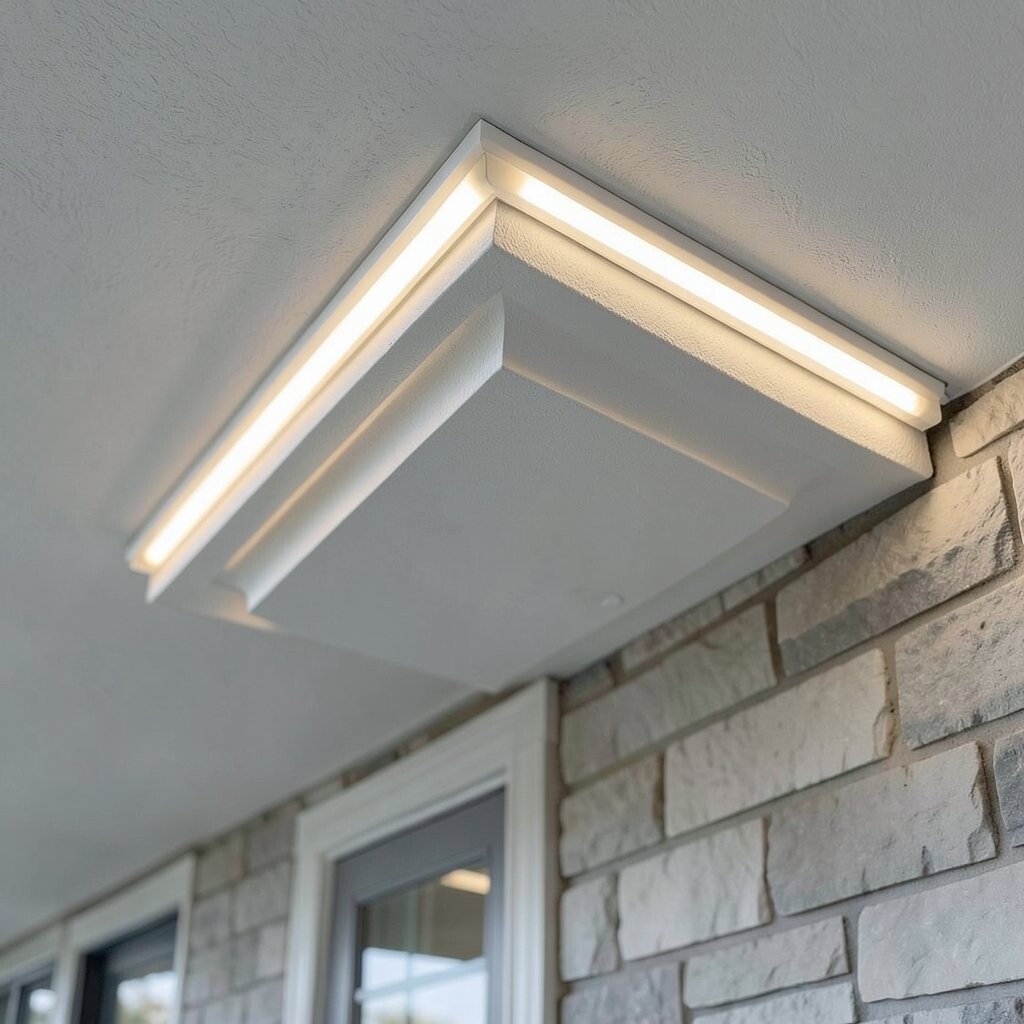
Some homes have stepped or layered soffits, and LED strips can make those levels look like they belong together. One layer can glow softly while another layer adds brightness for balance.
Set one strip closer to the house and the other slightly farther out to create a gentle depth effect. This makes the underside of the eaves look richer instead of flat.
If you want a more designer look, use the same color temperature on both strips but vary brightness by section. A dimmer helps you fine-tune the “daytime clean” feel versus the “nighttime cozy” mood.
To personalize, match the glow to your exterior design elements like stone, brick, or wood siding tones. Even small adjustments can make the layers feel custom.
4. Hidden Recess Channel for a Cleaner, Floating Look
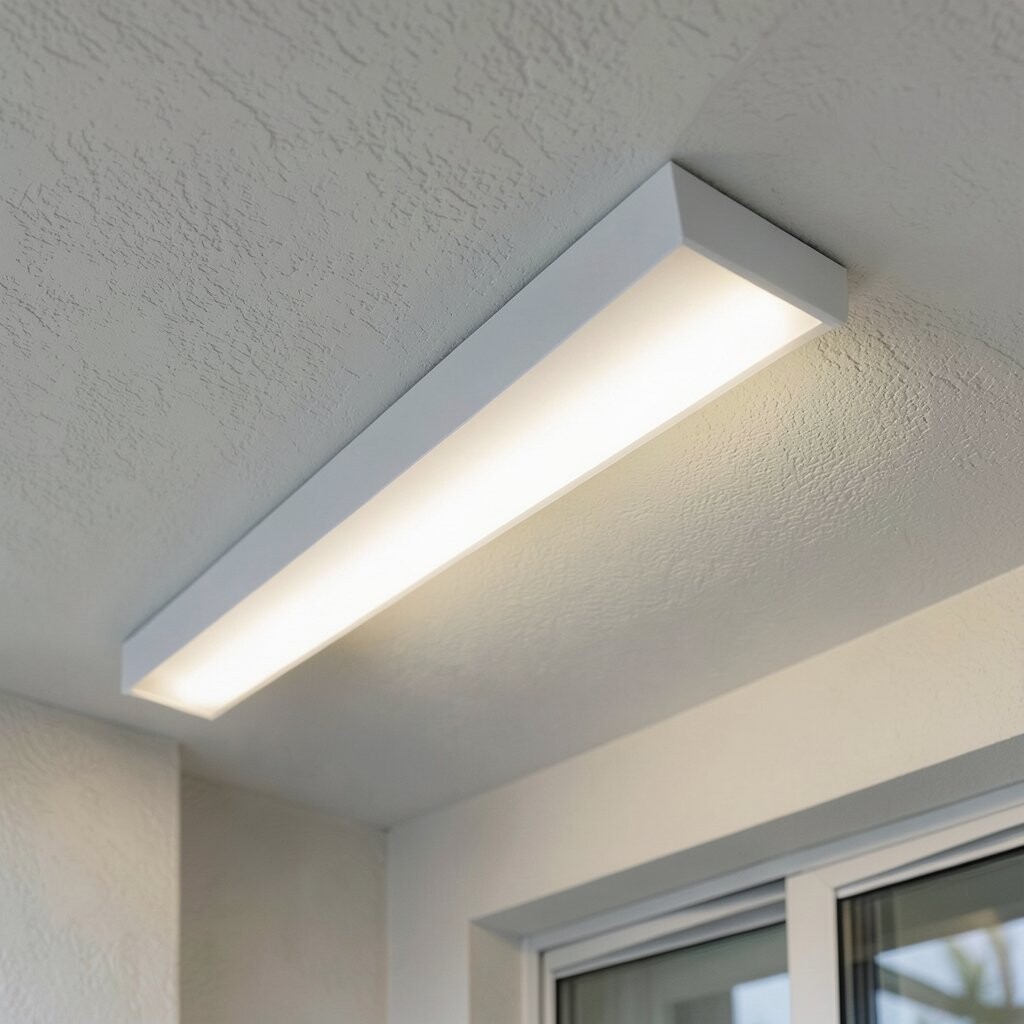
A recessed channel hides the light source so it feels like the soffit itself is shining. The effect is smooth and “floating,” which is a big reason this style stays popular.
Install the strip inside a narrow channel or use a soffit diffuser that blocks direct glare. Keep the channel consistent across the run, and take time to level it so the line looks straight.
This setup also helps reduce hot spots, making it easier to get a premium finish. It usually costs a bit more than simple surface mounting, but many homeowners feel it’s worth it for the refined look.
5. Color-Changing RGB for Party Nights and Calm Weekdays
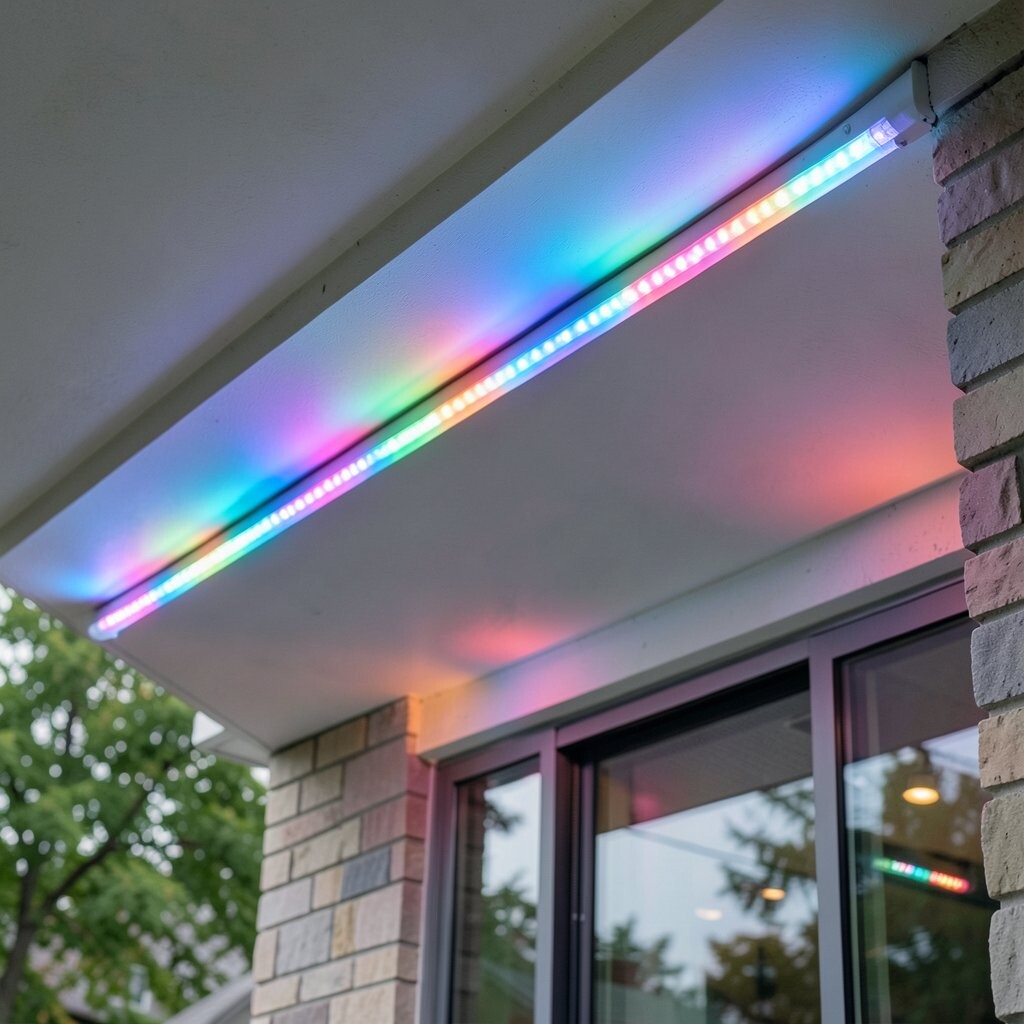
With color-changing RGB strips, your exterior can shift from warm comfort to fun colors in seconds. On weekends, the soffit can become a playful backdrop, while weekdays return to a relaxing white glow.
Choose a controller that supports scheduling so you do not have to remember turning things on. Use a gentle brightness limit so colors look festive without overwhelming your neighbors or windows.
For practical wiring, plan power access near the main exterior outlet or the most reachable spot. If you prefer low effort, select weatherproof kits designed for outdoor soffits.
6. Outdoor-Friendly Diffusers for Dot-Free Brightness
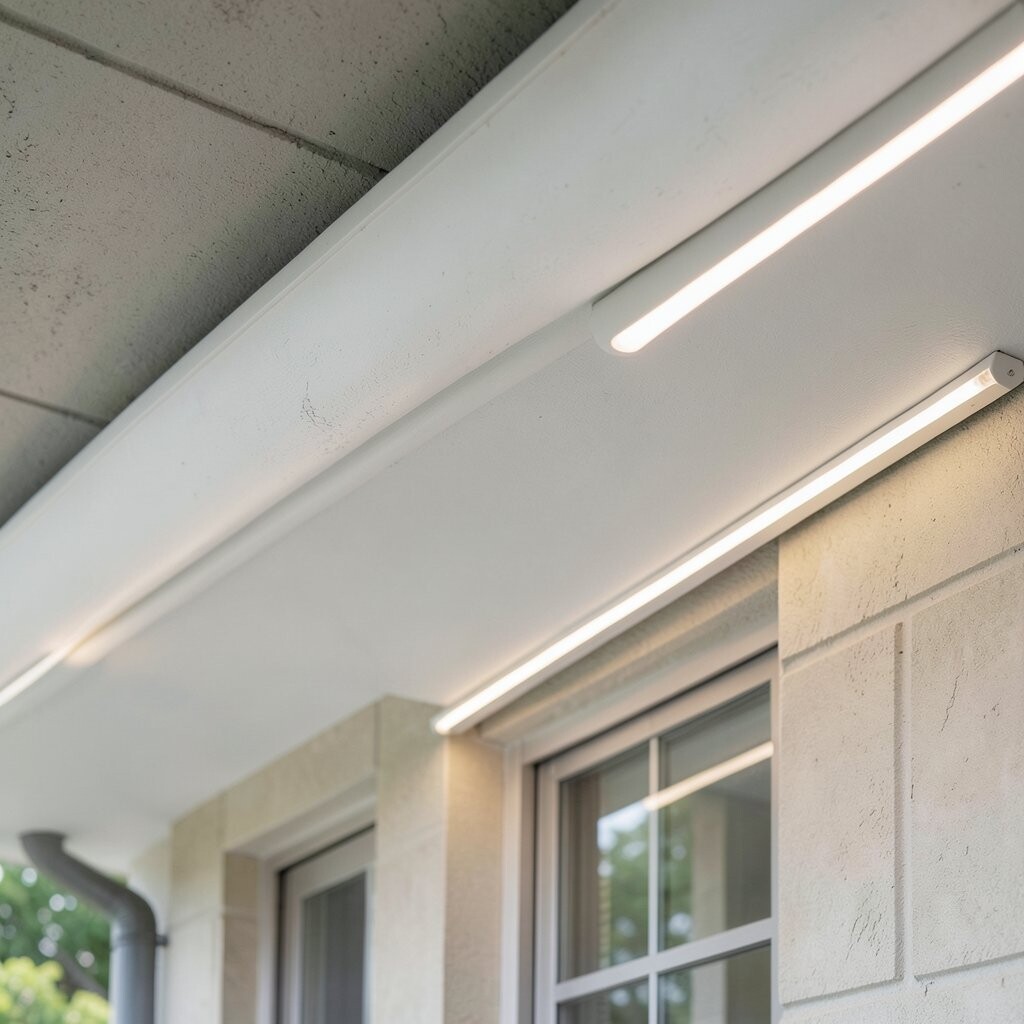
LED strips can look spotty if they are not diffused, especially from a distance. Adding a quality diffuser turns the line into an even ribbon of light that looks more expensive.
Look for diffusers that match your soffit depth so the light spreads across the underside instead of shooting outward. This also helps with glare control, which matters if your front door or seating area faces the eave.
One simple trick is to test a short section before finishing the whole run. You can adjust the aiming angle and brightness once you see how the glow lands on your wall and trim.
7. Picture-Perfect Porch Rhythm Under the Entry Soffit
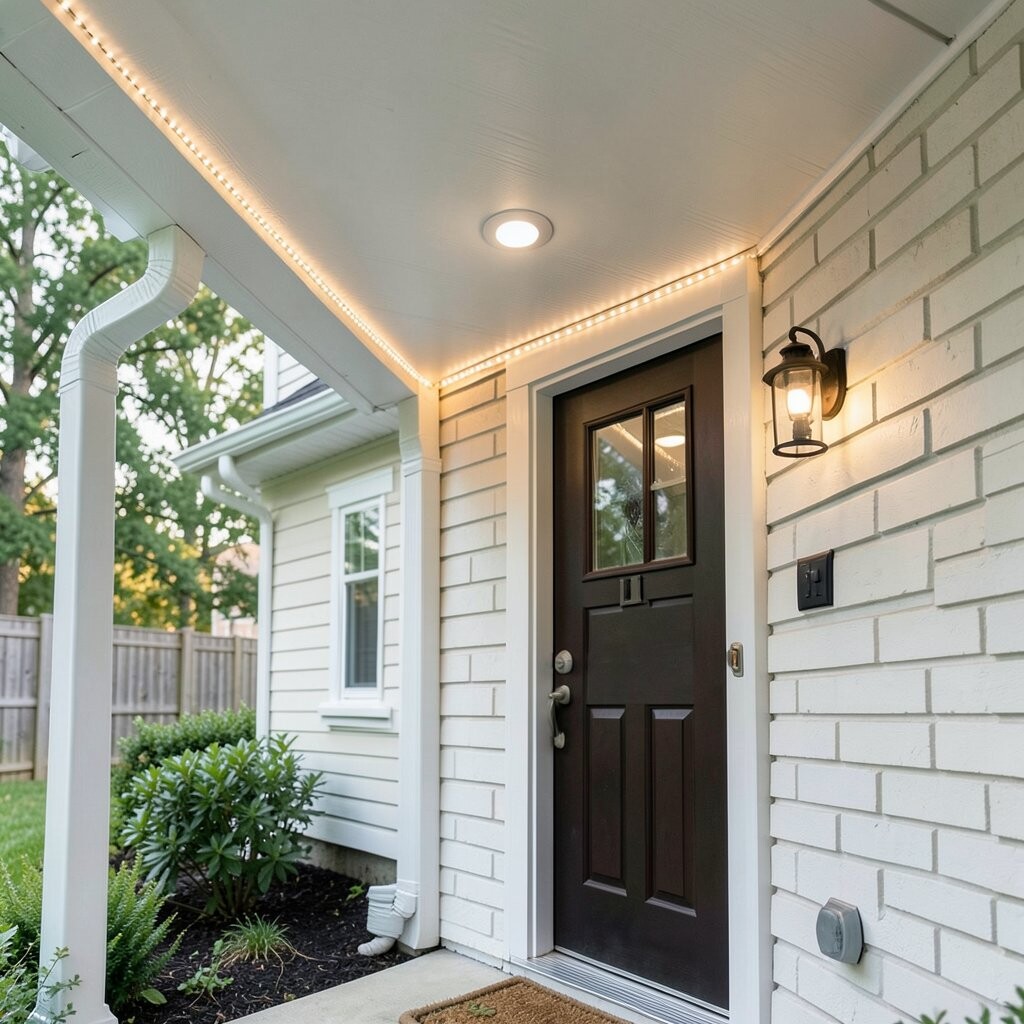
Your entry area deserves special attention because it sets the welcome tone. A strip under the porch soffit draws the eye toward your door and makes the entrance feel inviting.
Use warm white and keep the glow low enough to highlight the path without blasting the doorway. If you have a step or walkway, position the light so it adds visibility to the ground while keeping your door area comfortable.
For personalization, pair the soffit strip with a matching accent at the front door wall or a small step light. Budget-wise, you can start with the soffit first, then add more lighting later as you see what you like.
When you choose timing, you can schedule the porch glow for evening arrival times so it looks ready every day.
8. Gentle Downlight Effect With an Angled Mount
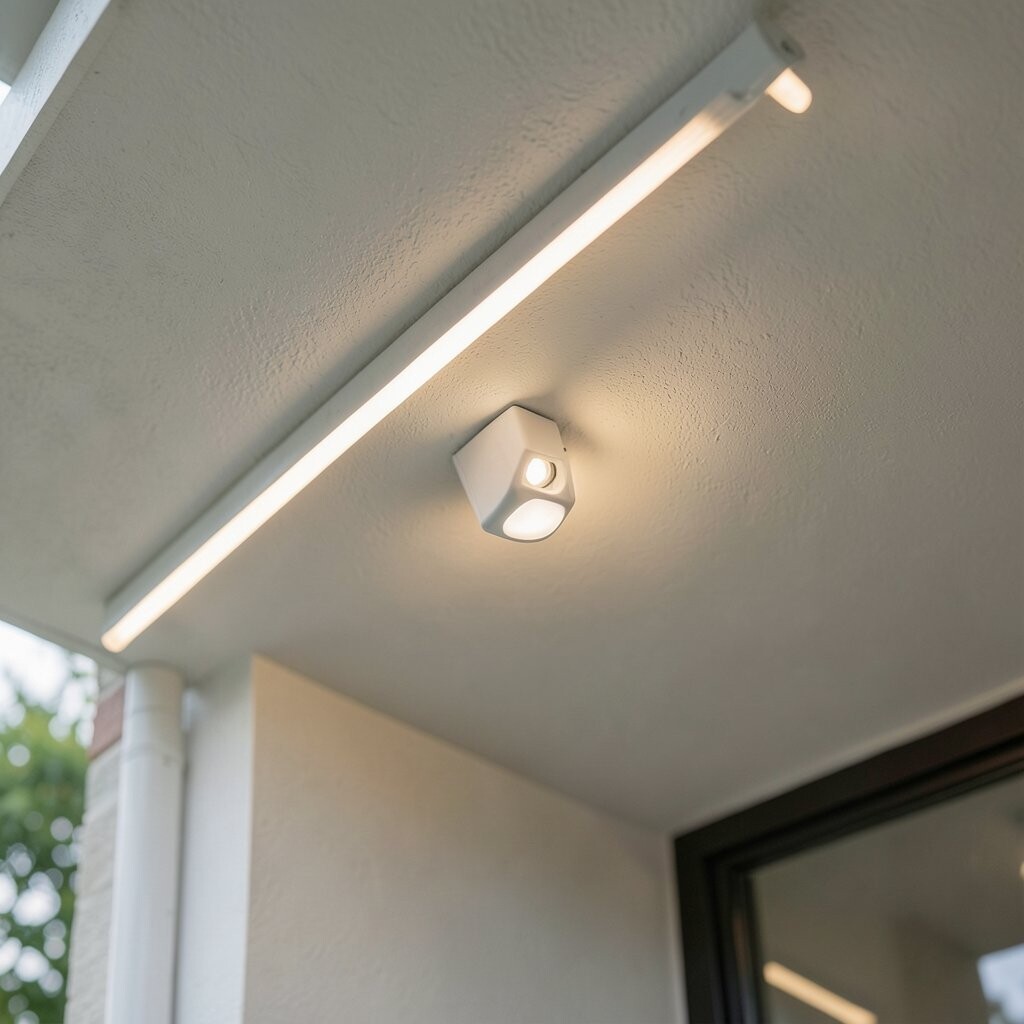
An angled mount can create a downlight look instead of a straight glow. It makes the soffit feel like it’s casting soft light downward onto the wall and porch area.
Mount the strip so the beam leans toward the area you want to brighten, then use a diffuser to keep the line smooth. This approach is great for homes where you want more light on the siding and less light blasting into the sky.
To get consistent results, mark the mounting line with a level and measure the angle before you secure everything. You will also want to use outdoor-rated clips to keep the strip steady as temperatures change.
9. Seasonal Lighting With Simple Dimming Control
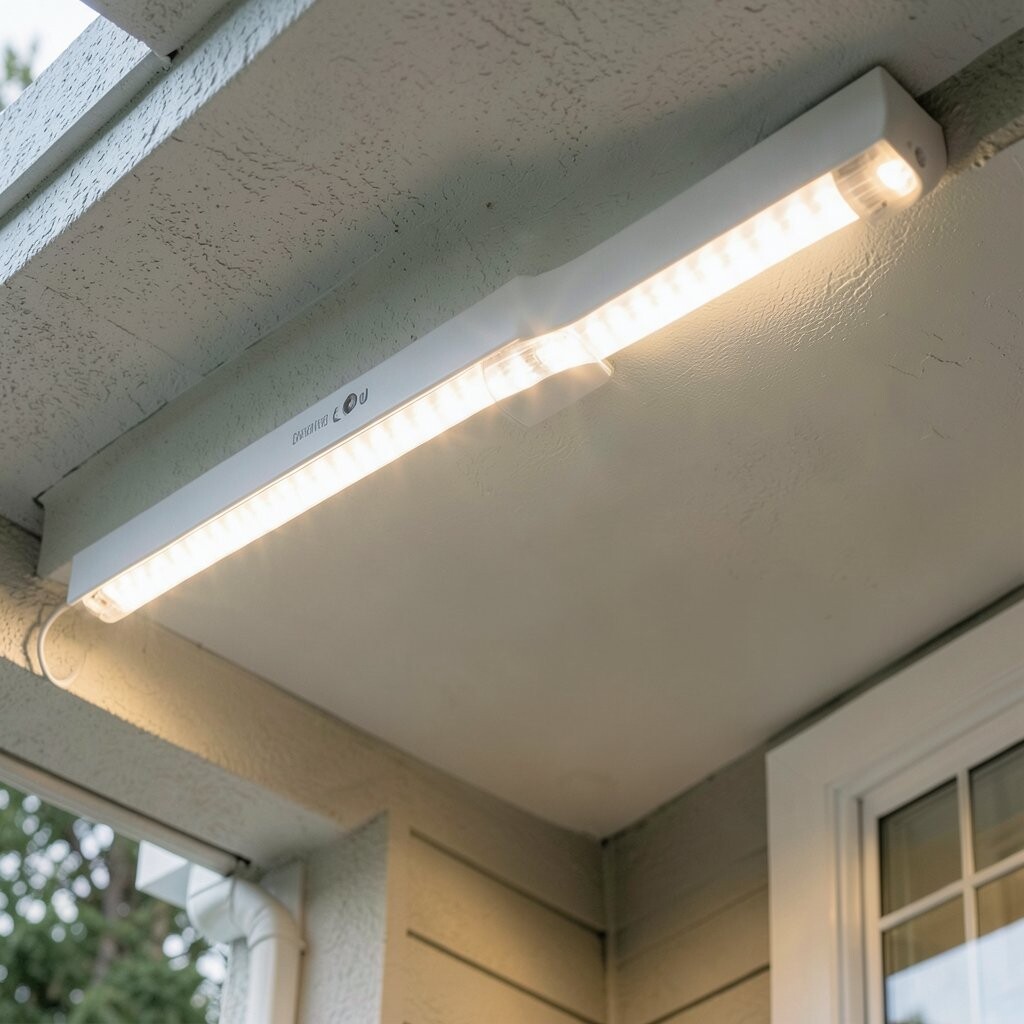
You can keep your soffit lighting practical and still fun by using easy dimming. When evenings feel busy, brighter light helps you move around safely, and when you want calm, dimming makes the mood softer.
A dimmer controller can also reduce energy use because you can avoid running at full brightness all night. Many people like that it extends the feel of the lighting without turning it into a “always too bright” situation.
If you want to personalize, match the brightness to your routine, like slightly brighter during winter when it gets dark early. For cost considerations, dimming gear can add a little upfront cost, but it often saves energy over time.
10. Solar-Assisted Soffit Glow for Easy Setup
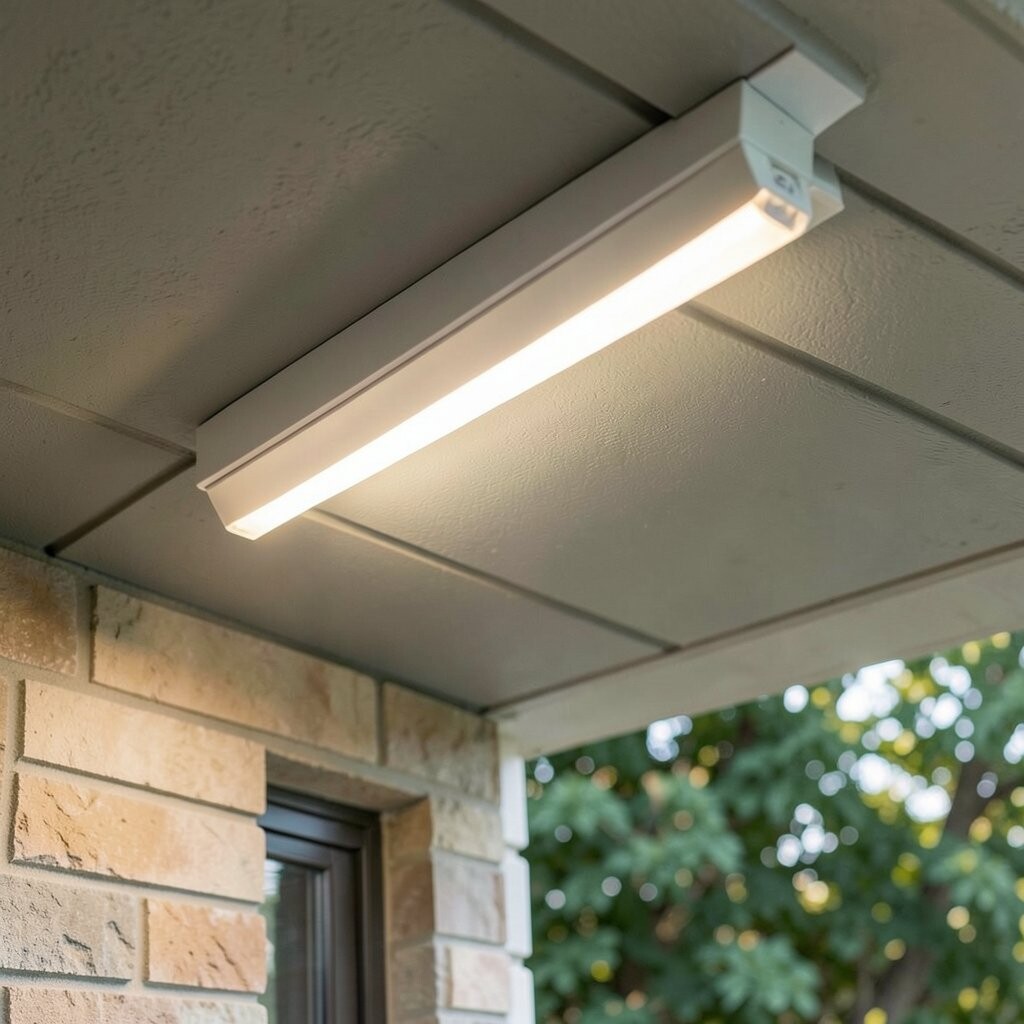
Solar-assisted strips can be a smart path when you want fewer wires and a simpler installation. The underside glow still looks polished, especially when you use a diffuser and good outdoor strip hardware.
Pick a location where the solar panel gets enough sun and choose a model designed for evening hours. If your home has shady front landscaping, you may need extra planning for reliable light output.
This option is also great for renters because it can be easier to adjust or remove. For cost, solar systems may cost more upfront, but the savings on wiring and installation can make them attractive.
11. Warm Layered Glow Matching Landscape Highlights
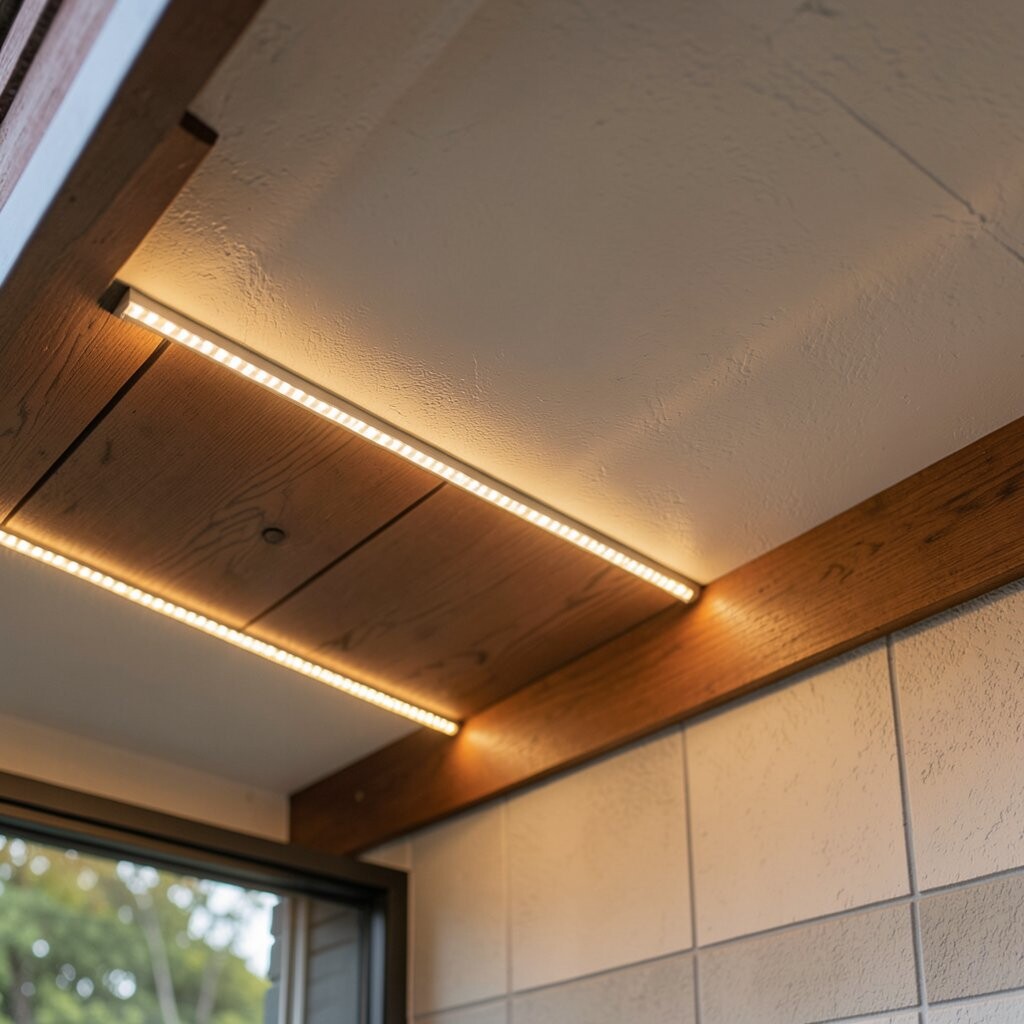
When your soffit lighting “talks” to your landscaping, everything feels coordinated. A warm soffit strip pairs nicely with garden lights and helps the home feel like one complete scene.
Choose a similar color temperature so your plants and walls look harmonious, not mismatched. You can also aim the soffit light to brighten the wall area where landscaping shadows fall, which adds depth.
For practical design, keep your strip brightness modest so it complements rather than competes with path lights. If you already have landscape lighting, using that existing vibe as your guide makes choosing easier.
12. Office-Quiet Night Mode for Homes With Big Windows
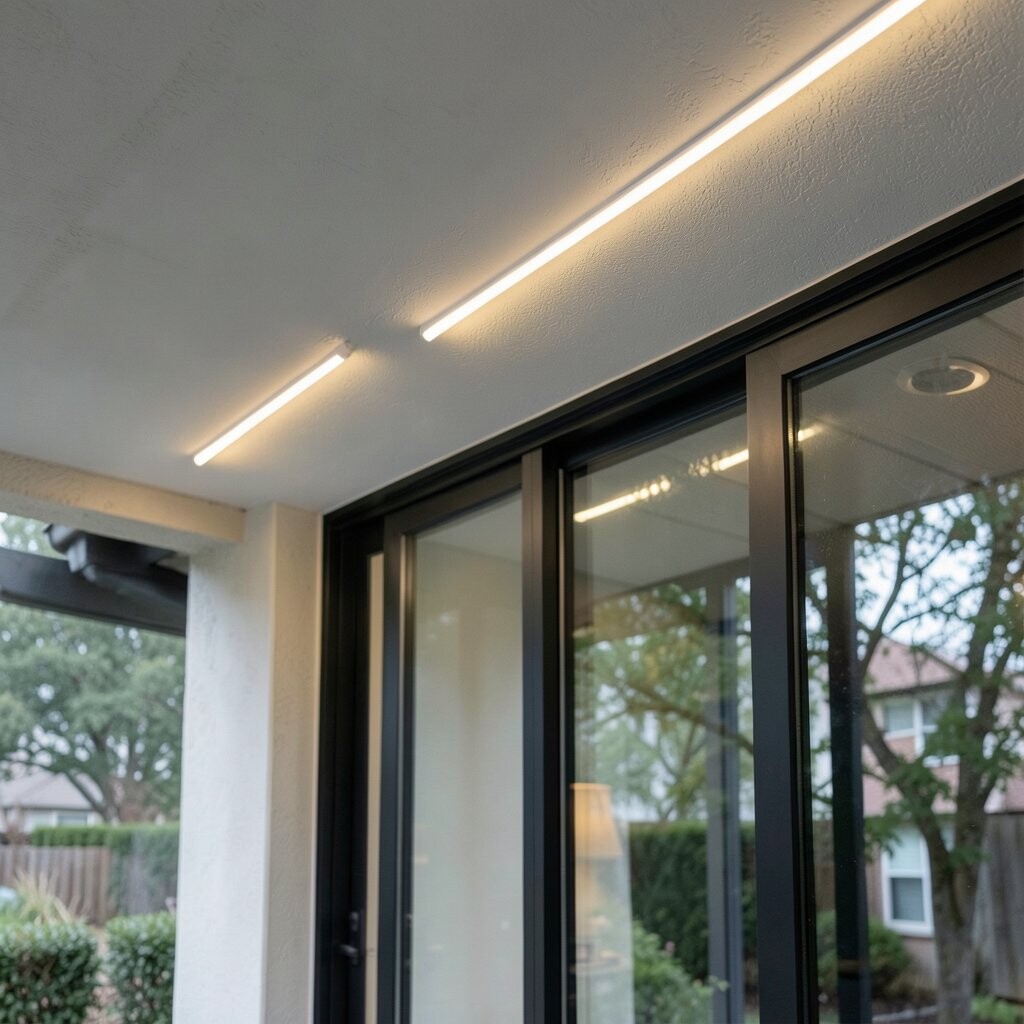
If you have large windows near the soffit, glare control becomes a comfort feature. The goal is to brighten the exterior without creating bright reflections indoors.
Use a fully diffused strip and consider positioning so the beam stays aimed along the underside and siding. Warm white at a moderate brightness helps keep the light pleasant instead of startling.
To personalize, set a night schedule with lower brightness after late hours. This can feel especially nice for families who prefer a calmer evening atmosphere.
13. Festive Crown Molding Look Using Small Corner Segments
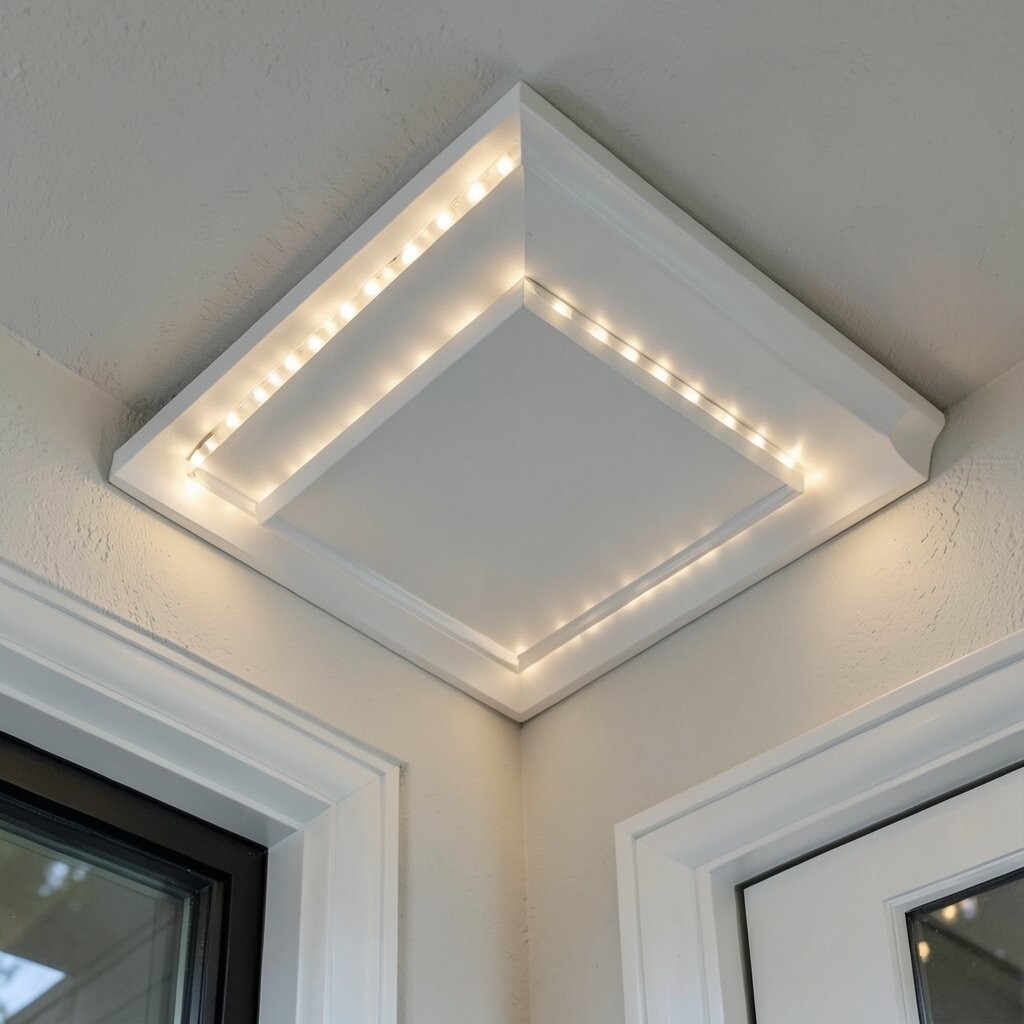
Corner lighting makes soffits feel detailed, and small segmented runs can create that crown molding vibe. Instead of one long straight glow, you can frame openings and corners for a tailored feel.
Use pre-cut lengths or cut carefully at the right points, then connect with weatherproof solderless connectors if possible. This reduces strain on the joints and helps keep the line neat.
For personalization, mirror the shape of your trim lines so the light follows the architecture. Cost-wise, corner segments might use a little extra connector material, but they help you get a higher-end visual impact.
Once installed, you will notice how the entry and facade look more intentional at night.
14. High-Contrast White for Coastal and Light Siding Homes
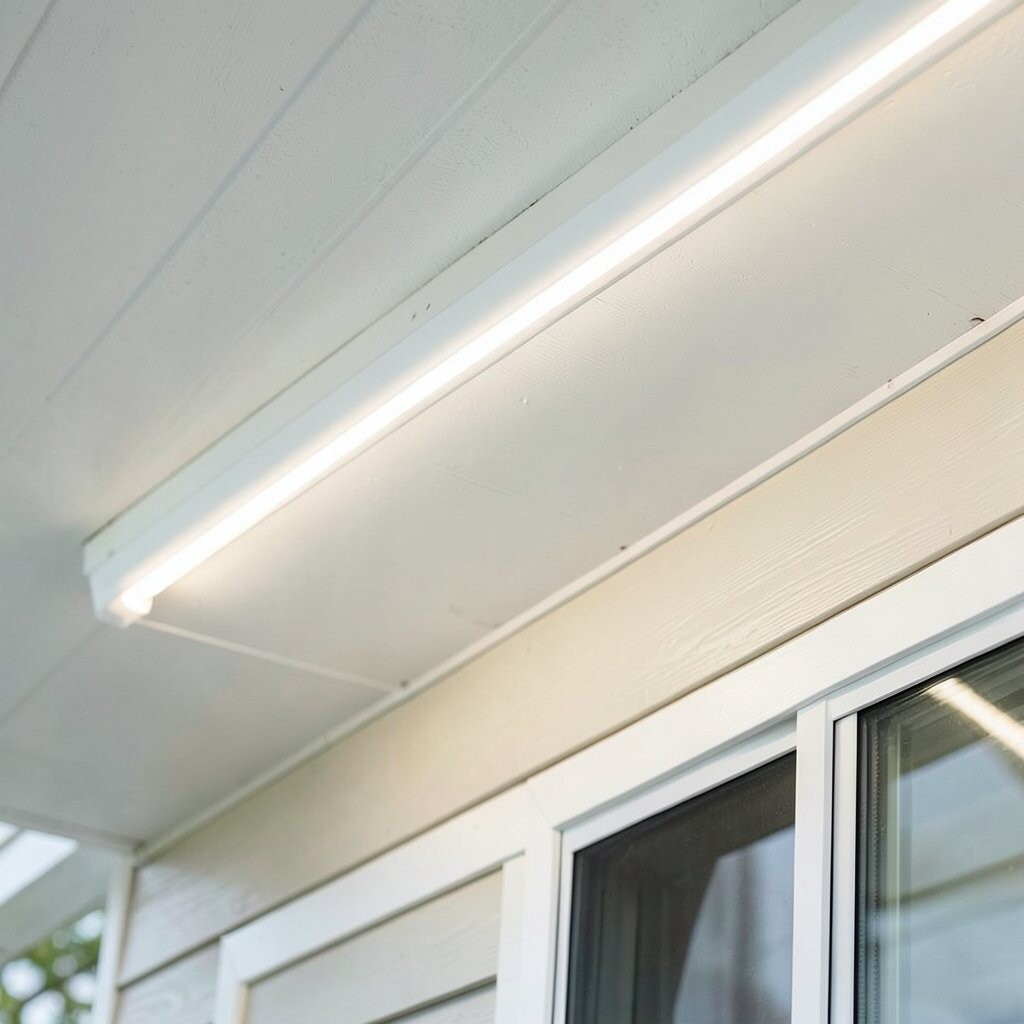
Light siding and coastal styles can benefit from a brighter, clean white glow. It gives the exterior a crisp, fresh look that still feels welcoming.
Use a color temperature that stays true and does not look bluish, then rely on a diffuser to keep the line soft. If you live near the ocean, choose corrosion-resistant components and check outdoor ratings before buying.
To keep it practical, ensure your connections are sealed and protected from salt spray. Many homeowners find that a well-chosen white can also make outdoor decor stand out clearly without adding extra fixtures.
15. Smart Wi-Fi Scenes for a “Home Ready” Exterior
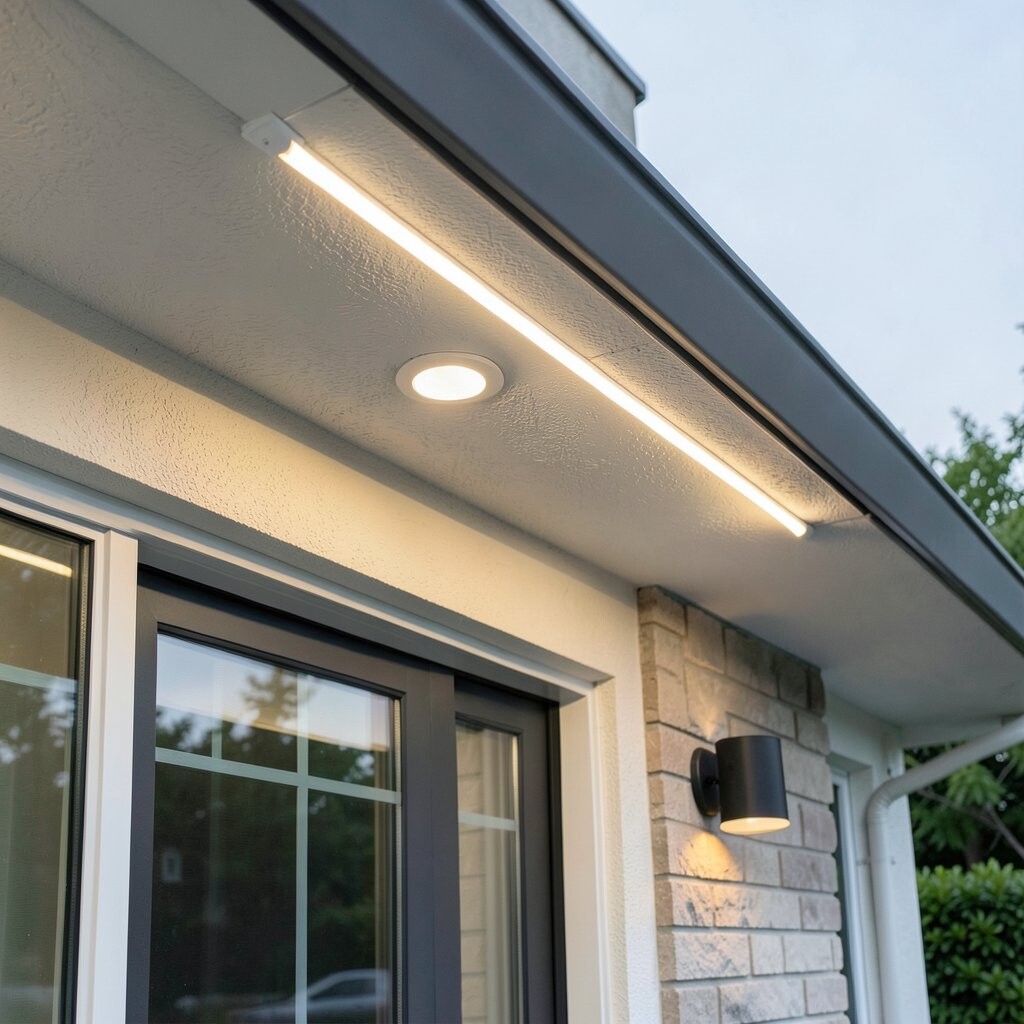
Smart controls let you set scenes like arrival, bedtime, and weekend glow in one tap. Your soffit lighting becomes part of the rhythm of your home, not just a static feature.
Choose a system that works reliably outdoors and supports weatherproof components. For a smooth experience, create a scene that keeps brightness moderate and uses a warm white base for everyday settings.
Personalization can be as simple as timing it for your schedule, like lighting up before dinner and dimming after. Cost depends on the controller and whether you already own smart hubs, but the convenience can make the upgrade feel worth it.
Once you set it up, the exterior can look consistently cared for, even when you are busy.