
Soft light can change a room’s mood faster than you’d think. The right LED strip profile makes that glow look smooth, clean, and made on purpose.
1. Cove Ceiling Profiles With Even Glow
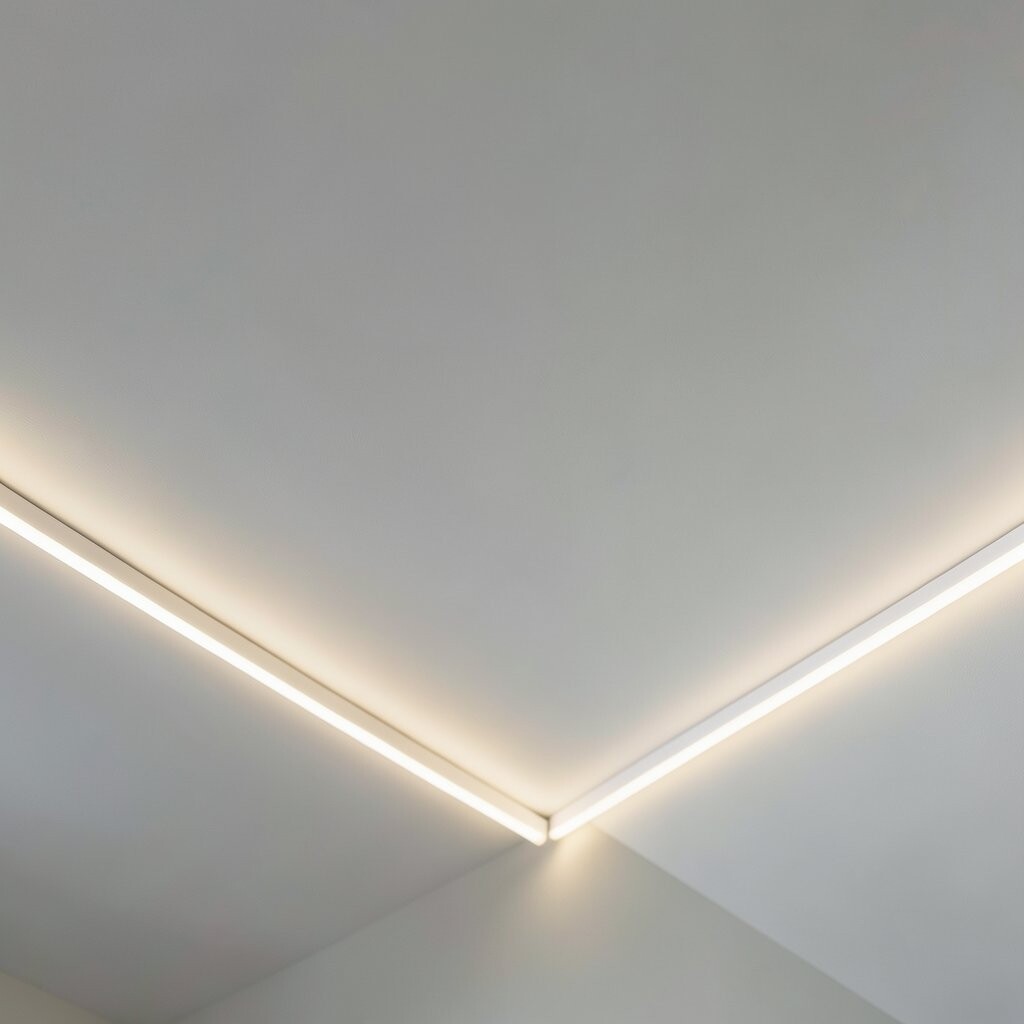
A cove profile sits above your line of sight, so the light washes across the ceiling instead of blasting your eyes. You’ll notice a gentle gradient that makes rooms feel taller and calmer.
Install the strip in a rigid channel, then add a diffuser so the brightness spreads evenly. For best results, keep the strip centered in the channel and aim for smooth coverage along the whole run.
2. Recessed Aluminum Profiles For a Clean Line
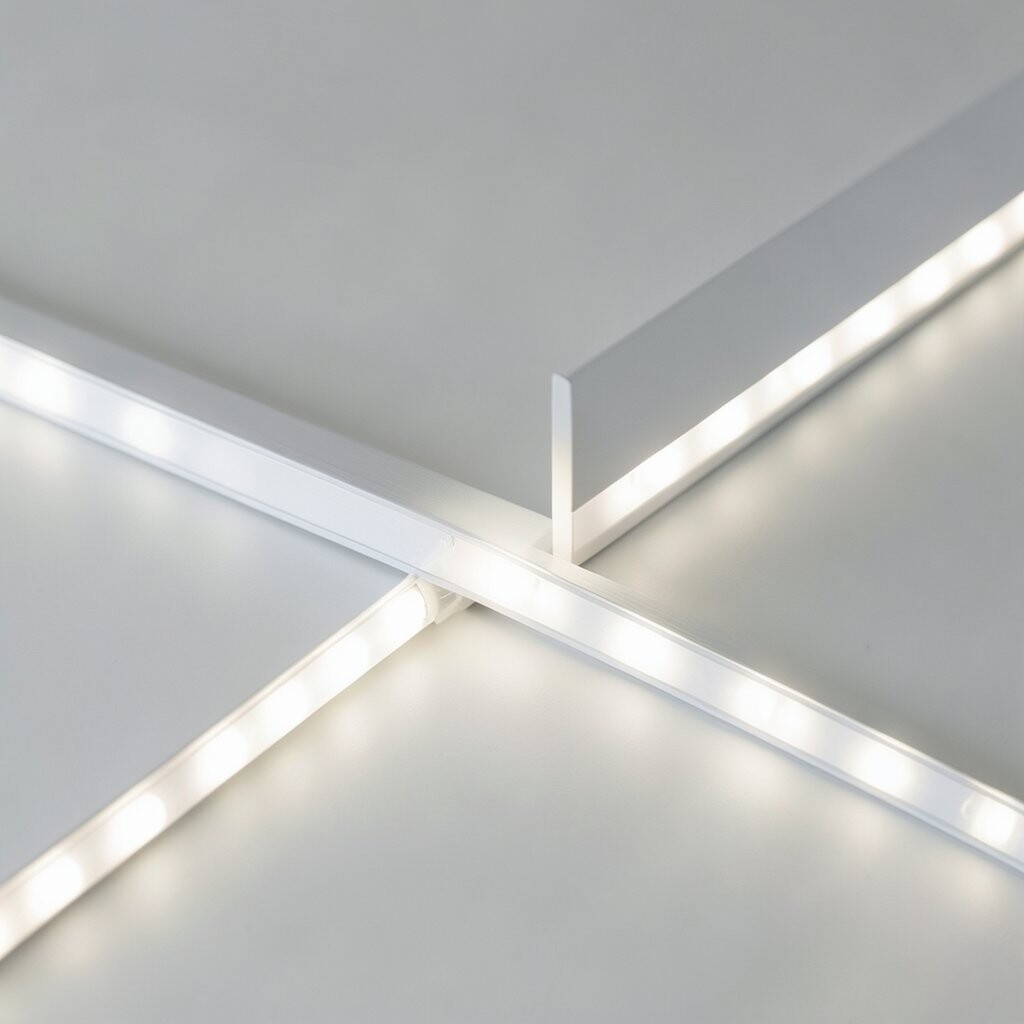
Recessed channels hide the LED strip almost completely, leaving only a bright edge that looks architectural. In kitchens, hallways, and offices, this style feels crisp and tidy.
The deeper the recess, the more control you gain over glare. Use a diffuser that matches your strip density, and test brightness at night before you seal everything in place.
If you like personalization, choose warm white for cozy evenings and neutral white for task areas like desks. For cost, remember that aluminum channels and diffusers add up, but they help your LEDs last longer by reducing heat.
3. Wall-Wash Profiles For Art-Friendly Lighting
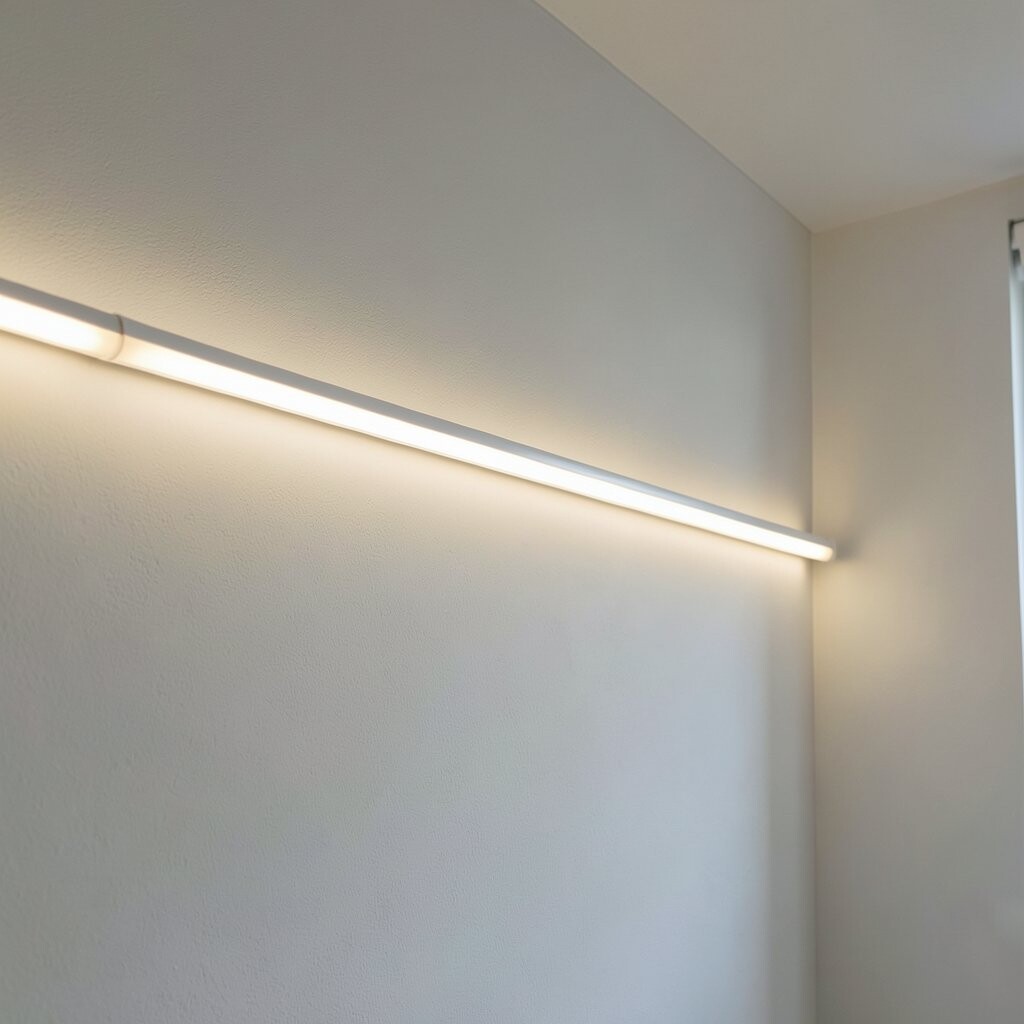
Wall-wash channels shine light across surfaces so textures and frames look natural. Instead of harsh dots, you get a broad, flattering glow that makes artwork and shelving look premium.
Mount the channel slightly off the wall direction, then adjust the angle so the light lands where you want it. Pair it with a frosted diffuser to reduce hot spots.
To keep it practical, measure your wall length and plan for power feed locations so you don’t end up with long cable runs. Using dimming helps you match the room lighting to the time of day without replacing anything.
4. Corner Profiles For Smooth L-Shaped Light
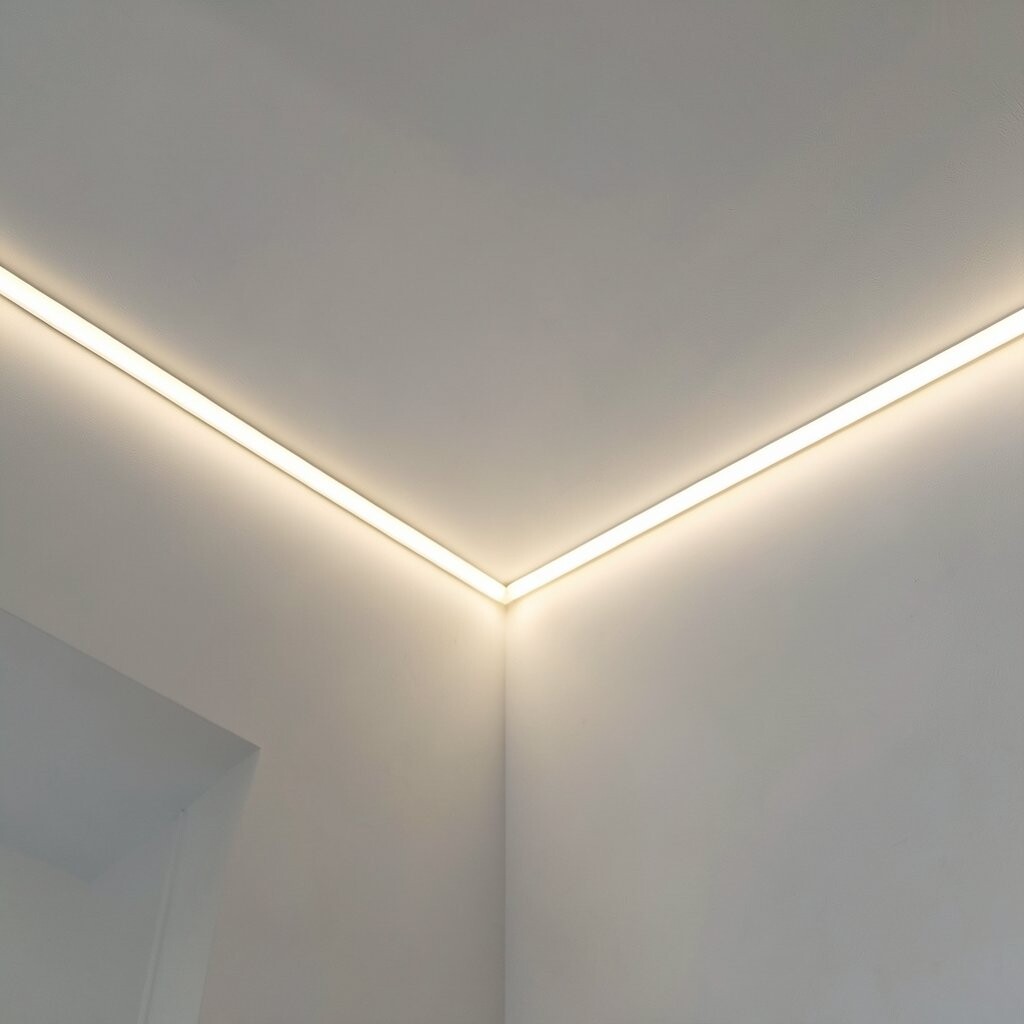
Corners can be tricky, but a corner profile turns them into clean design moments. When installed well, the light wraps around the turn like it’s part of the wall.
Choose a profile made for inside corners, and check that the diffuser won’t leave seams. If you’re wiring multiple sections, stagger the joints so the glow stays steady.
5. Under-Cabinet Profiles With Glare-Control
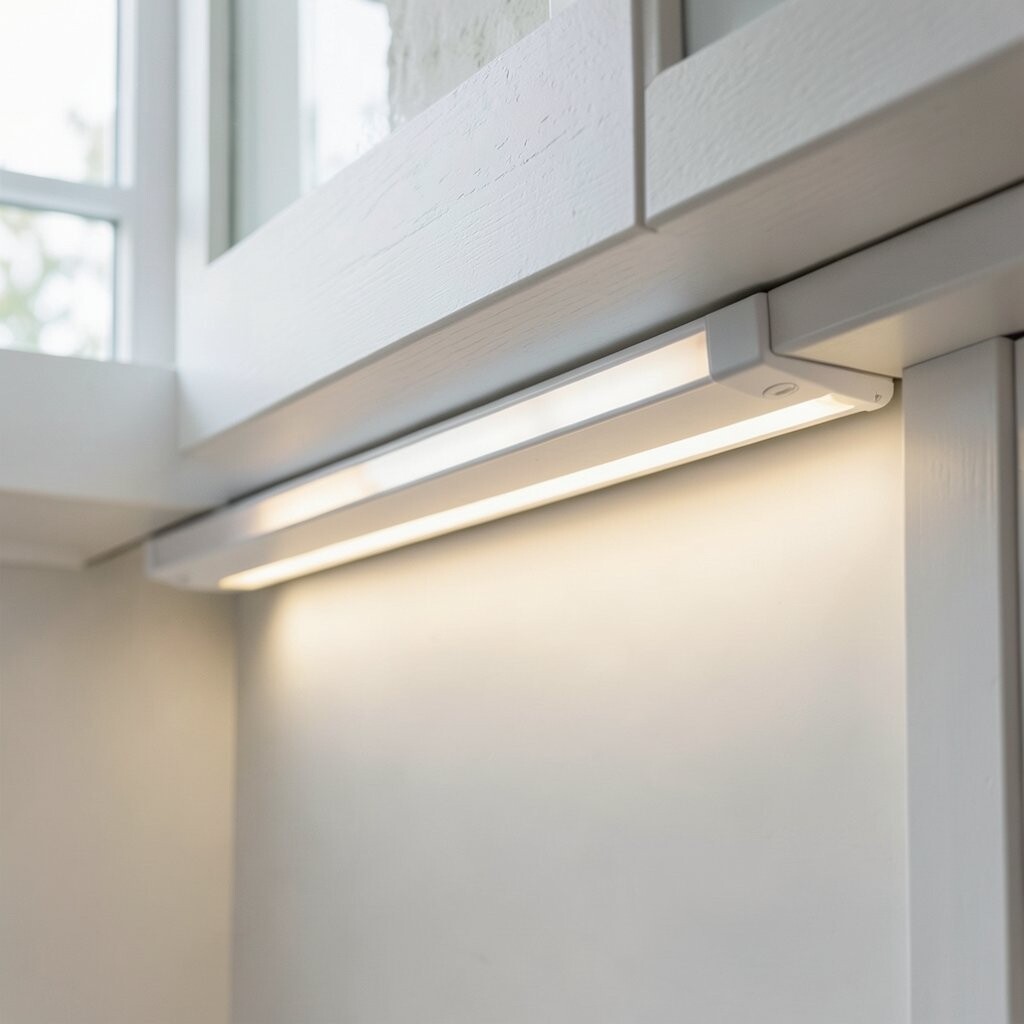
Under-cabinet channels make your countertop lighting look bright and even, without the annoying reflections on shiny surfaces. You’ll see cleaner meal prep and a calmer feel while cooking.
Pick a profile with a diffuser that softens the beam, especially if your cabinets have glass or glossy finishes. Keep the strip a consistent distance from the front edge so the light pattern stays predictable.
For personalization, try a slightly wider diffuser to brighten the whole work zone. Costs often depend on diffuser quality, so spending a bit more on the right cover can save you from needing multiple brightness levels.
6. Floating Shelf Edge Profiles For “Light That Holds”
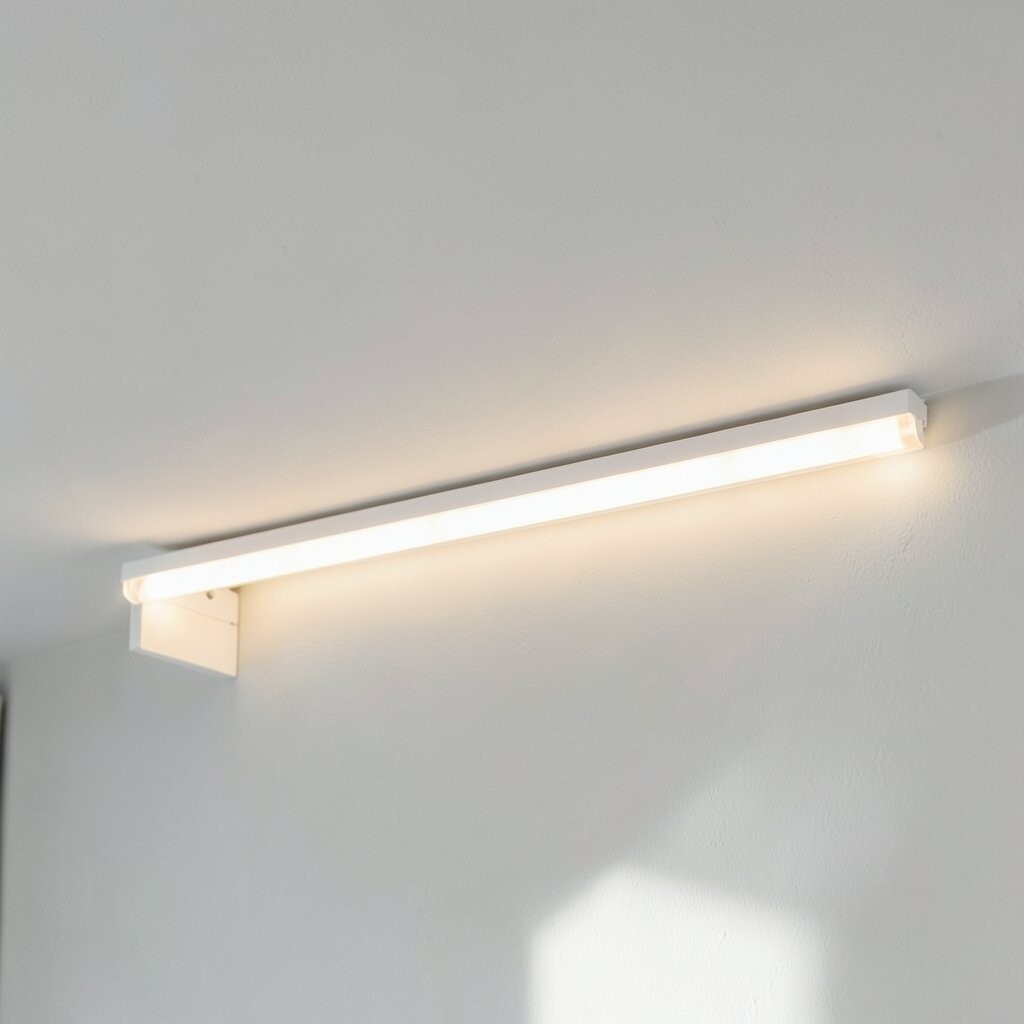
Shelf edge channels create a floating effect by lighting the underside and the front lip. Books, plants, and collectibles look brighter, as if your shelves are glowing from within.
Install the strip inside an edge channel with a clear or frosted diffuser depending on how soft you want the light. If you want a cozy look, go frosted for a smoother finish and less glare for your eyes.
7. Step And Stair Profiles For Safer Night Paths
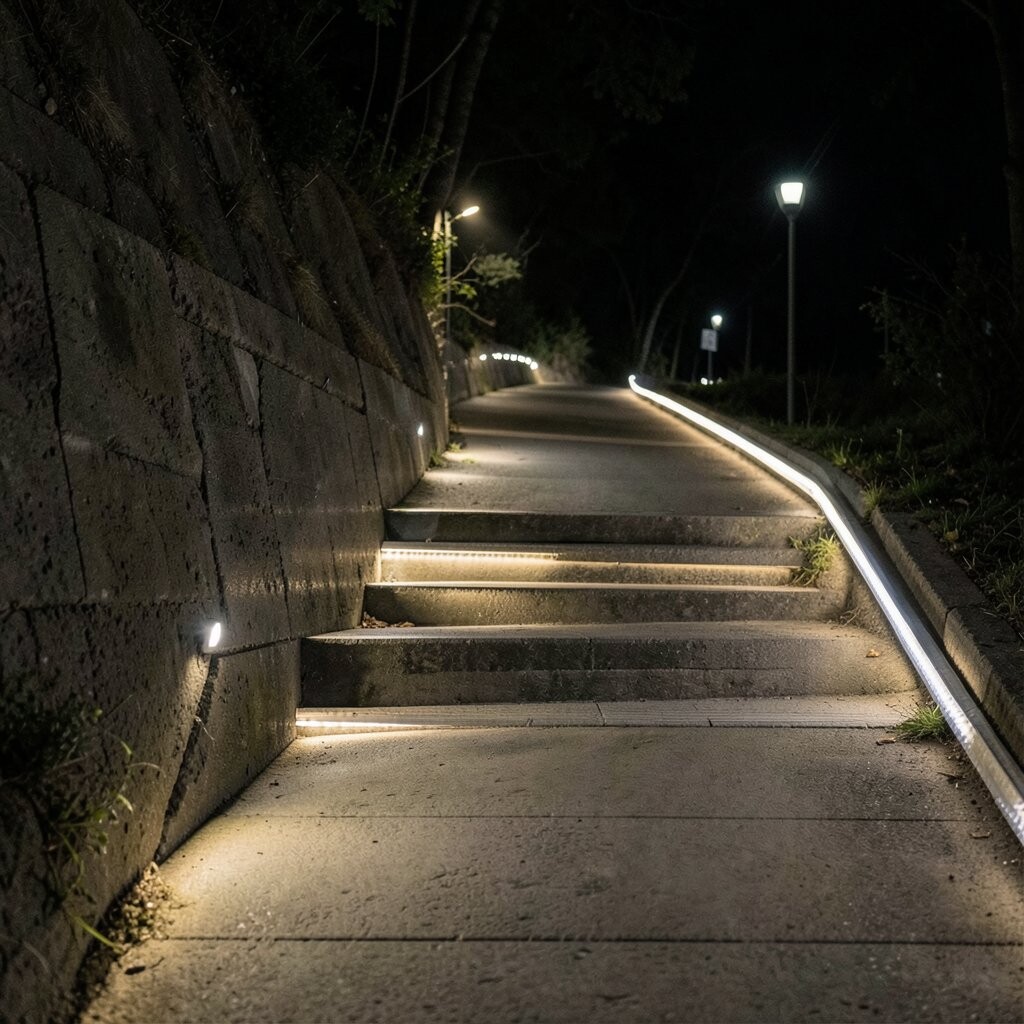
LED strip channels made for steps give you a clear path without needing a loud ceiling light. The gentle glow helps you see edges and reduces the chance of missteps.
Look for profiles built to handle foot traffic, with strong housings and proper sealing. Use low-voltage wiring and add dimming so stairs feel welcoming at night but not blinding.
When planning, map out every step and allow for channel length gaps at corners. For cost control, buy the longest channel sections that match your layout, then cut carefully to reduce waste.
8. Bookcase And Backdrop Profiles For Depth
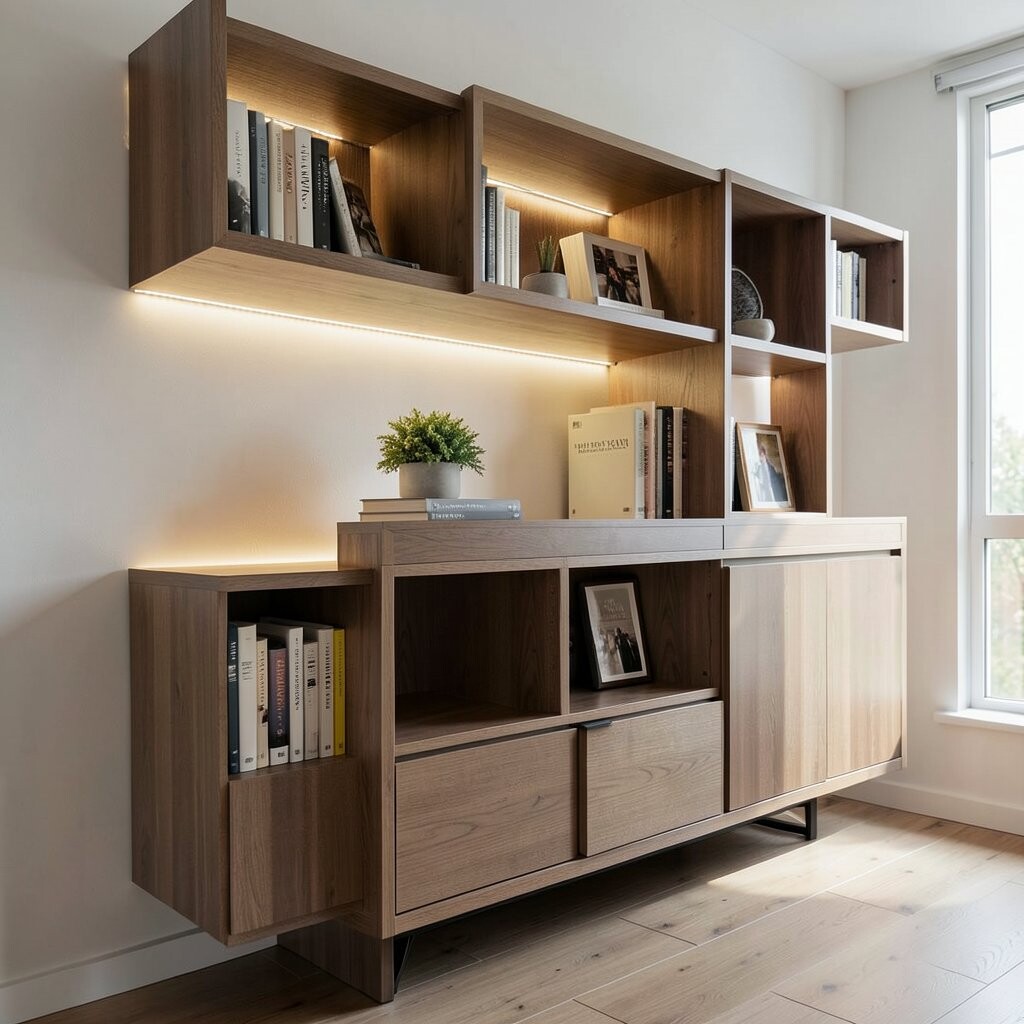
When an LED strip sits behind shelving, it adds depth like a tiny gallery wall. The light highlights spines and creates a layered look that feels warm and intentional.
Use a back panel channel with a diffuser so the glow stays soft and doesn’t show individual LED points. Keep the strip mounted at a height that makes items look evenly lit from top to bottom.
9. Shower And Wet-Area Profiles With Waterproof Covers
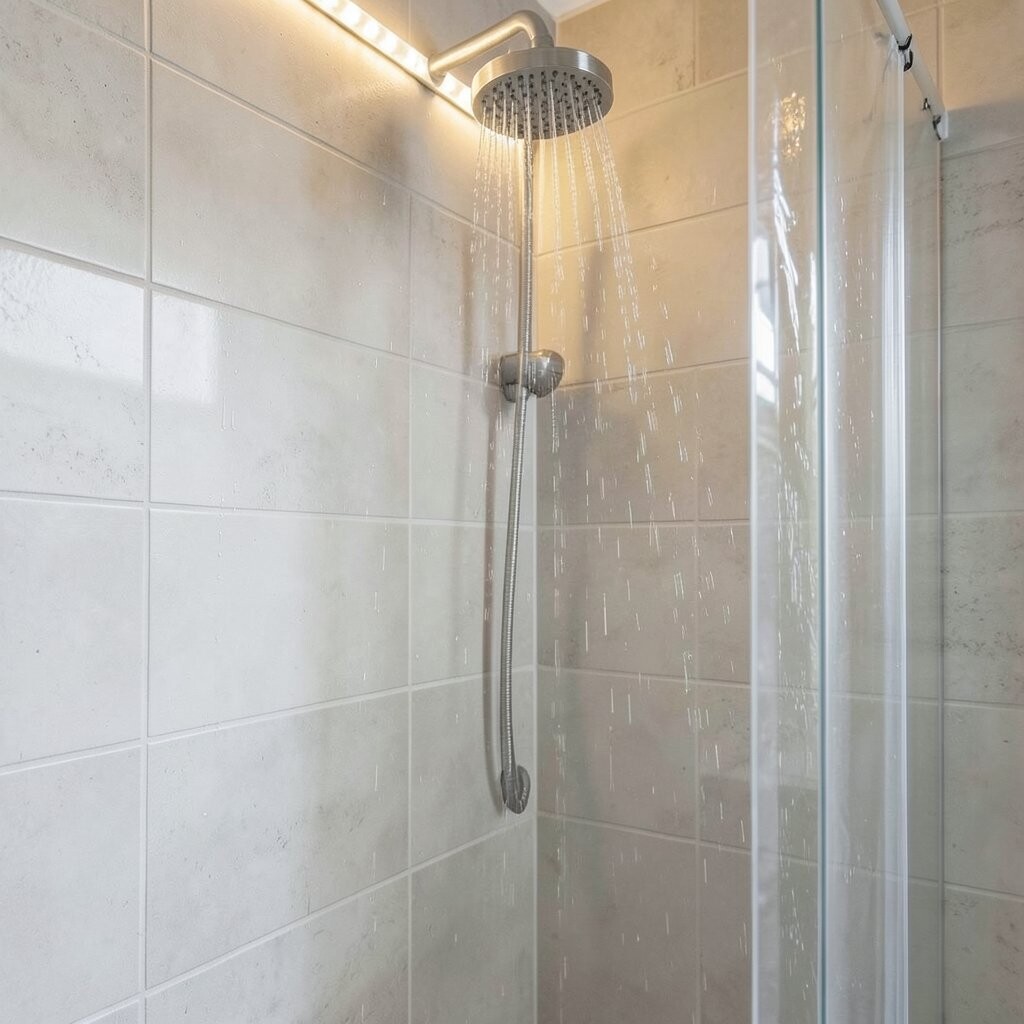
In bathrooms, wet-area channels keep lighting safe and steady even in humid spaces. The right profile also helps you avoid water damage and premature LED failure.
Choose an IP-rated channel and a diffuser designed for moisture. For practical comfort, pick a neutral or warm white so skin tones look natural in mirrors.
Plan for protected power connections and route wires away from direct splash areas. If you care about longevity, use compatible waterproof connectors since cheap shortcuts can raise repair costs later.
10. Magnetic Track Profiles For Easy Upgrades
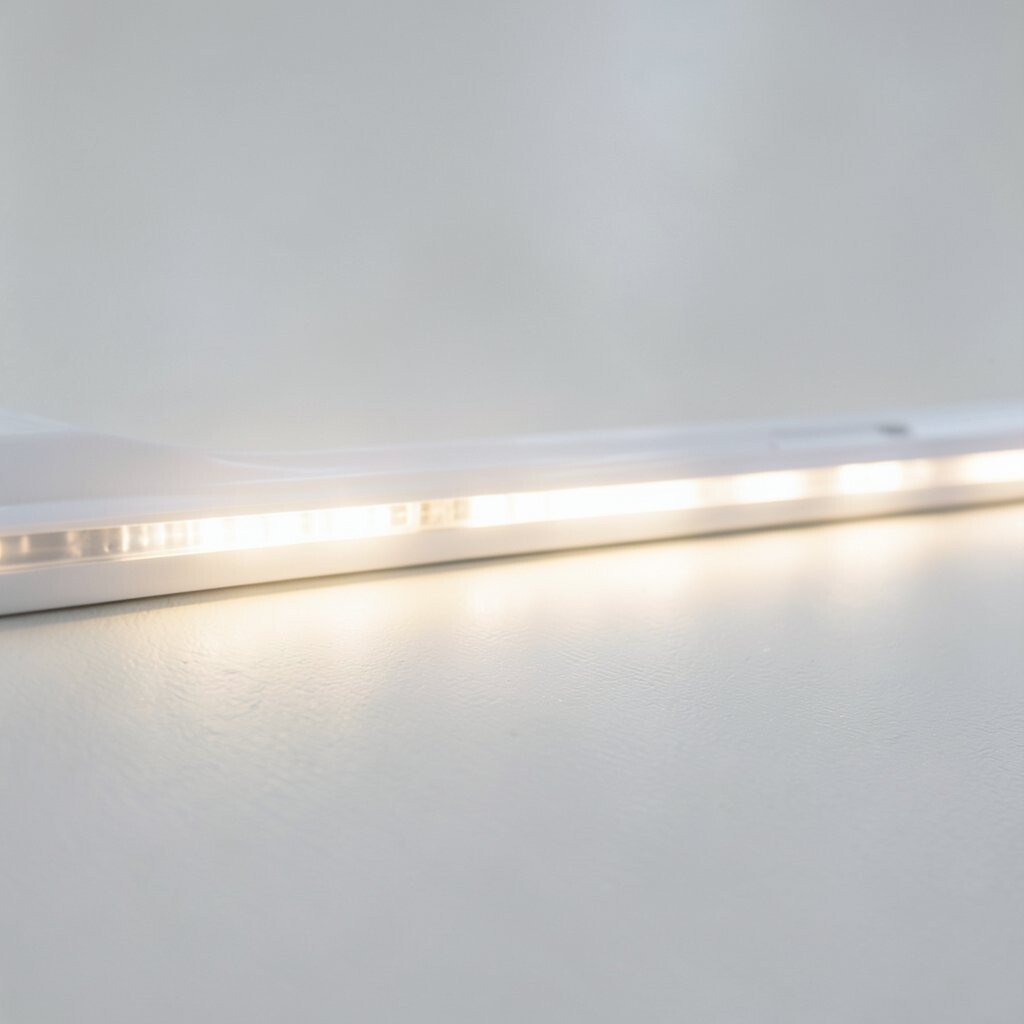
Magnetic LED strip systems let you change brightness or colors without tearing up walls. They’re great if you like adjusting your space as seasons and moods change.
The channel design holds the strip securely, while the track makes swaps quick. Look for a system that offers stable locking so the strip doesn’t sag over time.
11. Bedside Headboard Profiles For Reading Comfort
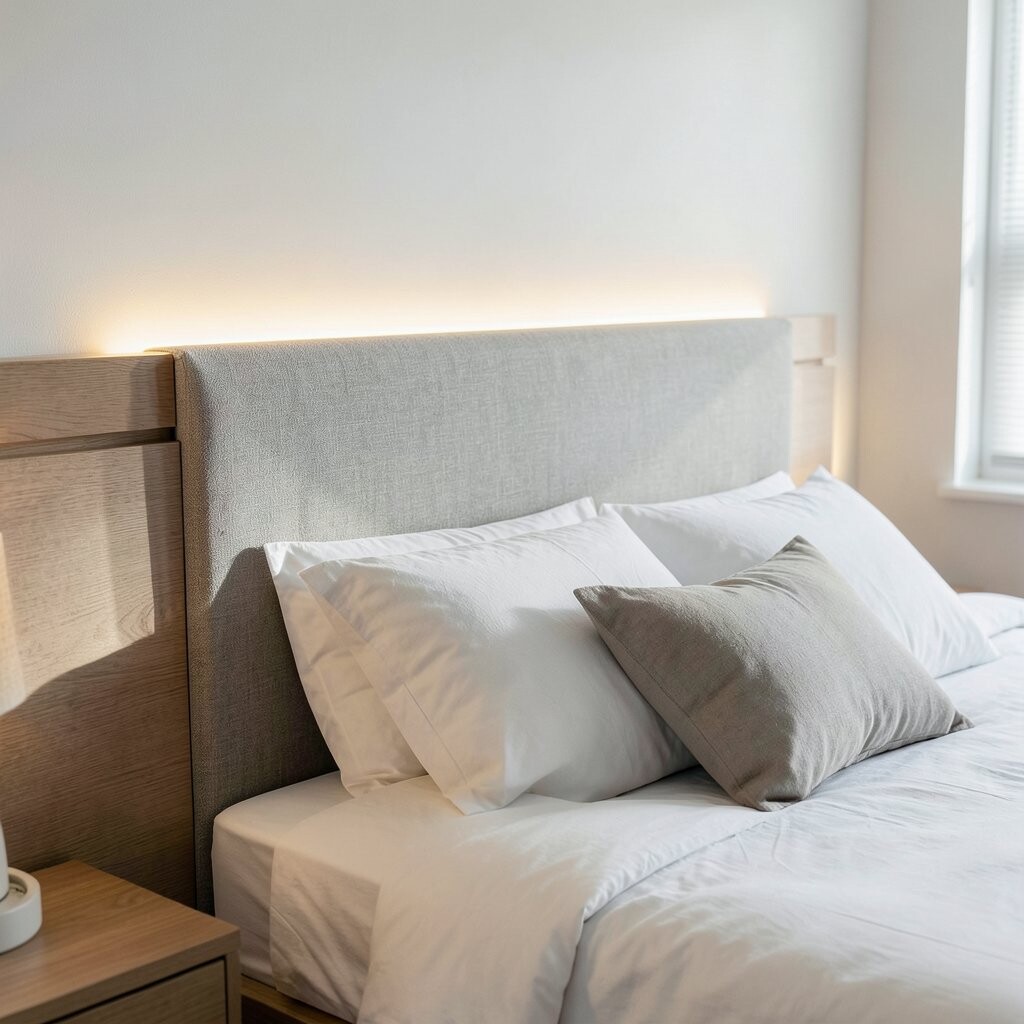
Headboard channels turn bedside lighting into a cozy, bedroom-friendly glow. Instead of lighting the whole room, the light stays focused where you need it for reading.
Choose a diffuse profile to keep glare low, then aim the strip so it brightens the book area rather than your eyes. If your bedroom has a warm color palette, use a warm white setting for a soft and relaxing vibe.
Personalization is easy with smart dimming so you can set a bedtime level that feels gentle. While premium channels cost more up front, they usually reduce flicker issues and help the look stay smooth.
12. Bar And Counter Top Profiles For Entertaining Glow
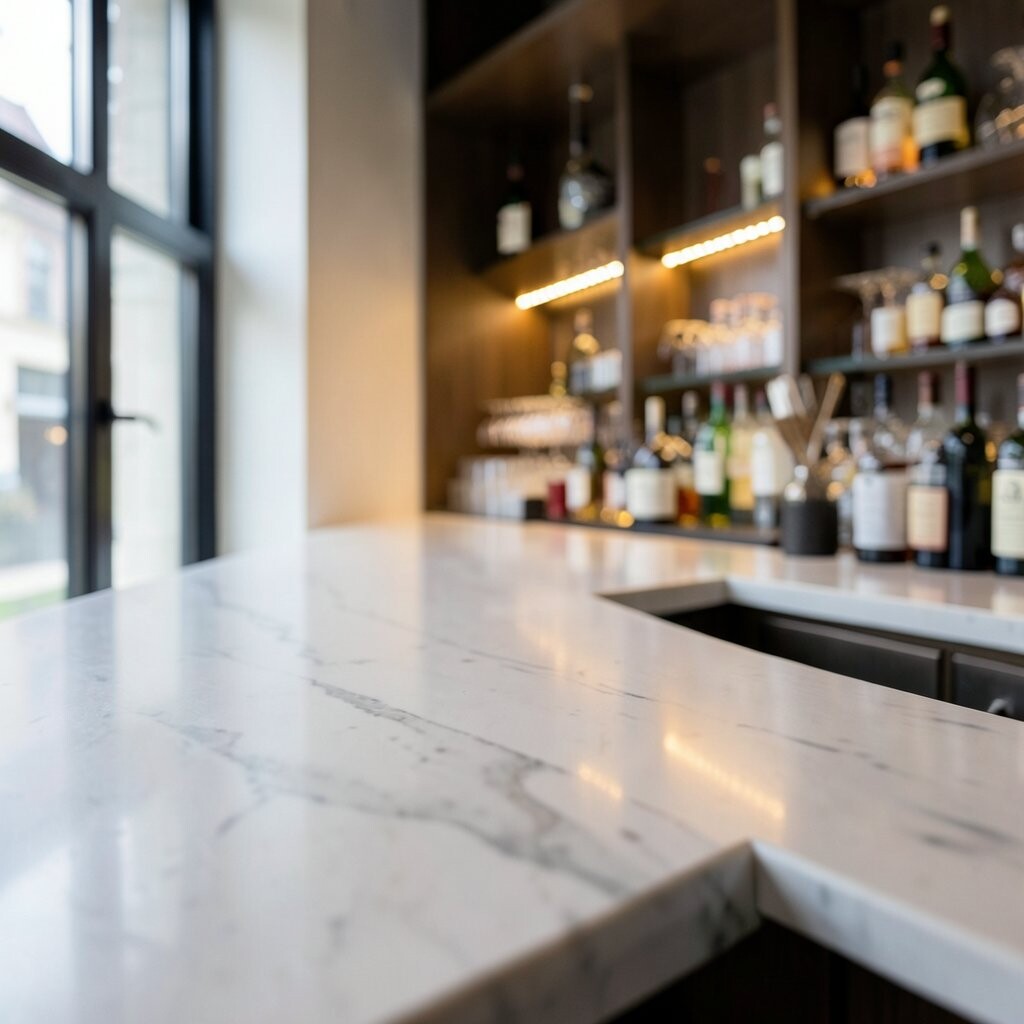
Under-bar and countertop profiles create a stylish scene that feels great for hosting. The light makes drinks sparkle and gives the room a slightly upscale mood.
Use a channel with a wide diffuser to spread light across the counter edge and keep it flattering. If you often entertain, consider a dimmer so you can shift from lively brightness to calm evening ambience.
13. Outdoor Facade And Pathway Profiles For Weather-Friendly Light
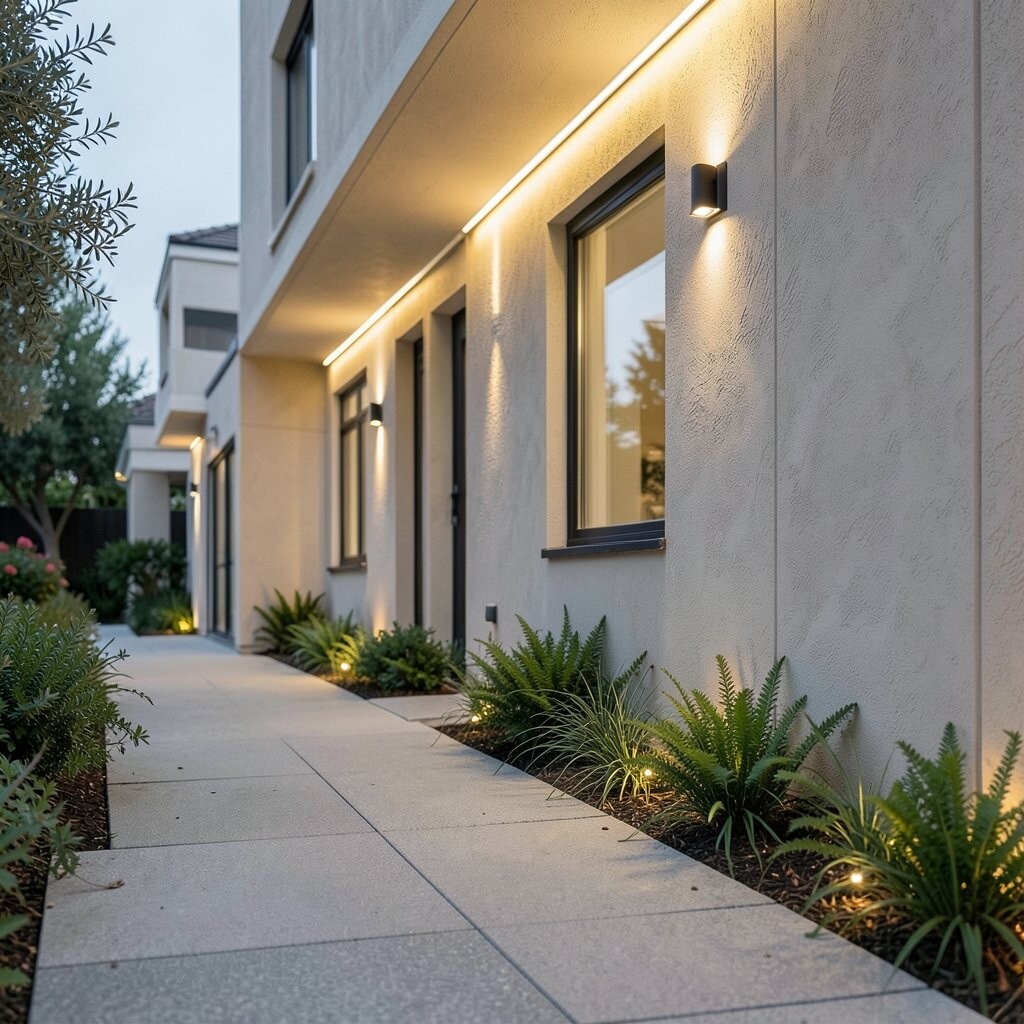
Outdoor LED strip profiles can outline paths, steps, and building edges with confidence. With proper weather sealing, the light stays steady even when conditions get tough.
Choose UV-resistant and corrosion-resistant materials, and make sure the diffuser can handle rain and dust. For practicality, route wiring so water can’t pool at connectors.
For personalization, use warm tones near seating areas and cooler tones along paths for clear guidance. Cost wise, outdoor profiles tend to be pricier, but they pay off because they resist wear and reduce maintenance.
14. Under-Rail Profiles For Closet And Wardrobe Visibility
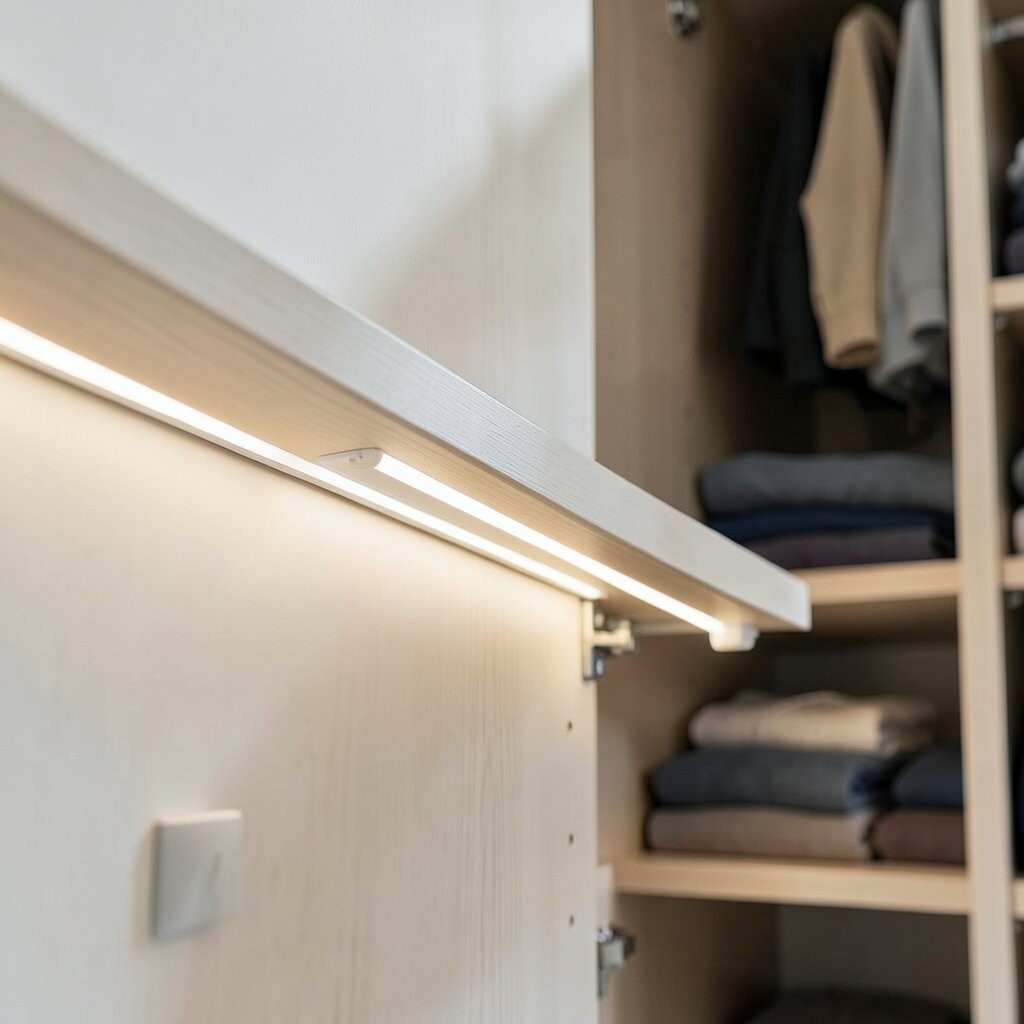
Closet lighting often feels awkward until you add the right strip profile under a rail. The glow helps you spot colors, textures, and accessories quickly.
Pick a slim channel that fits neatly inside tight closet spaces while still using a diffuser for smooth light. If your wardrobe has multiple shelves, plan the strip layout so each level gets an even wash.
For personalization, pair the lighting with a motion sensor so you get bright light only when you open the door. This can also save energy, which helps keep long-term costs more manageable.
15. Curved And Flexible Profiles For Modern Round Details
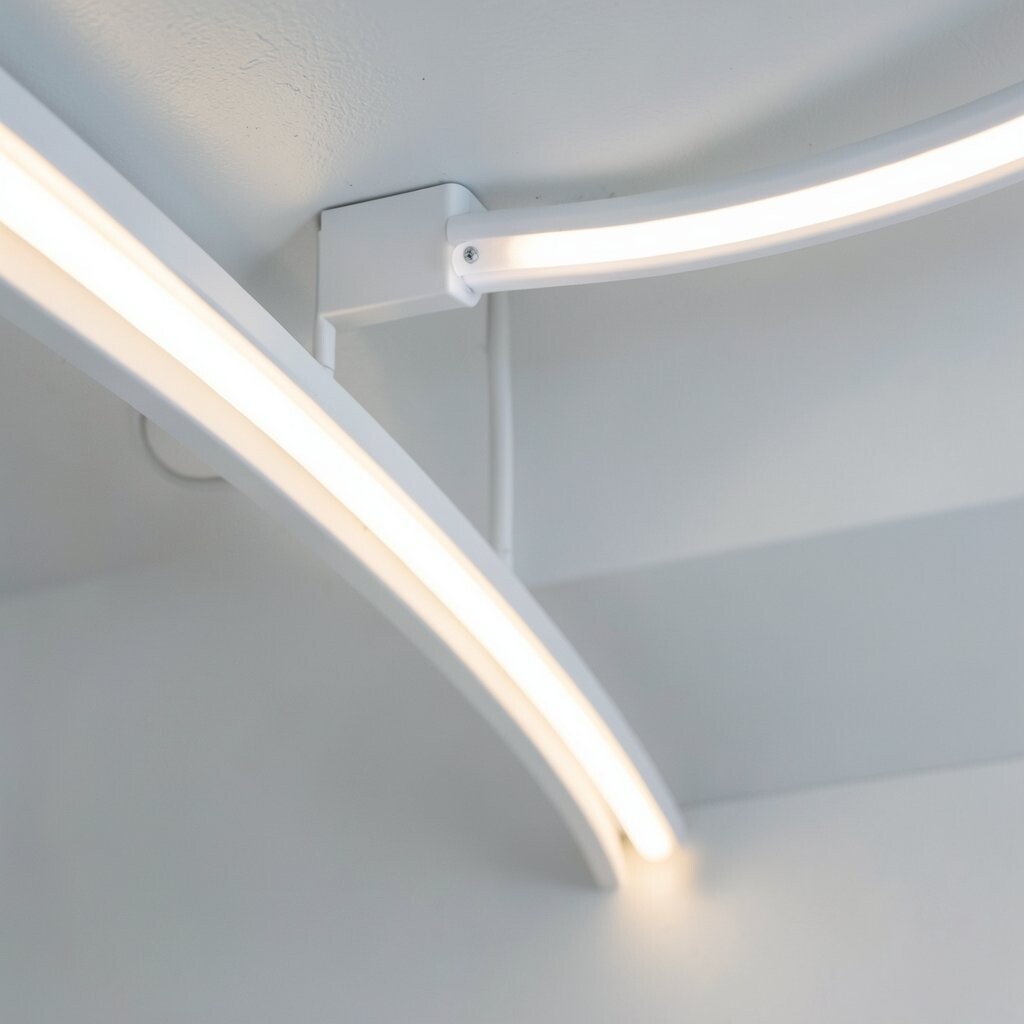
Curved LED strip profiles help your lighting match modern furniture and rounded wall features. The light follows the curve smoothly, so your design looks intentional instead of patched together.
Use a flexible profile option or an engineered curved channel kit, and take your time with alignment. A diffuser that supports bending patterns helps prevent uneven brightness along the arc.
To personalize, combine curved profiles with color-changing LED strips for events and seasonal decor. While flexible systems can cost more, they make curved spaces look finished, which is hard to replicate with flat channels.