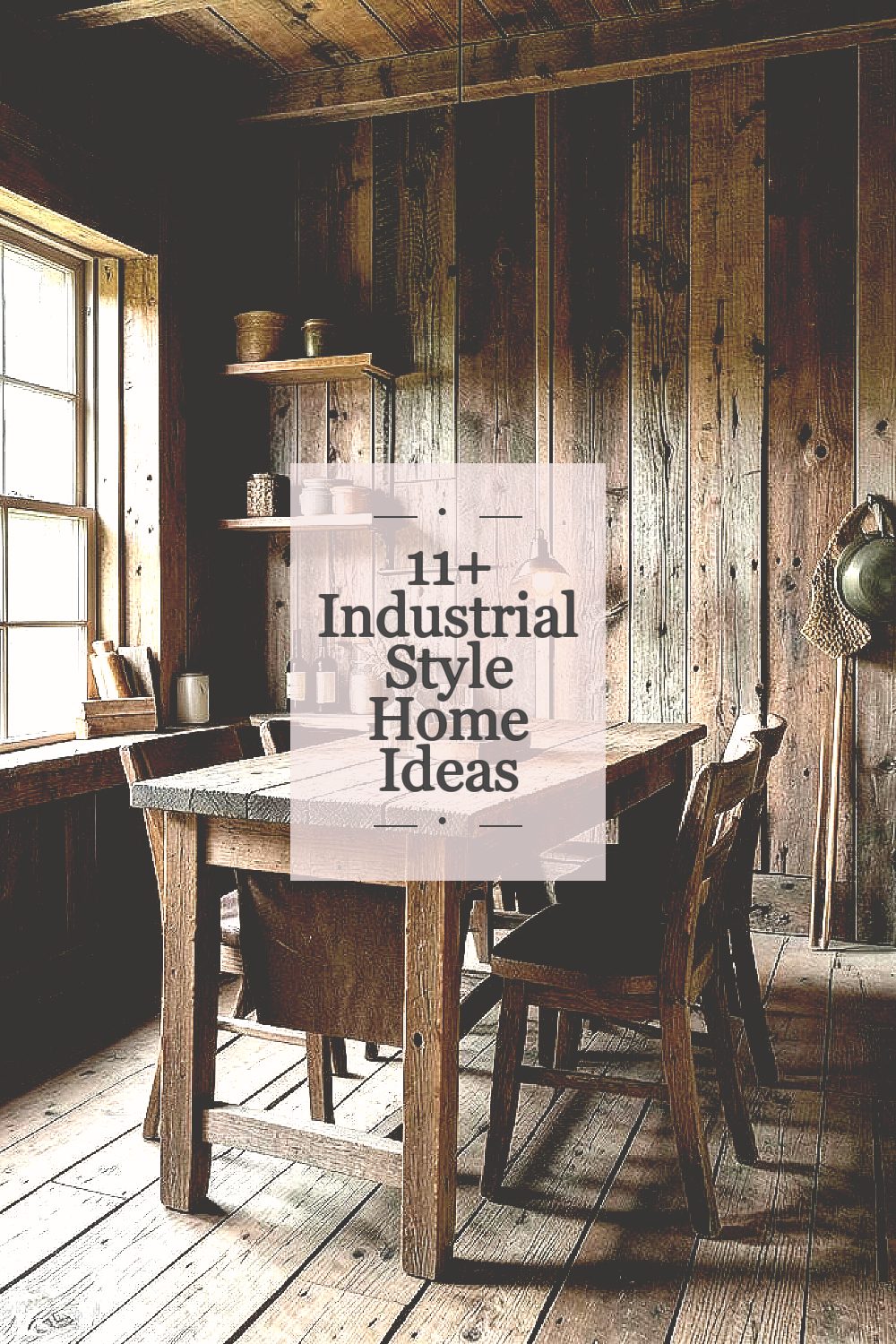
Industrial style feels like a love letter to old factories and modern comfort. When you bring it home, the room gains character fast.
It mixes raw materials, bold shapes, and warm details in a way that still feels livable. If you like homes that look honest and lived in, this aesthetic is a great match.
1. Reclaimed Wood Everywhere
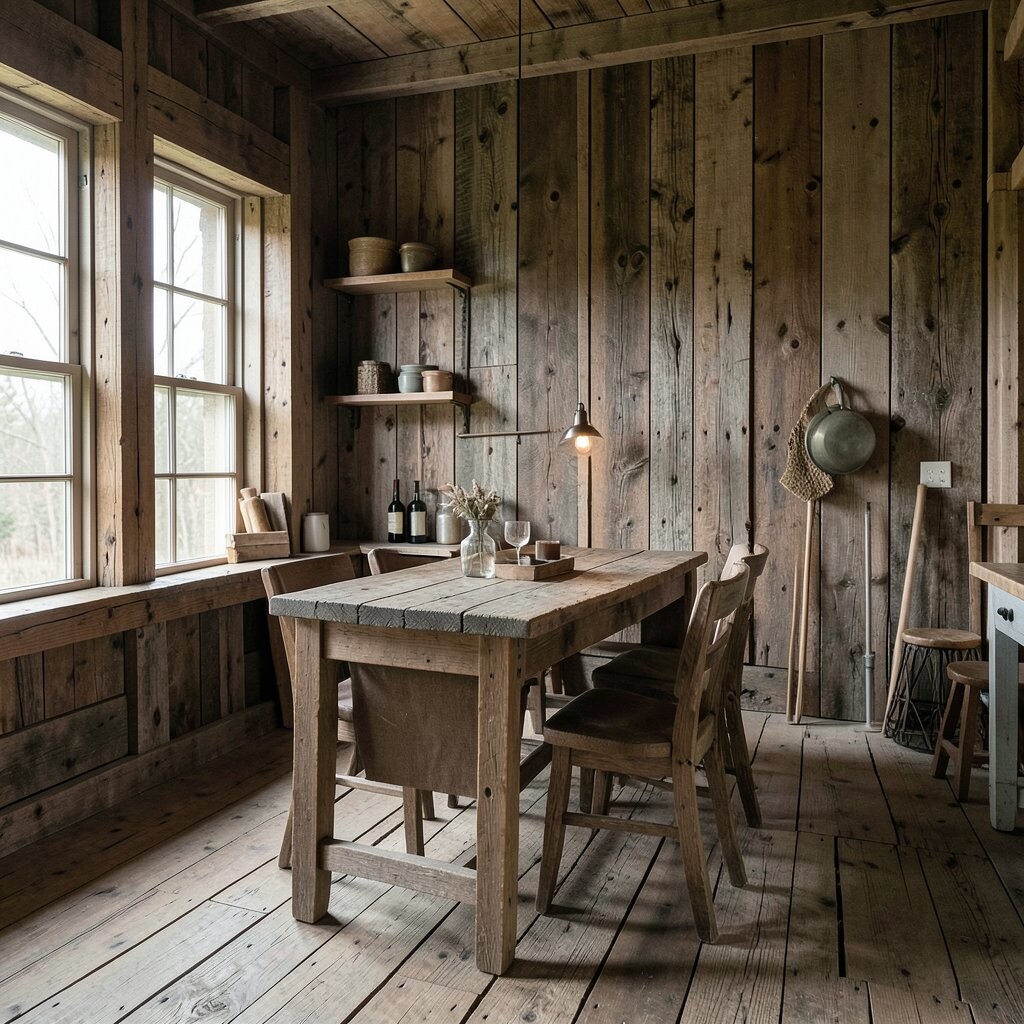
Picture a dining table with a rough, sun-worn top and visible grain that looks different from every angle. A reclaimed wood shelf can make even plain decor feel interesting and real.
Reclaimed wood adds warmth to steel and concrete looks, so rooms feel less cold. It also helps hide small dings because the texture is already part of the story.
Look for boards with consistent thickness so they won’t warp over time. Seal only where needed to keep the natural look, then add felt pads for quieter furniture.
2. Black Metal Lighting That Makes a Statement
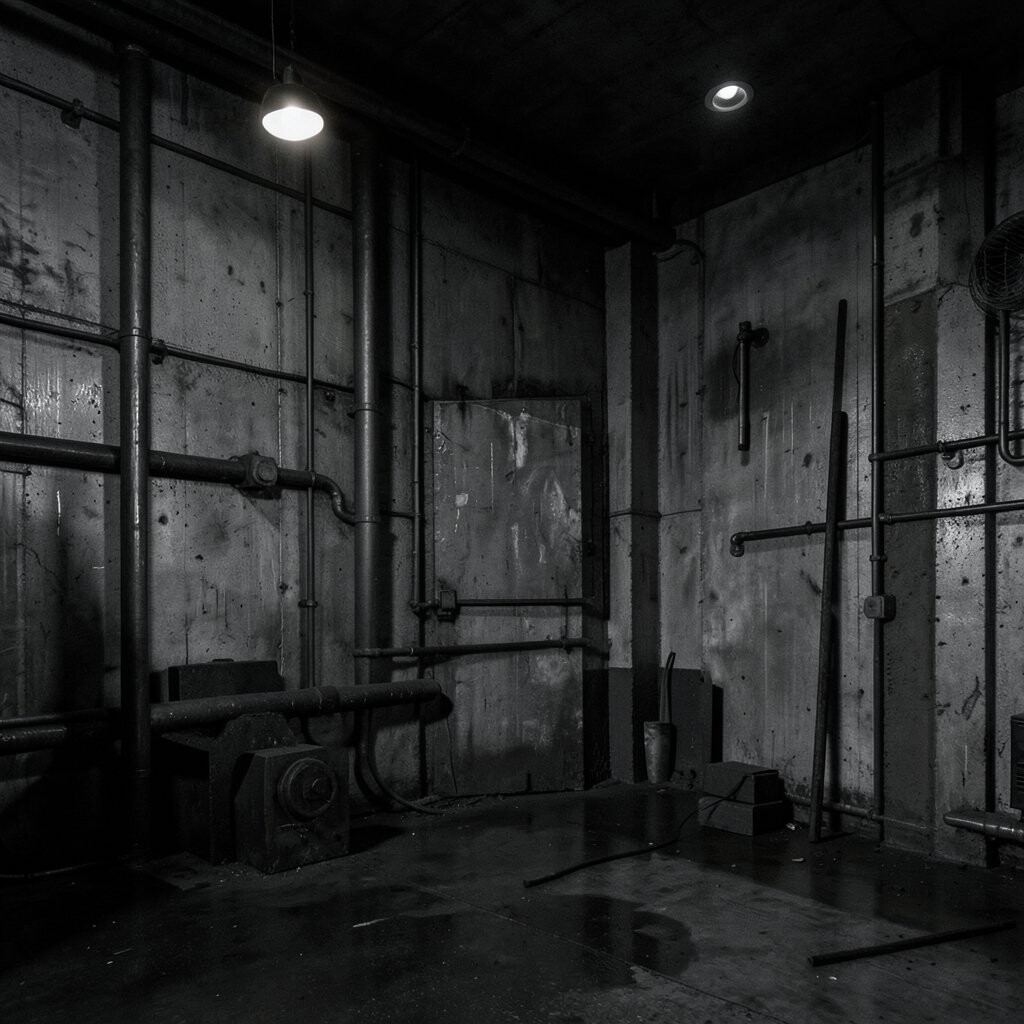
Imagine a tall floor lamp with a matte black frame and a warm bulb glow bouncing off nearby walls. Pendant lights with exposed cords can bring that loft vibe into your kitchen or entryway.
These fixtures add strong lines and instant contrast, which is perfect for open spaces. They also make it easy to pick a focal point without redesigning the whole room.
Choose bulbs with a soft color temperature for a cozy feel, especially in living rooms. If you rent, use modern plug-in options or semi-flush fixtures that don’t require major wiring.
Try grouping lighting in layers, like adding a small table lamp beside a main pendant. This trend toward mixed lighting helps small rooms feel brighter and more styled.
3. Exposed Brick Walls With a Modern Finish
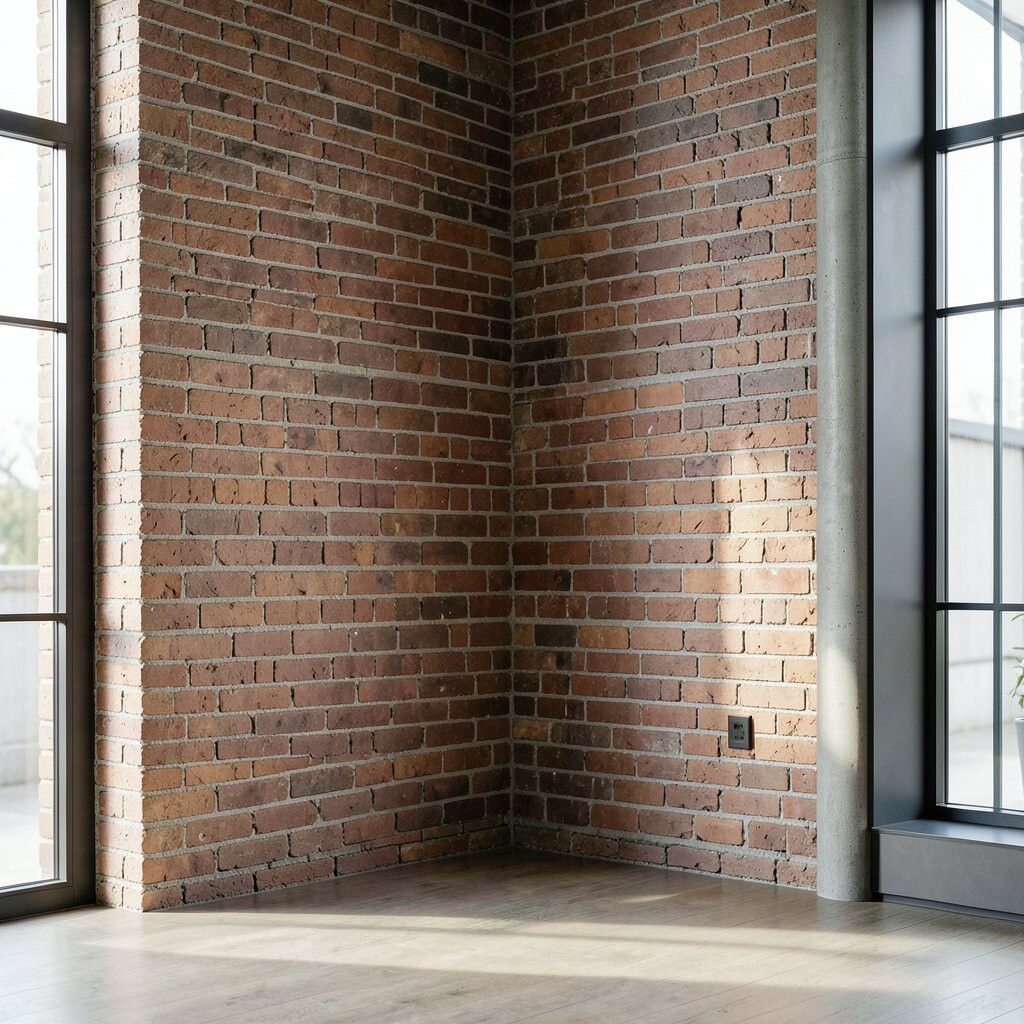
Think about a wall where brick texture shows through, with subtle mortar lines that catch light like shadows. Even a small painted brick accent can make a hallway feel dramatic.
Brick instantly brings uniqueness because no two sections look exactly the same. It also pairs well with neutral rugs, simple curtains, and clean-lined furniture.
If your wall is already brick, consider gentle cleaning and a breathable seal instead of heavy coatings. If you’re starting fresh, brick-look panels can give the same effect with less mess and less cost.
Keep styling simple so the texture stays the star. A few framed prints and a low-profile console can make the brick feel intentional rather than cluttered.
For personalization, match the brick warmth with copper or brass accents that echo the color tones.
As a current trend, many homes are choosing “warm minimal” brick treatments that feel modern instead of overly rustic. You can do that by keeping color palettes calm and shapes streamlined.
4. Concrete-Like Surfaces for a Crisp Look
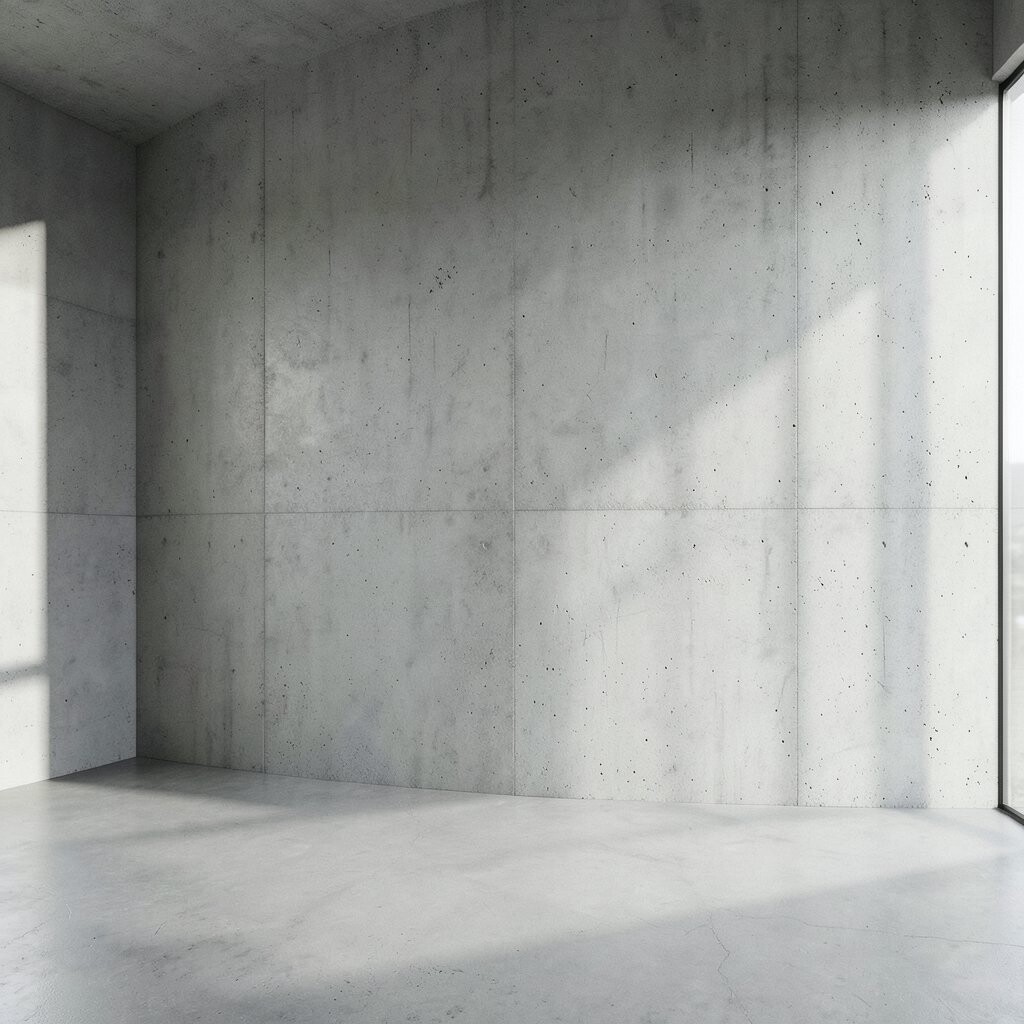
Picture a countertop or coffee table with a smooth, gray finish that looks like poured concrete. It creates a clean backdrop where plants, books, and ceramics pop.
Concrete-like surfaces give that sturdy industrial feel while still looking neat and organized. They’re also practical for everyday life because they’re usually easy to wipe down.
Consider concrete-look laminate for a budget-friendly update, or go for a real concrete countertop if your space allows. Use coasters and placemats to protect finishes from heat marks and water rings.
5. Industrial Rugs That Feel Grounded
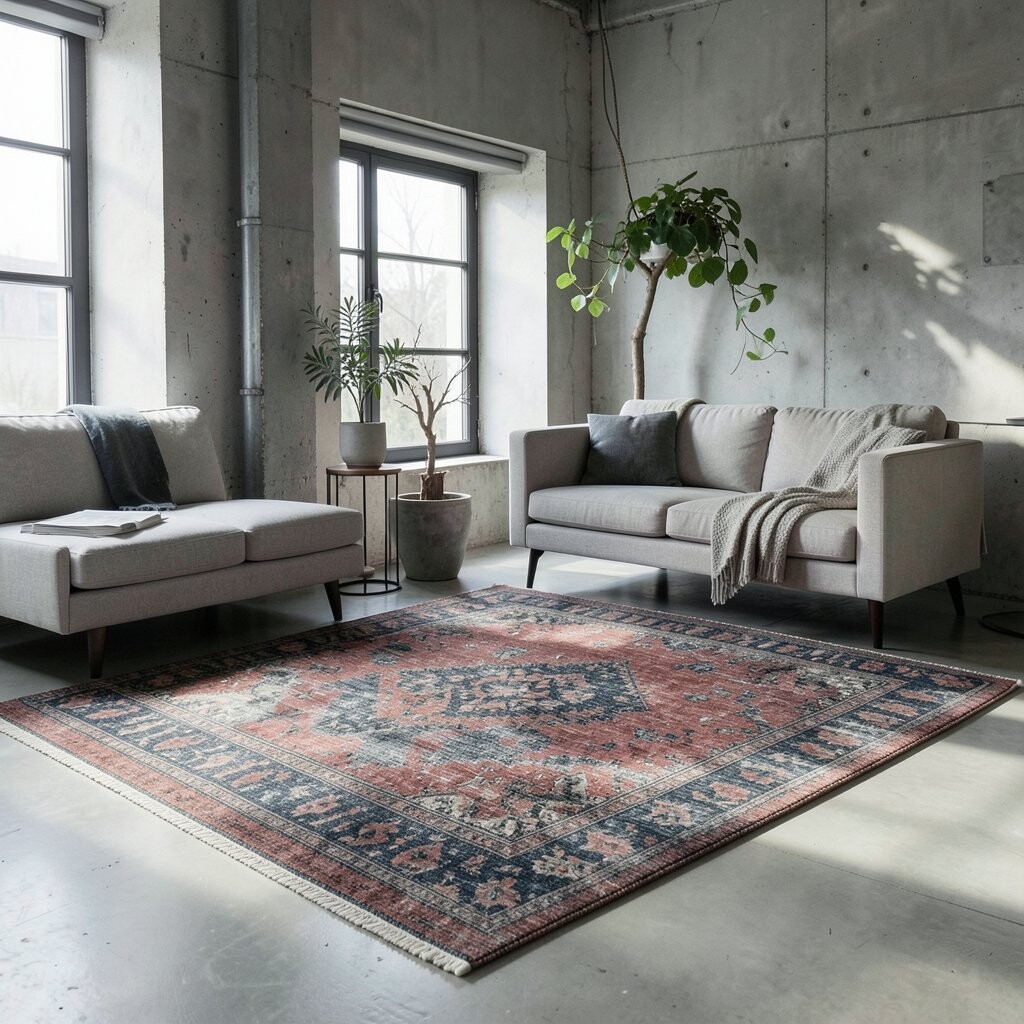
Envision a rug with a distressed pattern, faded stripes, or a woven texture that looks like it belongs in a warehouse. It can anchor a seating area even when the furniture is minimalist.
Rugs add comfort underfoot, which helps industrial rooms feel more welcoming. They also help define zones in open layouts without building walls.
Try a rug in muted charcoal, warm gray, or sand tones so it works with metal, wood, and brick. For practical tips, use a non-slip pad and choose a stain-resistant material if you have kids or pets.
Personalize it by adding layered styling, like a thin top runner over a thicker base rug. This style layering is popular right now because it adds depth and hides imperfections.
6. Statement Storage With Open Shelving
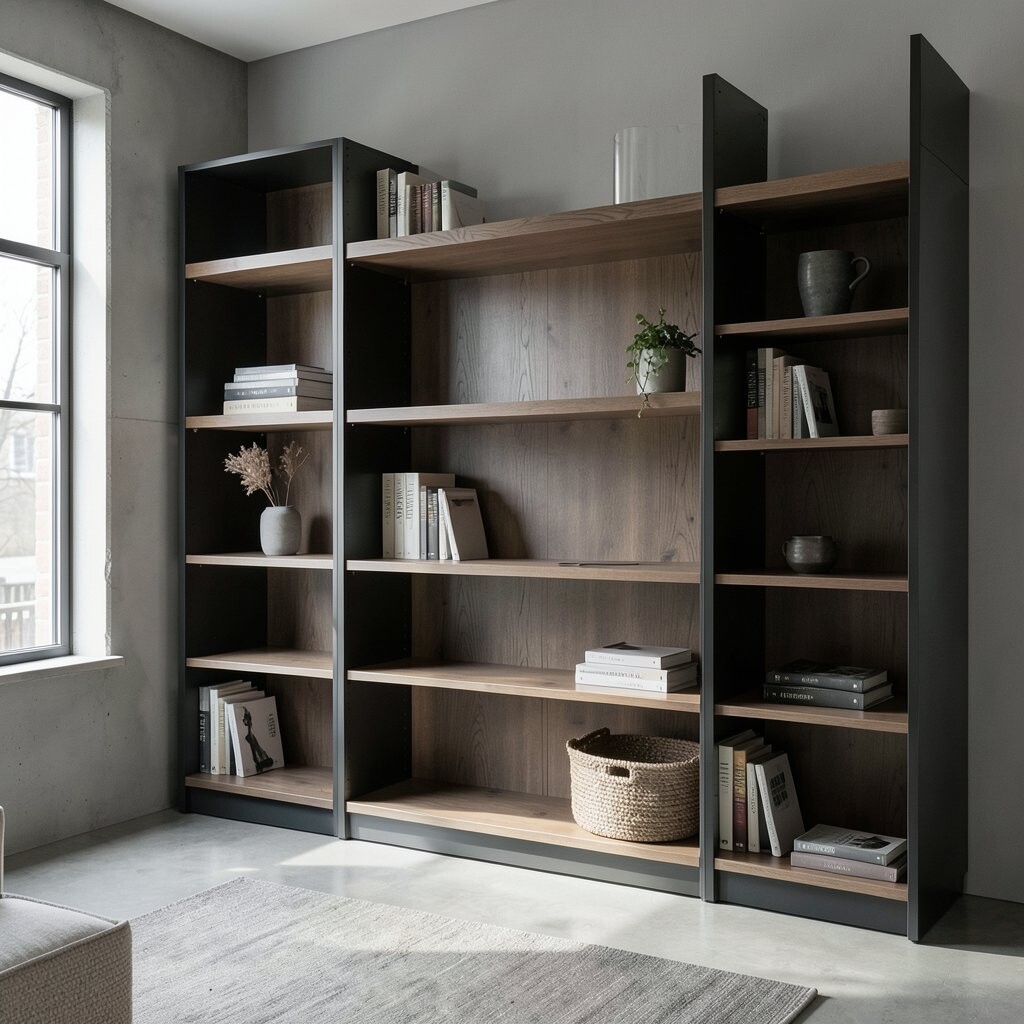
Imagine open shelves filled with neatly stacked books, vintage bottles, and simple ceramic bowls. The shelves can be metal, wood, or a mix that highlights both materials.
Open shelving shows off your best pieces, making the room feel curated instead of random. It also saves time because daily items stay easy to grab and put back.
To keep it from looking messy, group items by color or height and leave a little breathing space between groups. Use matching containers for small things like cables, tea packets, or extra towels.
For personalization, add a mini gallery on one shelf with framed photos or black-and-white art. This keeps the industrial look personal and warm rather than purely “store display.”
7. Vintage Factory Finds With a Careful Mix
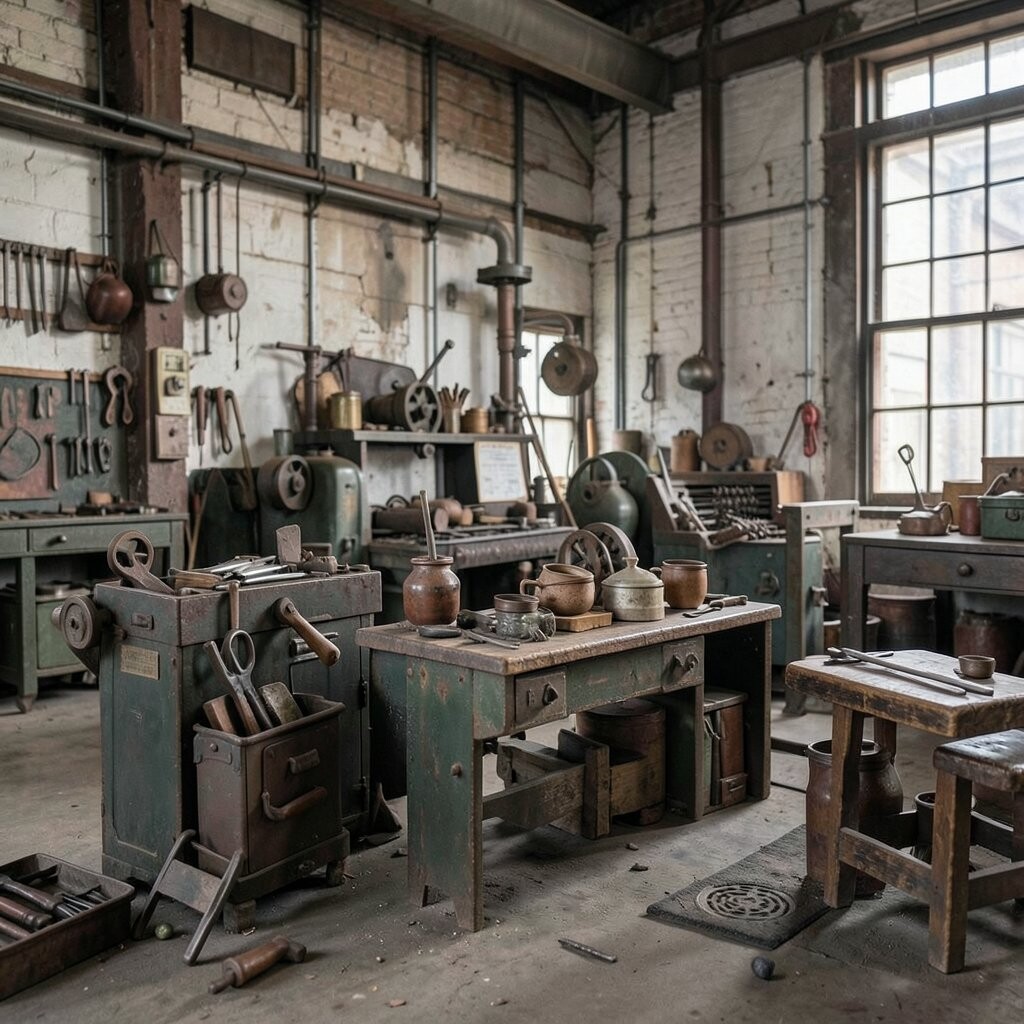
Picture a classic metal filing cabinet used as a bar cart, with a tray on top for glasses and bottles. Or think of a timeworn desk chair that adds charm without trying too hard.
Vintage pieces bring uniqueness because the wear patterns show real history. They also help your home feel less generic and more like it has a past.
When you buy secondhand, check for sturdy joints, smooth drawers, and clean surfaces. Plan to refresh finishes with gentle cleaning and a compatible top coat so they stay durable.
To balance the industrial vibe, mix in one softer item such as a linen throw or a wood-framed mirror. This practical contrast keeps the room from feeling too harsh.
8. Leather Seating for Warmth and Strength
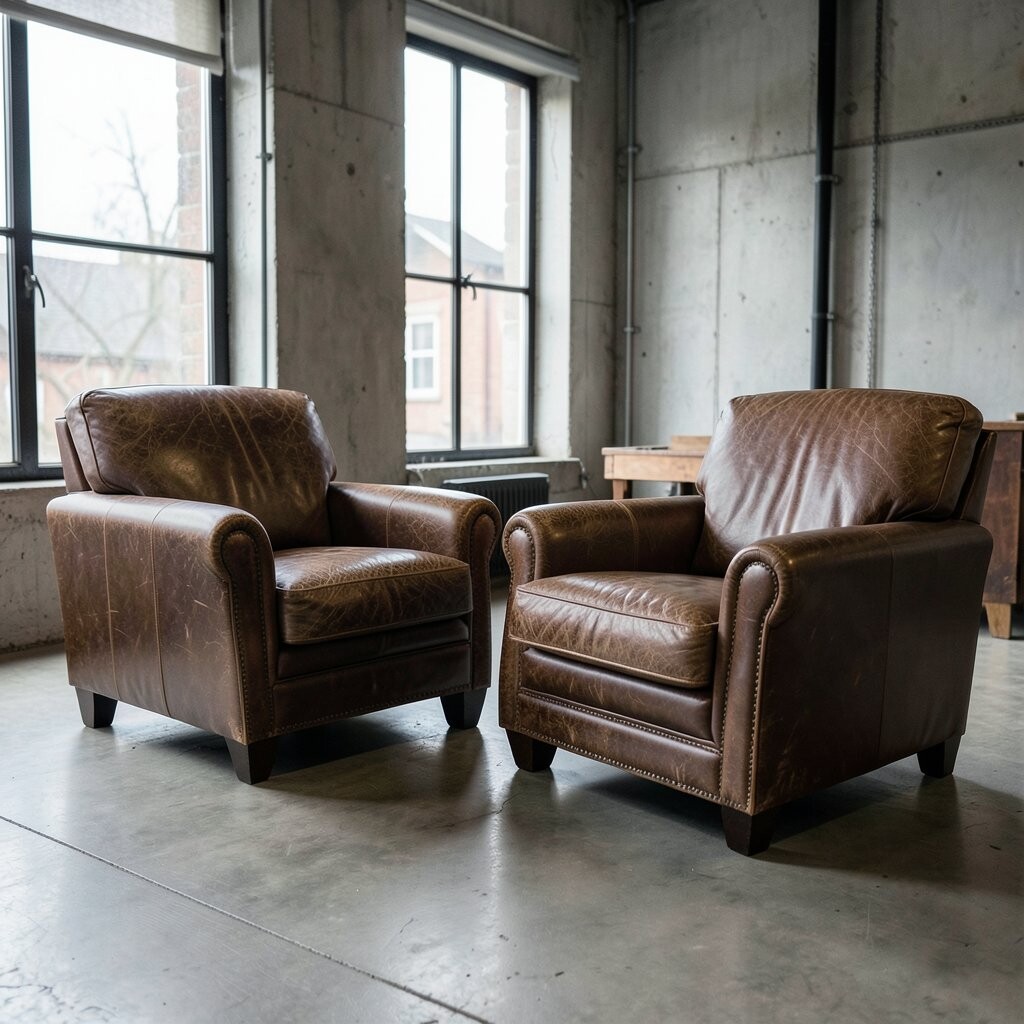
Imagine a dark leather sofa or chair with slightly worn edges that catch the light. Even a leather accent chair can bring that grounded, factory-to-home feeling.
Leather adds comfort and longevity, which is great if you want furniture that lasts for years. It also looks richer as it ages, so the room grows more beautiful over time.
Choose a color that fits your space, like espresso, cognac, or deep brown for a cozy look. For practical tips, condition the leather occasionally and keep it away from strong direct heat.
Personalize with pillows in muted tones and textures like wool or thick cotton. This approach works well with current trends that favor warm neutrals instead of only stark blacks.
9. Window Treatments That Keep It Simple and Bold
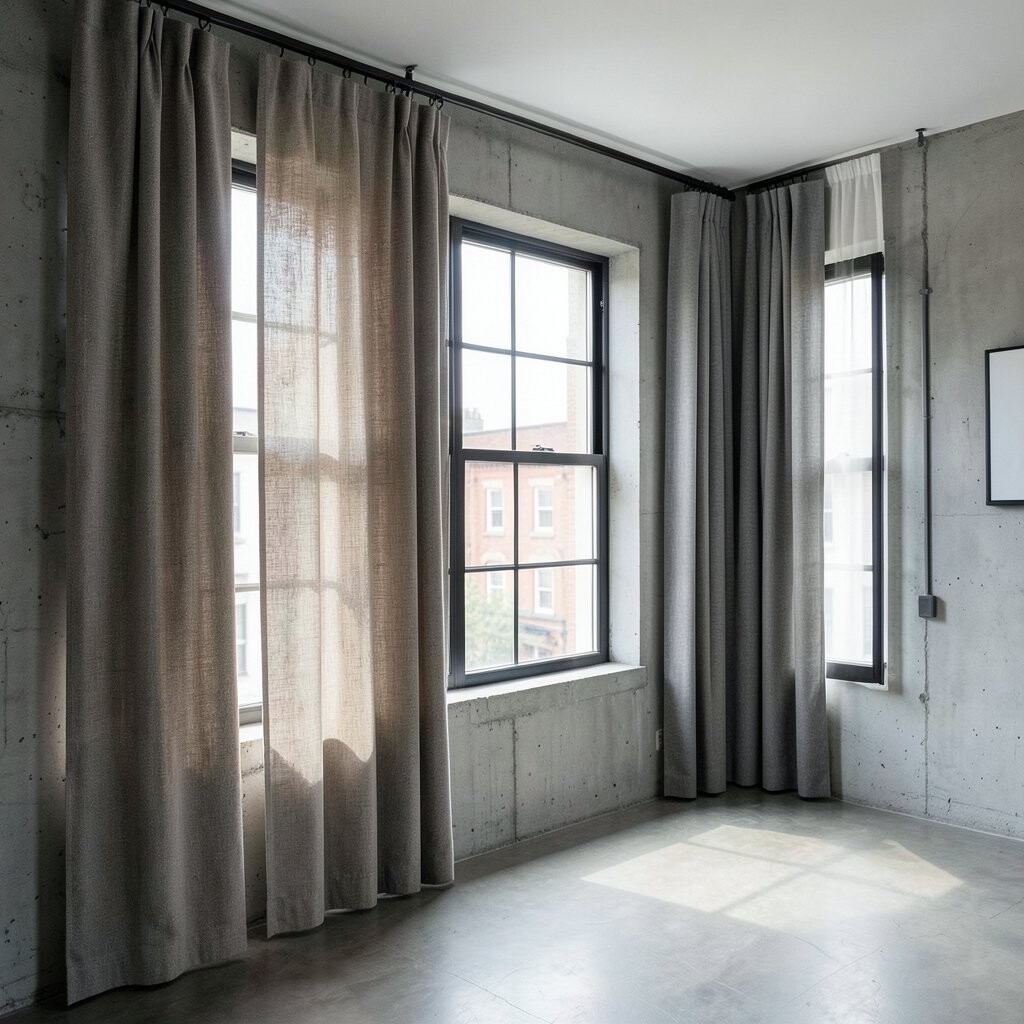
Picture thick, dark curtains that hang from a strong metal rod, with gentle folds that frame the light. Or think of window shades that feel utilitarian but still look neat.
Bold window treatments create privacy and control glare, which helps industrial rooms feel calmer. They also add height, especially when you mount the rod close to the ceiling.
For a practical choice, select heavier fabric that blocks more light if your room gets bright sun. If you prefer a lighter feel, use sheer panels with a darker backing for depth.
To personalize, add tiebacks in leather or metal so the drapes look styled even when open. This small detail can make the whole room look more intentional.
10. Industrial Accents in Copper, Brass, and Iron
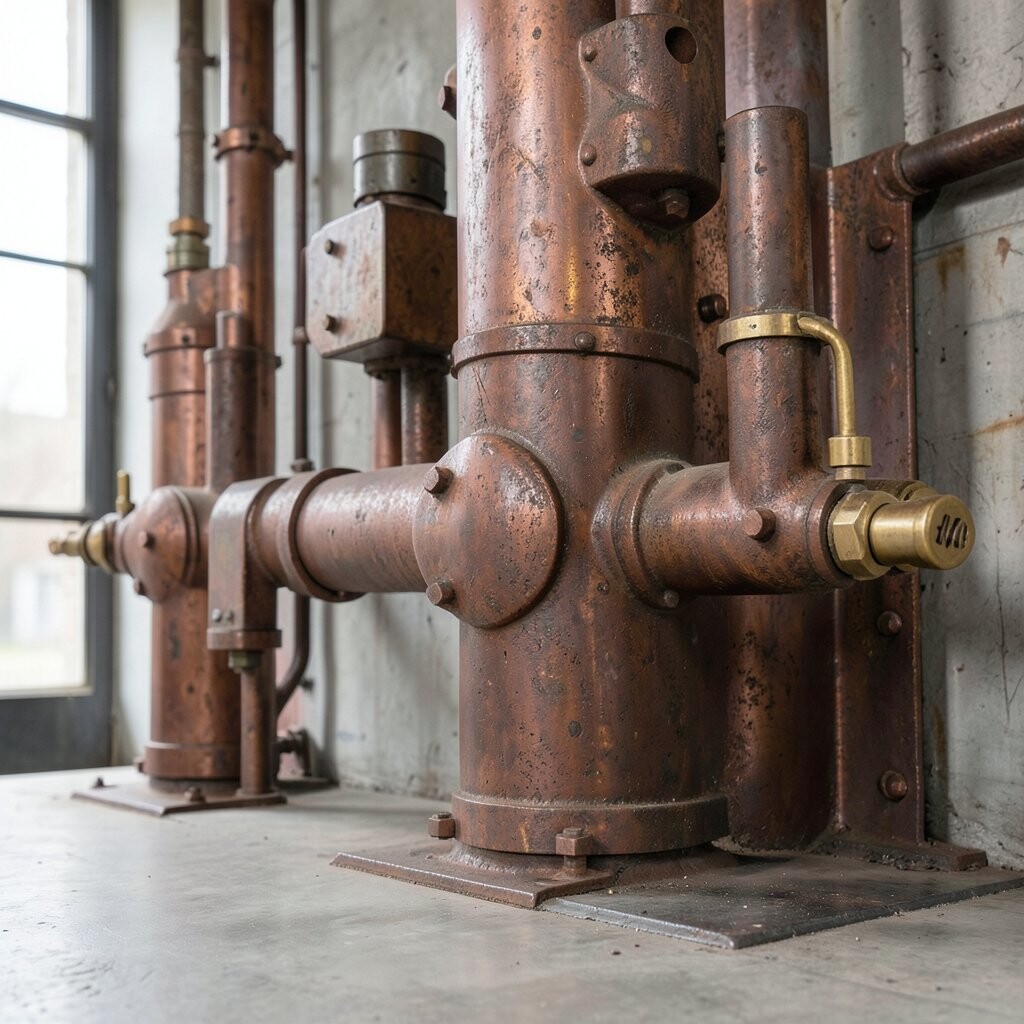
Imagine copper planters on a shelf, brass drawer pulls, and iron hooks by the door. These metal accents add shine without needing a full remodel.
Metal details help tie the room together, especially when you have multiple materials like brick, wood, and concrete-like finishes. They also make small items feel upgraded and valuable.
Use a consistent metal tone so the look stays clean and not chaotic. Mixing too many finishes can overwhelm, but a two-tone mix can look stylish if you repeat each tone a few times.
Try personalization by picking one hero accent, like a brass mirror frame or a copper pendant. Current trend choices often lean toward warmer metals, which pair beautifully with industrial grays and blacks.
For cost considerations, start with accessories first since they’re easier to change later. Small upgrades let you test your style while staying budget-smart.
Keep your favorites where you’ll see them daily, like lighting switches, door hardware, and kitchen handles.
11. Layered Textiles With Workwear Textures
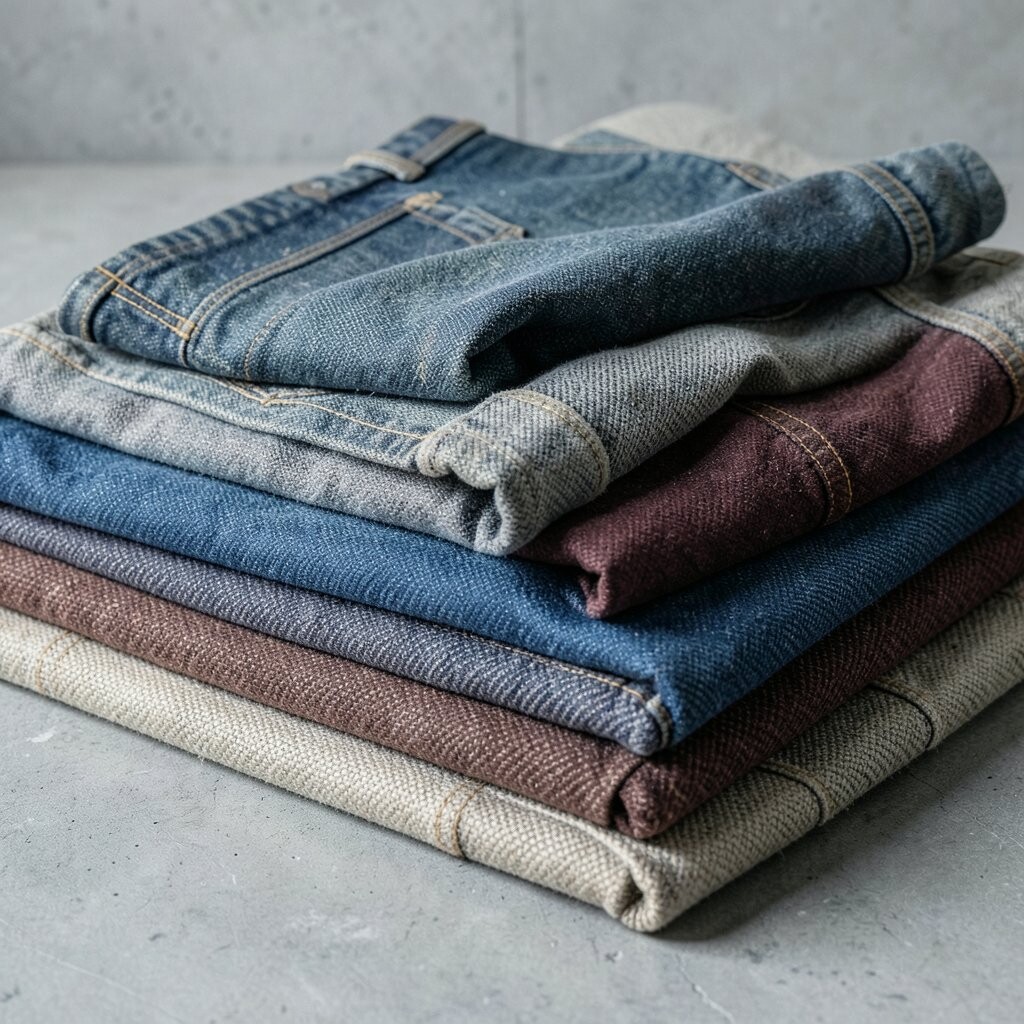
Picture a couch styled with canvas-like throw pillows, a rugged knit blanket, and a soft wool throw at the end. Layering makes the industrial look feel comfortable, not just tough.
Textiles add softness and warmth, which is key when you have darker metals and bare-looking surfaces. They also make the room feel lived in, which is where industrial style shines.
Choose fabrics with a bit of texture, like twill, denim, or heavy cotton. For practical tips, go for machine-washable covers if you like easy cleaning.
Personalize by matching fabric tones to the room’s main materials, such as warm wood with camel or rust textiles. If you like a modern twist, add one smooth satin pillow cover to balance rugged textures.
12. A Gallery Wall With Maps, Prints, and Work Posters
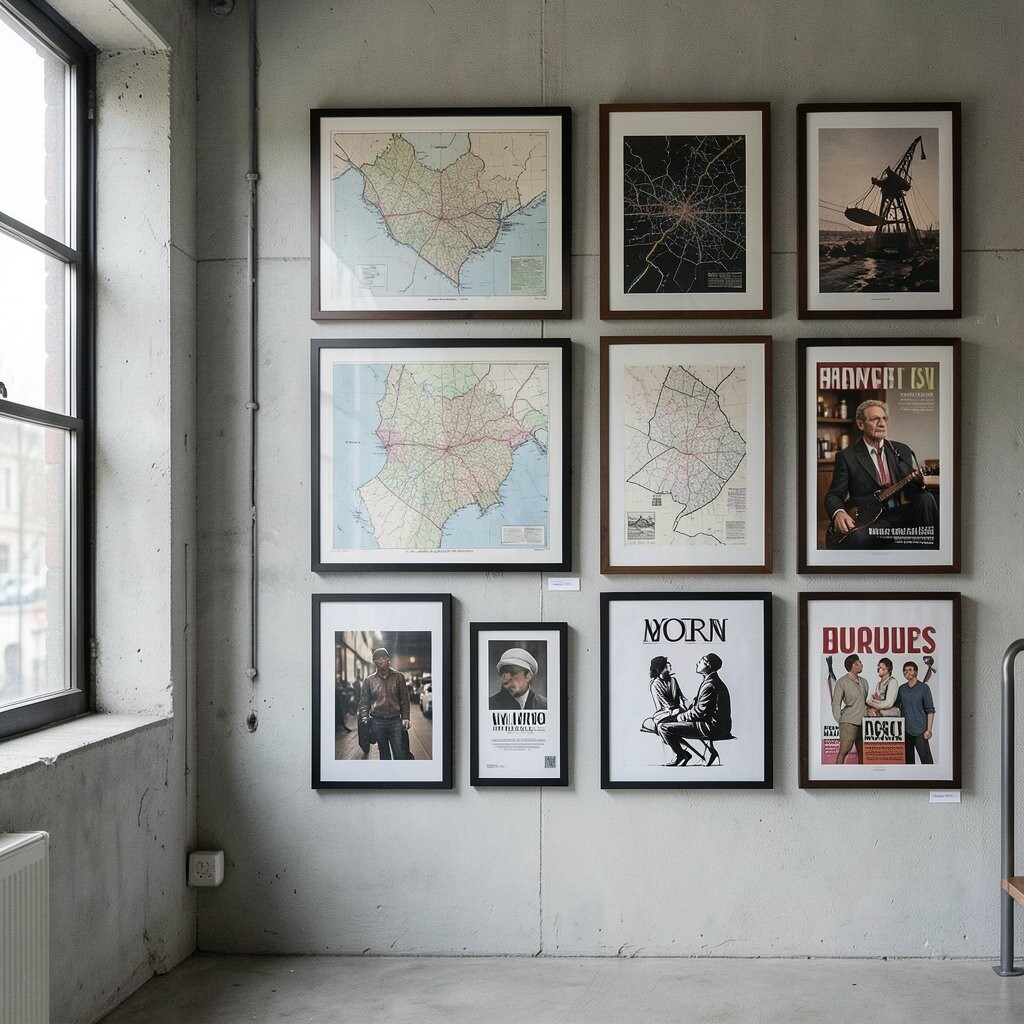
Imagine a wall of black-and-white photos, old maps, and framed print reproductions arranged in a clean grid. A few metal frames or glass-front pieces can keep the industrial theme consistent.
This idea creates strong visual rhythm, especially in hallways and living rooms. It also helps you use what you love, which makes the decor feel truly yours.
Mix sizes carefully and leave even spacing so the wall looks intentional. Use frames with a similar finish, like black metal, dark wood, or simple iron tones.
For cost considerations, start with affordable prints and upgrade frames later if you want. Printing your own designs or using thrifted frames can keep spending under control.
Personalize the art by adding a few items that match your life, like a favorite route from a map or a concert poster you still love. Current trends favor mixed subject matter, like combining travel, typography, and industrial photography for a modern gallery feel.
When you hang everything, step back and adjust alignment before fully tightening mounts. That small habit helps the whole display look crisp and professional.