
The air feels different when you give your ideas a theme. Suddenly, your thoughts line up like friends ready to start a new game.
You can use these themes for writing, art, classroom projects, party planning, or even personal growth. Each one comes with vivid images, practical ways to use it, and room to make it your own.
1. The Paper Kingdom Under Streetlights
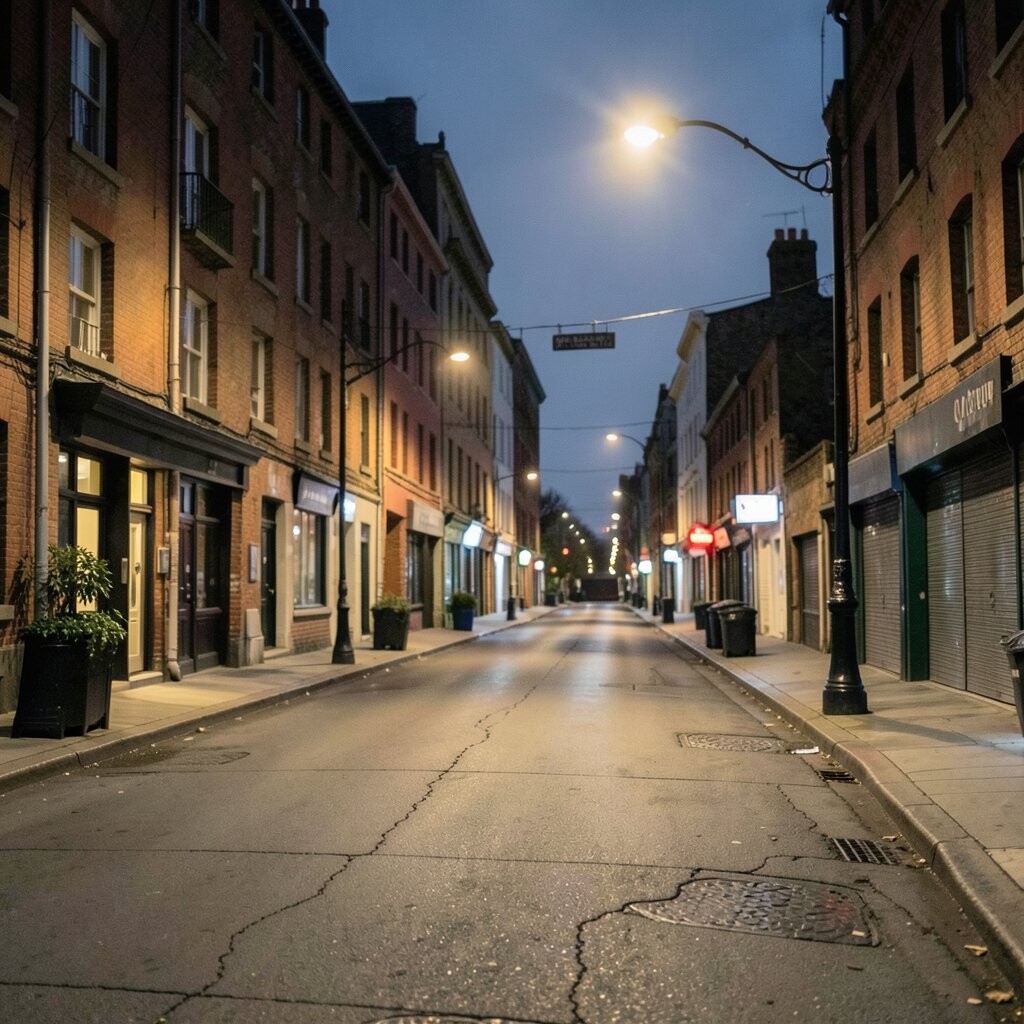
Picture a city at night where every sidewalk crack looks like a tiny canyon. Paper lanterns float above, and shadows fold into shapes like origami animals.
Write a scene where characters travel by light patterns, not maps, and solve problems using simple materials like paper, string, and found notes. This theme helps you focus on mood and setting, which makes your work feel richer fast. Try keeping a small “streetlight kit” nearby with scrap paper, colored pencils, and a few stickers so you can sketch instantly when inspiration hits.
2. Vintage Postcards From Imagined Places
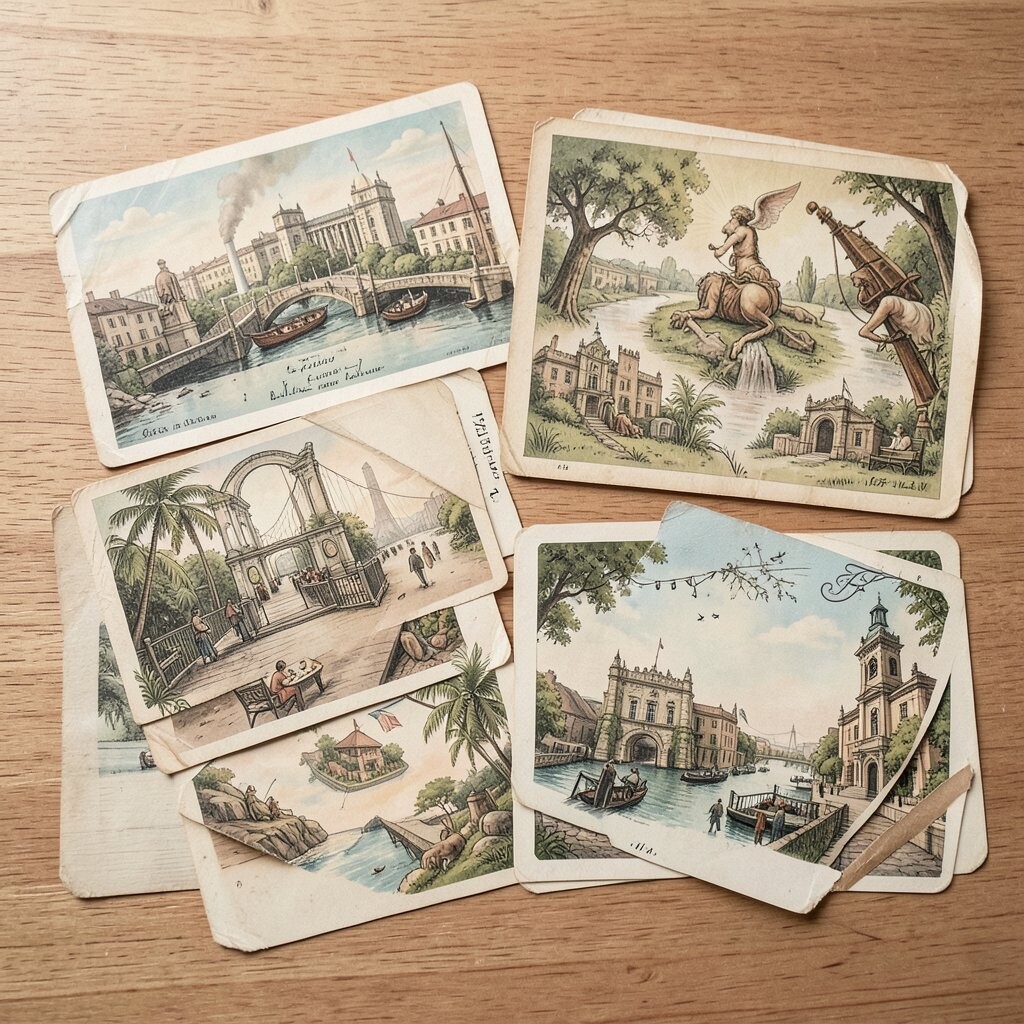
Imagine opening a drawer and finding postcards from towns that never existed. The stamps look worn, the edges curl slightly, and the handwriting feels warm and familiar.
Turn each postcard into a tiny story by describing what the sender notices first, what they miss most, and what surprise they found. This approach builds strong world details without you needing a huge plot right away. For practical work, create a set of three postcard prompts and write one paragraph per prompt, then connect them later when you feel ready.
To personalize, choose a travel theme that matches your life, like ocean memories or rainy alleyways, and add one personal object to every card, such as a coin, a ribbon, or a pressed leaf. Keep cost low by using blank card stock or printing your own postcard-style frames at home. A current trend is “micro storytelling,” where small formats carry big emotion, and postcard-style writing fits that perfectly.
3. The Library That Breathes Like a Forest
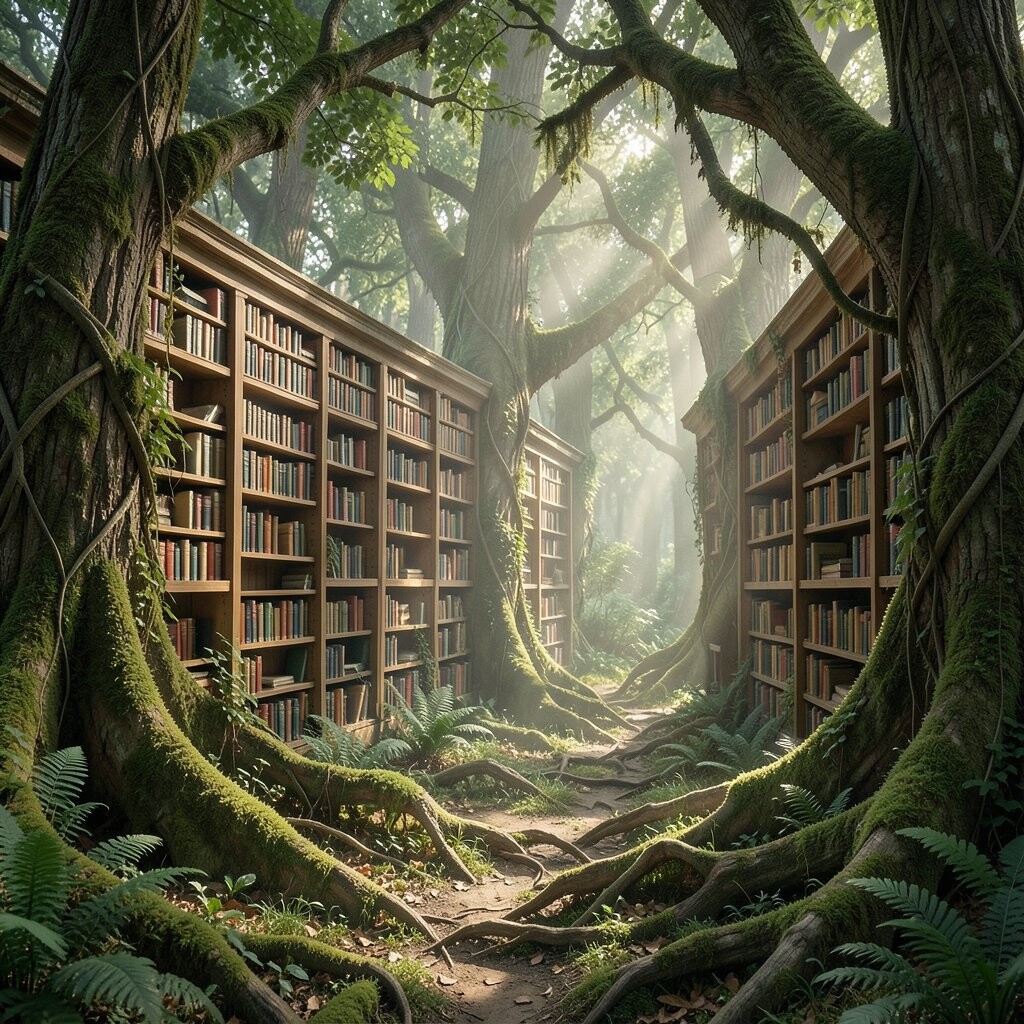
Picture shelves that rise like tree trunks and leaves that flutter when pages turn. In the air you can almost taste a mix of dust, mint tea, and warm rain.
Write from the viewpoint of a book that wakes up, stretches its spine, and decides what kind of reader it wants. This theme sharpens your imagery and helps you practice personifying objects in a fun, low-pressure way. Make it practical by listing five “sensory clues” you want readers to notice, such as sound, texture, and temperature, then weave them into short paragraphs.
Personalization can be as simple as using your favorite genre as the library’s “species,” like mystery books as thorny shrubs or poetry as soft moss. If you want a visual project, draw a floor plan of the library and fill each room with colors that match different moods. It can stay affordable by using pencil, watercolor markers, or even digital brushes that mimic paper grain.
4. Clockwork Dreams and Pocket-Sized Wonders
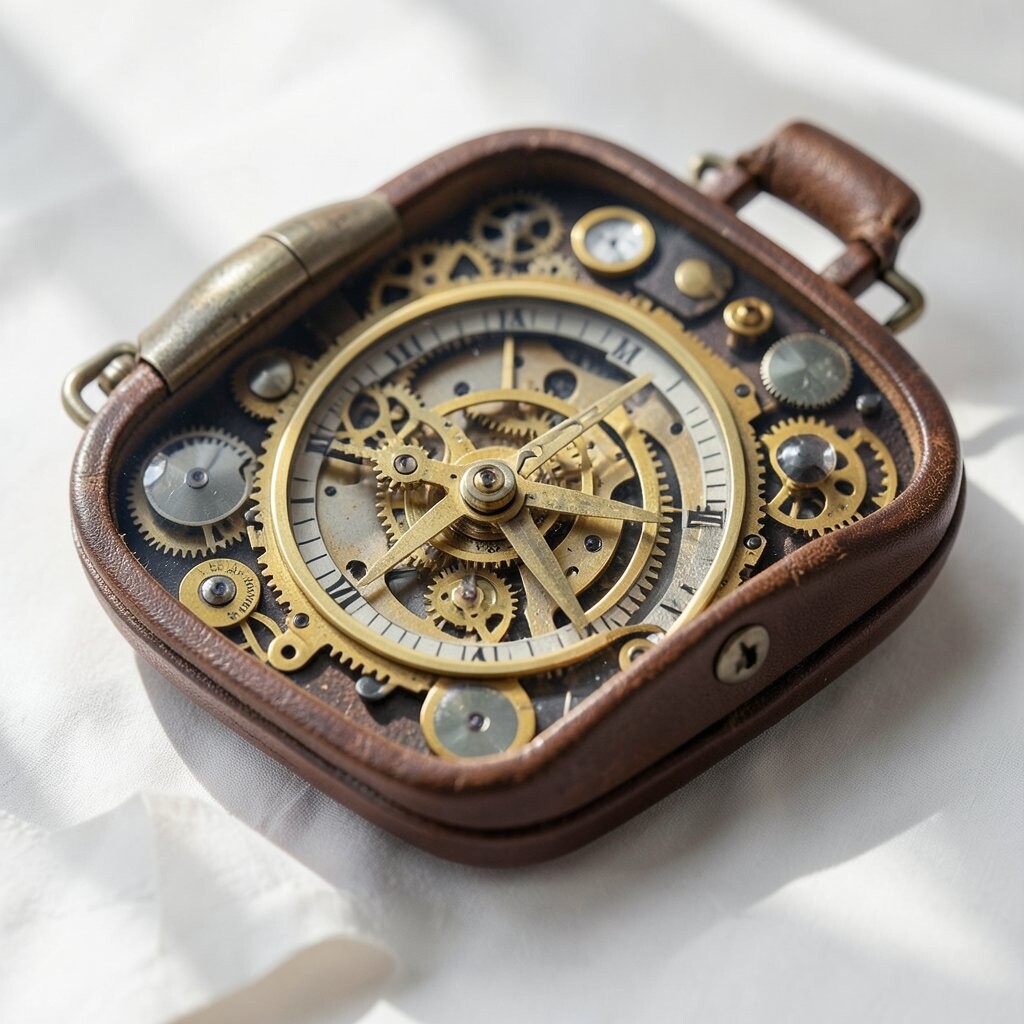
Think of gears humming under a blanket of night, with tiny moons moving like clock hands. Your pocket becomes a portal where every button reveals a new mechanical landscape.
Build characters who solve problems with patterns, timing, and gentle persistence, and let the setting reward careful observation. This theme benefits plot clarity because the cause-and-effect feel natural, and readers love when details pay off. Try a practical method by choosing one rule, like “nothing moves without winding,” and using it consistently in your scenes. Personalize it by deciding what your main character values most, like kindness, curiosity, or safety, then let that value guide how the gears respond.
5. Sunken Cities Made of Glass and Song
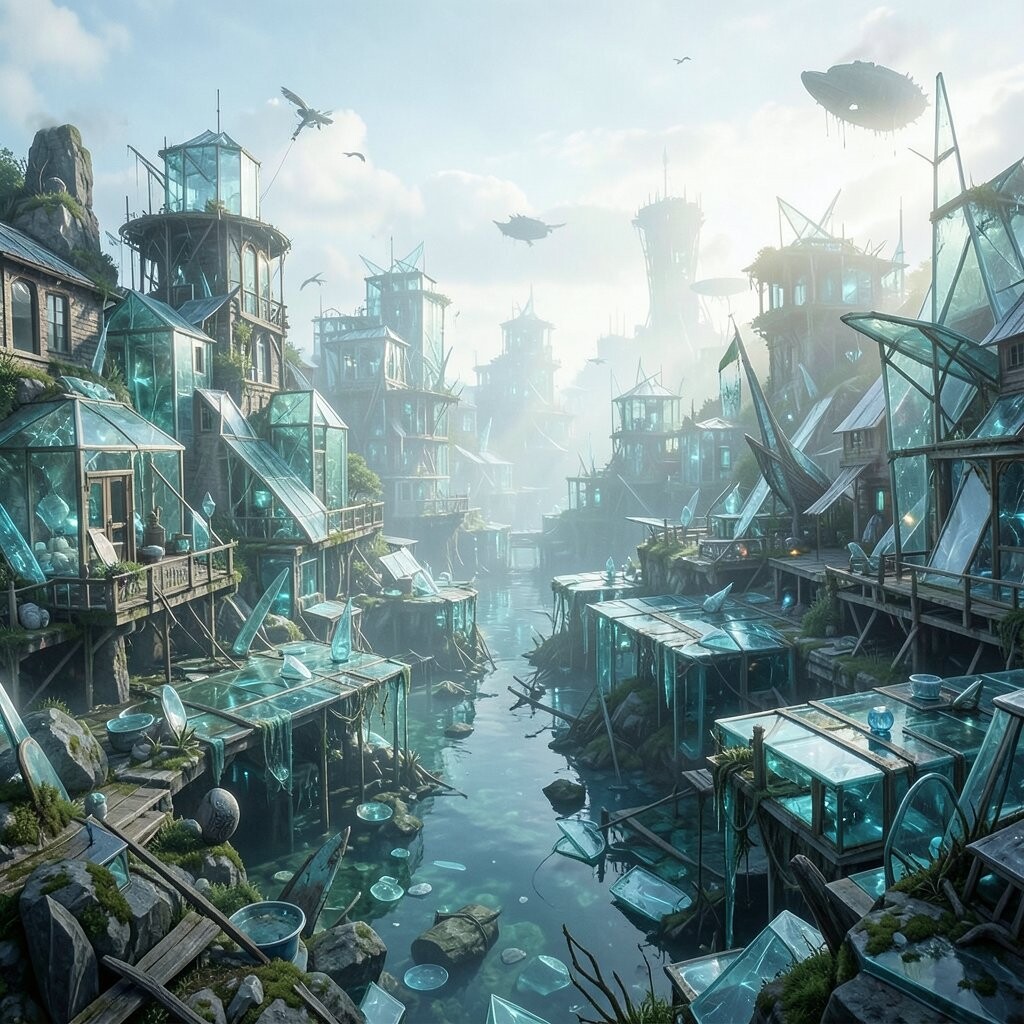
Picture a coastline where the water glows and streets appear under the waves. Buildings rise like clear bubbles, and when people talk, their voices turn into soft musical notes.
Write a story where discovery happens through sound, not maps, and every conversation changes the city’s layout. This theme gives you a clear creative engine, because you can connect emotions to “music effects” like echoes that reveal hidden clues. For practical tips, decide on three musical signals, such as a low hum for danger, a bright chime for hope, and a quiet ripple for secrets.
To keep it unique, borrow a real song rhythm you like and turn it into your world’s language without copying lyrics. Cost considerations are easy since you can use sound recordings on your phone, then describe what the characters hear, or create simple instruments from jars and rubber bands. This also matches a current trend of sensory storytelling, where readers feel the world through more than sight.
6. The Carnival of Masks With Honest Faces
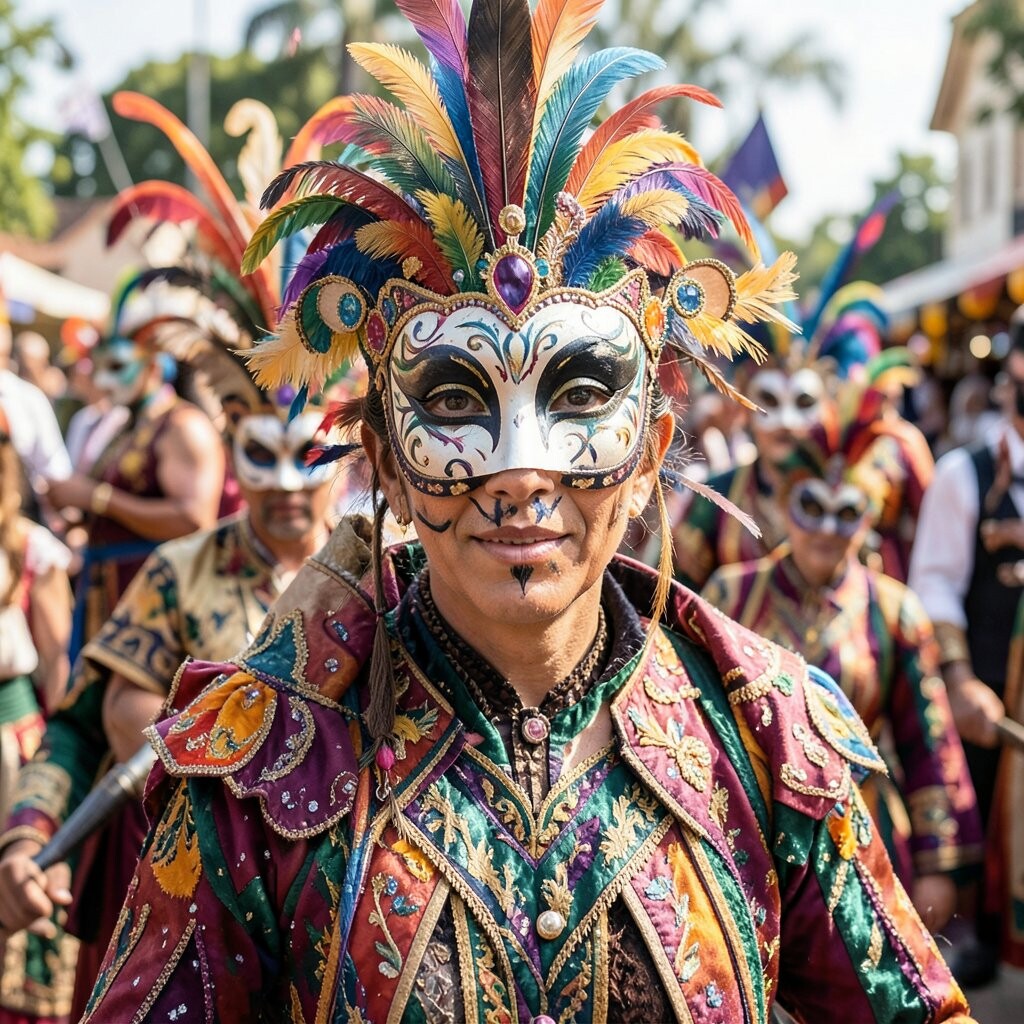
Imagine a nighttime carnival where every mask looks strange at first, yet each one shows a truthful emotion. The lights spin gently, and the music sounds like it’s trying to say something kind.
Create a plot where characters wear masks that reflect their hidden feelings, but they must choose when to reveal them. This theme benefits character growth because it turns internal conflict into visible action. A practical way to write is to list five emotions and pair each one with a mask style, then build a scene where the mask forces a decision.
Personalization can shine if you design masks that match your own goals, like courage shaped like a bold lion face or calm shaped like a soft owl. For cost, try making simple paper masks with colored markers, then use them only as creative prompts. A current trend is “genre-mixing,” so you can combine this carnival with fantasy, comedy, or even mystery for a fresh spin.
7. Cozy Kitchens Where Recipes Tell Memories

See a kitchen lit by warm bulbs, with spice jars that look like tiny planets. Steam curls from bowls, and every ingredient seems to whisper a little story.
Write each scene around a recipe step that triggers a memory, and let characters learn something new each time they cook. This theme supports emotional pacing, because cooking naturally creates a timeline from start to finish. For practical tips, pick one base recipe like soup or cookies and decide what each ingredient symbolizes for your character, then write short paragraphs that connect the symbolism to their choices.
To personalize, use foods tied to your own background, or even swap ingredients to match a mood like “rainy day cocoa” or “bright lemon air.” Cost stays friendly since cooking can use everyday items, and you can keep it mostly on the page if you do not want to buy supplies. You can also follow a current trend of wholesome storytelling where everyday actions build connection.
8. Paper Planes for Traveling Through Feelings
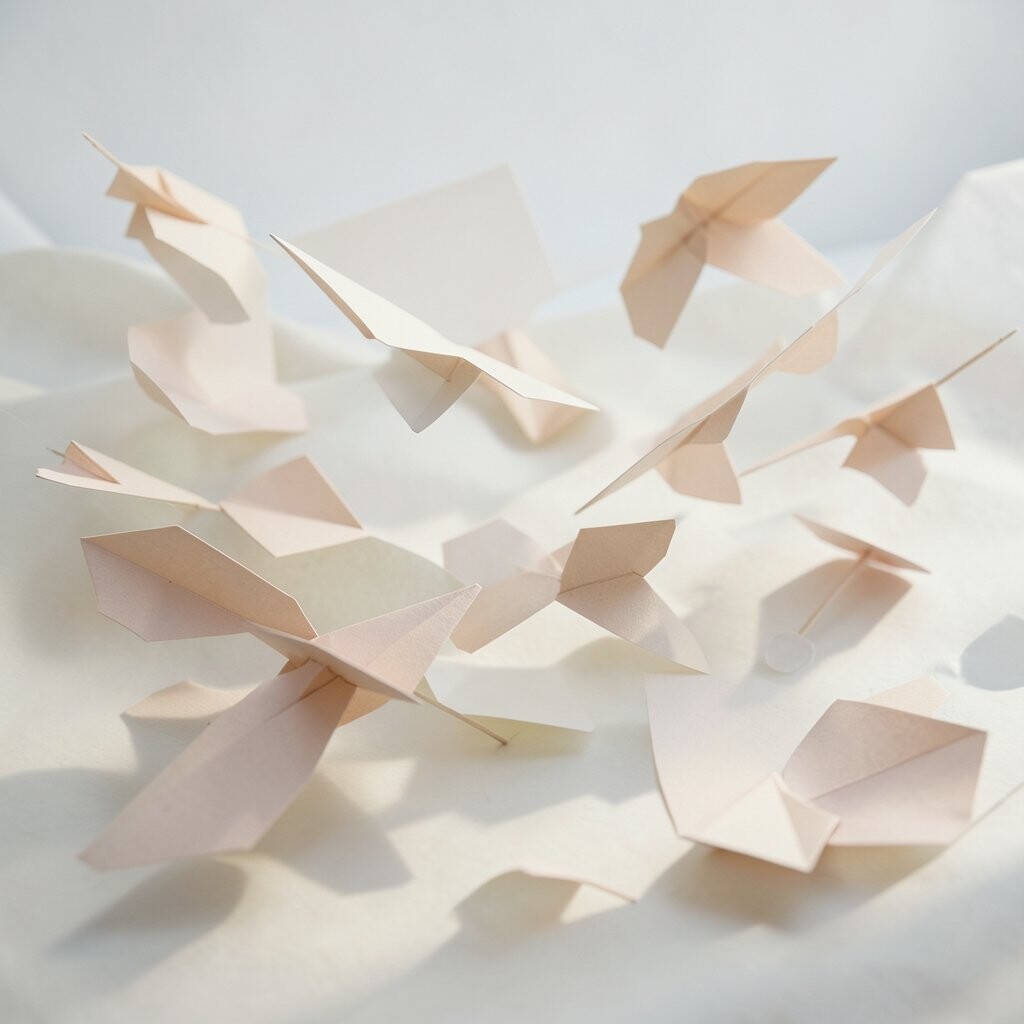
Imagine writing a thought on thin paper and folding it into a plane that glides across your room. Each landing spot feels different, like the floor becomes a map of mood.
Use this theme in journaling or short stories by assigning a flight path to each feeling, such as “hope” landing near a window or “worry” drifting under a chair. This helps because it turns abstract emotions into concrete actions. Try a practical tip by making a simple set of “flight rules,” like how the plane behaves when you write one honest sentence.
Personalize your system by choosing symbols that mean something to you, like star stickers for excitement or blue tape for calm. For cost, you only need scrap paper, envelopes, or old letters, and you can reuse folds until the page looks like it has its own history. This theme stays current with mental wellness journaling trends that encourage gentle reflection.
9. The Skyship Academy and Lessons in Wind

Picture a school built on clouds, with classrooms floating on rope bridges. In each window, the sky changes like a chalkboard, and lesson notes drift slowly in the air.
Create characters who learn by watching weather, building small inventions, and practicing teamwork during storms. This theme benefits learning-style writing because it gives you clear activities for scenes, not just talking. For practical tips, choose three “wind lessons” such as navigation, protection, and communication, then show each lesson through a small challenge.
Personalization is easy when you tie the lessons to real life skills you want to practice, like planning, patience, or speaking up. Keep cost low by using simple craft materials for models, or switch to digital creation with free design tools. Current trends show interest in educational fantasy settings, and skyship academies are a fun match for that mood.
10. The Mirror Market Where Truths Swap Hands
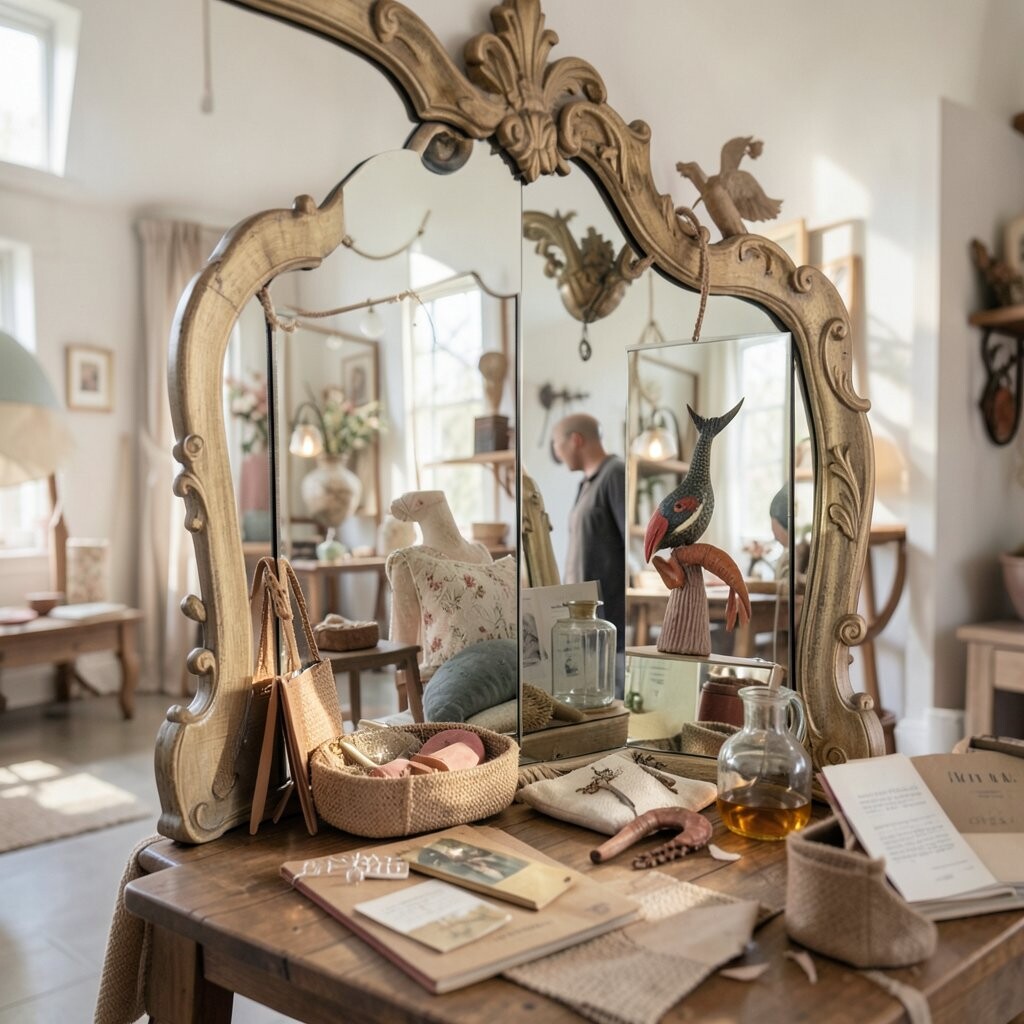
Imagine a street market made of shining mirrors, each stall reflecting a slightly different version of you. When you step closer, your reflection smiles in a way you do not remember doing.
Write about a character who trades small statements for useful results, but only if they stay honest about what they really mean. This theme is powerful because it adds tension without needing scary monsters, and it encourages thoughtful dialogue. Try a practical approach by writing three “trade offers” that each come with a consequence, then let the character decide which one feels right.
Personalize the market with your own symbols, like using seashells for memories or coins for promises. Cost considerations are simple because you can create a market collage using magazines and shiny paper, or use reflective surfaces at home to inspire descriptions. A current trend is moral and character-driven fiction, and a mirror market fits that style naturally.
11. Desert Roombas and Friendly Sand Spirits
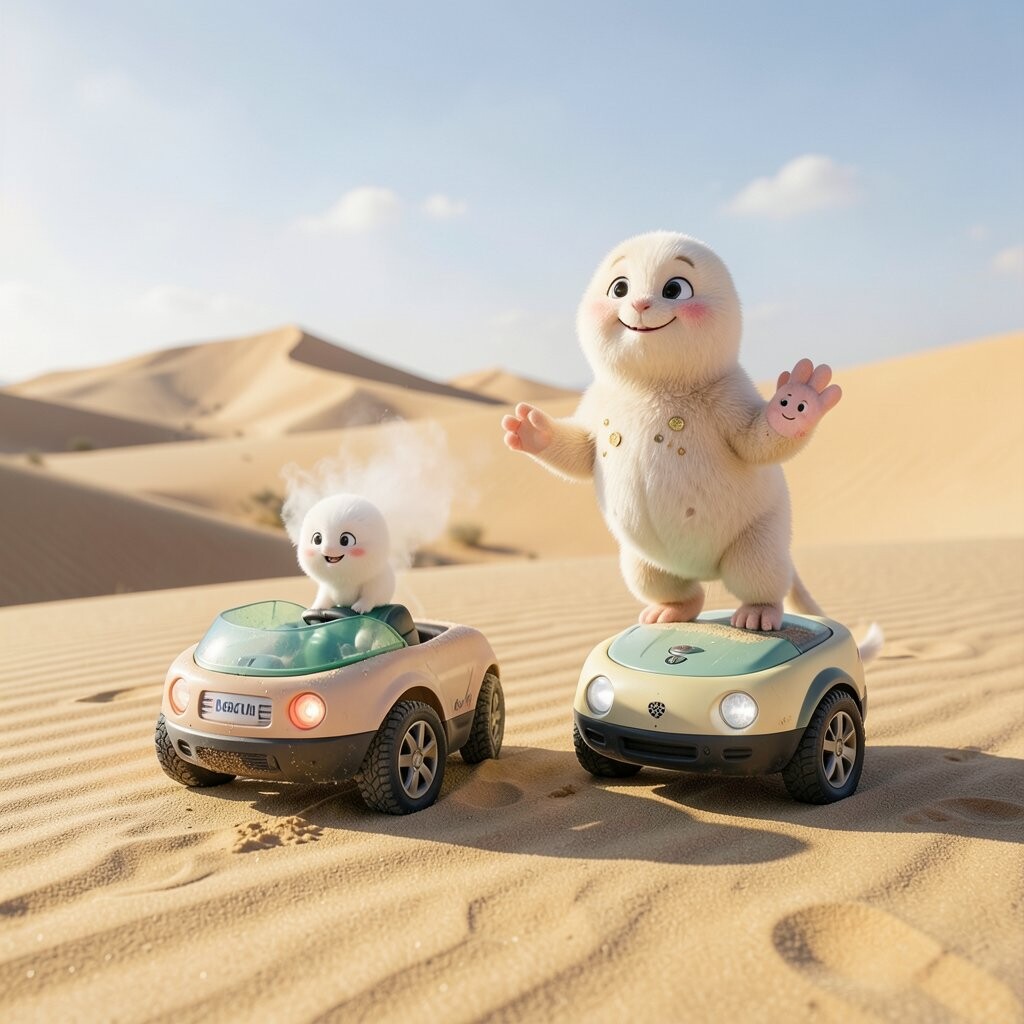
Picture sandy streets where small cleaning machines roll like cheerful beetles. Between the dunes, soft glowing spirits giggle and guide the robots to tricky corners.
Build a story where teamwork matters, and the characters learn to respect what they cannot control. This theme benefits your writing because it creates conflict through miscommunication and then resolves it through empathy. For practical tips, write one scene where the main character assumes something, then corrects their guess after noticing a tiny sand sign, like a shell pattern or a footprint trail.
To personalize, choose the “spirit rules” you want, such as spirits dislike loud voices or love shared stories, then follow those rules consistently. Cost can be kept minimal by using toy figures, drawings, or even household objects to represent characters. This theme also echoes a current love for charming sci-fi and nature-friendly fantasy that feels playful rather than gloomy.
12. The Museum of Lost Clicks and Forgotten Sounds
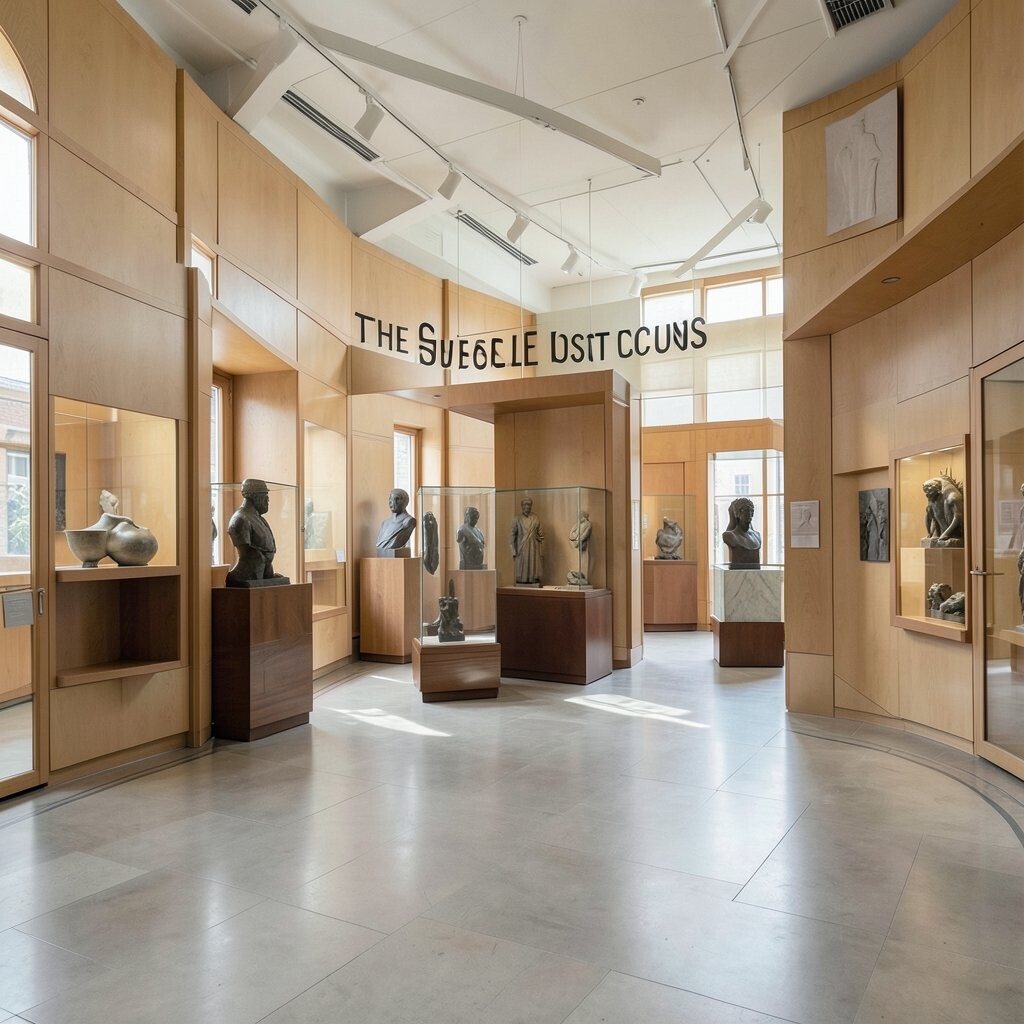
Imagine walking through a museum where exhibits play tiny noises instead of speeches. You hear a cassette click, a door hinge squeak, and a distant laugh echoing in velvet halls.
Create a narrative where characters recover lost moments by listening carefully, and each sound teaches them a lesson. This theme boosts sensory detail and helps you practice describing audio in a way readers can picture. For practical tips, collect a few real sounds, then write one paragraph for each sound explaining what it might mean and why someone would search for it.
Personalize by choosing sounds from your own day, like the click of a pen or the hum of a fridge, and connect them to emotions you want to highlight. Cost is usually low since you can record sounds on a phone and write from memory, or simulate sounds with simple objects. A current trend is sound-centered storytelling and interactive media, so this theme feels modern even when written traditionally.
13. The Garden of Borrowed Time
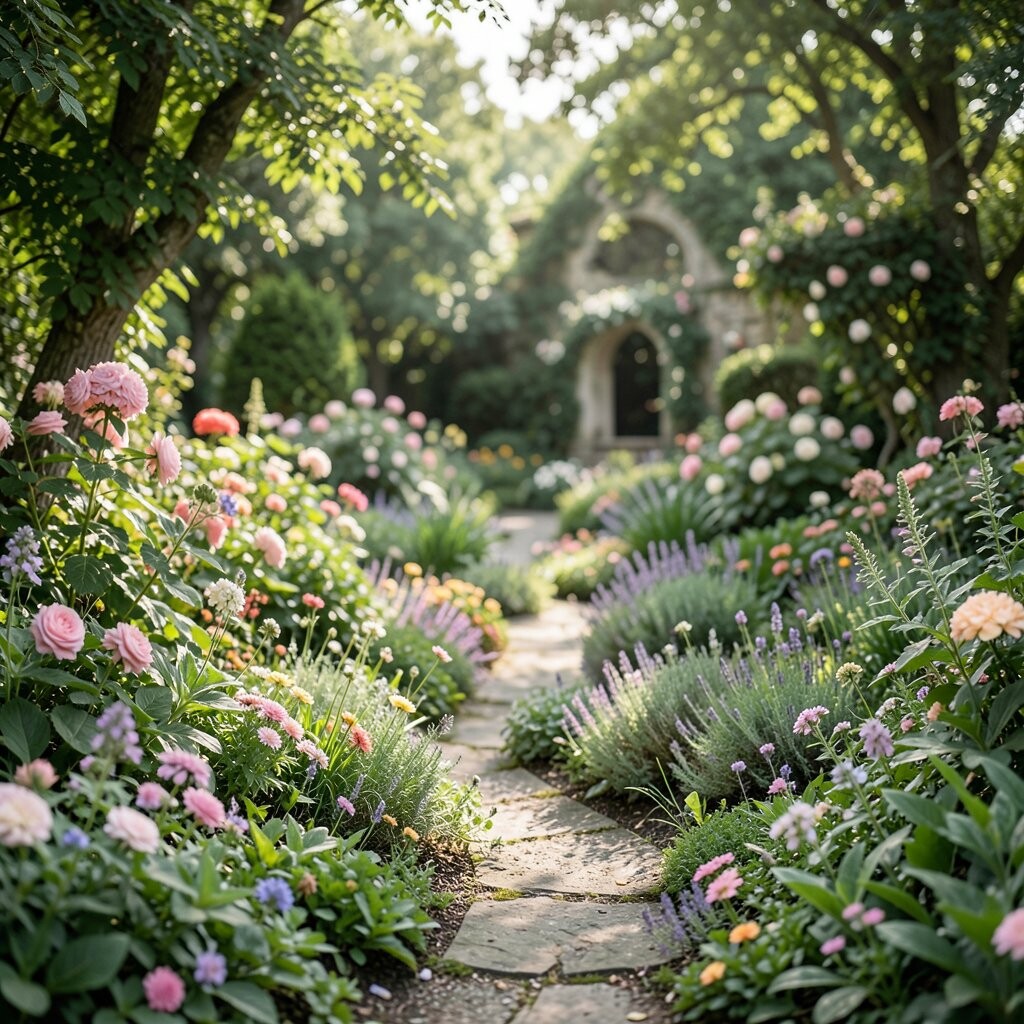
Picture a garden at dusk where clocks bloom like flowers, their hands gently swaying in the breeze. Time spills like honey from watering cans, making everything feel both urgent and safe.
Write about characters who can borrow small bits of time, but they must return what they take with care and honesty. This theme benefits suspense because every choice has weight, and it encourages you to build consequences that feel fair. For practical tips, decide the “cost” of time borrowing, such as energy, memory clarity, or kindness to others, then use that cost in each scene.
Personalize the garden by giving each character a different kind of time flower, like slow-growing patience or fast-blooming courage. Cost considerations can be friendly because you can make a simple garden map on paper or digitally draw one without buying supplies. This theme aligns with current interests in mindful time management and storylines about making the most of ordinary days.
14. The Constellation Circus With Acts Written in Light
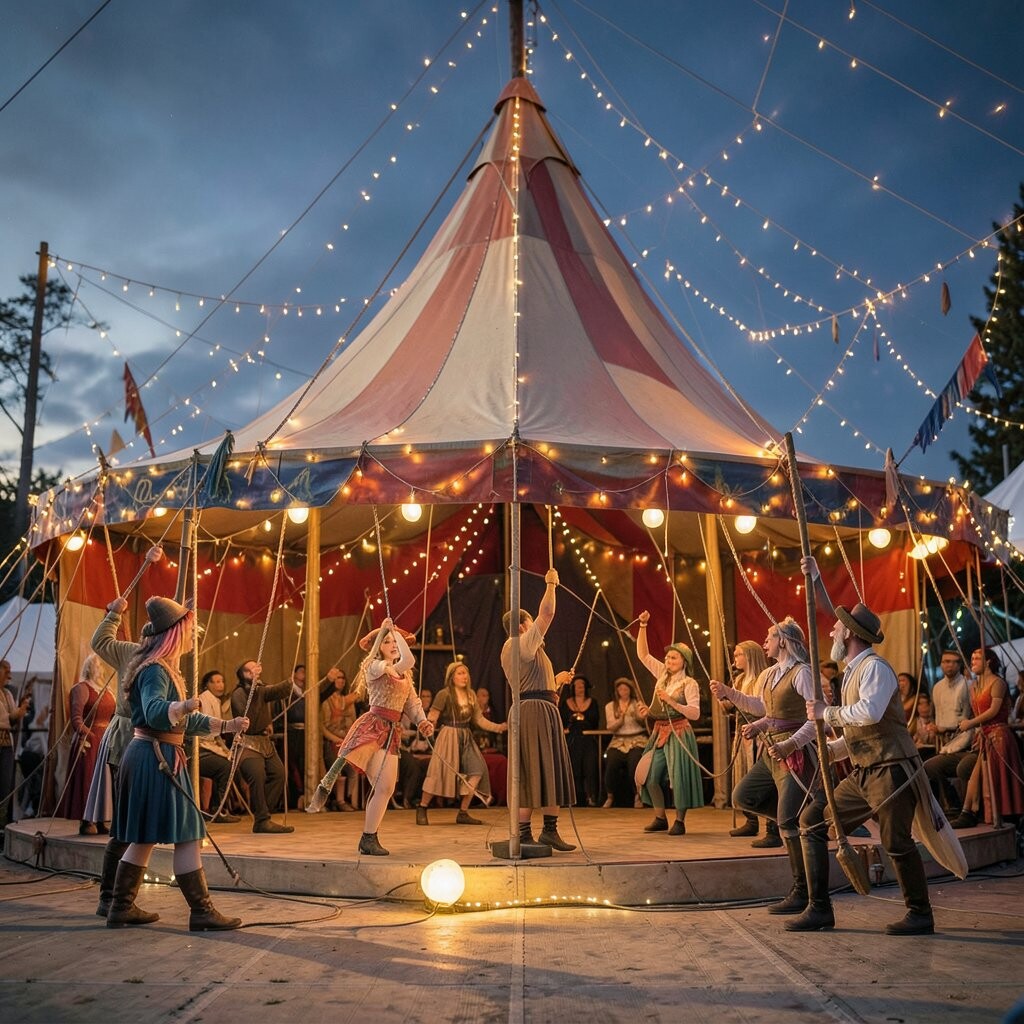
Imagine a circus tent shaped like a star, and each performer is made of glowing threads. When they move, constellations rearrange overhead like a live drawing in the sky.
Create acts where characters solve problems by reading patterns and timing, turning performance into communication. This theme benefits creativity because it blends art, strategy, and emotion in one setting. For practical tips, plan each act with a pattern type, like zigzags for quick decisions, circles for healing, and sudden breaks for honesty, then write scenes where the audience learns something.
Personalize the circus by choosing constellations that match your personal interests, such as animals, tools, or symbols from your culture, and describing them in your own words. Costs can stay low since you can use string lights, glow-in-the-dark tape, or simple pencil sketches to guide your imagination. Current trends in visual storytelling and pattern-based art make this theme feel fresh and shareable.