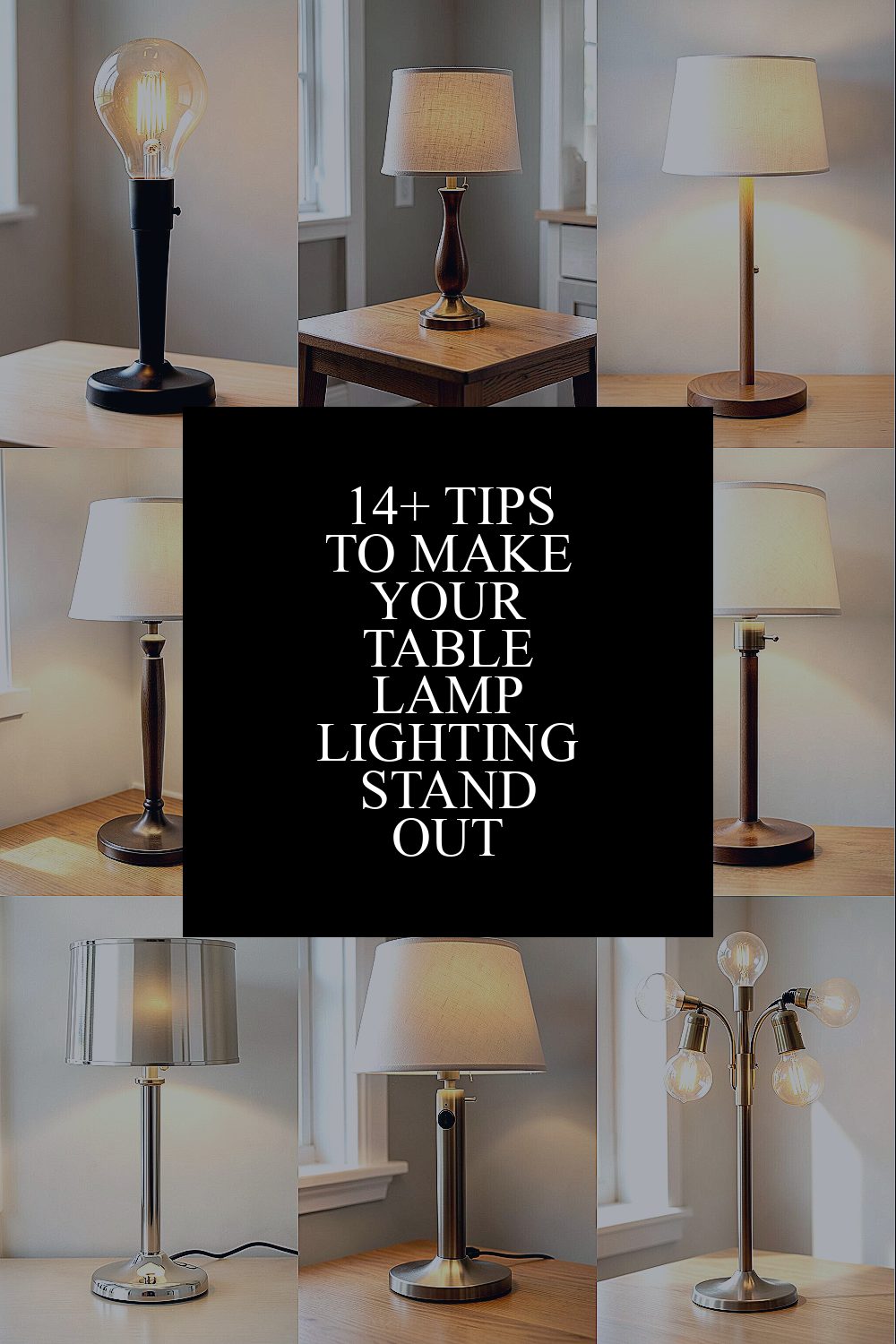
The right table lamp can change how a room feels in minutes. When the light looks good, everything around it feels more cared for.
1. Choose the Right Bulb Color for Your Mood
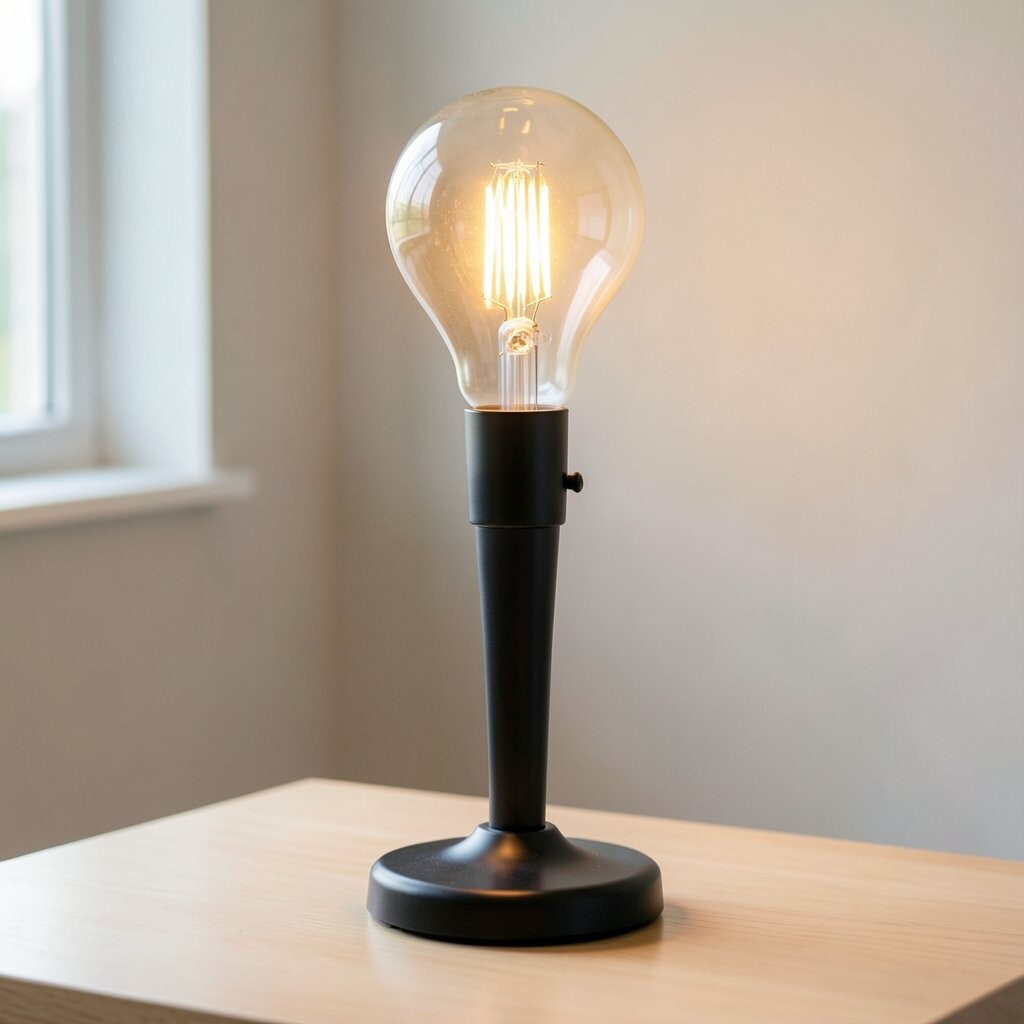
Start by picking a bulb color that matches the mood you want. Warm light feels cozy at night, while a brighter, cooler tone can feel crisp during the day.
Look at the bulb’s color temperature on the package when you shop. If your lamp has a shade, remember that the shade can soften the color and make it feel warmer. Try using warmer bulbs for bedrooms and reading nooks, and consider slightly cooler bulbs for home offices and craft areas.
2. Match the Lamp Scale to the Table and the Room
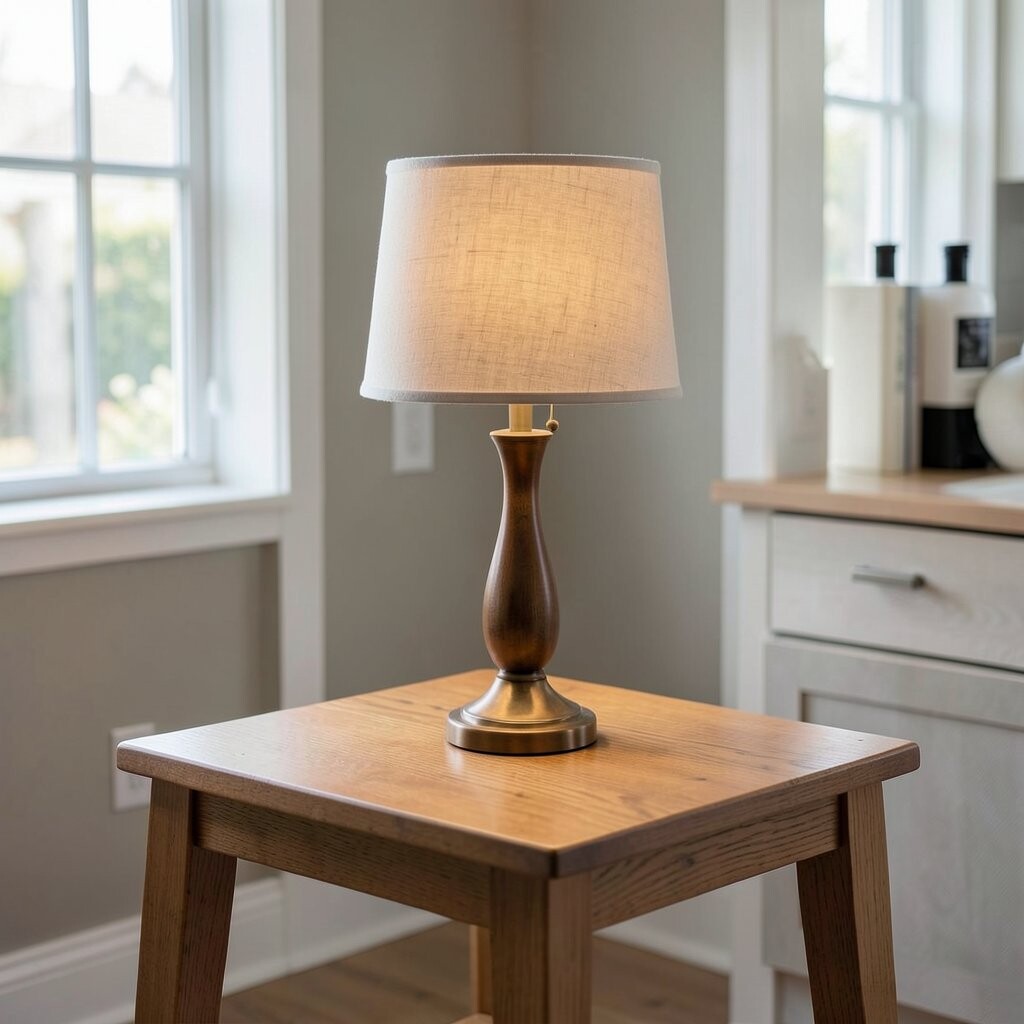
A lamp that’s too small looks like it got lost, even if it’s bright. A lamp that’s too big can steal attention and make the surface feel crowded.
Use the table height as your guide, especially if you’re styling a side table next to a sofa or bed. A good fit helps the light land where you need it, like on a book page or a decorative object. When in doubt, aim for balance with the furniture, not just the lamp itself.
For a visual upgrade, choose a base height that lines up nicely with nearby items. A lamp placed thoughtfully can make the room feel taller and more styled. Even small tables can glow well when the scale feels right.
3. Aim the Light Where People Actually Look
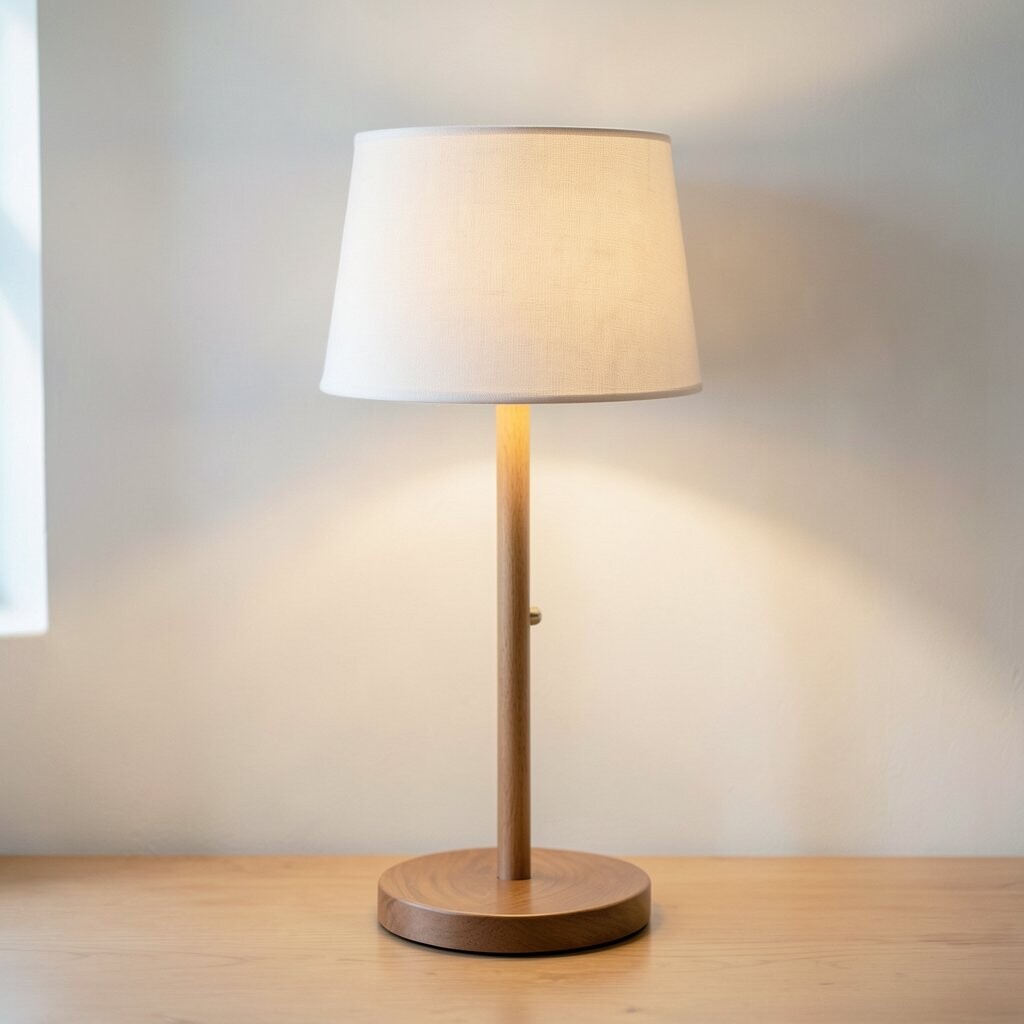
Great lighting isn’t just about brightness, it’s about direction. If the light only bounces upward, your favorite items might stay in shadow.
Turn the lamp on and watch what it highlights across the room. If your reading corner looks dark, adjust your bulb, shade angle, or even the lamp placement. For shelves, consider positioning the lamp so it reaches toward books, plants, or art.
Try small changes first, like moving the lamp a few inches or shifting it toward the subject. You’ll often see better results without buying anything new. When the beam hits your eye level, the whole space looks more inviting.
4. Use Layered Lighting Instead of One Bright Source
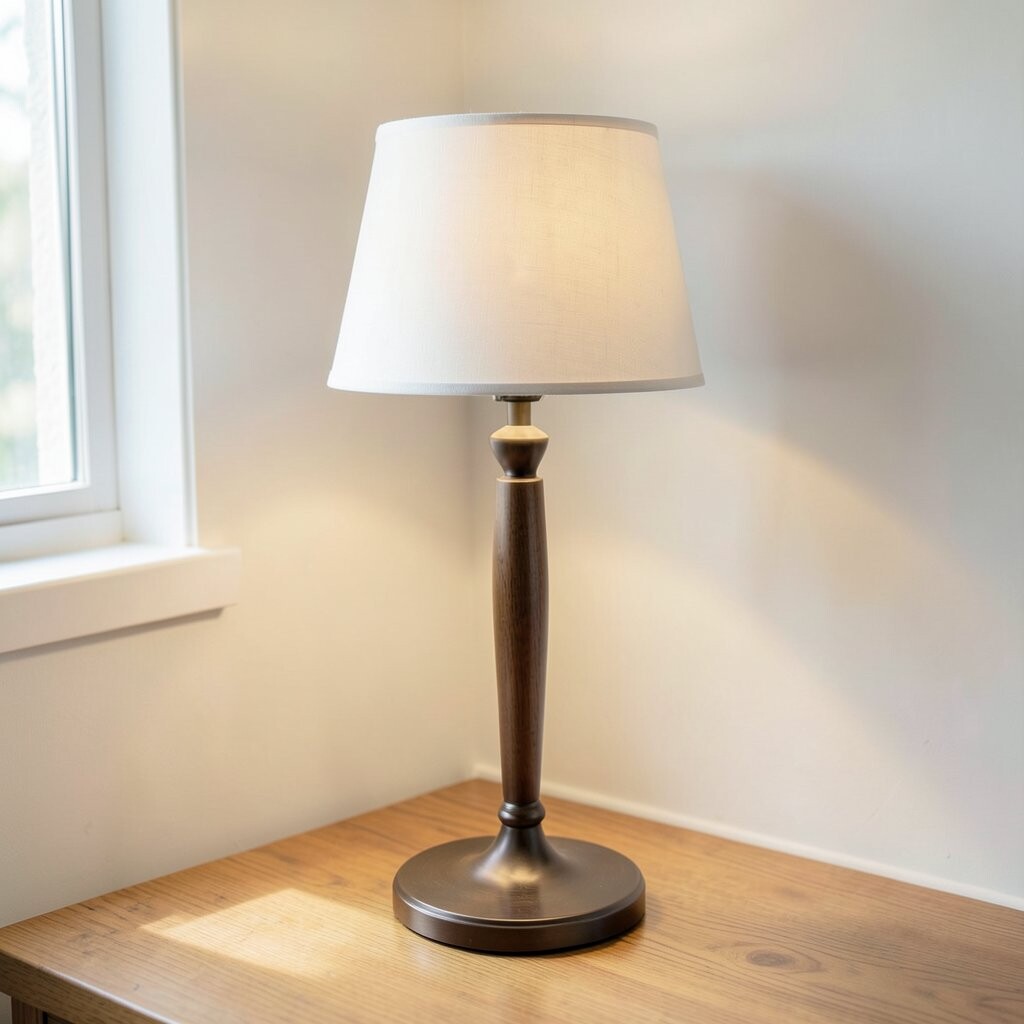
One lamp can look nice, but multiple light sources make the room feel finished. Layered lighting adds depth so shadows feel soft instead of harsh.
Pair your table lamp with a floor lamp or wall lights if you can. Use different brightness levels so the strongest light guides attention, while the softer lights create comfort. This is especially useful in living rooms where people relax, talk, and move around.
5. Pick a Shade Shape That Controls Glare
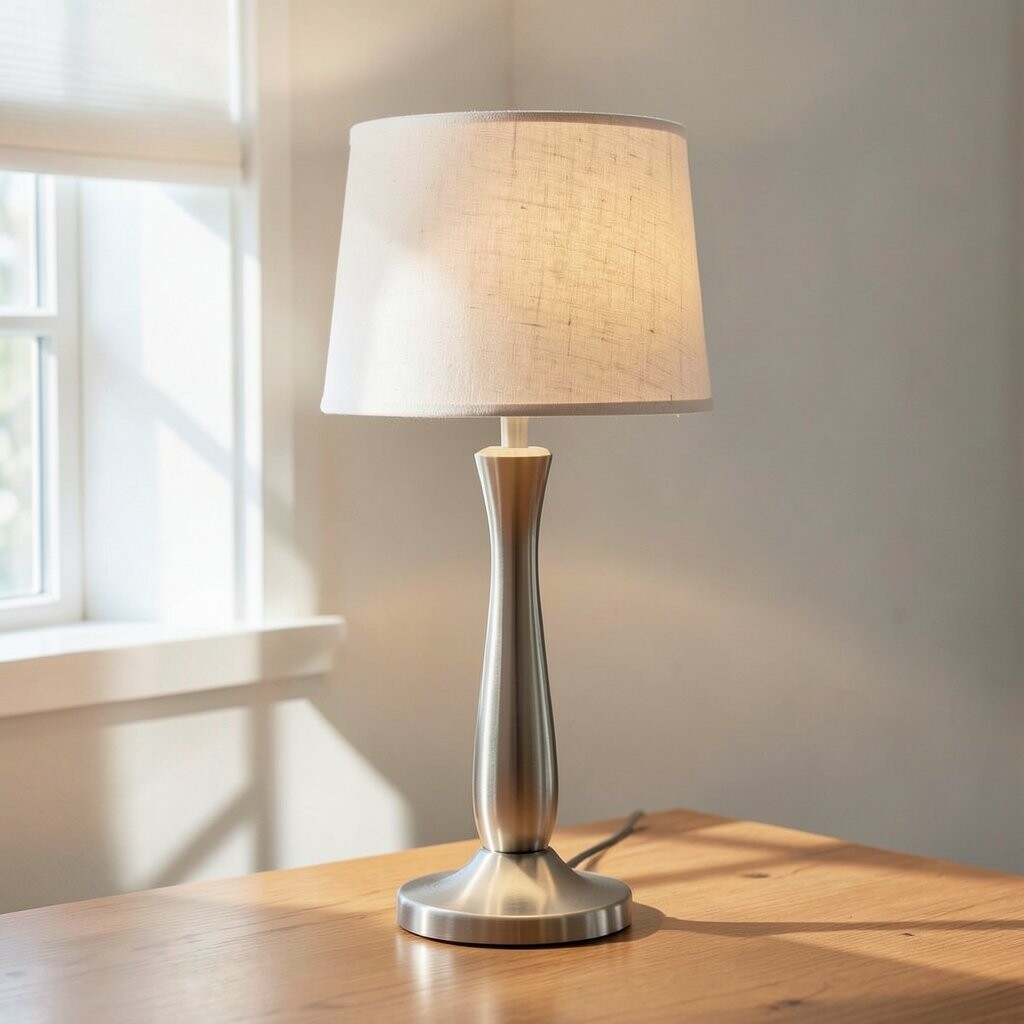
Some lamp shades look beautiful but still throw glare across the room. If you notice harsh light on walls or your eyes feel strained, the shade shape may be the issue.
Look for shades that distribute light gently, like domed or tapered designs. Fabric shades often spread light smoothly, while glass and metal can create brighter spots. Adjusting the shade height also helps, because it changes where the light lands.
When you want a cozier vibe, choose a warmer fabric shade or an off-white color. For a modern look, a clean-lined shade can make the glow feel precise. Either way, controlling glare helps the lamp feel more “designed” and less “random.”
6. Upgrade the Lamp Socket Setup for Better Performance
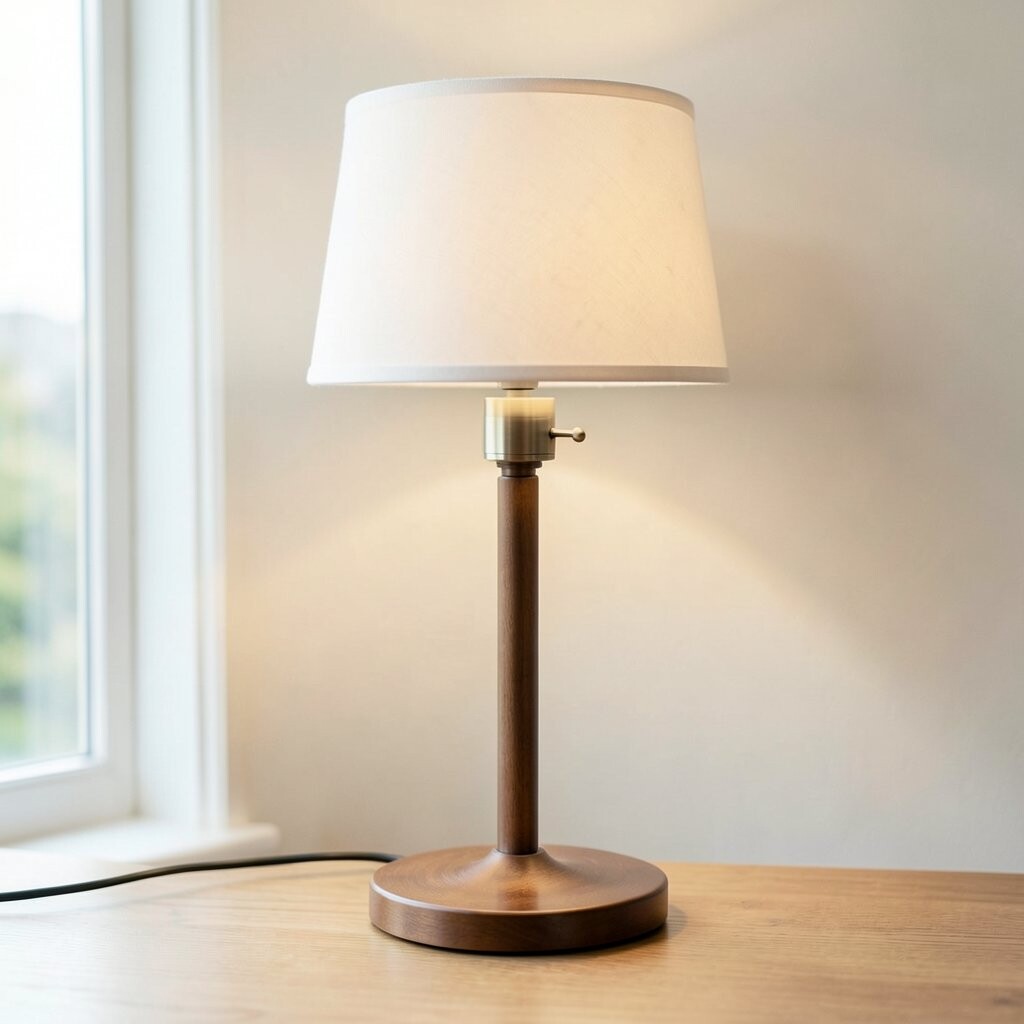
Sometimes the lamp lighting stands out simply because the setup works well. A loose bulb or outdated fixture can cause flicker or uneven brightness.
Check that the bulb sits firmly and that the socket contacts are clean. If you see wobbling or dim sections, it’s worth tightening or replacing parts. A stable connection improves light quality and makes your lamp feel dependable.
Consider using a dimmable bulb or a dimmer switch if your space allows it. Dimming helps you shift from lively daytime brightness to soft evening glow. It’s a practical upgrade that also feels like a luxury.
7. Style with Reflective Surfaces for Extra Glow
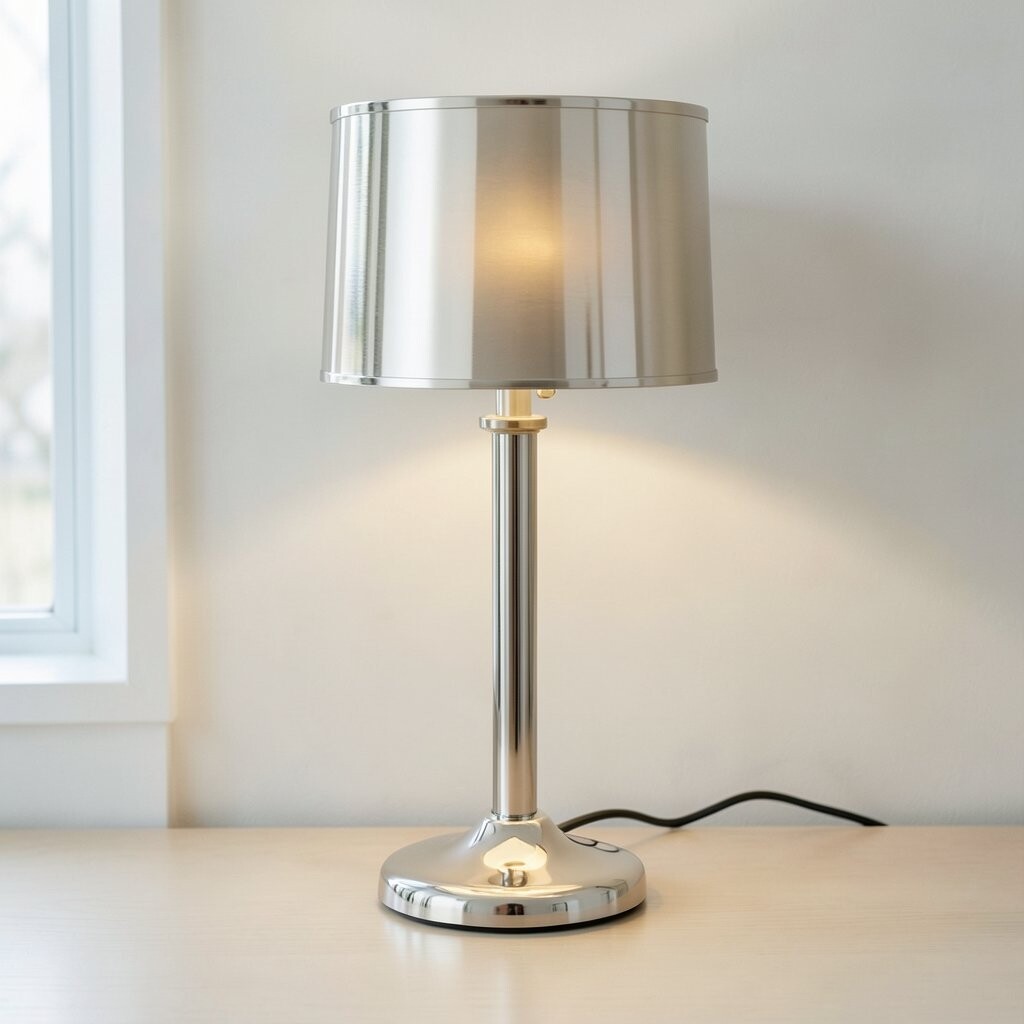
If you want your light to go farther, add surfaces that bounce it back. Mirrors, metallic trays, and glossy ceramics can make your lamp feel brighter without adding more wattage.
Place your lamp near a reflective object, but not so close that it causes glare. Try a metallic lamp base, a silver photo frame, or a glass vase near the beam. You’ll often notice that the room looks more even and lively.
For a cozy look, warm the reflection with copper or gold tones. For a clean modern mood, silver and chrome can feel crisp. This approach is a low-cost way to make lighting look richer.
8. Add a Dimmer to Make Evenings Feel Instantly Better
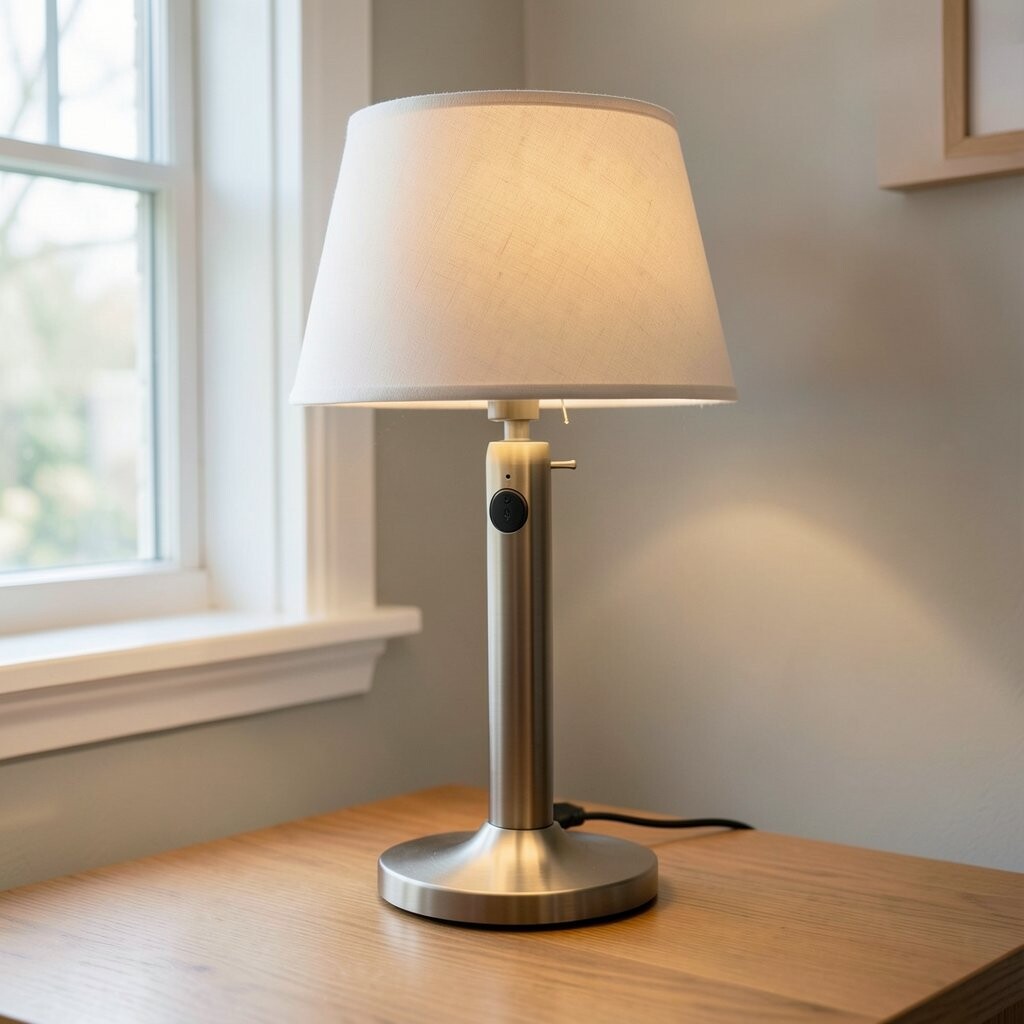
A dimmer turns your lamp into a mood maker, not just a light switch. Bright light can feel harsh, while softer light feels gentle and calming.
Set a comfortable level for reading, then lower it for relaxing. Many people notice they reach for their lamp more often once it’s adjustable. This also helps protect your eyes during late-night tasks.
If wiring is too much, you can use a dimmable bulb with compatible controls. Even simple adjustments can make the lighting feel more premium. When your lamp follows your routine, the room feels more personal.
9. Use Multiple Bulbs or Diffusers for a Softer Look
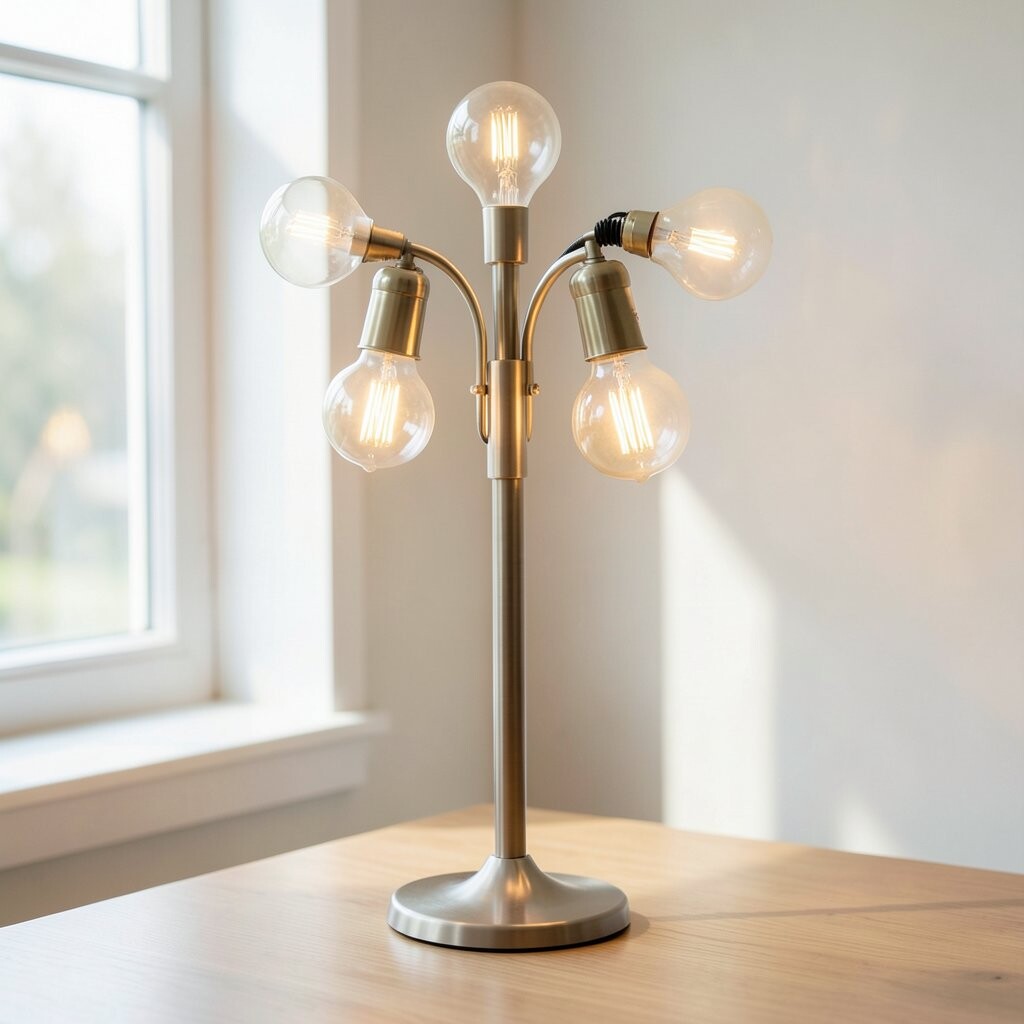
Some lamps look best when the light spreads smoothly instead of in a tight pool. When the glow is even, it feels more flattering and less spotty.
Consider a shade with light-diffusing fabric or a frosted bulb. If your lamp design allows, choose bulbs that provide broader coverage. You’ll get fewer bright hotspots and more comfortable illumination across the tabletop.
This can help you style things like a nightstand, where you want calm light for bedtime. A softer glow also makes skin tones look more natural in photos. With the right diffuser, your lamp lighting can feel like a warm hug.
10. Coordinate Your Lamp with the Room’s Color Palette
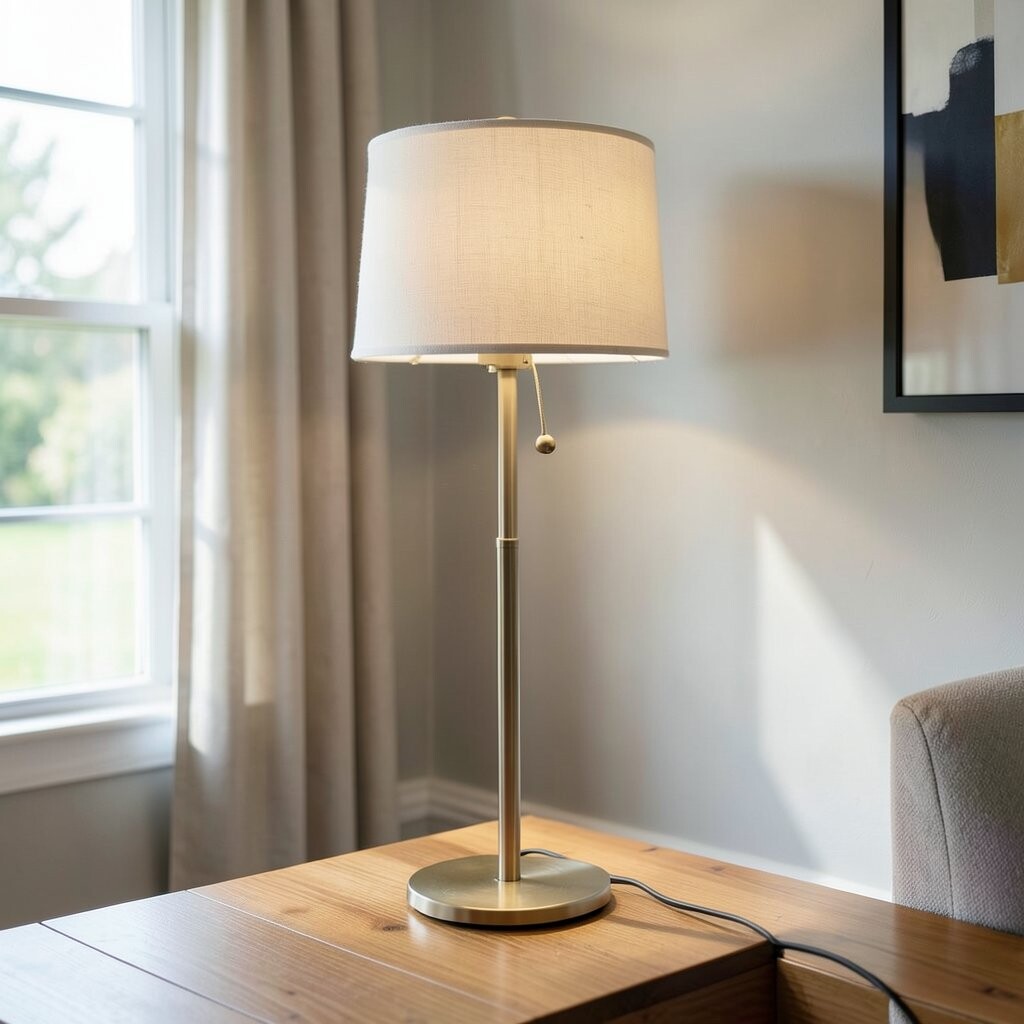
Lighting stands out more when it fits the colors around it. When your lamp blends with the room, the glow looks intentional and stylish.
Match the lamp finish to other hardware, frames, or decor accents. If your space has warm woods, try brass, bronze, or warm painted bases. If your space is cooler, matte black, chrome, or cool gray finishes can look sharp.
You can also coordinate the shade color so it supports the mood. Off-white shades add warmth, while light gray shades can feel modern. This small choice helps your lamp feel like part of a whole design, not an afterthought.
11. Clean and Maintain the Shade and Bulb for Maximum Clarity
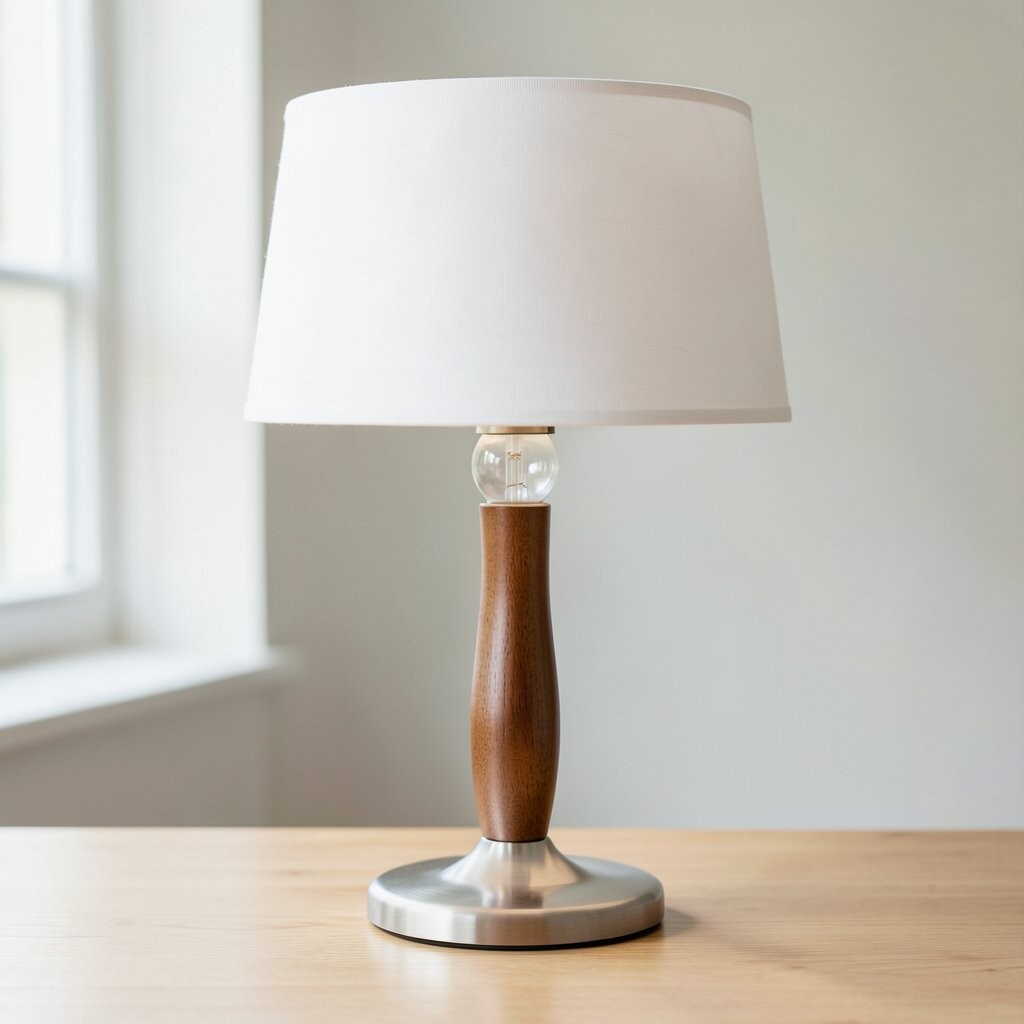
Dust can quietly dull your lamp even when everything else is perfect. If your light seems less bright than you remember, check the shade first.
Wipe the bulb with a dry cloth and gently clean the shade based on its material. Fabric shades often need careful vacuuming, while glass can be cleaned lightly. When the shade is clear and the bulb is clean, the glow becomes more vivid and smooth.
Maintenance also keeps the lamp looking new, which matters for style. Many people think lighting is only about buying, but care changes the results fast. Treat it like a simple reset and the lamp usually rewards you right away.
12. Decorate the Table Around the Lamp, Not the Other Way Around
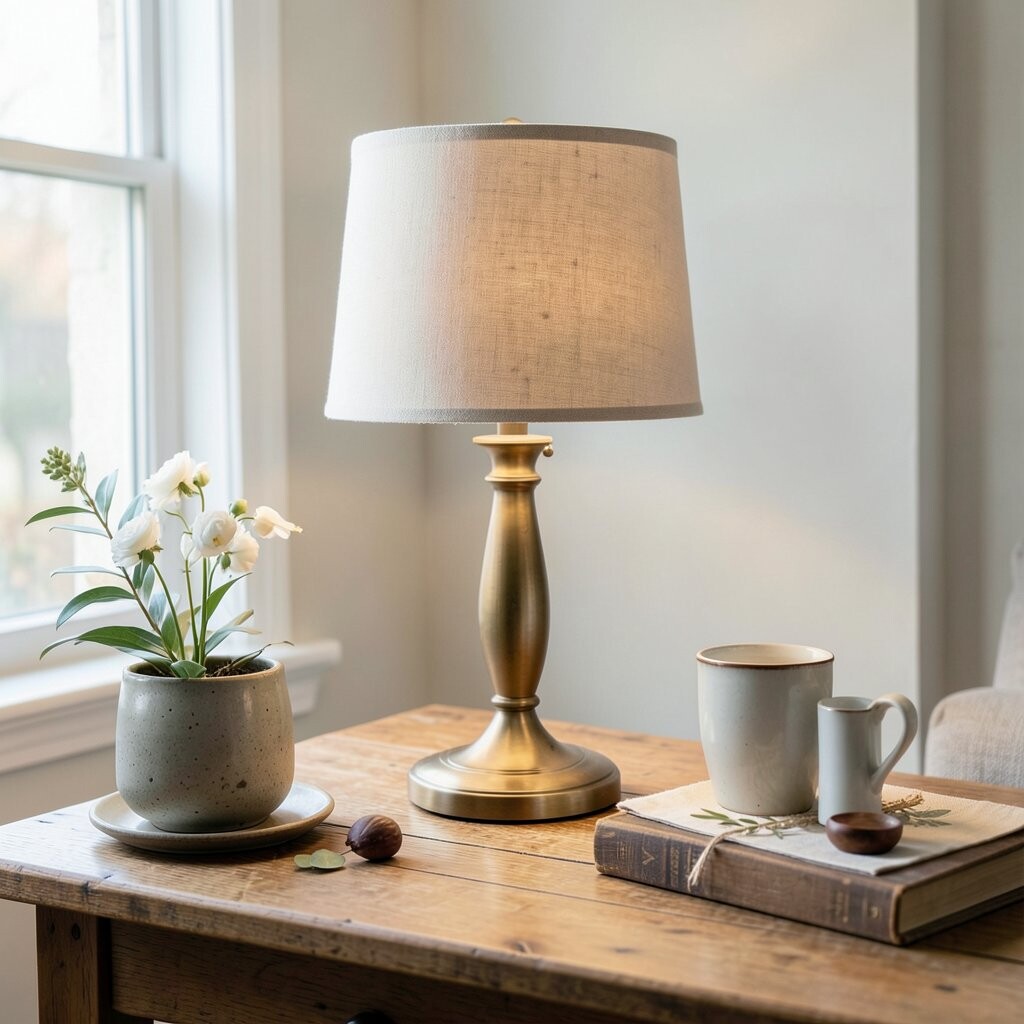
Your lamp is the star, but the table styling helps the star shine. A cluttered surface can scatter attention and make the lighting feel messy.
Start with a simple arrangement, then place items close enough to catch the light. A stack of books, a small sculpture, or a framed photo can look extra thoughtful when lit well. Use different heights so the scene feels layered, not flat.
Try adding a tray to gather small items like coasters or candles. When the table looks tidy, the light looks more intentional. This also makes it easier to adjust your decor for seasons and holidays.
13. Create a Personal Look with Custom Shade Details
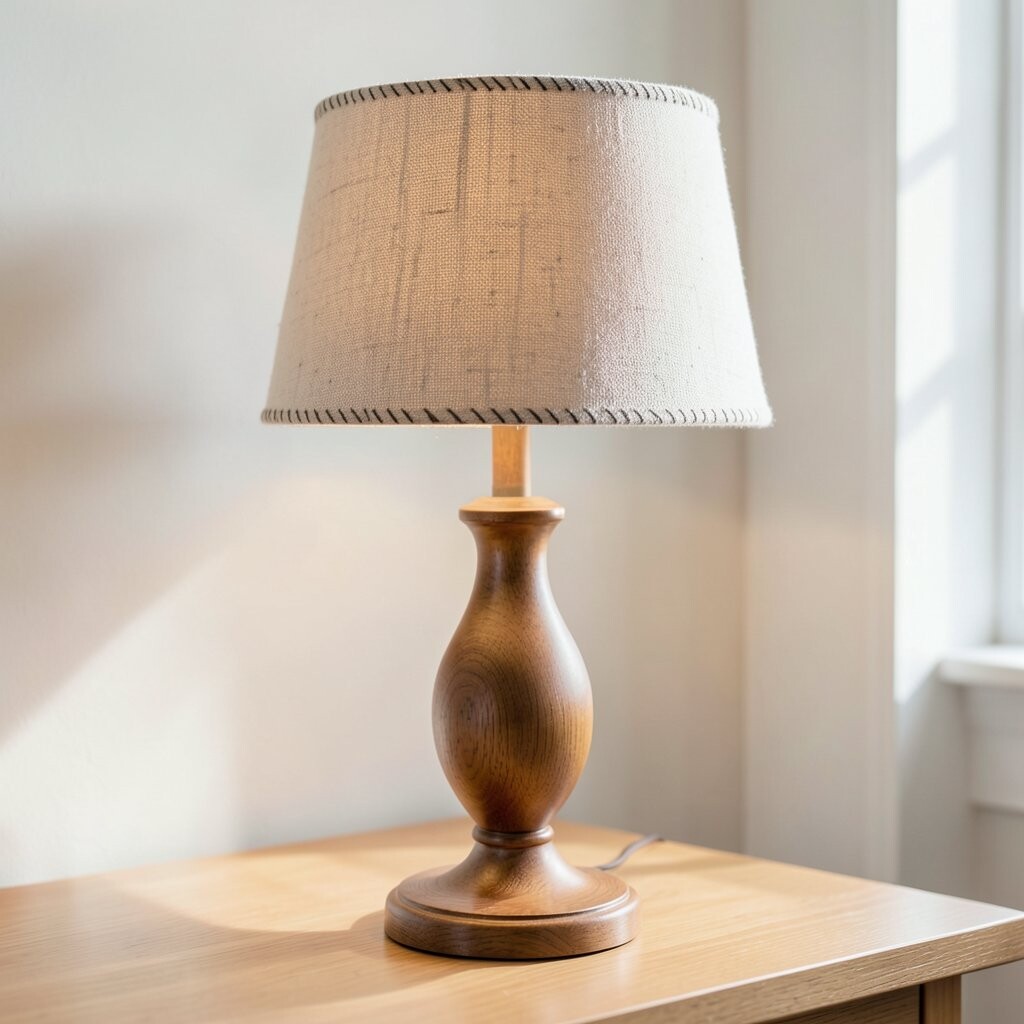
A standard lamp can feel generic, but small custom touches make it yours. Even a subtle change can turn ordinary lighting into a signature piece.
Consider adding trim, switching to a patterned shade, or using a fabric that matches your room’s vibe. If you enjoy crafts, iron-on details or a new shade liner can create depth. You can also wrap the base with a removable cover for a seasonal color swap.
Personal details help your lighting feel unique, not just functional. This is a great way to celebrate hobbies, travel memories, or a favorite color theme. When your lamp reflects you, it feels special every time you turn it on.
14. Use Current Trends Like Natural Textures and Warm Finishes
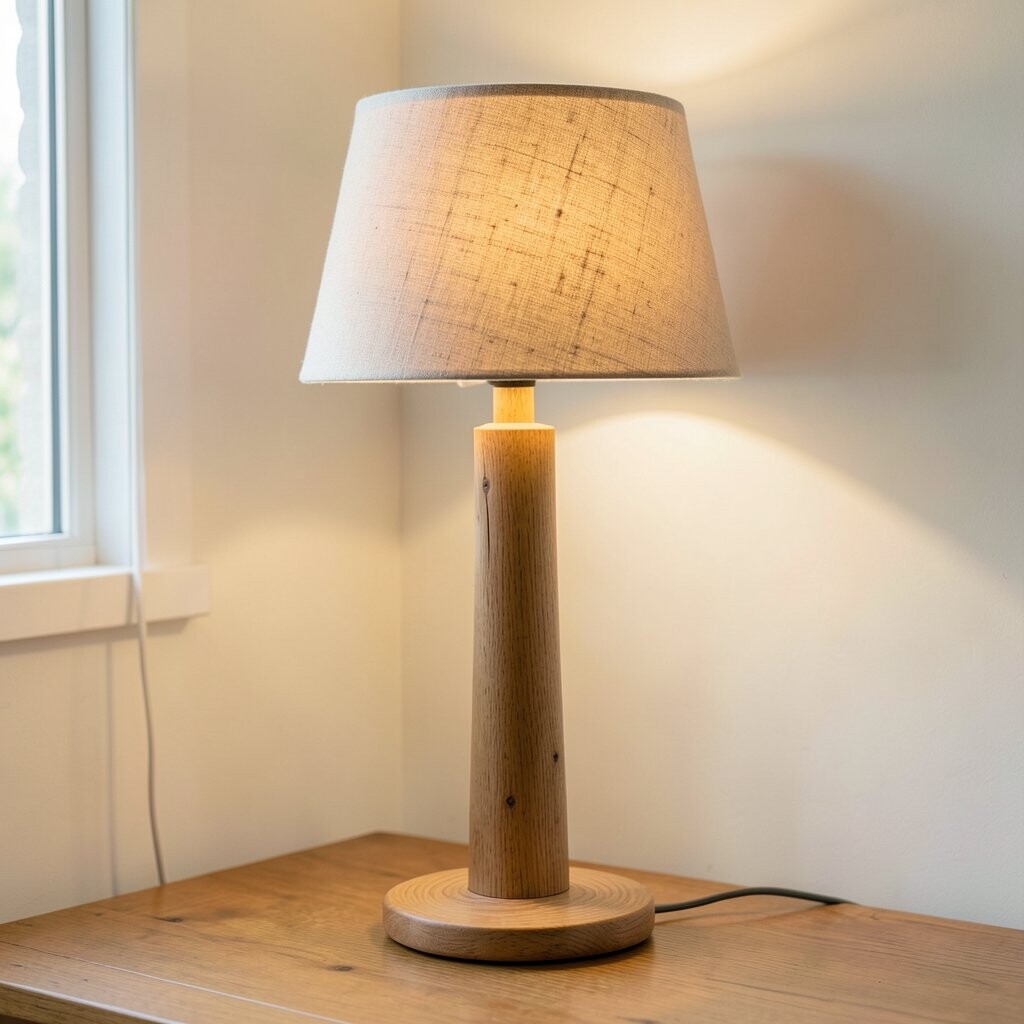
Today’s popular lighting styles often lean toward warmth and natural materials. Think linen shades, woven textures, and earthy tones that feel relaxed and modern.
Look for lamps with rattan, wood, or ceramic details if they match your home. Warm metal finishes also stay in style because they pair well with many colors. When you choose trend-friendly materials, the lighting feels fresh without looking flashy.
Try balancing trend pieces with classic shapes so everything feels timeless. A simple silhouette plus a natural texture can look high-end. You can also update slowly by changing just the shade or bulb color first, which keeps costs under control.
15. Test, Adjust, and Reframe the Placement Before You Commit
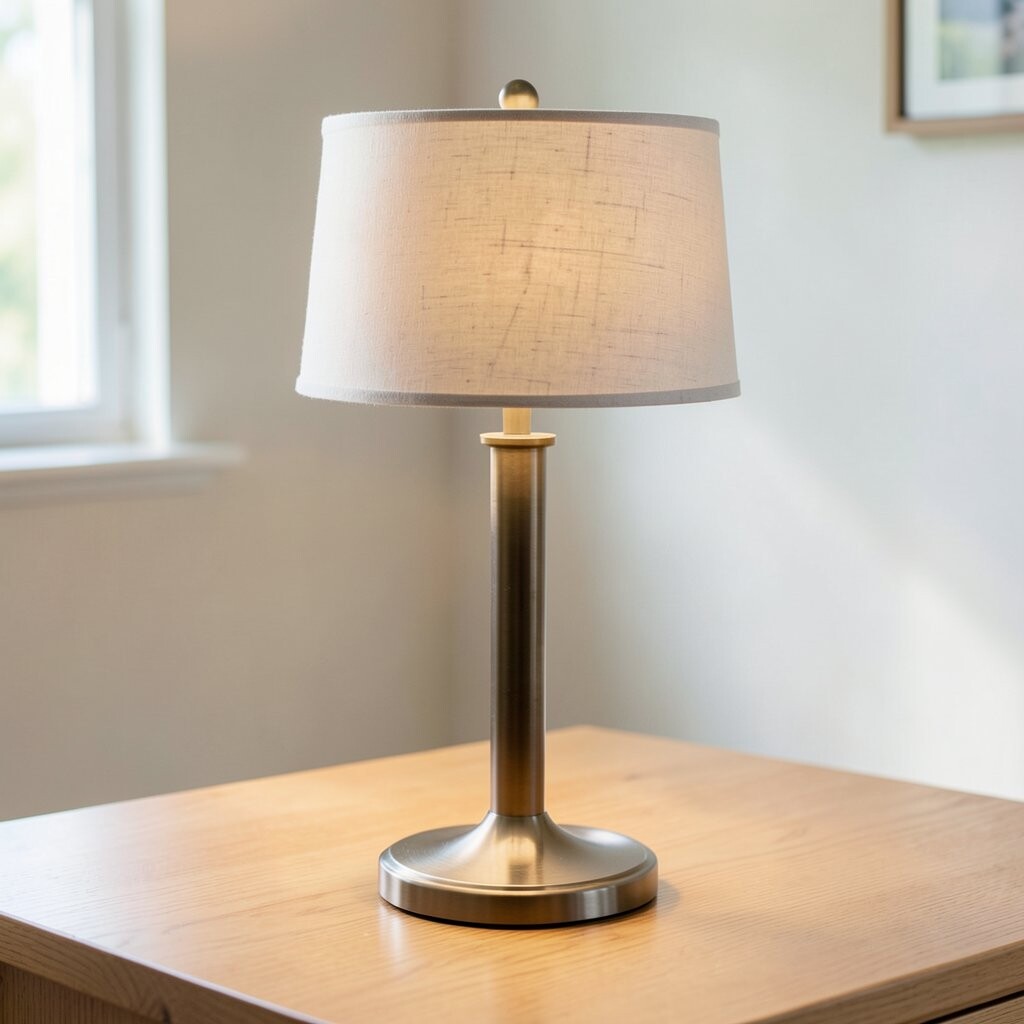
The fastest way to make a table lamp stand out is to move it and test the light. Small placement changes can dramatically change how shadows fall.
Try placing the lamp slightly closer to the seating, then slightly farther, and compare the glow. Watch the wall behind it, because a good lamp makes the background look softer. If the light feels too direct, adjust the angle by changing where the lamp sits or by using a different shade.
Once you find the sweet spot, keep a simple mental note for future styling. This saves money because you won’t replace parts when the issue was just placement. When your lamp lighting consistently flatters the space, it becomes an easy everyday upgrade.