Light can feel like magic, especially when furniture helps it move through your rooms. Smart layout choices can make everyday corners feel fresh and inviting.
1. Float Your Seating to Create Breathing Room
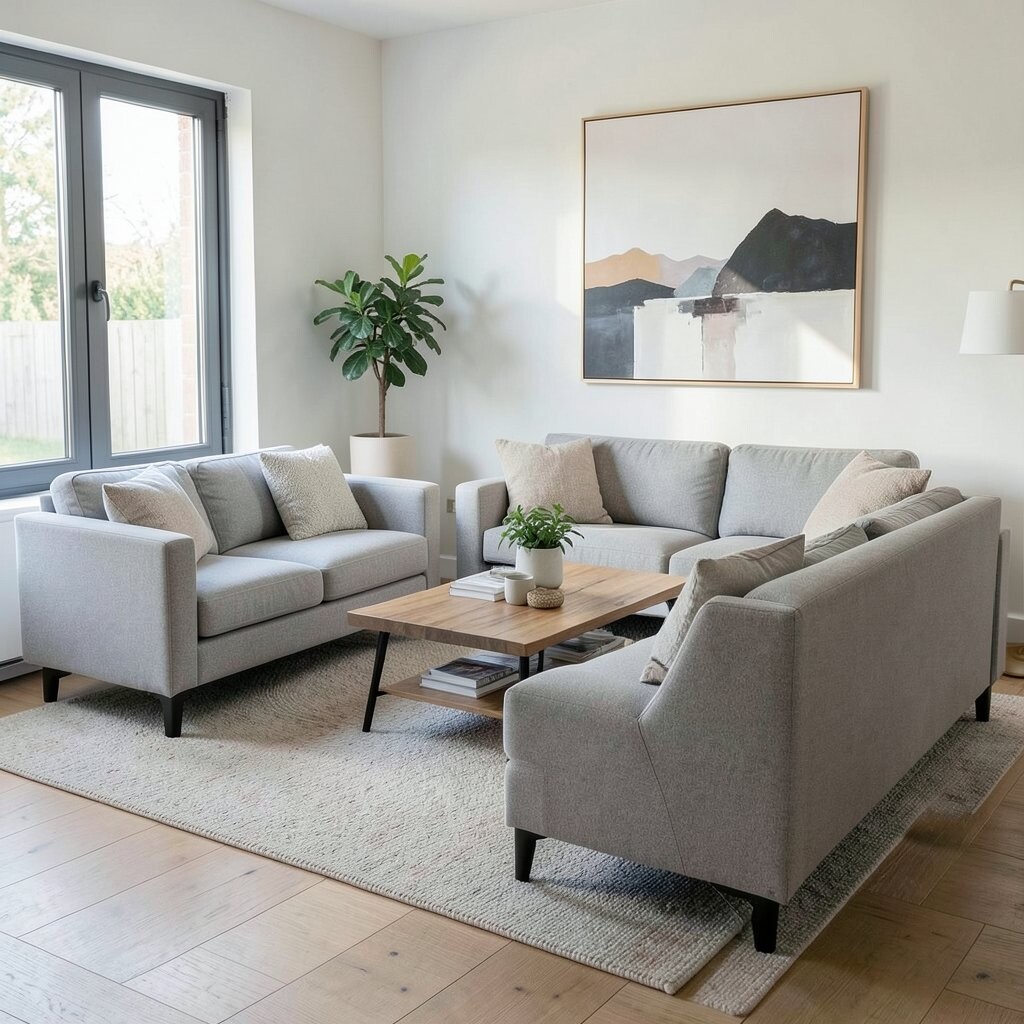
Pull your sofa and chairs slightly away from the walls so the space feels less boxed in. You will notice more air between pieces, and the room instantly looks more open and bright.
Try a layout where the seating forms a gentle “conversation circle” around a rug or coffee table. Keep pathways clear so sunlight can travel without furniture blocking it. If you have small rooms, floating still works, just use lighter-colored upholstery or slimmer frames for a balanced look.
2. Face Key Pieces Toward the Brightest Window
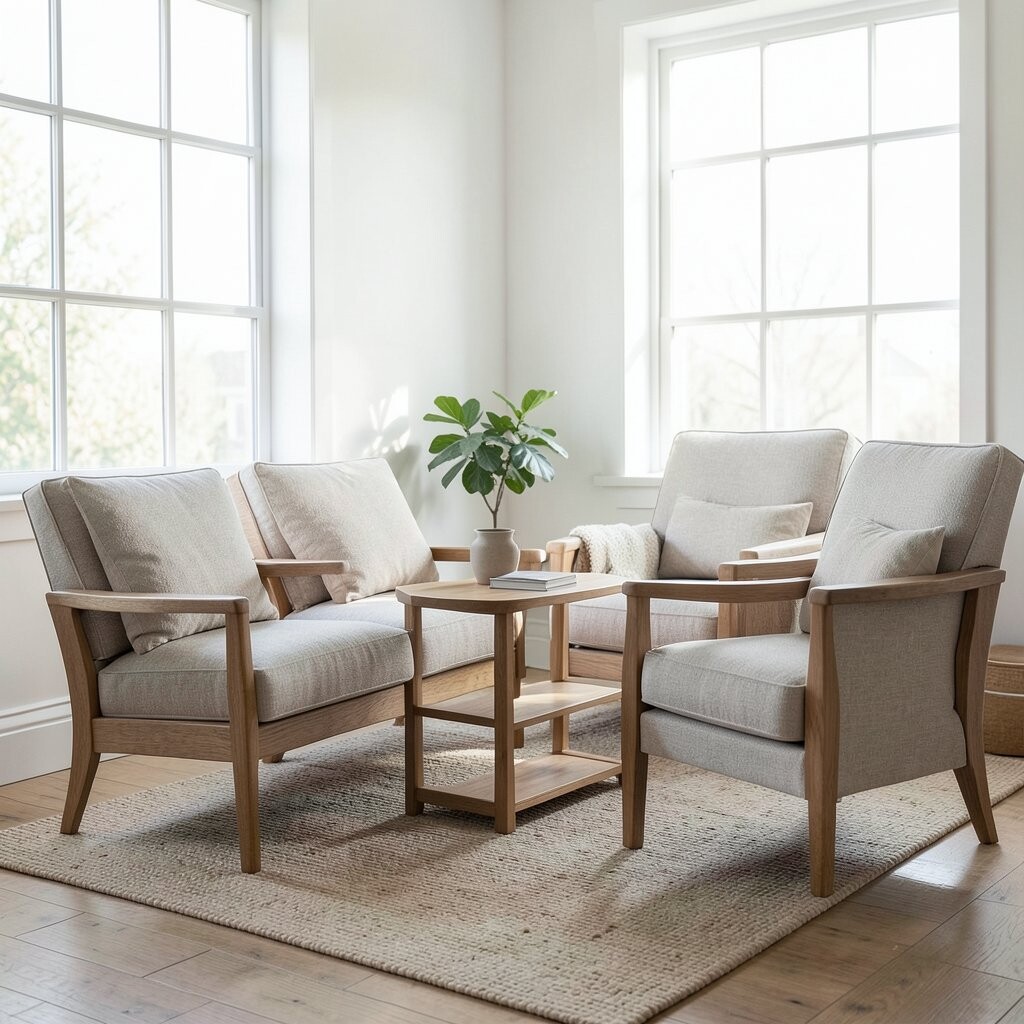
Arrange your main seating so it naturally looks toward the window or the sunniest wall. People feel calmer when the focal point is where the light comes from, and the room feels welcoming.
Place a lounge chair or reading nook near the window, then align your sofa at a slight angle. Add a side table within easy reach so you can enjoy the light without stretching. If glare bothers you, use sheer curtains and rotate a lamp so it softens shadows instead of blasting them.
When you reposition furniture, watch how the sun changes through the day, not just at one moment. A layout that looks good in the morning should still feel workable in the afternoon. You can adjust later by swapping chair positions or shifting the rug a few inches.
3. Use a Rug to Anchor the Layout and Lift the Look
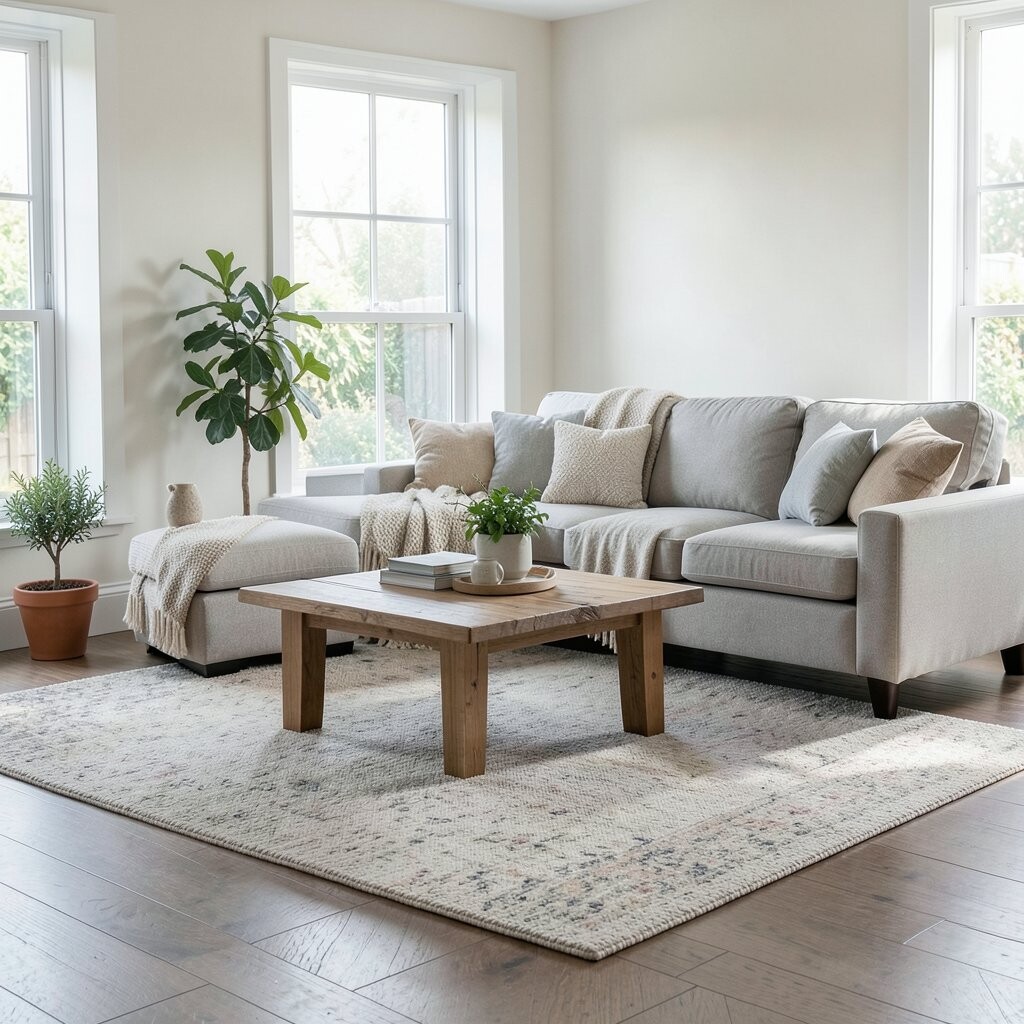
A well-placed rug makes a room feel finished, and it can also help light bounce around. Choose a rug with a lighter tone or subtle pattern so it reflects brightness rather than absorbing it.
Lay the rug so the front legs of your sofa and chairs rest on it, which creates a tidy “landing zone.” This helps the furniture look organized, even when you live with daily clutter. If you already own a dark rug, consider layering a thin, light runner on top for extra glow.
For personalization, match rug colors to your curtains, cushions, or a favorite artwork. Trends right now lean toward warm neutrals, soft geometric shapes, and natural textures like jute and wool blends. These materials look warm in daylight, which makes the whole room feel brighter without needing extra lighting.
4. Create Height Contrast With Tall and Low Pieces
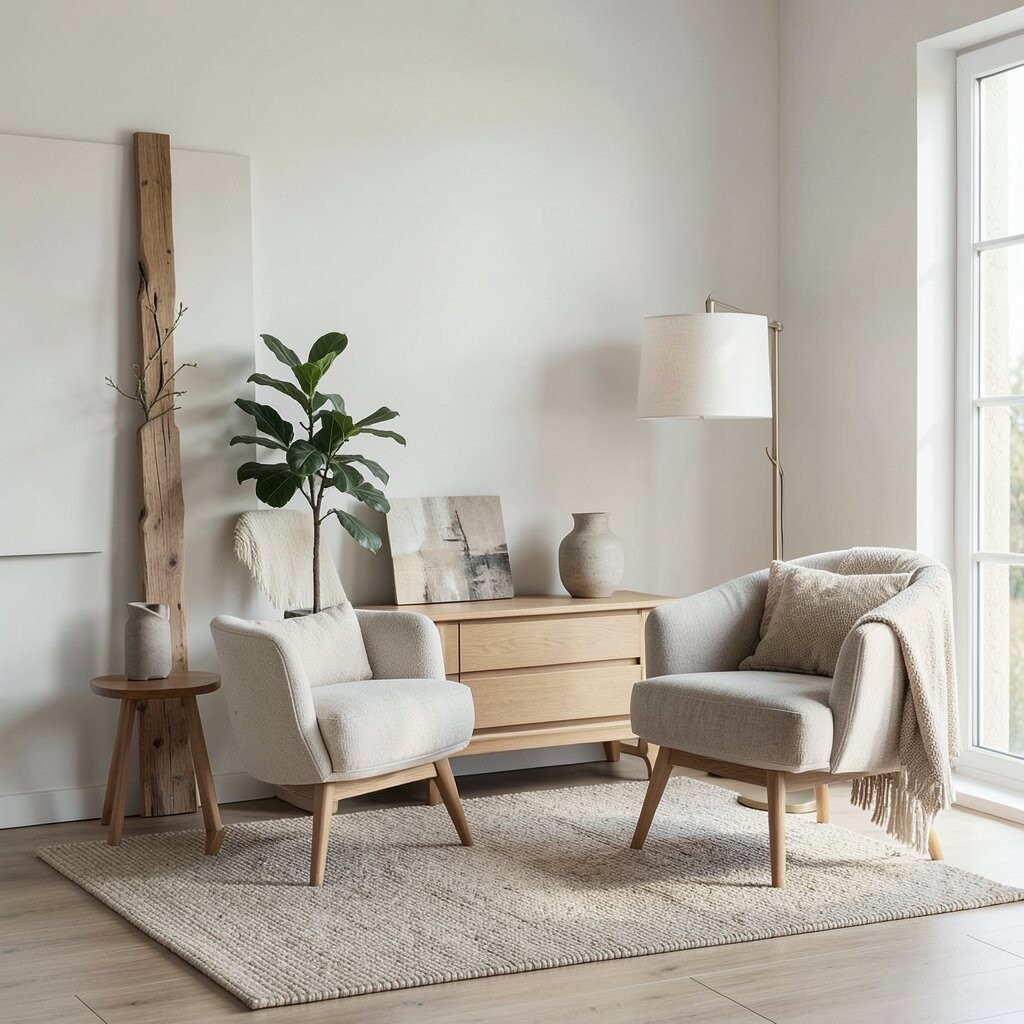
Mix tall elements like a bookshelf, floor plant, or slender cabinet with lower items such as ottomans and coffee tables. Height contrast adds visual rhythm, and it keeps the eye moving through the room.
Place the tallest piece near a corner where it won’t block window light. Keep low furniture closer to the center so you maintain an open view across the room. If you love a modern look, try sleek vertical lines, and if you prefer cozy style, pick a plant stand or airy floor lamp.
5. Swap Bulky Storage for Open Shelving
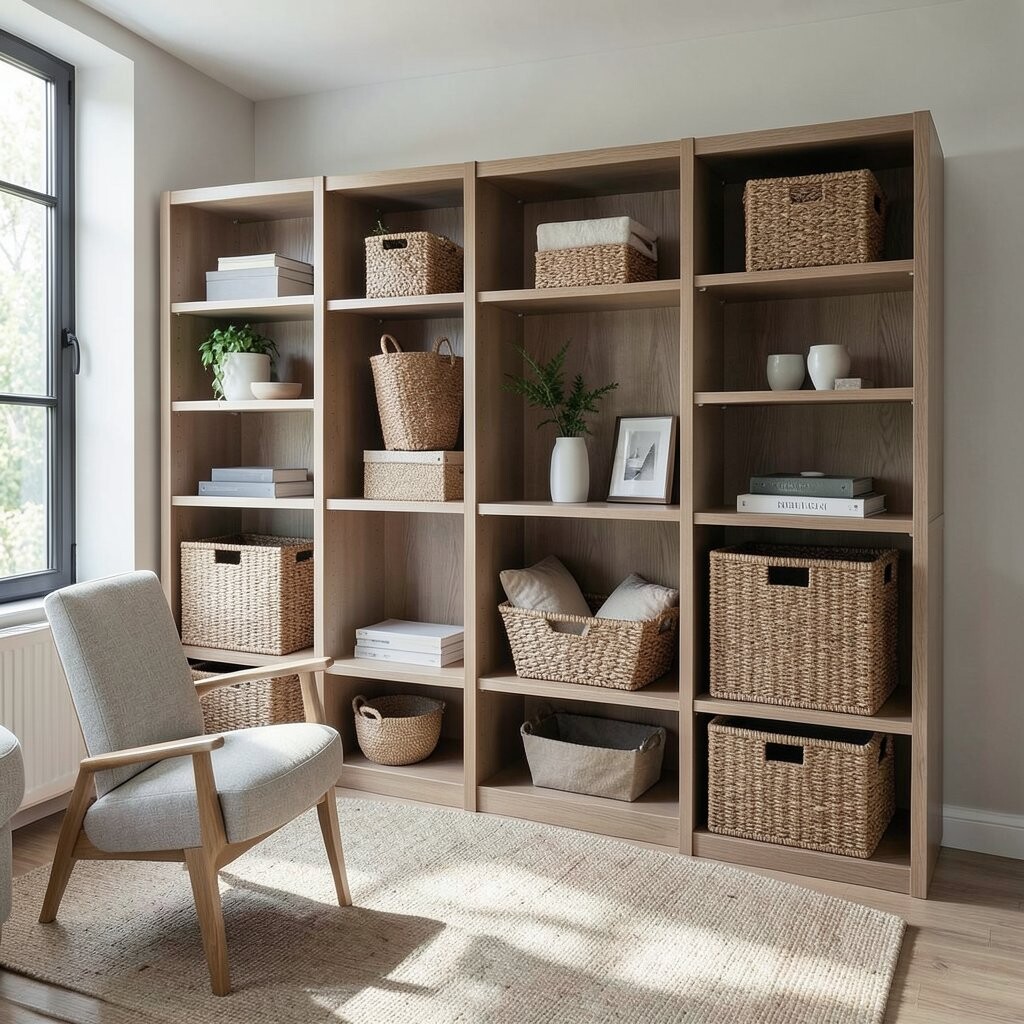
Closed cabinets can make a room feel heavy, especially in small spaces. Open shelving adds airy visual texture, letting light pass through the lines of objects.
Style shelves with a mix of books, baskets, and a few decorative items so it looks intentional. Keep items in a few color groups, like cream, wood, and muted blue, to brighten the overall vibe. If you worry about dust or mess, use closed bins inside open shelves so the top stays neat.
Cost matters, so consider adding one small shelf unit instead of replacing everything. Thrift stores and secondhand markets often have great wood shelves that look rich without huge spending. A good current trend is mixing books with ceramic vases and simple framed photos for a lived-in, light-friendly look.
6. Keep Walkways Clear to Make Light Feel Faster
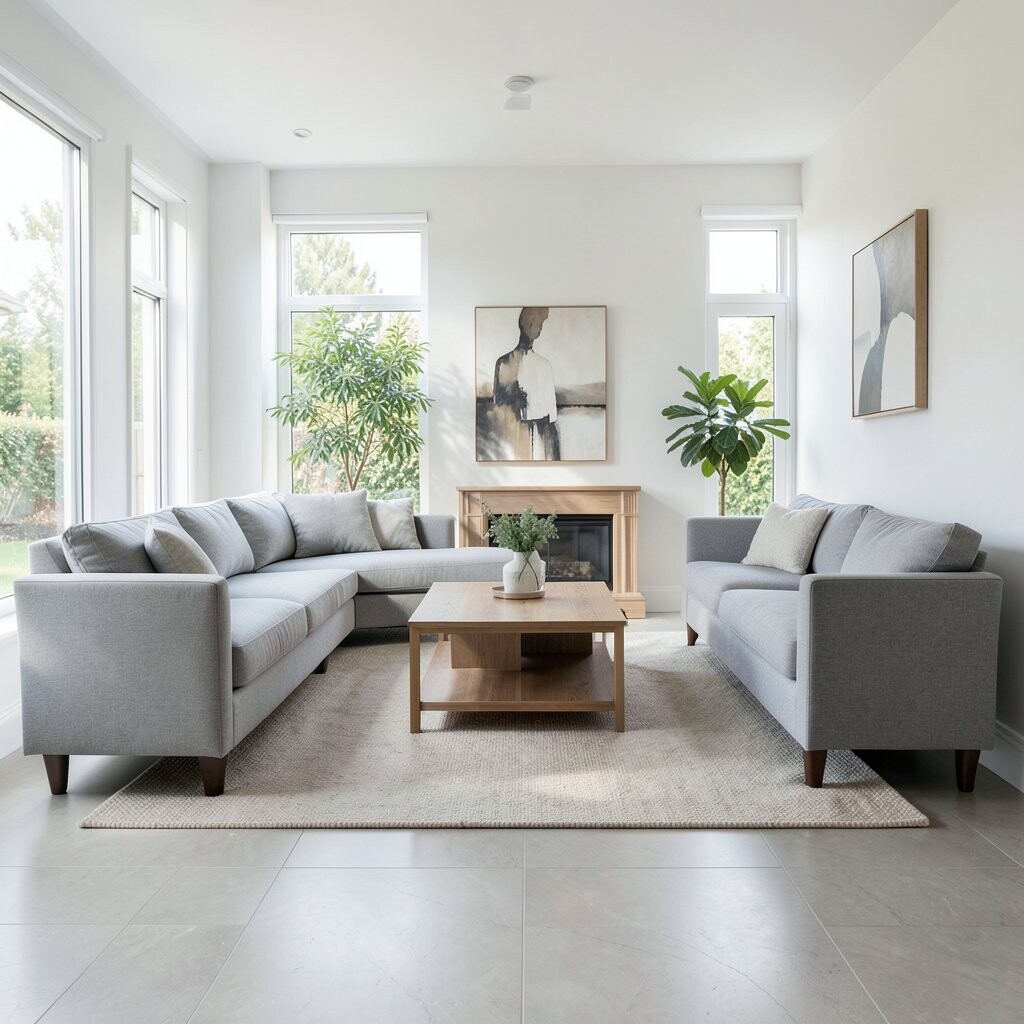
When people have to squeeze between furniture, the room feels cramped and darker. Give yourself smooth paths from the door to the window and from seating to the main table.
Even small spacing changes can improve brightness because open routes reduce “shadow pockets” where your body blocks the light. Try moving a chair a few inches, then step back and look for where your eyes naturally travel. You can also use a narrow console table as a visual guide without crowding the room.
7. Turn Furniture Slightly Off the Walls for Soft Angles
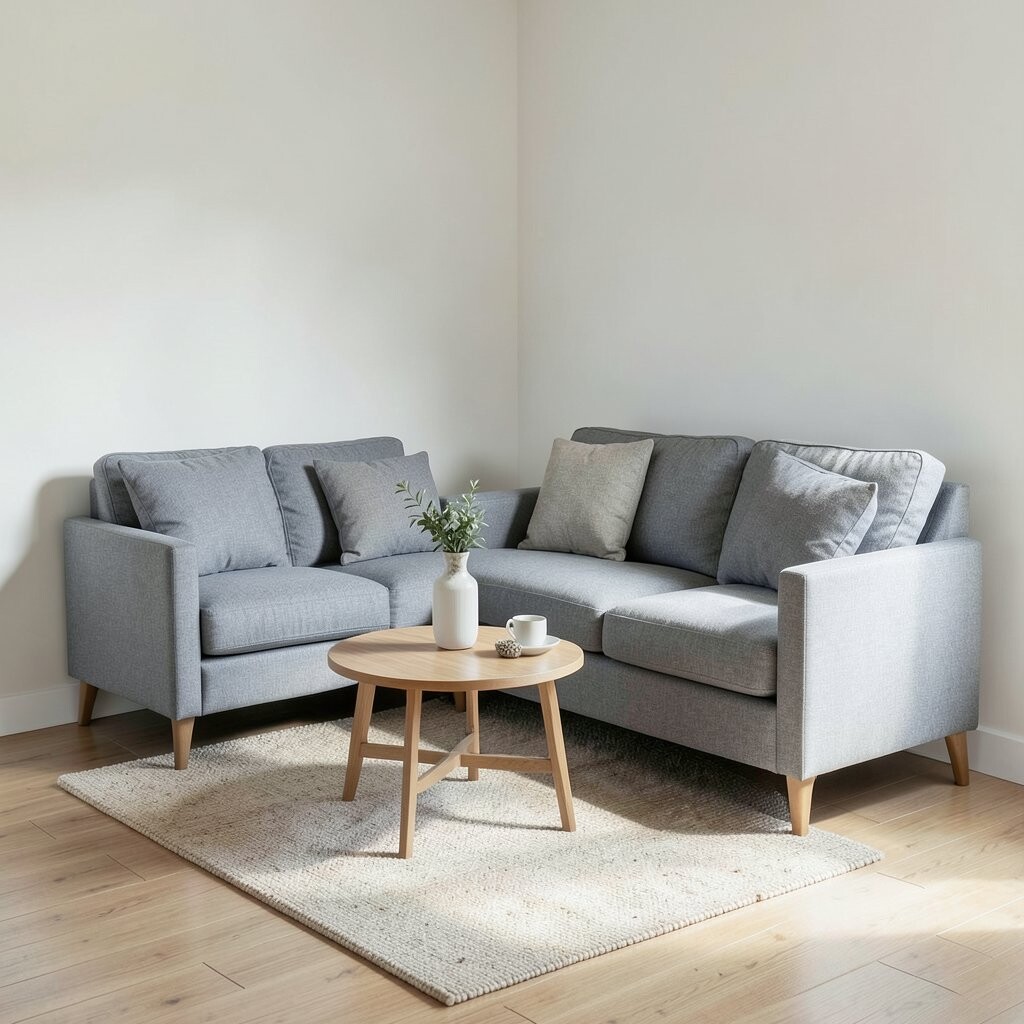
Instead of pushing everything straight against the walls, angle one or two pieces so the room feels more relaxed. Soft angles help break up rigid lines and make the layout feel more dynamic.
Try angling an armchair toward the sofa or placing a dresser so it faces part of the room. This can create a “secondary view” that catches light and interest. For personalization, choose an accent chair with a pattern that nods to your curtains or throw pillows.
If your space is long, angled furniture can help balance the length. It also supports current interior trends that favor organic, curved, and slightly asymmetrical arrangements. Just remember to keep access to doors and closets comfortable so the room stays practical.
8. Place Mirrors to Bounce Daylight Into Corners
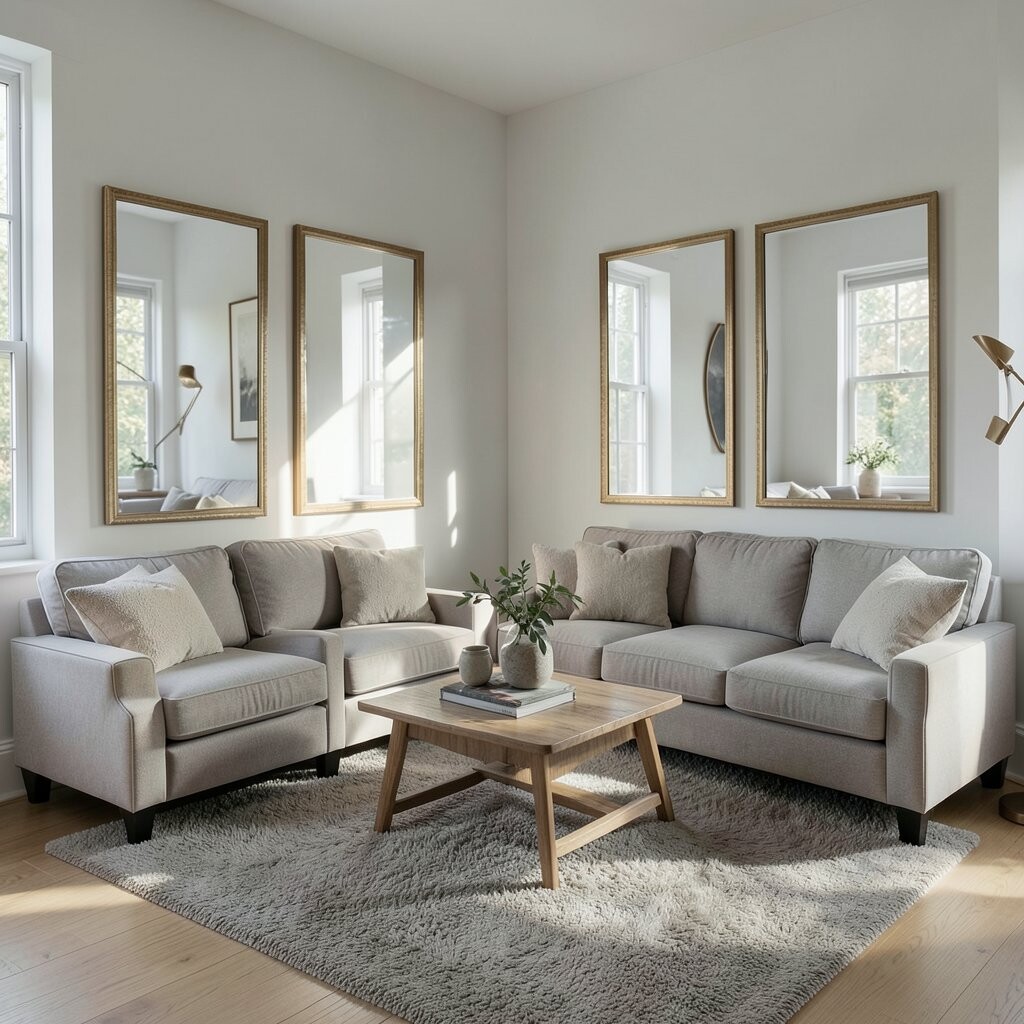
A mirror can brighten a room faster than you think, especially when it reflects a window. Position it so it catches daylight and sends it toward darker areas like hallways or reading corners.
Choose a frame that matches your style, such as wood for warmth or thin metal for a crisp look. If you have a small living room, place a tall mirror near the sofa so it adds height and visual openness. For best results, test it by standing where you usually sit and adjusting until the reflection feels natural.
9. Build a “Light Layer” With Lamps and Task Lighting

Overhead lighting alone can create harsh shadows that make rooms feel flat. Add floor lamps, table lamps, and a small task light so brightness spreads evenly.
Place a lamp at each side of a seating area so both sides glow in daylight or evening. Use warm-white bulbs if you want cozy comfort, and slightly cooler bulbs if your room feels dim. This is also a practical trend toward layered lighting, where you mix ambient light with reading light.
Keep lamp shades lighter or more translucent so they reflect the glow. If you’re on a budget, swap only the shades, since they change the look without replacing the entire lamp. Personalize with a pattern shade that matches your throw blankets or artwork colors.
10. Use Two Smaller Tables Instead of One Large Table
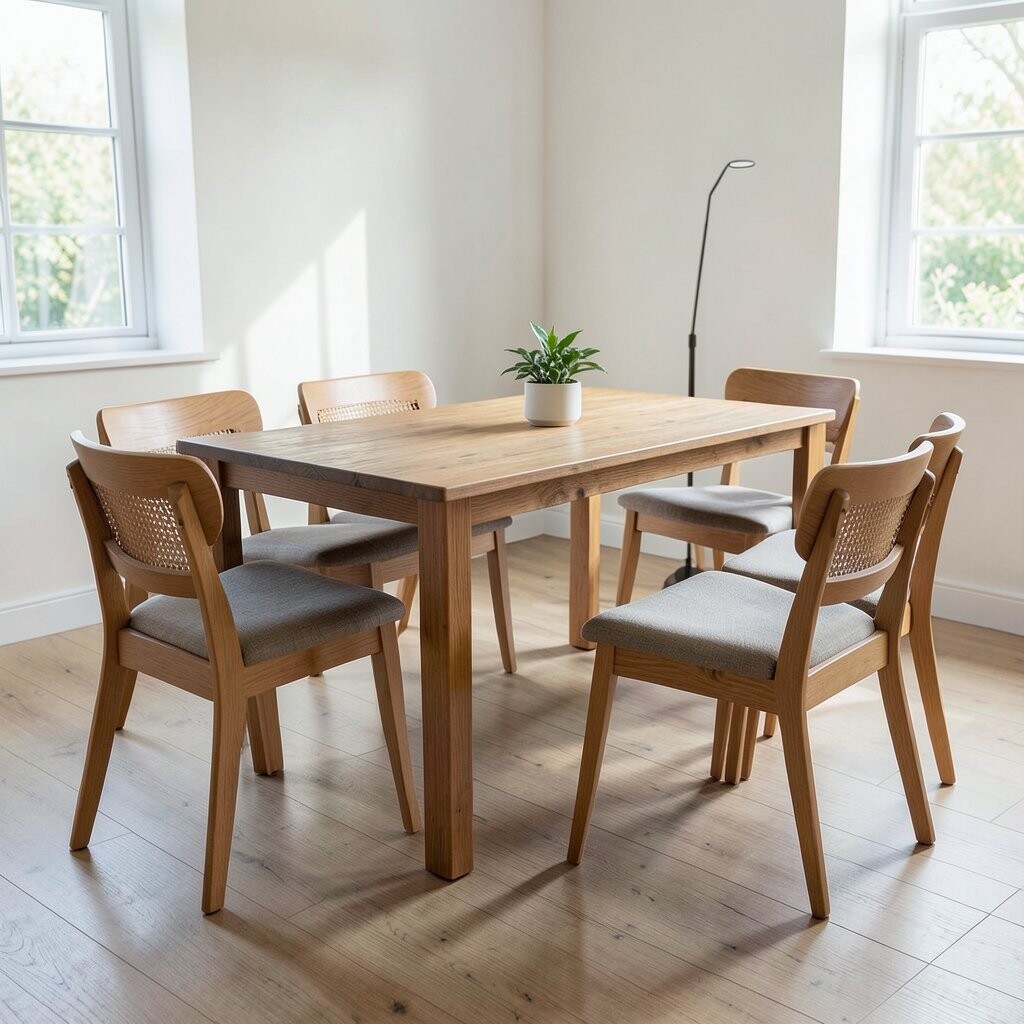
A single large coffee table can dominate a room and block sightlines that help it feel bright. Two smaller tables keep the center open while still giving you places for drinks and books.
Try placing them in a staggered arrangement so you get an open “breathing” gap between them. This also helps if you entertain, since guests can reach a surface more easily. Choose light wood tones or glass tops if you want extra visual lift.
11. Align Furniture Around a Clear Focal Point
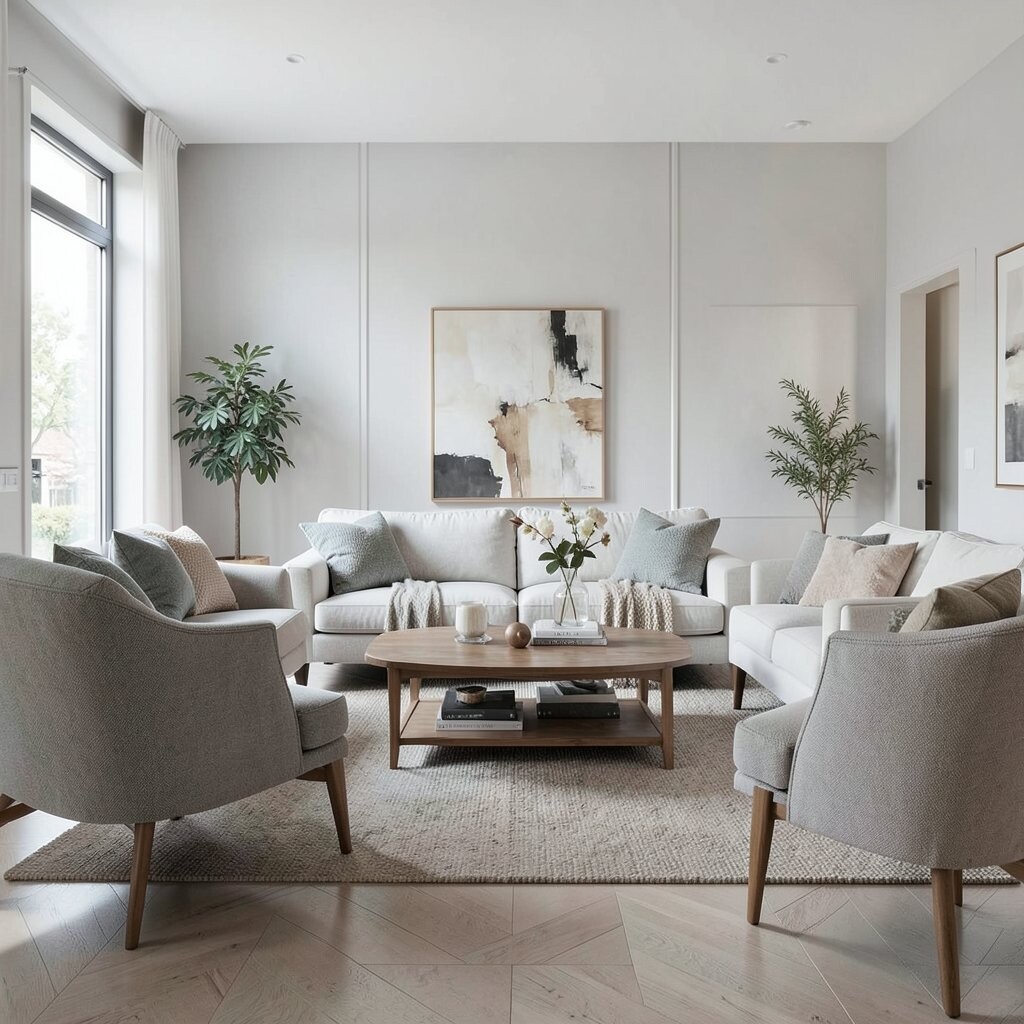
A room brightens when your layout supports one main focus, like a fireplace, artwork, or media console. When everything points in the same direction, the space feels calmer and more intentional.
Center your sofa or main chairs toward the focal point, then add side seating that supports the view. Place your rug so it follows the focal direction, which helps the layout feel cohesive. For personalization, use a throw and a few decorative pillows that echo the color of your focal piece.
This arrangement is practical because it reduces the need for extra decor to “fill gaps.” A current trend is minimal, purposeful styling, where fewer items look better because the layout gives them room to shine. If you want brightness without spending much, rearranging layout often changes the whole feel immediately.
12. Keep Dark Surfaces Balanced With Lighter Textiles
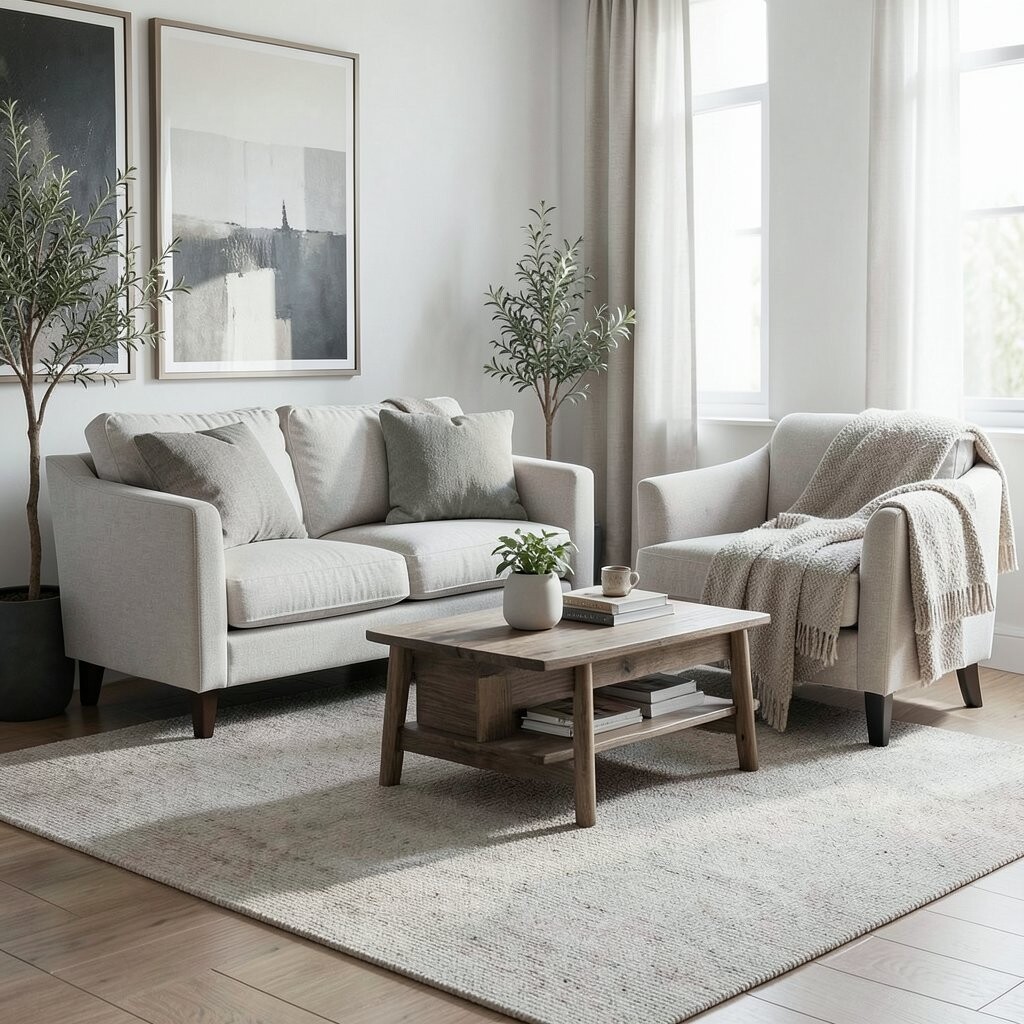
If you love dark furniture, you can still get a bright look by adding lighter textiles. Think light curtains, airy bedding, pale throws, and cushions that soften the contrast.
Place lighter fabrics on the side of the room that receives more light, since they reflect brightness best. Use textured materials like linen blends or soft knits so the room feels cozy rather than stark. If you buy new items, consider starting with one or two pillow covers or a throw blanket because it’s cost-friendly.
Personalize with prints that feel like sunshine, such as subtle florals, gentle stripes, or warm geometric patterns. This is a common current style direction because it adds brightness without requiring a full furniture overhaul. Keep your textile colors within a small palette so the room looks unified and tidy.
13. Try a Corner Arrangement for Cozy Light-Filled Spaces
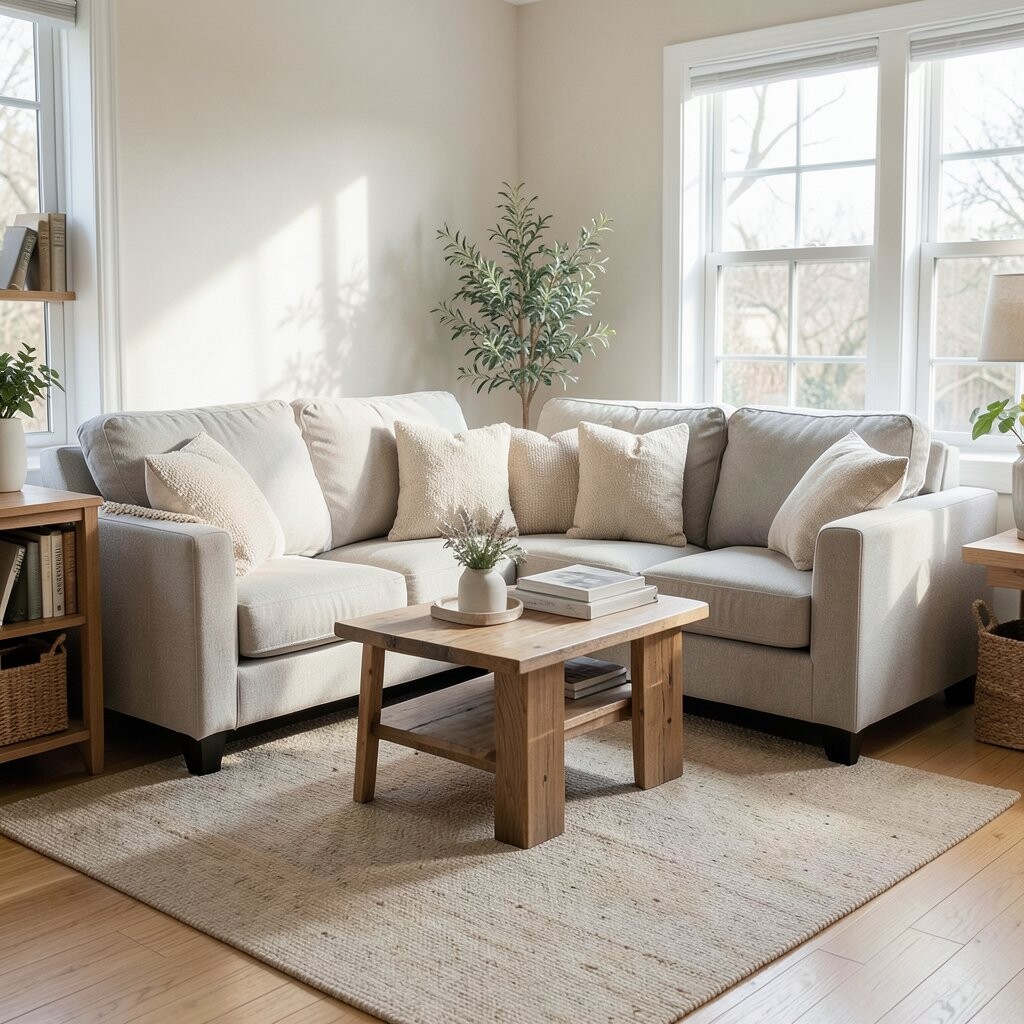
Corner setups can feel magical when you treat the corner like its own mini zone. Place a chair with a floor lamp near a corner window or use a small desk by the wall to catch light during the day.
Use a narrow console or slim bookshelf to define the zone without blocking the room’s flow. Add a small rug under the chair so the corner feels grounded and comfortable. This arrangement is unique because it turns leftover spaces into functional spots for reading, sipping coffee, or working.
14. Float a Bench or Ottoman for Flexible Movement
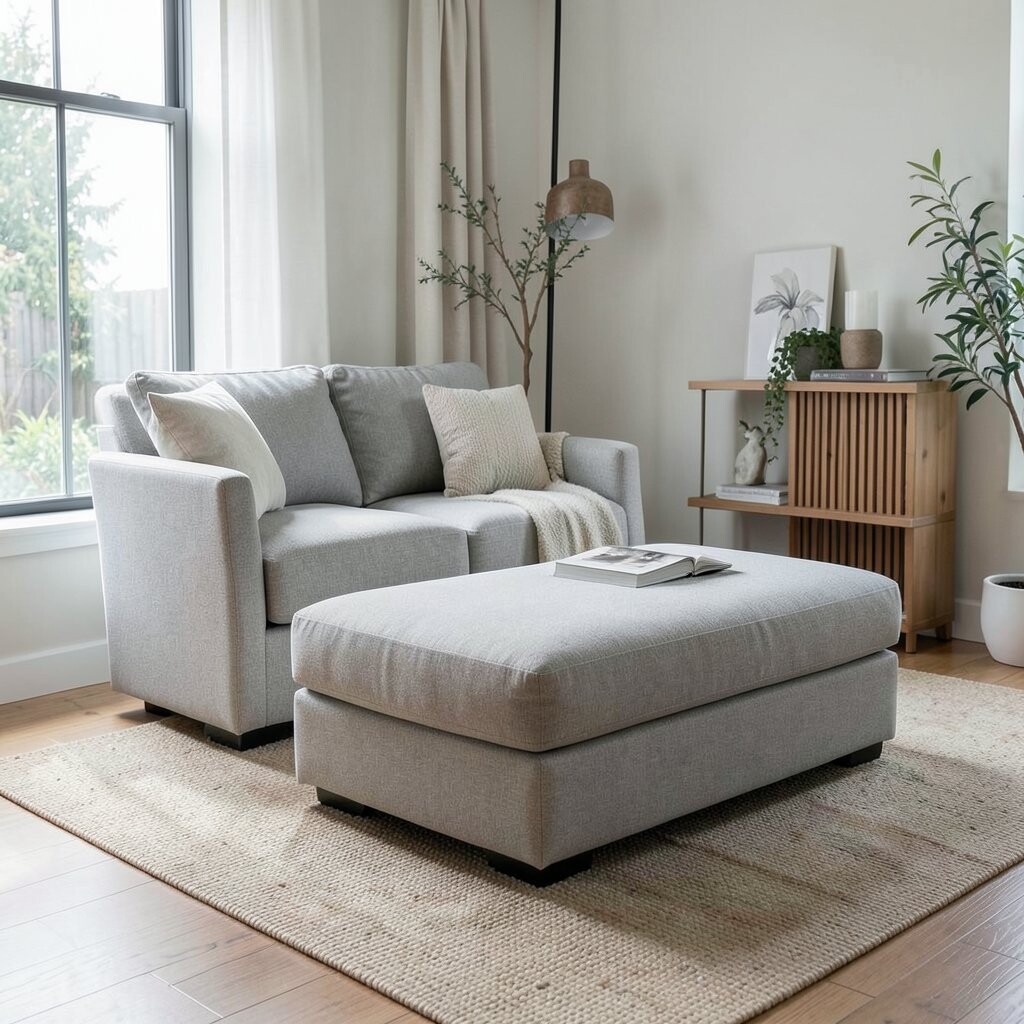
An ottoman or bench can brighten a room by keeping the layout flexible and the center open. When you need extra seating, it slides into place, and when you don’t, it disappears into the flow.
Choose a fabric that feels light and easy, such as a textured neutral or a soft washable cover. Place it near the seating area so guests can reach it quickly without rearranging everything. If you’re personalizing on a budget, use a removable cover or swap covers with the seasons.
For cost considerations, benches and ottomans are often cheaper than replacing full chairs. A modern trend is to use multi-purpose pieces that help you move furniture based on the day’s needs. This approach keeps rooms bright because the layout can adapt rather than stay stuck.
15. Create Visual Openness With Legs, Glass, and Airy Styles
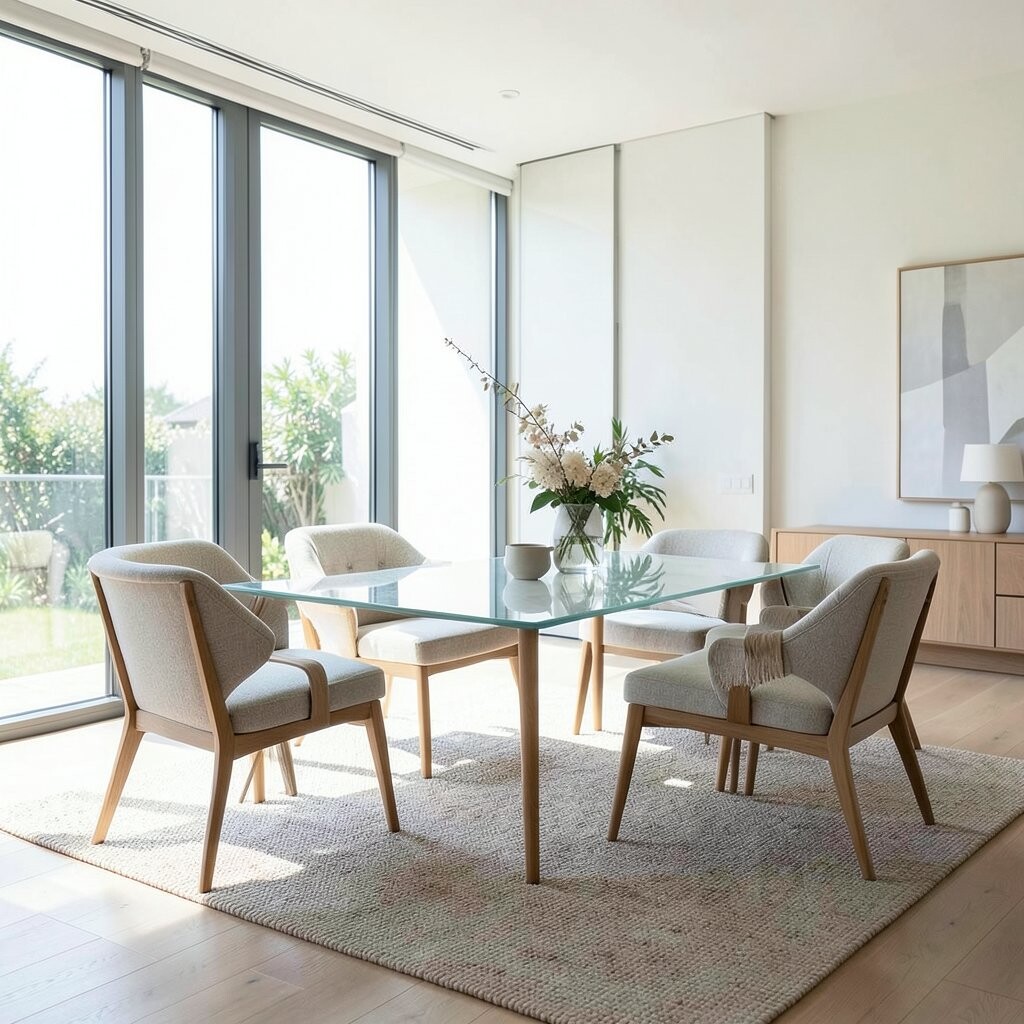
Furniture with exposed legs or clear materials makes a room feel lighter because you can see more floor. That visual openness helps the light spread and makes small spaces feel larger.
Try a chair with slender legs, a glass-topped side table, or a coffee table with an open base. Pair those with rugs and curtains that add softness so the room still feels cozy. Personalize by using one statement piece, like a glass lamp base or a sculptural chair, while keeping the rest simple.
In terms of current trends, airy silhouettes and mixed materials are popular because they look modern and keep rooms from feeling heavy. If you want to spend less, look for secondhand frames and simply add new cushions or covers. This kind of choice can brighten a room without a full redesign.
16. Refresh the Layout Seasonally With Small Swaps
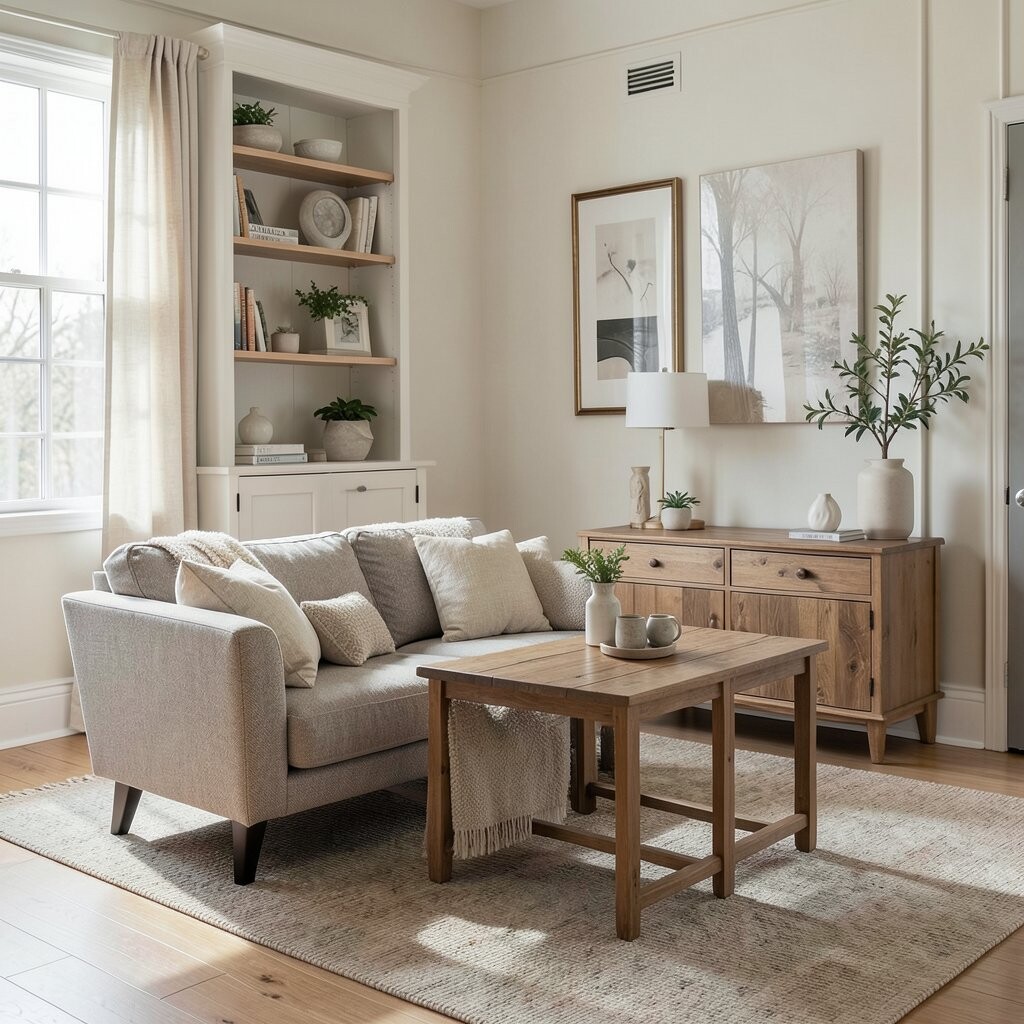
Even if your furniture is staying, you can brighten your space by doing small seasonal swaps. Move your pillows, switch where you place lamps, and rotate a rug so the light hits new angles.
Try shifting one large piece at a time, like the sofa or bed, by a few inches, then recheck pathways. Small changes can create big visual differences because sunlight reflects off new surfaces. For personalization, use colors that match the mood you want, such as crisp whites and cool blues for summer energy or warm beige and golden tones for cozy evenings.
If you want a practical strategy, plan one “light-focused” change each season, like updating curtains for better daylight flow. This keeps your home feeling fresh without the cost and hassle of buying lots of new furniture. A simple routine also helps you notice what truly makes your room brighter, so your future choices become easier.