
The moonlight in your mind can become a map. The right world idea can make even ordinary days feel magical.
1. The Lantern Sea of Borrowed Skies

Imagine sailing across water that glows like a sky caught in a jar. Each wave carries tiny lantern lights that change color with your mood.
You can build conflict by making the sea lend beauty but also steals something small in return. When a character brags about bravery, the lanterns may dim and show hidden reefs. For a practical touch, write down the emotion you want a scene to feel, then pick a lantern color that matches it before you draft the paragraph.
To personalize, let different characters “light” the sea with distinct symbols, like stars for one person and moths for another. If you want to keep costs low for worldbuilding art, use simple colored paper circles as lantern prototypes and photograph them as references. A current trend in fantasy settings is emotionally responsive magic, and this sea fits it naturally without needing complicated rules.
2. A Library Where Pages Remember You
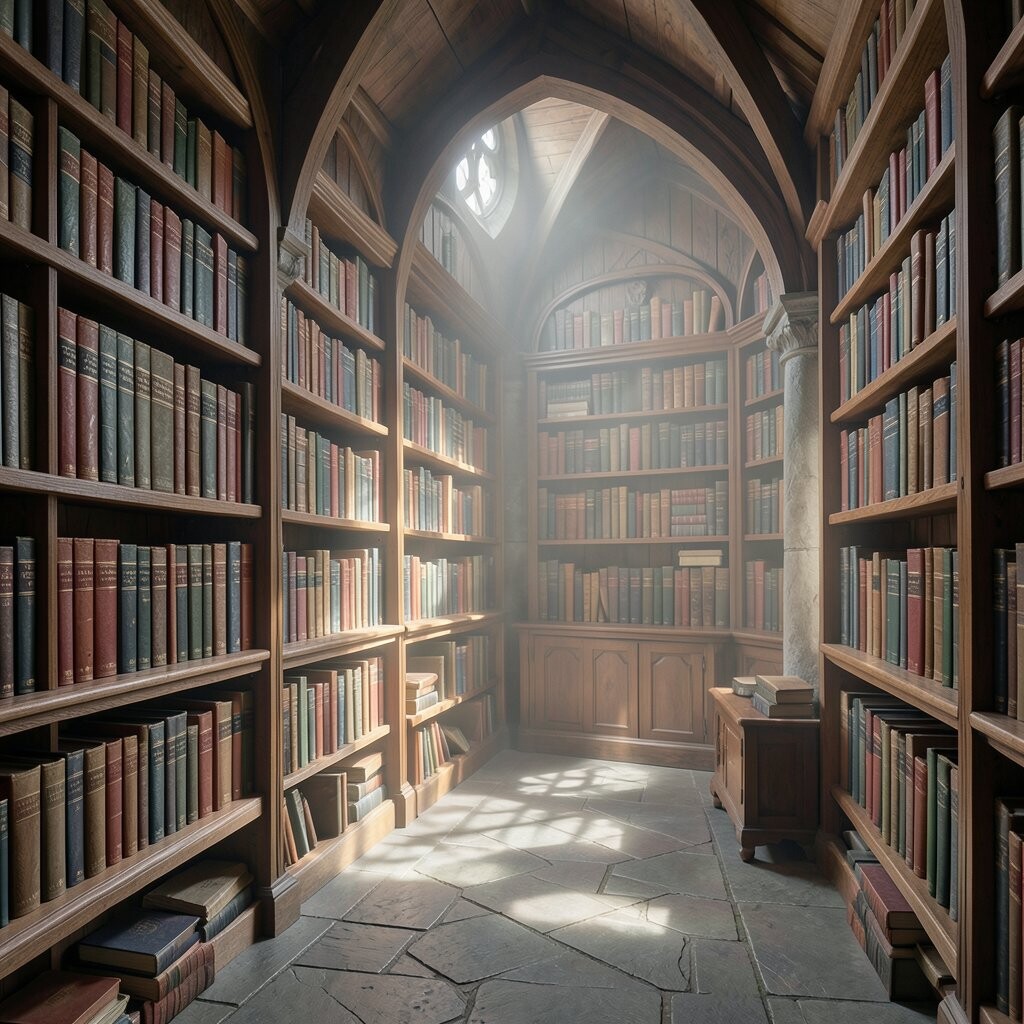
The city has a grand library that smells like rain on old wood. When you open a book, the paper warms as if it recognizes your footsteps.
Each book can rewrite itself to match the reader’s past, giving you instant character-driven storytelling. This benefit helps you avoid slow exposition, since the world reacts to the person reading. Uniqueness comes from the books not just telling stories, but storing memories that can be stolen, sold, or returned.
3. Clockwork Gardens That Bloom at the Sound of Secrets
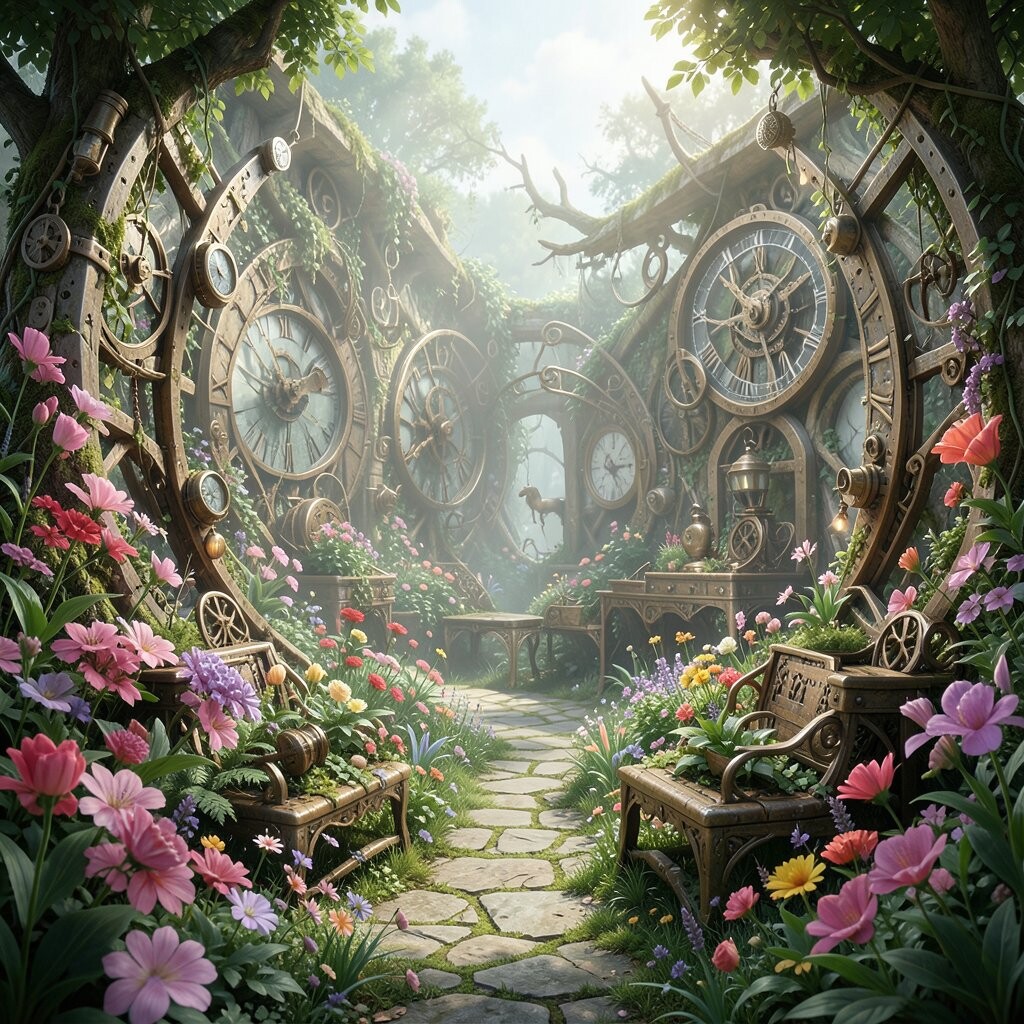
Behind iron gates, plants grow in neat spirals like gears learning how to dance. When someone whispers a secret, the petals turn and open in timed bursts.
You can make scenes feel punchy by using sound as a trigger for action, like flowers snapping shut when lies are spoken. For practical tips, write a short “sound map” in your notes, such as who speaks first, who interrupts, and what the garden does each time. Personalization works well if your main character hears frequencies differently, so their garden blooms feel personal and slightly off.
Cost considerations can be gentle for tabletop or roleplaying groups, since you can represent the garden with simple chimes, bells, or even a phone metronome. A modern trend in fantasy games is interactive environments, and a secret-responsive garden gives players meaningful choices. Keep the rules light and focus on what emotions the garden produces.
4. The Mountain of Names That Must Be Spoken Backward
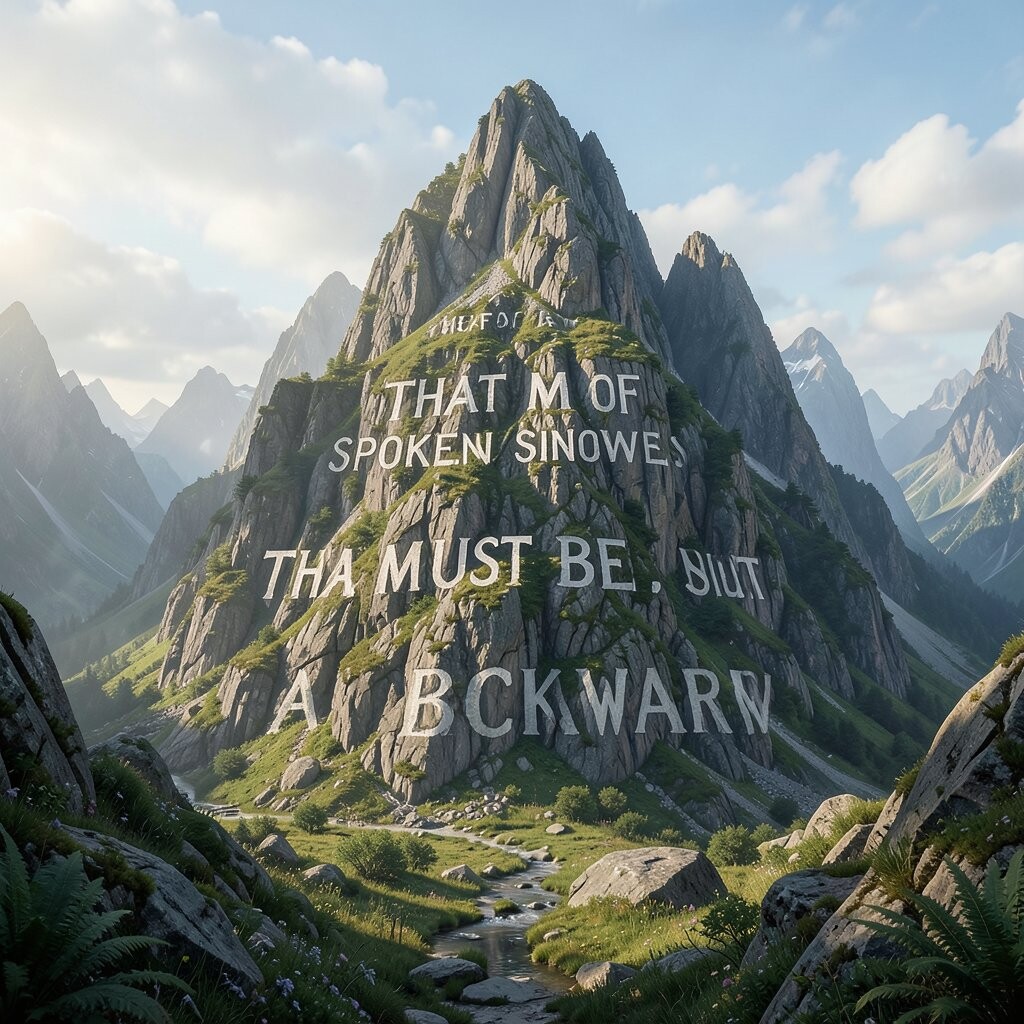
A jagged mountain rises like a throat clearing itself before a song. On its trails, signs and carvings insist that travelers speak the world in reverse.
The twist creates natural tension because some characters cannot handle the language shift without stumbling. You get benefits for character growth, since learning the backward speech becomes a skill tied to trust and patience. The mountain’s uniqueness can include echoes that answer only if the words are returned correctly, turning every conversation into a small test.
5. Forest Roads Carved Only for Lying Boots

In this forest, paths appear for people who have mastered false steps. Boot tracks fade behind them while new roads sprout where they need an exit.
This is an easy way to build a clear magic system through daily habits. It benefits your plot because lies can become physical, like a bridge appearing only when someone claims they are safe. For practical tips, design three “boot lies” tied to specific obstacles, then let each lie create a road with a cost, such as exhaustion or loss of direction later.
Uniqueness grows if the forest hates sloppy dishonesty and punishes exaggeration with tangled undergrowth. Personalize the rules so each character has a different style of lying, like confident strides versus shaky tiptoes. Costs stay low if you use maps with erasable marker lines for game sessions, since you can redraw roads as the story changes. A current trend in clever magic is using small, everyday actions as spellcasting, and this idea leans into that charm.
6. The River That Drinks Sunlight and Sings at Dusk

The river runs dark, almost ink-black, and it glitters when evening nears. As sunlight sinks into it, the water sings with notes you can feel in your ribs.
You can make the river a living resource by using its “sun-eating” to power crafts, like dyeing cloth with dusk-color. This benefits story pacing because every sunset becomes a timed event, and characters must plan around it. The uniqueness is the singing itself, since it can reveal hidden truths, meaning a wrong note can expose a lie or danger.
For practical tips, decide what the singing sounds like in your world, then connect each sound to an outcome. Personalization works if your protagonist can translate the river’s tune into meaning that others can’t hear. If you want low-cost worldbuilding props, use a small speaker and play simple tones during writing sessions to set the mood.
Keep it modern by giving characters choices about whether to “feed” the river more sunlight or to protect the world from too much drain. That ethical angle adds depth without heavy lore dumps.
7. The City of Floating Doorways Between Different Weather
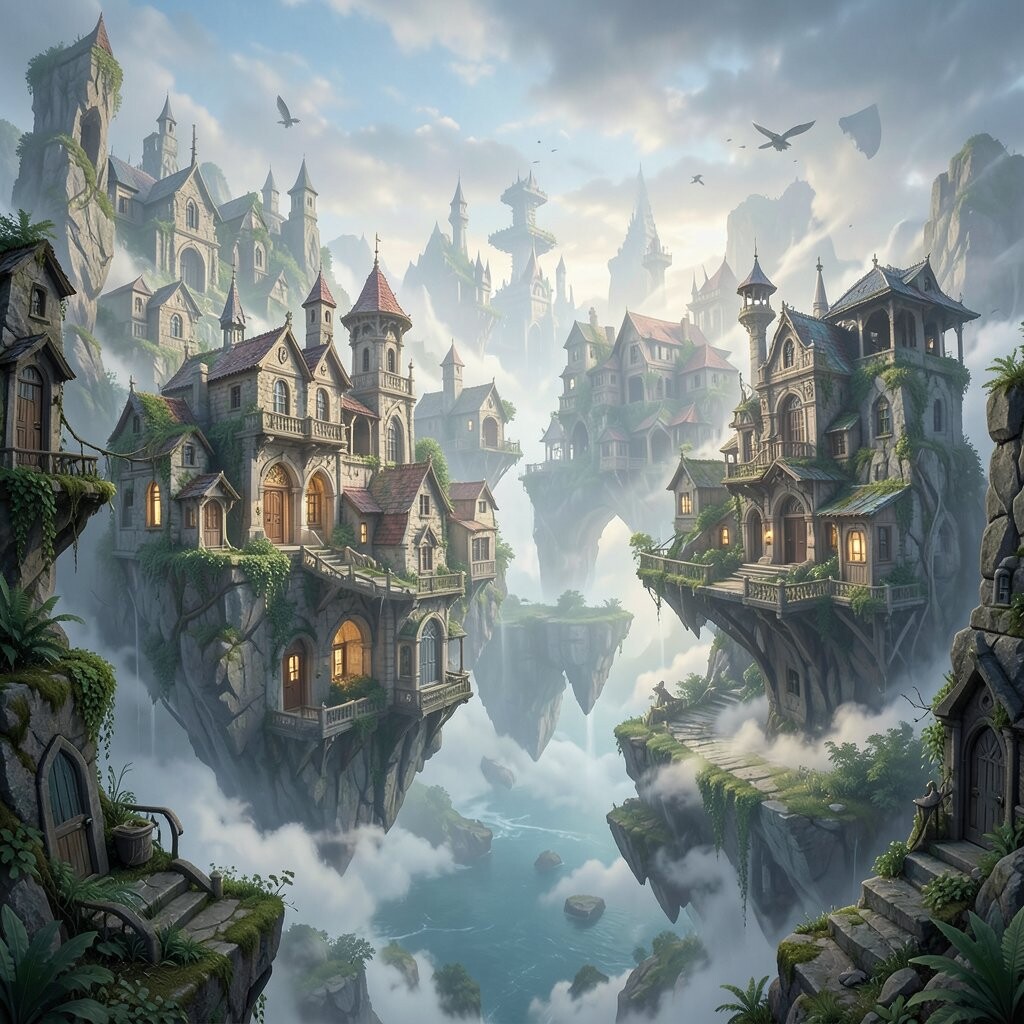
Downtown streets are stitched with doorways that rise into the air like frames without walls. Each doorway carries a different weather pattern, and stepping through changes what surrounds you.
To create conflict, make some doorways charge rent in warmth, while others demand a memory to keep working. The benefit here is that weather becomes a tool for character scenes, from comfort to fear to comedy. Uniqueness shines when doors aren’t random, since they can be negotiated, bargained with, or bartered for through local customs.
Practical tips include building a consistent “door price” so players and readers can predict consequences. Personalize by letting your character have a signature weather, like always appearing with a light drizzle around their emotions. Cost considerations are practical for creators too, because you can stage visuals with fabric and colored lights to represent weather shifts in home games.
8. The Museum of Future Fossils
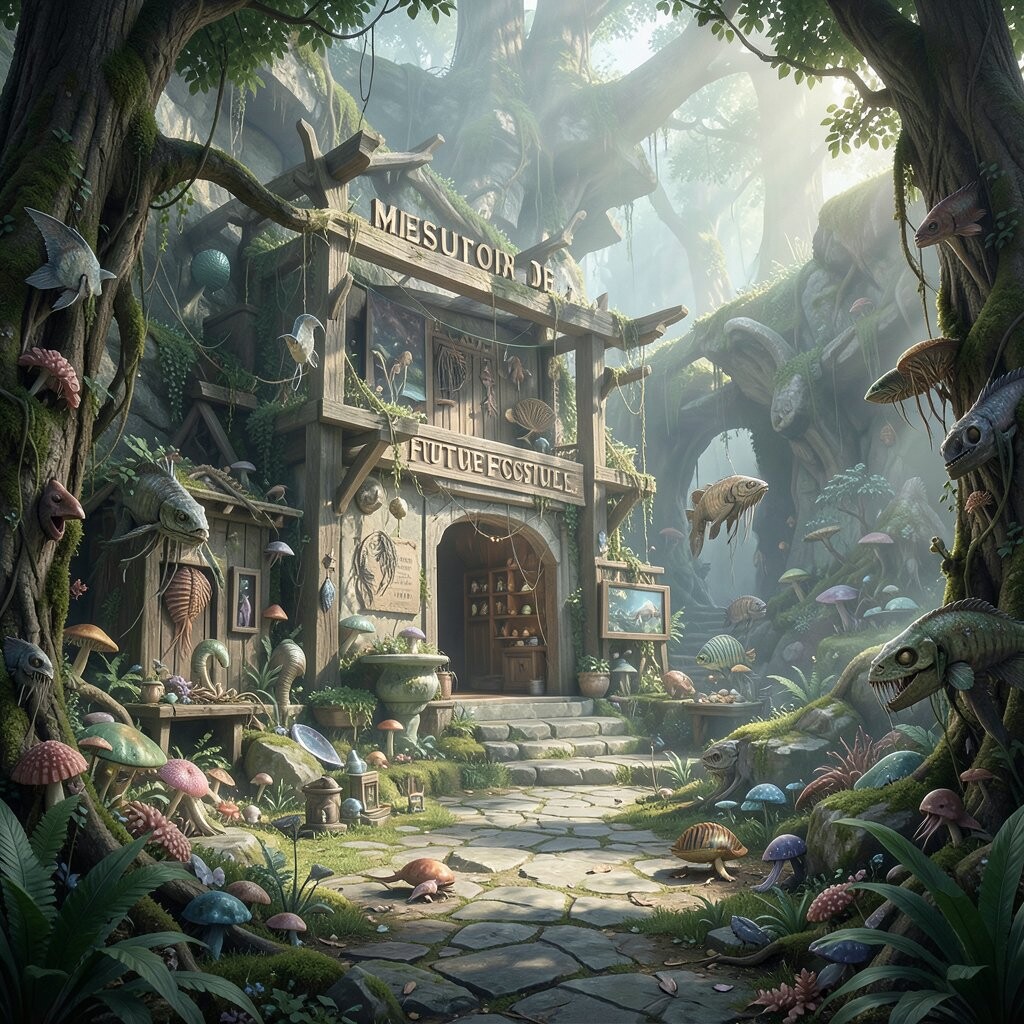
A quiet museum displays bones and stones that haven’t happened yet. Labels are handwritten in ink that fades as you look away, as if the future is shy.
This world idea helps you craft suspense because the exhibits can change after important choices. It benefits your story by turning decisions into visible, physical consequences. Uniqueness comes from the museum staff needing to interpret fossils like clues while racing to prevent bad timelines.
For practical tips, create a handful of fossil types that connect to themes, such as “war coral” or “sleeping bird shale.” Personalization can happen when each main character reads the museum differently, seeing different paths in the same display. If you’re planning a campaign, costs can be kept small by using printed cards for each exhibit and swapping them when the timeline shifts.
Current trends in narrative design value cause-and-effect systems, and this museum is a friendly way to show that magic. Keep the rules intuitive, so readers can track changes without spreadsheets.
9. A Castle Built from Storm Maps That Rewrite Themselves
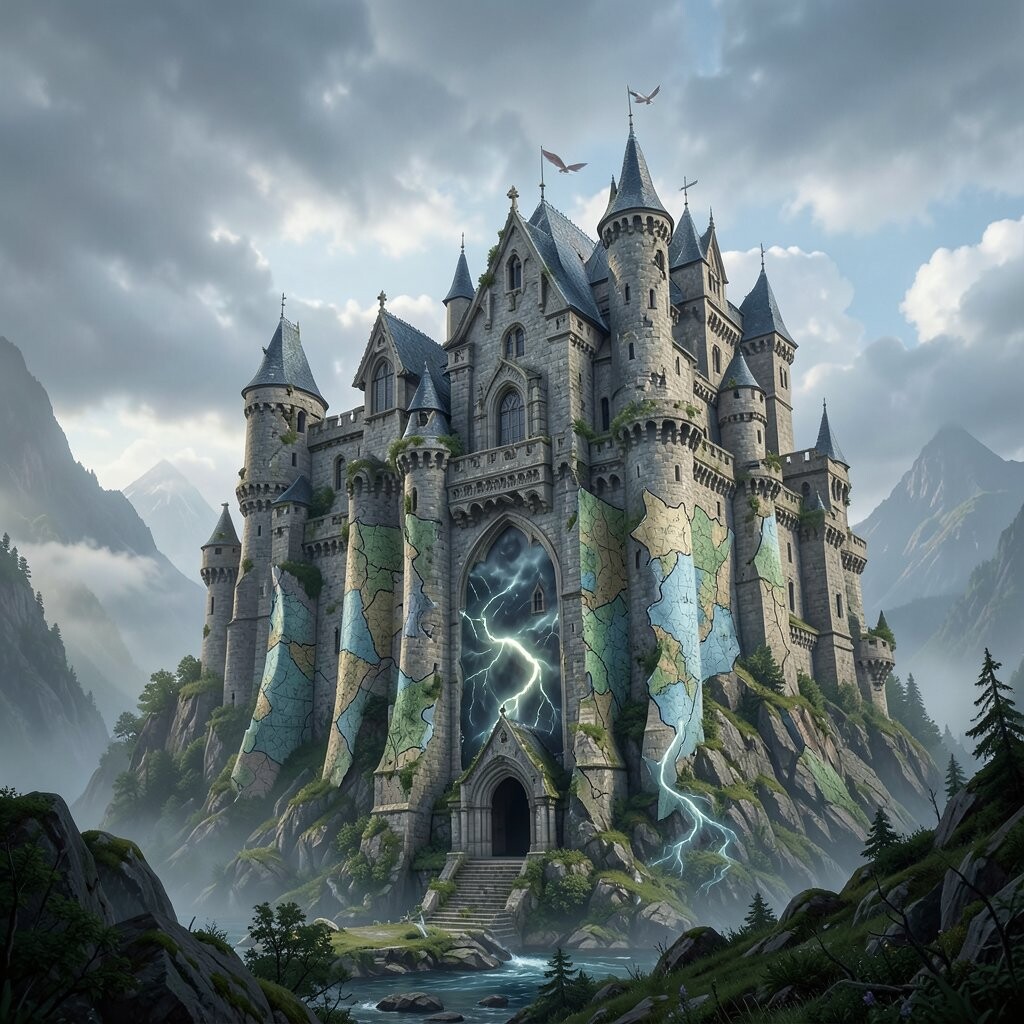
The castle walls are painted with storm routes like living diagrams. When clouds move outside, the map lines inside slide and redraw, responding to far-off weather.
You get natural plot fuel because characters must interpret the maps correctly to predict attacks. The benefit is clarity, since storms become readable language for both readers and characters. Uniqueness grows if the castle refuses certain truths, like only showing safe paths to those who never risk anything.
Practical tips are to decide how often the maps update and what triggers a rewrite, like new banners or broken vows. Personalization can come from a character’s “map touch,” where their emotions make certain routes louder or quieter. Cost considerations are easy for physical worldbuilding, because a simple whiteboard and colored markers can act as a storm map model during planning.
For modern flavor, add themes of climate anxiety by showing that the storms behave differently each season. That keeps the fantasy feeling current while still magical and fun.
10. The Choir of Invisible Teeth in the Underground
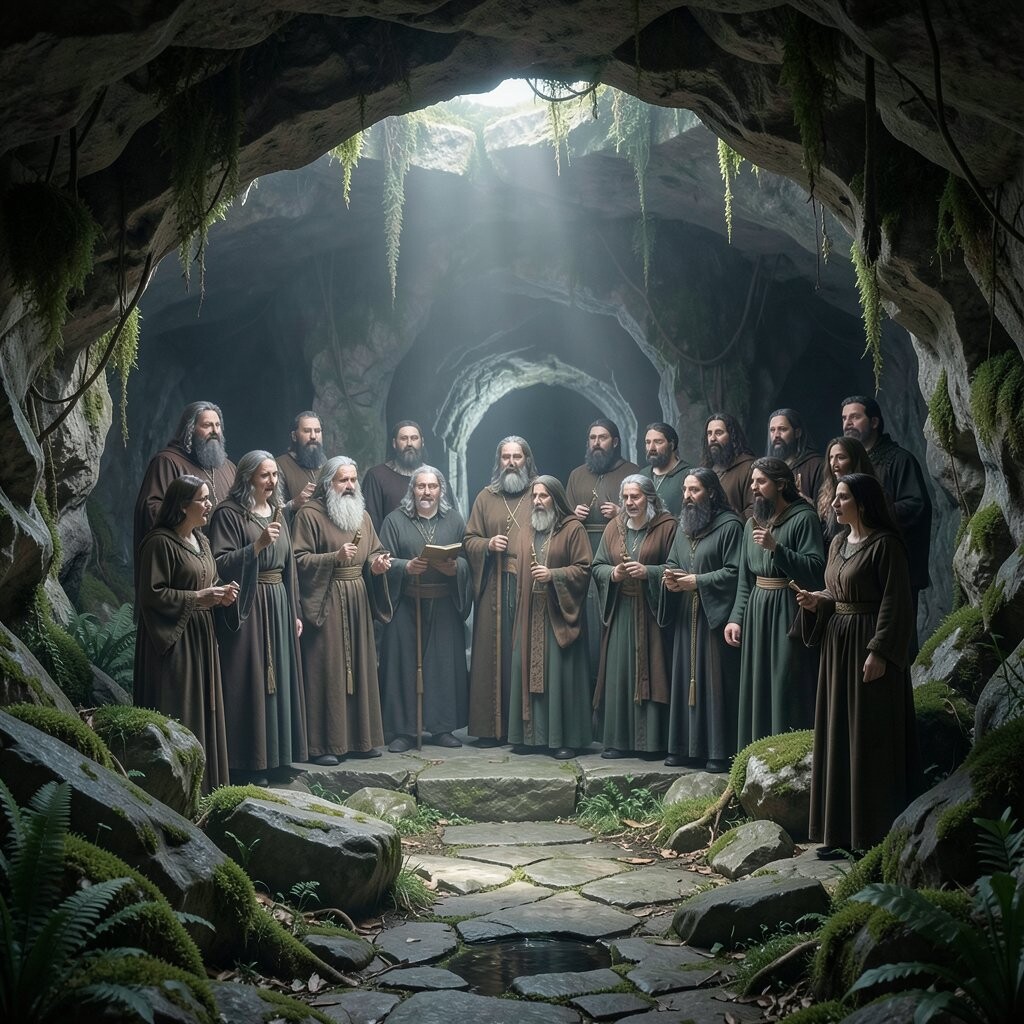
Deep below the streets, there is a choir that sings from mouths you cannot see. The notes sound like careful chewing, rhythmic and strange, as if music has bones.
This setting is unique because the source of sound becomes a mystery that shapes how characters navigate. The benefit for your story is constant tension, since every passage might hide a “mouth” waiting to harmonize or hunt. You can give practical structure by assigning each choir note a purpose, such as opening stone, calming monsters, or revealing secret doors.
Personalization works if your main character has a sensory quirk, like hearing vibrations as colors. If you want low costs for story sessions, use household sounds like tapping spoons or brushing paper to simulate notes without buying special props. A current trend in fantasy is sensory magic, and this idea leans into texture and rhythm rather than flashy spells.
11. The Kingdom of Threaded Shadows on Sunny Streets
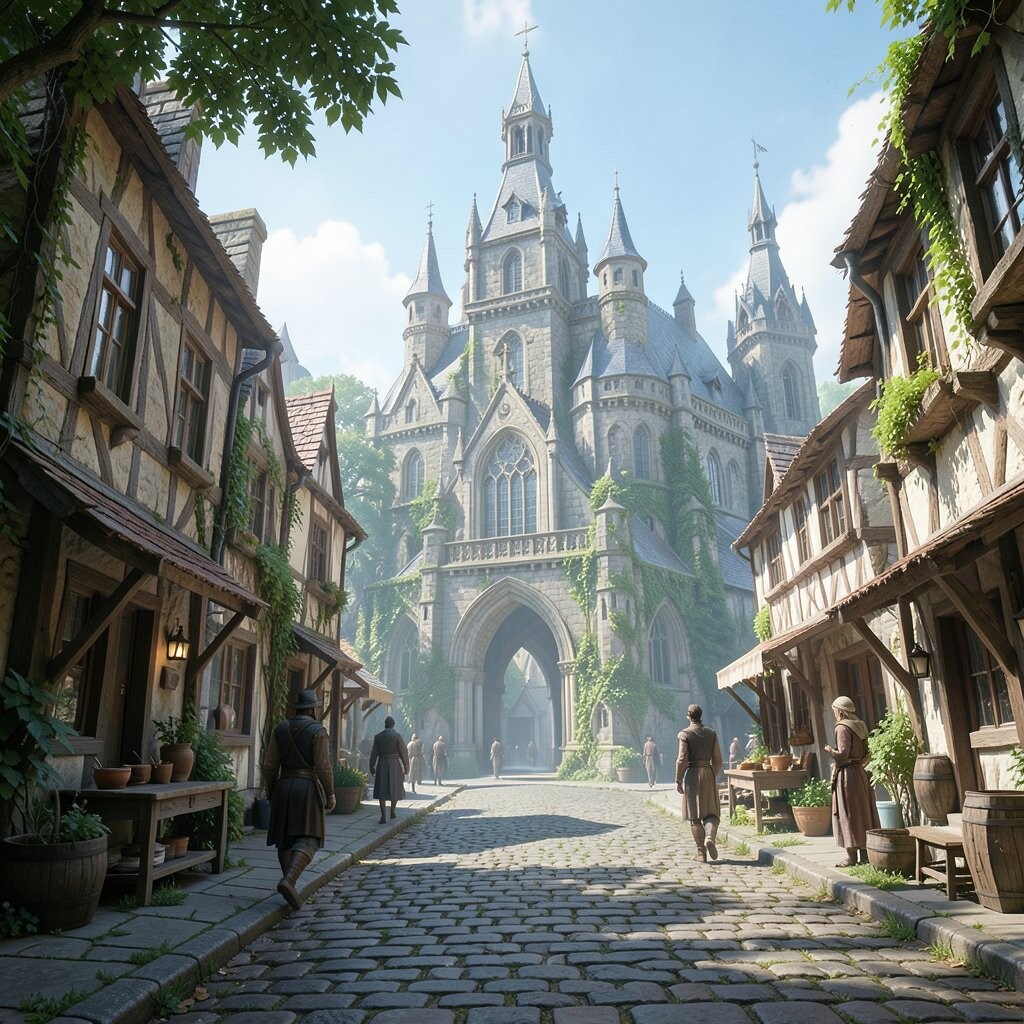
In the bright market, shadows stretch like ropes between stalls. When people tug their shadows, the fabric-like darkness can tie doors shut or lift heavy crates with ease.
For conflict, thieves can steal shadow-thread to confuse guards and rearrange where things “belong.” The benefit is practical action, since a scene can hinge on who controls their shadow and who loses it. Uniqueness comes from the magic being strongest in daylight, which flips expectations for readers who assume darkness is the key.
Practical tips include setting limits, like shadows snapping if pulled too hard, which adds drama and realistic stakes. Personalization can be as simple as giving each character a different shadow personality, such as quick, shy, or stubborn. Cost considerations can stay friendly by using simple lighting setups with desk lamps to create real shadow visuals for character art.
Keep it modern by making the shadow magic tied to identity, like how a person’s kindness controls how their shadow moves. That makes the magic feel meaningful, not just powerful.
12. The Town Built Around a Singing Well That Offers Two Answers
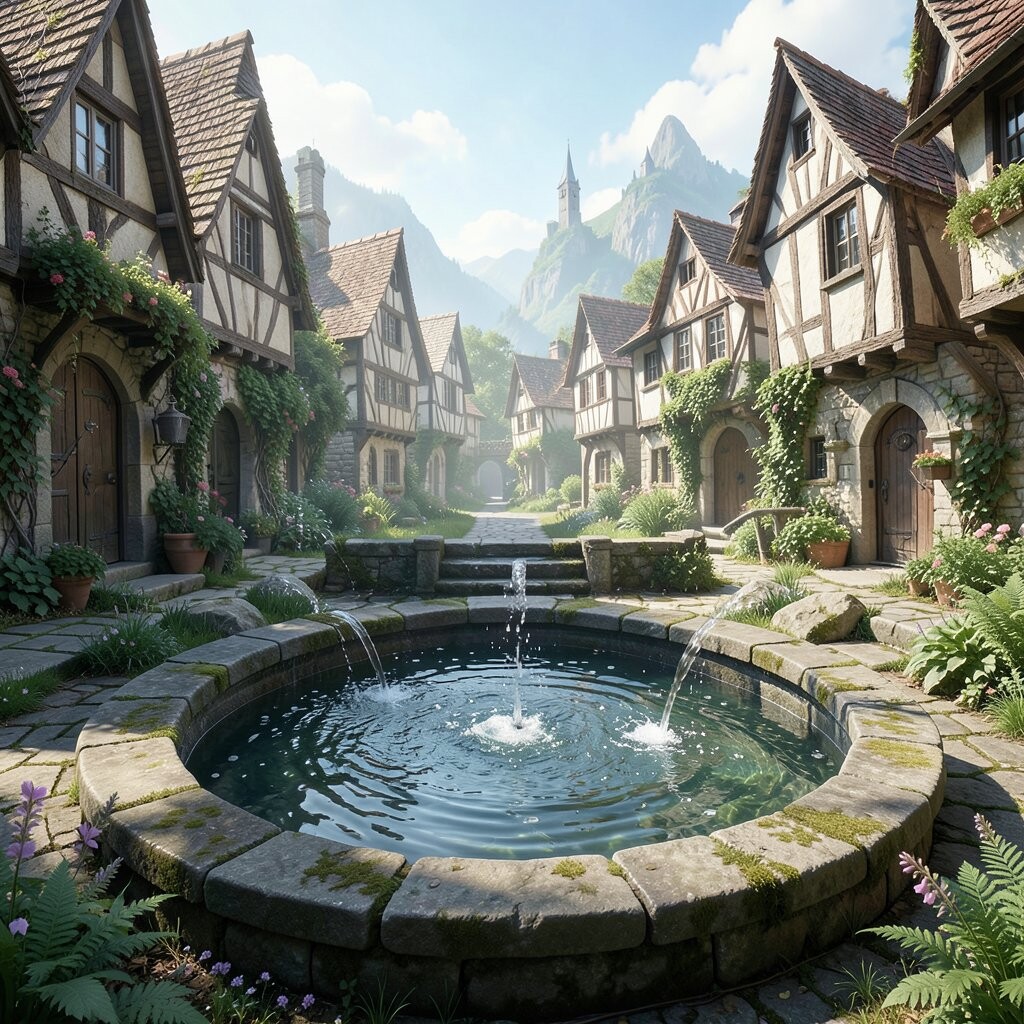
The well in the center of town sings before it answers any question. It never gives one clear response, only a pair of meanings that tug at each other.
You can use this to create thoughtful dilemmas, since choices become choices about which interpretation to trust. The benefit for writers is a built-in structure for decision scenes without heavy exposition. Uniqueness shows up when the well’s tone changes based on who asks, like cheerful people hearing hope and worried people hearing warning.
Practical tips are to decide what kinds of questions the well accepts, such as questions about direction, intent, or names. Personalization works if your protagonist can hear the “second answer” more clearly than others, giving them an advantage and a burden. For cost considerations, you can represent the two answers with two colored stones or cards in games, making it easy to run sessions.
A current trend in fantasy storytelling is emotionally grounded choices, and a singing well pairs well with that style. Keep the rules consistent so the wonder stays believable.
13. The Library of Breaths Where Smiles Get Stored
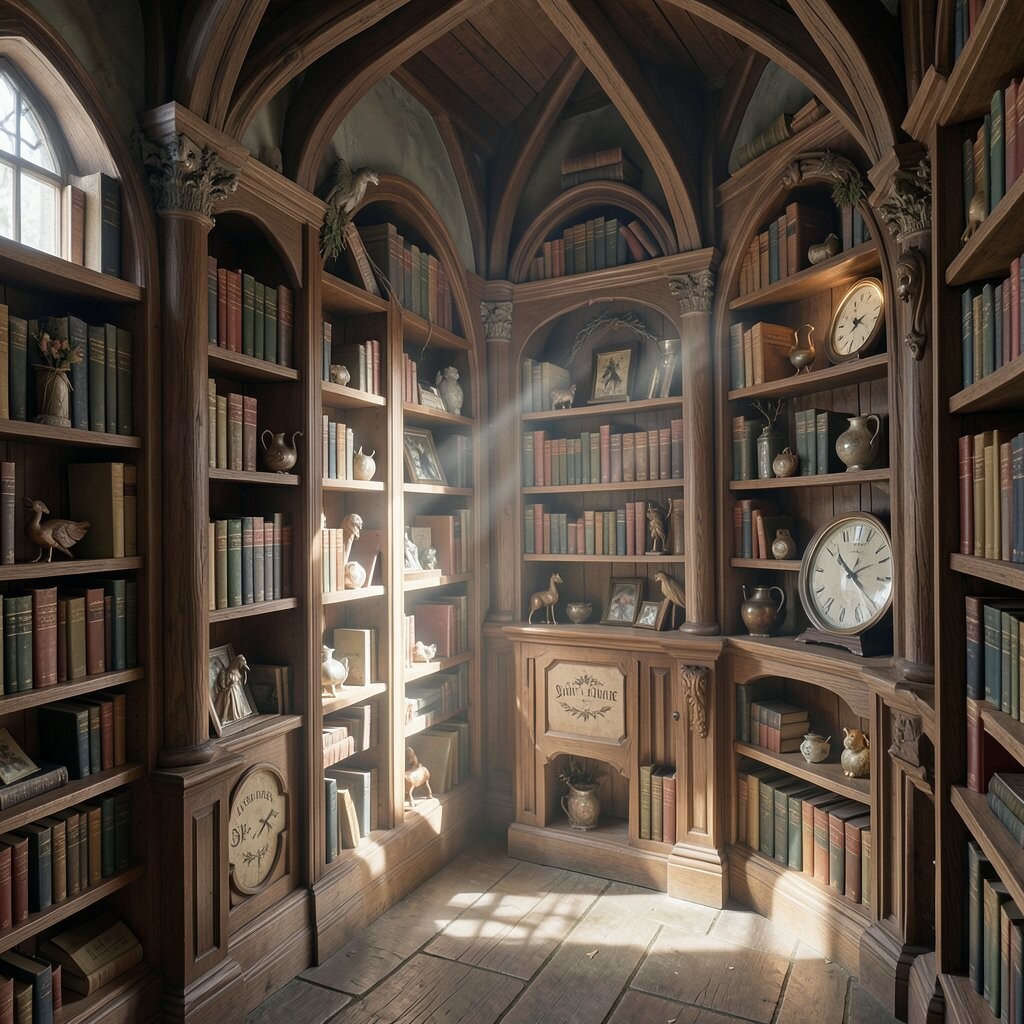
Along a cliff, a library holds jars labeled with gentle sounds instead of titles. Inside each jar, a breath sits glowing, and a reader can borrow it for a moment.
This world is special because emotions become physical items with ethical weight. The benefit is easy character depth, since a person may need courage, patience, or calm and can’t always afford to borrow it. Uniqueness comes from smiles being stored like medicine, meaning kindness can be rationed or stolen.
For practical tips, set clear limits on borrowed breaths, such as time limits or side effects like lingering memories. Personalization can happen if each character’s breath has a different “taste,” so readers can sense who is speaking truthfully. Cost considerations are manageable for creators, because you can turn the jars into simple jars with paper labels and color-coded lids for visual reference.
Keep up with current trends by tying magic to emotional labor and consent, so borrowing smiles feels responsible rather than magical loopholes. That makes the setting feel both enchanting and respectful.
14. The Desert City Powered by Moon-Salt Experiments
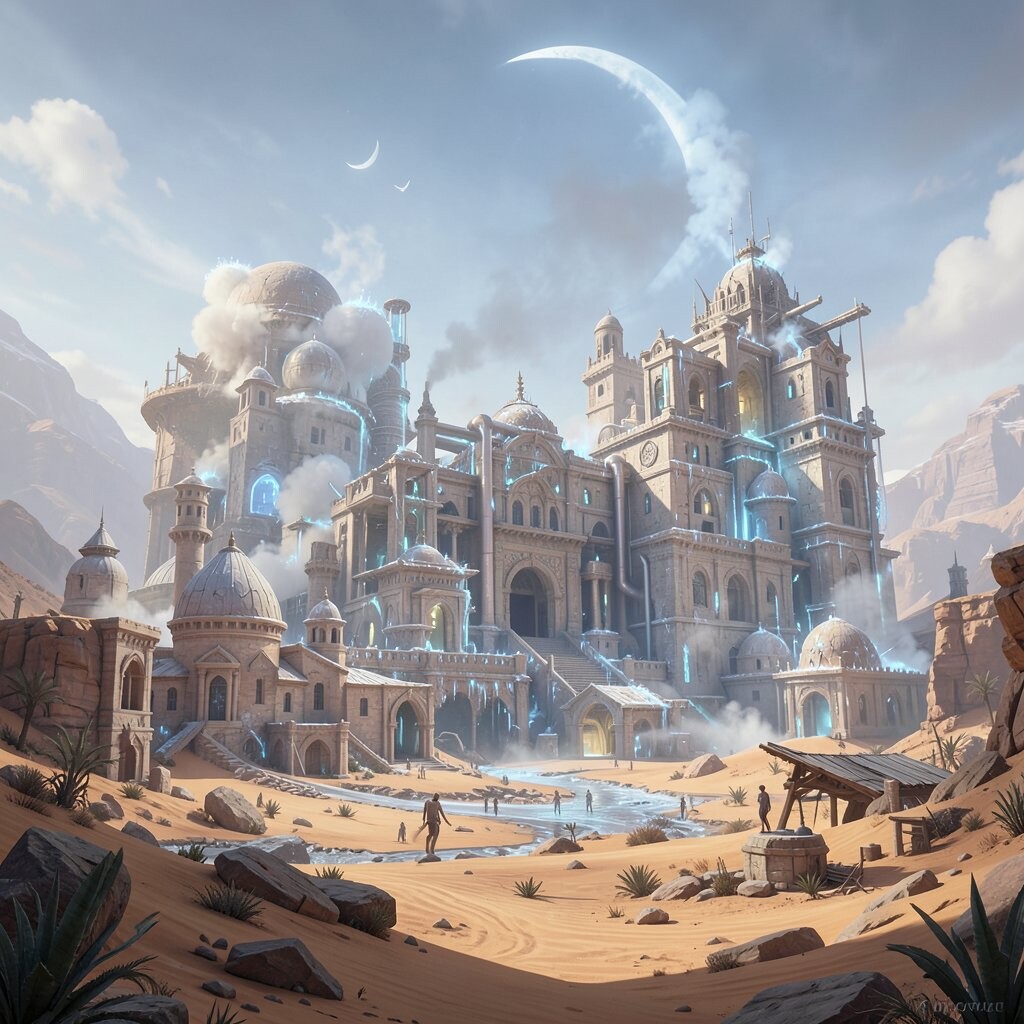
At night the desert city shines as if sprinkled with crushed pearls. People harvest moon-salt from salt flats, then run experiments on how it reacts to human stories.
You get a fun science-meets-magic vibe, where experiments can fail in surprising ways and create new landmarks. The benefit is that worldbuilding becomes practical and repeatable, since each experiment creates tools, weather effects, or new routes through the dunes. Uniqueness grows when moon-salt responds to specific story types, like heroic vows making it crystallize into bridges.
Practical tips include defining a few experiment categories, such as “healing,” “illumination,” or “truth,” then letting characters choose which category fits their immediate need. Personalization works if a character’s personal history changes how the salt behaves, making their chemistry part of their identity. For cost considerations, you can keep the visuals simple by using salt, glitter, and small LED lights in experiments for tabletop inspiration.
To match current trends, emphasize sustainable harvesting and careful rules about what can be taken from the flats. That gives your fantasy desert a living heart, not just a stage for spectacle.