
Morning chaos can feel normal until it starts stealing your time. Small changes can make your home run smoother every day.
You do not need fancy gear or a perfect schedule. You just need a clear plan that fits how your family actually lives.
1. Pick a Home Base for Keys, Bags, and Wallets
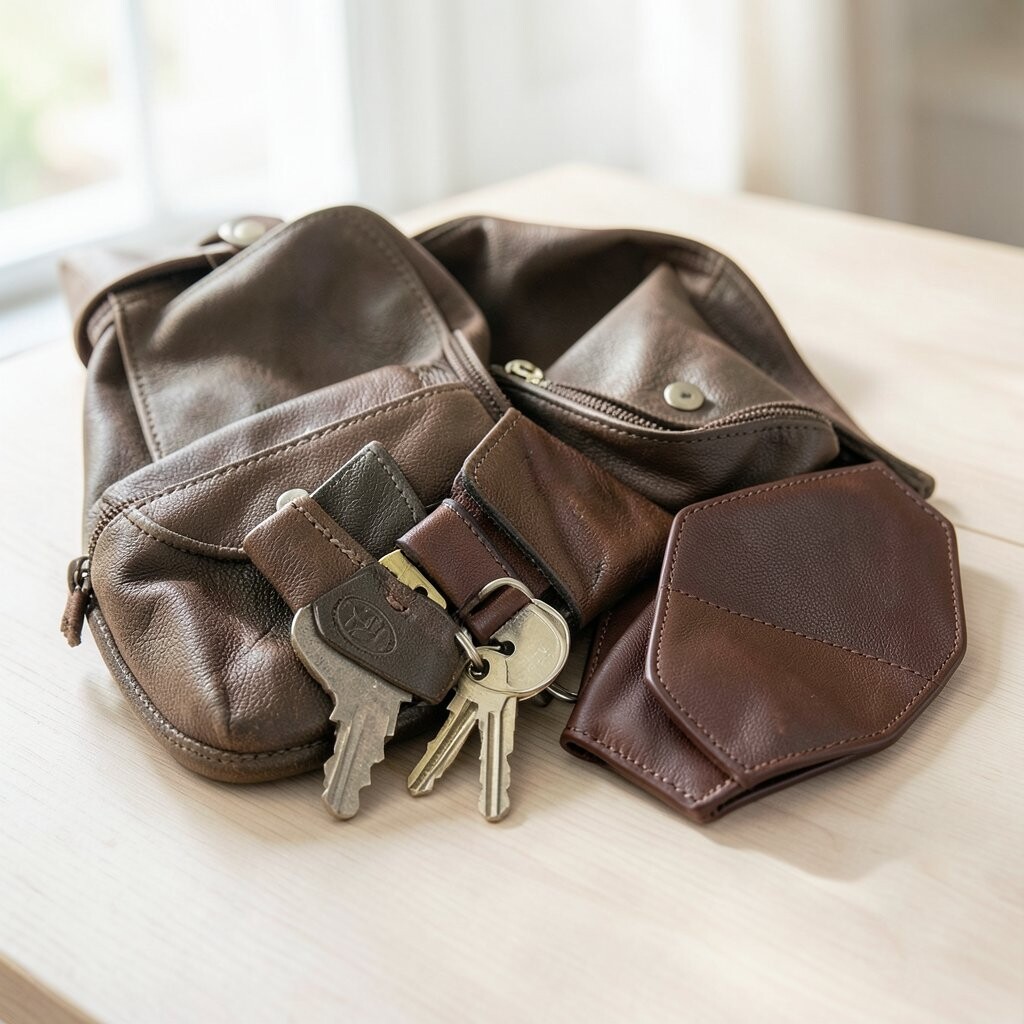
Choose one spot that everyone can reach fast when they walk in the door. A small tray by the entryway can hold keys, sunglasses, and the everyday stuff that usually ends up on the counter.
Use visual cues so it is easy to remember. For example, place hooks at eye level and add a simple label on the wall with a dry-erase marker so it can change with the seasons.
When items always go to the same place, your mornings slow down in a good way. You cut down on the frantic searching that makes everyone grumpy before school and work.
2. Create a Simple Schedule Wall With One Look
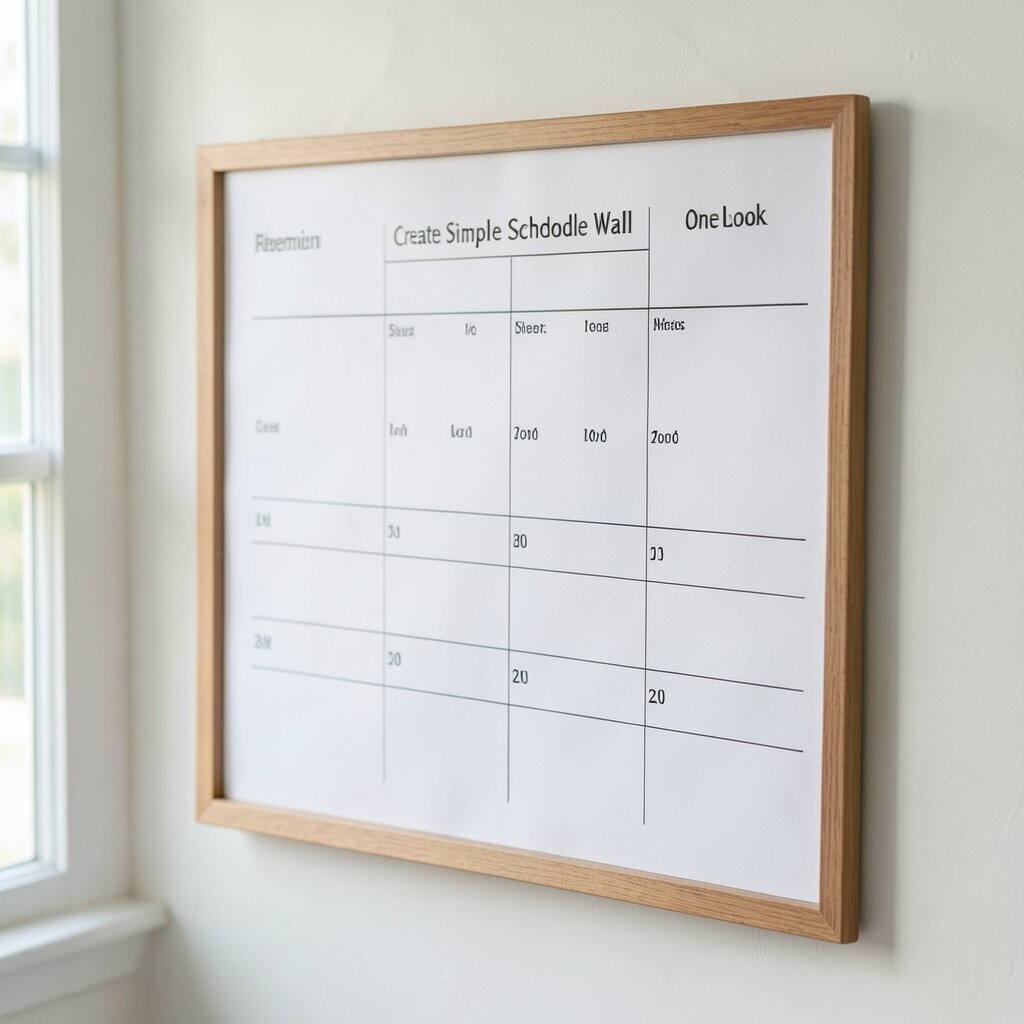
Put a calendar where people already gather, like the kitchen or hallway. A clear monthly view helps everyone see what is coming without asking the same questions again and again.
Use a color system that matches real life, such as one color for school events and another for sports practice. Add a small pocket for permission slips and mail so important papers do not float around the house.
Many families are using magnetic boards and dry-erase calendars right now because they stay flexible. You can also take a photo of the board at night and share it in a family group chat so no one forgets.
3. Set Up a Kid-Friendly Chore Routine That Feels Fair

Make chores feel like part of the day, not a surprise. A basket on a low shelf with a few labeled tools helps kids start easily and lowers the “where is it?” moments.
Try a rotating task plan that changes weekly, so one person does not always get the same job. You can include fun roles like “lamp light helper” for turning off lights or “laundry captain” for sorting socks.
Use a visual checklist with pictures, and keep the tasks short and doable. When kids see what comes next, they move with more confidence and less arguing.
You will save energy because you are not repeating yourself as often. It also helps kids learn responsibility in a way that fits their age.
4. Use One Folder System for Paper and Permission Slips
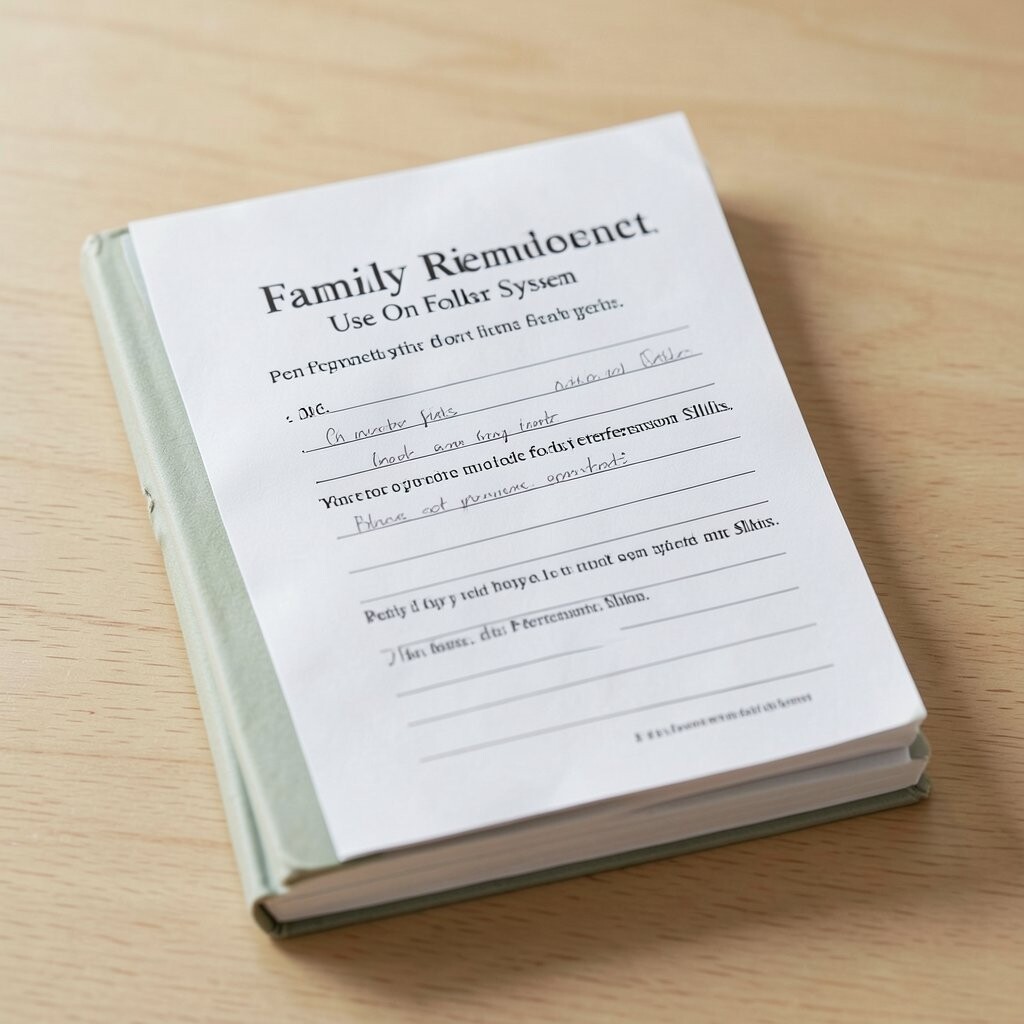
Papers multiply fast, especially at the start of school or during busy months. Keep a single folder tray in a clear spot like near the mail area so everything gets saved in one place.
Sort by the next action, such as “to sign,” “to pay,” and “to file.” Families like this setup because it reduces late-night hunts for forms and prevents important pages from getting lost.
5. Make Laundry Less of a Daily Mystery

Set a laundry flow that matches your routines, not someone else’s plan. You can use a hamper system with separate bins for lights, darks, and workout wear so sorting feels automatic.
Keep baskets in the spots where you fold and store. If folding happens near a dresser, kids can grab what they need right away, and you reduce the mess that usually forms around piles.
Many homes are also switching to refillable scent sheets and matching detergent pods for a consistent smell. This trend can help laundry stay simpler, but think about cost by choosing bulk refills and using coupons when you can.
6. Turn Backpacks and School Gear Into a Daily Reset
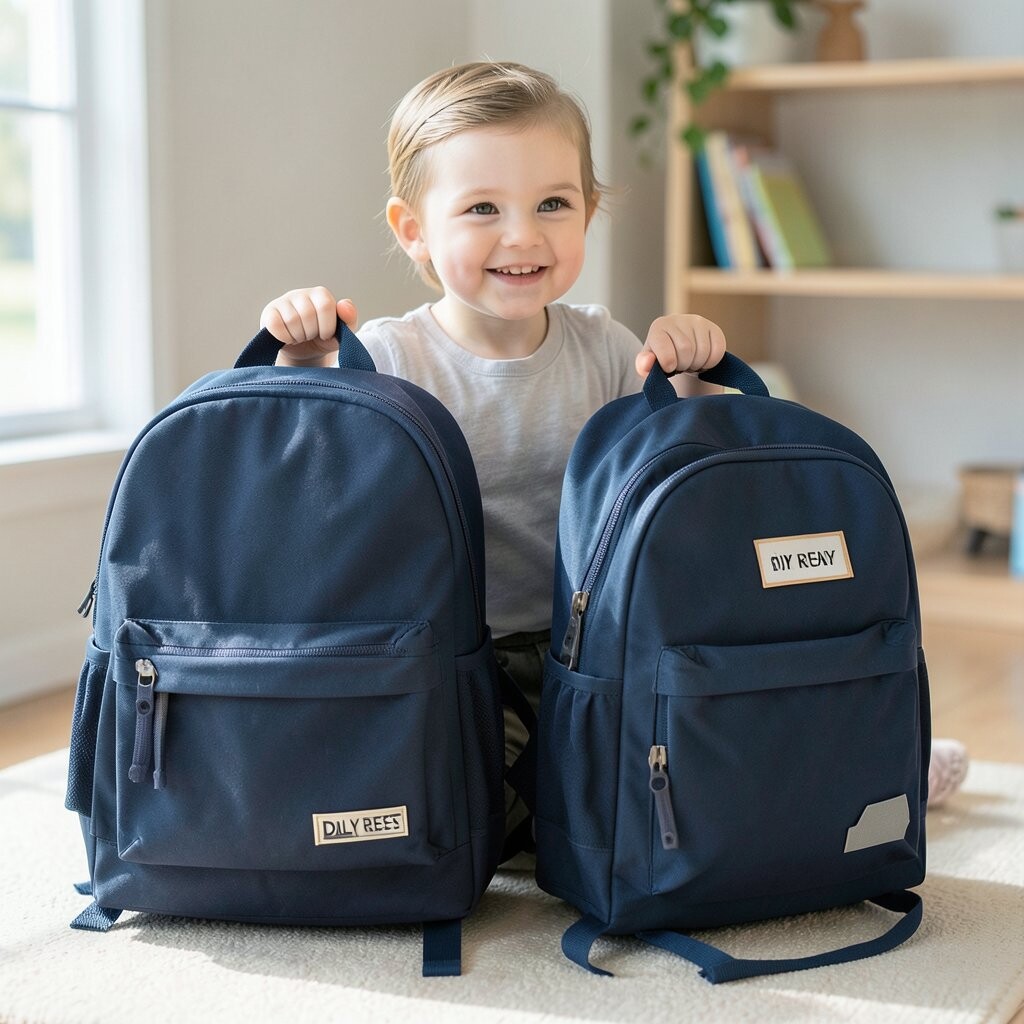
After school, create a quick rhythm that helps everyone reset. A designated “home landing spot” for backpacks and shoes keeps the entryway tidy and teaches consistency.
Make the reset visual by placing a small mat where backpacks go. Add a small bin for water bottles and another for headphones so you are not chasing loose items all evening.
7. Put Grocery Planning on a Weekly Rhythm

Plan meals with the week in mind, even if the plan is flexible. A family-friendly approach works best when you include favorites, a few healthy options, and a “use what we have” meal.
Keep a running list on the fridge or a shared note app that everyone can tap. When people add items right away, the shopping list stays accurate, and you cut down on extra trips.
Current trends include pantry restock apps and meal kits, but you can keep control without going full subscription. If you try a meal kit once, compare the cost to your usual grocery style, then decide what fits your budget.
8. Make the Kitchen Easy to Tidy in Minutes
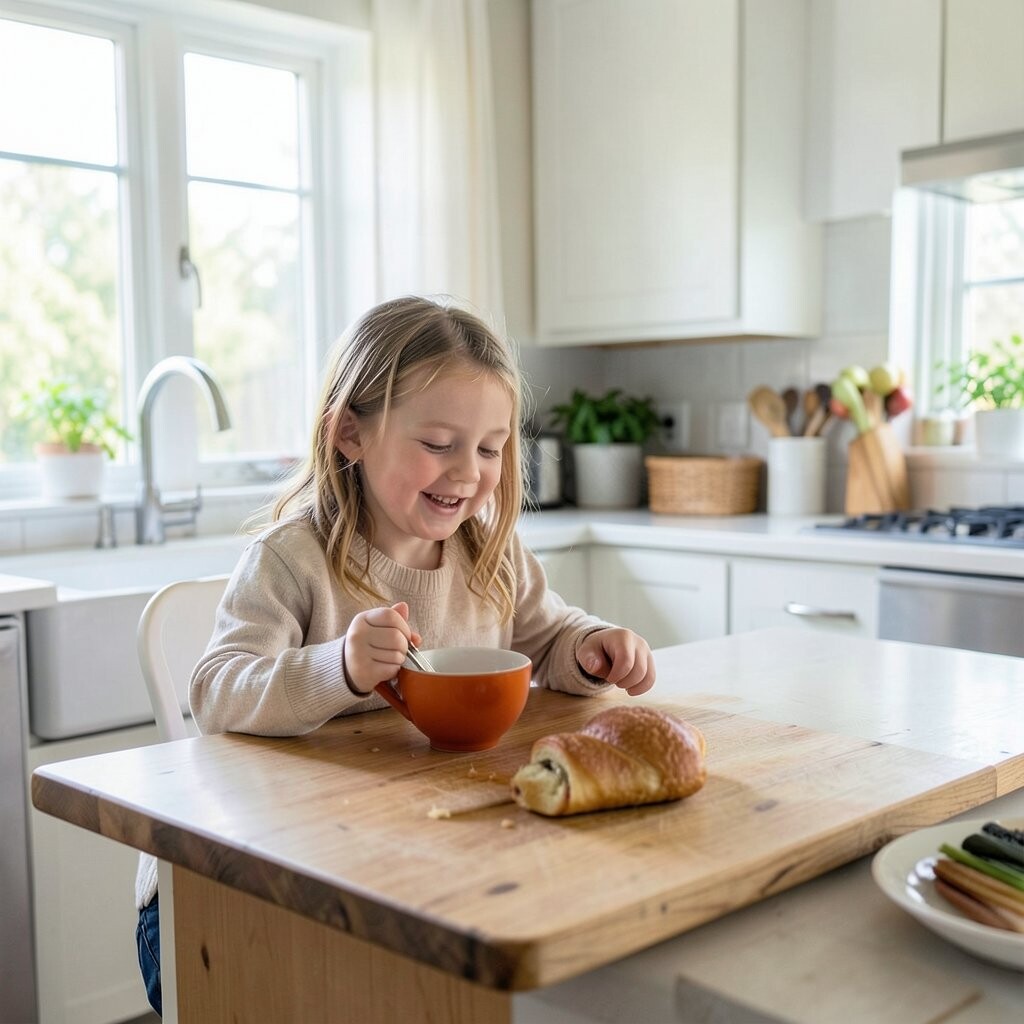
Most kitchens get messy in small bursts, like after snack time and before dinner. Set up a station where trash bags, wipes, and paper towels live together, so cleanup is fast.
Use a “close the loop” rule for cooking, meaning every ingredient returns to its place before you start a new task. That habit reduces the clutter you only notice after the meal is over.
You can also keep a small container for leftovers by the fridge door. When leftovers have a clear home, families waste less food and feel more satisfied with how the week is going.
9. Build a Laundry-to-Storage Path That Prevents Piles
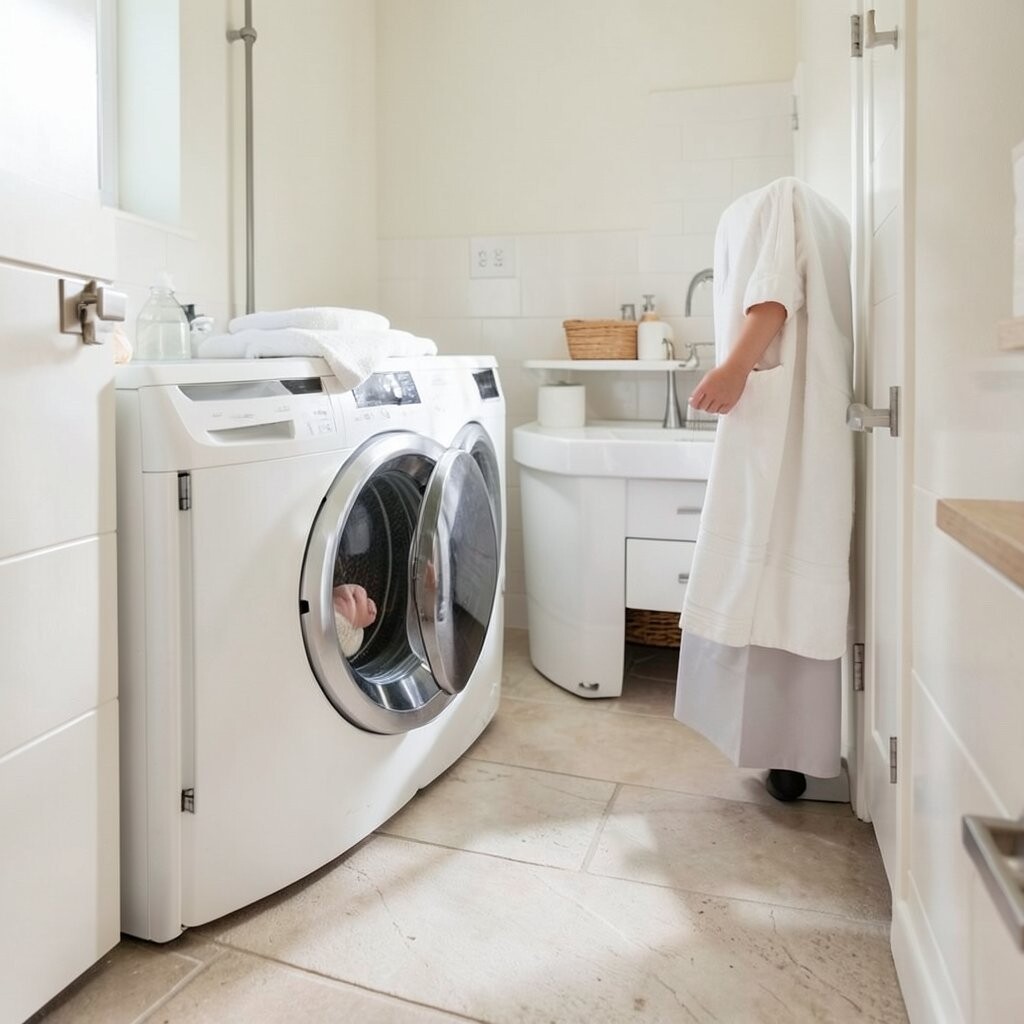
Folding is only part of the job, and piles can take over if storage feels far away. Place a folding surface near drawers or baskets so clothes travel fewer steps.
Try a “one room, one time” method where you fold and put away for that room first. This keeps the process focused and makes it easier for busy adults and older kids to join in.
Unique storage ideas can help, like using clear bins for seasonal items so you can spot what you need fast. If you want to lower cost, reuse closet shelves you already have and upgrade only what is worn out.
10. Keep Digital Files Organized for School, Work, and Health

Scanned forms, photos, and downloaded documents can become a messy pile inside a phone or computer. Create one folder for each family member and use simple names that match the year and subject.
Many families are embracing shared cloud drives because it makes access easier during busy seasons. Just be sure to set consistent rules so files do not end up scattered across devices.
Keep health and school documents together in one place. When you need a record quickly, you avoid stress and save time, especially during appointments.
11. Use a Family Communication Habit That Reduces Repeats

Pick a daily moment to share updates, like a short check-in after dinner. A quick chat helps everyone hear what is happening without multiple text threads and missed messages.
Consider using a shared whiteboard message space near the calendar. When something changes, writing it down keeps people calm and gives kids a clear visual instead of repeating questions.
Trends right now include reminder apps and smart home notifications, but the best fit is what your family will actually use. Choose one tool, test it for a few weeks, and keep it simple enough that even a tired day still works.
12. Maintain the System With a Monthly Reset Walkthrough

At least once each month, do a short reset that feels like a tidy stroll. Walk through the key zones like entryway, kitchen, and the school paper spot to see what is not working.
Swap out bins that are full, move items closer to where they get used, and remove things that no longer fit. This is also a great time to check that labels still make sense and update anything that feels confusing.
Personalization makes systems last, so let each family member suggest one improvement. When you adjust the setup together, everyone feels ownership, and organization becomes part of your family culture.
Cost stays under control because you mostly use what you already have and only replace what is truly needed. In the end, you build a home that feels lighter, calmer, and ready for whatever the next week brings.