
The wall you choose for family photos can set the mood of your whole home. When portraits look right, even an ordinary day feels warmer.
1. Start With a Clear Wall Plan
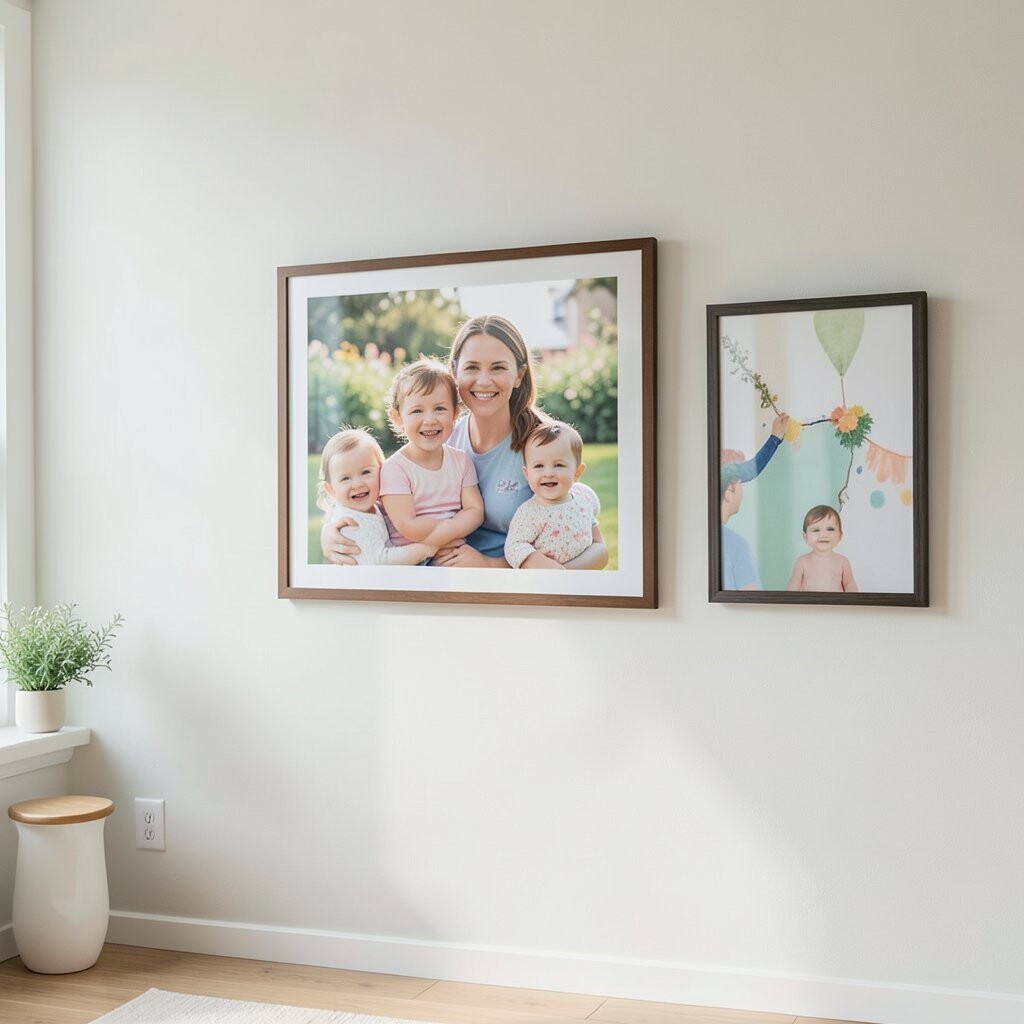
You will get better results when you picture the final layout before buying anything. Stand in the spot where the wall will live and look at the height, lighting, and sightlines from the couch.
Plan how you want people to feel when they walk in. Do you want the wall to feel airy and light, or bold and gallery-like?
2. Canvas Prints That Feel Soft and Modern
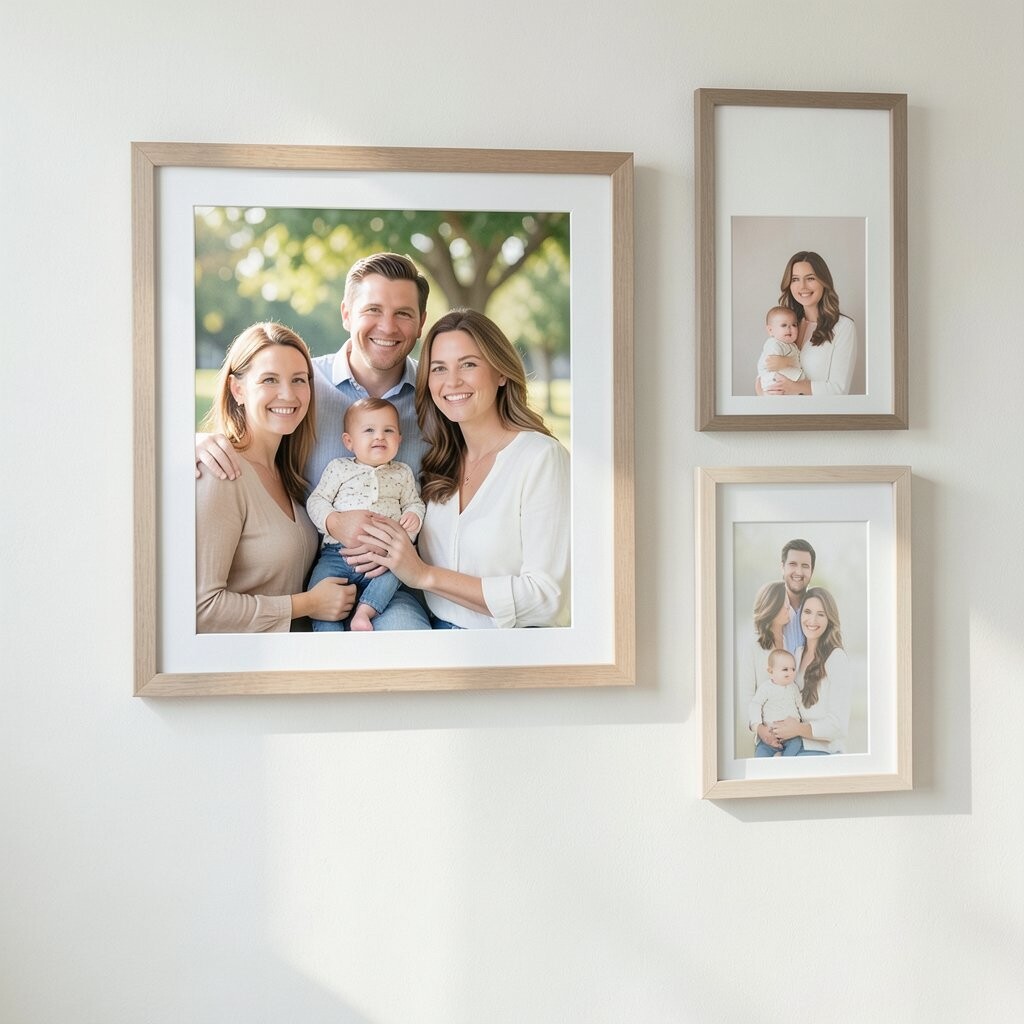
Canvas portraits bring a painterly look that feels cozy instead of stiff. The fabric texture can hide minor print imperfections and make pictures feel more artistic.
When light hits canvas, colors often look smooth and gentle. That makes canvas a great choice for rooms with warmer tones like beige, cream, and natural wood.
To make canvas walls look intentional, match the finish across all pieces. A consistent matte look can keep the photos from feeling busy, and it also blends well with family photos in different colors.
3. Framed Prints That Look Timeless and Neat

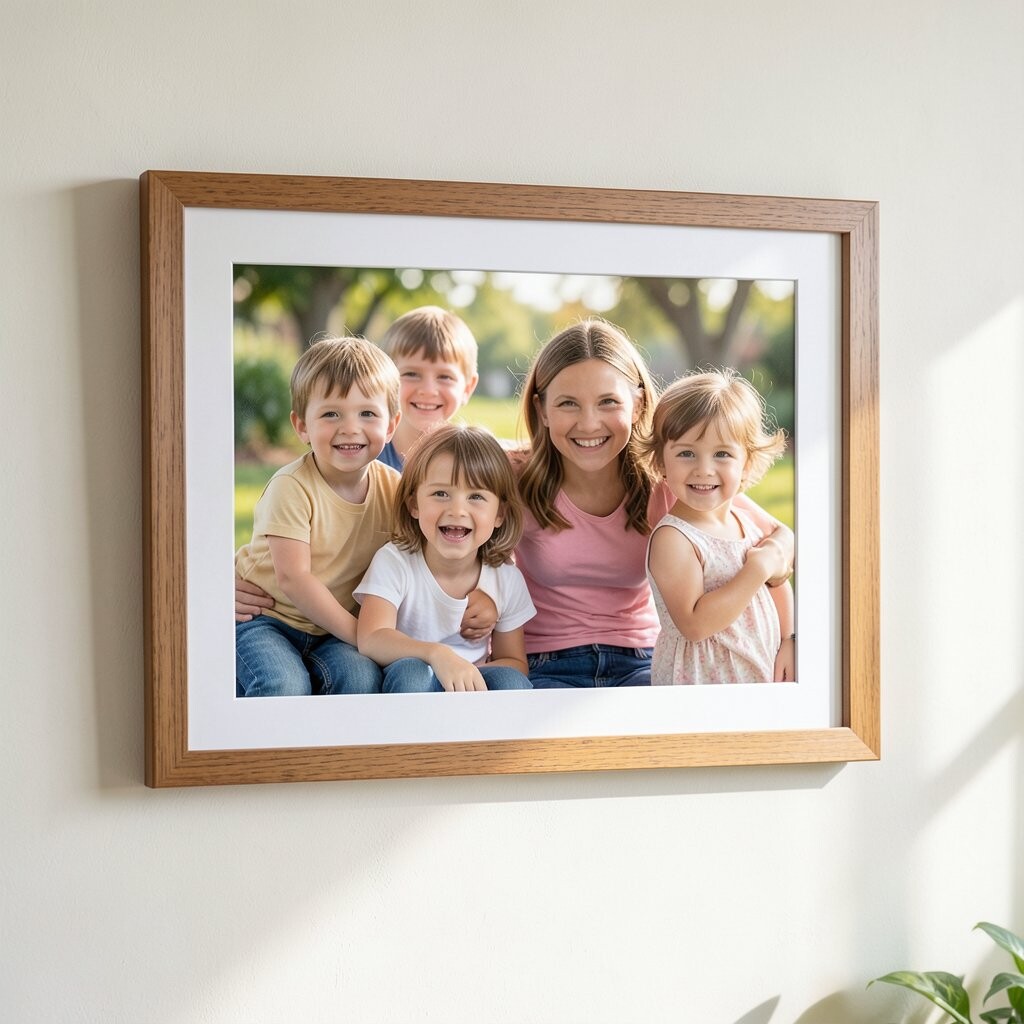
Framed portraits feel classic and polished, like a small exhibit at home. A frame also creates a clean boundary, so each photo stands out on its own.
Frames can add warmth through wood or add drama through black metal. That range helps you match the wall to your style, whether your decor is modern, farmhouse, or traditional.
For a practical win, frames are easier to swap over time. You can update one portrait without replacing every piece, which is handy as kids grow and family milestones change.
If you hate dusting, choose frames with quality glass and consider microfiber cleaning. It keeps the photos crisp and keeps the wall looking loved instead of neglected.
4. Choose the Right Size and Spacing

Size matters more than most people expect, especially on a busy family wall. If portraits are too small, the layout can feel scattered, but if they are too big, the wall can overwhelm the room.
Leave a bit of breathing space so faces stay easy to spot from a distance. Many people love a tight grid, while others prefer a mixed layout with varied spacing for a more relaxed vibe.
Take a tape-measure walk before you commit. You can also print paper mockups and tape them up to test how canvas versus frames behave at your wall height.
5. Match the Material to Your Room’s Lighting
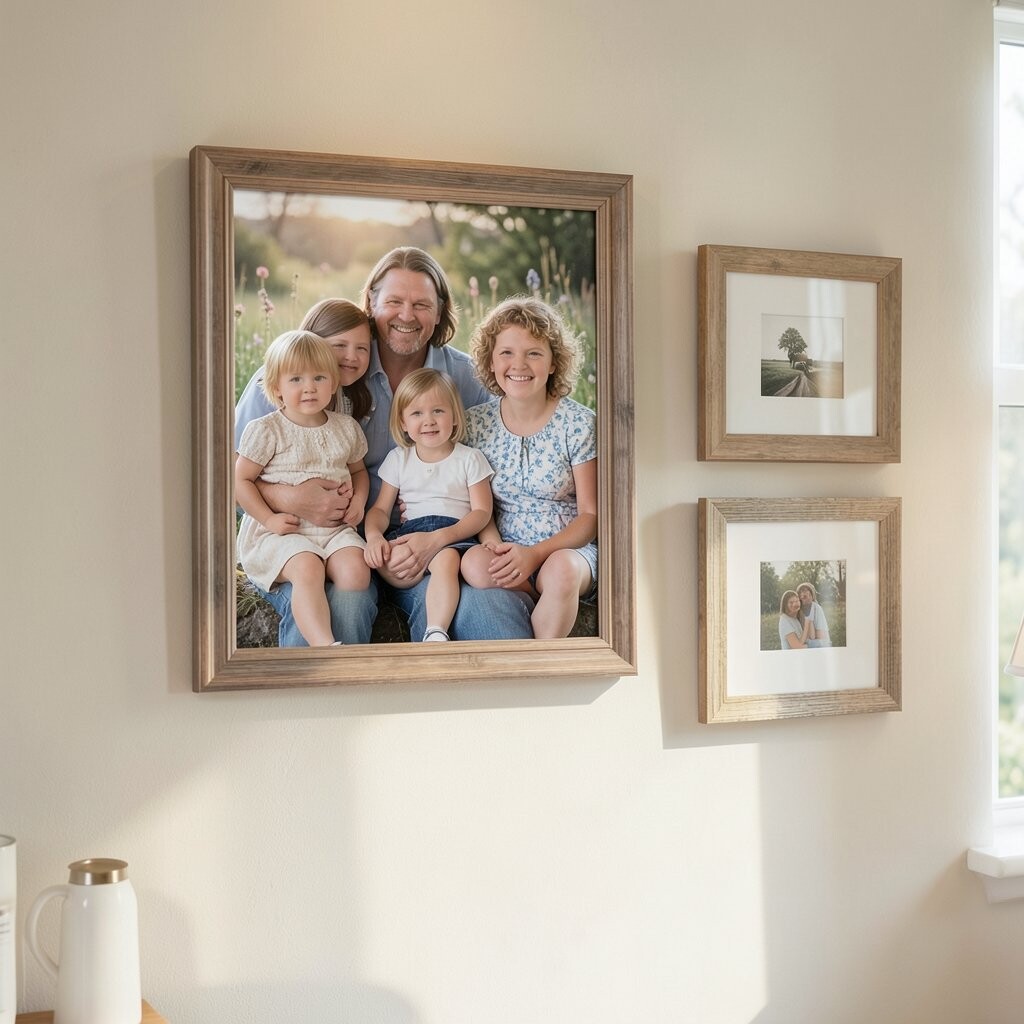
Lighting can make canvas and frames act very differently. In bright rooms with lots of windows, canvas often looks calm because it tends to reduce glare.
Glassy frames can shine if the room has strong direct sunlight. If your wall faces the sun, consider anti-glare glass or angle the pieces slightly so reflections don’t steal attention.
For rooms with softer lighting, frames can look extra sharp and elegant. Under warm lamps, both canvas and frames can look rich, but you may notice that canvas leans a little more relaxed and framed portraits feel more crisp.
6. Use Color Cohesion to Make the Wall Look Finished

Even mixed photos can look like they belong when you build a shared color story. Try choosing a theme like warm skin tones, cool blues, or earthy greens that show up across your portraits.
If your family photos are from different years, color cohesion helps them blend. You can also keep the wall consistent by selecting prints with similar contrast levels, so some pictures do not look too dark next to others.
Canvas prints often blend well when you want a uniform, soft palette. Frames work great when you want crisp separation and stronger contrast that feels like a gallery grid.
7. Create a Focal Point With One “Anchor” Portrait

An anchor portrait gives your eye a place to rest. Pick the most meaningful photo, like a wedding shot, a recent family photo, or a picture with a warm smile.
In a canvas versus framed decision, the anchor can help you choose. A framed anchor can add emphasis, while a canvas anchor can create a gentle, artistic center.
Place the anchor near eye level, usually where adults naturally look. Then surround it with smaller portraits that support the story instead of competing for attention.
8. Story Layouts Make the Wall Feel Personal
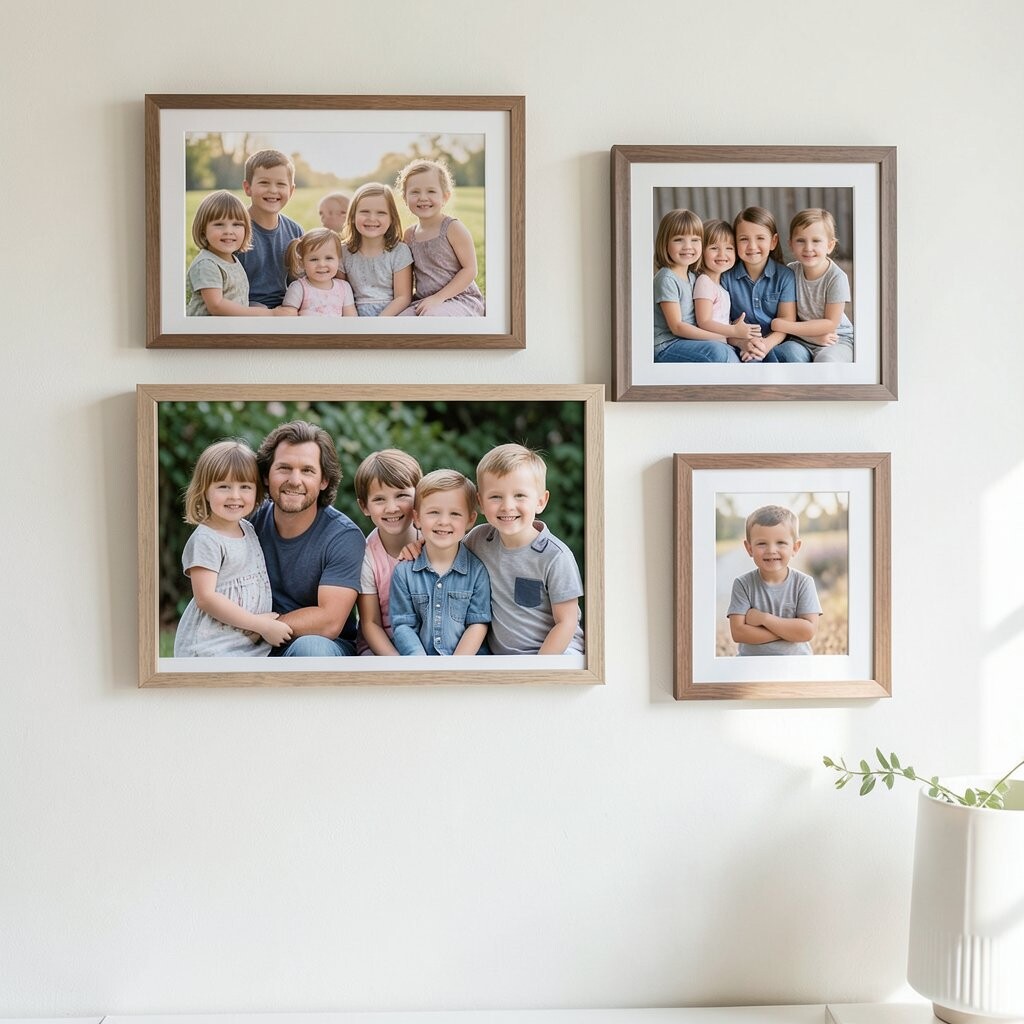
You can make your family wall feel like a timeline, even when it is arranged in a creative collage. Put older portraits farther out or earlier in the path your eyes travel across the wall.
Another popular approach is grouping by people, like all the photos featuring the same child together. That makes the wall feel personal for every viewer, especially when grandparents come over and recognize faces instantly.
Canvas works nicely for story layouts because it has an artsy softness. Frames work nicely too, especially if you want the neat feel of a curated collection.
9. Compare Durability for Daily Life

Both canvas and framed portraits can last, but they handle daily life differently. Canvas prints are lightweight and can be easier to hang, especially for larger sets.
Frames protect photos by surrounding them with sturdy borders. That is helpful in homes with pets, kids, or busy hallways where bumped corners happen.
Consider the wall location before you decide. If the area is more likely to get touched or hit, frames may give you extra peace of mind, while canvas may be safer in quieter rooms.
10. Hanging Hardware and Backing Choices Matter

How you hang your portraits changes how professional the final look feels. Canvas prints often come ready with easy backing, and some have sturdy rails for hanging.
Framed prints may require careful measuring so the frames sit level and evenly. If you are using a full gallery wall, use a level and measure from one reference point across the wall for the cleanest alignment.
For heavier framed sets, use wall anchors and check your wall type. This small step can prevent sagging over time and keeps every portrait looking straight.
11. Keep Maintenance Simple With Smart Finishes
Maintenance is part of the long-term experience with wall art. Canvas usually needs gentle dusting, and a careful wipe is enough to keep it looking fresh.
Framed photos can need extra attention because glass can show fingerprints. Using a microfiber cloth and avoiding harsh cleaners helps protect the surface.
If you want the easiest routine, choose finishes that resist smudging and glare. Many modern framing options include better protective coatings that help your wall stay crisp longer.
12. Cost Reality for a Full Family Wall

Budget choices can feel stressful when you are buying multiple portraits at once. Canvas can be a cost-friendly path because it often gives you a larger artistic look per piece.
Framed sets can add up quickly because each frame, glass option, and mounting choice costs something. Still, framed walls can be worth it when you choose a few high-impact photos as anchors and fill the rest strategically.
To balance cost, consider using canvas for most portraits and framing only the ones you love most. That hybrid approach can look intentional and still keep your wallet calmer.
Another money-smart move is planning how many photos you truly need. A smaller, well-spaced set can look more upscale than a crowded wall with mismatched sizes.
13. Current Style Trends That Fit Family Portraits

Today’s family photo walls often feel more relaxed and less overly symmetrical. Many people like mixed sizes, varying spacing, and a touch of imperfect charm that still looks neat.
Color-blocking also shows up in trends, where photos share a similar tone. Canvas can support that trend with its soft texture, while frames help you group portraits into clean clusters.
As for composition, more homes are using “soft modern” vibes with warm palettes and minimal clutter. Choosing a consistent finish across all portraits helps the wall match current tastes without feeling like you are following a fad.
14. Personalize With Meaningful Details and Finishing Touches

You can make your wall feel truly yours by adding small details around the portraits. Some families include handwritten dates on the back, or they keep a consistent theme like beach summers, holiday winters, or school moments.
Personalization also works with style choices like selecting frames that match metal accents in your home. If your kitchen uses brushed nickel, you might pick a similar finish for your photo frames.
Try mixing portrait orientations too, such as pairing a landscape group photo with portrait close-ups. Canvas prints can handle mixed orientations with ease and keep the look soft, while frames can make mixed orientations feel structured.
Before you buy everything, lay out your layout again with your final photos in mind. When you see the wall as a story instead of just artwork, you will know exactly whether canvas or framed portraits fit your family best.