The right vintage light can make your room feel loved from the moment you walk in. One small mistake, though, can steal that warmth fast.
Picking and placing vintage fixtures takes a little care and a lot of taste. Avoid a handful of common missteps and your home can look both charming and comfortable.
1. Choosing a Fixture That’s Too Small for the Space
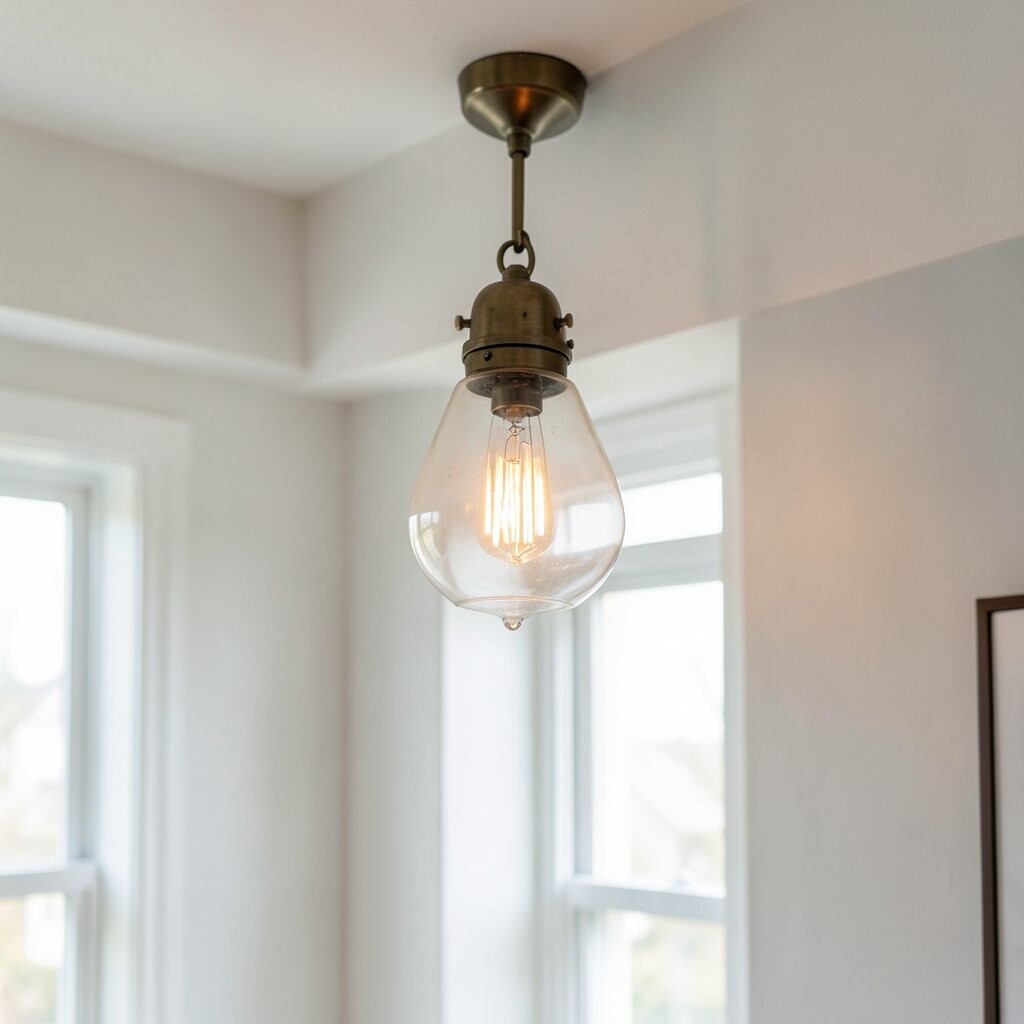
It’s easy to grab a cute fixture, especially when you spot it in a shop window. Then you install it and realize it looks like it’s hiding instead of helping.
Watch how a small light handles your wall or ceiling size. For example, a tiny pendant in a big dining area can feel visually “lost,” even if it works technically. Choose a fixture that balances the room so the glow looks intentional and welcoming.
2. Ignoring the Scale of the Bulb and Shade
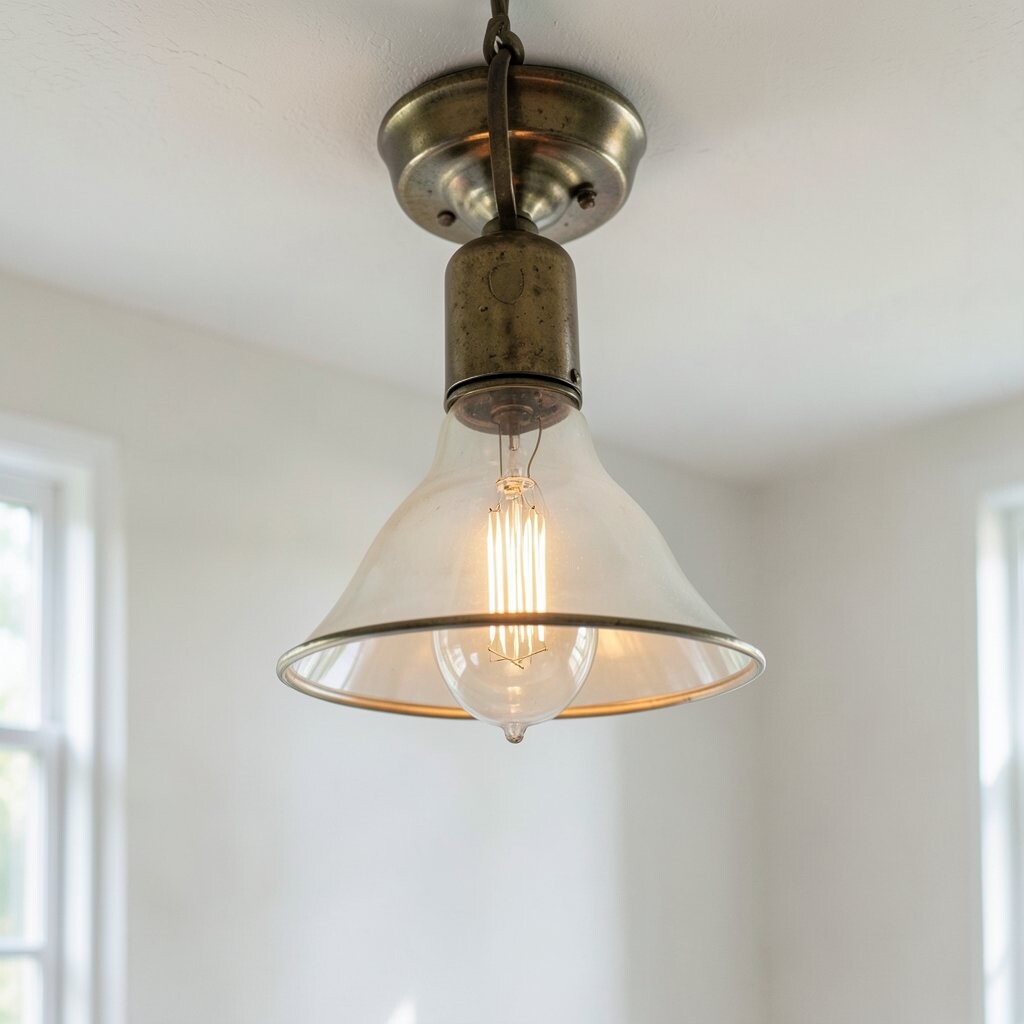
Vintage fixtures often come with shades, globes, or exposed bulbs that change the whole look. If the bulb is too bright or too large, the light can overpower the charm.
Choose bulbs and shades that match the fixture’s style and the mood you want. Warm, softer light usually flatters brass, glass, and aged finishes. When you pick the right size, your space feels cozy instead of harsh.
For practical results, check the fixture’s socket size and watt limits before you buy replacements. If the fixture uses a specialty bulb, plan ahead so you aren’t stuck with awkward workarounds later.
3. Overlooking Electrical Compatibility and Safety

A vintage fixture can look perfect but still create problems if it doesn’t fit your wiring. Old hardware, worn cords, or mismatched mounting pieces can turn a simple install into a headache.
Safety comes first, because charm should never mean risk. If you’re unsure, hire a licensed electrician for the connection and grounding. That small step protects your home and keeps the fixture shining for years.
Also, pay attention to switches and dimmers. Some older styles pair better with certain dimmer types, and the wrong match can cause flicker. Smooth, steady light is part of the “wow” feeling.
Plan your timeline too, since rewiring or mounting changes can take extra trips to hardware stores. It’s worth it when the fixture sits straight and stable like it belongs there.
4. Buying Only for Looks Without Considering Light Quality

Vintage lighting is gorgeous, but not all vintage light spreads in the same way. A pretty fixture can cast shadows that make a room feel dim or uneven.
Think about how you use the space during real life moments. If you eat at a table, you want enough light on the tabletop. If you read in a corner, aim for light that lands where your eyes need it most.
5. Forgetting About Ceiling Height and Mounting Position

A charming fixture can become awkward when it hangs too low or sits too high. You might bump your head, block sightlines, or make the room feel smaller.
Measure the space and imagine your daily movement. In dining areas, you want clearance for people sitting and passing by. In hallways, you want the light to guide the path instead of feeling like it’s crowding you.
As a practical guide, aim for mounting that keeps the light centered and comfortable. If you love a statement piece, adjust it with the right chain length or mounting plate so it looks custom.
6. Choosing a Finish That Fights Your Existing Decor
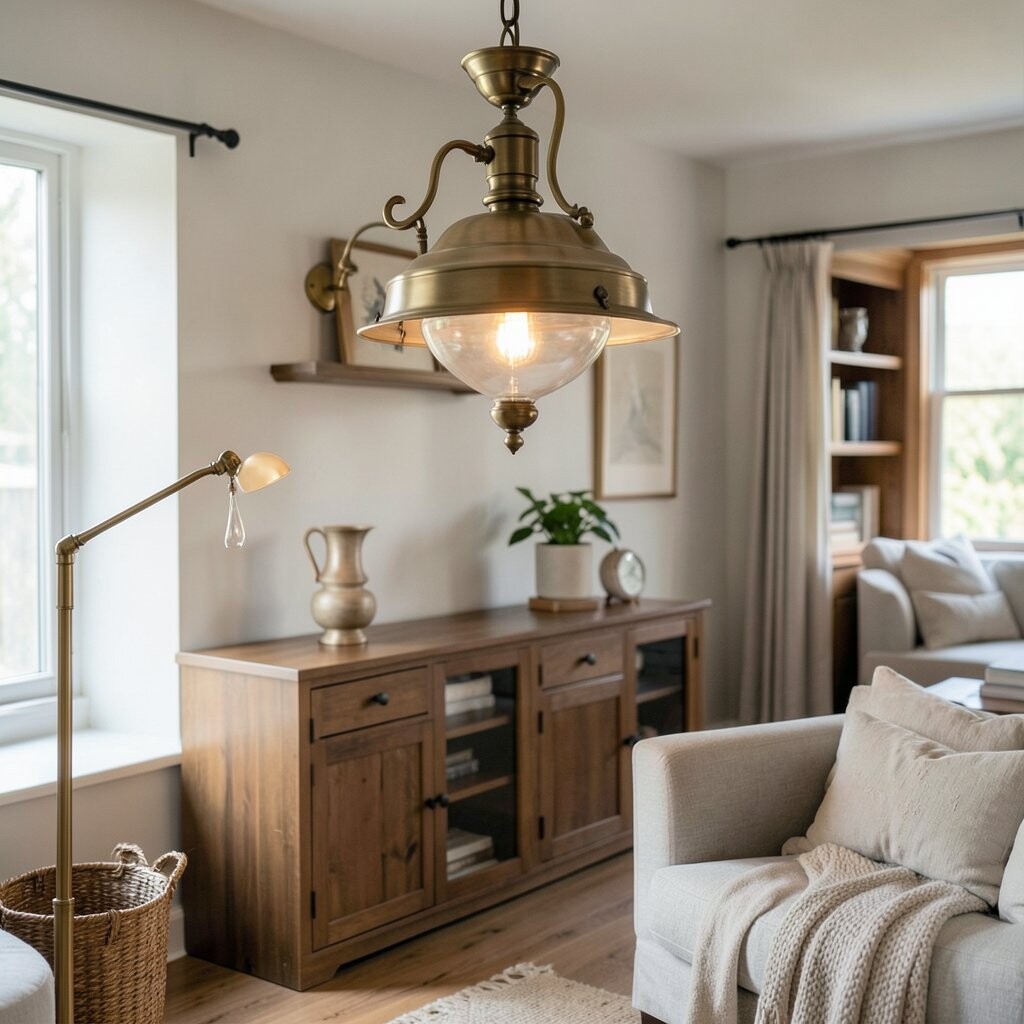
Vintage brass, oil-rubbed iron, and aged copper each bring their own personality. If the finish clashes with your cabinet hardware, door knobs, or faucets, the charm can feel scattered.
Look around the room and notice the metals you already live with. Matching isn’t always required, but you do want a friendly connection. When the tones relate, the fixture feels like a natural part of your home story.
If you’re stuck between finishes, pick the one that repeats in the room through small details. A nearby lamp base, picture frame, or mirror can help tie everything together without making the space feel “matchy.”
7. Overstuffing the Room With Too Many Statement Fixtures
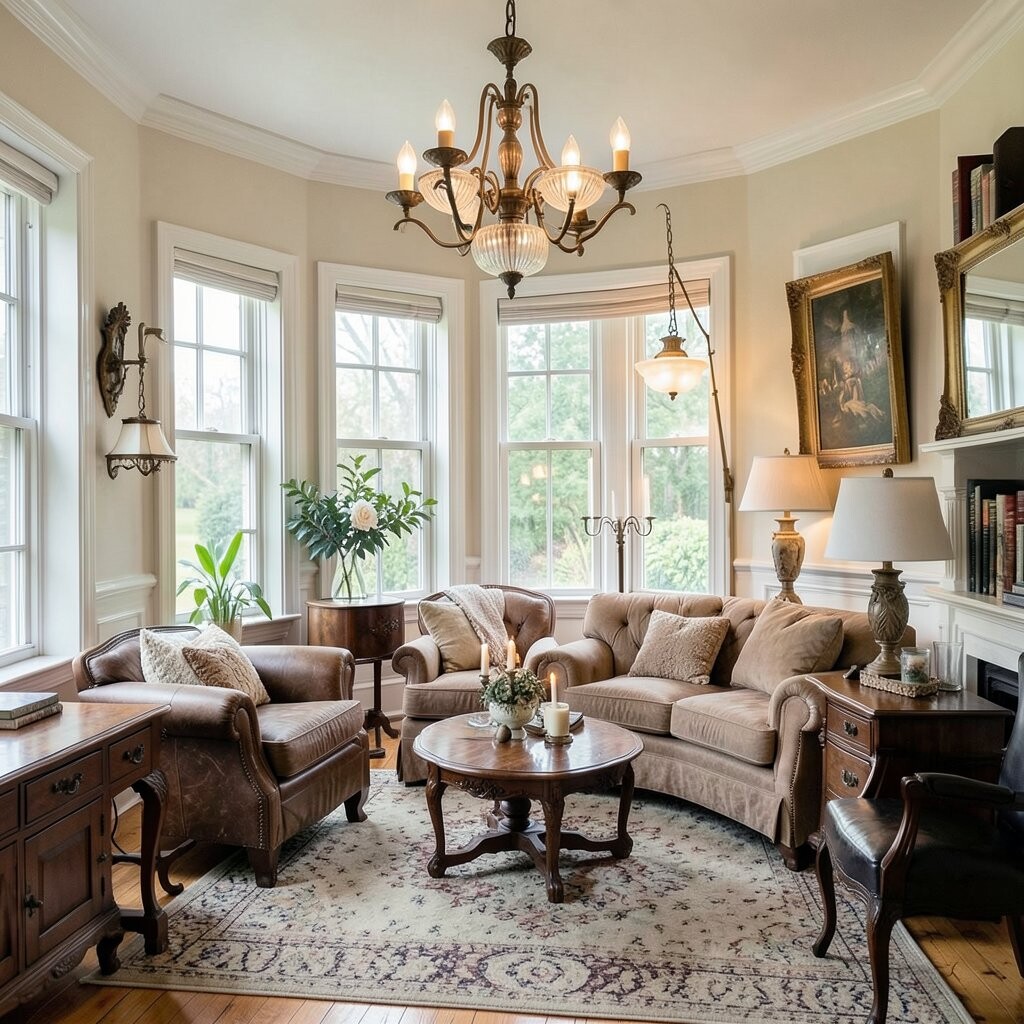
Vintage charm is strongest when it has room to breathe. If every corner has a bold fixture, the eye gets tired and nothing feels like the star.
Pick one or two focal lights and keep the rest simpler. Let a dramatic pendant or chandelier lead, then use softer wall sconces or modest table lamps to support it. This balance makes the whole space feel curated.
Try this practical approach by thinking about sightlines from the doorway. If you can see multiple lights at once, choose styles that look related in color and shape. Your home will feel polished even when it’s eclectic.
8. Using the Wrong Bulb Color Temperature

You can have the perfect vintage fixture and still miss the vibe if the bulb color is off. Bright blue-white light can make aged glass look dull and a little unfriendly.
Warm light usually fits vintage beauty best, especially around brass, amber glass, and textured shades. Aim for a glow that feels like candlelight but still lets you see your meal, books, or favorite art clearly. When the bulb tone matches the room, the charm feels natural.
Before you commit, test with a temporary bulb if you can. Small changes can shift the mood from “pretty” to “wow.” It’s also a good time to check how the light behaves at night with your curtains and wall paint.
9. Ignoring How the Glass and Shade Affect Light Spread
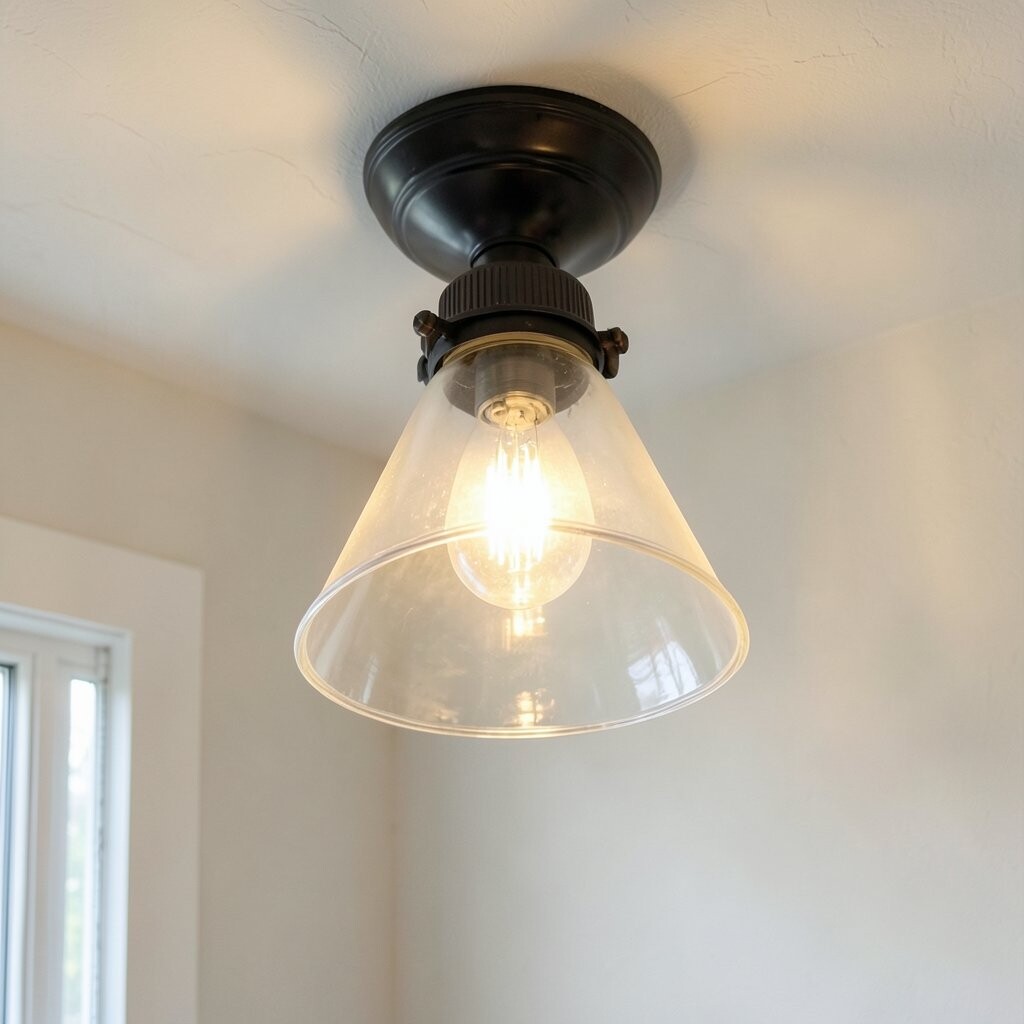
Vintage fixtures often use glass that looks amazing but changes how light flows. Clear glass, frosted glass, and patterned glass all create different shadows and brightness levels.
To keep things practical, think about where you need light most. A frosted globe can soften glare, which is great for living rooms and bedrooms. A textured or dark shade can reduce brightness, which may not work for kitchens or reading spots.
When you choose a fixture, look at how it will sit in your space. If the shade covers the bulb heavily, you may want slightly brighter bulbs for the same brightness. That way, you get the charm without losing function.
10. Not Cleaning, Restoring, or Reconditioning the Fixture
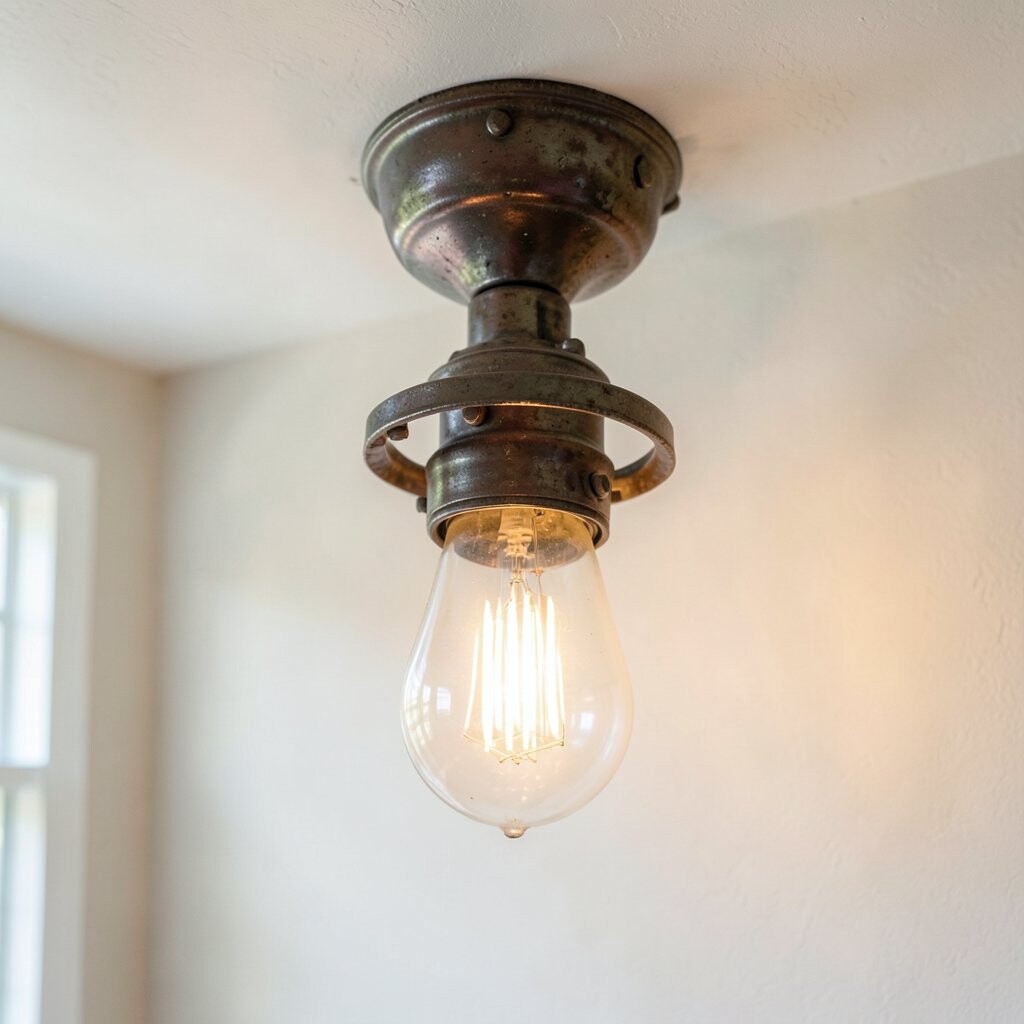
A thrifted or inherited vintage fixture can look tired, even when it has great bones. Dust, tarnish, and grime can hide the true beauty of the metal and glass.
Cleaning is not just about appearance, though it helps. A well-cleaned fixture also spreads light better because the glass and reflectors aren’t blocked by buildup. Use gentle cleaners suited to the metal type so you don’t damage patina or finishes.
If the wiring looks worn, have it inspected, then replace parts safely. When the fixture is reconditioned and secure, it feels more valuable and far more “you.”
You can also polish small areas to highlight details without erasing the vintage character. That balance keeps it authentic and makes the lighting look intentional.
11. Forgetting About the Surrounding Style and Wall Color

Vintage lighting can be even more charming when your walls work with it. Dark walls can make light feel moody, while pale walls can bounce brightness and feel airy.
Before you install, hold a lamp or test light near the spot. Notice how the glow looks against your paint color and nearby decor. This simple check helps you avoid surprises like a beautiful fixture that looks too dim or too harsh.
If you love a certain fixture but your room feels flat, add a few reflective elements. Mirrors, glossy ceramics, or lighter textiles can amplify the glow. The result is a warm atmosphere that still feels stylish.
And if your walls are very textured, remember that light will catch the surface. That can be gorgeous, especially with warm bulbs and soft shades, but it’s good to plan for the effect.
12. Skipping Personalization and Custom Adjustments
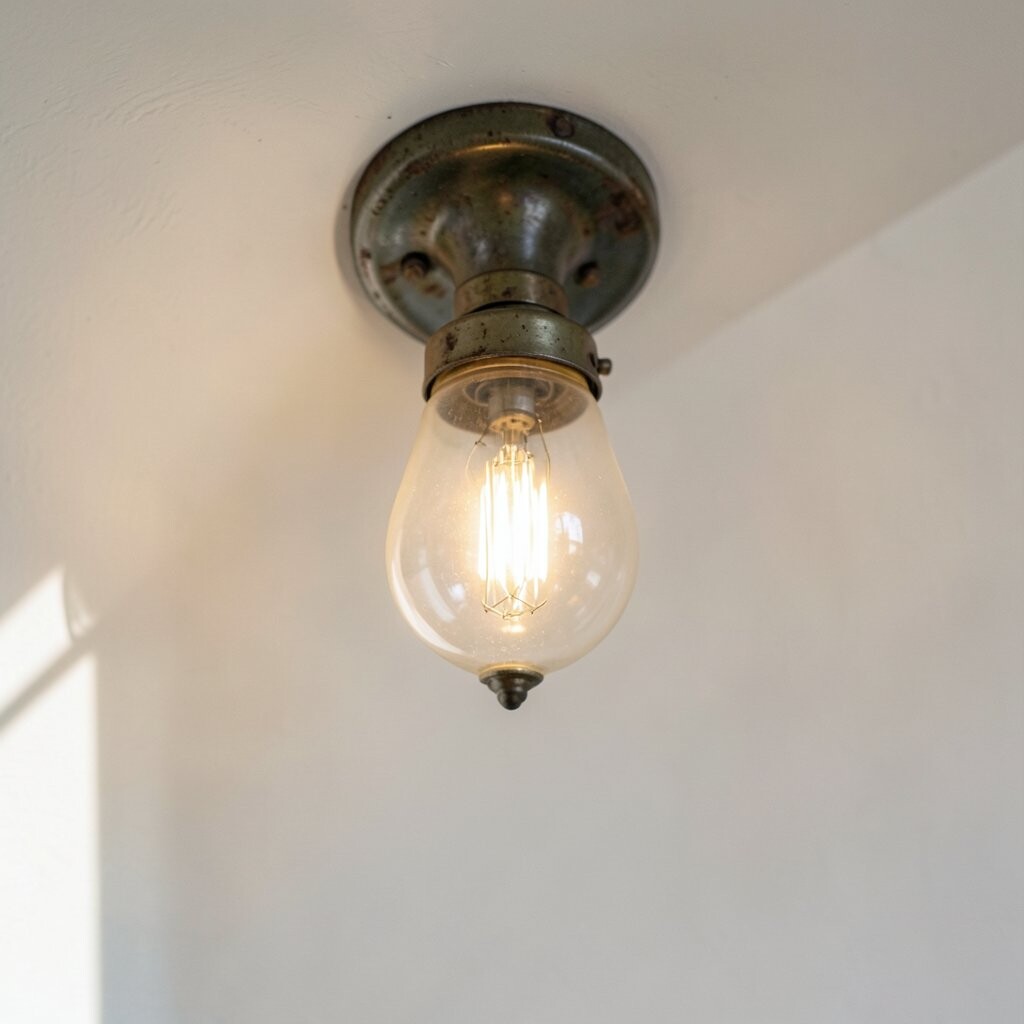
Vintage fixtures are unique, but they still need to fit your exact space. If you install it exactly as found, it may not match your comfort needs or your design rhythm.
Personalize with details that feel like yours. Swap the bulb style for one that matches the look, adjust the hanging height, or choose a shade that softens the glow. Small changes can make the fixture look like it was made for your home.
You can also add practical touches that help day-to-day life. A dimmer switch can create flexible moods for dinner or winding down. In entryways and hallways, motion-sensor switches can add convenience without losing charm.
For a current trend feel, many people mix vintage forms with clean, modern bulbs and updated hardware. The trick is to keep the vintage character visible while using small upgrades for comfort and reliability. When personalization is done well, the fixture becomes the heart of the room.