
Your workspace can feel like a friendly co-worker. Small changes can make your ideas arrive faster.
When your environment supports your habits, you spend less energy “getting going” and more energy making.
1. A Sunlit Desk With a “Morning Window”
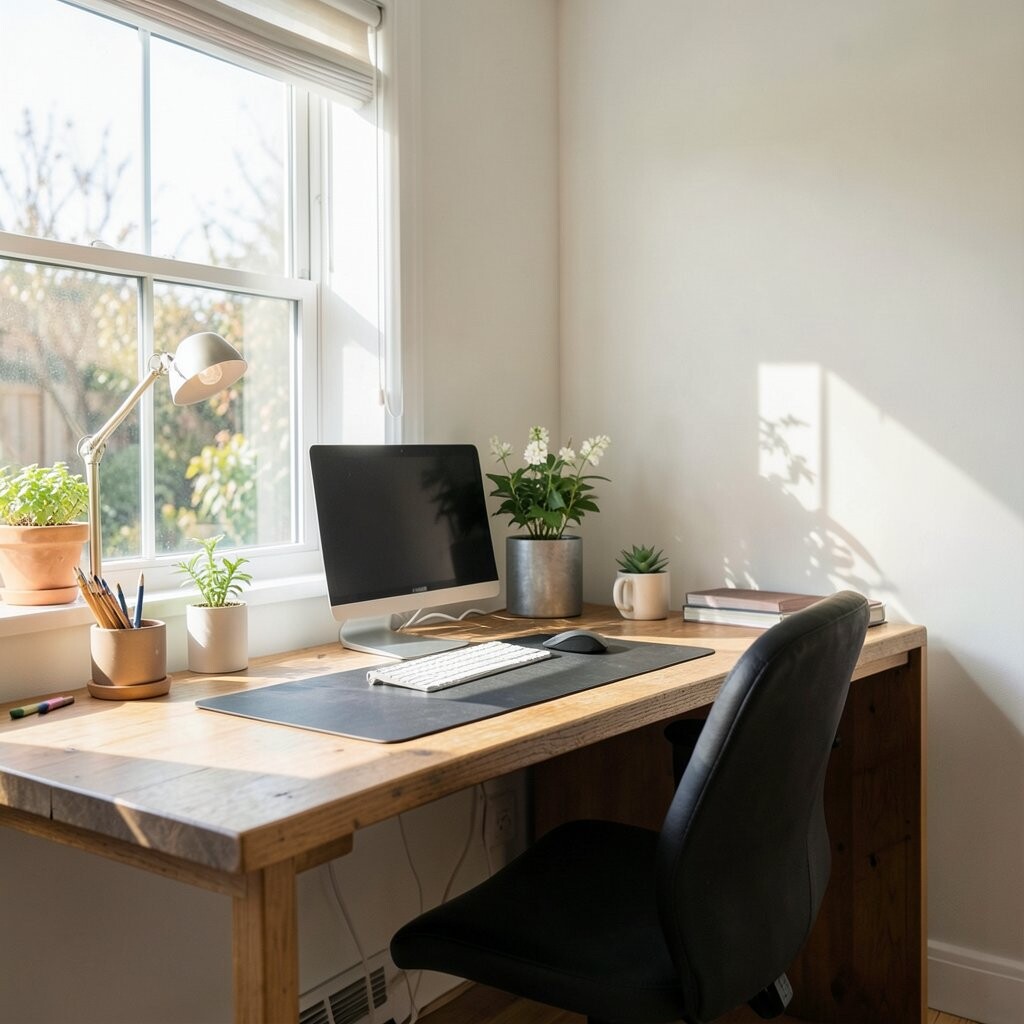
Picture a desk that catches gentle morning light. Your pages look warmer, your colors pop, and your focus feels calmer.
Place the chair so the light lands on your work, not in your eyes. Consider using sheer curtains for soft control, especially as the season shifts. If glare is a problem, a simple desk lamp with a diffused shade can keep your setup comfortable.
2. A Cozy Reading Nook for Drafting Sessions
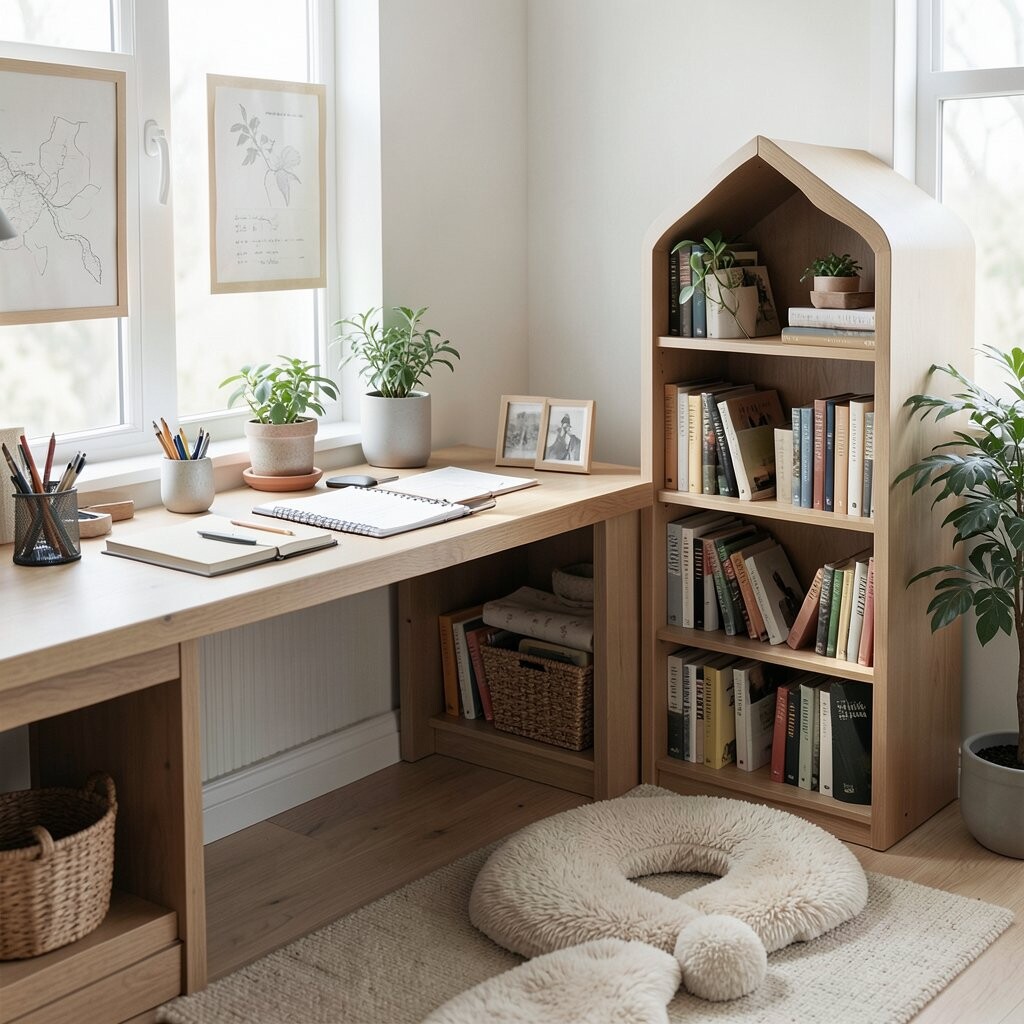
Think of a small corner with a comfy chair, a throw blanket, and a side table. Your brain starts to associate that spot with slower, steadier thinking.
Use a footrest or low cushion to make long writing feel easier. Keep a notebook and a pen within reach so you can start immediately. Add a small tray for bookmarks, sticky notes, and quick reference cards, and you will waste fewer minutes hunting for tools.
To personalize, choose a fabric pattern that makes you smile, like tiny stars or calming stripes. This idea is usually budget-friendly because you can start with one chair and layer in extras over time. A current trend in home workspaces is “zoned comfort,” where creative tasks get their own cozy space instead of fighting for attention in one shared area.
3. Color-Blocked Walls With Magnetic Inspiration
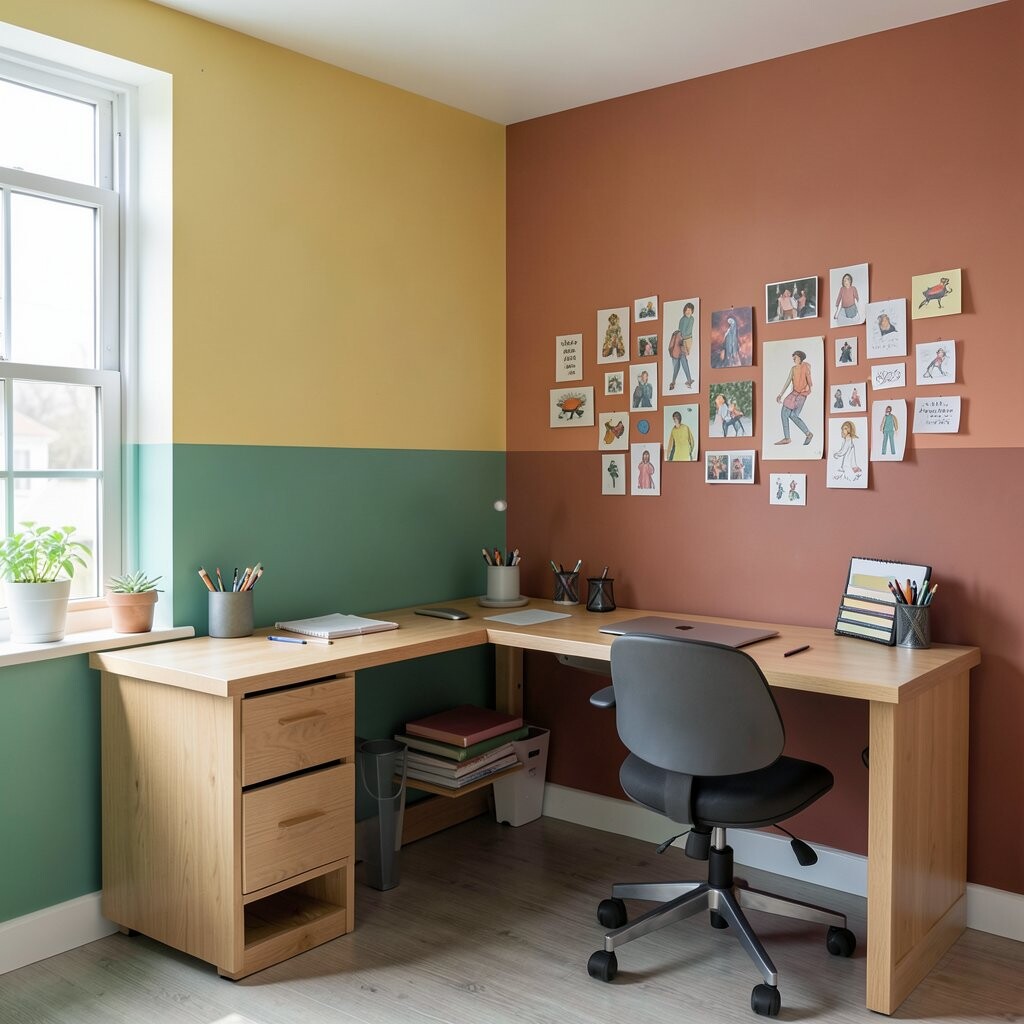
Imagine a wall section painted in warm color blocks, with magnets holding small cards and sketches. Your creativity feels visible instead of buried in a drawer.
Try one bold hue and one neutral tone, then place a grid of removable magnetic clips or tiny frames. You can tack up mood boards, handwritten goals, or even a few favorite character portraits. When you rotate them often, the wall becomes a living gallery that supports fresh work.
Personalize the system with your own themes, like “beats” for writing or “palettes” for design. If you rent, use removable wall tape and poster putty so you do not damage paint. As for cost, magnetic accessories vary widely, so you can begin with basic sheet magnets and a handful of clips, then upgrade later.
This setup also helps you see priorities at a glance, which reduces decision fatigue during busy days.
4. Desk Cable Control and a Clear Visual Field
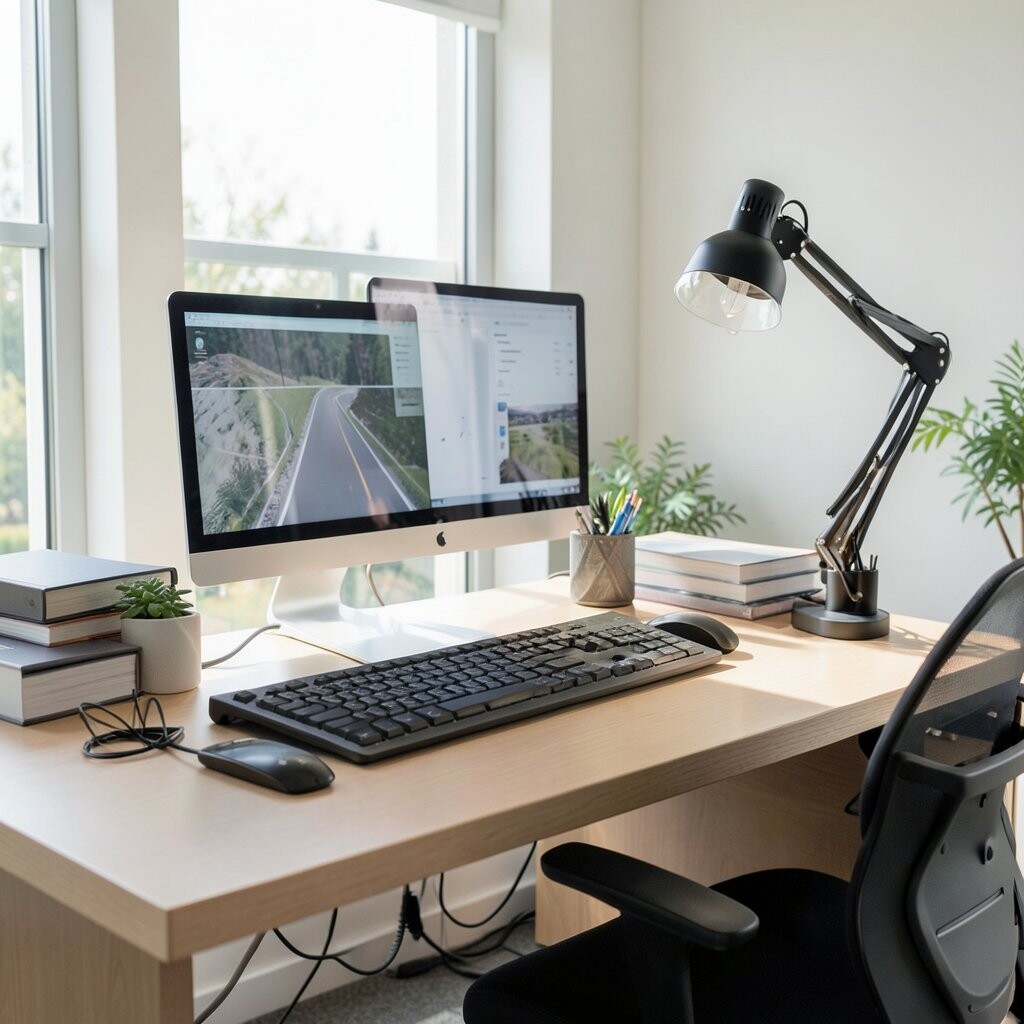
Picture your desk surface looking calm, with cords tucked away and devices aligned. When the visual noise drops, your brain relaxes and your attention stays on the task.
Use a cable sleeve or adhesive clips to keep every wire running the same direction. A simple power strip with labels can save you from unplugging the wrong thing. If your monitor sits too low, raise it slightly so you can work with less neck strain.
5. A Rotating “Inspiration Shelf” for Small Finds
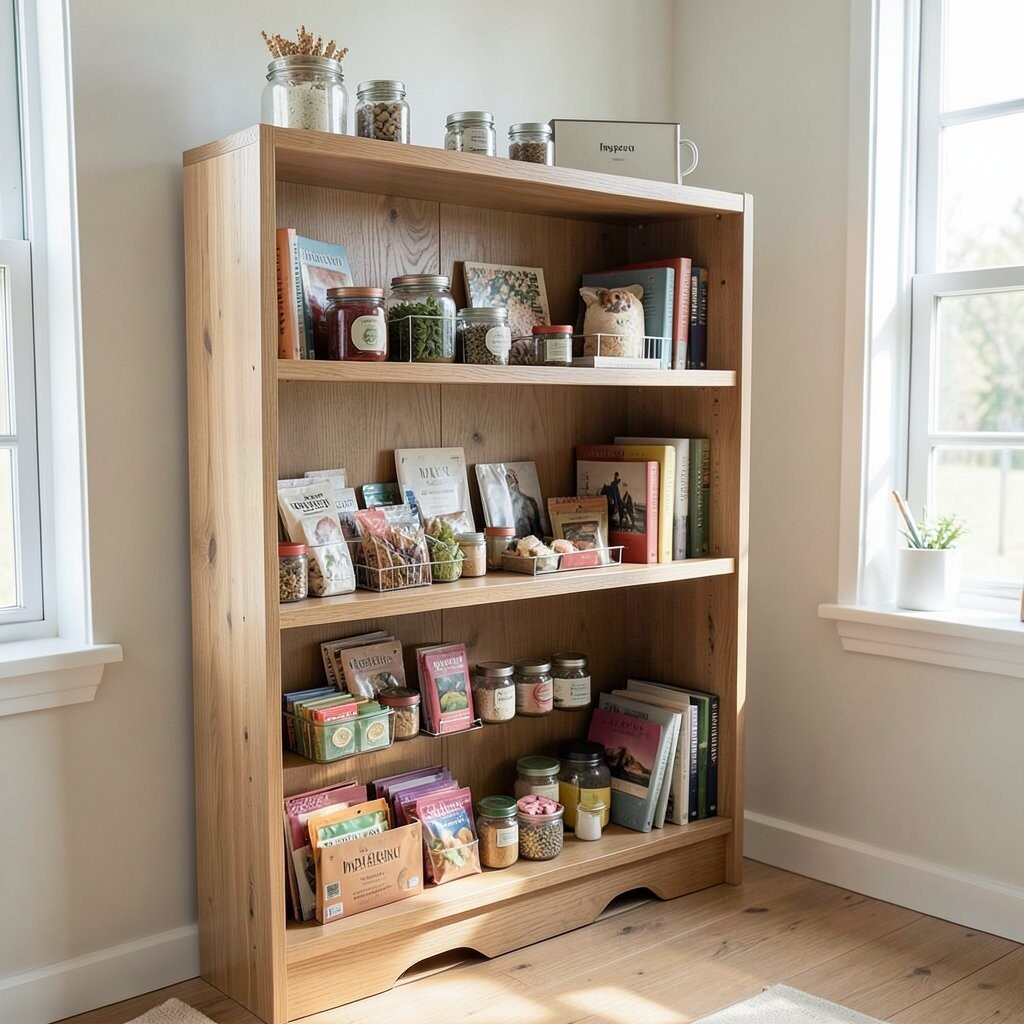
Think of a shelf with objects you touch often, like smooth stones, art prints, and a tiny plant. Each item becomes a gentle reminder that ideas live everywhere.
Change the shelf contents weekly to match your current mood, project, or season. Add one “working prop,” such as a mini timer, a sketch pad, or a reference book that fits the task. This keeps your space feeling current instead of stuck on autopilot.
Personalize by arranging objects by color, texture, or story, whichever feels more fun to you. Costs can stay low by using thrift finds, print copies, and small plants from a local store. A trend right now is “tactile curation,” where people style their workspace with real, lived-in items rather than only digital tools.
6. A Standing-Sit Upgrade With a Foot-Friendly Mat
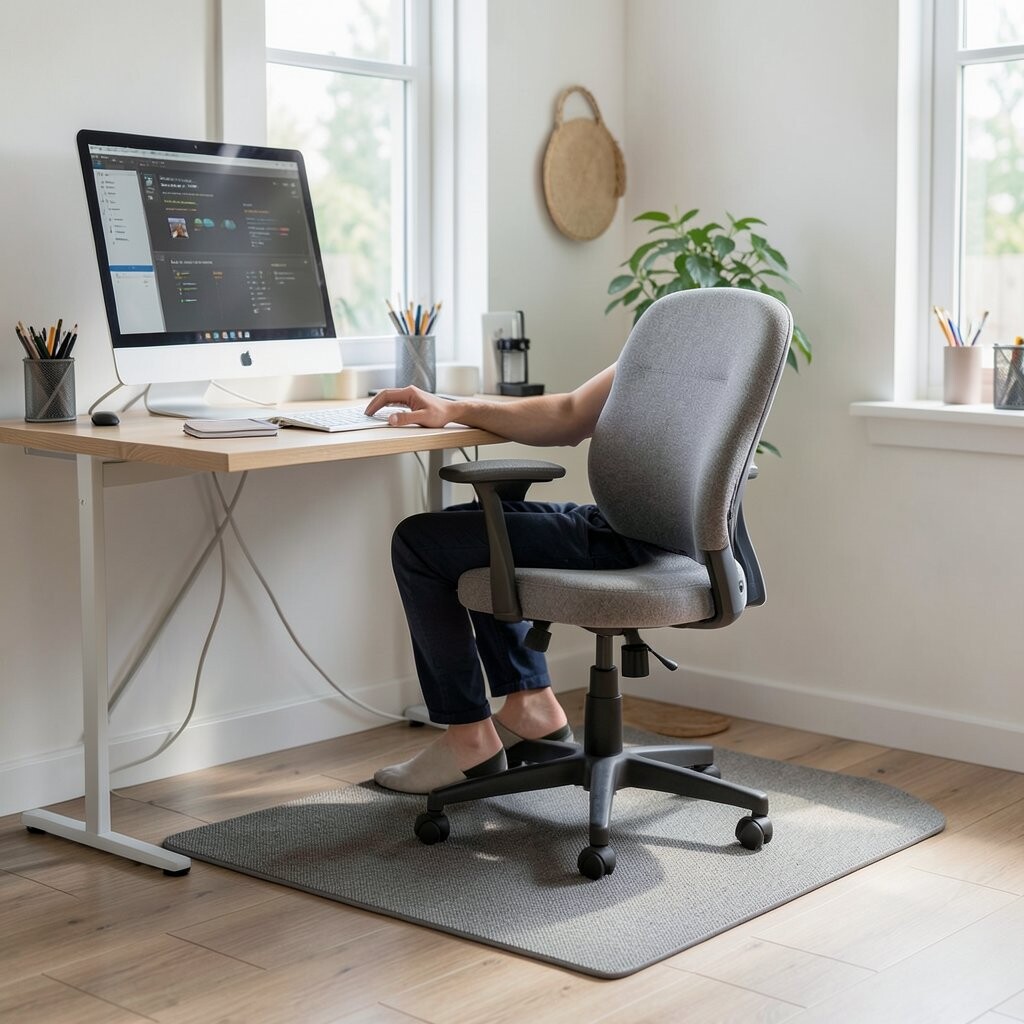
Imagine alternating between standing and sitting while your notes stay centered in your sight. The room feels more alive, and your body stops feeling restless.
If you can, use a height-adjustable desk or a sturdy standing converter. Add an anti-fatigue mat so your feet feel supported during longer sessions. Keep a small storage box nearby for cables and accessories so you do not lose things when you change positions.
For personalization, set a “posture cue” card on the monitor stand, like a reminder to relax shoulders. This can be a mid-range investment, but you can start small with a good mat and a laptop stand. Many creatives are adopting movement-friendly setups because it helps energy and mood during focused work.
7. A Pinboard Timeline for Your Project Story
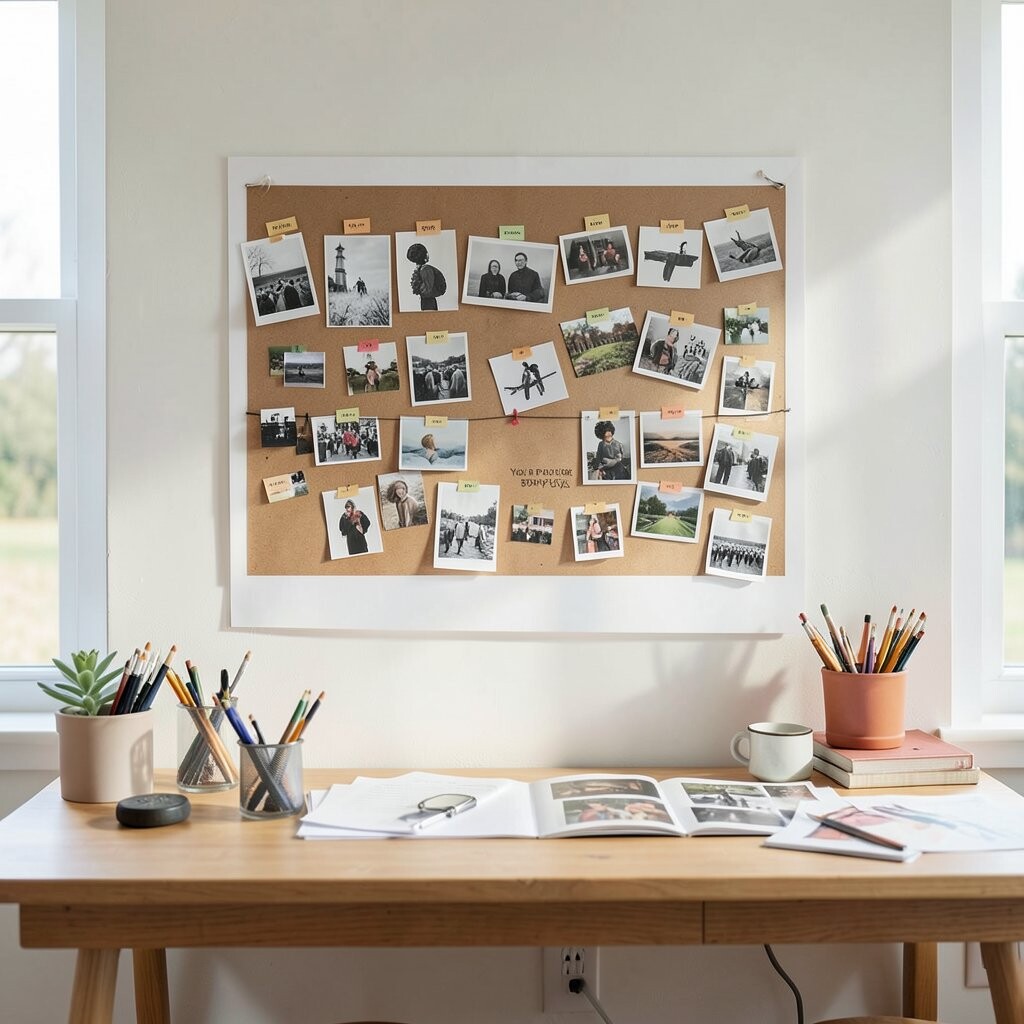
Picture a cork or fabric pinboard covered in a simple sequence of notes. Your project feels like a journey, and you can see progress as it unfolds.
Use color-coded pins for stages, such as research, drafts, and final touches. Keep a short “next steps” list in the corner so you never start from zero. Add printable checklists, a few reference images, and a couple of quotes that match your style.
Personalize the timeline by including “happy accidents,” like ideas you liked even if the final version changed. Costs are easy to manage because pinboards can be affordable, and you can cover them with removable fabric if you want a softer look. A helpful trend is using visual workflows that feel like storytelling rather than rigid tracking systems.
8. Soft Lighting With a Warm-Glow Lamp System
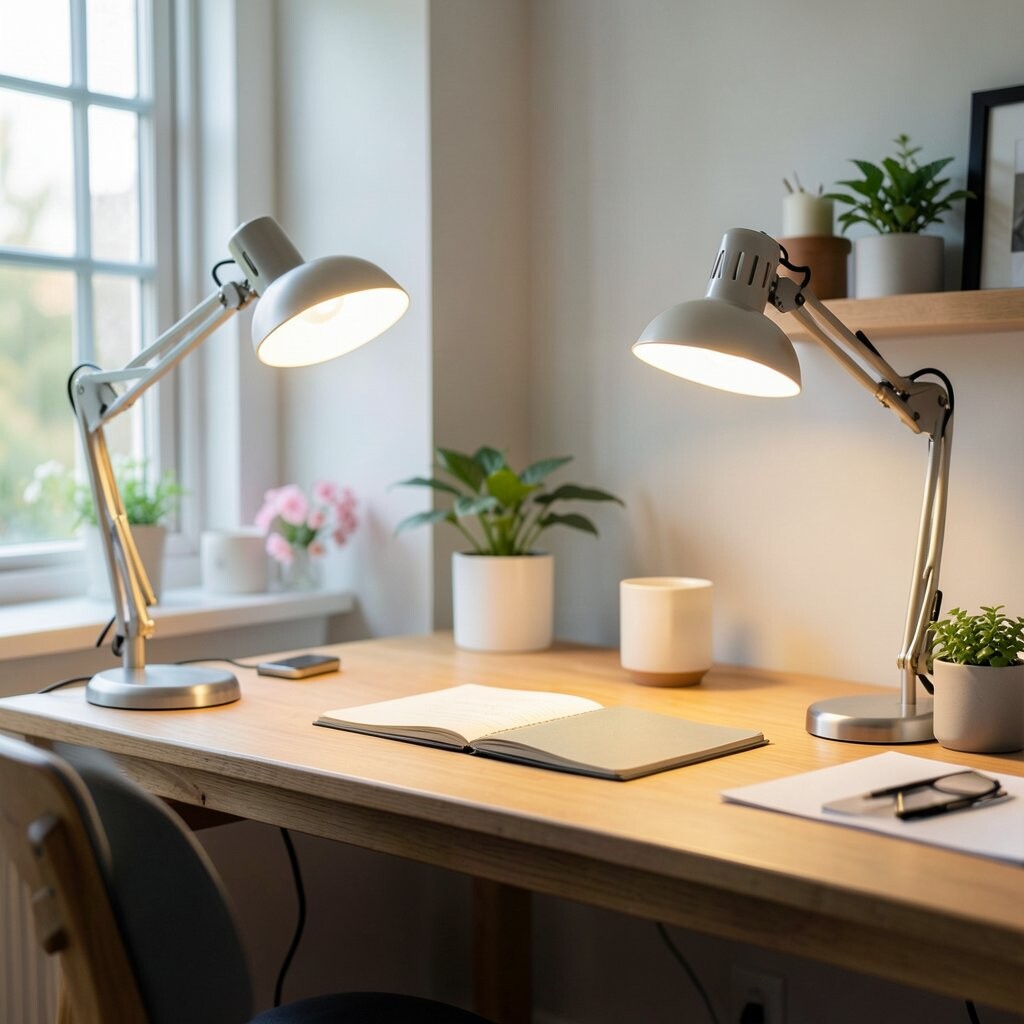
Imagine your workspace lit like a cozy café, with warm light that softens shadows. Your brain reads that comfort cue as permission to focus.
Choose bulbs that feel warm and steady, and place the main light behind or to the side to avoid glare. Add a small task lamp for detailed work like sketching, editing, or reading. If you like control, a dimmer switch or a smart plug can help you shift brightness through the day.
To personalize, pick a lamp style that matches your taste, like vintage brass or modern minimal shapes. This can range from low-cost clip lamps to higher-cost design pieces. Many people today are leaning into “layered lighting” because screen fatigue and harsh overhead lights can drain energy.
When the lighting feels right, your work sessions feel smoother and less stressful.
9. A Personal Craft Supply Tray With Clear Categories
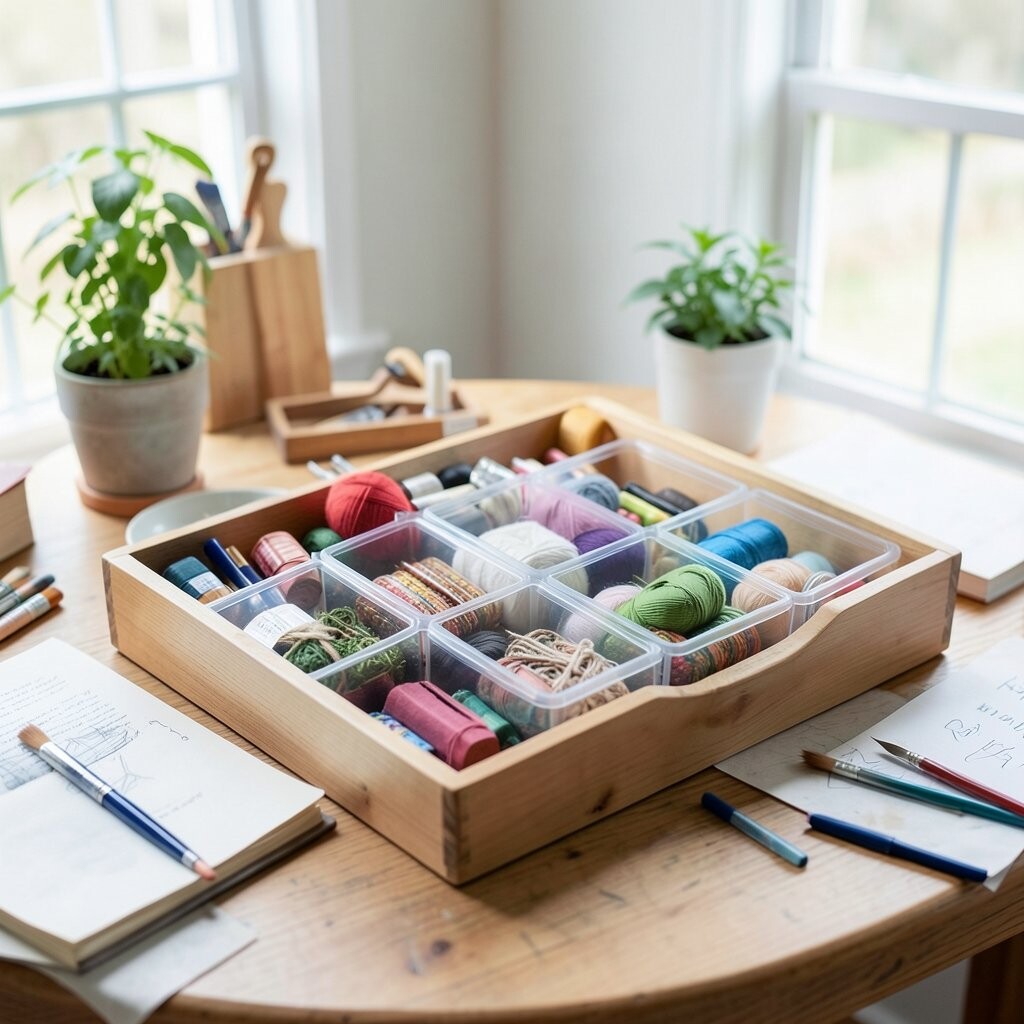
Picture a well-organized tray sitting right beside your desk. It holds the tools you need most, so you can start without rummaging.
Set up categories that match your habits, like pens and highlighters, stamps or stickers, tape, and quick adhesives. Use small containers or dividers so everything has a home, even when you are in a hurry. If you use digital tools too, keep printed reference materials inside the same tray so you switch modes without chaos.
10. A Wall-Mounted Whiteboard for Quick Brainstorms
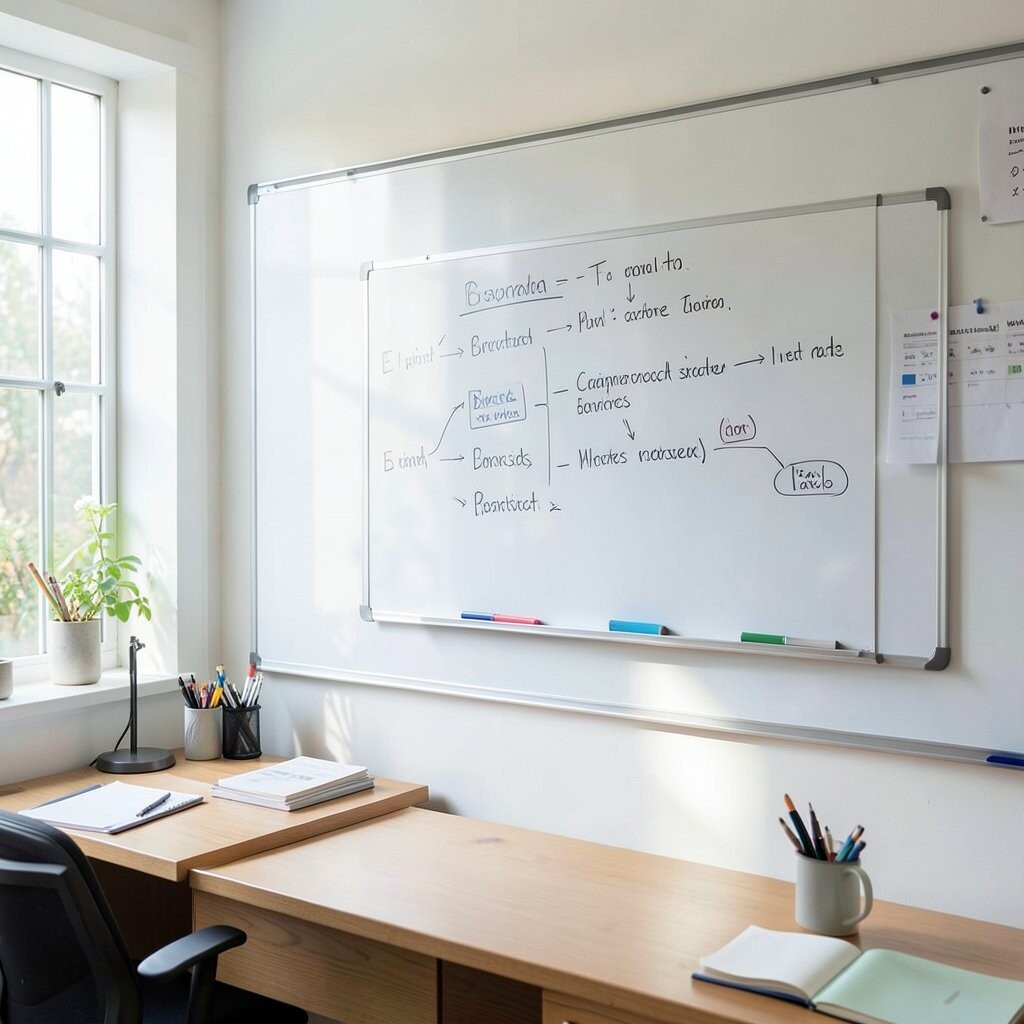
Imagine a whiteboard above your desk where scribbles turn into clear plans. Every idea gets a place to land, even if it is messy at first.
Write prompts you like, such as “what if” questions or three-day goals, then reuse the same lines so the board becomes familiar. Keep markers and erasers in a holder so the board stays usable, not neglected. Use color markers to separate ideas from decisions, which can make your thinking feel easier.
Personalize by drawing small icons that mean something to you, like a star for favorite lines or a lightbulb for new angles. A whiteboard can be relatively affordable, and the long lifespan makes it a smart investment. Current workspace trends include “analog planning,” where quick notes and sketches sit right in your daily line of sight.
You will likely finish tasks faster because your thinking has fewer places to get lost.
11. Noise-Taming Zones With Headphones and a Small Sound Ritual
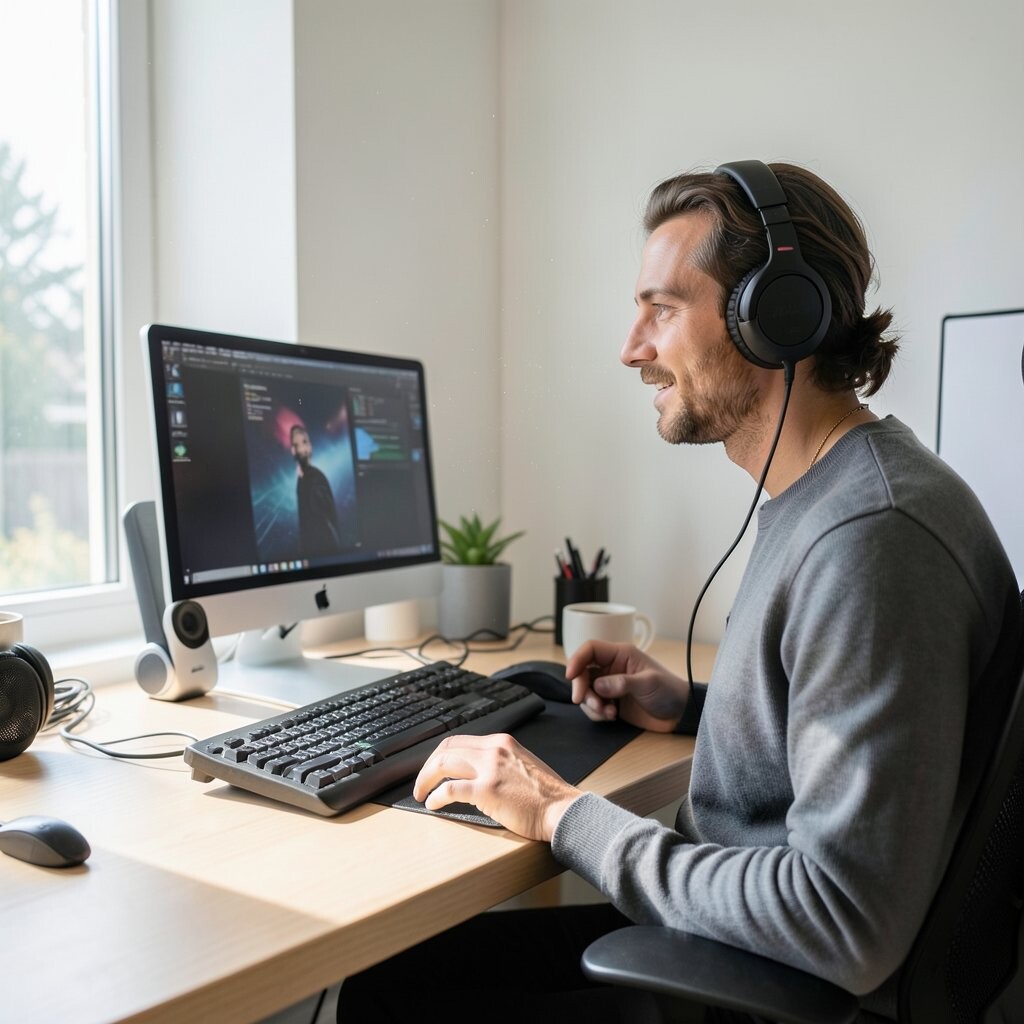
Picture yourself surrounded by a calm soundscape, with just enough audio to block distractions. You can feel your focus click into place.
Use headphones for deep work and try a consistent sound ritual, like starting with a short playlist of ambient tracks. If you prefer silence, try a small desk fan with a gentle hum to mask sudden noises. Keep your headphones within reach so you do not spend mental energy deciding how to work.
Personalize by choosing audio that matches your project, such as upbeat instrumentals for drafting or softer tones for editing. Costs range from free phone speakers to premium noise-canceling models, so you can pick what fits your budget. A popular trend is “focused playlists,” where people curate sound for each type of work instead of using the same thing all day.
12. A Plant-Led Corner With Pot Labels and Care Moments
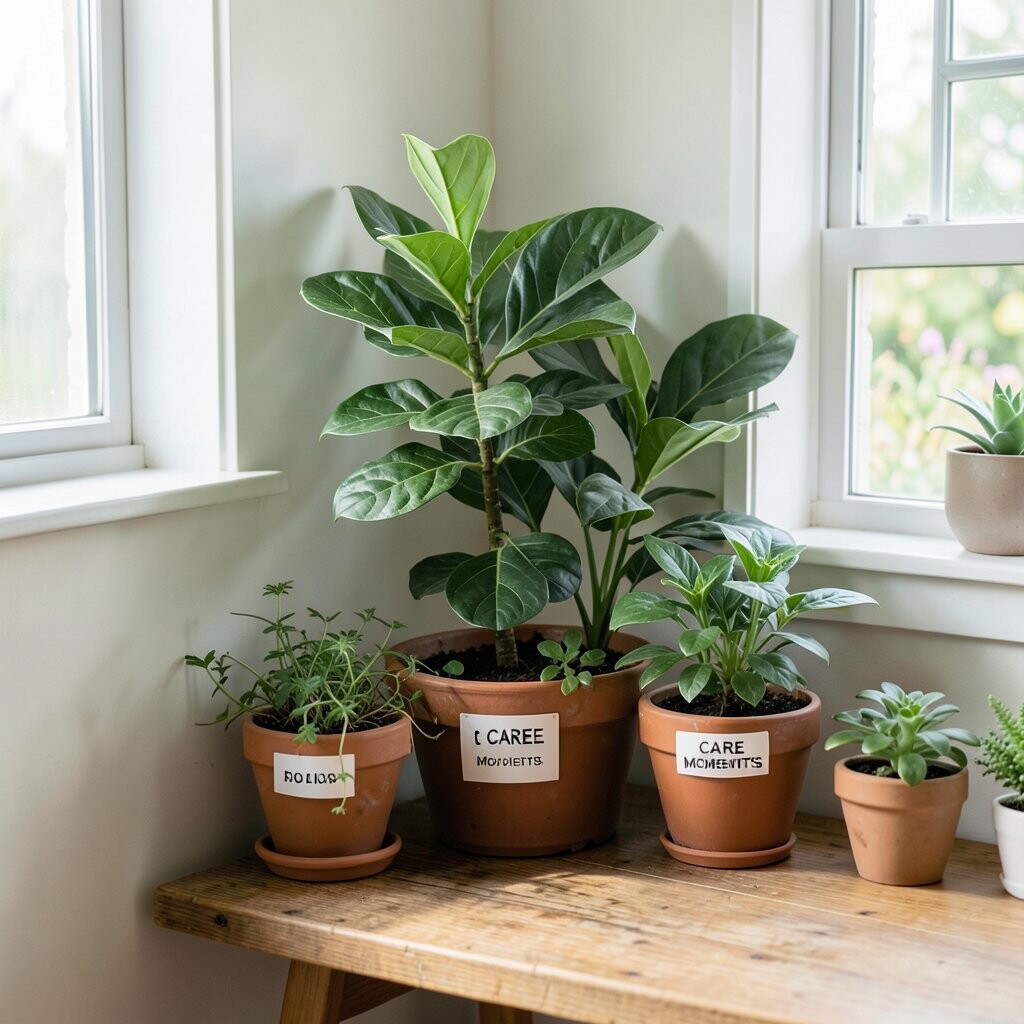
Imagine a corner with a few healthy plants, their leaves catching light and adding texture. Your space feels fresher, and your mind gets a calm visual break.
Choose plants that match your light level and your care style, like pothos for low-fuss days or a small herb pot for sunny spots. Add labels with simple notes about watering frequency and placement so care stays effortless. Keep a tiny watering can and a cloth nearby so plant care becomes a quick ritual, not a chore.
13. A “Wall of Wins” to Keep Motivation Visible
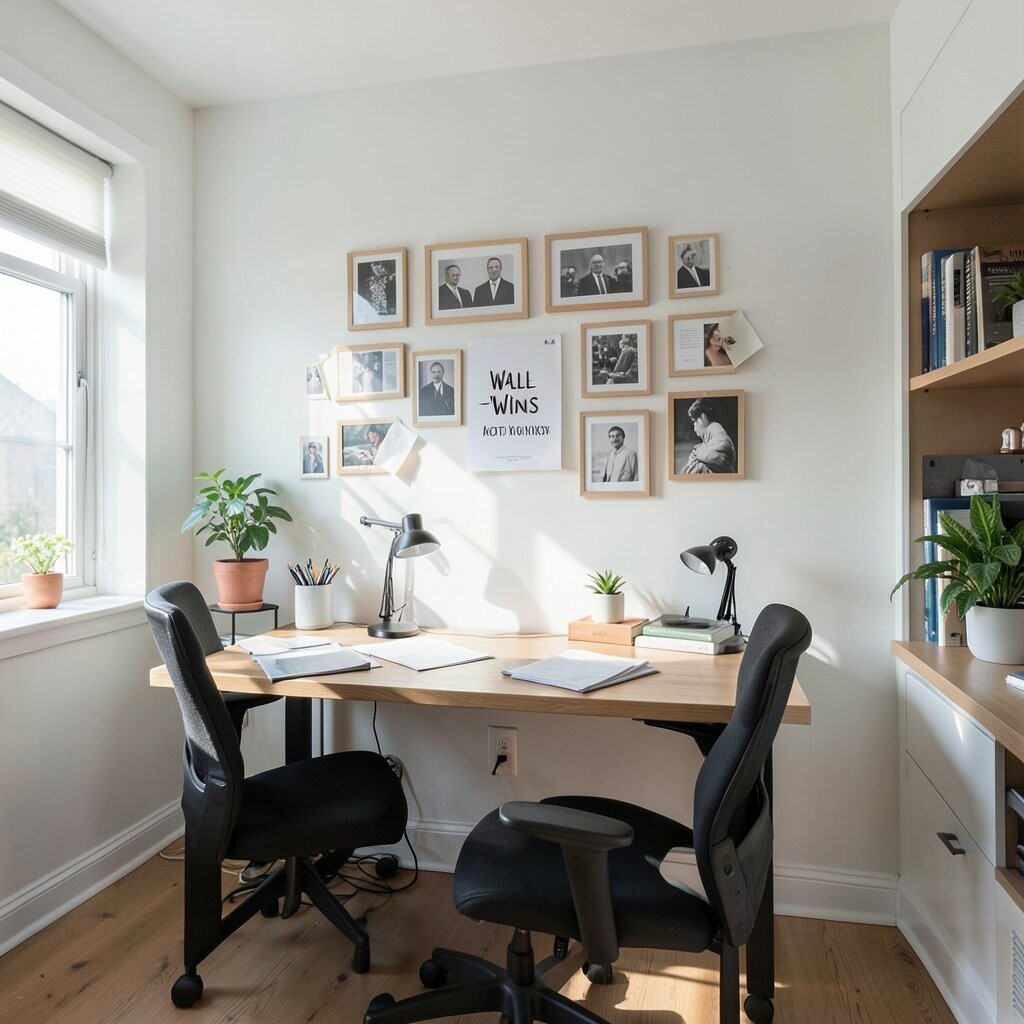
Picture a wall or board where you pin finished work, saved sketches, and tiny notes of progress. The room starts cheering for you as soon as you sit down.
Print small images of your completed pieces or write short reflections about what you learned. Keep the display flexible so you can swap items as projects change. If you work with clients or have deadlines, include “proof-of-work” notes like version dates and key milestones.
Personalize by adding symbols that mean something to you, like a sticker system or a color for different kinds of wins. This idea can cost very little because it relies on paper, clips, and a few printed prints. A current trend is motivation through evidence, where creatives rely on visible proof of effort instead of waiting for inspiration to show up.
When your progress is in plain view, you start each session with confidence, not doubt.