
A wall sconce can make a room feel warm, stylish, and instantly finished. But a few common missteps can quietly turn that glow into a headache.
Use these carefully chosen points to keep your lighting looking intentional, flattering, and truly yours.
1. Forgetting the height above the floor

Placing a sconce too low or too high can change how everything looks in the space. You might notice your eye bouncing around instead of resting on the wall.
For a clean look, aim the light so it lines up with your main viewing height, especially near seating or a console. Many people end up adjusting after the first day, because the glow can feel either harsh or awkward once you stand back. A small change in height often makes the sconce look custom, even when you bought it off the shelf.
Try holding the sconce template against the wall and step back from different spots in the room. If you want a cozy reading feel, slightly lower placement can create a softer pool of light. If your goal is a crisp, gallery-like mood, a little higher placement can feel more tailored. And remember that picture frames and mirrors above the sconce may shift your best placement, so plan for the whole wall.
2. Choosing a bulb brightness that fights the room
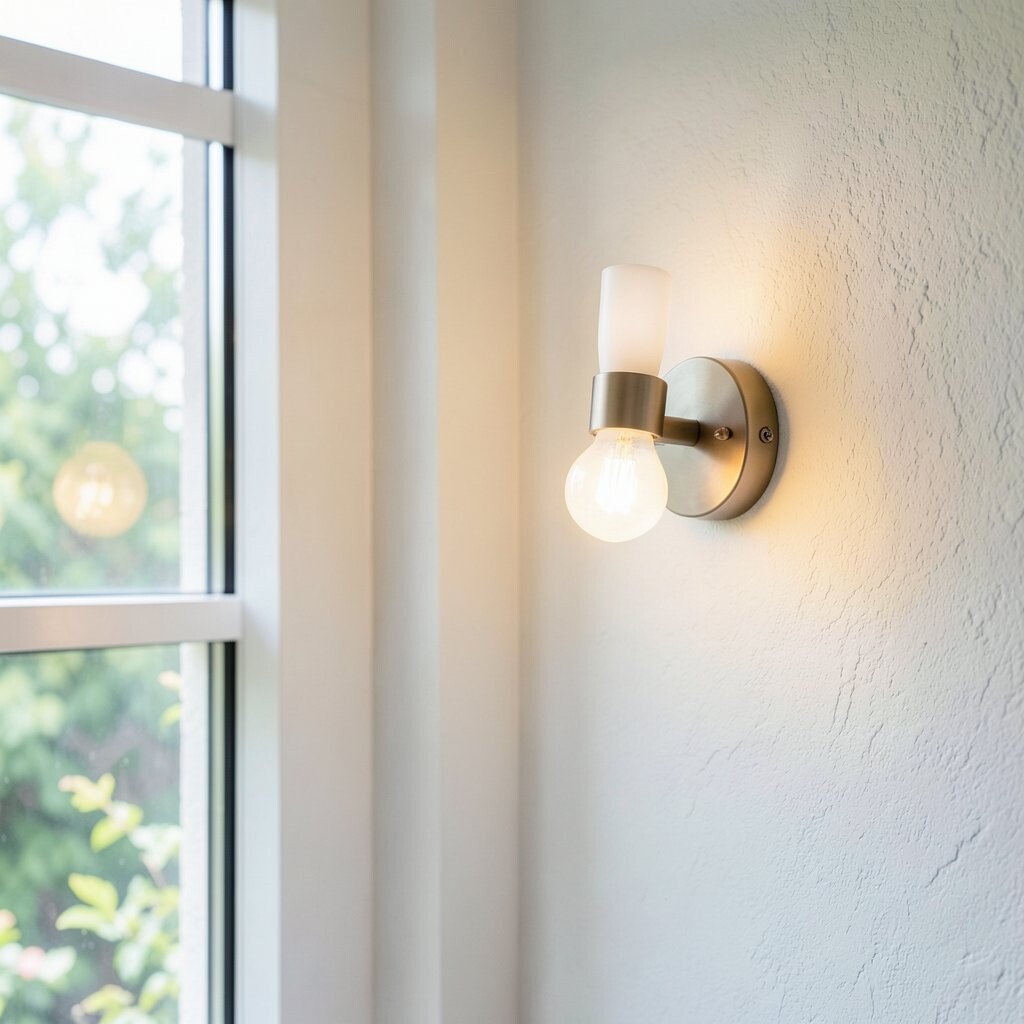
A sconce is only as flattering as the bulb inside it. If the brightness is too strong, skin tones can look washed out, and shadows can feel sharp.
Pick a brightness level that matches the job of the light, whether it is mood, task lighting, or gentle background glow. Current trends lean toward warm, inviting tones in living rooms and bedrooms, because they make spaces feel calmer. If you like a lively feel in hallways, you can go a touch brighter without making the light glarey.
Check the bulb color temperature, not just the watt number, and remember that LED bulbs vary by brand. If your sconce design has clear glass or open shades, bright bulbs can be extra noticeable. A practical fix is to test a bulb temporarily and spend a full evening in the room to see how it feels. You can also use dimmers to keep the brightness flexible for different times of day.
3. Ignoring the wattage and heat limits of the fixture
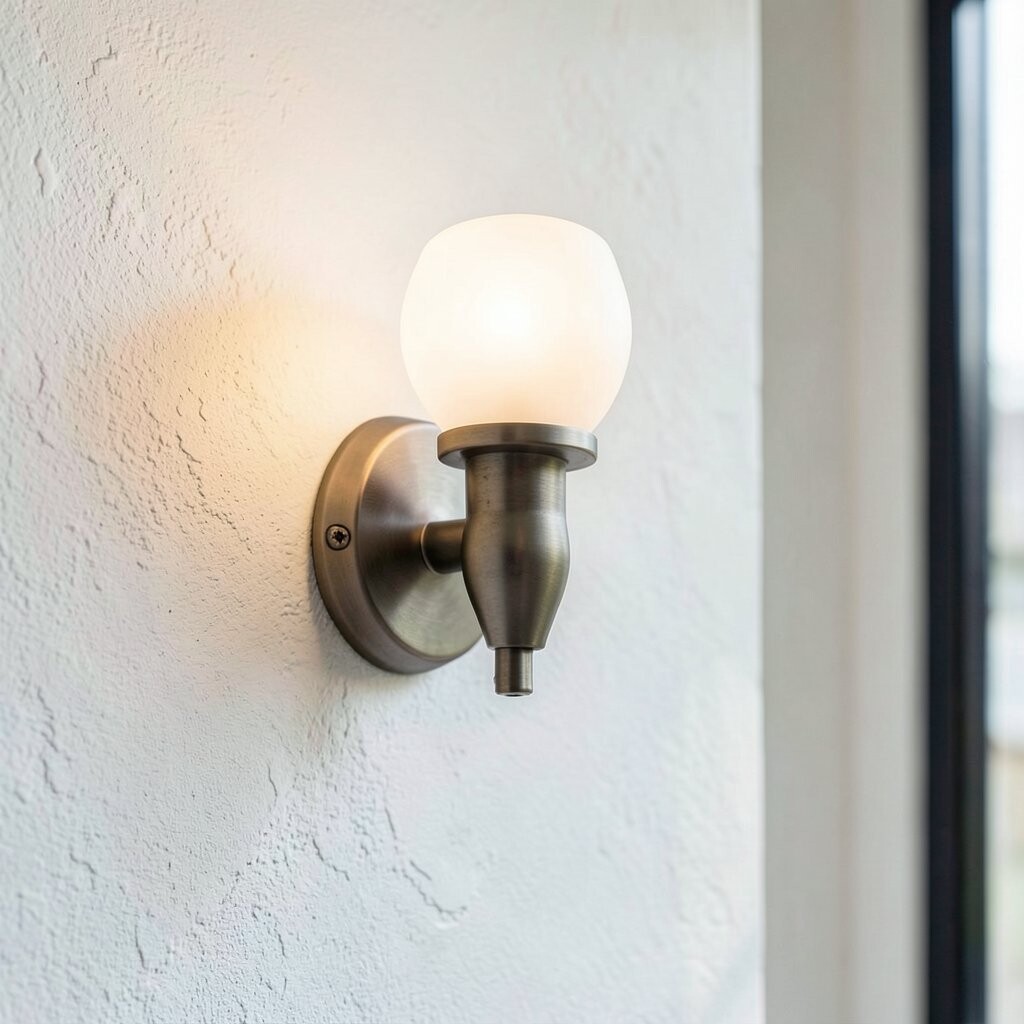
Some sconces look simple, but they have limits that matter. Using the wrong bulb can overheat parts of the fixture and shorten its life.
Before you buy, look for the fixture’s recommended bulb type and maximum wattage. This keeps the finish protected and helps the sconce stay safe behind glass or near delicate materials. When everything stays within spec, you get consistent performance and fewer surprises later.
Many homeowners love vintage-style shades and might assume any bulb will work. Choose bulbs that match the socket and the fixture rating, even if it feels less convenient at first. If you are unsure, ask a store associate or check the product paperwork. It may cost a little more to get the right bulb, but it can save money by preventing damage and replacement.
4. Installing the sconce without considering wall texture and glare

A smooth wall can make a sconce look sleek, while a textured wall can create extra sparkle or uneven shadows. That shine or shadow pattern may not feel as soft as you imagined when shopping.
If your wall has bumps, skip bulbs that are too bright or overly focused. Frosted glass shades and diffusers often calm the light, which helps the fixture look designer instead of harsh. You can also test the glow by holding a lamp at the same angle so you can see how the texture reacts. When the wall and light work together, the whole room feels more cohesive.
5. Using mismatched sconces for a main pair
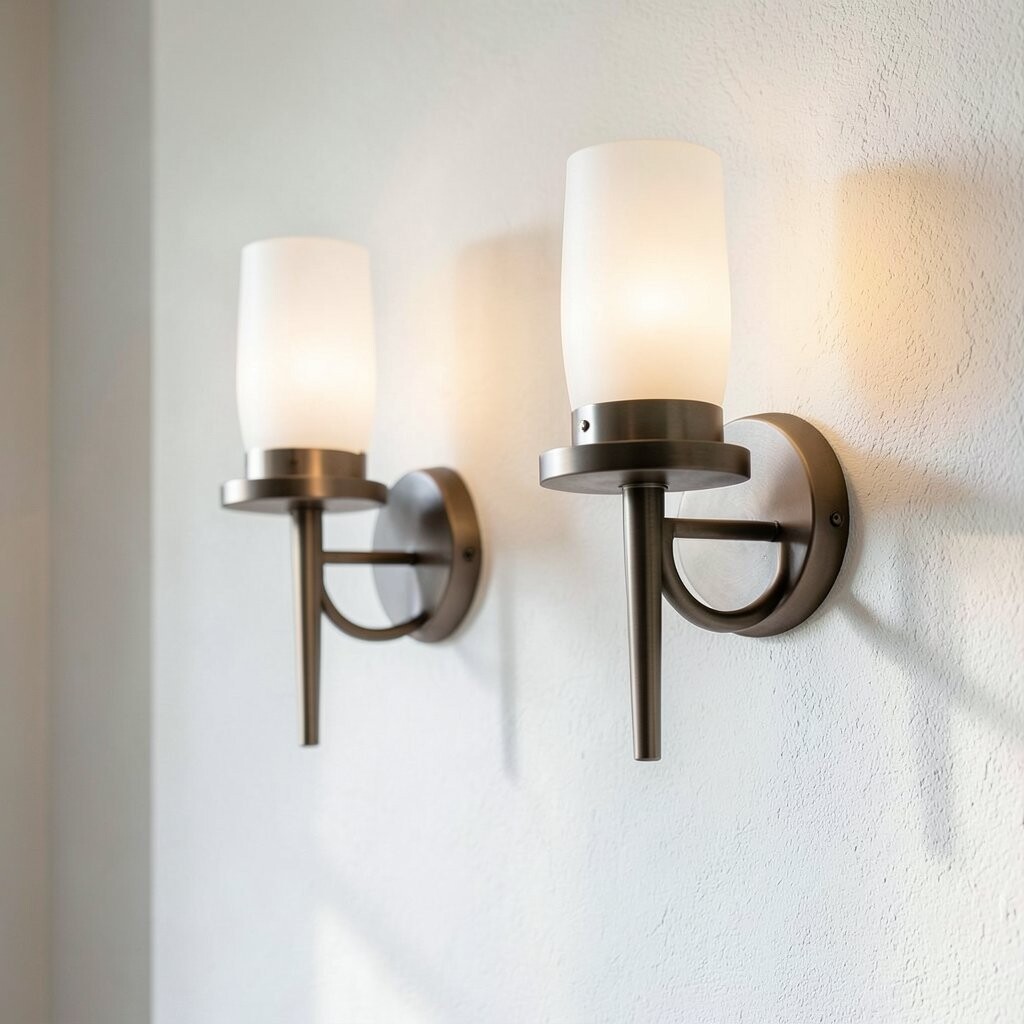
When one sconce looks slightly different, it can break symmetry and pull attention away from the design. Even a small difference in shade size or finish can feel off, especially around mirrors or entryways.
For a main pair, aim for matching shapes, similar glass clarity, and consistent hardware color. Many people love mixing styles, but when the sconces flank something important, matching creates a polished look. If you want uniqueness, consider subtle variations like the same design in two finishes that still belong together.
Before installing, lay both fixtures side by side on the floor and compare how the light spreads. If one shade creates broader glare or a darker pool, swap bulbs or check alignment. Personalize safely by choosing matching forms while varying decorative details like pull-chain length or the shade’s edging. The goal is balance that still feels special, not a confused mix that looks accidental.
6. Mounting the sconce too close to a mirror or artwork

Mirrors are great with sconces, but placement matters more than people expect. If the light hits the glass at the wrong angle, you can create glare that blocks your view.
Keep an eye on how the sconce’s glow will reflect, especially in bathrooms or narrow hallways. A common practical fix is to mount the sconce slightly farther from the mirror than you think, then adjust by looking from the door and from standing height. When the light hits the wall behind the mirror rather than bouncing straight into your eyes, it feels flattering and relaxed. This is a simple change that can make the whole wall look intentional.
7. Not matching the sconce style to the room’s architecture
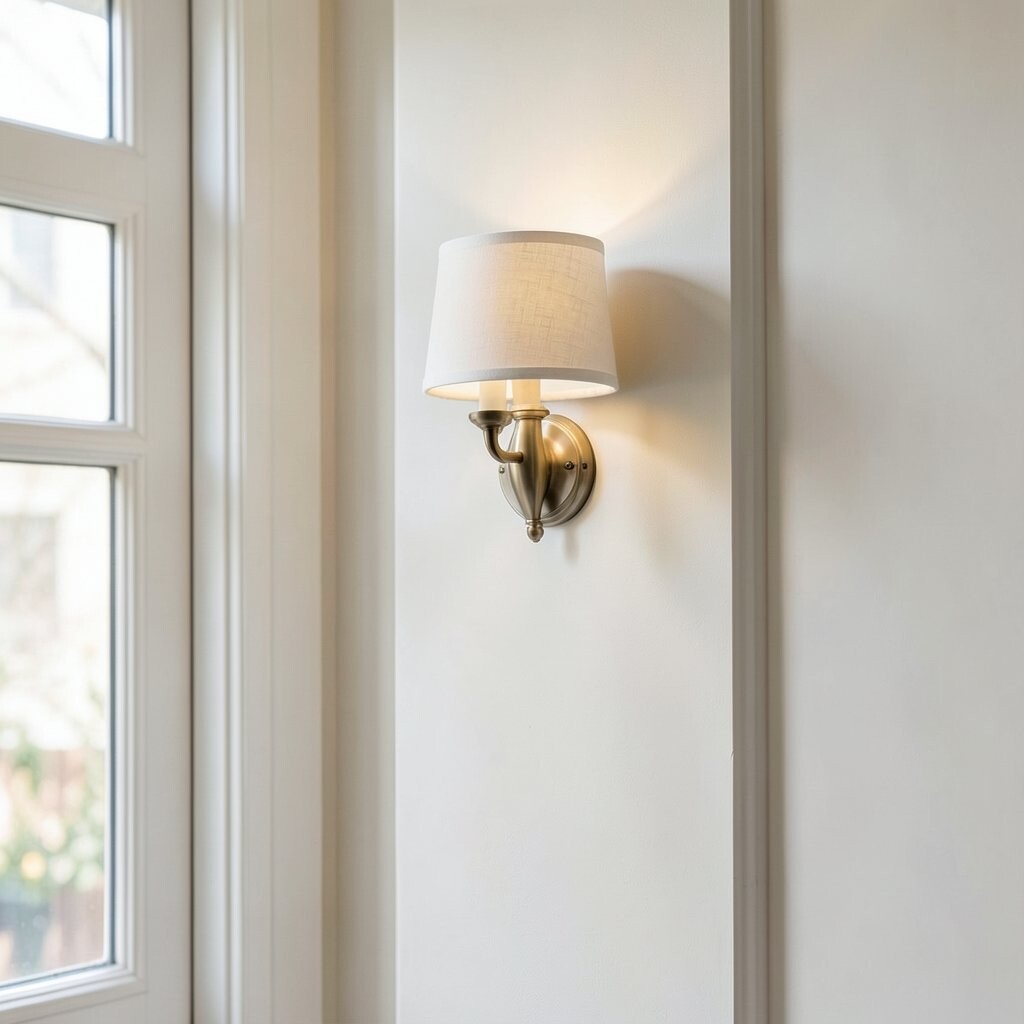
A wall sconce can look stunning on its own, but it should also fit the room’s shape and lines. If your space is classic and your sconce is ultra-modern, the contrast may feel louder than you wanted.
Look at the room’s details, like cabinet hardware, window trim, and ceiling moldings. If those elements are warm and traditional, pick a sconce with similar curves or finishes to blend naturally. If your room is more modern, choose clean shapes and simple hardware so the light feels crisp. You do not need to copy the room exactly, but you want the same design language to speak in the same tone.
For uniqueness without chaos, try a sconce with a modern silhouette and a classic finish, like black metal with warm brass accents. Current trends favor mixed metals, but only when the pieces share a similar finish family. When the style is aligned, the lighting looks like it belongs there from day one. When it is not, you can end up replacing it sooner than expected, which is a cost you can avoid.
8. Choosing the wrong shade shape for the direction you want
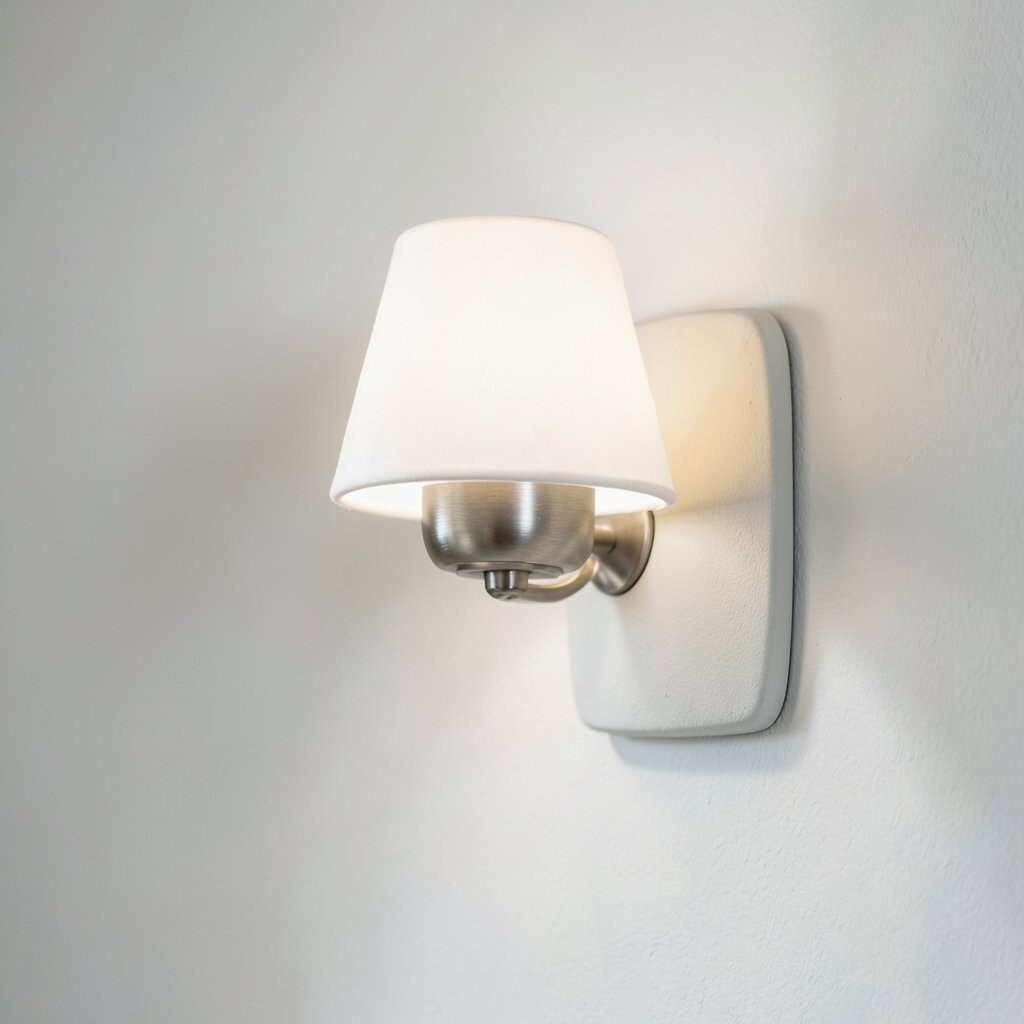
The shade shape decides where the light goes, and that changes the mood fast. A narrow shade can send light in a tight beam, while a wider one spreads it gently across the wall.
Think about what you want to highlight, like a hallway runner, a framed photo, or a seating corner. If you want a soft glow that feels cozy, look for shades that diffuse the light, such as fabric, frosted glass, or angled domes. If you want a more dramatic effect, choose glass that allows a brighter, more focused pattern. Personalize by picking shade colors that echo the room, like cream for warmth or deep tones for contrast.
Before installing, check the light direction by turning a flashlight at the same angle as the sconce. This helps you avoid the common mistake of getting a beautiful fixture that doesn’t actually light what you care about. Cost-wise, remember that quality shades often last longer and keep their color better, especially if they sit in sun or near moisture. A small investment in the right shade shape can make the sconce feel like a designer choice rather than a random purchase.
9. Overlooking electrical safety and placement

Wall sconces need proper wiring, and a rushed installation can lead to safety risks. If the power is not set up correctly, the whole project feels stressful instead of fun.
Make sure the outlet or wiring location matches the sconce’s intended position and mounting plate. Many people assume they can place a sconce anywhere along the wall, but the existing electrical box may limit options. If you are not comfortable with wiring, hire a licensed electrician to avoid mistakes. The cost of professional help can be higher, yet it is often cheaper than repairing a wrong setup or replacing damaged drywall.
Plan the cable path before you mount anything, and check local requirements for damp locations. Bathrooms and entryways may need specific ratings, especially near sinks or outdoor-adjacent spaces. When the wiring is correct, the light turns on smoothly, the fixture stays secure, and your decor looks effortless.
10. Skipping a dimmer when the sconce is your mood light

Even a perfect sconce can feel too intense when it is stuck on full power. A dimming option helps you shift from bright, functional lighting to calm evening glow.
Dimmers are especially useful if the sconce sits near where you relax, like reading chairs or bedside areas. Many current trends emphasize layered lighting, and dimmers make it easier to balance layers without replacing anything. You can keep the fixture, but change the atmosphere in seconds.
Look for compatible dimmers for the bulb type, since LEDs do not all behave the same. If your bulbs flicker after installation, it may mean the dimmer and bulb are not a perfect match. A practical move is to buy dimmable bulbs at the same time and test them right away. That small planning step helps the sconce stay smooth and reliable.
11. Forgetting scale in relation to wall size
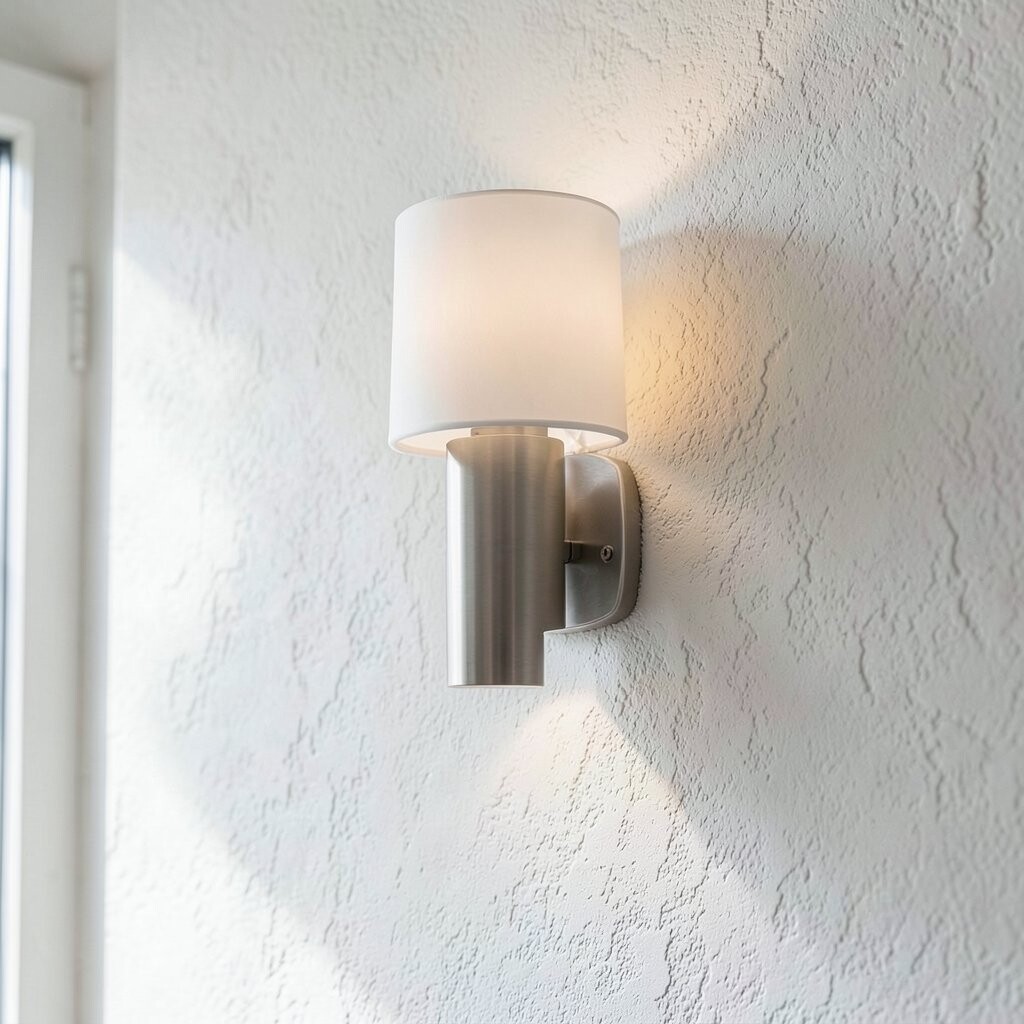
A tiny sconce on a wide wall can look lost, like it is hiding instead of shining. A large sconce in a small space can overpower the room and crowd the wall.
Use the wall’s size and the surrounding décor to guide your choice, especially if the sconce sits next to a mirror or art. Scale also matters for how the light spreads, since a bigger fixture can create stronger highlights. If you love a bold sconce, balance it with a calmer wall area or a simpler mirror. When the scale fits, the fixture looks intentional and complete.
Try measuring the wall and imagining the light pattern, not just the hardware size. A practical trick is to tape cardboard cutouts of the fixture size and step back. This makes it easier to see how the sconce will feel with furniture and sightlines. Spending a little time here can prevent expensive returns and keep your decor looking perfectly proportioned.
12. Mounting at an uneven height or misaligning the pair
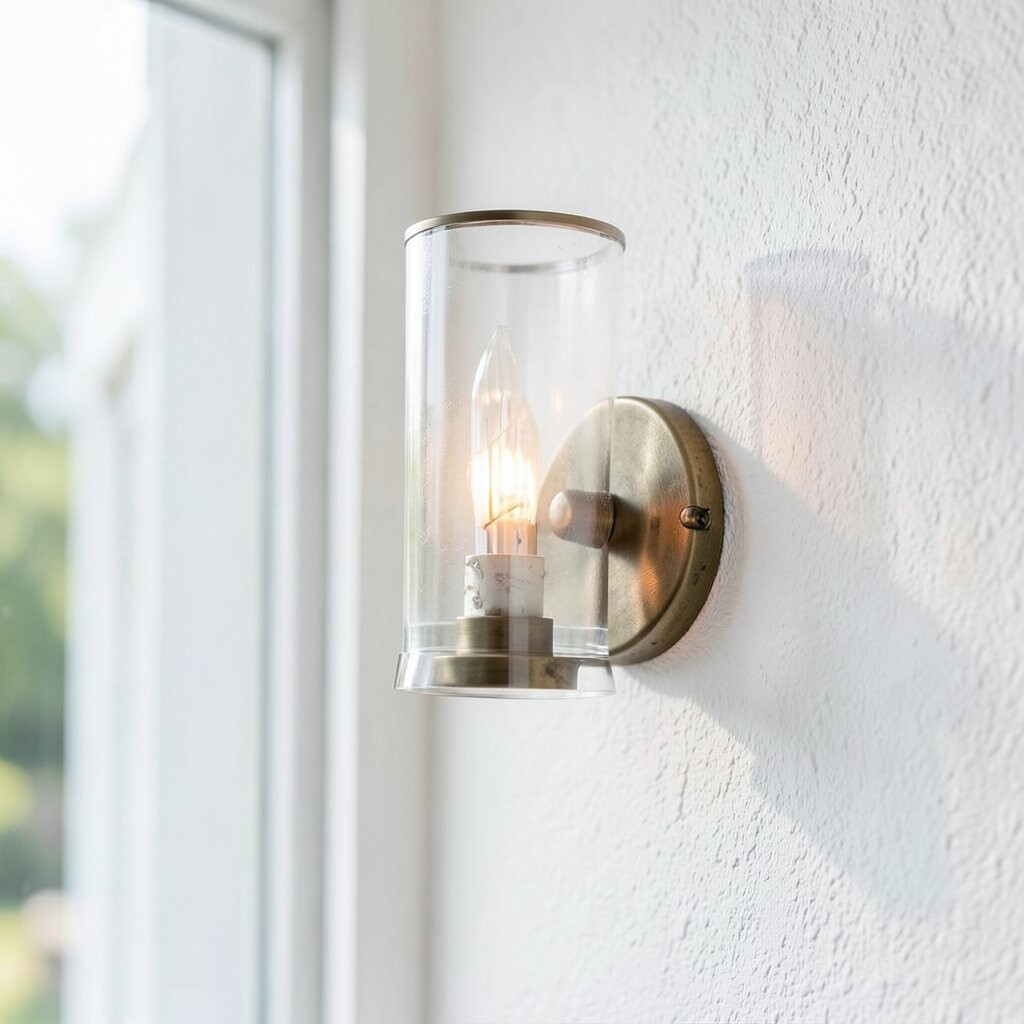
Even if the sconces match, crooked placement can make the whole wall feel off. It is a subtle issue, but it shows up fast once the light turns on.
Use a level and measure from a consistent reference point, like the top edge of the mirror or the floor. If you are installing two sconces, align them with each other first, then confirm the height against the room. Many homeowners think they can eyeball it, but lighting exaggerates small differences by casting uneven shadows.
After mounting, turn the lights on and look for symmetry from the main viewing spot. If the light pattern feels uneven, loosen and adjust before everything is fully tightened. Personalize alignment with care by matching the bottom edge of the shade or the center of the fixture to a design element. This is one of those mistakes that costs little time to prevent and saves you from regret later.
13. Overlooking finish undertones and how they age

Brass, bronze, and black finishes all look different depending on how the light hits them. If you choose the wrong undertone, the sconce can clash with faucets, hardware, or frames.
Look at the room’s metals and pick a finish that matches the dominant undertone. Warm metals pair nicely with warm woods and creamy fabrics, while cool metals often suit gray tones and crisp whites. Current trends show a lot of mixed metals, but the best mixes share a similar warmth level to avoid a jumbled look.
Consider aging too, especially in bathrooms where humidity can affect finishes. Powder-coated black and sealed finishes often hold up well, while some softer metals can patina. Cost-wise, higher quality finishes can be more expensive up front, but they usually keep looking great longer. Choosing a finish that fits your everyday life makes personalization feel easy instead of stressful.
14. Choosing sconce placement for looks only, not for function
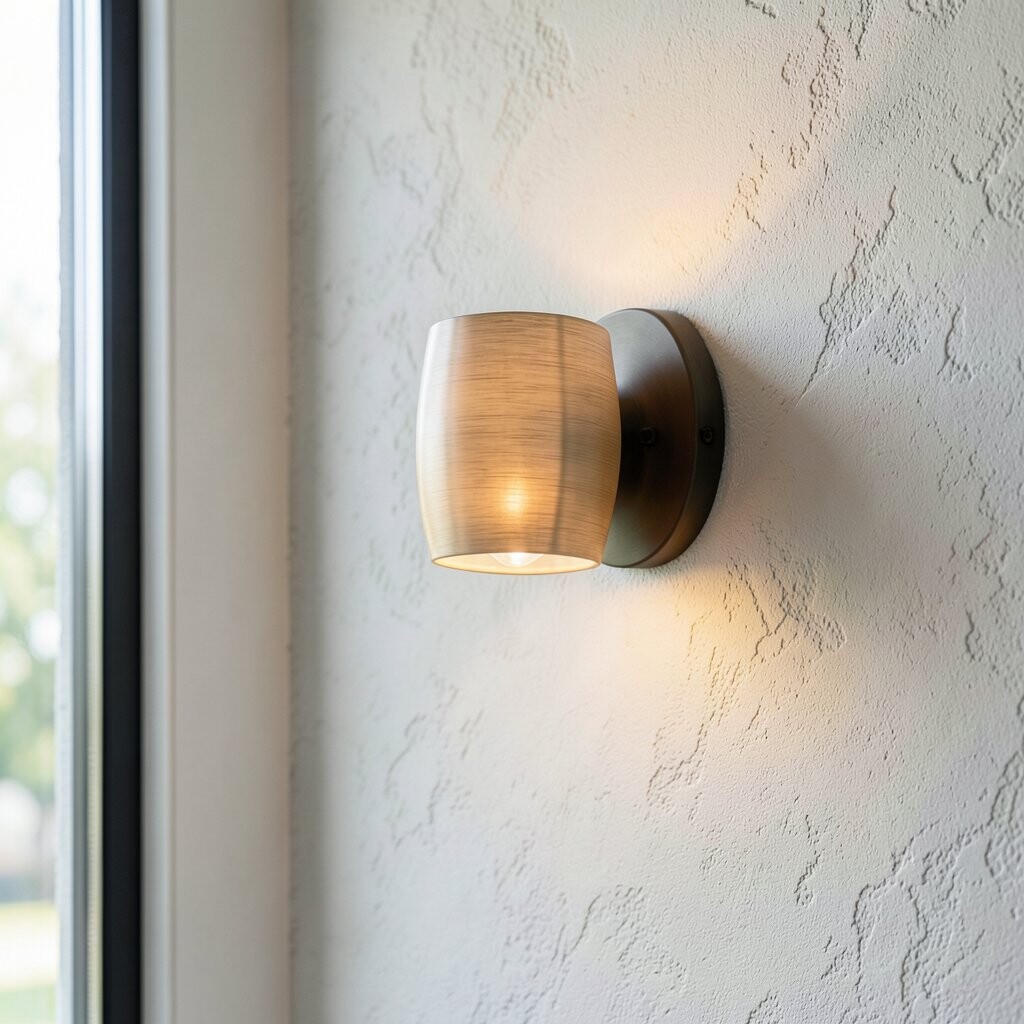
A wall sconce can look beautiful, yet still not help when you need it. If it does not light the right area, the room can feel dim where it counts.
Think about how you use the space, like reading on a couch, applying makeup at a vanity, or walking safely at night. If the sconce is for atmosphere, you can accept a softer spread, but if it is for tasks, you need enough light where your hands and eyes are. Practical placement also accounts for furniture height, so you do not block the light with a tall cabinet or plant.
Try moving a lamp or small light source around the space for an hour and notice where your eyes go first. Personalize by combining sconces with another light source, like a floor lamp or ceiling light, so you get layered control. This approach fits current lighting trends and makes the room feel flexible. When function and beauty work together, your decor will feel better every day.
15. Buying a gorgeous fixture without checking mounting compatibility

Sometimes the sconce looks perfect in a photo, but it cannot mount correctly on your wall. That mismatch can force changes, delays, or extra hardware.
Check whether the fixture is designed for a standard electrical box and the type of mount it uses. If your wall is plaster, brick, or drywall with an unusual box placement, compatibility matters even more. A practical step is to read the installation instructions before you fall in love with the design. This can prevent a costly return, especially if the fixture ships in a bulky package.
Uniqueness is easier when the mounting is already sorted, because you can focus on finishes and shade style. If you want a vintage look, choose fixtures that still include the right mounting hardware for your setup. Cost considerations also matter here, since adapter plates and extra mounting parts can add up. When the fixture fits your wall correctly, it feels secure, looks straight, and makes the lighting look professionally done.
16. Neglecting how the sconce creates shadows instead of smooth light
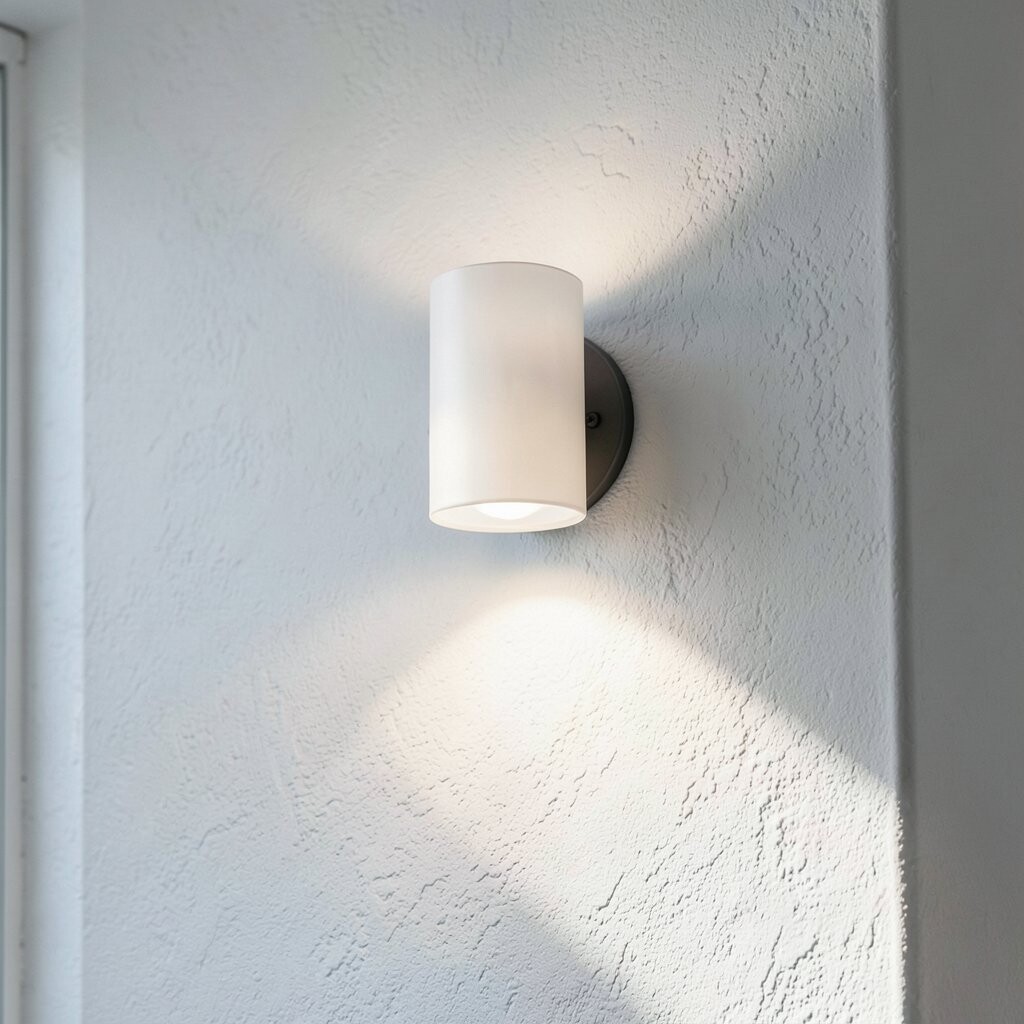
Shadows can either add drama or create clutter, and many people do not plan for them. If the light source is hidden poorly, shadows of objects nearby can look distracting.
Look at where shadows will fall, like behind chairs, on textured walls, or across a hallway. A shade that directs light downward and outward usually softens shadow edges, especially if it has a diffuser. If your sconce has open sides, consider positioning it so the brightest part of the bulb is not aimed at a wall clutter zone.
Personalize the lighting mood by adjusting bulb type, shade cover, and even bulb placement if your fixture allows it. Current trends favor softer, layered lighting, so smooth illumination often feels more modern and welcoming. If you want a more unique look, you can embrace gentle shadow patterns by choosing interesting glass shapes, but keep them subtle. This is where careful observation beats guesswork, and it makes your final result feel calm, polished, and well-loved.