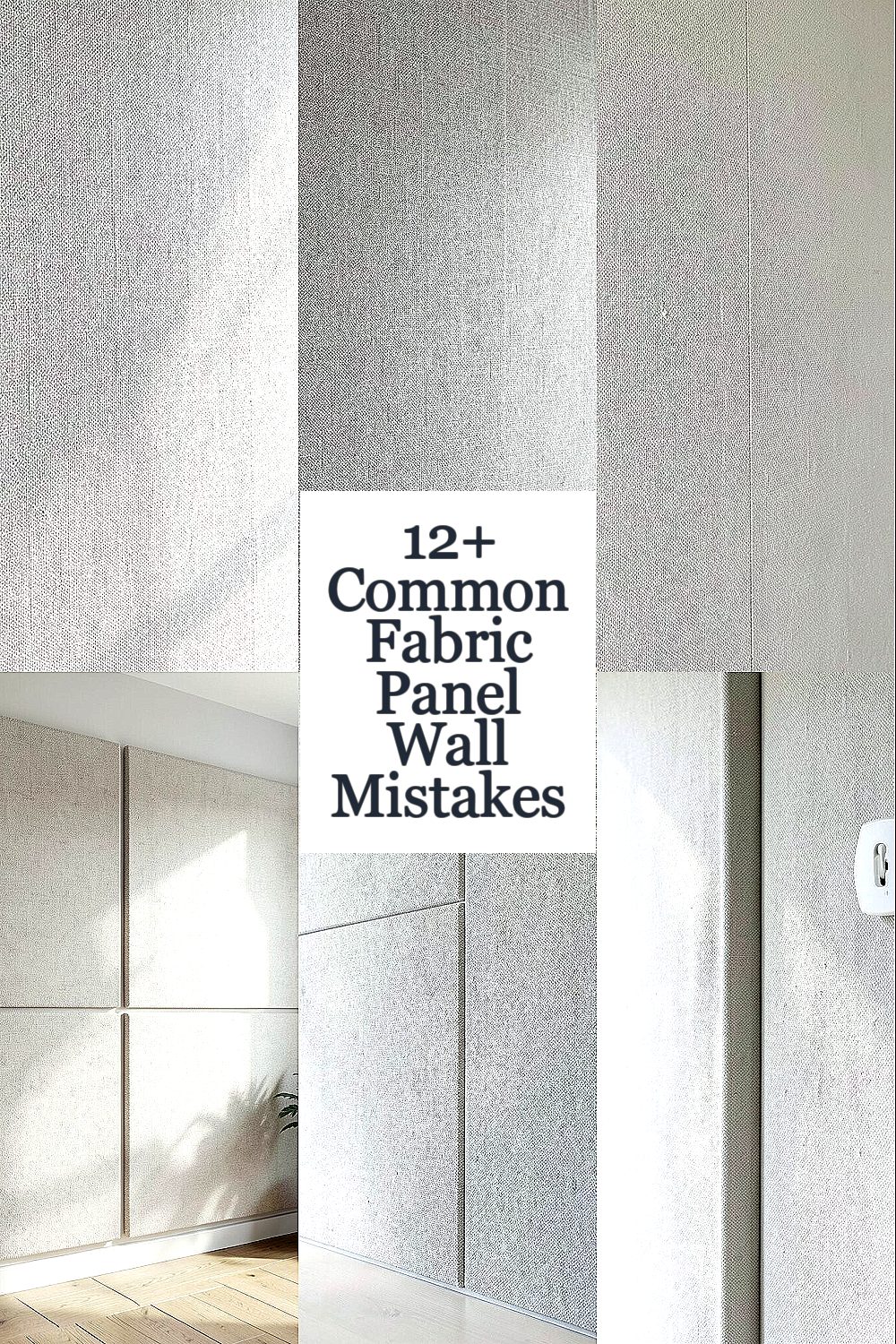
Fabric panels can make a room feel warm and tailored in a single weekend. But a few common missteps can turn that cozy look into a frustrating mess.
When the layout, mounting, and fabric choices get off track, the wall can look messy instead of magical. Use these mistakes as a friendly checklist so your feature wall lands exactly how you pictured it.
1. Skipping the wall measurements that matter
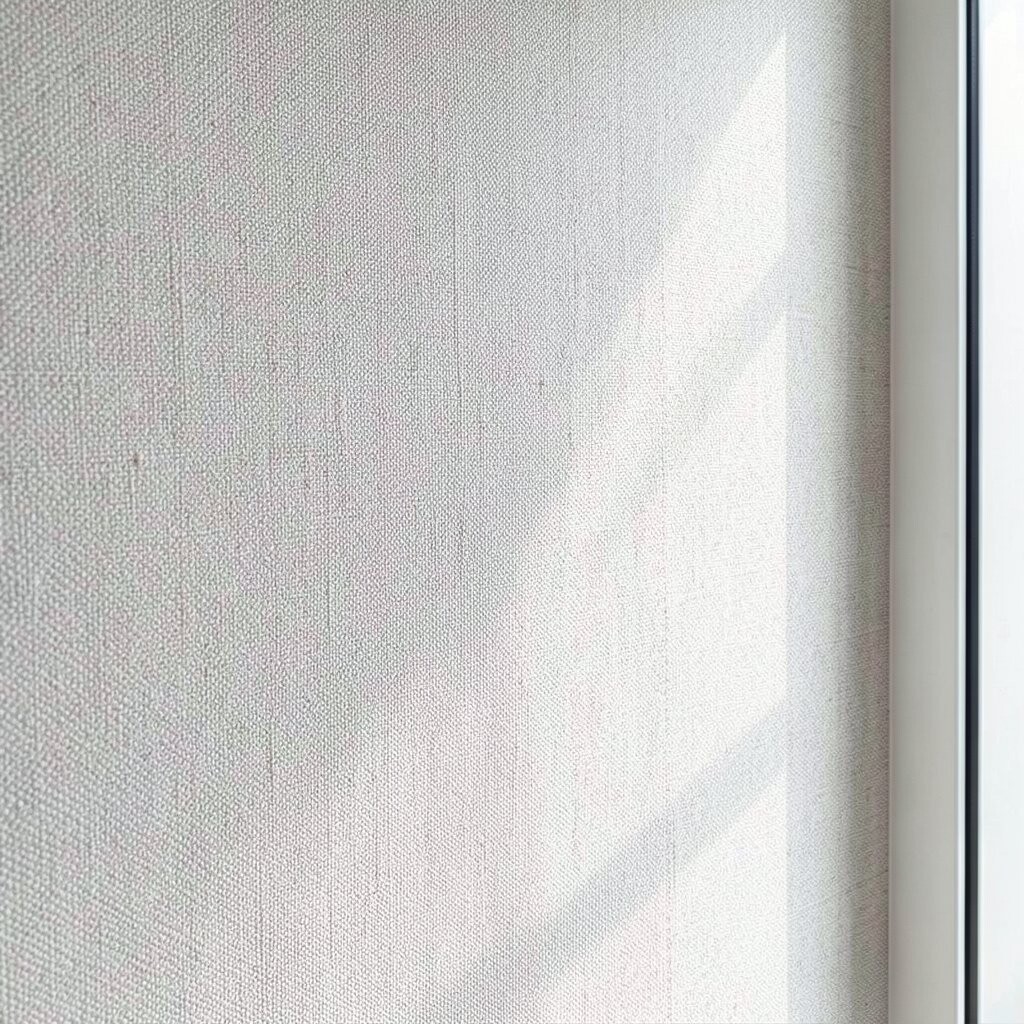
Many people hang fabric panels while trusting their eyes, and that’s where the problems start. Even a small gap can show up as an uneven stripe, like the room is slightly “tilted.”
Measure the full wall height, then measure where outlets, vents, and window trim land so the panels don’t fight the real world. Leave a little breathing room at edges and corners, because fabric has thickness and needs clean clearance to drape well.
For a practical win, sketch a simple grid on paper and note panel widths before you buy. If you plan for future changes, pick widths that still look good if you shift by an inch or two.
2. Choosing fabric that looks great in photos but not on your wall
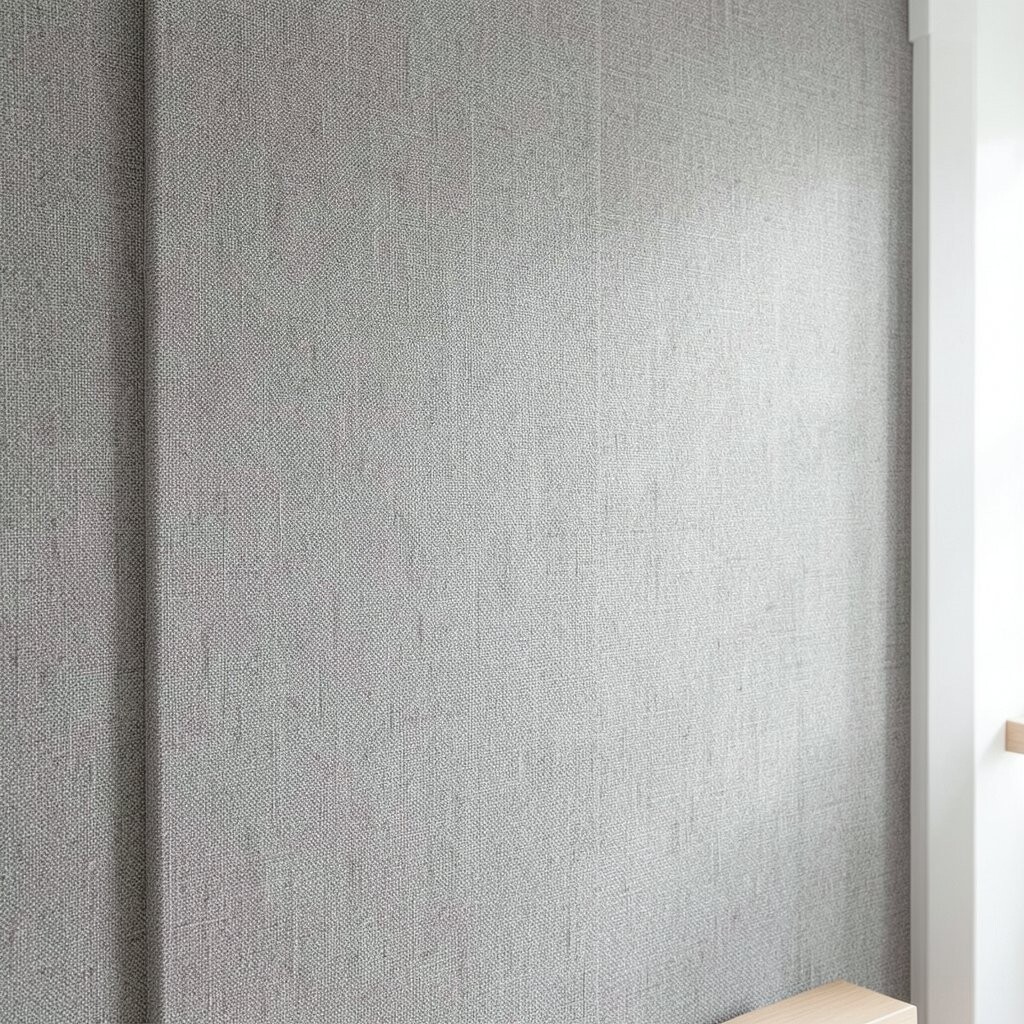
Online images can flatter fabric, especially when lighting is soft and backgrounds hide texture. Up close, some prints look busy, while others look too flat and lose their impact.
Think about how the fabric will catch light during the day. A slightly textured weave can add depth that feels unique, while shiny fabric may highlight wrinkles and seams.
If you want the most forgiving look, choose fabrics with a medium weight that hangs smoothly. When in doubt, order a small sample, drape it on a chair, and observe it in morning and evening light.
Keep the mood consistent by matching the fabric character to the room’s style. A cozy bedroom can handle a warmer, heavier fabric, while a bright office often looks best with something lighter and crisp.
3. Mounting without thinking about airflow, heat, and moisture
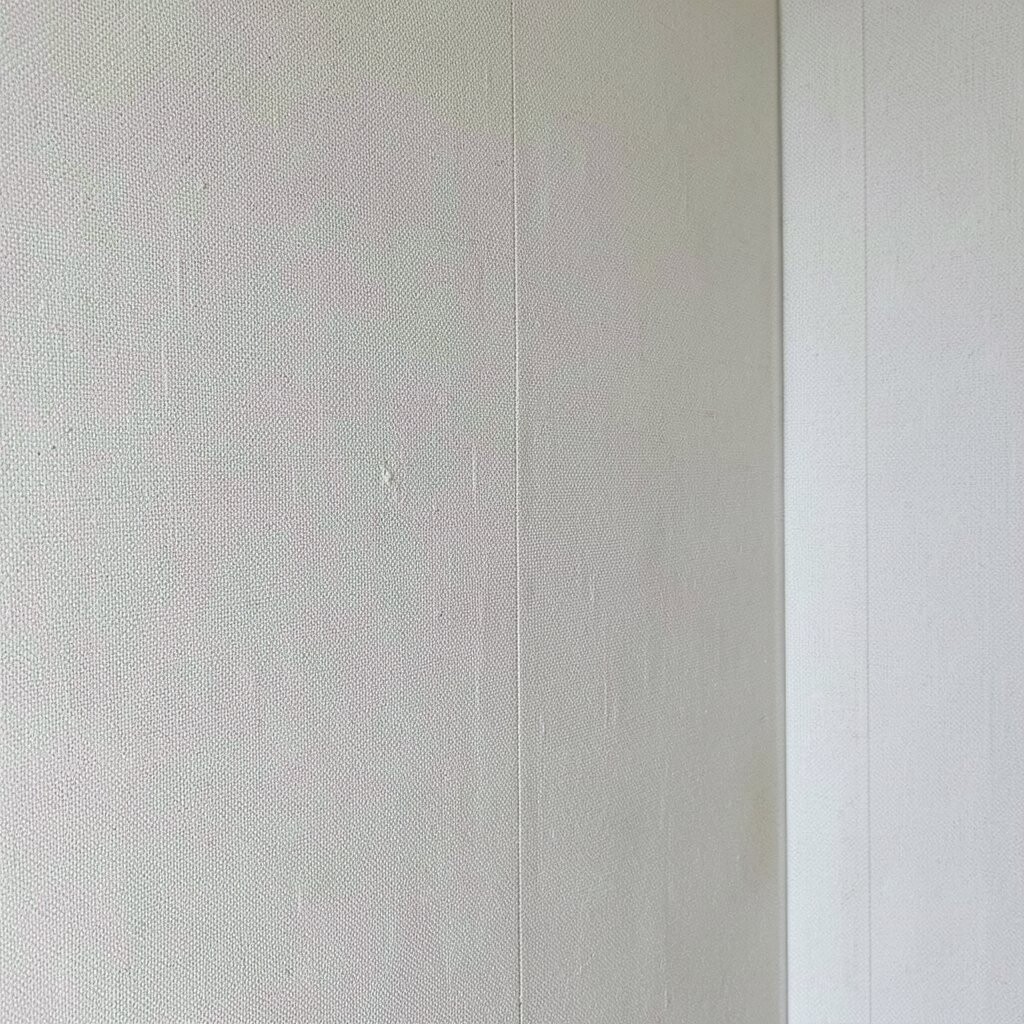
Fabric panels look inviting, but some walls face heat from vents or moisture from bathrooms. If the panel sits too close to a heat source, it can fade or warp, and if it’s near humidity, it can grow odors.
Before you mount anything, check where air moves and where the wall gets warm. A little space behind the fabric can help air circulate and keep the look fresh.
In kitchens or near laundry areas, choose fabrics that are easier to clean or have a protective finish. You can also plan removable panels so maintenance doesn’t feel like a full renovation.
For practical comfort, avoid placing panels directly over drafty gaps. If the wall leaks cold air, you’ll feel it, and the fabric will look less settled.
4. Hanging panels too high or too low for how the room is used
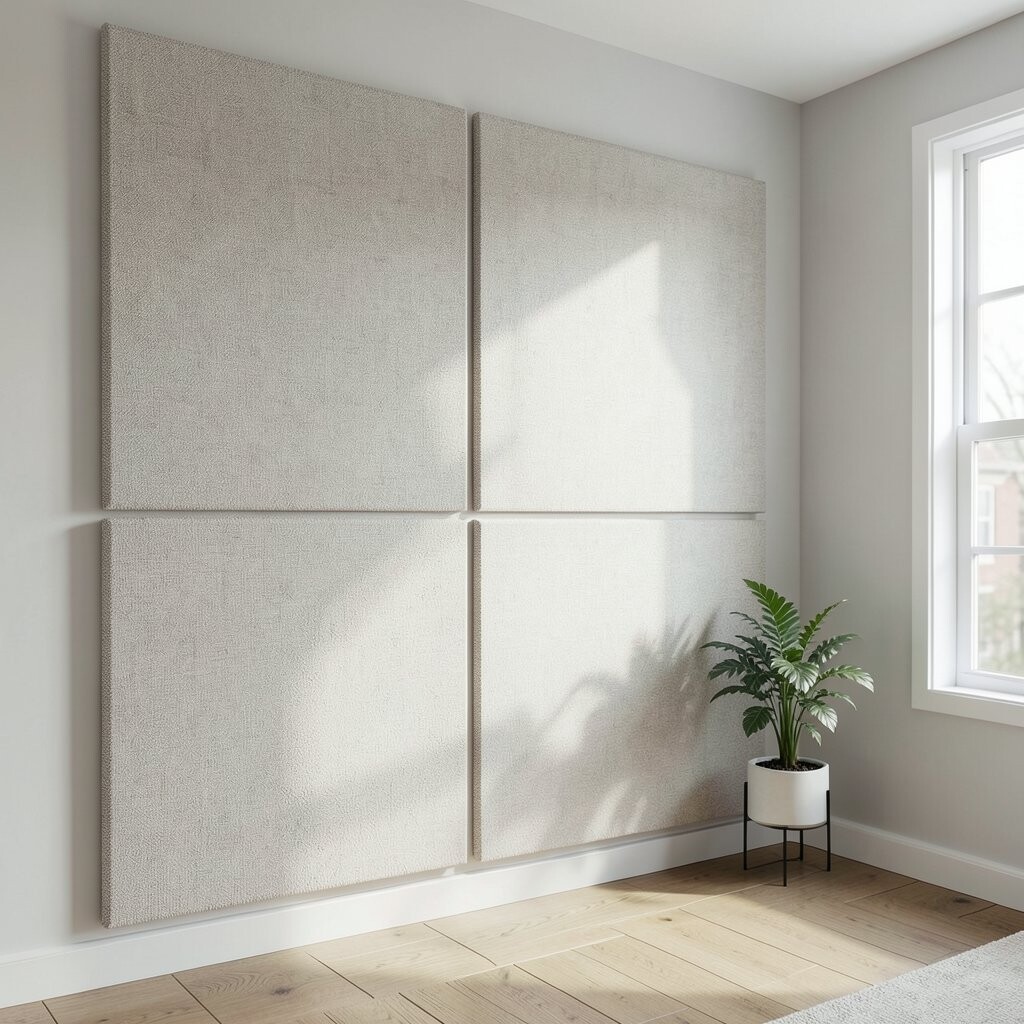
It’s easy to copy a photo and assume the height will work everywhere. But a panel’s placement changes how tall your room feels, and that affects how people experience the space.
If you’re aiming for a calm, balanced look, consider aligning the panels with your furniture sight lines. A sofa back, dresser top, or bed headboard can guide placement so everything feels intentional.
For rooms with tall art or shelves, leave space so the fabric doesn’t compete. When panels sit at the right height, the room feels cohesive instead of cluttered.
When you test heights, step back and look from the doorway first. That “first glance” view tells you whether the placement feels right.
5. Ignoring the power of spacing and seams
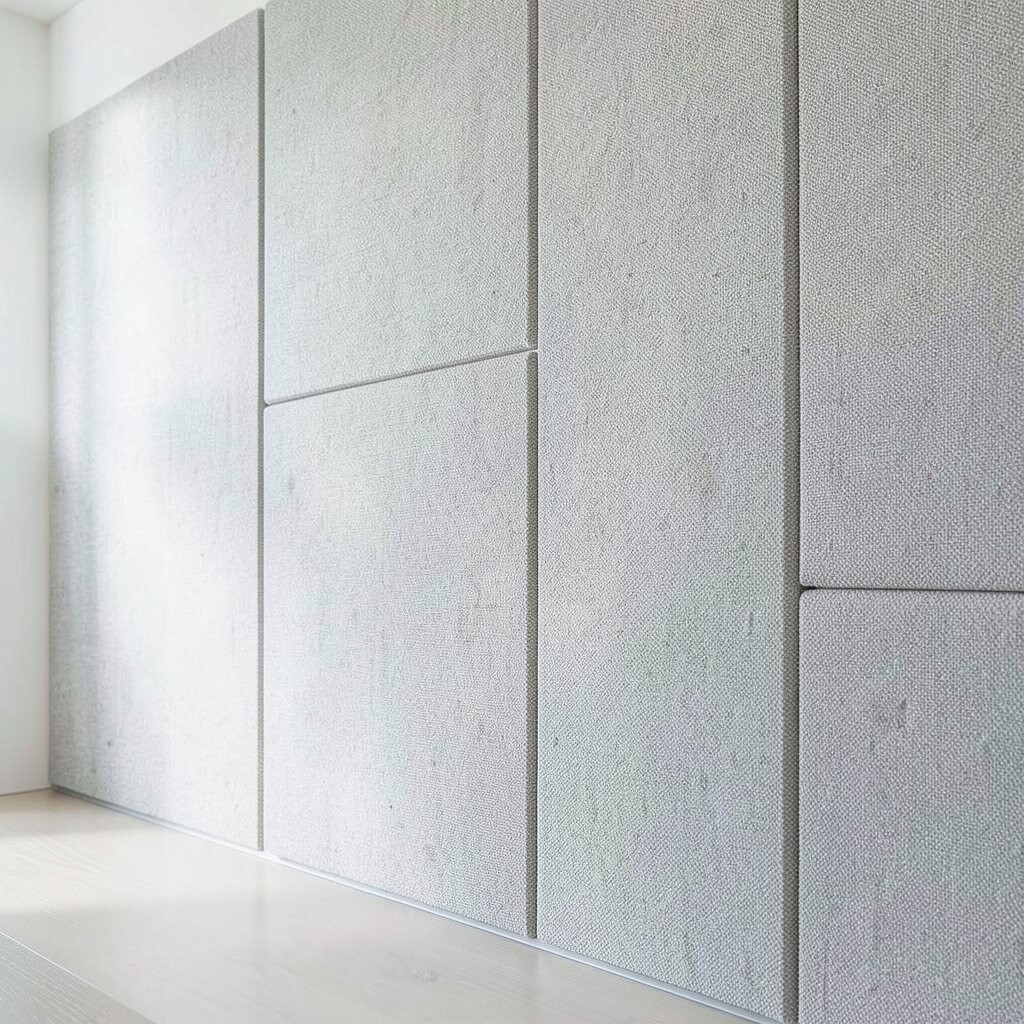
Panels can look elegant when they have a consistent rhythm, but random seams feel distracting. If the spacing changes from one panel to the next, the wall starts to look like it’s still “in progress.”
Decide whether you want tight, tailored spacing or wider, airy gaps, then commit. Tight gaps can create a smooth, gallery-like surface, while wider gaps highlight each panel as a design element.
To keep seams neat, plan where stitching lines, selvedges, or panel joins will land. If the fabric pattern has direction, line it up before fastening so motifs don’t drift.
For a quick practical check, mark the first panel position level and measure from there every time. Even if your floor isn’t perfectly level, you can still keep the visual line straight.
6. Using the wrong hardware and ending up with sagging fabric
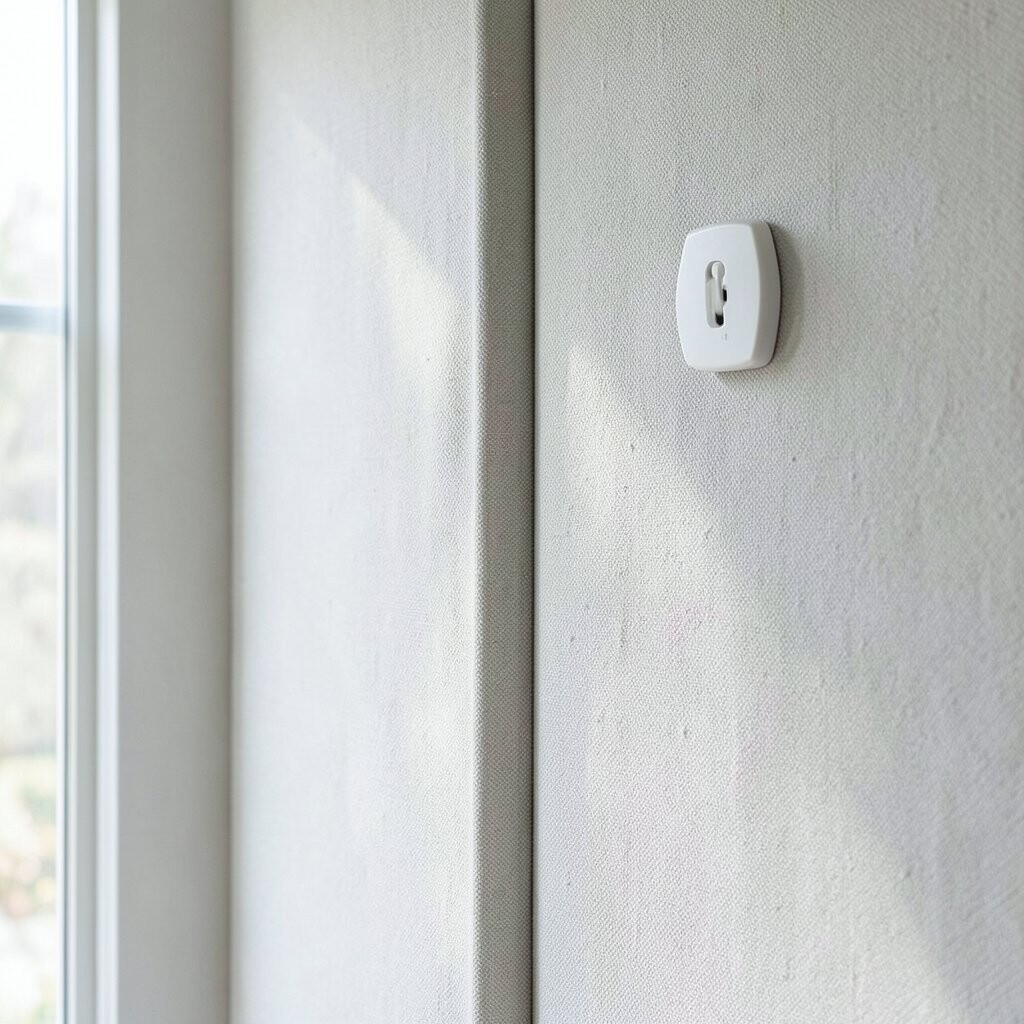
Nothing is more disappointing than beautiful fabric that droops after you mount it. Sagging usually means the hardware can’t support the fabric’s weight or the attachment points are too far apart.
Choose mounting methods that match your panel size and fabric thickness. A heavier textile benefits from stronger rails or sturdy backing, while lighter fabrics can work with lighter supports.
Also pay attention to how you fasten the top edge. If the fabric is pulled too tight, it can ripple, but if it’s not anchored enough, it will settle into a slump.
A practical upgrade is to test one panel first and then adjust. Once you see how the fabric behaves, you can place the rest with confidence.
7. Forgetting about color temperature and matching to your lighting
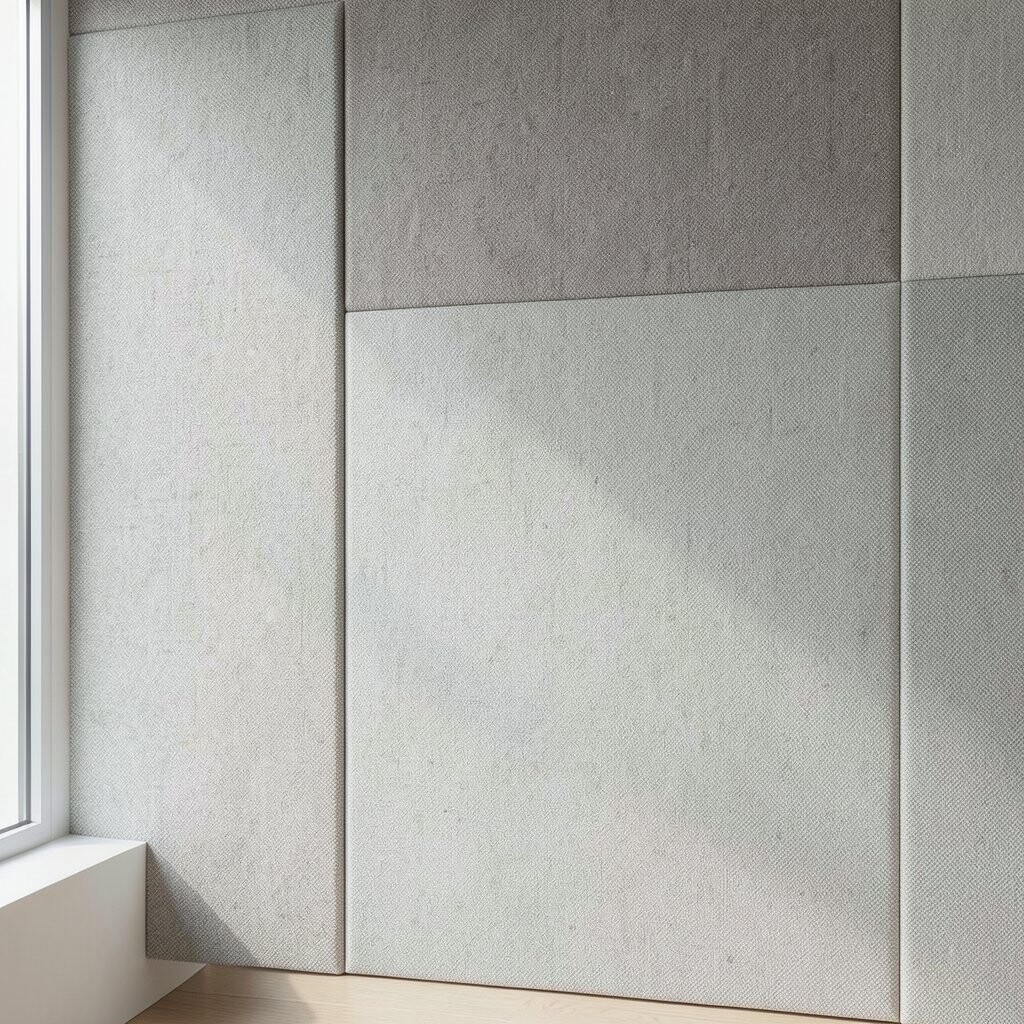
Fabric can look totally different under warm lamps versus cool daylight. A panel that seems inviting in the showroom may turn grayish or overly bold once it’s in your room.
Notice the bulbs you use most often and how the wall looks at different times. Warm light often flatters creams, warm taupes, and honey tones, while cool light can make blues and greens look sharper.
If your room has mixed lighting, pick a fabric color that bridges the gap. Neutrals with a subtle undertone usually handle variety better than bright primary colors.
For personalization, use a small accent panel or a contrasting strip to tie into pillows, rugs, or curtains. That kind of matching feels designed, not accidental.
8. Overloading the wall when the room already has too many visual jobs
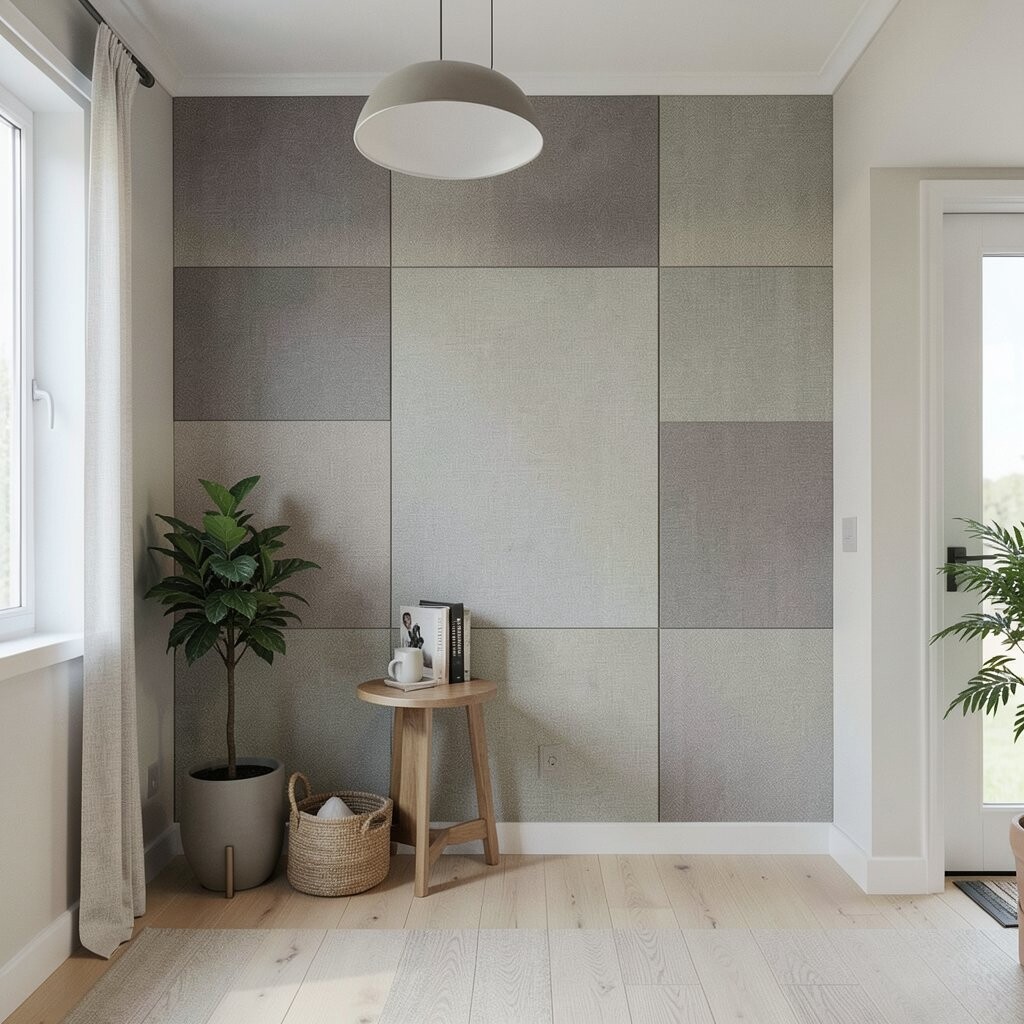
Fabric panels are a statement, and that means they need room to breathe. If your wall already holds busy shelves, large gallery art, and bold wallpaper, the panels can start to feel loud.
Try choosing one hero feature instead of making everything compete. If you keep the fabric panels as the star, your remaining decor can support them with calmer shapes and fewer patterns.
On the flip side, if your room feels plain, fabric panels can add softness and texture without needing more clutter. The uniqueness comes from the way the wall “holds” color and movement.
A practical step is to temporarily move small items away from the wall before hanging. You’ll see how the panels change the room and whether they feel balanced.
9. Buying too many panels or not enough panels for the final look
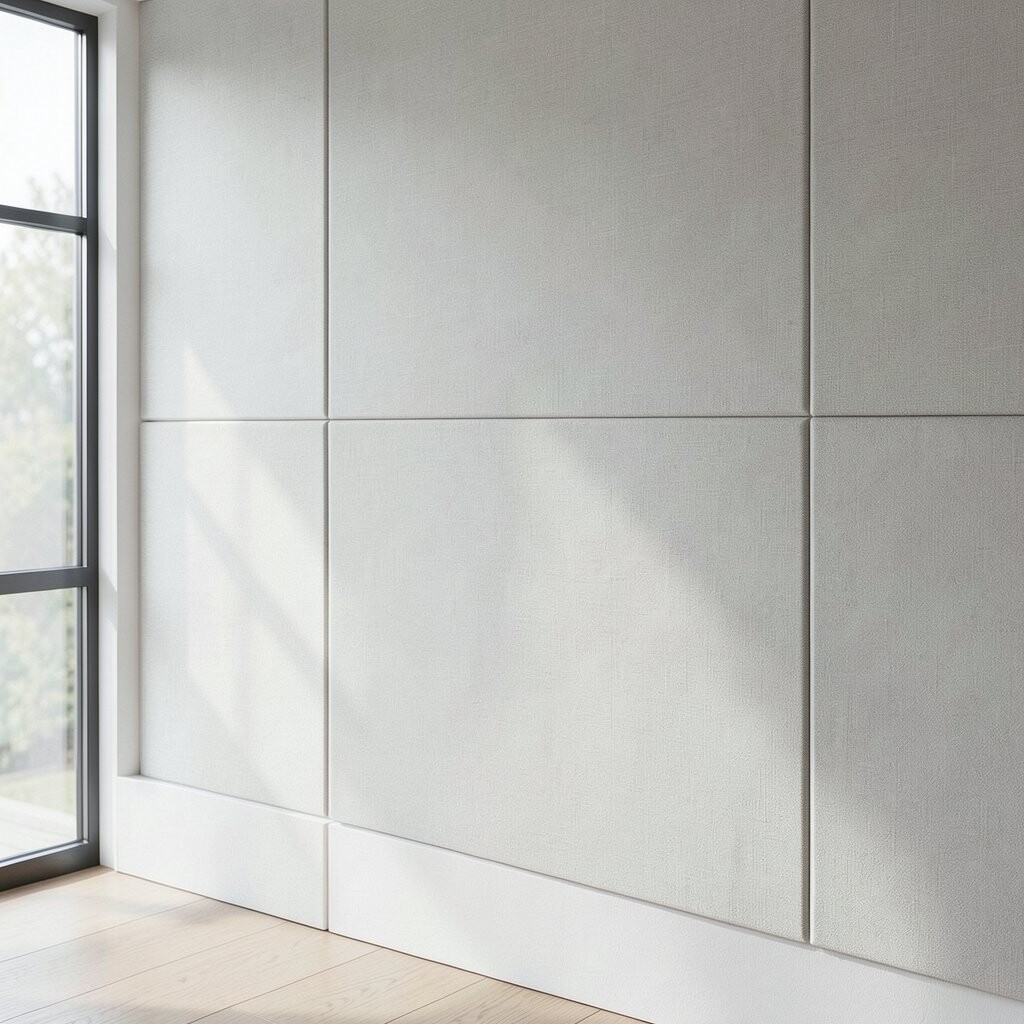
People often underestimate how many panels they need to cover the whole visual space. Too few panels can leave awkward blank gaps, and too many can create a busy, repetitive pattern.
Before you purchase, plan the full layout based on your chosen panel width and the wall’s dimensions. Then include extra fabric for trimming, hemming, or adjustments after mounting.
For cost control, calculate the project in units rather than guessing. When you buy exact quantities, you avoid leftover material that you can’t return or use later.
If you’re building a modular look, you can also mix sizes. For example, a few larger panels can anchor the center while smaller ones fill the sides smoothly.
10. Forgetting to plan for cleaning and everyday wear
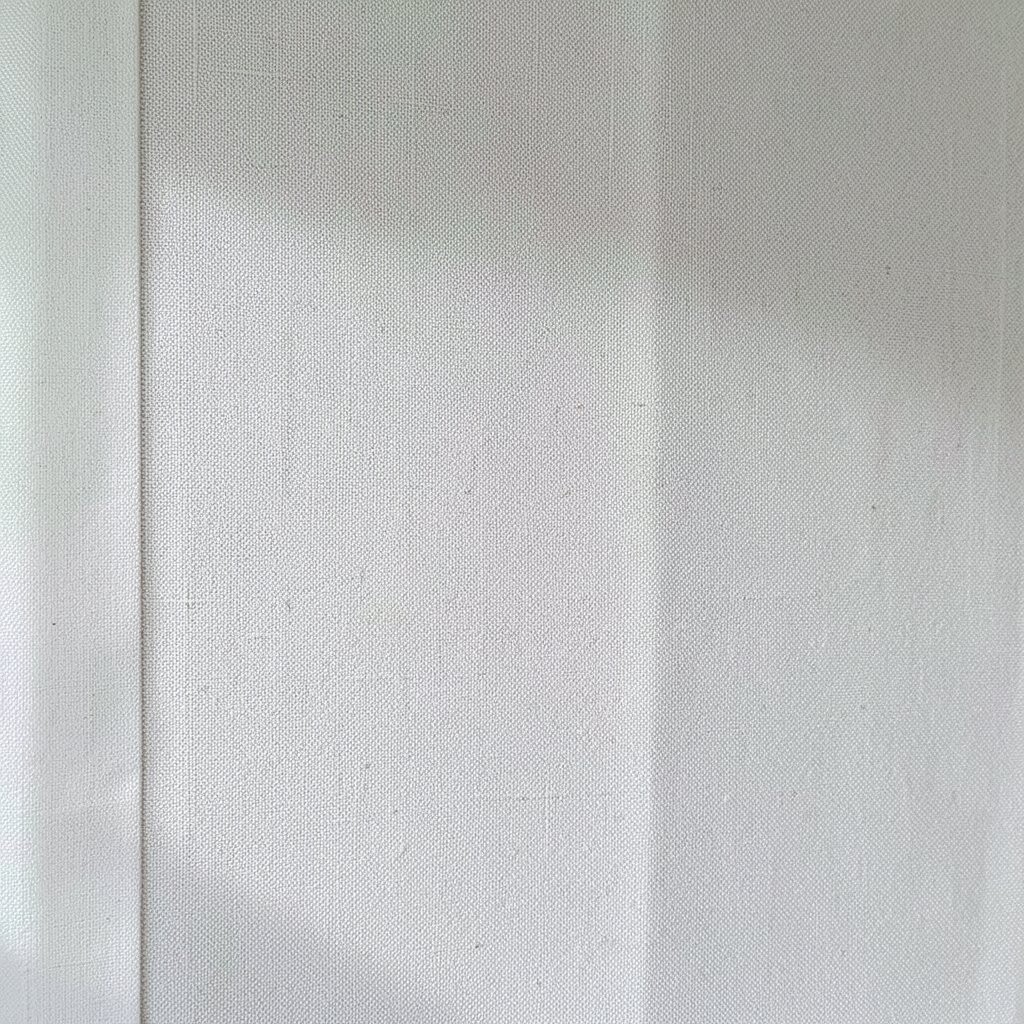
Fabric walls collect dust like any surface, and daily life adds its own challenges. If you love the look of fabric but dread upkeep, the project can feel less worth it after the first month.
Choose fabrics that are easy to vacuum with a soft brush or lightly wipe if the weave allows it. For homes with kids or pets, consider solutions that stay washable or use removable covers.
Also think about how fabric panels handle sunlight. Fading can sneak up quietly, so selecting colorfast options helps the panels stay rich longer.
To keep the look fresh without much effort, rotate any removable panel sections seasonally. That small habit keeps colors even and adds a subtle sense of change.
11. Ignoring texture contrast with the rest of the room
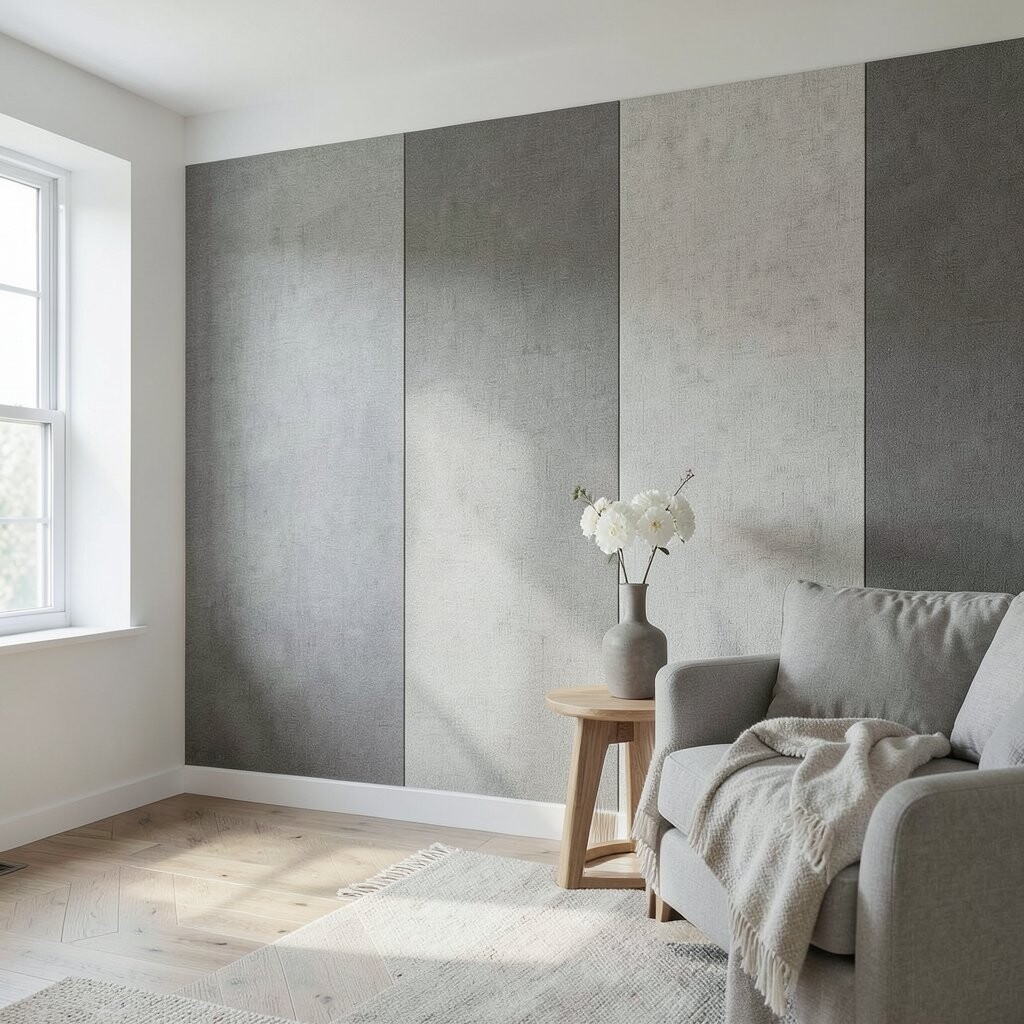
Fabric can look stunning, but texture mismatch can make a room feel uneven. If the rest of your space is sleek and smooth, very thick or fuzzy fabric might feel like it belongs in a different home.
Look around the room and notice the textures already present. A chunky knit fabric can pair beautifully with wood and woven rugs, while a fine, crisp textile often works better with metal, glass, and polished surfaces.
For a unique style, combine one bold texture with calmer ones. For instance, a subtle linen weave can anchor the wall while your decor adds the rest of the interest in small doses.
Pay attention to how the fabric’s texture reads at distance. If it looks too busy from across the room, choose a calmer weave for a smoother visual rhythm.
12. Overcomplicating the design with patterns that fight each other
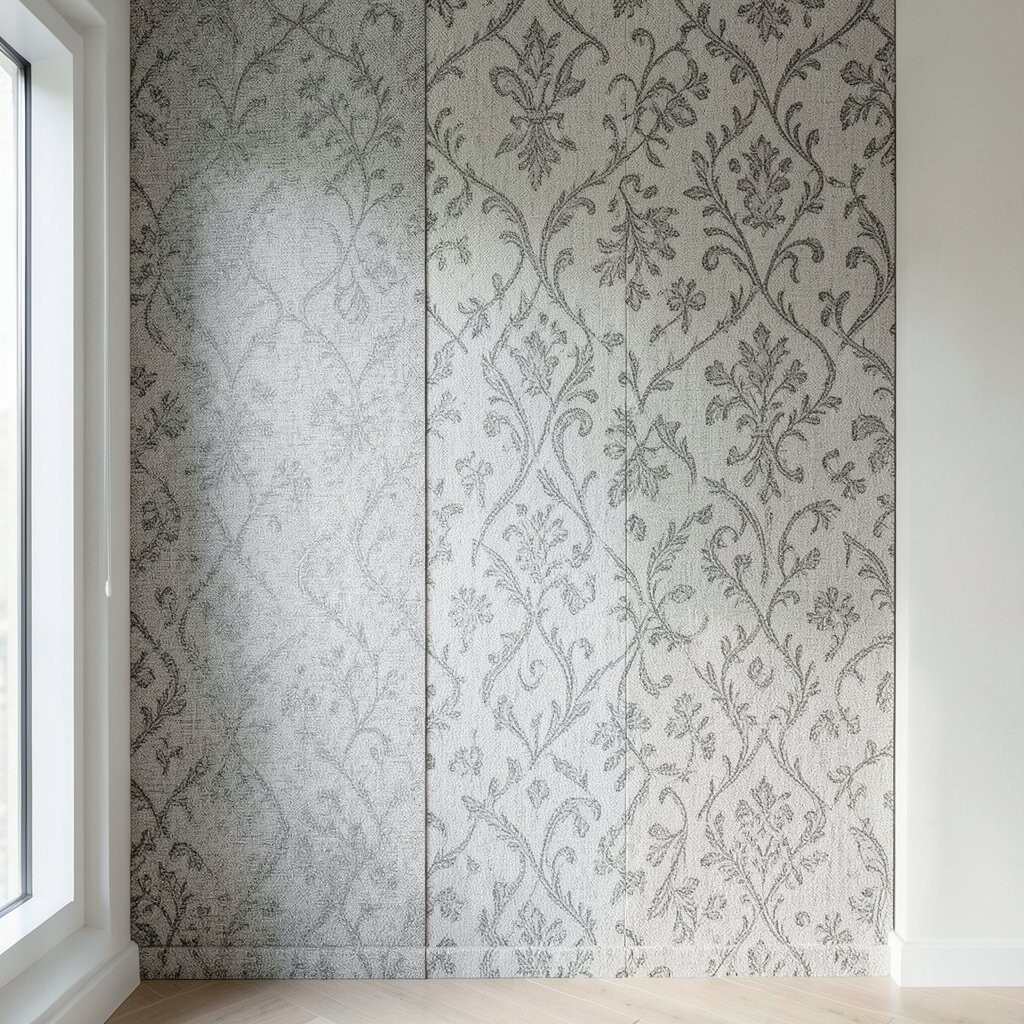
Patterns are fun, but mixing too many prints can make fabric panels feel chaotic. A wall can start to look like everything is competing for attention.
If you’re using a patterned fabric, keep the rest of the room’s pattern levels low. Solid curtains, simple bedding, and fewer graphic accents help the panel pattern stay the main character.
When you choose a print, think about scale. Large motifs can make a room feel more dramatic, while small repeating designs often feel cozy and steady.
A practical personalization idea is to match the panel pattern direction with the room’s main lines. If your window frames or stripes in the rug run one way, align the fabric so the whole space feels organized.
13. Forgetting the budget realities and choosing the most expensive route first
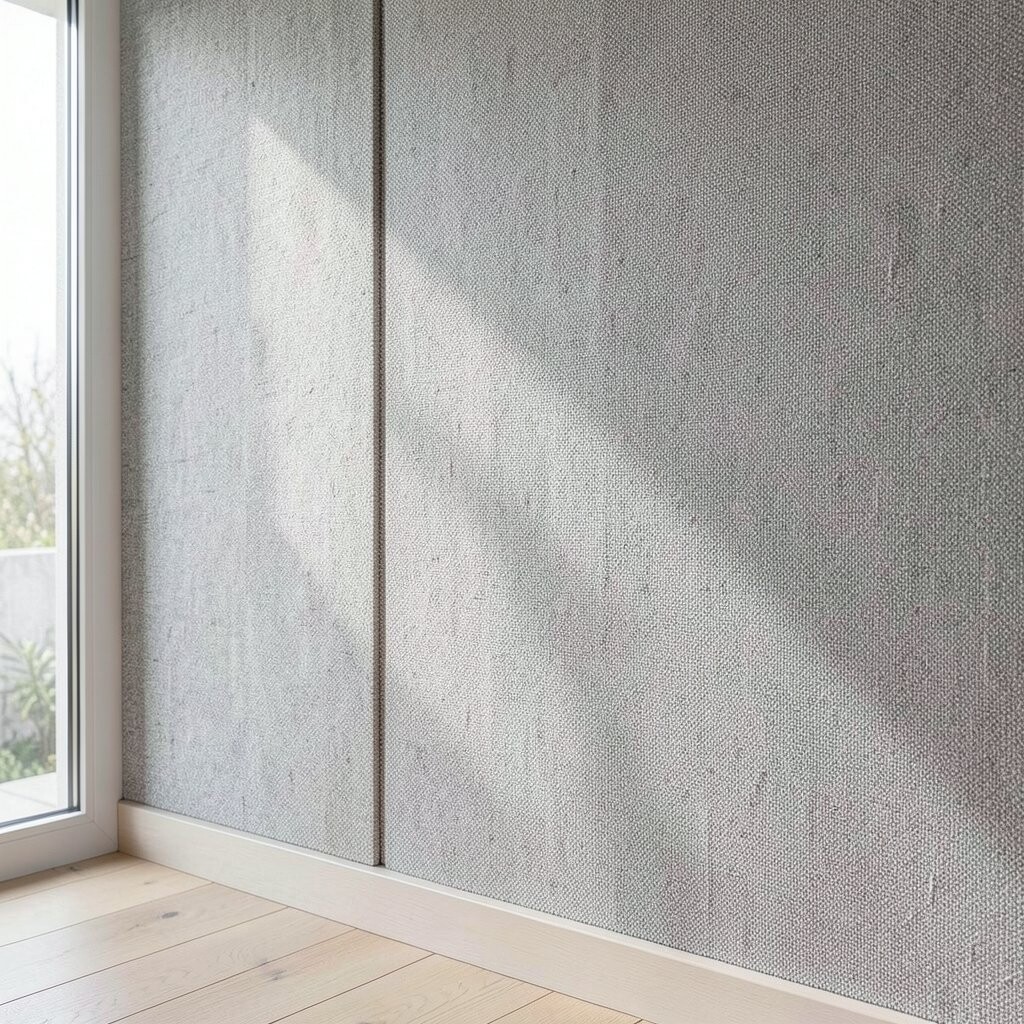
Fabric panels can range from affordable to seriously pricey, and it’s easy to lose track once you add hardware, backing, and tools. People often spend too much on fabric and then feel stuck when they realize the mounting setup costs extra.
Set a target budget early and plan for the full project, not just the textile. If you’re aiming for the look of high-end panels, compare costs per yard and factor in trimming and extra material for a clean edge.
To manage cost without sacrificing style, start with a smaller feature area. A single wall can deliver big visual impact, and you can expand later if you still love the look.
Current trends often favor layered neutrals and textured solids, which can be easier on the wallet than rare specialty prints. When you pair those trends with smart placement and good hardware, the result can feel custom and expensive even when you planned well.
For a confident finishing touch, use coordinated accents like matching trim, simple brackets, or a fabric-backed frame. Those details make the panels feel intentional and can extend the life of the overall look.